


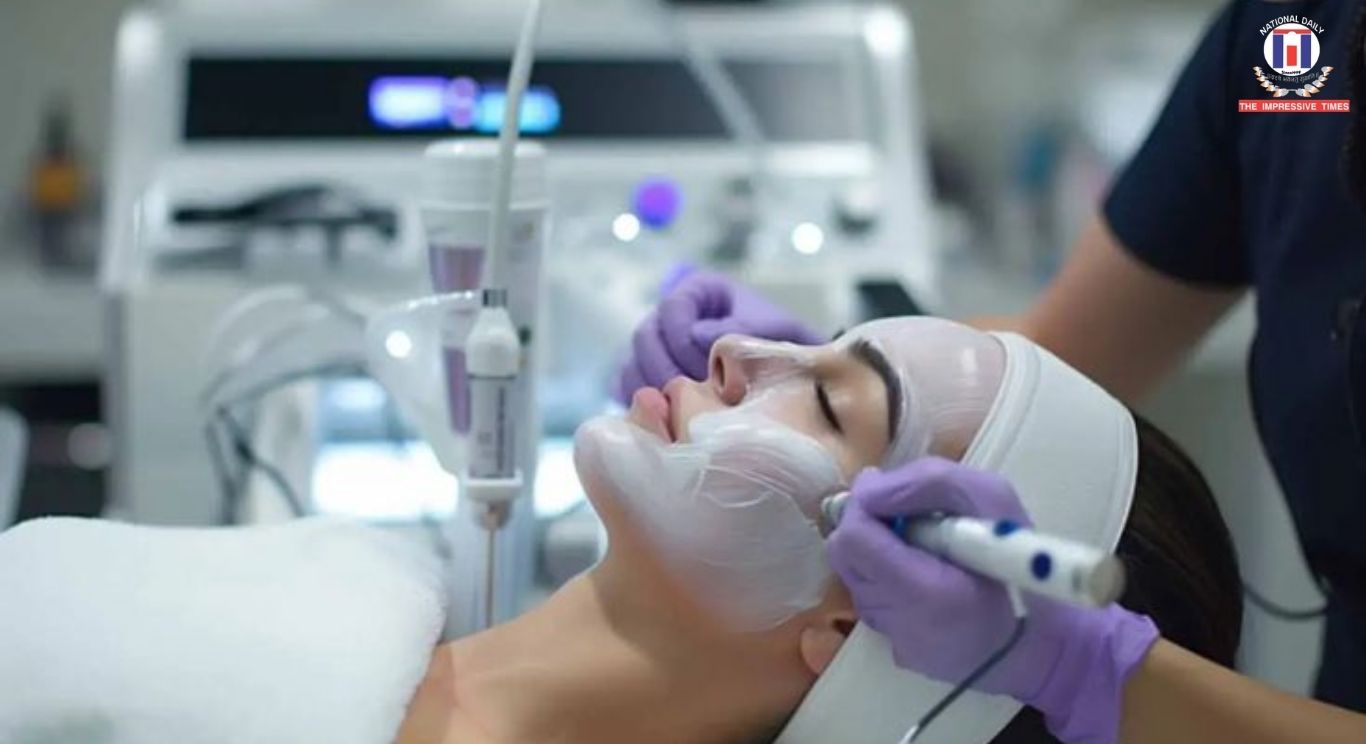
From glass-skin routines to professional facials, the beauty conversation is shifting towards hydration, an even complexion and healthier skin. But do trending treatments deliver lasting results, and where should people draw the line between skincare and unrealistic beauty standards?
TIT Correspondent
info@impressivetimes.com
In an era of social media beauty trends, glowing skin has become one of the most sought-after features of a modern beauty routine. From the popular glass-skin look to professional HydraFacial sessions and skin-brightening treatments, people are increasingly exploring ways to achieve a fresh, hydrated and even-looking complexion. Dermatology clinics and beauty centres have responded with a growing range of procedures promising smoother texture, improved hydration and a radiant appearance.
However, the real conversation around skincare is no longer just about looking brighter. It is about understanding what the skin needs, choosing suitable treatments and avoiding procedures that promise instant perfection without explaining their limitations.
HydraFacial: The appeal of an instant glow
HydraFacial has become a popular option for people seeking professional skincare without the extended recovery associated with some intensive cosmetic procedures. The treatment typically combines cleansing, exfoliation, extraction of surface impurities and the application of hydrating solutions through a specialised device.
Its appeal lies in the prospect of skin that looks fresher, feels smoother and appears better hydrated after a session. People with dull-looking or mildly congested skin may consider it as part of a broader skincare routine.
Yet, expectations matter. HydraFacial is not a permanent solution for acne, deep acne scars, significant pigmentation or skin ageing. Results vary according to individual skin conditions and the treatment protocol used. Some people may also experience temporary redness, irritation or sensitivity.
A professional assessment is particularly important for people with sensitive skin, active inflammation or a history of reactions to exfoliating products. Rather than following a fixed schedule promoted by a beauty package, individuals should consider whether the treatment is appropriate for their skin and how often, if at all, it is needed.
Skin brightening versus skin lightening
Another growing area of interest is skin brightening. The term, however, can mean different things in the beauty industry.
For many people, the goal is to reduce dark spots, post-acne marks, uneven pigmentation and the dull appearance that may develop after prolonged sun exposure. This is different from attempting to change one’s natural skin colour.
Dermatologists may recommend ingredients such as vitamin C, azelaic acid, glycolic acid or other suitable treatments to address particular pigmentation concerns. The right choice depends on the underlying cause, skin sensitivity and the individual’s medical history.
Sun protection is equally important. Regular use of a broad-spectrum sunscreen with SPF 30 or higher can help prevent further sun-related pigmentation and support efforts to improve uneven skin tone. For persistent or recurring dark patches, professional assessment can help identify conditions such as melasma and determine an appropriate treatment.
The promise of becoming several shades fairer in a few days should be treated with caution. Skin brightening is best approached as an effort to improve clarity and evenness, not as a race towards a different natural complexion.
The risks behind quick-fix beauty treatments
The popularity of aesthetic procedures has also created a market for products and treatments advertised through dramatic before-and-after photographs, celebrity-inspired routines and influencer recommendations. Such content may not fully explain the ingredients used, the number of sessions required or the possible side effects.
Unsupervised use of potent skin-lightening creams can be particularly concerning. Certain products may contain undeclared mercury or potent corticosteroids, while inappropriate use of prescription-strength ingredients can lead to irritation, skin thinning or other complications.
Intravenous glutathione drips and similar treatments promoted for cosmetic skin lightening also deserve caution. Evidence supporting their effectiveness for this purpose remains limited, and they may carry significant medical risks. They should not be treated as routine beauty procedures.
Chemical peels, lasers and other professional treatments can be useful for selected concerns, but they are not risk-free. In people prone to pigmentation, inflammation or burns following a procedure can sometimes make dark marks worse. The qualifications of the practitioner, the device or product used and the suitability of the treatment for the individual’s skin tone all matter.
The glass-skin trend and the importance of the skin barrier
The glass-skin trend celebrates a smooth, luminous and intensely hydrated appearance. While there is nothing wrong with wanting healthy-looking skin, recreating an edited social media image can encourage people to layer multiple serums, exfoliating acids and active ingredients without allowing their skin to recover.
Over-exfoliation and the inappropriate combination of skincare ingredients can damage the skin barrier, leading to dryness, redness, stinging and increased sensitivity.
A simpler routine is often a sensible starting point. Gentle cleansing, a moisturiser suited to one’s skin type and daily sunscreen provide a foundation that can be adapted to individual needs. Targeted products can then be introduced gradually, rather than using several new ingredients at once.
It is also worth remembering that visible pores, fine lines, occasional pimples and variations in skin texture are normal. Healthy skin does not have to look poreless or resemble a digitally enhanced photograph.
A smarter approach to skincare
Before booking a HydraFacial, peel, laser session or skin-brightening procedure, consumers should ask what concern the treatment is intended to address, what results are realistic, how many sessions may be needed and what risks are involved. They should also ask who will perform the procedure and what aftercare will be required.
People dealing with persistent acne, unexplained pigmentation, recurring rashes or unusual skin sensitivity should seek advice from a qualified dermatologist rather than repeatedly experimenting with cosmetic treatments.
The same principle applies to skincare products: a higher price does not automatically mean better results, and a popular ingredient is not necessarily suitable for every individual.
Ultimately, the most meaningful beauty trend is one that places skin health ahead of short-lived transformations. HydraFacial and other aesthetic treatments may have a place in a carefully considered skincare plan, but they cannot replace consistent daily care, sensible sun protection and informed professional advice.
Radiant skin is not defined by fairness or perfection. It is better understood as skin that is cared for, protected and treated according to its individual needs.


