Global Skin Care Devices Market Size, Share, Trends and Forecast, 2026-2034

Global Skin Care Devices Market Size, Share, Trends and Forecast, 2026-2034

Company Logo

Non-invasive treatments, at-home adoption and energy-based innovation drive growth, while e-commerce expansion and clinic partnerships strengthen ROI

Dublin, Oct. 21, 2026 (GLOBE NEWSWIRE) — “Skin Care Devices Market Size, Market Share, Application Analysis, Regional Outlook, Growth Trends, Key Players, Competitive Strategies and Forecasts, 2026 To 2034” has been added to ResearchAndMarkets.com’s offering.

The skin care devices market is expected to expand at a CAGR of 12.5% during 2026-2034, supported by rising demand for non-invasive aesthetic treatments, increased adoption of at-home skin care solutions, and continued innovation in energy-based technologies. Devices used for anti-aging, acne treatment, pigmentation reduction, skin tightening, hair removal, and skin rejuvenation are gaining traction across professional and home-use settings.

Higher spending on personal care, growing awareness of appearance-related wellness, and social media influence are strengthening global demand. Improvements in device safety, portability, treatment comfort, and performance are also increasing consumer confidence and supporting adoption across multiple age groups.

Market Growth Drivers and Challenges

Demand for procedures that provide visible results with limited downtime remains a major market driver. At-home devices are benefiting from convenience, privacy, wider online availability, and lower long-term costs compared with repeated in-clinic treatments. Aging populations and interest in wrinkle reduction, collagen stimulation, and skin tightening are supporting demand for radiofrequency (RF), microcurrent, and ultrasound devices. Acne, pigmentation, and uneven skin tone concerns are increasing the use of light/LED therapy and intense pulsed light (IPL) technologies.

Market expansion may be constrained by the high cost of premium consumer devices and professional clinical systems. Safety concerns involving burns, irritation, misuse, and inconsistent results can affect trust, particularly within the at-home laser and IPL categories. Country-specific regulatory and certification requirements may extend approval timelines and increase manufacturers’ costs. Professional systems also require maintenance, training, and consumables, while topical skincare products and in-clinic injectables create competitive pressure.

Technology and Price Range Analysis

The skin care devices market is segmented by technology into light/LED therapy, radiofrequency (RF), ultrasound, microcurrent, laser, and intense pulsed light (IPL). Light/LED therapy maintains a strong position due to its use in acne treatment, inflammation reduction, and skin rejuvenation. RF devices are widely adopted for skin tightening and anti-aging procedures, while ultrasound technology is gaining momentum in firming and deeper tissue applications. Microcurrent devices remain popular for at-home facial toning and lifting. Laser and IPL systems continue to support pigmentation treatment, skin resurfacing, and hair removal applications.

By price range, low-cost products include mass-market home devices, entry-level cleansing tools, and basic LED products. The medium-price category benefits from demand for trusted brands, enhanced performance, and improved safety features. High-price products include professional systems and premium at-home devices offering advanced energy controls, durability, and stronger efficacy claims.

Product, End Use, and Distribution Segmentation

Product categories covered in the report include anti-aging devices, acne treatment devices, hair removal devices, skin rejuvenation systems, skin cleansing devices, and oxygen/steamer devices. Applications include acne and psoriasis treatment, tattoo and hair removal, cellulite reduction, skin tightening, body contouring, pigmentation and spot reduction, wrinkle reduction, skin resurfacing, skin hydration, oxygen therapy, and skin brightening.

End-use segments comprise at-home consumers, beauty salons and spas, dermatology clinics, and other professional settings. Consumer groups include men, women, and unisex users. Distribution channels include e-commerce platforms, company websites, supermarkets/hypermarkets, specialty beauty stores, dermatology clinics, and aesthetic centres.

Regional Market Outlook

North America represents a major skin care devices market due to high aesthetic spending, established dermatology and medspa networks, and early adoption of premium home-use technologies. Europe is supported by sustained demand for non-invasive cosmetic procedures, strong safety requirements, and expanding professional skincare clinics.

Asia Pacific is expected to record strong growth as disposable income, beauty consciousness, e-commerce activity, and aesthetic clinic networks expand. Latin America is benefiting from increased beauty and wellness expenditure and the development of private aesthetic clinics. The Middle East and Africa offer selective opportunities, particularly in major cities with strong demand for premium aesthetic services and advanced clinical systems.

Competitive Landscape

Competition centers on clinical validation, safety controls, treatment effectiveness, comfort, durability, and user-friendly design. Manufacturers are expanding professional and home-use portfolios, strengthening e-commerce and clinical distribution, and investing in training for safe operation. Partnerships with dermatology clinics, medspas, retailers, and online platforms remain important, while premium brands continue developing advanced energy delivery and multi-functional systems.

Key companies include Alma Lasers GmbH, BTL Aesthetics, Candela Medical, Canfield Scientific, Inc., Conair Corporation, Cutera, Inc., Cynosure, Inc., Fotona d.o.o., Lumenis Ltd., Nu Skin Enterprises, Inc., Panasonic Corporation, Philips Healthcare, Silkn, Solta Medical, Inc., Syneron Medical Ltd., and TRIA Beauty, Inc.

Research Scope and Methodology

The report analyzes market segments from 2023 to 2033, using 2024 as the base year and estimating CAGR for 2025 to 2033. It provides quantitative regional and micro-market estimates alongside competitive intelligence, market trends, segment analysis, Porter’s Five Forces analysis, investment opportunities, emerging technologies, case studies, and strategic recommendations.

The research methodology combines secondary research, primary research, and expert panel review. Market estimates consider company revenues, research and development expenditure, government spending, end-user volumes, pricing, consumption, geographical revenue, and micro and macro environmental factors. Proprietary forecasting software, data triangulation, and top-down and bottom-up validation support consistency across the market projections.

Key Topics Covered

1. Preface
1.1. Report Description
1.1.1. Purpose of the Report
1.1.2. Target Audience
1.1.3. Key Offerings
1.2. Market Segmentation
1.3. Research Methodology
1.3.1. Phase I – Secondary Research
1.3.2. Phase II – Primary Research
1.3.3. Phase III – Expert Panel Review
1.3.4. Assumptions
1.3.5. Approach Adopted

2. Executive Summary
2.1. Market Snapshot: Global Skin Care Devices Market
2.2. Global Skin Care Devices Market, By Product Type, 2025 (US$ Million)
2.3. Global Skin Care Devices Market, By Technology, 2025 (US$ Million)
2.4. Global Skin Care Devices Market, By Price Range, 2025 (US$ Million)
2.5. Global Skin Care Devices Market, By End Use, 2025 (US$ Million)
2.6. Global Skin Care Devices Market, By Consumer Group, 2025 (US$ Million)
2.7. Global Skin Care Devices Market, By Application, 2025 (US$ Million)
2.8. Global Skin Care Devices Market, By Distribution Channel, 2025 (US$ Million)
2.9. Global Skin Care Devices Market, By Geography, 2025 (US$ Million)
2.10. Attractive Investment Proposition by Geography, 2025

3. Skin Care Devices Market: Competitive Analysis
3.1. Market Positioning of Key Skin Care Devices Market Vendors
3.2. Strategies Adopted by Skin Care Devices Market Vendors

4. Skin Care Devices Market: Macro Analysis & Market Dynamics
4.1. Introduction
4.2. Global Skin Care Devices Market Value, 2024-2034, (US$ Million)
4.3. Market Dynamics
4.3.1. Market Drivers
4.3.2. Market Restraints
4.3.3. Key Challenges
4.3.4. Key Opportunities
4.4. Impact Analysis of Drivers and Restraints
4.5. Porter’s Five Force Model
4.5.1. Supplier Power
4.5.2. Buyer Power
4.5.3. Threat Of Substitutes
4.5.4. Threat Of New Entrants
4.5.5. Competitive Rivalry
4.6. PESTEL Analysis
4.6.1. Political Landscape
4.6.2. Economic Landscape
4.6.3. Social Landscape
4.6.4. Technology Landscape
4.6.5. Environmental Landscape
4.6.6. Legal Landscape

5. Skin Care Devices Market: By Product Type, 2024-2034, USD (Million)
5.1. Market Overview
5.2. Growth & Revenue Analysis: 2025 Versus 2034
5.3. Market Segmentation
5.3.1. Anti-aging devices
5.3.1.1. Laser devices
5.3.1.2. Ultrasound devices
5.3.1.3. Microcurrent devices
5.3.1.4. Others (derma pens, etc.)
5.3.2. Acne treatment devices
5.3.2.1. Laser spot treatment devices
5.3.2.2. Thermal spot treatment devices
5.3.2.3. RF devices
5.3.3. Hair removal devices
5.3.3.1. IPL devices
5.3.3.2. Epilators
5.3.3.3. Threading devices
5.3.4. Skin rejuvenation
5.3.4.1. Microdermabrasion devices
5.3.4.2. Oxygen infusion devices
5.3.5. Skin Cleansing devices
5.3.5.1. Silicone Cleansing Devices
5.3.5.2. Exfoliating devices
5.3.5.3. Others (ultrasonic excavators, etc.)
5.3.6. Oxygen/steamer devices
5.3.6.1. Oxygen devices
5.3.6.2. Steamer devices
5.3.6.3. Facial steamer devices
5.3.6.4. Nano mist devices

6. Skin Care Devices Market: By Technology, 2024-2034, USD (Million)
6.1. Market Overview
6.2. Growth & Revenue Analysis: 2025 Versus 2034
6.3. Market Segmentation
6.3.1. Light/LED therapy
6.3.2. Radiofrequency (RF)
6.3.3. Ultrasound
6.3.4. Microcurrent
6.3.5. Laser
6.3.6. Intense pulsed light (IPL)

7. Skin Care Devices Market: By Price Range, 2024-2034, USD (Million)
7.1. Market Overview
7.2. Growth & Revenue Analysis: 2025 Versus 2034
7.3. Market Segmentation
7.3.1. Low
7.3.2. Medium
7.3.3. High

8. Skin Care Devices Market: By End Use, 2024-2034, USD (Million)
8.1. Market Overview
8.2. Growth & Revenue Analysis: 2025 Versus 2034
8.3. Market Segmentation
8.3.1. At-home
8.3.2. Beauty salon & spa
8.3.3. Dermatology clinics
8.3.4. Others

9. Skin Care Devices Market: By Consumer Group, 2024-2034, USD (Million)
9.1. Market Overview
9.2. Growth & Revenue Analysis: 2025 Versus 2034
9.3. Market Segmentation
9.3.1. Men
9.3.2. Women
9.3.3. Unisex

10. Skin Care Devices Market: By Application, 2024-2034, USD (Million)
10.1. Market Overview
10.2. Growth & Revenue Analysis: 2025 Versus 2034
10.3. Market Segmentation
10.3.1. Acne treatment
10.3.2. Psoriasis treatment
10.3.3. Tattoo removal
10.3.4. Hair removal
10.3.5. Cellulite reduction
10.3.6. Skin tightening
10.3.7. Body contouring
10.3.8. Pigmentation & spot reduction
10.3.9. Wrinkle reduction
10.3.10. Skin resurfacing
10.3.11. Skin hydration & oxygen therapy
10.3.12. Skin brightening
10.3.13. Others (rosacea treatment, vascular lesion treatment, etc.)

11. Skin Care Devices Market: By Distribution Channel, 2024-2034, USD (Million)
11.1. Market Overview
11.2. Growth & Revenue Analysis: 2025 Versus 2034
11.3. Market Segmentation
11.3.1. Online
11.3.1.1. E-commerce
11.3.1.2. Company websites
11.3.2. Offline
11.3.2.1. Supermarkets/hypermarkets
11.3.2.2. Specialty beauty stores
11.3.2.3. Dermatology clinics
11.3.2.4. Others (aesthetic centres, etc.)

12. North America Skin Care Devices Market, 2024-2034, USD (Million)
12.1. Market Overview
12.2. Market Analysis By Product Type, Technology, Price Range, End Use, Consumer Group, Application, and Distribution Channel
12.3. Country Analysis
12.3.1. U.S.
12.3.2. Canada
12.3.3. Rest of North America

13. UK and European Union Skin Care Devices Market, 2024-2034, USD (Million)
13.1. Market Overview
13.2. Market Analysis By Product Type, Technology, Price Range, End Use, Consumer Group, Application, and Distribution Channel
13.3. Country Analysis
13.3.1. UK
13.3.2. Germany
13.3.3. Spain
13.3.4. Italy
13.3.5. France
13.3.6. Rest of Europe

14. Asia Pacific Skin Care Devices Market, 2024-2034, USD (Million)
14.1. Market Overview
14.2. Market Analysis By Product Type, Technology, Price Range, End Use, Consumer Group, Application, and Distribution Channel
14.3. Country Analysis
14.3.1. China
14.3.2. Japan
14.3.3. India
14.3.4. Australia
14.3.5. South Korea
14.3.6. Rest of Asia Pacific

15. Latin America Skin Care Devices Market, 2024-2034, USD (Million)
15.1. Market Overview
15.2. Market Analysis By Product Type, Technology, Price Range, End Use, Consumer Group, Application, and Distribution Channel
15.3. Country Analysis
15.3.1. Brazil
15.3.2. Mexico
15.3.3. Rest of Latin America

16. Middle East and Africa Skin Care Devices Market, 2024-2034, USD (Million)
16.1. Market Overview
16.2. Market Analysis By Product Type, Technology, Price Range, End Use, Consumer Group, Application, and Distribution Channel
16.3. Regional Analysis
16.3.1. GCC
16.3.2. Africa
16.3.3. Rest of Middle East and Africa

17. Company Profiles
17.1. Profile Framework
Company Overview, Financial Performance, Product Portfolio, Strategic Initiatives
17.2. Alma Lasers GmbH
17.3. BTL Aesthetics
17.4. Candela Medical
17.5. Canfield Scientific, Inc.
17.6. Conair Corporation
17.7. Cutera, Inc.
17.8. Cynosure, Inc.
17.9. Fotona d.o.o.
17.10. Lumenis Ltd.
17.11. Nu Skin Enterprises, Inc.
17.12. Panasonic Corporation
17.13. Philips Healthcare
17.14. Silkn
17.15. Solta Medical, Inc.
17.16. Syneron Medical Ltd.
17.17. Other Notable Players

For more information about this report visit https://www.researchandmarkets.com/r/5bu1gg

About ResearchAndMarkets.com
ResearchAndMarkets.com is the world’s leading source for international market research reports and market data. We provide you with the latest data on international and regional markets, key industries, the top companies, new products and the latest trends.
Tags: , , , , , , , ,
Chasing the Glow: Are HydraFacials Worth the Hype?

Are HydraFacials Worth the Hype?

From glass-skin routines to professional facials, the beauty conversation is shifting towards hydration, an even complexion and healthier skin. But do trending treatments deliver lasting results, and where should people draw the line between skincare and unrealistic beauty standards?

TIT Correspondent
info@impressivetimes.com

In an era of social media beauty trends, glowing skin has become one of the most sought-after features of a modern beauty routine. From the popular glass-skin look to professional HydraFacial sessions and skin-brightening treatments, people are increasingly exploring ways to achieve a fresh, hydrated and even-looking complexion. Dermatology clinics and beauty centres have responded with a growing range of procedures promising smoother texture, improved hydration and a radiant appearance.

However, the real conversation around skincare is no longer just about looking brighter. It is about understanding what the skin needs, choosing suitable treatments and avoiding procedures that promise instant perfection without explaining their limitations.

HydraFacial: The appeal of an instant glow

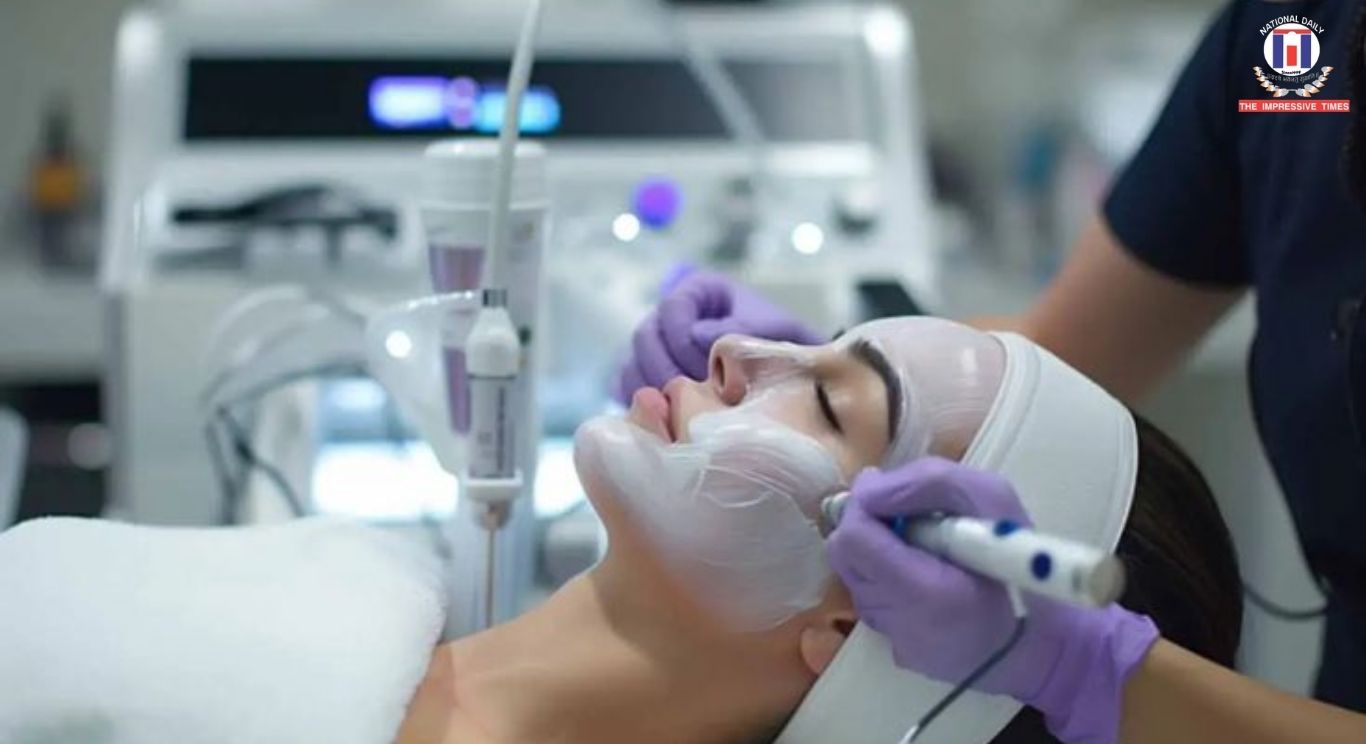
HydraFacial has become a popular option for people seeking professional skincare without the extended recovery associated with some intensive cosmetic procedures. The treatment typically combines cleansing, exfoliation, extraction of surface impurities and the application of hydrating solutions through a specialised device.

Its appeal lies in the prospect of skin that looks fresher, feels smoother and appears better hydrated after a session. People with dull-looking or mildly congested skin may consider it as part of a broader skincare routine.

Yet, expectations matter. HydraFacial is not a permanent solution for acne, deep acne scars, significant pigmentation or skin ageing. Results vary according to individual skin conditions and the treatment protocol used. Some people may also experience temporary redness, irritation or sensitivity.

A professional assessment is particularly important for people with sensitive skin, active inflammation or a history of reactions to exfoliating products. Rather than following a fixed schedule promoted by a beauty package, individuals should consider whether the treatment is appropriate for their skin and how often, if at all, it is needed.

Skin brightening versus skin lightening

Another growing area of interest is skin brightening. The term, however, can mean different things in the beauty industry.

For many people, the goal is to reduce dark spots, post-acne marks, uneven pigmentation and the dull appearance that may develop after prolonged sun exposure. This is different from attempting to change one’s natural skin colour.

Dermatologists may recommend ingredients such as vitamin C, azelaic acid, glycolic acid or other suitable treatments to address particular pigmentation concerns. The right choice depends on the underlying cause, skin sensitivity and the individual’s medical history.

Sun protection is equally important. Regular use of a broad-spectrum sunscreen with SPF 30 or higher can help prevent further sun-related pigmentation and support efforts to improve uneven skin tone. For persistent or recurring dark patches, professional assessment can help identify conditions such as melasma and determine an appropriate treatment.

The promise of becoming several shades fairer in a few days should be treated with caution. Skin brightening is best approached as an effort to improve clarity and evenness, not as a race towards a different natural complexion.

The risks behind quick-fix beauty treatments

The popularity of aesthetic procedures has also created a market for products and treatments advertised through dramatic before-and-after photographs, celebrity-inspired routines and influencer recommendations. Such content may not fully explain the ingredients used, the number of sessions required or the possible side effects.

Unsupervised use of potent skin-lightening creams can be particularly concerning. Certain products may contain undeclared mercury or potent corticosteroids, while inappropriate use of prescription-strength ingredients can lead to irritation, skin thinning or other complications.

Intravenous glutathione drips and similar treatments promoted for cosmetic skin lightening also deserve caution. Evidence supporting their effectiveness for this purpose remains limited, and they may carry significant medical risks. They should not be treated as routine beauty procedures.

Chemical peels, lasers and other professional treatments can be useful for selected concerns, but they are not risk-free. In people prone to pigmentation, inflammation or burns following a procedure can sometimes make dark marks worse. The qualifications of the practitioner, the device or product used and the suitability of the treatment for the individual’s skin tone all matter.

The glass-skin trend and the importance of the skin barrier

The glass-skin trend celebrates a smooth, luminous and intensely hydrated appearance. While there is nothing wrong with wanting healthy-looking skin, recreating an edited social media image can encourage people to layer multiple serums, exfoliating acids and active ingredients without allowing their skin to recover.

Over-exfoliation and the inappropriate combination of skincare ingredients can damage the skin barrier, leading to dryness, redness, stinging and increased sensitivity.

A simpler routine is often a sensible starting point. Gentle cleansing, a moisturiser suited to one’s skin type and daily sunscreen provide a foundation that can be adapted to individual needs. Targeted products can then be introduced gradually, rather than using several new ingredients at once.

It is also worth remembering that visible pores, fine lines, occasional pimples and variations in skin texture are normal. Healthy skin does not have to look poreless or resemble a digitally enhanced photograph.

A smarter approach to skincare

Before booking a HydraFacial, peel, laser session or skin-brightening procedure, consumers should ask what concern the treatment is intended to address, what results are realistic, how many sessions may be needed and what risks are involved. They should also ask who will perform the procedure and what aftercare will be required.

People dealing with persistent acne, unexplained pigmentation, recurring rashes or unusual skin sensitivity should seek advice from a qualified dermatologist rather than repeatedly experimenting with cosmetic treatments.

The same principle applies to skincare products: a higher price does not automatically mean better results, and a popular ingredient is not necessarily suitable for every individual.

Ultimately, the most meaningful beauty trend is one that places skin health ahead of short-lived transformations. HydraFacial and other aesthetic treatments may have a place in a carefully considered skincare plan, but they cannot replace consistent daily care, sensible sun protection and informed professional advice.

Radiant skin is not defined by fairness or perfection. It is better understood as skin that is cared for, protected and treated according to its individual needs.

Tags: , ,
Doctors have warned against being influenced by advertisements promoting so-called miracle beauty treatments on digital platforms, noting that filters and edited images on social media have helped create unrealistic beauty standards, raised expectations and reduced acceptance of natural differences in facial and body features. Picture used for illustrative purpose only.

Doctors warn against social media beauty myths and overreliance on cosmetic procedures

Experts urge patients to prioritise skin health, realistic expectations and medical qualifications over online trends and marketing claims

Dubai: Doctors have warned against being influenced by advertisements promoting so-called miracle beauty treatments on digital platforms, noting that filters and edited images on social media have helped create unrealistic beauty standards, raised expectations and reduced acceptance of natural differences in facial and body features.

They also cautioned against a growing tendency among some dermatologists, particularly recent graduates, to focus on cosmetic procedures at the expense of diagnosing and treating skin diseases, despite increasing social and psychological pressures related to appearance.

Experts said several factors are driving this shift, including the quick financial returns associated with cosmetic procedures, rising demand for aesthetic treatments, advances in minimally invasive techniques, ease of performing such procedures and shorter recovery periods.

They stressed that addressing the trend requires a shared effort from patients, doctors and the beauty industry, with skin health and patient safety taking precedence over commercial considerations. They also urged patients to choose doctors based on qualifications and experience rather than social media popularity or advertising exposure.

Dermatology consultant Dr Anwar Al Hammadi

Dermatology consultant Dr Anwar Al Hammadi said the growing obsession with cosmetic procedures has negatively affected the core of dermatology, with some doctors focusing on Botox, filler injections and other high-demand treatments that generate rapid returns while neglecting the treatment of skin diseases.

He stressed the need to maintain a balance between cosmetic and therapeutic dermatology.

“A doctor who has spent many years studying medicine and specialising should not limit their professional ambition to quick cosmetic procedures,” he said.

Al Hammadi described dermatology as a broad medical specialty closely linked to both physical and mental wellbeing. He noted that it overlaps with several disciplines, including internal medicine, rheumatology, psychiatry and surgery, and continues to evolve through rapid scientific and therapeutic advances.

“We want the real dermatology that patients need. If everyone turns to cosmetics, who will treat skin diseases?” he said. “There is no objection to practising cosmetic medicine, provided it is not at the expense of the specialty’s medical and humanitarian mission.”

He explained that the skin can serve as a window into overall health, with changes in the skin and nails sometimes indicating conditions such as iron deficiency or liver and kidney diseases.

Al Hammadi added that patients often visit dermatology clinics carrying emotional burdens as well as physical concerns.

“A patient may come burdened with anxiety, fear and a loss of self-confidence because of a slight change in appearance,” he said.

He warned about the psychological impact of bullying and negative comments about appearance, even when made jokingly by friends or family members. Such experiences can drive people towards unsafe practices, including the use of unverified products, unsuitable treatments or potentially harmful cosmetic solutions.

According to Al Hammadi, the role of a dermatologist often extends beyond improving physical appearance to helping patients regain confidence and develop a healthier self-image.

He said social media filters and heavily edited images have reinforced unrealistic beauty ideals, encouraging some people to focus excessively on perceived imperfections.

“Beauty does not mean perfection,” he said. “It is based on harmony between outward appearance, self-confidence, intellect and spirit.”

Al Hammadi also warned against advertisements claiming guaranteed results for skin and hair treatments, particularly those promoting complete skin-tone uniformity.

“There is no such thing as perfectly uniform skin tone in a healthy person. Variations and tanning are natural and genetic,” he said.

He cautioned against excessive scrutiny of facial features in mirrors or under magnifying lights, noting that some individuals become fixated on minor or even imagined flaws to the extent that it affects their quality of life.

Al Hammadi stressed that expensive or newly introduced treatments are not automatically the best option for every patient. He said treatment decisions should be guided by accurate diagnosis, scientific evidence and individual medical needs rather than marketing claims.

He also advised patients to select doctors based on qualifications, experience and professional practice rather than the size of their social media following.

“Taking care of one’s appearance is legitimate, but it should not become a source of psychological stress or self-rejection,” he said.

Dermatology consultant Dr Marwa Al Badawi

Dermatology consultant Dr Marwa Al Badawi said social changes in recent years have altered perceptions of ageing and appearance, amid growing pressure to look youthful and idealised.

She noted that the desire to improve appearance is often linked to self-confidence and personal satisfaction, making it important for doctors to understand the motivations behind requests for cosmetic procedures rather than focusing solely on physical changes.

Al Badawi said advances in minimally invasive procedures, including injectables and laser treatments, have made cosmetic treatments more accessible and popular by reducing recovery times.

She added that dermatology has undergone a significant transformation over the past two decades, with demand for aesthetic and preventive treatments increasing alongside the continued need to treat conditions such as acne, eczema, psoriasis and skin cancer.

“The growth of cosmetic dermatology should not come at the expense of therapeutic dermatology, which remains a fundamental pillar of the specialty,” she said.

Al Badawi stressed that doctors must set realistic expectations and be prepared to decline requests when desired outcomes are unattainable or unsafe, particularly when motivations stem from social pressures or dissatisfaction with appearance.

She said doctors have a responsibility to educate patients about the natural effects of ageing and to explain realistically what medical procedures can and cannot achieve.

“The ethical medical decision must place a patient’s physical and psychological wellbeing above commercial considerations and financial returns,” she said.

Looking ahead, Al Badawi warned that if large numbers of dermatologists focus exclusively on cosmetic procedures, it could affect the availability of specialists capable of managing complex skin diseases and participating in clinical research and treatment development.

“Cosmetics are part of dermatology, but they should not overshadow the rest of the specialty or turn it into a purely commercial practice divorced from its therapeutic and humanitarian mission,” she said.

Dermatology consultant Dr Rana Abu Tarab

Dermatology consultant Dr Rana Abu Tarab said meaningful change requires the combined efforts of patients, doctors and the beauty industry.

She emphasised that health awareness should be the starting point.

“An informed patient is interested not only in having more beautiful skin, but also in understanding skin health, the causes of their condition and the most appropriate treatment based on an accurate medical diagnosis,” she said.

Abu Tarab added that doctors have a responsibility to uphold professional ethics and recommend treatments that genuinely meet patients’ needs, while the beauty industry must promote safe and responsible practices that prioritise health and safety.

She said the success of a dermatologist should not be measured by the number of cosmetic procedures performed but by the ability to diagnose and treat skin diseases and improve patients’ quality of life.

Dermatology and skincare

Beauty expert Raja Atlas

Beauty expert Raja Atlas said achieving a balance between dermatology and cosmetic skincare requires close cooperation between dermatologists and skincare specialists, with each working within their area of expertise.

She explained that dermatologists are responsible for diagnosing and treating skin diseases, while skincare specialists help improve appearance and maintain treatment results. Cosmetic procedures, she said, should never replace medical treatment where specialised care is required.

Atlas stressed that greater public awareness is essential to correcting misconceptions about beauty and skincare.

“Beautiful skin starts with healthy skin,” she said, adding that understanding the skin’s needs helps people choose suitable products and treatments while avoiding unnecessary procedures and passing beauty trends.

She said responsibility is shared between patients and healthcare professionals, who should provide realistic advice and encourage people to prioritise skin health before pursuing cosmetic enhancement.

Tags: , , , , , , , ,
Repeat Procedures: Comprehensive Guide for Effective Fall Treatments at Laser Center of Marin

Repeat Procedures: Comprehensive Guide for Effective Fall Treatments at Laser Center of Marin

As the seasons change, so do the needs of your skin. Fall is the ideal time to address summer damage and prepare your skin for winter. At the Laser Center of Marin, we focus on providing effective repeat procedures to rejuvenate your skin. Understanding how these treatments work and how to optimize their benefits is crucial for achieving the desired results. This comprehensive guide will explore the specific treatments offered, the key techniques employed, and the necessary preparation and aftercare to ensure successful outcomes.

Repeat Procedures: Defining Effective Fall Treatments at Laser Center of Marin

Fall Treatments at Fall Treatments at Laser Center of Marin are designed to address various skin concerns, including sun damage, hyperpigmentation, and fine lines. One of the critical aspects of these treatments is the use of evidence-based practice, which ensures that each procedure is grounded in scientific research and clinical efficacy. The center’s approach combines advanced technology with personalized care, allowing for tailored treatment plans that cater to individual skin types and conditions.

For example, laser resurfacing is a popular option during the fall. This treatment helps remove damaged skin layers, revealing smoother, more youthful skin. The center employs cutting-edge lasers that are safe and effective, minimizing downtime and maximizing results. By incorporating biostatistics and health informatics, the center continuously evaluates treatment outcomes to refine and improve their services.

Moreover, the center follows a clinical pathway to ensure consistency and quality across all repeat procedures. This structured approach involves a series of steps, from initial consultation to follow-up care, ensuring that patients receive comprehensive care throughout their treatment journey.

Key Techniques for Successful Repeat Procedures

Successful repeat procedures at the Laser Center of Marin rely heavily on advanced techniques and skilled practitioners. One such technique is telehealth integration, which allows for remote consultations and follow-ups, ensuring continuous care without the need for frequent in-person visits. This approach not only enhances convenience but also improves the patient experience by offering timely advice and support.

Another important aspect is the use of population health management, where treatments are tailored based on demographic data and individual health profiles. This method enables the center to identify trends and adjust treatment protocols to better serve their diverse patient base.

The center also emphasizes the importance of medical coding specialists in maintaining ICD-10 compliance, ensuring that all procedures are documented accurately and efficiently. This attention to detail helps in tracking treatment efficacy and aligning with health regulations, which is crucial for delivering high-quality care.

Patient Preparation for Optimal Treatment Outcomes

Proper patient preparation is vital for achieving optimal outcomes from Fall Treatments at Laser Center of Marin. The center conducts a thorough health literacy assessment to ensure patients understand the procedures, risks, and expected results. This step is essential for informed decision-making and setting realistic expectations.

Patients are also guided through a detailed preparation process, which may include skincare regimens, dietary adjustments, and sun protection measures. These preparatory steps are tailored to each individual’s needs, ensuring that their skin is in the best possible condition prior to treatment.

Additionally, the center employs patient journey mapping to personalize the treatment experience further. This process involves outlining the entire treatment course, from initial consultation to post-treatment care, ensuring that patients are well-informed and supported at every stage.

Aftercare and Follow-Up: Ensuring Long-Term Results

Aftercare and follow-up are crucial components of ensuring long-term success from Fall Treatments at Laser Center of Marin. The center provides comprehensive aftercare instructions, including skincare routines and lifestyle modifications, to promote healing and enhance results.

Follow-up appointments are scheduled to monitor progress and address any concerns. The use of chronic care management techniques allows the center to maintain ongoing patient engagement, ensuring that treatments continue to deliver benefits long after the initial procedure.

Additionally, value-based care metrics are utilized to evaluate treatment outcomes and patient satisfaction. This approach helps the center continuously improve their services, ensuring that they meet the highest standards of care.

Conclusion

Effective Fall Treatments at Laser Center of Marin are a result of advanced techniques, personalized care, and thorough patient preparation. By focusing on repeat procedures that are evidence-based and tailored to individual needs, the center ensures that patients achieve their desired results. For those seeking to rejuvenate their skin this season, exploring the comprehensive options available can provide lasting benefits and renewed confidence.

Tags: , , , , , , , , ,
Rahul Gandhi says ‘Mogambo Modi’ destroying democracy at Chennai's 'Chhatron Ki Goonj'

Rahul Gandhi says ‘Mogambo Modi’ destroying democracy at Chennai’s ‘Chhatron Ki Goonj’

As tensions escalated in the national capital, Congress leader Rahul Gandhi organised ‘Chhatron Ki Goonj’ in Chennai on Saturday and alleged that “Mogambo Modi” is destroying India’s democracy.

At the event, Gandhi asserted that Prime Minister Narendra Modi will pay for the crimes he has committed against the country. The Leader of Opposition in the Lok Sabha also accused Modi of attacking docmocracy directly and indulging in “vote chori”.

“PM Modi is silencing voices; as you saw in Delhi, the entire city was shut down, and police were beating students. The BJP also unleashed its goondas who beat up students,” Gandhi said at the sixth edition of his youth outreach initiative, ‘Chhatron Ki Goonj’.

Before Chennai, ‘Chhatron ki Goonj’ was held in Kota, Dehradun, Prayagraj, Pune and Indore.

“The problem is, Mr Modi does not understand that the game is over. The drama that he has been doing for the past 15 years is coming to an end. We will ensure that Modi pays for the crimes he has committed against the country,” Gandhi said, PTI reported.

“Mogambo Modi” is destroying India’s democracy, he added, likening the prime minister to a Bollywood movie villain. As Gandhi delivered the line, the screen behind him played a scene from the 1987 movie with Modi’s face superimposed on Amrish Puri.

The Congress leader said his message to students is that they should not fear anything, stressing that all those who attacked the Constitution and democracy will be brought to justice.

Gandhi also alleged that Prime Minister Modi and Home Minister Amit Shah have launched a “full-scale attack” on Tamil culture, language and history.

“Amit Shah openly says that Hindi will be imposed on Tamil Nadu. It is Modi and Shah who are stifling curiosity. This is happening through the New Education Policy; a three-language formula has been imposed,” he said, PTI reported.

Claiming that Tamil Nadu is being punished through the design of delimitation, he said, “We will not allow Modi to attack Tamil culture, language and history.”

Gandhi also said that questioning is the foundation of progress, and democracy itself emerges from curiosity and asking questions. “Modi and Shah are destroying the foundation of curiosity,” he alleged.

(With inputs from PTI)

Tags: , , , , , , , ,
Why Zelenskyy slammed Trump

Why Zelenskyy slammed Trump’s Russian diesel deal after deadly strikes on Ukraine

Russia launched strikes on Ukrainian cities, including an attack on residential buildings in Zaporizhzhia that killed 15 people, including three children, a day after US President Donald Trump agreed to help Russian diesel fuel reach global markets following a phone call with Russian President Vladimir Putin, Bloomberg reported.

Ukrainian President Volodymyr Zelenskyy described the strikes as Russia’s way of “saying thank you” for the easing of restrictions on diesel exports. In a social media post on Saturday, he criticised the US decision, arguing that it would give Moscow additional revenue to sustain its war against Ukraine.

Trump said on Friday that increasing Russian diesel supplies to global markets would help lower fuel costs for American farmers, ranchers and truckers, key voting blocs ahead of next month’s US midterm elections.

The Russian strikes extended beyond Zaporizhzhia. Russian forces launched 160 drones at Ukraine overnight, according to Ukraine’s Air Force Command. Ukrainian forces intercepted most of them, but some drones breached air defences and hit targets across 14 settlements, the command said.

Russian attacks also caused widespread power outages in Kyiv and the surrounding region on Saturday, energy company DTEK said. Water supplies in parts of the capital were also disrupted after a Russian strike hit an energy facility near Kyiv, Mayor Vitali Klitschko said, without identifying the site.

Zelenskyy said the US decision to facilitate Russian diesel exports was a mistake that would help finance Moscow’s military campaign.

“It only feeds Putin and gives him the ability to fight even more,” he said in audio comments sent to reporters via WhatsApp on Friday evening.

Diesel deal comes amid Ukraine peace talks

Trump’s agreement with Putin came as Ukrainian negotiators were in Florida for peace talks. Zelenskyy said the discussions could consider a potential ceasefire on attacks against energy infrastructure as a first step towards ending the war.

However, he questioned whether Ukraine’s participation in the negotiations was being used to create an impression of progress while Washington pursued its own discussions with Moscow.

“I believe our team is simply being used as a smokescreen,” Zelenskyy said. “And that is certainly not fair. It is certainly not how partners should treat each other.”

Tags: , , , , , , , ,
Facial Treatments in Warsaw: Which One Is Best? — Tips from the Estheticians at LEO BEAUTY CLUB

Facial Treatments in Warsaw: Which One Is Best? — Tips from the Estheticians at LEO BEAUTY CLUB

Effective skincare for a healthy, naturally radiant complexion begins with cleansing. A professional facial not only removes impurities but also stimulates metabolism, improves blood circulation, and boosts cellular regeneration. Today, this encompasses a whole range of treatments—from gentle manual cleansing to machine-assisted hydropeeling, oxygen therapy, and combined protocols.

UA.News has compiled recommendations from experts at the best premium-class salons in Warsaw, including LEO BEAUTY CLUB, where they’ll help you choose a professional facial cleansing treatment tailored to your individual needs.
 

How often should you get a professional facial
 ?

A facial cleansing treatment every 4–6 weeks is often cited as a universal standard for skin care. However, this interval should be adjusted according to your skin type and the specific treatment method.

Oily and combination skin, prone to blackheads and excessive sebum production, may require more frequent professional care. For dry, sensitive, or reactive skin, on the other hand, overly frequent or aggressive cleansing can damage the skin’s protective barrier.

It’s important to distinguish between a standard facial, deep mechanical cleansing, hydropeeling, microdermabrasion, and chemical peels. These are procedures of varying intensity, so it’s incorrect to apply the “once a month” recommendation to each of them.

The main principle of modern cosmetology is not to cleanse the skin “until it squeaks,” but to maintain its balance. Excessive exfoliation and overly frequent extractions can weaken the skin barrier, leading to dryness and irritation.

Types of Professional Facial Cleansings 
 

Manual cleansing. A classic procedure in which, after preparing the skin, the esthetician manually removes blackheads, excess sebum, and other impurities. Its advantage is the ability to target specific areas and problem zones. At the same time, this is one of the most intensive techniques, so it’s especially important that it be performed by a qualified specialist. In modern practice, manual cleansing may be supplemented with enzymatic or acid-based products, masks, and soothing skincare treatments.

Ultrasonic cleansing. A gentler machine-based option that uses ultrasonic vibrations to cleanse the skin’s surface and gently exfoliate. This procedure may be of interest to those who do not wish to undergo intensive mechanical extraction.

Water-based or hydropeeling cleansing. One of the most notable trends in modern cosmetology. A special attachment combines cleansing, exfoliation, and the application of active solutions, often using vacuum technology. For example, AquaPure systems operate on the principle of vacuum hydropeeling: they combine water-based microdermabrasion, vacuum suction, and the application of active ingredients.

Microdermabrasion. This is the mechanical exfoliation of the surface layer of dead skin cells. It helps make the skin smoother, visually even out its texture, and prepare it for further care.

Chemical and enzymatic peels. Their purpose is not simply to “clean the pores,” but to exfoliate the surface layers of the skin in a controlled manner using acids or enzymes. The choice of product depends on your skin’s condition and the desired result. Such procedures can be part of a comprehensive cleansing routine, but you shouldn’t perform them on yourself—especially if your skin is sensitive or prone to inflammation.

Preparing for a facial
 

No special or complicated preparation is usually required. On the contrary, you shouldn’t experiment with your skin the day before.

A few days before the procedure, it is advisable to:

  • avoid using harsh at-home peels and scrubs;  

  • not try to squeeze out blackheads on your own;  

  • avoid introducing new active products that may cause irritation;  

  • inform your esthetician about retinoids, acids, medications, and any recent cosmetic procedures;

  •  arrive for the procedure without heavy makeup or be prepared to have it completely removed.                
     

If your skin is irritated, sunburned, actively inflamed, or damaged, it’s best to reschedule the treatment and consult with a specialist first.

Professional Facial Cleansing at LEO Beauty Club in Warsaw

Almost all cosmetology and device-based procedures in the beauty industry with proven high effectiveness are offered at the international chain of premium-class Leo Beauty Club salons, where visitors receive personalized care to maintain beauty and youthfulness year-round.

Professional facial cleansing is also among the popular cosmetic procedures offered at the Warsaw LEO BEAUTY CLUB, located at Ogrodowa 58 in the Wola district.

The modern beauty industry is increasingly shifting from a single, one-size-fits-all protocol to combined treatments. This comprehensive approach is one of the core principles of Leo Beauty Club. 

“We don’t want clients to have to try to piece together a puzzle of dozens of different treatments on their own.For example, when it comes to the face, a specialist assesses the skin’s condition, hydration, tone, pigmentation, and facial expressions, and only then can they recommend a combination of professional skincare treatments, device-based procedures, and, if necessary, injectable treatments,” — says Yulia Chukaeva, manager of the Leo Beauty Club salon in Warsaw. 

The salon’s wide selection of treatments allows clients to choose a personalized cleansing regimen based on their skin’s condition. 

Cleansing + AquaPure
 

This is one of the most technologically advanced options on the salon’s menu. AquaPure uses vacuum hydropeeling, water-based microdermabrasion, and active solutions. The AquaPure hydrogen cleansing protocol is also offered separately.

AquaPure Hydropeeling + Dermadrop
 

For those who want not only to cleanse their skin but also to combine the treatment with follow-up care, the salon offers a combined AquaPure Hydropeeling + Dermadrop protocol.

Geneo
  Device Treatment

Another modern treatment is Geneo, which works in three ways simultaneously: exfoliation, delivery of active ingredients, and skin oxygenation. LEO Beauty Club offers the Geneo protocol with RF and ultrasound.

The advantage of these technologies is that they make the procedure less reliant on intense mechanical manipulation while simultaneously combining cleansing with skincare.

But it’s important to remember: a modern device alone does not guarantee perfect results. What matters is the right choice of protocol, the condition of the skin, and the specialist’s expertise.

Cleansing Combined with PRX-T33
 

LEO Beauty Club also offers the “Facial Cleansing + PRX-T33” treatment. This is more than just a cleansing treatment—it’s a combined protocol that includes a PRX-T33-based cosmetic procedure.

In addition, the salon’s menu features professional peels and skincare treatments, including iS Clinical Fire & Ice, Casmara Purifying, and the iS Clinical enzyme protocol.

How to Care for Your Skin After a Cleansing
  Treatment

After a professional facial, the most important thing is not to try to “amplify” the effect with a dozen active products.

The optimal routine for the first few days is gentle cleansing, moisturizing, and sun protection.

In the morning: a gentle cleanser, moisturizer, and SPF. In the evening: gentle cleansing and a cream that supports the skin’s protective barrier.

If you experience dryness or tightness after the procedure, focus on soothing and restorative care.

And most importantly—don’t rely on a one-size-fits-all routine from social media, but rather on the recommendations of a dermatologist who examined your skin right before the procedure.

Cleansing as Part of Your Beauty Routine
 

Professional facial cleansing should be viewed not as a last-minute treatment before an important event, but as part of a systematic skincare regimen. Its purpose isn’t to make the skin as “clean” as possible at any cost, but to help keep pores free of excess sebum and dead skin cells, improve skin texture, and prepare the skin for further care.

In modern salons, the choice is increasingly not between “whether or not to do a facial,” but between different technologies and levels of intensity. For one skin type, a gentle hydropeel may be optimal; for another, manual extraction; and for a third, a combined treatment protocol.

That’s why the best facial isn’t the one that leaves the skin the most red, but the one that leaves it looking fresh, smooth, and feeling comfortable.

Read also: 

UA.News has compiled a selection of the best premium-class salons in Warsaw, including LEO BEAUTY CLUB and other well-known beauty spots in the Polish capital

How to properly plan your beauty salon visits: Yulia Chukaeva, manager of Leo Beauty Club in Warsaw, explains


Read us on

Download our app

Tags: , , , , , , ,
Is this star

Is this star “eating” a brown dwarf? MIT-led astronomers catch a rare cosmic feeding 300 light-years away

Astronomers have spotted a strange interaction between two low-mass objects about 300 light-years from Earth. A small red dwarf star appears to be slowly pulling material from a nearby brown dwarf, creating a long-lasting cosmic feeding process.

The system, named ZTF J0440+2325, offers a rare look at how stars and planet-like objects can interact when they orbit extremely close to each other.

A star and brown dwarf locked in a close orbit

The system contains a low-mass red dwarf and a brown dwarf. The two objects orbit each other every 86.65 minutes, with their entire orbit small enough to fit within the diameter of the Sun.

The red dwarf is about 85 times as massive as Jupiter, while the brown dwarf has a mass around 25 times that of Jupiter.

The star is slowly stealing material

The brown dwarf is so close to the red dwarf that material is being pulled away from it. This process is known as accretion. The stripped material forms a stream that falls directly onto the surface of the red dwarf at very high speeds.

Scientists say this is the first observed case of a low-mass star actively accreting material from another low-mass object.

How much is the brown dwarf losing?

Researchers estimate that the brown dwarf is losing material at a rate of around one hundred-thousandth of Earth’s mass every year. Although that sounds enormous, it represents only a small fraction of the brown dwarf’s total mass. The slow rate means the process could continue for hundreds of thousands or even billions of years.

A mysterious triangular signal

The system was first noticed in observations from the Zwicky Transient Facility. Astronomers spotted an unusual repeating pattern in its brightness that looked like a triangle.

Follow-up observations showed that the system was not a typical “black widow” binary. Instead, the unusual signal came from the interaction between the red dwarf and its brown dwarf companion.

Why does the system glow?

As material from the brown dwarf strikes the red dwarf, it creates an extremely hot region on the star’s surface. As the objects orbit, this hot spot moves in and out of view. This produces the distinctive triangular changes in brightness that initially caught astronomers’ attention.

The discovery gives scientists a new example of how a star can consume a companion gradually rather than swallowing it whole.

Tags: , , , , , , , , , ,
Small-cap or large-cap funds: Where should investors put fresh money?

Where should investors put fresh money?

After several years of strong performance by mid- and small-cap stocks, large-cap funds are beginning to look more attractive for investors putting fresh money to work, according to DSP Mutual Fund’s latest Netra report.

The report highlights a sharp gap between the two segments. Small- and mid-cap stocks have significantly outperformed large caps in the current cycle. Historically, however, such periods of strong outperformance have not lasted indefinitely. During market downturns, small- and mid-caps have tended to give back much of the additional gains they made during bull markets. The report therefore argues that investors should focus on the margin of safety, rather than chase recent returns.

Valuations also favour large caps at the moment. The Nifty 50 was trading at a trailing price-to-earnings (P/E) ratio of 19.26 times at the end of September, below its long-term median of 20.9 times. Its price-to-book (P/B) ratio stood at 2.75 times, compared with a historical median of 3.5 times. The report describes large-cap valuations as “fair/cheap”.

The picture is different for mid- and small-cap stocks. The Nifty Midcap 150 was trading at 27.6 times P/E and 4.11 times P/B, while the Nifty Smallcap 250 was at 33 times P/E and 3.4 times P/B. The report describes small-cap valuations as “still stretched”.

This does not mean investors should exit small- or mid-cap funds. Rather, the report suggests being more selective. For investors already holding these funds, the recent rally may have increased their exposure to these segments, making portfolio rebalancing worth considering.

Also read: Sensex, Nifty in correction mode: Should you stay invested, increase SIPs or wait for the bottom?

For those investing fresh money, “large caps may offer a better risk-reward trade-off than chasing stocks that have already delivered strong returns,” stated the report. For small- and mid-cap exposure, investors may be better served by continuing through the SIP route rather than making a large lump-sum allocation based on recent performance.

Disclaimer: The views and investment tips expressed by experts on Moneycontrol.com are their own and not those of the website or its management. Moneycontrol.com advises users to check with certified experts before taking any investment decisions.

Tags: , , ,
Best oLive
Privacy Overview

This website uses cookies so that we can provide you with the best user experience possible. Cookie information is stored in your browser and performs functions such as recognising you when you return to our website and helping our team to understand which sections of the website you find most interesting and useful.