Global Skin Care Devices Market Size, Share, Trends and Forecast, 2026-2034

Global Skin Care Devices Market Size, Share, Trends and Forecast, 2026-2034

Company Logo

Non-invasive treatments, at-home adoption and energy-based innovation drive growth, while e-commerce expansion and clinic partnerships strengthen ROI

Dublin, Oct. 21, 2026 (GLOBE NEWSWIRE) — “Skin Care Devices Market Size, Market Share, Application Analysis, Regional Outlook, Growth Trends, Key Players, Competitive Strategies and Forecasts, 2026 To 2034” has been added to ResearchAndMarkets.com’s offering.

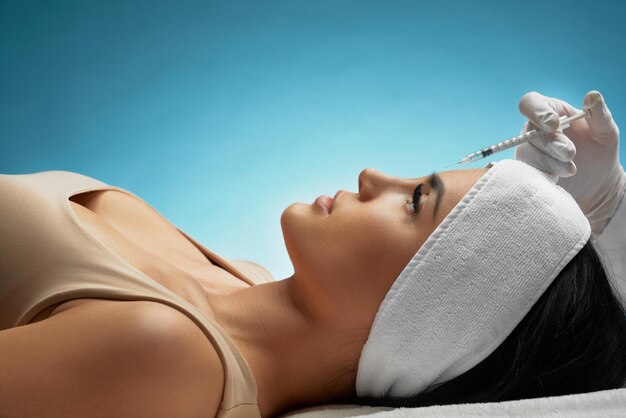
The skin care devices market is expected to expand at a CAGR of 12.5% during 2026-2034, supported by rising demand for non-invasive aesthetic treatments, increased adoption of at-home skin care solutions, and continued innovation in energy-based technologies. Devices used for anti-aging, acne treatment, pigmentation reduction, skin tightening, hair removal, and skin rejuvenation are gaining traction across professional and home-use settings.

Higher spending on personal care, growing awareness of appearance-related wellness, and social media influence are strengthening global demand. Improvements in device safety, portability, treatment comfort, and performance are also increasing consumer confidence and supporting adoption across multiple age groups.

Market Growth Drivers and Challenges

Demand for procedures that provide visible results with limited downtime remains a major market driver. At-home devices are benefiting from convenience, privacy, wider online availability, and lower long-term costs compared with repeated in-clinic treatments. Aging populations and interest in wrinkle reduction, collagen stimulation, and skin tightening are supporting demand for radiofrequency (RF), microcurrent, and ultrasound devices. Acne, pigmentation, and uneven skin tone concerns are increasing the use of light/LED therapy and intense pulsed light (IPL) technologies.

Market expansion may be constrained by the high cost of premium consumer devices and professional clinical systems. Safety concerns involving burns, irritation, misuse, and inconsistent results can affect trust, particularly within the at-home laser and IPL categories. Country-specific regulatory and certification requirements may extend approval timelines and increase manufacturers’ costs. Professional systems also require maintenance, training, and consumables, while topical skincare products and in-clinic injectables create competitive pressure.

Technology and Price Range Analysis

The skin care devices market is segmented by technology into light/LED therapy, radiofrequency (RF), ultrasound, microcurrent, laser, and intense pulsed light (IPL). Light/LED therapy maintains a strong position due to its use in acne treatment, inflammation reduction, and skin rejuvenation. RF devices are widely adopted for skin tightening and anti-aging procedures, while ultrasound technology is gaining momentum in firming and deeper tissue applications. Microcurrent devices remain popular for at-home facial toning and lifting. Laser and IPL systems continue to support pigmentation treatment, skin resurfacing, and hair removal applications.

By price range, low-cost products include mass-market home devices, entry-level cleansing tools, and basic LED products. The medium-price category benefits from demand for trusted brands, enhanced performance, and improved safety features. High-price products include professional systems and premium at-home devices offering advanced energy controls, durability, and stronger efficacy claims.

Product, End Use, and Distribution Segmentation

Product categories covered in the report include anti-aging devices, acne treatment devices, hair removal devices, skin rejuvenation systems, skin cleansing devices, and oxygen/steamer devices. Applications include acne and psoriasis treatment, tattoo and hair removal, cellulite reduction, skin tightening, body contouring, pigmentation and spot reduction, wrinkle reduction, skin resurfacing, skin hydration, oxygen therapy, and skin brightening.

End-use segments comprise at-home consumers, beauty salons and spas, dermatology clinics, and other professional settings. Consumer groups include men, women, and unisex users. Distribution channels include e-commerce platforms, company websites, supermarkets/hypermarkets, specialty beauty stores, dermatology clinics, and aesthetic centres.

Regional Market Outlook

North America represents a major skin care devices market due to high aesthetic spending, established dermatology and medspa networks, and early adoption of premium home-use technologies. Europe is supported by sustained demand for non-invasive cosmetic procedures, strong safety requirements, and expanding professional skincare clinics.

Asia Pacific is expected to record strong growth as disposable income, beauty consciousness, e-commerce activity, and aesthetic clinic networks expand. Latin America is benefiting from increased beauty and wellness expenditure and the development of private aesthetic clinics. The Middle East and Africa offer selective opportunities, particularly in major cities with strong demand for premium aesthetic services and advanced clinical systems.

Competitive Landscape

Competition centers on clinical validation, safety controls, treatment effectiveness, comfort, durability, and user-friendly design. Manufacturers are expanding professional and home-use portfolios, strengthening e-commerce and clinical distribution, and investing in training for safe operation. Partnerships with dermatology clinics, medspas, retailers, and online platforms remain important, while premium brands continue developing advanced energy delivery and multi-functional systems.

Key companies include Alma Lasers GmbH, BTL Aesthetics, Candela Medical, Canfield Scientific, Inc., Conair Corporation, Cutera, Inc., Cynosure, Inc., Fotona d.o.o., Lumenis Ltd., Nu Skin Enterprises, Inc., Panasonic Corporation, Philips Healthcare, Silkn, Solta Medical, Inc., Syneron Medical Ltd., and TRIA Beauty, Inc.

Research Scope and Methodology

The report analyzes market segments from 2023 to 2033, using 2024 as the base year and estimating CAGR for 2025 to 2033. It provides quantitative regional and micro-market estimates alongside competitive intelligence, market trends, segment analysis, Porter’s Five Forces analysis, investment opportunities, emerging technologies, case studies, and strategic recommendations.

The research methodology combines secondary research, primary research, and expert panel review. Market estimates consider company revenues, research and development expenditure, government spending, end-user volumes, pricing, consumption, geographical revenue, and micro and macro environmental factors. Proprietary forecasting software, data triangulation, and top-down and bottom-up validation support consistency across the market projections.

Key Topics Covered

1. Preface
1.1. Report Description
1.1.1. Purpose of the Report
1.1.2. Target Audience
1.1.3. Key Offerings
1.2. Market Segmentation
1.3. Research Methodology
1.3.1. Phase I – Secondary Research
1.3.2. Phase II – Primary Research
1.3.3. Phase III – Expert Panel Review
1.3.4. Assumptions
1.3.5. Approach Adopted

2. Executive Summary
2.1. Market Snapshot: Global Skin Care Devices Market
2.2. Global Skin Care Devices Market, By Product Type, 2025 (US$ Million)
2.3. Global Skin Care Devices Market, By Technology, 2025 (US$ Million)
2.4. Global Skin Care Devices Market, By Price Range, 2025 (US$ Million)
2.5. Global Skin Care Devices Market, By End Use, 2025 (US$ Million)
2.6. Global Skin Care Devices Market, By Consumer Group, 2025 (US$ Million)
2.7. Global Skin Care Devices Market, By Application, 2025 (US$ Million)
2.8. Global Skin Care Devices Market, By Distribution Channel, 2025 (US$ Million)
2.9. Global Skin Care Devices Market, By Geography, 2025 (US$ Million)
2.10. Attractive Investment Proposition by Geography, 2025

3. Skin Care Devices Market: Competitive Analysis
3.1. Market Positioning of Key Skin Care Devices Market Vendors
3.2. Strategies Adopted by Skin Care Devices Market Vendors

4. Skin Care Devices Market: Macro Analysis & Market Dynamics
4.1. Introduction
4.2. Global Skin Care Devices Market Value, 2024-2034, (US$ Million)
4.3. Market Dynamics
4.3.1. Market Drivers
4.3.2. Market Restraints
4.3.3. Key Challenges
4.3.4. Key Opportunities
4.4. Impact Analysis of Drivers and Restraints
4.5. Porter’s Five Force Model
4.5.1. Supplier Power
4.5.2. Buyer Power
4.5.3. Threat Of Substitutes
4.5.4. Threat Of New Entrants
4.5.5. Competitive Rivalry
4.6. PESTEL Analysis
4.6.1. Political Landscape
4.6.2. Economic Landscape
4.6.3. Social Landscape
4.6.4. Technology Landscape
4.6.5. Environmental Landscape
4.6.6. Legal Landscape

5. Skin Care Devices Market: By Product Type, 2024-2034, USD (Million)
5.1. Market Overview
5.2. Growth & Revenue Analysis: 2025 Versus 2034
5.3. Market Segmentation
5.3.1. Anti-aging devices
5.3.1.1. Laser devices
5.3.1.2. Ultrasound devices
5.3.1.3. Microcurrent devices
5.3.1.4. Others (derma pens, etc.)
5.3.2. Acne treatment devices
5.3.2.1. Laser spot treatment devices
5.3.2.2. Thermal spot treatment devices
5.3.2.3. RF devices
5.3.3. Hair removal devices
5.3.3.1. IPL devices
5.3.3.2. Epilators
5.3.3.3. Threading devices
5.3.4. Skin rejuvenation
5.3.4.1. Microdermabrasion devices
5.3.4.2. Oxygen infusion devices
5.3.5. Skin Cleansing devices
5.3.5.1. Silicone Cleansing Devices
5.3.5.2. Exfoliating devices
5.3.5.3. Others (ultrasonic excavators, etc.)
5.3.6. Oxygen/steamer devices
5.3.6.1. Oxygen devices
5.3.6.2. Steamer devices
5.3.6.3. Facial steamer devices
5.3.6.4. Nano mist devices

6. Skin Care Devices Market: By Technology, 2024-2034, USD (Million)
6.1. Market Overview
6.2. Growth & Revenue Analysis: 2025 Versus 2034
6.3. Market Segmentation
6.3.1. Light/LED therapy
6.3.2. Radiofrequency (RF)
6.3.3. Ultrasound
6.3.4. Microcurrent
6.3.5. Laser
6.3.6. Intense pulsed light (IPL)

7. Skin Care Devices Market: By Price Range, 2024-2034, USD (Million)
7.1. Market Overview
7.2. Growth & Revenue Analysis: 2025 Versus 2034
7.3. Market Segmentation
7.3.1. Low
7.3.2. Medium
7.3.3. High

8. Skin Care Devices Market: By End Use, 2024-2034, USD (Million)
8.1. Market Overview
8.2. Growth & Revenue Analysis: 2025 Versus 2034
8.3. Market Segmentation
8.3.1. At-home
8.3.2. Beauty salon & spa
8.3.3. Dermatology clinics
8.3.4. Others

9. Skin Care Devices Market: By Consumer Group, 2024-2034, USD (Million)
9.1. Market Overview
9.2. Growth & Revenue Analysis: 2025 Versus 2034
9.3. Market Segmentation
9.3.1. Men
9.3.2. Women
9.3.3. Unisex

10. Skin Care Devices Market: By Application, 2024-2034, USD (Million)
10.1. Market Overview
10.2. Growth & Revenue Analysis: 2025 Versus 2034
10.3. Market Segmentation
10.3.1. Acne treatment
10.3.2. Psoriasis treatment
10.3.3. Tattoo removal
10.3.4. Hair removal
10.3.5. Cellulite reduction
10.3.6. Skin tightening
10.3.7. Body contouring
10.3.8. Pigmentation & spot reduction
10.3.9. Wrinkle reduction
10.3.10. Skin resurfacing
10.3.11. Skin hydration & oxygen therapy
10.3.12. Skin brightening
10.3.13. Others (rosacea treatment, vascular lesion treatment, etc.)

11. Skin Care Devices Market: By Distribution Channel, 2024-2034, USD (Million)
11.1. Market Overview
11.2. Growth & Revenue Analysis: 2025 Versus 2034
11.3. Market Segmentation
11.3.1. Online
11.3.1.1. E-commerce
11.3.1.2. Company websites
11.3.2. Offline
11.3.2.1. Supermarkets/hypermarkets
11.3.2.2. Specialty beauty stores
11.3.2.3. Dermatology clinics
11.3.2.4. Others (aesthetic centres, etc.)

12. North America Skin Care Devices Market, 2024-2034, USD (Million)
12.1. Market Overview
12.2. Market Analysis By Product Type, Technology, Price Range, End Use, Consumer Group, Application, and Distribution Channel
12.3. Country Analysis
12.3.1. U.S.
12.3.2. Canada
12.3.3. Rest of North America

13. UK and European Union Skin Care Devices Market, 2024-2034, USD (Million)
13.1. Market Overview
13.2. Market Analysis By Product Type, Technology, Price Range, End Use, Consumer Group, Application, and Distribution Channel
13.3. Country Analysis
13.3.1. UK
13.3.2. Germany
13.3.3. Spain
13.3.4. Italy
13.3.5. France
13.3.6. Rest of Europe

14. Asia Pacific Skin Care Devices Market, 2024-2034, USD (Million)
14.1. Market Overview
14.2. Market Analysis By Product Type, Technology, Price Range, End Use, Consumer Group, Application, and Distribution Channel
14.3. Country Analysis
14.3.1. China
14.3.2. Japan
14.3.3. India
14.3.4. Australia
14.3.5. South Korea
14.3.6. Rest of Asia Pacific

15. Latin America Skin Care Devices Market, 2024-2034, USD (Million)
15.1. Market Overview
15.2. Market Analysis By Product Type, Technology, Price Range, End Use, Consumer Group, Application, and Distribution Channel
15.3. Country Analysis
15.3.1. Brazil
15.3.2. Mexico
15.3.3. Rest of Latin America

16. Middle East and Africa Skin Care Devices Market, 2024-2034, USD (Million)
16.1. Market Overview
16.2. Market Analysis By Product Type, Technology, Price Range, End Use, Consumer Group, Application, and Distribution Channel
16.3. Regional Analysis
16.3.1. GCC
16.3.2. Africa
16.3.3. Rest of Middle East and Africa

17. Company Profiles
17.1. Profile Framework
Company Overview, Financial Performance, Product Portfolio, Strategic Initiatives
17.2. Alma Lasers GmbH
17.3. BTL Aesthetics
17.4. Candela Medical
17.5. Canfield Scientific, Inc.
17.6. Conair Corporation
17.7. Cutera, Inc.
17.8. Cynosure, Inc.
17.9. Fotona d.o.o.
17.10. Lumenis Ltd.
17.11. Nu Skin Enterprises, Inc.
17.12. Panasonic Corporation
17.13. Philips Healthcare
17.14. Silkn
17.15. Solta Medical, Inc.
17.16. Syneron Medical Ltd.
17.17. Other Notable Players

For more information about this report visit https://www.researchandmarkets.com/r/5bu1gg

About ResearchAndMarkets.com
ResearchAndMarkets.com is the world’s leading source for international market research reports and market data. We provide you with the latest data on international and regional markets, key industries, the top companies, new products and the latest trends.

Tags: , , , , , , , ,
Global K-Beauty Products Market Size, Share, Trends, Competitive Analysis, and Forecast, 2026-2034

Global K-Beauty Products Market Size, Share, Trends, Competitive Analysis, and Forecast, 2026-2034

Company Logo

ROI opportunities center on cross-border e-commerce, influencer-led discovery, premium functional skincare, fast product refreshes, and localized retail partnerships

Dublin, Oct. 16, 2026 (GLOBE NEWSWIRE) — “K-Beauty Products Market Size, Market Share, Application Analysis, Regional Outlook, Growth Trends, Key Players, Competitive Strategies and Forecasts, 2026 To 2034” has been added to ResearchAndMarkets.com’s offering.

The global K-beauty products market is expected to expand at a CAGR of 6.5% during 2026-2034, supported by sustained demand for Korean skincare routines, ingredient-focused formulations and rapidly evolving beauty trends. Social media, influencer-led product discovery and cross-border e-commerce are increasing the visibility and availability of K-beauty products across North America, Europe, Asia Pacific, Latin America and the Middle East and Africa.

Consumer preference for skin-first products continues to strengthen demand for solutions addressing hydration, brightening, barrier repair, acne, sun protection and visible signs of aging. Premiumization in dermacosmetics, functional skincare and sunscreen is contributing to market value growth, while innovation in textures, packaging and multi-step regimens differentiates K-beauty from traditional cosmetic offerings.

Market Growth Drivers

Global awareness of Korean skincare routines and trust in ingredient-led products are major K-beauty market growth drivers. Formulations featuring niacinamide, ceramides, peptides, hyaluronic acid, snail mucin, centella asiatica and fermented extracts continue to attract consumers seeking targeted performance. Demand is particularly strong for sensitive-skin products, acne solutions, barrier-focused skincare and high-performance sun protection.

Social media platforms and beauty influencers accelerate product discovery, adoption and online conversion. Cross-border e-commerce also enables established companies and indie K-beauty brands to reach consumers in the U.S., Southeast Asia and Europe. Korean ODM/OEM capabilities further support rapid formulation, product development and commercialization, allowing brands to respond to seasonal trends and changing consumer preferences.

Market Challenges

Intense competition and short trend cycles can increase inventory exposure, promotional spending and customer acquisition costs. Counterfeit products and unauthorized online sellers may affect brand credibility and consumer confidence. Regulatory differences involving product claims, SPF testing, labeling and ingredient restrictions can delay international market entry and raise compliance expenses.

Export-focused companies also face currency fluctuations, cross-border shipping costs and margin pressure. In price-sensitive markets, widening price gaps may encourage consumers to choose locally produced K-beauty inspired alternatives.

Product and Consumer Segmentation

The market includes skincare, makeup, bodycare, haircare and other categories. Skincare holds the largest share, driven by demand for cleansers, toners, essences, serums, moisturizers, masks and sunscreens. Makeup remains significant, supported by cushion foundations, lip tints and lightweight complexion products associated with the glass skin trend.

Bodycare is benefiting from growing interest in gentle exfoliation, brightening and fragrance-led formats. Haircare is expanding through scalp treatments, hair essences and premium treatment masks. Other categories include beauty tools, devices and specialty products supported by Korean innovation and distinctive packaging.

Female consumers account for the dominant share due to higher spending across skincare and makeup categories. The male segment is growing steadily as demand increases for simple routines, acne care, sun protection and grooming products. Gender-neutral positioning is also widening the addressable market for functional and unisex skincare.

Online channels play a central role in product discovery and international distribution, while offline channels remain important for product testing, professional guidance and brand visibility through specialty stores, pharmacies, department stores and mass retailers.

Regional Market Insights

Asia Pacific represents the largest regional market, with South Korea serving as the principal innovation and manufacturing hub. China, Japan, India, Australia and Southeast Asia contribute to regional demand through online marketplaces and specialty retail networks.

North America is positioned as a high-growth market due to strong brand penetration, influencer marketing and consumer interest in sensitive-skin and dermacosmetic products. Europe is recording steady expansion, supported by clean-label preferences, pharmacy distribution and demand for barrier-focused skincare and advanced sunscreens.

Latin America is developing through youth-driven beauty trends and wider online access. The Middle East and Africa offer selective growth opportunities supported by premium beauty retail, brightening products, skincare demand and increasing cross-border purchases.

Competitive Landscape

Competition centers on formulation efficacy, hero-ingredient positioning, texture innovation, packaging and rapid product refresh cycles. Clinical-style claims, consumer reviews and social proof are increasingly important for trust and conversion. Companies are strengthening their market presence through global retail partnerships, localized launches and broader cross-border distribution.

Prominent participants include Able C&C Co., Ltd., Amorepacific Corporation, LG Household & Health Care, APR Corp (Medicube), COSRX, Dr. Jart+ (Estee Lauder), Clio Cosmetics, Beauty of Joseon, Innisfree, Tony Moly, Nature Republic, Neogen Corporation, Banila Co, Missha (Able C&C) and Kolmar Korea (ODM/OEM).

Report Scope and Research Methodology

The report provides quantitative market estimates by segment and geography alongside analysis of market trends, competitive intelligence, emerging technologies, investment opportunities, strategic developments and industry conditions. It evaluates end use, distribution channel and regional performance across North America, the UK and European Union, Asia Pacific, Latin America, and the Middle East and Africa.

The research incorporates secondary research, primary research and expert panel review. Key inputs include manufacturer research and development budgets, government spending, company revenues, consumption volume, pricing, market value, end-user activity and country-level revenue. Market estimates are validated through data triangulation and top-down and bottom-up approaches. The report also assesses segment growth, regional opportunities, competitive strategies and the micro and macro environmental factors influencing the K-beauty products market.

Key Topics Covered

1. Preface
1.1. Report Description
1.1.1. Purpose of the Report
1.1.2. Target Audience
1.1.3. Key Offerings
1.2. Market Segmentation
1.3. Research Methodology
1.3.1. Phase I – Secondary Research
1.3.2. Phase II – Primary Research
1.3.3. Phase III – Expert Panel Review
1.3.4. Assumptions
1.3.5. Approach Adopted

2. Executive Summary
2.1. Market Snapshot: Global K-Beauty Products Market
2.2. Global K-Beauty Products Market, By End Use, 2025 (US$ Million)
2.3. Global K-Beauty Products Market, By Distribution Channel, 2025 (US$ Million)
2.4. Global K-Beauty Products Market, By Geography, 2025 (US$ Million)
2.5. Attractive Investment Proposition by Geography, 2025

3. K-Beauty Products Market: Competitive Analysis
3.1. Market Positioning of Key K-Beauty Products Market Vendors
3.2. Strategies Adopted by K-Beauty Products Market Vendors

4. K-Beauty Products Market: Macro Analysis & Market Dynamics
4.1. Introduction
4.2. Global K-Beauty Products Market Value, 2024 – 2034, (US$ Million)
4.3. Market Dynamics
4.3.1. Market Drivers
4.3.2. Market Restraints
4.3.3. Key Challenges
4.3.4. Key Opportunities
4.4. Impact Analysis of Drivers and Restraints
4.5. Porter’s Five Force Model
4.5.1. Supplier Power
4.5.2. Buyer Power
4.5.3. Threat Of Substitutes
4.5.4. Threat Of New Entrants
4.5.5. Competitive Rivalry
4.6. PESTEL Analysis
4.6.1. Political Landscape
4.6.2. Economic Landscape
4.6.3. Social Landscape
4.6.4. Technology Landscape
4.6.5. Environmental Landscape
4.6.6. Legal Landscape

5. K-Beauty Products Market: By End Use, 2024-2034, USD (Million)
5.1. Market Overview
5.2. Growth & Revenue Analysis: 2025 Versus 2034
5.3. Market Segmentation
5.3.1. Male
5.3.2. Female

6. K-Beauty Products Market: By Distribution Channel, 2024-2034, USD (Million)
6.1. Market Overview
6.2. Growth & Revenue Analysis: 2025 Versus 2034
6.3. Market Segmentation
6.3.1. Online channels
6.3.2. Offline channels

All regional and country-level market analyses cover end use and distribution channel for 2024-2034, USD (Million).

7. North America K-Beauty Products Market, 2024-2034, USD (Million)
7.1. Market Overview
7.2. Regional Analysis
7.2.1. U.S.
7.2.2. Canada
7.2.3. Rest of North America

8. UK and European Union K-Beauty Products Market, 2024-2034, USD (Million)
8.1. Market Overview
8.2. Regional Analysis
8.2.1. UK
8.2.2. Germany
8.2.3. Spain
8.2.4. Italy
8.2.5. France
8.2.6. Rest of Europe

9. Asia Pacific K-Beauty Products Market, 2024-2034, USD (Million)
9.1. Market Overview
9.2. Regional Analysis
9.2.1. China
9.2.2. Japan
9.2.3. India
9.2.4. Australia
9.2.5. South Korea
9.2.6. Rest of Asia Pacific

10. Latin America K-Beauty Products Market, 2024-2034, USD (Million)
10.1. Market Overview
10.2. Regional Analysis
10.2.1. Brazil
10.2.2. Mexico
10.2.3. Rest of Latin America

11. Middle East and Africa K-Beauty Products Market, 2024-2034, USD (Million)
11.1. Market Overview
11.2. Regional Analysis
11.2.1. GCC
11.2.2. Africa
11.2.3. Rest of Middle East and Africa

12. Company Profiles
Company profiles include company overview, financial performance, product portfolio and strategic initiatives.
12.1. Able C&C Co.Ltd.
12.2. Amorepacific Corporation
12.3. LG Household & Health Care
12.4. COSRX
12.5. Clio Cosmetics
12.6. Beauty of Joseon
12.7. Innisfree
12.8. Tony Moly
12.9. Nature Republic
12.10. Neogen Corporation
12.11. Banila Co
12.12. Other Notable Players

For more information about this report visit https://www.researchandmarkets.com/r/3vqqdr

About ResearchAndMarkets.com
ResearchAndMarkets.com is the world’s leading source for international market research reports and market data. We provide you with the latest data on international and regional markets, key industries, the top companies, new products and the latest trends.

Tags: , , , , , , , , ,
Medical Aesthetics Market Production Analysis, Opportunity Assessments, Market Revenue, Advancement Strategy and Geographical Performance Forecast to 2030

Medical Aesthetics Market Production Analysis, Opportunity Assessments, Market Revenue, Advancement Strategy and Geographical Performance Forecast to 2030

Global Medical Aesthetics Market Overview
The global medical aesthetics market is witnessing significant momentum and is projected to grow at a robust pace over the coming years. Industry estimates indicate that the market is expected to expand at a compound annual growth rate of approximately twelve percent during the forecast period. The strong growth outlook is primarily supported by the increasing preference for minimally invasive and non-invasive cosmetic procedures among consumers across the world. As awareness regarding aesthetic treatments continues to expand, individuals are becoming more open to procedures that help improve their physical appearance and maintain youthful skin.

Download pdf Brochure: https://meditechinsights.com/global-medical-aesthetics-market/request-sample/

Another major factor contributing to market expansion is the rising social acceptance of aesthetic enhancements. Cosmetic procedures, which were once considered exclusive or stigmatized, are now widely accepted as part of modern self-care and wellness practices. People are increasingly prioritizing personal grooming, skincare, and aesthetic improvement, which is positively influencing the demand for advanced treatment solutions. Continuous technological innovation in aesthetic devices and treatment platforms is also playing a crucial role in shaping the industry landscape.

In addition to social and technological trends, demographic changes are further supporting market growth. The global population is aging at a steady pace, leading to a higher demand for treatments that address age-related skin concerns such as wrinkles, sagging skin, pigmentation, and loss of facial volume. At the same time, rising disposable income levels in several developing and emerging economies are enabling consumers to spend more on cosmetic and wellness services. Medical tourism is also emerging as a significant contributor, with many patients traveling internationally to access high-quality aesthetic treatments at competitive prices. As these trends continue to evolve, the medical aesthetics market is expected to maintain strong growth momentum.

Medical Aesthetics Industry Overview
Medical aesthetics is a specialized segment of the healthcare and cosmetic industry that focuses on enhancing physical appearance through a wide range of medical and cosmetic procedures. These procedures may include non-invasive treatments, minimally invasive interventions, and surgical procedures designed to improve skin health, facial structure, and overall body appearance. The goal of medical aesthetics is to deliver safe and effective cosmetic improvements that enhance natural beauty while maintaining a balanced and natural look.

The field encompasses a variety of treatment categories such as skin rejuvenation, wrinkle reduction, pigmentation correction, facial contouring, hair removal, fat reduction, and body sculpting. Popular procedures performed within the medical aesthetics space include botulinum toxin injections, dermal fillers, laser treatments, chemical peels, microdermabrasion, body contouring treatments, and cosmetic surgical procedures. These treatments help address a wide range of cosmetic concerns including fine lines, uneven skin tone, unwanted hair, acne scars, and excess body fat.

Medical aesthetics combines clinical expertise with advanced technology to achieve precise and personalized treatment outcomes. Physicians, dermatologists, plastic surgeons, and trained aesthetic practitioners use sophisticated devices and injectable products to deliver targeted improvements while ensuring patient safety. As beauty standards continue to evolve and social media increases awareness about aesthetic procedures, the demand for these services is expanding across different demographic groups.

Younger individuals are increasingly opting for preventive aesthetic treatments to maintain skin health and delay signs of aging. Meanwhile, older populations are seeking age-defying treatments that restore youthful appearance and boost self-confidence. In addition to physical enhancement, medical aesthetic procedures are also associated with improved psychological well-being, self-esteem, and overall quality of life.

Technological Advancements in Aesthetic Devices Are Transforming the Market
Technological innovation remains one of the most influential factors driving the evolution of the medical aesthetics market. Continuous advancements in aesthetic treatment devices are enabling practitioners to perform procedures with higher precision, improved safety profiles, and enhanced patient outcomes. Modern aesthetic technologies have significantly reduced treatment downtime and discomfort, making cosmetic procedures more convenient and accessible to a broader population.

Innovations such as hybrid laser platforms and fractional resurfacing technologies have revolutionized skin rejuvenation procedures. These systems enable practitioners to treat various skin conditions including wrinkles, acne scars, pigmentation irregularities, and sun damage with greater efficiency. Cryolipolysis technology has also gained popularity for non-surgical fat reduction, allowing targeted removal of stubborn fat deposits without the need for invasive surgery.

Ultrasound-based lifting technologies and radiofrequency energy systems are further transforming non-surgical skin tightening procedures. These technologies stimulate collagen production in deeper layers of the skin, helping to improve skin elasticity and firmness. Patients increasingly prefer these treatments because they provide noticeable improvements without the recovery period associated with traditional surgical procedures.

Artificial intelligence and machine learning technologies are also beginning to influence the aesthetic treatment landscape. AI-driven tools can analyze skin characteristics, detect underlying conditions, and recommend personalized treatment plans based on individual skin profiles. These advanced diagnostic capabilities enable practitioners to deliver highly customized treatment outcomes that align with patient expectations.

Another emerging trend is the development of portable and home-use aesthetic devices. These devices allow consumers to maintain skin health and perform basic cosmetic treatments in the comfort of their homes. From LED therapy masks to handheld radiofrequency skin tightening devices, the availability of consumer-friendly technology is expanding the reach of aesthetic care beyond traditional clinics and hospitals. As innovation continues, the integration of digital diagnostics, computer-guided injectables, and robotic-assisted cosmetic procedures may further redefine the future of medical aesthetics.

Growing Demand for Minimally Invasive and Non-Invasive Procedures
The increasing demand for minimally invasive and non-invasive aesthetic procedures is one of the most powerful drivers fueling market expansion. Consumers today prefer cosmetic treatments that deliver effective results while minimizing discomfort, risk, and recovery time. Unlike traditional cosmetic surgeries, these procedures can typically be completed within a short time and allow patients to resume their daily activities almost immediately.

Procedures such as botulinum toxin injections, hyaluronic acid dermal fillers, laser hair removal, chemical peels, micro-needling, and non-surgical skin tightening have gained immense popularity worldwide. These treatments offer visible improvements in skin texture, facial volume, and overall appearance while maintaining a natural look. The quick treatment sessions and predictable results make them particularly appealing for individuals with busy lifestyles.

Technological advancements have also enhanced the effectiveness of minimally invasive treatments. Next-generation technologies such as high-intensity focused ultrasound, non-ablative laser systems, and radiofrequency microneedling devices have expanded the range of aesthetic solutions available to patients. These treatments can address multiple cosmetic concerns including wrinkle reduction, skin laxity, pigmentation issues, cellulite reduction, and facial contouring.

As aesthetic treatments become more efficient and accessible, their adoption is increasing among both men and women across different age groups. Social media influence, celebrity endorsements, and growing awareness of skincare and anti-aging solutions are further encouraging consumers to explore non-surgical aesthetic treatments. With continuous improvements in technology and treatment techniques, minimally invasive procedures are expected to remain a central growth driver in the medical aesthetics market.

Market Drivers
Growing demand for minimally invasive and non-invasive procedures
Rising awareness and acceptance of aesthetic procedures
Technological advancements in aesthetic treatment devices
Increasing global aging population
Rising disposable income levels worldwide
Growth of medical tourism in emerging economies

Attractive Market Opportunities
Expansion of aesthetic treatment demand in emerging Asia-Pacific markets
Increasing growth potential in Latin American cosmetic procedure markets
Development of advanced home-use aesthetic devices
Rising adoption of aesthetic treatments among male consumers
Growing integration of artificial intelligence in aesthetic diagnostics and treatment planning

Key Players in the Global Medical Aesthetics Market
• AbbVie Inc.
• Alma Lasers
• Bausch Health Companies Inc.
• Cynosure
• Lutronic
• Cutera Inc.
• Lumenis Be Ltd.
• Merz Pharma
• Johnson & Johnson
• Venus Concept
• Galderma

Download pdf Brochure: https://meditechinsights.com/global-medical-aesthetics-market/request-sample/

About Medi-Tech Insights

Medi-Tech Insights is a healthcare-focused business research & insights firm. Our clients include Fortune 500 companies, blue-chip investors & hyper-growth start-ups. We have completed 100+ projects in Digital Health, Healthcare IT, Medical Technology, Medical Devices & Pharma Services in the areas of market assessments, due diligence, competitive intelligence, market sizing and forecasting, pricing analysis & go-to-market strategy. Our methodology includes rigorous secondary research combined with deep-dive interviews with industry-leading CXO, VPs, and key demand/supply side decision-makers.

Tags: , , , , , , , , , , , ,
India Skin Care Market Outlook, Forecast Trends and Growth Analysis Report 2025-2033

India Skin Care Market Outlook, Forecast Trends and Growth Analysis Report 2025-2033

AstuteAnalytica India Pvt. Ltd.

India’s skincare market is booming, driven by rising incomes, digital influence, and a shift towards natural/premium products, projected to reach billions in the coming years with strong growth in online sales, especially for specialized items like anti-aging and organic solutions, with major players like HUL, L’Oreal, and homegrown brands like Honasa (Mamaearth) leading.

Chicago, Jan. 23, 2026 (GLOBE NEWSWIRE) — According to recent data from Astute Analytica, the India skincare market was valued at US$ 8.78 billion in 2024 and is projected to hit the market valuation of US$ 17.69 billion by 2033 at a CAGR of 8.43% during the forecast period 2025–2033.

Rapid urbanization in India is transforming not just the physical landscape but also consumer behaviors and skincare preferences. As cities expand and lifestyles become increasingly fast-paced, urban residents encounter a range of environmental stressors that take a toll on skin health. Pollution levels soar, daily stress intensifies, and heightened exposure to UV radiation becomes an unavoidable reality. These factors have created an urgent demand for skincare products tailored specifically to protect and repair skin from urban aggressors, positioning urbanization as a pivotal force driving the growth of India’s skincare market.

Request Sample Pages: https://www.astuteanalytica.com/request-sample/india-skincare-market

One of the clearest indicators of urban influence is the surge in anti-pollution skincare products. By 2025, sales of these specialized formulations are projected to reach an impressive 12 million units, reflecting consumers’ growing awareness of pollution’s harmful effects on the skin. These products often incorporate antioxidants, detoxifying agents, and protective barriers designed to shield skin from airborne toxins and particulate matter. The popularity of anti-pollution skincare underscores how environmental realities are reshaping product development and consumer priorities in India’s urban centers.

Embracing Clean Beauty: The Rise of Natural and Organic Skincare in India

The India skincare market is witnessing a powerful shift toward natural and organic products, reflecting a broader consumer movement embracing clean beauty and sustainability. This growing preference highlights a deepening awareness among consumers about the potential risks associated with synthetic chemicals and a desire to nurture their skin with gentler, nature-derived ingredients.

The influence of this shift is unmistakable in the marketplace, where natural and organic claims now feature prominently in 70% of new skincare product launches in India. This surge signals that brands recognize the compelling consumer demand for clean formulations and are racing to meet it. Whether it’s herbal extracts, essential oils, or fruit-based actives, ingredients sourced directly from nature are becoming the hallmark of new product innovations.

To stay ahead in this evolving landscape, brands are innovating by integrating biotech-derived actives and plant-based ingredients, creating sustainable alternatives to conventional formulations. These cutting-edge ingredients combine the best of nature and science, offering potent skincare benefits while adhering to principles of eco-friendliness and ethical sourcing. This fusion of technology and tradition is enabling brands to craft products that appeal to environmentally conscious consumers who refuse to compromise on efficacy.

A Battleground of Brands: Navigating India’s Fragmented Skincare Market

The India skincare market of 2025 is marked by fierce competition and significant fragmentation, creating a dynamic yet challenging environment for brands. This landscape hosts an eclectic mix of players—from large multinational corporations with global reach to agile local startups driven by innovation and niche appeal. Each contender is aggressively competing to capture consumer attention and build brand loyalty in a market that is both vast and diverse.

In response to the intense competition, the pace of product innovation and diversification has accelerated dramatically. Brands are no longer relying solely on traditional formulations but are exploring unique ingredients, cutting-edge technologies, and creative packaging to stand out. Marketing approaches have also become more sophisticated, with personalized campaigns and influencer collaborations becoming commonplace. The sheer volume of innovation is staggering—over 1,000 new skincare products were launched in India in 2025, marking a 50% increase from just two years prior.

While the proliferation of products presents exciting opportunities, it also intensifies the challenge for brands to distinguish themselves. With so many options available, consumers face overwhelming choices, making brand recognition and differentiation critical success factors. For new and existing players alike, carving out a unique identity and communicating clear value propositions are essential to gaining market share.

Power of Women: Driving India’s Skincare Market

Female consumers dominate India’s skincare market, accounting for over 70% of the total revenue, a testament to the shifting beauty ideals and socio-economic changes sweeping the country. Rising disposable incomes and heightened awareness about the benefits of skincare have empowered Indian women to invest more thoughtfully in their beauty routines.

Indian women are increasingly integrating skincare into their everyday self-care rituals, moving beyond basic grooming to focus on products that address specific concerns. Anti-aging, hydration, and sun protection have emerged as key priorities, as consumers seek targeted solutions that promote long-term skin health and radiance.

Indian female consumers demonstrate a clear preference for quality and efficacy over price sensitivity. Products perceived to offer visible, reliable results consistently outperform cheaper alternatives, underscoring a willingness to invest in skincare that truly works. This emphasis on quality signals a mature market where informed buyers prioritize efficacy and brand trust, driving brands to innovate and maintain high standards to capture and retain this influential segment.

The E-Commerce Surge: Redefining Skincare Shopping

E-commerce continues to revolutionize the skincare market, with online sales making up a significant 42% of total skincare revenue in 2024. This shift reflects changing consumer preferences for the convenience and variety offered by digital platforms. Leading players such as Nykaa and Purplle have emerged as dominant forces, leveraging technology to create personalized shopping experiences.

Nykaa’s innovative AI-driven skin analysis tool exemplifies the growing role of technology in transforming the skincare industry. By analyzing individual skin types and concerns, this tool provides personalized product recommendations, fostering deeper customer engagement. The impact is tangible—Nykaa has reported a remarkable 35% increase in customer interaction since implementing this technology.

Sustainability is rapidly becoming a critical factor influencing purchasing decisions in the skincare market. An impressive 65% of Indian consumers express a willingness to pay a premium for products featuring eco-friendly packaging. In response, brands like The Body Shop and L’Occitane are pioneering environmentally responsible initiatives by introducing refillable and biodegradable packaging options. These efforts resonate strongly with eco-conscious buyers, as they align product innovation with the growing demand for sustainable beauty solutions.

Top Players in India Skincare Market 

  • Beiersdorf AG

  • Oriflame Holding AG

  • Procter & Gamble

  • L’OREAL S.A.

  • Estée Lauder Companies

  • Kenvue Inc

  • Emami Limited

  • Zydus Wellness

  • Vicco Laboratories

  • Hindustan Unilever Limited (HUL )

  • HCP Wellness Private Limited

  • VLCC Health Care Ltd

  • Brunch Beauty Pvt. Ltd (D’you)

  • Onesto Labs Private Limited

  • Other Prominent Players

Private Label Companies 

  • Naturis Cosmetic

  • Cosmetify

  • Aura Herbal

  • Vasa Cosmetics

  • AG Organica

  • Zoic Cosmetic

  • Invision Pharma Limited

  • HCP Wellness

  • Clarion Cosmetics

  • Other Prominent Players

Market Segmentation Overview:

By Product

By Nature

By Skin Type

  • Sensitive Skin

  • Dry Skin

  • Oily Skin

  • Combination Skin

By Gender

By Price Range

By End User

  • Individual/Home Use

  • Commercial

By Distribution Channel

For more information about this report visit: https://www.astuteanalytica.com/industry-report/india-skincare-market

About Astute Analytica

Astute Analytica is a global market research and advisory firm providing data-driven insights across industries such as technology, healthcare, chemicals, semiconductors, FMCG, and more. We publish multiple reports daily, equipping businesses with the intelligence they need to navigate market trends, emerging opportunities, competitive landscapes, and technological advancements.

With a team of experienced business analysts, economists, and industry experts, we deliver accurate, in-depth, and actionable research tailored to meet the strategic needs of our clients. At Astute Analytica, our clients come first, and we are committed to delivering cost-effective, high-value research solutions that drive success in an evolving marketplace.

Contact Us:
Astute Analytica
Phone: +1-888 429 6757 (US Toll Free); +91-0120- 4483891 (Rest of the World)
For Sales Enquiries: sales@astuteanalytica.com
Website: https://www.astuteanalytica.com/ 
Follow us on: LinkedIn | Twitter | YouTube

CONTACT: Contact Us: Astute Analytica Phone: +1-888 429 6757 (US Toll Free); +91-0120- 4483891 (Rest of the World) For Sales Enquiries: sales@astuteanalytica.com Website: https://www.astuteanalytica.com/

Tags: , , , , , , , , ,
2026 must haves: Skin Renewal’s trend forecast

2026 must haves: Skin Renewal’s trend forecast

From 2025’s skincare heroes to 2026’s game changers, one thing became beautifully clear, skincare has grown up. Quick fixes quietly stepped aside while science led care took the lead, delivering real change you can see and feel. At Skin Renewal, this shift feels natural, because it mirrors how we have always cared for skin, with medical insight, innovation and a long-term view of true skin health.

Throughout 2025, we witnessed remarkable transformations across our branches. Thoughtfully formulated home care became trusted daily companions, while advanced in branch treatments like the Pearl Fractional Laser proved to be true standouts. What made the biggest difference was not just the technology, but the magic that happens when professional treatments and intelligent topicals work together.

At the heart of this success is one of Skin Renewal’s core pillars of ageing well, results driven multifunctional home care. With the expansion of our topical range in 2025 and exciting innovations ahead, it is clear that skin transformation does not end when you leave the treatment room. Our purpose remains bringing the world’s best medical aesthetic advances to South African skin, every step of the way.

Some of 2025’s proven winners continue to shine. Our hero topicals work beneath the surface, supporting skin function, repairing barriers, and encouraging renewal, not simply improving appearance.

The Triple Ceramide Hydrating Complex became a go-to for restoring comfort and hydration.

Acne Relief Complex continued to change the lives of those struggling with breakouts by addressing oil control, inflammation, and healing in one intelligent formula.

Tri Peptide Brightening Complex gently corrected stubborn pigmentation while soothing sensitivity and supporting youthful skin.

Age Defying Complex delivered visible radiance and firmness through a powerful blend of vitamin C, peptides, and hydration. And this is only the beginning.

In the branch, our treatment portfolio continued to raise the bar. Pearl Fractional Laser became essential for texture, tone, and pore refinement. Endymed FSR stood out for acne scarring and uneven skin, while Laser Genesis remained a favourite for building collagen and glow over time. Microneedling proved once again that versatility and consistency deliver powerful results. Pico Laser impressed with fast, safe pigmentation correction across all skin tones.

Looking ahead, excitement is building with the arrival of Ultraformer MPT, an advanced non-invasive ultrasound treatment delivering visible lifting, tightening, and glow with results that continue to improve over weeks and last for many months. It represents the next evolution of refined rejuvenation with comfort at its core.

As we move into 2026, the future lies in smarter synergy. Doctor-led treatments paired with advanced Skin Renewal formulations allow skin to be prepared, transformed, and maintained more efficiently, often with fewer sessions and greater results. Personalised protocols remain our foundation, combining clinical precision with Dr Maureen Allem’s formulations for outcomes that feel powerful, natural, and sustainable.

As the year unfolds, global insight will continue to guide us. One of the first major medical aesthetic congresses of 2026, IMCAS, brings together the world’s leading innovations and research. Skin Renewal CEO and co-founder Victor Snyders and our procurement team will be sharing key insights from the event across our platforms, helping you stay informed and future-proof your skin journey.

At Skin Renewal, the glow up is never about chasing trends. It is about science, consistency, and care. And as we step into 2026, the future of skin health has never looked brighter.

Tags: , , , ,

Preventative approach to ageing and more – 2026 skincare trend forecast

There have been numerous changes in the skincare industry, both locally and globally.

The year 2025 has taught us a lot when it comes to beauty. We’ve toned down on excessive filler and have embraced Botox. Our aesthetics procedures have become less invasive and we continue to seek minimal downtime and unnessesary discomfort.

Now, as the skincare shifts toward science-led personalisation, Dr Danielle Gounder, co-founder of Skin-Recode in Cape Town, shares her expert insights on what’s ahead for 2026.

A year for deeper, smarter and more connected

“[The year] 2026 builds firmly on these foundations – where skincare intersects with metabolic health, neurocosmetics and zero-waste ethics,” Dr Danielle predicts. “Intelligent simplicity and emotional wellbeing will anchor innovation.”

READ MORE | AI skincare and more – 6 beauty trends that dominated 2025

Artificial Intelligence (AI) and neurocosmetics: where skin meets mind

The doctor says, “AI evolves into holistic advisory – analysing stress, sleep and gut health to curate complete wellbeing solutions. Multi-sensory mists and neuro-responsive formulas transform routines into micro-moments of calm, while actively reducing inflammation and breakouts.”

Pre-ageing and longevity: prevention elevated

She says, “‘Prejuvenation’ becomes universal as biotech-derived skincare – including upcycled peptides – strengthens collagen earlier to delay signs of ageing,” she says.

“Sustainability gains via lab-grown over farm-harvested actives, cutting waste without compromising efficacy. Acne care shifts from stripping to preserving the microbiome.”

The rise of full-body rituals

Skincare and wellness will be about a holistic approach.

Dr Danielle says, “Body care ‘faceifies’ even further with ingestibles, advanced actives and smart tools. Hair removal gains in precision and inclusivity. Men’s grooming evolves into full, normalised routines.”

Non-surgical body contouring soar

Skincare and wellness clients are increasingly ditching invasive aesthetic procedures where possible.

As lymphatic therapist trainer Micaela Rios-O’Leary says about people trying the praised T-Shape contouring procedure, it’s for “healthy individuals seeking non-invasive solutions for body contouring and skin tightening, particularly those dealing with cellulite or stubborn fat”.

When it comes to non-surgical body contouring procedures, in 2026, Dr Danielle says, “Hybrid devices will merge fat-melting and skin-tightening for even quicker, more seamless results – perfect for a post-surgery-averse generation seeking refined silhouettes on their lunch breaks.”

Newsletter

TrueLove Style Essentials

Fashion and beauty stories, trends and styling tips.

Sign up

Tags: , , , , ,
Makeup forecast 2026: Minimal and natural looks will rule, say celebrity makeup artists

Makeup forecast 2026: Minimal and natural looks will rule, say celebrity makeup artists

Every season and year brings a fresh wave of creativity in the world of makeup. But there’s one thing constant: makeup is not only about looking good, but feeling good from within. Year 2025 was about a fascinating blend of minimalist beauty and bold colour statements. The question is what follows next year? At the recently-concluded Nykaaland, team HT Shop Now caught up with celebrity makeup artists Daniel Bauer and Namrata Soni, to discuss the trends worth looking forward to

Year 2026 is going to be all about minimal makeup, expert says(Instagram)

Minimalist, natural makeup looks may rule

According to Namrata Soni, semi-matte skin – “basically very cloudy, gorgeous natural skin” – is here to stay.

Daniel Bauer, who has styled celebrities like Katrina Kaif, Priyanka Chopra, and Anushka Sharma, says, “I don’t see a lot of highlighting and contouring happening next year. I think that should go! In fact, I wish it should go.”

At Nykalaand, while Daniel showcased bold makeup styles, Namrata Soni, best known for styling Sonam Kapoor, Rani Mukerji, and Isha Ambani, was all about bridal glow.

Interviewing Daniel Bauer and Namrata Soni at Nykaaland (Instagram)

A makeup trend that should make a comeback

If there’s one makeup trend that should make a comeback, Namrata Soni wishes it is dark, beautiful eyes should definitely make a comeback. “I think eyeshadows should definitely come back in trend. People have veered away from eyeshadows, and a good eyeshadow, powder eyeshadow, can really amp up your look. So I hope that trend comes back”, says Soni.

Most loved makeup technique

Bauer loves to mix a lot of things together. “I like mixing contouring, highlighter, foundation, all together to create a new look. It’s always a little bit better, a little bit more blended”, says Bauer.

Three makeup products to create a glam look

If there were only three makeup products to create a glam look, it would be a kajal, eyeliner, and mascara for Bauer. While for Soni, it would be red lipstick, black eyeliner, and a beautiful contour and blush.

Similar articles for you

Beat winter dryness and flakiness with these 8 top seller body lotions for dry skin on Amazon

Korean skincare routine: 10-steps to get perfect glass-like glowing skin

8 date-perfect long-lasting lipsticks that stay all night; Shades that just wow

Disclaimer: At Hindustan Times, we help you stay up-to-date with the latest trends and products. Hindustan Times has an affiliate partnership, so we may get a part of the revenue when you make a purchase. We shall not be liable for any claim under applicable laws, including but not limited to the Consumer Protection Act, 2019, with respect to the products. The products listed in this article are in no particular order of priority.

Tags: , , , , , ,
Best oLive
Privacy Overview

This website uses cookies so that we can provide you with the best user experience possible. Cookie information is stored in your browser and performs functions such as recognising you when you return to our website and helping our team to understand which sections of the website you find most interesting and useful.