5 Ayurvedic Flowers That Can Help Nourish Your Hair And Skin Naturally

5 Ayurvedic Flowers That Can Help Nourish Your Hair And Skin Naturally

When it comes to traditional Indian beauty rituals, nature has always played an important role. Ayurveda, India’s ancient system of wellness, has long incorporated flowers and botanical ingredients into hair and skincare routines.

From hibiscus hair masks to rose-based skincare preparations, several flowers are traditionally valued for their nourishing, soothing and rejuvenating properties. Here are five flowers that have been part of India’s beauty heritage for generations.

1. Hibiscus (Gudhal / Japa Kusum)

Hibiscus is one of the most popular flowers used in traditional Indian hair care. Both its flowers and leaves are commonly used in homemade hair masks and oils. Rich in natural mucilage and plant-based nutrients, hibiscus is traditionally believed to condition the hair, improve its texture and support scalp health. It is also widely used in hair care preparations aimed at reducing hair breakage and promoting thicker-looking hair.

WhatsApp Image 2026-08-21 at 10.59.27 AM

2. Parijat (Night-Flowering Jasmine)

Known for its delicate white petals and distinctive orange centre, Parijat is admired for its fragrance and traditional wellness applications. In Ayurveda, the flower and other parts of the plant are valued for their medicinal properties. Its soothing fragrance is also used in traditional aromatic practices to promote relaxation and a sense of calm.

3. Rose (Gulab)

Rose has been a timeless ingredient in Indian skincare traditions. Rose petals and rosewater are widely used in facial mists, toners and homemade skincare preparations. Traditionally valued for their soothing and refreshing properties, roses contain natural antioxidant compounds that may help support skin health. Rosewater is particularly popular for refreshing the skin and maintaining a hydrated appearance.

4. Jasmine (Mogra / Jasminum sambac)

Jasmine, popularly known as Mogra, holds a special place in Indian beauty and grooming traditions. Its beautiful fragrance makes it a favourite for adorning hair, while jasmine-infused oils have traditionally been used in hair care and scalp massage. Jasmine is also valued in aromatherapy for its calming fragrance and relaxing properties.

5. Bhringraj

Often called the ‘King of Herbs’ in traditional Indian hair care, Bhringraj is a well-known Ayurvedic ingredient. Scientifically identified as Eclipta prostrata, this herb features small white flowers and is widely incorporated into traditional hair oils. It is traditionally used to nourish the scalp, maintain hair health and support hair growth. Bhringraj-based oils remain a popular choice in Ayurvedic hair care routines.

A Natural Connection Between Flowers And Beauty

From hibiscus and bhringraj for hair care to rose and jasmine for skincare and relaxation, flowers have been an integral part of India’s traditional beauty practices. Their natural fragrances and botanical properties continue to make them popular ingredients in modern beauty products as well.

Disclaimer: This article is intended for educational and informational purposes only. The traditional uses and benefits mentioned are not a substitute for scientific evidence or professional medical advice, diagnosis or treatment. Individual results may vary. Always consult a qualified healthcare professional before using herbal ingredients for therapeutic purposes.

Post navigation

Tags: , , , , ,
Care You Thought Was Good May Be Burdening Your Skin

Care You Thought Was Good May Be Burdening Your Skin

Hello, this is YS Lab.

“I want to have beautiful skin.”

Because you feel that way, many of you are likely working hard on your daily skincare.

If you are concerned about dryness, you layer on moisturizing items. If you are concerned about pores, you wash your face thoroughly. If you are concerned about roughness, you exfoliate.

All of these are actions taken because you want to cherish your skin.

However, the care you continue to do thinking it is good may actually be
burdening your skin without you realizing it.

This season, when dryness begins to be a concern, is
a time when you especially want to protect your skin’s barrier function.
This time, I will introduce three habits you should reconsider.

Skin has an inherently equipped barrier function

Our skin is equipped with a “barrier function” to protect itself from external stimuli and
maintain moisture.

The “stratum corneum,” which is the outermost layer of the skin, plays this important role.

The stratum corneum has the functions of:

as well.

Also, intercellular lipids that fill the spaces between keratinocytes, and the sebum film that covers the skin surface, work to maintain skin moisture and
protect it from external stimuli.

In other words, the stratum corneum is not dirt, but a “lid” that protects the skin. Because the stratum corneum is created in the process of being reborn through turnover, it is also important not to remove more of the stratum corneum that protects the skin than necessary.

Habit to reconsider ① Are you washing too much?

Are you washing your face multiple times or using products with strong cleansing power in an attempt to thoroughly remove dirt?

Over-washing can remove even the sebum necessary for the skin,
leading to dryness.

The points to reconsider are the number of times you wash and the cleansing power of the products you are using. Please look back and see if you are removing too much of the necessary sebum.

Habit to Reconsider 2: Are you exfoliating too much?

Are you frequently using scrubs or exfoliating toners because you are concerned about rough or uneven skin texture?

Dead skin cells are necessary to protect your skin.

The point to reconsider is to stop trying to force them off and instead
value your skin’s natural shedding process.

Habit to Reconsider 3: Are you touching your skin too much?

Are you patting on toner repeatedly or rubbing your skin hard during massage?

Even care you think is good for you
can cause friction and irritation that burdens your skin.
Your skin does not necessarily get more beautiful the more you handle it.

The point to reconsider is the frequency and pressure of your touch.
Try to be conscious of touching your skin gently.

Skincare that values your skin’s natural functions

What YS Lab values is
focusing on the burden placed on the skin
and thinking about necessary care in a simple way.

When you have skin concerns, you tend to want to add something.

But what does your skin really need?
Is there anything that is becoming a burden?

Why not reconsider your daily skincare from that perspective?

Because you want beautiful skin, don’t try too hard.

While valuing the barrier function your skin naturally possesses,
I hope you can continue with care that suits your own skin.

3 Habits to Reconsider Starting Today
□ Reconsider the frequency of washing and the strength of your cleanser
□ Reconsider the frequency of scrubs and exfoliating care
□ Do not rub too hard when patting or massaging

Was there any care you were doing that you “thought was good”?
Please let me know in the comments which numbers applied to you!

We also introduce how to reconsider your “washing care” in detail in this article.

Tags: , , , ,
Is Your Skincare Routine Breaking You Out? Here’s How to Tell If You’ve Compromised Your Skin Barrier

Is Your Skincare Routine Breaking You Out? Here’s How to Tell If You’ve Compromised Your Skin Barrier

If you’ve stepped foot in a Sephora recently, odds are you’ve witnessed tweens and teens flooding the skincare aisles and filling up baskets to the brim. “I saw this one on TikTok,” a seemingly no-older-than-12-year-old girl says to a friend as they purchase bottles of serums designed to smooth their mother’s and grandmother’s lines. The beauty marketplace has transformed into a social haven, and teens have moved away from buying lip gloss and face wash and are now purchasing potent, anti-aging formulas that could be doing far more harm than good.

And it’s not just the under-18 crowd. Between TikTok Shop, skinfluencers, and the endless stream of celebrity beauty launches, we’re all being encouraged to add another cream, exfoliant, or treatment to our routines. And for those of us dealing with acne, that temptation can be especially strong—when you’re trying to clear persistent breakouts, it’s easy to convince yourself that every buzzy ingredient might finally be the one that finally works. But piling on too many active ingredients can backfire, irritating your skin and compromising the very barrier that helps keep your complexion balanced and healthy.

“Consumers are more educated and enthusiastic about skincare than ever before, which is awesome, but there’s also this constant pursuit of the latest and greatest ingredient or product,” says Stephanie Criscione, licensed aesthetician and senior director of education and clinic at Face Reality. “Somewhere along the way, we’ve started equating more products and stronger ingredients with better results.”

Your skin barrier is responsible for retaining moisture and helping protect your complexion from external irritants. When it’s compromised, the skin can become dry, tight, red, and unusually sensitive. For people with acne-prone skin, that irritation can exacerbate breakouts, especially when the products meant to treat blemishes are also contributing to irritation.

So how do you know when your skincare routine has crossed the line from helping your acne to potentially making it worse? And if you’ve already gone a little too far with the actives, how do you repair your skin barrier while still managing breakouts? I spoke with skincare professionals about the signs of a damaged skin barrier, the acne treatments to be mindful of, and how to build a routine that supports both clearer skin and a healthy complexion.

Can you be overdoing your acne skincare routine?

Yes, one of the biggest misconceptions in skincare is that more steps are better. In reality, even well-researched ingredients have limits, and using too many at once can overwhelm your skin. This is especially important when you’re treating acne, since many of the ingredients commonly used to address breakouts can also cause irritation when they’re overused or combined incorrectly.

“Typically, this goes for certain AHAs like glycolic acid, retinoids, and benzoyl peroxide, which can all be phenomenal ingredients used to effectively treat acne,” says Samantha Susca, NYC-based licensed aesthetician and founder of Refinery4. “But there is a fine line between proper usage and misuse.”

And it’s not just about how many products you’re using. The way skincare is marketed can also make it difficult to separate what your skin actually needs from what brands want you to buy. “There are certain brands that I am noticing with a ton of great marketing, but that are actually being over-marketed to certain clients who are not being taught how to use certain ingredients properly, and they’re causing more damage,” she says.

Celebrity-founded brands can add another layer to that confusion, especially when consumers assume a product alone can recreate a celebrity’s complexion. Susca says there’s a lot more that goes into maintaining that skin than what’s inside the A-lister-promoted bottle.

“Using a product that a celebrity is selling is not going to give you their skin,” she explains. “What you’re not seeing or getting in that bottle is the tens—if not hundreds—of thousands of dollars of on-call dermatologists’ and aestheticians’ work, prescriptions, lasers, peels, and more.”

This is particularly relevant for younger consumers, who may be reaching for products designed to address concerns they haven’t yet developed. Susca says she’s seeing strong ingredients like retinoids used frequently on teen and preteen skin. While acne treatments can be appropriate for younger patients who need them, a complicated routine filled with multiple active ingredients isn’t necessarily the best way to get breakouts under control. The right treatment depends on the individual’s skin and should be introduced thoughtfully, with professional guidance when needed.

How can you tell if your skin barrier is compromised?

Your skin will usually let you know when something isn’t working. “It may not show an effect on the skin barrier immediately, but after a few days, your face may start to feel tight, itchy, uncomfortable, and sometimes red,” Susca explains. “These are signs of an impaired skin barrier, which is something that can take weeks to months of repair and reregulation.”

Breakouts can also become harder to manage when your skin is irritated. A compromised barrier doesn’t automatically cause acne, but the inflammation and sensitivity that come with barrier disruption can exacerbate existing blemishes. “Even someone with acne or oily skin can become dehydrated when the barrier isn’t functioning properly,” Criscione explains. You might also notice that products you previously tolerated, including your usual acne treatments, suddenly sting or leave your skin feeling flaky or uncomfortable.

How do you repair a compromised skin barrier?

If your skin is feeling irritated, it is not the time to introduce more steps. Susca says to “remove all actives and keep the same simple routine morning and night,” so your skin can begin to readjust.

For anyone managing acne, yes, this can feel counterintuitive. Taking a break from exfoliants or acne treatments might make you nervous about triggering more breakouts, but continuing to apply products that are irritating your skin will make the situation harder to manage.

Karan Lal, MD, double-board-certified adult, pediatric, and cosmetic dermatologist, suggests paring things back to a few essentials. “I recommend a simplified routine built around a few evidence-based ingredients,” he says. “A gentle cleanser helps remove excess oil without stripping the skin, a noncomedogenic moisturizer containing ceramides, glycerin, or other humectants will support barrier function, and sunscreen is essential, because many acne treatments increase sensitivity and post-inflammatory pigmentation can be exacerbated by UV exposure.”

How long it takes your skin to recover depends on how irritated it is. Susca notes that repairing a compromised skin barrier can take weeks to months, so don’t expect your complexion to bounce back overnight. If you’re experiencing persistent irritation, painful inflammation, or breakouts that aren’t improving, consult a dermatologist. They can help determine whether you’re dealing with acne, irritation from your products, or both, and recommend a treatment plan that addresses the underlying concerns.

Once your skin has settled after a few weeks or months, you can consider reintroducing treatments one at a time. For people using retinoids to manage acne, Dr. Lal recommends starting slowly. “Topical retinoids should be introduced gradually; you can begin with two or three nights per week and increase frequency as tolerated.”

He also recommends being strategic with other acne treatments, rather than layering multiple formulas just because each one targets a different concern. “Benzoyl peroxide can be used strategically, and lower concentrations or short-contact formulations may be useful for sensitive skin,” he explains. “Azelaic acid is another excellent option because it has anti-inflammatory, comedolytic, and pigment-reducing properties.”

What should your skincare routine look like as you age?

There’s no milestone birthday when you suddenly need a more involved routine. Your skin type, concerns, and tolerance should determine which ingredients you use. And if you’re dealing with acne, that doesn’t necessarily mean you need to keep adding stronger treatments as you get older. The goal is to find an approach that addresses breakouts while keeping your skin barrier in good shape, but if you want a simple guideline, keep reading for what our experts recommend.

Teens

Teenagers should be the age group keeping it the simplest. “Generally, teens need only to cleanse, moisturize, and apply SPF in the day time,” Susca explains. “Sometimes a weekly or biweekly exfoliant may be appropriate,” specifically if they’re dealing with acne.

Criscione agrees. “In your teens, the focus is mostly on establishing healthy habits, gentle cleansing, daily sunscreen, and managing acne if it’s an issue.”

If teens are dealing with persistent breakouts, a dermatologist can help determine which acne treatments are appropriate for their specific skin’s needs. You definitely don’t need to introduce a full lineup of exfoliating acids and serums.

20s

Criscione says this decade “is really about prevention, protecting against UV damage, and introducing targeted ingredients when needed to address specific concerns.” This is where you can start to get into exfoliating formulas and protective serums.

Susca suggests building on a basic routine with an AHA, such as glycolic or lactic acid, or a BHA, like salicylic acid, along with an antioxidant serum such as vitamin C.

30s

Into your 30s, Susca says “a retinol and eye cream can be added in as well,” and recommends preventative treatments like microdermabrasion and microcurrent.

Criscione notes that hormonal changes can bring new skin concerns during this time. “By your 30s, you may start noticing differences in skin texture, pigmentation, or fine lines, so ingredients like retinoids and antioxidants can be helpful,” she says.

Acne can also continue into adulthood or appear for the first time during this decade. If you’re experiencing recurring breakouts, especially if your skin is also becoming drier or more sensitive, it’s worth revisiting your routine rather than automatically reaching for stronger exfoliants. A dermatologist can help you find acne treatments that address breakouts while accounting for your skin’s changing needs.

40s+

As your skin changes with age, hydration and barrier support may become bigger priorities. Criscione says, “In your 40s, 50s, and beyond, hormonal changes can influence hydration, barrier function, and skin elasticity, making moisture retention and barrier support increasingly important.”

And if you’re still managing acne, getting older doesn’t mean you have to give up effective treatments. “As skin becomes drier and more sensitive with age, the goal is not to eliminate effective acne treatment, it is to deliver that treatment in a way the skin can tolerate,” Dr. Lal says. “For patients in their 40s and beyond, the skin may be drier or more sensitive, so I may recommend a lower-strength retinoid, less frequent application, or a more supportive moisturizing regimen.” This may include richer night creams or barrier creams for added hydration.

Final thoughts

If you’re dealing with acne, it’s tempting to keep adding products in the hope that one more active ingredient will finally clear your skin. But overusing exfoliants, retinoids, and acne treatments can compromise your skin barrier, leaving your complexion irritated and making existing breakouts harder to manage. Plus, it’s always important to check for noncomedogenic ingredients in your products if you’re acne-prone.

Pay attention to how your skin responds to formulas, especially if new blemishes appear alongside tightness, redness, or sensitivity. The goal is to find a regimen that treats your acne while supporting your skin barrier, because clearer skin shouldn’t have to come at the expense of a healthy complexion.

Meet the experts:

  • Samantha Susca is a New York City–based licensed aesthetician and founder of Refinery4.

  • Stephanie Criscione is a licensed aesthetician and the senior director of education and clinic at Face Reality.

Why trust Cosmopolitan?

Jasmine Hyman is the assistant beauty editor at Cosmo who covers all things skincare and has dealt with acne for the last five years. For this story, she consulted acne experts for all their insight on skin barrier damage and how your skincare routine can impact acne.

You Might Also Like

Tags: , , , , , , ,
men skin care — Why More South Korean Men Are Embracing Dermatology & Aesthetic Treatments

men skin care — Why More South Korean Men Are Embracing Dermatology & Aesthetic Treatments

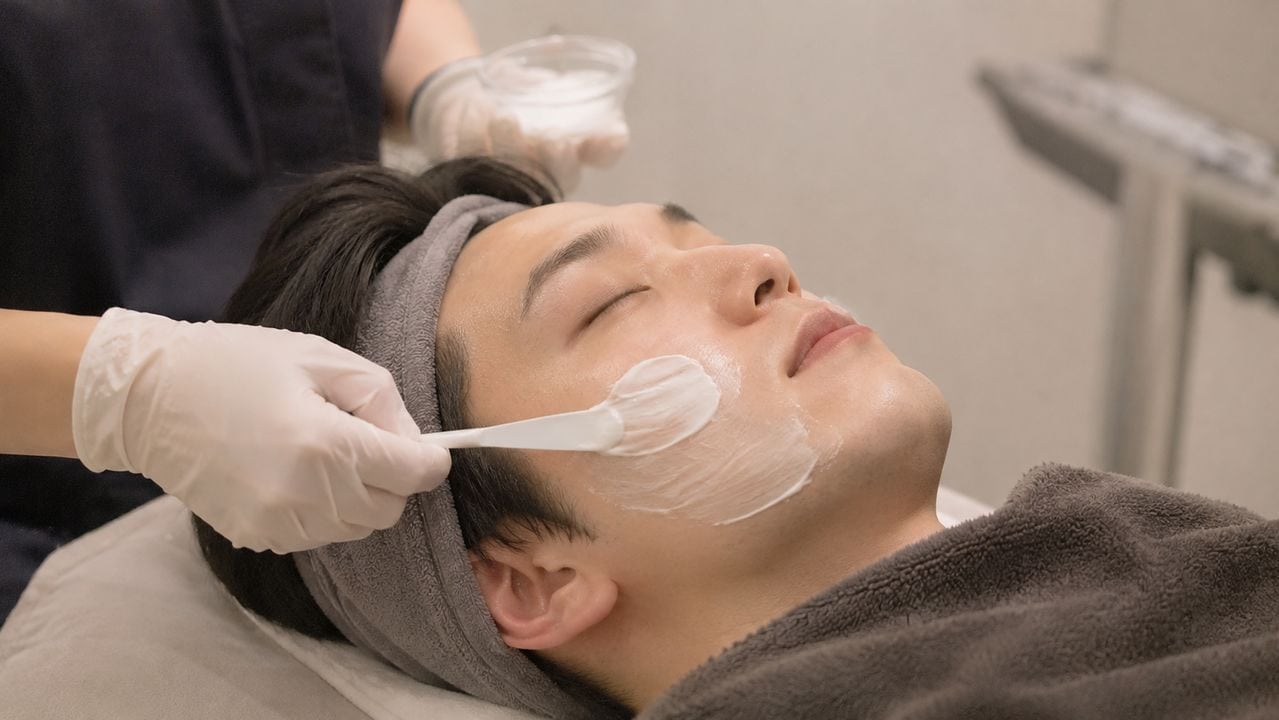
An AI-generated image of a man receiving skin care. As men embrace skin care as part of routine self-care, interest in dermatological procedures is on the rise.

South Korean men are increasingly turning to dermatological clinics and aesthetic procedures as men skin care shifts from a niche interest into an essential part of daily grooming. Content about skincare routines, shaving laser treatments, and facial lifting procedures has gone mainstream, drawing millions of views on platforms like YouTube.

The global trend known as ‘Bro Beauty’ highlights how men are now treating skin maintenance not as an extraordinary effort, but as a routine self-care practice. A recent survey by OpenSurvey targeting 2,000 men aged 20 to 59 revealed that 36.5% of respondents had undergone aesthetic procedures, with the highest adoption rate seen among men in their 30s at 44.5%. Interestingly, the experience rate for men in their 40s reached 37.6%, outpacing the 20s demographic at 30.7%.

As interest expands into advanced anti-aging options like ultrasound lifting treatments, brands are responding with targeted campaigns featuring high-profile athletes and celebrities. However, despite the growing openness to discussing skincare regimens, many men still favor subtle enhancements. The American Society of Plastic Surgeons refers to this as ‘Undetectable Work,’ emphasizing a natural look that refreshes one’s appearance without obvious signs of cosmetic intervention.

Tags: , , , , , , , ,
Is your 10-step skincare routine hurting your skin? A dermatologist reveals everything about need-based care

Is your 10-step skincare routine hurting your skin? A dermatologist reveals everything about need-based care

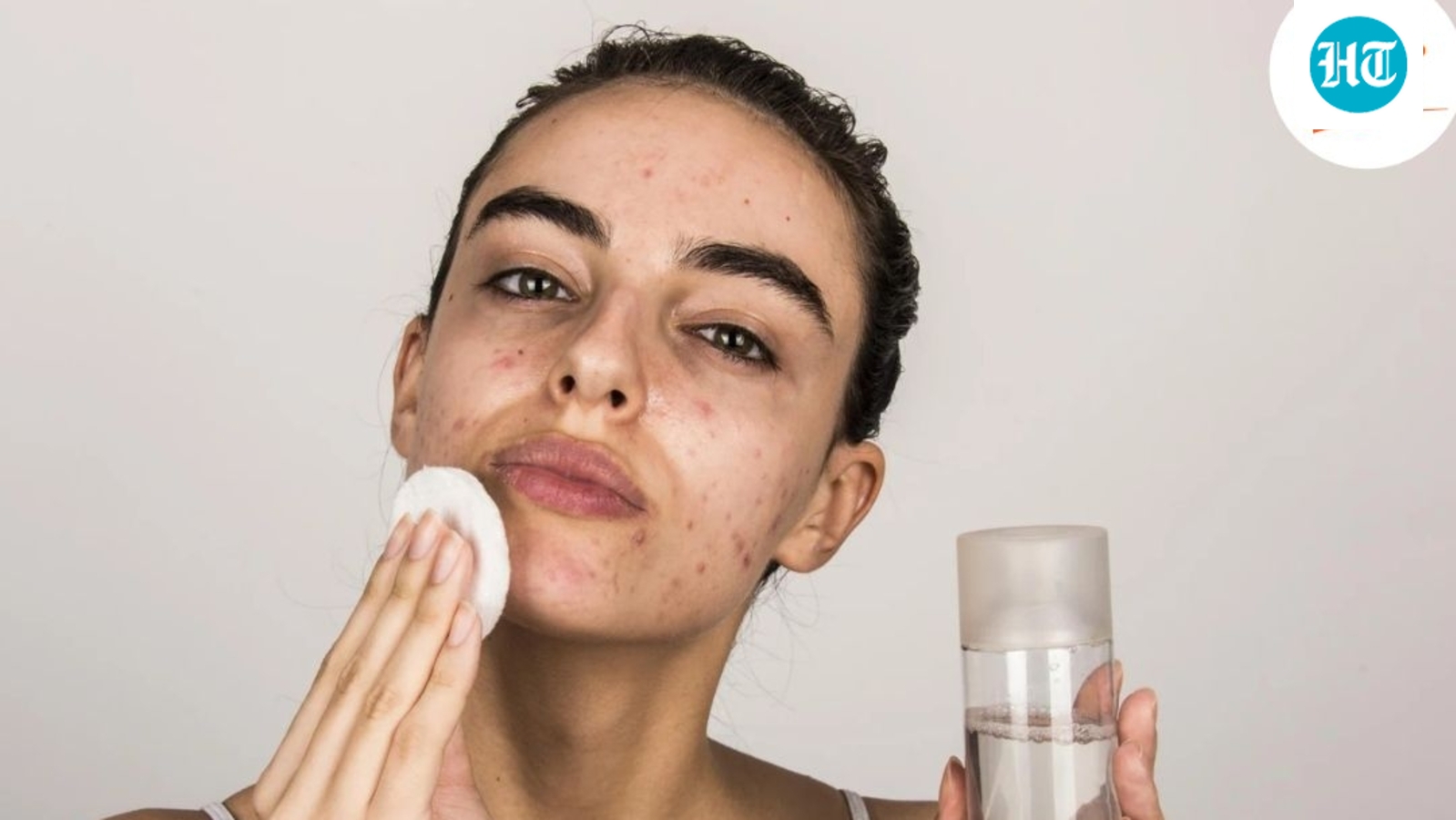
What is a dermatologist-recommended skincare routine? (Adobe Stock)

Tavishi Dogra is a Deputy Chief Content Producer, Health & Wellness, at Hindustan Times. She has over 9 years of experience writing about fitness, nutrition, and mental well-being, translating medical research and expert insights into practical advice readers can trust.

Career journey and experience
Tavishi began her health journalism journey in 2017, and has since reported for RSTV, Financial Express, Jagran, HT Media Labs and Zee. She joined Hindustan Times to simplify wellness subjects by cutting through jargon.

From decoding health trends and interviewing doctors to testing fitness routines herself, Tavishi always approaches content with one filter: “Will this help someone make a better decision today?”

Subject expertise
With 9+ years tracking India’s health conversations, Tavishi knows the gap between clinical advice and daily life. She knows fads from fundamentals and curates science-backed, expert-recommended solutions.

In fitness, she breaks down bodyweight training, recovery, and posture fixes for desk-bound readers. In nutrition, she translates guidelines into affordable, desi meal tweaks. In mental well-being, she focuses on stigma-free, actionable tools — all backed by research, expert input, and lived context.

Education and professional background
Tavishi holds a Master’s degree in Journalism and Mass Communication and began her career reporting on public affairs for broadcast. Those early years in policy and TV shaped how she writes today: fast, factual, and human-first.

Editorial Philosophy
I write with one single goal: To simplify health in a world full of noise by finding what’s actually doable, safe, and evidence-based for my readers. I test claims against research and user experiences. When all else fails, I speak to the expert who sees 50 patients a day, not the one with the most followers.

Read moreRead less

Does healthy skin really need a shelf full of products? For years, skincare advice has encouraged consumers to build increasingly elaborate routines, layering cleansers, toners, essences, serums, exfoliants, and moisturizers. Yet the number of products in a routine tells us very little about how well it supports the skin.

A more useful starting point is to ask what the skin actually needs. Is it dry, acne-prone, sensitive, or showing uneven pigmentation? Does each product address a specific concern, or does it duplicate something already in the routine? This is the principle behind need-based skincare: choosing products with a clear purpose and using them consistently.

A growing market and more complex choices

India’s skincare market continues to expand. Euromonitor International’s May 2026 Skin Care in India report recorded 13% value growth in 2025, reaching ₹32,210 crore in retail sales.

  • Mintel research published in August 2024 found that 23% of Indian Gen Z consumers aged 18–27 struggled to select suitable skincare products. It also found that 33% were increasingly prioritizing lifestyle changes, such as healthier diets and better sleep, over products to manage their skin concerns.
  • These findings point to consumer uncertainty and a broader interest in skin health. They do not, by themselves, establish that elaborate routines are disappearing. Instead, they highlight the need for clearer guidance about which products are useful, for whom, and why.

What minimal skincare really means?

Minimal skincare has no fixed number of products. Someone with healthy, comfortable skin may need only a basic routine, while someone with acne, rosacea, or pigmentation may need several complementary treatments. The aim is to remove unnecessary steps without overlooking necessary care.

“It is also important to distinguish fewer products from fewer ingredients,” Dermatologist Dr Chytra V Anand, co-founderof SKINQ, tells Health Shots.

A well-formulated moisturizer can combine humectants, barrier-supporting lipids, and other useful ingredients. Similarly, a serum with a short ingredient list isn’t automatically gentler or more effective. The right question is whether the finished formula suits the individual’s skin and delivers its intended benefit.

Why overdoing skincare can be counterproductive?

Repeated exfoliation, frequent product changes and layering several potentially irritating treatments can leave skin dry, uncomfortable or inflamed. This is especially true for skin of color, where irritation can trigger post-inflammatory hyperpigmentation.

“A routine intended to improve uneven tone may therefore create additional dark marks if it is poorly tolerated,” says the expert.

Persistent burning, redness, itching, or peeling should prompt a reassessment of the routine. Don’t accept these symptoms as proof that a product is working. Simplifying also makes it easier to identify which products help and which may be causing a problem.

Ingredients matter, but formulation matters too

  • Hyaluronic acid and glycerin attract water and support skin hydration.
  • Niacinamide can support barrier function and may help improve uneven tone and regulate excess sebum.
  • Salicylic acid helps unclog pores, especially in skin prone to blackheads and whiteheads.
  • Retinoids have established roles in acne treatment and improving signs of photodamage, but can cause irritation and should be avoided during pregnancy.
  • Vitamin C provides antioxidant support and may help improve uneven pigmentation, depending on its form and formulation.

However, recognizing an ingredient on a label is only the beginning. Concentration, stability, delivery system, the overall formula, and individual tolerance all influence performance. A higher percentage isn’t automatically better. Nor does every ingredient need its own serum.

Building a need-based routine

A practical routine starts with three functions: cleansing, moisturizing, and sun protection. Then add targeted treatments when there is a clear reason.

1. Cleanse gently

Choose a gentle, pH-balanced cleanser suited to your skin type. The aim is to remove sweat, excess oil, makeup, and surface impurities without leaving the skin tight or uncomfortable. Add extra cleansing steps only when needed, such as to remove heavy makeup or stubborn sunscreen, rather than including them automatically.

2. Support the skin barrier

Choose a moisturizer according to how your skin feels and behaves. Dry skin may benefit from a richer formulation, while oily or acne-prone skin may prefer a lightweight product. Ceramides, glycerin, and hyaluronic acid can help. The overall formulation matters more than whether one fashionable ingredient appears on the label.

3. Protect against sun exposure

Choose a broad-spectrum sunscreen with SPF 30 or higher; SPF 50 is a practical option for daily use. Water resistance is useful when swimming or sweating. Apply enough to cover exposed skin, and reapply about every two hours when outdoors and after swimming or sweating, as directed on the product label. Shade, clothing,ng and hats provide additional protection. SPF primarily describes UVB protection. Broad-spectrum coverage is therefore essential; don’t choose a product based on its SPF number alone.

4. Add treatment where needed

Acne, pigmentation, and other concerns may require a targeted treatment. Compatibility also depends on how much treatment your skin can comfortably tolerate. Two products may be usable together, yet their combined effects may still cause excessive dryness or irritation. If a dermatologist prescribes combination treatment, follow their plan rather than removing necessary medicines to simplify the routine.

Personalization begins with the right assessment

  • Online skincare education can help, but an influencer’s routine cannot account for another person’s diagnosis, treatment history, or skin sensitivity.
  • Persistent acne, recurrent rashes, rosacea, and worsening pigmentation warrant a proper assessment. In these situations, repeatedly adding over-the-counter products can delay effective treatment.
  • Dermatological guidance helps distinguish a cosmetic concern from a condition that requires medical care. It can also help consumers decide what to use, what to stop, and how to maintain results.
  • Digital tools may support education and initial assessment, but their usefulness depends on their validation and an understanding of their limitations. They should complement professional care when needed.

The future is more purposeful skincare

Innovation has an important role in developing stable, well-tolerated formulations that address meaningful concerns. Personalization can make those innovations more useful by matching them to the right person. A simpler routine may be easier to follow consistently, but simplicity should remain flexible. Skin needs can change with climate, age, pregnancy, medication, and underlying conditions. The goal is a routine in which every step earns its place. Healthy skin does not require an overflowing shelf. It requires appropriate care, protection, and consistency, and the judgment to recognize when a specific problem needs treatment.

(Disclaimer: At Hindustan Times, we help you stay up to date with the latest trends and products. Hindustan Times has an affiliate partnership, so we may get a part of the revenue when you make a purchase. We shall not be liable for any claim under applicable laws, including but not limited to the Consumer Protection Act, 2019, with respect to the products. The products listed in this article are in no particular order of priority. The brand provided them to HT Shop Now for testing and evaluation. Our opinions remain independent and based on our personal experience with the items. Please patch test the products before use.)

Tags: , , , , , , , ,
Dermatologists Recommend 3 Essential Skincare Products for Healthy Skin

Dermatologists Recommend 3 Essential Skincare Products for Healthy Skin

If your morning skincare routine involves 10 different products, multiple serums and more time than your morning coffee, you might be doing more than your skin actually needs.

Between TikTok’s elaborate skincare routines, celebrity-endorsed beauty products and seemingly endless promises of brighter, smoother, younger-looking skin, it’s easy to believe that more products equal better results.

But dermatologists say that’s not necessarily true.

Advertisement

Advertisement

In fact, a complicated skincare routine can sometimes do more harm than good, especially when you’re layering multiple active ingredients without understanding how they interact.

The good news? Healthy skin doesn’t require an overflowing bathroom cabinet or an expensive collection of products. For most people, three basics are a good place to start.

Related: We Asked 6 Dermatologists Which Anti-Aging Ingredient They’d Never Skip—They All Said the Same Thing

The 3 Skincare Products Dermatologists Say You Actually Need

If you’re looking to simplify your routine, start with a gentle cleanser, moisturizer and broad-spectrum sunscreen.

“Your skin doesn’t need ten products to stay healthy. For most people, a gentle cleanser, a moisturizer and a broad-spectrum sunscreen with SPF 30 or higher are enough,” says Dr. Priyanka Sutariya, MD, of Skin Experts Advanced Skin, Laser & Cosmetology Clinic.

Advertisement

Advertisement

“The cleanser removes excess oil and impurities, the moisturizer supports your skin barrier, and the sunscreen protects against pigmentation and premature aging.”

Here’s why each product deserves a place in your routine.

1. A Gentle Cleanser

Think of your cleanser as the foundation of your skincare routine.

Throughout the day, your skin accumulates oil, sweat, dirt, makeup and sunscreen. A gentle cleanser helps remove those impurities without stripping away the natural oils that help keep your skin comfortable.

But there’s a difference between clean skin and overly cleansed skin.

If your face feels tight, dry or irritated after washing, your cleanser may be too harsh.

Advertisement

Advertisement

Look for a gentle formula suited to your skin type. If you regularly wear heavy makeup or water-resistant sunscreen, you may benefit from using a cleansing balm or oil before your regular cleanser.

The goal isn’t to make your skin feel squeaky clean. It’s to remove buildup without disrupting your skin barrier.

2. A Moisturizer That Works for Your Skin Type

One of the biggest skincare misconceptions is that people with oily skin don’t need moisturizer.

In reality, moisturizing can benefit a variety of skin types, including oily, combination and sensitive skin.

Moisturizers help maintain hydration and support the skin’s protective barrier, which helps limit moisture loss and protect against environmental irritants.

Advertisement

Advertisement

The trick is choosing the right formula.

People with dry skin may prefer a richer cream, while those with oily skin might find a lightweight, noncomedogenic lotion or gel more comfortable.

Ingredients such as glycerin, hyaluronic acid and ceramides can help support hydration, depending on the formulation.

You don’t necessarily need the most expensive moisturizer on the shelf. You need one that works for your skin.

Related: The 15 Best Retinol Body Lotions, According to Celebrity Dermatologists

3. Broad-Spectrum Sunscreen With SPF 30 or Higher

If there’s one skincare step dermatologists consistently emphasize, it’s sunscreen.

Broad-spectrum sunscreen with SPF 30 or higher helps protect against UVA and UVB rays, which contribute to sun damage, premature skin aging and skin cancer.

Advertisement

Advertisement

And no, sunscreen isn’t just for beach days.

UV exposure can occur during everyday activities, including walking the dog, running errands or spending time outdoors on a cloudy afternoon.

Apply sunscreen as the final step of your morning skincare routine, before makeup, and reapply approximately every two hours when outdoors, as well as after swimming or sweating.

Consistency matters more than how many other products you’re using.

Do You Really Need Vitamin C, Retinol or Toner?

Once you’ve established the basics, you can consider adding targeted treatments based on your skin concerns.

But just because an ingredient is trending doesn’t mean it belongs in everyone’s routine.

Vitamin C Serum

Vitamin C is a popular antioxidant ingredient that may help improve the appearance of uneven skin tone, dark spots and dullness.

Advertisement

Advertisement

It’s often included in morning skincare routines, although the effectiveness of a vitamin C product depends on its formulation, concentration and stability.

If hyperpigmentation or uneven tone is a concern, vitamin C may be worth considering.

But if your skin is already healthy and you’re primarily focused on maintaining hydration, it isn’t necessarily essential.

Related: 11 Best Skin-Tightening Moisturizers, According to Celebrity Derms

Retinol

Retinol is a vitamin A derivative commonly used to address fine lines, uneven skin texture and certain acne concerns.

It can be effective, but it can also cause dryness, peeling, redness and irritation, particularly when first introduced.

Advertisement

Advertisement

If you’re new to retinol, start with a lower-strength formula, use it gradually and avoid combining it with multiple potentially irritating active ingredients until you understand how your skin responds.

Retinoids should generally be avoided during pregnancy, so check with your healthcare provider if that applies to you.

Toner

Toners have changed considerably over the years.

While older formulas were often associated with removing excess oil, today’s toners can contain hydrating ingredients, exfoliating acids or other targeted treatments.

Some people enjoy using them, and certain formulations may address specific concerns.

Advertisement

Advertisement

But if your cleanser, moisturizer and other treatments are already working, there’s no reason to add toner simply because it’s popular.

Can Using Too Many Skincare Products Actually Damage Your Skin?

Surprisingly, yes.

A 10-step routine isn’t automatically harmful, but using more products increases the number of ingredients your skin encounters, potentially raising the risk of irritation or allergic reactions.

Layering multiple exfoliating acids, retinoids and other active ingredients can be particularly problematic for people with sensitive skin.

“Actives like retinol, vitamin C, or salicylic acid can be added for specific concerns, but too many at once often lead to irritation, dryness, and a damaged barrier,” Sutariya explains.

Advertisement

Advertisement

Signs that your routine may be too aggressive include persistent redness, stinging, flaking, tightness and increased sensitivity.

If these symptoms develop, consider simplifying your routine and temporarily avoiding potentially irritating treatments. Persistent or severe symptoms warrant a dermatologist’s evaluation.

How to Build a Simple Morning and Nighttime Skincare Routine

You don’t need an elaborate schedule to take care of your skin.

For many people, a straightforward routine looks like this:

Morning:

  1. Gentle cleanser, if needed

  2. Broad-spectrum sunscreen with SPF 30 or higher

Evening:

  1. Targeted treatment, if needed

Depending on your skin type and concerns, your dermatologist may recommend additional steps or prescription treatments.

The important thing is to introduce new products thoughtfully rather than adding several at once.

The Bottom Line

You don’t need to follow every viral skincare trend to maintain healthy skin.

For many people, a gentle cleanser, moisturizer and daily sunscreen provide a practical foundation. Additional treatments can be useful, but they should serve a specific purpose.

And if your current routine is working? There’s no need to complicate it just because someone on social media uses 10 products.

When it comes to skincare, more isn’t always better—and consistency often matters more than complexity.

Sources:

Next: 9 Drugstore Serums That Target Sagging Skin, According to Dermatologists

This story was originally published by Parade on Nov 6, 2026, where it first appeared in the Beauty section. Add Parade as a Preferred Source by clicking here.

Tags: , , , , , ,
Reactive skin, an increasing number of skincare products, and the quest for natural ingredients: the major beauty trends revealed by the “2026 Skin Barometer” by Typology × Ifop

Reactive skin, an increasing number of skincare products, and the quest for natural ingredients: the major beauty trends revealed by the “2026 Skin Barometer” by Typology × Ifop

Typology and Ifop have unveiled the first edition of the Skin Barometer, a study that combines 791,045 skin assessments conducted on www.typology.com in the first half of 2026 with an Ifop survey conducted in October 2026 among 1,000 representative French adults. It highlights the French public’s emerging skin concerns, the evolution of their skincare routines, and their expectations regarding ingredient composition. Its finding is simple: skin concerns are on the rise, particularly among young people. In response, skincare routines are becoming more complex. However, the instinct to add more products and active ingredients isn’t always the best solution.

The Quest for Perfect Skin, Shaken Confidence: The Growing Burden of Skin Concerns

In France, 63.9% of respondents to Typology’s online skin assessment reported having reactive skin in the first half of 2026, compared to 60.7% in 2023. Across all markets, this figure reached 63.7% in the countries studied (France, the United States, Germany, and Japan).

Beyond skin reactivity, wrinkles, blemishes, and visible pores rank among the top concerns for French people. These issues can also affect their self-confidence.

According to surveys conducted by Ifop:

  • Wrinkles and fine lines are a major concern among 35- to 59-year-olds, an age group in which 46% of respondents say they are affected. They are also a greater source of self-consciousness in this group (37%) than among people aged 60 and older, which may indicate a gradual acceptance of the signs of aging.
  • Skin imperfections are experienced as a greater source of self-consciousness among women than among men: 64% of women report feeling self-conscious about them, compared to 41% of men.
  • Visible pores are emerging as a growing concern across all countries studied. This issue particularly affects young women, whose expectations regarding “perfect skin” remain high: 54% of them report feeling self-conscious about the appearance of their pores.

These results reflect a growing focus on skin appearance and quality, in a context where the ideal of smooth, flawless skin remains particularly prevalent.

The paradox: a desire for transparency, but little knowledge about active ingredients.

While value for money (61%) and product effectiveness (57%) remain top priorities, ingredients also matter: 45% of facial skincare users prefer natural ingredients.

However, 34% of facial skincare users are unaware of which active ingredients are present in their products. This paradox reveals a disconnect between transparency in product composition and understanding of the ingredients, creating a real opportunity for brands to educate consumers.

The most widely used and well-known ingredients remain vitamin C (32%), hyaluronic acid (29%), and collagen (23%).

“The French have never had greater access to information about active ingredients in cosmetics, yet one-third of them do not know which active ingredients they are using. This paradox highlights a real educational challenge for brands: transforming the abundance of information into expertise that is accessible to everyone.” Chloé Brunet, Director of Quantitative Research in the Beauty & Wellbeing division at Ifop Marketing.

More Comprehensive Skincare Routines Among Young People

The Ifop survey shows that 84% of French people use facial care products, averaging 3 to 4 products per day. Skincare routines are becoming more extensive among younger people: women under 35 use an average of 5 products. Young men are not far behind, with significant use of moisturizers (46%) and sunscreen (39%).

This generation also uses more targeted active ingredients (21% AHA / 24% BHA).

New ways of researching and purchasing, depending on the generation.

Online shopping is more common among those under 35. Supermarkets remain the primary channel for purchasing facial care products (64%). Online, the share reaches 37% among those under 35, compared to 28% for all consumers.

AI is gradually emerging as a new source of information on skincare, particularly among younger generations. Among those concerned about their pores or blemishes, 14% report using AI to find information. Social media is also frequently consulted to address these concerns, particularly regarding pores (28%).

Advice from a human professional remains the preferred option: when it comes to skin imperfections, pharmacists (38%) and dermatologists (33%) are the first points of contact.

Typology’s solution: stick to the essentials.

Faced with multiple skin concerns, the instinct is often to adapt one’s routine by adding targeted active ingredients. Each additional product increases the number of ingredients applied to the skin.

Effectiveness and skin tolerance are not mutually exclusive: having sensitive skin doesn’t mean you have to give up active ingredients. Each ingredient is selected for its function and skin tolerance. Typology has developed an approach to skin tolerance based on three principles:

  • Minimalist formulations: Our essential formulas contain fewer than 20 ingredients. Our list of excluded ingredients omits substances that are otherwise authorized whenever there is any doubt about their safety for health or the environment.
  • Traceability as a guiding principle: Short, transparent ingredient lists make it easier to understand the formulas and identify ingredients that may be causing a reaction.
  • A thoughtfully curated routine, rather than a haphazard collection: Since 2020, the brand’s free online skin assessment has been taken nearly 9 million times. It helps guide each user toward a routine tailored to their skin type and specific skin concerns.

“For sensitive skin, the challenge is to carefully select ingredients whose inclusion is justified by the desired function. A minimalist formulation helps limit exposure to unnecessary ingredients, while retaining active ingredients whose benefits and tolerability are well-documented.” Stéphanie Soulé, researcher and head of scientificcommunications at www.typology.com, Ph.D. in Life and Health Sciences.

The full study and its methodological note are available here.

Take the Typology skin assessment online here.

Tags: , , , , , , , , , , , , , , ,
Herzindagi

How to Combat Pollution-Induced Skin Damage and Festive Breakouts

With Diwali festivities just around the corner, increased pollution, greater exposure to dust, smoke, and makeup, and disruptions to daily routines can adversely affect skin health. High levels of particulate matter, including PM2.5, can settle on the skin, causing oxidative stress, weakening the skin barrier, and aggravating issues such as dryness, inflammation, dullness, and acne.

Dr Rinky Kapoor, Co-Founder and Director, The Esthetic Clinics® says, ‘A 72-hour skin reset can be a simple way to prepare your skin for the upcoming celebrations’. She says, ‘The key is to focus on restoring skin barrier health, maintaining hydration, and protecting the skin, rather than experimenting with new skincare products.’

The First 24 Hours: Cleanse and Reset

Start with a gentle, pH-balanced cleanser that removes dirt, oil, and pollutants without drying out the skin. Avoid harsh scrubs and aggressive exfoliation, and refrain from introducing multiple active ingredients, particularly if your skin is already sensitised or irritated. After cleansing, apply a moisturiser containing ceramides, hyaluronic acid or glycerin to hydrate the skin and support its barrier.

The Next 24 Hours: Stay Hydrated And Protect Your Skin

Focus on replenishing moisture and soothing the skin. Use a lightweight, non-comedogenic moisturiser suited to your skin type, and apply a broad-spectrum sunscreen with SPF 30 or higher during the day. Antioxidants such as vitamin C may help combat oxidative stress, provided they are already part of your skincare routine and are well tolerated by your skin.

ALSO READ- Your Pre-Wedding Skincare Guide: The Exact 3-Month Dermatologist Skincare Plan For Bridal Glow

The Final 24 Hours: Keep it simple

Avoid trying new facials, chemical peels, strong retinoids or salon treatments that may cause redness, irritation or breakouts. If you plan to wear makeup for the celebrations, ensure that your brushes and applicators are clean. Remove all makeup thoroughly before going to bed, followed by a gentle cleansing and moisturising routine.

Other Things To Focus On While Following The 72 Hour Routine 

It is also important to stay hydrated, get enough sleep, and avoid touching your face unnecessarily. Those experiencing persistent acne, irritation, or allergic reactions should consult a dermatologist rather than attempt to treat these concerns themselves.

Enjoy Festive Glow !

The secret to getting your skin ready for the celebrations lies in consistent care rather than a one-time solution. A simple skincare routine involving gentle cleansing and moisturising can help support skin health.

(Image Credits: Pinterest)

Stay tuned to read more such stories on HerZindagi.

FAQ

What is the 72-hour pre-Diwali skin reset?It’s a 3-day simple routine: Day 1 cleanse & reset, Day 2 hydrate & protect, Day 3 keep it simple. Focus on barrier repair, hydration & sunscreen, not new products.

Should I try new facials or peels before Diwali?No. Avoid new facials, chemical peels, strong retinoids, or salon treatments in the last 24 hours, as they can cause redness, irritation, or breakouts.

How to protect skin from Diwali pollution and makeup?Use a gentle pH-balanced cleanser, apply a ceramide + hyaluronic acid moisturiser, wear SPF 30+ sunscreen daily, clean makeup brushes, and remove all makeup thoroughly before bed.

Tags: , , , , ,
Support Stressed Winter Skin With Barrier-Loving Moisturizers & Serums

Support Stressed Winter Skin With Barrier-Loving Moisturizers & Serums

Sephora’s Savings Event has officially launched to all shoppers, bringing tiered discounts to everything in your cart.

And we’re taking the opportunity to add all of our skin-loving faves to cart, starting with barrier-supporting skincare picks. The skin barrier, a.k.a. the epidermis, is the protective shield that locks in moisture and defends against irritation. But since it’s the outermost part of the skin, it can be damaged due to over-exfoliation, active ingredients or seasonal changes.

To help combat that, we’ve rounded up serums, essences and moisturizers (on-sale) that can soothe the skin and bring back moisture:

Don’t forget to use the code ALLONSALE to score these deals:

  • Sephora Collection: 30% off, Oct. 30-Nov. 9
  • Rouge Members: 20% off, Oct. 30-Nov. 9
  • VIB: 15% off, Nov. 3-9
  • Insider: 10% off, Nov. 3-9

Scroll on for the best barrier-loving deals of the sale!

Tags: , , , , , ,
Pro-Longevity Skincare: Can It Really Slow Skin Aging?

Pro-Longevity Skincare: Can It Really Slow Skin Aging?

LA Times Studios may earn commission from purchases made through our links.

As consumers have become more proactive in improving healthspan and lifespan, the longevity and preventive wellness market is anticipated to reach $1,868.2 billion by 2034, growing at a CAGR of approximately 8.2%. In the search for better aging, skin and aesthetics remain top of mind, with an expected $107.6 billion market share of the global market.

A large piece of that growth stems from consumers shifting away from short-term results and gimmicky product marketing claims to solutions that are proactive rather than reactive. The biggest question has become: how can I stop my skin from aging at all? The Pro-longevity movement in skincare is solving that question with a regenerative approach to the function and cellular health of skin.

The Pro-Longevity Approach

This new wave consists of scientists, researchers, and doctors who are discovering Pro-longevity peptides, molecules, and compounds that not only reverse the signs of aging but biologically slow down aging in the skin at a cellular level. Traditionally, the anti-aging industry has focused on reactive formulas, marketing, and education.

RELATED: A Doctor Who Uses Peptides Explains Why He’s Cautious About BPC-157

The pro-longevity movement in skincare is not just looking at how to improve or reverse damage done to the skin. “Pro-longevity skincare is an approach that aims not only to improve how the skin looks today, but also to preserve how well it functions over time. That means supporting the skin barrier, collagen architecture, cellular repair, immune balance, and resilience against ultraviolet radiation, pollution, and chronic inflammation. It integrates evidence-based skincare, photoprotection, lifestyle medicine and carefully selected aesthetic or regenerative treatments. The goal is not to make the skin ‘ageless,’ but to help it remain healthy, functional and resilient for as long as possible,” explained Dr. Wong, Head of Dermal Aesthetics at SHA Wellness Clinic, Mexico.

Science-first brands like OneSkin and Re-Q Health made by Rapalogix have developed at-home skincare lines addressing the multi-faceted nature of supporting aging skin through reducing cellular senescence and improving regeneration. “Our skin is our body’s largest organ, and just like the rest of our body, it undergoes biological changes as we age. Starting as early as our mid-20s and 30s, we begin to experience changes beneath the surface, including a gradual decline in collagen and elastin, increased cellular senescence, and a reduced ability to repair and regenerate. These changes can begin long before we notice wrinkles or other visible signs of aging,” shared OneSkin co-founders Carolina Reis Oliveira, PhD, CEO, and Alessandra Zonari, PhD, co-founder and Chief Scientific Officer.

RELATED: Science Says This Mushroom Could Help Keep Your Brain Sharp as You Age

“Pro-longevity skincare focuses on addressing these underlying mechanisms, intending to keep your skin healthier for longer. Ultimately, it’s about shifting the conversation from how young our skin looks to how healthy our skin can remain as we get older. We believe “anti-aging” is a fundamentally flawed term. Aging is a natural part of life. Our goal isn’t to fight it, but to change how we experience it.” Dr. Madison Godesky, PhD, Biomedical Engineering, at Rapalogix added that Pro-longevity skincare aims to support the biological functions that help skin maintain its health and resilience over time. It’s an emerging approach, and consumers should look for evidence behind the claims and understand what has been shown in clinical studies.

Peptides vs. Exosomes vs. Stem Cells

With an increase in at-home skincare containing peptides, exosomes, and even stem cells, according to Dr. Wong, peptides currently have the greatest potential for topical use: “Peptides currently have the greatest practical potential. They are short amino-acid chains that can function as biological signals, and certain formulations may support collagen production or repair. However, their effects depend on the specific peptide, concentration, stability, and ability to penetrate the skin, and they have not been shown to outperform established ingredients such as retinoic acid, retinol, and daily photoprotection.”

Exosomes, platelet-rich plasma, and stem-cell-derived materials are far more complex biologics. Exosomes are cellular messengers, PRP is an autologous concentration of platelets and growth factors, and stem cells are living cells. “At present, there is insufficient evidence that adding these materials to a conventional home skincare product preserves their biological activity or provides greater benefit than established active ingredients. Products marketed as ‘stem-cell skincare’ also rarely contain living human stem cells; they usually contain extracts or conditioned media. These technologies remain promising, but biologics currently make more scientific sense as medically controlled, properly processed in-clinic treatments. For now, regenerative skincare should complement—not replace—the proven foundations of topical care,” he added.

Leading With Clinical Validation

As scientists first, the co-founders of OneSkin researched over 900 peptides before discovering their hero ingredient OS-01. “With PhDs in skin cell biology and tissue engineering, we approached skincare with a fundamentally different question: Rather than simply asking how we can make skin look younger, we wanted to understand whether we could impact how skin ages at a biological level. Early in our research, we discovered that many conventional anti-aging formulations weren’t necessarily supporting long-term skin health. Some even showed signs of increasing cellular stress. After 5 years of research and screening more than 900 peptides, we discovered OS-01, our proprietary peptide, which has been scientifically validated to reverse skin’s biological age. One of the key ways OS-01 works is by targeting cellular senescence. As we age, some of our cells enter a state called senescence. Often referred to as “zombie cells,” these cells stop dividing but remain active, releasing inflammatory signals that damage surrounding healthy cells and accelerate tissue aging. By reducing the burden of these senescent cells, OS-01 helps create an environment where skin cells can function more like younger, healthier cells, supporting the production of collagen, elastin, and hyaluronic acid,” they explained.

RELATED: What Is Nitric Oxide — and Why Longevity Experts Say It Matters More Than You Think

OneSkin is also using AI and advanced biological tools to study skin aging and validate our formulas across multiple dimensions, from gene expression and proteins to tissue health and DNA methylation. This gives a much more complete understanding of skin health and biological age than simply looking at what’s visible on the surface. With several peer-reviewed studies, OneSkin leads with clinical validity first before ever bringing a product mainstream. A 2023 study demonstrated that OS-01 Peptide could reduce markers of cellular senescence and is the first ingredient scientifically validated to reduce skin’s biological age in experimental human skin models. These cellular changes were validated to affect visible signs of aging in a split-face design study, in which participants applied OS-01 FACE to one side of their face and an otherwise identical formulation without the OS-01 Peptide to the other.

More recently, Oliveira and Zonari published research exploring the relationship between skin barrier health and systemic inflammation, including a 2025 pilot clinical trial evaluating the effects of a topical OS-01 formulation on skin barrier function and circulating inflammatory markers in an older population. “In this 12-week randomized controlled study involving 60 women aged 60–90 years old, OS-01 BODY demonstrated improvements in skin barrier function (+41%) and hydration (+38%). Additionally, 70% of participants using OS-01 BODY reported improvements in their skin’s appearance, compared with 42% in the control group. We also observed a reduction in IL-8, an inflammatory marker associated with aging, in the tested group,” they shared. “What makes this especially exciting is that we’re not just looking at whether the skin appears smoother or more hydrated. We’re investigating how interventions targeting the biology of aging can support healthier skin function over time.”

RELATED: Is Tretinoin Doing More Harm Than Good? What a Skin Expert Wants You to Know

Re-Q is working specifically on the mTOR signaling pathway to address regeneration in the skin. The mTOR (mechanistic target of rapamycin) pathway is often a focus in longevity as it’s a central master regulator of cell growth, metabolism, proliferation, and survival. Dysregulation of this pathway can lead to cancer, metabolic conditions, neurodegeneration, and ultimately aging. Re-Q is formulated with RLX-201, a patented molecule designed to selectively modulate TORC1, a complex within the mTOR signaling pathway involved in regulating cell growth and repair. “Our research suggests that selectively attenuating TORC1 may support cellular self-repair and skin function. A randomized, double-blind, vehicle-controlled study of 45 participants evaluated topical RLX-201 over 12 weeks. The study demonstrated significant improvements versus vehicle in skin firmness, elasticity, sagging, and overall skin quality, with changes observed as early as week two and sustained through week 12. In a separate full-thickness skin tissue model, we observed an approximately 91% reduction in phosphorylated RPS6, a marker used to assess TORC1 activity,” shared Dr. Godesky, PhD

The Future of Longevity in Skincare

Clinically backed supplement brands are entering new verticals with skincare products featuring patented formulations. TruNiagen has introduced a NAD Booster facial serum, Timeline has expanded into a range of skincare featuring its Mitopure Urolithin A and Quicksilver Scientific has developed GHK-CU topical serum. Then there are skincare brands focusing on the mix of actives and peptides like AnteAGE and Allies of Skin.

Dr. Wong expects to see skincare become more personalized, measurable and multimodal. “We will likely see greater use of noninvasive diagnostics to evaluate barrier function, pigmentation, elasticity, collagen density and environmental damage. This will allow us to combine established treatments (such as retinoids, neuromodulators, biostimulators and energy-based technologies) with emerging tools, including personalized peptides and regenerative therapies, according to each patient’s biology and actual needs. However, these innovations must be supported by better-standardized products, head-to-head comparisons, long-term randomized clinical trials, and outcomes that go beyond short-term cosmetic improvement. This is particularly important for exosomes, secretomes and other cell-derived products, where the science is promising but still developing.”

As this sector evolves into the mainstream, consumers will inherently become more educated demanding evidence-based cellular-level interventions, leaving the anti-aging world as a modality of the past.

Tags: , , , ,
Best oLive
Privacy Overview

This website uses cookies so that we can provide you with the best user experience possible. Cookie information is stored in your browser and performs functions such as recognising you when you return to our website and helping our team to understand which sections of the website you find most interesting and useful.