South Korea's Beauty Boom: Tourists Flock for Cutting-edge Skincare

South Korea’s Beauty Boom: Tourists Flock for Cutting-edge Skincare

South Korea’s capital, Seoul, is witnessing a surge in medical tourism as international travelers flock to its thousands of skincare clinics. Maria Zu, a consultant from Dubai, exemplifies this trend, having spent her recent visit undergoing advanced treatments like red light therapy and Botox.

With over 2 million foreigners visiting for medical services last year, according to Korea’s health ministry, this sector is outpacing traditional tourism. Hong Seung-wook from the Korea Health Industry Development Institute notes the increasing preference for anti-aging treatments among middle-aged tourists.

The allure lies in the cost-effectiveness and cutting-edge techniques of K-beauty, which are often years ahead of Western practices. Lienjang clinic in Gangnam, for example, represents the competition-driven affordability that attracts around 15,000 clinics across the nation, offering innovative services greatly sought after by global visitors.

(With inputs from agencies.)

Tags: , , , , , , ,
Ultimate South African Self-Care Guide

Ultimate South African Self-Care Guide

Life in South Africa can be a beautiful whirlwind. From the bustling streets of Johannesburg to the calm seaside towns of the Western Cape, our days are filled with work, family, and the constant buzz of modern life. But amid all this energy, taking care of yourself — truly caring for your mind, body, and soul, often gets pushed to the bottom of the list.

Self-care isn’t just bubble baths and scented candles (though we love those too). In South Africa, self-care is about blending modern wellness habits with local traditions and nature’s healing power. Here’s your ultimate guide to self-care, South African style.

1. Understanding Self-Care in South Africa

Self-care is personal. It’s the daily choices that help you feel centred, healthy, and happy. In South Africa, it also has a cultural dimension — drawing from traditions, nature, and community. Think sipping a calming Rooibos tea while listening to a live mbaqanga performance, or taking a weekend hike up Table Mountain to reconnect with yourself.

Local wellness practices, like herbal remedies (umhlonyane for stress relief) or visiting traditional healers (sangomas), can be incorporated alongside modern routines like yoga, meditation, or journaling.

2. Daily Self-Care Habits That Work

Self-care doesn’t have to take hours. Even small, intentional habits can make a big difference:

Morning Rituals:
Start your day with a calming routine. Brew a cup of Rooibos tea from the Cederberg region, practise mindfulness for five minutes, or jot down a gratitude list. If you’re in Cape Town, a sunrise walk along Sea Point promenade is pure magic.

Physical Wellness:
Exercise is a cornerstone of self-care. Whether it’s cycling in Johannesburg’s parks, hiking the Drakensberg, or surfing in Durban, moving your body in nature is restorative. Even a brisk walk around your neighbourhood can help reset your mind.

Mindful Eating:
Eat local, seasonal foods. Fresh fruits from a nearby farmers’ market, a wholesome bobotie for lunch, or a smoothie with indigenous ingredients like baobab powder can nourish both body and soul. Remember, self-care is also about enjoying your food without guilt.

3. Weekend Wellness Rituals

Weekends are prime time to recharge fully:

  • Spa Days: Treat yourself at a Cape Town spa or a boutique retreat in Stellenbosch. Hot stone massages or traditional treatments can work wonders for stress relief.
  • Nature Retreats: Head to the Drakensberg or the Lowveld for a weekend digital detox. Hiking, meditating, or simply listening to the wind through the trees reconnects you with yourself.
  • Cultural Self-Care: Engage with your community. Attend a local music festival, art workshop, or storytelling circle. Celebrating local culture is a joyful way to nourish your spirit.

4. Mental Health and Community

Self-care isn’t just about what you do alone; it’s about the people and support around you. South Africa has a growing wellness and mental health scene. Apps like Mindful Gnani or local therapists provide guidance if you’re feeling overwhelmed.

Balancing work, family, and social life is key. Don’t hesitate to say no when needed, and prioritise “you time” guilt-free. Even a 10-minute meditation before bed counts.

5. Quick Self-Care Tips for Urban Life

Life in cities like Johannesburg, Durban, or Pretoria can be hectic. Here are simple ways to weave self-care into your routine:

  • Take coffee breaks at local cafés like Father Coffee in Joburg or Truth Coffee in Cape Town.
  • Stretch during office hours or do a short guided yoga session online.
  • Explore nearby nature reserves for a weekend escape — think Walter Sisulu Botanical Gardens or Kloof Gorge.
  • Incorporate South African music into your day — whether it’s amapiano, kwaito, or jazz — for a quick mood boost.

Make Self-Care a South African Lifestyle

Self-care is more than a trend; it’s a lifestyle. The beauty of South Africa is that we have a unique mix of modern wellness resources and natural, cultural practices to draw from. Whether it’s a morning Rooibos ritual, a hike up Table Mountain, or a weekend spa retreat, the key is intentionality.

Start small. Choose one ritual today — a sunset walk at the V&A Waterfront, five minutes of meditation, or a calming herbal tea — and make it yours. With consistent self-care, your mind, body, and soul will thank you, South African style.

Also see: Lamiez Holworthy opens up about challenges of growing up in an Indian family

Be the first to know – Join our WhatsApp channel for content worth tapping into. Click here to join!

Tags: , , , ,
Beauty with a beat: South Korea’s face-slapping skincare technique explained

Beauty with a beat: South Korea’s face-slapping skincare technique explained

There is one unwritten rule for anyone hoping to debut as a beauty influencer in South Korea – slap your face, rhythmically and with flair.

A quick scroll through YouTube, TikTok and other social media channels showcasing South Korean cosmetics reveals a familiar scene of creators vigorously patting toner, lotion or foundation onto their faces in a slapping motion, using their hands or makeup puffs.

The same exaggerated tapping ritual is also a staple of television home shopping channels, where hosts repeatedly slap products onto their faces.

This technique has even inspired its own onomatopoeia, “chap chap”.

Originally a South Korean adjective describing things neatly settled in place or a calm state of mind, the term now appears in online beauty content to mimic the sound of patting cosmetics onto the skin.

Signature beauty technique

Local beauty experts say the phenomenon is closely tied to South Korea’s multistep skincare and makeup routines, where speed and absorption are considered essential.

With products layered sequentially – from toner and essence to primer and foundation, each step is expected to settle before the next begins.

If an earlier layer fails to absorb properly, it can affect how subsequent products apply, sometimes leading to pilling or uneven texture.

“In Korea, even toners come in multiple formulas, and there is an incredible range of products with different ingredients and textures, including serums, essences and moisturisers,” said Choi, 37, who runs a skincare salon, Hee Aesthetic, near Soongsil University in Dongjak-gu, Seoul.

“It’s almost as if the products are being stacked one on top of another. Absorption really matters, so I usually pat the products in as if I’m massaging the skin.”

Read more: Decades on from Hallyu’s rise, where does K-fashion stand now?

For some digital creators, the appeal is more than skin deep.

Beyond its supposed benefits for faster and better absorption, the technique’s strong visual and audible impact helps capture viewers’ attention in video content, said Kim, a freelance presenter in Incheon who promotes cosmetic products through live broadcasts on Instagram.

“People want to see a dramatic before-and-after effect. When products are applied with a bit more force, they seem to absorb faster. With foundation, for example, pores and blemishes appear more fully covered, which helps keep viewers focused on the video,” she said.

“Also, slapping on toner or lotion while making a ‘chap chap’ sound can make the product seem easy to apply. Thicker creams are especially well-suited for ASMR content when they are patted onto the skin.”

Another beauty creator, Kim Hye Jeong, who also works as a home shopping host, has even developed her own patting techniques tailored to different products.

“For watery products like toner, I pat quickly so it doesn’t run. With lipstick, I gently tap with my finger to control the amount and create a more natural look. For blush, I pat it on as if I’m blending it out. It definitely feels like the skincare or makeup turns out better when I tap rather than just rub.”

“These days, ‘chap chap’ has basically become part of beauty lingo. I find myself using it a lot during broadcasts.”

Not to be confused with ‘ajeossi’ slaps

For those unfamiliar with K-beauty, the “chap chap” motion should not be confused with the so-called “ajeossi” slaps, a memefied habit of some middle-aged men who apply skincare with a few loud, forceful smacks to the face.

Their exaggerated face-slapping while washing up or slapping on lotion has become an online meme in recent years.

Still, the two gestures share a similar motivation: a preference for speed and immediate results.

“Korean men learn to shower quickly during their military service, and Koreans in general are used to doing things quickly, a habit often described as the ‘ppalli ppalli’ culture. Maybe that’s why a culture of roughly applying lotion developed,” said Yang Hong-geun, a 64-year-old resident in Seoul.

“When I wash my face and apply lotion that way, I feel refreshed, and my skin feels more hydrated,” he said.

Absorption myth? Dermatologist weighs in

Regardless of the reason, the belief that applying products with force must be good for the skin is widely shared among South Koreans across generations.

But Lee Ha-eun, a dermatologist at Foret Dermatology in Gangnam-gu, Seoul, said that the motion plays only a supporting role when it comes to absorption.

“The skin barrier does not open easily just because the skin is tapped or slapped, so this motion does not actually help ingredients sink deeper into the skin,” she said.

“However, patting is not completely pointless. It helps spread the product evenly and press it closer to the skin, reducing small pockets of air between the skin and the product. In other words, patting helps the product sit better on the skin, rather than helping it absorb better.”

Read more: How to pull off ‘halo lips’, a beauty trend gaining traction among celebrities

‘Beauty is pain’

Lee, who has treated both Korean and foreign patients, further explained that in the world of skincare and beauty, South Koreans tend to be more willing to tolerate discomfort if it promises visible results.

“A willingness to tolerate a certain degree of discomfort for better outcomes is fairly common among Korean women, who show strong interest in skincare and cosmetic procedures,” she said.

Among the dermatological procedures that remain consistently popular despite being known for their intense pain are anti-ageing laser treatments such as Rejuran and InMode.

These often leave patients with severe redness and visible marks immediately afterward.

While recovery varies from person to person, the aftereffects typically last anywhere from two days to a week.

The pain tolerance extends to nonclinical treatments as well.

South Korean facial massage, known as “kyungrak,” which involves applying intense pressure along the jawline, cheekbones and brow bones, has become almost a pre-wedding ritual among young brides and grooms seeking a slimmer looking face.

Beauty comes with pain even at home.

Skincare products containing spicules, microscopic needle-like structures extracted from marine sponges, have sparked buzz among beauty aficionados in recent years, as they are thought to improve absorption, aid skin regeneration and refine overall texture.

Lee attributed South Koreans’ embrace of painful beauty treatments to a broader social mindset that treats endurance as a virtue.

“In a beauty powerhouse like Korea, ‘no pain, no gain’ applies to skincare as well. At our clinic, many patients tend to put up with pain rather than express it, even when procedures are uncomfortable,” she said.

“With so many new treatments emerging each year and dermatological procedures becoming so common, people’s psychological hurdle toward pain appears to have gradually lowered.” – The Korea Herald

Tags: , , , , , , ,
Why South African brands must put real sustainability above greenwashing

Why South African brands must put real sustainability above greenwashing

Ahead of Earth Day in April, Dr Stephan Helary, the founder of organic skincare brand Terres d’Afrique, presents a practical approach to sustainability for South African beauty and wellness brands.

Image supplied.

As sustainability becomes a central focus in the global beauty and wellness industry, so too has the rise of greenwashing, where brands overstate or misrepresent their environmental credentials.

For South African companies operating in an increasingly global marketplace, the challenge is to move beyond marketing claims and approach sustainability with transparency and accountability.

Honesty is the starting point.

Greenwashing is becoming more and more controlled in Europe because of strict regulations on what you can and cannot say or have on your packaging.

South African laws need to catch up, but enforcement is also important.

For brands, this means ensuring that sustainability claims are accurate and aligned with the realities of their production processes.

Language around eco-friendly or sustainable practices must be used carefully.

You can’t call yourself an eco-friendly or sustainable brand when you use plastic packaging or non-biodegradable ingredients.

Even if your plastic packaging is recycled plastic, it remains plastic with the problems that go with it in terms of the environment and public health.

Rather than striving for perfection, brands should focus on reducing their environmental footprint and being transparent about their progress.

Why clean beauty brands must move beyond aesthetics and embrace true sustainability

  2 Mar 2026

No brand can be 100% recyclable, sustainable, or eco-friendly.

You inevitably leave a footprint, but you can do the best you can as a business, based on your capabilities and financial means, to minimise that footprint.

Education also plays an important role.

Brands have a responsibility to help consumers understand sustainability so they can make informed decisions.

As a brand, you also have the obligation to inform and educate your customers so they can make an informed choice.

The future of sustainable beauty lies not in bold claims but in measurable action.

Businesses are bound to leave a footprint.

But that footprint can be minimised and even compensated for through regenerative practices.

The key is to always be transparent about what you are doing and what you are not.

Tags: , , , , , ,
Subscribe Placeholder

Experts weigh in on whether ‘slapping’ ritual in South Korean skincare works

SEOUL – There is one unwritten rule for anyone hoping to debut as a beauty influencer in South Korea: Slap your face – rhythmically and with flair.

A quick scroll through YouTube, TikTok and other social media channels showcasing South Korean cosmetics reveals a familiar scene where creators vigorously pat toner, lotion or foundation onto their faces in a slapping motion, using their hands or make-up puffs.

The same exaggerated tapping ritual is also a staple of TV home shopping channels, where hosts repeatedly slap products onto their faces.

This technique has even inspired its own onomatopoeia, “chap chap”. Originally a Korean adjective describing things neatly settled in place or a calm state of mind, the term now appears in online beauty content to mimic the sound of patting cosmetics onto the skin.

Beauty experts say the phenomenon is closely tied to South Korea’s multistep skincare and make-up routines, where speed and absorption are considered essential.

With products layered sequentially – from toner and essence to primer and foundation – each step is expected to settle before the next begins. If an earlier layer fails to be absorbed properly, it can affect how subsequent products apply, sometimes leading to pilling or uneven texture.

“In Korea, even toners come in multiple formulas, and there is an incredible range of products with different ingredients and textures, including serums, essences and moisturizers,” a 37 year old called Ms Choi, who runs a skincare salon, Hee Aesthetic, near Soongsil University in Dongjak-gu, Seoul, told The Korea Herald.

“It’s almost as if the products are being stacked one on top of another. Absorption really matters, so I usually pat the products in as if I’m massaging the skin.”

For some digital creators, the appeal is more than skin deep.

Beyond its supposed benefits for faster and better absorption, the technique’s strong visual and audible impact helps capture viewers’ attention in video content, said a freelance presenter called Ms Kim in Incheon who promotes cosmetic products through live broadcasts on Instagram.

“People want to see a dramatic before and after effect. When products are applied with a bit more force, they seem to absorb faster. With foundation, for example, pores and blemishes appear more fully covered, which helps keep viewers focused on the video,” she said.

“Also, slapping on toner or lotion while making a ‘chap chap’ sound can make the product seem easy to apply. Thicker creams are especially well suited for ASMR content when they are patted onto the skin.”

Another beauty creator, Ms Kim Hye-jeong, who also works as a home shopping host, has even developed her own patting techniques tailored to different products.

“For watery products like toner, I pat quickly so it doesn’t run. With lipstick, I gently tap with my finger to control the amount and create a more natural look. For blush, I pat it on as if I’m blending it out. It definitely feels like the skincare or make-up turns out better when I tap rather than just rub.”

“These days, ‘chap chap’ has basically become part of beauty lingo. I find myself using it a lot during broadcasts.”

For those unfamiliar with K-beauty, the “chap chap” motion should not be confused with the so-called “ajeossi” slaps, a “meme-fied” habit of some middle-aged men who apply skincare with a few loud, forceful smacks to the face.

Their exaggerated face-slapping while washing up or slapping on lotion has become an online meme in recent years.

Still, the two gestures share a similar motivation: a preference for speed and immediate results.

“Korean men learn to shower quickly during their military service, and Koreans in general are used to doing things quickly, a habit often described as the ‘ppalli ppalli’ culture. Maybe that’s why a culture of roughly applying lotion developed,” said Mr Yang Hong-geun, a 64-year-old resident in Seoul.

“When I wash my face and apply lotion that way, I feel refreshed and my skin feels more hydrated,” he said.

Regardless of the reason, the belief that applying products with force must be good for the skin is widely shared among South Koreans across generations.

But Dr Lee Ha-eun, a dermatologist at Foret Dermatology in Gangnam-gu, Seoul, told The Korea Herald that the motion plays only a supporting role when it comes to absorption.

“The skin barrier does not open easily just because the skin is tapped or slapped, so this motion does not actually help ingredients sink deeper into the skin,” she said.

“However, patting is not completely pointless. It helps spread the product evenly and press it closer to the skin, reducing small pockets of air between the skin and the product. In other words, patting helps the product sit better on the skin, rather than helping it absorb better.”

Dr Lee, who has treated both South Korean and foreign patients, further explained that in the world of skincare and beauty, South Koreans tend to be more willing to tolerate discomfort, if it promises visible results.

“A willingness to tolerate a certain degree of discomfort for better outcomes is fairly common among Korean women, who show strong interest in skincare and cosmetic procedures,” she said.

Among the dermatological procedures that remain consistently popular despite being known for their intense pain are anti-aging laser treatments such as Rejuran and InMode.

These often leave patients with severe redness and visible marks immediately afterwards. While recovery varies from person to person, the after-effects typically last anywhere from two days to a week.

The tolerance for pain extends to non-clinical treatments as well.

Korean facial massage, known as “kyungrak”, which involves applying intense pressure along the jawline, cheekbones and brow bones, has become almost a pre-wedding ritual among young brides and grooms seeking a slimmer looking face.

Beauty comes with pain even at home.

Skincare products containing spicules, microscopic needle-like structures extracted from marine sponges, have sparked buzz among beauty aficionados in recent years, as they are thought to improve absorption, aid skin regeneration, and refine overall texture.

Dr Lee attributed South Koreans’ embrace of painful beauty treatments to a broader social mindset that treats endurance as a virtue.

“In a beauty powerhouse like Korea, ‘no pain, no gain’ applies to skincare as well. At our clinic, many patients tend to put up with pain rather than express it, even when procedures are uncomfortable,” she said.

“With so many new treatments emerging each year and dermatological procedures becoming so common, people’s psychological hurdle toward pain appears to have gradually lowered.” THE KOREA HERALD/ASIA NEWS NETWORK

Tags: , , , , , , ,
Beauty Rituals From a South Asian Household

Beauty Rituals From a South Asian Household

This article is written by a student writer from the Her Campus at UCF chapter and does not reflect the views of Her Campus.

Growing up in a South Asian household taught me that our kitchens aren’t just for cooking; they can easily be transformed into an apothecary when needed. As college students, it’s common to feel like we are falling behind in luxury skincare trends showcased in the latest viral skincare videos online. This is where I find comfort, knowing that I can always turn to South Asian DIY beauty remedies that cost a minimum and can be put together in minutes.

The South Asian approach to beauty and wellness is deeply rooted in Ayurveda, an ancient system that emphasizes growth and wellness both inside and out using natural ingredients. For me, wellness smells like warmed coconut oil my mom would massage into my hair after a long week of damage, or it was the yellow stain on that designated mixing bowl I relied on to make my DIY clay masks to refresh my skin.

The 15-Minute Homemade Mask that restored my confidence: Ubtan

Long before the “clean beauty” trend took over social media, South Asian households had all the secrets in their spice tins to maintain their skin. One significant and traditional remedy is “Ubtan.” Even global stars like Priyanka Chopra swear by it. In a popular “Beauty Secrets” video for Vogue, Chopra shared her family’s DIY Ubtan recipe, which she relied on growing up. “The ubtan was my mum’s way of moisturizing and exfoliating my skin when I was 16,” she said, tapping a jar of turmeric powder into the off-white paste to get a marigold hue. “It really soothes—I’ve taught it to a lot of my friends.”

Her version, which is quite similar to what my mom taught me, includes gram flour, turmeric, lime juice, and full-fat yogurt, along with a few drops of rose water.

How to make it:

1. Take a clean bowl and add gram flour to it.

2. Next, add a dash of turmeric and a few drops of lime juice.

3. Add yogurt to the mixture and stir.

4. To achieve the right consistency, add a few drops of rose water and mix once again.

According to The Times Now, this specific DIY solution is a powerhouse for skin rejuvenation. Gram flour acts as a natural exfoliator to remove dead cells, while turmeric soothes inflammation. The lime juice helps target blemishes due to its richness in vitamin C, and the yogurt aids in tightening pores.

The Ultimate Hair Repair Ritual: the “champi.”

If you’ve heard of “hair slugging” on TikTok, you should know that South Asian mothers and grandmothers have been doing this for centuries under a different name: Champi. Champi is a traditional Indian head massage that involves warming up pure coconut oil, almond, or argan oil, along with rosemary oil that is sometimes boiled with jasmine flowers and used to massage deeply into the scalp.

While this ritual may seem chaotic, there are several benefits to oiling your hair weekly before washing it. Coconut oil or argan oil acts as a protective barrier and helps replenish moisture in your hair. Busy college days can often lead to bad hair days, especially in the Florida sun and humidity, where our hair can easily lose moisture. Massaging these oils deep into your scalp can be a big savior when included in your weekly everything shower routine.

In addition to being a miracle for your hair, this practice is also common in South Asian households as a de-stressing ritual after a long week. The act of massaging and applying pressure to your scalp can help relax your nerves and restore balance to a stressed mind. If you are new to hair oiling, this is a perfect tutorial by Natasha Thasan, who is a growing South Asian social media influencer.

@natasha.thasan via Instagram

Beyond the outer surface: DIY Elixers and Beauty supplements

Growing up, my mom taught me that beauty goes beyond applying potions on the skin; it’s about drinking homemade herbal elixirs made with natural beauty ingredients. We’ve all seen the trend of “eat your skincare.” I was always taught that wellness is holistic, and if my skin glowed, it was because I was consuming things that balanced my body. Instead of relying on expensive beauty gummies, I learned to incorporate homemade rituals that are quick and help me start the day right.

One popular staple is the ABC juice, which consists of apple, beetroot, and carrot, with a squeeze of lime and a dash of turmeric. This vibrantly colored smoothie may not be the most soothing to your taste buds, but it is packed with antioxidants and vitamins that promote a natural plumpness and flush to your skin. After a decade, this smoothie is still a part of my breakfast.

Another drink I was introduced to years ago is overnight-soaked cumin and cinnamon water. If you are looking for better digestion and less bloating, this drink will be your best friend. It’s the first thing I have in the morning before breakfast to start my day off right. All you need are cumin seeds and cinnamon. Soak them overnight in water, strain, and warm them up before drinking.

Lastly, Haldi Doodh, or warm turmeric milk, is a well-known wellness remedy in South Asia that people often enjoy before bed. This drink is also referred to as the “Golden Latte” in the West. According to WebMD, this beverage provides protein and calcium while acting as an anti-inflammatory to boost immunity and promote better sleep.

The simple recipe calls for a dash of turmeric and cardamom or ginger mixed with any milk of your choice, though it is traditionally consumed with whole-fat cow’s milk. As mentioned in the WebMD article “Golden Milk: Are There Health Benefits?”, the mixture is heated to create a warm, soothing drink that is said to help prevent common ailments, including colds, inflammation, and upset stomachs.

Forget the price tag and the long list of chemicals. The most effective and affordable beauty tools are often found in your kitchen. South Asian moms have long replaced chemical peels with turmeric and clay masks, and the countless supplement bottles with simple, natural recipes. So, the next time midterm stress causes a skin breakout, you can always refer to this guide on some traditional wellness remedies.

Tags: , , , ,
Featured Image

Vira Launches as a First-of-Its-Kind South Asian, Ayurveda-Inspired Sensual Wellness Brand | Currency News | Financial and Business News

New York, United States, February 10th, 2026, FinanceWire

The clean product line bridges skincare and sex-care, reframing intimacy as an essential part of holistic self-care.

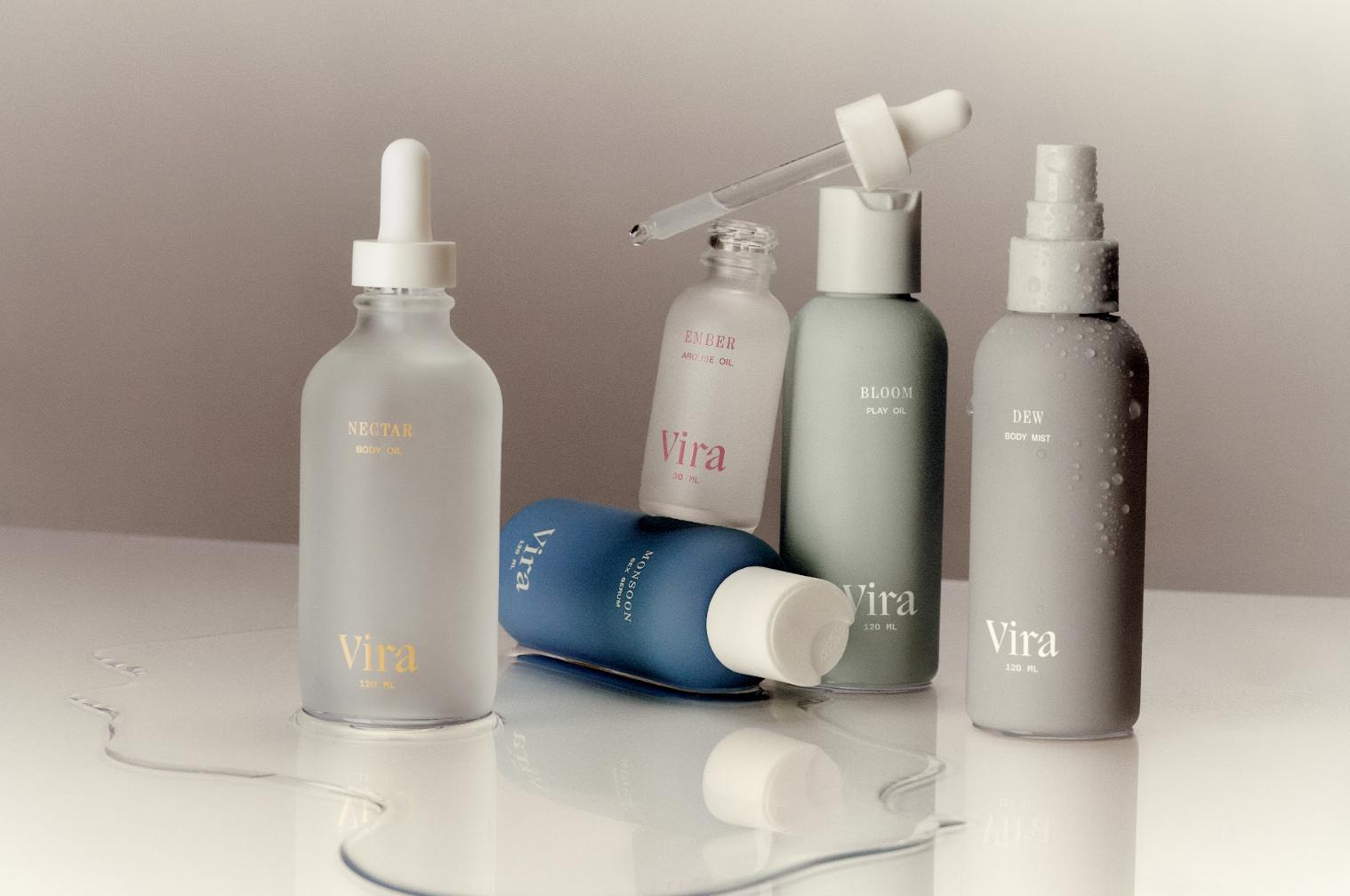
Today marks the official launch of Vira, a first-of-its-kind South Asian, Ayurveda-inspired sensual wellness brand dedicated to empowering individuals to embrace their sensuality, prioritize self-care and elevate overall well-being through thoughtfully crafted plant-based products. Launching with a line of five luxury products that bridge skincare and sex-care curated with EU-certified clean ingredients, each formula is designed to integrate physical, emotional and spiritual wellness.

Founded by Shruti Viradia, a certified Ayurvedic Health Coach and Indian American entrepreneur, Vira was conceptualized nearly five years ago, beginning with a single natural lubricant made in her own kitchen. Growing up, Shruti observed a lack of transparency and open conversation around sexual wellness within her community, a gap that inspired her to reimagine intimacy through a more inclusive, culturally rooted lens. What started as a product shared only with close friends quickly revealed a broader need for clean, holistic sensual care, ultimately becoming the foundation of Vira.

“Vira began as a deeply personal exploration of pleasure, care, and cultural identity,” says Shruti Viradia, founder of Vira. “I wanted to create products that felt safe, intentional, and rooted in tradition, while also meeting the modern need for clean, transparent sensual care. Vira is about reclaiming intimacy as an everyday act of self-care, not something that should feel shameful or hidden.”

As wellness continues to evolve beyond traditional skincare and fitness, conversations around sexual wellness still remain taboo. Vira was created to shift the narrative and offer a holistic approach that reframes intimacy as an everyday ritual of touch, embodiment and self-care – not just partner-focused moments. From hydrating oils to pH-balanced lubricants, the brand offers thoughtfully crafted products designed to nourish the skin and elevate pleasure with intention and care.

Vira’s product line includes:

  • Nectar ($44): a lightweight, multi-use body oil that hydrates, calms and repairs skin including key ingredients such as turmeric, grapeseed oil, coffee extract and more (best used as an everyday moisturizer or for sensual massage) 
  • Dew ($33): a soothing multi-use body mist to refresh, balance pH and alleviate irritation including ingredients such as witch hazel and rose water (best used before and after sex or even to refresh underarms after a workout and throughout the day) 
  • Ember ($36): an arousal oil designed to enhance pleasure with a gentle warming and tingling effect – similar to the feel of a lip plumper (best used before sex or during foreplay) 
  • Bloom ($32): a silky play oil with a coconut oil base that doubles as a natural lubricant, massage oil and nourishing moisturizer (best used during sex or for sensual massage) 
  • Monsoon ($26): an aloe-based, pH-balanced sex serum (or lubricant) for hydration and frictionless intimacy – without the sticky or greasy residue (best used during sex)

Vira’s products are available for purchase on www.virasensual.com with select items shipping out in March 2026. For more information, visit Vira’s website or @virasensual on Instagram and TikTok. 

About Vira

Vira is a South Asian, Ayurveda-inspired sensual wellness brand redefining intimacy as an essential part of holistic self-care. Founded by certified Ayurvedic Health Coach and Indian American entrepreneur Shruti Viradia, the brand offers thoughtfully crafted, plant-based products that bridge skincare and sex-care – supporting physical, emotional, and spiritual well-being through intentional rituals of touch and embodiment. Each formula is made with EU-certified clean ingredients and designed to elevate everyday intimacy. Launched in 2026, Vira is already being considered for leading beauty and sexual wellness awards, signaling its growing impact within the modern wellness landscape.

Contact

Head of Brand Strategy & PR
Courtney Ormond
Vira
courtney@st-ormpr.com

Tags: , , , , , , , , , , , ,
Beauty trick or ick? What you should know before trying viral skincare hacks – NBC 6 South Florida

Beauty trick or ick? What you should know before trying viral skincare hacks – NBC 6 South Florida

Chances are, your social media feed may be filled with “game-changing” beauty hacks, and millions of people are copying them, hoping for the same results. But there are some red flags you should look out for.

From flawless skin to a transformed look, you can find just about every beauty fad on your feed these days.

“Anything that really promises a quick fix to a rather challenging problem with skin has not been really great, and usually I see these on TikTok,” said Amy Peterson, the owner of Skincare by Amy Peterson, a highly regarded Miami boutique medspa focused on noninvasive skin and body treatments.

Among her clients are celebrities and influencers. The esthetician cautions against DIY mole removals, powerful acids, and trends like slugging that could lead to breakouts.

“Slugging is when you use lots of occlusive ointments and you seal in your skincare or multiple layers of it. We really never recommend that,” she said.

In one woman’s case, following that trend caused a reaction, and she warns of paying attention to ingredients because what works for an influencer may not necessarily work for you.

“I think that the viewers need to understand that these influencers are part of a business,” she said. “That is how they make their money, and while some things are great that they are sharing, some things are not so great.”

Bottom line, if it looks too good to be true, it probably is, including those faux freckles, typically attained with makeup or a face tattoo.

“Think something through before you do it. Do not just think of the immediate, ‘I am going to have freckles that I am going to create myself,'” Peterson said. “Think about what could potentially happen. Do some research and ask a professional their opinion.”

That’s because not every trend that earns likes will earn you healthy skin.

“If it is a fad, if it is a trend, it is not really timeless,” she said. “And if we are looking at our appearance and who we really want to show up as, I would always choose the more timeless approach, not the trend. Save that for your wardrobe.”

The risk with some of the viral beauty trends is that there is little oversight. The best advice is that what you see is not one size fits all, so consult with a professional.

Tags: , , , , , , , ,
Best oLive
Privacy Overview

This website uses cookies so that we can provide you with the best user experience possible. Cookie information is stored in your browser and performs functions such as recognising you when you return to our website and helping our team to understand which sections of the website you find most interesting and useful.