Instagram/Tilly Whitfield

Do I have acne or a damaged skin barrier? Difference explained by experts

Identifying why your skin is breaking out can feel like trying to find a needle in a haystack – especially if you have a complicated, multi-product routine.

And some conditions share similar symptoms, which can make it even more difficult to know what you’re struggling with.

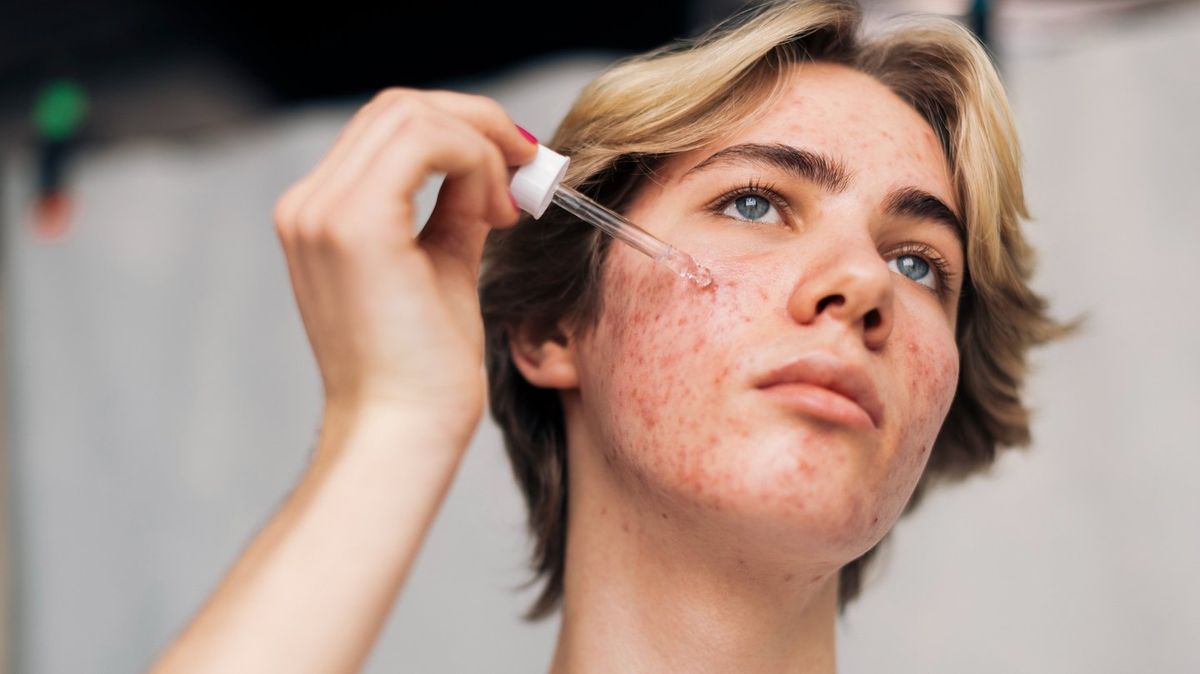
Red bumps, inflammation, and irritated skin are all signs of both a damaged skin barrier and acne – but how do you know the difference between the two?

Tyla spoke with dermatologists, who have broken down the key distinctions you need to be aware of.

READ MORE: Skin barrier repair: the complete guide

To explain, your skin barrier is the outermost layer of your skin, which is known scientifically as the stratum corneum, and acts as a protective shield for your body.

It’s responsible for keeping moisture locked in and providing protection against external irritants and infections.

Using harsh products or very hot water, cleansing too frequently, and dry weather can all contribute to skin barrier disruption, as can introducing too many ingredients into a skincare routine at once.

There are a number of ways your skin barrier can get damaged (Getty Stock Image)

Acne, on the other hand, is a skin condition that occurs when your hair follicles become plugged with oil and dead skin cells.

Highlighting the links between the two, Dr. Anna Andrienko, Dermatologist & Aesthetic Doctor at Dr Ducu Clinics, explains to Tyla: “Acne and a damaged skin barrier can sometimes look very similar, particularly when the skin is red, bumpy or inflamed.

“However, there are a few key differences that can help you understand what may be happening.”

Acne produces more ‘defined lesions’

She advises: “Acne tends to produce more defined lesions, such as blackheads, whiteheads, inflamed spots or deeper, sometimes painful lumps beneath the skin.

“Breakouts may also occur repeatedly in familiar areas, such as the chin, jawline, cheeks or forehead.”

A damaged skin barrier, however, often ‘presents differently,’ and rather than distinct spots, the skin may instead develop ‘lots of small bumps alongside redness, dryness or a rough texture’.

Dr Andrienko continues: “One of the biggest clues is how the skin feels. If your skin is stinging, burning or feeling unusually tight, particularly after cleansing or applying products you would normally tolerate, this may suggest that the skin barrier has become compromised.”

Acne often ‘presents differently’ to a damaged skin barrier (NHS website)

The conditions can co-exist

Dr Susie Gawler, Acne and Skin Lead at Boots Online Doctor, agreed that the two conditions are ‘more closely connected than they might first appear’ and can actually influence each other.

The expert explained: “A disrupted skin barrier can contribute to skin inflammation (and skin conditions such as eczema, rosacea and acne), while acne itself – and some of the treatments used to manage it – in turn can cause irritation and disruption to the skin barrier.

Read more: Adult acne: why it happens and what actually helps

“Acne is characterised by blocked pores and inflammation, including blackheads and whiteheads, red or inflamed spots and, in some cases, deeper, painful lumps beneath the skin. Increasingly, it’s thought that skin barrier dysfunction can be a contributing factor to this process.”

Dr Andrienko agrees: “It is also important to consider what has changed in your skincare routine. Over-cleansing, excessive exfoliation, and using too many active ingredients, such as acids or retinoids, can irritate the skin and disrupt the barrier. Someone trying to aggressively treat acne may therefore unintentionally cause barrier damage, which can make the skin appear even more inflamed and reactive.”

The first port of call if you’re struggling with your skin is to strip back your routine (Getty Stock Image)

What to do if you’re still unsure

If you’re still struggling to work out whether you’re dealing with acne, a damaged skin barrier, or both, there are a number of steps you can take.

Dr Andrienko suggests ‘simplifying your skincare routine and avoiding unnecessary exfoliation or multiple active ingredients until the skin has settled’.

She adds: “Focus on gentle cleansing, moisturising and supporting the skin’s natural barrier.

“However, persistent, painful or widespread breakouts should always be assessed by a qualified dermatologist. Not every bump or breakout is acne, and an accurate diagnosis is important before introducing stronger treatments.”

READ MORE: I wrecked my skin barrier with acne treatment – this £16 La Roche-Posay Balm fixed it

Dr Gawler explains that it’s important to ‘pay attention to how your skin feels while treating acne’ as treatments can be irritating or drying, especially when you’ve just started using them.

She explains: “Side effects often settle as your skin gets used to the treatment, and a gentle skincare regime can help protect and repair your skin barrier during this process.

“However, persistent dryness, tightness, soreness, flaking or unusual sensitivity, as well as stinging or burning when applying products you would normally tolerate, can indicate that your skin barrier has become disrupted.

“This can happen when multiple active ingredients are used together, the skin is over-exfoliated, or treatments are introduced too quickly.”

It’s not always one or the other – a damaged skin barrier can sometimes co exist (Getty Stock Image)

If your skin is becoming increasingly irritated while you are trying to treat acne, it’s worth ‘reassessing which products, and how many, you are using’.

Simplifying your routine is always a good first step, as is focusing on gentle cleansing, moisturising and sun protection to help your skin barrier.

Dr Gawler adds: “You can help protect your skin barrier by sticking to gentle cleansers, avoiding over-exfoliation and applying a non-comedogenic moisturiser (one that won’t clog pores) regularly.

“Barrier-supporting ingredients such as ceramides, glycerin and hyaluronic acid can help improve hydration and support the skin’s natural barrier, which may be particularly beneficial in acne-prone skin and during acne treatment.”

She concludes: “It is key to pay attention to the overall condition of your skin and whether your skincare routine is helping to protect your skin barrier and manage any skin conditions. Looking after your skin barrier can help support skin health and help you achieve better acne control.”
Tags: , , , , , ,
Hypopigmentation

Hypopigmentation Explained: Causes, Symptoms and Treatment Options

As a melanated girlie, I’ve always been conscious of hyperpigmentation—when patches of skin appear darker than the surrounding area. I’ve spent most of my life trying to avoid it—think sun protection, acne control, preventative skincare and steering clear of aesthetic treatments that could trigger it. On the occasions it did rear its head, I was armed and ready with a host of devices and actives to even out my skin tone.

What I wasn’t prepared for, and knew very little about, was hypopigmentation. So, when it happened to me, I was flummoxed about how it had happened and what exactly the correct course of action was to treat it.

Hypopigmentation decoded

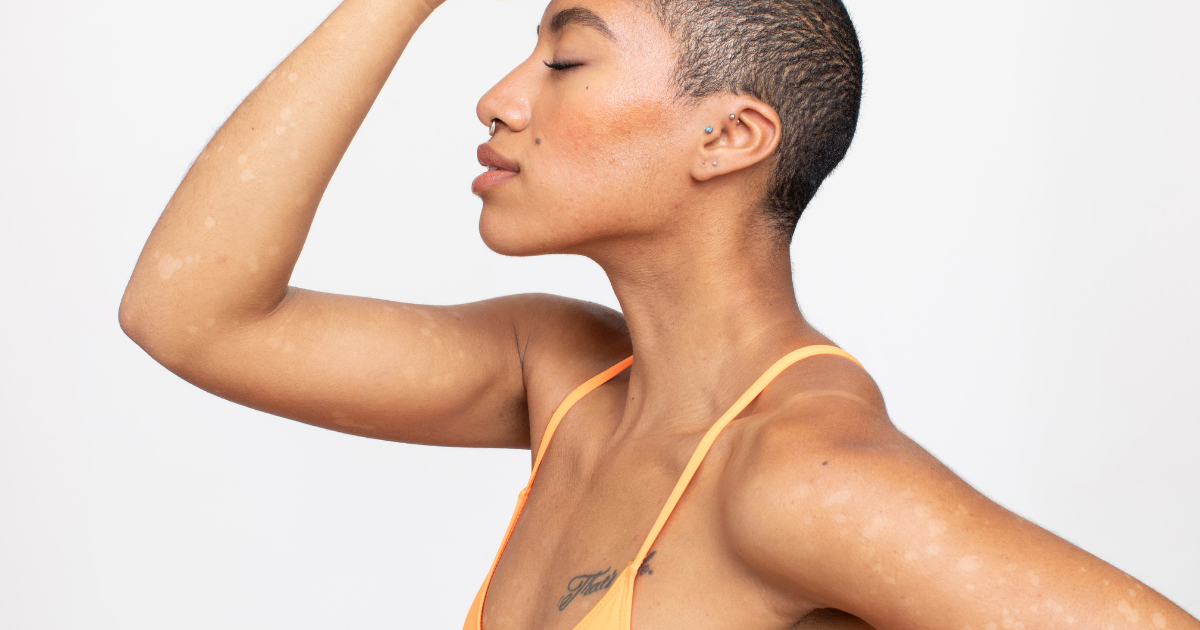
“Hypopigmentation is a reduction in the skin’s natural pigment, melanin, resulting in patches that appear lighter than the baseline skin tone, but it still retains some melanin activity. It’s often confused with vitiligo, but the two are distinct. Vitiligo is a chronic and complex autoimmune condition that involves the complete loss of melanin-producing cells,” explains aesthetic practitioner and Ace Skin Health Clinic founder, Corina Mihalache.


You may like

Around two years ago, I developed a circle of skin on my calf that looks completely devoid of pigment, while a bite that turned into a blister, and a laser hair removal mishap that burnt my skin also left me with light patches that stand out like a lighthouse amongst my darker skin.

Pigment-producing cells, called melanocytes, located in the top layer of the skin can’t function as they should when inflammation, trauma or excessive stress comes their way. “These melanocytes may remain present but no longer produce enough melanin, or they fail to transfer pigment efficiently to surrounding cells, and more severe damage can result in partial or complete destruction of the melanocytes,” says Mihalachi.

Inflammation is one of the most significant triggers; think conditions like eczema, acne, psoriasis, burns and aggressive aesthetic procedures can all trigger inflammation and disrupt normal melanocyte activity. In small doses, inflammation promotes healing—the body releases inflammatory mediators, aka the chemical messengers like histamines, cytokines, prostaglandins and leukotrienes that are all essential for healing. The issue is that when inflammation becomes chronic—and we may be fuelling it with our collective obsession with achieving ‘perfect’ skin.

“I have also noticed an increase in pigment disruption caused by over-treated skin, linked to the overuse of active skincare ingredients, particularly in patients who have unintentionally damaged their skin barrier through excessive exfoliation, strong acids, or prescription products used without professional guidance,” says Mihalachi. And it’s not just at-home skincare that could be to blame.

Some aesthetic treatments carry significant risk too. “Cryotherapy, aggressive lasers, deep chemical peels and improperly used energy devices can all suppress or permanently damage melanocytes,” reveals Mihalachi.

Hypopigmentation in darker skin tones

Just as hyperpigmentation is more of a concern for melanin-rich skin due to our more active pigment-producing cells, which are more reactive to any form of inflammation, trauma or sun exposure. Hypopigmentation can also be more concerning. Not only are we more prone to the condition thanks to our overachieving pigment-producing cells, but because when skin is darker, a loss of pigment is also significantly more visible than it would be on our lighter-skinned counterparts.

To avoid this fate, Mihalache urges patients and practitioners to err on the side of caution when it comes to skincare and treatments. Ditch overly aggressive actives, use conservative settings during treatments and follow an intensive healing aftercare protocol.


What to read next

How to treat hypopigmentation

Whatever your skin tone, the fundamentals of treating hypopigmentation remain the same. “It can still be challenging, but our understanding has improved considerably over recent years. Earlier intervention, better recognition of inflammatory triggers and more targeted therapies are helping to improve outcomes for many patients,” shares Teresa O’Nwere-Tan, Advanced Nurse Practitioner & Founder of Tan&Co

For post-inflammatory hypopigmentation, treatment focuses on calming inflammation, restoring the skin barrier and encouraging melanocyte recovery. “Depending on the individual case, this may include topical anti-inflammatory medications, carefully selected light-based therapies and anti-inflammatory and barrier supportive skincare,” says O’Nwere-Tan.

Light therapy, specifically controlled medical phototherapy, is one of the most exciting treatment options for hypopigmentation, as it’s highly effective at stimulating melanin production. LED is a great supportive light treatment that helps reduce inflammation, supports healing, and strengthens the skin barrier.

“Gentle microneedling with the likes of exosomes, peptides, polynucleotides, can help encourage melanocyte activity and improve overall pigment blending too,” reveals O’Nwere-Tan.

At home, the priority is rebuilding a healthy skin environment rather than aggressively targeting pigment loss itself. “Start with the basics: a gentle, non-stripping cleanser, a ceramide-rich moisturiser to restore barrier function, and SPF 50 every single day without exception. Once the skin is calm and the barrier is intact, vitamin C is worth introducing gradually. It supports antioxidant defence and helps address the oxidative stress that contributes to melanocyte disruption. Azelaic acid at 10-20 per cent is another useful option as it has anti-inflammatory properties, helps regulate melanocyte activity and is well tolerated across skin tones. Once fully stabilised, a low-strength retinoid can be introduced to support cell turnover and improve overall pigment distribution,” explains O’Nwere-Tan.

Managing expectations

When it comes to repigmentation, patience is key. I’ve experienced this first-hand, as it’s taken a whopping two years to see an improvement in mine, and there’s still a way to go. In milder post-inflammatory cases, Mihalachi says, “melanocyte function may begin to recover within four to twelve weeks. More moderate cases can take months to a year. But severe cases involving deep trauma or melanocyte destruction may not fully resolve.”

My aim is to keep treating my hypopigmentation at home and in clinic for another year and then reevaluate. O’Nwere-Tan thinks that’s wise: “In some cases the goal may shift to blending and stabilisation rather than complete reversal.” And that’s where cosmetic camouflage comes in, think tattooing but skin tone matching rather than a pretty design to hide my hypopigmentation. Alternatively, acceptance that skin tone can change—it’s not always even, and there’s no such thing as perfect.

Your hypopigmentation recovery kit

Revision Skincare

Gentle Cleansing Lotion

This gentle cleanser leaves skin refreshed, without stripping it completely.

The Ordinary Natural Moisturizing Factors + Ha 100ml

This moisturiser is packed with ceramides, fatty acids and hyaluronic acid to keep the outer layer if the skin hydrated, and protected.

Image Skincare

Vital C Hydrating Anti-Aging Serum

This serum contains multiple forms of vitamin C packing an major punch when it comes to treating damaged skin.

Paula’s Choice

Azelaic Acid Booster

Use this booster to help clarify uneven skin tone, target stubborn spots of hyper- and hypo-pigmentation and soothe the skin.

Tags: , , , ,
Beauty with a beat: South Korea’s face-slapping skincare technique explained

Beauty with a beat: South Korea’s face-slapping skincare technique explained

There is one unwritten rule for anyone hoping to debut as a beauty influencer in South Korea – slap your face, rhythmically and with flair.

A quick scroll through YouTube, TikTok and other social media channels showcasing South Korean cosmetics reveals a familiar scene of creators vigorously patting toner, lotion or foundation onto their faces in a slapping motion, using their hands or makeup puffs.

The same exaggerated tapping ritual is also a staple of television home shopping channels, where hosts repeatedly slap products onto their faces.

This technique has even inspired its own onomatopoeia, “chap chap”.

Originally a South Korean adjective describing things neatly settled in place or a calm state of mind, the term now appears in online beauty content to mimic the sound of patting cosmetics onto the skin.

Signature beauty technique

Local beauty experts say the phenomenon is closely tied to South Korea’s multistep skincare and makeup routines, where speed and absorption are considered essential.

With products layered sequentially – from toner and essence to primer and foundation, each step is expected to settle before the next begins.

If an earlier layer fails to absorb properly, it can affect how subsequent products apply, sometimes leading to pilling or uneven texture.

“In Korea, even toners come in multiple formulas, and there is an incredible range of products with different ingredients and textures, including serums, essences and moisturisers,” said Choi, 37, who runs a skincare salon, Hee Aesthetic, near Soongsil University in Dongjak-gu, Seoul.

“It’s almost as if the products are being stacked one on top of another. Absorption really matters, so I usually pat the products in as if I’m massaging the skin.”

Read more: Decades on from Hallyu’s rise, where does K-fashion stand now?

For some digital creators, the appeal is more than skin deep.

Beyond its supposed benefits for faster and better absorption, the technique’s strong visual and audible impact helps capture viewers’ attention in video content, said Kim, a freelance presenter in Incheon who promotes cosmetic products through live broadcasts on Instagram.

“People want to see a dramatic before-and-after effect. When products are applied with a bit more force, they seem to absorb faster. With foundation, for example, pores and blemishes appear more fully covered, which helps keep viewers focused on the video,” she said.

“Also, slapping on toner or lotion while making a ‘chap chap’ sound can make the product seem easy to apply. Thicker creams are especially well-suited for ASMR content when they are patted onto the skin.”

Another beauty creator, Kim Hye Jeong, who also works as a home shopping host, has even developed her own patting techniques tailored to different products.

“For watery products like toner, I pat quickly so it doesn’t run. With lipstick, I gently tap with my finger to control the amount and create a more natural look. For blush, I pat it on as if I’m blending it out. It definitely feels like the skincare or makeup turns out better when I tap rather than just rub.”

“These days, ‘chap chap’ has basically become part of beauty lingo. I find myself using it a lot during broadcasts.”

Not to be confused with ‘ajeossi’ slaps

For those unfamiliar with K-beauty, the “chap chap” motion should not be confused with the so-called “ajeossi” slaps, a memefied habit of some middle-aged men who apply skincare with a few loud, forceful smacks to the face.

Their exaggerated face-slapping while washing up or slapping on lotion has become an online meme in recent years.

Still, the two gestures share a similar motivation: a preference for speed and immediate results.

“Korean men learn to shower quickly during their military service, and Koreans in general are used to doing things quickly, a habit often described as the ‘ppalli ppalli’ culture. Maybe that’s why a culture of roughly applying lotion developed,” said Yang Hong-geun, a 64-year-old resident in Seoul.

“When I wash my face and apply lotion that way, I feel refreshed, and my skin feels more hydrated,” he said.

Absorption myth? Dermatologist weighs in

Regardless of the reason, the belief that applying products with force must be good for the skin is widely shared among South Koreans across generations.

But Lee Ha-eun, a dermatologist at Foret Dermatology in Gangnam-gu, Seoul, said that the motion plays only a supporting role when it comes to absorption.

“The skin barrier does not open easily just because the skin is tapped or slapped, so this motion does not actually help ingredients sink deeper into the skin,” she said.

“However, patting is not completely pointless. It helps spread the product evenly and press it closer to the skin, reducing small pockets of air between the skin and the product. In other words, patting helps the product sit better on the skin, rather than helping it absorb better.”

Read more: How to pull off ‘halo lips’, a beauty trend gaining traction among celebrities

‘Beauty is pain’

Lee, who has treated both Korean and foreign patients, further explained that in the world of skincare and beauty, South Koreans tend to be more willing to tolerate discomfort if it promises visible results.

“A willingness to tolerate a certain degree of discomfort for better outcomes is fairly common among Korean women, who show strong interest in skincare and cosmetic procedures,” she said.

Among the dermatological procedures that remain consistently popular despite being known for their intense pain are anti-ageing laser treatments such as Rejuran and InMode.

These often leave patients with severe redness and visible marks immediately afterward.

While recovery varies from person to person, the aftereffects typically last anywhere from two days to a week.

The pain tolerance extends to nonclinical treatments as well.

South Korean facial massage, known as “kyungrak,” which involves applying intense pressure along the jawline, cheekbones and brow bones, has become almost a pre-wedding ritual among young brides and grooms seeking a slimmer looking face.

Beauty comes with pain even at home.

Skincare products containing spicules, microscopic needle-like structures extracted from marine sponges, have sparked buzz among beauty aficionados in recent years, as they are thought to improve absorption, aid skin regeneration and refine overall texture.

Lee attributed South Koreans’ embrace of painful beauty treatments to a broader social mindset that treats endurance as a virtue.

“In a beauty powerhouse like Korea, ‘no pain, no gain’ applies to skincare as well. At our clinic, many patients tend to put up with pain rather than express it, even when procedures are uncomfortable,” she said.

“With so many new treatments emerging each year and dermatological procedures becoming so common, people’s psychological hurdle toward pain appears to have gradually lowered.” – The Korea Herald

Tags: , , , , , , ,
Best oLive
Privacy Overview

This website uses cookies so that we can provide you with the best user experience possible. Cookie information is stored in your browser and performs functions such as recognising you when you return to our website and helping our team to understand which sections of the website you find most interesting and useful.