What Causes Adult Acne? 10 Correct Skincare Methods to Prevent Recurring Acne|Mana

What Causes Adult Acne? 10 Correct Skincare Methods to Prevent Recurring Acne|Mana

“Just when I thought my acne had cleared up, it appeared in the same spot again…”

“I didn’t have much acne as a teenager, but it started recurring after I became an adult.”

“I’m worried about my acne and am working hard on washing and skincare, but it’s not improving.”

There are many people who suffer from these kinds of concerns.

Adult acne is not simply caused by having “dirty skin.”

It occurs due to a combination of various factors, such as hormonal changes, sebum, clogged pores, skin irritation, and lifestyle habits.

Therefore, to prevent acne, it is important not to rely on care like “just washing” or “popping the acne that appears,” but rather to avoid over-stimulating the skin and review your daily skincare routine.

In this article, we will explain as clearly as possible the main causes of recurring adult acne and the correct skincare methods you can start today.

What are the main causes of recurring adult acne?

First, it is important to know that adult acne is not necessarily caused by just one factor.

Acne occurs when pores become clogged, sebum accumulates, and inflammation occurs there.

So, why does acne become easier to repeat as you get older?

1. Changes in hormonal balance

Hormonal changes can be involved in adult acne.

Especially for women, hormones change due to factors like the menstrual cycle, which can worsen acne.

It is also said that acne can worsen when you are feeling stressed.

If you find that “acne has increased since I got busy lately,” it is also important to review not just your skin, but your entire lifestyle.

2. Sebum and dead skin cells accumulate in pores

When sebum and old dead skin cells from the skin accumulate in the pores, the pores become prone to clogging.

If this state continues, it can lead to whiteheads or blackheads, and if further inflammation occurs, it can turn into red, swollen acne.

In short, for acne countermeasures, it is important not only to consider “what to do about existing acne,” but also to keep pores in a state where they are less likely to clog.

3. Excessive skin irritation

When acne appears,

“I must remove the sebum”

“I must remove the dirt from my pores”

Some people think this and end up scrubbing their face too hard.

However, scrubbing strongly when washing your face or repeating harsh care can put a strain on your skin.

Precisely because you have acne-prone skin, it is important to not wash too much and not scrub.

4. Dry skin

Some people think, “Acne means I shouldn’t moisturize.”

However, even if you have acne-prone skin, proper moisturizing is important if your skin is dry.

Especially when your skin is dry due to acne treatment, using a moisturizer can suppress dryness and irritation, making it easier to continue treatment.

10 Correct Skincare Methods to Prevent Recurring Acne

From here on, I will introduce 10 skincare habits to keep in mind to prevent recurring adult acne.

You don’t need to do everything perfectly at once.

First, try incorporating what you can, little by little.

1. The basic rule for face washing is to be “gentle”

When washing your face, try not to scrub your skin.

Lather the facial cleanser well and wash gently using the pads of your fingers.

After washing, use a clean towel to gently pat away moisture without rubbing your skin.

Washing your face is not a case of “the harder you scrub, the cleaner it gets.”

The important thing is not to give your skin unnecessary irritation.

2. Be careful not to over-wash your face

Even if you are concerned about sebum, avoid washing your face too many times.

Basically, wash your face a reasonable number of times, such as morning and night, according to your skin condition.

If you have been sweating, washing gently afterward is also an option.

If your skin feels tight after washing, check if you are over-washing or if the facial cleanser is right for your skin.

3. Moisturize after washing your face

Even if you are concerned about acne, don’t forget to moisturize after washing your face.

When skin is dry, it can become more prone to feeling tight or irritated.

For those prone to acne, checking for labels like “non-comedogenic” or “less likely to clog pores” when choosing products is one method.

4. Do not apply too much lotion or milky lotion

Skincare is not a case of “the more you use, the better.”

Layering many types of products such as lotion, serum, milky lotion, and cream can sometimes cause skin irritation.

First, start with a simple routine:

“Wash”
↓
“Moisturize”
↓
“Use sun protection during the day”

Try making this your basic care routine.

5. Do not scrub hard with exfoliants

When you are concerned about blackheads or rough skin, you might want to scrub your skin hard with an exfoliant.

However, if you scrub skin with acne hard, the irritation may worsen the condition.

Focus on “not damaging the skin” rather than just “removing dirt.”

6. Do not pop pimples

Avoid popping pimples with your fingers as much as possible.

I understand the urge to touch them because they bother you, but popping or pressing them firmly can prolong the healing process and lead to acne scars or hyperpigmentation.

When you have a breakout, make a conscious effort to “not touch” it.

7. Choose cosmetics that are “less likely to clog pores”

When choosing cosmetics, sunscreen, or skincare products, one method is to select products designed for acne-prone skin.

Check for labels such as “non-comedogenic,” “oil-free,” or “less likely to clog pores.”

However, these labels do not guarantee that the product will not cause acne for everyone.

It is important to use them while checking if they suit your skin.

8. Keep hair from touching your face

If your bangs or hair often touch your face, try to keep them away from your face as much as possible.

Especially if you are concerned about acne on your forehead, it is important to check if your hair care products or hair itself are touching your skin.

9. Protect against UV rays

Even when you are concerned about acne, do not forget to protect your skin from UV rays during the day.

When choosing sunscreen, it is easier to use products designed for acne-prone skin.

UV protection is an important part of skincare not only for acne itself but also for those concerned about skin discoloration after acne has healed.

10. Do not change your skincare routine frequently

When you get acne,

“Was this product not good enough?”

You might think, “I should use stronger cosmetics.”

And you may end up changing products one after another.

However, continuing to try various products in a short period can increase irritation to your skin.

For skincare, it is important not to seek results too quickly, but to continue with a method that suits your skin.

NG Skincare Habits to Avoid for Adult Acne

Contrary to the methods introduced so far, there are also habits you should avoid.

Typical examples include:

・Popping pimples
・Scrubbing hard when washing your face
・Washing your face too many times
・Not moisturizing even when your skin is dry
・Forcing yourself to use cosmetics that cause irritation
・Changing skincare products one after another in a short period

and similar actions.

In particular, because of the desire to “heal acne quickly,” rubbing or touching the skin forcefully can have the opposite effect.

What is important in skincare for acne-prone skin is not to overdo it.

If Acne Still Recurs, See a Dermatologist

“I keep getting acne even though I’ve reviewed my skincare routine”

“I get large, painful pimples”

“Acne leaves marks after it heals”

In such cases, do not try to solve it only with self-taught skincare, but consider consulting a dermatologist.

In particular, acne that swells significantly deep in the skin or acne that tends to leave marks may not be adequately addressed by over-the-counter skincare alone.

Acne is often thought of as something that “will heal eventually,” but medically, it is a skin disease that can be treated.

The Japanese Dermatological Association also treats acne as a skin disease called “acne vulgaris” and has published guidelines for its treatment.

Summary | Adult Acne Countermeasures Start with “Treating Your Skin Gently”

Adult acne is caused by a combination of various factors, including hormonal changes, sebum, clogged pores, stress, and skin irritation.

Therefore, it is not as simple as thinking that “removing all sebum is good” or “popping a pimple will make it heal faster.”

First, let’s focus on these 10 points:

1. Wash gently
2. Do not over-wash
3. Moisturize properly
4. Do not rub your skin
5. Do not touch your acne
6. Choose cosmetics that are less likely to clog pores
7. Keep your hair from touching your face too much
8. Use sun protection
9. Do not change your skincare products constantly
10. Consult a dermatologist if necessary

Try to keep these 10 things in mind.

The important thing is not to panic and rush your care only when a pimple appears, but to review your daily skincare routine little by little.

The more you think “I want it to heal quickly,” the more likely you are to touch your skin or wash it too vigorously.

However, the basic approach to adult acne care is to reduce irritation and treat your skin with care rather than attacking it.

If you are suffering from recurring acne, consulting a dermatologist is one option before you continue worrying that “my skincare routine might be wrong.”

Find the care that suits your skin condition and aim to gradually build a skin environment that is less prone to recurring acne.
Tags: , , , , , , ,
Instagram/Tilly Whitfield

Do I have acne or a damaged skin barrier? Difference explained by experts

Identifying why your skin is breaking out can feel like trying to find a needle in a haystack – especially if you have a complicated, multi-product routine.

And some conditions share similar symptoms, which can make it even more difficult to know what you’re struggling with.

Red bumps, inflammation, and irritated skin are all signs of both a damaged skin barrier and acne – but how do you know the difference between the two?

Tyla spoke with dermatologists, who have broken down the key distinctions you need to be aware of.

READ MORE: Skin barrier repair: the complete guide

To explain, your skin barrier is the outermost layer of your skin, which is known scientifically as the stratum corneum, and acts as a protective shield for your body.

It’s responsible for keeping moisture locked in and providing protection against external irritants and infections.

Using harsh products or very hot water, cleansing too frequently, and dry weather can all contribute to skin barrier disruption, as can introducing too many ingredients into a skincare routine at once.

There are a number of ways your skin barrier can get damaged (Getty Stock Image)

Acne, on the other hand, is a skin condition that occurs when your hair follicles become plugged with oil and dead skin cells.

Highlighting the links between the two, Dr. Anna Andrienko, Dermatologist & Aesthetic Doctor at Dr Ducu Clinics, explains to Tyla: “Acne and a damaged skin barrier can sometimes look very similar, particularly when the skin is red, bumpy or inflamed.

“However, there are a few key differences that can help you understand what may be happening.”

Acne produces more ‘defined lesions’

She advises: “Acne tends to produce more defined lesions, such as blackheads, whiteheads, inflamed spots or deeper, sometimes painful lumps beneath the skin.

“Breakouts may also occur repeatedly in familiar areas, such as the chin, jawline, cheeks or forehead.”

A damaged skin barrier, however, often ‘presents differently,’ and rather than distinct spots, the skin may instead develop ‘lots of small bumps alongside redness, dryness or a rough texture’.

Dr Andrienko continues: “One of the biggest clues is how the skin feels. If your skin is stinging, burning or feeling unusually tight, particularly after cleansing or applying products you would normally tolerate, this may suggest that the skin barrier has become compromised.”

Acne often ‘presents differently’ to a damaged skin barrier (NHS website)

The conditions can co-exist

Dr Susie Gawler, Acne and Skin Lead at Boots Online Doctor, agreed that the two conditions are ‘more closely connected than they might first appear’ and can actually influence each other.

The expert explained: “A disrupted skin barrier can contribute to skin inflammation (and skin conditions such as eczema, rosacea and acne), while acne itself – and some of the treatments used to manage it – in turn can cause irritation and disruption to the skin barrier.

Read more: Adult acne: why it happens and what actually helps

“Acne is characterised by blocked pores and inflammation, including blackheads and whiteheads, red or inflamed spots and, in some cases, deeper, painful lumps beneath the skin. Increasingly, it’s thought that skin barrier dysfunction can be a contributing factor to this process.”

Dr Andrienko agrees: “It is also important to consider what has changed in your skincare routine. Over-cleansing, excessive exfoliation, and using too many active ingredients, such as acids or retinoids, can irritate the skin and disrupt the barrier. Someone trying to aggressively treat acne may therefore unintentionally cause barrier damage, which can make the skin appear even more inflamed and reactive.”

The first port of call if you’re struggling with your skin is to strip back your routine (Getty Stock Image)

What to do if you’re still unsure

If you’re still struggling to work out whether you’re dealing with acne, a damaged skin barrier, or both, there are a number of steps you can take.

Dr Andrienko suggests ‘simplifying your skincare routine and avoiding unnecessary exfoliation or multiple active ingredients until the skin has settled’.

She adds: “Focus on gentle cleansing, moisturising and supporting the skin’s natural barrier.

“However, persistent, painful or widespread breakouts should always be assessed by a qualified dermatologist. Not every bump or breakout is acne, and an accurate diagnosis is important before introducing stronger treatments.”

READ MORE: I wrecked my skin barrier with acne treatment – this £16 La Roche-Posay Balm fixed it

Dr Gawler explains that it’s important to ‘pay attention to how your skin feels while treating acne’ as treatments can be irritating or drying, especially when you’ve just started using them.

She explains: “Side effects often settle as your skin gets used to the treatment, and a gentle skincare regime can help protect and repair your skin barrier during this process.

“However, persistent dryness, tightness, soreness, flaking or unusual sensitivity, as well as stinging or burning when applying products you would normally tolerate, can indicate that your skin barrier has become disrupted.

“This can happen when multiple active ingredients are used together, the skin is over-exfoliated, or treatments are introduced too quickly.”

It’s not always one or the other – a damaged skin barrier can sometimes co exist (Getty Stock Image)

If your skin is becoming increasingly irritated while you are trying to treat acne, it’s worth ‘reassessing which products, and how many, you are using’.

Simplifying your routine is always a good first step, as is focusing on gentle cleansing, moisturising and sun protection to help your skin barrier.

Dr Gawler adds: “You can help protect your skin barrier by sticking to gentle cleansers, avoiding over-exfoliation and applying a non-comedogenic moisturiser (one that won’t clog pores) regularly.

“Barrier-supporting ingredients such as ceramides, glycerin and hyaluronic acid can help improve hydration and support the skin’s natural barrier, which may be particularly beneficial in acne-prone skin and during acne treatment.”

She concludes: “It is key to pay attention to the overall condition of your skin and whether your skincare routine is helping to protect your skin barrier and manage any skin conditions. Looking after your skin barrier can help support skin health and help you achieve better acne control.”

Tags: , , , , , ,
This Minimal Acne Routine Transformed My Skin

This Minimal Acne Routine Transformed My Skin

When you get a coveted appointment with New York City’s “acne whisperer,” aesthetician Sofie Pavitt, you take diligent notes. That’s what I did when I saw Pavitt a few months ago, covered in a face full of hormonal breakouts I was convinced could only be cured by a bout of Accutane or a laundry list of products.

I shared my current skincare routine with her, which at the time consisted of a benzoyl peroxide cleanser a few nights per week and a mix of serums and exfoliants. But Pavitt’s advice was far more minimal. “For you, I recommend mandelic acid and benzoyl peroxide,” she told me. “The benzoyl peroxide is great for getting rid of bacteria on your skin—whether you use a cleanser or a spot treatment—and the mandelic acid gently exfoliates and keeps your skin clear,” she explained. I was stunned. I expected to walk out of this appointment with a whole new routine, not just one addition.

But I trusted her. I came home, built a new, simplified skincare routine, and have followed it to a T for the last three months. My skin now? It’s never been better.

The routine

The core tenets of my routine are two products: mandelic acid serum and a benzoyl peroxide cleanser. But I never use them together. Lemme explain.

About four nights per week, I’ll wash my skin with Panoxyl, my go-to cleanser for acne with 4 percent benzoyl peroxide. Keep in mind this won’t really remove makeup and is too strong to go near my eyes, so I always double cleanse (either with Reale Actives Get Bare Cleansing Balm or Bioderma Micellar Water). If I’m about to start my period or I feel a breakout coming on, I’ll wash with this a few more times per week. I’m not married to following anything too intensely, but I am quite prescriptive and always look at what my skin needs.

Then, on the off nights when I prefer to wash with a gentle cleanser, I go in with a mandelic acid serum. My favorite just happens to be the one from Pavitt’s line, the Mandelic Acid Clearing Serum. It’s won multiple Cosmo beauty awards and is a favorite among most of our team. The formula is gentle and lightweight, pairing well with any other serums or moisturizers I layer on top.

Sofie Pavitt Face Mandelic Acid Exfoliating & Clearing Serum
PanOxyl Acne Creamy Wash, 4% Benzoyl Peroxide

I occasionally will use the mandelic serum in the mornings, but rarely on nights that I know I’ll also be using a benzoyl peroxide cleanser. This is largely to avoid irritation and stripping my skin.

Otherwise, I keep things mega simple. I always use mineral sunscreen during the day, and since my face has been a bit dry this spring and summer, I layer on a hydrating serum too, morning and night. Otherwise, I sometimes throw in a clay mask if I feel oily, or a sheet mask for extra plumpness. For the most part, though, my skincare routine takes only five or so minutes.

Why it works

“Benzoyl peroxide works by reducing acne-causing bacteria and helps to decrease inflammation,” says dermatologist Marisa Garshick, MD. “Mandelic acid, an alpha hydroxy acid, gently exfoliates to help prevent clogged pores, calms redness, and can improve post-acne marks,” she adds. Mandelic is widely considered a great AHA for acne-prone skin because it has a larger molecule size, explains Dr. Garshick, which means it penetrates your skin more slowly than others to reduce the likelihood of irritating sensitive skin.

Is using them together recommended by a derm, though? For the most part. “Using both benzoyl peroxide and mandelic acid in the same anti-acne routine can be helpful,” says Dr. Garshick. But she advises using them at different times, i.e., alternating days or one in the morning and one at night to minimize irritation.

“If it is working well for someone’s skin, it is okay to continue,” she says. But if acne remains, she typically recommends incorporating a topical retinoid, like adapalene (i.e., Differin) or prescription-strength tretinoin, “as this helps to regulate skin cell turnover, prevent clogged pores, and address both active breakouts and post-acne marks.”

Beth Gillette for Cosmopolitan

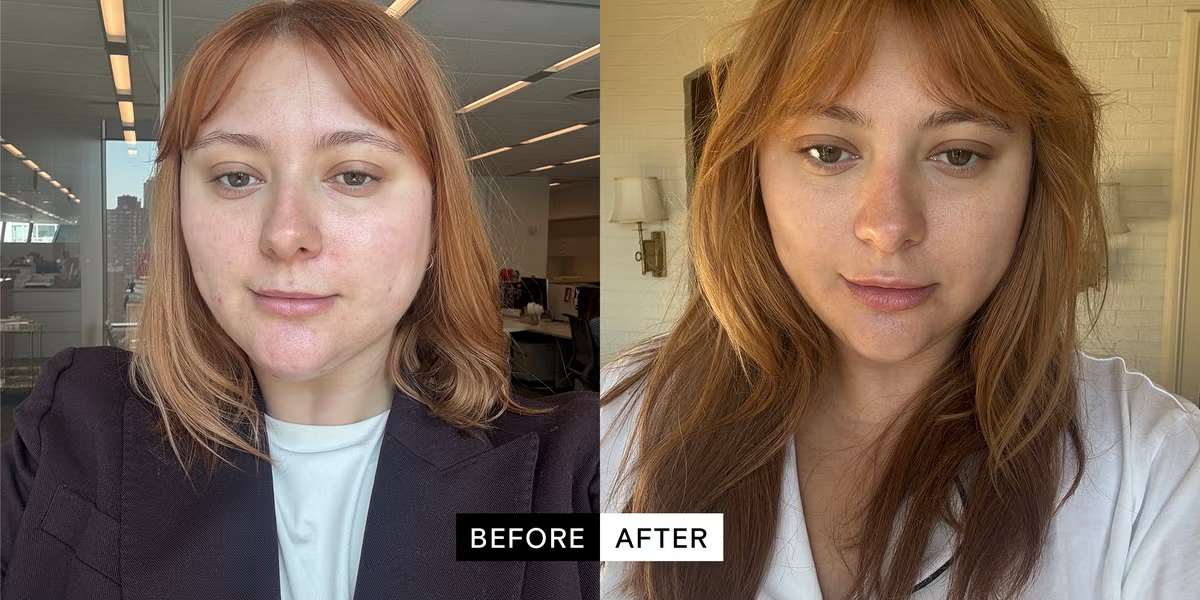
My skin right after my appointment with Pavitt in March.

My results

I cannot believe such a simple routine could give me such strong results, but here we are. I’ve been getting so many compliments on my skin lately, from my mom (a harsh critic who notices every bump on my face well before even I do), my friends, strangers, and most of all, other beauty editors who are used to me complaining about my skin all the time. “I noticed your face looks so clear lately,” an editor told me on a press trip a few weeks ago. “I was wondering if you did a treatment or what products you’ve been using.” I was delighted to share that it was really just two products used in tandem that rendered such a perceptible difference.

Beth Gillette for Cosmopolitan

My skin last weekend, with just a tinted sunscreen on. Unreal, right?

Best of all, Pavitt didn’t recommend some unreasonable routine that I’d never be able to do every day. The key to results is consistency, no matter what you’re doing, and two products are incredibly easy to manage. I could keep up with a routine like this forever.

Final thoughts

Do I still get acne? Totally, especially around my period. But my skin is 10 times better now than it was six months ago, and the only major change in my life is a more simplified regimen.

Dr. Garshick, Pavitt, and I all understand one key thing about acne that’s important to keep in mind: The best skincare routine is totally dependent on the individual. There really is no “one size fits all” for breakouts, which is why seeing a dermatologist and/or aesthetician to get your own acne checked out will always be the best bet for you.

Meet the experts:

  • Sofie Pavitt is a licensed aesthetician and NYC-based skincare expert who specializes in clients with acne-prone and problematic skin. She is also the founder of skincare line Sofie Pavitt Face.
  • Marisa Garshick, MD, FAAD, is a board-certified dermatologist at MDCS Dermatology in New Jersey.

Why trust Cosmopolitan?

Beth Gillette is the beauty editor at Cosmopolitan with eight years of experience researching, writing, and editing hair, makeup, nail, and fragrance stories.

Beth Gillette is the beauty editor at Cosmopolitan, where she covers skincare, makeup, hair, nails, and more across digital and print. She can generally be found in bright eyeshadow furiously typing her latest feature or hemming and hawing about a new product you “have to try.” Prior to Cosmopolitan, she wrote and edited beauty content as an Editor at The Everygirl for four years. Follow her on Instagram for makeup selfies and a new hair ‘do every few months. 

Tags: , , , ,
Is Vitamin C Good for Acne Scars? Here's What the Research Says

Is Vitamin C Good for Acne Scars? Here’s What the Research Says

Acne scars don’t just fade with time. But can vitamin C speed things up?

Acne may fade, but the scars? They tend to linger like uninvited guests. That’s where vitamin C steps in with a reputation that’s equal parts skincare hero and overhyped trend. But is vitamin C actually good for acne scars, or is it just another pretty bottle on your shelf?

Science has a lot to say here. From boosting collagen production to helping fade dark spots, vitamin C isn’t just about glow. It’s about repair. And when used consistently (and correctly), it can make a noticeable difference in how acne scars look over time.

The real question isn’t if it works, but how well it works, depending on your skin type, the kind of scars you have, and the products you choose.

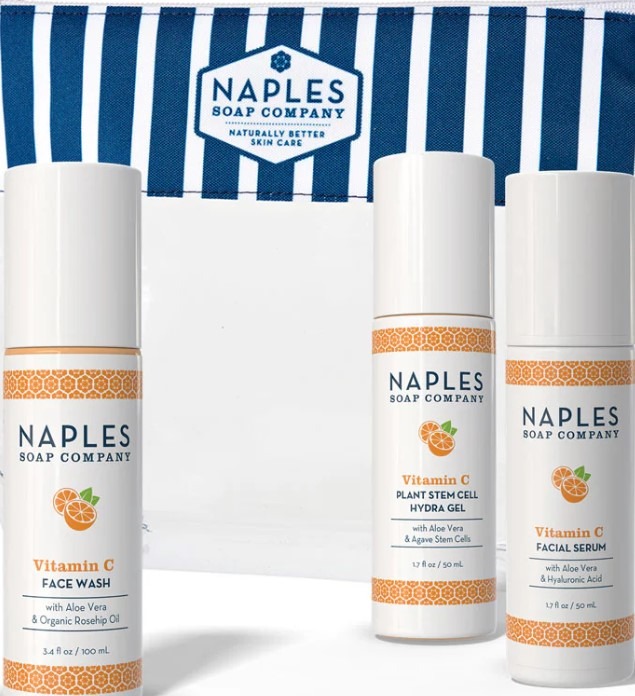
That’s why many people are now turning to a complete vitamin C face care kit instead of a single serum. Because tackling acne scars often takes a layered approach, not a one-step miracle. 

So, before you invest in yet another skincare trend, here’s what the research actually says about vitamin C and whether it deserves a spot in your routine. 

What Are Acne Scars? 

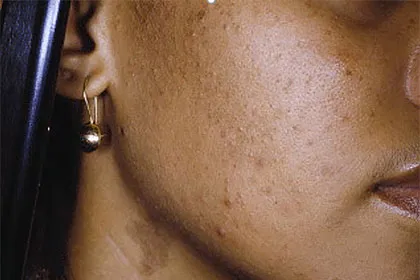
Acne scars are long-lasting textural changes and markings that remain on the skin after severe acne breakouts (such as cysts or nodules) heal.

Temporary post-inflammatory hyperpigmentation (PIH), the dark or red areas that go away over months, is not the same as acne scars. Because collagen is damaged during healing, true scars result in long-lasting changes to the skin’s texture.

The most prevalent type of scars is atrophic ones. These are pitted or depressed (ice-pick, boxcar, rolling) due to collagen loss.

Hypertrophic and keloid scars are thicker and elevated due to an overabundance of collagen.

When acne-related inflammation interferes with normal wound healing and causes uneven collagen remodeling, scars result. On the other hand, excess melanin without structural alteration causes PIH.

What Is Vitamin C and Why Is It Used in Skincare?

Vitamin C (L-ascorbic acid or its derivatives) exhibits strong antioxidant properties. It eliminates free radicals caused by inflammation, pollution, and UV exposure.

Important skin benefits include:

  • Increasing the synthesis of collagen by serving as a cofactor for the enzymes that produce it.
  • Lowering pigmentation and brightening skin tone.
  • Promoting the healing and repair of wounds.

Topical vitamin C is useful for post-acne issues since it enters the skin to deliver these effects directly.

How Vitamin C Helps Acne Scars 

Boosts Collagen Production

Vitamin C helps in the reconstruction of the skin’s structural integrity by promoting the production of collagen. 

For atrophic (indented) scars, where collagen loss results in depressions, this is especially helpful. Skin firmness and texture can be gradually improved by increased collagen.

Reduces Hyperpigmentation

It helps lighten dark spots and PIH caused by acne outbreaks by inhibiting tyrosinase, the enzyme that produces melanin. Texture alterations are frequently less obvious than this brightening effect.

Speeds Up Skin Healing

Vitamin C helps recover from active breakouts by promoting wound healing and lowering oxidative stress, which results in a smoother overall tone and texture.

Anti-Inflammatory Effects

It improves the appearance of scars and stops new PIH by reducing the redness and swelling linked to acne-prone skin.

What Does Research Say?

The significance of vitamin C is supported by clinical evidence; outcomes differ depending on form, concentration, and combination with other medications.

On Active Acne

Lotions, serums, and creams include SAP (Sodium Ascorbyl Phosphate), a stable, water-soluble form of vitamin C.

Research on the stable derivative sodium ascorbyl phosphate (SAP) yields encouraging findings. 5% SAP lotion outperformed 5% benzoyl peroxide in several comparisons, achieving “excellent or good” improvement in 76.9% of participants over 12 weeks in one trial with no significant adverse effects. SAP also lessens sebum oxidation and exhibits antibacterial properties against P. acnes.

On Acne Scars

Atrophic scars improve somewhat when vitamin C and microneedling are used together. Scar grading scores are significantly lower in split-face investigations, with advantages for stiffness, smoothness, and particularly PIH. 

According to one study, topical vitamin C and insulin with microneedling produced similar outcomes. Faster wound healing, less erythema, less pigmentation, and improved skin barrier function were all shown in a 2026 study on topical antioxidant serum (vitamin C + E + ferulic acid) after laser treatment for atrophic scars.

What Vitamin C Can and Can’t Do for Acne Scars

What Vitamin C Can Do

  • Fade PIH and dark patches effectively. 
  • Collagen support can help with mild-to-moderate textural problems. 
  • Improve the general brightness, tone, and healing of the skin. 
  • When used regularly, it reduces inflammation and promotes healing.

What Vitamin C Can’t Do

  • Eliminate severe or deep atrophic scars completely (professional techniques like laser or subcision are frequently needed).
  • For severe scarring, replace medicinal interventions.
  • Give immediate effect; it usually takes weeks to months of regular use to see noticeable changes.

How to Use Vitamin C for Acne Scars

Concentration: Depending on tolerance, start with 10–20%; lower for beginners or skin that is sensitive.

Timing: Use moisturizer and broad-spectrum sunscreen in the morning after cleansing (vitamin C improves photoprotection but does not replace SPF).

Pairing: Use retinoids at night or combine with niacinamide for brightening (avoid mixing in the same regimen to prevent irritation). Hydration can be enhanced by hyaluronic acid.

Use: Start with a patch test. Apply three to four drops of serum on dry, clean skin. If you have sensitive skin or aggressive acne, introduce gradually (every other day).

Consistency: While texture improvements take longer (3+ months), results for PIH may show up in 4–8 weeks.

For a more efficient routine, think about purchasing a full vitamin C face care kit that comes with a suitable cleanser, serum, and moisturizer.

Potential Side Effects and Risks

Mild irritation, redness, stinging, or dryness are common side effects, particularly when using pure L-ascorbic acid. Products that have undergone oxidation (becoming yellow or brown) become less effective and may cause irritation. Strong recipes may occasionally make extremely sensitive, acne-prone skin more oily or cause breakouts if the base ingredients block pores.

Start slowly, keep items in cool, dark areas, and stop using them if they cause extreme irritation. For persistent problems, see a dermatologist.

Who Should Use Vitamin C for Acne Scars?

Ideal for:

  • Black streaks and hyperpigmentation following inflammation.
  • Uneven tone or little scars.
  • Preventive care both during and after acne therapy.

For severe keloids or deep atrophic scars, monotherapy is less effective; in those situations, combine it with expert techniques. With the correct formulation, most skin types can benefit; sensitive or acne-prone skin may favor SAP-based treatments.

Final Words

Yes, vitamin C is a valuable, scientifically supported supplement to your routine that can help brighten dark spots, support minor texture improvement, and aid in skin restoration. When paired with sunscreen, mild exfoliation, and (if necessary) expert treatments, it shines brightest. Although it is not a perfect remedy for severe scarring, its anti-pigmentation, collagen-boosting, and antioxidant properties make it a wise supplement.

For the maximum results, explore choices, such as a vitamin C face care kit intended for thorough daily use. To customize your treatment, especially for difficult scars, speak with a dermatologist. Clearer, more even skin can be attained with perseverance and consistency.

Head over to Naples Soap Company to get the best deal on a vitamin C face care kit.

Frequently Asked Questions (FAQs)

Can acne scars be permanently removed with vitamin C?

Without upkeep and sun protection, it can greatly reduce PIH and repair minor scars, but the effects are not always long-lasting. Procedural intervention is necessary for deep scars.

How long does it take for acne scars to go away with vitamin C?

PIH improvement typically manifests in 4–12 weeks; textural changes, with regular use and combinations like microneedling, may take up to 3–6 months.

For acne scars, which vitamin C serum works best?

Look for choices that are stable, well-formulated, and have a concentration of 10–20% (L-ascorbic or SAP). Compatibility is ensured by the products included in a vitamin C face care package.

Does vitamin C exacerbate acne?

Although it rarely directly causes acne, some formulations may irritate sensitive skin or make it more oily, which could result in transient breakouts. Select acne-friendly, non-comedogenic variants and conduct a patch test.

Last Updated: June 12, 2026

Tags: , , , , ,
Global Cosmetics News

Street Talk 2026: Skin Care – Episode Five: Skin Type – Used to Have Acne

Featuring: Lisa

Summary

Lisa shares how her experience with acne has shaped a cautious, minimal skincare routine focused on gentle cleansing, reliable moisturising and fragrance-free formulas. With combination skin that becomes especially dry in winter, she is still searching for a lightweight, perfume-free product that works for sensitive, post-acne skin.

Meet Lisa: Combination Skin with Dryness and Acne Scarring

Lisa describes her skin as combination, but also quite dry, especially during winter.

She says she used to have acne and still has visible scarring, which has made her more careful about the products she uses.

Pull quote: “I used to have acne… you can also see my scars.”

A Simple Routine Built Around What Works

Lisa keeps her skincare routine minimal because her skin can be sensitive.

In the morning, she uses:

  • A foam cleanser from German brand Balea
  • Kiehl’s Ultra Facial Cream

She says Kiehl’s Ultra Facial Cream is her favourite moisturiser and the only cream she has found that really works for her skin.

In the evening, she uses:

  • The same foam cleanser
  • Kiehl’s Ultra Facial Cream
  • La Roche-Posay Effaclar serum

Pull quote: “That’s the only cream that works for me.”

Shopping Habits: Online for Access and Convenience

Lisa usually buys skincare online.

As she is from Austria and does not have easy access to a Kiehl’s store, online shopping is the most convenient option.

Treatments: Not Interested

Lisa says she is not interested in professional skincare treatments and does not think she will try them.

Her focus is on maintaining a simple, trusted routine rather than adding new interventions.

What She Wants From Skincare

Lisa avoids fragranced products because she feels they do not work well for her skin and can make it drier.

Her ideal product would be:

  • Lightweight
  • Fragrance-free
  • Gentle on sensitive skin
  • Suitable for dryness and post-acne concerns

She is still looking for the right serum or treatment product to complement her routine.

Pull quote: “A cream that is really light and without perfume would be really nice.”

Key Takeaways for Brands

  • Post-acne consumers may prefer minimal routines built around trusted products.
  • Fragrance-free claims are highly important for sensitive and dry skin.
  • Winter dryness can intensify skincare needs for combination skin.
  • Reliable moisturisers can become long-term hero products.
  • Online availability matters when consumers cannot access preferred brands

Tags: , , , , , ,
Acne

CBD vs THC for Skin Health: Can Cannabis Help with Acne, Eczema, or Aging?

Your skin is the largest organ in your body and one of the most honest indicators of what is happening beneath the surface. Chronic inflammation, hormonal fluctuations, oxidative stress, and a compromised skin barrier do not stay hidden for long. They show up as persistent breakouts, flaking patches, accelerated fine lines, and a general dullness that no amount of expensive moisturizer seems to fully address. For a growing number of people, cannabis-derived compounds have entered the skincare conversation not as a trend but as a legitimate therapeutic consideration, and the distinction between what CBD and THC each bring to the table is worth understanding clearly.

The skincare industry has embraced CBD with enormous enthusiasm over the last several years, to the point where the ingredient appears in everything from luxury serums to drugstore lip balms. That visibility has created both genuine interest and significant confusion. Not all CBD skincare products are created equal, THC has its own distinct and underappreciated role in skin health, and understanding what the science actually supports helps you cut through the marketing noise and make choices that are genuinely useful for your skin.

How Cannabis Interacts with Skin Biology

The reason cannabis compounds have any relevance to skin health at all comes down to a system most people have never heard of: the cutaneous endocannabinoid system. The skin has its own network of cannabinoid receptors, primarily CB1 and CB2, distributed across keratinocytes, sebaceous glands, hair follicles, immune cells, and sensory nerve fibers. This system plays a direct regulatory role in skin cell proliferation, differentiation, immune response, oil production, and barrier function.

When that system is dysregulated, skin problems follow. Overactive sebaceous glands contribute to acne. Dysregulated immune response drives the chronic inflammation underlying eczema and psoriasis. Oxidative stress and declining collagen synthesis accelerate visible aging. The premise behind cannabinoid-based skincare is that topically applied CBD or THC can interact with these receptors locally to help restore balance in the specific tissue where they are applied, without producing any systemic or psychoactive effect.

This local application distinction is important. Topical cannabis products do not penetrate deeply enough to reach the bloodstream in meaningful amounts, which means you get the receptor interaction in the skin without any of the systemic effects associated with consuming cannabis. It is a fundamentally different category of use, and it is one where the barrier between CBD and THC becomes less fraught because neither is producing an intoxicating effect when applied to skin.

CBD for Acne: What the Evidence Supports

Acne is primarily a condition of excess sebum production, bacterial colonization of the follicle, and inflammatory response. CBD addresses at least two of those three drivers meaningfully. Research published in the Journal of Clinical Investigation demonstrated that CBD has a sebostatic effect, meaning it inhibits the excessive production of sebum by sebaceous gland cells. It also demonstrated anti-inflammatory properties specifically in sebaceous tissue, reducing the lipid synthesis that feeds the conditions under which acne-causing bacteria thrive.

Beyond sebum regulation, CBD’s broader anti-inflammatory properties help calm the redness, swelling, and irritation that make acne both visually prominent and physically uncomfortable. For people dealing with hormonal acne that is resistant to conventional topical treatments, a CBD-rich serum or spot treatment used consistently as part of a routine has enough research backing to be worth trialing seriously rather than dismissing.

What CBD does not do well is address the bacterial component of acne on its own. It works best as part of a complete approach that includes a non-stripping cleanser, adequate hydration, and addressing internal drivers like blood sugar regulation and stress management. Treating CBD as a single solution for acne will produce disappointing results. Treating it as a meaningful piece of a broader protocol is a more realistic and effective framing.

CBD and THC for Eczema and Inflammatory Skin Conditions

Eczema, psoriasis, and similar inflammatory skin conditions involve a compromised skin barrier, chronic immune dysregulation, and a cycle of inflammation that is notoriously difficult to break with conventional treatments alone. The CB2 receptors present in skin immune cells are directly relevant here because their activation appears to help modulate the immune response that drives that inflammatory cycle.

CBD applied topically has shown meaningful results in reducing the itching, dryness, and inflammatory flare associated with eczema in several small studies and a larger body of clinical observation. Its barrier-supporting properties, partly through its fatty acid content and partly through its interaction with keratinocyte function, make it useful for addressing the root cause of eczema rather than just temporarily suppressing symptoms.

THC enters this picture in a more nuanced way. At the receptor level, THC binds to both CB1 and CB2 more directly than CBD does, and for conditions involving significant nerve-related itch or pain, that CB1 binding in peripheral sensory nerves can provide relief that CBD alone does not consistently produce. Some dermatological researchers have pointed to the combination of both cannabinoids as more effective for inflammatory skin conditions than either in isolation, which echoes the entourage effect logic familiar from ingestible cannabis use.

The practical limitation is that THC-containing topicals exist in a more restricted regulatory space than CBD products, which means access depends significantly on your location and the legal status of cannabis where you are.

Cannabis and Skin Aging

The anti-aging application of cannabinoids is where the science is earliest and the marketing is most overextended, so some calibration is useful. That said, the theoretical and preliminary evidence is genuinely interesting.

Oxidative stress is one of the primary drivers of accelerated skin aging. Free radicals generated by UV exposure, pollution, stress, and metabolic processes degrade collagen, damage cellular DNA, and disrupt the lipid barrier that keeps skin looking plump and resilient. CBD is a potent antioxidant. Research has indicated it is more effective as an antioxidant than either vitamin C or vitamin E in certain contexts, which means regular topical application has legitimate potential to help neutralize free radical damage before it accumulates into visible aging.

CBD also appears to support collagen synthesis indirectly through its influence on the skin’s inflammatory environment. Chronic low-grade inflammation, a condition sometimes called inflammaging, accelerates the breakdown of collagen and elastin. By reducing that inflammatory baseline in the skin, CBD may help slow the rate at which visible aging progresses. This is a longer game than most skincare marketing acknowledges, but it is a sound biological mechanism worth taking seriously.

THC’s role in aging specifically is less well studied topically, though its antioxidant and anti-inflammatory properties are comparable to CBD at the receptor level. The more relevant consideration for aging-focused users is the combination of cannabinoids with supportive terpenes like pinene and limonene, which themselves have antioxidant properties and appear in well-formulated full-spectrum topical products.

For anyone looking to pair a topical cannabinoid skincare routine with a broader internal wellness approach that includes ingestible CBD or cannabis products, Online Dispensary offers a range of hemp-derived and cannabis options worth exploring across both categories.

How to Choose and Use Cannabis Skincare Products Effectively

The quality gap in CBD skincare is enormous. A product that lists CBD on the label may contain anywhere from a therapeutically irrelevant trace amount to a genuinely effective concentration. Look for products that list the total milligrams of CBD on the packaging and that provide a certificate of analysis from a third-party lab confirming actual cannabinoid content. For topical use, a meaningful concentration starts around 250mg to 500mg of CBD per 30ml of product. Anything substantially below that is unlikely to produce the receptor interaction necessary for a therapeutic effect.

Full-spectrum formulations that retain minor cannabinoids, terpenes, and fatty acids from the hemp plant generally outperform broad-spectrum or isolate products for skin applications, mirroring the entourage effect logic that applies to ingestible cannabis. The supporting compounds enhance both the anti-inflammatory and barrier-supporting properties of CBD in ways that isolated CBD alone does not replicate.

Consistency matters more than any single application. Skin cell turnover cycles take roughly four to six weeks, and the benefits of cannabinoid skincare accumulate over that cycle rather than appearing overnight. Give any new topical a genuine eight-week trial before making a judgment about whether it is working.

Frequently Asked Questions

  1. Can CBD skincare products make you fail a drug test? Topical CBD products applied to the skin do not enter the bloodstream in amounts that would produce a positive drug test result. The skin acts as a barrier that prevents significant systemic absorption from topicals. Transdermal patches that are specifically designed to drive compounds into the bloodstream are a different matter, but standard creams, serums, and balms do not pose a drug testing risk.
  2. Is there a difference between hemp seed oil and CBD oil in skincare? Yes, and it is a significant one that many products obscure. Hemp seed oil is pressed from cannabis seeds and contains no CBD or other cannabinoids. It is a nourishing carrier oil with good fatty acid content, but it does not interact with cannabinoid receptors. CBD oil is derived from the flowers and leaves of the hemp plant and contains actual cannabinoids. Many products use hemp seed oil and imply CBD benefits through their branding without containing any actual CBD.
  3. Can cannabis topicals be used on sensitive skin? CBD is generally well tolerated by sensitive skin and has a low irritation profile compared to many active skincare ingredients. However, formulation matters considerably. A CBD product that also contains fragrance, alcohol, or other common irritants can still provoke a reaction in sensitive skin regardless of the CBD content. Check the full ingredient list rather than focusing solely on the cannabinoid component.
  4. How long does it take to see results from CBD skincare for acne or eczema? For acne, some users notice reduced redness and inflammation within the first week of consistent use, though more significant changes in sebum regulation typically take three to four weeks. For eczema, the timeline is usually longer, with meaningful improvement in barrier function and itch reduction typically appearing after four to eight weeks of daily application. Consistency is the single most important variable in both cases.
  5. Do you need a prescription or medical card to access cannabis skincare products? CBD skincare products derived from hemp containing less than 0.3 percent THC are widely available without a prescription across most of the United States and many other countries. THC-containing topicals fall under cannabis regulations and require access through a licensed dispensary, which in many states requires a medical card or simply proof of legal age depending on whether recreational cannabis is permitted in your jurisdiction.
Tags: , , , , , , ,
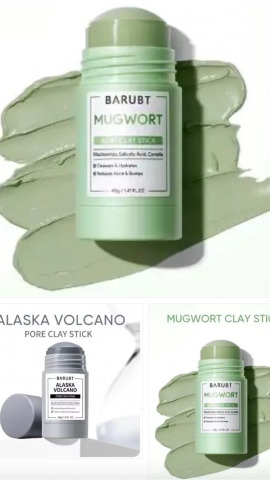
Volcanic Mud Masks As Detox For Acne & Dull Skin: Trend Report Released

Volcanic Mud Masks As Detox For Acne & Dull Skin: Trend Report Released

Profiler Digital releases trend report on volcanic mud masks, backed by clinical evidence showing significant improvements in pore size, texture, and oiliness for acne-prone and dull skin.

— Profiler Digital has released a trend report on volcanic mud masks, backed by clinical evidence demonstrating their efficacy for acne-prone and dull skin. A recent clinical study found that a significant percentage of users experienced visible improvements in pore size, skin texture, and smoothness after a single application, while oiliness decreased by 94%. These findings substantiate the growing recognition of volcanic mud as a validated treatment for individuals seeking natural solutions to persistent skin concerns.

More details can be found at https://profilerdigital.com/products/volcanic-mud-facial-mask-deep-clean-brighten-skin

The effectiveness of volcanic mud stems from its unique mineral composition and physical properties. Rich in sulfur, magnesium, and silica, volcanic clay carries a high negative electrical charge that binds to toxins and impurities, drawing them out from deep within pores. Its anti-inflammatory and antimicrobial characteristics make it particularly suitable for those struggling with breakouts. The mineral content supports skin rejuvenation and detoxification at the cellular level.

These properties translate into tangible benefits for individuals dealing with excess oil, congested pores, and lackluster complexion. Volcanic mud exfoliates dead skin cells, clears impurities, and penetrates pores to remove bacteria. The result is smoother and brighter skin. By drawing out excess oils and preventing pimples, it addresses the root causes of acne while simultaneously improving overall skin tone and texture.

Profiler Digital’s Volcanic Mud Facial Mask delivers these documented benefits through a mineral-rich formula designed for deep cleansing and brightening. When applied for 10 to 15 minutes, two to three times weekly, the product minimizes pores, controls oil production, and fights acne-causing bacteria. Priced at $21.45, the mask provides an accessible at-home alternative to professional treatments, making clinical-grade skincare available to a broader audience.

Customer feedback reinforces the clinical findings. Users report impressive results that exceeded expectations. Reviews consistently highlight the product’s quality and effectiveness, confirming that the mask delivers on its promise to detoxify and brighten skin. These testimonials reflect real-world validation of the science behind volcanic mud’s therapeutic properties.

The rising popularity of volcanic mud masks reflects a broader consumer shift toward natural, mineral-based skincare solutions. As individuals increasingly seek alternatives to chemical-heavy products, volcanic mud offers proven detoxification benefits supported by both clinical validation and a history of traditional use. This convergence of scientific evidence and consumer demand positions volcanic mud as a significant trend in the skincare industry.

While the Volcanic Mud Facial Mask is especially effective for oily, combination, and acne-prone skin types, its deep cleansing and brightening properties benefit anyone seeking a refreshed and revitalized complexion. This versatility expands the appeal of volcanic mud treatments beyond a single demographic, though the core benefits remain most relevant for those battling persistent breakouts and dullness.

The affordability and convenience of Profiler Digital’s product make professional-quality skincare accessible without the need for expensive salon visits or complex regimens. By offering a straightforward application process and visible results within weeks, the company has positioned volcanic mud masks as a practical solution for consumers seeking effective detoxification and acne management at scale.

Profiler Digital’s trend report demonstrates the company’s focus on educating consumers about evidence-based skincare innovations. The report, along with detailed product information, customer testimonials, and purchasing options, is available at https://profilerdigital.com/

Contact Info:
Name: Profiler Digital
Email: Send Email
Organization: Profiler Digital
Address: 12 Pace Farm Road, Califon, New Jersey 07830, United States
Website: https://profilerdigital.com/

Release ID: 89178011

Tags: , , , , , , , , ,
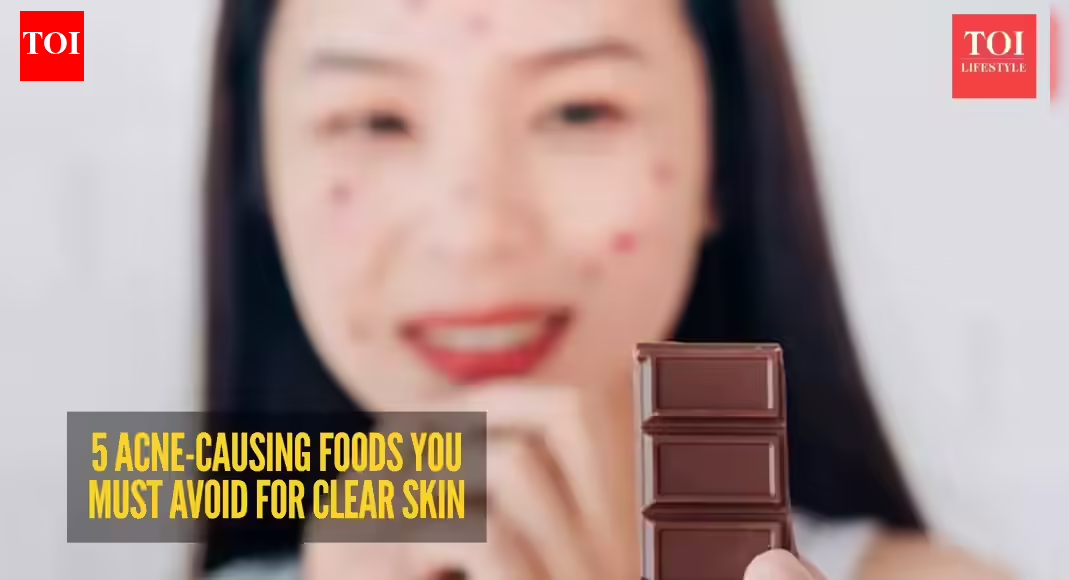
5 everyday foods responsible for triggering acne and breakouts

5 everyday foods responsible for triggering acne and breakouts

Many studies have shown that excess dairy intake leads to acne development, specifically between the ages of 7 and 30. Having control over the consumption of milk, curd, butter, ghee, cheese, and more triggers hormonal and inflammatory responses in the body, leading to excess oil production and clogged pores. This may vary by product and individual, as a person’s genetics and hormones play a vital role, as does the type of dairy being consumed. Also, some people are lactose intolerant, so in such cases, the acne issues can also be connected to lactose sensitivity.

(Image Credits: Pinterest)

Tags: , , , , ,
Best oLive
Privacy Overview

This website uses cookies so that we can provide you with the best user experience possible. Cookie information is stored in your browser and performs functions such as recognising you when you return to our website and helping our team to understand which sections of the website you find most interesting and useful.