Prevention over correction transformed my approach to beauty and wellness
I’ll be honest, when it comes to beauty and wellness, I’ve been a reactive person for most of my life. Something would appear — a spot, a patch of dry skin, some pigmentation, a stress-induced stomach ache — and I’d scramble to address it with a quick fix. That was until a conversation with a functional medicine doctor recalibrated everything. “You’re spending a fortune trying to undo things in the moment, when you should be thinking more preventatively,” she said.
It’s a simple notion, but it made me rethink everything: ‘Prevention over correction’ is a motto I now try to live by. And clearly I’m not alone, what with the meteoric interest in maintaining a healthy gut biome, and beauty giant Lancôme launching a brand-new product range that claims to prevent the rate at which skin ages, as opposed to reverse the signs of it — and that’s just for starters.
With this new philosophy, these are the rituals I’ve woven into my life that are all, I believe, keeping future-me in front of mind.
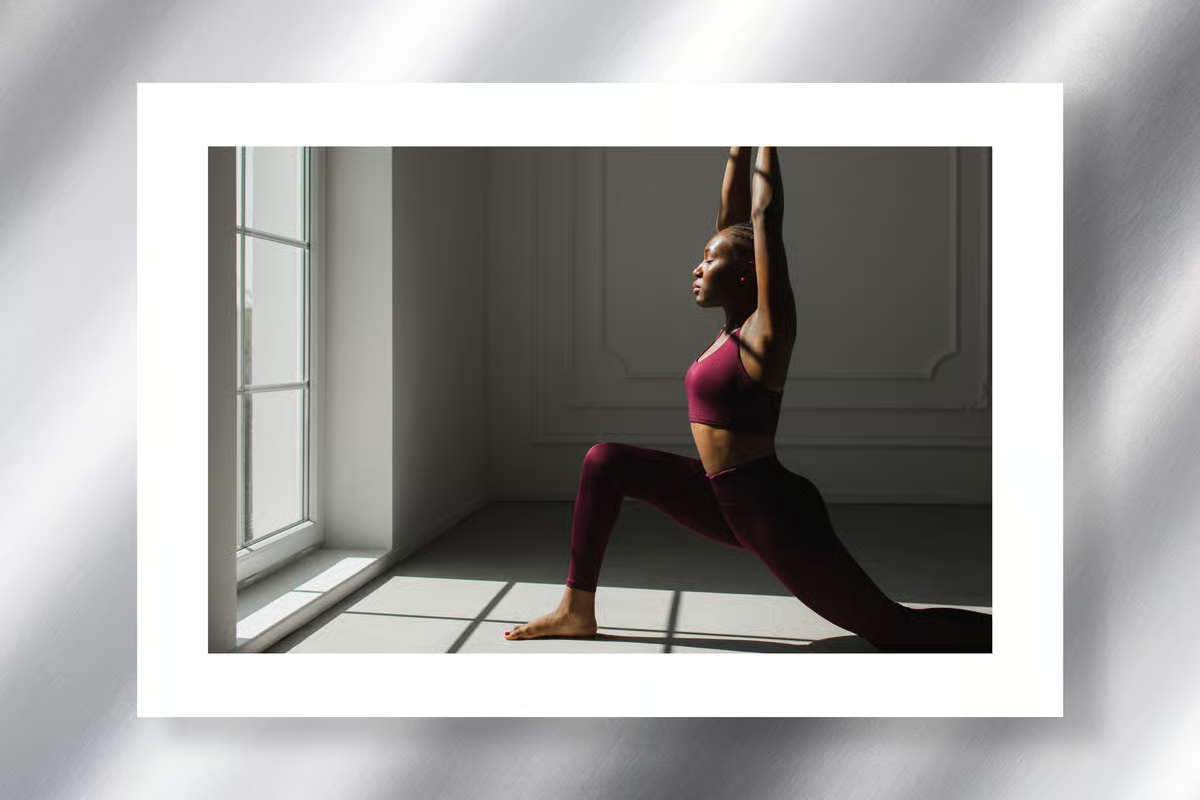
Mindfulness routines could help to lower stress-related cortisol levels, which can have a negative impact on your skin
Getty Images
Stress-relieving breathwork
Despite growing up in Indian culture, a culture based in meditation and yoga, I’ve always avoided both of them.
I have ADHD, and I struggle to sit still or do one thing at a time. I’d be multitasking even while watching TV. But that was before chronic stress struck, which affected my entire body. I noticed changes in my skin, nails and hair before anything else. I felt like my skin was dry and rough, my hair and nails felt brittle. Why? Because elevated cortisol can break down collagen, disrupt the skin barrier and trigger systemic inflammation.
It’s been a journey, and continues to be so, but I aim for 20 minutes of meditation a day (particularly the kind that can activate the parasympathetic nervous system — think ‘box breathing’ or ‘4-7-8 breathing’), but if I skip a day I don’t beat myself up. Meditation and mindfulness is what I go back to when I feel the pressure start to ramp up again.
I also do five minutes of yoga nidra before bed to try and lower my resting cortisol levels, which I think has helped my skin’s reactivity too.
Retreats that nourish the body and the mind
Where did I first hone the breathing skills I talk of above? Well, there’s a version of a wellness retreat that’s all green juices and early nights and then there’s the kind that quietly recalibrates everything.
Whether it’s a meditation-focused week in India or a more structured programme at somewhere like SHA Wellness Clinic in Spain, what a good retreat gives you is something almost impossible to manufacture at home: sustained, uninterrupted time to actually listen to your body and reset your routines.
I’ve come back from these trips with things that have genuinely stuck: a supplement protocol I still follow; a revised approach to sleep; a clearer understanding of how to properly regulate your stress response through meditation.
I wish that I could do just one retreat and come away wholly, magically changed forever, but real life has to resume, and deadlines, responsibilities and anxieties creep back in. Having regular resets helps get me back on track.
Eating organic and going dairy-free are two ways to be kinder to your skin and maintain a healthy glow
Lancome / Getty Images
Gua sha, the ancient tool for modern times
The internet has turned gua sha into a beauty trend, but there’s solid reasoning behind the hype. When practised correctly (technique matters enormously — I’d recommend a session with a trained practitioner first like Ada Ooi, or following tutorials by Sandra Lanshin Chiu online), gua sha is said to stimulate lymphatic drainage, improve blood flow and, over time, promote facial tissue health.
I do it every morning with a jade tool and a facial serum and it has completely replaced my former dependency on depuffing eye patches. The ritual itself — five focused minutes before the madness begins — has also become an unexpectedly grounding way to start the day.
This morning ritual also puts me in touch with my own body: if I’ve eaten something that doesn’t agree with me, my skin shows it the next day. If I’ve not had enough water, I can see my skin is dull. Gua sha has helped rejuvenate my skin, and improved my connection to my own body too.
On the subject of skin, it’s easy to get distracted by something new and shiny online, but I’ve found following a science-backed skincare routine has improved mine.
Bamboozled by all the different options? Lancôme’s Absolue Longevity MD product collection is a good place to start. At the heart of the range is Mitopure — a highly pure form of Urolithin A, proven to support mitophagy: the process by which your body clears and renews damaged mitochondria. It matters because mitochondrial decline is a cause of biological skin ageing; healthier mitochondria mean cells that function, regenerate and resist damage more effectively.
The range comprises products targeted at three life stages — Anticipate (for those aged 35 and under), Intercept (35–55) and Reset (55+) — and these are specially formulated to target the cellular needs of skin at that age. This isn’t a one-size-fits-all approach — it’s scientifically-considered and is tailored to where your skin is biologically, which I really appreciate.
For anyone who, like me, wants their skincare to work at a biological level (and not just hydrate the surface while looking beautiful in the bathroom), this is a game-changing product.
Start thinking about massages as regular maintenance for your body, rather than a luxury indulgence
Getty Images
Reaping the benefits of massage
There’s something almost radical about booking a massage and framing it, unashamedly, as a non-negotiable. But the health benefits are more than enough to justify it.
Human touch has a profound and measurable effect on the nervous system. Specifically, it activates the parasympathetic response, lowering cortisol, reducing heart rate and triggering the release of oxytocin. Given that chronic stress is one of the most direct routes to accelerated aging and illness, anything that meaningfully and regularly brings your stress response down is doing something good.
When I book in for my monthly full-body massage, I think of it less as a treat and more as maintenance, in the same way I think about getting a good night’s sleep or hitting the gym.
Eating clean and filling up on fermented foods
The gut–skin axis is no longer fringe science. Research increasingly shows that a diverse, well-functioning gut microbiome directly influences skin inflammation, hydration and barrier function.
Chronic gut imbalance from stress and diet can manifest in so many ways that we don’t see until it’s an issue. During the promotion for my book Ugly: Why the world became beauty obsessed and how to break free, I started to experience symptoms of burnout, and my gut was where it showed up first. Foods I was once fine with started to cause me issues, and when I was very stressed I experienced bloating that was painful and uncomfortable.
Because of this, I had to go back to basics, doing elimination diets to work out what was causing me issues. I also began cooking from scratch, eating organic as much as possible, and removing things like dairy and gluten from my diet, which has reduced my skin irritation and eczema flare-ups.
I’m now also a huge fan of fermented foods, which are said to increase gut microbiome diversity and reduce inflammation among lots of other things. It took me a little while to get used to them, but now I’m obsessed with things like kimchi and pickled daikon!
For me, prevention is the most intentional thing you can do for your health. Invest your energy in maintaining as opposed to rescuing. Trust me, I learned that the hard way.