Acne

CBD vs THC for Skin Health: Can Cannabis Help with Acne, Eczema, or Aging?

Your skin is the largest organ in your body and one of the most honest indicators of what is happening beneath the surface. Chronic inflammation, hormonal fluctuations, oxidative stress, and a compromised skin barrier do not stay hidden for long. They show up as persistent breakouts, flaking patches, accelerated fine lines, and a general dullness that no amount of expensive moisturizer seems to fully address. For a growing number of people, cannabis-derived compounds have entered the skincare conversation not as a trend but as a legitimate therapeutic consideration, and the distinction between what CBD and THC each bring to the table is worth understanding clearly.

The skincare industry has embraced CBD with enormous enthusiasm over the last several years, to the point where the ingredient appears in everything from luxury serums to drugstore lip balms. That visibility has created both genuine interest and significant confusion. Not all CBD skincare products are created equal, THC has its own distinct and underappreciated role in skin health, and understanding what the science actually supports helps you cut through the marketing noise and make choices that are genuinely useful for your skin.

How Cannabis Interacts with Skin Biology

The reason cannabis compounds have any relevance to skin health at all comes down to a system most people have never heard of: the cutaneous endocannabinoid system. The skin has its own network of cannabinoid receptors, primarily CB1 and CB2, distributed across keratinocytes, sebaceous glands, hair follicles, immune cells, and sensory nerve fibers. This system plays a direct regulatory role in skin cell proliferation, differentiation, immune response, oil production, and barrier function.

When that system is dysregulated, skin problems follow. Overactive sebaceous glands contribute to acne. Dysregulated immune response drives the chronic inflammation underlying eczema and psoriasis. Oxidative stress and declining collagen synthesis accelerate visible aging. The premise behind cannabinoid-based skincare is that topically applied CBD or THC can interact with these receptors locally to help restore balance in the specific tissue where they are applied, without producing any systemic or psychoactive effect.

This local application distinction is important. Topical cannabis products do not penetrate deeply enough to reach the bloodstream in meaningful amounts, which means you get the receptor interaction in the skin without any of the systemic effects associated with consuming cannabis. It is a fundamentally different category of use, and it is one where the barrier between CBD and THC becomes less fraught because neither is producing an intoxicating effect when applied to skin.

CBD for Acne: What the Evidence Supports

Acne is primarily a condition of excess sebum production, bacterial colonization of the follicle, and inflammatory response. CBD addresses at least two of those three drivers meaningfully. Research published in the Journal of Clinical Investigation demonstrated that CBD has a sebostatic effect, meaning it inhibits the excessive production of sebum by sebaceous gland cells. It also demonstrated anti-inflammatory properties specifically in sebaceous tissue, reducing the lipid synthesis that feeds the conditions under which acne-causing bacteria thrive.

Beyond sebum regulation, CBD’s broader anti-inflammatory properties help calm the redness, swelling, and irritation that make acne both visually prominent and physically uncomfortable. For people dealing with hormonal acne that is resistant to conventional topical treatments, a CBD-rich serum or spot treatment used consistently as part of a routine has enough research backing to be worth trialing seriously rather than dismissing.

What CBD does not do well is address the bacterial component of acne on its own. It works best as part of a complete approach that includes a non-stripping cleanser, adequate hydration, and addressing internal drivers like blood sugar regulation and stress management. Treating CBD as a single solution for acne will produce disappointing results. Treating it as a meaningful piece of a broader protocol is a more realistic and effective framing.

CBD and THC for Eczema and Inflammatory Skin Conditions

Eczema, psoriasis, and similar inflammatory skin conditions involve a compromised skin barrier, chronic immune dysregulation, and a cycle of inflammation that is notoriously difficult to break with conventional treatments alone. The CB2 receptors present in skin immune cells are directly relevant here because their activation appears to help modulate the immune response that drives that inflammatory cycle.

CBD applied topically has shown meaningful results in reducing the itching, dryness, and inflammatory flare associated with eczema in several small studies and a larger body of clinical observation. Its barrier-supporting properties, partly through its fatty acid content and partly through its interaction with keratinocyte function, make it useful for addressing the root cause of eczema rather than just temporarily suppressing symptoms.

THC enters this picture in a more nuanced way. At the receptor level, THC binds to both CB1 and CB2 more directly than CBD does, and for conditions involving significant nerve-related itch or pain, that CB1 binding in peripheral sensory nerves can provide relief that CBD alone does not consistently produce. Some dermatological researchers have pointed to the combination of both cannabinoids as more effective for inflammatory skin conditions than either in isolation, which echoes the entourage effect logic familiar from ingestible cannabis use.

The practical limitation is that THC-containing topicals exist in a more restricted regulatory space than CBD products, which means access depends significantly on your location and the legal status of cannabis where you are.

Cannabis and Skin Aging

The anti-aging application of cannabinoids is where the science is earliest and the marketing is most overextended, so some calibration is useful. That said, the theoretical and preliminary evidence is genuinely interesting.

Oxidative stress is one of the primary drivers of accelerated skin aging. Free radicals generated by UV exposure, pollution, stress, and metabolic processes degrade collagen, damage cellular DNA, and disrupt the lipid barrier that keeps skin looking plump and resilient. CBD is a potent antioxidant. Research has indicated it is more effective as an antioxidant than either vitamin C or vitamin E in certain contexts, which means regular topical application has legitimate potential to help neutralize free radical damage before it accumulates into visible aging.

CBD also appears to support collagen synthesis indirectly through its influence on the skin’s inflammatory environment. Chronic low-grade inflammation, a condition sometimes called inflammaging, accelerates the breakdown of collagen and elastin. By reducing that inflammatory baseline in the skin, CBD may help slow the rate at which visible aging progresses. This is a longer game than most skincare marketing acknowledges, but it is a sound biological mechanism worth taking seriously.

THC’s role in aging specifically is less well studied topically, though its antioxidant and anti-inflammatory properties are comparable to CBD at the receptor level. The more relevant consideration for aging-focused users is the combination of cannabinoids with supportive terpenes like pinene and limonene, which themselves have antioxidant properties and appear in well-formulated full-spectrum topical products.

For anyone looking to pair a topical cannabinoid skincare routine with a broader internal wellness approach that includes ingestible CBD or cannabis products, Online Dispensary offers a range of hemp-derived and cannabis options worth exploring across both categories.

How to Choose and Use Cannabis Skincare Products Effectively

The quality gap in CBD skincare is enormous. A product that lists CBD on the label may contain anywhere from a therapeutically irrelevant trace amount to a genuinely effective concentration. Look for products that list the total milligrams of CBD on the packaging and that provide a certificate of analysis from a third-party lab confirming actual cannabinoid content. For topical use, a meaningful concentration starts around 250mg to 500mg of CBD per 30ml of product. Anything substantially below that is unlikely to produce the receptor interaction necessary for a therapeutic effect.

Full-spectrum formulations that retain minor cannabinoids, terpenes, and fatty acids from the hemp plant generally outperform broad-spectrum or isolate products for skin applications, mirroring the entourage effect logic that applies to ingestible cannabis. The supporting compounds enhance both the anti-inflammatory and barrier-supporting properties of CBD in ways that isolated CBD alone does not replicate.

Consistency matters more than any single application. Skin cell turnover cycles take roughly four to six weeks, and the benefits of cannabinoid skincare accumulate over that cycle rather than appearing overnight. Give any new topical a genuine eight-week trial before making a judgment about whether it is working.

Frequently Asked Questions

  1. Can CBD skincare products make you fail a drug test? Topical CBD products applied to the skin do not enter the bloodstream in amounts that would produce a positive drug test result. The skin acts as a barrier that prevents significant systemic absorption from topicals. Transdermal patches that are specifically designed to drive compounds into the bloodstream are a different matter, but standard creams, serums, and balms do not pose a drug testing risk.
  2. Is there a difference between hemp seed oil and CBD oil in skincare? Yes, and it is a significant one that many products obscure. Hemp seed oil is pressed from cannabis seeds and contains no CBD or other cannabinoids. It is a nourishing carrier oil with good fatty acid content, but it does not interact with cannabinoid receptors. CBD oil is derived from the flowers and leaves of the hemp plant and contains actual cannabinoids. Many products use hemp seed oil and imply CBD benefits through their branding without containing any actual CBD.
  3. Can cannabis topicals be used on sensitive skin? CBD is generally well tolerated by sensitive skin and has a low irritation profile compared to many active skincare ingredients. However, formulation matters considerably. A CBD product that also contains fragrance, alcohol, or other common irritants can still provoke a reaction in sensitive skin regardless of the CBD content. Check the full ingredient list rather than focusing solely on the cannabinoid component.
  4. How long does it take to see results from CBD skincare for acne or eczema? For acne, some users notice reduced redness and inflammation within the first week of consistent use, though more significant changes in sebum regulation typically take three to four weeks. For eczema, the timeline is usually longer, with meaningful improvement in barrier function and itch reduction typically appearing after four to eight weeks of daily application. Consistency is the single most important variable in both cases.
  5. Do you need a prescription or medical card to access cannabis skincare products? CBD skincare products derived from hemp containing less than 0.3 percent THC are widely available without a prescription across most of the United States and many other countries. THC-containing topicals fall under cannabis regulations and require access through a licensed dispensary, which in many states requires a medical card or simply proof of legal age depending on whether recreational cannabis is permitted in your jurisdiction.
Tags: , , , , , , ,
pregnancy exercises

Pregnancy Exercises For a Fit Pregnancy

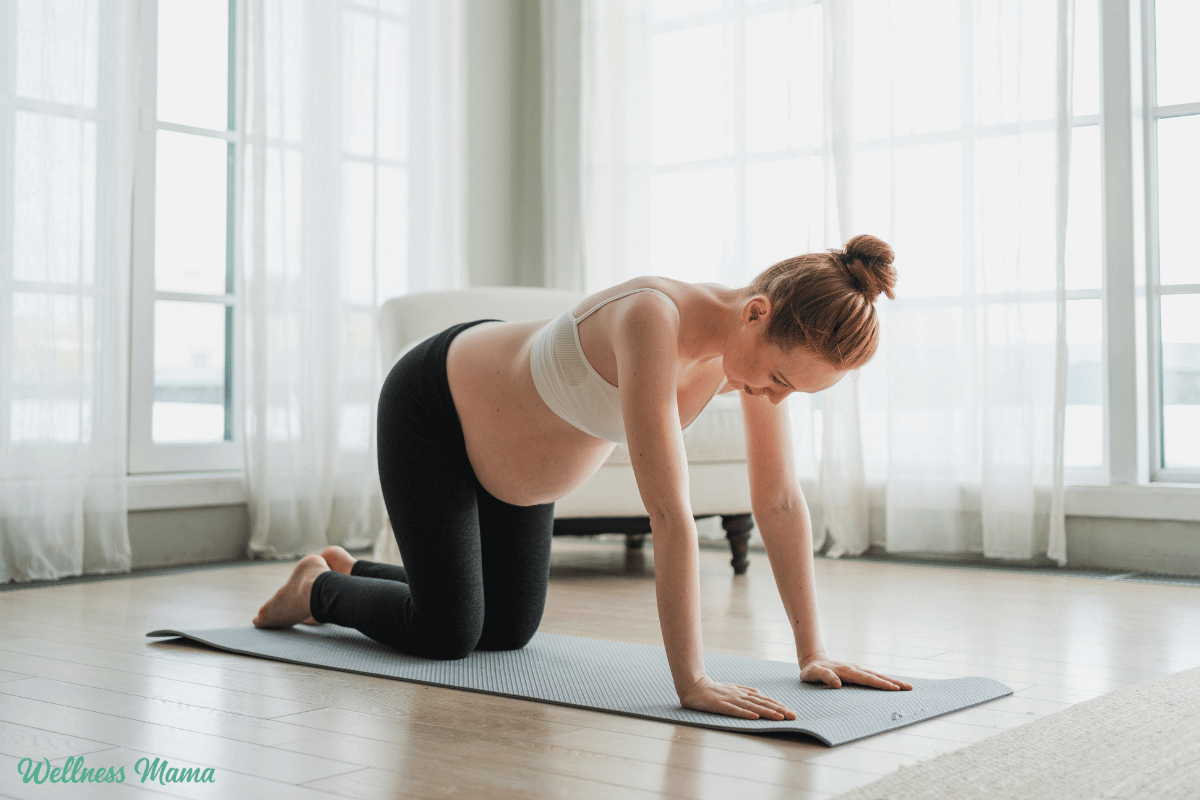
As a mom of seven and wellness advocate, I’ve had plenty of experience with pregnancy exercise. And while every pregnancy is a little different, staying fit during pregnancy is a good way to have an easier pregnancy, birth, and beyond. Here’s what I’ve done for my births and what the experts have to say. 

Pregnancy exercise is important to help keep the body moving and flexible and prepare for labor, an intense workout. Research is clear that moms who stay active can have easier deliveries, healthier babies, and recover more quickly.

While exercise is key, don’t forget to support your body in other ways too! A nutrient dense, whole foods diet helps give our body (and baby) what they need. Choosing a healthy prenatal supplement is also key. Pregnancy demands a lot from our bodies (we’re building a human after all!). 

Benefits of a Fit Pregnancy

Exercise during pregnancy provides tons of great benefits for both mom and baby. Not to mention that for a lot of moms, exercising makes them happier, less anxious, and feel more in touch with their growing body. A 2022 meta-analysis found that exercising during pregnancy reduces prenatal depression by 32% and anxiety by 33%. 

So it makes sense for expecting moms to stay as active as possible. And exercise doesn’t just give you a mood boost. Here are some other science-backed benefits of pregnancy exercise: 

  • Increased energy levels
  • Less back pain
  • More regular bowel movements
  • May reduce the risk of gestational diabetes, preeclampsia, and C-sections
  • Healthier weight during pregnancy and postpartum
  • Improves overall fitness (for an easier pregnancy and labor)
  • Strengthens heart and blood vessels

The benefits continue beyond labor and delivery. Researchers note that a healthy diet and physical activity can also help protect against chronic disease later in life for our children.

Which Pregnancy Exercises are Best?

So maybe I’ve convinced you how important it is to stay fit during pregnancy. However, the big question is, what’s the best way to exercise?

Focus on exercises you enjoy. Walking, swimming, stretching, pilates, or other gentle movements are favorites. For an added boost, try exercising outside when possible. Getting natural light, earthing, and vitamin D at the same time is even better. There are many benefits to spending time outside during pregnancy!

According to a 2024 review, different exercises have more benefits during different trimesters. 

“Aquatic activities and yoga helped pregnant women toward the end of their pregnancies, whereas resistance training, dance, and aerobic exercises provided the most benefits during the first trimester. Other studies found that any form of exercise for 30 min a day or every other day for 60 min provided extensive beneficial results. “

That said, some research has shown an increased risk in perineal tears during birth with lots of exercise. This doesn’t mean pregnancy exercise is dangerous and should be avoided, but that the way we go about it is important. More on that later!

Pregnancy Exercises to Avoid

Now is not the best time to take up ice hockey or skydiving! In general though, it’s safe and beneficial for most pregnant mamas to exercise. Unless you have a specific pregnancy complication and your doctor has advised against exercising. 

Dr. Davenport, Executive Director of The Program For Pregnancy & Postpartum Health, says this: 

“Our research found such extensive health benefits & safety of exercise in pregnancy, we removed the requirement to be cleared by your health care provider (in Canada) before you begin or continue exercise.” Dr. Davenport

The only exercises that are recommended to avoid during pregnancy are contact sports or any activity that involves the possibility of falling. According to the American College of Obstetrics and Gynecologists (ACOG), pregnant women should avoid:

  • Contact sports and anything where you could get hit in the abdomen (boxing, soccer, basketball, etc.)
  • Skydiving
  • Exercise where you could fall (skiing, surfing, gymnastics, etc.)
  • Hot yoga or hot pilates, which could make you overheat
  • Scuba diving

That said, I know fit moms who continued to surf and water ski throughout their pregnancy. It’s not a black and white issue, but caution is warranted.

Pregnancy Exercises For a Healthier Mama

So what, exactly, can pregnant women do to exercise? Olympic marathoners Kara Goucher and Paula Radcliffe clocked in 60-80 miles per week running during their pregnancies. Olympic curler Kristie Moore competed in the Olympics while 5 months pregnant. And Connie Neal made headlines by playing Division 1 basketball up through her 8th month. 

I don’t mention these examples to make you feel bad that you’re not perfecting your double-axle while growing adorable little earlobes. However, this shows that we’re a lot more resilient than we give ourselves credit for. Many women find they can maintain most of their previous activities during pregnancy and even increase activity.

Here are some great exercises for pregnancy.

Core and Pelvic Floor Exercises

First up are core and pelvic floor exercises. Some pregnancy experts used to recommend Kegels, but there’s much more to the story. Pelvic floor exercises do not stretch the muscles, and Kegels during pregnancy can do more harm than good. About 80% of women already have pelvic floor muscles that are too tight. 

If you already have pelvic floor and core issues (incontinence, pain during sex, pelvic pain, diastasis recti, etc.), then it’s best to seek advice from a pelvic floor professional. Women’s health physical therapists and fitness experts can really help with all of those minor (and major!) inconveniences and pain. And if you don’t have any issues in that area, you’ll still want to avoid exercises that could create a problem.

The exercise programs over at Fit2b are a Wellness Mama team favorite for this. Women’s fitness expert Beth Learn shares holistic programs for mamas that protect and strengthen the core and pelvic floor (before, during, and after pregnancy). These are really helpful when you want to do activities like yoga, pilates, and strength training during pregnancy, but don’t want to irritate or weaken your muscles. 

Walking

It sounds so simple, but walking really has some impressive benefits. Walking helps increase circulation and aligns the pelvis. My midwife recommended I walk for at least half an hour a day. I found I actually felt best when I was able to walk for about an hour.

Researchers have connected better healing and recovery with about 3,000 steps a day. Walking during pregnancy has health benefits, but so does walking postpartum.

Swimming

Swimming is another excellent pregnancy exercise, as it can help ease the aches and discomfort that come with carrying a baby. It also strengthens stomach muscles, may help align the pelvis, and can even ensure baby is in the correct position for delivery.

Make sure that if you’re not a regular swimmer to start slow and do a gentle warm-up first. Swimming is also good because it makes you feel weightless, temporarily relieving the strain of the baby’s weight. During one pregnancy I even did handstands in the water to try and get baby to flip!

Squats and Weights

Many women are able to do squats, lunges, and lift weights during pregnancy. There’s some evidence that these types of exercises may keep the core strong during pregnancy and improve muscle tone during delivery. Weight bearing exercises during pregnancy help load the tissues and strengthen joints, bones, and muscles. They can help with recovery and improve bone density.

According to a 2022 study, women who continued lifting weights during pregnancy had fewer pregnancy complications than those who quit their lifting routines during pregnancy. And weight lifting didn’t increase perinatal or pelvic floor damage. The mamas in this study were doing Olympic level lifting, yet experienced 51% fewer adverse outcomes. 

We may not all be lifting at an Olympic level, but normal strength training isn’t something to worry about during pregnancy. As long as there’s no pain, pregnant moms should do what they can and enjoy, including lifting weights. If you have certain health issues though, like placenta or cervix issues, then check with your doctor or midwife first.

Exercise By Trimester

Although most exercises are considered helpful for pregnancy, many women find that they’re limited by how they feel. It’s ok to adapt your normal workout routines to accommodate changing hormones and growing bellies.

First Trimester

Known as the undercover trimester, you can hold to your usual workout routine as long as you feel up to it. Your baby is only the size of a lipstick tube by the end of this trimester, so lying on your back, lifting weights, and cardio are all kosher. 

There’s no physical reason yet to skip that 10k or those stretching inversions. However, just because you can still do it doesn’t mean you’ll want to. I remember with my first pregnancy running laps and stopping to throw up in the gym bathroom. Not fun. 

You may also have sore breasts, a super sensitive nose, and become insanely tired. Those are your body’s signals to take it easy. 

Sometimes exercise can help. A brisk walk in the cool air can help with the nausea and give you more energy. If you’re not feeling good, then skip it and don’t beat yourself up over getting some needed rest.

Second Trimester

You’re finally starting to show! And while that makes you adorable in your maternity clothes, it also means your uterus is large enough to start putting pressure on your vena cava when you lie on your back. This doesn’t happen for everyone, but if it does happen for you, you’ll know it. As soon as you start feeling dizzy, light-headed and/or nauseated, sit up! And you should skip back work for the remainder of your pregnancy. 

Another fun thing to look out for is “round ligament pain. ” This can happen when you twist to the side, but it can strike even when you’re standing still. It feels like you’re being zapped with an electric cattle prod. Gentle pelvic floor exercises or visiting a Webster-certified chiropractor are both very helpful here!

The upside to the second trimester is that the morning sickness is usually gone and you should have more energy. You can keep lifting weights and doing cardio as long as it still feels good. Just take extra care to maintain good form. During pregnancy we have the hormone relaxin, which loosens joints and ligaments and makes it easier to get injured. 

Third Trimester

Things are starting to get serious. You have little feet jammed into your lungs, massive heartburn, swollen feet, and the tiredness is back. And while you may feel like clocking out until the baby is born, staying active will help you both mentally and physically, especially as delivery time approaches.

This is the time to really watch your step, however. Your balance may be off, you probably can’t see your feet anymore, and it’s easy to misjudge how far your belly sticks out. Take it easy doing things where you have a risk of falling. 

Also, while those Olympic ladies I mentioned earlier managed to run through their whole pregnancies, I’ve never been able to do that through any of mine. Sometime during the third trimester my hip flexors (the part where your leg attaches to your hip) give out and jogging becomes excruciatingly painful. Plus, they say walking helps get labor going!

Fourth Trimester

Wait, fourth trimester? Yes, the baby has to come out eventually, but those first three months after the baby is born are considered their own trimester. Your body is still going through massive hormonal, physical and mental changes. 

Between sleepless nights, sore nipples, and the post-partum blues, intense workouts are really hard to fit in. And you know what? Rest, recovery, and bonding with baby are important too. 

However, this doesn’t mean you need to lie in bed all day doing nothing (although some days that does sound nice!). Enjoy the baby snuggles, but start moving your body as feels comfortable. Walking and gentle pelvic floor training can help with postpartum recovery and healing, and boost the mood. According to women’s health fitness expert and founder of Fit2B, Beth Learn:

“It’s important to begin walking along with gentle core and pelvic floor training right away. Then once any wounds have healed and vaginal bleeding doesn’t increase with moderate-to-vigorous physical activity, you can do more! You don’t need to wait 6 weeks to exercise.” Beth Learn

Another great post-partum tip is to use a belly wrap (I used this one). It helps your ab muscles knit back together, supports the core, and holds the muscles and organs in during recovery.

Last Thoughts on Fitness During Pregnancy

The trick with pregnancy is moderation. So exercise! But not too much. Or too little. Most of all, just enjoy this time (as much as you can!) because it really is only nine months out of your whole life. 

If you’re already active, continue doing what you’re doing as long as it feels good. And if you’re wanting some more targeted support or need more structure, then a holistic at-home fitness program is a great way to do that.

What’s been your experience with exercise for a healthy pregnancy? Any exercise tips for staying fit? Share below!

Tags: , ,
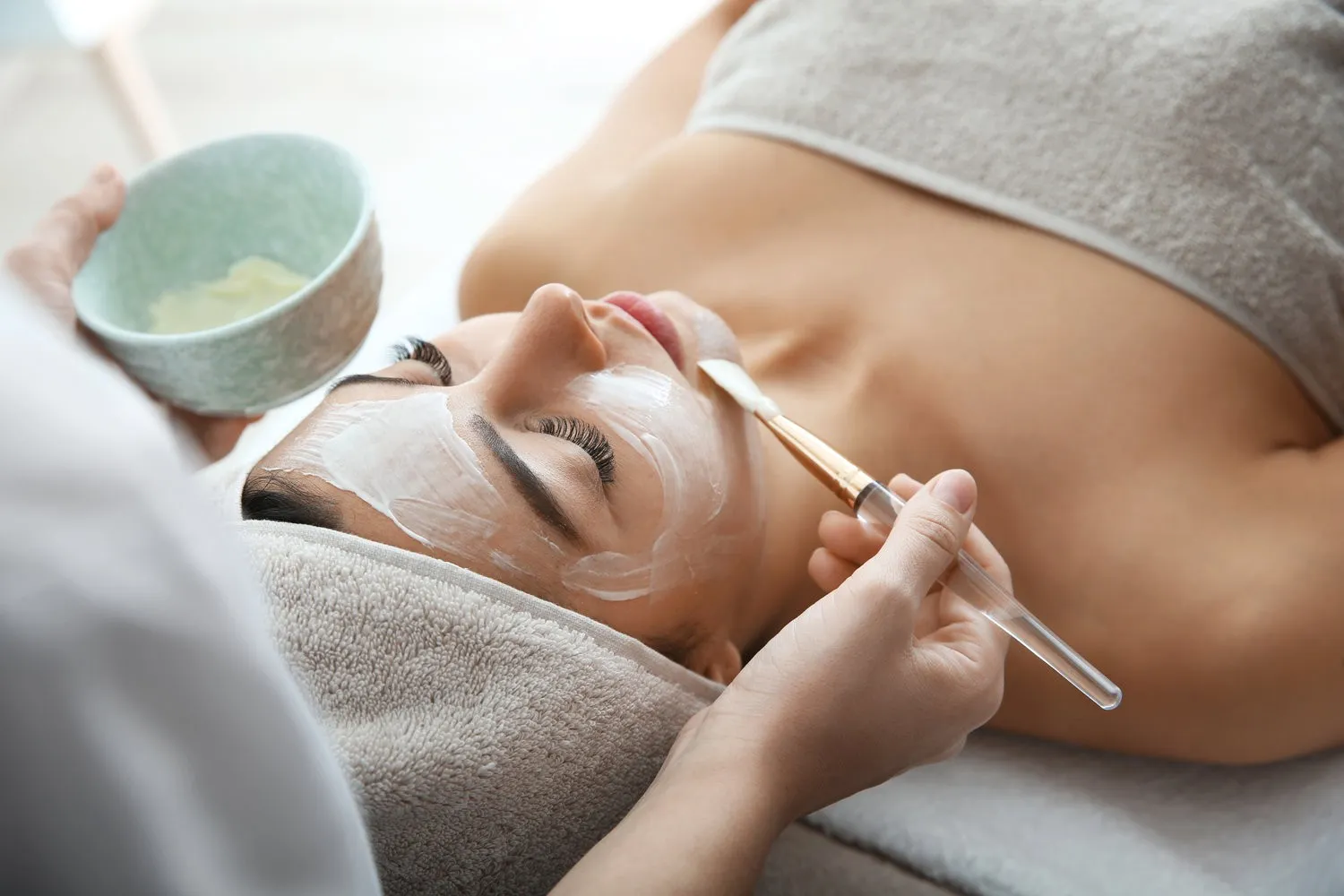
London's Best Facialists

London’s Best Celebrity Facialists: The Ultimate Guide to Glowing Skin in 2026

City life is no friend to the complexion. Pollution, stress, broken sleep, central heating all take their toll. London gives a lot, but your skin quietly keeps the receipts.

The good news is that the capital is home to some of the world’s most exceptional facialists. These are practitioners who blend ancient techniques with cutting-edge technology to deliver results that range from deeply relaxing to genuinely transformative.

Whether you are booking your first serious facial or investing in treatments that make people ask if you have just returned from holiday, this is your definitive guide to London’s best.

1. Vaishaly Patel

The name beauty editors mention when they are being completely honest. Vaishaly Patel has spent over 20 years refining complexions at her Marylebone clinic, working with clients including Gwyneth Paltrow and Elle Macpherson.

Her philosophy centres on less product and more technique, yet the results are striking. The Signature Facial blends deep cleansing, extraction, microdermabrasion, high-frequency treatment and craniosacral massage, targeting tension held in the scalp, brows and jaw.

The treatment is tailored to each client, delivering both immediate radiance and longer-term improvement. Her Mesotox treatment, a no-needle approach to skin tightening, has quickly become one of London’s most talked-about innovations.

Signature Facial from £200 for 55 minutes with Vaishaly, also available with trained aestheticians.

Vaishaly Clinic, 51 Paddington St, London W1U 4HR
vaishaly.com

2. Dija Ayodele — West Room Aesthetics

Skincare expert Dija Ayodele is the author of Black Skin: The Definitive Skincare Guide and founder of the award-winning Black Skin Directory. Her clinic was built on a clear and necessary principle: that Black women and women of colour deserve expert skincare from practitioners who understand their skin.

Each treatment is bespoke, typically taking place over 60 minutes and incorporating techniques such as chemical peels, mesotherapy, microneedling and LED therapy, alongside thorough cleansing and extraction.

Her profile continues to rise through media work and industry recognition, and appointments are consistently in high demand.

Bespoke facials from £156.

West Room Aesthetics, Maida Vale, London W9
westroomaesthetics.com

3. The Facial Goddess — Donna Ryan

Donna Ryan’s journey into skincare began with her own experience of acne, leading her to study homoeopathy, traditional Chinese medicine and facial reflexology. That lived experience informs every treatment.

Based in Fitzrovia, she specialises in lymphatic drainage and holistic facials designed to deliver results without invasive methods. Her Gua Sha Fusion facial combines traditional Gua Sha massage with a Thai herbal poultice to clear congestion, improve circulation and encourage cell renewal.

The result is brighter, calmer, more sculpted skin with a noticeable reduction in puffiness.

Signature facial from £150 for 90 minutes.

7 Charlotte Place, London W1T 1SQ
thefacialgoddess.com

4. Sarah Chapman — Skinesis Clinic

Sarah Chapman’s reputation grew through word of mouth before evolving into one of London’s most sought-after skincare destinations. The Skinesis Clinic near Sloane Square now houses a team trained in her signature techniques.

Her approach combines her renowned facial massage method with advanced aesthetic technology. Treatments range from bespoke facials to high-performance procedures such as radio frequency, Morpheus8, IPL and laser resurfacing.

With a client list that includes Victoria Beckham, Gigi Hadid and Meghan Markle, the clinic also holds Care Quality Commission registration, giving it a medical distinction.

Skinesis Bespoke Facial from £195 for 60 minutes.

259 Pavilion Road, London SW1X 0BP
sarahchapman.com

5. Su-Man

Su-Man’s facials operate on a deeper level, working on both the skin and the underlying structure of the face. Her background in dance, Shiatsu and Pilates informs a treatment that feels as physical as it is cosmetic.

Following a detailed skin analysis, the facial includes cleansing, extraction, exfoliation and hydration using her own product line. This is followed by an intensive massage that extends to the neck, arms, hands and feet.

Often described as a facelift in an hour, her treatments are known for delivering both visible lift and full-body relaxation.

Bookings can be made via So SPA on +44 20 7747 2204.

So SPA, Sofitel London St James, 6 Waterloo Place, London SW1Y 4AN
su-man.com

6. Jasmina Vico

Jasmina Vico is known for her clinical precision and deeply personalised approach. Her treatments focus on identifying and addressing the root causes of skin concerns rather than simply treating surface symptoms.

Her Fitzrovia clinic offers a range of advanced options, including peels, needling, laser and LED therapy. The Vicoglow facial is tailored to concerns such as acne, rosacea, pigmentation and dehydration, combining deep cleansing with lymphatic drainage and intensive hydration.

The result is skin that looks clearer, calmer and noticeably revitalised.

Vicoglow facial £250 for 60 minutes.

6 Percy St, Fitzrovia, London W1T 1DQ
jasminavico.com

7. Alexandra Soveral

Consistently named among the best facialists in the UK, Alexandra Soveral has built a reputation that speaks for itself. Her treatments take place at Violet Hill Studios in St John’s Wood.

Her method combines deep tissue work, dry brushing, hot stones and ice-cold quartz to stimulate circulation and release deeply held tension in the face.

Clients often describe the results as a natural lift, with firmer, more energised skin and a visible reduction in stress.

Soveral signature facial from £120 for 60 minutes.

Violet Hill Studios, 6 Violet Hill, London NW8 9EB
alexandrasoveral.com

8. Pietro Simone

With over two decades of experience, Pietro Simone specialises in treating problem skin and supporting post-procedure recovery. His work focuses on restoring balance and structure rather than surface-level enhancement.

His signature approach incorporates deep tissue massage alongside his Italian Bella Complex formulations, which use natural ingredients sourced from regions such as Puglia and Vesuvio.

The treatments are grounding, effective and particularly suited to acne-prone or congested skin.

Facials from £150.

Pietro Simone Clinic, Flemings Mayfair Hotel, London W1J 7BH
pietrosimone.com

9. Adeela Crown

Adeela Crown works at the intersection of skincare and medical aesthetics, collaborating with leading plastic surgeons to support skin before and after procedures.

Now based at The Dorchester Spa, her treatments combine advanced technology with holistic techniques, including lymphatic drainage and lifestyle guidance.

Her Skincredible facial is designed to deliver long-term transformation, improving hydration, brightness and overall skin quality across multiple sessions.

Skincredible facial from £390.

The Dorchester Spa, Park Lane, London W1K 1QA
adeelacrown.com

10. Sarah Bradden

With over 20 years of experience, Sarah Bradden specialises in cosmetic acupuncture. Her Bradden Method blends traditional Chinese medicine with modern skincare practices.

Each treatment begins with a detailed consultation covering lifestyle, stress and overall health, followed by cleansing, acupuncture, LED therapy and oxygen treatment.

The results extend beyond the skin, delivering a noticeable sense of calm alongside a brighter, more luminous complexion.

Treatments from £120 for 30 minutes.

Hershesons, 8A West Halkin St, London SW1X 8JE

What to Look for When Booking a Facial in London

With so many options available, choosing the right facialist requires a considered approach. It is always worth checking whether a consultation is offered before treatment, as the best practitioners will assess your skin in detail before recommending anything.

If you have specific concerns such as hyperpigmentation, acne scarring, sensitivity or rosacea, look for a specialist with proven experience in that area. Waiting lists should not be seen as a drawback. In many cases, they are a strong indicator of quality and demand.

Tags: , , , , , ,
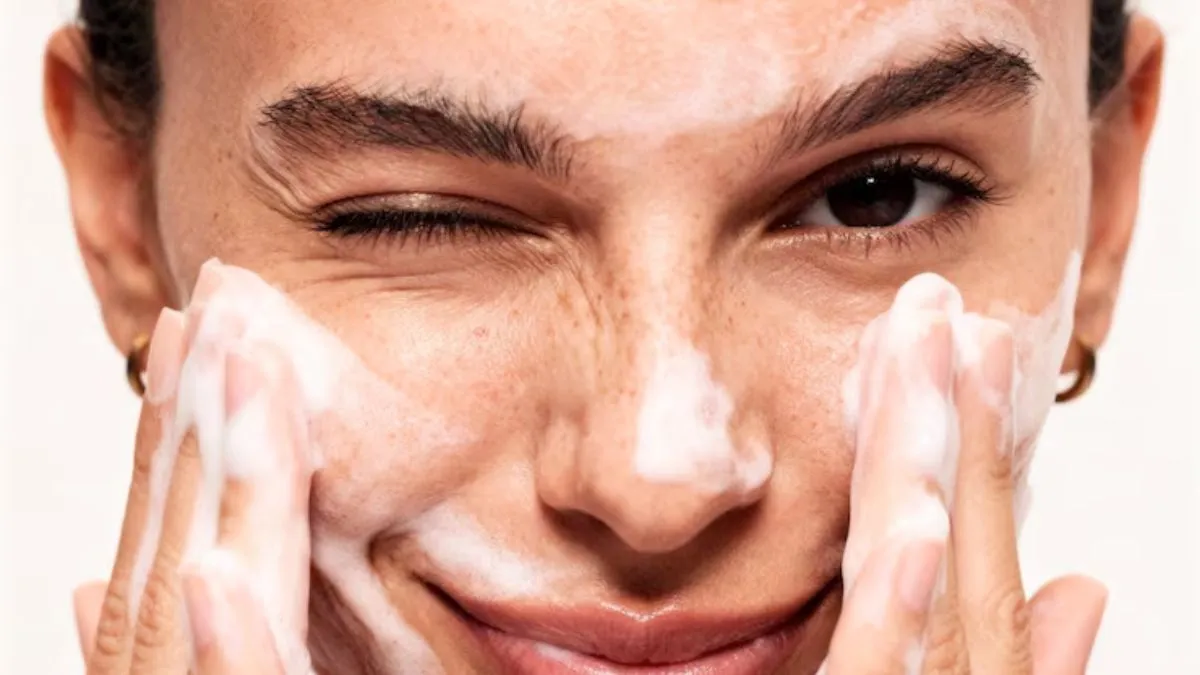
5 Best Hydrating Gel Face Washes That Won’t Strip Your Skin's Natural Oils

5 Best Hydrating Gel Face Washes That Won’t Strip Your Skin’s Natural Oils

Best Hydrating Gel Face Washes: You can be using the best skincare products, but if you don’t have a good cleanser, all your steps are useless. Good skincare begins with a clean base, and you need a cleanser that will thoroughly clean your face and not make your face dry. Here’s where hydrating gel face washes come into play. These are made from hydrating ingredients that make sure your skin doesn’t get stripped of its natural oils. A gel face wash is the perfect cleanser for this sunny weather. Let’s dive in to find out the best hydrating gel face washes for summer here.

Top Hydrating Gel Face Washes You Need To Try

Simple Water Boost Micellar Facial Wash

If your skin feels tight and thirsty, this Simple Water Boost Micellar Facial Wash will be your lifesaver. It uses tiny micellar bubbles to grab onto dirt and makeup without harsh scrubbing. Infused with plant-derived PENTAVITIN™ and skin-essential minerals, it delivers instant hydration that continues to work even after rinsing, leaving the face feeling supple.

Minimalist Aquaporin Booster 5% Cleanser

This Minimalist Aquaporin Booster Cleanser is a high-tech cleanser formulated with 5% glyceryl glucoside and glycerin. These two stimulate ‘Aquaporins’, which are the skin’s internal water channels. This process improves the moisture transportation within the cells. It includes multiple humectants like hyaluronic acid and betaine, which make sure that your cleanse doesn’t dry out your skin. With this face wash, you will be able to maintain a healthy pH of 5.5 for all skin types.  

ALSO READ- How To Choose The Best Facewash For Summers For Fresh And Oil-Free Skin

The Derma Co Snail Peptide 96 Hydrating Face Wash

The Derma Co Snail Peptide 96 face wash is amazing for repairing and hydrating your skin. This cleanser features a unique, sticky gel texture derived from 96% Snail Secretion Filtrate. It uses peptides to help your skin bounce back, leaving you looking plump and glowing long after you’ve finished your morning routine.

Pilgrim Korean Rice Water Hydra Glow Gel Face Wash

If you are looking for a face wash that is all about giving you that ‘glass skin’ look, you need to try the Pilgrim Korean Rice Water Hydra Glow Gel Face Wash. It uses rice water, an old-school K-Beauty secret, to help brighten your face while Niacinamide keeps your pores in check. It’s sulfate-free, so it lathers gently and focuses on making your skin look clear, bright, and very fresh!

ALSO READ- How To Choose A Face Wash For Your Skin Type

Pond’s Hydra Light Hydrating Gel Face Wash

This Pond’s Hydra Light Hydrating Gel Face Wash features a 4D hyaluronic acid complex, which contains four different sizes of molecules. This works to hydrate both the surface and deeper layers of your skin. It is designed to remove sweat, oil, and pollution without causing any tightness. The lightweight, non-irritating formula provides a cooling sensation, leaving the skin feeling exceptionally fresh, making it the perfect addition for summer!

Get ready to include a hydrating gel face wash in your skin care routine this summer to protect your skin’s natural oils and hydration. 

Image Credit: Freepik, Nykaa, Amazon

For more such stories, stay tuned to HerZindagi.

The Derma Co Snail Peptide 96 Hydrating Face Wash


Tags: , , , , , , , ,
The Independent US

Nearly half of people would go into debt to maintain beauty routines – even if they lost their job

Losing a job wouldn’t stop almost half of American adults from trying to look and feel good.

Some 46 percent of consumers age 18 and older said they would go into debt to maintain their beauty and wellness routines if they lost their job, according to a March survey by beauty and wellness AI software platform Zenoti.

Respondents are ready to make other sacrifices for self-care, too, including a curtailed social life, delayed vacations, reduced funds for savings and debt repayment.

The survey’s analysis of spending trends found that people would most likely go into debt using credit cards to keep up appearances after a job loss.

Consumer habits indicate that being made unemployed might spur even more beauty spending, the study found. Some 33 percent of respondents said they increased their self-care routines because of workplace stress or burnout.

Respondents are ready to make other sacrifices for self-care, too, including a curtailed social life, delayed vacations, reduced funds for savings and debt repayment (Getty Images for LFC)

Loneliness, financial stress and major life transitions – all situations a job loss could create – are among the top reasons why people increase their beauty and wellness spending. But there was one concession: 45 percent of respondents said they would reduce the frequency of beauty appointments.

The study brings into focus the trade-offs that Americans are making as they negotiate rising costs. While many draw the line at self-care, there are other costs they’re willing to sacrifice to steady their finances.

Entertainment is on the consumer chopping block. Around 40 percent of Americans have dropped at least one streaming service over the past three months, according to a study from Deloitte. The average household spends an average of $69 a month on these services, Deloitte noted.

Restaurants are the most popular area for spending cutbacks as consumers find ways to rein in their finances (AFP/Getty)

Another popular target for spending cuts in the past year is eating out. Some 61 percent of U.S. adults, over age 21, have lowered spending at restaurants, according to a May 2025 study from retail news and analysis firm Chain Store Age. And consumers are making sacrifices in their closets: Just over half (52 percent) say they’ve cut back on clothes and shoe spending.

The cost-cutting reflects a nationwide concern about household finances amid high gas prices and rising inflation.

Consumers are more pessimistic about their financial future today than they were during the Great Recession. Some 55 percent of consumers said their financial situation is getting worse, according to a Gallup poll published Tuesday, compared to 49 per cent in 2008.

Tags: , , , , , ,
Bored Panda

Celebrity Skincare Expert’s ‘Genius’ Lip Balm Hack Could Save You Hundreds Per Year

James Vivian, a Melbourne-based dermal therapist known for sharing skincare tips on Instagram, in a March 15 video claimed that lip balms have the potential to serve more than their marketed purpose.

The expert said that lip balms can replace anti-aging products that target a specific, delicate area of the face by providing the same hydrating benefits at a more economical price.

Many on the internet corroborated the claim, with one saying they had been using lip balms in the way the skin expert shared for decades and that it made them look like they were in their “40s instead of 70s.”

Another user who tried the trick after Vivian’s video also said it “worked wonderfully.”

James Vivian advocated the use of lip balms as under-eye creams

Image credits: jamesvivian/Instagram

“As a 42-year-old man who hasn’t spent much time in the sun, really, the area of aging that I’m seeing most on my face is around my eyes,” Vivian said in his video.

The skin around the eyes is one of the thinnest on the body, making it particularly prone to dryness, creasing, and premature aging.

Image credits: jamesvivian/Instagram

Keeping this area hydrated could help minimize the damage, Vivian said, before sharing that he uses no fancy product to achieve the results.

He instead said he swears by using his lip balm to soothe and rejuvenate his under-eyes.

Lip balms are packed with occlusives and emollients — ingredients designed to lock in moisture — which is why Vivian believes they can double as a quick, budget-friendly eye treatment.

Vivian, however, warned against using balms “that fire up the lips” around the eyes.

“The really spicy ones with stimulating ingredients for circulation and plumping, the kind of bee-sting products, I’d keep that away from eye areas,” he said.

He also noted that it’s not a good idea to apply lip balms under makeup, as the thick texture of the product can disrupt concealer and cause creasing.

Jennifer Lopez’s makeup artist, Scott Barnes, encouraged using lip balms under makeup

Image credits: jlo/Instagram

In a May 2024 video, Barnes claimed one of his most reliable makeup hacks is to use Aquaphor (a balm stick by a company called Eucerin) on his clients’ eyes before proceeding with concealer.

The technique prevents concealers from creasing, caking, or breaking down, especially when someone is filming a music video or a movie that goes on for long hours.

Barnes asked his followers to try the hack and let him know if it worked for them.

The hack was soon tested by Glam Girl Gabi, a renowned beauty influencer and a licensed hairstylist and makeup artist.

“I’m going to try the trick all the freaking way. I’m doing the classic bronzy J.LO smoky eye,” Gabi claimed.

Pointing to the fine lines under her eyes, Gabi said, “I really do have an issue with my concealer creasing.”

After applying the lip balm under her eyes, she proceeded to do a full face of makeup, including concealer, foundation, setting powder, and more.

Gabi looked impressed with how her concealer set under her eyes, thanks to the lip balm towards the end.

“I have tried every d**n hack. I’ve tried every single thing. My under-eyes have never looked better,” she said. 

Hours after first doing her makeup, Gabi gave her viewers a video check of whether her eye makeup remained in place.

“They look so much better than they normally look after a few hours. Life-changing, I tell ya,” she shared.

In a separate video, James Vivian warned against spraying perfume directly on the skin

Image credits: jamesvivian/Instagram

Highlighting people’s habit of spraying fragrances right on their neck, Vivian said it could have long-term consequences.

He explained that applying perfume to the skin can trigger a condition known as Poikiloderma of Civatte.

It is a sun-induced skin condition in which the affected area develops reddish-brown pigmentation, mottled discoloration, and thinning of the skin.

While it is not harmful, it is notoriously difficult to treat once it develops.

Laser treatments, along with diligent sun protection, can help improve appearance, but Vivian stressed prevention is far better than cure.

Image credits: Cultura Creative/Adobe Stock (Not the actual photo)

Many perfumes contain photosensitizing ingredients (citrus oils, oakmoss, and certain synthetics like musk ambrette), which can make the skin more sensitive to UV rays.

When applied to sun-exposed areas like the neck, these ingredients can magnify the effects of sun exposure, accelerating pigmentation changes and even breaking capillaries over time.

Vivian advised using scents on clothes, hair, or covered skin, like under the collarbone, to protect oneself against stubborn pigmentation issues later in life.

“I swear to God, I came up with this on my own one day,” a netizen said 

Tags: , , , , , , , , ,
Hindustan Times News

Isha Ambani reveals the secret to her flawless and glowing skin: ‘I do nothing to my skin. No sunscreen, no…’

Indian billionaire Mukesh Ambani’s eldest daughter, Isha Ambani, is known for her incredible sartorial choices, which range from straight-off-the-runway haute couture looks to handcrafted outfits designed by traditional Indian artisans and designer Indian wear. However, it is not just her fashion flair but also her flawless skin that impresses many.

Isha Ambani believes in a minimal skincare routine that involves no products.

Also Read |₹77 lakh. Details”> Even Isha Ambani’s vibrant haute couture dress and bag to host Rihanna at Antilia is worth ₹77 lakh. Details

On several occasions, Isha is often seen sans any makeup or with just a minimal touch-up; a firm believer in a no-makeup makeup look. During a Vogue June 2024 interview, she was asked to share her skincare routine, and here’s what she revealed.

Isha Ambani’s beauty secret

When Isha was questioned about her skincare routine, the business mogul confessed that she has nothing to hide and that she believes in using no products. In a world where consumers are easily swayed by the glamorous new products that are launched every day in the skincare market, Isha’s skincare routine includes no products.

She told the publication, “My beauty secret is that I have no beauty routine or regimen, much to the disappointment of many. I do nothing to my skin. No face wash, no moisturiser, no SPF, nothing.” On April 27, a fan page posted a snippet of the interview on Instagram and praised Isha for her flawless beauty writing, “Isha Ambani proving you don’t need fancy skincare to glow.”

What does science say?

According to a Harvard Health report, all moisturisers help with dry skin for a pretty simple reason: they supply a little bit of water to the skin and contain a greasy substance that holds it in.

Meanwhile, a Johns Hopkins Medicine report claims wearing sunscreen is one of the best and easiest ways to protect your skin’s appearance and health at any age. Used regularly, sunscreen helps prevent sunburn, skin cancer, and premature ageing.

About Isha Ambani

Isha Ambani is the eldest daughter of India’s richest man, Mukesh Ambani, and his wife, Nita Ambani. She also has two brothers, Akash Ambani and Anant Ambani. In December 2018, Isha married her husband, Anand Piramal, the son of billionaire Ajay Piramal. Their pre-wedding celebrations featured a performance by Beyoncé and a star-studded guest list, including Nick and Priyanka Chopra Jonas, Hillary Clinton, and more. Four years later, Isha gave birth to twins Krishna and Aadiya in November 2022.

Note to readers: This article is for informational purposes only and not a substitute for professional medical advice. Always seek the advice of your doctor with any questions about a medical condition.

Tags: , , , , , , ,
Homestead Blog Hop - Homestead tips, ideas, animal care, and recipes every Wednesday

Homestead Blog Hop 597 – Simmer Pots and Raising Chicks

Welcome to Homestead Blog Hop, a weekly gathering for homesteaders and simple living enthusiasts to share DIY projects, from-scratch recipes, and creative inspiration. This week’s hop features cozy homesteading tips, along with practical ideas that celebrate handmade living and self-sufficiency.

Whether you’re looking for seasonal crafts, homemade treats, or encouragement on your homesteading journey, you’ll find plenty of inspiration to carry into the new year. Grab a cup of tea, explore the featured posts, and join us in sharing your own homestead creations.

Meet Your Homesteading Hosts

We’re Kelly from Simple Life Mom, Liz from The Cape Coop, Natasha from Houseful of Nicholes, and Laurie from Ridgehaven Homestead. Together, we’re passionate about from-scratch living, simple ingredients, frugal habits, and intentional homesteading. We’re delighted to host the Homestead Blog Hop, where you can find fresh inspiration each week for DIY projects, homemade recipes, and practical simple living ideas.

Follow Us for More Homestead Inspiration

Natasha – Houseful of Nicholes
Facebook | Pinterest | X | Instagram

Laurie – Ridge Haven Homestead
Facebook | Pinterest | Instagram

Liz – The Cape Coop
Facebook | Pinterest | X | Instagram

Kelly – Simple Life Mom
Facebook | Pinterest | X | Instagram

FEATURED POSTS from the Last Homestead Blog Hop

Each week, we take turns selecting three featured posts from the Homestead Blog Hop. These features are shared across all of our social media platforms, helping spotlight the creativity and hard work of our fellow homesteaders. Here are the featured posts from last week’s hop:

1. Hatching Our Own Chicks from Scratch Made Food

2. Herb Falafel with Lemon Tahini from Esme Salon

3. Tiny Homestead Habit: Keep a Simmer Pot Going from The Once and Future Homestead

Congrats! Feel free to grab the featured on button for your post.

Just right click and ‘save image as…‘

Guidelines for the Homestead Blog Hop

  1. Click the “Add Your Link” button below and upload a clear, eye-catching image from your project or recipe. Please link directly to the family-friendly post itself, not your blog’s homepage.
  2. You may link up up to three posts each week.
  3. Take time to visit a few other blogs in the hop and leave a thoughtful comment to let them know you stopped by. Community support makes this hop special!
  4. Please include a link back to the Homestead Blog Hop in your post. Posts without a backlink are not eligible to be featured. All featured posts are shared across all hosts’ social media channels.
  5. Share posts that haven’t been linked to the hop before. Older posts are welcome as long as they are new to the hop.
  6. By joining the Homestead Blog Hop, you grant the hosts permission to use one image from your post, with a link back to your site, if your post is selected as a feature next week.
  7. This is a family-friendly link-up designed to encourage, inspire, and support the homesteader in all of us.

Let the Party Begin!

Which project are you excited to try this week? Leave a comment below.

Join Our Homestead Blog Hop Pinterest Board

Follow all of your hosts on Pinterest and send a message if you’d like to be added to our Homestead Blog Hop group board. This board is a great place to share your DIY projects, crafts, and from-scratch recipes with the homesteading community.

Guideline: Only pin posts that you’ve linked up to the Homestead Blog Hop.

Tags: , , , , , ,
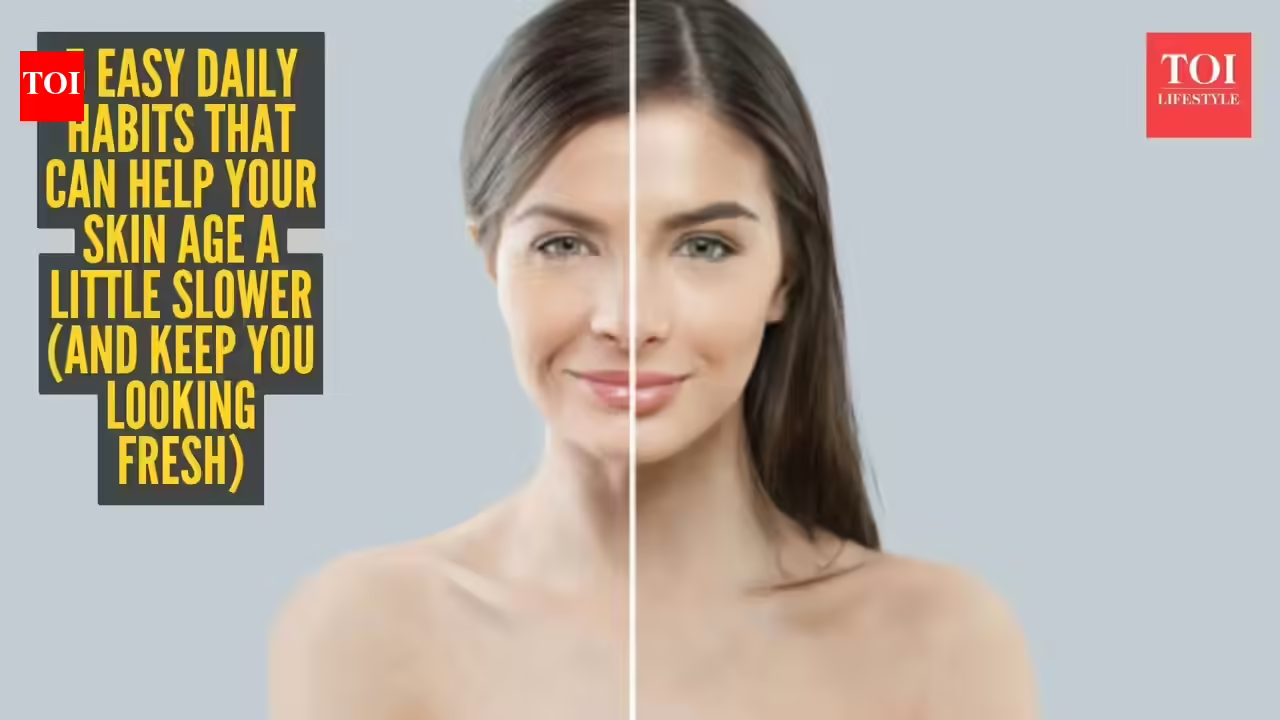
5 habits to incorporate in your daily routine if you want to slow skin ageing and look young

5 habits to incorporate in your daily routine if you want to slow skin ageing and look young

You can apply the best products in the world, but if your diet is all over the place, your skin will show it.

What you eat plays a huge role in how your skin looks and feels.

Try adding more:

Fresh fruits (berries, oranges, papaya)

Vegetables (spinach, carrots, broccoli)

Nuts and seeds

Healthy fats like walnuts or flaxseeds

These are packed with nutrients that help your skin stay healthy and deal with damage.

At the same time, try not to overdo sugar and junk food. Too much sugar can damage collagen over time, which leads to faster ageing.

You don’t have to eat perfectly – just be a bit more mindful on most days.

Tags: , , , , , , ,
dill pickle dip

Dill Pickle Dip (With Clean Ingredients)

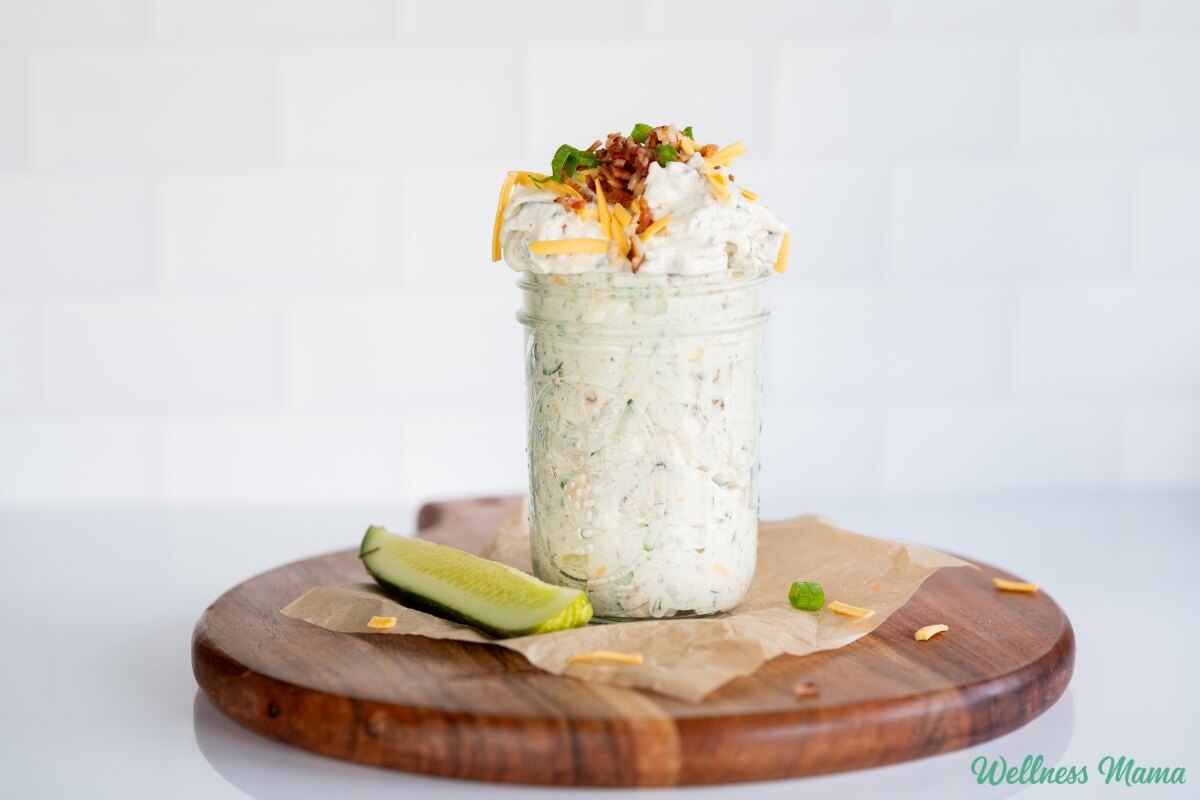
Summer is a time where fresh, seasonal veggies are abundant at the farmer’s market and in the garden. My kids have no problem eating their veggies, but our family enjoys them so much more with a good dip. This dill pickle dip is creamy, tangy, and everything you’d want in a dip. 

You might have seen the viral pickle dips going around on social media. While they do look delicious in the videos, they lean towards some ingredients I’m not a fan of. The good news? You can easily make your own dill pickle dip recipe with cream cheese and all of the good stuff, but with clean ingredients. 

Dill Pickle Dip (But Make it Clean)

Pickle dip made with Grillo’s dill pickles is all the vibe right now. And if you look at the ingredients list, it’s actually pretty clean. However, they’re not at every grocery store, and I prefer to use organic pickles whenever I can. 

If you’re up to making your own, fermented is hands down one of the best options. They’re naturally bubbling with healthy probiotics and are great for gut health. You can even make a more conventional homemade pickle with organic ingredients at home. Here are my recipes for both.

Don’t have the time or desire to make pickles from scratch? Bubbies brand from the refrigerator section is traditionally fermented and a good alternative. 

Dairy Options

The main ingredients in the dip are cream cheese, sour cream, and Greek yogurt. They create the smooth, creamy base for the tangy pickles. Cream cheese adds richness, sour cream and yogurt add a little tang, and the yogurt gives some lightness to the dip. 

I love this dill pickle dip with Greek yogurt, but other recipes make their dill pickle dip with cottage cheese. If you’re looking for a high protein dip made with cottage cheese, then you might like this smoked salmon dip or my radish dip. 

Probably the biggest clean ingredient swap in this dill pickle dip recipe is the ranch dressing seasoning. Sure you can grab a packet of ranch seasoning at any grocery store, but it’s hard to find one without MSG, artificial flavors, and mystery “spices.”

Years ago I came up with my own ranch seasoning recipe. I’ll make a big batch and use it as needed for dips, meats, and this pickle dip. You can also find a premade ranch powder here with pretty good ingredients if you prefer to buy it. 

Tips For Making Pickle Dip

Shredding your own cheese may seem like an unnecessary step, but I think its worth it. Most shredded cheese blends are coated in anti-caking agents like cellulose, which is basically sawdust (yes, really!). Often one of the kids will shred the cheese while I’m stirring together the rest of the dip. 

This pickle dip actually gets better the longer it sits. Make it the night before a party and it’ll be even more flavorful the next day. I like to save some extra bacon bits to sprinkle on top right before serving for extra crunch. It also keeps well in the fridge for up to 4 days.

You can also easily adjust the spice level in this dip. Keep some of the jalapeno seeds in if you like it more spicy or add more hot sauce. Don’t like the heat? Leave the hot peppers out completely. 

With pasture-raised bacon, organic dairy, fresh spices, and probiotic pickles, this clean dill pickle dip is sure to be a hit!

Dill Pickle Dip

The viral pickle dip everyone is making… made clean with real-food ingredients. No ranch packets, no seed oils, no additives. Ready in 10 minutes and gone even faster.

  • 8 ounces cream cheese (softened)
  • ½ cup sour cream (full-fat)
  • ½ cup plain whole milk Greek yogurt
  • 1½ TBSP ranch dressing mix (homemade)
  • 1½ cups dill pickles (finely chopped)
  • 2 TBSP pickle juice (reserved from jar)
  • 4 green onions (thinly sliced)
  • ½ cup cheddar cheese (freshly shredded)
  • 4 slices bacon (cooked crispy and crumbled)
  • 1 jalapeno (optional, seeded and finely diced)
  • 1 tsp hot sauce
  • 1 tsp salt (or to taste)
  • ½ tsp black pepper
  • Add the cream cheese, sour cream, and Greek yogurt to a large bowl. Beat together until smooth and creamy. A hand mixer gives the fluffiest texture, but a sturdy spoon works fine too.

  • Stir in the ranch seasoning, hot sauce, salt, and pepper until fully combined.

  • Add the chopped pickles, pickle juice, green onions, shredded cheddar, crumbled bacon, and jalapeño if using. Fold gently until everything is evenly distributed.

  • Taste and adjust as desired. Add more pickle juice for extra tang, more hot sauce for heat, or a pinch more salt if needed. Keep in mind the pickles are already salty so go slow.

  • Cover and refrigerate for at least 1 hour before serving to allow the flavors to meld.

  • Transfer to a serving bowl. Garnish with extra bacon crumbles, chopped pickles, or sliced green onion.

Nutrition Facts

Dill Pickle Dip

Amount Per Serving (1 serving)

Calories 225
Calories from Fat 171

% Daily Value*

Fat 19g29%

Saturated Fat 10g63%

Trans Fat 0.02g

Polyunsaturated Fat 1g

Monounsaturated Fat 6g

Cholesterol 52mg17%

Sodium 1005mg44%

Potassium 154mg4%

Carbohydrates 6g2%

Fiber 1g4%

Sugar 3g3%

Protein 7g14%

Vitamin A 675IU14%

Vitamin C 4mg5%

Calcium 126mg13%

Iron 0.3mg2%

* Percent Daily Values are based on a 2000 calorie diet.

  • Serve with grain-free crackers, cucumber rounds, carrot sticks, celery, or pork rinds.
  • I also like topping the dip with some fresh dill for garnish and extra flavor.

More Healthy Dip Recipes

If you’re looking for even more clean dip recipes, give some of these a try!

What are some of your favorite dips to use or make? Leave a comment and let us know!

Tags: , , , ,
Best oLive
Privacy Overview

This website uses cookies so that we can provide you with the best user experience possible. Cookie information is stored in your browser and performs functions such as recognising you when you return to our website and helping our team to understand which sections of the website you find most interesting and useful.