Kiwano cucumber: A hydrating fruit for skin health

A hydrating fruit for skin health

Follow this guide

What’s the story

African cucumber, popularly known as kiwano, is taking the skincare world by storm. Its hydrating properties are a boon for those looking to revitalize their skin naturally.
Packed with vitamins and antioxidants, African cucumber provides a refreshing alternative to conventional skincare products.
Here’s how this exotic fruit can be incorporated into your daily routine for healthier, more radiant skin.

Nutrient-rich composition

African cucumber is loaded with essential nutrients, such as vitamin C, vitamin A, and potassium.
These nutrients help in promoting collagen production and protecting the skin from free radicals.
The high water content of the fruit also keeps the skin hydrated, making it an ideal choice for dry or dehydrated skin types.

Antioxidant benefits

The antioxidants in African cucumber are essential for fighting oxidative stress on the skin.
These antioxidants minimize the appearance of fine lines and wrinkles by neutralizing free radicals that damage cells.
Regular use of products containing this fruit can improve skin elasticity and give you a youthful appearance.

Versatile skincare uses

African cucumber can be used in various forms in your skincare routine. From face masks to serums, its gel-like texture makes it an ideal ingredient for DIY recipes.
You can blend it with other natural ingredients, like honey or aloe vera, for added benefits.
Its versatility makes it easy to incorporate into different skincare regimens without any hassle.

Easy incorporation tips

To reap the benefits of African cucumber, try adding it to your morning smoothie or juice for an internal hydration boost.
For external application, use it as a facial mask by blending the flesh with honey and applying it on your face for about 15 minutes before rinsing off with warm water.
This simple routine can help refresh tired-looking skin effectively.

Tags: , , ,
Global Cosmetics News

Street Talk 2026: Skin Care – Episode Two: Skin Type – Normal

Featuring: Mia

Summary

Mia describes her skin as normal, but her routine is shaped by past dermatitis and a cautious approach to skincare. After experiencing irritation, she now keeps things simple: water cleansing and a fragrance-free moisturiser recommended by a doctor. Her ideal product is light, natural-feeling and completely fragrance-free.

Meet Mia: Normal Skin, Sensitive History

Mia says her skin is “probably normal”, but she doesn’t follow a traditional skincare routine.

Because she has experienced dermatitis, she avoids unnecessary products and usually washes her face with water only.

Pull quote: “I don’t really have a skincare routine.”

A Doctor-Recommended Minimal Routine

Mia’s current routine is intentionally simple.

She uses:

  • Water to cleanse
  • A natural, fragrance-free moisturiser from the chemist
  • A product she thinks is called Doublebase

This reflects a shift away from complex skincare and towards barrier-friendly basics.

Shopping Habits: In-Store and Practical

Mia usually buys skincare in-store, mentioning retailers such as Space NK and pharmacies.

Her shopping behaviour is practical, cautious and guided by skin tolerance rather than trends.

Treatments: Interested, But Reluctant

Mia says she would consider facials, but remains hesitant because of her dermatitis history.

For her, professional treatments may be appealing, but the risk of irritation creates a clear barrier.

Pull quote: “I’d consider getting facials… but I’m definitely reluctant.”

What She Wants From Skincare

Mia’s ideal product would be:

  • A light moisturiser
  • Completely fragrance-free
  • Natural-feeling
  • Gentle and non-intimidating

She says she is now “quite scared” to put products on her skin after previously being influenced by skincare trends and using a long, heavy routine that she feels damaged her skin.

Pull quote: “I’m quite scared and reluctant to put things on my skin.”

Key Takeaways for Brands

  • “Normal” skin consumers may still have strong sensitivity concerns.
  • Past irritation can push consumers towards minimalist routines.
  • Fragrance-free claims remain highly important for cautious users.
  • Overcomplicated routines can create distrust and category fatigue.
  • Barrier-friendly, light moisturisers offer a clear opportunity.

Tags: , , , , , ,
Dermatologists Say Your Post-Gym Skincare Routine Might Be Causing Breakouts

Dermatologists Say Your Post-Gym Skincare Routine Might Be Causing Breakouts

My pre-workout skincare routine is the height of minimalism. I cleanse, and if I’m running or spending time outside, I’ll slap some SPF and call it a day. After the session, however, that’s when it starts to get more complicated. I have acne-prone skin, so post-workout breakouts are a very real concern for me.

Vogue’s post-gym skincare routine at a glance:

La Roche-Posay Toleriane Dermo-Cleanser

Read more

The Best For Oily Skin: Haruharu Wonder Black Rice Moisture 5.5 Soft Cleansing Gel

Read more

“If your skin seems to punish you for doing something healthy, you’re not imagining it,” skin specialist Libi Roos confirms. “Post-workout breakouts are incredibly common – but also completely fixable once you understand what’s really going on.

I take a “time is of the essence” approach to removing the sweat and bacteria from my face, and even though body acne isn’t something I generally experience, I jump in the shower as quickly as possible as a preventative measure. But why does it occur? “It’s not the sweat,” Roos stresses. “It’s what happens afterwards.”

She is not referring to the workout itself, but the go, go, go nature of modern life. “Sweat is not your enemy. It’s mostly water and salt – your body doing exactly what it should. The problem? Real life. You do the class, take a call on the way home, grab a coffee — and the sweat just sits there. That’s when it starts mixing with sebum (your skin’s natural oil), dead skin cells and bacteria (including whatever was on that Pilates mat). This creates the perfect pore-clogging cocktail. At the same time, your skin is in a more vulnerable state; your barrier is slightly compromised, your pH is disrupted, and your pores are more open from heat. So anything already on your skin – SPF, leftover make-up, pollution (especially in a city like London) – is now part of the problem.”

Tags: , , , , ,
Beauty and wellness spending becomes more calculated

Beauty and wellness spending becomes more calculated

Greek consumers are adopting a more structured and strategic approach to spending on beauty and wellness products, according to a Revolut survey conducted by market research company Dynata.

The findings indicate a clear shift in how individuals manage their personal care budget, with spending increasingly treated as a planned financial category rather than an impulsive activity.

The research shows that 25 per cent of respondents actively plan and save money for personal care, highlighting a more strategic approach to lifestyle-related spending.

This marks a broader move away from impulsive purchases, with consumers becoming more disciplined in how they allocate funds for beauty and wellness.

At the same time, 20 per cent of respondents said they are more likely to spend when there are discounts or promotions, underlining the continued importance of value for money in purchasing decisions.

The study also shows that personal care remains a priority even under financial strain.

Around 10 per cent of respondents said they make sacrifices in other areas to maintain their spending on beauty and wellness needs.

A further 3 per cent admitted they exceed their planned budget in order to avoid disrupting their established personal care routines.

The findings also point to a significant decline in celebrity influence on consumer decisions in Greece.

Instead, purchasing behaviour is shaped more by trust, authenticity and personal recommendations.

The survey found that 31 per cent of respondents said they are influenced by family and friends, while 17 per cent rely on advice from professionals such as dermatologists and experts.

In addition, 7 per cent are influenced by social media creators, while only 2 per cent said that celebrities affect their choices.

The research suggests that financial tools are becoming increasingly relevant as consumers seek better ways to manage lifestyle spending.

When asked what would encourage them to spend more on beauty and wellness, 33 per cent of respondents selected personalised offers.

A further 31 per cent pointed to loyalty programmes, while 25 per cent said interest-free instalment payment options would be a key incentive.

Meanwhile, 9 per cent said they would value a dedicated savings feature for personal care budget management.

“The findings show that Greek consumers are approaching spending on beauty and wellness with greater planning and consideration,” Ignacio Zunzunegui, Head of Growth for Southern Europe and Latin America at Revolut, said.

“We are seeing increasing demand for financial tools that help manage lifestyle-related spending, whether through saving, accessing benefits via purchases or closely tracking expenses,” he added.

“Financial technology is helping consumers maintain their preferred habits while keeping control over their finances,” Zunzunegui continued.

Tags: , , ,
5 easy skincare tips using fruits you already have at home

5 easy skincare tips using fruits you already have at home

We’ve all been there. Staring at the mirror, wondering if that complicated 10-step Korean skincare routine is actually doing anything, or if we just enjoy buying tiny, aesthetic glass bottles. The beauty industry has us convinced that glowing skin requires importing rare ingredients from across the globe. But what if the ultimate skincare hack has been sitting quietly in our local markets all along?

Desi berries are having a major moment in the wellness world right now, and for good reason. While you might drop upwards of ₹3,500 (INR) on a tiny vial of imported antioxidant serum, a hearty haul of these indigenous super-berries will barely dent your wallet at around ₹100 to ₹250 (INR) from the local vendor. They are potent, totally natural, and work from the inside out. If you are looking to upgrade your skin health this season, here are five Indian berries you need to add to your daily diet.

Tags: , , , ,
1 (1)

7 Korean Lifestyle Habits For Youthful Skin And Healthy Living

Korean beauty goes far beyond skincare products. It reflects a holistic lifestyle rooted in consistency, balance, and self-care. Additionally, the global fascination with Korean lifestyle habits thrives as they include a holistic, preventative approach to wellness and prioritise long-term health over temporary fixes. From famous skin care routines and dietary staples such as probiotic-rich kimchi to disciplined daily rituals, these habits support radiant skin and long-term health. If you want a natural glow that lasts, these Korean lifestyle practices offer a practical and effective approach.

1. Follow A Consistent Skincare Routine

Koreans prioritise daily skincare with gentle, layered routines, with the foundational two-step process. They cleanse with an oil-based cleanser followed by a water-based cleanser. Further, they follow a layered hydration with the ‘7-Skin Method’ by applying toner twice, allowing each layer to fully absorb and seal it with a lightweight moisturiser, which hydrates and protects their skin without fail. Consistency helps maintain hydration, prevent premature ageing, and improve skin texture over time.

ALSO READ- Potato Juice Mask vs Tomato Mask: Which Is Best To Remove Tanning?

2. Eat Skin-Friendly Foods

A Korean diet includes fermented foods like kimchi, doenjang (soybean paste), cheonggukjang (fermented soybeans), fresh vegetables, and nutrient-rich soups. These foods improve gut health, which directly affects skin clarity and overall wellness.

3. Stay Hydrated Throughout The Day

Korean culture encourages frequent water intake and hydrating teas, including barley tea (boricha) and corn tea (oksusu-cha), and avoiding caffeine-rich beverages. Filled with antioxidants, these teas ensure proper hydration, which keeps the skin plump, flushes out toxins, and supports bodily functions.

4. Practise Sun Protection Daily

People in Korea use sunscreen every day, regardless of the weather. Treated as a daily necessity, this habit protects the skin from harmful UV rays, preventing pigmentation, premature wrinkles, and sun damage. Usage of parasols or hats is also common for physical protection.

ALSO READ- Top 5 Korean Sunscreens You Need For Glass Skin This Summer

5. Focus On Gentle Skincare Over Harsh Treatments

Instead of aggressive treatments, Koreans prefer soothing and nourishing products. This approach protects the skin barrier and reduces long-term damage.

6. Prioritise Sleep And Rest

Adequate sleep allows the skin to repair itself. Korean beauty culture values rest as a key factor in achieving a naturally glowing complexion, along with traditional steamy showers with gentle facial and neck massages.

7. Embrace Facial Massage And Circulation

Facial massages improve blood circulation and promote lymphatic drainage. This habit helps reduce puffiness and enhances natural radiance.

For more such stories, follow HerZindagi!

Image Credit: Freepik

Tags: , , , , , ,
Discover the cult clinic-born skincare that’s made its way into the beauty mainstream

Discover the cult clinic-born skincare that’s made its way into the beauty mainstream

There’s been a noticeable shift in how we shop for skincare. Increasingly, it’s not the glossy campaigns or celebrity endorsements driving purchases, but formulas that feel closer to the clinic than the beauty counter.

That’s right, In 2026, prestige make-up brands no longer dominate the skincare field. Instead, beauty enthusiasts are turning their attention to formulas rooted in medical and scientific research.

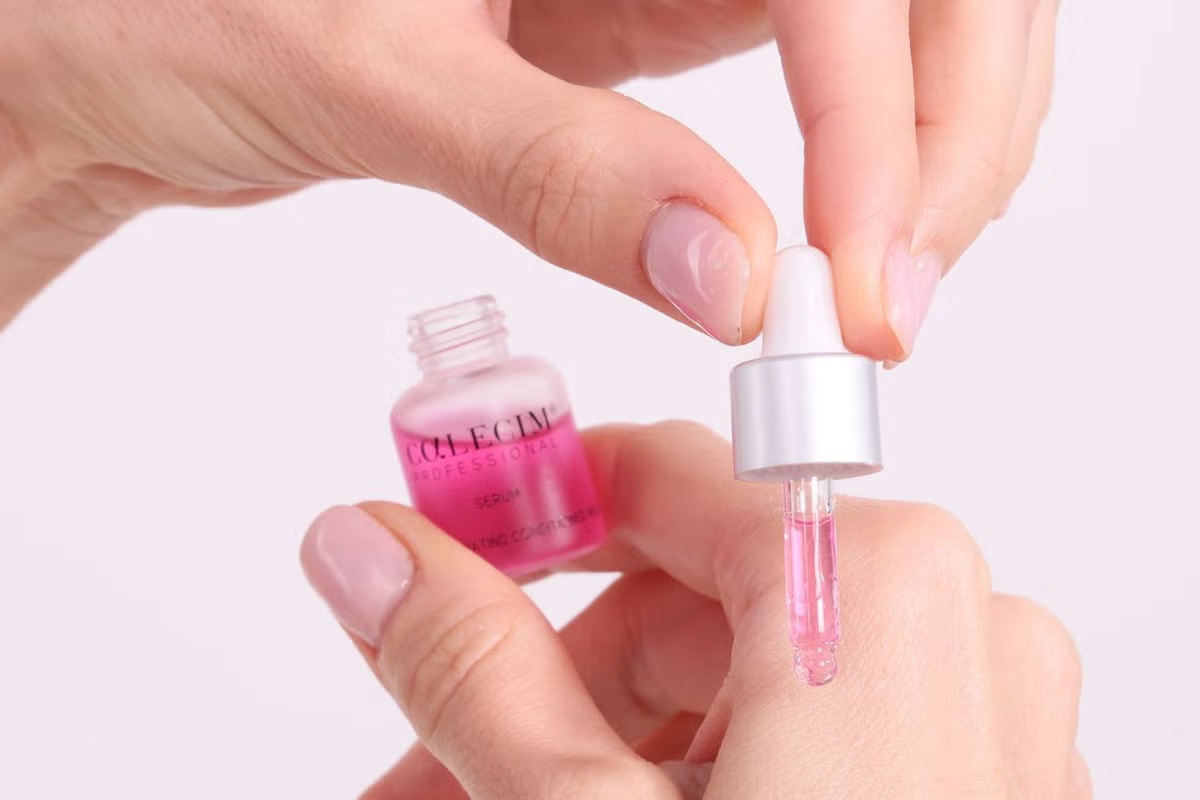
Among the latest wave of clinical crossover products, one in particular seems to have sparked interest. It’s small, pink, a touch on the expensive side and – according to some – smells slightly yeasty. More importantly, it’s developed something of a loyal following among those seeking high-performance skincare. Introducing the Calecim Professional Serum.

In recent years, regenerative skincare technologies, influenced by research in regenerative medicine, have begun to make their way from clinics onto the shop floor and into our everyday routines. Calecim Professional Serum, first used by some clinicians alongside aesthetic procedures, is now gaining popularity among consumers seeking clinic-inspired skincare results from the comfort of their own homes.

According to Dr Edel Woods, aesthetic doctor and founder of ORA Skin Clinic, the technology behind these formulas stems directly from regenerative medicine.

“This type of treatment emerged from studying the molecules involved in natural skin processes,” she explains. “What became clear is that healing is orchestrated by a complex network of growth factors, cytokines and signalling proteins that guide cells during the skin’s natural repair processes.”

Calecim’s serum uses a complex known as PTT-6®, derived from ethically sourced umbilical cord lining stem cells. But rather than using the stem cells themselves, the formula harnesses the signalling proteins these stem cells release.

But what does that actually mean? In more simple terms, PTT-6® is a concentrated mix of growth factors, cytokines and exosome-like proteins (more than 3,000 in a single millilitre) which are designed to mimic signalling pathways associated with the skin’s natural maintenance processes.

“These proteins are very similar to the signalling molecules that our own skin produces during wound healing,” Woods says. “They are thought to act as signalling molecules that may influence skin cells involved in maintaining elastin and skin hydration.”

The science behind ‘regenerative skincare’

Regenerative skincare aims to replicate signals linked to firmness and elasticity (Calecim Professional)

To gain a greater understanding as to why regenerative skincare is gaining traction, it helps to look at how skin repairs itself after damage and environmental stress. “Our skin is constantly communicating at a microscopic level,” says Dr Woods. “Cells send signals to one another that direct processes such as repair, collagen production and inflammation control.” Those signals are largely carried by proteins known as growth factors and cytokines, which instruct nearby cells to rebuild tissue.

“During wound healing the body releases a very specific combination of these signalling molecules,” she explains. “They guide fibroblasts linked to firmness and elasticity.” Regenerative skincare aims to replicate those signals.

Calecim’s PTT-6® complex contains more than 3,000 growth factors, proteins and exosomes in a single millilitre, inspired by signalling pathways involved in skin maintenance and repair processes. Rather than sitting only on the surface, and simply hydrating or resurfacing the skin, these molecules are intended to support its look and feel.”

The result, in theory, is skin that gradually becomes stronger and more resilient over time.

For everyday use, it can be applied as part of a regular routine, be it a few drops onto clean skin before your night cream or mixed into your daily moisturiser. It’s also used after at-home microneedling or exfoliating treatments, and remains a staple in clinics following procedures such as laser or resurfacing, where supporting the skin’s comfort is a key focus.

Why clinics were early adopters

Clinic patients who continued using regenerative products often reported benefits (Calecim Professional)

Before appearing in home routines, formulas like the Calecim Professional Serum were primarily used in aesthetic clinics.

“When we perform procedures such as microneedling or laser treatments, we intentionally create controlled micro-injury to stimulate collagen production,” says Dr Woods. Supporting the skin’s healing response can significantly influence results and, she adds, “Applying regenerative signalling molecules immediately after those procedures support skin’s comfort and appearance following treatments” As such, patients often experience a smoother recovery period.

“In clinic we frequently see redness settle more quickly and skin regain its normal texture sooner,” Woods says. Over time, doctors began noticing that patients who continued using regenerative products at home often reported broader improvements in their skin. “Patients were seeing benefits even outside of post-treatment recovery,” she says. With this patient-led demand, the serum was developed as an at-home treatment, harnessing these clinic-born benefits for day-to-day use.

Why consumers are opting for clinic-grade skincare at home

The science behind the serum supports universally experienced skincare demands (Calecim Professional)

As Dr Woods explains, the science behind these products supports broader skincare demands that are experienced universally, beyond aesthetic clinics and treatment rooms.

“These regenerative signalling molecules can also support the skin outside of procedure recovery.” Specifically, the Calecim serum may support the appearance of ageing skin, when fewer of the proteins responsible for structure and elasticity are naturally produced. “Collagen, elastin and hyaluronic acid all decline as we get older,” Dr Wood elaborates. “Supporting the biological processes that produce them can improve the appearance of overall skin quality.”

Testing of Calecim’s technology has explored changes in markers associated with elasticity and hydration, a study of forty participants, researchers reported a 56 per cent increase in elastin production – key to to maintaining healthy skin structure, function and appearance and an 83 per cent increase in hyaluronic acid levels, which helps support skin hydration, helping skin appear plumper and smoother.

Another smaller trial of nine participants, applying the serum to eyelid skin, also revealed improvements in the appearance of skin elasticity and firmness, and reducing perceived fine lines and wrinkles in the area.

“These markers are important because they can reflect the skin’s condition,” Woods says. “When they improve, it suggests the skin may be functioning in a way associated with repair and renewal.”

From clinic to cult favorite

Users say the serum leaves their skin looking smoother, softer and glowing (Calecim Professional)

Users often report gradual improvements rather than instant transformations. “Patients usually notice brighter, smoother, more hydrated skin over time,” she says. As one Trustpilot reviewer wrote online: “The products work, my skin has started to get its glow back and I see more plumpness and volume.” Another stated that: “There is a noticeable improvement in the appearance and texture of my skin. The lines are diminishing and my skin is super soft and smooth.”

Others have found the product so effective they have been able to streamline their skincare regime, with another user noting: “I was so impressed with the results of the serum in such a short time that I’ve ditched all my other growth factor products and various other creams and now use solely Calecim along with my tretinoin and vitamin C.”

While for those undergoing aesthetic procedures, it remains an important part of the process, with one revealing: “I have done micro needling several times and follow it with the Pink Professional Serum and finish with the Recovery Night Complex. Within an hour or two my skin has calmed down. After a couple of days my skin is so soft and glowing.”

For readers curious about the next wave of science-inspired skincare, clinic-born formulas like Calecim’s Professional Serum offer an interesting starting point, combining medical research insights with a routine-friendly approach to supporting healthier looking, more resilient skin.

Explore Calecim Professional Serum

Tags: , , , , ,
How to master natural daytime makeup

How to master natural daytime makeup

Follow this guide

What’s the story

Celebrity makeup artists excel at creating natural daytime looks. They know how to keep it simple yet effective, perfect for everyday wear.
By following their techniques, you can achieve a fresh, polished look without spending hours in front of the mirror.
Here are some expert tips from top celebrity makeup artists to get that effortless, natural glow.

Flawless base with minimal products

Celebrity makeup artists swear by a flawless base as the foundation of any natural look.
They recommend using a lightweight foundation or tinted moisturizer to even out skin tone without masking it.
A dab of concealer on problem areas can do wonders.
The key is to blend well with fingers or a damp sponge for an airbrushed finish.

Emphasizing eyes with subtle shades

For eyes, celebrity artists recommend sticking to neutral shades like soft browns or taupes. These colors enhance the eyes without overpowering them.
A coat of mascara is essential to define lashes, while a light application of eyeliner on the upper lash line can add depth without making it too dramatic.

Natural brows for balanced look

Well-groomed brows are essential for achieving that balanced look.
Celebrity makeup artists recommend using a brow gel or pencil in a shade closest to your natural hair color. This adds definition and fullness without looking overdone.
The trick is to follow your natural brow shape and fill in any sparse areas gently.

Fresh cheeks with cream blush

Cream blushes are a favorite among celebrity artists for their ability to give a natural flush to the cheeks.
They blend seamlessly into the skin, giving a dewy finish that mimics natural skin texture.
Just apply it with fingers or a brush on the apples of your cheeks, and blend upwards towards the temples.

Lips: Subtle color choices

For lips, celebrity makeup artists suggest opting for subtle colors like nude pinks or soft corals.
These shades add just the right amount of color, without stealing the show from other features.
A tinted lip balm or sheer lipstick keeps lips hydrated while giving them a hint of color.

Tags: , , ,
Is This New Skincare Category Really the Secret to Eternal Youth?

Is This New Skincare Category Really the Secret to Eternal Youth?

As the beauty industry looks for new ways to capture attention, the term “longevity” has emerged as the latest buzzword, once again pushing “anti-aging” aside.

For nearly a decade, I’ve watched the marketing’s ongoing effort to retire “anti-aging” language in skincare, largely because of its negative connotation that aging is something to be fixed. I understand the intent, but I also wonder whether “longevity” will have any more staying power than past replacements like “pro-aging” or “age-defying,” both of which quietly faded.

Longevity Vs. Anti-Aging: What Do They Really Mean?

Skincare has never been a particularly exciting category to test. Results take time, and success depends on consistency, patience, and, above all, sun protection.

Yet now, “anti-aging” is increasingly framed as offering quick fixes and surface-level corrections rather than supporting long-term skin health. That’s news to me. I wouldn’t consider wrinkle reduction, fading hyperpigmentation, or improving firmness as quick fixes or harmful to skin health. Historically, anti-aging has been rooted in prevention (think sunscreen or retinoids for wrinkles), not instant results. But I understand that conversations around well-established active ingredients such as retinoids, niacinamide, antioxidants, and peptides may feel a bit stale.

Enter Longevity

Driven by the broader wellness movement (supplements, biohacking, and cellular health), longevity in beauty reframes familiar goals of slower decline and improving skin resiliency as part of a longer-term vision of skin optimization. It sounds gentler and more scientific, but also implies that there is a right way to age. With concepts of bio-regeneration and molecular-level changes, this new term is doubling down on science already introduced under the anti-aging umbrella.

Longevity now seems to own all buzzy, not-yet-well-understood concepts in skincare, like epigenetics (gene activation), senolytics (removal of so-called zombie cells), microbiome (the ecosystem of our skin), and exosomes (cell-to-cell signaling and energy support). Some brands also offer supplements alongside topical care to maximize skin health outcomes.

Is Longevity Skincare Different from Anti-Aging?

For now, no. The distinction is largely conceptual and marketing-driven rather than completely rooted in new science, ingredients, or outcomes. Despite the shift in language, both approaches still rely on the same proven activities, testing methodologies, and deliver similar results. Longevity may promise gradual, sustained improvements rather than dramatic changes, but so does good anti-aging skincare.

And here’s the confusing part: most longevity products still rely on ingredients that have been used in anti-aging for a long time. If your skincare already includes retinoids, niacinamide, alpha-hydroxy acids, peptides, humectants, and antioxidants, you are already using longevity skincare.

There’s also the practical reality: even the best topical skincare can reach a plateau, often requiring stronger formulations, new actives, or professional treatments over time. Whether longevity-focused products that introduce new skincare concepts will behave differently remains to be seen.

While neither “longevity” nor “anti-aging” is a standardized or tightly regulated term, “anti-aging” is at least well established. Regulatory bodies allow claims tied to measurable outcomes like improved elasticity, reduced pigmentation, and fewer wrinkles. Longevity, by contrast, remains loosely defined and largely unproven in its ability to extend the skin’s healthspan over the long term. As a result, it’s starting to be used freely, much like other vague industry favorites that I have trouble with, such as “clean beauty” or “clinical-grade.”

The promise of longevity skincare is that it targets biological aging itself, not just visible signs. That’s an ambitious claim, and one that is inherently hard to measure and substantiate. Though the science of aging is real, it is still to be proven in over-the-counter skincare that would require large, long-term (maybe decades-long) clinical studies, along with evidence from biomarkers or even biopsies.

Besides, if a product truly altered biological aging over the long term, it would likely be regulated as a drug rather than a cosmetic, and if such products existed, they would represent an entirely new frontier in skincare science.

Final Thoughts (So Far…)

We all want to look younger for longer and perhaps that very desire is what drives us to repackage the same goal in more palatable, less superficial-sounding terms. Whether we call it longevity or anti-aging, both ultimately aim to slow and reverse the visible passage of time; one simply says it more directly.

Despite testing and researching skincare products for a living, I find this shifting marketing confusing, and it’s hard to imagine the average consumer doesn’t feel the same. But clarity may not be the goal. By rebranding familiar concepts with more aspirational language, the skincare industry gains flexibility, sidestepping stricter expectations while promising something that sounds like a step up: not just better skin, but longer-lasting youth. I hope they’re right.

You Might Also Like

Tags: , , , ,
Does Natural Skincare Actually Work? Tata Harper Reveals the Truth

Does Natural Skincare Actually Work? Tata Harper Reveals the Truth

LA Times Studios may earn commission from purchases made through our links.

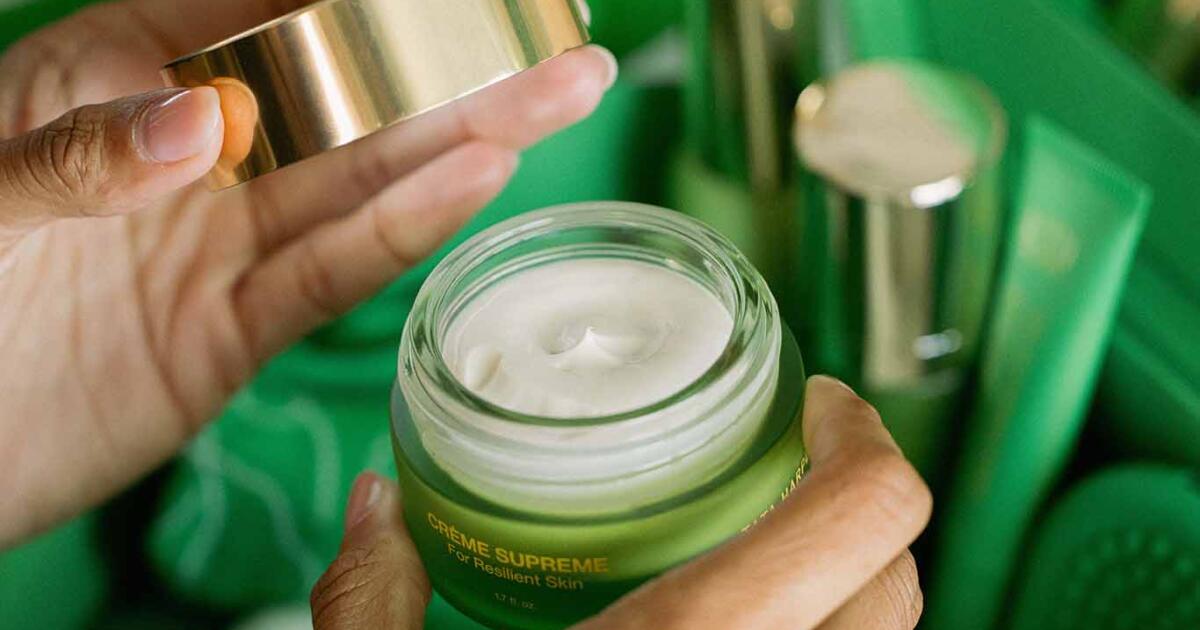
At an Earth Day master class in Los Angeles, clean beauty pioneer Tata Harper opened with a myth she hears often. Natural skincare is seen as less effective than lab-made formulas. Speaking alongside Jill Wintersteen, who led a guided meditation ahead of the event, Harper used the launch of her Crème Supreme Moisturizer to explain why that assumption is outdated and what actually matters for skin health.

Tata Harper Master Class | Earth Day Celebration

(Photo Credit: Masha Maltsava)

Natural ingredients are as powerful as the science behind them

“I love how there is this misconception that doing natural products and dealing with natural ingredients means you’re just juicing carrots and squeezing oranges,” Harper says laughingly. She emphasized that effectiveness comes down to the compound, not the origin. “The sophistication of an ingredient, whether man-made or natural, has to do with the compound itself.”

Biotechnology has made that distinction even less relevant. Ingredients can be developed now through natural processes like fermentation and biosynthesis while maintaining high performance. “For example, our hyaluronic acid is produced via fermentation by feeding bacteria root vegetables, and that bacteria then produces hyaluronic acid,” she said.

RELATED: How Growth Factors Are Transforming Anti-Aging Skincare

Harper pointed out that many ingredients used in traditional skincare were originally discovered in nature. “For decades, pharmaceutical companies and scientists have gone into nature to find new compounds,” she said. “Those are not the versions we get… we get them directly from nature so you get them in their purest form.”

Lifestyle drives skin aging more than products

Harper was direct about the limits of skincare. “I feel that lifestyle factors are the most fundamental factors in the way you age,” she said. “Skincare plays a supporting role the same way supplements do.”

Sleep is one of the most important factors. “Getting a good eight hours is amazing because that is when our skin repairs itself.” Stress is another major driver. “Controlling stress and cortisol spiking is another key strategy because cortisol breaks down collagen.”

Tata Harper Master Class

(Photo Credit: Masha Maltsava)

She also highlighted hydration, nutrition, and sugar intake as critical. “Avoid things like sugar, because sugar produces glycation that stiffens skin and damages collagen.” While that can be harder than we think, Tata’s message is simple. Products can enhance results, but they cannot replace foundational habits.

Hydration and barrier care are the foundation of healthy skin

If there is one immediate fix Harper recommends, it’s proper hydration. “There is an overabundance of dehydrated skin in the world because people are not properly moisturizing,” she said. Hydrated skin functions better and appears more resilient. Harper said her latest formula replenishes moisture and can improve elasticity over time. But, the broader takeaway applies across routines.

RELATED: Inside Tata Harper’s Farm-to-Face Skincare Revolution

And she warned against one of the most common mistakes she sees. Over-exfoliation. “I am a big believer in exfoliation,” she said, noting she prefers gentle daily formulas with enzymes and mild acids. But harsh peels and aggressive routines can do more harm than good. “You are damaging your barrier and degrading the outer layer, which can lead to inflammation, over-sensitization, and breakouts.”

For Harper, the future of skincare is about consistency. Healthy skin comes from supporting its natural processes. “Aging is nothing to be feared if you take care of yourself and prioritize wellness and healthiness,” she said.

The takeaway is less about a single product and more about shifting our perspective. Thinking about how ingredients are sourced to how the skin is supported every day.

Tags: , , , , , ,
Best oLive
Privacy Overview

This website uses cookies so that we can provide you with the best user experience possible. Cookie information is stored in your browser and performs functions such as recognising you when you return to our website and helping our team to understand which sections of the website you find most interesting and useful.