Sweet potato peel scrub: A natural skincare secret

Sweet potato peel scrub: A natural skincare secret

Follow this guide

What’s the story

Sweet potato peel scrub is a natural beauty secret from Africa. It is said to be effective in exfoliating and rejuvenating the skin.
The scrub is made from sweet potato peels, which are rich in vitamins and antioxidants. These nutrients are believed to help improve skin texture and tone.
Using this scrub regularly can give you a fresh, radiant complexion without the use of harsh chemicals.

Tags: , , , , , ,
Priyanka Chopra’s beauty routine: A throwback to the skin secret revealed by her mother

Priyanka Chopra’s beauty routine: A throwback to the skin secret revealed by her mother

(Image Credits: Pinterest) Long before elaborate 10-step skincare routines and viral online trends, glowing skin often came down to simple, time-tested remedies passed down through generations. But when a celebrity-inspired skincare routine goes viral, people definitely give it a try, and today we’re dissecting the DIY remedy used by Priyanka Chopra and her mother.Over the years, fans have been eager to uncover the secret behind her luminous complexion, and one throwback revelation from her mother offered a glimpse into the beauty rituals that shaped the star’s skincare journey. In an old Instagram post, Dr Madhu Chopra shares her DIY besan-haldi face pack recipe that Priyanka swears by.

(Image Credits: Pinterest)

In the video, she says, “I have never used a face wash or soap on my skin. Occasionally, I go for scrubs to remove dead cells from my ageing skin. Thanks to this ubtan, I have always maintained healthy skin, free of pimples, acne, or pigmentation. My daughter and I use the same face pack for all our skin needs.” Let’s see how to make this DIY besan face pack at home. How to makeStep 1: Add 2 tablespoons of gram flour to a bowl, which will tackle your skin’s dryness.Step 2: Add some homemade cream with a spoonful of fresh yoghurt.Step 3: To prevent inflammation, boils, and acne issues, you can also add a hint of turmeric and blend everything with some cold milk.Dr Madhu Chopra also focused on the fact that it is best for people with dry skin. She said, “This recipe is for people with dry skin because my skin is very dry. It is also very easy to make and sticks to your skin like a mask. You can wash it off after 15 to 20 minutes. The outcome will be very good. You will see a difference in your previously tired skin, and after.” She continued and ended the video saying, “The skin below the eyes is very delicate. Don’t apply, don’t rub, don’t do anything here.” This is a gentle reminder that sometimes the most effective beauty solutions don’t come in luxury packaging, but some are rooted in traditional Indian beauty wisdom. The remedy highlights the power of natural ingredients and self-care, proving that age-old practices still hold power in the age of high-tech beauty products. As interest in DIY skincare continues to reign, this throwback beauty tip remains as relevant as ever.

Tags: , , , , , , , ,
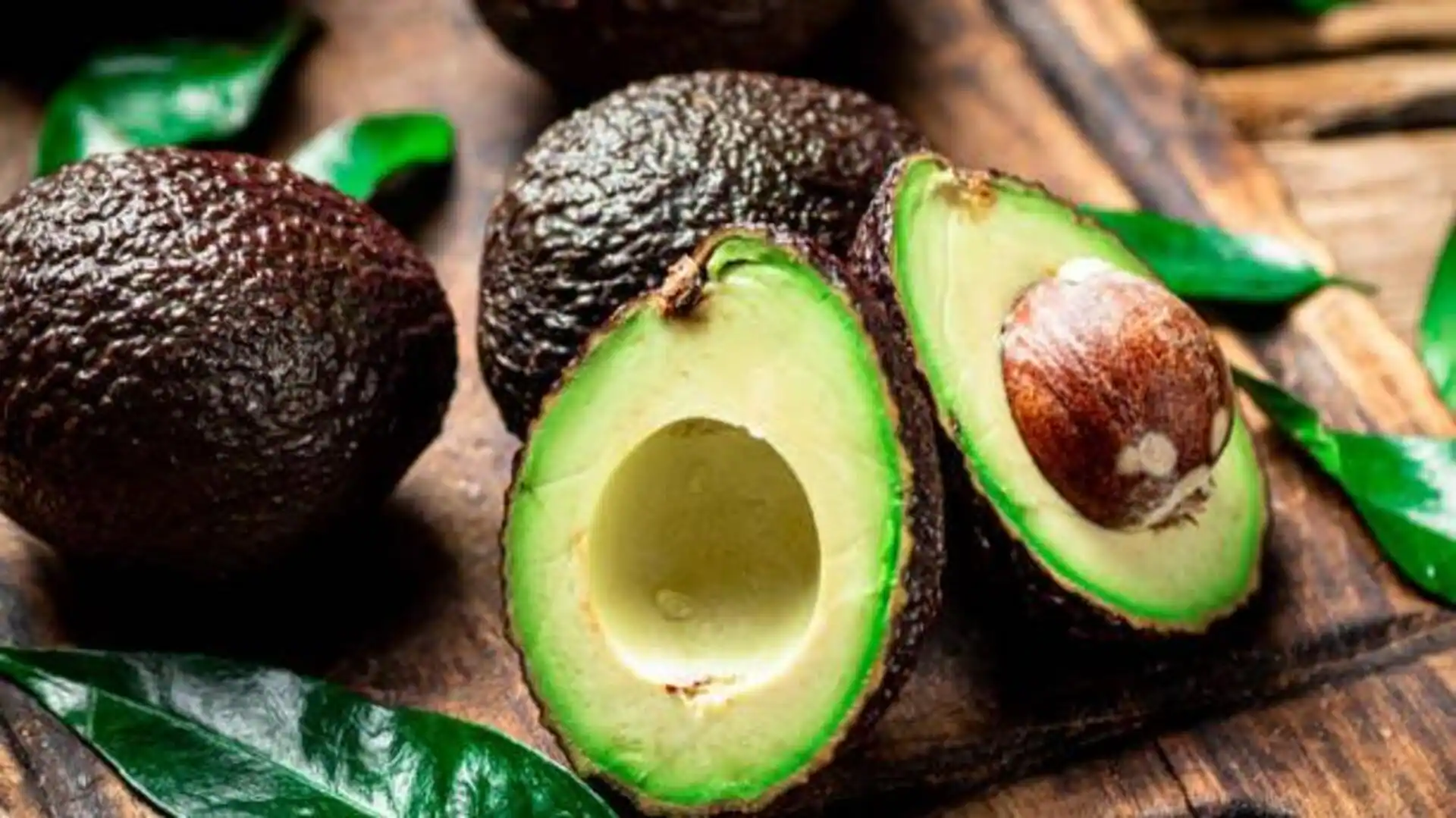
Secret to hydrated skin? It is avocado

Secret to hydrated skin? It is avocado

Follow this guide

What’s the story

African avocados are becoming increasingly popular for their skin benefits.
Rich in vitamins and healthy fats, these avocados can be a great addition to your skincare routine.
They are known to nourish and hydrate the skin, making it look healthy and glowing.
Here is how you can use African avocados for skincare, and the benefits they offer.

Nutrient-rich composition

African avocados are loaded with essential nutrients, such as vitamin E, vitamin C, and potassium.
Vitamin E is an antioxidant that protects the skin from free radicals, while vitamin C promotes collagen production for elasticity.
Potassium helps in keeping the skin hydrated by retaining moisture.
These nutrients work together to keep the skin healthy and youthful.

Hydration boost

The healthy fats in African avocados are great for keeping the skin moisturized.
They form a protective barrier on the skin’s surface, preventing moisture loss. This is especially helpful for people with dry or flaky skin.
By adding avocado oil or pulp into your skincare routine, you can achieve softer and more supple skin.

Anti-aging properties

African avocados also have anti-aging properties, thanks to their high antioxidant content.
Antioxidants fight oxidative stress that causes premature aging signs, such as wrinkles and fine lines.
Regular use of avocado-based products may reduce these signs over time, giving you a youthful appearance.

Versatile application methods

There are several ways to use African avocados in your skincare routine.
You can apply them directly as a face mask by mashing the pulp, or use avocado oil as a moisturizer or serum.
Mixing avocado with other natural ingredients, like honey or yogurt, can enhance its benefits further while catering to different skin types and concerns.

Tags: , , ,
magnesium cell health

The Secret of Magnesium For Cell Health

I’ve been sharing about magnesium’s benefits for over 15 years now on the blog and podcast. It’s one of the few supplements that I take every day because I’ve noticed such a huge difference with it. More recently, I’ve come to realize how much it helps with nervous system regulation and mineral balance. 

Once I started using magnesium regularly I noticed not only did I sleep better, but I handled stress better and didn’t feel so depleted. For me (and so many others) it’s one of those supplements that are core to my wellness routine. 

More people are now aware of magnesium’s benefits, but it does so much more than help with sleep or relaxing. It’s deeply connected to how our cells make energy, how our nervous system communicates, and how we respond to stress. Unfortunately, unless you’re thoughtfully supplementing, you’re very likely not getting enough. 

Magnesium: The Mineral Behind Energy and Calm

Experts estimate magnesium is involved in around 800 (or more!) enzymatic reactions in the body. If you’re making hormones, repairing tissue, digesting food, producing energy, or regulating the nervous system, you can thank magnesium. It’s one reason why magnesium deficiency can show up in so many different ways.

One of magnesium’s most important jobs is helping the body create usable cellular energy. The body’s energy currency is ATP (adenosine triphosphate), but ATP isn’t biologically active on its own. It has to bind to magnesium to actually function. In practical terms, this means magnesium is directly connected to whether our cells can efficiently produce and use energy.

Side Effects of Low Magnesium

When magnesium levels are low the entire body can see the effects. Fatigue, poor recovery, muscle tension, headaches, and brain fog can all be signs that the body doesn’t have the mineral support it needs.

I noticed this during the years when my body was stuck in a highly inflamed state. Even though I’d been taking magnesium for years, I realized I wasn’t always absorbing or tolerating it well because my nervous system and digestion were so dysregulated. At one point, magnesium supplements actually made me itchy, which surprised me because magnesium is supposed to be so good for you.

Eventually, I learned that I had to work up slowly while also addressing larger issues like inflammation, nervous system stress, mast cell activation, and what’s often called the “cell danger response.” Once my body felt safer and calmer overall (and I found magnesium that worked for me) I finally started seeing the positive benefits.

Why Magnesium Needs are So High

Between chronic stress, mineral-depleted soil, filtered water, medications, and even intense exercise, many of us are likely running low without realizing it. As moms with lots of responsibilities and stressful situations, it’s easy to become magnesium deficient. 

Stress, physical or emotional, dramatically changes our magnesium demand. When cortisol and adrenaline levels are chronically too high, it increases how much magnesium our cells use and excrete. It’s our body’s built-in survival response.

This makes sense biologically. In an emergency, the body prioritizes immediate survival over long-term repair. The problem is that many of us now live in a constant low-level stress state. We’re overstimulated, under-rested, chronically busy, and often disconnected from the rhythms that once allowed our nervous system to fully recover.

Stressed? You Need Even More Magnesium!

So now? Our body constantly uses magnesium faster than we can replace it. Over time, this can create a cycle where stress depletes magnesium, and low magnesium makes us feel even more stressed, anxious, tight, or exhausted.

For me, this showed up as the classic “wired but tired” feeling for years. I could push through the day on stress hormones and sheer willpower, but my nervous system never truly relaxed. Once I started viewing magnesium not just as a supplement, but as a foundational safety signal for the body, things began to shift.

Magnesium helps calm the nervous system and relax smooth muscle tissue. Adequate magnesium essentially tells the body that it’s safe enough to move into repair mode. This is one reason people often notice better sleep, less muscle tension, headaches, and constipation, or better stress resilience with more magnesium.

Magnesium Benefits For Women (and Why It’s Different)

Women have different factors that can increase our need for magnesium. Fluctuating hormones through the menstrual cycle (especially right before a period) increase our magnesium needs. Pregnancy and breastfeeding both dramatically increase mineral needs too. 

Perimenopause and menopause add another layer because fluctuating hormones and higher stress loads often increase nervous system sensitivity. Many women notice symptoms like irritability, poor sleep, muscle tension, headaches, or worsening PMS when the body craves more magnesium. 

Looking back, I can see how much this applied in my own life. During pregnancy and postpartum especially, I often felt depleted in ways that I couldn’t fully explain at the time. Now I realize that mineral depletion was likely a much bigger part of the picture than I understood then.

This is also why I think magnesium conversations need more nuance than simply “take magnesium for sleep.” Magnesium is connected to hormone balance, energy production, stress response, muscle function, nervous system regulation, and cellular repair. Sleep benefits are wonderful, but they’re really just one visible piece of a much larger picture.

How Modern Life Sabotages Magnesium Levels

One reason why magnesium deficiency is so common is because modern life seems perfectly designed to burn through it. Our food is no longer mineral rich because the soil is so depleted, even compared to a few generations ago. 

Filtered water can also contribute to the problem. While water filtration is absolutely beneficial, many systems remove naturally occurring minerals as well. Unless we intentionally remineralize our water or prioritize mineral intake elsewhere, this can deplete magnesium even more. 

Here are some more things that deplete magnesium:

  • Intense exercise 
  • Sweating (from sauna or exercise)
  • Poor sleep
  • Ultra-processed or sugary foods 
  • Meds like birth control pills, certain blood pressure pills, and proton pump inhibitors
  • Lots of caffeine or alcohol 
  • Chronic stress (hello mom life!)

I gave up alcohol several years ago, but I do enjoy my coffee. Due to that and my active lifestyle I really pay attention to replenishing minerals. 

The symptoms of low magnesium can be surprisingly broad. In many ways, magnesium deficiency can start to look a lot like modern life itself. Anxiety, insomnia, constipation, migraines, PMS symptoms, muscle cramps, tight shoulders, restless legs, irritability, and heart palpitations can all point toward magnesium depletion.

How Magnesium’s Plays With Other Electrolytes

As important as it is, magnesium doesn’t work alone. Sodium, potassium, and calcium (among others) work together in a tightly coordinated system. Calcium and magnesium work almost like opposites in the body. Calcium helps muscles contract and excites nerves. Magnesium helps muscles relax and calms nerves. We need both, but we need them in balance.

The challenge is that many processed foods and supplements add calcium while fewer people prioritize magnesium. Too much calcium without enough magnesium can contribute to muscle tension, cramps, irritability, and an overstimulated nervous system.

Magnesium also plays a critical role in potassium balance. Potassium is essential for electrical activity in our cells, but we need magnesium to help move potassium into cells. This means low magnesium can create problems even if it seems like we’re getting enough potassium.

This relationship becomes even more important when thinking about energy, muscle function, and heart rhythm. Sodium, potassium, and magnesium all work together to regulate cellular electrical activity. When one is chronically low, the whole system can feel dysregulated.

I’ve noticed that improving magnesium intake worked much better when I also became more intentional about electrolytes overall. Focusing on only one mineral in isolation rarely created the same results as supporting the broader mineral balance together.

The Different Forms of Magnesium Matter

One reason magnesium can feel confusing is that different forms do different things. Many people try one isolated form, don’t feel better, or experience digestive issues, and assume magnesium simply isn’t helpful for them.

  • Magnesium citrate – one of the most common and used for digestion and constipation. For some it can cause loose stools, especially if too much is used. 
  • Magnesium glycinate, or bisglycinate, is bound to glycine and tends to be gentler and more calming. This is one of my favorite forms because glycine also supports relaxation and sleep.
  • Magnesium malate – often used for energy and helps mitochondrial energy production.
  • Magnesium L-threonate –  it can cross the blood-brain barrier and may support cognition, focus, and mood.
  • Magnesium taurate – supports heart health, improves sleep, and supports healthy blood sugar levels.
  • Magnesium orotate – helps with heart health, improves energy and resilience.
  • Magnesium sulfate – also known as Epsom salts, helps relieve constipation and soothe achy muscles.

You could mix and match and guess which ones you need. However, I’ve found the best results with taking a broad-spectrum magnesium supplement with all seven forms. It’s better than guessing which one my body needs most at any given time. Once I switched to BIOptimizers I finally noticed a difference from magnesium supplementation. Even my Oura ring showed the visible results through health metrics. 

Why I Also Love Topical Magnesium

Topical magnesium deserves its own category because it can be incredibly helpful, especially for people with more sensitive digestion. Since it absorbs through the skin, it bypasses the digestive system that can make oral magnesium harder to tolerate.

I especially love topical magnesium after workouts or on sore muscles. Many people also notice benefits when using topical magnesium on their calves or feet before bed, especially for muscle tension or restless legs. I often use it after sauna sessions or intense workouts when I know my mineral demand is higher.

Here are some ways I get topical magnesium:

Why Food Still Matters

Even though I think supplementation is necessary, food sources matter tremendously. Magnesium-rich foods provide not only magnesium, but other supportive nutrients and cofactors.

Some of the best dietary sources include pumpkin seeds, almonds, cashews, leafy greens, avocado, salmon, black beans, and dark chocolate. Interestingly, this may partly explain why many women crave chocolate around their menstrual cycle. The body may actually be seeking magnesium.

That said, I’ve also come to agree with many experts who now acknowledge that getting enough magnesium from food alone has become almost impossible. Soil depletion has changed the nutritional landscape dramatically compared to what previous generations experienced.

In my own life, I view magnesium as a both-and approach. I prioritize nutrient-dense foods while also supplementing intentionally, especially during higher stress periods or times of increased demand.

Magnesium as a Safety Signal for the Nervous System

The more I learn about health, the more I realize the body constantly responds to signals of either safety or danger. Magnesium appears to play a surprisingly important role in that conversation. 

Magnesium supports the parasympathetic nervous system, often called the “rest and repair” side of the nervous system. It helps relax smooth muscles, calm the limbic system, support digestion, and lower the body’s stress threshold.

For many of us living in chronic sympathetic dominance, constantly rushing, multitasking, and overstimulated, this matters a lot. The body can’t fully repair when it constantly thinks it’s in danger. It’s like magnesium is helping the body to take a deep breath out. Sleep becomes deeper, muscles unclench, and stress and recovery are easier.

That doesn’t mean magnesium is a magic cure or the only missing piece. However, it can be a foundational support that helps create an environment where healing and repair become more possible.

What I Use and Where to Get it

I already mentioned which topical products I use above, but you can find my favorite magnesium supplement here. I use Magnesium Breakthrough from BIOptimizers and have for years. It uses 7 different types of magnesium so I don’t have to worry I’m not getting the kind my body needs in the moment. 

Final Thoughts on Magnesium and Cellular Health

Magnesium has remained one of the most consistent parts of my own health journey because I’ve repeatedly noticed how foundational it is. It isn’t just about preventing deficiency symptoms. It’s about supporting the electrical, energetic, and nervous system processes that help the body function well in the first place.

You might not feel instant results, but the body gradually becomes more resilient and more rested. In a world that constantly pulls us into stress and depletion, this kind of support makes a meaningful difference over time.

Do you supplement with magnesium? Have you noticed a difference? Leave a comment and share below!

Tags: , , ,
Cocoyam: A skincare secret worth knowing

A skincare secret worth knowing

Follow this guide

What’s the story

African cocoyam, a staple in many African diets, is gaining attention for its potential skincare benefits.
Rich in vitamins and minerals, this tuber can be used to enhance skin health.
Its natural properties may help improve skin texture and appearance without the need for synthetic ingredients.
Here is how you can incorporate African cocoyam into your skincare routine.

Nutrient-rich composition

African cocoyam is loaded with essential nutrients, such as vitamin C, potassium, and fiber.
Vitamin C is known for its antioxidant properties that help protect the skin from free radicals.
Potassium helps maintain hydration levels in the skin cells.
Fiber aids digestion but also contributes to a healthy glow by ensuring the body eliminates toxins effectively.

Natural exfoliant properties

The natural acids present in African cocoyam make it an excellent exfoliant.
These acids help remove dead skin cells gently, leaving the skin smoother and more radiant.
By incorporating this tuber into your skincare routine, you can achieve a natural exfoliation process without harsh chemicals or abrasive scrubs.

Moisturizing benefits

African cocoyam also contains natural oils that can help moisturize the skin.
These oils create a barrier on the surface of the skin, preventing moisture loss and keeping it hydrated throughout the day.
Using products with African cocoyam can be particularly beneficial for those with dry or sensitive skin types.

Anti-aging potential

The antioxidants found in African cocoyam may also help reduce signs of aging by combating oxidative stress on the skin.
Regular use could potentially minimize fine lines and wrinkles over time, giving you a more youthful appearance.
This makes it an ideal ingredient for anti-aging skincare formulations.

Versatile application methods

African cocoyam can be used in various forms for skincare purposes.
It can be mashed into a paste for facials, or mixed with other natural ingredients like honey or aloe vera for added benefits.
Its versatility allows users to customize their skincare routines according to personal preferences and needs.

Tags: , , ,
Banana peels are a natural beauty secret!

Banana peels are a natural beauty secret!

Follow this guide

What’s the story

Often overlooked, plantain peels are gaining attention for their potential benefits in skincare.
In many African cultures, plantain peels have been used traditionally for various purposes, including skincare.
Rich in nutrients and antioxidants, these peels offer a natural alternative to commercial exfoliants.
As people seek sustainable and natural skincare solutions, plantain peels present an intriguing option worth exploring.

Nutrient-rich composition

Plantain peels are loaded with essential nutrients such as vitamins A, C, and E.
These vitamins are known to promote healthy skin by reducing inflammation and boosting collagen production.
The antioxidants present in the peels help fight free radicals that cause premature aging.
Using plantain peel extracts in your skincare routine can give you a natural glow without the use of synthetic chemicals.

Natural exfoliation properties

The rough texture of plantain peels makes them ideal for exfoliation.
They can help remove dead skin cells, unclog pores, and improve skin texture when used properly.
Unlike some commercial exfoliants that may irritate sensitive skin, plantain peels offer a gentler alternative that can be suitable for various skin types.

Antimicrobial benefits

Plantain peels also have antimicrobial properties that can help keep your skin healthy by fighting off harmful bacteria.
This is especially useful for those who are prone to breakouts or have acne-prone skin.
By adding plantain peel extracts to your skincare routine, you may be able to reduce the occurrence of blemishes while keeping your skin balanced.

Sustainable skincare solution

Using plantain peels in skincare is also an eco-friendly option, as it promotes waste reduction by repurposing what would otherwise be discarded as waste.
This not only makes it an economical option, but also aligns with the growing trend of sustainable living practices.
By opting for natural ingredients like plantain peels, you can contribute to environmental conservation while enjoying the benefits of traditional skincare methods.

Tags: , , , ,
Hindustan Times News

Isha Ambani reveals the secret to her flawless and glowing skin: ‘I do nothing to my skin. No sunscreen, no…’

Indian billionaire Mukesh Ambani’s eldest daughter, Isha Ambani, is known for her incredible sartorial choices, which range from straight-off-the-runway haute couture looks to handcrafted outfits designed by traditional Indian artisans and designer Indian wear. However, it is not just her fashion flair but also her flawless skin that impresses many.

Isha Ambani believes in a minimal skincare routine that involves no products.

Also Read |₹77 lakh. Details”> Even Isha Ambani’s vibrant haute couture dress and bag to host Rihanna at Antilia is worth ₹77 lakh. Details

On several occasions, Isha is often seen sans any makeup or with just a minimal touch-up; a firm believer in a no-makeup makeup look. During a Vogue June 2024 interview, she was asked to share her skincare routine, and here’s what she revealed.

Isha Ambani’s beauty secret

When Isha was questioned about her skincare routine, the business mogul confessed that she has nothing to hide and that she believes in using no products. In a world where consumers are easily swayed by the glamorous new products that are launched every day in the skincare market, Isha’s skincare routine includes no products.

She told the publication, “My beauty secret is that I have no beauty routine or regimen, much to the disappointment of many. I do nothing to my skin. No face wash, no moisturiser, no SPF, nothing.” On April 27, a fan page posted a snippet of the interview on Instagram and praised Isha for her flawless beauty writing, “Isha Ambani proving you don’t need fancy skincare to glow.”

What does science say?

According to a Harvard Health report, all moisturisers help with dry skin for a pretty simple reason: they supply a little bit of water to the skin and contain a greasy substance that holds it in.

Meanwhile, a Johns Hopkins Medicine report claims wearing sunscreen is one of the best and easiest ways to protect your skin’s appearance and health at any age. Used regularly, sunscreen helps prevent sunburn, skin cancer, and premature ageing.

About Isha Ambani

Isha Ambani is the eldest daughter of India’s richest man, Mukesh Ambani, and his wife, Nita Ambani. She also has two brothers, Akash Ambani and Anant Ambani. In December 2018, Isha married her husband, Anand Piramal, the son of billionaire Ajay Piramal. Their pre-wedding celebrations featured a performance by Beyoncé and a star-studded guest list, including Nick and Priyanka Chopra Jonas, Hillary Clinton, and more. Four years later, Isha gave birth to twins Krishna and Aadiya in November 2022.

Note to readers: This article is for informational purposes only and not a substitute for professional medical advice. Always seek the advice of your doctor with any questions about a medical condition.

Tags: , , , , , , ,
Is This New Skincare Category Really the Secret to Eternal Youth?

Is This New Skincare Category Really the Secret to Eternal Youth?

As the beauty industry looks for new ways to capture attention, the term “longevity” has emerged as the latest buzzword, once again pushing “anti-aging” aside.

For nearly a decade, I’ve watched the marketing’s ongoing effort to retire “anti-aging” language in skincare, largely because of its negative connotation that aging is something to be fixed. I understand the intent, but I also wonder whether “longevity” will have any more staying power than past replacements like “pro-aging” or “age-defying,” both of which quietly faded.

Longevity Vs. Anti-Aging: What Do They Really Mean?

Skincare has never been a particularly exciting category to test. Results take time, and success depends on consistency, patience, and, above all, sun protection.

Yet now, “anti-aging” is increasingly framed as offering quick fixes and surface-level corrections rather than supporting long-term skin health. That’s news to me. I wouldn’t consider wrinkle reduction, fading hyperpigmentation, or improving firmness as quick fixes or harmful to skin health. Historically, anti-aging has been rooted in prevention (think sunscreen or retinoids for wrinkles), not instant results. But I understand that conversations around well-established active ingredients such as retinoids, niacinamide, antioxidants, and peptides may feel a bit stale.

Enter Longevity

Driven by the broader wellness movement (supplements, biohacking, and cellular health), longevity in beauty reframes familiar goals of slower decline and improving skin resiliency as part of a longer-term vision of skin optimization. It sounds gentler and more scientific, but also implies that there is a right way to age. With concepts of bio-regeneration and molecular-level changes, this new term is doubling down on science already introduced under the anti-aging umbrella.

Longevity now seems to own all buzzy, not-yet-well-understood concepts in skincare, like epigenetics (gene activation), senolytics (removal of so-called zombie cells), microbiome (the ecosystem of our skin), and exosomes (cell-to-cell signaling and energy support). Some brands also offer supplements alongside topical care to maximize skin health outcomes.

Is Longevity Skincare Different from Anti-Aging?

For now, no. The distinction is largely conceptual and marketing-driven rather than completely rooted in new science, ingredients, or outcomes. Despite the shift in language, both approaches still rely on the same proven activities, testing methodologies, and deliver similar results. Longevity may promise gradual, sustained improvements rather than dramatic changes, but so does good anti-aging skincare.

And here’s the confusing part: most longevity products still rely on ingredients that have been used in anti-aging for a long time. If your skincare already includes retinoids, niacinamide, alpha-hydroxy acids, peptides, humectants, and antioxidants, you are already using longevity skincare.

There’s also the practical reality: even the best topical skincare can reach a plateau, often requiring stronger formulations, new actives, or professional treatments over time. Whether longevity-focused products that introduce new skincare concepts will behave differently remains to be seen.

While neither “longevity” nor “anti-aging” is a standardized or tightly regulated term, “anti-aging” is at least well established. Regulatory bodies allow claims tied to measurable outcomes like improved elasticity, reduced pigmentation, and fewer wrinkles. Longevity, by contrast, remains loosely defined and largely unproven in its ability to extend the skin’s healthspan over the long term. As a result, it’s starting to be used freely, much like other vague industry favorites that I have trouble with, such as “clean beauty” or “clinical-grade.”

The promise of longevity skincare is that it targets biological aging itself, not just visible signs. That’s an ambitious claim, and one that is inherently hard to measure and substantiate. Though the science of aging is real, it is still to be proven in over-the-counter skincare that would require large, long-term (maybe decades-long) clinical studies, along with evidence from biomarkers or even biopsies.

Besides, if a product truly altered biological aging over the long term, it would likely be regulated as a drug rather than a cosmetic, and if such products existed, they would represent an entirely new frontier in skincare science.

Final Thoughts (So Far…)

We all want to look younger for longer and perhaps that very desire is what drives us to repackage the same goal in more palatable, less superficial-sounding terms. Whether we call it longevity or anti-aging, both ultimately aim to slow and reverse the visible passage of time; one simply says it more directly.

Despite testing and researching skincare products for a living, I find this shifting marketing confusing, and it’s hard to imagine the average consumer doesn’t feel the same. But clarity may not be the goal. By rebranding familiar concepts with more aspirational language, the skincare industry gains flexibility, sidestepping stricter expectations while promising something that sounds like a step up: not just better skin, but longer-lasting youth. I hope they’re right.

You Might Also Like

Tags: , , , ,
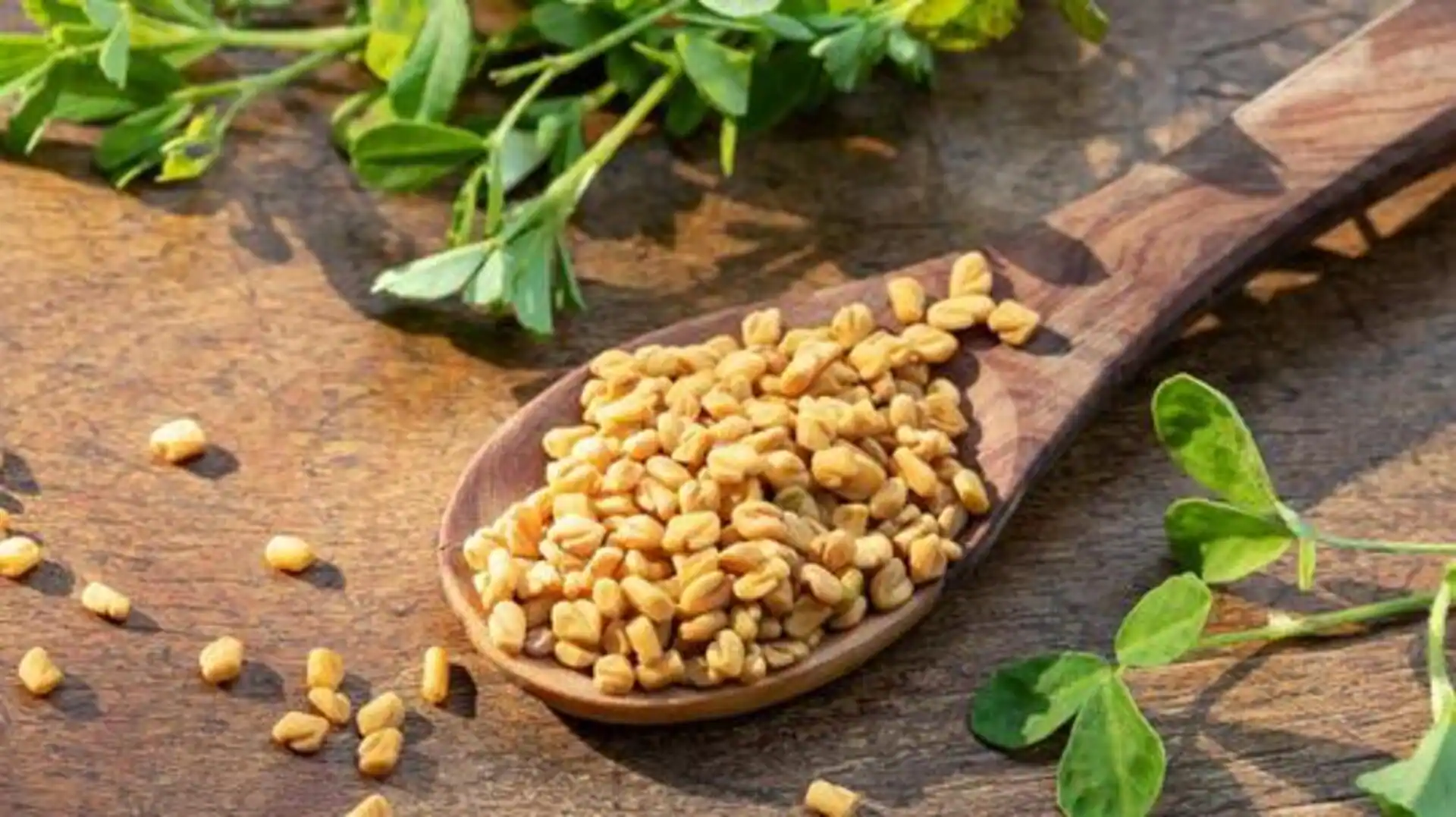
Fenugreek seeds: Your new skincare secret

Fenugreek seeds: Your new skincare secret

Follow this guide

What’s the story

African fenugreek seeds are becoming increasingly popular in the skincare world, thanks to their natural benefits.
These seeds are loaded with nutrients that can help you achieve healthy skin.
They have been used for centuries in traditional medicine, and now modern skincare products are also using them.
Here’s how African fenugreek seeds can be a part of your skincare routine, naturally and effectively.

Nutrient-rich composition

African fenugreek seeds are loaded with vitamins and minerals, including vitamin C, vitamin K, and potassium.
These nutrients are essential for healthy skin. Vitamin C helps in collagen production, which is important for skin elasticity.
Vitamin K helps reduce dark circles and blemishes, while potassium keeps the skin hydrated by retaining moisture.

Anti-inflammatory properties

The anti-inflammatory properties of African fenugreek seeds make them ideal for sensitive or acne-prone skin.
The compounds in these seeds help reduce redness and swelling caused by inflammation.
Regular use can calm irritated skin and prevent further breakouts, making it a great addition to any acne-fighting routine.

Antioxidant benefits

African fenugreek seeds are packed with antioxidants that fight free radicals responsible for premature aging.
These antioxidants protect the skin from environmental stressors such as pollution and UV rays.
By neutralizing free radicals, these seeds can help reduce fine lines and wrinkles, giving you a more youthful appearance.

Versatile usage methods

There are several ways to use African fenugreek seeds in your skincare routine.
You can create a face mask by grinding the seeds into a powder and mixing it with water or yogurt to form a paste.
This mask can then be applied to the face for about twenty minutes before rinsing off with warm water.
Alternatively, you can use fenugreek oil extracted from the seeds as a moisturizer or serum.

Tags: , , ,
A plume of smoke acends after a military strike on the capital Tehran. (Photo: AFP)

Sara Tendulkar’s Glow Secret Isn’t A 10-Step Routine, It’s Way Simpler | Beauty News

Last Updated:March 03, 2026, 10:56 IST

Sara Tendulkar shares her minimalist skincare philosophy, managing PCOS and sensitive skin with hydration, sunscreen and science-backed basics.

Sara Tendulkar’s simple routine proves less truly is more in skincare.

In an era obsessed with elaborate routines and viral ‘glass skin’ hacks, restraint feels almost radical. While the beauty world stacks serums and acids in dizzying layers, Sara Tendulkar takes the opposite route. Her approach to skincare isn’t built on trends or overnight transformations, but it’s rooted in science, patience and doing the basics exceptionally well.

The result? A steady, believable glow that looks like health, not highlighter.

A biomedical scientist and nutritionist by training, Sara Tendulkar views skin through a clinical lens. For her, what shows up on the surface is deeply connected to what’s happening internally. And that mindset changed everything.

When Skin Health Became Personal

Her journey wasn’t without hurdles. Speaking candidly about her diagnosis with Hindustan Times Shop Now, she said, “PCOS brought its own set of challenges, especially oily skin and breakouts. It made me more aware of how closely internal health and skin health are linked.”

Talking about how she balanced her skincare with PCOS diagnosis, she continued, “I focused on consistency with eating clean, strength training, simplified and gentle skincare, and worked with dermatologists to understand what my skin actually needs rather than chasing quick fixes.”

Instead of reacting to every flare-up with a new product, she chose long-term discipline. It’s a slower path, but a sustainable one.

The Power Of Doing Less

For Sara, skincare isn’t complicated, but it’s controlled. She said, “My skin is sensitive and acne-prone, so I am very particular about what I use. I gravitate towards gentle cleansers, lightweight moisturisers, and ingredients that help maintain balance without stripping the skin.”

Her daily ritual revolves around three non-negotiables: cleansing, hydration and sun protection. She added, “My routine is quite simple and consistent. I focus on cleansing well, keeping my skin hydrated, and protecting it from the sun by using sunscreen. I prefer to not overwhelm my skin with too many products as I have learnt that doing the basics well works far better for me than constantly experimenting.”

In many ways, her philosophy mirrors a larger shift in beauty – away from maximalism and toward mindful care. Think dermatologist-backed ingredients over DIY hacks. Barrier repair over exfoliation overload. Consistency over chaos. Because sometimes, the most luxurious skincare routine isn’t the longest one. It’s the one you can actually stick to.

Location :

Delhi, India, India

First Published:

March 03, 2026, 10:56 IST

News lifestyle beauty Sara Tendulkar’s Glow Secret Isn’t A 10-Step Routine, It’s Way SimplerDisclaimer: Comments reflect users’ views, not News18’s. Please keep discussions respectful and constructive. Abusive, defamatory, or illegal comments will be removed. News18 may disable any comment at its discretion. By posting, you agree to our Terms of Use and Privacy Policy.

Tags: , , , , , , , , ,
Best oLive
Privacy Overview

This website uses cookies so that we can provide you with the best user experience possible. Cookie information is stored in your browser and performs functions such as recognising you when you return to our website and helping our team to understand which sections of the website you find most interesting and useful.