Pigmentation Treatment: From sunscreen to sleep: Everyday habits that impact pigmentation treatment

Pigmentation Treatment: From sunscreen to sleep: Everyday habits that impact pigmentation treatment

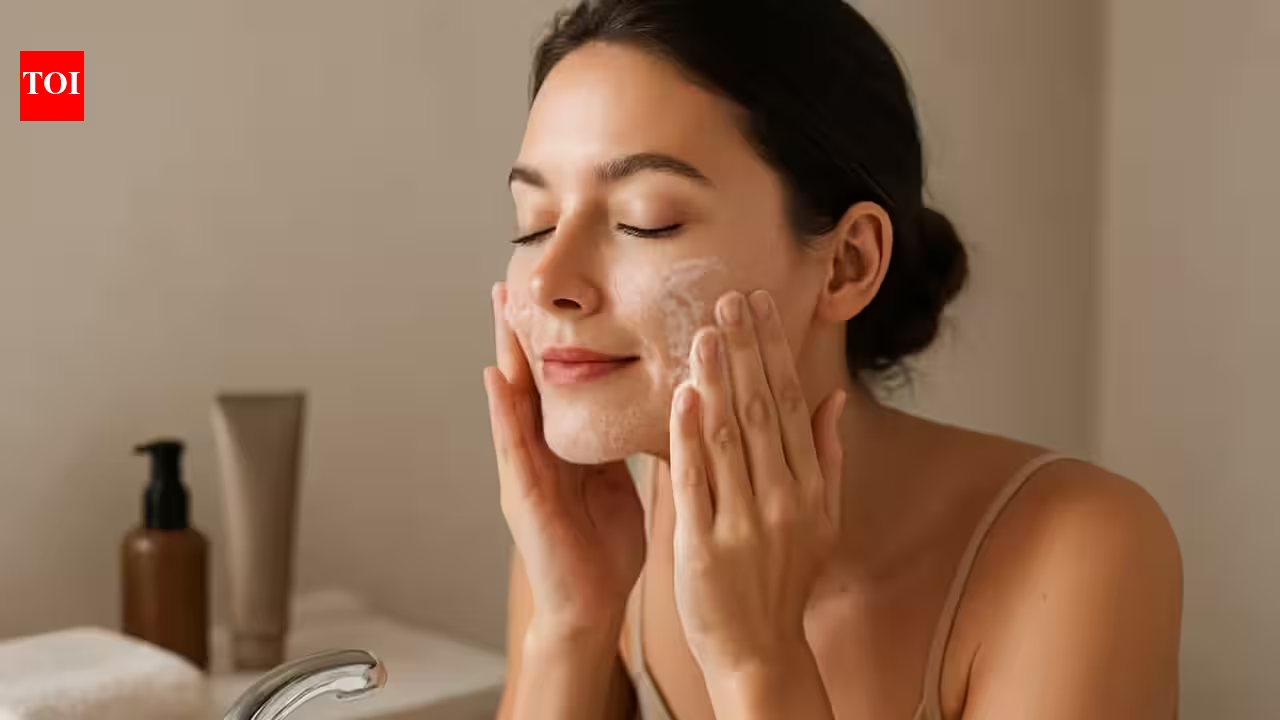
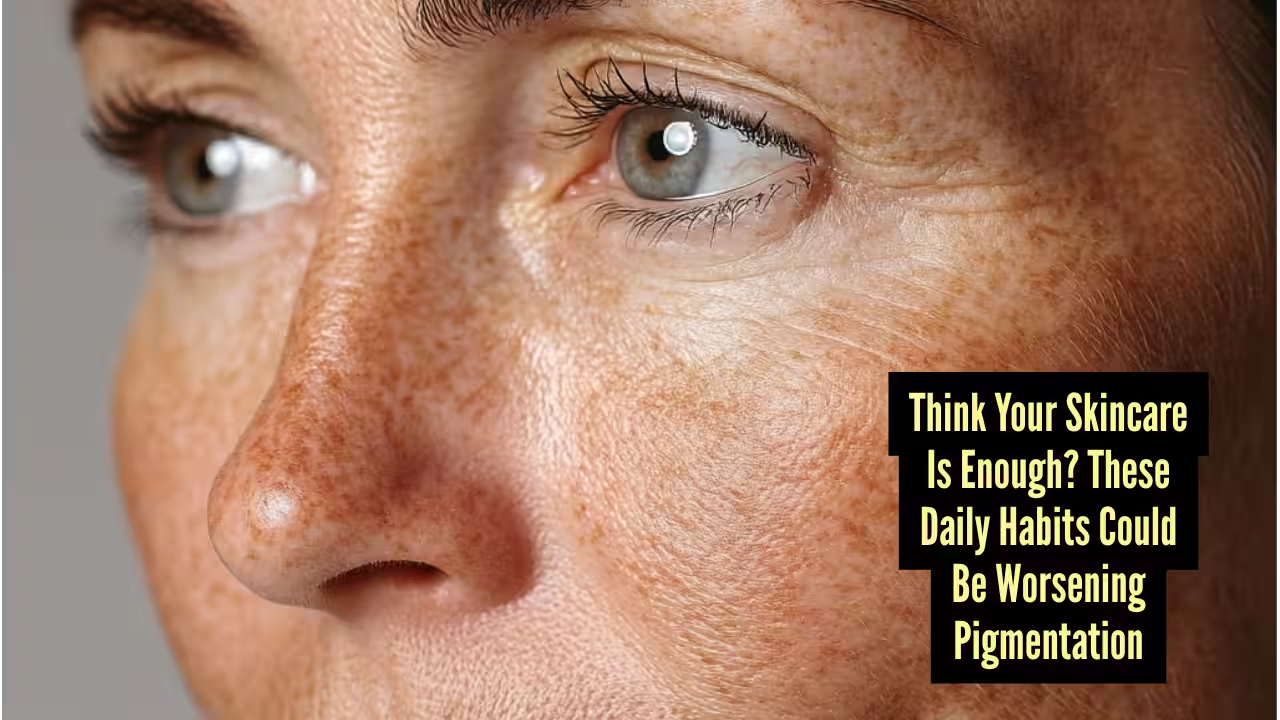
(Image Credits: Pinterest) There was a time when pigmentation was largely discussed inside a dermatologist’s clinic. Today, it has become one of the most searched skincare concerns, and understandably so. Consumers are more aware, more curious and far more willing to invest in skincare than ever before. Despite the growing number of products and ingredients available, one question continues to surface: “Why isn’t my pigmentation getting better?”The answer often lies beyond the skincare shelfPigmentation doesn’t appear overnight, and it rarely has a single cause. While genetics and hormonal changes can certainly play a role, the skin is also responding to countless everyday experiences that we barely think about. Those small, repeated exposures eventually leave a visible imprint.

(Image Credits: Pinterest)

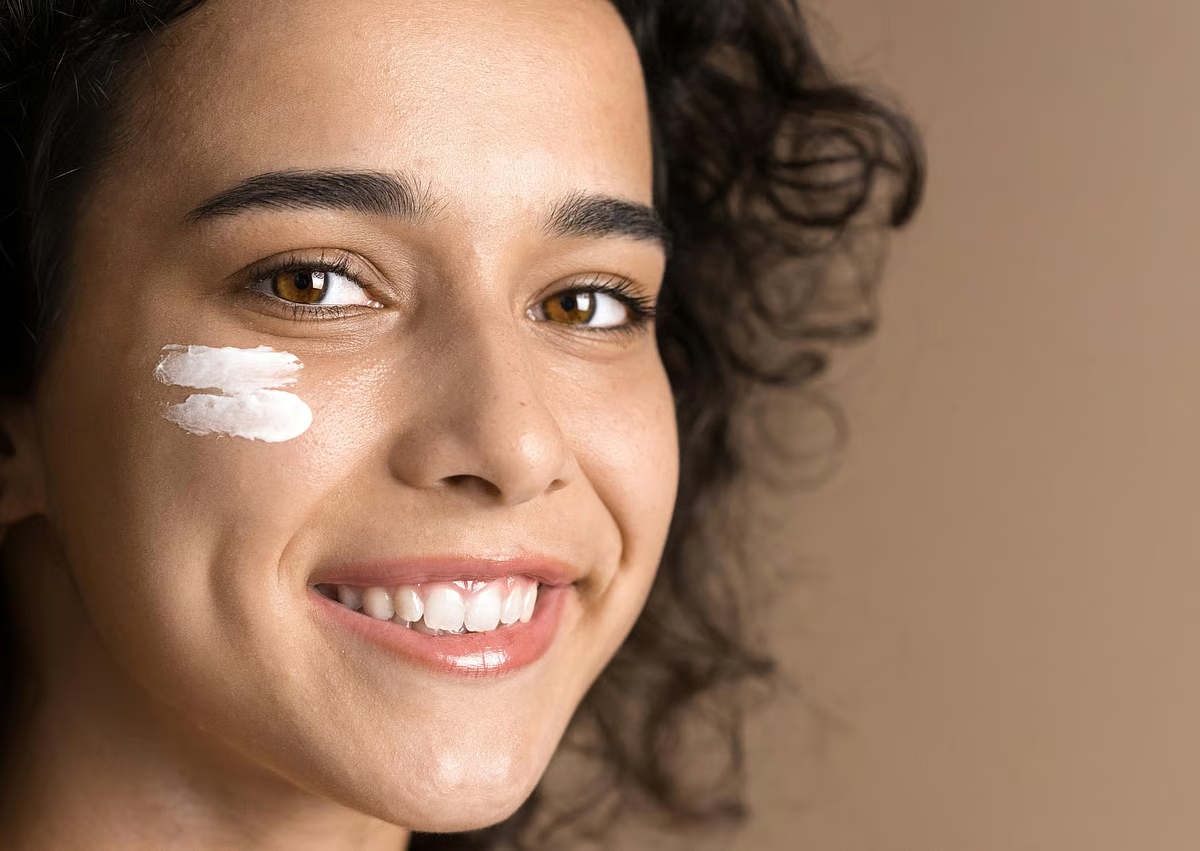
It’s Never Just One Sunny AfternoonWhen people hear the words “sun damage”, they usually picture a beach holiday or an afternoon spent outdoors. In reality, skin doesn’t distinguish between a holiday in Goa and twenty minutes spent walking to work every morning. Those brief moments in the sun, repeated day after day, are enough to keep triggering melanin production. Add to that long hours spent near windows, frequent commutes or forgetting to reapply sunscreen, and it becomes easier to understand why pigmentation has a habit of returning just when it seems to be improving. The skin remembers patterns, not occasions The Industry Has Created Smarter Consumers and Higher ExpectationsOne of the biggest changes we have witnessed over the years is how informed skincare consumers have become. Ingredient lists are no longer intimidating. People know what niacinamide does, they ask about tranexamic acid, and they actively seek dermatologist-backed formulations. That shift is encouraging because informed consumers make better choices.At the same time, information overload has created a different challenge. Many people believe that if one active ingredient works, four must work even better. In reality, the skin doesn’t reward excess. It rewards consistency.An overloaded routine can leave the skin irritated, weaken its protective barrier and, ironically, make pigmentation even more difficult to manage. Sometimes the best decision is not adding another serum but giving the skin the stability it has been missing.

(Image Credits: Pinterest)

Healthy Skin Is Built Long After the Routine EndsThe skincare industry understandably spends a great deal of time talking about products. We spend far less time talking about lifestyle. And the skin is influenced by the life we lead every day. Stress, inadequate sleep, poor hydration and environmental exposure all affect how efficiently the skin repairs itself. These are not dramatic events that instantly create pigmentation, but they shape how resilient the skin is and how well it responds to treatment over time. This is why skincare should never be viewed in isolation. The routine you follow in front of the mirror is only one part of the equation. What happens during the remaining twenty-three hours of the day matters just as much. Science Is Becoming More IntelligentIn a conversation with Shaily Mehrotra, CEO & Co-Founder of Fixderma & FCL, she solely spoke about the issue and said, “Dermatology has moved well beyond the idea of simply lightening dark spots. The focus today is understanding why pigmentation develops and supporting healthier skin while addressing those biological pathways. That is where innovation becomes meaningful. The future of skincare is becoming more precise, more personalised and far more respectful of how the skin naturally functions.” She further added, “People often ask what the most effective pigmentation treatment is. There isn’t a single answer. The most effective treatment is one that combines good science with good habits. A thoughtfully formulated skincare routine can certainly improve pigmentation, but it performs at its best when it is supported by everyday decisions that protect the skin instead of challenging it.”

Tags: , , , , , ,
How Does Vitamin C In Sunscreen Help With Skin Brightness & Protection From UV Damage?

How Does Vitamin C In Sunscreen Help With Skin Brightness & Protection From UV Damage?

Sunscreen and vitamin C are usually talked about as two separate skincare steps, but when they’re combined in a single formula, they end up doing more together than either does alone. A well-formulated spf 50 sunscreen with vitamin C doesn’t just block UV rays, it also actively works on brightening skin tone, which is why this combination has become one of the more popular formats in Indian skincare over the past few years.

Understanding how this works starts with recognizing that sunscreen and vitamin C protect skin in genuinely different ways. Pairing your sunscreen with a vitamin c moisturizer underneath extends this brightening effect even further, since the moisturizer delivers a steady, hydrating dose of the same active while your sunscreen handles the UV-blocking work on top.

How Vitamin C Works as an Antioxidant in Sunscreen

Sunscreen filters, whether chemical or physical, block or absorb UV radiation before it penetrates the skin. But no sunscreen filter is 100% effective, and some UV rays and the free radicals they generate still get through. This is where vitamin C comes in: as a powerful antioxidant, it neutralizes these free radicals before they can damage skin cells or trigger excess melanin production. In effect, vitamin C acts as a second line of defense that catches what the sunscreen filters miss, which is why it’s often described as an SPF booster rather than a replacement for sun protection.

Does Vitamin C in Sunscreen Prevent Tanning?

Sunscreen alone reduces the UV exposure that triggers melanin production, and this is the main way any sunscreen, with or without vitamin C, helps prevent new tanning. Vitamin C adds to this by directly interfering with the melanin-production pathway, so a spf 50 sunscreen formulated with vitamin C offers a more complete defense than a plain sunscreen: less UV penetration in the first place, plus an active ingredient working against the pigmentation process that does still occur.

Brightening Benefits Beyond Sun Protection

Vitamin C’s brightening effect isn’t limited to tan prevention. With consistent daily use, it helps fade existing dark spots, sun damage, and uneven tone gradually over time, since it works by inhibiting the enzyme responsible for melanin production rather than by physically bleaching skin. This is also why applying a vitamin c moisturizer consistently, not just the sunscreen, matters for visible brightening results, since a moisturizer typically stays on the skin longer through the day and layers the same active ingredient more thoroughly.

Vitamin C Sunscreen vs. Regular Sunscreen: What’s the Difference?

A regular sunscreen’s job stops at blocking or absorbing UV rays. A vitamin C sunscreen does that plus contributes actively to brightening and antioxidant protection, which is particularly useful in a country like India where sun exposure is intense and near-constant through most of the year. The trade-off is usually a slightly higher price point and, occasionally, a small compromise on texture, since stabilizing vitamin C in a sunscreen formula is more technically demanding than a standard filter-only formula.

How to Apply Vitamin C Sunscreen Correctly

Getting the benefits of a vitamin C sunscreen depends on applying it properly:

  • Use a generous amount. Most people apply far less sunscreen than the tested amount needed for the labeled SPF to actually work, roughly two finger lengths for the face and neck.

  • Apply it as the last step of your morning routine. After cleansing, treating, and moisturizing, sunscreen should sit on top to do its job effectively.

  • Reapply every 3 to 4 hours if outdoors. Vitamin C degrades with UV exposure over the day, so reapplication maintains both the SPF protection and the antioxidant benefit.

  • Don’t skip it on cloudy days. UV rays penetrate cloud cover, so skipping sunscreen because it’s overcast still allows UV damage and tanning to occur.

Building a Full Brightening Routine

For the best results, vitamin C sunscreen works best as part of a layered routine rather than a standalone product. Cleanse, apply a brightening serum if pigmentation is a specific concern, follow with a vitamin c moisturizer to hydrate and continue the brightening effect, and finish with your vitamin C-infused sunscreen. This layered approach means you’re getting vitamin C’s benefits at multiple points in your routine rather than relying on the sunscreen alone to do all the work.

Common Questions About Vitamin C Sunscreen

Is sunscreen good for the skin even without vitamin C? Yes. Any broad-spectrum sunscreen used daily is one of the single most effective anti-aging and anti-pigmentation steps available, since UV exposure is the leading cause of premature aging, dark spots, and tanning. Vitamin C simply adds an extra layer of benefit on top of that baseline protection.

Can sunscreen be applied at night? No, sunscreen serves no purpose after dark since there’s no UV exposure to block. Nighttime is better spent on reparative ingredients like a vitamin c moisturizer or retinol, which work on repair and renewal, while sunscreen would otherwise sit unused on the skin.

Does more SPF mean more protection? Beyond a point, the difference is marginal. SPF 50 blocks about 98% of UVB rays, while SPF 30 blocks around 97%, so the jump from 30 to 50 is smaller than it sounds. What matters more in practice is applying enough product and reapplying consistently throughout the day, regardless of which SPF number is on the bottle.

Conclusion

While sunscreen remains the cornerstone of daily UV protection, combining it with Vitamin C provides an additional layer of antioxidant defence against oxidative stress caused by sun exposure. Together, these ingredients help protect the skin while supporting a brighter, more even-looking complexion over time. Used consistently as part of a daily skincare routine, they offer a practical approach to maintaining healthier-looking skin in environments with frequent UV exposure.

Disclaimer: This is a sponsored article. All possible measures have been taken to ensure accuracy, reliability, timeliness and authenticity of the information; however Outlookindia.com does not take any liability for the same. Using of any information provided in the article is solely at the viewers’ discretion.

Tags: , , , , ,
tinted lip sunscreen

DIY Natural Tinted Lip Sunscreen

For many years now I’ve preached about the benefits of safe sun exposure. The keyword here is safe! And while it has a lot of benefits, sometimes on occasion, I’ll pull out the homemade sunscreen. Many of you have asked for a lip sunscreen with SPF, so I finally got to work in the kitchen and came up with one. 

Why You Should Not (and Should) Use Lip Sunscreen

I’m not usually a fan of sunscreen for several reasons. We need the sun to make the hormone vitamin D, have a strong immune system, regulate hormones, and so much more. Even something as seemingly simple as sunglasses can interfere with that signalling by blocking light receptors in the eyes. 

Most of the time I’ll either seek shade or cover up once my body has had enough sun for the day. While I think the science is clear on the sun’s benefits, it’s also clear that sunburns are damaging! However, if you live in a really sunny climate and you’re outside a lot, out on the boat, surfing, etc., then sunscreen can be helpful sometimes. 

My homemade sunscreen recipe is a fan favorite, but many of you have asked if it can be used on lips. Technically yes, but it might leave a white cast, be hard to apply, and taste kind of funky. Even if you’re not eating it (the ingredients are clean though), small amounts of lip balm still end up in the mouth. But we probably all knew that one kid in grade school who liked eating Chapstick…

Mineral Lip Balm With Sunscreen Ingredients

A lot of the store-bought brands use a whole slew of synthetic ingredients I really don’t want in my mouth (or in my kids’!). Certain UV-blocking ingredients go smoothly onto skin and absorb quickly, which sounds great. However, these sunscreen ingredients like oxybenzone and avobenzone are also toxic to coral reefs, which are essential to ocean life and life on Earth. Not to mention what they do to us once they’re absorbed. 

This lip sunscreen instead uses non-nano and uncoated zinc oxide. It creates a skin barrier and sits on top of skin/lips, reflecting UV rays. It’s one of the safest UV barriers out there. In fact, it’s one of only two that the FDA considers safe and effective for sunscreen. I don’t always agree with the FDA, but I’m with them on this one. The zinc oxide is at 20%, which translates to roughly 10 SPF when you add up all of the ingredients. 10 SPF may not sound like much, but it blocks about 90% of UV rays.

I’ve also added red raspberry seed oil. It has a slight SPF and it’s full of antioxidants that protect the lips from sun damage. You’ll also find this ingredient in my homemade sunscreen recipe. Shea butter is smooth and creamy, nourishes lips, and helps firm up the lip balm. Beeswax provides a protective layer over the lips. 

Lastly, avocado oil provides the bulk of the lip balm and supports collagen to prevent weakened skin cells. Avocado oil also helps calm inflammation, regenerate skin cells, and protect the skin barrier. It’s also rich in carotenoids that offer some UV ray protection. 

Tinted Sunscreen Lip Balm

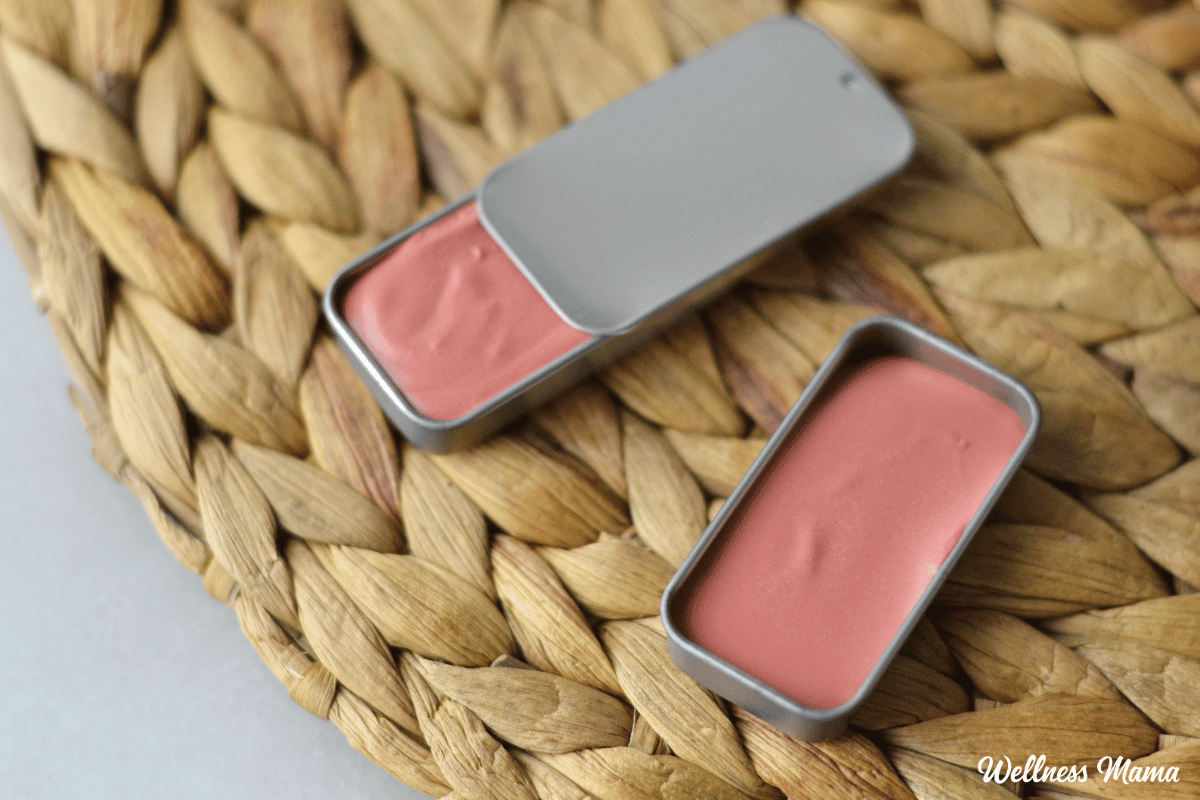
My original sunscreen recipe is white due to the zinc oxide. Some people are ok with a white cast on their lips, but there’s an easy fix. You can add iron oxide and/or mica to give it a bit of color. Mica reflects light so it will give it a little sparkle.

Iron oxides are nature-identical pigments that lend a rich, burgundy red color. Oxides that naturally come straight from the soil also come with lead and other heavy metal contaminants. Things I don’t want in a lip balm! That’s why iron oxides are now made in a lab to be nature-identical. 

If you don’t have iron oxide on hand, rose kaolin clay offers a similar effect.

DIY Natural Lip Sunscreen

This smooth and creamy lip sunscreen helps protect lips from UV damage.

Prep Time5 minutes

Active Time12 minutes

Cooling Time2 hours

Total Time2 hours 17 minutes

Yield: 1.7 ounces

Author: Katie Wells

  • Add the beeswax, shea butter, and avocado oil to the top of the double boiler or glass bowl. Stir occasionally until melted.

  • Turn off the heat and add the raspberry seed oil and essential oils.

  • Whisk in the powders: zinc oxide, iron oxide, and mica.

  • Remove from heat and stir occasionally as it cools. The powders will want to sink to the bottom so they’ll need to stay mixed in.

  • Once the lip sunscreen is mostly cooled, but still soft enough to pour, pour the mixture into your containers.

The iron oxide adds a pink color and the mica adds a little sparkle. You can use both or neither, but it will have a white cast without any iron oxide. 

Important Note on Photoxic Essential Oils

Certain essential oils can increase the risk of sunburn and skin damage. Needless to say, they should not be used in lip balms! Photoxic essential oils include bergamot, lime, lemon, and grapefruit. Learn more about this topic here.

More Sun Protection

Here are some more DIY sunscreen recipes, plus info on sunscreen pros and cons.

What’s your approach to sun exposure? Leave a comment and let us know!

Tags: , , , ,
More men want anti-ageing tips now. Start with sunscreen

More men want anti-ageing tips now. Start with sunscreen

For decades, skincare was considered a woman’s territory. Men relied on little more than soap, shaving cream, and perhaps a basic moisturiser—if anything at all. As a dermatologist with over two decades of experience, I have witnessed a welcome shift.

Today, men are far more conscious about their skin health, not merely for vanity but for confidence and overall well-being. The number of male patients seeking anti-ageing advice has grown significantly, reflecting a broader cultural change.

Ageing is a natural process influenced by both intrinsic factors like genetics and hormones, and extrinsic ones such as sun exposure, pollution, smoking, stress, and poor lifestyle choices.


Show Full Article

Among these, UV radiation remains the most significant culprit behind premature ageing. Over time, repeated UV damage breaks down collagen and elastin—the proteins that keep skin firm and elastic—leading to wrinkles, sagging, pigmentation, and loss of radiance.

Also read: Why nose strips and peel-off masks are an overhyped quick fix for blackheads

Why men age differently

Men’s skin is structurally distinct from women’s. It is typically thicker, richer in collagen, and produces more sebum. This often gives men a temporary advantage, delaying visible signs of ageing. However, when changes do appear—usually in the late 30s or 40s—they can be more pronounced: Deep forehead furrows, prominent crow’s feet, uneven tone, and noticeable skin laxity.

Regular shaving can be a source of irritation. While it provides natural exfoliation by removing dead cells, aggressive techniques or dull blades can cause irritation, razor burns, ingrown hairs, and barrier disruption, accelerating ageing signs.

Rajesh Sharma, a 52-year-old senior executive at a multinational firm, walked into my clinic looking exhausted despite being physically fit. He was preparing for a high-profile international assignment and confided, “My face makes me look 60. I can’t afford to appear tired in boardrooms.”

Like many men of his generation, Rajesh never had a skincare routine. Years of outdoor golf in Delhi’s harsh sun, frequent international travel exposing him to varying climates and pollution, erratic sleep due to jet lag, and high-stress deadlines had taken their toll. His skin showed deep pigmentation on the temples and cheeks, rough texture, and static wrinkles around the eyes and mouth.

We kept the plan straightforward—no overwhelming 10-step routines. I prescribed a gentle cleanser, a broad-spectrum sunscreen for daytime use, a night-time retinoid (introduced gradually), and a good hydrating moisturiser.

I also advised him on shaving best practices: A sharp razor, pre-shave oil, and post-shave soothing balm.

Within three months, his skin tone evened out dramatically, fine lines softened, and he gained noticeable confidence. He later told me colleagues complimented his “refreshed” look. This is a common pattern in my practice—simple consistency often yields transformative results.

Also read: Skincare doesn’t have to cost a fortune. Here are 10 timeless hacks

The science behind ageing skin

As we age, fibroblast activity declines, reducing collagen production by about 1 per cent per year after the age of 30. This leads to thinner, less resilient skin. Cell turnover slows, causing dullness and roughness. Extrinsic factors compound this: Pollution generates free radicals that damage DNA and accelerate collagen breakdown, while smoking restricts blood flow, depriving skin of oxygen and nutrients.

Scientific studies published in leading dermatology journals highlight that consistent protection and repair strategies can significantly slow these processes. Men, with their higher collagen reserves, stand to gain substantially from early intervention.

Skincare steps for ageing men

A practical routine need not be complicated. Focus on these fundamentals:

  1. Gentle cleansing: Harsh soaps strip essential oils and weaken the skin barrier. Opt for a mild, fragrance-free cleanser twice daily to remove dirt, sweat, and pollutants without dryness.
  2. Sunscreen: This is the single most effective anti-ageing step and is non-negotiable. Apply a broad-spectrum SPF 30+ (preferably 50+) every morning, even on cloudy days or indoors near windows. Reapply every two to three hours if outdoors. Look for lightweight, non-greasy formulas—many now come with matte finishes.
  3. Retinoids: Gold-standard ingredients like retinol or prescription tretinoin stimulate collagen, speed cell turnover, fade pigmentation, and smooth wrinkles. Beginners should start slowly (twice a week) to avoid irritation.
  4. Daily moisturisation: Hydration plumps skin, reduces the appearance of lines, and supports barrier repair. Choose products with ceramides, hyaluronic acid, or glycerin.
  5. Antioxidants: Morning application of Vitamin C, niacinamide, or resveratrol neutralises free radicals from pollution and UV exposure, brightening skin and enhancing sunscreen efficacy.

Skincare products work best when supported by healthy habits. Prioritise seven to eight hours of quality sleep—skin repairs itself at night. Quit smoking, limit alcohol, and exercise regularly to boost circulation. Eat a diet rich in antioxidants: Colourful fruits, vegetables, nuts, fatty fish, and hydration through water and green tea.

Stress management through meditation, yoga, or hobbies is equally vital. Chronic stress elevates cortisol, which breaks down collagen.

Also read: 6 ways India can strengthen oversight around IV glutathione and injectable cosmetics

Professional treatments 

For those seeking faster or more dramatic improvements, modern dermatology offers tailored options:

  • Chemical peels for texture and pigmentation
  • Microneedling or radiofrequency for collagen stimulation
  • Laser treatments for wrinkles and sun damage
  • Botox for dynamic lines
  • Dermal fillers for volume loss
  • Platelet-rich plasma (PRP) for natural rejuvenation

These should always follow a thorough consultation to match skin type, concerns, and lifestyle.

The men who achieve the best outcomes are those who start early, stay consistent, and combine home care with professional guidance when needed.

The best time to begin caring for your skin was years ago. The second-best time is today. Whether you are 35 or 55, small daily steps can help you look and feel your best for years to come. Your skin—and your confidence—will thank you.

Dr Deepali Bhardwaj is a Consultant Dermatologist, Max Hospital, Saket. She is also an anti-allergy specialist, laser surgeon and internationally trained aesthetician. She tweets @dermatdoc. Views are personal.

(Edited by Theres Sudeep)

Tags: , , , ,
Land of the rising sunscreen: Move over K-beauty, Japanese skincare products are India’s next big obsession

Land of the rising sunscreen: Move over K-beauty, Japanese skincare products are India’s next big obsession

Haircare and sun care have emerged as key growth segments within J-beauty, led by products centred on scalp health, hydration and lightweight formulations. Myntra hosts sunscreen, scalp-care and cleansing oil products and premium haircare treatments like Shiseido, Biore, DHC, Tsubaki, Fino and &honey. While K-beauty popularized trend-led, multi-step skincare routines, J-beauty is more closely associated with minimalist, efficacy-led products focused on long-term skin health.

Tags: , , , , , , , , , ,
Hindustan Times News

Isha Ambani reveals the secret to her flawless and glowing skin: ‘I do nothing to my skin. No sunscreen, no…’

Indian billionaire Mukesh Ambani’s eldest daughter, Isha Ambani, is known for her incredible sartorial choices, which range from straight-off-the-runway haute couture looks to handcrafted outfits designed by traditional Indian artisans and designer Indian wear. However, it is not just her fashion flair but also her flawless skin that impresses many.

Isha Ambani believes in a minimal skincare routine that involves no products.

Also Read |₹77 lakh. Details”> Even Isha Ambani’s vibrant haute couture dress and bag to host Rihanna at Antilia is worth ₹77 lakh. Details

On several occasions, Isha is often seen sans any makeup or with just a minimal touch-up; a firm believer in a no-makeup makeup look. During a Vogue June 2024 interview, she was asked to share her skincare routine, and here’s what she revealed.

Isha Ambani’s beauty secret

When Isha was questioned about her skincare routine, the business mogul confessed that she has nothing to hide and that she believes in using no products. In a world where consumers are easily swayed by the glamorous new products that are launched every day in the skincare market, Isha’s skincare routine includes no products.

She told the publication, “My beauty secret is that I have no beauty routine or regimen, much to the disappointment of many. I do nothing to my skin. No face wash, no moisturiser, no SPF, nothing.” On April 27, a fan page posted a snippet of the interview on Instagram and praised Isha for her flawless beauty writing, “Isha Ambani proving you don’t need fancy skincare to glow.”

What does science say?

According to a Harvard Health report, all moisturisers help with dry skin for a pretty simple reason: they supply a little bit of water to the skin and contain a greasy substance that holds it in.

Meanwhile, a Johns Hopkins Medicine report claims wearing sunscreen is one of the best and easiest ways to protect your skin’s appearance and health at any age. Used regularly, sunscreen helps prevent sunburn, skin cancer, and premature ageing.

About Isha Ambani

Isha Ambani is the eldest daughter of India’s richest man, Mukesh Ambani, and his wife, Nita Ambani. She also has two brothers, Akash Ambani and Anant Ambani. In December 2018, Isha married her husband, Anand Piramal, the son of billionaire Ajay Piramal. Their pre-wedding celebrations featured a performance by Beyoncé and a star-studded guest list, including Nick and Priyanka Chopra Jonas, Hillary Clinton, and more. Four years later, Isha gave birth to twins Krishna and Aadiya in November 2022.

Note to readers: This article is for informational purposes only and not a substitute for professional medical advice. Always seek the advice of your doctor with any questions about a medical condition.

Tags: , , , , , , ,
Sunscreen

Expert Shares Why Sunscreen Is the Most Important And Unavoidable Step Skincare Routine

Why Sunscreen Is the Most Important Step in Your Skincare Routine
| Image:
Unsplash

Mercury rises, heat wave, harsh summer and record-breaking temperatures are a few terms that will be frequent over the next few months. As retiring winter paves the way for a hot and humid summer, skincare needs significant changes too. Greasy heavyweight products will be replaced by high-moisture locking skincare essentials. However, one item that will remain constant, and even more important than ever, is sunscreen.

Make sunscreen your best friend this summer 

Dr Rinky Kapoor shares why sunscreen is the most important part of one’s skincare routine. Even though most of us are aware of the importance of a good and effective sunscreen, its relevance is sometimes forgotten. Influencers and targeted ads have done a good job of inculcating the habit of reapplying sunscreen and making terms like ‘broad spectrum’, ‘UV rays’ and ‘SPF’ a part of our daily vocabulary. If you are still doubting why the said lotion is important and if you still think of it as a cosmetic addition to your vanity, it is essential to know the role it plays in blocking sun exposure.

Representational Image | Freepik

As per the expert, “Sunscreen plays a pivotal role in shielding the skin from the long-term consequences of sun exposure. Persistent exposure to sunlight gradually breaks down the skin’s natural defence mechanisms, leading to pigmentation problems, uneven skin tone, dullness, sun spots, premature ageing, and, in serious cases, skin cancer.”

Also Read: 7 Best Night Haircare Hacks To Wake Up With Smooth, Healthy Hair

Is sunscreen only for a sunny day? 

Representational Image | Freepik

Busting another myth, the medical practitioner says, “What many people underestimate is that sun protection is not just an outdoor concern. UV rays are present even on dull days, and they penetrate cloud cover and glass, meaning that everyday indoor and sheltered environments offer far less defence than most assume. The cumulative effect of this ongoing exposure gradually alters skin texture and tone.”

Also Read: How To Pick The Right Face Serum For Your Skin Type?

Why is sunscreen essential? 

Dr Kapoor links several dermatological issues to prolonged sun exposure. She says, “Tanning, persistent pigmentation, and early signs of ageing are among the most common skin concerns patients seek dermatological help for. While a range of treatments can effectively address these issues, they must always be paired with consistent sun protection to maintain results and preserve long-term skin health.”

Representational Image | Freepik

Putting special emphasis on those who have undergone skin procedures, the doctor shares that the absence of sunscreen and increased exposure to the sun can undo the effects of all treatments. “Incorporating sunscreen into a daily skincare routine is one of the simplest yet most powerful steps towards healthier skin. Used consistently, it guards against environmental damage and UV radiation, keeping skin more balanced, resilient, and better positioned to hold onto the results of any treatment over time,” Dr Kapoor concludes.

Also Read: Here’s How Yogurt Can Benefit Your Hair And Scalp – Know How To Use It

Tags: , , , , , , ,
Why Sunscreen Is the Real Anti-Ageing Hero

Why Sunscreen Is the Real Anti-Ageing Hero

In the race for youthful, glowing skin, shelves are crowded with expensive creams, serums and high-tech treatments promising to turn back time. Yet, skin experts agree that the most powerful and accessible anti-ageing tool is also the simplest — sunscreen.

Sun exposure is responsible for most visible signs of ageing. From fine lines and sagging to dullness and dark spots, the damage caused by ultraviolet (UV) rays slowly breaks down the skin’s natural support system. Over time, collagen and elastin — the proteins that keep skin firm and smooth — weaken, leading to premature ageing that no luxury cream can fully undo.

Sunscreen works differently from cosmetic products. Instead of trying to repair damage after it happens, it stops that damage before it begins. By blocking harmful UVA and UVB rays, sunscreen prevents the deep-level breakdown of skin tissue that leads to wrinkles, uneven texture and loss of elasticity.

It also plays a major role in controlling pigmentation. Sun exposure triggers excess melanin production, which causes dark patches, sun spots and uneven tone. Regular use of sunscreen helps keep skin clearer and more even by reducing this unwanted pigment response.

Beyond appearance, sun protection is closely tied to long-term health. Prolonged UV exposure can damage skin cell DNA, increasing the risk of skin cancer and accelerating overall skin ageing. Wearing sunscreen daily provides a simple but effective layer of defence against these serious concerns.

Another often-overlooked benefit is how sunscreen supports other skincare products. Ingredients such as vitamin C, retinol and peptides perform far better when skin is protected from the sun. Without sunscreen, UV damage can cancel out the benefits of even the most advanced treatments.

In today’s wellness-focused world, sunscreen has become more than just a beach essential. It is a daily habit that preserves skin strength, appearance and health over the long term. By protecting at the source of ageing and damage, sunscreen stands out as one of the most valuable tools for anyone looking to maintain youthful, resilient skin well into the future.

Tags: , , ,
Best oLive
Privacy Overview

This website uses cookies so that we can provide you with the best user experience possible. Cookie information is stored in your browser and performs functions such as recognising you when you return to our website and helping our team to understand which sections of the website you find most interesting and useful.