Easy ways to stop stinging, itching and pigmentation
We’re constantly told to protect our skin barrier but sometimes, even with the greatest of care, things get compromised. Maybe you’re back from your holidays with stinging sunburn or had an adverse reaction to a new product in your skincare routine. It happens and when it does, quite frankly, it hurts! Luckily, getting your skin barrier back to normal isn’t difficult, but it will take a slight shakeup to your usual routine to get things back on track. So much of the skin barrier advice out there is based in lighter skin tones, from signs that it is in fact damaged to how to treat it, and it varies between skin tones and types.
Signs of a damaged skin barrier in darker skin
The first step is understanding whether your skin barrier is damaged, and getting to grips with what that looks or feels like for you.
For darker skin tones, the often spoken about signs of a damaged skin barrier, for example red, inflamed skin, can look slightly different. Dermatica dermatologist Dr Shendy Engelina says “inflammation from a damaged skin barrier doesn’t always look red on darker skin tones, and instead it often appears as a subtle purplish or hyperpigmented shadow.”
The best and most reliable way to check for a damaged skin barrier is to touch and feel your skin (with clean hands of course). “If your skin feels unusually warm, tight, or irritated, your barrier is likely compromised,” Dr Shendy says. “Other key signs to watch out for include persistent itchiness, rough or flaky patches, and a sudden sensitivity to products that you previously tolerated well.”
If symptoms persist, it might be time to consult your GP, as they could be signs that personalised medical advice and treatment is needed.
Sunburn vs irritation vs post-inflammatory hyperpigmentation
Sunburn, irritation and post-inflammatory hyperpigmentation are all interconnected terms and refer to different types or stages of skin barrier trauma. They all damage the skin barrier in different ways, making it tricky to actually understand what’s going on and how best to treat it.
So, let’s break it all down. Dr Shendy explains that sunburn is “acute damage” caused by UV radiation from the sun. “This compromises the skin barrier and triggers an inflammatory response.”
A damaged skin barrier – which could be caused by lifestyle habits, harsh skincare routines, and environmental factors like UV radiation – means the skin’s protective outer layer has been weakened and made vulnerable. Irritation is the physical symptom of this damage, characterised by stinging, itching, or warmth.
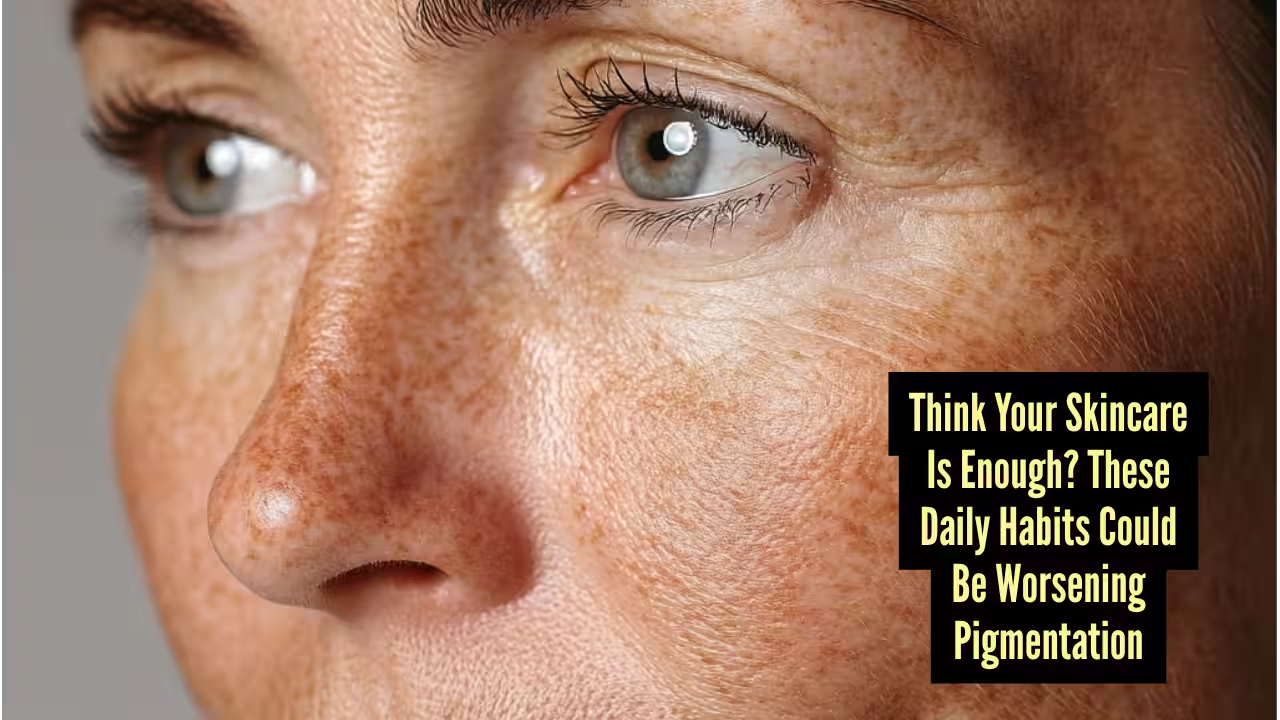
Post-inflammatory hyperpigmentation refers to the light or dark brown marks left behind after the initial inflammation has subsided. This happens because the inflammation triggers excess melanin production in the affected areas.
What to ingredients to start and what to stop
STOP: Active ingredients and exfoliants
When dealing with a compromised skin barrier, you’ll want to strip your routine back to the absolute basics. Dr Shendy recommends pausing all active ingredients – yes, that includes the vitamin C too – to allow your skin time to recover. Don’t worry, this is just temporary but it does mean stepping away from exfoliating acids (like AHAs and BHAs), retinoids, and harsh physical scrubs for a while, “as these will only exacerbate the inflammation and delay the healing process.”
START: Replenishing moisturisers and anti-inflammatory ingredients
“In the meantime, your routine should focus on replenishing products, choosing moisturisers formulated with ceramides, cholesterol and free fatty acids,” Dr Malvina Cunningham, Renew + Me’s consultant dermatologist, says.
“Pairing these lipid-dense creams with hydrating humectants like glycerin and soothing anti-inflammatory ingredients like niacinamide, panthenol or centella asiatica helps further repair and prevents water loss and post inflammatory hyperpigmentation.”
Dermatica Caring Squalane Cream Cleanser
Skin 1004 Madagascar Centella Ampoule Foam 125ml
The Ordinary Niacinamide 10% + Zinc 1%
Renew+Me Nightly-Active-Treatment
Dr Jart+ Cicapair Intensive Soothing Tiger Grass Repair Cream 50ml
Now 20% Off
How to use sunscreen during skin barrier recovery
SPF shouldn’t solely be a staple in your summertime skincare routine – this is a year-round must have to protect your skin barrier from UV exposure, yes even in the colder months.
“Using sunscreen during barrier recovery is important especially for skin of colour, where UV exposure on compromised skin rapidly worsens post-inflammatory hyperpigmentation,” Dr Malvina advises. Opt for a 100% mineral (physical) sunscreen containing zinc oxide or titanium dioxide as these will be more gentle on your skin as it heals. Mineral sunscreens don’t often have the best rep as they tend to leave a white cast on deep skin tones, but you can go for a new-gen tinted formula (see below) during this step if you have medium deep skin.
Alternatively, look for products formulated for sensitive or eczema prone skin which are fragrance-free and alcohol-free formulas and incorporate soothing base ingredients like squalane or glycerin.
Tatcha The Silk Sunscreen SPF50
Caudalie Vinosun Very High Protection Cream Spf50
Naked Sundays BeautyScreen Peptide Foundation Tint 30ml
Now 20% Off
Beauty of Joseon Daily Tinted Fluid Sunscreen Broad Spectrum SPF30
“Focus your daily routine on a non-stripping, fragrance-free cleanser, a barrier-repairing cream and a broad-spectrum sunscreen for sensitive skin or a mineral sunscreen with an SPF to protect vulnerable skin from darkening while it heals,” Dr Malvina says.
Apply an ultra-gentle, non-foaming cleanser with lukewarm water. Then follow with a rich ceramide-based moisturiser. Use this on slightly damp skin directly after cleansing to seal the hydration in and finish with a broad-spectrum, mineral sunscreen.
Lauren Gordon is a contributor for Cosmopolitan’s Black Beauty Hub and the Emerging Audiences Editor at The Mirror, where she leads the Under-35s team and serves as the creator-curator of The Gulp, a weekly lifestyle and culture newsletter.
With nearly a decade of experience across leading newsrooms and digital platforms, Lauren’s career in lifestyle and beauty journalism flourished after earning her journalism degree from the University of the Arts London.