Easy ways to stop stinging, itching and pigmentation

Easy ways to stop stinging, itching and pigmentation

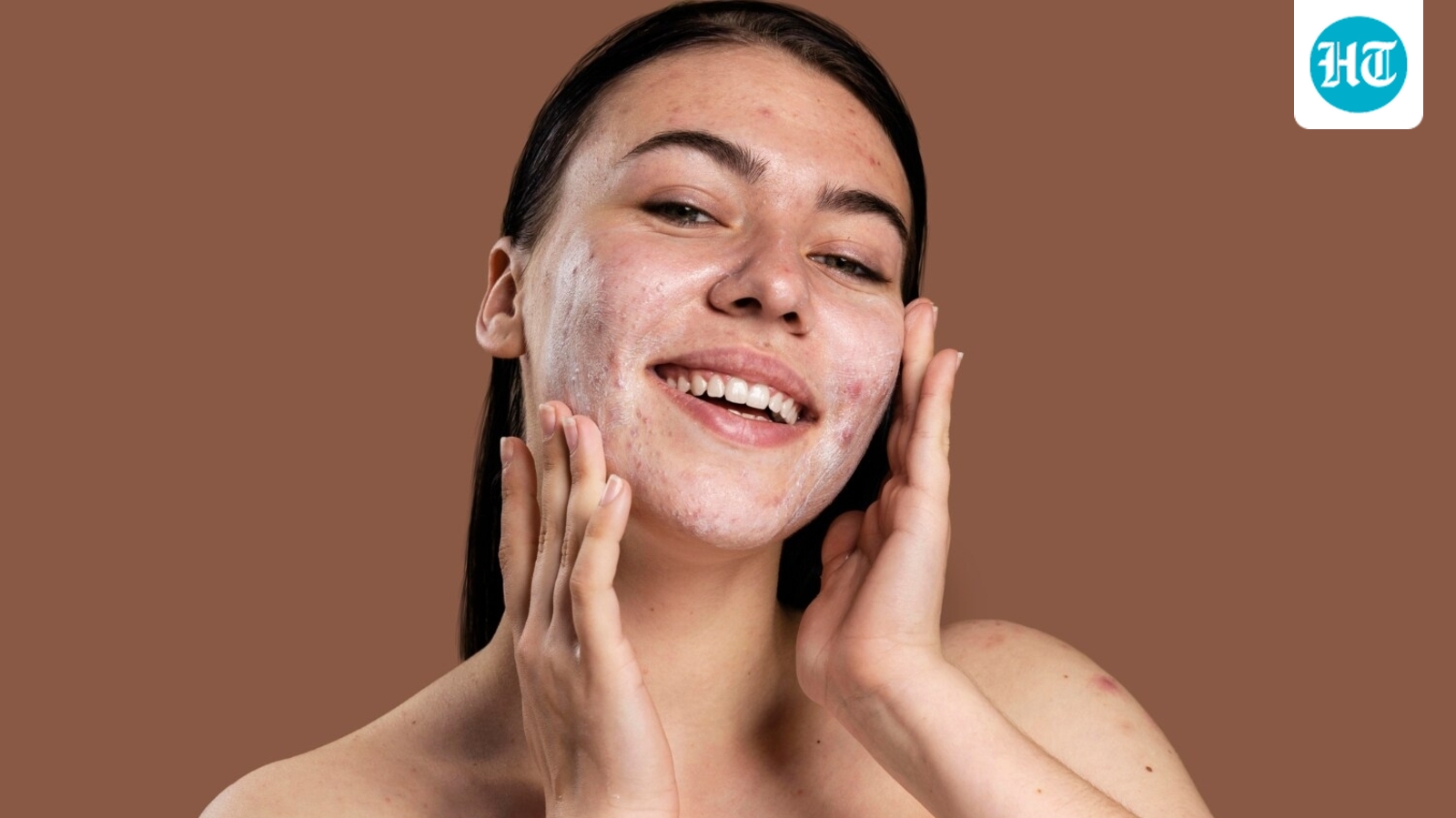
We’re constantly told to protect our skin barrier but sometimes, even with the greatest of care, things get compromised. Maybe you’re back from your holidays with stinging sunburn or had an adverse reaction to a new product in your skincare routine. It happens and when it does, quite frankly, it hurts! Luckily, getting your skin barrier back to normal isn’t difficult, but it will take a slight shakeup to your usual routine to get things back on track. So much of the skin barrier advice out there is based in lighter skin tones, from signs that it is in fact damaged to how to treat it, and it varies between skin tones and types.

Signs of a damaged skin barrier in darker skin

The first step is understanding whether your skin barrier is damaged, and getting to grips with what that looks or feels like for you.

For darker skin tones, the often spoken about signs of a damaged skin barrier, for example red, inflamed skin, can look slightly different. Dermatica dermatologist Dr Shendy Engelina says “inflammation from a damaged skin barrier doesn’t always look red on darker skin tones, and instead it often appears as a subtle purplish or hyperpigmented shadow.”

The best and most reliable way to check for a damaged skin barrier is to touch and feel your skin (with clean hands of course). “If your skin feels unusually warm, tight, or irritated, your barrier is likely compromised,” Dr Shendy says. “Other key signs to watch out for include persistent itchiness, rough or flaky patches, and a sudden sensitivity to products that you previously tolerated well.”

If symptoms persist, it might be time to consult your GP, as they could be signs that personalised medical advice and treatment is needed.

Sunburn vs irritation vs post-inflammatory hyperpigmentation

Sunburn, irritation and post-inflammatory hyperpigmentation are all interconnected terms and refer to different types or stages of skin barrier trauma. They all damage the skin barrier in different ways, making it tricky to actually understand what’s going on and how best to treat it.

So, let’s break it all down. Dr Shendy explains that sunburn is “acute damage” caused by UV radiation from the sun. “This compromises the skin barrier and triggers an inflammatory response.”

A damaged skin barrier – which could be caused by lifestyle habits, harsh skincare routines, and environmental factors like UV radiation – means the skin’s protective outer layer has been weakened and made vulnerable. Irritation is the physical symptom of this damage, characterised by stinging, itching, or warmth.

Post-inflammatory hyperpigmentation refers to the light or dark brown marks left behind after the initial inflammation has subsided. This happens because the inflammation triggers excess melanin production in the affected areas.

What to ingredients to start and what to stop

STOP: Active ingredients and exfoliants

When dealing with a compromised skin barrier, you’ll want to strip your routine back to the absolute basics. Dr Shendy recommends pausing all active ingredients – yes, that includes the vitamin C too – to allow your skin time to recover. Don’t worry, this is just temporary but it does mean stepping away from exfoliating acids (like AHAs and BHAs), retinoids, and harsh physical scrubs for a while, “as these will only exacerbate the inflammation and delay the healing process.”

START: Replenishing moisturisers and anti-inflammatory ingredients

“In the meantime, your routine should focus on replenishing products, choosing moisturisers formulated with ceramides, cholesterol and free fatty acids,” Dr Malvina Cunningham, Renew + Me’s consultant dermatologist, says.

“Pairing these lipid-dense creams with hydrating humectants like glycerin and soothing anti-inflammatory ingredients like niacinamide, panthenol or centella asiatica helps further repair and prevents water loss and post inflammatory hyperpigmentation.”

Dermatica Caring Squalane Cream Cleanser
Skin 1004 Madagascar Centella Ampoule Foam 125ml
The Ordinary Niacinamide 10% + Zinc 1%
Renew+Me Nightly-Active-Treatment
Dr Jart+ Cicapair Intensive Soothing Tiger Grass Repair Cream 50ml

Now 20% Off

How to use sunscreen during skin barrier recovery

SPF shouldn’t solely be a staple in your summertime skincare routine – this is a year-round must have to protect your skin barrier from UV exposure, yes even in the colder months.

“Using sunscreen during barrier recovery is important especially for skin of colour, where UV exposure on compromised skin rapidly worsens post-inflammatory hyperpigmentation,” Dr Malvina advises. Opt for a 100% mineral (physical) sunscreen containing zinc oxide or titanium dioxide as these will be more gentle on your skin as it heals. Mineral sunscreens don’t often have the best rep as they tend to leave a white cast on deep skin tones, but you can go for a new-gen tinted formula (see below) during this step if you have medium deep skin.

Alternatively, look for products formulated for sensitive or eczema prone skin which are fragrance-free and alcohol-free formulas and incorporate soothing base ingredients like squalane or glycerin.

Tatcha The Silk Sunscreen SPF50
Caudalie Vinosun Very High Protection Cream Spf50
Naked Sundays BeautyScreen Peptide Foundation Tint 30ml

Now 20% Off

Beauty of Joseon Daily Tinted Fluid Sunscreen Broad Spectrum SPF30

“Focus your daily routine on a non-stripping, fragrance-free cleanser, a barrier-repairing cream and a broad-spectrum sunscreen for sensitive skin or a mineral sunscreen with an SPF to protect vulnerable skin from darkening while it heals,” Dr Malvina says.

Apply an ultra-gentle, non-foaming cleanser with lukewarm water. Then follow with a rich ceramide-based moisturiser. Use this on slightly damp skin directly after cleansing to seal the hydration in and finish with a broad-spectrum, mineral sunscreen.

Lauren Gordon is a contributor for Cosmopolitan’s Black Beauty Hub and the Emerging Audiences Editor at The Mirror, where she leads the Under-35s team and serves as the creator-curator of The Gulp, a weekly lifestyle and culture newsletter.

With nearly a decade of experience across leading newsrooms and digital platforms, Lauren’s career in lifestyle and beauty journalism flourished after earning her journalism degree from the University of the Arts London.

Tags: , , , , ,
Why Your Routine Shouldn’t Stop There

Why Your Routine Shouldn’t Stop There

For years, skincare advice stopped at the jawline.

We cleansed, treated, moisturised and protected the face, then left the neck and chest to fend for themselves against sun, perfume, hot showers, posture, sleep creases and whatever active ingredients happened to migrate down.

Now, the neck is having its own skincare moment.

It makes sense. The skin on the neck and décolletage is often exposed to the same UV, pollution and environmental stress as the face, but it tends to get far less attention. It can also be thinner, more delicate and more prone to showing crepiness, lines, redness and uneven tone.

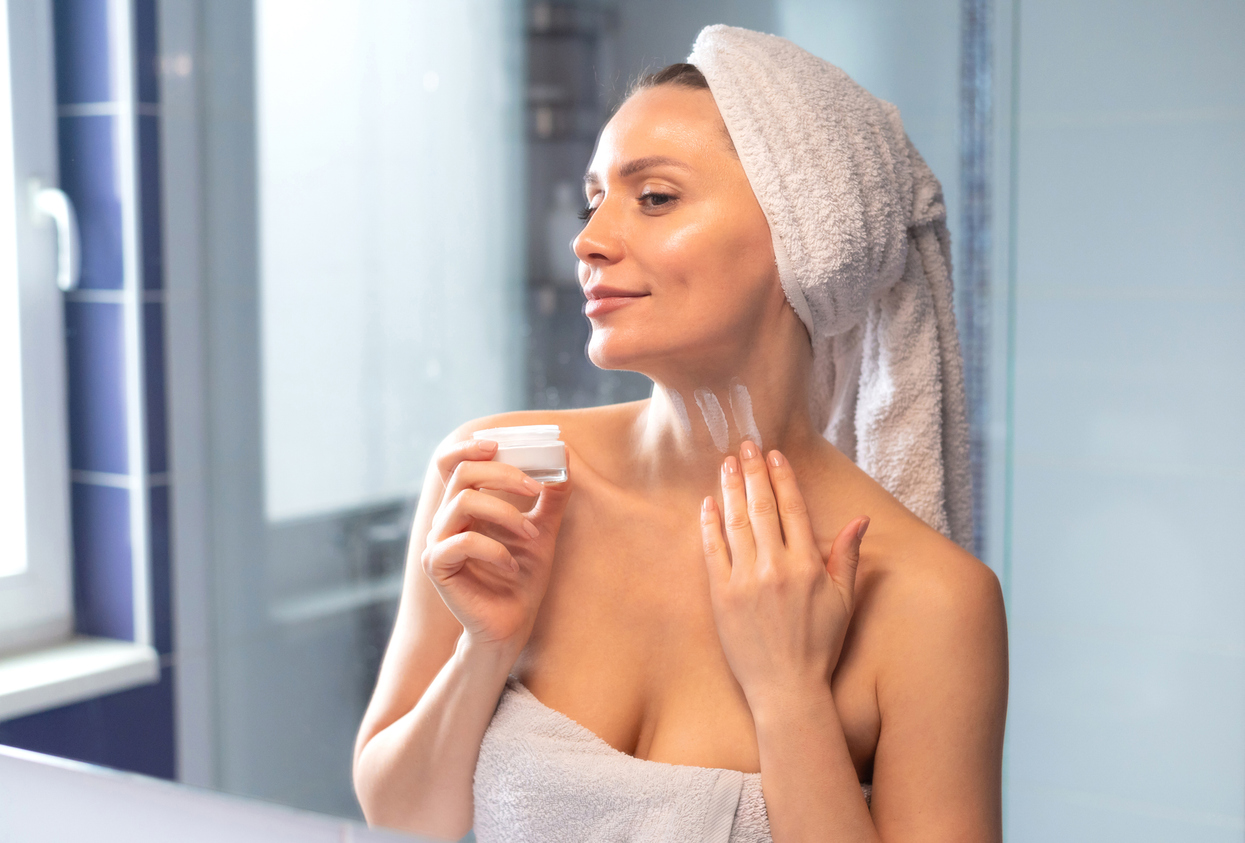
The new neck routine is not about panic-buying a dozen “firming” products. It is about treating the skin below your chin with the same basic respect you give your face: sunscreen in the morning, smart actives at night and enough moisturiser to keep the barrier calm.

In other words, your skincare routine may need to travel south.

Why the neck shows ageing early

Neck skin has a few disadvantages.

It moves constantly. You bend, tilt and turn it all day. You look down at your phone. You sleep on your side. You pull jumpers over it, spray fragrance near it and forget sunscreen on it.

It also has fewer oil glands than some parts of the face, which means it can feel dry or crepey sooner. Add years of sun exposure, natural collagen loss and hormonal changes in midlife, and the neck can start to show lines, laxity and texture changes before you expect it.

This does not mean your neck needs to look “young”. It means it may need different care.

Neck and décolletage age in similar ways to the face because they are chronically exposed to the sun. The same source recommends using many of the same protective and treatment ingredients on the neck and chest, with some caution because the area can be sensitive.

The real first step: sunscreen

If you do only one thing for your neck, make it sunscreen.

UV exposure is one of the biggest drivers of premature skin ageing, including wrinkles, pigmentation, rough texture and loss of elasticity. The neck and chest often get incidental sun during driving, walking, gardening, outdoor exercise and everyday errands.

The expert recommends broad-spectrum, water-resistant sunscreen with SPF 30 or higher.  Use it every day, apply enough, reapply when outdoors and do not stop at the chin.

Bring it down the neck, over the sides of the neck, onto the ears and across the upper chest if exposed.

This is especially important if you use retinoids, exfoliating acids, or clinic treatments, because the skin may become more sun-sensitive or vulnerable to irritation.

Should you use retinol on your neck?

Retinoids are among the most researched skincare ingredients for photoageing. They can support collagen production, improve skin texture and help soften the look of fine lines over time. But the neck is not always as tolerant as the face.

That is why the neck rule is: slower, gentler, less often.

If your face already tolerates retinol or retinal, you may be able to bring a small amount down to the neck one or two nights a week. Follow with moisturiser, and increase only if your skin stays calm. Avoid using strong prescription retinoids on the neck unless your dermatologist or GP has advised it.

If you notice stinging, peeling, itchiness, redness, or a tight burning feeling, pull back. The goal is not to force your neck to “get used to it”. It is to get benefits without wrecking the barrier.

A practical approach is the sandwich method: moisturiser first, a small amount of retinoid, then moisturiser again. This can make the active easier to tolerate.

Where peptides fit

Peptides are having a quiet comeback because they sit in a useful middle ground. They are generally gentler than retinoids and are often used in formulas designed for firmness, hydration and barrier support.

Peptides are short chains of amino acids, the building blocks of proteins such as collagen and elastin. In skincare, they are often included to support the look of smoother, firmer, more resilient skin.

They are not a facelift in a bottle. But for a neck routine, they can be useful because the area often needs consistency more than aggression. A peptide serum or moisturiser may suit people who cannot tolerate retinoids well, or who want a daily product that layers comfortably under sunscreen.

Do you need a separate neck cream?

Not always.

If your face moisturiser is rich enough and does not irritate your neck, you can use the same one below the jawline. If your neck is drier, more sensitive, or more crepey than your face, a dedicated neck cream may feel better because these formulas are often richer and designed to cushion the area.

What matters more than the label is the formula.

Look for ingredients that support hydration and barrier repair, such as glycerin, hyaluronic acid, ceramides, niacinamide and squalane. If you want an active formula, look for retinoids, peptides, antioxidants, or gentle exfoliating ingredients.

Avoid overloading the area with too many actives at once. The neck is one place where more is very often too much.

What about the chest?

The décolletage deserves the same routine.

The chest is exposed to sun, sleep compression and friction from clothing. It can develop pigmentation, redness, creases and crepey texture, especially if it has had years of UV exposure.

Bring your morning sunscreen down across the chest whenever that skin is exposed. At night, extend your moisturiser and gentle actives to the area too.

If you are using retinoids, go slowly here as well. The chest can react with irritation, especially if you are also using exfoliating acids, fragrance-heavy body products, or hot showers.

The bodycare trend is part of the same shift

The neck routine is not happening in isolation. Beauty is moving beyond face-only skincare.

Recent beauty trend coverage has pointed to bodycare becoming more skincare-like, with more interest in retinol body serums, active body washes, exfoliating sprays, lightweight body milks and targeted care for texture, pigmentation and body breakouts.

That shift makes sense. People have become more ingredient-literate. They understand sunscreen, retinoids, peptides and barrier repair on the face, so they are starting to ask why the rest of the skin gets ignored.

The trick is to avoid turning full-body care into another exhausting routine. Your neck and chest do not need 10 steps. They need consistency.

What clinic treatments can do

Skincare can help with prevention, texture, hydration and mild signs of ageing. But it has limits.

If your main concern is significant laxity, deeper horizontal neck lines, crepey skin, sun damage, redness, or pigmentation, clinic treatments may come into the conversation.

Depending on your skin, a dermatologist or qualified cosmetic practitioner may discuss options such as laser, radiofrequency, ultrasound tightening, microneedling, skin boosters, biostimulatory injectables, or prescription skincare.

Technologies such as ultrasound tightening, radiofrequency and laser treatments may be used for sagging skin, depending on the person and concern.

The important word is realistic. No cream or device will make neck skin behave like surgical lifting. If there is significant loose skin, surgery may be the only option that creates a dramatic change. If the concern is mild laxity, texture, or crepiness, non-surgical options may help, but results vary.

A simple neck routine to start

You do not need to overhaul everything. Start here.

Morning:
Cleanse gently, or rinse with water if your skin is dry. Apply a hydrating serum or moisturiser if needed. Finish with broad-spectrum sunscreen, bringing it down the neck and chest.

Evening:
Cleanse away sunscreen. Apply a moisturiser. If your skin tolerates actives, add a gentle retinoid one or two nights a week, or use a peptide serum on non-retinoid nights.

Once or twice a week:
If your neck is rough or dull, you may use a very gentle exfoliant, but do not combine it with retinoids on the same night. If you are prone to irritation, skip exfoliation and focus on moisturising instead.

Every day:
Look up from your phone more often, reapply sunscreen when outdoors and stop treating the neck as an afterthought.

Mistakes that can irritate the neck

The neck often reacts faster than the face, so be careful with these common mistakes:

  • using a strong face retinoid on the neck too often
  • layering retinoids, exfoliating acids and vitamin C too aggressively
  • applying fragrance or essential oils to sensitive skin
  • forgetting sunscreen after using actives
  • scrubbing crepey skin
  • starting multiple new products at once
  • treating redness, itching, or burning as “normal purging”

If your neck becomes inflamed, stop the actives and simplify. Use a gentle cleanser, bland moisturiser and sunscreen until the skin settles. If irritation persists, see your GP or dermatologist.

When to get a skin check

Any new, changing, bleeding, crusting, or non-healing spot on the neck or chest should be checked. These areas get plenty of sun exposure, and cosmetic concerns should never distract from skin cancer awareness.

Australia has one of the highest rates of skin cancer in the world, so a neck and chest routine should not only be about smoothness. It should also be about protection and early detection.

If you are unsure about a spot, book a skin check.

The bottom line

Your neck does not need a complicated routine. It needs the basics you may already be giving your face.

Sunscreen matters most. Retinoids can help if used carefully. Peptides and barrier-supporting ingredients can be useful for firmness, hydration and comfort. Clinic treatments may have a role if skincare is not enough, but they should match the problem you actually have.

The new neck routine is not about chasing perfection. It is about realising that the skin below your chin has been doing the same work as your face, often with far less support.

Tags: , ,
Real reason your face looks tired and surprise step to STOP you ageing faster to take now with simple 4-product approach

Real reason your face looks tired and surprise step to STOP you ageing faster to take now with simple 4-product approach

LOOKING in the mirror and feeling like your skin has suddenly aged overnight can be a real confidence knock.

But an Irish skincare expert has revealed how you can find out your skin age — and, even more importantly, how to slow down the ageing process.

A skin pro is helping Irish women find out their skin age and what they will look like in years to come

Sara explained changes that occur during peri-menopause and menopause

Sara O’Hagan has lifted the lid on what’s making our skin look tired and old — and, thankfully, reveals what really works to help tired faces look younger.

With 16 years’ experience in the world of skincare, Sara said most women tell her the same thing: “I just don’t feel like myself anymore.”

Sara told The Irish Sun: “I see so many women in their late 30s and 40s who suddenly feel like their skin has changed overnight.

“They look tired all the time, makeup sits differently, redness becomes more noticeable, and they feel like they’ve lost the glow they used to have.”

A large number of women claimed they feel like they aged overnight Credit: Getty Images – Getty

The skin expert urged everyone to start with a skin analysis

Many women experience increased redness, dryness, dullness, breakouts, while also constantly looking tired and feeling that makeup does not sit properly and constantly looking tired — even when they’re looking after themselves.

Sara said: “For many women, that feeling starts showing up in their skin before they even fully realise perimenopause could be part of it.

“Suddenly their skin becomes dry, dull or reactive. Rosacea flares up more. They’re breaking out again after years of clear skin.

“Makeup doesn’t sit properly anymore. And no matter how much sleep they get, they still feel like they look exhausted.

“A lot of women genuinely feel like they’ve aged overnight. And honestly, it can really knock their confidence. Because it’s not just about appearance.

“It’s that strange feeling of looking in the mirror and not fully recognising yourself anymore.

“I think many women are completely unprepared for how much hormonal changes can affect the skin.”

She said most women expect things like hot flushes or mood changes, but they don’t expect their skin to suddenly feel unfamiliar too.

Sara explained: “The truth is, skin naturally changes during perimenopause and menopause.

“Hormones affect hydration, collagen, oil production, inflammation and skin sensitivity.

“That’s why so many women suddenly notice redness, dullness, fine lines, dehydration or skin becoming much more reactive than before.

“And then begins the cycle so many women fall into — buying more products, trying every trend online, switching routines constantly, hoping the next cream will fix everything.

“But often, all that does is overwhelm already stressed skin even more.”

Cutting down on products and understanding options that benefit the skin is key.

She said: “What women usually need at this stage is actually the opposite. Less panic. Less pressure. Less noise. And more understanding of what their skin needs now.”

Products that contain retinol, vitamin C, hyaluronic acid or peptides should be the focus.

SPF is always needed, whatever the weather.

Sara added: “I always say to clients, ‘Your skin at 45 isn’t supposed to behave like your skin at 25.’

“That doesn’t mean your skin is ruined. It just means it needs different support.”

When it comes to rosacea, the skin condition affects roughly one in 10 people in Ireland.

The first signs of rosacea include redness or a burning, stinging feeling when using water or skincare products.

It can appear across the nose, cheeks, forehead and chin, and can come and go.

Sara said: “Rosacea is more common in Irish women than people realise and it’s not just ‘a bit of redness’.”

The award-winning skin clinician said rosacea is one of the most common — and misunderstood — concerns she sees.

She said: “A lot of them don’t even realise that’s what it is. They think they just have sensitive skin. Or that they blush easily. Or that their skin is always reacting to something.

“But underneath it, there’s often a lot more frustration than people realise. Because rosacea isn’t just a bit of redness.

“It’s the flare-ups before nights out. It’s makeup suddenly not sitting properly.

“It’s your face going bright red after a glass of wine, a hot room, stress, exercise or even just changing weather.”

In Ireland, there are plenty of factors adding to rosacea, including our skin types, weather, heating, temperature changes and lifestyle factors.

Sara continued: “A lot of women are constantly trying to calm their skin down but end up stuck in a cycle of trying random products that either do nothing or make things worse.”

The Dublin-based skin pro admitted that a lot of women in Ireland seem to be “quietly dealing with it on their own”.

Sara said: “One of the biggest misconceptions around rosacea is that you just have to put up with it. You don’t.

“The problem is, many women are treating the redness without properly understanding what’s triggering it or what their skin actually needs.

“Sometimes they’re over-exfoliating. Sometimes they’re stripping the skin barrier.

“Sometimes they’re using products that are far too harsh because they’ve been told online they need strong actives to get good skin.

“Meanwhile, their skin is inflamed, stressed and crying out for support.”

Sara discussed how women with rosacea also face an emotional battle.

She said: “I honestly don’t think it gets talked about enough.

“I’ve had women tell me they dread getting warm in public because they know their face will flare.

“Others avoid photos, nights out or going makeup-free because they feel constantly conscious of their skin.

“That can really chip away at someone’s confidence over time.”

However, rosacea can “absolutely be managed properly” when you understand your skin better.

Sara explained: “For most women, the biggest difference comes from simplifying things, calming inflammation, strengthening the skin barrier and having a proper plan instead of constantly guessing.

“And most importantly, understanding that your skin isn’t ‘bad’. It’s reactive. It’s stressed. It needs support, not punishment.”

She added: “You are not the only one dealing with it and your skin is not beyond help.”

Another issue Sara hears frequently is women who think they have sensitive skin — but that is often not the real problem.

Sara said: “One of the biggest things I hear from women in the clinic is: ‘My skin just reacts to everything.’

“I understand why so many women feel that way. They try a new product and their skin flares. Their cheeks go red after a glass of wine. Makeup suddenly doesn’t sit right anymore.

“Their skin feels dry one week, irritated the next, and nothing seems to calm it down properly.

“So naturally, they start believing they just have very sensitive skin. But a lot of the time, that’s not actually the real issue.

“What I see over and over again is women who are completely overwhelmed by skincare.

“They’ve spent years buying products based on trends, influencers, TikTok recommendations, or whatever someone online swears changed their skin overnight.

“One serum for glow, another for anti-ageing, something else for redness.

“Retinol because everyone says you should use it. Acids because someone said they help texture.

“Before they know it, they’re layering active products onto skin that’s already stressed and inflamed.”

The beauty pro explained this results in the skin reacting, and women assume their skin “can’t tolerate anything”.

Sara said: “The truth is, most women were never properly shown what their skin actually needs at this stage of life.”

Understanding your skin, fine lines and wrinkles, spots, pores, texture, porphyrins, UV spots, moisture and pigmentation is key.

A good place to start is getting a skin analysis that clinically measures the surface and subsurface of the skin.

Sara’s high-tech system at the Skin Glow Clinic will reveal everything from your skin’s age to how you will look in years to come.

It uses state-of-the-art digital imagery, using RGB visible light, PL polarised light and UV spectrum imaging technology, combined with AI and image analysis.

Sara explained: “You can reverse that skin age to a point. If you start doing the right treatments and using the right products, you can absolutely slow the process down.

“Now, we can’t stop the skin ageing — that’s part of life — but we can definitely make the skin look younger.”

Sara added: “A proper consultation, a simple routine and treatments tailored to the skin can make a much bigger difference than constantly chasing trends online.

“Women don’t need perfect skin. Most just want to feel comfortable and confident again when they look in the mirror.

“They want to head out the door without overthinking their face, stop feeling exhausted every time they catch themselves in photos, and feel a bit more like themselves again.

“And honestly, when they finally do, that’s the real transformation.”

Tags: , , , , , , , , , , ,
Winter Skincare Simplified: Experts Share How To Keep Your Skin Healthy, Hydrated And Radiant | Health and Fitness News

Winter Skincare Myths You Need to Stop Believing | Beauty News

Last Updated:November 26, 2025, 11:22 IST

Winter skincare is not about heavier products or seasonal fads, it’s about understanding your skin’s changing needs and strengthening its natural barrier

Discover the truth behind common winter skincare myths as experts debunk misconceptions about moisturisers, SPF, hot showers, lip care, hair care, and barrier health.

As temperatures drop and humidity levels dip, winter brings a familiar challenge: dry, irritated skin and the urge to overhaul one’s skincare routine. But alongside these seasonal changes comes a flurry of misinformation, myths passed down through habits, assumptions, and half-truths. To help decode what’s true and what’s not, we spoke to two industry experts, Nitin Jain, founder, La Pink, and Aromatherapist Divita Kanoria, founder, TATHA.

Together, they debunk some of the most common winter skincare myths and explain what your skin really needs during the colder months.

Myth 1: “My summer routine works in winter too.”

Many believe that if a routine works in summer, it should work in winter as well. But as Nitin Jain explains, the skin’s needs change significantly with the weather. He notes that colder air pulls moisture from the skin, weakening the barrier and accelerating dryness. While gentle cleansers and basic hydrators may work year-round, winter typically requires richer, barrier-repairing ingredients like ceramides, shea butter, hyaluronic acid, and nourishing oils.

He also emphasises lip care, one of the most neglected aspects of winter routines. La Pink’s balms enriched with shea butter and plant oils were designed specifically to combat seasonal lip dehydration.

Myth 2: “I don’t need moisturiser if my skin doesn’t feel dry.”

Dryness often begins at the cellular level, long before you can feel or see it. Jain explains that preventative moisturisation is essential to reduce micro-damage caused by low humidity.

He highlights ingredients like kokum butter, sunflower oil, avocado extracts, and other nutrient-rich plant oils used in La Pink formulations. These not only lock in moisture but also strengthen the skin’s natural lipid barrier to prevent future dryness. Using a nourishing face wash and a hydrating body lotion consistently helps keep the skin smooth, resilient, and protected throughout winter.

Myth 3: “You don’t need sunscreen in winter.”

According to Divita Kanoria, this is one of the most harmful winter myths. UV rays remain constant year-round and can even intensify when reflected off cold surfaces. Skipping sunscreen accelerates pigmentation, wrinkles, and premature ageing, even on cloudy days.

Kanoria stresses that SPF should be a non-negotiable step, regardless of season.

Myth 4: “Thicker creams are always better in winter”

A heavy texture does not automatically mean better hydration. Kanoria explains that what the skin truly needs is barrier-strengthening ingredients, not greasy formulas. Ceramides, plant stem cells, and peptides support repair and hydration without clogging pores.

Often, a lightweight but well-designed cream performs far better than a thick, occlusive one.

Myth 5: “Hot showers hydrate the skin”

Long, steaming showers may feel comforting, but they strip the skin of natural oils, leaving it dry and irritated. Kanoria advises opting for lukewarm water and moisturising immediately after bathing while the skin is still damp to lock in hydration effectively.

Myth 6: “Lips don’t need separate care”

Lips lose moisture faster than any other area of the face. Jain recommends using a lip balm enriched with Vitamin E, shea butter, licorice oil, and nourishing plant extracts to keep them soft and protected throughout winter.

Myth 7: “Hair doesn’t need extra nourishment in winter”

Cold winds disrupt hair cuticles, causing frizz and breakage. Jain suggests incorporating a methi-dana–infused hair oil to strengthen roots and restore smoothness.

Myth 8: “Only dry skin needs winter care”

Winter impacts all skin types including oily and combination skin. Jain explains that cold weather weakens the lipid barrier universally, increasing moisture loss even in oily skin. This can lead to flakiness, whiteheads, and purging.

La Pink’s winter formulations, he notes, are based not only on science but also on customer feedback. Ingredients like white haldi, kukum butter, cactus flower extracts, and cold-pressed plant oils help balance oil production while maintaining hydration meeting European quality standards for clean beauty.

Myth 9: “Winter dryness is only seasonal”

Kanoria clarifies that winter simply magnifies underlying concerns like dehydration, barrier weakness, or inflammation. Treating the root cause not just the weather is key to maintaining healthy skin.

Winter skincare is not about heavier products or seasonal fads, it’s about understanding your skin’s changing needs and strengthening its natural barrier. As both experts conclude, a targeted, ingredient-driven routine offers far better results than relying on outdated myths.

This season, ditch the misconceptions and embrace skincare that genuinely supports your skin and hair through colder months.

About the Author

Swati Chaturvedi

Swati Chaturvedi is a seasoned media professional with over 13 years of experience in journalism, digital content strategy, and editorial leadership across top national media houses. An alumna of Lady Shri Ram …Read More

Swati Chaturvedi is a seasoned media professional with over 13 years of experience in journalism, digital content strategy, and editorial leadership across top national media houses. An alumna of Lady Shri Ram … Read More

First Published:

November 26, 2025, 11:22 IST

Disclaimer: Comments reflect users’ views, not News18’s. Please keep discussions respectful and constructive. Abusive, defamatory, or illegal comments will be removed. News18 may disable any comment at its discretion. By posting, you agree to our Terms of Use and Privacy Policy.

Tags: , , , , , ,
Best oLive
Privacy Overview

This website uses cookies so that we can provide you with the best user experience possible. Cookie information is stored in your browser and performs functions such as recognising you when you return to our website and helping our team to understand which sections of the website you find most interesting and useful.