


Real reason your face looks tired and surprise step to STOP you ageing faster to take now with simple 4-product approach
LOOKING in the mirror and feeling like your skin has suddenly aged overnight can be a real confidence knock.
But an Irish skincare expert has revealed how you can find out your skin age — and, even more importantly, how to slow down the ageing process.
A skin pro is helping Irish women find out their skin age and what they will look like in years to come
Sara explained changes that occur during peri-menopause and menopause
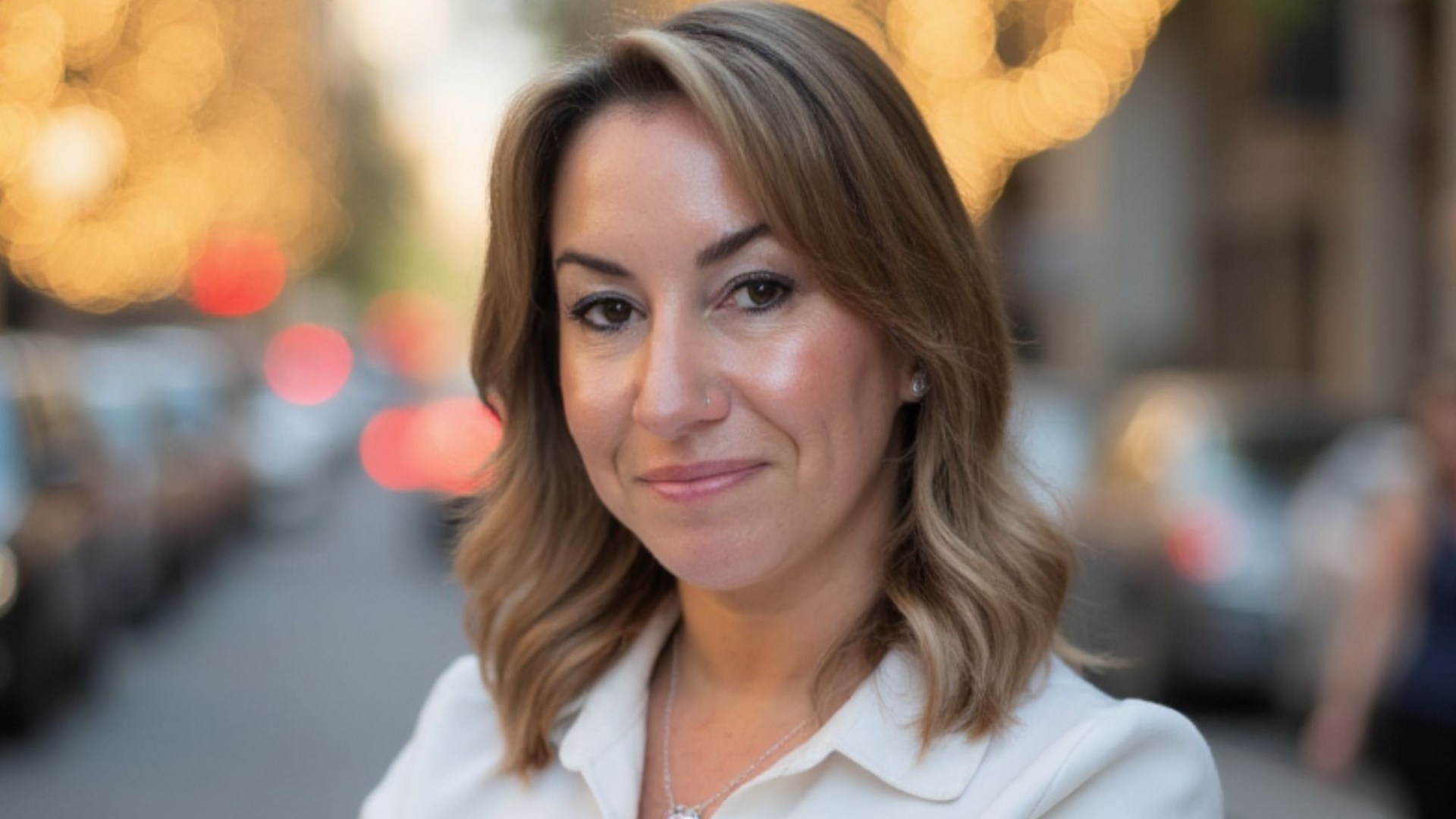
Sara O’Hagan has lifted the lid on what’s making our skin look tired and old — and, thankfully, reveals what really works to help tired faces look younger.
With 16 years’ experience in the world of skincare, Sara said most women tell her the same thing: “I just don’t feel like myself anymore.”
Sara told The Irish Sun: “I see so many women in their late 30s and 40s who suddenly feel like their skin has changed overnight.
“They look tired all the time, makeup sits differently, redness becomes more noticeable, and they feel like they’ve lost the glow they used to have.”
A large number of women claimed they feel like they aged overnight Credit: Getty Images – Getty
The skin expert urged everyone to start with a skin analysis
Many women experience increased redness, dryness, dullness, breakouts, while also constantly looking tired and feeling that makeup does not sit properly and constantly looking tired — even when they’re looking after themselves.
Sara said: “For many women, that feeling starts showing up in their skin before they even fully realise perimenopause could be part of it.
“Suddenly their skin becomes dry, dull or reactive. Rosacea flares up more. They’re breaking out again after years of clear skin.
“Makeup doesn’t sit properly anymore. And no matter how much sleep they get, they still feel like they look exhausted.
“A lot of women genuinely feel like they’ve aged overnight. And honestly, it can really knock their confidence. Because it’s not just about appearance.
“It’s that strange feeling of looking in the mirror and not fully recognising yourself anymore.
“I think many women are completely unprepared for how much hormonal changes can affect the skin.”
She said most women expect things like hot flushes or mood changes, but they don’t expect their skin to suddenly feel unfamiliar too.
Sara explained: “The truth is, skin naturally changes during perimenopause and menopause.
“Hormones affect hydration, collagen, oil production, inflammation and skin sensitivity.
“That’s why so many women suddenly notice redness, dullness, fine lines, dehydration or skin becoming much more reactive than before.
“And then begins the cycle so many women fall into — buying more products, trying every trend online, switching routines constantly, hoping the next cream will fix everything.
“But often, all that does is overwhelm already stressed skin even more.”
Cutting down on products and understanding options that benefit the skin is key.
She said: “What women usually need at this stage is actually the opposite. Less panic. Less pressure. Less noise. And more understanding of what their skin needs now.”
Products that contain retinol, vitamin C, hyaluronic acid or peptides should be the focus.
SPF is always needed, whatever the weather.
Sara added: “I always say to clients, ‘Your skin at 45 isn’t supposed to behave like your skin at 25.’
“That doesn’t mean your skin is ruined. It just means it needs different support.”
When it comes to rosacea, the skin condition affects roughly one in 10 people in Ireland.
The first signs of rosacea include redness or a burning, stinging feeling when using water or skincare products.
It can appear across the nose, cheeks, forehead and chin, and can come and go.
Sara said: “Rosacea is more common in Irish women than people realise and it’s not just ‘a bit of redness’.”
The award-winning skin clinician said rosacea is one of the most common — and misunderstood — concerns she sees.
She said: “A lot of them don’t even realise that’s what it is. They think they just have sensitive skin. Or that they blush easily. Or that their skin is always reacting to something.
“But underneath it, there’s often a lot more frustration than people realise. Because rosacea isn’t just a bit of redness.
“It’s the flare-ups before nights out. It’s makeup suddenly not sitting properly.
“It’s your face going bright red after a glass of wine, a hot room, stress, exercise or even just changing weather.”
In Ireland, there are plenty of factors adding to rosacea, including our skin types, weather, heating, temperature changes and lifestyle factors.
Sara continued: “A lot of women are constantly trying to calm their skin down but end up stuck in a cycle of trying random products that either do nothing or make things worse.”
The Dublin-based skin pro admitted that a lot of women in Ireland seem to be “quietly dealing with it on their own”.
Sara said: “One of the biggest misconceptions around rosacea is that you just have to put up with it. You don’t.
“The problem is, many women are treating the redness without properly understanding what’s triggering it or what their skin actually needs.
“Sometimes they’re over-exfoliating. Sometimes they’re stripping the skin barrier.
“Sometimes they’re using products that are far too harsh because they’ve been told online they need strong actives to get good skin.
“Meanwhile, their skin is inflamed, stressed and crying out for support.”
Sara discussed how women with rosacea also face an emotional battle.
She said: “I honestly don’t think it gets talked about enough.
“I’ve had women tell me they dread getting warm in public because they know their face will flare.
“Others avoid photos, nights out or going makeup-free because they feel constantly conscious of their skin.
“That can really chip away at someone’s confidence over time.”
However, rosacea can “absolutely be managed properly” when you understand your skin better.
Sara explained: “For most women, the biggest difference comes from simplifying things, calming inflammation, strengthening the skin barrier and having a proper plan instead of constantly guessing.
“And most importantly, understanding that your skin isn’t ‘bad’. It’s reactive. It’s stressed. It needs support, not punishment.”
She added: “You are not the only one dealing with it and your skin is not beyond help.”
Another issue Sara hears frequently is women who think they have sensitive skin — but that is often not the real problem.
Sara said: “One of the biggest things I hear from women in the clinic is: ‘My skin just reacts to everything.’
“I understand why so many women feel that way. They try a new product and their skin flares. Their cheeks go red after a glass of wine. Makeup suddenly doesn’t sit right anymore.
“Their skin feels dry one week, irritated the next, and nothing seems to calm it down properly.
“So naturally, they start believing they just have very sensitive skin. But a lot of the time, that’s not actually the real issue.
“What I see over and over again is women who are completely overwhelmed by skincare.
“They’ve spent years buying products based on trends, influencers, TikTok recommendations, or whatever someone online swears changed their skin overnight.
“One serum for glow, another for anti-ageing, something else for redness.
“Retinol because everyone says you should use it. Acids because someone said they help texture.
“Before they know it, they’re layering active products onto skin that’s already stressed and inflamed.”
The beauty pro explained this results in the skin reacting, and women assume their skin “can’t tolerate anything”.
Sara said: “The truth is, most women were never properly shown what their skin actually needs at this stage of life.”
Understanding your skin, fine lines and wrinkles, spots, pores, texture, porphyrins, UV spots, moisture and pigmentation is key.
A good place to start is getting a skin analysis that clinically measures the surface and subsurface of the skin.
Sara’s high-tech system at the Skin Glow Clinic will reveal everything from your skin’s age to how you will look in years to come.
It uses state-of-the-art digital imagery, using RGB visible light, PL polarised light and UV spectrum imaging technology, combined with AI and image analysis.
Sara explained: “You can reverse that skin age to a point. If you start doing the right treatments and using the right products, you can absolutely slow the process down.
“Now, we can’t stop the skin ageing — that’s part of life — but we can definitely make the skin look younger.”
Sara added: “A proper consultation, a simple routine and treatments tailored to the skin can make a much bigger difference than constantly chasing trends online.
“Women don’t need perfect skin. Most just want to feel comfortable and confident again when they look in the mirror.
“They want to head out the door without overthinking their face, stop feeling exhausted every time they catch themselves in photos, and feel a bit more like themselves again.
“And honestly, when they finally do, that’s the real transformation.”


