Real Life Tested Recipes, How-To

Real Life Tested Recipes, How-To, and DIYs

I started my “mom blog” when my kids were little, which seems like eons ago. My goals were two-fold: write out my real life tested recipes and how-to guides for my kids and family, and document my journey toward a more simple life.

I tackled one thing in my house at a time in order to learn how to make it myself (multi-purpose cleaner, floor cleaner, shampoo bars, you name it). I wanted to learn age old skills before they passed away with the older generation.

Twelve years ago, you couldn’t find organic options in the stores. And you couldn’t find many websites that taught you the step-by-step process of how to make things for yourself. I really had to test, change my recipes, test, and change again. This is why I have multiple deodorant recipes for example, because my husband can’t use baking soda, but I can. Many of you are like that as well.

Now, fast forward 12 years and you can find a lot of organic options and a plethora of products that claim to be all natural and healthy. The problem is that most of those products still have ingredients that are very toxic and even cancerous, even though they claim to be natural. You really have to know ingredients!

On top of that, AI is at the top of everyone’s search. It takes ingredients from 20 different recipes it randomly finds online and puts them into one, giving you something completely out of context and untested. My little rant: AI is putting blogs like mine on the 3rd and 20th pages of searches. People are believing its programmed bias instead of knowing the source. It’s very important to know your source for information. Always.

So, what do we do when a lot of products claim to be healthy, yet still have 32 ingredients that call for a deep internet search to understand, and AI is giving us recipes or ingredient opinions that are not curated by someone you can trust?

THE ANSWER?

Stick to those you know and can trust!

Make a list of your favorite websites, because they will be filtered out of your inbox, and you may forget they exist.

I’m happy to be able to provide recipe for food, soap making, cleaning products, and herbal remedies that we’ve used in our household for over 20 years. You KNOW that you’re making something that works and you KNOW that it will be healthy, no corners cut, no toxic ingredients added.

Here are some examples of categories I’ve been working on over the years:

Real Food Recipes

We have to eat every day, but as I ask my kids, “Are you putting fuel in the car?” I think enjoying food is a wonderful thing, but you can also provide your body the nourishment that it needs at the same time. If you keep putting junk in the fuel tank, your car won’t run very well for long. In the same way, what we eat effects everything: our energy, skin, hair, nails…everything. Eat well without all the toxins!

The Best Stuffed Peppers Recipe

Best Salmon Rub Recipe Ever

Soap Recipes

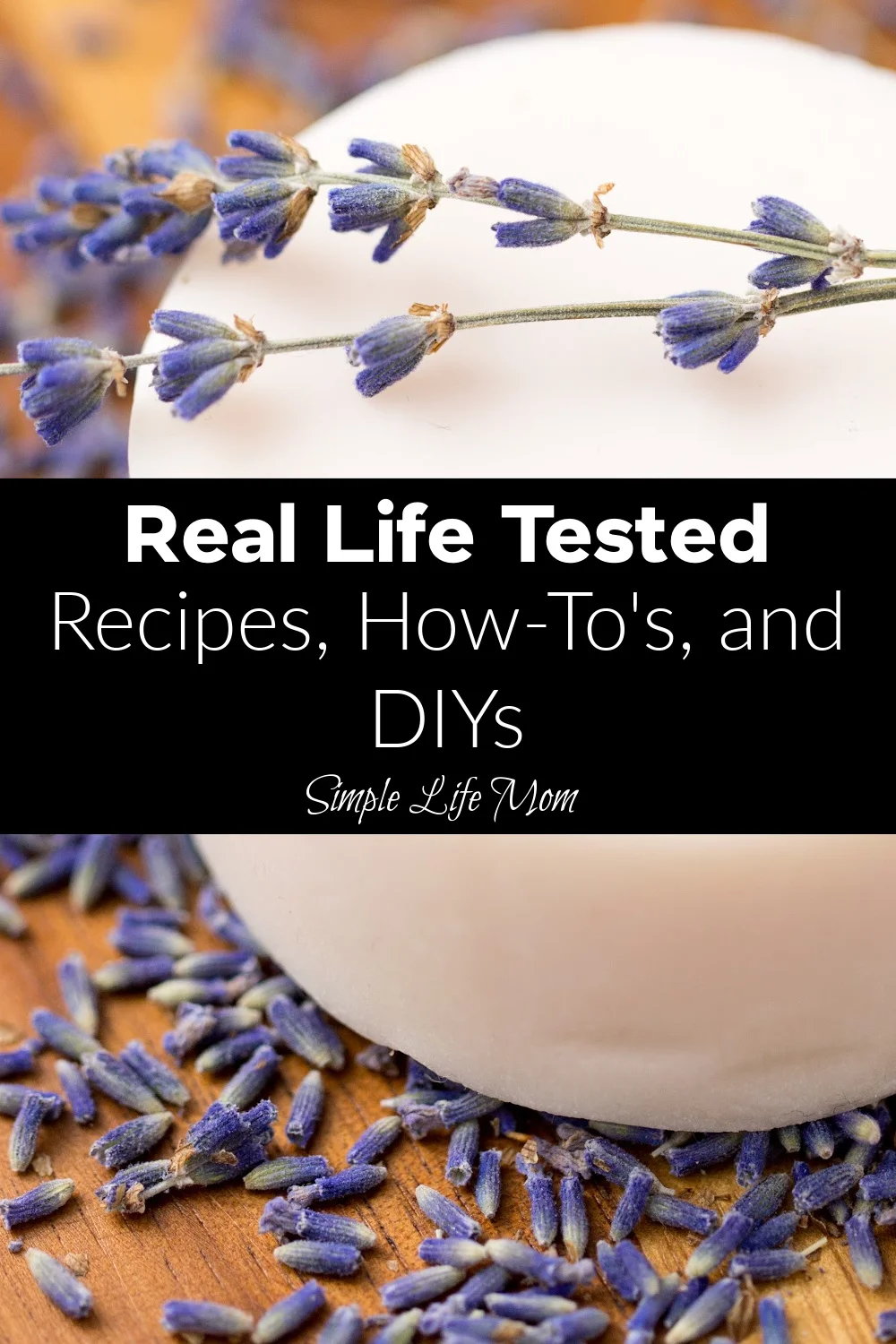
I love making soap! Cold process is my favorite, but you can make any of my recipes with the hot process method. I also provide some melt and pour and hand milled options.

How to Make Castile Soap for Sensitive Skin

6 Christmas Soap Recipes Make Unique Gifts

Shampoo Recipes

Don’t forget your hair! I enjoy making hair rinses and make many shampoo bars and conditioner bars or rinses.

Make 3 Organic Shampoo Bars for All Hair Types

3 Easy Summer Herbal Shampoo Recipes

Herbal Remedies

These remedies are not pirated from other websites that make claims, and not just a random untested idea, but are results from herbal studies and long tested results. You can have confidence that they pair wonderfully with your own studies. Always check with your physician if your condition is serious or before combining with any medications.

Easy Elderberry Syrup Recipe for an Immune System boost

Leaky Gut Tea – Herbal Digestion Aid

Cleaning Recipes

It defeats some of the purpose of cleaning when you kill germs but leave harmful chemicals. Instead of making that trade, make products with essential oils that kill bacteria and don’t leave toxins. You can learn more about essential oil safety here.

9 Natural Cleaning Recipes for Spring Cleaning

3 Easy to Make Laundry Soap Recipes

Makeup Recipes

Women use a high number of toxins on their face and body daily. To cut down on that amount, or even eliminate the toxins all together, I’ve tried making blushes, lip sticks, mascara, eye liners, and foundations. All 100% natural clays and herbs only.

Chocolate Truffle Lip Balm Recipe: Great Handmade Gifts

Make Your Own Makeup with this Natural Finish Powder Recipe

Home and Garden Guides

I raise chickens, ducks, and have fruit trees, as well as flower and vegetable gardens. If I have chicken herbal aids or other DIYs I’ve put together, I try to share them with you.

How to Use Herbal Remedies for Chickens

How to Make Maple Syrup: Processing Sap

Products in my Shop

I’ve had a lot of friends and family ask for my soaps, shampoos and tooth powders over the year. I’m happy to be able to provide them in my shop. Highest quality ingredients, no exceptions.

Beauty Gift Set from Simple Life Mom

Calcium Bentonite Clay Tooth Powder from Simple Life Mom

Let me know what recipe, how-to, or DIY you’re looking for. I’d love to help or get started on my next project of finding out what works best in the healthiest way.


Tags: , , , , ,
resilience and health

How I Discovered Real Health is About Resilience

For years, I thought health was something I could perfect. During my struggle with Hashimoto’s, I was really strict about food, supplements, and my environment. At one point, I was down to about 10 safe foods, and I spent a lot of time trying to avoid anything that might trigger symptoms. The more I restricted, the healthier I was… right?

And while the strict diet plans and handfuls of supplements had their place at the time, I realized something important. I started questioning the way I think about health. Is the goal really only to feel good if I was able to control every factor and input?

I realized that I didn’t need perfection, but resilience. Having a body that could adapt to real life and still thrive. I wanted to enjoy dinner with friends, travel without anxiety, recover from an occasional late night, and trust that my body could handle it. That shift from pursuing perfect health to building resilience became one of the most important lessons of my healing journey. 

This perspective continues to shape how I approach what health really means. 

When Health Becomes a Very Small Box

For years, I measured progress by how well I could follow the rules I’d made for myself. Thankfully I was able to work with some really phenomenal doctors and healthcare experts while working through autoimmune disease. And while their guidance, the elimination diets, and supplements helped, I knew I didn’t want to stay there.

I kept detailed records of supplements, symptoms, and foods. I was doing everything I knew to do, and in some ways it worked since I often felt better than I had before.

The problem was that I only felt good within a very narrow range of inputs. If I stepped outside that range, whether through travel, stress, lack of sleep, or eating something unexpected, I worried about the consequences. Eventually, I realized that while I was disciplined, I wasn’t necessarily becoming more resilient.

I had a reframe and discovered that true health isn’t fragility wrapped in discipline. Health isn’t about feeling good only when every variable is perfectly controlled. True health includes adaptability, flexibility, and the ability to recover when life doesn’t go according to plan.

I began to see that I didn’t want to spend the rest of my life shrinking my world to accommodate symptoms. I wanted to expand my capacity so I could participate fully in life without constantly worrying about what might happen next. That didn’t mean abandoning healthy habits. It simply meant recognizing that the goal wasn’t perfection. The goal was building a system that could thrive under a wider variety of circumstances.

Today, I still prioritize the habits that support my health. I still focus on nutrient-dense foods, quality sleep, sunlight, minerals, and movement. I choose healthy inputs whenever possible, but I don’t freak out if sometimes I can’t do the “perfect” thing.

The Hidden Trap of Perfect

I think this is one of the less talked about challenges within the health and wellness world. Sometimes we can become so focused on optimizing that we unintentionally create a version of health that’s restrictive, not freeing.

It’s easy to start believing that thriving means having the perfect diet, the perfect routine, and the perfect environment. We can begin to think that every deviation is a problem to solve or a setback to avoid. While awareness can be helpful, there’s a point where hypervigilance starts to look a lot like stress.

For me, that realization was uncomfortable because I genuinely believed I was doing everything in the name of health. However, I eventually recognized that fear was driving some of my behaviors, rather than confidence. I wasn’t always making choices because they felt supportive. Sometimes I was making them because I was afraid of what would happen if I didn’t.

This is where many healing tools can be misunderstood. Restrictive diets, elimination protocols, and targeted interventions can be incredibly valuable. They certainly were for me and  removed major stressors and gave my body a chance to reset. But they’re meant to be tools, not destinations.

Even many of the practitioners I respect most emphasize that healing protocols are meant to be temporary. The goal is not to stay on a restrictive plan forever. The goal is to create enough capacity that the body can handle more over time. That distinction changed everything because it shifted the focus away from managing symptoms and toward building resilience.

When Healthy Didn’t Feel Like Freedom

One of the biggest turning points in my journey came when I realized healthy didn’t feel like freedom. It felt like management.

I was very skilled at planning meals, researching ingredients, and controlling variables. Yet despite all that effort, there was still a sense that I was constantly managing my health rather than fully living my life. That awareness led me to ask a deeper question: Was I actually moving toward greater health, or was I simply becoming more efficient at navigating limitations?

I had spent years supporting certain aspects of my body while largely overlooking others. I’d focused heavily on nutrition, supplements, and detoxification. Those things mattered, but I hadn’t given nearly as much attention to my nervous system, my mindset, or the stories I was telling myself about my health.

I’d internalized beliefs like “my body is broken,” “my body is attacking itself,” or “I can’t tolerate certain things.” Even when I wasn’t consciously thinking those thoughts, they shaped how I viewed myself and my future.

You’ve probably heard the saying, “You are what you eat,” but I think a more powerful realization is that we become what we think.

Gradually, I began experimenting with a different narrative. Instead of saying, “I’m sick,” I started saying, “I’m healing.” Instead of focusing on what I couldn’t have, I focused on what I could do to nourish my body. Rather than seeing symptoms as evidence that my body was failing, I began viewing them as messages from my body.

It may sound simple, but those shifts had a profound impact on the way I experienced healing.

The Missing Piece: Safety Signals

If there was one lesson that transformed my recovery more than almost anything else, it was understanding the role of the nervous system. For a long time, I approached healing from a biochemical perspective. I focused on nutrients, hormones, supplements, and food. While those things are important, I eventually realized that healing is also neurological, emotional, and mental.

The body can only expand its capacity when it feels safe.

Looking back, I don’t think I fully understood how many stress signals my system was receiving. Even while doing all the “right” things, my body often felt like it was operating in a constant state of vigilance. Once I started prioritizing safety signals, I noticed changes that surprised me.

Morning sunlight became a non-negotiable. Even when I was exhausted, I would get outside shortly at sunrise, often falling asleep in the natural light. I focused on creating strong circadian rhythm cues and protecting sleep as much as possible. Instead of intense exercise, I did gentle movement for a time. I spent more time outdoors, prioritized rest, practiced breathwork, and reduced unnecessary stress whenever I could.

None of those interventions are particularly complicated. Most are free, yet they have an enormous impact.

Over time, I noticed more energy, better digestion, more calm, and a stronger sense of trust in my body. Instead of feeling like I was constantly fighting against myself, I began to feel like I was working with my body rather than against it. That partnership became one of the most important foundations of healing.

Expanding Capacity One Step at a Time

As my nervous system became more regulated, something interesting happened. My body began tolerating more. I slowly started experimenting with foods I hadn’t eaten in years, even grains and dairy! Travel without feeling completely exhausted became possible. I ate at restaurants and didn’t worry if I accidentally ate something I normally wouldn’t. I loosened some of the rigid rules that had become part of my daily life.

None of this happened overnight, and it certainly wasn’t without fear. When you’ve experienced symptoms, flare-ups, and years of uncertainty, the idea of expanding beyond familiar boundaries can feel intimidating.

I remember having genuine concerns about relapse. There was a part of me that worried one wrong choice would undo all the progress I had made. However, over time, I learned that fear itself can become a limiting factor. Instead of approaching new experiences with anxiety, I tried approaching them with curiosity.

I reminded myself that my body was different than it had been before. I practiced trusting the feedback I was receiving rather than assuming the worst. When I noticed a response to something, I treated it as information instead of evidence that I’d failed.

In many ways, I started viewing resilience like physical training. We don’t build strength by avoiding all challenges. We build strength through appropriate stress followed by recovery. The body adapts because that’s what it was designed to do.

I found the same principle applied to adaptability. Gradually introducing new inputs gave my body opportunities to learn, adjust, and expand its capacity.

What Resilience Looks Like Now

When I think about health today, resilience is one of the first qualities that comes to mind. Resilience means being able to recover from stress more quickly. It means occasionally eating foods that aren’t perfect and trusting that my body can handle them. It means bouncing back from disrupted sleep (hello newborn phase!), intense workouts, or unexpected life events without feeling completely derailed.

I no longer spend significant mental energy wondering how my body will respond to every situation. I don’t feel the need to micromanage every meal or maintain perfect conditions in order to feel well. That emotional freedom has been every bit as valuable as the physical improvements.

This perspective is also one of the reasons I continue talking about foundational practices like sunlight, sleep, minerals, hydration, movement, and nervous system support. They aren’t flashy or trendy, but they’re tried and true. They helped me build the capacity and foundation that allowed everything else to be easier.

Over time, I also noticed that changing my identity played an important role in the process. I stopped identifying as someone who was sick and started identifying as someone who was healing. And my behaviors naturally began to align with that reality. In my experience, identity often drives behavior more effectively than willpower ever could.

A Return to Wholeness

One of the biggest lessons from my journey is that restriction can be a valuable therapeutic tool, but it isn’t the destination. Sometimes the body genuinely needs a season of extra support, fewer stressors, and more structure. The key is remembering that those tools are meant to create healing, not become a permanent way of life.

Healing isn’t just not having symptoms, but it’s about freedom, flexibility, and trusting your body. It’s being able to participate fully in life without constantly worrying about what might happen next. It’s knowing that your body is adaptive, intelligent, and capable of far more than you may realize in difficult seasons.

Even if you’re dealing with a narrow tolerance range right now, there’s hope that it won’t always be this way. I’ve seen firsthand how remarkable the human body can be when given the right conditions. And one of the deepest beliefs I hold today is that our bodies are always working for us, not against us. Healing may not always happen on the timeline we want, but resilience is possible. 

What has your healing journey looked like? How have you been able to find more freedom and resilience? Leave a comment and share below!

Tags: , , ,
Real reason your face looks tired and surprise step to STOP you ageing faster to take now with simple 4-product approach

Real reason your face looks tired and surprise step to STOP you ageing faster to take now with simple 4-product approach

LOOKING in the mirror and feeling like your skin has suddenly aged overnight can be a real confidence knock.

But an Irish skincare expert has revealed how you can find out your skin age — and, even more importantly, how to slow down the ageing process.

A skin pro is helping Irish women find out their skin age and what they will look like in years to come

Sara explained changes that occur during peri-menopause and menopause

Sara O’Hagan has lifted the lid on what’s making our skin look tired and old — and, thankfully, reveals what really works to help tired faces look younger.

With 16 years’ experience in the world of skincare, Sara said most women tell her the same thing: “I just don’t feel like myself anymore.”

Sara told The Irish Sun: “I see so many women in their late 30s and 40s who suddenly feel like their skin has changed overnight.

“They look tired all the time, makeup sits differently, redness becomes more noticeable, and they feel like they’ve lost the glow they used to have.”

A large number of women claimed they feel like they aged overnight Credit: Getty Images – Getty

The skin expert urged everyone to start with a skin analysis

Many women experience increased redness, dryness, dullness, breakouts, while also constantly looking tired and feeling that makeup does not sit properly and constantly looking tired — even when they’re looking after themselves.

Sara said: “For many women, that feeling starts showing up in their skin before they even fully realise perimenopause could be part of it.

“Suddenly their skin becomes dry, dull or reactive. Rosacea flares up more. They’re breaking out again after years of clear skin.

“Makeup doesn’t sit properly anymore. And no matter how much sleep they get, they still feel like they look exhausted.

“A lot of women genuinely feel like they’ve aged overnight. And honestly, it can really knock their confidence. Because it’s not just about appearance.

“It’s that strange feeling of looking in the mirror and not fully recognising yourself anymore.

“I think many women are completely unprepared for how much hormonal changes can affect the skin.”

She said most women expect things like hot flushes or mood changes, but they don’t expect their skin to suddenly feel unfamiliar too.

Sara explained: “The truth is, skin naturally changes during perimenopause and menopause.

“Hormones affect hydration, collagen, oil production, inflammation and skin sensitivity.

“That’s why so many women suddenly notice redness, dullness, fine lines, dehydration or skin becoming much more reactive than before.

“And then begins the cycle so many women fall into — buying more products, trying every trend online, switching routines constantly, hoping the next cream will fix everything.

“But often, all that does is overwhelm already stressed skin even more.”

Cutting down on products and understanding options that benefit the skin is key.

She said: “What women usually need at this stage is actually the opposite. Less panic. Less pressure. Less noise. And more understanding of what their skin needs now.”

Products that contain retinol, vitamin C, hyaluronic acid or peptides should be the focus.

SPF is always needed, whatever the weather.

Sara added: “I always say to clients, ‘Your skin at 45 isn’t supposed to behave like your skin at 25.’

“That doesn’t mean your skin is ruined. It just means it needs different support.”

When it comes to rosacea, the skin condition affects roughly one in 10 people in Ireland.

The first signs of rosacea include redness or a burning, stinging feeling when using water or skincare products.

It can appear across the nose, cheeks, forehead and chin, and can come and go.

Sara said: “Rosacea is more common in Irish women than people realise and it’s not just ‘a bit of redness’.”

The award-winning skin clinician said rosacea is one of the most common — and misunderstood — concerns she sees.

She said: “A lot of them don’t even realise that’s what it is. They think they just have sensitive skin. Or that they blush easily. Or that their skin is always reacting to something.

“But underneath it, there’s often a lot more frustration than people realise. Because rosacea isn’t just a bit of redness.

“It’s the flare-ups before nights out. It’s makeup suddenly not sitting properly.

“It’s your face going bright red after a glass of wine, a hot room, stress, exercise or even just changing weather.”

In Ireland, there are plenty of factors adding to rosacea, including our skin types, weather, heating, temperature changes and lifestyle factors.

Sara continued: “A lot of women are constantly trying to calm their skin down but end up stuck in a cycle of trying random products that either do nothing or make things worse.”

The Dublin-based skin pro admitted that a lot of women in Ireland seem to be “quietly dealing with it on their own”.

Sara said: “One of the biggest misconceptions around rosacea is that you just have to put up with it. You don’t.

“The problem is, many women are treating the redness without properly understanding what’s triggering it or what their skin actually needs.

“Sometimes they’re over-exfoliating. Sometimes they’re stripping the skin barrier.

“Sometimes they’re using products that are far too harsh because they’ve been told online they need strong actives to get good skin.

“Meanwhile, their skin is inflamed, stressed and crying out for support.”

Sara discussed how women with rosacea also face an emotional battle.

She said: “I honestly don’t think it gets talked about enough.

“I’ve had women tell me they dread getting warm in public because they know their face will flare.

“Others avoid photos, nights out or going makeup-free because they feel constantly conscious of their skin.

“That can really chip away at someone’s confidence over time.”

However, rosacea can “absolutely be managed properly” when you understand your skin better.

Sara explained: “For most women, the biggest difference comes from simplifying things, calming inflammation, strengthening the skin barrier and having a proper plan instead of constantly guessing.

“And most importantly, understanding that your skin isn’t ‘bad’. It’s reactive. It’s stressed. It needs support, not punishment.”

She added: “You are not the only one dealing with it and your skin is not beyond help.”

Another issue Sara hears frequently is women who think they have sensitive skin — but that is often not the real problem.

Sara said: “One of the biggest things I hear from women in the clinic is: ‘My skin just reacts to everything.’

“I understand why so many women feel that way. They try a new product and their skin flares. Their cheeks go red after a glass of wine. Makeup suddenly doesn’t sit right anymore.

“Their skin feels dry one week, irritated the next, and nothing seems to calm it down properly.

“So naturally, they start believing they just have very sensitive skin. But a lot of the time, that’s not actually the real issue.

“What I see over and over again is women who are completely overwhelmed by skincare.

“They’ve spent years buying products based on trends, influencers, TikTok recommendations, or whatever someone online swears changed their skin overnight.

“One serum for glow, another for anti-ageing, something else for redness.

“Retinol because everyone says you should use it. Acids because someone said they help texture.

“Before they know it, they’re layering active products onto skin that’s already stressed and inflamed.”

The beauty pro explained this results in the skin reacting, and women assume their skin “can’t tolerate anything”.

Sara said: “The truth is, most women were never properly shown what their skin actually needs at this stage of life.”

Understanding your skin, fine lines and wrinkles, spots, pores, texture, porphyrins, UV spots, moisture and pigmentation is key.

A good place to start is getting a skin analysis that clinically measures the surface and subsurface of the skin.

Sara’s high-tech system at the Skin Glow Clinic will reveal everything from your skin’s age to how you will look in years to come.

It uses state-of-the-art digital imagery, using RGB visible light, PL polarised light and UV spectrum imaging technology, combined with AI and image analysis.

Sara explained: “You can reverse that skin age to a point. If you start doing the right treatments and using the right products, you can absolutely slow the process down.

“Now, we can’t stop the skin ageing — that’s part of life — but we can definitely make the skin look younger.”

Sara added: “A proper consultation, a simple routine and treatments tailored to the skin can make a much bigger difference than constantly chasing trends online.

“Women don’t need perfect skin. Most just want to feel comfortable and confident again when they look in the mirror.

“They want to head out the door without overthinking their face, stop feeling exhausted every time they catch themselves in photos, and feel a bit more like themselves again.

“And honestly, when they finally do, that’s the real transformation.”

Tags: , , , , , , , , , , ,
Why South African brands must put real sustainability above greenwashing

Why South African brands must put real sustainability above greenwashing

Ahead of Earth Day in April, Dr Stephan Helary, the founder of organic skincare brand Terres d’Afrique, presents a practical approach to sustainability for South African beauty and wellness brands.

Image supplied.

As sustainability becomes a central focus in the global beauty and wellness industry, so too has the rise of greenwashing, where brands overstate or misrepresent their environmental credentials.

For South African companies operating in an increasingly global marketplace, the challenge is to move beyond marketing claims and approach sustainability with transparency and accountability.

Honesty is the starting point.

Greenwashing is becoming more and more controlled in Europe because of strict regulations on what you can and cannot say or have on your packaging.

South African laws need to catch up, but enforcement is also important.

For brands, this means ensuring that sustainability claims are accurate and aligned with the realities of their production processes.

Language around eco-friendly or sustainable practices must be used carefully.

You can’t call yourself an eco-friendly or sustainable brand when you use plastic packaging or non-biodegradable ingredients.

Even if your plastic packaging is recycled plastic, it remains plastic with the problems that go with it in terms of the environment and public health.

Rather than striving for perfection, brands should focus on reducing their environmental footprint and being transparent about their progress.

Why clean beauty brands must move beyond aesthetics and embrace true sustainability

  2 Mar 2026

No brand can be 100% recyclable, sustainable, or eco-friendly.

You inevitably leave a footprint, but you can do the best you can as a business, based on your capabilities and financial means, to minimise that footprint.

Education also plays an important role.

Brands have a responsibility to help consumers understand sustainability so they can make informed decisions.

As a brand, you also have the obligation to inform and educate your customers so they can make an informed choice.

The future of sustainable beauty lies not in bold claims but in measurable action.

Businesses are bound to leave a footprint.

But that footprint can be minimised and even compensated for through regenerative practices.

The key is to always be transparent about what you are doing and what you are not.

Tags: , , , , , ,
the real science of skincare and why it matters for your health

the real science of skincare and why it matters for your health

Over the past five years, dermatologist Rajani Katta has noticed a change in the people who come into her office. Their skincare routines have been getting more complicated — some stretching to 12 steps — and often involve products that they found through social media, many of which don’t have a lot of scientific backing.

They didn’t realize that some of those products were doing damage to their skin, says Katta, who specializes in sensitive skin and allergies at the University of Texas Health Science Center at Houston. “People are much more likely to experiment on themselves” than they have been in the past, she says.

Globally, there seems to be more interest in skincare than ever before, with the industry expected to generate more than US$200 billion worldwide in 2026. Social-media platforms such as TikTok seem to be a main driver of the hot pursuit of youthful, glowing skin, with hashtags such as #SkinTok generating more than one billion views per month. The platforms have helped to kick-start a wave of skincare trends, from using beef tallow as a moisturizer to achieving ‘glass skin’ — a smooth, shiny complexion — using dozens of pricey products. They’re also rife with harmful misinformation, such as the false claim that sunscreens cause skin cancer and vitamin-D deficiency.

For most people, the recipe for maintaining healthy skin should be simple and follows guidelines that dermatologists have offered for years. But it’s not just about what one puts on or takes off one’s skin. There’s plenty of evidence that lifestyle factors are important — arguably more important — than products and daily rituals for keeping skin healthy. Often, the recommendations from physicians about skin run counter to what is circulating on social media.

What’s more, new research is elucidating the connections between the skin and other organ systems, and it has become clear that keeping skin healthy has effects far beyond one’s outward appearance, says Mao-Qing Man, a dermatologist at Hebei Medical University in Shijiazhuang, China. “Skin health is important for overall health,” he says.

A dynamic organ

The skin is the body’s suit of armour, acting as the first line of defence against the constant barrage of threats from the outside world, including pathogens, chemicals and ultraviolet radiation. “It has a lot of different dimensions,” says Daniel Kaplan, a dermatologist who focuses on immunology at the University of Pittsburgh in Pennsylvania.

Skin is made up of three main layers: the hypodermis (bottom), dermis (middle) and epidermis (top). The epidermis constantly churns out fresh skin cells to replace the roughly 40,000 dead skin cells that the body sheds every day.

The outermost layer of the epidermis is the stratum corneum, more commonly known as the skin barrier. This waterproof shield is made of corneocytes — flat, dead cells filled with the protein keratin. These tough cells are surrounded by lipids called ceramides, which lock in moisture and keep invaders out of the skin.

The outer layer of the skin and its natural oils form a protective barrier.Credit: Thierry Berrod, Mona Lisa Production/SPL

Although biology textbooks often compare the skin barrier to a brick wall, it’s more like a thriving ecosystem of physical, chemical, microbial and immune functions, says Peter Lio, a dermatologist who specializes in eczema at Northwestern University in Evanston, Illinois. “Our skin barrier is incredibly dynamic and complex,” he says.

But, it’s also “pretty easy to screw it up”, Lio says. For instance, some popular cosmetic procedures, such as chemical peels — which temporarily remove the outer layers of the skin to reduce wrinkles and acne scars — can cause lasting harm to the skin barrier and result in chronic sensitivity if done incorrectly or too frequently. “The skin does have powerful abilities to regenerate”, but some treatments can override that, says Katta.

Common signs of a compromised skin barrier include persistent dryness, itchiness and redness, along with acne and infection. This damage can increase a person’s risk of developing more chronic skin conditions, such as atopic dermatitis, psoriasis and even allergies, says Katta. It can also make it easier for pathogens such as Staphylococcus aureus, a bacterium that can cause abscesses and, in more severe cases, blood infections, to slip past the barrier.

A common mistake that many people make at home is overusing harsh soaps, detergents and astringents — liquids that shrink body tissues by drawing water out of them, says Kaplan. These substances, which include alcohol and witch hazel, can be useful for removing excess oil, make-up and acne-causing bacteria. But they can also strip away the natural oils that keep the skin barrier intact in the first place, adds Kaplan.

The barrier also has an acid mantle — a thin, filmy layer of oils, fatty acids and amino acids — which helps to keep the skin stable and creates the conditions needed for a healthy microbiome to flourish (see ‘A home for beneficial bacteria’). Wiping out lipids with harsh products raises pH levels. This, in turn, weakens the community of beneficial microorganisms and enables pathogenic types to flourish. Taking scalding hot showers is another way to damage the skin barrier, says Tamia Harris-Tryon, a physician scientist who studies the skin microbiome at the University of Texas Southwestern Medical Center in Dallas. “If it’s hot enough to clean your pots and pans of oil, it will clean your body of natural oils,” she says.

Source: go.nature.com/4rigfrx

Children as young as nine years old are becoming more interested in skincare products and multistep routines, says Lio. Whereas gentle cleansers, moisturizers and sunscreen are generally safe for kids, potent serums and anti-ageing products for mature skin can wreak havoc on younger skin, he says.

The American Academy of Dermatology recommends washing the face twice a day with a gentle cleanser, applying a moisturizer and — during the day — putting on sunscreen and protective clothing.

Shield against the Sun

Over the long term, few things are worse for the skin than overexposure to UV radiation, either through natural sunlight or tanning beds, says Elsemieke Plasmeijer, a dermatologist and epidemiologist at the Netherlands Cancer Institute in Amsterdam. UV radiation is the leading cause of melanoma — the deadliest form of skin cancer. In 2022, almost 60,000 people died from melanoma, according to the World Health Organization’s (WHO) International Agency for Research on Cancer.

The two main types of UV radiation that reach Earth’s surface — UVA and UVB —affect the skin in different ways. UVA causes damage in the dermis by triggering oxidative stress and breaking down collagen and elastin — proteins that provide tissues with structure and flexibility. Meanwhile, UVB only reaches the epidermis, but causes sunburn and DNA damage that can lead to skin cancer. A 2019 study found that both types of UV radiation disrupt a protein that helps cells to stick together in the skin barrier1. This resulted in weaker bonds between corneocytes, leading to a less resilient skin barrier.

Sunbathing on the beach for hours isn’t the only way to get too much UV radiation. In December, Pedram Gerami, a dermatologist who specializes in skin cancer at Northwestern University, and his colleagues reported that people who use indoor tanning beds were three times more likely to get melanoma than those who don’t use them2. They were more likely to have multiple melanomas, even in parts of the body that usually have low levels of Sun damage, such as the thighs.

The indoor tanning industry often argues that tanning beds are safer than natural sunlight because they emit more UVA than they do DNA-damaging UVB light. But this claim is often false, says Gerami. “The amount of UVA is about 10 to 15 times higher than the UVA outside,” he says. The WHO classifies tanning beds as a human carcinogen in the same category as asbestos and cigarette smoke.

Tags: , , , ,
Skincare: Are we 'masking' the real issue behind skincare for kids?

Skincare: Are we ‘masking’ the real issue behind skincare for kids?

Hollywood star Shay Mitchell’s toddler skincare line sparked backlash, igniting a debate on whether young children need beauty products. Dermatologists and mothers are divided, with many experts emphasising that toddlers’ naturally soft skin requires minimal intervention, prioritising hygiene and natural remedies over cosmetic routines. In hopes of including toddlers and fuelling their curiosity, Hollywood star Shay Mitchell launched her skincare brand targeted to kids, nay toddlers. It drew instant backlash for being tone deaf and sparked a debate. Launching panda-face sheet masks, she wrote on Instagram, “Kids are naturally curious and instead of ignoring that, we can embrace it. With safe, gentle products parents can trust, and sweet moments that bring us closer.” She responded to the backlash saying that it isn’t about beauty at all. “I think this is coming down to it not being a beauty thing,” she said. “Kids don’t look at masks and think about fixing, they think about it being a cooling sensation and a shared moment.”The intention is to educate kids about self-care while the underlying issue gets “masked” (pun intended). In our latest #TalkingPoint, we ask mothers and dermatologists, do toddlers even need skincare? Is this peer pressure? Are we forgetting the sensitive skin of toddlers? Is skincare for toddlers the next big thing in beauty? Mothers are divided – a healthy habit or forced beauty standards.

Social media is filled with children and teenagers using active ingredient skincare and makeup

Child’s skin is naturally soft: dermatsDr. Navjot Arora, dermatologist says, “Toddlers do not need skincare in the cosmetic or beauty sense. At this age, a child’s skin is naturally soft and well-hydrated. Their skin is also far more sensitive and permeable than an adult’s, which means unnecessary products can actually cause irritation, allergies, rashes, or long-term sensitivity. Introducing beauty-oriented products such as face masks, scrubs, or sheet masks is neither medically needed nor developmentally appropriate.”“Toddlers have naturally soft, healthy skin. Their skin barrier is new, strong, and doesn’t need extra products like facemasks, serums, toners, or treatments. Healthy food, sleep, and play are the best “skincare” at this age. Toddlers don’t need skincare routines. Their skin is already perfect,” Dr. Geeta Grewal, cosmetologist, adds. ‘Early exposure to beauty standards creates pressure’“These products may unintentionally send a message that appearance needs “enhancement,” even before a child understands what beauty standards are. Early exposure to such practices can create pressure, fuel comparisons, and shift a child’s focus toward looks instead of play, creativity, or learning. When beauty becomes a performance for social media or branding, kids are pulled into a culture they are too young to navigate,” Dr. Arora adds.

Gen Alpha follows trends instead of trusty skincare, and grabs viral products

‘Dadi maa ke gharelu nuskhe are best for small kids’Social media influence is the prime suspect for skincare for toddlers becoming a point of debate. Zaib Khurram Habib, a mother of three, shares, “There is a lot of peer pressure among kids about looks and it is largely due to social media where physical appearance is considered to be of primary importance. The manufacturers are riding on this craze and targeting kids through advertisements on the platforms kids are exposed to.” She adds that the OG ‘dadi maa ke gharelu nuskhe’ are the best for small children and toddlers. Gen Alpha follows trends instead of trusty skincare, and grabs viral products. Social media influencers’ increasing purchasing power makes them more independent than ever. According to Mintel, it is projected to reach an astounding $5.5 trillion by 2029—and that’s hard to ignore. ‘Kids are now vanity-conscious and possessive about their products’Millennial mothers note a stark generation gap with their Gen Alpha kids. Hamna Kamal, a teacher and mother of two, shares, “There is definitely a shift in the obsession rate of children about their skin. I see the way my 11-year-old daughter interacts with her friends, these kids are very self-conscious. Am I looking good? Is my skin looking dry? Is my scalp dry? When I was at this age, I did not have an idea of dry scalp or skin! But my daughter is very particular, the cream that she uses should not be used by anybody else. But she is so possessive about it that no one else should use it.”‘I don’t let people touch my toddler, skincare toh door ki baat hai’Mothers caution their toddlers not just from strangers, but strange hands too. Immunity and germ concerns have been heightened post-pandemic. Mohaddesa Zaidi, mother of a toddler, says, “I wouldn’t even want people touching my child’s face without washing their hands, skincare toh door ki baat hai. Their skin is delicate, and hygiene matters way more than any so-called “routine.” Kids need care, not beauty pressure. They should be learning confidence and comfort in their own skin, not thinking something needs to be “fixed.” I don’t think any child needs them.” She believes toddlers should be playing, exploring, and enjoying childhood, not following beauty routines.

On the flip side are mothers who believe skincare routines can teach kids about discipline and self-care early on (Pic: iStock)

‘It’s about healthy habits from the start’On the flip side are mothers who believe skincare routines can teach kids about discipline and self-care early on. “For me, skincare for kids (and for adults) should be less about ‘beauty’ and more about self-care. I have a 4-month old, but as he grows, that’s how I would like him to think about skincare as well – building healthy habits around it and making it more about care than appearance,” shares Soumya Luthra, a stay-at-home mom. ‘Products are fine, but shouldn’t follow trends blindly’Echoing the sentiment, Isha Jaiswal, an accountant and content creator says, “If a gentle product helps with dryness or sensitivity, it’s fine. But people shouldn’t follow trends blindly. As a new mother, I feel toddler skincare should always focus on health and safety, not beauty or perfection.”For Vandana Paswan, it may not be that bad. “Skincare, if presented to children as self care with its benefits, will carry the necessary message and not be deemed as an obsession. A skin care routine does give a sense of responsibility to the kids. It also gives them a sense of control which they love. As they grow they also become more independent in the long-run.”Big expectations for little mindsA teenager’s mom and psychologist Jyoti Sharma thinks it’s all too much too soon. “I don’t think even teenagers need skincare products beyond a face wash and mild moisturiser. Toddlers using skincare is a big no for me. Chote bachhon ki skin already bohot achi hoti hai. 11 saal tak they have baby skin. They need minimum products and it’s ideal if they’re household products like coconut oil and olive oil.”“Parents and caregivers should prioritize skin health over beauty trends. Stick to dermatologist-approved basics—gentle cleansers, adequate hydration, sun protection for outdoor exposure, and avoiding any unnecessary cosmetic products. Preserve the innocence of childhood by keeping beauty pressures at bay,” Dr. Arora says.Inputs by Riya Sharma

Tags: , , , ,
A view of down town Dubai on March 3, 2026. (File Photo: AFP)

Struggling With Dark Spots? Skincare Experts Say Prevention Is The Real Game-Changer | Beauty News

Last Updated:March 09, 2026, 10:09 IST

Dermatologists share expert tips to prevent pigmentation and dark spots, from sunscreen and antioxidants to skincare habits that protect your skin barrier.

Sun protection remains the single most important step in preventing pigmentation.

Clear, even-toned skin rarely comes from complicated skincare routines alone. More often, it is the result of small, consistent habits that protect the skin from everyday triggers like sun exposure, pollution, stress and inflammation. Pigmentation and dark spots remain among the most common skincare concerns for women, particularly in urban environments where lifestyle and environmental factors constantly challenge the skin barrier.

From hormonal changes to UV exposure and post-acne marks, several factors can lead to uneven skin tone. Dermatologists say the key to managing pigmentation is not only treating it after it appears, but also preventing it through thoughtful skincare, sun protection and healthy lifestyle choices.

Why Pigmentation Happens

According to Dr. Tanushree Biswas, dermatologist at Kaya, pigmentation often develops due to a combination of lifestyle and environmental factors.

“Healthy, glowing skin blooms from consistent, mindful habits rather than elaborate routines that fizzle out. Pigmentation and dark spots top the list of concerns for so many women today, sparked by relentless sun exposure, hormonal shifts like those during pregnancy or PCOD, gritty urban pollution, everyday stress, and even well-meaning but misguided skincare tweaks that ramp up melanin production,” she explains.

Similarly, Dr. Priyanka Keshav, dermatologist at VLCC Group, notes that pigmentation often develops gradually and can be influenced by multiple factors. “Pigmentation and dark spots are common concerns that many women experience at different stages of life. These marks often develop gradually due to factors such as sun exposure, hormonal changes, inflammation, and environmental stressors,” she says.

Sunscreen: The Most Powerful Prevention Tool

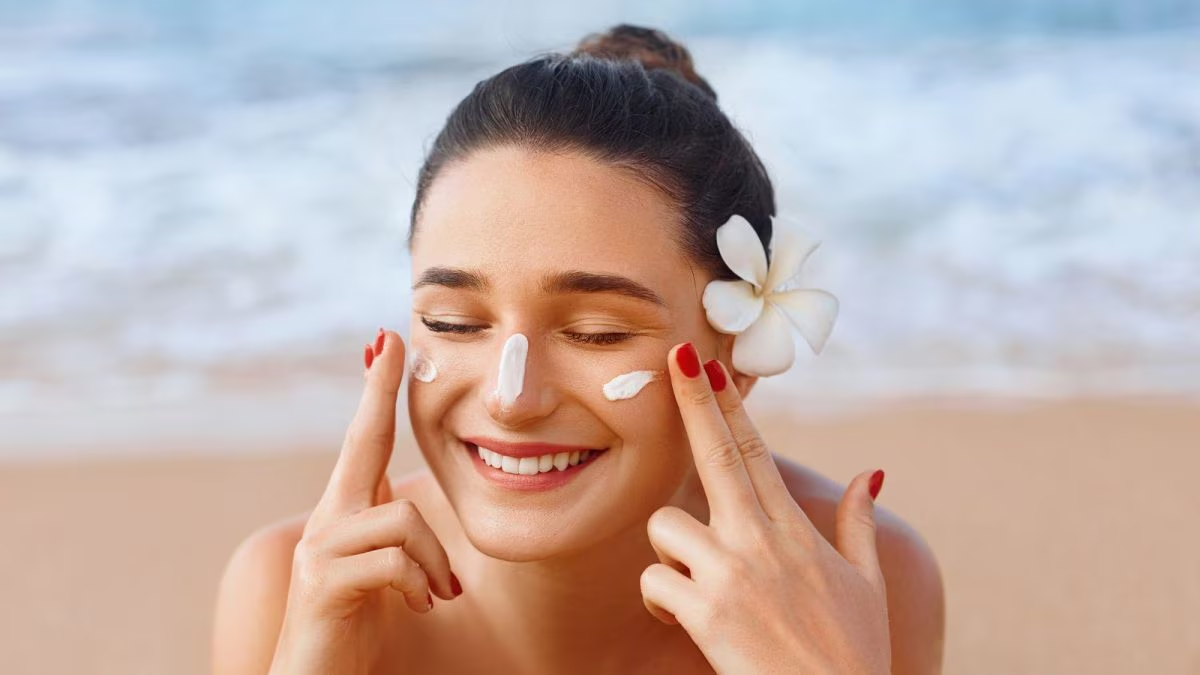
Dermatologists agree that sun protection remains the single most important step in preventing pigmentation. “Start with sunscreen, your non-negotiable shield. UV rays, even sneaking through clouds or windows, ignite 80 per cent of pigmentation issues by overstimulating melanocytes,” says Dr Biswas.

She recommends using a broad-spectrum SPF 50+ sunscreen with PA++++ protection, ideally one that contains zinc for better compatibility with Indian skin tones. Reapplication every three to four hours when outdoors is equally important.

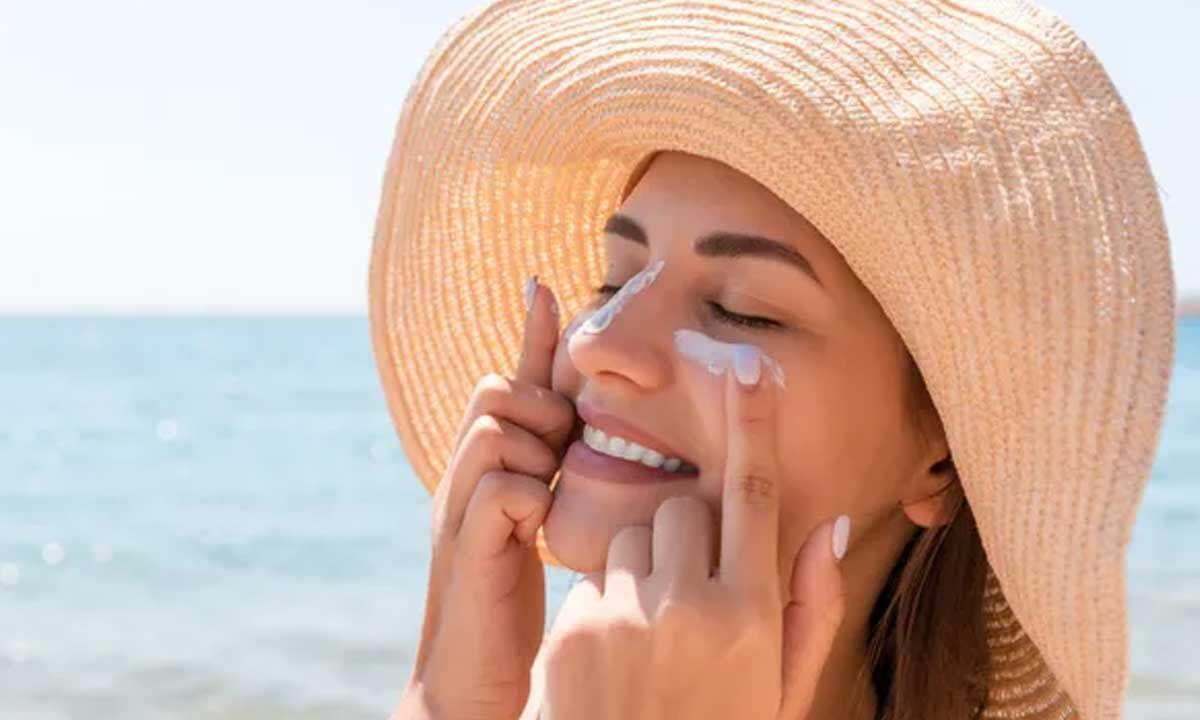
Dr Keshav adds that protective measures beyond sunscreen can also make a difference. Wearing wide-brimmed hats, sunglasses, or using umbrellas during peak sunlight hours can help limit UV exposure and reduce melanin stimulation.

Strengthening The Skin Barrier

Overdoing skincare can sometimes worsen pigmentation instead of preventing it. Dr Keshav explains that excessive exfoliation or harsh products can weaken the skin barrier and trigger irritation, which may later lead to dark spots. Instead, she recommends focusing on barrier-supporting ingredients such as ceramides, hyaluronic acid and calming botanical extracts.

Dr Biswas also suggests gentle cleansing and mindful exfoliation. “Cleanse gently twice daily with a pH-balanced, ceramide-rich formula to whisk away pollutants without stripping natural oils.” She advises exfoliating only twice a week using mild acids like mandelic or lactic acid rather than abrasive scrubs that can inflame the skin.

The Role Of Antioxidants And Hydration

A well-balanced skincare routine also benefits from antioxidant ingredients that help defend the skin against environmental damage. Dr Biswas recommends incorporating vitamin C and niacinamide into nighttime routines. Vitamin C helps brighten the complexion while blocking tyrosinase, the enzyme responsible for melanin production, while niacinamide can help reduce existing dark spots and calm pollution-induced irritation.

Hydration, both internal and external, also plays a key role. Drinking adequate water and using moisturisers containing hyaluronic acid can strengthen the skin barrier and improve resilience against environmental stressors.

Lifestyle Choices Matter Too

Dr Keshav explains that sleep, nutrition and stress management all influence hormonal balance and skin repair. Diets rich in vitamins, minerals and antioxidants can support the skin’s natural healing process and help minimise post-inflammatory pigmentation.

Avoiding habits such as picking pimples is equally important, as it can trigger post-inflammatory hyperpigmentation that takes longer to fade.

Preventing pigmentation is rarely about a single miracle product. Instead, it comes down to a balanced approach that combines sun protection, gentle skincare, antioxidant support and healthy lifestyle habits. By protecting the skin barrier and minimising triggers, it becomes far easier to maintain an even, radiant complexion over time.

Location :

Delhi, India, India

First Published:

March 09, 2026, 10:09 IST

News lifestyle beauty Struggling With Dark Spots? Skincare Experts Say Prevention Is The Real Game-ChangerDisclaimer: Comments reflect users’ views, not News18’s. Please keep discussions respectful and constructive. Abusive, defamatory, or illegal comments will be removed. News18 may disable any comment at its discretion. By posting, you agree to our Terms of Use and Privacy Policy.

Tags: , , , , , , , , ,
Why Sunscreen Is the Real Anti-Ageing Hero

Why Sunscreen Is the Real Anti-Ageing Hero

In the race for youthful, glowing skin, shelves are crowded with expensive creams, serums and high-tech treatments promising to turn back time. Yet, skin experts agree that the most powerful and accessible anti-ageing tool is also the simplest — sunscreen.

Sun exposure is responsible for most visible signs of ageing. From fine lines and sagging to dullness and dark spots, the damage caused by ultraviolet (UV) rays slowly breaks down the skin’s natural support system. Over time, collagen and elastin — the proteins that keep skin firm and smooth — weaken, leading to premature ageing that no luxury cream can fully undo.

Sunscreen works differently from cosmetic products. Instead of trying to repair damage after it happens, it stops that damage before it begins. By blocking harmful UVA and UVB rays, sunscreen prevents the deep-level breakdown of skin tissue that leads to wrinkles, uneven texture and loss of elasticity.

It also plays a major role in controlling pigmentation. Sun exposure triggers excess melanin production, which causes dark patches, sun spots and uneven tone. Regular use of sunscreen helps keep skin clearer and more even by reducing this unwanted pigment response.

Beyond appearance, sun protection is closely tied to long-term health. Prolonged UV exposure can damage skin cell DNA, increasing the risk of skin cancer and accelerating overall skin ageing. Wearing sunscreen daily provides a simple but effective layer of defence against these serious concerns.

Another often-overlooked benefit is how sunscreen supports other skincare products. Ingredients such as vitamin C, retinol and peptides perform far better when skin is protected from the sun. Without sunscreen, UV damage can cancel out the benefits of even the most advanced treatments.

In today’s wellness-focused world, sunscreen has become more than just a beach essential. It is a daily habit that preserves skin strength, appearance and health over the long term. By protecting at the source of ageing and damage, sunscreen stands out as one of the most valuable tools for anyone looking to maintain youthful, resilient skin well into the future.

Tags: , , ,
People who appear decades younger than their real age almost always have these 5 daily habits, according to a mindfulness expert – VegOut

People who appear decades younger than their real age almost always have these 5 daily habits, according to a mindfulness expert – VegOut

Ever notice how some people just seem to glow with an energy that makes them look way younger than their years?

I was grabbing my usual black coffee last week when I ran into an old colleague. We hadn’t seen each other in maybe five years, but while I felt every one of those years showing on my face, she looked exactly the same. Maybe even better.

It got me thinking about what separates those who age gracefully from those of us who feel every birthday like a weight. And after diving deep into mindfulness research and observing the habits of people who seem to defy aging, I’ve discovered it’s not about expensive creams or extreme diets.

The people who look decades younger than their real age share something much simpler: daily habits rooted in mindfulness.

These aren’t complicated rituals or time-consuming routines. They’re small, intentional practices that anyone can adopt. And according to mindfulness experts, they work because they address aging from the inside out, reducing stress, improving mental clarity, and boosting overall vitality.

Ready to discover what these age-defying individuals do differently? Let’s explore the five daily habits that could transform not just how you look, but how you feel about each passing year.

1. They prioritize quality sleep like their life depends on it

Here’s something that might surprise you: those people who look perpetually young? They’re probably in bed by 10 PM.

While the rest of us are scrolling through our phones or binge-watching another series, they’re getting their seven to nine hours of quality sleep. And this isn’t just about quantity. It’s about creating a sleep ritual that actually works.

Think about it. When you’re sleep-deprived, what happens? Your skin looks dull, bags appear under your eyes, and you reach for that third (or fourth) cup of coffee just to function. Chronic sleep deprivation accelerates aging at a cellular level, increasing cortisol production and breaking down collagen faster.

The age-defiers I’ve observed treat their bedroom like a sanctuary. No screens, cool temperature, maybe some lavender on the pillow. They understand that sleep is when your body repairs itself, produces growth hormone, and clears out cellular waste.

Want to start? Try this: Set a non-negotiable bedtime alarm. Not for waking up, but for starting your wind-down routine. When it goes off, screens go dark, and you begin preparing your body for rest.

2. They move their bodies every single day

You know what I’ve learned from my daily runs through the humid streets of Saigon? Movement isn’t just exercise. It’s a conversation with your body.

People who look younger than their years don’t necessarily spend hours at the gym. Instead, they’ve mastered the art of consistent, enjoyable movement. Maybe it’s yoga, dancing, swimming, or just a brisk morning walk. The key is they do it daily, and they actually enjoy it.

In my book “Hidden Secrets of Buddhism: How To Live With Maximum Impact and Minimum Ego”, I explore how Buddhist monks maintain remarkable vitality through simple walking meditation. They’re not power walking or checking their step count. They’re moving with intention and awareness.

Hidden Secrets of Buddhism: How To Live With Maximum Impact and Minimum Ego

The science backs this up. Regular movement improves circulation, delivers oxygen to your cells, and triggers the release of endorphins. It also helps maintain muscle mass, which naturally decreases with age but is crucial for that youthful appearance and energy.

Here’s my challenge to you: Find a form of movement that doesn’t feel like punishment. Something you’d miss if you couldn’t do it tomorrow. That’s your golden ticket to sustainable, age-defying exercise.

3. They practice stress management like it’s their job

Want to know the fastest way to age yourself? Chronic stress.

Those worry lines, that tension in your shoulders, the way your jaw clenches when you’re overwhelmed? That’s stress literally aging you from the inside out.

People who maintain their youthful appearance have figured out something crucial: stress management isn’t optional. It’s as essential as brushing your teeth.

My own meditation practice varies. Sometimes I sit for 30 minutes, sometimes just five. But it happens every day without fail. And you know what? On the days when I think I don’t have time for it, that’s usually when I need it most.

These age-defiers use different techniques. Some meditate, others practice deep breathing, journal, or spend time in nature. The method matters less than the consistency. They’ve learned to create space between themselves and their stressors.

Research shows that chronic stress shortens telomeres, those protective caps on our DNA that are directly linked to aging. Managing stress isn’t just about feeling better. It’s about preserving your cellular youth.

4. They hydrate like they’re preparing for a marathon

This might sound too simple to matter, but hear me out.

Ever notice how a plant perks up after watering? Your body works the same way. Those people with the glowing, plump skin that seems to defy gravity? They’re drinking water like it’s their favorite beverage.

And I’m not talking about those sugary drinks or even too much coffee (though I’ll never give up my morning black coffee ritual). I mean pure, simple water. Lots of it.

Dehydration shows up on your face faster than almost anything else. Fine lines become more pronounced, skin loses its elasticity, and you develop that tired, drawn look that adds years to your appearance.

The youth-preservers I know carry water bottles everywhere. They start their day with a big glass of water before anything else touches their lips. They’ve made hydration a non-negotiable habit, not something they remember to do when they’re already parched.

Aim for at least eight glasses a day, more if you’re active or live in a hot climate. Your skin, energy levels, and overall appearance will thank you.

5. They eat mindfully and choose whole foods

Have you ever watched someone who looks incredibly young for their age eat a meal? They’re probably not wolfing it down while checking emails.

The people who seem to age in reverse have a different relationship with food. They eat slowly, savoring each bite. They choose whole, unprocessed foods most of the time. And they listen to their bodies rather than following the latest fad diet.

This mindful approach to eating reduces inflammation, one of the primary drivers of aging. When you eat slowly, you digest better, absorb more nutrients, and are less likely to overeat.

These individuals typically load up on antioxidant-rich foods like berries, leafy greens, and colorful vegetables. They enjoy healthy fats from sources like avocados and nuts. They’re not obsessive about it, but they understand that food is fuel, and better fuel leads to better performance and appearance.

My coffee ritual each morning has taught me this: when you pay attention to what you’re consuming, you naturally make better choices. You start craving nourishment over empty calories.

Final words

Looking younger than your age isn’t about finding the fountain of youth or spending thousands on treatments. It’s about these simple, daily habits that compound over time.

The beautiful thing about these practices? They don’t just make you look younger. They make you feel younger too. More energized, more resilient, more alive.

Start with just one habit. Master it for a month before adding another. Remember, small daily practices matter more than grand transformations. The person you’ll be in five years is being shaped by the habits you choose today.

Which one will you start with?


VegOut Magazine’s November Edition Is Out!

In our latest Magazine “Curiosity, Compassion & the Future of Living” you’ll get FREE access to:

    • – 5 in-depth articles
    • – Insights across Lifestyle, Wellness, Sustainability & Beauty
    • – Our Editor’s Monthly Picks
    • – 4 exclusive Vegan Recipes

Learn more


Tags: , , , , , , , , ,
Best oLive
Privacy Overview

This website uses cookies so that we can provide you with the best user experience possible. Cookie information is stored in your browser and performs functions such as recognising you when you return to our website and helping our team to understand which sections of the website you find most interesting and useful.