What is sensory mindfulness?

What is sensory mindfulness?

What’s the story

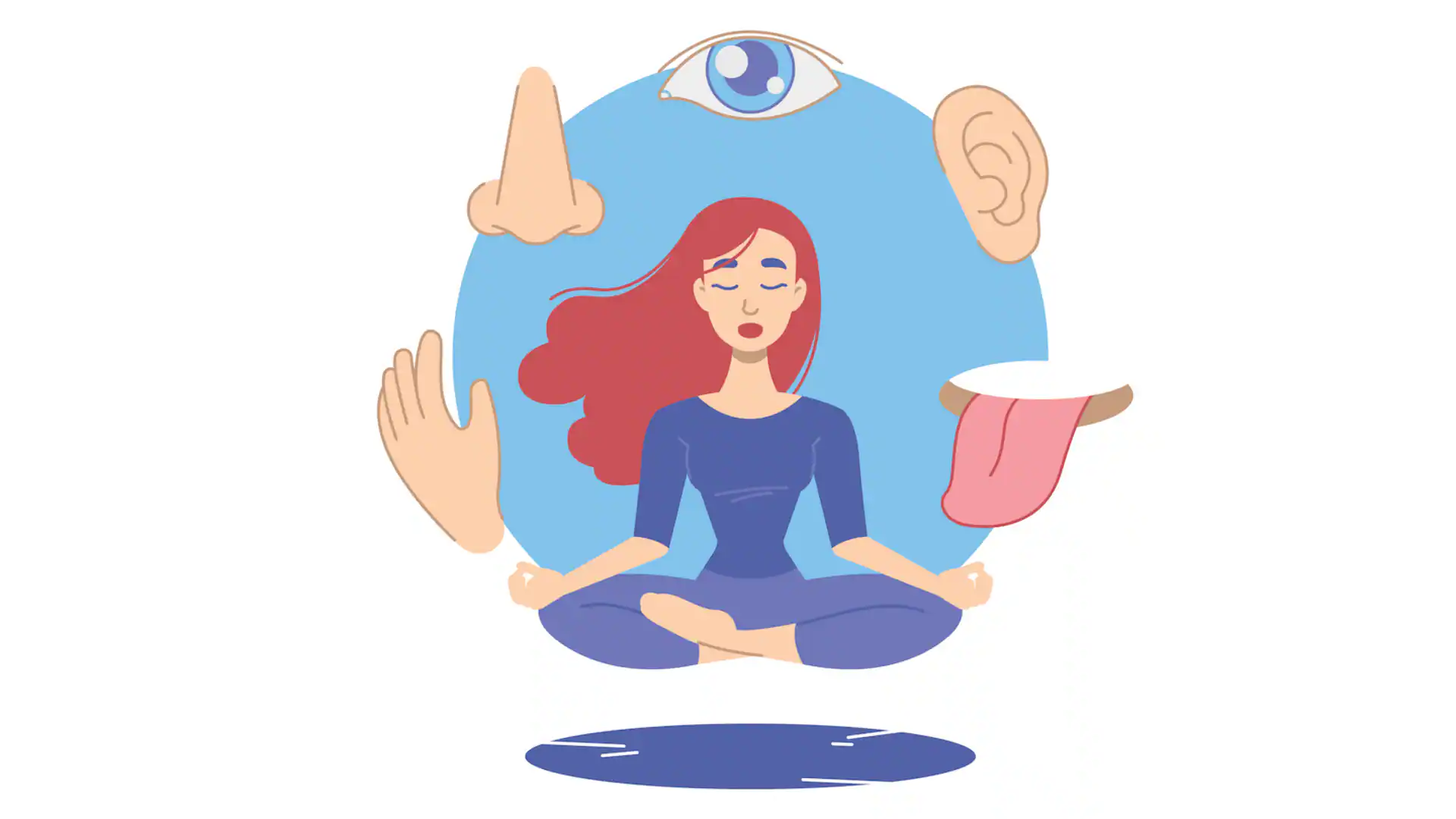
Sensory mindfulness is a simple yet effective way to improve your well-being by focusing on the five senses.
The practice encourages you to be present and aware of your surroundings, which can help reduce stress and improve mental clarity.
By incorporating sensory mindfulness into your daily routine, you can develop a deeper connection with the world around you.
Here are five beginner-friendly habits that can help you get started with sensory mindfulness.

Focus on your breathing

Paying attention to your breath is the simplest way to practice sensory mindfulness.
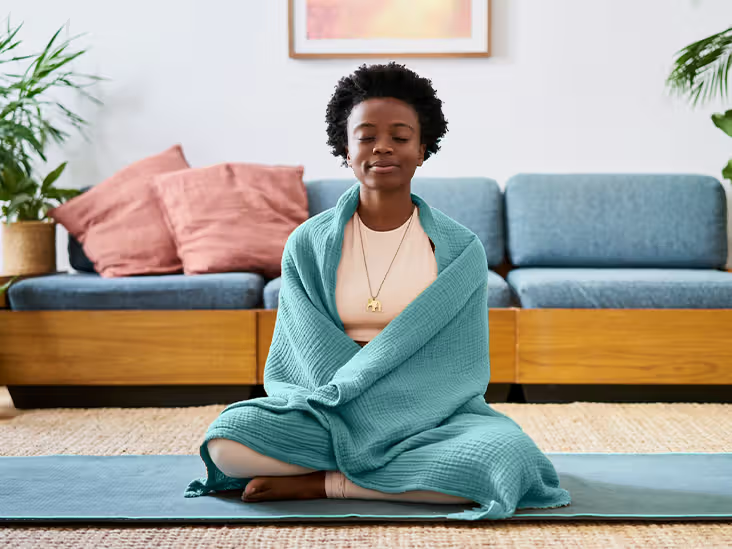
Sit comfortably and take deep breaths in and out through your nose.
Concentrate on the sensation of air entering and leaving your body.
This practice calms the mind and brings your focus back to the present moment, making it easier to let go of distractions.

Engage with nature

Spending time outdoors lets you connect with nature through sight, sound, touch, smell, and sometimes taste.
Go for a walk in a park or garden where you can observe trees, flowers, birds, and other elements of nature.
Notice how they feel underfoot or how they smell in the air around you.
Engaging with nature helps ground you in reality while promoting relaxation.

Practice mindful eating

Mindful eating means paying full attention to what you eat by using all five senses—sight, smell, touch, taste, and sound—while eating slowly without distractions like television or smartphones.
Notice colors on your plate; savor flavors as they unfold; feel textures between fingers; listen closely when chewing; inhale aromas wafting from food items before tasting them fully.
This habit promotes awareness around meals instead of mindless consumption habits often seen today.

Listen intently

Listening intently means focusing completely on sounds around us without judgment or interpretation. Be it music played by someone else or sounds made naturally.
This could be birds chirping outside our windows in the early morning hours, perhaps even raindrops falling gently onto rooftops nearby.
This practice encourages active listening skills, which ultimately leads towards greater presence within ourselves, too. Over time spent practicing regularly enough, it becomes second nature eventually.

Observe surroundings mindfully

Observing surroundings mindfully entails taking a moment every now and then just to look around and notice details we might otherwise overlook.
These could be colors, shapes, textures, patterns, etc. These are present in our immediate vicinity, but often go unnoticed due to our busy schedules.
We tend to rush through life, focusing solely on tasks at hand, forgetting to appreciate the beauty surrounding us.

Tags: ,
Winter micro-habits to increase mindfulness

Winter micro-habits to increase mindfulness

Mindfulness, a practice that helps you focus on the present moment, can be particularly beneficial during the winter months, when days are cold and darker.

It’s totally expected to feel more sluggish and tired during winter, when the days are shorter, the bright lights of the holidays are over, and the lack of daylight makes everything feel heavier.

However, there are ways to appreciate the winter months, helping the mind focus on quieter moments and uplifting the mood through serotonin-boosting activities.

Self-compassion and self-care not only go hand in hand, but can also be a small, yet significant, micro-habit that greatly boosts the mind and body during the winter months.

Self-compassion means treating yourself with kindness, love, compassion, and care, just as you’d treat a friend. Studies find it can help cultivate a sense of emotional safety, which means feeling secure within oneself, allowing you to be your true, authentic self, vulnerable, and without any fear of judgment or backlash from others.

In other words, practicing self-compassion during winter can help you accept and not judge your own emotions or feelings, particularly if the cold and dark winter months make you feel a little more glum than usual.

Ways to practice self-compassion to increase mindfulness include:

  • acknowledging and accepting how you feel without judging yourself and with compassion, such as accepting that you may experience seasonal affective disorder (SAD) due to weather changes during winter
  • recognizing that winter can be a difficult time for many, due to reasons such as weather changes, expectations that come with the holidays, and a reduction in sunlight, causing lower vitamin D and serotonin levels
  • practising supportive self-talk such as “I am doing the best I can” or “I am strong and capable”, out loud or internally
  • giving yourself affirming, warm, physical touches, such as hugging yourself or putting a hand over your heart
  • observing difficult thoughts, but not becoming consumed by them

Self-compassion involves adopting a non-judgmental attitude toward oneself, especially when experiencing negative emotions such as sadness or stress. It includes recognizing that it is part of the human experience to have days that don’t feel so good.

Alongside this, practicing self-care with self-compassion can also help increase mindfulness and improve your mood during winter. This may involve:

  • focusing on staying warm and cosy, such as wearing warm clothes, sitting by a fire, or curling up in a blanket with your favorite movie
  • eating your favorite foods that are particularly nourishing during wintertime, such as hot soups and other hearty meals
  • doing cozy indoor activities such as having a hot bath, hot shower, baking bread, or making holiday cookies
  • creating a cosy atmosphere, such as lighting candles, putting on cozy string lights, and using warm blankets
  • prioritizing exercise and eating well, nourishing the mind and body
  • taking care of yourself and your body in the form of practising good skin care during the harsh winter months

Both self-compassion and self-care can help build emotional resilience to changing and harsh weather conditions, cultivate a sense of joy in oneself and one’s life, boost physical and mental health, and help combat feelings of isolation and loneliness.

Mindful winter activities can help a person embrace the stillness and quietness of winter, focusing on the beauty it brings rather than the often cold, harsh weather and limited sunlight.

Mindful activities can help you focus on the present and appreciate the moments that make winter beautiful, while also boosting both mental and physical health. They can help improve stress levels, as well as improve mental health conditions such as anxiety and depression.

  • taking a walk in nature, particularly if it is frosty or snowing, appreciating and paying attention to the beauty that cold weather brings such as winter plants and berries, bare trees, and winter wildlife, such as robins or sparrows. It can even help boost the immune system and reduce inflammation
  • doing mindful exercises such as yoga, which studies prove can help aid mental health
  • enjoying making and drinking hot drinks such as tea, hot chocolate, eggnog, mulled wine, and seasonally-flavored coffee
  • spending time in the kitchen making winter-themed foods, such as baking cakes, cookies, or making soups, paying attention to the delicious smells
  • immersing yourself fully in a book, reading while wrapped up warm and cozy
  • doing mindful creative activities, such as knitting, crocheting, painting, and drawing
  • journaling, maybe writing about your favorite things that occur during wintertime

All of these activities, which you can complete in small amounts of time, such as 5 to 10 minutes, can help you focus on the world around you, be present and aware, and enjoy the current moment.

Tags: , , ,
People who appear decades younger than their real age almost always have these 5 daily habits, according to a mindfulness expert – VegOut

People who appear decades younger than their real age almost always have these 5 daily habits, according to a mindfulness expert – VegOut

Ever notice how some people just seem to glow with an energy that makes them look way younger than their years?

I was grabbing my usual black coffee last week when I ran into an old colleague. We hadn’t seen each other in maybe five years, but while I felt every one of those years showing on my face, she looked exactly the same. Maybe even better.

It got me thinking about what separates those who age gracefully from those of us who feel every birthday like a weight. And after diving deep into mindfulness research and observing the habits of people who seem to defy aging, I’ve discovered it’s not about expensive creams or extreme diets.

The people who look decades younger than their real age share something much simpler: daily habits rooted in mindfulness.

These aren’t complicated rituals or time-consuming routines. They’re small, intentional practices that anyone can adopt. And according to mindfulness experts, they work because they address aging from the inside out, reducing stress, improving mental clarity, and boosting overall vitality.

Ready to discover what these age-defying individuals do differently? Let’s explore the five daily habits that could transform not just how you look, but how you feel about each passing year.

1. They prioritize quality sleep like their life depends on it

Here’s something that might surprise you: those people who look perpetually young? They’re probably in bed by 10 PM.

While the rest of us are scrolling through our phones or binge-watching another series, they’re getting their seven to nine hours of quality sleep. And this isn’t just about quantity. It’s about creating a sleep ritual that actually works.

Think about it. When you’re sleep-deprived, what happens? Your skin looks dull, bags appear under your eyes, and you reach for that third (or fourth) cup of coffee just to function. Chronic sleep deprivation accelerates aging at a cellular level, increasing cortisol production and breaking down collagen faster.

The age-defiers I’ve observed treat their bedroom like a sanctuary. No screens, cool temperature, maybe some lavender on the pillow. They understand that sleep is when your body repairs itself, produces growth hormone, and clears out cellular waste.

Want to start? Try this: Set a non-negotiable bedtime alarm. Not for waking up, but for starting your wind-down routine. When it goes off, screens go dark, and you begin preparing your body for rest.

2. They move their bodies every single day

You know what I’ve learned from my daily runs through the humid streets of Saigon? Movement isn’t just exercise. It’s a conversation with your body.

People who look younger than their years don’t necessarily spend hours at the gym. Instead, they’ve mastered the art of consistent, enjoyable movement. Maybe it’s yoga, dancing, swimming, or just a brisk morning walk. The key is they do it daily, and they actually enjoy it.

In my book “Hidden Secrets of Buddhism: How To Live With Maximum Impact and Minimum Ego”, I explore how Buddhist monks maintain remarkable vitality through simple walking meditation. They’re not power walking or checking their step count. They’re moving with intention and awareness.

Hidden Secrets of Buddhism: How To Live With Maximum Impact and Minimum Ego

The science backs this up. Regular movement improves circulation, delivers oxygen to your cells, and triggers the release of endorphins. It also helps maintain muscle mass, which naturally decreases with age but is crucial for that youthful appearance and energy.

Here’s my challenge to you: Find a form of movement that doesn’t feel like punishment. Something you’d miss if you couldn’t do it tomorrow. That’s your golden ticket to sustainable, age-defying exercise.

3. They practice stress management like it’s their job

Want to know the fastest way to age yourself? Chronic stress.

Those worry lines, that tension in your shoulders, the way your jaw clenches when you’re overwhelmed? That’s stress literally aging you from the inside out.

People who maintain their youthful appearance have figured out something crucial: stress management isn’t optional. It’s as essential as brushing your teeth.

My own meditation practice varies. Sometimes I sit for 30 minutes, sometimes just five. But it happens every day without fail. And you know what? On the days when I think I don’t have time for it, that’s usually when I need it most.

These age-defiers use different techniques. Some meditate, others practice deep breathing, journal, or spend time in nature. The method matters less than the consistency. They’ve learned to create space between themselves and their stressors.

Research shows that chronic stress shortens telomeres, those protective caps on our DNA that are directly linked to aging. Managing stress isn’t just about feeling better. It’s about preserving your cellular youth.

4. They hydrate like they’re preparing for a marathon

This might sound too simple to matter, but hear me out.

Ever notice how a plant perks up after watering? Your body works the same way. Those people with the glowing, plump skin that seems to defy gravity? They’re drinking water like it’s their favorite beverage.

And I’m not talking about those sugary drinks or even too much coffee (though I’ll never give up my morning black coffee ritual). I mean pure, simple water. Lots of it.

Dehydration shows up on your face faster than almost anything else. Fine lines become more pronounced, skin loses its elasticity, and you develop that tired, drawn look that adds years to your appearance.

The youth-preservers I know carry water bottles everywhere. They start their day with a big glass of water before anything else touches their lips. They’ve made hydration a non-negotiable habit, not something they remember to do when they’re already parched.

Aim for at least eight glasses a day, more if you’re active or live in a hot climate. Your skin, energy levels, and overall appearance will thank you.

5. They eat mindfully and choose whole foods

Have you ever watched someone who looks incredibly young for their age eat a meal? They’re probably not wolfing it down while checking emails.

The people who seem to age in reverse have a different relationship with food. They eat slowly, savoring each bite. They choose whole, unprocessed foods most of the time. And they listen to their bodies rather than following the latest fad diet.

This mindful approach to eating reduces inflammation, one of the primary drivers of aging. When you eat slowly, you digest better, absorb more nutrients, and are less likely to overeat.

These individuals typically load up on antioxidant-rich foods like berries, leafy greens, and colorful vegetables. They enjoy healthy fats from sources like avocados and nuts. They’re not obsessive about it, but they understand that food is fuel, and better fuel leads to better performance and appearance.

My coffee ritual each morning has taught me this: when you pay attention to what you’re consuming, you naturally make better choices. You start craving nourishment over empty calories.

Final words

Looking younger than your age isn’t about finding the fountain of youth or spending thousands on treatments. It’s about these simple, daily habits that compound over time.

The beautiful thing about these practices? They don’t just make you look younger. They make you feel younger too. More energized, more resilient, more alive.

Start with just one habit. Master it for a month before adding another. Remember, small daily practices matter more than grand transformations. The person you’ll be in five years is being shaped by the habits you choose today.

Which one will you start with?


VegOut Magazine’s November Edition Is Out!

In our latest Magazine “Curiosity, Compassion & the Future of Living” you’ll get FREE access to:

    • – 5 in-depth articles
    • – Insights across Lifestyle, Wellness, Sustainability & Beauty
    • – Our Editor’s Monthly Picks
    • – 4 exclusive Vegan Recipes

Learn more


Tags: , , , , , , , , ,
Best oLive
Privacy Overview

This website uses cookies so that we can provide you with the best user experience possible. Cookie information is stored in your browser and performs functions such as recognising you when you return to our website and helping our team to understand which sections of the website you find most interesting and useful.