Must-have skincare ingredients for every age group • PhilSTAR Life

Must-have skincare ingredients for every age group • PhilSTAR Life

Every now and then, a new beauty trend dominates our feeds—from must-have launches to formulas promising everything from glass skin to age-defying magic. It’s easy to get swept up when favorite creators swear by a product, but before adding that viral serum to your cart, ask yourself: Is it actually right for your skin—and your age?

Choosing skincare goes beyond picking a popular brand, believing bold marketing claims, or falling for pretty packaging and pleasant fragrances. The key to building an effective routine is paying attention and understanding a product’s ingredients.

If you’re wondering where to start, experts break down the science-backed ingredients your skin craves at every stage of life.

Embracing the journey of aging

Gone are the days when aging was treated like a crisis that needed constant fixing. Dr. Jarische Lao-Ang points out a cultural pivot, noting that people are finally ditching the fear of growing older and instead leaning into self-care that celebrates natural longevity. 

“I think with the advent of an emphasis on the importance of proper skincare or taking good care of yourself, people are now more leaning towards embracing what aging really is,” she told PhilSTAR L!fe.

Board-certified dermatologist Dr. Mai Diño-Yanga shared a similar view, saying, “Instead of treating wrinkles, laugh lines, or volume changes as problems to be erased, the pro-aging mindset treats them as normal, expected evidence of a life being lived, and it puts the focus back on skin health rather than skin ‘perfection.’ Skincare supports that by prioritizing function over correction,” she said.

She added that the focus is more on building healthy, resilient skin through proper care than aggressively treating wrinkles, emphasizing graceful aging over looking ageless.

Essential skincare ingredients for different ages

While you can build healthy habits at any age, early prevention creates the ultimate foundation for skin resilience. During the teenage years, puberty often brings oiliness and breakouts, making a minimalist approach best: a cleanser and sunscreen by day, paired with a cleanser and moisturizer at night. Salicylic acid or mild retinoids can be introduced to keep pores clear, but daily sun protection remains the absolute need.

In your 20s

Entering your 20s is the ideal window to establish habits that safeguard your skin long-term, Diño-Yanga, owner of Pacific Skin Bel-Air and MDY Skincare, said.

Both dermatologists emphasize that daily broad-spectrum SPF 30 or higher is a strict, “non-negotiable” step to prevent premature photoaging.

As natural collagen production quietly begins to slow down, this decade focuses on early defense. Niacinamide helps balance oil and strengthen the barrier, Vitamin C delivers essential morning antioxidant defense, and gentle alpha-hydroxy acids (AHAs) like lactic or glycolic acid keep cell turnover smooth.

In your 30s

By the time you reach your 30s, skincare becomes more targeted toward maintaining barrier strength and smoothing early fine lines, Lao-ang noted. This is often the decade to transition from gentle retinol to stronger retinoids, including prescription tretinoin, based on your skin’s tolerance.

To complement these powerful actives, hydration powerhouses like peptides, polynucleotides, and ceramide-rich moisturizers take priority to keep the skin firm, plump, and deeply nourished.

Meanwhile, Diño-Yanga explained that as collagen production gradually declines, ingredients like retinoids can help support collagen and improve skin texture. She added that vitamin C and peptides can help protect and support the skin, while a ceramide-rich moisturizer and daily SPF 30 to 50 remain important to maintain the skin barrier and prevent further damage.

In your 40s, 50s

In your 40s and 50s, natural collagen loss accelerates, cell turnover slows, and dryness becomes far more common due to hormonal shifts like perimenopause. Barrier repair and deep hydration become the main defense, Lao-ang said.

Look for rich formulas packed with hyaluronic acid, glycerin, and barrier-replenishing lipids like ceramides, cholesterol, and fatty acids. Antioxidants like vitamin C and exfoliating acids provide additional support.

Higher-strength retinoids and exfoliating acids still play a key role in boosting cell turnover, Diño-Yanga said, while tinted sunscreens offer necessary added protection against visible light that triggers stubborn pigmentation. Many individuals may also explore clinic-based treatments such as injectables and lasers, emphasizing that skincare should always be personalized based on each person’s needs and concerns.

Ingredients to use separately and those that work together

When building your daily routine, chemical compatibility is just as crucial as ingredient selection. Both dermatologists advised caution when using multiple strong actives together, as over-layering can lead to irritation and weaken the skin barrier.

Lao-Ang said beginners and those with sensitive skin should avoid combining retinol with hydroxy acids, vitamin C, or hydroquinone in the same routine since they can destabilize one another and irritate sensitive skin. Instead, these ingredients can be separated by time of day, such as using vitamin C in the morning and retinoids at night.

Similarly, ingredients like retinoids should also not be used together with AHAs, BHAs, or benzoyl peroxide, as it can reduce the former’s effectiveness while increasing dryness and irritation.

When paired correctly, certain ingredients can complement each other and improve results. Antioxidants like Vitamin C work synergistically with morning sunscreen to build an enhanced shield against environmental damage.

For improving texture and preventing signs of aging, she also recommended balancing retinoids with gentler ingredients such as niacinamide, cica, centella asiatica, ceramides, and hydrating ingredients like hyaluronic acid and glycerin.

Hyaluronic acid and exfoliating acids also complement barrier repair creams, allowing you to shed dead skin cells without stripping away vital moisture.

To keep things simple, Dr. Diño-Yanga advises separating strong actives by the time of day rather than layering everything into a single step.

“My general rule for patients: separate your strong actives by time of day rather than trying to layer everything into one routine. Antioxidants and SPF belong in the morning; retinoids and acids belong at night,” she said.

Both dermatologists emphasized that skincare is not a one-size-fits-all approach. Overall formulation also matters just as much as key ingredients—fragrances, preservatives, and conflicting active blends can still irritate skin even if a single component seems gentle.

Ultimately, effective skincare requires realistic expectations and a healthy dose of patience. Diño-Yanga dispels the widespread myth that skin becomes “addicted” to retinol, clarifying that stopping its use won’t cause sudden, accelerated aging; your skin simply returns to its natural aging rate.

“I think this myth genuinely keeps people away from ingredients that are well-studied, well-understood, and effective, out of a fear that isn’t backed by any real evidence. That’s the real cost of the myth, not that people age faster, but that they age without the tools that could have helped them,” she told L!fe.

Lao-Ang noted that the right ingredients, procedures when needed, and healthy lifestyle habits all play a role in maintaining skin health.

“Aging is really inevitable. Everyone ages, everyone matures. It’s just a matter of knowing how to take good care of yourself,” she said.

Tags: , , , , , ,
What Habits Are Worth Adopting After the Age of 30? Everyday Choices That Support Health and Wellbeing

What Habits Are Worth Adopting After the Age of 30? Everyday Choices That Support Health and Wellbeing

TURNING 30 is often a moment when many people start reflecting on their lifestyle and overall wellbeing. It does not mark a sudden turning point, but it is a time when we may begin to notice that recovery after a sleepless night takes longer, stress affects us more strongly, and our skin and body require more conscious care. Introducing a few simple habits can help support health, energy levels and appearance for years to come.

Why Is It Worth Taking Better Care of Your Body After 30?

The body is constantly changing, regardless of age. After the age of 30, natural processes may gradually occur, including changes related to metabolism, the production of certain structural proteins and the speed of tissue regeneration.

One of the important substances whose natural production decreases over time is collagen. This protein is found in the skin, cartilage, bones, tendons and ligaments. Its levels are associated with skin elasticity and the proper functioning of many structures throughout the body.

However, reaching your thirties does not mean you should focus only on ageing processes. It is a great time to build lasting foundations for a healthy lifestyle.

Regular Exercise as the Foundation of Good Fitness

Physical activity is one of the most important habits worth maintaining throughout life. It does not have to mean intense workouts every day – consistency is what matters most.

Combining different forms of movement allows you to support your body in a comprehensive way:

· strength training helps maintain muscle mass,

· walking supports everyday activity and fitness,

· mobility exercises improve range of motion,

· yoga or pilates help strengthen the body and improve flexibility.

Strong muscles provide natural support for joints, while regular movement helps maintain mobility for longer.

Sleep and Recovery – An Investment in Energy

After the age of 30, many people notice that their bodies cope less effectively with insufficient sleep. Several nights of poor rest can affect concentration, energy levels and the appearance of the skin.

It is worth supporting healthy sleep habits by:

· keeping regular sleeping and waking times,

· limiting screen use before bedtime,

· creating a relaxing environment for rest,

· avoiding excessive caffeine intake in the evening.

Recovery is just as important as physical activity – it is during rest that the body repairs itself and prepares for future challenges.

A Diet Rich in Essential Nutrients

As we get older, the quality of the food we eat becomes increasingly important. A balanced diet should provide the body with vitamins, minerals, protein and antioxidants.

A daily diet should include:

· vegetables and fruit, which provide vitamins and polyphenols,

· protein-rich foods that support muscle maintenance,

· healthy fats such as olive oil, nuts and fish,

· foods containing nutrients that contribute to normal body functions.

Certain nutrients are particularly important, including vitamin C, which contributes to normal collagen formation, as well as minerals such as magnesium and zinc.

Skincare – Fewer Products, More Consistency

After 30, the skin often requires a more mindful approach. This does not mean using a large number of cosmetic products. The most important factors are consistency and choosing products suited to your skin’s current needs.

A basic daily skincare routine should include:

· gentle cleansing,

· moisturising,

· daily use of SPF protection,

· products that support the skin’s natural processes.

UV radiation is one of the main factors contributing to visible signs of skin ageing, which is why sun protection should be part of your daily routine throughout the year.

Collagen Shots – Convenient Support for Your Daily Routine

One of the growing trends in the beauty and wellness sector is collagen shots. Their popularity comes mainly from their convenient form and the ease with which they can be incorporated into everyday habits.

Collagen shots usually contain hydrolysed collagen, a form that has been broken down into smaller peptides, which may be more easily absorbed by the body. Regular collagen supplementation is often chosen by people who want to support their skin’s condition and provide additional nutritional support as they age.

Collagen is a natural component of the skin, so supplementing it can be part of a comprehensive approach that combines diet, skincare and a healthy lifestyle.

Reducing Stress and Making Time for Yourself

Work, responsibilities and a fast-paced lifestyle mean that many people experience high levels of stress after turning 30. Long-term stress may affect sleep quality, energy levels and overall wellbeing.

Simple daily practices can help, such as:

· regular walks,

· spending time in nature,

· breathing exercises,

· meditation,

· making time for hobbies and relaxation.

Looking after your mental balance is just as important as caring for your physical health.

Regular Check-Ups and Preventive Healthcare

After the age of 30, it is also worth paying more attention to preventive healthcare. Regular check-ups help you better understand your body’s needs and respond more quickly to any changes.

This includes monitoring key health indicators and consulting a healthcare professional if any concerning symptoms appear.

Small Changes Can Bring Long-Term Benefits

You do not need to completely transform your lifestyle after turning 30. The greatest impact often comes from small, consistent actions that gradually become natural parts of everyday life. Regular exercise, a nutritious diet, sufficient sleep, skincare and conscious support for the body, including collagen shots, can help maintain good condition and energy levels for years to come.

Taking care of yourself after 30 should not be seen as a reaction to getting older, but as an investment in comfort, mobility and wellbeing every day.

Article by Emily Spencer

Tags: , , , , , , , ,
Clever Dude

Skin Care Shortcuts Can Age You Faster and These Habits Need to Go

Image Source: Shutterstock.com

Great skin rarely comes from shortcuts. Radiant, healthy skin usually grows out of small habits repeated consistently, yet many routines drift in the opposite direction thanks to convenience, busy schedules, or trendy advice floating around the internet. Some everyday shortcuts feel harmless on the surface, but they quietly chip away at skin health over time. Skipping sunscreen, sleeping in makeup, overusing harsh products, or rushing through cleansing can speed up the appearance of fine lines, dullness, and uneven texture. Dermatologists regularly point out that these habits damage the skin barrier, reduce hydration, and accelerate visible aging.

Healthy skin thrives on balance, protection, and patience. Quick fixes rarely deliver lasting results. A few simple changes can protect the skin, slow visible aging, and help restore that fresh, healthy glow that everyone hopes to see in the mirror.

1. The “Skip the Sunscreen” Habit That Dermatologists Love to Hate

Sun protection stands at the top of nearly every dermatologist’s advice list for a reason. Ultraviolet radiation breaks down collagen and elastin, the proteins that keep skin firm, smooth, and resilient. When those fibers weaken, wrinkles and sagging appear much faster. Yet sunscreen often gets treated like an optional step instead of a daily essential.

Many people only apply sunscreen during beach trips or long summer afternoons outdoors. That approach leaves skin vulnerable during everyday activities such as driving, walking the dog, or sitting near bright windows. UV rays travel through clouds and glass, which means exposure happens even on overcast days. Skin accumulates this damage slowly, and years later the results often show up as fine lines, dark spots, and uneven tone.

A daily sunscreen habit can dramatically slow that process. Dermatologists often recommend broad-spectrum sunscreen with at least SPF 30 for daily use. Applying sunscreen as the final step of a morning skin routine protects against both UVA and UVB rays, which play major roles in premature aging. Reapplication during long days outside strengthens that protection even more.

Anyone looking to simplify the process can choose moisturizers or foundations that contain sunscreen. These products make protection feel effortless while still guarding against damage. Healthy skin thrives when protection becomes automatic instead of occasional.

2. Over-Exfoliating: When “Fresh Skin” Turns Into Angry Skin

Exfoliation can work wonders when done correctly. Removing dead skin cells helps brighten the complexion and improve the effectiveness of skincare products. Trouble begins when enthusiasm turns into over-exfoliation. Many products promise glowing skin through scrubs, acids, or peels. Using too many of these products too often can strip away the skin’s protective barrier. Once that barrier weakens, irritation, redness, dryness, and sensitivity can quickly follow. Skin may even produce extra oil in response to this stress, which creates an entirely new set of problems.

Healthy exfoliation requires restraint and thoughtful timing. Dermatologists often suggest exfoliating only one to three times per week, depending on skin type. Chemical exfoliants such as AHAs and BHAs can provide smoother results than harsh scrubs, especially for sensitive skin. A gentle approach allows the skin barrier to stay strong while still delivering the benefits of exfoliation. Pairing exfoliation with hydrating products also helps restore moisture and balance. When used wisely, exfoliation supports healthy skin rather than pushing it into irritation mode.

Image Source: Shutterstock.com

3. The “More Products Must Be Better” Trap

The skincare industry loves a good 10-step routine, but piling on too many products can overwhelm the skin. Each serum, toner, and treatment introduces new ingredients that may interact with others in unexpected ways. Too many active ingredients can create irritation, redness, and dryness. Retinoids, exfoliating acids, and vitamin C all offer impressive benefits individually, yet combining them without careful planning can stress the skin barrier. Sensitive skin often reacts quickly when faced with an overloaded routine.

A simpler routine often produces stronger results. Dermatologists frequently recommend a basic structure: a gentle cleanser, moisturizer, sunscreen during the day, and one or two targeted treatments based on skin needs. This approach allows each product to work effectively without overwhelming the skin.

Anyone exploring new products should introduce them slowly. Testing one product at a time makes it easier to spot irritation and determine whether the product truly helps. Skin care works best when each step serves a clear purpose instead of creating unnecessary complexity.

4. Neglecting Hydration and Barrier Repair

Healthy skin relies on hydration the same way plants rely on water. Without enough moisture, skin begins to look dull, tight, and uneven. Dehydrated skin also highlights fine lines and wrinkles more dramatically. Many routines focus heavily on treatments but forget about moisture. Strong cleansers, exfoliating products, and acne treatments can strip away natural oils that protect the skin barrier. Once that barrier weakens, moisture escapes quickly, and irritation becomes more likely.

Moisturizers help rebuild and maintain that protective barrier. Ingredients such as ceramides, glycerin, and hyaluronic acid support hydration and strengthen the skin’s natural defenses. A well-formulated moisturizer locks in water and protects the skin from environmental stress.

Hydration also benefits from consistency. Applying moisturizer morning and night keeps the skin balanced throughout the day. Drinking enough water and using a humidifier during dry seasons can also support healthier skin.

Your Skin Keeps Score of Every Habit

Skin remembers everything. Every shortcut, every skipped step, and every smart decision quietly shapes how skin looks and feels over time. Healthy routines do not require complicated formulas or endless products. Consistency, protection, and balance create the real magic. Daily sunscreen, proper cleansing, gentle exfoliation, simple routines, and reliable hydration can transform skin health far more effectively than trendy shortcuts.

A small shift in habits today can create noticeable improvements months down the road. Glowing skin often reflects patience and thoughtful care rather than quick fixes.

Which skincare habit feels hardest to break, and which healthy change might make the biggest difference in a daily routine? Jump into the comments and share your thoughts.

You May Also Like…

From Beard Oil to Skin Serums: Trending Grooming Products Men Are Buying Now

The “Beard Bacteria” Alert: Why Your Post-Workout Routine Is Trapping Harmful Minerals Against Your Skin

8 Grooming Ingredients Men Trust That Were Never Meant for Human Skin

The Health Tests Every Man Should Get Before 40

7 Health Signals Easy to Ignore Until They Aren’t

The post Skin Care Shortcuts Can Age You Faster and These Habits Need to Go appeared first on Clever Dude Personal Finance & Money.

Tags: , , , , ,
Why your skincare stops working at a certain age – and how to adjust your routine 

Why your skincare stops working at a certain age – and how to adjust your routine 

Picture: iStock / Jacoblund

As we age, our skin’s needs change. So, our skincare should, too. If you find yourself side-eyeing your usual skincare products because they don’t seem to be working anymore, here’s why it’s happening. Also, find out how to adjust your routine to suit your skin’s changing needs.

You may have noticed that your favourite skincare products don’t work quite the way they used to. This isn’t because the product has suddenly become ineffective, but because the skin’s needs have changed.

Skin often begins to behave differently in the mid-30s and again when a woman enters perimenopause. At this stage, hormonal and structural changes affect how the skin responds to ingredients. But the good news is that a few tweaks to your routines can make a huge difference.

Also see: Why are dermatologists concerned about social media skincare for teens? 

Biological and structural ageing

As we age, the skin’s natural cell turnover slows. Dead skin cells build up more easily, leaving skin looking dull and less responsive to active ingredients. 

At the same time, collagen and elastin production decline. This leads to reduced firmness and elasticity, which topical creams can’t really fix. The skin also produces less oil, making it drier and weakening the skin barrier. For many women, this barrier starts to decline in the mid-30s. 

Perimenopause/menopause

Hormonal changes during perimenopause accelerate these shifts. A drop in oestrogen contributes to a rapid decline in collagen production, while fluctuating androgen levels can lead to adult acne, dryness or sensitivity. As a result, products that once worked well – even a favourite moisturiser – may suddenly seem less effective. 

External factors

Lifestyle plays a role. High sugar intake, poor sleep and lack of sunscreen can impact how skincare performs. Using formulas that no longer suit your skin type and age also irritates and reduces results. 

Also see: Struggling with dark marks? Try this tumeric skincare routine

How to adjust your routine 

1. Prioritise barrier support: 

Your skin barrier protects against pollutants and locks in moisture. Support it with a gentle cleanser and barrier-support ingredients like ceramides. Avoid exfoliants and retinoids until irritation settles. 

2. Switch to richer formulations: 

Hydrating creams and serums can replenish the lipids your skin loses with age. 

3. Introduce stronger activities carefully: 

If your routine has hit a plateau, ingredients such as antioxidants or retinoids can help – but only once the skin barrier is healthy. 

4. In-clinic treatments: 

For deeper structural concerns, treatments such as microneedling and other non-invasive procedures may offer results that topical products cannot. 

The bottom line

Skincare needs evolve with age. By understanding them and adapting your routine, you can continue to support and enjoy healthy, glowing skin. 

Also see: When skincare stops working: The medical reason your skin may be pushing back

Feature Image: Gettys

Complied by Shaneen Noble 

First published on Woman and Home

Be the first to know – Join our WhatsApp channel for content worth tapping into. Click here to join!

Tags: , , , , ,
Why skincare stops working as you age – and how to fix your routine

Why skincare stops working as you age – and how to fix your routine

As we age, our skin’s needs change. So our skincare should, too. If you find yourself side-eyeing your usual skincare products because they don’t seem to be working anymore, here’s why it’s happening. Also find out how to adjust your routine to suit your skin’s changing needs.

ALSO SEE: Barrier-repair skincare ingredients every woman should know

You may have noticed that your favourite skincare products don’t work quite the way they used to. This isn’t because the product has suddenly become ineffective but because the skin’s needs have changed. 

Skin often begins to behave differently in the mid-30s and again when a woman enters perimenopause. At this stage, hormonal and structural changes affect how the skin responds to ingredients. But the good news is that a few tweaks to your routines can make a huge difference.

Biological and structural ageing

As we age, the skin’s natural cell turnover slows. Dead skin cells build up more easily, leaving skin looking dull and less responsive to active ingredients.

At the same time, collagen and elastin production declines. This leads to reduced firmness and elasticity, which topical creams can’t really fix. The skin also produces less oil, making it drier and weakening the skin barrier. For many women, this barrier starts to decline in the mid-30s.

Perimenopause/menopause

Hormonal changes during perimenopause accelerate these shifts. A drop in oestrogen contribute to a rapid decline in collagen production, while fluctuating androgen levels can lead to adult acne, dryness or sensitivity. As a result, products that once worked well – even a favourite moisturiser – may suddenly seem less effective.

External factors

Lifestyle plays a role. High sugar intake, poor sleep and lack of sunscreen can impact how skincare performs. Using formulas that no longer suit your skin type and age also cause irritation and reduce results.

How to adjust your routine

1. Prioritise barrier support:

Your skin barrier protects against pollutants and locks in moisture. Support it with a gentle cleanser and a barrier-support ingredients like ceramides. Avoid exfoliants and retinoids until irritation settles.

2. Switch to richer formulations:

Hydrating creams and serums can replenish the lipids your skin loses with age.

3. Introduce stronger actives carefully:

If your routine has hit a plateau, ingredients such as antioxidants or retinoids can help – but only once the skin barrier is healthy.

4. In-clinic treatments:

For deeper structural concerns, treatments such as microneedling and other non-invasive procedures may offer results topical products cannot.

The bottom line

Skincare needs evolve with age. By understanding them and adapting your routine, you can continue to support and enjoy healthy, glowing skin.

ALSO SEE: 

These are the skincare ingredients you should never combine

Featured image: Pexels

Tags: , , , , ,
10 habits of people who age remarkably well without spending a dime on skincare or supplements – VegOut

10 habits of people who age remarkably well without spending a dime on skincare or supplements – VegOut

Add VegOut to your Google News feed.

Have you ever noticed how some people seem to glow with vitality at 75 while others appear worn down at 55? The difference rarely comes down to expensive creams or miracle supplements.

After decades of observing what truly makes people age with grace and energy, I’ve discovered that the most powerful anti-aging habits cost absolutely nothing.

The beauty industry would have us believe that aging well requires a small fortune in serums and supplements. Meanwhile, the most vibrant older people I know haven’t spent a penny on these promises.

They’ve invested in something far more valuable: Daily habits that nurture body, mind, and spirit from the inside out.

1) They prioritize sleep like their life depends on it

Because honestly, it does. The people who age remarkably well guard their sleep schedule fiercely.

They go to bed at the same time each night, even on weekends, and they’ve learned to say no to late-night commitments that would disrupt their rhythm.

I learned this lesson the hard way after years of grading papers until midnight. Now, lights are out by 10 PM, no exceptions. My bedroom is a sanctuary: Cool, dark, and free from the blue glow of screens.

This simple commitment has transformed not just my energy levels but the very texture of my skin and the clarity of my thinking. Sleep, it turns out, is nature’s most powerful restorative, and it’s completely free.

2) They drink water like it’s their job

Forget fancy alkaline water or expensive hydration systems. The people who age beautifully simply drink plain water, consistently, throughout the day.

They keep a glass by the sink, carry a refillable bottle, and start each morning with water before coffee.

Since making this shift myself, the difference has been remarkable. Fewer headaches, more supple skin, better digestion. Water flushes out toxins, keeps joints lubricated, and maintains that natural glow no highlighter can replicate.

Eight glasses a day costs pennies but delivers results that rival any spa treatment.

3) They move their bodies every single day

Not in gyms with expensive memberships, but in their own neighborhoods, living rooms, and gardens. They walk after dinner, stretch while watching the news, take the stairs whenever possible.

Movement is woven into the fabric of their days, not relegated to a specific exercise hour.

My neighbor, who’s 82 and looks 65, hasn’t been to a gym in her life. But she walks her dog twice daily, tends her vegetable garden, and dances in her kitchen while cooking.

She taught me that consistency beats intensity every time. Your body doesn’t need CrossFit; it needs regular, gentle movement that keeps everything flowing.

4) They eat real food, mostly plants

No expensive superfoods or complicated diets. The people who age well eat simple, whole foods: Vegetables from the farmer’s market, beans from bulk bins, fruit in season.

They cook at home more often than not, treating restaurants as occasional pleasures rather than daily habits.

What struck me when I shifted to this way of eating was how much money I saved while feeling infinitely better. Lentil soup, roasted vegetables, whole grain bread – these simple foods provide more anti-aging compounds than any supplement bottle.

The Mediterranean diet everyone raves about? It’s essentially peasant food, accessible to anyone willing to chop vegetables and simmer beans.

5) They cultivate genuine connections

Loneliness ages us faster than smoking, yet the antidote costs nothing. People who age well invest time in relationships. They call friends regularly, join community groups, volunteer, stay connected to family.

They understand that social connection isn’t a luxury but a necessity.

After retirement, I made connection my priority. Weekly coffee dates, monthly book clubs, regular volunteer shifts at the literacy center.

These commitments cost nothing financially but pay dividends in mental sharpness, emotional resilience, and that intangible glow that comes from feeling needed and loved.

6) They spend time in nature

Whether it’s a daily walk in the park, weekend hikes, or simply sitting on a bench watching birds, people who age well make nature part of their routine.

Fresh air, natural light, the rhythm of seasons – these free medicines regulate our circadian rhythms, boost vitamin D, and calm our nervous systems.

I discovered this accidentally when I started taking my morning tea outside. Twenty minutes on the porch, watching the world wake up, transformed my entire day.

Now, rain or shine, I spend at least an hour outside daily. Nature doesn’t charge admission, yet it offers stress reduction that no pill can match.

7) They practice mindfulness without calling it that

Long before meditation apps existed, people who age gracefully knew how to be present. They savor their morning coffee, really taste their food, notice the changing seasons.

They’re not rushing through life trying to get somewhere else; they’re here, now, engaged with whatever’s in front of them.

This presence costs nothing but attention. When I stopped multitasking and started single-tasking, everything shifted. Folding laundry became meditative.

Cooking became creative. Even difficult conversations became opportunities for deeper connection. Presence is the ultimate anti-aging practice, and it’s always available.

8) They laugh often and deeply

Humor is free medicine. People who age well find reasons to laugh daily. They watch comedy shows, share jokes with friends, don’t take themselves too seriously.

They’ve learned that laughter literally changes our chemistry, boosting immune function and reducing stress hormones.

9) They maintain a sense of purpose

Retirement doesn’t mean retreating. People who age remarkably well have reasons to get up each morning: Grandchildren to mentor, gardens to tend, causes to support, skills to share.

Purpose doesn’t require a paycheck; it requires believing you still have something to contribute.

10) They accept what is while working with what’s possible

Perhaps most importantly, they’ve made peace with aging itself. They don’t waste energy fighting inevitable changes but focus on what they can influence: Their attitude, their habits, their responses to life’s challenges.

This acceptance paradoxically keeps them younger because they’re not exhausting themselves swimming against the current.

Final thoughts

The most effective anti-aging program isn’t sold in stores or advertised on social media. It’s available to everyone, regardless of income.

Sleep well, drink water, move daily, eat simply, connect deeply, embrace nature, stay present, laugh often, maintain purpose, and practice acceptance.

These habits cost nothing but intention and consistency. The fountain of youth isn’t a myth – it’s a daily choice to engage fully with life, using resources that are freely available to us all. The only question is: Will you choose to use them?


What’s Your Plant-Powered Archetype?

Ever wonder what your everyday habits say about your deeper purpose—and how they ripple out to impact the planet?

This 90-second quiz reveals the plant-powered role you’re here to play, and the tiny shift that makes it even more powerful.

12 fun questions. Instant results. Surprisingly accurate.


Tags: , , , , , , , ,
Does Skin Really Age After 25? Understanding the Skin Repair Timeline

Does Skin Really Age After 25? Understanding the Skin Repair Timeline

Do you see the difference between the skin glow of people in their 20s and early 30s? You might have observed that the former ones have naturally radiant skin. But after a certain age, your skin feels dull, tired, or takes more time to heal. 

If you are curious about knowing what actually happens to your skin after 30, if it slows down repairing, and how you can retain your charm, this blog can be a wonderful read for you.

Changes in Your Skin After 25

Naturally, your skin repairs itself all the time. The process that takes place is – new cells take over old ones, damaged fibres are built again, and moisture balance is maintained. But after 25, this process starts to slow down. This is what exactly happens after this: 

  • Longer Cell Renewal Cycle: In your teens and early 20s, skin renews itself roughly after every 28 days. After 25, this cycle stretches, and your skin looks dull and uneven.
  • Collagen Production Reduces: Collagen gives your skin elasticity and a firm look. With age, its production naturally declines, causing fine lines and loss of bounce.
  • Skin Barrier Becomes Weaker: After a certain age, your skin becomes less efficient at retaining its moisture. Due to this, your skin becomes more prone to dryness and sensitivity.
  • Healing Takes Time: Acne marks, sun damage, and minor wounds take longer to fade, keeping your skin dull for long.

Reasons Behind Skin Repair Slow Down Process

You might be wondering why your skin repairing process slows down. Here are some internal and external factors that contribute to it: 

  • As we age, fibroblast cells (responsible for producing collagen and elastin) become less active. This has a direct impact on skin strength and repair.
  • Around your mid-20s, subtle hormonal changes occur. These affect oil production and skin regeneration. And, this sometimes causes dryness or adult acne.
  • Poor sleep, stress, pollution, excessive sun exposure, and inconsistent skincare habits increase oxidative stress. This damages your skin cells faster than they can repair.

Signs Your Skin is Taking Time to Heal

Now that you know that skin repairing slows after 25, this is how you would identify its signs: 

  • Fine lines appearing earlier than expected
  • Acne scars or pigmentation taking longer to fade
  • Persistent dryness despite moisturising
  • Tired-looking skin even after rest

How to Support Skin Repair After 25

While you can’t stop ageing, you can support your skin repair process effectively. Here is what you can do: 

  • Use daily sun protection as UV damage accelerates collagen breakdown.
  • Exfoliate skin gently. It helps remove dead cells and boosts cell renewal.
  • Hydrate well with water because it keeps the skin barrier healthy.
  • Take an antioxidant-rich diet or supplements like vit C capsules to protect skin cells from damage. 

At this stage, some people also consider adding targeted nutrition like collagen supplements to support skin structure from within.

Summing Up

You’re about to hit the age 25 doesn’t mean that your skin stops repairing itself, but it becomes less efficient. While you identify skin ageing signs, you can reverse or slow it down with the right skincare, healthy habits, and nutritional support. 

Your everyday habits help you maintain strong, glowing skin at any age of life.


Tags: , , , ,
10 Everyday Habits That Make Your Skin Age Faster

10 Everyday Habits That Make Your Skin Age Faster

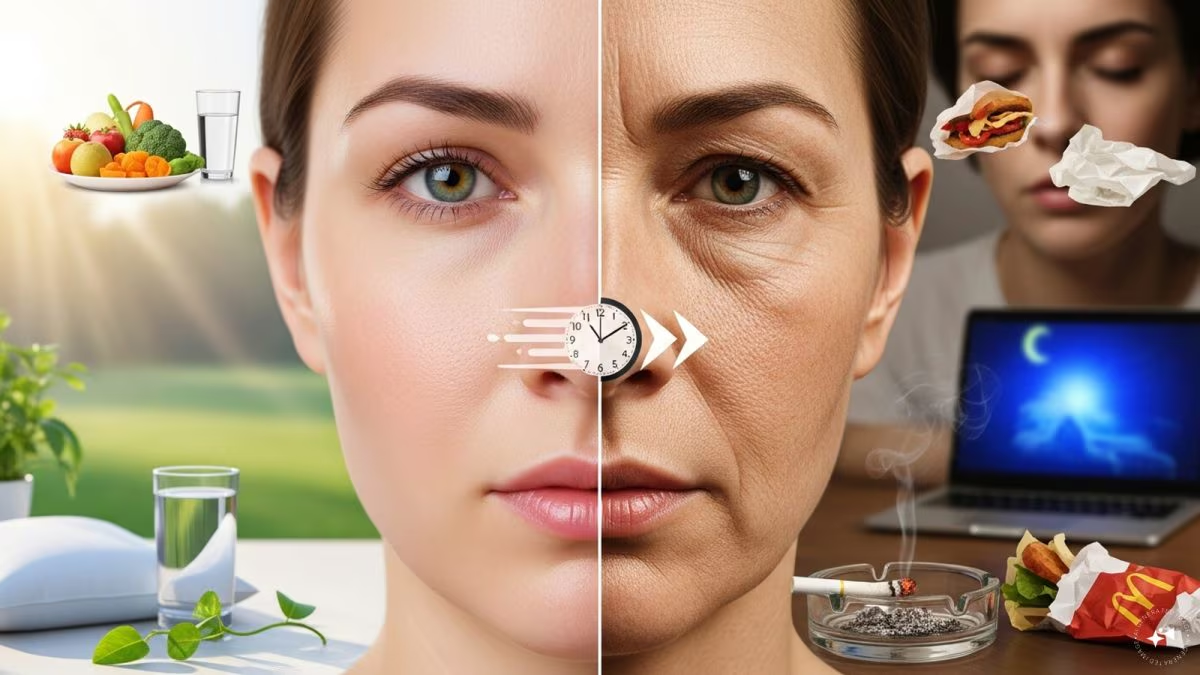
We often think of wrinkles, fine lines, and dullness as inevitable signs of aging, but in reality, many of these changes are accelerated by the way we live each day. The skin is our body’s largest organ, and it reflects not only our genetics but also our choices – what we eat, how we sleep, the stress we carry, and even the environments we expose ourselves to. While time will naturally leave its mark, certain lifestyle habits can push the process into fast‑forward, making skin look older long before its time. Understanding these hidden culprits is the first step toward protecting your skin’s health and preserving its youthful glow. (Image: AI-Generated)

Lack of Quality Sleep: Sleep is when your body repairs itself, including your skin. If you consistently get less than 7-8 hours of rest, your skin’s natural healing process is disrupted. This can lead to dullness, fine lines, and dark circles. Late‑night scrolling or binge‑watching often cuts into sleep, suppressing melatonin and increasing cortisol, both of which accelerate aging. (Image: AI-Generated)

Skipping Sunscreen: One of the most damaging habits is neglecting daily sun protection. Ultraviolet (UV) rays break down collagen and elastin, leading to wrinkles, sagging, and pigmentation. Even on cloudy days or indoors near windows, UV exposure silently harms your skin. Without sunscreen, these effects accumulate over time, making your skin look older than it should. (Image: AI-Generated)

Poor Diet Choices: Processed foods, excessive sugar, and unhealthy fats contribute to inflammation and glycation, a process where sugar molecules damage collagen and elastin fibers. This results in loss of firmness and elasticity. A diet lacking in antioxidants, vitamins, and lean proteins deprives your skin of the nutrients it needs to stay youthful. (Image: AI-Generated)

Excessive Alcohol Consumption: Alcohol dehydrates the skin and dilates blood vessels, causing redness and puffiness. Over time, it reduces vitamin A levels, which are essential for cell renewal. Chronic drinking accelerates fine lines and makes skin appear tired and uneven. (Image: AI-Generated)

Smoking: Smoking is one of the fastest ways to age your skin. Nicotine narrows blood vessels, reducing oxygen and nutrient supply. The repetitive motion of inhaling also contributes to wrinkles around the mouth. Long‑term smokers often develop a dull, leathery complexion due to collagen breakdown. (Image: AI-Generated)

Constant Screen Exposure: Blue light from phones, laptops, and tablets penetrates deeper than UV rays, contributing to oxidative stress and pigmentation. Combined with late‑night scrolling, it disrupts sleep cycles, compounding the damage. (Image: AI-Generated)

Chronic Stress: Stress hormones like cortisol trigger inflammation and break down collagen. Persistent stress can lead to acne flare‑ups, dryness, and premature wrinkles. Without stress management techniques, your skin reflects the toll of emotional strain. (Image: AI-Generated)

Neglecting Skincare Routine: Skipping cleansing, moisturizing, or exfoliation leaves your skin vulnerable to pollutants and free radicals. Over time, dirt and toxins accumulate, accelerating dullness and fine lines. A consistent skincare routine is essential to protect and rejuvenate the skin barrier. (Image: AI-Generated)

Sedentary Lifestyle: Lack of physical activity reduces circulation, meaning fewer nutrients and oxygen reach the skin. Exercise boosts collagen production and helps flush out toxins. Without it, skin can appear pale, saggy, and less resilient. (Image: AI-Generated)

Overconsumption of Caffeine: While moderate coffee intake has benefits, too much caffeine dehydrates the skin and disrupts sleep. Dehydration emphasizes fine lines and makes skin look fatigued. (Image: AI-Generated)

Tags: , , , ,
People who appear decades younger than their real age almost always have these 5 daily habits, according to a mindfulness expert – VegOut

People who appear decades younger than their real age almost always have these 5 daily habits, according to a mindfulness expert – VegOut

Ever notice how some people just seem to glow with an energy that makes them look way younger than their years?

I was grabbing my usual black coffee last week when I ran into an old colleague. We hadn’t seen each other in maybe five years, but while I felt every one of those years showing on my face, she looked exactly the same. Maybe even better.

It got me thinking about what separates those who age gracefully from those of us who feel every birthday like a weight. And after diving deep into mindfulness research and observing the habits of people who seem to defy aging, I’ve discovered it’s not about expensive creams or extreme diets.

The people who look decades younger than their real age share something much simpler: daily habits rooted in mindfulness.

These aren’t complicated rituals or time-consuming routines. They’re small, intentional practices that anyone can adopt. And according to mindfulness experts, they work because they address aging from the inside out, reducing stress, improving mental clarity, and boosting overall vitality.

Ready to discover what these age-defying individuals do differently? Let’s explore the five daily habits that could transform not just how you look, but how you feel about each passing year.

1. They prioritize quality sleep like their life depends on it

Here’s something that might surprise you: those people who look perpetually young? They’re probably in bed by 10 PM.

While the rest of us are scrolling through our phones or binge-watching another series, they’re getting their seven to nine hours of quality sleep. And this isn’t just about quantity. It’s about creating a sleep ritual that actually works.

Think about it. When you’re sleep-deprived, what happens? Your skin looks dull, bags appear under your eyes, and you reach for that third (or fourth) cup of coffee just to function. Chronic sleep deprivation accelerates aging at a cellular level, increasing cortisol production and breaking down collagen faster.

The age-defiers I’ve observed treat their bedroom like a sanctuary. No screens, cool temperature, maybe some lavender on the pillow. They understand that sleep is when your body repairs itself, produces growth hormone, and clears out cellular waste.

Want to start? Try this: Set a non-negotiable bedtime alarm. Not for waking up, but for starting your wind-down routine. When it goes off, screens go dark, and you begin preparing your body for rest.

2. They move their bodies every single day

You know what I’ve learned from my daily runs through the humid streets of Saigon? Movement isn’t just exercise. It’s a conversation with your body.

People who look younger than their years don’t necessarily spend hours at the gym. Instead, they’ve mastered the art of consistent, enjoyable movement. Maybe it’s yoga, dancing, swimming, or just a brisk morning walk. The key is they do it daily, and they actually enjoy it.

In my book “Hidden Secrets of Buddhism: How To Live With Maximum Impact and Minimum Ego”, I explore how Buddhist monks maintain remarkable vitality through simple walking meditation. They’re not power walking or checking their step count. They’re moving with intention and awareness.

Hidden Secrets of Buddhism: How To Live With Maximum Impact and Minimum Ego

The science backs this up. Regular movement improves circulation, delivers oxygen to your cells, and triggers the release of endorphins. It also helps maintain muscle mass, which naturally decreases with age but is crucial for that youthful appearance and energy.

Here’s my challenge to you: Find a form of movement that doesn’t feel like punishment. Something you’d miss if you couldn’t do it tomorrow. That’s your golden ticket to sustainable, age-defying exercise.

3. They practice stress management like it’s their job

Want to know the fastest way to age yourself? Chronic stress.

Those worry lines, that tension in your shoulders, the way your jaw clenches when you’re overwhelmed? That’s stress literally aging you from the inside out.

People who maintain their youthful appearance have figured out something crucial: stress management isn’t optional. It’s as essential as brushing your teeth.

My own meditation practice varies. Sometimes I sit for 30 minutes, sometimes just five. But it happens every day without fail. And you know what? On the days when I think I don’t have time for it, that’s usually when I need it most.

These age-defiers use different techniques. Some meditate, others practice deep breathing, journal, or spend time in nature. The method matters less than the consistency. They’ve learned to create space between themselves and their stressors.

Research shows that chronic stress shortens telomeres, those protective caps on our DNA that are directly linked to aging. Managing stress isn’t just about feeling better. It’s about preserving your cellular youth.

4. They hydrate like they’re preparing for a marathon

This might sound too simple to matter, but hear me out.

Ever notice how a plant perks up after watering? Your body works the same way. Those people with the glowing, plump skin that seems to defy gravity? They’re drinking water like it’s their favorite beverage.

And I’m not talking about those sugary drinks or even too much coffee (though I’ll never give up my morning black coffee ritual). I mean pure, simple water. Lots of it.

Dehydration shows up on your face faster than almost anything else. Fine lines become more pronounced, skin loses its elasticity, and you develop that tired, drawn look that adds years to your appearance.

The youth-preservers I know carry water bottles everywhere. They start their day with a big glass of water before anything else touches their lips. They’ve made hydration a non-negotiable habit, not something they remember to do when they’re already parched.

Aim for at least eight glasses a day, more if you’re active or live in a hot climate. Your skin, energy levels, and overall appearance will thank you.

5. They eat mindfully and choose whole foods

Have you ever watched someone who looks incredibly young for their age eat a meal? They’re probably not wolfing it down while checking emails.

The people who seem to age in reverse have a different relationship with food. They eat slowly, savoring each bite. They choose whole, unprocessed foods most of the time. And they listen to their bodies rather than following the latest fad diet.

This mindful approach to eating reduces inflammation, one of the primary drivers of aging. When you eat slowly, you digest better, absorb more nutrients, and are less likely to overeat.

These individuals typically load up on antioxidant-rich foods like berries, leafy greens, and colorful vegetables. They enjoy healthy fats from sources like avocados and nuts. They’re not obsessive about it, but they understand that food is fuel, and better fuel leads to better performance and appearance.

My coffee ritual each morning has taught me this: when you pay attention to what you’re consuming, you naturally make better choices. You start craving nourishment over empty calories.

Final words

Looking younger than your age isn’t about finding the fountain of youth or spending thousands on treatments. It’s about these simple, daily habits that compound over time.

The beautiful thing about these practices? They don’t just make you look younger. They make you feel younger too. More energized, more resilient, more alive.

Start with just one habit. Master it for a month before adding another. Remember, small daily practices matter more than grand transformations. The person you’ll be in five years is being shaped by the habits you choose today.

Which one will you start with?


VegOut Magazine’s November Edition Is Out!

In our latest Magazine “Curiosity, Compassion & the Future of Living” you’ll get FREE access to:

    • – 5 in-depth articles
    • – Insights across Lifestyle, Wellness, Sustainability & Beauty
    • – Our Editor’s Monthly Picks
    • – 4 exclusive Vegan Recipes

Learn more


Tags: , , , , , , , , ,
support healthy skin

Support healthy skin at every age

Understand how your skin changes through life and learn holistic, age-specific ways to support healthy skin.

When we talk about skin health, it’s never an outer expression of what’s happening internally, and it reflects your genetics, hormones, emotions, nutrition and the environment you live in. As you move through different life stages, your skin naturally changes, and so too should the way you support it.

By understanding the natural shifts, you can make more informed and empowering choices to care for your skin at every age. Whether navigating teenage breakouts, the glow and sensitivity of pregnancy or the deeper nourishment needed through perimenopause, there are ways to holistically support yourself through it all.

Teenage years

In the early teen years, skin is generally blemish-free, plump and even in tone thanks to optimal cell turnover that typically cycles every 14 to 25 days. Mukti, founder of pioneering organic skincare MUKTI Organics, describes collagen and elastin during this time as “neatly coiled and cross-linked like a brand-new inner-spring mattress”.

During the later teenage years, big hormonal shifts begin. Androgens such as testosterone surge, which increases oil production that can lead to breakouts, blackheads, congestion and sometimes cystic acne. While common in the teen years, acne does not have to be accepted as a given. There are many natural and holistic ways to support balanced hormones and healthy, clear skin.

Skincare focus:

Mukti recommends starting with a simple cleansing and moisturising routine to remove daily build-up and bacteria without stripping the skin. Avoid harsh foaming cleansers or alcohol-based toners, as these can dry the skin and trigger more oil. Choose gentle cleansers with ingredients like aloe vera and follow with a calming moisturiser containing calendula or chamomile.

Holistic support:

When it comes to acne-prone skin, certain nutrients play a key role in regulating oil production, lowering inflammation and promoting healing. Zinc, vitamin A, vitamin C and omega-3 fatty acids are standouts. Zinc-rich foods include pumpkin seeds, oysters, grass-fed beef and legumes. For vitamin A, focus on cod liver oil and orange vegetables like sweet potato and carrots. Vitamin C comes from citrus, kiwi, capsicum and berries. Omega-3s are found in wild-caught fish, flaxseeds, walnuts and chia seeds.

While it’s normal for teenagers to explore various foods (some not so healthy), the goal should be to encourage whole food choices the majority of the time, without creating guilt when they have the odd “junk” food. Whole foods are also supportive in balancing blood glucose levels. Spikes in insulin can exacerbate breakouts, so encouraging meals that balance protein, fat and complex carbohydrates can be very supportive for skin and overall health. Teenage years are a great time for laying the foundation of healthy habits.

The 20s and 30s

In your 20s, skin is typically at its prime. Collagen production is high, elastin is abundant and cell turnover keeps the skin glowing and resilient. Mukti advises that this is the ideal time to establish long-term skin habits, especially those that preserve hydration and prevent sun damage.

By the mid-to-late 20s, the skin’s regenerative capacity begins to slow. Collagen and elastin production start to decline, and this is when those early habits around skincare, lifestyle and nutrition really come into play. Lack of sleep, chronic stress, poor dietary choices and environmental toxins such as cigarette smoke, excessive alcohol and pesticide exposure all begin to affect the skin more noticeably.

While fine lines naturally become more visible in your 30s, other skin changes may start to show if your body hasn’t been well supported. Pigmentation, uneven tone, dryness and thinner skin around delicate areas like the eyes and mouth can all become more noticeable during this decade.

Skincare focus:

Now is the time to elevate your skincare routine. Sun protection is still crucial as UV exposure breaks down collagen and accelerates pigmentation. Daily use of a natural zinc oxide sunscreen and wearing a hat outdoors are key.

Antioxidant serums such as vitamin C help neutralise environmental stressors and keep the skin looking bright. Hydration, especially for those wearing makeup or working in dry or air-conditioned environments, is always going to be supportive for your skin. Look for products with hyaluronic acid or aloe vera, and layer with nourishing moisturisers containing calendula or shea. Introducing an eye cream in this stage can also support the delicate skin around the eyes.

Holistic support:

This life stage often comes with increased pressure, longer work hours and less time for rest. If you are feeling high stress regularly, this can have a flow on effect to your skin, showing up as dullness, inflammation or breakouts. Prioritise nervous system supportive practices. Getting adequate sleep (seven to nine hours per night), gentle movement, meditation or breathwork and taking a high-quality magnesium supplement in the evening can help support a balanced and relaxed nervous system, which will inadvertently improve your skin.

Take note for anyone who may be coming off the oral contraceptive pill. The pill often masks skin conditions by suppressing oil production (it does not heal the underlying cause of skin breakouts), and therefore, when you decide to come off it, post-pill breakouts can occur as the body recalibrates. This does not mean you have to go back on it. The key is to work on healing the underlying driver. Begin with supporting liver detoxification through foods such as dandelion, rocket, cruciferous vegetables and plenty of filtered water. Optimise intake of the key skin-loving nutrients mentioned in the teenage section and reach out for additional support from a naturopath or another trusted health professional to help guide you in understanding and addressing the root cause of your skin troubles.

Pregnancy

Pregnancy is often referred to as a time of glowing skin, and while many do experience this radiance, others may encounter breakouts, dryness or pigmentation known as melasma. This can occur even when they have had healthy skin their whole life. These changes are driven by rising oestrogen, progesterone and increased blood volume, as well as shifts in immune and liver function.

Skincare focus:

There is so much happening within your body, so the focus should be on giving love and nourishment back to yourself. Choose products that are safe, simple and deeply hydrating. Avoid retinols, chemical peels or high-dose salicylic acid. Instead, focus on ingredients such as rosehip oil, jojoba oil, chamomile, calendula and bakuchiol, a plant-based retinal (that is safe during pregnancy). When it comes to skincare, often the focus is on the face. However, Mukti reminds not to forget about the rest of the body, especially as your skin stretches and adjusts significantly during pregnancy.

Holistic support:

Skin during pregnancy is highly nutrient-dependent. Vitamin C, silica and collagen-building nutrients support both your skin elasticity and your baby’s development. Include bone broth, meat on the bone, wild-caught salmon, eggs with the yolks, cooked greens, sunflower seeds and avocado in your daily diet.

Electrolyte balance is also vital, especially during warmer weather or if experiencing nausea. Add a pinch of Celtic sea salt to fresh orange juice, water or coconut water for additional minerals.

Rest as much as your body needs. Skin cells regenerate most effectively during sleep and the hormonal load of pregnancy requires plenty of recovery.

Postpartum

The postpartum period is tender, intensely beautiful and exhausting. Between night feeds, hormonal shifts and healing from birth, the skin often reflects the depletion happening beneath the surface. A simple skincare routine can become a much-needed anchor in the day, a moment to give back to yourself, even with a baby on your hip or a toddler tugging at your legs.

Skincare focus:

In this season, keep things simple but deeply nourishing. There’s often little time for extensive self-care rituals, but do not underestimate the simple routine for how it can help you look and feel. Look for barrier-restoring products with ceramides, essential fatty acids and calming botanicals. Avoid heavily perfumed products or harsh actives. Using a few drops of facial oil with a gua sha tool in the morning can bring stimulation and life back to tired skin.

Holistic support:

Hydration is essential, especially if you are breastfeeding. Include warm broths, nettle tea, coconut water and mineral-rich drinks throughout the day. Skin thrives on healthy fats, so bring in tahini, ghee, oily fish, coconut cream and avocado.

Vitamin C is crucial for tissue repair, immune strength and collagen formation. Enjoy citrus, kiwi, berries or add a powdered wholefood vitamin C supplement to your water in the morning. Protein requirements are also higher during postpartum. Aim for protein at every meal. Soft-boiled eggs, slow-cooked lamb, lentils, tempeh and collagen powder are all supportive options for not only skin but also energy and vitality.

And, again, magnesium glycinate remains a favourite postpartum essential. It supports deeper sleep, calms the nervous system and aids in overnight skin repair.

Perimenopause and menopause

As oestrogen declines in perimenopause and menopause, so too does skin hydration, elasticity and collagen production. Many women notice thinner skin, more dryness and visible fine lines. These are natural shifts, but they can be eased with the right support.

Mukti explains that “women can lose up to 30 per cent of their skin’s collagen in the first five years after menopause”. This contributes to reduced elasticity and more pronounced signs of ageing, mostly due to slower cell turnover.

“As women enter perimenopause, it’s crucial to reassess and adapt skincare routines,” says Mukti. “This stage of life often calls for a complete overhaul to meet the skin’s evolving needs.” She recommends early intervention and daily use of active ingredients to support skin health.

Skincare focus:

Layering hydrating products works well at this stage. Daily sun protection remains essential, and adding more nourishing and active ingredients becomes important. “Vitamin C is brilliant for collagen production and brightness, niacinamide helps even out skin tone and retinal increases cell turnover,” says Mukti.

Holistic support:

Nutrients that support collagen synthesis, such as vitamin C, silica, protein and omega-3s, are essential. Include bone broth, wild fish, flaxseeds, greens and legumes. Phytoestrogens like miso, flax ax and chickpeas may help with hormonal balance and dryness.

Vitamin D is key for cell turnover and immunity. Consider checking your levels and ensuring safe sun exposure — just 15 minutes with your arms and legs exposed during the day can ensure optimum levels.

Embrace ageing

While your skincare routine may shift with age, there are foundational habits that remain true throughout every season of life: hydrate, manage stress, eat mineral-rich wholefoods, minimise exposure to environmental toxins and prioritise sleep.

But, most importantly, remember that ageing is a privilege and a gift. There is something so magnetic about a woman who honours the season she is in, rather than fighting against it.

Article Featured in WellBeing Magazine 219

Tags: , , ,
Best oLive
Privacy Overview

This website uses cookies so that we can provide you with the best user experience possible. Cookie information is stored in your browser and performs functions such as recognising you when you return to our website and helping our team to understand which sections of the website you find most interesting and useful.