Apple App Store

10 daily habits that may be aging you faster

10 Daily Habits That May Be Aging You Faster

When it comes to maintaining healthy skin and hair, what you do every day matters more than the occasional facial or expensive beauty product. In fact, some common habits can gradually contribute to dryness, irritation, wrinkles, and other visible signs of aging without you even realizing it.

The good news is that many of these habits are easy to change. Here are 10 everyday beauty mistakes that may be working against your long-term skin and hair goals.

Pexels

1. Skipping Sunscreen

If there’s one habit dermatologists consistently recommend, it’s daily sun protection.

Ultraviolet (UV) exposure is one of the leading causes of premature skin aging, contributing to fine lines, dark spots, uneven skin tone, and loss of elasticity. Even on cloudy days, UV rays can reach your skin.

Using a broad-spectrum SPF 30 or higher every day is one of the simplest ways to protect your skin’s future.

Pexels

2. Over-Exfoliating

Exfoliation can help improve texture and brightness, but more isn’t always better.

Excessive exfoliation can damage the skin barrier, leading to redness, irritation, dryness, and increased sensitivity. Many people unknowingly combine multiple exfoliating products, creating more stress for the skin.

For most people, exfoliating a few times per week is plenty.

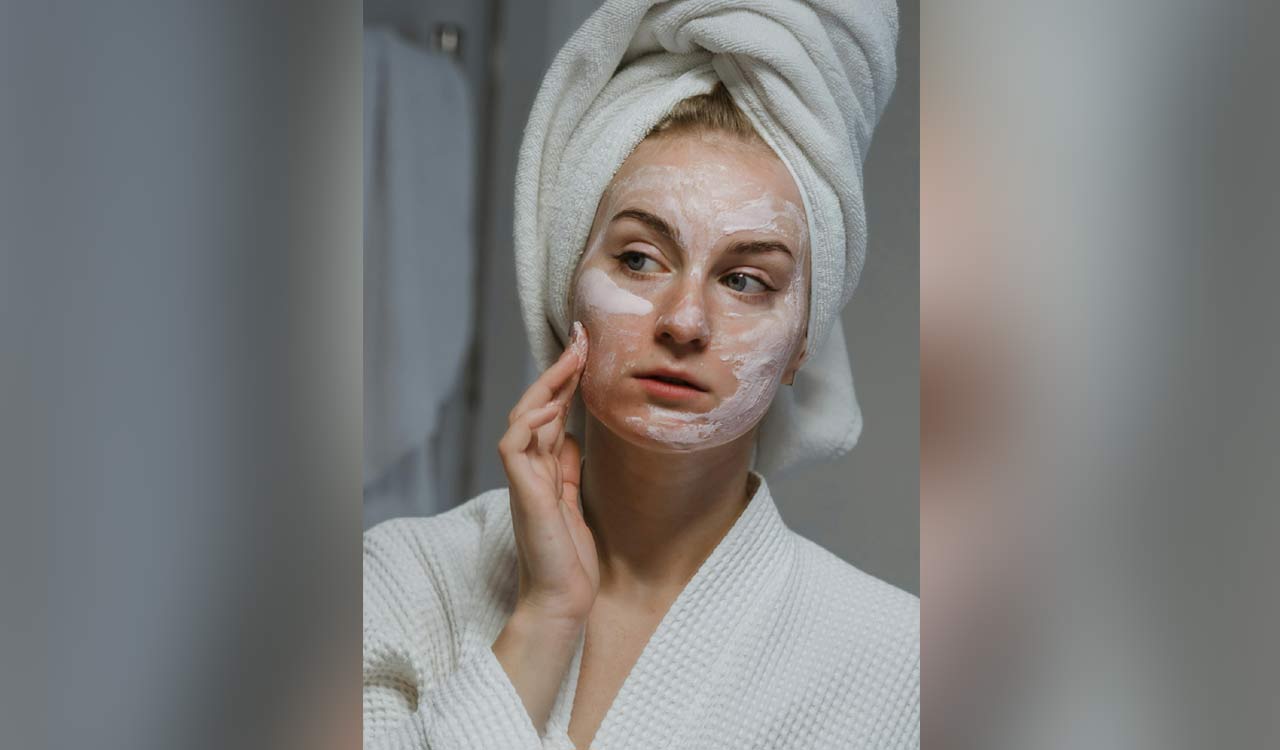
A young woman in a bathroom applying moisturizing cream with a towel on her head, focusing on self-care.

3. Not Moisturizing Consistently

Hydrated skin generally appears smoother, healthier, and more resilient.

When skin becomes chronically dry, fine lines can become more noticeable and the protective skin barrier may become compromised. A daily moisturizer helps support skin function and maintain hydration.

Look for ingredients such as:

Unsplash

4. Sleeping in Your Makeup

After a long day, skipping your nighttime cleanse can be tempting.

However, sleeping in makeup can leave oil, dirt, environmental pollutants, and cosmetic residue sitting on the skin for hours. This may contribute to clogged pores, irritation, and breakouts.

A gentle cleanse before bed gives your skin the chance to repair and renew overnight.

Pexels

5. Constantly Touching Your Face

Many people touch their face dozens of times each day without realizing it.

Hands can transfer oil, dirt, and bacteria onto the skin, potentially contributing to irritation and blemishes. Picking at imperfections can also increase the risk of inflammation and post-inflammatory discoloration.

Pexels

6. Using Too Much Heat on Your Hair

Frequent use of hot tools can gradually weaken hair over time.

Repeated exposure to high temperatures may contribute to:

When possible, use lower heat settings and apply a heat protectant before styling.

Pexels

7. Neglecting Scalp Health

Healthy hair starts with a healthy scalp.

Product buildup, excessive dryness, or untreated scalp irritation can affect the appearance and condition of your hair. Regular cleansing and gentle scalp care can support stronger, healthier-looking strands.

Think of scalp care as an extension of skincare rather than a separate category.

Pexels

8. Not Getting Enough Sleep

Sleep is one of the body’s most important recovery periods.

During sleep, the body supports tissue repair, hormone regulation, and numerous restorative processes. Chronic sleep deprivation has been associated with increased stress, dull-looking skin, puffiness, and more noticeable under-eye circles.

Most adults benefit from seven to nine hours of quality sleep per night.

Unsplash

9. Smoking and Excessive Alcohol Consumption

Lifestyle habits can significantly affect how skin ages.

Smoking accelerates the breakdown of collagen and elastin, while excessive alcohol consumption can contribute to dehydration and inflammation. Over time, both can impact skin texture, tone, and overall appearance.

Limiting these habits can support healthier skin and overall wellness.

Pexels

10. Ignoring Chronic Stress

Stress doesn’t just affect your mood—it can affect your appearance, too.

Long-term stress may contribute to:

Managing stress through exercise, relaxation techniques, social connection, or mindfulness practices can support both physical and emotional well-being.

Pexels

Small Changes Can Make a Big Difference

Healthy aging isn’t about chasing perfection. It’s about supporting your skin, hair, and overall health through consistent habits over time.

Protecting your skin from the sun, prioritizing sleep, staying hydrated, managing stress, and simplifying your routine can often have a bigger impact than adding another expensive product to your shelf. When it comes to maintaining a healthy, vibrant appearance, the little things you do every day tend to matter most.

Read More:

Ask us! What questions do you have about content, strategy, pop culture, lifestyle, wellness, history or more? We may use your question in an upcoming article!

Ask us a question

Like MediaFeed’s content? Be sure to follow us.

This article originally appeared onResourcebuzzand was syndicated byMediaFeed.co.

Tags: , , ,
Real reason your face looks tired and surprise step to STOP you ageing faster to take now with simple 4-product approach

Real reason your face looks tired and surprise step to STOP you ageing faster to take now with simple 4-product approach

LOOKING in the mirror and feeling like your skin has suddenly aged overnight can be a real confidence knock.

But an Irish skincare expert has revealed how you can find out your skin age — and, even more importantly, how to slow down the ageing process.

A skin pro is helping Irish women find out their skin age and what they will look like in years to come

Sara explained changes that occur during peri-menopause and menopause

Sara O’Hagan has lifted the lid on what’s making our skin look tired and old — and, thankfully, reveals what really works to help tired faces look younger.

With 16 years’ experience in the world of skincare, Sara said most women tell her the same thing: “I just don’t feel like myself anymore.”

Sara told The Irish Sun: “I see so many women in their late 30s and 40s who suddenly feel like their skin has changed overnight.

“They look tired all the time, makeup sits differently, redness becomes more noticeable, and they feel like they’ve lost the glow they used to have.”

A large number of women claimed they feel like they aged overnight Credit: Getty Images – Getty

The skin expert urged everyone to start with a skin analysis

Many women experience increased redness, dryness, dullness, breakouts, while also constantly looking tired and feeling that makeup does not sit properly and constantly looking tired — even when they’re looking after themselves.

Sara said: “For many women, that feeling starts showing up in their skin before they even fully realise perimenopause could be part of it.

“Suddenly their skin becomes dry, dull or reactive. Rosacea flares up more. They’re breaking out again after years of clear skin.

“Makeup doesn’t sit properly anymore. And no matter how much sleep they get, they still feel like they look exhausted.

“A lot of women genuinely feel like they’ve aged overnight. And honestly, it can really knock their confidence. Because it’s not just about appearance.

“It’s that strange feeling of looking in the mirror and not fully recognising yourself anymore.

“I think many women are completely unprepared for how much hormonal changes can affect the skin.”

She said most women expect things like hot flushes or mood changes, but they don’t expect their skin to suddenly feel unfamiliar too.

Sara explained: “The truth is, skin naturally changes during perimenopause and menopause.

“Hormones affect hydration, collagen, oil production, inflammation and skin sensitivity.

“That’s why so many women suddenly notice redness, dullness, fine lines, dehydration or skin becoming much more reactive than before.

“And then begins the cycle so many women fall into — buying more products, trying every trend online, switching routines constantly, hoping the next cream will fix everything.

“But often, all that does is overwhelm already stressed skin even more.”

Cutting down on products and understanding options that benefit the skin is key.

She said: “What women usually need at this stage is actually the opposite. Less panic. Less pressure. Less noise. And more understanding of what their skin needs now.”

Products that contain retinol, vitamin C, hyaluronic acid or peptides should be the focus.

SPF is always needed, whatever the weather.

Sara added: “I always say to clients, ‘Your skin at 45 isn’t supposed to behave like your skin at 25.’

“That doesn’t mean your skin is ruined. It just means it needs different support.”

When it comes to rosacea, the skin condition affects roughly one in 10 people in Ireland.

The first signs of rosacea include redness or a burning, stinging feeling when using water or skincare products.

It can appear across the nose, cheeks, forehead and chin, and can come and go.

Sara said: “Rosacea is more common in Irish women than people realise and it’s not just ‘a bit of redness’.”

The award-winning skin clinician said rosacea is one of the most common — and misunderstood — concerns she sees.

She said: “A lot of them don’t even realise that’s what it is. They think they just have sensitive skin. Or that they blush easily. Or that their skin is always reacting to something.

“But underneath it, there’s often a lot more frustration than people realise. Because rosacea isn’t just a bit of redness.

“It’s the flare-ups before nights out. It’s makeup suddenly not sitting properly.

“It’s your face going bright red after a glass of wine, a hot room, stress, exercise or even just changing weather.”

In Ireland, there are plenty of factors adding to rosacea, including our skin types, weather, heating, temperature changes and lifestyle factors.

Sara continued: “A lot of women are constantly trying to calm their skin down but end up stuck in a cycle of trying random products that either do nothing or make things worse.”

The Dublin-based skin pro admitted that a lot of women in Ireland seem to be “quietly dealing with it on their own”.

Sara said: “One of the biggest misconceptions around rosacea is that you just have to put up with it. You don’t.

“The problem is, many women are treating the redness without properly understanding what’s triggering it or what their skin actually needs.

“Sometimes they’re over-exfoliating. Sometimes they’re stripping the skin barrier.

“Sometimes they’re using products that are far too harsh because they’ve been told online they need strong actives to get good skin.

“Meanwhile, their skin is inflamed, stressed and crying out for support.”

Sara discussed how women with rosacea also face an emotional battle.

She said: “I honestly don’t think it gets talked about enough.

“I’ve had women tell me they dread getting warm in public because they know their face will flare.

“Others avoid photos, nights out or going makeup-free because they feel constantly conscious of their skin.

“That can really chip away at someone’s confidence over time.”

However, rosacea can “absolutely be managed properly” when you understand your skin better.

Sara explained: “For most women, the biggest difference comes from simplifying things, calming inflammation, strengthening the skin barrier and having a proper plan instead of constantly guessing.

“And most importantly, understanding that your skin isn’t ‘bad’. It’s reactive. It’s stressed. It needs support, not punishment.”

She added: “You are not the only one dealing with it and your skin is not beyond help.”

Another issue Sara hears frequently is women who think they have sensitive skin — but that is often not the real problem.

Sara said: “One of the biggest things I hear from women in the clinic is: ‘My skin just reacts to everything.’

“I understand why so many women feel that way. They try a new product and their skin flares. Their cheeks go red after a glass of wine. Makeup suddenly doesn’t sit right anymore.

“Their skin feels dry one week, irritated the next, and nothing seems to calm it down properly.

“So naturally, they start believing they just have very sensitive skin. But a lot of the time, that’s not actually the real issue.

“What I see over and over again is women who are completely overwhelmed by skincare.

“They’ve spent years buying products based on trends, influencers, TikTok recommendations, or whatever someone online swears changed their skin overnight.

“One serum for glow, another for anti-ageing, something else for redness.

“Retinol because everyone says you should use it. Acids because someone said they help texture.

“Before they know it, they’re layering active products onto skin that’s already stressed and inflamed.”

The beauty pro explained this results in the skin reacting, and women assume their skin “can’t tolerate anything”.

Sara said: “The truth is, most women were never properly shown what their skin actually needs at this stage of life.”

Understanding your skin, fine lines and wrinkles, spots, pores, texture, porphyrins, UV spots, moisture and pigmentation is key.

A good place to start is getting a skin analysis that clinically measures the surface and subsurface of the skin.

Sara’s high-tech system at the Skin Glow Clinic will reveal everything from your skin’s age to how you will look in years to come.

It uses state-of-the-art digital imagery, using RGB visible light, PL polarised light and UV spectrum imaging technology, combined with AI and image analysis.

Sara explained: “You can reverse that skin age to a point. If you start doing the right treatments and using the right products, you can absolutely slow the process down.

“Now, we can’t stop the skin ageing — that’s part of life — but we can definitely make the skin look younger.”

Sara added: “A proper consultation, a simple routine and treatments tailored to the skin can make a much bigger difference than constantly chasing trends online.

“Women don’t need perfect skin. Most just want to feel comfortable and confident again when they look in the mirror.

“They want to head out the door without overthinking their face, stop feeling exhausted every time they catch themselves in photos, and feel a bit more like themselves again.

“And honestly, when they finally do, that’s the real transformation.”

Tags: , , , , , , , , , , ,
Morning skincare mistakes that are ageing your skin faster

Morning skincare mistakes that are ageing your skin faster

Small mistakes in your morning skincare routine can quietly accelerate signs of ageing. From over-cleansing and skipping sunscreen to misusing active ingredients and neglecting moisturiser, these common habits may damage your skin barrier and make fine lines more noticeable over time.

Published Date – 2 June 2026, 04:24 PM


Your morning skincare routine is meant to protect your skin and prepare it for the day ahead, but small daily mistakes can quietly speed up signs of ageing over time. Without realising it, habits such as over-cleansing, skipping sunscreen or layering the wrong products can weaken your skin barrier, reduce its natural glow and make fine lines more noticeable. The good news is that these are easy to fix once you know what to look out for.

Over-cleansing your skin in the morning

Many people assume that washing their face multiple times or using a strong cleanser in the morning will deliver better results. In reality, over-cleansing can strip away the natural oils that help keep the skin barrier healthy and protected. This can lead to dryness, irritation and faster visible ageing. For most skin types, a gentle cleanser or even a simple rinse with water is enough in the morning.

Skipping sunscreen protection

One of the biggest skincare mistakes is skipping sunscreen, especially during the morning rush. UV rays are present even on cloudy days and can reach the skin indoors through windows. Over time, sun exposure breaks down collagen and accelerates the appearance of fine lines, pigmentation and dullness. Applying sunscreen every day is one of the most effective ways to slow the ageing process.

Using too many active ingredients in the morning

Strong active ingredients such as retinol, exfoliating acids and potent serums are often misused in morning skincare routines. These ingredients can make the skin more sensitive to sunlight and irritation. Most dermatologists recommend reserving them for night-time use, when the skin naturally repairs and regenerates itself.

Not moisturising properly

Skipping moisturiser or applying too little can leave your skin dehydrated throughout the day. Dehydrated skin often appears dull and can make fine lines more noticeable. A lightweight and hydrating moisturiser helps maintain the skin’s moisture balance while keeping it smooth, healthy-looking and comfortable.

Tags: , , , , ,
Clever Dude

Skin Care Shortcuts Can Age You Faster and These Habits Need to Go

Image Source: Shutterstock.com

Great skin rarely comes from shortcuts. Radiant, healthy skin usually grows out of small habits repeated consistently, yet many routines drift in the opposite direction thanks to convenience, busy schedules, or trendy advice floating around the internet. Some everyday shortcuts feel harmless on the surface, but they quietly chip away at skin health over time. Skipping sunscreen, sleeping in makeup, overusing harsh products, or rushing through cleansing can speed up the appearance of fine lines, dullness, and uneven texture. Dermatologists regularly point out that these habits damage the skin barrier, reduce hydration, and accelerate visible aging.

Healthy skin thrives on balance, protection, and patience. Quick fixes rarely deliver lasting results. A few simple changes can protect the skin, slow visible aging, and help restore that fresh, healthy glow that everyone hopes to see in the mirror.

1. The “Skip the Sunscreen” Habit That Dermatologists Love to Hate

Sun protection stands at the top of nearly every dermatologist’s advice list for a reason. Ultraviolet radiation breaks down collagen and elastin, the proteins that keep skin firm, smooth, and resilient. When those fibers weaken, wrinkles and sagging appear much faster. Yet sunscreen often gets treated like an optional step instead of a daily essential.

Many people only apply sunscreen during beach trips or long summer afternoons outdoors. That approach leaves skin vulnerable during everyday activities such as driving, walking the dog, or sitting near bright windows. UV rays travel through clouds and glass, which means exposure happens even on overcast days. Skin accumulates this damage slowly, and years later the results often show up as fine lines, dark spots, and uneven tone.

A daily sunscreen habit can dramatically slow that process. Dermatologists often recommend broad-spectrum sunscreen with at least SPF 30 for daily use. Applying sunscreen as the final step of a morning skin routine protects against both UVA and UVB rays, which play major roles in premature aging. Reapplication during long days outside strengthens that protection even more.

Anyone looking to simplify the process can choose moisturizers or foundations that contain sunscreen. These products make protection feel effortless while still guarding against damage. Healthy skin thrives when protection becomes automatic instead of occasional.

2. Over-Exfoliating: When “Fresh Skin” Turns Into Angry Skin

Exfoliation can work wonders when done correctly. Removing dead skin cells helps brighten the complexion and improve the effectiveness of skincare products. Trouble begins when enthusiasm turns into over-exfoliation. Many products promise glowing skin through scrubs, acids, or peels. Using too many of these products too often can strip away the skin’s protective barrier. Once that barrier weakens, irritation, redness, dryness, and sensitivity can quickly follow. Skin may even produce extra oil in response to this stress, which creates an entirely new set of problems.

Healthy exfoliation requires restraint and thoughtful timing. Dermatologists often suggest exfoliating only one to three times per week, depending on skin type. Chemical exfoliants such as AHAs and BHAs can provide smoother results than harsh scrubs, especially for sensitive skin. A gentle approach allows the skin barrier to stay strong while still delivering the benefits of exfoliation. Pairing exfoliation with hydrating products also helps restore moisture and balance. When used wisely, exfoliation supports healthy skin rather than pushing it into irritation mode.

Image Source: Shutterstock.com

3. The “More Products Must Be Better” Trap

The skincare industry loves a good 10-step routine, but piling on too many products can overwhelm the skin. Each serum, toner, and treatment introduces new ingredients that may interact with others in unexpected ways. Too many active ingredients can create irritation, redness, and dryness. Retinoids, exfoliating acids, and vitamin C all offer impressive benefits individually, yet combining them without careful planning can stress the skin barrier. Sensitive skin often reacts quickly when faced with an overloaded routine.

A simpler routine often produces stronger results. Dermatologists frequently recommend a basic structure: a gentle cleanser, moisturizer, sunscreen during the day, and one or two targeted treatments based on skin needs. This approach allows each product to work effectively without overwhelming the skin.

Anyone exploring new products should introduce them slowly. Testing one product at a time makes it easier to spot irritation and determine whether the product truly helps. Skin care works best when each step serves a clear purpose instead of creating unnecessary complexity.

4. Neglecting Hydration and Barrier Repair

Healthy skin relies on hydration the same way plants rely on water. Without enough moisture, skin begins to look dull, tight, and uneven. Dehydrated skin also highlights fine lines and wrinkles more dramatically. Many routines focus heavily on treatments but forget about moisture. Strong cleansers, exfoliating products, and acne treatments can strip away natural oils that protect the skin barrier. Once that barrier weakens, moisture escapes quickly, and irritation becomes more likely.

Moisturizers help rebuild and maintain that protective barrier. Ingredients such as ceramides, glycerin, and hyaluronic acid support hydration and strengthen the skin’s natural defenses. A well-formulated moisturizer locks in water and protects the skin from environmental stress.

Hydration also benefits from consistency. Applying moisturizer morning and night keeps the skin balanced throughout the day. Drinking enough water and using a humidifier during dry seasons can also support healthier skin.

Your Skin Keeps Score of Every Habit

Skin remembers everything. Every shortcut, every skipped step, and every smart decision quietly shapes how skin looks and feels over time. Healthy routines do not require complicated formulas or endless products. Consistency, protection, and balance create the real magic. Daily sunscreen, proper cleansing, gentle exfoliation, simple routines, and reliable hydration can transform skin health far more effectively than trendy shortcuts.

A small shift in habits today can create noticeable improvements months down the road. Glowing skin often reflects patience and thoughtful care rather than quick fixes.

Which skincare habit feels hardest to break, and which healthy change might make the biggest difference in a daily routine? Jump into the comments and share your thoughts.

You May Also Like…

From Beard Oil to Skin Serums: Trending Grooming Products Men Are Buying Now

The “Beard Bacteria” Alert: Why Your Post-Workout Routine Is Trapping Harmful Minerals Against Your Skin

8 Grooming Ingredients Men Trust That Were Never Meant for Human Skin

The Health Tests Every Man Should Get Before 40

7 Health Signals Easy to Ignore Until They Aren’t

The post Skin Care Shortcuts Can Age You Faster and These Habits Need to Go appeared first on Clever Dude Personal Finance & Money.

Tags: , , , , ,
10 Everyday Habits That Make Your Skin Age Faster

10 Everyday Habits That Make Your Skin Age Faster

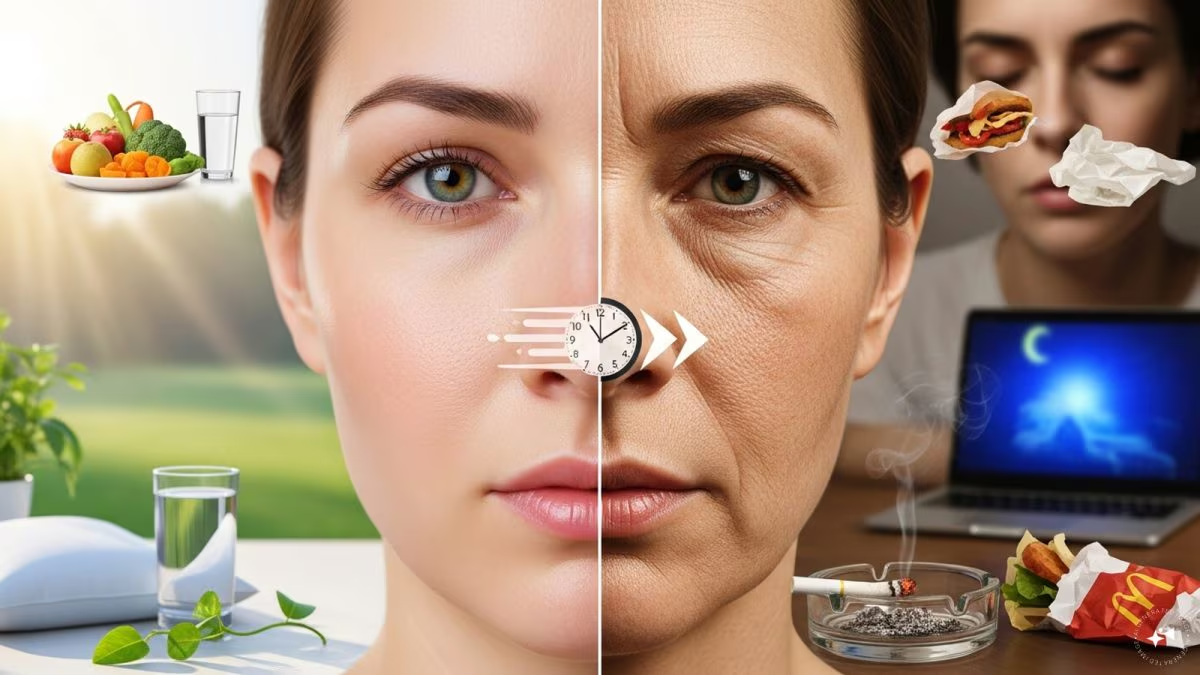
We often think of wrinkles, fine lines, and dullness as inevitable signs of aging, but in reality, many of these changes are accelerated by the way we live each day. The skin is our body’s largest organ, and it reflects not only our genetics but also our choices – what we eat, how we sleep, the stress we carry, and even the environments we expose ourselves to. While time will naturally leave its mark, certain lifestyle habits can push the process into fast‑forward, making skin look older long before its time. Understanding these hidden culprits is the first step toward protecting your skin’s health and preserving its youthful glow. (Image: AI-Generated)

Lack of Quality Sleep: Sleep is when your body repairs itself, including your skin. If you consistently get less than 7-8 hours of rest, your skin’s natural healing process is disrupted. This can lead to dullness, fine lines, and dark circles. Late‑night scrolling or binge‑watching often cuts into sleep, suppressing melatonin and increasing cortisol, both of which accelerate aging. (Image: AI-Generated)

Skipping Sunscreen: One of the most damaging habits is neglecting daily sun protection. Ultraviolet (UV) rays break down collagen and elastin, leading to wrinkles, sagging, and pigmentation. Even on cloudy days or indoors near windows, UV exposure silently harms your skin. Without sunscreen, these effects accumulate over time, making your skin look older than it should. (Image: AI-Generated)

Poor Diet Choices: Processed foods, excessive sugar, and unhealthy fats contribute to inflammation and glycation, a process where sugar molecules damage collagen and elastin fibers. This results in loss of firmness and elasticity. A diet lacking in antioxidants, vitamins, and lean proteins deprives your skin of the nutrients it needs to stay youthful. (Image: AI-Generated)

Excessive Alcohol Consumption: Alcohol dehydrates the skin and dilates blood vessels, causing redness and puffiness. Over time, it reduces vitamin A levels, which are essential for cell renewal. Chronic drinking accelerates fine lines and makes skin appear tired and uneven. (Image: AI-Generated)

Smoking: Smoking is one of the fastest ways to age your skin. Nicotine narrows blood vessels, reducing oxygen and nutrient supply. The repetitive motion of inhaling also contributes to wrinkles around the mouth. Long‑term smokers often develop a dull, leathery complexion due to collagen breakdown. (Image: AI-Generated)

Constant Screen Exposure: Blue light from phones, laptops, and tablets penetrates deeper than UV rays, contributing to oxidative stress and pigmentation. Combined with late‑night scrolling, it disrupts sleep cycles, compounding the damage. (Image: AI-Generated)

Chronic Stress: Stress hormones like cortisol trigger inflammation and break down collagen. Persistent stress can lead to acne flare‑ups, dryness, and premature wrinkles. Without stress management techniques, your skin reflects the toll of emotional strain. (Image: AI-Generated)

Neglecting Skincare Routine: Skipping cleansing, moisturizing, or exfoliation leaves your skin vulnerable to pollutants and free radicals. Over time, dirt and toxins accumulate, accelerating dullness and fine lines. A consistent skincare routine is essential to protect and rejuvenate the skin barrier. (Image: AI-Generated)

Sedentary Lifestyle: Lack of physical activity reduces circulation, meaning fewer nutrients and oxygen reach the skin. Exercise boosts collagen production and helps flush out toxins. Without it, skin can appear pale, saggy, and less resilient. (Image: AI-Generated)

Overconsumption of Caffeine: While moderate coffee intake has benefits, too much caffeine dehydrates the skin and disrupts sleep. Dehydration emphasizes fine lines and makes skin look fatigued. (Image: AI-Generated)

Tags: , , , ,
If you're over 40 and still doing these 8 things, your skin is aging faster than it should

If you’re over 40 and still doing these 8 things, your skin is aging faster than it should

Remember that viral photo of Paul Rudd at 55 looking exactly the same as he did in “Clueless”? I spent an embarrassing amount of time zooming in on that picture, convinced there had to be some Photoshop trickery involved.

But here’s the thing that really got me: while some people seem to have discovered the fountain of youth, others hit 40 and suddenly look like they’ve aged in dog years.

The difference isn’t always genetics or expensive treatments. Sometimes it’s the everyday habits we don’t even realize are fast-tracking our skin’s aging process.

After diving deep into dermatological research and speaking with skincare experts, I’ve discovered that many of us are unknowingly sabotaging our skin every single day. And if you’re over 40, these habits hit even harder because our skin’s natural repair mechanisms are already slowing down.

1. You’re still sleeping on your stomach or side

This one hurt to write because I was a devoted side-sleeper for decades. But here’s what happens: when you press your face into a pillow for eight hours every night, you’re creating compression lines that eventually become permanent wrinkles.

Dermatologists call them “sleep wrinkles,” and unlike expression lines from smiling or frowning, these develop perpendicular to your natural facial muscles. The chest area gets hit too, developing those vertical lines that no amount of moisturizer seems to fix.

After 40, our skin loses elasticity faster, meaning it doesn’t bounce back from that nightly compression like it used to. The solution? Train yourself to sleep on your back, or invest in a silk pillowcase that creates less friction and pulling on your skin.

2. You’re using the same skincare routine from your 30s

Your skin at 40 is fundamentally different from your skin at 30. Collagen production has dropped by about 1% per year since your mid-20s, and hormonal changes affect everything from oil production to skin thickness.

Yet so many people stick with the same products they’ve been using for years. That lightweight moisturizer that worked perfectly at 35? It’s probably not cutting it anymore. Your skin needs richer formulations, active ingredients like retinoids, and targeted treatments for specific concerns.

The products gathering dust in your medicine cabinet aren’t doing you any favors either. Skincare ingredients degrade over time, and using expired products can actually accelerate aging by causing irritation and inflammation.

3. You’re showering in hot water every day

I get it. A hot shower feels amazing, especially on cold mornings or after a stressful day. But that steaming water is stripping your skin of its natural oils faster than you can say “anti-aging serum.”

Hot water breaks down the lipid barriers in your skin, leading to dryness, irritation, and accelerated aging. It’s particularly damaging to facial skin, which is thinner and more delicate than the skin on your body.

The fix is simple but requires willpower: lukewarm water only. Your skin will thank you by maintaining better moisture levels and appearing plumper and more youthful.

4. You’re still using makeup wipes

Convenience is tempting, but makeup wipes are one of the worst things you can do to aging skin. They require aggressive rubbing to remove makeup, which stretches and pulls at delicate skin. Plus, they leave behind residue that clogs pores and prevents your nighttime skincare from absorbing properly.

The tugging motion is especially damaging around the eye area, where skin is thinnest and most prone to wrinkles. Every aggressive swipe contributes to the breakdown of collagen and elastin fibers.

Switch to a gentle oil or balm cleanser followed by a water-based cleanser. Yes, it takes an extra minute, but those 60 seconds could save you years of premature aging.

5. You’re not wearing sunglasses outside

Squinting in bright light creates those deep crow’s feet that become increasingly difficult to treat after 40. But it’s not just about the squinting.

The skin around your eyes is incredibly vulnerable to UV damage, and regular sunglasses don’t always provide adequate protection for this delicate area.

UV damage is responsible for up to 80% of visible facial aging signs. Those few minutes walking to your car or sitting by a window add up over time, creating age spots, wrinkles, and loss of elasticity.

Invest in quality sunglasses with full UV protection and wear them religiously, even on cloudy days. Consider them as essential as sunscreen.

6. You’re treating your neck like it’s separate from your face

How many times have you carefully applied serums and moisturizers to your face, only to stop right at your jawline? Your neck has fewer oil glands than your face, making it more prone to dryness and showing signs of aging faster.

The dreaded “tech neck” lines from looking down at phones and computers are becoming permanent fixtures for many people over 40. Combined with sun damage and neglect, the neck often reveals someone’s true age even when their face looks years younger.

Whatever you apply to your face should go on your neck and chest too. And apply products in upward strokes to avoid pulling the skin downward.

7. You’re still using your phone in bed

Blue light from screens doesn’t just mess with your sleep. According to experts, it can penetrate deeper into skin than UV rays, potentially accelerating the breakdown of collagen and elastin.

Plus, the position we hold our phones creates “tech neck” and increases those downward lines around the mouth.

I learned this the hard way when I switched to paper books before bed and not only slept better but noticed my morning face looked less puffy and lined.

8. You’re eating like you’re still 25

What shows up on your plate shows up on your face, and after 40, your skin is less forgiving of dietary sins.

High sugar intake creates advanced glycation end products (AGEs) that damage collagen and elastin, literally making your skin stiffer and more prone to wrinkles.

Processed foods, excessive alcohol, and not enough water all contribute to inflammation that shows up as puffiness, dullness, and accelerated aging. Your skin needs nutrients more than ever to maintain its repair processes.

Final thoughts

Realizing you’ve been unknowingly aging your skin faster than necessary can be frustrating. But here’s the encouraging part: skin is remarkably responsive to positive changes, even after 40.

Start with one or two changes that feel manageable. Maybe switch your pillowcase this week and lower your shower temperature next week. Small, consistent changes often stick better than dramatic overhauls.

Your skin at 40, 50, or beyond can still look healthy and vibrant. It just needs you to stop working against it and start working with it. Consider this your wake-up call to break those aging habits and give your skin the respect it deserves.

Tags: , , ,
Best oLive
Privacy Overview

This website uses cookies so that we can provide you with the best user experience possible. Cookie information is stored in your browser and performs functions such as recognising you when you return to our website and helping our team to understand which sections of the website you find most interesting and useful.