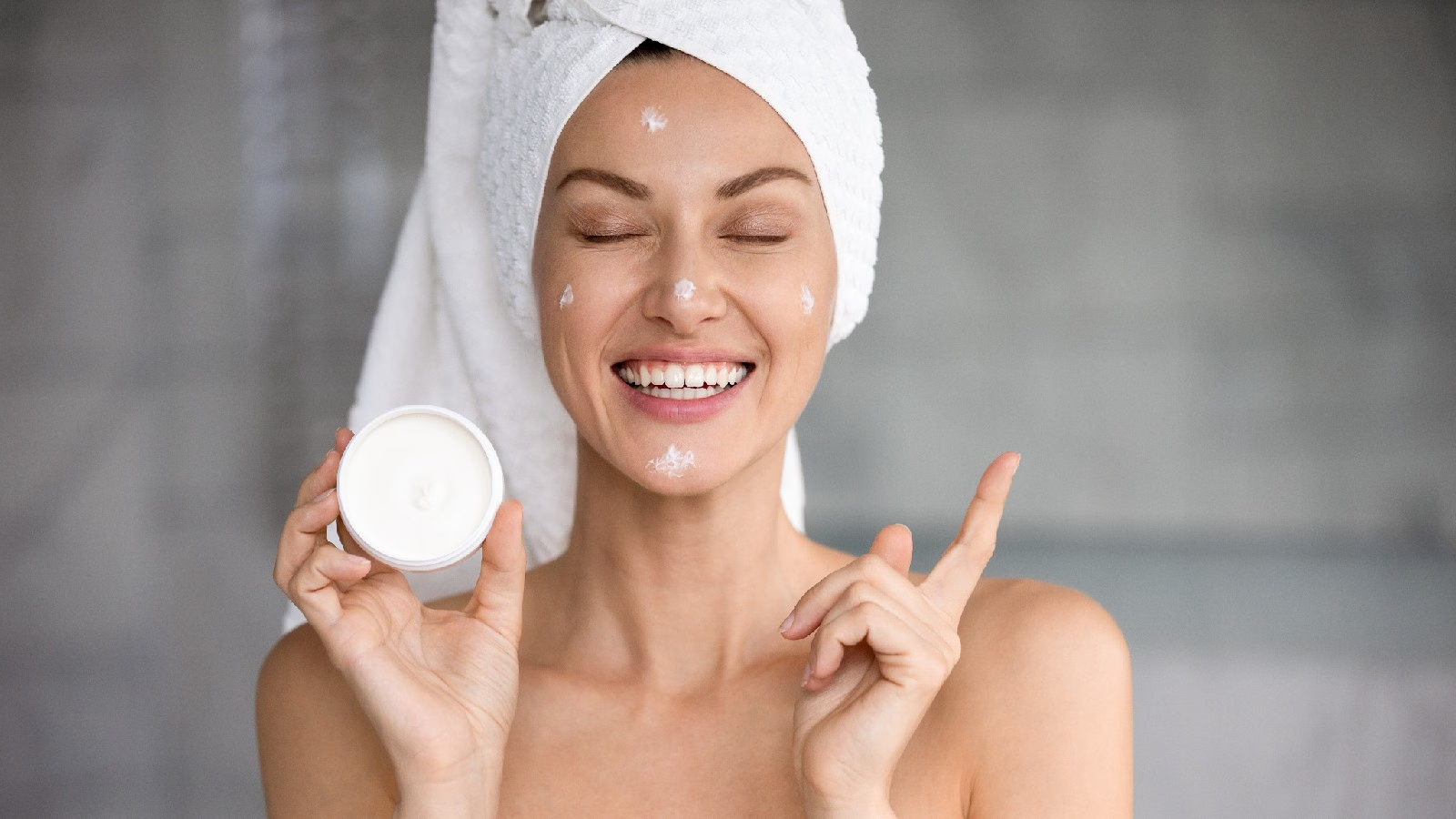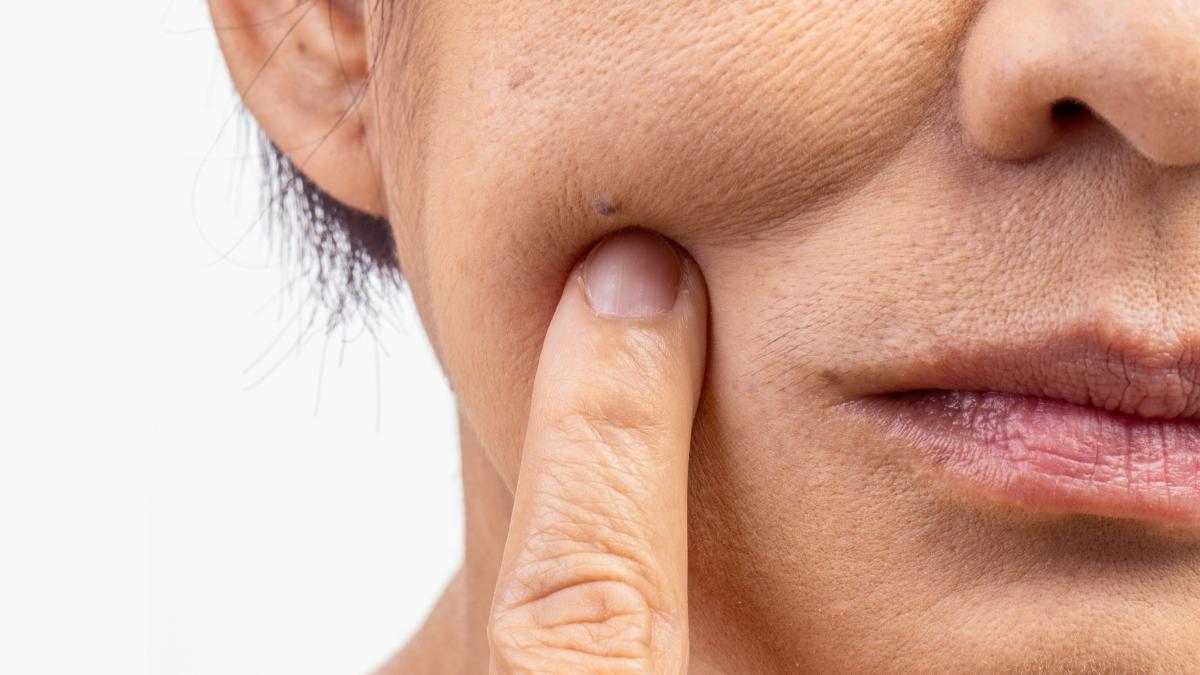
Habits that may be speeding up your skin ageing: 7 everyday mistakes to watch

Habits that may be speeding up your skin ageing: 7 everyday mistakes to watch

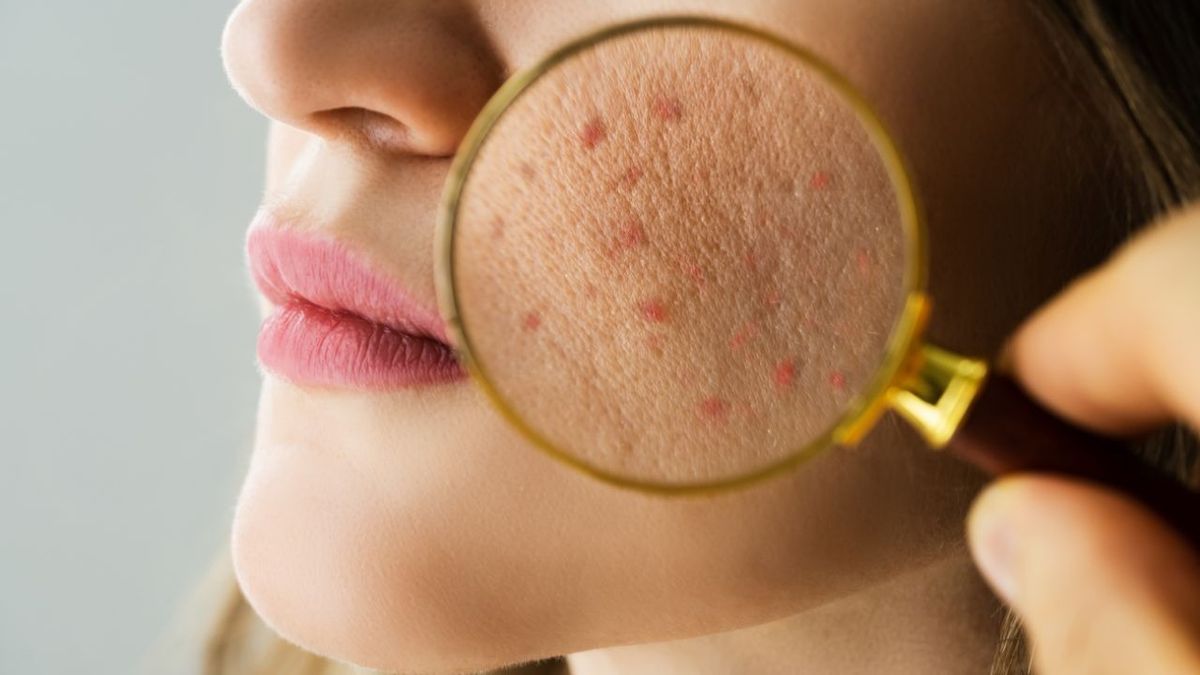
Ageing is an unavoidable part of life, but how quickly its signs appear on the skin can be influenced by more than just genetics. From spending time outdoors without adequate sun protection to smoking and repeatedly irritating the skin, certain everyday habits can contribute to premature ageing. 

The American Academy of Dermatology (AAD) notes that lifestyle and environmental factors can cause what dermatologists call “extrinsic ageing”, which happens alongside the natural ageing process. Wrinkles, dryness, loss of elasticity and changes in skin texture can become more noticeable when the skin is repeatedly exposed to damaging factors.

Here are some common habits that may be making the skin look older sooner than it otherwise would.

Skipping sunscreen

One of the biggest avoidable contributors to premature skin ageing is exposure to ultraviolet (UV) radiation. The Mayo Clinic says UV exposure can damage collagen and elastin, the connective tissues that help skin retain its strength and flexibility. Repeated exposure can therefore contribute to wrinkles and other visible changes.

The AAD recommends using a broad-spectrum, water-resistant sunscreen with SPF 30 or higher on exposed skin when outdoors. It also advises seeking shade and using protective clothing, hats and UV-protective sunglasses.

Trying to maintain a tan

A tan may be considered desirable by some, but deliberately tanning exposes the skin to UV radiation. According to the AAD, tanning, whether outdoors or through indoor tanning equipment, can accelerate premature skin ageing.

The organisation recommends opting for a self-tanner if someone wants a tanned appearance, while continuing to protect the skin from the sun.

Smoking

Smoking is another habit strongly associated with premature skin ageing. The AAD says smoking can speed up the ageing process and contribute to wrinkles and a dull, sallow complexion.

The Mayo Clinic also lists smoking among the factors that accelerate wrinkle formation. It explains that tobacco smoke can damage collagen and elastin, while also affecting blood vessels supplying the outer layers of the skin.

Eating too much sugar and refined carbohydrate

Diet can also play a role in skin health. The AAD points to research suggesting that a diet high in sugar and other refined carbohydrates may accelerate skin ageing, while a diet containing plenty of fresh fruits and vegetables may help reduce damage associated with premature ageing.

This does not mean that individual foods alone determine how quickly someone ages. Rather, the overall quality and balance of the diet may influence skin health over time.

Drinking too much alcohol

Frequent or excessive alcohol consumption may also work against healthy-looking skin. According to the AAD, alcohol can dehydrate the skin and, over time, cause damage that may contribute to an older appearance.

The Mayo Clinic Press similarly includes limiting alcohol among lifestyle measures that can support healthier-looking skin and help reduce factors associated with wrinkles.

Scrubbing or irritating the skin

More aggressive cleansing is not necessarily better cleansing. The AAD advises against vigorously scrubbing the skin because irritation itself can contribute to premature ageing.

Its dermatologists recommend gentle cleansing with a mild cleanser rather than harsh scrubbing. The AAD also cautions against continuing to use skincare products that cause persistent burning or stinging, as irritation can make the skin appear older.

The organisation recommends washing the face when waking, before bed and after heavy sweating, while using gentle movements rather than trying to scrub away every trace of oil or dirt.

Repeating the same facial expressions

Facial expressions are a normal part of everyday life, but repeatedly contracting the same muscles can contribute to lines over time. The AAD explains that repeated facial movements can eventually leave lines that become more permanent as the skin loses some of its ability to bounce back.

The Mayo Clinic makes a similar point, noting that repeated movements such as squinting, smiling and frowning can create grooves that become more visible as skin elasticity decreases with age.

This does not mean people should stop smiling or expressing themselves. Protecting the eyes from bright sunlight with sunglasses, for example, can help reduce frequent squinting.

Natural ageing cannot be stopped, and factors such as genetics remain important. But the AAD says lifestyle and environmental factors can influence how quickly premature signs appear.

Published: 14 Sept 2026, 11:34 am IST

ABOUT THE AUTHOR

Sia Viju is a journalist with over two years of experience covering entertainment and lifestyle. She specialises in Korean entertainment, Hollywood, Bollywood and Mollywood, alongside lifestyle topics including health, beauty, parenting and relationships.

.

More from this author

Get Latest Mathrubhumi Updates in English

Follow

Disclaimer: Kindly avoid objectionable, derogatory, unlawful and lewd comments, while responding to reports. Such comments are punishable under cyber laws. Please keep away from personal attacks. The opinions expressed here are the personal opinions of readers and not that of Mathrubhumi.
Tags: , , , , , ,
Morning skincare mistakes that are ageing your skin faster

Morning skincare mistakes that are ageing your skin faster

Small mistakes in your morning skincare routine can quietly accelerate signs of ageing. From over-cleansing and skipping sunscreen to misusing active ingredients and neglecting moisturiser, these common habits may damage your skin barrier and make fine lines more noticeable over time.

Published Date – 2 June 2026, 04:24 PM


Your morning skincare routine is meant to protect your skin and prepare it for the day ahead, but small daily mistakes can quietly speed up signs of ageing over time. Without realising it, habits such as over-cleansing, skipping sunscreen or layering the wrong products can weaken your skin barrier, reduce its natural glow and make fine lines more noticeable. The good news is that these are easy to fix once you know what to look out for.

Over-cleansing your skin in the morning

Many people assume that washing their face multiple times or using a strong cleanser in the morning will deliver better results. In reality, over-cleansing can strip away the natural oils that help keep the skin barrier healthy and protected. This can lead to dryness, irritation and faster visible ageing. For most skin types, a gentle cleanser or even a simple rinse with water is enough in the morning.

Skipping sunscreen protection

One of the biggest skincare mistakes is skipping sunscreen, especially during the morning rush. UV rays are present even on cloudy days and can reach the skin indoors through windows. Over time, sun exposure breaks down collagen and accelerates the appearance of fine lines, pigmentation and dullness. Applying sunscreen every day is one of the most effective ways to slow the ageing process.

Using too many active ingredients in the morning

Strong active ingredients such as retinol, exfoliating acids and potent serums are often misused in morning skincare routines. These ingredients can make the skin more sensitive to sunlight and irritation. Most dermatologists recommend reserving them for night-time use, when the skin naturally repairs and regenerates itself.

Not moisturising properly

Skipping moisturiser or applying too little can leave your skin dehydrated throughout the day. Dehydrated skin often appears dull and can make fine lines more noticeable. A lightweight and hydrating moisturiser helps maintain the skin’s moisture balance while keeping it smooth, healthy-looking and comfortable.

Tags: , , , , ,
Skincare Mistakes to Avoid for Healthy, Clear Skin

Skincare Mistakes to Avoid for Healthy, Clear Skin

Lifestyle

-Oneindia Staff


Updated: Sunday, April 19, 2026, 8:54 [IST]

Many skincare problems come from daily habits, not bad luck. Common skincare mistakes can cause dull skin, acne, dark spots, or dryness. Small fixes can support healthy, clear skin. Focus on gentle cleansing, steady moisturising, and daily sun protection. Also watch how you use active products like retinol and acids.

Washing your face too often is a common skincare mistake. It can strip natural oils and weaken your skin barrier. This may lead to tightness, more oil, and breakouts. Cleanse twice a day, and after heavy sweat. Use lukewarm water, not hot water.

Many skincare problems like dullness and acne arise from daily habits such as overwashing, harsh products, skipping moisturizer or sunscreen, and improper makeup removal, which can be corrected with gentle cleansing, consistent moisturizing, and daily SPF.

Strong soaps and rough scrubs can irritate skin. They can also make redness and acne worse. Choose a mild cleanser that suits your skin type. For oily skin, avoid “squeaky clean” feels. For dry skin, pick a creamy, non-drying face wash.

Many people skip moisturiser to avoid oily skin. This can backfire and trigger more oil. Moisturiser helps reduce water loss and supports the barrier. For healthy, clear skin, use a light, non-comedogenic moisturiser if you get acne.

Using a heavy cream on very oily skin may clog pores. Using a very light gel on very dry skin may not be enough. Match texture to your needs. If skin feels tight after cleansing, moisturise within a few minutes to lock in moisture.

Not using sunscreen every day

Skipping sunscreen is one of the biggest skincare mistakes. UV rays can cause tanning, dark spots, and early lines. They can also worsen acne marks. Use a broad-spectrum SPF 30 or higher each day. Apply it even on cloudy days and indoors near windows.

Using too little sunscreen reduces protection. Apply enough to cover face and neck. Reapply when you are outdoors for long hours. If you sweat a lot, reapply more often. Sunscreen should be the last step of morning skincare, before makeup.

Over-exfoliating and using too many actives

Exfoliation can help with clogged pores and dullness. Too much can harm the barrier and cause burning. This may lead to more pimples and peeling. Avoid using scrubs daily. If you use acids, start slow and watch for irritation.

Mixing many strong actives is another common mistake. Using retinol, AHA, BHA, and benzoyl peroxide together can be harsh. Keep routines simple. Add one active at a time. Use it a few nights a week, then increase only if skin stays calm.

Picking, popping, and touching the face

Popping acne can push germs deeper into skin. It can cause swelling and dark marks. It may also leave scars that take long to fade. If you get painful pimples, use spot treatment. For frequent acne, consider a dermatology visit.

Touching your face often can spread oil and dirt. This can block pores and trigger breakouts. Keep hands away from the face during the day. Clean your phone screen often. Change pillowcases on a regular schedule, since they collect oil and sweat.

Using products without patch testing

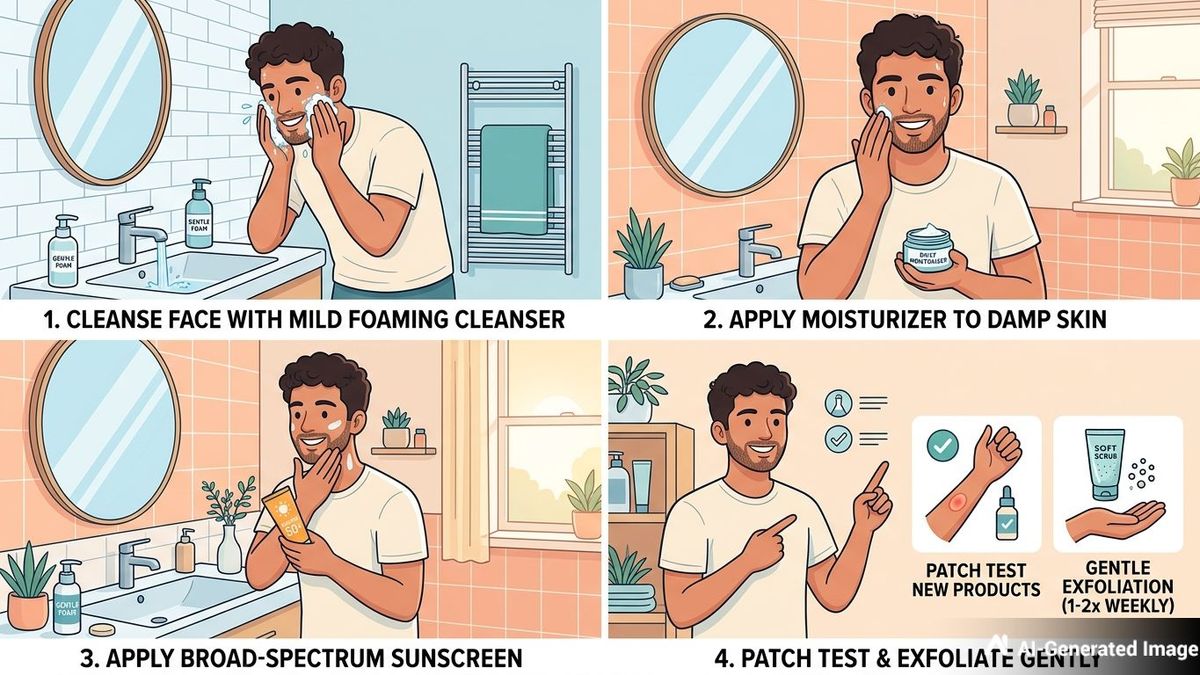
Trying new skincare without a patch test can lead to rashes. Fragrance, essential oils, and strong actives may irritate. Patch test on a small area first. Wait at least 24 hours to check for redness, itching, or bumps before full use.

Do not change many products at once. If you react, it becomes hard to know the cause. Keep a simple routine for two weeks. Then add one new item. This helps you build a routine for healthy, clear skin with fewer surprises.

Not removing makeup properly

Sleeping with makeup is a major skincare mistake. It can trap oil and dirt in pores. This may lead to blackheads and dull skin. Remove makeup before bed. Use a gentle remover or cleansing balm, then follow with a mild face wash.

Rubbing hard to remove makeup can irritate skin. Be gentle around the eyes. Use soft cotton or clean hands. If you use waterproof products, choose a remover made for them. Clean makeup brushes often to reduce bacteria and acne flare-ups.

Ignoring skin type, climate, and consistency

Copying a friend’s routine may not suit your skin. Oily, dry, and sensitive skin need different care. Weather also matters in India, since heat and humidity can increase sweat and oil. Choose products based on your skin type and how it feels.

Changing products too quickly is another common issue. Skincare takes time, especially for acne marks. Use a routine for several weeks unless you have irritation. Keep steps basic: cleanse, moisturise, and sunscreen. Add treatment steps only when needed and tolerated.

Tags: , , , , ,
Ramadan 2026: Skincare mistakes to avoid while fasting, experts advise

Ramadan 2026: Skincare mistakes to avoid while fasting, experts advise

Between long fasting hours, late nights, and packed iftar plans, Ramadan often brings a shift not just in routine, but in how your skin looks and feels. Dryness, dullness, chapped lips, dark circles, puffiness, and increased sensitivity are common concerns that arise as sleep patterns change and daytime hydration levels decrease.

While these changes are normal, dermatologists and skincare experts noted that a few everyday habits can exacerbate them. The key during Ramadan is not to do more, but to simplify your routine and focus on hydration, gentle care, and protecting the skin barrier.

Dr Malaz Eldirdiry, specialist dermatologist at Burjeel Medical City, Abu Dhabi, explained that reduced fluid intake during the day can affect the skin’s appearance and comfort.

“Dehydration can lead to dryness and dullness, and may worsen conditions like eczema or sensitive skin,” she said. “But when hydration and nutrition are well managed after iftar, fasting itself can have neutral or even positive effects, including better oil balance and, in some cases, improvement in acne.”

Sleep changes also play a role. Skincare professionals note that late nights, early suhoor wake-ups, and fragmented sleep can disrupt the skin’s natural day-night rhythm. During the day, the skin focuses on protection, while at night it shifts into repair mode. When this cycle is disturbed, it can lead to slower healing, lingering inflammation, puffiness, and a tired-looking complexion.

If your skin has been looking a little off this month, here are some common Ramadan skincare mistakes to avoid.

Washing your face too often

It’s tempting to keep cleansing throughout the day to feel fresh, but overwashing can do more harm than good.

“Over cleansing or using harsh soaps can damage the skin barrier, leading to increased dryness, irritation, and even rebound oil production,” Dr. Eldirdiry said. “A gentle cleanser twice a day, morning and night, is usually enough during Ramadan.”

Trying to scrub away dullness

When skin looks tired, the instinct is often to exfoliate more, especially in the final days of Ramadan as Eid approaches.

However, using scrubs, acids, or peels too frequently can weaken the skin barrier and trigger redness, sensitivity, or pigmentation. Instead of chasing instant brightness, experts recommend reducing exfoliation and focusing on hydration to restore the skin’s natural glow.

Using strong activities as usual

Skin tends to be more reactive during Ramadan, which means powerful ingredients may need to be used less often. Retinol, strong exfoliating acids, high strength lightening creams, and alcohol heavy toners can all increase dryness and irritation when the skin is already dehydrated.

Rather than stopping them completely, spacing out their use and monitoring how your skin responds can help prevent flare-ups.

Forgetting barrier repair and hydration

“One of the biggest mistakes is trying to fix dehydration with aggressive treatments instead of supporting the skin barrier,” Dr. Eldirdiry said.

A simple Ramadan routine works best:

·       Gentle cleanser morning and night

·       Hydrating serum with hyaluronic acid or glycerin

·       Moisturiser and sunscreen during the day

·       A richer cream or sleeping mask after iftar

Booking treatments at the wrong time

If you’re planning facials or laser sessions during Ramadan, timing matters. Hydrating facials and gentle treatments are generally well tolerated, but more intensive procedures may feel uncomfortable when the body is dehydrated.

Aesthetic expert Ahmed Nhaban recommends scheduling treatments two to three hours after iftar, once the body has been rehydrated and nourished. Many clinics across the UAE report that evening appointments become the most requested during Ramadan for this reason.

Leaving your Eid prep too late

If you’re planning a pre-Eid glow-up, dermatologists suggest booking early. Clinics typically see a surge in the final weeks of Ramadan, with popular requests including skin boosters, hydrating treatments, laser hair removal, and upper face Botox.

Botox, in particular, should ideally be administered around 10 to 14 days before Eid to allow the full effect to take hold.

When your sleep schedule changes, your skin feels it too

Late nights, early suhoor wake-ups, and broken sleep during Ramadan don’t just affect energy levels; they can also disrupt the skin’s natural rhythm.

According to skincare professionals at Circadia, the globally trusted professional skincare brand rooted in chronobiology and circadian science,the skin follows its own internal clock. During the day, it focuses on protection against environmental stress, while at night it shifts into repair mode, boosting cell turnover, collagen production, and barrier recovery.

When sleep patterns change, this repair phase may be affected, leading to common Ramadan concerns such as dullness, dehydration, puffiness, dark circles, breakouts, and slower healing.

Experts say adjusting skincare to match this shift can help the skin stay balanced, with a focus on protection and hydration during the day and supporting repair in the evening.
Adjust your routine to your Ramadan rhythm

Skincare specialists recommend thinking about your routine in two phases:

After suhoor or early morning

·       Focus on lightweight hydration

·       Use antioxidants such as Vitamin C

·       Always apply sunscreen

·       Choose products that strengthen the skin barrier to reduce moisture loss

After iftar and before sleep

·       This is the best time for richer products and repair focused care

·       Use soothing or barrier-restoring formulas

·       Add targeted eye care to help with puffiness and dark circles

·       Avoid aggressive treatments if the skin feels stressed or sensitised

They also recommend prioritising hydration focused ingredients such as hyaluronic acid and peptides, avoiding over-exfoliation, and choosing gentle, oxygen boosting facials if opting for professional treatments.

Tags: , , , , , ,
Everyday mistakes that slowly damage your skin barrier

Everyday mistakes that slowly damage your skin barrier

Your skin barrier is the outermost layer of your skin that locks in moisture and keeps irritants, pollution, and bacteria out. When it is healthy, skin looks calm, hydrated, and resilient. 

When damaged, you may notice dryness, burning, breakouts, redness, or sudden sensitivity. What’s surprising is that skin barrier damage often comes from daily habits that seem harmless.

Also Read: Winter glow: Your ultimate skincare routine for hydrated, radiant skin

Over-Cleansing and Using Harsh Face Washes

Washing your face too often or using strong, foaming cleansers strips away natural oils that protect the skin. Many people cleanse multiple times a day, especially in hot or humid weather, thinking it prevents acne. In reality, this weakens the barrier and causes dehydration, forcing skin to produce more oil and leading to irritation.

Excessive Exfoliation

Using scrubs, acids, or exfoliating tools too frequently is one of the fastest ways to damage the skin barrier. Daily exfoliation removes protective lipids and disrupts the skin’s natural repair cycle. Signs include tightness, stinging when applying products, and sudden breakouts. Healthy skin does not need constant exfoliation to glow.

Skipping Moisturiser Because of Oily Skin

Many people with oily or acne-prone skin avoid moisturiser, assuming it will clog pores. This habit leaves the skin barrier weak and dehydrated. When skin lacks moisture, it compensates by producing even more oil, worsening acne and sensitivity. A lightweight, barrier-supporting moisturiser is essential for all skin types.

Hot Water on Face and Body

Using very hot water during face wash or showers feels relaxing but quietly damages the skin barrier. Hot water dissolves protective oils and increases water loss from the skin. Over time, this leads to dryness, itching, and inflammation, especially on the face and neck.

Constant Product Switching

Trying new skincare products every few days prevents the skin barrier from stabilising. Frequent changes expose skin to multiple actives, fragrances, and preservatives, increasing the risk of irritation. Skin needs consistency to repair itself.

Ignoring Sun Protection Indoors

UV rays penetrate windows and screens. Skipping sunscreen indoors or on cloudy days allows daily UV exposure to weaken the skin barrier, leading to pigmentation, sensitivity, and premature ageing.

Also Read: Natural winter care tips for healthy skin and strong hair

Your skin barrier doesn’t break overnight—it weakens slowly due to everyday habits. Gentle cleansing, limited exfoliation, daily moisturising, lukewarm water, consistent skincare, and regular sun protection help preserve barrier health. When the barrier is strong, most skin problems naturally calm down, proving that less is often more in skincare.

Tags: , , , , ,
The everyday mistakes you need to avoid in 2026- The Week

The everyday mistakes you need to avoid in 2026- The Week

Each year, when winter hits, everyone starts posting their goals online. Focus on real food. Hit the gym regularly. Get extra rest. Among all the smartwatches and kale shakes, taking care of your skin usually ends up as just a throwaway tip: stay hydrated. 

Speaking as someone who treats skin and scalp issues, here’s what I know for sure – clear, strong skin isn’t about extreme fixes or trendy tricks. It grows from tiny habits done regularly, ones that work with your body, not against it, particularly now when screens dominate every hour.

Here’s the truth. By 2025, skin issues go way beyond pimples or dark spots. Instead, more people face flare-ups from stress, early ageing thanks to screens, irritated scalps, even thinner hair, and it’s hitting younger folks now. 

All those late scrolls, messed-up sleep, dirty air, plus trying out viral skincare, yeah, that’s reshaped how we treat skin. But here’s a win: fixing things this year won’t take ten steps.

Simplicity wins every time

A straightforward switch that actually helps? Sticking to a no-fuss daily rhythm – wash, hydrate, shield. Cleaning your face morning and night with a mild, balanced cleanser supports healthy skin function. Washing too much, particularly using strong or ‘intense’ formulas, is something people often get wrong. Skin isn’t meant to be stripped. What it really wants is harmony. 

Folks often skip moisture, but it’s a must, even if your face gets shiny or breaks out. Picking a light lotion that won’t clog pores can protect your skin while calming redness. What about SPF? Yeah, nothing else fights aging quite like it. Thanks to screen glare piling up and dirty air getting worse, full-coverage sunblock isn’t just for sunny days; use it at home too.

Skin wellness starts right at your scalp

When I talk to people about their scalp health, I compare it to taking care of your face. Issues like flaking or thinning strands pop up more now because life’s hectic – plus heat tools don’t help. Washing weekly with the right product keeps things balanced. Massaging oils? Sure, but only for a short time. Too much can backfire quickly. Trending hair pills might seem great, yet taking them yourself could backfire. Losing hair isn’t simple. Things like poor diet, shifting hormones, or family traits mix into it. Seeking an expert opinion before trying fixes? That’s a solid move.

Sleep, tension and skin: A team few notice

Late nights plus endless scrolling mess with your face; dull tone, shadows under eyes, breakouts creep in. When you crash, your skin gets busy fixing stuff. Skip the fancy bottle; nothing swaps like real rest. 

Dealing with stress matters just as much. When cortisol jumps up, skin issues like acne, eczema, psoriasis, or hair loss worsen. Small routines like walking every day or stepping away from screens help clear things up. 

Watch out for trends

Slugging, skin cycling, at-home gadgets might seem cool, yet they don’t fit everyone. Just because a celebrity swears by it doesn’t mean it will suit your skin or where you live. Factor in India’s shifting seasons, dirty air, plus unique genetics, and it gets complicated. By 2025, the smart move isn’t following hype; it’s tailored skincare from experts.

This New Year, focus less on flawless looks and aim for strong, happy skin instead. Pick what works, using facts as your guide. Stick with it, even if progress feels slow. If unsure? Talk to an expert, not a random post online. Tiny steps every day add up without making noise. Good skin isn’t a short-term bet; it’s a lifelong routine that sticks.

The author is a hair transplant surgeon, dermatologist and co-founder of MedLinks.

The opinions expressed in this article are those of the author and do not purport to reflect the opinions or views of THE WEEK.

Tags: , , ,
6 Surprising Mistakes You Didn’t Realise You’re Making

6 Surprising Mistakes You Didn’t Realise You’re Making

Many people invest time, money and effort into their skincare routine only to wonder why their skin still looks dull, irritated or prone to breakouts. The truth is, most skincare failures don’t come from a lack of products—but from small, everyday mistakes that quietly disrupt the skin’s natural balance. These errors often go unnoticed, yet they can stop even the most premium products from working the way they should.

If you’re constantly switching products or adding new ones, it may be time to rethink your basics. Here are the six hidden mistakes that could be holding your skin back.

1. Treating Only What You See

Most of us chase surface issues like redness, dryness or acne, but these symptoms are only reflections of deeper imbalances. Persistent concerns often arise from internal factors—fluctuating hormones, immune responses or disturbances in the skin and gut microbiome. Without addressing the root cause, topical products can offer only temporary relief.

2. Ignoring the Gut–Skin Connection

Your gut and skin are closely linked. When the gut microbiome becomes imbalanced, it can trigger inflammatory reactions that show up on the skin as acne, eczema, rosacea or unexplained sensitivity. A weak digestive environment can silently fuel recurring skin problems, no matter how elaborate your skincare routine is.

3. Damaging the Barrier With Too Much Exfoliation

Exfoliators are meant to brighten the skin, but overdoing them can backfire. Frequent use of scrubs, chemical peels or strong acids weakens the protective barrier layer. Once compromised, the skin loses moisture easily and becomes prone to irritation, breakouts and premature ageing. Gentle, controlled exfoliation is far more beneficial than aggressive routines.

4. Mixing Potent Actives Without Understanding Them

Popular ingredients like retinol, vitamin C, niacinamide and exfoliating acids have specific pH levels and compatibility rules. Layering them incorrectly can neutralise their effectiveness or irritate the skin. Additionally, harsh cleansers or strong soaps can disturb the skin microbiome, causing imbalance and sensitivity. Understanding how ingredients work together is crucial for a safe and effective routine.

5. Expecting Results Faster Than Your Skin Can Adapt

Skin regeneration, barrier repair and collagen production all take time. Constantly switching products interrupts these natural processes and leaves the skin confused and stressed. A consistent routine, rather than a crowded one, is the foundation of healthy skin. Slow and steady transformation is more realistic than overnight miracles.

6. Overlooking Lifestyle Factors That Influence Skin Health

Your skin responds to everything—stress levels, sleep quality, diet, medications and daily environmental exposure. For instance, prolonged stress can increase cortisol, leading to excess oil production and inflammation. No topical product can fully counter lifestyle-related triggers. Balanced habits are just as essential as good skincare.

Healthy, glowing skin isn’t built on expensive products but on mindful habits and scientific understanding. By avoiding these six common mistakes, you can help your skin regain stability and achieve long-lasting radiance.

Tags: , , , , ,
10 Bridal Makeup Mistakes Every Bride Makes

10 Bridal Makeup Mistakes Every Bride Makes

Skipping A Makeup Trial: Avoid going into your big day without testing your look beforehand.
How To Avoid: Schedule one trial with your makeup artist. Test it under natural and artificial lighting, and wear it for a few hours to see how it holds up. (Image: AI Generated)

Wearing Heavy Foundation: It is a myth that more coverage equals better photos.
How To Avoid: Choose a long-wear, lightweight foundation that matches your skin tone perfectly. Build coverage only where needed. (Image: AI Generated)

Overly Dramatic Eye Makeup: Dramatic eye makeup may overpower your features.
How To Avoid: Aim for a balanced glam – defined eyes with soft blending. Waterproof liners and mascaras are essential. (Image: AI Generated)

Neglecting Brow Prep: If you keep your brows too sharp, dark or uneven.
How To Avoid: Get your brows professionally shaped 1-2 weeks before the wedding. On the day, use soft, hair-like strokes instead of harsh lines. (Image: AI Generated)

Choosing An Incorrect Shade Of Foundation: A face that does not match your neck or shoulders.
How To Avoid: Test shades in natural daylight. If your body in tanner than your face, match the foundation to your chest or shoulders, not your jawline alone. (Image: AI Generated)

Skipping Setting Products: Who wants their makeup to melt, fade or smudge during the celebration?
How To Avoid: Use a quality primer, set foundation with finely milled powder, and finish with setting spray to lock everything in place. (Image: AI Generated)

Choosing Wrong Lip Products: Lipstick that smudges, transfers or disappears.
How To Avoid: Choose long-wear formulas and line your lips to prevent feathering. (Image: AI Generated)

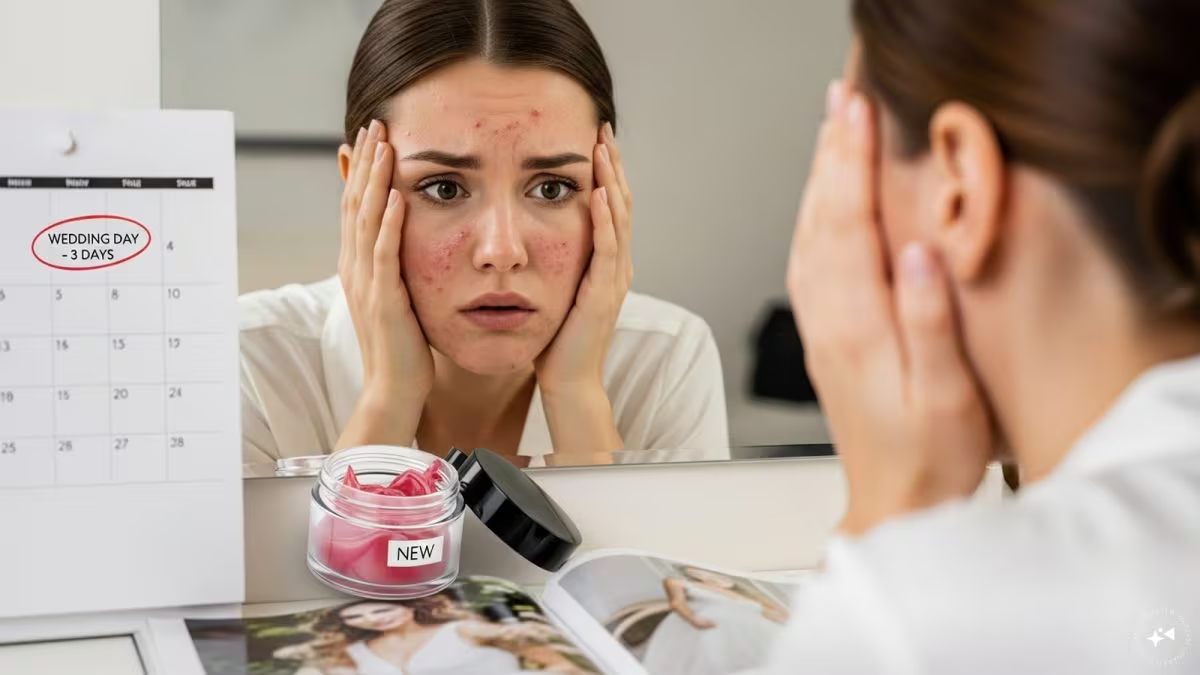
Try New Skincare Routine Too Close To Wedding: Experimenting new products that cause irritation or breakouts.
How To Avoid: Introduce any new skincare items at least 3 months before the big day. (Image: AI Generated)

Tags: , , ,
The best aeroplane skincare routine for glowing post-flight skin - and mistakes to avoid

The best aeroplane skincare routine for glowing post-flight skin – and mistakes to avoid

Hitting the tarmac with breakouts and tired, dull, dry skin is less than ideal ahead of a jet-setting holiday or an important work trip. 

Taking care of your skin while flying is no easy feat, with harsh air conditioning pulling the moisture out of your cheeks and the circulation of bacteria threatening to tarnish your skin barrier.

However, while difficult, it is not impossible. While up in the air, you have plenty of time to implement a small skincare routine that can help protect your face from the toll flying takes on your body. 

I personally struggle with post-flight blemishes and so, went on a mission for myself and HELLO! readers to seek expert advice on how we can all take better care of our skin while travelling above the clouds. 

Why your skin acts up while flying 

Taking to the skies has a grave impact on your skin, but for most of us, the reason why flying creates havoc is pretty unknown.

Road trips or train journeys don’t seem to be as detrimental, so what is it about getting on an aeroplane that makes our skin struggle as much as it does? 

There are a few reasons why flying can wreck your skin, but it is mostly due to the extremely low humidity inside the cabin that causes moisture to evaporate and your face to become uncomfortably dry. 

Typically, most aircraft cabins have humidity levels that sit below 20 per cent. This creates an environment that is drier than some deserts and leaves skin feeling tight and flaky. 

If you are someone who suffers from oily skin, the dryness in the air can trigger your skin to start overproducing oil to compensate for the lack of moisture, resulting in breakouts and clogged pores. 

Elsewhere, the reduced oxygen levels and pressure changes on a flight mean that less oxygen is circulated to your skin, causing it to appear dull and tired. 

Stress and an early morning departure time can also contribute to washed-out skin as your body battles being awake at a frighteningly early hour of the morning or an equally late time at night. 

© Getty ImagesMake sure your products adhere to the airline’s guidelines

Pre-flight – cleanse, hydrate, and ditch the makeup

Before you even get on the plane, there are some things you can do to prep your skin for the journey ahead. 

This includes cleansing and applying a heavy moisturiser before leaving the house and heading to the airport, and leaving your face makeup-free. 

Dermatologist Dr Anna Andrienko told HELLO!: “I always tell patients to treat a flight the way they’d treat a nighttime routine. 

“Start with a gentle, non-stripping cleanser, then apply a humectant serum containing hyaluronic acid or glycerin, followed by a ceramide-rich moisturiser to lock that water in. Avoid wearing makeup, which can mix with bacteria and sweat during a flight and increase congestion.

“At Dr Ducu Clinics, we remind frequent travellers that good pre-flight skin prep is more effective than anything you do in the air because it stabilises the barrier before it’s exposed to extreme dryness.” 

Travel grooming expert Abel Disla added: “The night before you fly matters more than the hour before boarding. Do a gentle cleanse, light exfoliation, then a hydrating, non-greasy moisturiser on face and scalp. Think ‘well-sealed skin’, not ‘glazed doughnut’.”

During the flight – mist, moisturise, and protect 

Once in the air, you’ll be left to your own devices, so the products you pack are vital if you are interested in maintaining your skin as you soar above the clouds. 

Melanie Brownlow, founder of St. Moriz tan, highlighted the importance of SPF when sitting in a window seat. She said: “It has been said that sitting in a window seat with the blind up during a flight for an hour has the equivalent UVA radiation as twenty minutes on a tanning bed, so missing this step is a no-go.

“If you can, try to stick to an oil-free sunscreen as oil-based products can interfere with the self-tanning process. Avoiding this will help you achieve an airbrushed, streak-free finish.” 

She also suggested: “Once your SPF has had time to settle on the skin, it’s important to keep the hydration up – especially if you’re on a long-haul flight. 

“The best way to do this is by using a light face spritz. Spritz your face with a water-based facial mist every 30-40 minutes to prevent any dryness from occurring. Just make sure it’s under 100ml so you can bring it into your cabin bag!” 

Dr Anna warned against the dangers of over-hydrating your face, to ensure excess product doesn’t clog your pores. 

She said: “On board, focus on maintaining hydration, not over-treating. A hydrating mist with thermal water or hyaluronic acid adds surface moisture, and topping up your moisturiser every few hours helps prevent barrier disruption.

“Avoid applying active ingredients such as retinol, AHAs or BHAs mid-flight. In such low humidity, these can easily lead to irritation.

“Don’t forget lips and hands. They lose moisture fastest due to the thinness of their skin and constant washing on planes.” 

© Getty ImagesThe low humidity in the cabin is what causes extreme dryness

Post-flight – cleanse again, apply serum, calm your skin

The work doesn’t stop once you have descended the plane’s steps. What you do for your skin once you have reached your destination is just as important as all the other steps. 

Abel recommended: “As soon as you get to your hotel, treat it like a mini reset: cleanse off cabin grime, use a calming serum with niacinamide or centella, then a simple moisturiser. No new activities on landing day, your skin is already stressed.” 

What to pack in your carry-on

Something to note before you zip up your cabin bag is the liquid restrictions enforced by the airline and the airport. 

There’s no point in bringing all your best products along with you if they are only going to get taken off you while passing through security before you reach departures. 

Dr Anna put together a list of things suitable for your carry-on that could save your skin from take-off to landing. 

She reminded flyers that “all products must be under 100ml” (though some modern scanners now allow more, it’s best not to risk it!), and suggested this order of application:

  • A gentle micellar cleanser
  • Hydrating serum (hyaluronic acid, glycerin or panthenol)
  • Ceramide or peptide moisturiser
  • SPF 30+
  • Lip balm
  • Hand cream
  • A simple hydrating mist

“If you fly regularly, keep a pre-packed travel skin kit. Many of our patients do this, so they aren’t tempted to use overly strong products on board,” the expert added. 

Mistakes to avoid 

When it comes to caring for your skin, there are tons of recommendations and overly hyped products out there that could be making things worse, not better. 

Before you take to the skies, make sure you avoid these mistakes so that you land glowing and not glowering at a usually overpriced skincare hack that has caused a breakout on your face. 

Dr Anna urged people to avoid sheet masks. “They seem luxurious, but in the dry cabin air, they actually pull moisture out of your skin as the sheet starts to dry,” she said. “Sheet masks only work in humid environments where evaporation is minimal.” 

She also advised that any alcohol-based products be left at home as “these increase dryness and undermine the skin barrier – exactly what you’re trying to protect”.

Her final tip was to skip using creams that have too many active ingredients: “The plane is not the place for retinoids, acids or strong vitamin C serums. Save those for home, where humidity is normal”. 

Tags: , , , , , , ,
How to layer winter skincare? Expert tips and common mistakes

How to layer winter skincare? Expert tips and common mistakes

Learn how to layer winter skincare products effectively. Avoid common mistakes and receive expert tips to keep skin hydrated and healthy.

As the air gets colder, many of us prepare to keep our skin hydrated and healthy; however, winter can be particularly harsh on our skin. Lower temperatures and lower humidity can cause dryness, flakiness, and increased sensitivity. It often feels like a losing battle, mainly when you apply thick creams and oils, but still find your skin feeling dry and uncomfortable. What’s going on?

Many people focus on using heavy skincare products. Still, we often overlook an important aspect: how to layer those products correctly. “Learning to layer your winter skincare can significantly help with dryness and can give you a healthy glow”, Dr Anindita Sarkar, Aesthetic Physician and Medical Cosmetologist, tells Health Shots. The correct way to layer your products and why many people get it wrong, based on expert advice from skincare professionals.

What is the primary purpose of layering?

Before we get into how to layer products, let’s talk about why it’s important. Each skincare product has a unique formula, which means it works at various levels and serves specific purposes. “If you don’t apply them in the correct order, you can block absorption and reduce their effectiveness”, says the doctor. Instead of achieving the smooth, hydrated skin you want, you might end up with a greasy feel that actually harms your skin.

What is the correct order of layering winter skincare products?

Let’s discuss the fundamental steps for winter skincare layering. “It’s important to use your products in the correct order”, says Dr Sarkar. This helps each product work well together, rather than against each other.

Apart from soothing your skin, cucumber juice can also help remove makeup. Image courtesy: Adobe Stock

  1. Cleanser: Start your routine with a gentle cleanser that hydrates your skin. “This cleanser should remove dirt and impurities without stripping your skin of its natural oils”, shares the skin expert. Select a product that cleanses and nourishes your skin simultaneously.
  2. Toner or mist: Next, use an alcohol-free toner or hydrating mist. This step is often overlooked, but it is crucial for maintaining your skin’s pH balance. A good toner prepares your skin for the products you will use next and helps them work more effectively.
  3. Serum: Begin your skincare routine with a lightweight serum rich in ingredients that benefit your skin. “Look for hyaluronic acid, which helps pull moisture into your skin, or niacinamide, which supports your skin’s barrier”, shares the expert. This step enables essential hydration to penetrate deeply into your skin.
  4. Moisturiser: After applying the serum, it’s essential to follow with a moisturising cream. “Choose creams that contain ingredients like ceramides, squalane, or shea butter”, says the aesthetic physician. These ingredients help strengthen your skin’s barrier and retain moisture.
  5. Facial oil (optional): If you have dehydrated skin, consider adding a few drops of non-comedogenic facial oils, such as safflower or rosehip oil. Using oil at this stage can add protection, improve glow, and make your skin feel as good as it looks.
  6. Sunscreen: Don’t forget to wear sunscreen, even in winter! “Use a broad-spectrum SPF 30 or higher because UVA rays are always present, no matter the season”, says the medical cosmetologist. Many people think they can skip sunscreen when it’s cold, but UV exposure can cause long-term skin damage.

What are some common skincare mistakes?

Now that we’ve discussed the correct order for layering skincare products, let’s look at some common mistakes that can disrupt your winter skincare routine.

  1. Skipping sunscreen: Many people believe they are safe from UV rays in winter, but this is a big mistake. UV rays can still cause skin ageing and dark spots.
  2. Over-exfoliating: Exfoliating too frequently with acids or scrubs can cause damage to your skin. “It may remove essential oils from your skin barrier, causing further dryness and irritation”, says the cosmetologist. During winter, it’s best to limit exfoliation or opt for gentler methods.
  3. Applying active ingredients to dry skin: Did you know that some ingredients, like hyaluronic acid, work better on slightly damp skin? If you use them to dry skin, they might not work as well, and you could be disappointed with the results.
  4. Layering products too quickly: Give your skin time to absorb each product before applying the next one. If you rush, it can cause your products to clump or irritate your skin, which reduces the benefits of the products you chose.

What is a holistic approach in skincare?

Winter skincare is about finding balance and using products in the correct order, not just piling on more products. By layering your skincare correctly, you help hydration absorb deeply while keeping your skin moist. When you layer your winter skincare products correctly, they can help fight dryness instead of causing frustration. Your skin doesn’t need more products; it needs better balance.

Disclaimer: At Health Shots, we are committed to providing accurate, reliable, and authentic information to support your health and well-being. However, the content on this website is intended solely for informational purposes and should not be considered a substitute for professional medical advice, diagnosis, or treatment. Always consult a qualified healthcare provider for personalised advice regarding your specific medical condition or concerns. Read More

Read More

Tags: , , , , , ,
Best oLive
Privacy Overview

This website uses cookies so that we can provide you with the best user experience possible. Cookie information is stored in your browser and performs functions such as recognising you when you return to our website and helping our team to understand which sections of the website you find most interesting and useful.