come avere una routine semplice con pochi prodotti

come avere una routine semplice con pochi prodotti

Skincare minimal ma efficace: tre passi chiave – detergente delicato, crema idratante giusta e SPF quotidiano. Costanza ascolta la pelle.

Preferisci ascoltare il riassunto audio? Abbiamo scelto una voce realizzata con strumenti avanzati IA per rendere rendere i nostri testi subito accessibili a tutti

Una skincare routine base, veloce e con pochi prodotti ma che funziona davvero? Si può fare, anche se sei super pigro/a e non sai da dove iniziare. In questo articolo ti aiutiamo a capire cosa ti serve davvero, cosa puoi tranquillamente saltare e come mettere in fila i prodotti senza fare pasticci. Zero complicazioni, solo i passaggi essenziali. Ecco dei trucchetti per costruire la tua skincare minimal ma efficace!

Partiamo da una cosa importante: non serve avere il bagno pieno di boccette per prendersi cura della pelle. Anzi, spesso troppi prodotti messi a caso peggiorano le cose. Se hai la pelle mista, grassa, secca o super sensibile, la base resta sempre la stessa: pochi step fatti bene e con costanza. Mettiamo ordine insieme e creiamo una routine semplice che puoi seguire ogni giorno senza stress e senza svuotare il portafoglio.

Step base: i 3 prodotti che non possono mancare

La routine minima che funziona si regge su tre pilastri: detergente, idratante, protezione solare. Basta. Tutto il resto (sieri, maschere, tonici, patch) sono extra carini, ma non indispensabili, soprattutto se stai iniziando adesso. L’obiettivo non è fare mille step, ma rendere la pelle pulita, morbida e protetta.

Scegli un detergente delicato che non “tiri” la pelle dopo il risciacquo, una crema idratante adatta al tuo tipo di pelle e una crema viso con SPF per il giorno. Ti basta applicare il detergente mattina e sera, la crema idratante dopo e, al mattino, aggiungere la protezione solare come ultimo step. Fine, routine fatta. Nessun rituale infinito davanti allo specchio.

  • Detergente delicato: evita quelli troppo schiumogeni se senti la pelle che brucia o tira
  • Crema idratante semplice: meglio se senza profumi forti, soprattutto se hai pelle sensibile
  • SPF viso ogni mattina: sì, anche d’inverno, perché la luce c’è sempre
  • Non cambiare prodotti ogni due giorni: dai tempo alla pelle di abituarsi

Come scegliere i prodotti giusti (senza impazzire)

La scelta dei prodotti manda in tilt mezzo TikTok, ma può essere molto più tranquilla. Per il detergente, punta su qualcosa in gel se hai pelle mista/grassa o più cremoso se è secca. La crema idratante deve lasciare la pelle comoda: se lucidi troppo forse è troppo pesante, se dopo 10 minuti senti tirare è troppo leggera. Ascoltare come reagisce la tua pelle è il test migliore, più di qualsiasi etichetta.

Non farti fregare dall’idea che “più attivi ci sono meglio è”: quando la routine è semplice, gli ingredienti non devono essere super complicati. Guarda se sul prodotto c’è scritto “per pelle sensibile”, “per pelle secca”, “per pelle mista/grassa” e parti da lì. Se hai dubbi seri, tipo irritazioni o acne forte, il passo giusto è parlarne con un/una dermatologo/a, non aggiungere prodotti a caso.

  • Pelle secca: cerca parole come “nutriente”, “lenitivo”, “idratante intenso”
  • Pelle mista/grassa: formule “oil-free”, “leggere”, “non comedogeniche”
  • Pelle sensibile: scegli prodotti “delicati” e senza profumo marcato
  • Se un prodotto brucia o arrossa subito, smetti di usarlo e non insistere

Extra facoltativi: quando ha senso aggiungere un prodotto in più

Una volta che la tua base è stabile e la pelle è ok, puoi valutare di aggiungere uno step extra, ma solo se hai un bisogno specifico: più luminosità, qualche brufoletto in meno, meno secchezza in inverno. Qui entrano in gioco i famosi “sieri” o le maschere, ma pensa a loro come a un bonus, non come obbligo quotidiano.

La regola d’oro: aggiungi un prodotto per volta e usalo con calma, così capisci se ti aiuta davvero. Non serve comprare tutto insieme e fare mix strani. E se salti uno step extra perché sei stanco/a, nessun dramma: l’importante è mantenere i tre fondamentali.

  • Siero idratante: utile se senti la pelle che tira anche dopo la crema
  • Maschera in tessuto 1 volta a settimana: più coccola che necessità, ma piacevole
  • Siero anti-imperfezioni: solo se hai brufoletti frequenti, non su pelle già irritata

Il segreto per una skincare che funziona (anche se sei pigro/a)

Alla fine, il vero trucco non è il prodotto “magico”, ma la costanza. Meglio 3 prodotti semplici usati tutti i giorni che 10 prodotti usati una volta ogni tanto. Una routine corta è più facile da rispettare e ti fa sentire in ordine senza perderci mezz’ora.

La skincare deve essere un momento per prenderti cura di te, non una fonte di ansia. Parti dalla base, ascolta la tua pelle e aggiusta il tiro poco alla volta. Voi avevate mai pensato che una routine così minimal potesse essere più efficace di una piena di step?

Tags: , , , , , ,
Skincare trends vs. needs: Dermatologist Dr Rinky Kapoor explains how a skincare routine can actually damage your skin

Skincare trends vs. needs: Dermatologist Dr Rinky Kapoor explains how a skincare routine can actually damage your skin

Tavishi Dogra is a Deputy Chief Content Producer, Health & Wellness, at Hindustan Times. She has over 9 years of experience writing about fitness, nutrition, and mental well-being, translating medical research and expert insights into practical advice readers can trust.

Career journey and experience
Tavishi began her health journalism journey in 2017, and has since reported for RSTV, Financial Express, Jagran, HT Media Labs and Zee. She joined Hindustan Times to simplify wellness subjects by cutting through jargon.

From decoding health trends and interviewing doctors to testing fitness routines herself, Tavishi always approaches content with one filter: “Will this help someone make a better decision today?”

Subject expertise
With 9+ years tracking India’s health conversations, Tavishi knows the gap between clinical advice and daily life. She knows fads from fundamentals and curates science-backed, expert-recommended solutions.

In fitness, she breaks down bodyweight training, recovery, and posture fixes for desk-bound readers. In nutrition, she translates guidelines into affordable, desi meal tweaks. In mental well-being, she focuses on stigma-free, actionable tools — all backed by research, expert input, and lived context.

Education and professional background
Tavishi holds a Master’s degree in Journalism and Mass Communication and began her career reporting on public affairs for broadcast. Those early years in policy and TV shaped how she writes today: fast, factual, and human-first.

Editorial Philosophy
I write with one single goal: To simplify health in a world full of noise by finding what’s actually doable, safe, and evidence-based for my readers. I test claims against research and user experiences. When all else fails, I speak to the expert who sees 50 patients a day, not the one with the most followers.

Read moreRead less

Tags: , , , , , , , ,
Habits affecting your skincare routine

Habits affecting your skincare routine

Expensive products will not improve your skin when daily habits keep working against them. The way you treat your skin, apply each product and follow your routine often determines the result.

You have probably stood before a mirror and wondered why your skin was not clearing despite the money spent on products. The problem might not be the product. Before buying another serum or cream, check whether these habits are affecting your results.

Picking at your skin

The picking problem

Squeezing a pimple as soon as it appears often worsens the problem. Picking damages the skin, increases inflammation and introduces bacteria.

It also leaves dark marks or scars, especially when you repeatedly touch the same area. Instead of squeezing a spot, use an appropriate acne treatment containing salicylic acid or benzoyl peroxide. Speak with a dermatologist if the breakouts persist or become painful.

Giving up too quickly

Skincare products rarely produce instant results. Some require several weeks of regular use before visible changes appear. Switching products every few days makes it difficult to know what works for your skin.

Retinoids, vitamin C and niacinamide all need time, although results depend on the product, concentration and skin type. Introduce new products gradually, follow the directions and stop using any product that causes severe irritation, swelling or burning.

Buying counterfeit products

The counterfeit trap

Fake skincare products often resemble the originals. The packaging, labels and seals might look convincing, but their contents are often unsafe.

Counterfeit products sometimes contain unknown ingredients or incorrect concentrations that cause irritation, breakouts, allergic reactions or burns. Buy from the brand’s official website or an authorised retailer.

Check the packaging, batch number and expiry date. An unusually low price is also a warning sign.

Ignoring pillowcases and phones

The pillowcase nobody thinks about

Your pillowcase collects sweat, oil, dead skin cells and product residue, while your phone screen regularly touches your hands and face. Dirty surfaces irritate the skin and worsen existing breakouts. Wash your pillowcase regularly, clean your phone screen carefully and avoid pressing it against your face for long periods. Also remove your makeup and cleanse your face before sleeping.

Following trends instead of your skin
A viral product might work for someone else and still be unsuitable for you. Rich creams often feel too heavy on oily or acne-prone skin, while strong exfoliants irritate dry or sensitive skin. This does not always mean the products are bad.

They might simply be wrong for your skin. Learn what your skin needs before buying a product because hormones, medication, age and weather also affect how it behaves. Consult a dermatologist if you are unsure about your skin type or have persistent concerns.

Build a simple skincare routine
A good skincare routine does not need 10 products. Start with the essentials and introduce new products one at a time. This makes it easier to notice what helps your skin and identify any product that causes irritation.

Cleanser
Use a gentle cleanser to remove sweat, oil, makeup and dirt. Avoid scrubbing harshly or washing your face too often because this weakens the skin barrier and causes dryness or irritation.

Toner
Toner is optional. If you choose to use one, select a hydrating or soothing formula that suits your skin. Avoid harsh products with high alcohol content if they leave your face dry, tight or irritated.

Serum or treatment
Serums usually target concerns such as acne, dehydration, uneven skin tone or fine lines. Avoid combining several active ingredients without understanding how they interact. Using too many treatments at once often irritates the skin instead of improving it.

Moisturiser
Every skin type needs moisture, including oily skin. Choose a lightweight, non-comedogenic moisturiser if you have oily or acne-prone skin. A thicker cream usually works better for dry skin.

Sunscreen
Apply a broad-spectrum sunscreen during the day. Sun exposure worsens dark marks, damages the skin and speeds up visible signs of ageing. Reapply it as directed, especially when spending long periods outdoors or sweating heavily.

When a product appears ineffective, do not rush to replace it. Check whether you are using it correctly and consistently. Healthy skin rarely comes from one miracle product. It takes a simple routine, sensible choices and patience.


Tags: , , ,
GLOWBAR AND REMEDY PARTNER TO CONNECT THE PROFESSIONAL FACIAL WITH THE AT-HOME SKINCARE ROUTINE

GLOWBAR AND REMEDY PARTNER TO CONNECT THE PROFESSIONAL FACIAL WITH THE AT-HOME SKINCARE ROUTINE

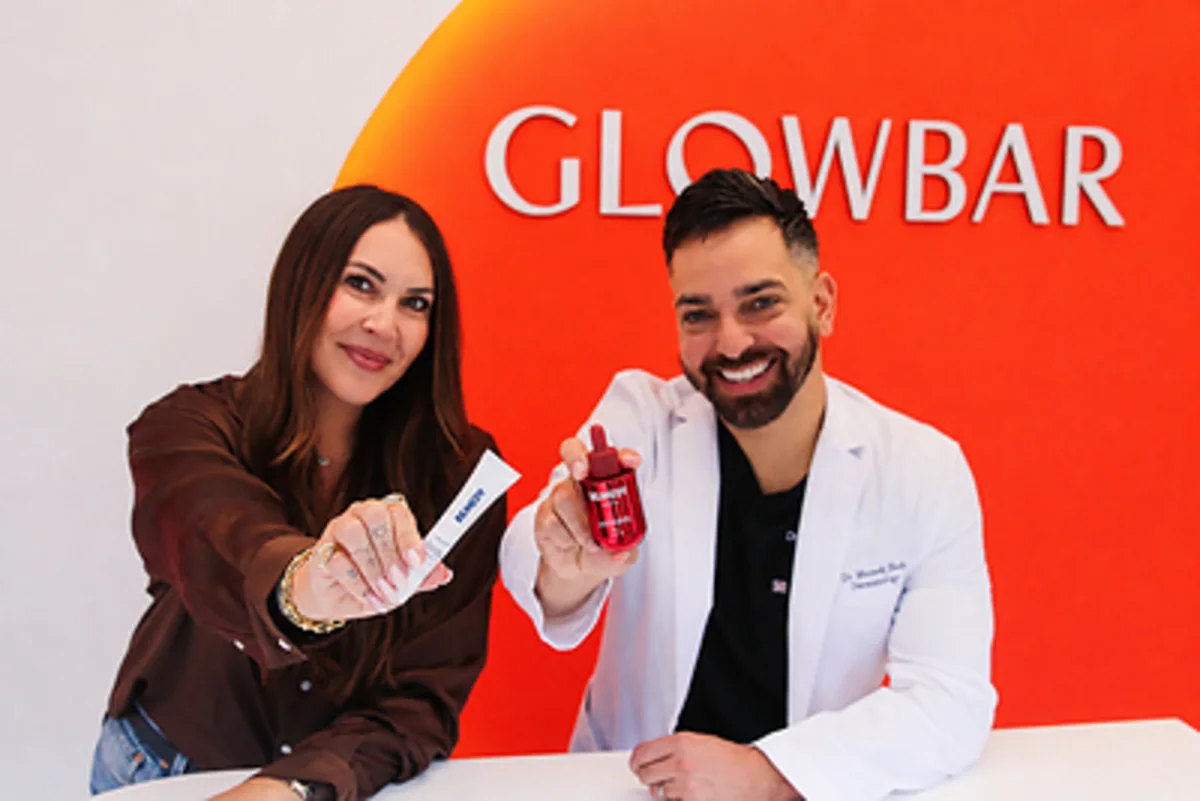
Glowbar and Dr. Muneeb Shah’s dermatologist-created skincare brand come together to pair personalized professional facials with advanced skincare, including REMEDY’s new 15% Azelaic Acid Advanced Clarifying Serum.

NEW YORK, Sept. 22, 2026 /PRNewswire/ — Today, Glowbar and REMEDY announce a new partnership designed to create a more connected skincare experience, bringing together the expertise of the professional facial with the dermatologist-created products consumers use at home.

GLOWBAR AND REMEDY PARTNER TO CONNECT THE PROFESSIONAL FACIAL WITH THE AT-HOME SKINCARE ROUTINE

From September 22 through October 22, the two brands will partner on a limited-time experience incorporating two REMEDY formulas into every customized Glowbar facial: the NEW 15% Azelaic Acid Advanced Clarifying Serum and REMEDY’s bestselling Dark Circle Reducing Advanced Eye Cream.

The partnership brings together two complementary approaches to making expert skincare more accessible. Glowbar has built its business around personalized, professional facials delivered in 30 minutes, while REMEDY was founded by double board-certified dermatologist Dr. Muneeb Shah to translate dermatological expertise into advanced, approachable skincare for everyday routines.

Together, Glowbar and REMEDY are connecting two parts of the skincare experience that are often treated separately: what happens in the treatment room and what happens after you leave it.

FROM THE DERMATOLOGIST’S OFFICE TO THE TREATMENT ROOM
A facial doesn’t end when a client leaves the treatment room. Skin has been professionally assessed and treated, making the products that follow an important part of the overall experience.

That shared insight became the starting point for the Glowbar x REMEDY partnership. Dr. Shah worked closely with Glowbar’s CEO and Founder Rachel Liverman to identify two REMEDY formulas to complement the final stage of its professional treatments, with a focus on delivering targeted results while respecting freshly treated skin.

At the center of the partnership is REMEDY’s new 15% Azelaic Acid Advanced Clarifying Serum, a formulation breakthrough that reimagines how high-strength azelaic acid can be delivered. The serum features a fully solubilized 15% azelaic acid complex in an elegant, water-light format, overcoming the grittiness, heaviness, and formulation limitations that have historically made high-concentration azelaic acid difficult to work with. Developed without propylene glycol or alcohol, the formula delivers a dermatologist-trusted ingredient at a meaningful concentration without compromising on texture, layering, or tolerability. Backed by robust in vivo and ex vivo clinical studies, the serum is designed to visibly reduce redness, fade the appearance of dark spots and improve overall skin clarity, making it particularly suited to the post-facial moment.

Story Continues

Professional treatments and at-home skincare should work together, not exist in separate worlds,” said Dr. Muneeb Shah, double board-certified dermatologist and Founder of REMEDY. “Glowbar has made professional skincare more accessible and easier to incorporate into a regular routine, which made this partnership a natural fit. Education is central to REMEDY, and this experience gives clients the opportunity to learn about the formula from a trusted esthetician, experience it during their treatment, and then understand how to incorporate it into their routine at home.”

Throughout the experience, Glowbar’s expert estheticians will bring the partnership to life through the brand’s signature customized facial experience, incorporating the REMEDY formulas based on each client’s skin and treatment while providing education around the ingredients, their benefits and why they have been selected for that point in the facial.

“We took the facial out of the derm office, and now we’re putting the derm back in the facial,” said Rachel Liverman, Founder & CEO of Glowbar. “At Glowbar, professional skincare created by experts isn’t just important to us, it’s everything. We’re driven by making professional skincare more accessible, and a partnership with Dr. Shah and REMEDY was a natural fit. I’ve been working closely with Dr. Shah to select the products that will best support Glowbar clients after their facials, so they can get even more out of their results, and I’m so excited for everyone to try it.”

ABOUT REMEDY

REMEDY is a modern dermatologist-developed skincare brand founded by board-certified dermatologist Dr. Muneeb Shah, whose evidence-based education has earned the trust of more than 20 million people globally. Built on the belief that everyone deserves access to healthy skin, REMEDY creates advanced daily essentials and targeted treatments inspired by real patient needs and formulated to deliver visible results while remaining safe for sensitive skin.

For more information, visit www.remedyskin.com and follow REMEDY on Instagram and TikTok.

ABOUT GLOWBAR
Glowbar is revolutionizing the skincare industry with 30-minute, affordable, customized and results-driven facial treatments. Founded in 2019 by third-generation esthetician Rachel Liverman, Glowbar was created to eliminate overwhelming treatment menus, lengthy appointments and costly add-ons traditionally associated with professional facials.

Glowbar’s expert estheticians have performed more than 750,000 facials, helping make consistent professional skincare more accessible and approachable. Dubbed “the custom facial that leaves your skin glowing” by Town & Country, the brand debuted its first skincare products in 2025 and earned a spot at No. 409 on the 2024 Inc. 5000 list of Fastest Growing Private Companies in America.

For more information, visit www.glowbar.com and follow Glowbar on Instagram and TikTok.

Media Contact: remedy@chasencreative.com

Cision

View original content to download multimedia:https://www.prnewswire.com/news-releases/glowbar-and-remedy-partner-to-connect-the-professional-facial-with-the-at-home-skincare-routine-302885709.html

Tags: , , , , , , , ,
How to Tell If Your Skincare Routine Is Wrecking Your Skin Barrier

How to Tell If Your Skincare Routine Is Wrecking Your Skin Barrier

If your ceramide serum shelf is deep but your skin still feels tight, red or randomly reactive, the problem probably isn’t the next product. Dermatologists say barrier damage is behind more of the redness, breakouts and stinging skincare-obsessed shoppers experience than most realize, and the fix has less to do with buying more and more to do with backing off.

What the Skin Barrier Actually Is

“Your skin barrier is basically your outer layer of the skin. It’s dead, not alive, and it’s made up of dead cells, lipids, proteins and fats that help protect your skin from the environment,” Dr. Melissa Piliang told Cleveland Clinic.

She likened it to armour around a living organism. “It works to keep water in and to keep chemicals and infectious bacteria out. So it’s very important for our skin health,” Piliang said.

It sits within the stratum corneum, the top layer of skin, and functions like a brick wall. Tough skin cells called corneocytes form the bricks. Ceramides, cholesterol and fatty acids act as the mortar filling the gaps, which is exactly why those lipids headline every barrier-repair formula in your rotation.

Signs Your Skin Barrier Is Damaged

A healthy barrier keeps skin hydrated and plump, calms sensitivity, evens tone and helps everything else in your routine actually absorb. When it breaks down, the shift is fast.

Watch for persistent dryness even after moisturizing, tight or itchy skin, redness from products you used to tolerate and sudden breakouts. Sheila Farhang, a dermatologist and founder of Avant Dermatology + Aesthetics in Tucson, Arizona, told Good Housekeeping the classic red flags are “Skin redness, itching or burning.”

Whitney Bowe, a New York dermatologist, told the same outlet that “Those with rosacea and eczema have intrinsically compromised skin barriers,” and that “When the skin barrier is disrupted, skin becomes dry and can develop rough patches.”

Overuse is a common trigger. “I’ve seen a lot of acne patients who overuse products and disrupt their barrier, and the acne gets worse,” Farhang said.

Unexpected Ways You’re Damaging Your Skin Barrier

Harsh cleansers are the obvious offender, but the list runs longer than most #skintok viewers realize. Kally Papantoniou, a board-certified dermatologist in Melville, NY, told New Beauty the usual suspects include “Over-exfoliating, over-cleansing, very hot showers, environmental stressors, skipping moisturizer and overloading the skin with products.”

Hot water in a long shower strips natural oils, so switch to lukewarm water and a gentle pH-balanced cleanser.

Layering actives without a buffer is the quiet saboteur most multi-step routines are guilty of. Joel Schlessinger, a board-certified dermatologist in Omaha, NE, pointed to “Layering too many actives without buffering.” His fix starts slow. Introduce ingredients gradually, use retinol every other night rather than daily, and alternate a retinol evening with a vitamin C morning. If a product still stings, apply a hydrating serum first as a buffer.

Indoor air matters too. Dry air “depletes moisture faster than most people realize,” Schlessinger said. A humidifier at home and a hydrating mist for your bag both help.

Internal factors count as much as topical ones. “Chronic stress elevates cortisol in ways that impair barrier repair,” Schlessinger added. A sunburn is itself a form of barrier damage, which is why dermatologists push broad-spectrum SPF 30 or higher every single day.

Related: You Are Probably Using Salicylic Acid Wrong and Here Is How to Tell

If you’ve spent five minutes on skincare TikTok, you already know salicylic acid is basically the main character of the acne aisle. It’s in cleansers, toners, serums and spot treatments at pretty much every drugstore, which is exactly why so many people mess it up. Used the right way, it clears clogged pores and smooths […]

How to Repair a Damaged Skin Barrier

The barrier can rebuild itself. Mild irritation can settle in a few hours, though deeper damage takes longer.

Thank You!

You have successfully subscribed.

Bowe recommends a gentle cleanser that doesn’t leave skin squeaky-clean, and Farhang says to stick with cool or lukewarm water. Skip gritty physical scrubs, Bowe advises, and reach for sloughing acids in hydrating serum forms instead.

For rebuilding, look for moisturizers with ceramides and squalane, which replenish the barrier’s natural lipids. Prebiotic and postbiotic formulas support healthy skin bacteria. Avoid fragrances and essential oils. And as Bowe put it, “Stop use of anything that burns upon application, which is an indication that your barrier is being damaged.”

Papantoniou’s advice is to strip things back. “To repair the skin barrier, try simplifying your skin-care routine, pausing strong actives and focusing on hydration,” she said.

Tags: , , , ,
Five Vitamin C Serums Worth Adding To Your Post-Monsoon Skincare Routine

Five Vitamin C Serums Worth Adding To Your Post-Monsoon Skincare Routine

Monsoon humidity, pollution and unpredictable sun exposure can leave skin looking tired and uneven by the time September rolls around. This is exactly when a good vitamin C serum earns its place in your post-monsoon skincare routine. Known for its brightening and antioxidant properties, vitamin C serum benefits range from fading pigmentation and dark spots to reviving dull, monsoon-worn skin.

If you are searching for the best vitamin C serums this season, here are five options available in India from the luxury skincare world, arranged from the most indulgent splurge to the most accessible.

The Ultra-Luxe Picks

Augustinus Bader The Vitamin C Serum

Available on Tira for around Rs 33,700 for 30ml, this comes backed by the brand’s signature TFC8 technology. It is designed to brighten skin tone while supporting the skin’s natural repair process, making it a strong pick for anyone who wants premium vitamin C skincare with a cult following.

SkinCeuticals C E Ferulic

A cult favourite widely stocked across Indian skincare retailers, this one costs roughly Rs 20,000 for 30ml. It combines 15% vitamin C with vitamin E and ferulic acid, and is often called the gold standard for a vitamin C serum for pigmentation. Clinical studies point to a marked reduction in UV-related skin damage, along with firmer, more even-toned skin over time.

Sunday Riley C.E.O. 15% Vitamin C Brightening Serum

Rounding off the ultra-luxe tier is this pick from Sephora India, priced at about Rs 8,200 for 30ml. Formulated with THD ascorbate, a stable form of vitamin C, it targets dark spots, minimises the look of pores and softens fine lines, all while keeping sensitivity in check.

Also Read: Why Niacinamide Is The ‘It’ Ingredient For Skin Brightening, And Anti-Ageing

It is a strong pick for anyone chasing the best vitamin C serum for glowing skin without irritation.

Kiehl’s Powerful-Strength Line-Reducing Concentrate

For those who want high-end skincare products at a gentler price point, this one is available at Kiehl’s India for around Rs 6,600 for 50ml. With 10.5% L-Ascorbic Acid and 2 percent Ascorbyl Glucoside, it visibly softens fine lines, refines pores and boosts overall radiance, and it is gentle enough for regular use, even on sensitive skin.

Lumineve Youth Radiance Serum with 10% Vitamin C and Ferulic Acid

Closing out the list is this serum from Lumineve, available for Rs 1,499 for 30ml. Built on liposomal technology, the formula wraps vitamin C in nano-sized lipid spheres, allowing deeper penetration and better absorption. It brightens a dull, uneven complexion, supports hydration and strengthens the skin barrier, all in one bottle, making it an easy entry point into premium vitamin C skincare.

Also Read: The 30-40-50 Rule: A Dermatologist’s Guide To Evolving Skincare Goals

Whichever bottle earns a place on your vanity, a vitamin C serum remains one of luxury skincare’s enduring staples, the kind of investment that rewards patience with a complexion that simply looks lit from within.

Published At: 10 September 2026 04:00 PM

Tags: , , , , , ,
Your baby's first skincare routine: Simple daily habits for soft, healthy skin

Your baby’s first skincare routine: Simple daily habits for soft, healthy skin

With so many different lotions and potions on the shelves, it’s
hard to know what you do and don’t need for your baby. But when it
comes to skincare, less is definitely more, says health visitor
Tracey Stone.

‘Babies’ skin is very different to adult skin. It’s much
thinner, and more delicate. It’s also still learning how to protect
itself during the first few months of your little one’s life,’ she
explains.

A newborn’s skin in particular is very thin and easily damaged.
For at least the first month, as their skin develops its natural
protective barrier, you should bathe your baby using only plain
water and avoid using products on their skin. This includes
moisturisers, medicated wipes and skin cleansers. 

As your baby’s skin develops and matures, their skincare routine
can change and you may want to introduce some gentle
products. 

Here are six simple habits that can help keep your baby’s skin
soft and healthy.

1. Choose skincare products designed specifically for
babies

Whether it’s bath washes or nappy creams, if you choose to use
products, it’s best to opt for gentle choices designed specifically
for babies. ‘These are less likely to irritate your baby’s delicate
skin and can help protect their natural skin barrier,’ says
Tracey.

AVEENO® Baby products are specially formulated for babies. They
can help nourish and protect their sensitive skin and are
paediatrician and dermatologist tested.

2. Avoid heavily scented bubble baths

© Shutterstock

It may surprise some parents to hear that babies don’t need a
bath every day. ‘Normally two to three times a week is enough,’
says Tracey. On days you’re skipping the bath, simply wash your
baby’s face, hands, neck and nappy area.

If you and your baby enjoy bath time, though, there’s no harm in
bathing them more often. Just ensure you:

  • Use warm water, not
    hot
  • Use plain water or a
    liquid cleanser that’s suitable for babies
  • Avoid heavily scented
    bubble baths and lotions as they can cause irritation

If you choose to use bath products, AVEENO®
Baby Daily Care Gentle Bath & Wash is suitable from the first
few weeks of your baby’s life. 

Formulated with Colloidal Oatmeal, it gently cleanses skin,
leaving it feeling moisturised. Containing aloe and chamomile, it’s
pH-balanced to avoid disrupting your baby’s skin pH levels.

For very dry skin, AVEENO
Baby Dermexa™ Moisturising Wash is specially formulated for
babies prone to irritation, itchiness and eczema.

© Aveeno

3. Moisturise dry skin if needed

‘If your baby has dry or sensitive skin, applying a gentle,
fragrance-free moisturiser after a bath can help keep their skin
soft and hydrated,’ says Tracey. 

However, she notes that not all babies need moisturiser every
day. Instead she says it’s best to use it when your baby’s skin
looks dry or feels like it needs some extra hydration.

The type of moisturiser you use can also depend on your baby’s
skin type.

Normal to dry skin

AVEENO®
Baby Daily Care Moisturising Lotion is nourishing and
non-greasy. It’s clinically proven to moisturise and protect for 24
hours. 

Very dry and itchy skin 

AVEENO Baby Dermexa™ Emollient Cream is designed for babies
prone to regular irritation, itchiness or eczema. Immediately
soothing and moisturising, it’s enriched with ceramides to help
strengthen the skin barrier function.

© Aveeno

4. Change nappies as soon as possible

Nappy rash is common in babies and can cause dryness and red or
sore spots. To help prevent and treat it:

  • Change wet or dirty
    nappies promptly to reduce irritation
  • Keep the skin in the
    nappy area clean and dry
  • Leave your baby’s
    nappy off when possible
  • Clean skin with water
    or fragrance- and alcohol-free baby wipes

You may also want to use a barrier cream like AVEENO® Baby
Daily Care Nappy Cream. Suitable for sensitive and delicate
skin, as well as babies who may be prone to eczema, it soothes and
provides immediate comfort. 

Clinically proven to protect against causes of nappy rash, the
formula contains oat extract and zinc oxide, which is known to
create a breathable barrier to protect the skin.

If you’re worried about your baby’s nappy rash, speak to a
healthcare professional.

© Aveeno

5. Keep babies out of the sun

Babies under six months should be kept out of direct sunlight to
protect their delicate skin.

You should avoid using sunscreen on babies younger than six
months. Instead, keep your baby in the shade by attaching a
parasol or sunshade to their buggy or pram when you’re out and
about. Avoid placing a blanket over their buggy though, as this can
cause them to overheat.

If possible, avoid the hottest part of the day, between 11am and
3pm, when the sun is at its strongest.

6. Don’t be afraid to ask for
advice

Your baby’s skin will naturally change and develop during their
first year, so occasional dryness or rashes can happen. They’re
often completely normal, but if you’re worried, or your baby’s skin
seems painful, infected or isn’t improving, speak to your GP,
health visitor or pharmacist. They can help you find the most
appropriate treatment and give you peace of mind.

Tags: , , , , , , , ,
DELERE Unveils Caviar PDRN Routine for Morning Anti-Aging

DELERE Unveils Caviar PDRN Routine for Morning Anti-Aging

While retinol dominates nighttime skincare, dermatological experts highlight a critical gap in modern anti-aging: morning defense. Retinol aids nocturnal renewal, but photodegrades under sunlight. Meanwhile, daytime exposure to UV rays, blue light, fine dust, and stress generates free radicals that trigger “Inflammaging”—a state of chronic micro-inflammation that degrades collagen before nightfall. Because sunscreen alone cannot stop oxidative damage, complete skin longevity requires a dedicated morning antioxidant shield.

Addressing this gap, high-performance K-beauty brand DELERE introduced an anti-aging system centered on Caviar Omega-3. Containing up to 20 times more omega-3 fatty acids compared with conventional fish oil, caviar creates a proactive barrier against micro-inflammation before visible signs of aging emerge.

To guarantee purity, DELERE operates a 15-year “Farm to Face” model, managing its own sturgeon farm from cultivation to formulation. The brand was founded after a premier Korean cosmetic manufacturer specifically requested DELERE’s harvest over all external sources. Driven to explore its unique potency, founder Su-han Lee conducted years of clinical research. While sturgeons require a full decade for omega-3 and mineral levels to peak—a wait most commercial brands skip—DELERE honors this 10-year maturation, achieving a 168% improvement in skin absorption compared with a conventional serum.

To ensure deep delivery, DELERE overcomes skin barrier limitations with a patented three-tiered system.

Bioavailable Caviar Omega prepares the skin, 100% pure Salmon PDRN stimulates cellular repair, and a patented 3D Hyaluronic Acid matrix (H-Active Booster, Patent No. 10-2609651) encapsulates the active core for loss-free penetration.

This architecture powers DELERE’s new Caviar PDRN collection, headlined by the Vita Boost Shot Serum. Built for the morning routine, its dual-formula activates a freeze-dried capsule formulated with 100% pure Vitamin C directly into the Caviar PDRN serum upon first use to prevent oxidation. Combining Caviar Omega, 4,000ppm Salmon PDRN, 100% Vitamin C, and 5% Glutathione, this two-week program simultaneously targets six key indicators: regeneration, elasticity, tone, texture, hyperpigmentation, and barrier health.

In clinical trials, a single application recorded a 96% barrier recovery rate and an 82% soothing recovery rate. Over two weeks, subjects demonstrated a 123% elasticity increase and a 2.8-fold improvement in blemish reduction compared to standard serums. Certified by Germany’s Dermatest with a 100% user satisfaction rate on sensitive skin, it is ideal for ages 30 to 50 addressing dullness and fatigue. Offered in a 15ml single bottle or a two-bottle set, it is paired with the Firming Eye Serum (Caviar Omega, 300ppm Salmon PDRN, Acetyl Hexapeptide-8) for eye lines and dark circles, and the Lift Neck Cream (Caviar Omega, 500ppm Salmon PDRN, Ceramides) for neck wrinkles, smile lines, and double-chin lifting care.

DELERE’s full Caviar PDRN lineup is now officially available on US Amazon. The collection has already earned high praise from top beauty authorities, with leading creators Skincare with Yuri and Dani Cole highlighting the Vita Boost Shot Serum as an indispensable morning upgrade for radiant skin. To celebrate its North American debut, DELERE is hosting an exclusive Labor Day promotion on Amazon from August 28 through September 7, offering a 20% discount across all four new SKUs.


Post navigation

Tags: , , , , , ,
Does your routine need a longevity skincare upgrade?

Does your routine need a longevity skincare upgrade?

Skin longevity is 2026’s big trend – does it deliver anything genuinely new? Or is it simply anti-ageing reinvented?

Any products in this article have been selected editorially however if you buy something we mention, we may earn commission.

Jump To

You might have been hearing a lot of talk about ‘skin longevity’ in recent months. Because ‘longevity’, for a while a buzzword bandied about by biohacking bros, has entered the beauty lexicon, with longevity skincare taking over the shelves in Boots and SpaceNK.

Major brands have brought out ranges that name-drop the L word: Lancome Absolue Longevity MD, fronted by 63-year-old actress Demi Moore, promises to target ‘cellular senescence’ (when old cells stop dividing), while Tatcha’s The Longevity Serum suggests that its Blue Zone-inspired ‘Okinawa Cellescence Complex’ of botanicals will do likewise. Meanwhile, on social media, influencers are sharing ‘skin longevity’ guides. But what exactly does it all mean? 

Actress Demi Moore is the face of LancomevLongevity MD skincare

From a wellness point of view, longevity science is all about not just extending our lifespan (the number of years we live) but extending our healthspan, the number of healthy years we live. The idea is that we can be proactive, focusing on prevention and preservation, rather than correcting or curing. Translate that into skin, and it’s ostensibly about keeping our skin healthy for longer. Yes, ‘skinspan’ is now a thing.

But is longevity skincare simply ‘anti-ageing’ by another name? Does it really demand specific longevity serums with new ingredients? To find out, I consulted some of the UK’s top dermatologists.

What is skin longevity?

I’ll be honest, my first instinct was to dismiss ‘skin longevity’ as a politically correct reinvention of the term ‘anti-ageing’, which has been demonised in the last decade, with many asking why we should be ‘anti’ a natural process, criticising the negative connotations associated with it, and the fact that it’s mainly aimed at women. However, many of the dermatologists I spoke to pointed out that it actually represents a shift in our thinking about skin.

“While there is certainly marketing attached to it, skin longevity reflects a genuine change in dermatology and skin science in the last five years,” says Dr Caitriona Ryan, clinical professor at University College Dublin, consultant dermatologist and co-founder of ID Formulas longevity supplements.

“It’s about a deeper scientific understanding of why skin ages and how we may be able to preserve its function over time.”

She points out that while traditionally, anti-ageing has focused on treating the visible consequences of ageing, such as wrinkles, pigmentation, laxity and uneven texture, skin longevity isn’t about how we make skin look younger, but about how we keep skin functioning like younger skin for as long as possible, in the same way that we want all our other organs to support us for the long haul.

“Healthy skin is remarkably resilient,” she adds. ”It repairs DNA damage efficiently, maintains a strong barrier, produces collagen effectively, controls inflammation and protects itself against oxidative stress. With age, those systems gradually become less efficient.

“Skin longevity is about supporting those biological processes before significant decline occurs,” she says. She and other dermatologists now look at skin through the lens of the hallmarks of ageing, the 12 biological processes that drive ageing throughout the whole body.

Applied to skin, these are concepts such as ‘inflammageing’ (the idea that ageing is actually a disease of inflammation),  mitochondrial health (the skin cells’ energy banks), cellular senescence (what happens when cells get old), preserving the extracellular matrix (keeping the structure of the skin intact) and DNA repair.

It’s all very different to the ‘anti-ageing’ tropes of blasting our wrinkles and lifting our jowls; these ideas were “simply not part of mainstream skincare conversations a decade ago,” she says.

All this does make perfect sense — after all, skin is the body’s largest organ and its first line of defence. The science is credible, but why is it that most of the new longevity skincare products target just the face – which makes up less than five per cent of skin  – not the whole body? There are only a handful of body longevity creams, such as Joonbyrd, Longevity Body Glaze, £62, which is aimed at improving skin resilience and Neova Body Repair, which has DNA repair enzymes, more on which below. 

This is where marketing muddies the waters. While ostensibly the focus of skin longevity is improving skin function, it’s also true that if you stop skin from declining, chances are you’re also preserving a more youthful face.

Who is skin longevity for?

When we’re talking about prevention rather than cure, it makes sense that you’d start a skin longevity regime earlier in your 20s or 30s, before you start to see an age-related decline in levels of collagen (wrinkles, sagging) and measurable decline in cellular energy (your mitochondria, your cell ‘batteries’.)

But you don’t necessarily need a longevity cream at this stage, as simple skin preservation habits can have the biggest effect, says consultant dermatologist, Dr Sidra Khan. “For most people in their 20s, ‘skin longevity’ is overwhelmingly delivered by daily broad-spectrum sunscreen, not smoking, [sufficient] sleep, and a sane barrier-supportive routine – not a shelf of endless serums!”

And, in fact, that’s exactly the demographic that No7 is targeting with the Prime Forever launch earlier this year. The range, targeted squarely at 30-somethings, leverages the concept of ‘prejuvenation’ — or keeping skin at its optimum for as long as possible — using a combination of peptides, antioxidants and sun protection.

But while a skin longevity approach can benefit everyone, there are some for whom it can be particularly helpful.

”We know that chronic inflammation drives ageing — ‘inflammageing’ is a real and well-described concept,” says Dr Khan. “So a regime built around calming inflammation, supporting the barrier and avoiding the irritation-repair-irritation cycle is both a longevity strategy and exactly what reactive skin, such as rosacea-prone or sensitised skin, needs.”

She adds that if you’re someone who doesn’t do well with “a traditional ‘anti-ageing’ routine stacked with strong actives that the skin can’t tolerate, a longevity-led, anti-inflammatory approach is often more appropriate.”

What to look for: key skin longevity skincare ingredients

There’s a lot of chat about exciting new longevity ingredients. But according to Prof Ryan, “many of our best evidence-based anti-ageing ingredients also happen to be our best longevity ingredients. The difference lies less in the ingredient itself and more in the biological pathways we are trying to support.”

  • Daily broad spectrum sunscreen

“Ultraviolet exposure remains the single biggest external driver of DNA damage, collagen breakdown and premature skin ageing, so daily broad spectrum sun protection does more to preserve long term skin function than anything else you can apply,” says Prof Ryan. “Any serious longevity conversation that does not begin there is incomplete.”

Like many dermatologists, she’s a fan of physical sun filters (such as zinc) because she believes they are less likely to cause irritation, and favours a tint, which shows the product contains iron oxide, which has been shown to offer extra protection to skin prone to pigmentation.

NAD+ is touted as a longevity ingredient, especially in the supplements landscape and is a coenzyme essential for cellular energy production, DNA repair, and metabolic signalling. But the consensus is that simply putting NAD+ into a cream or serum probably isn’t the answer, as it’s a large, unstable molecule and has limited skin penetration. However, topical ingredients, such as niacinamide, or sunflower sprout extract (see below) can help boost NAD+ levels within the body, might help, as might some oral NAD+ booster supplements. But, says Prof Ryan, “applying NAD+ directly is far more persuasive on a label than it is in the biology.”

UV from the sun damages our DNA, but there are some enzymes — found in bacteria, algae, other plants and many animals — that can help repair this damage. While humans may have evolved to no longer produce these enzymes ourselves, there is a way that we can benefit from them.

“Enzymes like this can be delivered in liposomes [fatty bubbles] so they penetrate skin and help to reverse any DNA damage caused by UV,” explains Dr Khan. “They boost our own repair machinery, clearing UV-induced lesions before they drive pre-cancers or mutations.” Still not widely used, they can be found in The Skin Diary Age Defence Moisturising Day Cream, SPF 50 and Neova’s Correction range and SPF.

The hottest new skin longevity ingredient is sunflower sprout extract. There’s a trademarked version of it called RejuveNAD, found in Swissline 360 Collagen Night Concentrate, and now also in Beauty Pie Youth Bomb Intense, £59 for members, which has been shown to boost NAD+ in vitro. However, it gets a lukewarm reception from the derms I spoke to. “Laboratory studies suggest it may activate antioxidant defence pathways and support mitochondrial resilience, but robust human data isn’t there yet,” says Prof Ryan. She’s similarly hesitant about other antioxidant ingredients such as CoenzymeQ10, which some claim can improve mitochondrial energy — “the topical evidence remains modest.”

“Certain botanical extracts [such as astragalus, centella asiatica, and rhodiola rosea] have been shown to slow telomere shortening,” says

But, explains consultant dermatologist Dr Malvina Cunningham of Skin & Me skincare.

Telomeres are protective caps on chromosome ends that shorten with each cell division. These extracts also modulate telomerase, the enzyme that maintains telomeres in vitro, she adds. “When telomeres become critically short, cells enter a state of ‘growth arrest’ that contributes to tissue ageing. “Human clinical data are still limited, though,” she adds.

Longevity skincare: the verdict

While the promise of longevity skincare is seductive, it feels like the marketing is still outpacing the science. If you want to preserve your ‘skinspan’, start with the basics. They might not be as flashy, but a consistent routine that helps to keep your skin barrier healthy and intact, includes broad-spectrum SPF to protect your skin from DNA damage, and adds in antioxidants and enzymes to help mop up free radicals and repair any damage is essential. Once those basics are in place, then — and only then — you might want to look at products that can preserve your telomeres or boost NAD+ levels as well.

7 skin longevity skincare buys I rate

The prejuvenation powerhouse

No7 Prime Forever SPF50 Primer, £24.95

There’s no arguing with the combination of antioxidants and broad-spectrum UVA/UVB protection both found in this lightweight primer as our most powerful weapon against the destruction (and therefore accelerated ageing) of skin cells of any colour and of any age. To complete the triple threat, they’ve added No7’s potent peptide that’s the hero ingredient of the blockbuster No7 Future Renew damage repair range. It uses chemical rather than the mineral sun filters recommended by the derms I spoke to, but is nevertheless am affordable all-rounder if you aren’t prone to redness.

SHOP  

The mineral SPF in 20 shades

Merit The Uniform, £34

As Prof Ryan says, broad spectrum sun protection, ideally tinted zinc oxide, is the starting point for any longevity regime. And this is particularly important for anyone who suffers from melasma, or any other form of hyperpigmentation, which can be considered a form of inflammation. I’ve tried many tinted SPFs and this, available in 20 shades, is one of the best.

SHOP  

The soothing must-have 

The Ordinary Soothing & Barrier Support Serum, £17.30

Maintaining the skin barrier and dampening down any irritation is at the heart of longevity skincare so this serum, packed with soothing ingredients, such as bisabolol and centella asiatica, barrier repair heroes, such as ceramides, and that all-rounder, niacinamide, which might just help boots NAD+, is a winner.

SHOP  

The dry skin saviour

Dr Sam’s Flawless Moisturiser Intense, £36

While the jury might be out on whether the sunflower seed extract that this contains can really boost NAD+ levels, this moisturiser is packed with skin-soothing and barrier-boosting ingredients, including panthenol, ectoin, squalane, ceramides, and centella asiatica. It’s perfect for dry, thirsty skin, as well as for any flares after you’ve been heavy-handed with an active. The new lighter version Dr Sam’s Flawless Moisturiser Balance, is a great everyday moisturiser for all skin types.

SHOP  

The SPF that repairs sun damage

The Skin Diary Age Defence, £92

Yes it’s pricey, but not only is it packed with those DNA repair enzymes that target the damage form UV, but it’s been through some seriously rigorous tests to prove that it can reduce damage and inflammation and has been formulated by the UK’s top-tier derms, led by professor Chis Griffith, OBE. While any skin would benefit from this complex powerhouse, if you find yours normally reacts to UV filters, these are encapsulated, so you should have fewer issues.

SHOP  

The doctor’s choice

Revision Skincare D.E.J. Daily Boosting Serum, £265

Oft-cited by aesthetic doctors such as Dr Sophie Shotter as their skin longevity serum of choice, this lightweight product, containing sunflower sprout extract and powerful peptides scooped Gold in the ‘Ageing Well’ category at the Get The Gloss Beauty Awards 2025. Judge Dr Ash Soni, a plastic surgeon says: ‘The science and the research behind Revision as a brand are excellent. The ingredients in this serum are innovative, with sunflower sprout extract to negate the visible effects of glycation and boost the energy of the cells. The clinicals are good – you can’t beat it.

SHOP  

For body skin longevity

Neova Body Repair, £69

Bucking the trend of longevity skincare focusing only on the face, this body lotion combines those all-important DNA repair enzymes with a copper peptide complex to boost collagen and elastin production, allantoin which soothes skin as well as moisturising ingredients to help hydrate the skin.

SHOP  

Tags: , , ,
Herzindagi

The 6-Step At-Home HydraFacial Routine for Glowing Skin

The process of getting a HydraFacial in the clinic works well in giving you that glow instantly, but spa treatments can become costly. Here comes the good part – you can enjoy all the benefits of the treatment, which include cleansing, exfoliating, extracting and moisturising your skin right in the comfort of your own home with your ordinary skincare products. Here’s a step-by-step process of doing a DIY HydraFacial.

6 Steps For An At-Home HydraFacial Routine

Here is a 6-step HydraFacial routine you can do at home to get glowing and hydrating skin during festivities.

Step 1: Cleanse Your Skin Thoroughly

The process may start with washing away the dirt, oil, and other types of makeup on the skin. The first step involves using oil-based cleaners like micellar water and then a gel-based cleaner.

Step 2: Gently Exfoliate To Remove Dead Skin

To mimic the procedure of resurfacing, one can use an exfoliating agent for a HydraFacial in the form of a mild chemical exfoliation product, which comprises either Alpha Hydroxy Acids (AHA), for example, lactic or glycolic acid, or Beta Hydroxy Acids (BHA), for instance, salicylic acid.

Step 3: Use A Gentle Hydrating Solution 

Your face needs to be steamed for about 3-5 minutes by putting warm water so as to remove any dirt that has accumulated in your skin pores. You can then use a moisturising toner or essence and apply it on a cotton ball, which should then be applied on the problem spots like your nose and chin.

ALSO READ- 7 Japanese Face Massage Techniques For Youthful Skin

Step 4: Apply A Hydrating Serum

Use the active ingredients to rejuvenate the skin. Apply a sufficient quantity of hyaluronic acid serum or niacinamide when the skin is still damp. Hyaluronic acid will pull the moisture into the skin cells.

Step 5: Give Your Skin A Soothing Mask

Apply a cool hydrogel mask, a bio-cellulose mask, or a cool aloe vera gel mask. Apply it for 15 minutes so that you can soothe your skin after exfoliation and deeply hydrate it.

Step 6: Moisturise And Apply Sunscreen

Capture all the nutrients with a moisturiser that acts as a barrier protector, containing ingredients like ceramides or squalane. When following this regimen during the day, apply an SPF 50 broad-spectrum sunscreen on your skin because it has become susceptible to UV damage.

How Often Can You Do A HydraFacial At Home?

Frequency

Target Skin Goal

Notes

Once every 2 weeks

Oily, acne-prone, or congested skin

Helps control sebum and maintain clear pores.

Once a month

Normal, dry, or sensitive skin

Prevents over-exfoliation while preserving skin barrier health.

ALSO READ- 5 Korean Rice Water Ice Cube Benefits For Glowing Skin

Conclusion

Glowing and beautiful skin does not need complex machinery. You can achieve this by applying this six-step regimen to deep-cleanse, exfoliate and moisturise your skin.

Image credits: Freepik

Stay tuned to read more such stories on Her Zindagi. 

FAQ

Q1: Can I use physical face scrubs instead of chemical exfoliants for an at-home HydraFacial?It is better to use mild chemical exfoliants (like lactic or salicylic acid) because physical scrubs with harsh beads can cause micro-tears on the skin barrier.

Q2: How long does the glow from an at-home HydraFacial last?The immediate hydration and radiance usually last between 3 and 7 days, depending on your daily post-facial skincare routine and sun protection.

Q3: Is it safe to perform an at-home HydraFacial before a major event?Yes, but it is best to do it 24 to 48 hours before the event to allow any mild redness from exfoliation to settle completely.

Tags: , , , , ,
Best oLive
Privacy Overview

This website uses cookies so that we can provide you with the best user experience possible. Cookie information is stored in your browser and performs functions such as recognising you when you return to our website and helping our team to understand which sections of the website you find most interesting and useful.