Skin Barrier Sehat! 4 Pelembap Cream Squalane Kunci Hidrasi Kulit Kering

Skin Barrier Sehat! 4 Pelembap Cream Squalane Kunci Hidrasi Kulit Kering

Maulida Maulida

Kamis, 24 September 2026 | 07:30 WIB

Share:

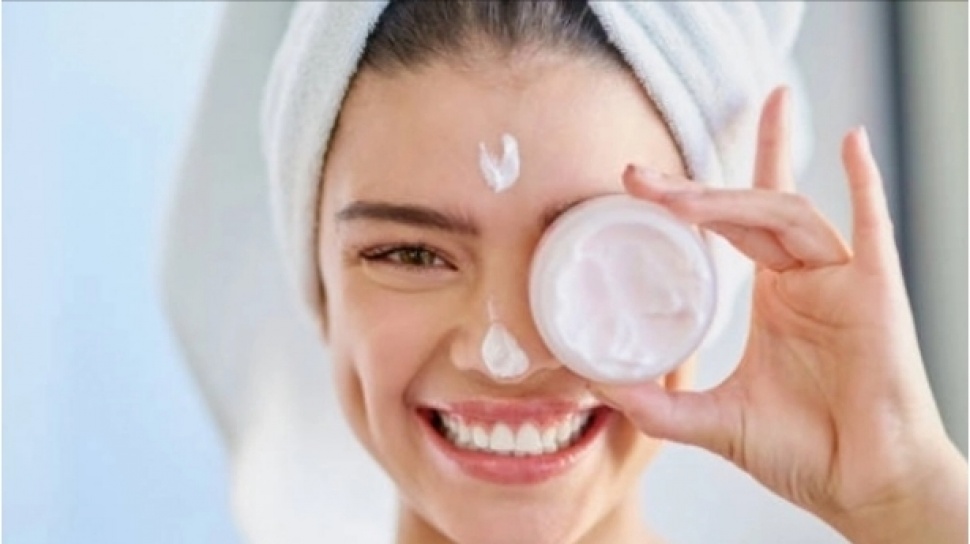
Pernahkah kamu merasa kulit wajah tetap terasa kering dan kasar meskipun sudah berulang kali memakai pelembap? Masalah utamanya sering kali bukan pada kurangnya produk melainkan kondisi skin barrier yang sedang terganggu.

Untuk mengatasinya, kamu membutuhkan kandungan skincare yang tidak hanya memberi hidrasi tetapi juga mampu menguncinya yang tahan lama agar tidak mudah hilang. Di sinilah squalane bertekstur cream hadir sebagai penyelamatnya.

Kombinasi ini cocok dipakai untuk merawat kulit kering bekerja sebagai emolien mengembalikan kesehatan skin barrier sekaligus menjadi kulit wajah terasa lebih kenyal, elastis, dan nyaman saat disentuh.

Berikut ini empat rekomendasinya.

1. Facerinna 5% B5 Intensive Barrier Cream

Facerinna 5% B5 Intensive Barrier Cream (Shopee/Facerinna Official Store)

Opsi pertama dengan harga ramah di kantong cocok dipakai buat remaja usia 15 tahun dan orang dewasa tipe kulit gampang kering, mengelupas, hingga kemerahan yang butuh hidrasi ekstra agar skin barrier kembali sehat. Facerinna 5% B5 Intensive Barrier Cream solusinya.

Pelembap bertekstur cream kental ini mudah meresap namun tidak menimbulkan rasa lengket maupun bikin kulit sumpek.

Memasukkan squalane dan panthenol memberikan hidrasi mendalam agar tekstur wajah yang terasa kering langsung lembap seketika, madecassoside dan centella asiatica meredakan rasa gatal, perih, kemerahan, maupun PIE ringan, zinc PCA mencegah wajah tampak mengkilap, serta probiotic menyeimbangkan bakteri baik agar skin barrier sehat dalam jangka panjang sekaligus tidak mudah mengalami kekeringan lagi di kemudian hari.

Harga: Rp49.000

2. Aboveboard Barrier Repair Cream

Aboveboard Barrier Repair Cream (instagram/aboveboardskincare)

Selanjutnya buat kamu yang mencari pelembap yang ampuh berikan efek hidrasi optimal tanpa bikin greasy cocok dipakai saat kondisi kulit sedang rewel ditandai dengan kering, rasa gatal, iritasi, hingga kemerahan. Aboveboard Barrier Repair Cream menjadi penyelamatnya.

Mengandalkan kandungan anti-inflamasi kuat yaitu kombinasi madecassoside, 1% colloidal oat, dan calendula yang efektif meredakan rasa gatal maupun perih yang sering menyertai kulit iritasi.

Didukung juga squalane, panthenol, dan ceramide menahan kelembapan di dalam lapisan kulit agar tidak mudah menguap sehingga proses hidrasi berjalan lebih lama sekaligus skin barrier kembali kuat.

Harga: Rp95.000

3. For Skin’s Sake Rich Cream Moisturizer

For Skin’s Sake Rich Cream Moisturizer (Shopee/FSS For Skin’s Sake Official)

Jika kondisi kulitmu super kering hingga memicu garis halus, kasar, serta redness. For Skin’s Sake Rich Cream Moisturizer layak untuk kamu coba.

Memasukkan bahan aktif berfokus pada moisture lock hydrating intensif yaitu squalane, shea butter, dan 2% urea menjaga kelembapan kulit terkunci secara maksimal hingga 12 jam sekaligus membuat wajah auto kenyal sepanjang hari.

Dipadukan juga probiotic menyeimbangkan bakteri baik buat wajah tidak gampang dehidrasi, serta panthenol, allantoin, ceramide, bisabolol, dan oat meredakan kulit yang kemerahan akibat paparan sinar matahari sekaligus menguatkan skin barrier.

Harga: Rp139.000

4. Anua PDRN Hyaluronic Acid 100 Moisture Cream

Anua PDRN Hyaluronic Acid 100 Moisture Cream (Shopee/Anua Official Shop)

Terakhir ampuh atasi kulit kering, kusam, skin barrier terganggu, hingga penuaan dini. Jatuh pada Anua PDRN Hyaluronic Acid 100 Moisture Cream.

Pelembap ini juga telah teruji non-comedogenic dan fungal acne safe sehingga aman dipakai sehari-hari buat kamu yang membutuhkan hidrasi ekstra.

Memasukkan dua bahan anti-aging yaitu sodium DNA dan hydrolyzed collagen menstimulasi perbaikan jaringan untuk memicu produksi kolagen dari dalam agar wajah terasa lebih kencang, hyaluronic acid complex dan squalane mengunci kelembapan kulit yang tahan lama, melembutkan tekstur kulit kasar akibat dehidrasi, niacinamide mencerahkan, serta centella asiatica dan madecassoside mempercepat pemulihan kulit pasca-iritasi.

Harga: Rp116.000

Skin barrier sehat dengan empat pelembap tekstur cream yang mengandung squalane kunci hidrasi kulit kering. Mana yang jadi andalanmu?

Editor : Sekar Anindyah Lamase

Tags: , , , , , , , , ,
What is the skin barrier and how do you know if it's damaged?

What is the skin barrier and how do you know if it’s damaged?

If you’ve spent any time on TikTok lately, chances are you’ve heard wellness influencers going on about their ‘skin barrier’.

From Korean beauty to ‘glass skin’, ‘skin cycling’ to the 10-step routine, and the seemingly endless stream of new serums being churned out, wellness has become increasingly obsessed with understanding exactly what we’re putting on our skin, and whether we’re helping or hindering it.

The phrase ‘skin barrier’ might sound like yet another skincare buzzword, but it is a very real part of your skin’s health.

And, according to Dr Bernard Ho, Consultant Dermatologist and spokesperson for the Skin Health Alliance, sometimes the best thing you can do for your skin barrier is take a step back from your jam-packed routine.

If you’re reading this, however, wondering why you’ve never spotted a physical boundary surrounding your skin cells, or circling your face, it’s because the term is simply used to describe the outermost layer of skin.

‘Skin barrier’ is a buzzword that’s been doing the rounds on social media recently (Getty Stock Images)

What is the skin barrier?

Technically speaking, this is known as the stratum corneum, which acts as a protective armour against environmental irritants, microbes and water loss. Dr Ho told Tyla to think of the skin barrier ‘as a brick wall’.

“The corneocytes (skin cells) are the bricks, and a lipid matrix of ceramides, cholesterol and fatty acids is the mortar holding them together,” he continued, explaining that a healthy barrier is successful in keeping moisture in and irritants out.

Read more: I wrecked my skin barrier with acne treatment – this £16 La Roche-Posay Balm fixed it

But when that lipid matrix becomes disrupted, the barrier can become ‘leaky’.

This results in water escaping from the skin – a process referred to as increased transepidermal water loss – allowing irritants to enter more easily.

And that’s when you can start noticing dryness, tightness, redness and increased sensitivity.

Dry skin could also demonstrate a damaged skin barrier (Getty Stock Images)

How does a skin barrier become damaged?

Ironically, sometimes trying to improve your skin can be what causes the problem.

“Overzealous skincare is a frequent culprit,” Dr Ho continued, pointing out that layering too many active ingredients, harsh or stripping cleansers, and over-exfoliation could erode the skin’s protective lipid ‘mortar’.

Read more: Glazed donut skin and skin flooding: Do they work?

So, if your routine currently involves multiple acids, retinoids, exfoliating products and serums all fighting for attention, your skin might not necessarily thank you for it.

There’s also the risk of sun exposure contributing to barrier damage over time, with UV radiation degrading barrier lipids and collagen.

Other factors, meanwhile, include low humidity, ageing – as ceramide production declines over time – and underlying skin conditions such as eczema.

Adding too many layers to our skincare routine could damage our skin’s barrier (Getty Stock Images)

Can you tell if your skin barrier is damaged?

Depending on whether you see it as a pro or con, the signs of a damaged skin barrier can be fairly easy to spot.

“A damaged barrier typically shows as dryness, flaking, tightness, redness, or increased sensitivity and breakouts,” says Dr Ho, adding that once you’ve removed the irritant and switched to a gentle, hydrating routine, these symptoms should gradually settle.

He pointed out, however, that you might still experience some mild dryness or tightness while the lipid matrix rebuilds, but there is one important thing to watch out for.

“The skin should not get progressively worse,” Dr Ho said. “If redness, stinging or irritation is worsening rather than improving, stop the current routine and seek medical review, as this suggests ongoing irritation rather than normal healing.”

Redness on the face can also indicate a damaged skin barrier (Getty Stock Images)

Are there ways to repair a damaged skin barrier?

The good news is that you don’t necessarily need to buy another 15 products to fix it.

Dr Ho says barrier repair rests on three principles – ‘rehydrate, replace lipids, and remove the irritant causing the damage’.

He advises starting with the application of a gentle, non-stripping cleanser, before adding a light moisturiser to slightly damp skin twice a day.

When it comes to moisturiser, Dr Ho recommends looking for one containing ceramides, ideally alongside cholesterol and fatty acids.

Together, these help replenish that lipid ‘mortar’ we talked about earlier, which resides between your skin cells.

You can also apply a humectant such as hyaluronic acid or glycerin first to draw water into the skin, before sealing it in with a ceramide moisturiser.

Dr Ho cautions against leaving humectants as the final step in dry conditions, however, as they can draw moisture out of the skin if they’re not sealed in.

Oh, and don’t forget the SPF, which our medic says is ‘essential, both to prevent further damage and to support repair’.

A simplified skincare routine can help repair the skin barrier (Getty Stock Images)

How long does it take to repair your skin barrier?

Unfortunately, there isn’t a magic overnight fix.

According to Dr Ho, it depends on the severity of the damage and what caused it in the first place.

“Mild disruption from over-exfoliation or a new reactive product often settles within days to two weeks once the irritant is withdrawn and hydration is restored,” he explained. “Moderate barrier damage typically takes two to four weeks, in line with the skin’s natural turnover cycle.”

More serious or chronic disruption – such as long-term overuse of active ingredients, cumulative sun damage or an underlying skin condition – can take six to 12 weeks or longer.

And your age can make a difference, too.

Dr Ho noted: “Repair also slows with age, as epidermal turnover lengthens from roughly 28 days in young skin to 40 to 60 days or more in older skin.”

Simple is key, Dr Ho told us (Getty Stock Images)

Skin products to avoid during barrier repair

This is where it can be tempting to panic-buy another ‘barrier repair’ product, but Dr Ho says it’s essential to slim down your routine.

Pause anything that could potentially irritate your skin, including retinoids, exfoliating acids such as AHAs and BHAs, vitamin C serums, physical scrubs and heavily fragranced products.

Hot water and over-cleansing should also be avoided, as these can strip away even more of the skin’s protective lipids.

Instead, he says to focus on the basics – a gentle cleanser, a ceramide-based moisturiser and daily SPF.

Once your skin has settled, reintroduce active ingredients one at a time and gradually, rather than throwing everything back into your routine at once.

Tags: , ,
How to Tell If Your Skincare Routine Is Wrecking Your Skin Barrier

How to Tell If Your Skincare Routine Is Wrecking Your Skin Barrier

If your ceramide serum shelf is deep but your skin still feels tight, red or randomly reactive, the problem probably isn’t the next product. Dermatologists say barrier damage is behind more of the redness, breakouts and stinging skincare-obsessed shoppers experience than most realize, and the fix has less to do with buying more and more to do with backing off.

What the Skin Barrier Actually Is

“Your skin barrier is basically your outer layer of the skin. It’s dead, not alive, and it’s made up of dead cells, lipids, proteins and fats that help protect your skin from the environment,” Dr. Melissa Piliang told Cleveland Clinic.

She likened it to armour around a living organism. “It works to keep water in and to keep chemicals and infectious bacteria out. So it’s very important for our skin health,” Piliang said.

It sits within the stratum corneum, the top layer of skin, and functions like a brick wall. Tough skin cells called corneocytes form the bricks. Ceramides, cholesterol and fatty acids act as the mortar filling the gaps, which is exactly why those lipids headline every barrier-repair formula in your rotation.

Signs Your Skin Barrier Is Damaged

A healthy barrier keeps skin hydrated and plump, calms sensitivity, evens tone and helps everything else in your routine actually absorb. When it breaks down, the shift is fast.

Watch for persistent dryness even after moisturizing, tight or itchy skin, redness from products you used to tolerate and sudden breakouts. Sheila Farhang, a dermatologist and founder of Avant Dermatology + Aesthetics in Tucson, Arizona, told Good Housekeeping the classic red flags are “Skin redness, itching or burning.”

Whitney Bowe, a New York dermatologist, told the same outlet that “Those with rosacea and eczema have intrinsically compromised skin barriers,” and that “When the skin barrier is disrupted, skin becomes dry and can develop rough patches.”

Overuse is a common trigger. “I’ve seen a lot of acne patients who overuse products and disrupt their barrier, and the acne gets worse,” Farhang said.

Unexpected Ways You’re Damaging Your Skin Barrier

Harsh cleansers are the obvious offender, but the list runs longer than most #skintok viewers realize. Kally Papantoniou, a board-certified dermatologist in Melville, NY, told New Beauty the usual suspects include “Over-exfoliating, over-cleansing, very hot showers, environmental stressors, skipping moisturizer and overloading the skin with products.”

Hot water in a long shower strips natural oils, so switch to lukewarm water and a gentle pH-balanced cleanser.

Layering actives without a buffer is the quiet saboteur most multi-step routines are guilty of. Joel Schlessinger, a board-certified dermatologist in Omaha, NE, pointed to “Layering too many actives without buffering.” His fix starts slow. Introduce ingredients gradually, use retinol every other night rather than daily, and alternate a retinol evening with a vitamin C morning. If a product still stings, apply a hydrating serum first as a buffer.

Indoor air matters too. Dry air “depletes moisture faster than most people realize,” Schlessinger said. A humidifier at home and a hydrating mist for your bag both help.

Internal factors count as much as topical ones. “Chronic stress elevates cortisol in ways that impair barrier repair,” Schlessinger added. A sunburn is itself a form of barrier damage, which is why dermatologists push broad-spectrum SPF 30 or higher every single day.

Related: You Are Probably Using Salicylic Acid Wrong and Here Is How to Tell

If you’ve spent five minutes on skincare TikTok, you already know salicylic acid is basically the main character of the acne aisle. It’s in cleansers, toners, serums and spot treatments at pretty much every drugstore, which is exactly why so many people mess it up. Used the right way, it clears clogged pores and smooths […]

How to Repair a Damaged Skin Barrier

The barrier can rebuild itself. Mild irritation can settle in a few hours, though deeper damage takes longer.

Thank You!

You have successfully subscribed.

Bowe recommends a gentle cleanser that doesn’t leave skin squeaky-clean, and Farhang says to stick with cool or lukewarm water. Skip gritty physical scrubs, Bowe advises, and reach for sloughing acids in hydrating serum forms instead.

For rebuilding, look for moisturizers with ceramides and squalane, which replenish the barrier’s natural lipids. Prebiotic and postbiotic formulas support healthy skin bacteria. Avoid fragrances and essential oils. And as Bowe put it, “Stop use of anything that burns upon application, which is an indication that your barrier is being damaged.”

Papantoniou’s advice is to strip things back. “To repair the skin barrier, try simplifying your skin-care routine, pausing strong actives and focusing on hydration,” she said.

Tags: , , , ,
Instagram/Tilly Whitfield

Do I have acne or a damaged skin barrier? Difference explained by experts

Identifying why your skin is breaking out can feel like trying to find a needle in a haystack – especially if you have a complicated, multi-product routine.

And some conditions share similar symptoms, which can make it even more difficult to know what you’re struggling with.

Red bumps, inflammation, and irritated skin are all signs of both a damaged skin barrier and acne – but how do you know the difference between the two?

Tyla spoke with dermatologists, who have broken down the key distinctions you need to be aware of.

READ MORE: Skin barrier repair: the complete guide

To explain, your skin barrier is the outermost layer of your skin, which is known scientifically as the stratum corneum, and acts as a protective shield for your body.

It’s responsible for keeping moisture locked in and providing protection against external irritants and infections.

Using harsh products or very hot water, cleansing too frequently, and dry weather can all contribute to skin barrier disruption, as can introducing too many ingredients into a skincare routine at once.

There are a number of ways your skin barrier can get damaged (Getty Stock Image)

Acne, on the other hand, is a skin condition that occurs when your hair follicles become plugged with oil and dead skin cells.

Highlighting the links between the two, Dr. Anna Andrienko, Dermatologist & Aesthetic Doctor at Dr Ducu Clinics, explains to Tyla: “Acne and a damaged skin barrier can sometimes look very similar, particularly when the skin is red, bumpy or inflamed.

“However, there are a few key differences that can help you understand what may be happening.”

Acne produces more ‘defined lesions’

She advises: “Acne tends to produce more defined lesions, such as blackheads, whiteheads, inflamed spots or deeper, sometimes painful lumps beneath the skin.

“Breakouts may also occur repeatedly in familiar areas, such as the chin, jawline, cheeks or forehead.”

A damaged skin barrier, however, often ‘presents differently,’ and rather than distinct spots, the skin may instead develop ‘lots of small bumps alongside redness, dryness or a rough texture’.

Dr Andrienko continues: “One of the biggest clues is how the skin feels. If your skin is stinging, burning or feeling unusually tight, particularly after cleansing or applying products you would normally tolerate, this may suggest that the skin barrier has become compromised.”

Acne often ‘presents differently’ to a damaged skin barrier (NHS website)

The conditions can co-exist

Dr Susie Gawler, Acne and Skin Lead at Boots Online Doctor, agreed that the two conditions are ‘more closely connected than they might first appear’ and can actually influence each other.

The expert explained: “A disrupted skin barrier can contribute to skin inflammation (and skin conditions such as eczema, rosacea and acne), while acne itself – and some of the treatments used to manage it – in turn can cause irritation and disruption to the skin barrier.

Read more: Adult acne: why it happens and what actually helps

“Acne is characterised by blocked pores and inflammation, including blackheads and whiteheads, red or inflamed spots and, in some cases, deeper, painful lumps beneath the skin. Increasingly, it’s thought that skin barrier dysfunction can be a contributing factor to this process.”

Dr Andrienko agrees: “It is also important to consider what has changed in your skincare routine. Over-cleansing, excessive exfoliation, and using too many active ingredients, such as acids or retinoids, can irritate the skin and disrupt the barrier. Someone trying to aggressively treat acne may therefore unintentionally cause barrier damage, which can make the skin appear even more inflamed and reactive.”

The first port of call if you’re struggling with your skin is to strip back your routine (Getty Stock Image)

What to do if you’re still unsure

If you’re still struggling to work out whether you’re dealing with acne, a damaged skin barrier, or both, there are a number of steps you can take.

Dr Andrienko suggests ‘simplifying your skincare routine and avoiding unnecessary exfoliation or multiple active ingredients until the skin has settled’.

She adds: “Focus on gentle cleansing, moisturising and supporting the skin’s natural barrier.

“However, persistent, painful or widespread breakouts should always be assessed by a qualified dermatologist. Not every bump or breakout is acne, and an accurate diagnosis is important before introducing stronger treatments.”

READ MORE: I wrecked my skin barrier with acne treatment – this £16 La Roche-Posay Balm fixed it

Dr Gawler explains that it’s important to ‘pay attention to how your skin feels while treating acne’ as treatments can be irritating or drying, especially when you’ve just started using them.

She explains: “Side effects often settle as your skin gets used to the treatment, and a gentle skincare regime can help protect and repair your skin barrier during this process.

“However, persistent dryness, tightness, soreness, flaking or unusual sensitivity, as well as stinging or burning when applying products you would normally tolerate, can indicate that your skin barrier has become disrupted.

“This can happen when multiple active ingredients are used together, the skin is over-exfoliated, or treatments are introduced too quickly.”

It’s not always one or the other – a damaged skin barrier can sometimes co exist (Getty Stock Image)

If your skin is becoming increasingly irritated while you are trying to treat acne, it’s worth ‘reassessing which products, and how many, you are using’.

Simplifying your routine is always a good first step, as is focusing on gentle cleansing, moisturising and sun protection to help your skin barrier.

Dr Gawler adds: “You can help protect your skin barrier by sticking to gentle cleansers, avoiding over-exfoliation and applying a non-comedogenic moisturiser (one that won’t clog pores) regularly.

“Barrier-supporting ingredients such as ceramides, glycerin and hyaluronic acid can help improve hydration and support the skin’s natural barrier, which may be particularly beneficial in acne-prone skin and during acne treatment.”

She concludes: “It is key to pay attention to the overall condition of your skin and whether your skincare routine is helping to protect your skin barrier and manage any skin conditions. Looking after your skin barrier can help support skin health and help you achieve better acne control.”

Tags: , , , , , ,
Instagram/Tilly Whitfield

Skin barrier repair: the complete guide

Skin barrier repair has become a trending topic in skincare lately. The good thing about this awareness is that knowing your skin barrier helps you make informed choices for your skincare routine.

If something’s off with your skin, it’ll show you. Reactive, irritable skin. Dry, flaky patches. Breakouts, redness or acne. These can all be signs of a damaged skin barrier.

But, what causes a damaged skin barrier, and how exactly do you repair it?

This guide explains what your skin barrier is, how to tell when it is damaged, and the steps you can take to repair and restore it.

We’ve enlisted some advice from skincare expert, Fiona Brackenbury, as well as from founder of Skin Medical, Dr Sabika Karim.

Your skin barrier requires care and maintenance (Aleksandar Nakic/Getty Images)

What is the skin barrier?

Your skin barrier is the outer layer of skin, and it’s there to protect you from pollutants, bacteria and irritants.

Its job is also to retain moisture to stop your skin from drying out.

Read more: Skin barrier repair on a budget: affordable skin barrier repair under £15

The structure of the barrier is made up of cells, as well as lipids such as ceramides, cholesterol and fatty acids.

Dr Sabika Karim explains further: “‘The skin barrier is the outermost layer of the epidermis, called the stratum corneum. I often describe it as being like bricks and mortar: the corneocytes, or dead skin cells, are the bricks and the lipids surrounding them are the mortar. Together they help keep water in and irritants, allergens and microorganisms out.”

How do you know it’s damaged?

One of the clearest signs of a damaged skin barrier is increased sensitivity.

This can show up as redness and inflammation, or you might even notice a stinging, burning or itching sensation when applying your normal skincare.

It can also show up as tightness, dryness or flaky texture, as well as acne or breakouts that don’t seem to go away.

Cleveland Clinic outlines that the symptoms of a damaged skin barrier include:

  • Acne.
  • Dry, scaly and/or flaky skin
  • Infection
  • Inflammation and irritation
  • Itchiness
  • Rough patches
  • Stinging, especially when you apply skincare products
  • Tenderness or sensitivity

A compromised skin barrier can show up as sensitivity and redness, (Nuttawan Jayawan/Getty Images)

How to actually repair it

Repairing your skin barrier requires a targeted moisturiser, much like the barrier repair cream.

They’re formulated with ingredients that specifically help restore and repair any damage to your skin.

Fiona reveals: “Using a good barrier-supporting moisturiser consistently every evening can make a huge difference to how the skin feels and behaves.”

Glowery Butter Balm Barrier Restore Balm, £40 on Sephora

Glowery Butter Balm Barrier Cream, Sephora

Restoring plumpness and bounce to dry, dehydrated skin, this buttery balm from Glowery practically melts on application.

It’s supercharged with biomimetic pro-collagen tech, which allows a compromised barrier to lock in long-lasting moisture and get to work on restoring the skin. It might be rich, but it absorbs pretty fast.

Kiehl’s Ultra Facial Advanced Repair Barrier Cream, £30.40 reduced from £38

Kiehl’s Ultra Facial Advanced Repair Barrier Cream, Boots

This fast-absorbing, breathable and lightweight repair cream from Kiehl’s is a brilliant moisturiser as part of your daily routine.

Formulated with Advanced Barrier Technology, this moisturiser mimics the skin’s lipid structure to help support barrier recovery. The hard-working barrier cream makes the skin feel calm and smooth after use, making short work of dry skin.

CeraVe Advanced Repair Ointment for Very Dry and Chapped Skin, £15

CeraVe Advanced Repair Ointment, Boots

Recommended by dermatologists, this ointment from CeraVe is made from a unique gel texture, coating the skin in hyaluronic acid and three essential ceramides, in order to repair a compromised skin barrier.

The multi-purpose balm can be used on the face, body and lips, creating lasting hydration on dry, cracked or damaged skin. Best used when the skin is in need of an extra shot of moisture.

La Roche-Posay Cicaplast Balm B5 Multi-Purpose Repairing Balm, £8.80 reduced from £11

La Roche-Posay Cicaplast Balm, Lookfantastic

Containing Vitamin B5, glycerin and prebiotics, this repairing balm is jam-packed with skin-loving ingredients.

This cream even went viral on TikTok, where beauty reviewers swore by slugging their face in the product before bed to heal a damaged skin barrier.

Affiliates Writer, Danielle Fowler is a big fan: “It helped to calm my dry skin while giving my compromised barrier the extra support it needed.”

Embryolisse Lait-Crème Concentré Multi-Purpose Moisturiser, £12.24 reduced from £13.99

Embryolisse Lait-Crème Concentré, Lookfantastic

A rich, nourishing cream which repairs the skin while giving it a glass-like shine, this barrier cream has been used by countless make-up artists and celebrities – including Michelle Keegan. It can be used as a primer, moisturiser, make-up remover or as a repairing mask.

Containing essential fatty acids, vitamins and nutrients, its simple ingredients work to leave your skin satin soft and free from dryness.

Aestura ATOBARRIER365 Cream, £26

Aestura ATOBARRIER365 Cream, Sephora

Trending on social media right now, this barrier support cream from Aestura has been formulated with some targeted ingredients in mind.

Its patented barrier-boosting ceramides retain within the skin barrier for up to 18 hours, and its Triple Lipid Complex of ceramides, fatty acids, and cholesterol mimic the skin’s natural lipids. An incredibly effective formula for skin barrier repair.

The ingredients that matter: ceramides and beyond

It’s important to use the correct products to restore your skin barrier, (Supersizer/Getty Images)

Ceramides

Dr Sabika Karim says: “Ceramides are one of the most important ingredients to look for when your skin barrier is compromised. They’re vital for maintaining the skin’s barrier function and keeping skin hydrated and supple. Research shows that topical application of ceramides can improve skin barrier function, enhance moisture retention and support the repair of a damaged skin barrier.

Read more: Adult acne: why it happens and what actually helps

Applying well-formulated ceramides topically can help replenish these essential lipids, reduce water loss and restore a healthier skin barrier.”

Skincare expert, Fiona Brackenbury adds: “Ceramides are naturally occurring lipids, so the skin can produce them, but UV exposure and age, amongst many things, can deplete production. Alongside cholesterol and free fatty acids, they form the organised lipid layers that reduce water loss and help prevent irritants and other external substances from penetrating the skin.

Without ceramides, the barrier cannot function properly.”

Cholesterol and fatty acids

“Ceramides don’t work alone.” Dr Karim reveals.

“Cholesterol and free fatty acids are also naturally present in the skin barrier and together these three groups of lipids form the protective matrix surrounding our skin cells.

I particularly like formulations that combine ceramides with cholesterol and fatty acids because they more closely replicate the lipids naturally found within healthy skin.”

Fiona says: “Cholesterol accounts for 25% of the lipids and works together to create the organised structure responsible for an effective barrier.

When the skin feels tight this is often a sign that cholesterol levels are low. Topical cholesterol used in skincare is skin-identical and safe. It does not affect blood cholesterol levels.”

She went on to say: “Essential fatty acids and non-essential acids makeup around 10–15% of the skin barrier lipids. Cleansing the skin can often remove some of these lipids, and the skin can be particularly susceptible to strong surfactants. Fatty acids are vital for maintaining barrier flexibility and supporting repair.”

Glycerin and Hyaluronic Acid

“Humectants attract and hold water within the outer layers of the skin,” explains Dr Karim.

“Glycerin is one of my favourites for a compromised barrier because it is an excellent humectant and helps improve hydration. Hyaluronic acid can also increase skin hydration, but remember that hydration and barrier repair aren’t quite the same thing: humectants provide the water, while your skin barrier helps keep it there.”

Fiona reveals: “Hyaluronic Acid is an ingredient that is naturally found in the skin and declines from the age of 30, its role is to help attract and retain hydration.

A compromised barrier is like a leaky bucket, and unless the skin barrier is repaired, the skin will continue to lose water; so whilst Hyaluronic Acid won’t repair it, it can help bring temporary hydration while the skin barrier is repaired. Unfortunately, Hyaluronic Acid won’t rebuild the intercellular matrix like ceramides, cholesterol, and fatty acids.

“Glycerin, like Hyaluronic Acid, is an excellent humectant. This is particularly good for skin barrier recovery after cleansers that leave the skin feeling stripped.”

Peptides

Skincare expert, Fiona, explains: “Think of these as barrier-supporting ingredients; however, there are hundreds of different peptides, each with different functions depending on their amino-acid sequence.

Some peptides may support epidermal signalling for collagen production, skin renewal, or other processes relevant to healthy skin, but they’re not structural components of the intercellular lipid matrix, so they don’t really make the A-list barrier-supporting and strengthening ingredients for a compromised skin barrier.

Dr Karim supports this, by saying: “Peptides are signalling molecules that can support processes such as skin repair, hydration and extracellular matrix production.

They can be a useful addition to a barrier-supporting routine, but if my priority is specifically repairing a damaged barrier, I would reach for ceramides, cholesterol and fatty acids first.”

Your age can effect your skincare needs drastically, (Ekaterina Demidova/Getty Images)

Niacinamide

Dr Karim says: “Niacinamide, or vitamin B3, is a great multitasker for barrier-compromised skin. It can support the skin’s own production of ceramides and other barrier lipids, reduce transepidermal water loss and also has anti-inflammatory properties, making it particularly useful for dry, sensitive or irritated skin.”

While, Fiona refers to niacinamide as a ‘barrier-supporting ingredient’. She reveals: “Niacinamide is really clever as it can support the skin’s own synthesis of ceramides.”

SPF

Many experts agree that SPF is incredibly important in protecting the skin. In fact, Dr Karim told us: “For me, SPF is non-negotiable at every age, whether your barrier is damaged or not.”

She went on to say, “SPF doesn’t rebuild your skin barrier, but it protects it while it repairs. UV radiation causes oxidative stress and inflammation and can disrupt normal skin function, so daily broad-spectrum sun protection helps prevent further damage.”

Fiona offered her expert advice, saying: “While you are trying to repair your compromised barrier, you can’t leave the skin exposed to more stressors. SPF will help protect the skin whilst the barrier is repaired, however, depending on the level of damage to the skin barrier, some sunscreens will irritate and sting the skin, so mineral filters may be best.”

Collagen

As for collagen, its effects on a compromised skin barrier are not nearly as important as we assumed. Fiona reveals that collagen is simply a ‘hydrating ingredient’ and one that ‘creates a film of hydration over the skin’. However, she also told us that: “Collagen isn’t a major component when it comes to the role of the skin barrier.”

Therefore, when you have a damaged skin barrier, this might be an ingredient that you can comfortably skip.

Does your age or life stage change what you need?

Dr Karim says: “Absolutely. Our skin changes throughout our lives, so our skincare should change with it. Younger skin tends to produce more sebum, so the focus may be on managing oil and breakouts without damaging the skin barrier.”

“As we age, collagen declines, skin renewal slows and changes in ceramides and other barrier lipids mean the skin becomes less able to retain moisture. During perimenopause and menopause, falling oestrogen can accelerate these changes, making skin drier, thinner and more sensitive.”

“Skincare should therefore evolve with your age, hormones and skin needs, but antioxidants and daily broad-spectrum SPF remain important at every life stage.”

Fiona agrees, also adding: “Changes in our skin barrier can also come from UV exposure. We often think about UV in relation to collagen, pigmentation and premature skin ageing, but prolonged UV exposure can also disrupt barrier function and affect important barrier lipids, including ceramides. It’s worth remembering that whilst away on holiday or during the summer months, you may have exposed your skin to prolonged sun exposure, which can leave the skin barrier more vulnerable.”

Common mistakes that make it worse

When skin feels dry, rough and flaky, that’s when we’re most tempted to use scrubs, exfoliants and peels. However, this is likely causing your skin more harm than good.

Harsh and perfumed products can strip the skin of moisture, which is what keeps the barrier healthy and hydrated.

If you feel as though your skin barrier is damaged, hold off using actives such as retinoids or harsh exfoliants.

It can take up to two weeks to repair your skin barrier (Ridofranz/Getty Images)

Maintain a simple routine rather than ‘skin cycling’, and reach for a barrier-supporting cream instead.

Fiona reveals, “The biggest mistake I see people make is assuming that because their skin feels better after a day or two, their barrier is completely repaired and they can immediately reintroduce all their active ingredients. How the skin feels and the complete repair of the barrier are linked, but not strongly aligned.”

FAQs:

How long does it take to repair your skincare barrier?

In regards to how long it takes to heal your skin barrier, experts are usually in agreement about one thing: the answer isn’t straightforward.

Dr Karim says: “How long it takes to repair, depends on the level of barrier damage. Mild barrier disruption can start to improve within a few days with the right skincare, while a more significantly damaged or chronically impaired barrier may take several weeks or longer to recover. The important thing is to remove whatever is continuing to disrupt it and give the skin what it needs to repair itself.”

Skincare expert, Fiona agrees: “When it comes to repairing your skin barrier, there isn’t an exact number of hours or days that applies to everyone. It depends heavily on how disrupted the barrier is, what caused the disruption, whether irritants or stressors are continuing to impact the skin without being identified, and, of course, the health of the skin barrier to begin with.”

“With mild skin barrier disruption, you may see signs of recovery between 24 hours and 48 hours.”

“However, if the skin has become red, inflamed, irritated, tight, flaky, or starts stinging when you apply skincare, this can indicate a more significant level of barrier disruption and inflammation. In these circumstances, I would expect recovery to take at least seven to 14 days. I have seen it take up to a month; however, this depends on the severity.”

Most experts agree that the best course of action when repairing a damaged skin barrier is simplifying your routine, being consistent and refraining from changing your skincare products.

Quiz: Is my skincare barrier damaged?

Answer the questions below, then add up how many A, B and C answers you choose. This quiz is a guide, not a diagnosis, but it can help you understand whether your skin barrier might need a bit of extra attention and care.

1. How does your skin feel after cleansing?

A) Comfortable and balanced

B) Slightly tight or dry

C) Tight, itchy, stinging or uncomfortable

2. How does your skin react to products it usually tolerates?

A) It reacts as normal

B) It feels a little more sensitive than usual

C) Products sting, burn or cause redness more often

3. What does your skin look like at the moment?

A) Clear, calm and even

B) A little dull, dry or uneven in places

C) Red, flaky, inflamed, rough or irritated

4. How often do you experience dryness or flaking?

A) Rarely

B) Sometimes, especially after cleansing or active ingredients

C) Often, even when I moisturise

5. Have you recently used strong exfoliants, retinoids or multiple active ingredients?

A) No, my routine is simple and consistent

B) Yes, but only occasionally

C) Yes, and my skin has felt more sensitive since

6. How quickly does your skin feel dry again after moisturising?

A) It stays comfortable for most of the day

B) It feels dry again after a few hours

C) It still feels tight or dry soon after applying moisturiser

Your results:

Mostly A answers: Your skin barrier is likely in good condition. Keep your routine consistent and avoid using too many active ingredients at once.

Mostly B answers: Your skin barrier might be under a bit of stress. Think about simplifying your routine and focusing on gentle, hydrating and barrier-supporting products.

Mostly C answers: Your skin barrier may be compromised. Strip your routine back to the basics, prioritise moisturiser and SPF, and pause strong active ingredients until your skin feels calm again.

Tags: , , , ,
Instagram/Tilly Whitfield

How long does it take to repair your skin barrier: A dermatologist’s guide

At the moment, the world of skincare feels pretty overwhelming – it seems like there are a million terms floating around, as well as the never-ending stream of products we ‘need to buy’.

From ‘glass skin’ to ‘slugging,’ there are heaps of Gen Z trends that have done the rounds this year alone.

However, it turns out there is such a thing as ‘too many products’, which can lead to something called a damaged skin barrier.

If your TikTok For You Page looks anything like mine, you’ll have seen all of the videos popping up, warning you of what to do and not to do when it comes to your barrier, and it can be hard to separate the facts from the noise.

So, Tyla spoke to dermatologists to find out everything you need to know about your skin barrier, including how you can tell if it’s damaged, what to do if it is, and how long the process will take.

The skincare market is huge right now, with many people opting for a routine involving a lot of products (Getty Stock Image)

What is your skin barrier?

Dr Susie Gawler, Acne and Skin Lead at Boots Online Doctor, explained to Tyla that the skin barrier is the ‘skin’s outermost layer, responsible for keeping moisture locked in, and providing protection against external irritants and infections’.

She added: “When the skin barrier is disrupted, the skin can become dry, tight, flaky, red and more sensitive than usual, and is at greater risk of infection.”

While Dr. Anna Andrienko, Dermatologist & Aesthetic Doctor at Dr Ducu Clinics outlined that. When the barrier is damaged, ‘the skin loses water more easily and becomes more vulnerable to irritation’.

As per Healthline, the outermost layer is called the stratum corneum, which some people describe as a ‘brick wall’.

It’s made of tough skin cells known as corneocytes that are bound together by mortar-type lipids.

Inside the skin cells, you’ll find keratin and natural moisturizers, while the lipid layer contains cholesterol, fatty acids, and ceramides.

There are a number of ways your skin barrier can get damaged (Getty Stock Image)

How does your skin barrier get damaged?

There are a number of ways your skin barrier can get damaged, ranging from the environment around you to the types and amounts of products you’re using.

Dr Gawler said: “Over-exfoliating, using harsh products, cleansing too frequently, very hot water and dry weather can all contribute to skin barrier disruption. Introducing too many ingredients into a skincare routine at once can also trigger irritation.”

Harsh or fragranced products and skin conditions such as eczema can also affect your barrier.

Cleveland Clinic outlines that the symptoms of a damaged skin barrier include:

  • Acne.
  • Dry, scaly and/or flaky skin
  • Infection
  • Inflammation and irritation
  • Itchiness
  • Rough patches
  • Stinging, especially when you apply skincare products
  • Tenderness or sensitivity

Very got water and dry weather can also contribute to a disrupted barrier (Getty Stock Image)

How can you repair your skin barrier and how long does it take?

Dr Gawler advised that if your skin barrier feels compromised, the best approach is to ‘simplify rather than add more products’.

The skincare expert said: “Use a gentle cleanser and moisturiser, ideally choosing fragrance-free products formulated for dry or sensitive skin. Ingredients such as ceramides can also help support the skin barrier.

“Daily broad-spectrum SPF is important too, as UV exposure can further stress the skin.”

As for how long it takes, it’s not quite a simple question.

Dr Andrienko explained: “There isn’t one exact timeframe because it depends on how damaged the skin is and what caused it in the first place.

“Mild irritation can improve within a few days, while a more significantly disrupted barrier may take several weeks to settle.

“The important thing is to be consistent rather than constantly changing products in the hope of seeing an immediate result.”

Dr Gawler agreed: “It depends on how disrupted the barrier is and what caused the damage. With mild irritation, you may notice improvements within a few days after removing the trigger and supporting the skin.

“More significant disruption can take several weeks to settle, so consistency is more important than looking for a quick fix.”

She advised: “As the barrier recovers, symptoms such as dryness, tightness, redness, flaking and sensitivity should gradually improve.

“If these symptoms persist or worsen, it is worth speaking to a healthcare professional, as conditions such as eczema, rosacea or contact dermatitis can cause similar symptoms and may need specific treatment.”

How long it takes to repair your barrier depends on the severity of the damage (Getty Stock Image)

Products you should avoid while repairing your skin barrier

As for what to avoid, Dr Gawler advises staying away from products or treatments that cause ‘skin tightness, stinging or burning, particularly strong exfoliating acids, scrubs, peels and other potentially irritating ingredients’.

She added: “If you regularly use a cosmetic product that contains a retinoid, you may also need to pause or reduce its use until your skin has settled.

“It’s also best not to introduce lots of new products at once, as this can make irritation worse and make it harder to identify what’s causing problems.”

Setting right skin barrier myths

As we say, there’s a lot of noise out there when it comes to skincare, especially on social media, and not all of it is true.

Dr Gawler explained: “A common misconception is that skin needs to feel ‘squeaky clean’ after cleansing. In fact, that tight feeling can be a sign that the skin has been stripped of some of its natural oils.

“Another is that one ‘barrier repair’ product can fix the problem overnight. A moisturiser can support recovery, but removing the cause of the irritation is equally important.”

While Dr Andrienko added: “One common misconception is that you need a complicated routine with lots of different products to repair your skin. Often, the opposite is true. Keeping things simple and giving the skin time to recover can be much more helpful.

“Another misconception is that some stinging or burning means a product is working. Irritation isn’t something you need to experience for a skincare product to be effective.”

Tags: , , , , ,
Skin barrier repair on a budget: affordable skin barrier repair under £15

affordable skin barrier repair under £15

If you’ve been anywhere near skincare TikTok lately, you’ll probably have noticed that everyone’s talking about their skin barrier.

Looking at the price tags attached to some of the products recommended for repairing it, you could be forgiven for thinking that getting your skin back on track requires a £30+ investment.

It really doesn’t.

While there are plenty of premium barrier creams doing the rounds, some of the best barrier-supporting ingredients can be found in products for less than £15.

We’re talking ceramides, panthenol, glycerin, hyaluronic acid, and other ingredients designed to hydrate, soothe and help support the skin’s natural protective barrier.

If your skin is feeling tight, dry, flaky or generally rather unhappy after one too many acids, retinoids or over-enthusiastic skincare experiments, these are the cheap barrier repair products worth knowing about.

And yes, there are some very good options for considerably less than the price of that viral premium moisturiser.

Skin barrier repair doesn’t have to cost a small fortune (Westend61/Getty Images)

What actually helps repair your skin barrier?

Before getting into the products, it is worth knowing what you’re actually looking for on an ingredients list.

“It’s not about buying something just because it says ‘barrier repair’ on the front, says skin health expert and educator, Smita Ahluwalia.

Ceramides are one of the big ones, “These are naturally found in our skin barrier”, explains Smita.

They’re an important part of the barrier, helping to keep moisture in. That’s why you’ll see them cropping up in so many barrier-focused moisturisers, from CeraVe to BYOMA.

Panthenol, also known as vitamin B5, is another popular ingredient in products aimed at dry or irritated-feeling skin. Smita likes to see Panthenol in an ingredients list as it’s “really soothing”.

Humectants are another useful category. Ingredients such as glycerin and hyaluronic acid attract water to the skin, helping to “get that hydration back into the skin” says Smita.

You don’t necessarily need every single one in one product, either.

A simple moisturiser containing a combination of hydrating and soothing ingredients can be perfectly useful.

Best budget skin barrier creams under £15

La Roche-Posay Cicaplast Baume B5+ Repairing Balm

Best overall

Danielle Fowler

Cicaplast Baume B5+ is designed specifically for dry, uncomfortable and irritated-feeling skin, with 5 per cent vitamin B5 alongside La Roche-Posay’s Tribioma complex and madecassoside.

The brand describes it as a repairing balm for compromised skin, making it considerably more barrier-focused than your average moisturiser.

The thick texture also makes it particularly useful as the final step at night, either all over the face if your skin is very dry or just on the areas that need extra attention.

Affiliates Writer, Danielle Fowler says: “It helped to calm my dry skin while giving my compromised skin barrier the extra support it needed. I’m now in my early thirties and have continued to repurchase Cicaplast.”

CeraVe Moisturising Cream

Best everyday moisturiser

CeraVe

CeraVe is probably one of the first names that springs to mind when you think about affordable skincare.

This cream contains three essential ceramides alongside hyaluronic acid and is designed for dry to very dry skin.

Tyla’s senior writer, Rhiannon Ingle, says CeraVe ‘does this job every time’, adding: “It’s a product I pick up year-round as it works well for my drier skin in the winter as well as in the summer when other moisturisers leave a greasy residue. As it’s a little thinner, I use this only in the daytime, but so far, it’s never failed me.”

The fact that it’s suitable for both face and body is also handy if the rest of your skin is feeling dry.

BYOMA Moisturizing Gel Cream

Best for oily or combination skin

BYOMA

Is the thought of putting a rich balm over already-oily skin making you want to run for the hills? BYOMA’s Gel Cream might be your answer.

It uses the same barrier-focused approach as the traditional cream moisturisers in the BYOMA range but comes in a lightweight, oil-free gel-cream texture designed to hydrate without feeling heavy.

It’s proof that repairing your barrier doesn’t have to mean covering your face in a thick layer of cream.

Commercial editor, Natalie Corner, has previously used this formula: “It is extremely light, I think gel-cream is such a genius type of consistency for those of us who already have oily skin types, plus the pump dispenses the right amount so you don’t waste it. The only thing I would say is that this ran out really quickly, at 50ml for £12.99, replacing it regularly quickly adds up.”

Cetaphil Moisturising Cream

Best for sensitive skin

Cetaphil

This is one of those wonderful skincare products that, although unglamorous, does exactly what you need it to.

Cetaphil’s moisturising cream is aimed at dry to very dry and sensitive skin, and is fragrance-free.

It’s designed to help restore the skin barrier while providing long-lasting hydration.

Tyla’s senior writer, Rhiannon Ingle, commented that the Cetaphil cream is ‘super hydrating while also being lightweight’, adding: “It’s great for my sensitive skin due to the gentle ingredients, which soothe any irritation almost instantly. Easy to use and very reliable.”

The enormous 453g tub also makes the price particularly good value if you’re dealing with dryness beyond your face.

While the RRP is ever-so-slightly over our £15 budget, this huge tub regularly goes on sale so more often than not, you’ll be able to snap it up for less than £15.

Revolution Skincare Ceramides Moisture Cream

Best for a rich formula

Revolution

Revolution’s moisturiser keeps things simple without skimping on barrier-supporting ingredients.

The formula contains five different ceramides, alongside hyaluronic acid, glycerin, shea butter, dimethicone and cholesterol.

That’s a pretty comprehensive ingredient line-up for a moisturiser that costs less than a tenner, with the combination designed to hydrate skin while helping to support its natural barrier.

The texture is creamy and nourishing, making this a good everyday option if you want one straightforward moisturiser to use on dry skin morning and night.

Child’s Farm OatDerma Face Cream

Best gentle option

Natalie Corner/TYLA

Don’t be put off by the fact that this comes from a children’s skincare brand.

Child’s Farm’s OatDerma Face Cream is specifically formulated for the face and is fragrance-free, making it a surprisingly strong budget option for sensitive, dry skin.

It contains nourishing oat oil, which is naturally rich in ceramides, and the brand says it is clinically proven to support the skin barrier and provide up to 24 hours of moisturisation.

Commercial Editor, Natalie Corner, has been using this cream for six months and has already repurchased it twice, saying, “I found myself looking for a product that would soothe my skin after a breakout, and work well with the exfoliators in my skincare routine.

“Even though it’s a small bottle, I found it lasts me several weeks because I only need a coin-sized amount and it covers my whole face. It’s gentle and moisturising, and is ideal for nighttime.”

Weleda Skin Food

Best for very dry, rough patches

Weleda/Amazon

Weleda Skin Food is a cult classic for a reason.

It combines plant oils and waxes with extracts including calendula, chamomile and wild pansy to provide intensive moisture for very dry and rough skin.

The texture is undeniably rich, so this isn’t the one I’d choose if you prefer a barely-there gel moisturiser.

Instead, think of it as the tube to reach for when your skin is particularly dry or you have rough patches that need some extra TLC.

Senior Journalist, Rhiannon Ingle, has been using Weleda Skin Food for two years after initially picking it up while looking for an affordable, natural moisturiser.

She says, “I slather this all over my face when my skin feels like it needs a proper drink. It’s great for getting rid of rough patches overnight if you’re into ‘slugging’. Love how quickly it absorbs and the herbal scent is lovely too!”

Aveeno Dermexa Emollient Cream

Best for very dry skin

Aveeno

When your skin isn’t just dry but feels really dry, itchy and uncomfortable, this is where AVEENO Dermexa comes into its own.

It’s formulated with a soothing triple oat complex alongside ceramides, helping to moisturise and support the skin barrier without leaving the heavy, greasy feeling you might expect from an emollient cream.

The combination of oat and ceramides makes this particularly useful when your priority is soothing uncomfortable dryness while supporting the skin barrier, rather than simply adding a bit of hydration.

The Ordinary Natural Moisturizing Factors + HA

Best for straightforward everyday hydration

The Ordinary

Sometimes, the best thing you can do when your skin barrier is struggling is stop throwing complicated products at it.

The Ordinary’s Natural Moisturizing Factors + HA is a brilliantly straightforward option for those moments, providing hydration without piling on a long list of actives.

The formula contains hyaluronic acid alongside glycerin, amino acids, urea, allantoin and fatty acids, which work together to help replenish the skin’s natural moisture

It’s a good everyday moisturiser for keeping a stripped-back routine hydrated, particularly if you find richer creams too heavy or simply want something uncomplicated.

BYOMA Hydrating Serum

Best for adding an extra layer of hydration

BYOMA

If your skin is feeling tight and dehydrated alongside a damaged barrier, a serum can be a useful extra step.

BYOMA’s Hydrating Serum is one of the more barrier-conscious options.

It’s formulated with glycerin to help replenish moisture, alongside BYOMA’s Tri-Ceramide Complex, which combines ceramides, cholesterol and fatty acids.

It’s important to note this serum is a supporting step to repairing your skin and not a replacement for a barrier cream, which is why BYOMA itself recommends following the serum with moisturiser to seal everything in.

Aveeno Calm + Restore Oat Gel Moisturiser

Best lightweight soothing option

Aveeno

Aveeno’s Calm + Restore Oat Gel Moisturiser is a much lighter option compared to some on this list. No more sticky face.

The fast-absorbing gel cream is formulated with prebiotic oat, which Aveeno says helps soothe and repair skin by restoring its moisture barrier.

It’s also fragrance-free, non-comedogenic and specifically formulated for sensitive skin.

It’s a particularly good choice if your skin is feeling sensitive or dehydrated but you don’t want to cover it in a thick balm.

The lightweight texture sinks in quickly, while still giving normal-to-dry skin the hydration it needs.

Molly-Mae Hague has previously named the Aveeno moisturiser as one of her favourites, cementing its status as a beauty-girl staple.

It’s ideal if you’re looking for something soothing and hydrating for daytime, particularly to wear under SPF and make-up, rather than a heavy-duty overnight treatment.

Boots Ingredients Barrier Support Ceramide Moisturiser

Best budget buy

Boots

If you’re looking for a budget ceramide moisturiser in the UK, it’s hard to argue with one that costs just £6.

Boots’ own Barrier Support Ceramide Moisturiser combines ceramides with 5 per cent shea butter and hyaluronic acid, giving you three useful ingredients for supporting the skin barrier and keeping dry skin hydrated.

The texture is on the richer side, so it’s better suited to dry or dehydrated skin than anyone who prefers a weightless gel.

Shea butter and dimethicone help give it that more nourishing feel, while glycerin and sodium hyaluronate help draw and hold moisture in the skin.

It doesn’t have fancy packaging or a premium price tag. It’s just a straightforward moisturiser built around some of the ingredients your skin needs.

Bioderma Atoderm Ultra-Soothing Balm

Best for very dry and sensitive skin

Bioderma

Formulated for very dry and itchy skin, Bioderma’s Atoderm Ultra-Soothing Balm is the sort of no-nonsense moisturiser worth having in your arsenal if your face is feeling dry, tight and generally fed up.

It has a rich but non-sticky texture that helps soothe discomfort while keeping skin moisturised.

What makes it particularly relevant for a barrier-repair routine is its combination of ceramides, cholesterol and phytosphingosine alongside hydrating ingredients.

These are all components you want to see in a formula designed to support the skin’s natural barrier, rather than simply giving you a temporary hit of hydration.

It’s fragrance-free and designed with sensitive skin in mind, too, which is exactly what you want when your skin is already feeling a little fragile.

E45 Cream

Best pharmacy-recommended skin barrier repair cream

E45

E45 might not have the prettiest packaging to put on your bathroom shelf, but when your skin barrier is struggling, aesthetics aren’t really the priority.

It’s designed to treat and soothe dry, itchy, flaky, chapped and rough skin, making it a particularly useful option when your skin barrier needs a bit of extra support.

Despite being made for seriously dry skin, it doesn’t leave you feeling like you’ve coated yourself in a thick layer of cream.

Proof that the oldies in the skincare world are still the goodies.

One thing to note is that E45 Cream is classed as a medical cream, so make sure you read the label before using it and speak to a pharmacist or doctor if you’re unsure whether it’s suitable for you.

Tyla’s editorial lead, Jess Hardiman is a firm fan: “I’ve been using E45 all my life, having found it’s the only product that really helps keep my eczema under control – especially during colder months, or when temperatures flip from one extreme to another, which is common with our notoriously unpredictable British weather. It’s one of the simpler solutions, which is my preference when it comes to skincare.”

Cetraben Moisturising Body and Face Cream

Best for dry, eczema-prone skin

Cetraben

Cetraben is another one of those creams that might not have the TikTok-famous packaging of some of the other products in this edit, but if your skin is dry, itchy or prone to eczema, it’s a pharmacy staple that’s well worth knowing about.

The fragrance-free cream is designed to soothe and moisturise dry, sensitive and eczema-prone skin, while helping to protect it from the things that can make dryness worse.

It’s a fuss-free emollient designed to help keep moisture in the skin, making it a sensible choice when your complexion is feeling dry and uncomfortable, and you want to strip your routine back to the basics.

LADbible Group SEO lead, Tom Earnshaw, shares of his experience with Cetraben: “My son suffered badly with eczema and dry skin during his first four years, often being left with bleeds on the top of his back and crook of his arm that were difficult to heal. Cetraben was a genuine lifesaver not only to stop flare ups and start the healing process, but make him stop scratching at an age where he doesn’t realise it’s harming him. I’d recommend it to any parent to try if their children are suffering.”

Zhanna Danilova/Getty Images

Does cheap skincare work just as well?

Skin health expert, facialist and founder of Smita London, Smita Ahluwalia, says: “Yes, cheaper skincare can work just as well. I think we get far too caught up in price when it comes to skincare.

“A £15 moisturiser can be absolutely brilliant for your skin barrier, and a £100 moisturiser isn’t automatically going to be better.

“For me, it’s always about the formulation, the ingredients and whether it’s right for your skin.

“There are certain things I might invest more money in, particularly when we’re looking at specific active ingredients and clinical formulations, but if we’re simply talking about supporting a damaged skin barrier, you don’t have to spend a fortune.”

What are the biggest mistakes people make when trying to repair their barrier?

“The biggest mistakes people make when trying to repair their skin barrier repair is doing too much or not understanding that your barrier is compromised, so you strip your skin further.

“Your skin is already telling you it’s unhappy, and then you’re putting retinol on it, exfoliating it, using acids, scrubbing it and trying three new products because TikTok told you they’re amazing!

“Sometimes you just need to leave your skin alone.

“Strip everything back. Gentle cleanse, moisturise, SPF. Get the barrier functioning properly again and then we can start thinking about introducing actives a few months later.

“And please don’t think that stinging means a product is working. It doesn’t.”

How do I know my skin barrier is getting better?

“Your skin will tell you that it is getting better. It should start feeling less tight, less sensitive, less itchy and less reactive.

“You’ll hopefully notice less redness and flaking, and when you put products on, you’re not getting that horrible stinging sensation.

“Another big thing is hydration.

“When the barrier isn’t functioning properly, we’re losing water from the skin. As it starts recovering, your skin should hold onto moisture better and feel comfortable for longer.”

FreshSplash/Getty Images

How long does it take to repair your skin barrier?

“The length of time it take to repair your skin barrier really depends on how sensitive the skin has become, your rate of healing recovery time and the products you are using to help the barrier.

“If you’ve simply overdone your retinol or exfoliation, your skin might start feeling much better within a few days and continue improving over the following weeks.

“But if you’ve been compromising that barrier for months, or there’s something else going on with your skin, it’s going to take longer.”

Tips for your skincare routine if your skin barrier is compromised

“If your skin barrier is compromised, the first thing I would recommend is to stop exfoliating and stop using your actives”, says Smita.

“That means put away your retinol, retinal, tretinoin, AHAs, BHAs, exfoliating acids and scrubs for now.

“Your skin is already struggling and this really isn’t the time to keep challenging it.

“Strip your routine right back. Gentle cleanse, moisturise, protect with SPF and concentrate on calming and supporting the barrier.

“Once your skin feels comfortable again (no stinging, tightness, excessive dryness, flaking or sensitivity) then you can slowly start introducing your actives again.

“Don’t put everything back on at once, otherwise you can end up right back where you started.

“Start with one product at a time so you understand what could be causing the irritation.”

Tags: , , ,
Adakah Produk Khusus Perawatan Skin Barrier? Ini Dia 4 Rekomendasinya Buat Kamu

Adakah Produk Khusus Perawatan Skin Barrier? Ini Dia 4 Rekomendasinya Buat Kamu


Senin 31-08-2026,07:18 WIB

Reporter:
Elif Hudayana|

Editor:
Dony Widyo


Adakah Produk Khusus Perawatan Skin Barrier? Ini Dia 4 Rekomendasinya Buat Kamu-magnific.com-

RADARPEKALONGAN.CO.ID – Sedang mencari produk khusus perawatan skin barrier? Simak artikel ini yuk sampai akhir. 

Buat kamu yang memiliki masalah kulit wajah yang tampak kemerahan, terasa gatal atau bahkan breakout yang terlalu sering, bisa jadi skin barrier kamu melemah lho. 

Perlu diketahui dulu nih kalau skin barrier adalah lapisan terluar kulit yang akan melindunginya dari berbagai kondisi eksternal. 

Skin barrier akan mencegah hilangnya kelembapan, melindungi kulit dari polusi, sinar UV, atau bahan kimia dari produk kosmetik yang kita gunakan.

BACA JUGA:Top 4 Tinted Sunscreen yang Bikin Glowing Seharian Meski Wajah Berkeringat

BACA JUGA:4 Serum yang Bagus untuk Flek Hitam Membandel di Wajah Usia 40 Tahunan

Skin barrier yang sehat akan menjaga kulit tetap terhidrasi dan lebih tahan terhadap iritasi. Sementara skin barrier yang rusak akan membuat kulit jadi lebih kering, kemerahan, gatal, dan rentan berjerawat.

Faktor kerusakannya bisa karena kurangnya perawatan. Nah, untuk mengatasi hal tersebut maka kita juga bisa mengandalkan produk skincare lho. 

Apa saja produk khusus perawatan skin barrier tersebut? 

Berikut beberapa rekomendasi produk skincare yang bisa kita pakai untuk menjaga skin barrier agar tetap sehat:

1. ELFORMULA CeraHydro Barrier Repair Serum

Di urutan yang pertama kita bisa menggunakan serum yang mengandalkan teknologi CeraHydro dan ectoin. Kombinasi keduanya akan memperbaiki dan menenangkan lapisan pelindung kulit. 

BACA JUGA:Apa Saja Skincare Agar Wajah Glowing dan Awet Muda di Usia 40 Tahun? Ini Rekomendasinya

BACA JUGA:4 Rekomendasi Bedak Wardah untuk Menutupi Flek Hitam di Usia 40 Tahunan

Selain itu, serum dari Korea Selatan nini juga mengandungan peptide (palmitoyl tripeptide) untuk membantu mengencangkan kulit dan mengurangi tampilan garis halus lho. 

Formulanya direkomendasikan buat kamu yang memiliki tipe kulit rentan iritasi atau bermasalah karena skin barrier rusak. 

Cek Berita dan Artikel lainnya di Google News

Sumber:

Tags: , , , , , , , , , ,
Hailey Bieber’s favourite skin barrier cream is now 43 per cent off

Hailey Bieber’s favourite skin barrier cream is now 43 per cent off

A humble-looking tube of French pharmacy skincare that has earned a cult following for its ability to comfort skin when it is feeling dry, irritated or generally unhappy.

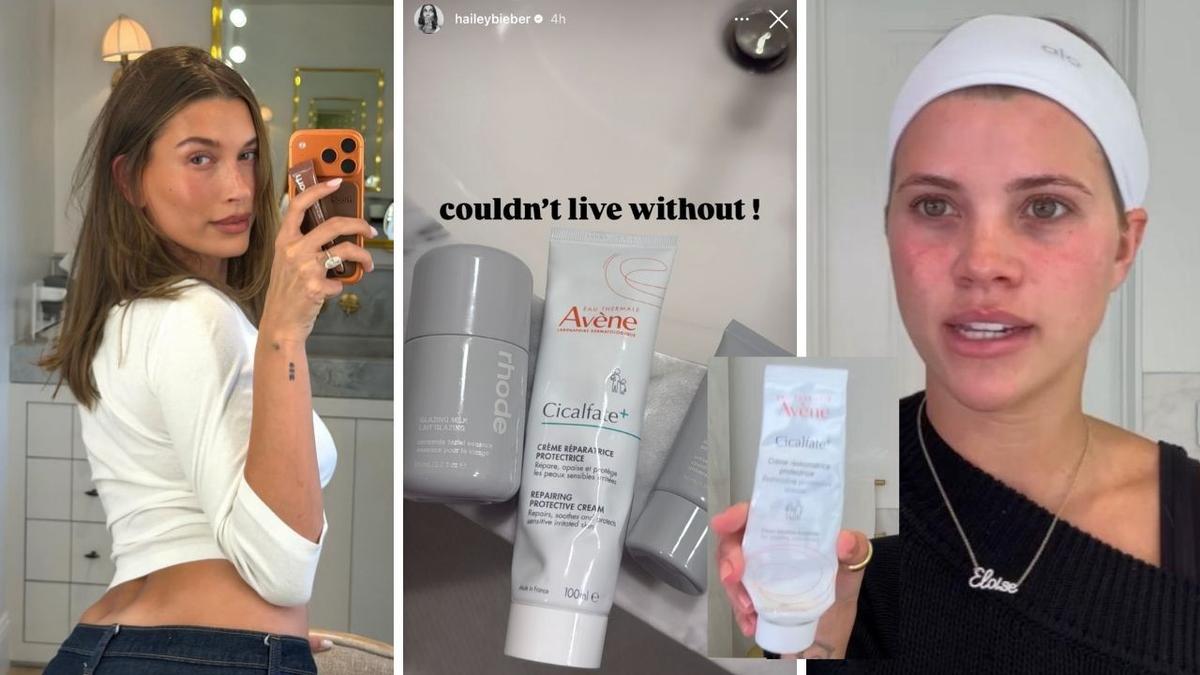
Avene Cicalfate+ Restorative Protective Skin Barrier Repair Cream is currently available for $23.99, down from $41.99, giving shoppers a 43 per cent saving.

And it is already proving popular, with more than 1,000 units bought in the past month.

Know the news with the 7NEWS app: Download today Arrow

The rich repair cream has also attracted plenty of celebrity attention, with Hailey Bieber and Sofia Richie among the names of celebrities who use the cult-favourite formula.

For anyone whose bathroom cabinet is filled with products promising brighter, smoother and more radiant skin, Cicalfate+ takes a different approach. Its job is to help skin recover.

This calming cream creates a protective barrier to lock in moisture. Credit: Instagram

That makes it particularly appealing when your complexion has been pushed a little too far by weather, shaving, beauty treatments or an overenthusiastic skincare routine.

Why everyone keeps reaching for Cicalfate+

The formula is designed to soothe uncomfortable, damaged and compromised skin while helping replenish the skin barrier.

According to Avene, the cream is clinically proven to repair the skin barrier four times faster, with visible improvement reported in as little as two days.

It is also designed to provide immediate hydration after the first application, while its rich, creamy texture spreads across the skin and leaves behind a protective layer.

Sofia Richie Grainge calls the barrier-supporting cream her “holy grail” product for glowing skin. Credit: YouTube/Avene

In other words, this is the sort of product that earns its place in the bathroom cabinet because it can be pulled out whenever skin starts behaving badly.

It can be used on both the face and body, and the brand positions it as a multi-purpose cream for everything from heat-affected skin and razor irritation to the nappy area, after tattoos and following superficial dermatological procedures.

For skincare minimalists, that versatility is a big part of the appeal.

The $24 deal is the part to know about

Right now, the Amazon deal brings the price down to $23.99 from $41.99.

That means shoppers are saving $18, or 43 per cent, on a product that is already attracting serious attention online.

One shopper summed up their experience simply, writing: “Best moisturiser!”

The combination of celebrity approval, strong shopper interest and a substantial discount makes this one of those skincare deals that is easy to understand. You do not need to completely overhaul your routine.

The cream works to support the skin through dryness, irritation and visible damage caused by everyday stressors. Credit: Avene

You simply add a hardworking barrier cream to the shelf for the days when your skin needs a little extra help.

And with more than 1,000 bought in the past month, it seems plenty of shoppers have already made their decision.

The beauty cupboard essential for irritated skin

No elaborate application ritual, no lengthy list of steps and no need to reserve it for one particular skincare concern.

It is a rich protective cream designed for dry, irritated or compromised skin, making it particularly useful for anyone who wants a dependable product to reach for when their complexion needs comfort rather than another active ingredient.

Celebs including Hailey Bieber are said to be fans of the Cicalfate+ Restorative Protective Cream. Credit: Avene

At $23.99, it is also considerably easier to justify than many of the prestige skincare products currently fighting for space on beauty shelves.

Celebrity endorsements and individual skincare experiences are not guarantees that a product will suit every complexion.

If your skin is persistently irritated or damaged, it is worth seeking advice from a qualified healthcare professional.

For everyone else, this could be the skincare bargain worth adding to the next Amazon order, particularly while the 43 per cent discount is still available.

Tags: , , , , , ,
Beauty and the brief: Your cheat sheet to modern skincare, from barrier repair to regenerative treatments

Beauty and the brief: Your cheat sheet to modern skincare, from barrier repair to regenerative treatments

Cleanser, moisturiser and sunscreen were once the only skincare products we needed to know. Today, the industry has its own language, with ingredients, treatments and buzzwords becoming part of everyday conversations.

Here’s a look at what they really mean.

A
AHAs

You no longer reach for the gunky face scrubs thanks to alpha hydroxy acids or AHAs. These chemical exfoliants clear away dead skin cells for brighter skin. Glycolic and lactic acids are the stars of the AHA worldAzelaic acidThe quiet achiever of skin – care. It tackles acne, redness and pigmentation in one go. This isn’t an exfoliating acid and is well-tolerated by sensitive skin.

B
Barrier repairGood skin begins with a healthy barrier. It keeps the moisture in and the irritants out.BHAsBeta-hydroxy-acids, or BHAs, cut through excess oil, clear clogged pores and help reduce blackheads and breakouts. Salicylic acid is the best known BHA.

C

Ceramides

The cement that holds your skin cells together. Ceramides are lipids that lock in moisture, protect against environmental damage and reduce irritation.

D

Double cleansing

The two-step ritual has become the gold standard for removing sunscreen, makeup and pollution.

Guide to modern skincare (Credit: iStock)

E

Exosomes

Tiny in size, big in promise. These microscopic messengers carry signals between cells and are attracting attention for their potential role in skin regeneration.

F

Face basting

A viral trend that requires coating the skin with a thick moisturiser or petroleum jelly overnight to help repair a damaged barrier.

G

Glutathione

The latest buzzword for brighter, more even-toned skin. Naturally produced by the body, glutathione helps protect cells from oxidative stress.Glass skinCoined in Korea, it refers to smooth and radiant skin that barely needs makeup.

H

Hyaluronic acid

Not an exfoliator. Hyaluronic acid is a humectant that draws moisture into the skin, leaving it smoother and more hydrated.

Ice Rollers (Credit: iStock)

I

Ice rollers

Probably the coolest thing in your daily skincare. Ice roll – ers help depuff, cool irritated skin and temporarily tighten the appearance of pores.

Healthy Barrier Over Hype

Social media may have made skincare more accessible, but it has also created a generation of self-taught skin experts. According to dermatologist Dr Geeta M Fazalbhoy, founder of Skin & You Clinic, “Healthy skin isn’t achieved by following trends. It requires an understanding of your skin type, concerns and medical history.”

A growing concern, says Fazalbhoy, is the “overuse of active ingredients, and excessive product layering, often called ‘skin cycling’ without proper understanding or even ‘cosmeticorexia’, an unhealthy obsession with using multiple skincare products”.

“Many people combine retinoids, exfoliating acids, vitamin C, benzoyl peroxide and other actives without understanding their interactions. A well-designed routine with a few scientifically proven ingredients is far more effective than a complicated 10- step regimen. Healthy skin begins with preserving the skin barrier,” she explains.

Looking ahead, Fazalbhoy believes regenerative treatments and personalised skincare routines “represent the future of dermatology”.

“Regenerative dermatology,” she says, “focuses on stimulating the skin’s natural repair mechanisms through treatments such as growth factors, platelet-derived therapies, biostimulators and, where permitted, exosomes, while research into stem cells and cell-derived therapies is advancing rapidly.”

At the same time, skincare is becoming increasingly personalised, with future routines likely to be tailored to an individual’s genetics, skin microbiome, lifestyle and environmental exposure, she says.

J

Jojoba oil

The oil that even oily skin loves. Non-comedogenic and lightweight, jojoba oil closely resembles the skin’s natural sebum, making it suitable for all skin types

K

Kojic acid

Kojic acid is the comeback kid. It helps slow melanin production, making it a favourite for tackling pigmentation and post-acne marks.

L

LED light therapy

Red for collagen, blue for acne. LED light therapy uses different wave lengths to target different skin concerns.

M

Microbiome

Billions of beneficial microbes live on your face, and a new generation of skincare is designed to nourish them.Micro needlingMicro needling creates tiny, controlled punctures in the skin to improve scars and trigger collagen production. Best performed in clinics, though at-home devices are available.

N

Niacinamide

Once unknown, now in every product you own. Niacinamide brightens skin , calms inflammation, strengthens the barrier and reduces excess oil.

O

Occlusives

Think of this as a cling film for your skincare. Occlusives lock in moisture, keeping your skin soft, smooth and protected.

P

PDRN

Derived from ‘salmon DNA’, PDRN (polydeoxyribonucleotide) is one of skincare’s biggest obsessions and is being studied for its potential to repair damaged skin and improve hydration and elasticity.PeptidesPeptides are tiny protein fragments that send signals encouraging the skin to produce more collagen, helping improve firmness and fine lines.

Q

Quiet beauty

Quiet beauty is about buying fewer products and sticking to a simple routine instead of chasing every viral trend.

R

Retinal/Retinol

The vitamin A derivatives that rewrote the anti-ageing rulebook. Retinal is the newer, faster-acting option, while retinol continues to be a trusted favourite.

Snail Mucin (Credit: iStock)

S

Snail mucin

The slimy ingredient that won the world over. Harvested from snails, snail mucin hydrates, soothes and supports the skin barrier.

T

Thermal water

The face mist naturally rich in minerals. Thermal water helps calm irritations, reduce redness and soothe sensitive skin.

U

UV filters

The science behind your SPF. Whether mineral or chemical, UV filters are the active ingredients that shield the skin from harmful UV rays.

Beyond the Hero Ingredient

The skincare industry may have turned ingredients into the heroes, but cosmetic chemist and CEO at Capsum KKT, Krupa Koestline, believes they are “only part of the story”.

A formula is a system: The concentration and stability of the active, its delivery to the skin, the supporting ingredients, the pH, the packaging and whether people can tolerate and enjoy using it consistently all affect performance,” she says

A well-formulated product, she adds, begins with a genuine skin need, not a trend. Consumers should look beyond hero ingredient claims and choose brands that are transparent about testing, ingredient function and how a product is designed to work.

Looking ahead, Koestline is excited by the convergence of biotechnology, botanical science and smarter delivery systems. She points to precision farming, which could make botanical ingredients more reliable and traceable, and ectoin, which helps support skin under stress.

Koestline also sees promise in mRNA and advanced delivery technologies that could influence skin biology in more targeted ways. “An ingredient is only as good as the system that keeps it stable and delivers it where it needs to go,” she says.

Her biggest piece of advice? “Skincare does not need to be so serious. Yes, formulation matters… but if you keep your skin moisturised, protect it from the sun and use products that agree with your skin, you will be fine.” She adds, “Skincare should support your skin and make you feel good; it should not become another source of stress.”

V

Vitamin C

The real glow-getter that hates sunlight. Vitamin C can help even out your skin and boost radiance.

W

Waterless beauty

Water less beauty replaces traditional water based formulas with concentrated ingredients, reducing water use while delivering more potent skincare.

X

Xeomin

The injectable called the ‘naked Botox’. Xeomin is a botulinum toxin injectable that’s attracting attention for its purified formulation.

Y

Yellow peel

Dermatologist administered chemical peel designed to brighten skin, improve texture and fade pigmentation.

Z

Zombie cells

Senescent or ‘zombie cells’ are ageing cells that stop functioning but refuse to die, contributing to inflammation and skin ageing. Scientists are exploring ways to target them as part of longevity research.

The Great Skin Reset

The biggest change in skincare isn’t what’s available on the shelves; it’s the modern consumers. Celebrity dermatologist Dr Bindu Sthalekar, founder of Skin Smart Solutions, says today there are more informed questions about prevention, skin barrier health and sun protection.

“Earlier, the focus was largely on anti-ageing and finding quick fixes for wrinkles or pigmentation. Today, more people understand that a healthy barrier is the foundation of beautiful skin,” she says

Sthalekar warns consumers not to confuse social media popularity with scientific evidence. “Products that promise ‘instant results’, ‘permanent pore reduction’, or ‘miracle cures’ should be viewed with caution. A product should have scientific backing, not just viral popularity. When in doubt, consult a dermatologist instead of relying solely on influencer recommendations,” she says.

Sthalekar believes the future lies in personalised, science-led skincare rather than one-size-fits-all routines. Innovations such as microbiome-friendly skincare, biomimetic peptides, AI-assisted skin analysis and exosome research are shaping the next generation of treatments.

“The future of skincare,” she says, “will be smarter, more personalised and backed by stronger scientific evidence,” she says.

Add as a Reliable and Trusted News Source

Tags: , , , , , , , ,
Best oLive
Privacy Overview

This website uses cookies so that we can provide you with the best user experience possible. Cookie information is stored in your browser and performs functions such as recognising you when you return to our website and helping our team to understand which sections of the website you find most interesting and useful.