COSRX Presents Peptides, Snail Mucin and PDRN as Key Skincare Solutions for Amazon Spring Deal Days

COSRX Presents Peptides, Snail Mucin and PDRN as Key Skincare Solutions for Amazon Spring Deal Days

LONDON, March 9, 2026 /PRNewswire/ — Amazon’s Spring Deal Days 2026 (March 10-16) arrives as one of the first major beauty shopping events of the year. This season, dermatologist-loved skincare brand COSRX joins the event with a curated lineup built around some of the most searched skincare ingredients today – Peptides, Snail mucin, and PDRN technology.

If your usual skincare routine doesn’t seem to be working as well as it used to, COSRX suggests looking at ingredient-led solutions tailored to different skin concerns.

  • (UP TO 31%) Want Plumper, Glowier Skin? Try a Peptide Routine
    Peptides continue to gain traction across the skincare market for their ability to support collagen production, elasticity, and skin resilience, becoming one of the most talked-about ingredients in modern skincare. Within this trend, COSRX has emerged as a leading peptide skincare brand in K-beauty, highlighted by its Peptide Trio routine designed to help create the smooth, radiant finish associated with the glass skin look.
    The routine begins with The 6 Peptide Skin Booster Serum, a first-step peptide booster designed to enhance the absorption and performance of the skincare that follows. It is paired with The Peptide Collagen Hydrogel Eye Patch, infused with caffeine and collagen to help reduce the appearance of puffiness, wrinkles, and fine lines, and completed with The Peptide Collagen Lifting Glow Hydrogel Mask, delivering intensive care to leave skin looking smoother and more luminous.
  • (UP TO 49%) The Iconic K-Beauty Glass Skin Routine: Snail Mucin
    For those looking to calm and replenish dehydrated or stressed skin, COSRX’s Advanced Snail line remains one of the most iconic routines in K-beauty. Powered by snail mucin, the range focuses on soothing care while delivering deep hydration to help maintain soft, balanced skin.
    The routine features the Advanced Snail 96 Mucin Power Essence, formulated with 96% snail secretion filtrate to replenish moisture while improving the appearance of skin texture. It is followed by the Advanced Snail 92 All in One Cream, a lightweight moisturizer designed to lock in hydration and support the skin barrier.
    Together, the duo forms a simple routine focused on soothing care and lasting hydration.

Extra Steps to Elevate Your Routine
For those looking to complement their core skincare routine with targeted treatments, COSRX introduces additional steps designed to enhance overall skin performance. Among them is PDRN, a trending ingredient that has recently gained global attention for its role in supporting skin regeneration and vitality. The PDRN EXOSOME Skinplaning Glaze Mask works as a special care treatment – a peel-off hydrogel mask designed to smooth and revitalize the skin for a glazed-looking finish.

The brand also expands its hydrogel mask lineup with the 5 PDRN Hyaluronic Acid Vital Hydrating Hydrogel Mask, joining COSRX’s growing family of hydrogel masks – including Peptide, Alpha-Arbutin and Snail Mucin lines – designed to address different skin concerns within a weekly routine.

As temperatures rise, daily sun protection becomes essential. COSRX’s Ultra-Light Invisible Sunscreen SPF50 PA++++ provides broad-spectrum UV protection with a lightweight finish that layers seamlessly under makeup – an easy addition to any summer skincare routine.

About COSRX
Founded in 2013, COSRX is a global skincare brand known for its “essentials-only” approach: highly effective ingredients, concentrated formulas, and affordable prices. Trusted by millions worldwide and powered by social media virality, COSRX has grown into one of the most influential K-beauty brands across skincare and haircare. Discover COSRX on Amazon. COSRX is also on Instagram + TikTok.

Photo – https://mma.prnewswire.com/media/2927981/COSRX_skincare_essentials_set_solve_skincare_concerns_Amazon_Spring_Deal.jpg
Logo – https://mma.prnewswire.com/media/2648141/5840465/COSRX_Logo.jpg

View original content:https://www.prnewswire.co.uk/news-releases/cosrx-presents-peptides-snail-mucin-and-pdrn-as-key-skincare-solutions-for-amazon-spring-deal-days-302707865.html

Tags: , , , , , , , , , , , ,
Key Players Analysis, Company Profiles, Strategic Developments, Mergers, Product Innovations, Revenue Insights, and Future Forecasts to 2033

Key Players Analysis, Company Profiles, Strategic Developments, Mergers, Product Innovations, Revenue Insights, and Future Forecasts to 2033

Company Logo

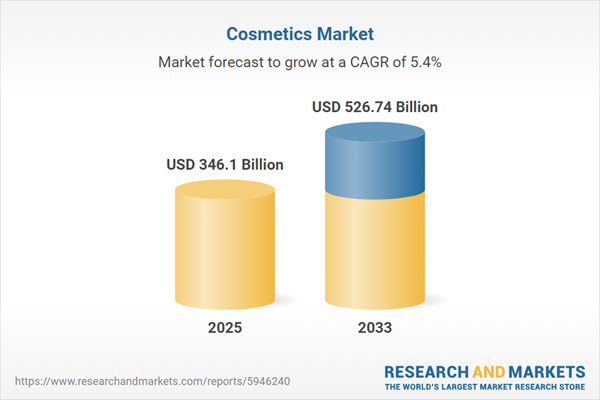
The Global Cosmetics Market is set for significant growth, projected to leap from US$ 346.1 billion in 2025 to US$ 526.74 billion by 2033, with a CAGR of 5.39%. This growth is driven by soaring demand for vegan cosmetics, product innovation, personal grooming awareness, and e-commerce expansion. Major players like Coty, P&G, Estee Lauder, Colgate-Palmolive, and Johnson & Johnson lead the market. As trends emphasize health, organic, and cruelty-free products, companies like Revlon and Beiersdorf are launching innovative offerings. Sustainability remains a core focus, with Unilever and Shiseido setting ambitious goals for eco-friendly practices.

Cosmetics Market

Cosmetics Market · GlobeNewswire Inc.

Dublin, Feb. 24, 2026 (GLOBE NEWSWIRE) — The “Global Cosmetics Market Key Players Analysis, Company Profiles, Strategic Developments, Mergers, Product Innovations, Revenue Insights, and Future Forecasts” report has been added to ResearchAndMarkets.com’s offering.

The Global Cosmetics Market is projected to grow significantly by the end of 2033, reaching US$ 526.74 billion from US$ 346.1 billion in 2025, at a CAGR of approximately 5.39% from 2025 to 2033

This is mainly due to several factors, such as growing demand for vegan cosmetics, new varieties of products launched in the market, increasing awareness about personal grooming, and the increased availability of cosmetics through e-commerce websites.

Cosmetics are a broad category of products that cater to various face and body beautification needs, including makeup, skincare, hair care, and fragrances. They range from merely improving skin texture and tone to adding color and definition to the face. Cosmetics have gained great popularity internationally with the shift in cultural influences and changing beauty ideals.

Cosmetics serve a dual purpose in many cultures: they are a means of personal expression and a confidence booster. High-profile endorsements, social media trends, and beauty influencers play significant roles in shaping consumer preference. E-commerce has ultimately helped brands reach out to an audience across the world and thus allowed diverse products to target different skin types, tones, and preferences.

Moreover, increased awareness of health and self-care has evinced interest in organic and cruelty-free cosmetics as well. All in all, the cosmetic market continues to boom with innovations and an unending search for beauty, keeping the attention of a wide range of customers at different ages and demographics. This is a trend that does not seem to actually decelerate and is a clue to the staying power of cosmetics in today’s cultures worldwide.

Key Attributes:

Report Attribute

Details

No. of Pages

200

Forecast Period

2025 – 2033

Estimated Market Value (USD) in 2025

$346.1 Billion

Forecasted Market Value (USD) by 2033

$526.74 Billion

Compound Annual Growth Rate

5.3%

Regions Covered

Global

Key Topics Covered:

1. Cosmetics Market
1.1 Historical Trends
1.2 Forecast Analysis

2. Market Share Analysis – Cosmetics Market

3. Coty Inc.
3.1 Overview
3.1.1 Company History and Mission
3.1.2 Business Model and Operations
3.1.3 Workforce
3.2 Key Persons
3.2.1 Executive Leadership
3.2.2 Operational Management
3.2.3 Division Leaders
3.2.4 Board Composition
3.3 Recent Development & Strategies
3.3.1 Mergers & Acquisitions
3.3.2 Partnerships
3.3.3 Investments
3.4 Sustainability Analysis
3.4.1 Renewable Energy Adoption
3.4.2 Energy-Efficient Infrastructure
3.4.3 Use of Sustainable Packaging Materials
3.4.4 Water Usage and Conservation Strategies
3.4.5 Waste Management and Circular Economy Initiatives
3.5 Product Analysis
3.5.1 Product Profile
3.5.2 Quality Standards
3.5.3 Product Pipeline
3.5.4 Product Benchmarking
3.6 Strategic Assessment: SWOT Analysis
3.6.1 Strengths
3.6.2 Weaknesses
3.6.3 Opportunities
3.6.4 Threats
3.7 Revenue Analysis

Above Information Will Be Provided for All the Following Companies

  • Coty Inc.

  • Procter & Gamble

  • The Estee Lauder Companies Inc.

  • Colgate-Palmolive Company

  • Johnson & Johnson Services Inc.

  • Revlon, Inc.

  • Beiersdorf Group

  • Kao Corporation

  • LVMH

  • Mary Kay Inc.

  • L’Oreal S.A.

  • Unilever PLC

  • Shiseido Company, Limited

  • Natura & Co

  • Henkel AG

  • PUIG

  • Avon Products, Inc.

  • Amway Corp.

  • Chanel S.A.

  • Oriflame Cosmetics AG

For more information about this report visit https://www.researchandmarkets.com/r/6aro1d

About ResearchAndMarkets.com
ResearchAndMarkets.com is the world’s leading source for international market research reports and market data. We provide you with the latest data on international and regional markets, key industries, the top companies, new products and the latest trends.

Attachment

CONTACT: CONTACT: ResearchAndMarkets.com Laura Wood,Senior Press Manager press@researchandmarkets.com For E.S.T Office Hours Call 1-917-300-0470 For U.S./ CAN Toll Free Call 1-800-526-8630 For GMT Office Hours Call +353-1-416-8900

Tags: , , , , , , , , , , , , ,
10 Key Beauty Trends to Know for 2026 F

10 Key Beauty Trends to Know for 2026

Makeup becomes expressive again rather than invisible.

Beauty in 2026 is less about chasing perfection and more about building longevity, resilience, and confidence across skin, body, and mind.

The industry is shifting away from surface-level fixes towards routines rooted in health, technology, and emotional well-being.

For South Asians, this evolution feels particularly relevant as conversations around hyperpigmentation, sensitivity, and holistic wellness continue to grow.

Skincare, makeup, and wellness are no longer separate categories but deeply interconnected parts of daily life.

Brands are responding with smarter formulations, personalised tech, and rituals that fit modern, busy lifestyles.

There is also a stronger focus on inclusivity, from shade ranges to cultural beauty needs that were once overlooked.

Gen Z and younger millennials are driving these changes, demanding transparency, performance, and pleasure from their products.

Beauty is now expected to support mental clarity, physical health, and long-term skin strength.

These ten key trends offer a clear picture of where beauty is heading in 2026 and how to start adapting now.

Whether you are a minimalist or a full glam lover, these shifts will shape how routines look and feel.

Metabolic and Longevity Beauty

Beauty in 2026 looks far beyond anti-ageing and focuses on how skin functions over time.

Products increasingly reference metabolism, cellular energy, and biological age rather than wrinkles alone.

This approach reframes skincare as a long-term investment rather than a corrective solution.

Prejuvenation becomes a key term, especially for those in their twenties and thirties.

For South Asians, who often experience pigmentation or inflammation earlier, longevity-focused formulas feel more preventative and empowering.

Ingredients are positioned to support skin resilience against stress, pollution, and hormonal changes.

Clinical language enters everyday beauty, borrowing ideas from functional medicine and dermatology.

Treatments and home care aim to support skin health at a cellular level. The goal is not reversing time but strengthening skin so it ages well and predictably.

This marks a more realistic and sustainable approach to beauty expectations.

Beauty From Within and Nutricosmetics

Ingestible beauty continues to grow as consumers seek visible results that start internally.

Collagen, probiotics, adaptogens, and micronutrient blends are marketed for glow, hair density, and barrier strength.

Sleep quality and gut health are increasingly linked to how skin looks and feels.

This resonates strongly within South Asian wellness traditions that already value internal balance.

Skincare brands now pair topical products with capsules, sachets, or functional drinks.

These combinations promise more comprehensive and consistent results. The messaging focuses on daily rituals rather than quick transformations.

Beauty becomes part of nutrition, not separate from it.

For busy lifestyles, this integrated approach feels practical and modern. It also reflects a growing trust in science-backed supplementation.

AI-Powered Personalisation

Artificial intelligence becomes central to how beauty routines are built and maintained.

Skin analysis tools assess tone, texture, acne, and sensitivity in real time.

Recommendations now change with climate, hormones, stress levels, and lifestyle habits. This dynamic approach feels far more realistic than static routines.

Virtual consultations allow users to access expert guidance without clinical appointments.

This is especially useful for communities historically underserved by dermatology.

Makeup matching also improves, offering better shade accuracy for deeper and olive undertones.

South Asian consumers benefit from fewer compromises.

Personalisation becomes an expectation rather than a luxury. Beauty finally adapts to the individual, not the other way around.

Neurocosmetics and Mood Regulating Beauty

Beauty products increasingly claim to influence mood through the skin-brain connection.

Formulas focus on stress relief, focus, calm, or relaxation.

Scents, textures, and application rituals are designed as emotional experiences.

Skincare becomes a moment of pause rather than another task. This trend reflects wider conversations around burnout and mental health.

Small daily rituals feel grounding and restorative.

For South Asians balancing family, work, and cultural expectations, this emotional support feels meaningful.

Beauty routines become private moments of self-care. The sensory element is just as important as visible results. Feeling better becomes part of looking better.

Microbiome, Barrier, and Sensitive Skin Science

Sensitive and reactive skin concerns continue to rise globally.

Barrier repair and microbiome balancing remain at the centre of skincare innovation.

Probiotic and postbiotic ingredients support healthier skin ecosystems.

Minimalist formulations reduce irritation and overuse. This is particularly relevant for South Asians prone to redness, adult acne, or compromised barriers.

Gentle formulas offer safer long-term use. Dermatology-inspired products move into mainstream beauty.

Clinical credibility matters more than fragrance or packaging. The focus shifts towards calming, strengthening, and protecting skin.

Healthy barriers become the foundation for all other goals.

Tech-Powered Try On and Virtual Artistry

Virtual try-on technology evolves into full look simulations. Users can test skin, eyes, lips, and hair with improved realism.

Shade accuracy and texture simulation become far more reliable. This reduces waste and increases confidence when shopping online.

Global inclusivity improves as more complex undertones are represented digitally.

South Asian users see themselves reflected more accurately.

Brands use virtual artistry to launch editorial and limited drops first online.

Digital experimentation feels playful and accessible. This technology supports bolder beauty choices without commitment.

Creativity becomes easier and more democratic.

Maximalist Glamour and Eye Focus

After years of understated aesthetics, glamour makes a confident return.

Statement eyes lead the way with lashes, liners, and shimmer. The look feels nostalgic yet refined, inspired by classic bombshell energy.

Makeup becomes expressive again rather than invisible.

South Asian beauty traditions already celebrate dramatic eyes, making this shift feel familiar. Cultural influences gain renewed relevance.

Complexion remains polished but not heavy. The focus is on impact rather than excess.

Going out makeup regains its place as a form of joy. Beauty feels fun again.

New Mattes and Skinified Makeup

Matte finishes return with softer, blurred textures. Lips and bases feel pillowy rather than flat or drying.

Makeup now includes skincare-grade ingredients like peptides and ceramides. Products treat while they perfect.

Foundations and tints support hydration and barrier health. SPF becomes standard rather than optional.

This benefits South Asian skin tones that often struggle with traditional mattes. Comfort and performance finally align.

Makeup feels lighter yet more functional. Everyday products work harder behind the scenes.

Sustainability 2.0 and Upcycled Formulas

Sustainability evolves beyond surface-level claims. Consumers demand traceable sourcing and measurable impact.

Biotech ingredients and upcycled botanicals gain credibility. Waste reduction becomes central to product design.

Refillable packaging and concentrated formulas are increasingly expected. Gen Z drives this accountability.

For conscious consumers, values influence purchasing decisions more than trends. Beauty becomes an ethical choice.

Sustainability feels integrated rather than performative. The industry moves towards long-term responsibility.

Hybrid Beauty Wellness Rituals

The boundaries between beauty, wellness, and performance continue to blur. Routines are framed as full-body rituals.

Body care adopts facial-level ingredients and textures. Serum-like products treat skin from head to toe.

Sleep, circadian rhythm, and recovery become beauty concerns. Launches focus on rest as much as results.

This holistic framing aligns with South Asian wellness philosophies rooted in balance. Beauty supports daily functioning.

Rituals feel intentional and personalised. Beauty becomes part of lifestyle design.

Beauty in 2026 is smarter, deeper, and more emotionally aware. The focus shifts from fixing flaws to supporting long-term well-being.

Technology plays a central role, but human experience remains at the heart of routines. Personalisation and inclusivity finally feel meaningful.

For South Asians, these trends offer better representation and more relevant solutions.

Cultural beauty needs are increasingly acknowledged.

Wellness, skincare, and makeup now exist on the same spectrum. This integration feels more realistic and sustainable.

Rather than chasing every launch, consumers are encouraged to build intentional routines. Beauty becomes a tool for confidence and care.

Understanding these trends helps you move forward with clarity, curiosity, and a stronger sense of self.

Tags: , ,
Natural Grocers® Shares Key Trends for Living Well

Natural Grocers® Shares Key Trends for Living Well

Powered by real conversations, real stores and real nutrition experts—not algorithms

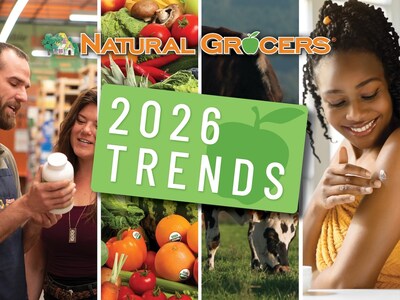
LAKEWOOD, Colo., Dec. 2, 2025 /PRNewswire/ — Natural Grocers®, America’s Nutrition Education ExpertsSM and the nation’s largest family-operated organic and natural grocery retailer, has unveiled its highly anticipated Top Trends for 2026. Now in its tenth year, the forecast highlights emerging practices and products set to shape four key categories: Health and Wellness, Body Care and Beauty, Food and Beverage, and Ecologically Thoughtful.

A glimpse at 2026’s top trends from Natural Grocers—health, beauty, food, and sustainability come together.

Guided by insights from the company’s expert Nutrition Education team—which includes Registered Dietitians, Nutrition Therapists and Certified Natural Foods Chefs—and the company’s trend-savvy marketing and analytics professionals, this year’s predictions blend research, consumer insights and hands-on expertise. The result is a practical, inspiring roadmap to help consumers thrive in 2026 through healthier, more mindful and ecologically friendly choices.

“At Natural Grocers, we’re passionate about helping people make choices that truly support their health and the planet,” said Raquel Isely, vice president of marketing at Natural Grocers. “In 2026, we’ll see a focus on personalization, smarter supplementation, nutrient dense, yet budget-friendly foods, simple self-care hacks and ecologically thoughtful products and practices. Though these may be new ideas, they’re also trusted ways to feel good, live well and thrive all year long. We hope our customers will explore these trends and enjoy the products that accompany them for a healthier, more vibrant year ahead.”

NATURAL GROCERS’ TOP TRENDS FOR 2026
Natural Grocers’ Top Trends for 2026 are organized into four key categories: Health and Wellness, Body Care and Beauty, Food and Beverage and Ecologically Thoughtful, encompassing a total of twelve trends. The expert team has included its annual “Try This Trend” feature, offering ideas and products for those eager to dive in. For the fourth year in a row, Natural Grocers has added a Bonus Trend, highlighting a valued focus beyond the four main categories.

Health and Wellness Trends

  1. We’ll choose personalized guidance from real nutrition experts over apps and AI

  2. Creatine will power more than just our workouts

  3. Optimizing health becomes easy with five foundational supplements

Body Care and Beauty Trends

  1. We’ll relax and refresh on repeat with magnesium-based body care

  2. Vitamin E and jojoba oil are the dynamic duo for skin barrier health

  3. Everyday self-care becomes a necessary sensory escape

Food and Beverage Trends

  1. Organic is the gold standard for food quality

  2. We’ll eat quality carbs from veggies for our healthspan and happiness

  3. Eating on a budget, but we’ll make it healthy and delicious

Ecologically Thoughtful Trends

  1. We’ll clean up our personal plumes for our health and the planet

  2. The environmental and cognitive costs of AI become a clear and present danger

  3. Organic and regenerative Ag will be one of our best defenses against climate change

**Bonus Trend**
Embracing cultural diversity is good4uSM

Natural Grocers will highlight these trends online and across social media platforms through January. The trends will also be featured in the January edition of Natural Grocers’ good4u Health Hotline® magazine, available in both online and print formats.

ABOUT NATURAL GROCERS BY VITAMIN COTTAGE
Founded in 1955, Natural Grocers by Vitamin Cottage, Inc. (NYSE: NGVC) is an expanding specialty retailer of natural and organic groceries, body care products and dietary supplements. The grocery products sold by Natural Grocers must meet strict quality guidelines and may not contain artificial flavors, preservatives or sweeteners (as defined by its standards), synthetic colors or partially hydrogenated or hydrogenated oils. The Company sells only USDA-certified organic produce and exclusively pasture-raised, non-confinement dairy products and free-range eggs. Natural Grocers’ flexible smaller-store format allows it to offer affordable prices in a shopper-friendly, clean and convenient retail environment. The Company also provides extensive free science-based Nutrition Education programs to help customers and Crew make informed health and nutrition choices. Natural Grocers is committed to its Five Founding Principles—including its “Commitment to Community” and “Commitment to Crew.” In fiscal year 2025, the Company invested more than $16 million in incremental compensation and discretionary payments for Crew. Headquartered in Lakewood, CO, Natural Grocers has 168 stores in 21 states. Visit naturalgrocers.com for more information and store locations.

Natural Grocers (PRNewsfoto/Natural Grocers by Vitamin Cott) Cision

View original content to download multimedia:https://www.prnewswire.com/news-releases/get-ahead-in-2026-natural-grocers-shares-key-trends-for-living-well-302629821.html

Tags: , , , , ,
Personalization Is Key To Marketing Successful Wellness Products

Personalization Is Key To Marketing Successful Wellness Products

Alana Sandel is a Chief Experience Officer at Marketing For Wellness, an agency committed to supporting brands that stand for well-being.

The wellness industry has exploded over the last decade, now accounting for more than $6 trillion globally. From functional beverages to wearable health trackers, biohacking clinics to personalized supplement regimens, consumers are surrounded by products and services promising vitality, longevity and optimization. The challenge is no longer access. The challenge is choice.

At the recent Biohackers World event I attended in Chicago, innovators showcased breakthroughs such as hyperbaric oxygen therapy and sleep optimization. For me, it was clear that the future of wellness is personalized. Yet, with constant marketing on social media, I’ve noticed consumers struggle to know what really works, what is safe and what is worth the investment.

For companies, this reality has profound implications. I think success depends not only on effective products but also on marketing rooted in transparency, responsibility and personalization.

Consumers Empowered Like Never Before

Many of today’s consumers no longer accept blanket health advice. They expect interventions—from nutrition to sleep strategies—to be tailored to the individual. What works for one person may fail for another.

Wearables now track heart rate variability and sleep cycles. Continuous glucose monitors reveal how foods affect blood sugar. Tech platforms help people synthesize information, ask smarter questions and personalize expert guidance.

For example, after a dietitian outlined my supplement needs, I used AI to organize them into a schedule that matched my eating habits and the times of day I absorb nutrients most effectively. The technology did not replace expertise; it amplified it. That is the kind of empowerment consumers now expect: the ability to validate, customize and optimize advice.

The Social Media Noise Problem

Despite innovation, consumers face overwhelming noise. Social media trends and influencer routines often lack validation yet gain traction quickly. This creates both excitement and skepticism.

As a result, consumers need to research claims, cross-reference sources and consult practitioners before making decisions.

For brands, hype-heavy marketing is risky. If claims are questioned or products disappoint, educated consumers can fact-check, share experiences and quickly damage reputations.

Implications For Wellness Marketing

Personalization is not just a product feature; it is a marketing strategy. Moving forward, I think winning brands will:

• Lead with transparency. Share research, explain limitations and set realistic expectations.

• Educate without overwhelming. Provide context and practical applications rather than jargon.

• Empower choice. Encourage professional consultation, and acknowledge that wellness is not one-size-fits-all.

• Build authentic trust. Partner with credible experts and influencers whose values align with your brand.

Marketing Strategies For Wellness Brands

To build credibility and drive conversion, here are a few best practices for creating meaningful, personalized marketing strategies across events, collaborations, education and sampling.

1. Holding Events And Conferences With Experts

To create visibility through sponsorships, speaking opportunities and expert panels, brands should focus on aligning with events that genuinely reflect their mission. Prioritize quality over quantity by choosing gatherings where your ideal audience will be present and designing activations that connect in-person experiences with online engagement.

Capture authentic content and share expert takeaways after the event to extend visibility and thought leadership beyond the room. For example, we supported a food brand that was launching a new smoothie. The campaign was anchored by red carpet visibility, where a brand ambassador helped engage influencers to promote the product. Bottles were sampled and photographed, and authentic moments with influencers were captured and shared across social media.

2. Collaborating With Practitioners

To build trust through medical and holistic partnerships, start by identifying practitioners who already embody your brand’s values. I’ve learned that building long-term trust in wellness means aligning with those closest to the consumer’s health decisions. That could mean partnering with MDs, dietitians and nutritionists.

Co-create educational content that integrates your product into their real-world routines, and let them lead with their expertise rather than your marketing message.

Authenticity and transparency are key because these relationships work best when they feel like natural extensions of the practitioner’s practice.

Consider featuring these partners in activations, interviews and wellness-focused sampling moments. By showing up authentically in this space, not just as a product but as a wellness partner, brands can establish credibility and expand their community through both peer-to-peer content and shared values.

3. Working With Kids’ Health And School Programs

To align your brand with long-term healthy habits, you may want to consider partnerships that engage families and educators, such as nutrition workshops, cooking classes or in-school challenges.

Focus on interactive, experiential formats that empower children and parents to make healthier choices together. When executed with sincerity, I’ve found these initiatives can create emotional connection and generational brand loyalty.

4. Offering Functional Sampling At Retail And Wellness Chains

To introduce your product in meaningful real-world settings, go beyond simple sampling.

Position your product within wellness touchpoints, such as pharmacies, fitness studios, IV lounges or healthcare offices, where consumers are already in a health-focused mindset. For example, we helped a client install branded refrigerators in medical and wellness offices so patients could access free samples where they were already seeking care and guidance.

Pair every in-person experience with digital storytelling to reinforce your product’s benefits and drive measurable engagement.

Through combining educational content, trusted partnerships and AI-enhanced targeting, brands can move from transactional marketing to transformational engagement and earn their place in wellness movement.

Personalization Is The Future

The wellness economy will likely continue to expand. Innovation could accelerate. Options could multiply. Yet, I believe personalization—grounded in transparency, expert guidance and consumer empowerment—will remain the key to adoption and brand success.

For brands, my advice is simple: Market responsibly. Build trust and empower people with knowledge and flexibility.

In a noisy marketplace, personalization can be the most powerful differentiator.

Forbes Business Council is the foremost growth and networking organization for business owners and leaders. Do I qualify?

Tags: , , , , ,
Best oLive
Privacy Overview

This website uses cookies so that we can provide you with the best user experience possible. Cookie information is stored in your browser and performs functions such as recognising you when you return to our website and helping our team to understand which sections of the website you find most interesting and useful.