Forbes

Agricosmetics Is The Future Of Sustainable Beauty—And Beau Domaine Is Leading It

Beau Domaine Skincare is in a very unique position, and it’s not just because Brad Pitt is the co-founder and co-director of the skincare brand. Despite that it launched in 2022, Beau Domaine actually has centuries of history and science behind it. The proof of that is in a beautiful building in the south of France in the heart of Provence, surrounded by the vineyards of Château de Beaucastel that produce some of the most coveted wines in the world by the Perrin family.

Above the fireplace of their once simple, stone-walled ancestral home reads “5 Septembre 1687.” Wine has been grown on this land for centuries, and it was once owned by Louis XIV, who used it as a hunting lodge. Since 1909, over five generations, the farming has been done without pesticides or herbicides, instead relying on organic farming techniques, allowing them to cultivate the finest and purest ingredients. The Perrin family is dedicated to farming practices that are better for the planet and their wine—and now, your skin. Though no one no longer lives in the farmhouse, it was fully restored and the historical part of the house was returned to its former glory during a major renovation, along with the winery.

The Beau Domaine Skincare range

Beau Domaine Skincare

“Being the fifth generation of Beaucastel, it is a project which is completely inside of what we think about culture, about beauty, about wine making,” says Pierre Perin, a co-founder of Beau Domaine and co-owner of Château de Beaucastel. “Today, Beaucastel is not only for wine anymore. We also want to use grapes to make cosmetics. It’s what makes Beaucastel special today. It respects the family tradition, which is very important, so we’re going to continue that, and we are amazed by what has been done in Beaucastel before. To be able to have 100 years of history of no chemicals, no practices that we don’t want to have, is something that we are proud of.”

The Perrin family has embraced sustainable farming for generations, adapting to the most advanced technologies over the years across all their vineyards. Now they are leading the charge in agricosmetics, the latest frontier of clean beauty. The concept is that the efficacy and authenticity of skincare is intrinsically linked to the quality of the agricultural raw materials used in the formulas. Instead of purchasing pre-processed ingredients from third parties, agricosmetic brands rely on an integrated vertical, growing, studying and processing their ingredients every step of the way themselves, giving them absolute control over exactly what goes into their products. This process not only ensures the ingredients are grown to the highest standards, but also that everything is done so ethically in-house, with full transparency. This starts from the soil and ends with the final ingredients.

Château de Beaucastel

Beau Domaine Skincare

A cutting-edge facility has been built around the ancestral home that remains at the center of the Château de Beaucastel headquarters, illustrating the balance between history and modernity, which is evident in the property’s circularity and biodynamic practices (a horse is used to plow). The property’s significant renovation was completed last May and the renovated Beaucastel includes a 12-meter deep swimming pool for water collection and a wind tower for natural cooling. Whenever possible, they used local materials and innovative practices to respect the environment. “The wind is very important,” Perrin says. “The building was created with respect of the elements that we have in Beaucastel. The building was built with our own earth.” Similar to adobe, they used local dirt and clay to create a concrete that was used to create the building. They are one of the most sustainable wineries in the world.

“What is left after the winemaking is very important,” Perrin says. “When we make wine, we extract 50% of what is in the skin. What is left after that is 50% of the antioxidants, the color, the flavor, and we said 15 years ago, what are we going to do with that?” The answer was Beau Domaine Skincare.

The Perrin family’s advanced agricosmetics approach stems from their whole-plant philosophy. Every single part of the vine is utilized for its unique bioactive compounds, including stilbenoids from the roots, resveratrol from the canes, antioxidant complexes from grapes and oligomeric procyanidins from seeds. Each is carefully isolated, stabilized and optimized for potency. Nothing goes to waste, resulting in a fully circular system. They approach all products made from the vine the same way, prioritizing terroir and sustainable practices. The grapes used by Château de Beaucastel for their wines are top-notch, so it makes sense they’d also excel as a skincare ingredient.

The vineyards of Château de Beaucastel

Beau Domaine Skincare

To prove it, Beaucastel has partnered with several universities in Europe to study the benefits their grapes have on health. “The brand was built on more than 15 years of scientific research with the University of Bordeaux,” says Léo Lajoie, PhD, Head of Research and Development, Beau Domaine and Famille Perrin. Their research pinpointed the efficacy of antioxidant activity and studied the effects of catechins and resveratrol.

Agricosmetics requires a deep understanding of science and skincare every step of the way. That’s what enabled Beau Domaine to create their proprietary skin longevity technology, GSM10 and PROGR3. They studied all 13 grape varieties at Beaucastel and selected three to create a new patent-pending powerful antioxidant active ingredient, GSM10, which fights oxidative stress at the intracellular and extracellular level and is enhanced with a post-biotic microorganism, a Lactobacillus, to help balance the skin. Made with upcycled grape marc, it’s deeply sustainable. “We introduce GSM10 in every product in our cosmetic line,” Lajoie says.

The walls of Château de Beaucastel are made of concrete from the local dirt and clay

Beau Domaine Skincare

PROGR3 was created in partnership with a leading geneticist, Professor Nicolas Lévy of Aix-Marseille University, Chief Scientist for Rare Diseases at the Servier Group, after researching molecules in plant extracts that counter the effects of progerin, which causes DNA damage and premature aging. PROGR3 contains three plant actives: resveratrol from vine shoots, apigenin from chamomile and catechin from green tea. “The apigenin from chamomile is cold-pressed and we get the blend of resveratrol from our own vines,” Lajoie says.

The Beau Domaine Skincare products are rounded out with other compounds sourced straight from the vineyard’s crops, such as hydrating organic grape water and olive oil. “An important thing about the cosmetic line is the olive oil that is produced here is organic and really concentrated in compounds,” Lajoie says. “We performed a lot of tests to know exactly what it contains.”

They also put plenty of research into their extraction techniques. “It’s very important to be able to produce our cosmetics actives, but it’s also important to use the most natural process of extraction,” Perrin says. “It can boost the activity of your skin. To be regenerative makes the most of your body, your vineyards, your earth. To be able to be better is suitable to all our activities.”

Beau Domaine Skincare The Body & Tattoo Cream

Beau Domaine Skincare

It took 15 years to research and develop the active ingredients. The provenance and detailed research behind the carefully curated ingredients is what makes Beau Domaine Skincare so efficacious, which is validated through clinical testing by independent labs. For example, The Cream, an anti-aging daily moisturizer, increases hydration by 84% after two hours and 34% after 24 hours, improves radiance by 35% and reduces dehydration fine lines by 16%. The Serum plumps skin by 42%, reduces signs of fatigue by 12% and crow’s feet by 11%, and 94% said it left their skin more radiant. The Cleansing Emulsion, an antioxidant face wash, improved hydration levels for 100% of testers and 97% said their skin was clean, fresh and supple after using.

Those three products make up Pitt’s skincare routine. “Brad is an architect,” Perrin says. “He loves beautiful things. He loves nature.” He weighs in on product development and advises on design. He’s the one who requested that their latest launch, The Body & Tattoo Cream, also be used to brighten and preserve tattoos. His aesthetic is evident in the chic wood caps that top most of the products. The wood caps are finished by hand in the mountains of France, showcasing the attention to detail of the brand and craftsmanship of local artisans.

Beau Domaine Skincare products

Beau Domaine Skincare

The rest of the packaging was created with the utmost devotion to sustainability. Opting to avoid plastic, the jars are made of glass. When plastic is necessary, such as for the pumps, it’s post-consumer recycled plastic. The packaging is as light as possible to reduce shipping weights and their carbon footprint. They work with as many local suppliers as possible, so the packaging comes from France or Italy.

In beauty, often what’s old is new again. Despite that organic farming is centuries old, agricosmetics is the future of skincare. “We don’t have to compromise between what we put on our skin, the impact on the planet and the efficiency of the products,” Perrin says. “We have produced our own ingredients and we are going to continue that. We want to respect five generations of what we’re doing at Beaucastel.”

This article was originally published on Forbes.com

Tags: , , , , , ,
Plant Stem Cells: The Future Of Clean Anti-Aging Skincare

Plant Stem Cells: The Future Of Clean Anti-Aging Skincare

The world of anti-aging skincare promises a lot. Every year, there is a mountain of quotes proclaiming new “miracle” ingredients like retinols, peptides, acids, and lasers. Plant Stem Cells: The Real Clean Category No one Explains, But you are Eager to Know.

If you haven’t already heard of them, you’ll definitely be hearing more. And if you want skin that looks younger without congesting those pores and irritating them with toxic chemicals, give plant stem cells serious consideration.

Plants grow and heal thanks to the activity of special regenerative cells, known as meristematic cells, which enable them to repair damage, generate new tissues, or survive long periods of adverse conditions. When these cells are harvested and added to skincare, they give your skin a bit of that regenerative magic.

Unlike chemical anti-aging components, plant cellular systems are bioavailable, nontoxic, and appropriate for even the most sensitive skin. They help to speed up your skin’s natural renewal process, rather than by provoking a strong response like some standard anti-aging ingredients do.

Why Old School Anti-Aging Skincare Is Failing You

Have you noticed, and this is the bitter truth that a lot of us go through, that most anti-aging products are loaded with pore-clogging ingredients? Even rich emollients, occlusive butters, and heavy fillers that temporarily puff up fine lines can lead to blemishes if you’re hormonally prone or acne-prone.

Conversely, effective acne-fighting treatments are often overly drying, causing the skin barrier to weaken and leading to premature aging.

This is the condo that CLEARSTEM Skincare was created to fix. Founded by Licensed Clinical Esthetician Danielle Gronich and holistic nutritionist Kayleigh Christina, CLEARSTEM is built upon one basic promise – you should never have to choose between clear skin and anti-aging.

What Plant Stem Cells Actually Do to Fight Aging (And Without the Downsides)

Stem cells from plants provide numerous key anti-aging advantages that make them different than traditional ingredients:

Cell renewal support. They encourage our cells to turn over more effectively (and a healthy cell turnover that slows down naturally with age). This faster turnover results in fresher, more even-toned skin at the surface.

Collagen stimulation. Once you hit your mid-20s, collagen production drops drastically. That directly combats fine lines and loss of firmness, as plant stem cells signal the skin to continue producing it.

Antioxidant protection. Stem cells from plants also show strong antioxidant activity, which helps protect skin against UV and environmental damage associated with premature aging.

Zero pore-clogging risk. Many traditional anti-aging actives bring along some risk of causing blackheads, but plant stem cell products formulated properly will never make them usable on any skin type.

CLEARSTEM Products That Utilize Plant Stem Cells

The bestselling formulas from CLEARSTEM incorporate plant stem cell technology blended with other clean, active botanicals.

HYDRAGLOW Plant Stem Cell Moisturizer: This is the bestseller of this brand for a reason. Formulated with a superhero microbe, they combine collagen stem cells with bakuchiol (a clean plant-based retinol alternative) and squalane to plump skin, support the barrier, and add a dewy glow — all without clogging pores. Clinical tests reveal plumping in as little as one week.

The CELLRENEW Advanced Renewal Serum selectively renews the skin using plant stem cells in marriage with allantoin and reishi mushroom, so one formula can tackle hormonal breakouts, acne scarring, uneven texture, and fine lines at once. Suitable for all skin types, including dry and mature as well as sensitive or acne-prone skin.

If fine lines and deeper wrinkles are your bane, the BOUNCEBACK Fine Lines Serum blends the power of collagen stem cells with tri-peptides that stimulate DNA repair, collagen production, and the smoothing appearance of expression lines (without the use of Botox or synthetic fillers).

The Clean Skincare Standard That Makes It All Work

The ingredient is obviously a game-changer, but what sets plant stem cell skincare apart from the mainstream is the formulation philosophy around that. All of CLEARSTEM’s products are free of pore-clogging ingredients (known as comedogens) as well as hormone disruptors, parabens, and synthetic fragrances.

So the active plant cells from these products are able to do their job rather than fighting against ingredients that sabotage results. You’re not getting one benefit at the same time as taking in some other hazard.

A New Approach to Aging Skin

Also, you are thinking anti-aging is another way of using plant stem cells to work WITH your skin biology instead of fighting against. No peeling, no shocking the barrier, no exchanging clear skin for fewer wrinkles.

For those who have struggled to decide whether to use acne-correcting products or anti-aging ingredients, or are just tired of putting something on your skin you might not fully trust because of its long list of side effects, this is the future of skincare.

Discover the full range of CLEARSTEM stem cell skincare to see what will help you reach your skin goals.

Tags: , , , , , ,
Beyond Facials Introduces Revolutionary Volume Boost Spicule Facial : The Future of Non-Invasive Skincare

Beyond Facials Introduces Revolutionary Volume Boost Spicule Facial : The Future of Non-Invasive Skincare

Santa Monica, CA, March 30, 2026 (GLOBE NEWSWIRE) — Beyond Facials, a skincare studio specializing in advanced non-invasive solutions for sensitive skin, is thrilled to announce the launch of the latest innovation, the Volume Boost Spicule Facial with PLLA. This groundbreaking treatment, often referred to as “Liquid Microneedling,” offers a unique approach to skincare by delivering real collagen benefits without needles or downtime.

TOV House of PLLA – spicules volumizing treatment

Sourced from the Korean professional brand this innovative treatment utilizes microscopic marine spicules – natural structures derived from marine sponges (listed as “hydrolyzed sponge”) – combined with high-performance Poly-L-Lactic Acid (PLLA). Together, they create a potent yet gentle bio-stimulation system that triggers intense cellular regeneration for up to 72 hours, boosting collagen and elastin production while visibly improving skin volume, firmness, and clarity.

Unlike traditional microneedling, the Spicule PLLA Facial works by forming temporary micro-channels in the epidermis and upper dermis. These channels dramatically enhance the absorption of active ingredients, including a multi-peptide growth factor complex (sh-Oligopeptide-1, sh-Oligopeptide-2, sh-Polypeptide-1, sh-Polypeptide-22), PDRN (Sodium DNA), niacinamide, and Centella Asiatica derivatives. The spicules naturally dissolve and exit the skin within 12–24 hours, leaving no downtime.

Performed as a luxurious 3-step professional protocol – enzyme skin prep, spicule application with 7–10 minutes of gentle massage, and a volumizing PDRN hydrogel mask – the treatment is suitable for all skin types and delivers noticeable results after just one session: smoother, plumper, glass-smooth texture; reduced fine lines and wrinkles; improved hyperpigmentation; and a lit-from-within radiant glow.

“At Beyond Facials, we are committed to providing our clients with the most advanced and effective skincare treatments available,” said Kira Piskalova, co-founder of Beyond Facials. “The Spicule Facial represents a significant advancement in non-invasive skincare, offering our clients the benefits of collagen stimulation without the need for needles or downtime.”

Clients who have experienced the Volume Boost Spicule Facial with PLLA report noticeable improvements in skin texture and elasticity, with many praising the treatment’s ability to deliver results comparable to more invasive procedures. The absence of downtime means that clients can immediately return to their daily activities, making it an ideal choice for those with busy lifestyles.

Beyond Facials continues to set the standard in the skincare industry by combining innovation with client-centric solutions. Renowned for our exceptional Hydrafacial service quality, advanced nanoneedling protocols using the most powerful skin boosters, and our highly specialized approach tailored for sensitive skin. The introduction of the Spicules Facial is a testament to the company’s dedication to advancing skincare technology and enhancing client satisfaction.

For more information about the Spicules Facial and other advanced skincare treatments offered by Beyond Facials, interested individuals are encouraged to visit the company’s website or contact their local studio.

https://www.beyondfacials.beauty/

About Beyond Facials

Skincare studio offering advanced, non-invasive, zero-downtime skin treatments and facials.

Press Inquiries

Kira Piskalova
info [at] beyondfacials.beauty
https://beyondfacials.beauty
2730 Wilshire blvd ste 370, 90403, Santa Monica, CA

Tags: , , , , , , , , ,
Key Players Analysis, Company Profiles, Strategic Developments, Mergers, Product Innovations, Revenue Insights, and Future Forecasts to 2033

Key Players Analysis, Company Profiles, Strategic Developments, Mergers, Product Innovations, Revenue Insights, and Future Forecasts to 2033

Company Logo

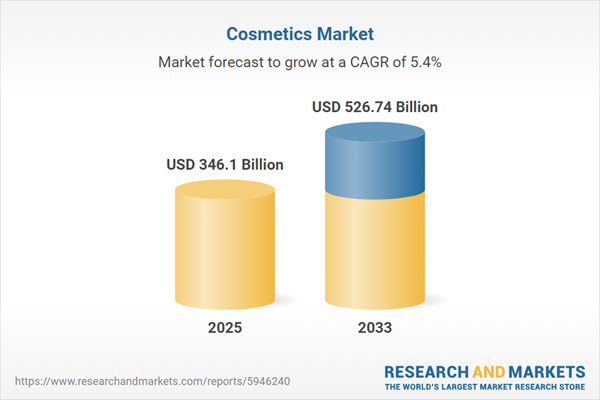
The Global Cosmetics Market is set for significant growth, projected to leap from US$ 346.1 billion in 2025 to US$ 526.74 billion by 2033, with a CAGR of 5.39%. This growth is driven by soaring demand for vegan cosmetics, product innovation, personal grooming awareness, and e-commerce expansion. Major players like Coty, P&G, Estee Lauder, Colgate-Palmolive, and Johnson & Johnson lead the market. As trends emphasize health, organic, and cruelty-free products, companies like Revlon and Beiersdorf are launching innovative offerings. Sustainability remains a core focus, with Unilever and Shiseido setting ambitious goals for eco-friendly practices.

Cosmetics Market

Cosmetics Market · GlobeNewswire Inc.

Dublin, Feb. 24, 2026 (GLOBE NEWSWIRE) — The “Global Cosmetics Market Key Players Analysis, Company Profiles, Strategic Developments, Mergers, Product Innovations, Revenue Insights, and Future Forecasts” report has been added to ResearchAndMarkets.com’s offering.

The Global Cosmetics Market is projected to grow significantly by the end of 2033, reaching US$ 526.74 billion from US$ 346.1 billion in 2025, at a CAGR of approximately 5.39% from 2025 to 2033

This is mainly due to several factors, such as growing demand for vegan cosmetics, new varieties of products launched in the market, increasing awareness about personal grooming, and the increased availability of cosmetics through e-commerce websites.

Cosmetics are a broad category of products that cater to various face and body beautification needs, including makeup, skincare, hair care, and fragrances. They range from merely improving skin texture and tone to adding color and definition to the face. Cosmetics have gained great popularity internationally with the shift in cultural influences and changing beauty ideals.

Cosmetics serve a dual purpose in many cultures: they are a means of personal expression and a confidence booster. High-profile endorsements, social media trends, and beauty influencers play significant roles in shaping consumer preference. E-commerce has ultimately helped brands reach out to an audience across the world and thus allowed diverse products to target different skin types, tones, and preferences.

Moreover, increased awareness of health and self-care has evinced interest in organic and cruelty-free cosmetics as well. All in all, the cosmetic market continues to boom with innovations and an unending search for beauty, keeping the attention of a wide range of customers at different ages and demographics. This is a trend that does not seem to actually decelerate and is a clue to the staying power of cosmetics in today’s cultures worldwide.

Key Attributes:

Report Attribute

Details

No. of Pages

200

Forecast Period

2025 – 2033

Estimated Market Value (USD) in 2025

$346.1 Billion

Forecasted Market Value (USD) by 2033

$526.74 Billion

Compound Annual Growth Rate

5.3%

Regions Covered

Global

Key Topics Covered:

1. Cosmetics Market
1.1 Historical Trends
1.2 Forecast Analysis

2. Market Share Analysis – Cosmetics Market

3. Coty Inc.
3.1 Overview
3.1.1 Company History and Mission
3.1.2 Business Model and Operations
3.1.3 Workforce
3.2 Key Persons
3.2.1 Executive Leadership
3.2.2 Operational Management
3.2.3 Division Leaders
3.2.4 Board Composition
3.3 Recent Development & Strategies
3.3.1 Mergers & Acquisitions
3.3.2 Partnerships
3.3.3 Investments
3.4 Sustainability Analysis
3.4.1 Renewable Energy Adoption
3.4.2 Energy-Efficient Infrastructure
3.4.3 Use of Sustainable Packaging Materials
3.4.4 Water Usage and Conservation Strategies
3.4.5 Waste Management and Circular Economy Initiatives
3.5 Product Analysis
3.5.1 Product Profile
3.5.2 Quality Standards
3.5.3 Product Pipeline
3.5.4 Product Benchmarking
3.6 Strategic Assessment: SWOT Analysis
3.6.1 Strengths
3.6.2 Weaknesses
3.6.3 Opportunities
3.6.4 Threats
3.7 Revenue Analysis

Above Information Will Be Provided for All the Following Companies

  • Coty Inc.

  • Procter & Gamble

  • The Estee Lauder Companies Inc.

  • Colgate-Palmolive Company

  • Johnson & Johnson Services Inc.

  • Revlon, Inc.

  • Beiersdorf Group

  • Kao Corporation

  • LVMH

  • Mary Kay Inc.

  • L’Oreal S.A.

  • Unilever PLC

  • Shiseido Company, Limited

  • Natura & Co

  • Henkel AG

  • PUIG

  • Avon Products, Inc.

  • Amway Corp.

  • Chanel S.A.

  • Oriflame Cosmetics AG

For more information about this report visit https://www.researchandmarkets.com/r/6aro1d

About ResearchAndMarkets.com
ResearchAndMarkets.com is the world’s leading source for international market research reports and market data. We provide you with the latest data on international and regional markets, key industries, the top companies, new products and the latest trends.

Attachment

CONTACT: CONTACT: ResearchAndMarkets.com Laura Wood,Senior Press Manager press@researchandmarkets.com For E.S.T Office Hours Call 1-917-300-0470 For U.S./ CAN Toll Free Call 1-800-526-8630 For GMT Office Hours Call +353-1-416-8900

Tags: , , , , , , , , , , , , ,
the evidence-led future of self-care

the evidence-led future of self-care

Published
07th Jan 2026

Spa and wellness trends for 2026: what professionals need to know

As we move into 2026, spa and wellness trends are shifting away from hype-driven concepts and towards evidence-based, personalised and outcome-focused experiences.

New insights from spa operators, wellness scientists, nutritionists and booking data reveal a clear direction of travel: guests want meaningful results, transparency and wellbeing strategies that fit into real life.

For spa and wellness professionals, this signals both opportunity and responsibility, as consumers become more educated, sceptical and intentional about where they invest their time and money.

Below, we break down the key spa and wellness trends defining 2026.

Evidence-based wellness replaces empty hype

One of the strongest overarching trends for 2026 is the industry’s move away from vague promises and viral fads, towards measurable outcomes and scientific credibility.

Elissa Corrigan, founder of science-led supplements brand Elle Sera, describes this as a “credibility reset” across wellness.

“Consumers are no longer impressed by big claims without proof. In 2026, delivery science will be what separates serious brands from the rest.”

This shift is being driven by increased scrutiny from both consumers and regulators.

Corrigan notes that being “natural” is no longer enough, with brands now expected to demonstrate safety, efficacy and measurable results, particularly within beauty-from-within and longevity categories.

Longevity ingredients such as NAD+ are attracting interest, but not blind acceptance. As Corrigan explains, “The concept of longevity is exciting, but the science, accessibility and regulation aren’t quite there yet for mass adoption. Consumers are starting to ask harder questions.”

For spa professionals, this growing demand for evidence has implications across treatments, retail, messaging and staff education.

Sustainability becomes non-negotiable, not a selling point

Sustainability remains a defining theme for 2026, but the focus is shifting from marketing claims to operational transparency and genuine environmental commitment.

According to Warrick Burton, managing director of Titanic Spa, eco-conscious guests are now actively looking for proof.

“Sustainability isn’t a marketing add-on for us – it’s embedded in every aspect of our operation.”

Burton highlights growing expectations around carbon footprints, water usage, local sourcing and regenerative practices, adding that guests are increasingly alert to greenwashing.

“We believe in creating a sanctuary that nurtures both your wellbeing and the planet, and in 2026, guests will increasingly demand this level of genuine environmental commitment rather than greenwashing.”

For spas, this means sustainability must be woven into infrastructure, supplier choices and guest communication, rather than treated as a bolt-on initiative.

Mental wellbeing and nervous system regulation take centre stage

Rising stress and burnout are driving demand for therapies that support emotional regulation, nervous system balance and mental resilience, both in-spa and at home.

Burton predicts that mental wellness offerings will expand significantly, with cold water therapy, meditation spaces and stress-reduction treatments becoming standard rather than premium.

“The modern guest is investing in their wellbeing, not just booking a break.”

This aligns with wider wellness data showing sharp rises in searches for nervous system regulation, sleep hygiene and mindfulness-based practices.

Penny Weston, wellness expert and director of Moddershall Oaks, notes, “Mindfulness and mental fitness will continue to grow, with more focus on emotional resilience, nervous system regulation and recovery practices.”

For spa operators, this trend supports the integration of quiet spaces, sleep-focused experiences, breathwork, gentle movement and recovery-led thermal journeys.

Heat, ice and the social sauna renaissance

Thermal experiences are returning to their roots as social, cultural and physiological rituals.

Saunas, steam rooms and contrast therapy are seeing renewed popularity, particularly among younger demographics who prioritise health-enhancing social experiences over alcohol-led socialising.

“We’re seeing a fundamental shift in how people socialise and prioritise wellness,” says Burton.

“Younger generations are choosing meaningful, health-enhancing experiences over a sore head in the morning.”

Contrast therapy – alternating between heat and cold – is also moving from social media trend to mainstream expectation.

“Guests are becoming more sophisticated in their wellness knowledge,” Burton explains.

“They’re seeking evidence-based treatments like contrast therapy that offer genuine physiological benefits.”

Search data from Spaseekers supports this, with thermal spas, sauna and steam experiences continuing to trend strongly into 2026.

Personalisation and data-driven spa experiences

Personalised wellness is becoming central to spa programming.

In 2026, spas are increasingly expected to offer tailored experiences based on individual needs, using health questionnaires, lifestyle assessments or data from wearables.

This mirrors broader wellness trends towards AI-guided nutrition, personalised exercise plans and tech-supported recovery. Penny Weston predicts that, “In 2026 we’ll see self-care become even more personalised and tech-supported, blending science with practical routines.”

For spa professionals, this opens opportunities to develop bespoke wellness journeys, longer-term programmes and targeted treatment pathways that move beyond one-off visits.

Precision nutrition and beauty-from-within go mainstream

Beauty-from-within remains a key pillar of wellness in 2026, but the focus is shifting to bioavailability, delivery science and targeted outcomes.

Professor Mohammad Najlah, professor of pharmaceutics and nanomedicine, highlights a fundamental change in how collagen is understood.

“The concept of collagen ‘types’ is misleading once collagen is ingested. What matters is the exact tripeptide sequence and whether it can be absorbed and used by the body.”

Advances in peptide precision and delivery technology are enabling earlier, more measurable improvements, particularly in skin hydration and radiance.

“When specific bioactive tripeptides are delivered in an absorbable form, changes in skin hydration and radiance can be seen much earlier.”

This scientific rigour is resetting consumer expectations around speed, consistency and proof, reinforcing the move towards pharmaceutical-level standards in wellness.

Stress biology reshapes skin and wellness strategies

Stress is no longer viewed as a lifestyle side-effect, but as a core biological driver of skin ageing, inflammation and impaired repair.

Registered nutritionist Dale Pinnock explains that chronic stress rapidly depletes key nutrients such as magnesium, impacting collagen production, sleep and nervous system balance.

“Stress has a direct biochemical impact on the body. It rapidly depletes nutrients like magnesium, which are essential for collagen production, skin repair and nervous system balance.”

As a result, wellness strategies in 2026 are focusing on calming the nervous system and supporting internal regulation as the foundation of visible skin health.

This trend supports the growth of precision nutrition, where the form of a nutrient is matched to a specific physiological outcome.

“Different forms of the same nutrient can behave very differently in the body. Matching the right form to the right outcome is where nutrition is heading,” says Pinnock.

High-tech meets heritage: spa treatments defining 2026

Search data reveals that 2026 is a year of contrasts, where high-tech biohacking sits alongside traditional and botanical therapies.

Among the fastest-rising spa treatments and experiences are Korean glass skin facials, biohacking spas, cactus massages, menopause-focused treatments and buccal massages.

Maddie Cridge, spa therapist at SpaSeekers.com, explains the appeal of glass skin facials: “Glass skin facials are part of a long-term skincare approach, using gentle yet effective ingredients.”

Meanwhile, biohacking is gaining traction as spas integrate infrared heat, LED light therapy and frequency-based stimulation.

“Biohacking isn’t about relaxation alone, it’s about enhancing bodily systems at the deepest level.”

Treatments tailored to menopause, sleep, longevity and recovery are also rising, reflecting a broader move towards life-stage-specific spa experiences.

The big picture for spa professionals

Across every category – sustainability, treatments, nutrition, technology and mental wellbeing – the spa and wellness trends of 2026 point in the same direction: credibility, personalisation and long-term value.

Guests are no longer chasing the next big thing; they’re investing in practices that support real health, resilience and balance. For spa and wellness professionals, success in 2026 will depend on education, transparency and the ability to deliver experiences that feel both luxurious and meaningful.

Tags: , ,
camille-thomas-hero

Inside the Future of Longevity: The Wellness Revolution Taking Over Luxury Living | ELLE Canada Magazine

Over the past three years, a quiet revolution has been unfolding across Beverly Hills, London’s Mayfair and the Riviera’s private clubs. In a lifestyle landscape once dominated by expensive treatments, invasive procedures and fleeting wellness fads, a fundamental shift toward evidence-based longevity has emerged as the new standard.​

Celebrities, society insiders and high-net-worth individuals have embraced not just another trend but an entirely reimagined approach to aging gracefully. This revolution consolidates decades of wellness wisdom into daily rituals that transform how the elite think about time, vitality and personal legacy.​


The Luxury Wellness Market Transformation

Tags: , , , , , , , ,
Best oLive
Privacy Overview

This website uses cookies so that we can provide you with the best user experience possible. Cookie information is stored in your browser and performs functions such as recognising you when you return to our website and helping our team to understand which sections of the website you find most interesting and useful.