neurocosmetics

The Mind-Body-Beauty Connection – WellBeing Magazine

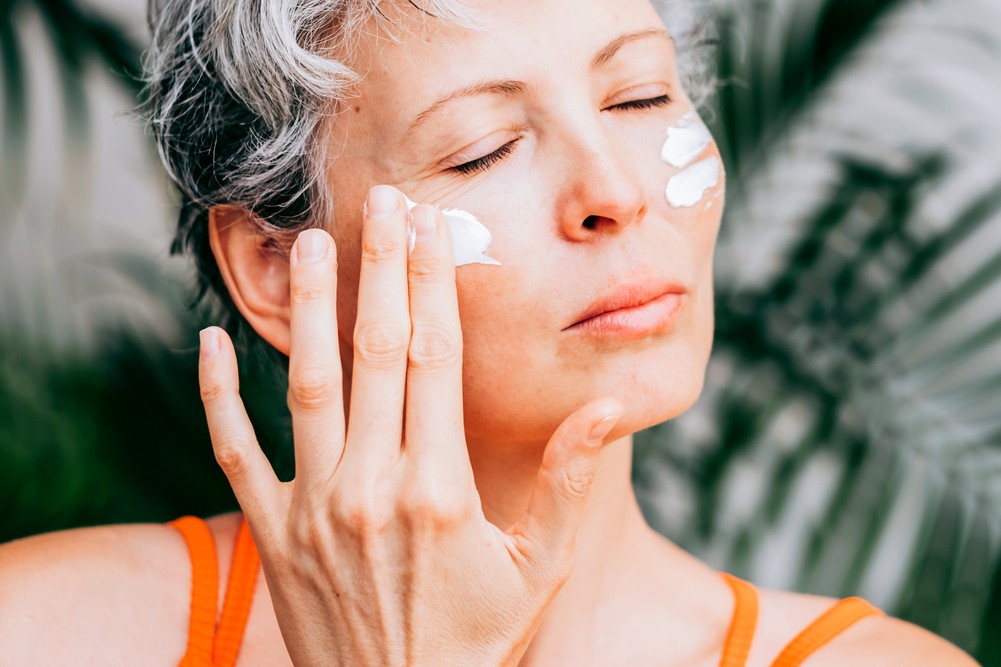
Neurocosmetics is an emerging beauty category tapping into the mind-skin connection, emotions and the nervous system.

The relationship between emotional wellbeing and skin health is gaining momentum in the beauty industry, as science continues to validate what many of us intuitively feel: that our emotional health directly impacts our skin. As research continues to reveal how stress impacts the skin, a new beauty category has emerged called neurocosmetics. It includes high-tech formulations that protect skin from stress-induced damage while also delivering a mood boost. At the same time, there has been a return to sensory rituals in beauty routines. Many people are incorporating comforting textures and soothing scents and applying them mindfully. From high-tech serums to simple self-care practices, these trends invite us to look beneath the surface and ask ourselves: could feeling better be the key to looking better too?

Skin health and emotional wellbeing

Most of us have experienced how emotions play out visibly in our skin, such as blushing from embarrassment, developing breakouts after a stressful week, or noticing a dull complexion when life feels overwhelming. Science is uncovering just how profound and constant this skin–mind pathway really is. The skin is not only our largest organ, but also a highly sensitive one, wired with nerve endings, hormonal receptors and immune cells that respond directly to our inner world. Stress, anxiety and even subtle mood shifts can trigger flare-ups and accelerate ageing, while positive emotions can result in a radiant, well-rested look.

The science of stress

Research consistently shows that anxiety and depression are linked to higher rates of inflammatory skin conditions. When we’re under pressure, the stress hormone cortisol rises. In small bursts, cortisol is helpful, but when levels stay elevated, it disrupts the skin barrier, leading to dryness, acne and sensitivity. Cortisol also activates nerve fibres in the skin, which can aggravate chronic conditions like eczema and psoriasis.

Dermatologists now describe this as part of the neuro-immuno-cutaneous-endocrine (NICE) network, a system where the nervous, endocrine and immune systems intersect. This explains why flare-ups, rashes, or delayed healing often follow periods of emotional strain.

There is also another player in the mind-skin connection: our gut, The gut-brain-skin axis, another mind-body pathway, shows how stress alters gut bacteria, triggering systemic inflammation that can show up as acne or dermatitis. This is why probiotics, prebiotics and simple dietary shifts can improve not only digestion, but also mood and skin health.

The emergence of neurocosmetics

Jillian Chen, senior consultant at Mintel, advises that as more people are recognising the impact of stress and mood on skin health, there’s a growing appetite for skincare that also supports mental wellness. This has given rise to neurocosmetics. Formulations are designed to interact with the skin’s nervous system and sensory receptors, with the aim of improving both skin function and emotional wellbeing. Products include creams and serums infused with neuro-active ingredients that reduce cortisol or stimulate the release of calming neurotransmitters, paired with textures and scents that create moments of calm.

“Neurocosmetics are gaining traction as they sit at the intersection of science, sensory pleasure and holistic self-care,” explains Chen. Emerging research into the skin-brain connection, known as psychodermatology, is validating the potential of these products. However, neurocosmetics differs from psychodermatology, which typically addresses mental health issues arising from skin conditions. According to Chen, neurocosmetics is not yet universally viewed as a fully credible category but is on its way as brands continue to invest in research and education.

Mood-modulating ingredients

Brands in this space are experimenting with ingredients that aim to influence both skin function and mood. Certain neuropeptides exhibit anti-inflammatory properties and improve skin hydration, while others smooth the skin, relaxing muscle contraction. Melatonin delivers antioxidants and may influence mood and circadian regulation. Adaptogens such as ashwagandha are believed to help reduce cortisol production while strengthening the skin barrier.

Neurocosmetic products often incorporate sensory features such as cooling gels and aromatherapy scents to offer moments of escapism. According to Chen, these formulations appeal to Gen X and Millennial consumers who are gravitating towards products that evoke simpler times and provide a sense of comfort. The product’s sensorial experiences are designed to tap into memory and emotion, creating micro-moments of calm and pleasure in otherwise busy routines.

Growth and challenges

According to market analysis, the global neurocosmetics market could more than double in size over the next decade, reflecting rising consumer demand for products that deliver both functional and emotional benefits. “Neurocosmetics is expected to transition from a curiosity to a considered purchase, with strong growth prospects as the category becomes more credible and integrated into a holistic beauty and wellness routine,” says Chen.

However, this emerging field is not without debate. As Chen points out: “Neurocosmetics face several key challenges and ethical concerns that could hinder acceptance. Safety is a major issue. Furthermore, there are certainly psychological concerns, as 43 per cent of consumers and 61 per cent of buyers fear becoming emotionally dependent on these products to maintain their mood or wellbeing.”

The blurring of lines between cosmetic enhancement and mental health therapy raises a host of ethical concerns. While certain neuro-active ingredients can help reduce inflammation or modulate sensory signals in the skin, they should never replace mental health treatment.

Chen advises that clear communication is essential when it comes to avoiding misleading claims. “Ultimately, robust scientific validation and honest marketing are crucial,” she warns, further highlighting that 71 per cent of Australians want more evidence behind brand claims. To avoid the pitfalls of pseudoscience or marketing hype, the best products in this category will be those that invest in clinical trials and provide transparent ingredient lists.

Healthy scepticism of neurocosmetics

Scepticism about the efficacy of neurocosmetics remains high. In a 2025 study conducted by Mintel in Germany, nearly half of all respondents stated that these products would only work if the user believed in them. Safety was also cited as a major concern, with 58 per cent worried about side effects like skin irritation from unfamiliar ingredients. There’s also the matter of privacy, especially if skin-care tools collect personal data (like emotional responses) to customise products.

Clinically, many claims made by neurocosmetic brands aren’t yet backed by strong scientific studies. While early lab research shows promise, solid evidence from clinical trials is still sparse. Until these products are tested more rigorously, it’s wise to approach them with caution, and informed awareness.

The power of ritual and neurocosmetics

As AI acceleration speeds up our lives, perhaps a cultural counterbalance to this rapid technological change we are experiencing is that people are craving rituals that slow them down. Many of the benefits targeted by neurocosmetic products can also be accessed through simple rituals that engage our senses and support self-regulation. Small, intentional acts can serve as nervous system cues that help us lower stress, reduce inflammation and reconnect with ourselves.

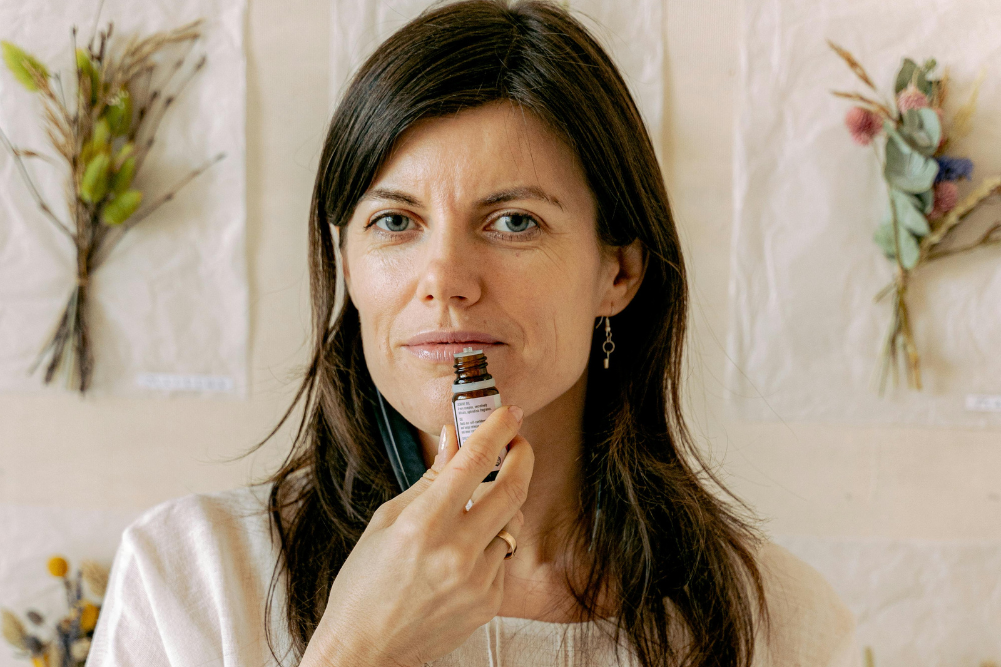
A gentle facial massage boosts lymphatic flow and soothes the nervous system. Aromatherapy oils can ease emotional reactivity by calming the amygdala and limbic system. Engaging in breathwork while applying skincare lotion can lower cortisol and stimulate the vagus nerve. Even warmth and texture, such as a hot towel pressed to the face, can trigger oxytocin release and feelings of comfort.

The products themselves don’t always have to involve high-tech formulations to provide comfort and emotional relief. Creams that mimic the softness of a childhood blanket, oils that smell like warm vanilla, or earthy woods and formulations that invite slow, mindful application can evoke positive emotions.

Mindfulness as a beauty treatment

Mindfulness has been shown to improve skin health by lowering stress hormones that drive inflammation. Incorporating mindfulness into your skincare routine can be as simple as paying attention to textures and scents as you apply your products to your skin. A study into mindfulness-based stress reduction showed improved outcomes in psoriasis patients, helping their skin to heal faster. Other research suggests mindfulness practices may reduce flares in eczema and other inflammatory skin conditions.

When trends and nostalgia coexist

Chen notes that the generational overlap of Gen Z and Gen Alpha consumers with the older generations of Gen X and Millennials “creates a more complex beauty landscape where both nostalgic influences and disruptive trends coexist and shape consumer expectations”. Ultimately, whether the emphasis is on neurocosmetics or nostalgic rituals, beauty is no longer just about surface-level results. It’s about emotional resonance. The textures, scents and mindful practices built into beauty routines are becoming as important as the ingredients themselves.

This prompts some important questions: Does the real power of the mind-body-beauty connection lie in the product itself or in the behaviour it encourages? Do we need $100 creams filled with patent-pending neuro-active compounds or can we nurture this feeling of wellbeing in our everyday lives? The truth likely lies somewhere between.

When we treat our skin as an extension of our emotional health, we become more attuned to our needs and more connected to our bodies. The real opportunity lies in how we show up for ourselves daily and whether we need a high-tech serum to nurture that connection. While neurocosmetics are pushing the science forward and may eventually deliver targeted results, the core principle remains accessible to us all: what’s good for your mind is good for your skin.

Tags: , , ,
byredo sephora canada

Is Merit The Minimalist Foundation Stick Worth the Hype? | ELLE Canada Magazine

According to Sea, one of the very best ways to use The Minimalist is to treat it like your favourite foundation—so I began with my base. Once I applied the light-medium “Sand” shade all over my face, I used the brand’s uber-soft Brush No. 1 to work the product in. The result? An even, second-skin finish that blurred imperfections like an IRL filter—but still managed to look natural. Where extra coverage was needed, the product was easy to build up without looking (or feeling) cake-y on the skin. Not to mention it stayed put all day long without budging. Though my go-to base is typically a tinted moisturizer, this mess-free little stick will serve as a great alternative when doing glam on-the-go.

“For anyone who wants a glow-y look with light coverage, I love applying stick products using the warmth of my fingers and palms,” Sea weighs in. Thanks to its lightweight formulation, this barely-there approach works incredibly well with this one in particular. No matter how you like to wear your makeup, The Minimalist works with you, not against you.

Tags: , , , , , , , ,
non-toxic beauty

Non-toxic beauty routine – WellBeing Magazine

From hidden chemicals in skincare to the air in our homes. Here’s how to transition to a non-toxic beauty routine without the overwhelm.

Beauty and health today can feel overwhelming, dominated by complicated routines, synthetic ingredients and quick fixes. There is a more sustainable path, one rooted in nature and focused on long-term wellbeing. Living clean and avoiding toxins isn’t just a trend. It’s a healthier lifestyle that benefits your skin, body and overall wellbeing. If you’re aspiring to feel and look your best, switching to natural, toxin-free habits can make a significant difference.

Hidden toxins in everyday products

Many of the products we use every day — skincare, haircare, even home cleaning supplies — contain synthetic chemicals that can negatively impact our health. Parabens, often used as preservatives, can mimic hormones in the body and disrupt the endocrine system. This hormone interference may lead to developmental, reproductive or neurological issues over time. Sulphates, commonly found in cleaning and personal-care products, can irritate the skin and scalp, strip away natural oils and potentially lead to dryness or increased sensitivity. Phthalates, used to enhance fragrance, are linked to hormone disruption and may affect fertility, as well as increase the risk of chronic health issues such as asthma or allergies.

The problem lies in their widespread use and the cumulative effect these toxins have on both your body and the environment. Prolonged exposure can burden your hormonal and immune systems and may leave you more vulnerable to health issues over time. Meanwhile, the disposal of chemical-laden products pollutes waterways and soil, harming ecosystems and wildlife. By becoming aware of these hidden toxins, you can make small, conscious changes that support your health while reducing your environmental footprint.

Smart swaps

Transitioning to non-toxic living doesn’t have to be overwhelming or overly expensive. Before overhauling your entire bathroom cabinet, start with simple, high-impact swaps.

Take conventional antiperspirants as an example. They often contain aluminium to block sweat glands, an approach that is unnatural for your body. Aluminium has been linked to hormonal disruptions and potential long-term health concerns. Switching to natural deodorants made with ingredients such as baking soda, magnesium or coconut oil allows your body to sweat naturally while controlling odour with antimicrobial and detoxifying properties. Over time, this simple change not only reduces exposure to questionable ingredients but also helps your body function as it was designed.

The same principle applies to hair care. Mass-market shampoos are often loaded with sulphates, synthetic fragrances and silicones that strip the scalp’s natural oils and cause build-up, leading to dry or irritated skin. Instead, opt for clay- or vinegar-based rinses, which cleanse your hair while maintaining scalp health and restoring pH balance. You can also use shampoo bars made from natural oils, herbs and botanical extracts for a sustainable, gentle alternative. These swaps not only support scalp health but also reduce plastic waste associated with conventional bottled products.

Next, you can tackle your makeup choices. Many conventional formulas contain parabens, synthetic dyes and talc that can clog pores or irritate sensitive skin. Choosing mineral-based or plant-based foundations, blushes and eyeshadows avoids these harmful ingredients while still delivering great results. Mineral makeup is celebrated for its lightweight feel and natural-looking coverage.

Synthetic fragrances in perfumes, lotions and body sprays can contain dozens of undisclosed chemicals, as reported by the Environmental Working Group and the Campaign for Safe Cosmetics. These hidden ingredients can accumulate in the body and contribute to hormone disruption, allergies and other sensitivities over time. Instead, embrace natural scents made from essential oils, plants or botanical extracts. Not only are they gentler on your skin, but they also off er aromatherapeutic benefits that promote relaxation, energy or focus, depending on the blend you choose.

The products you use for oral care deserve equal scrutiny. Conventional toothpastes and mouthwashes often contain artificial flavourings, synthetic foaming agents and harsh chemicals like triclosan. Switching to toothpastes made from activated charcoal, baking soda or herbal ingredients can support oral hygiene without damaging enamel or irritating your gums. Look for mouthwashes with essential oils like peppermint or tea tree, which have antibacterial and refreshing properties without the alcohol content that dries out your mouth.

Making these small, focused swaps helps lower your toxin load while building sustainable habits that become second nature over time.

Sustaining non-toxic living

Once you’ve mastered a few swaps, the next step is making clean living sustainable amid the pressures and temptations of modern living.

Keep it simple

When you first transition to a non-toxic lifestyle, it’s tempting to replace every product at once. However, a cluttered shelf — even if filled with eco-friendly options — can lead to decision fatigue and unnecessary consumption. Instead, a minimalist approach helps you focus on quality over quantity. For instance, streamline your skincare routine by choosing a few multipurpose products with simple, non-toxic ingredient lists. This “less is more” philosophy ensures that your choices align with your values and prevent waste. You can apply this same approach to household items, cleaning supplies and even diet by prioritising fewer, high-quality essentials rather than an overwhelming variety.

Build habits gradually

It’s important to remember that transitioning to a non-toxic lifestyle isn’t about achieving instant perfection. Instead, focus on consistency. Swap out one toxic item at a time instead of overhauling your entire home overnight. Whether that’s replacing plastic containers with glass, choosing natural fibres for clothing or opting for homemade cleaning products, incremental changes are more manageable and likely to stick over the long term.

Create support

The journey becomes even more sustainable when you’re surrounded by individuals and groups who share your values. Connecting with like-minded communities passionate about natural health and clean living offers a wealth of benefits. It provides an opportunity to share tips, discover new resources and gain accountability. Online forums, social media groups or in-person wellness meet-ups can serve as a platform for exchanging ideas and progressing together. These connections also reinforce your mindset on tougher days when you might feel overwhelmed or tempted to revert to old habits.

Become a thoughtful consumer

Every product you purchase has the potential to either support or undermine your non-toxic lifestyle. By carefully reading labels, researching brands for transparency and considering whether an item truly aligns with your values and needs, you can make decisions that foster both sustainability and intentionality. Opt for small, local businesses or companies that emphasise ethical sourcing and eco-friendly production.

Shape your environment

Your environment matters too. Create a home or office that aligns with clean living by decluttering spaces and reducing exposure to potential toxins. Incorporate air-purifying plants, use natural cleaning solutions and eliminate synthetic fragrances. A clean, minimalistic space not only reduces toxin exposure but also promotes clarity and calmness, reinforcing positive habits.

Keep learning

Stay committed by equipping yourself with knowledge. Become informed about the latest research on non-toxic products, cooking practices or environmental toxins. Make time for self-care activities that support a non-toxic lifestyle, such as preparing fresh, wholesome meals, taking regular nature walks or practising mindfulness. Avoiding burnout is key. Nurturing both body and mind keeps you motivated for the long run.

What no one tells you

Transitioning to clean beauty and toxin-free living can be deeply rewarding, but it often comes with a few surprises. One of the most important lessons is that even natural ingredients are not universally for everyone. Plant-based products and essential oils, while beneficial for many, can still trigger irritation or sensitivity. Patch testing is essential. Essential oils should be diluted properly to avoid allergic reactions or sensitivity flare-ups.

Clean beauty requires shifting your mindset and adjusting expectations. Results can take time and embracing a slower, more mindful approach to self-care helps you stay patient and consistent. Think of it as an investment in long-term health, not a quick fix. One size doesn’t fit all. What works for one person may not work for another. Pay attention to how your skin and body respond, and don’t be afraid to simplify your routine until you find what truly supports you.

Beyond the basics

Swapping to toxin-free skincare is a great start and when you’re ready to go further, you can incorporate less-discussed beauty methods. Oil cleansing, dry brushing and facial massage are time-tested practices that improve skin health, boost circulation and encourage the body’s natural detox processes. Take your clean living to the next level with these rituals.

Conventional cleansers can strip your skin of its natural oils, leaving it dry and vulnerable to irritation. Oil cleansing offers a gentler, more nourishing alternative. Natural oils like jojoba, argan or rosehip bind to impurities such as dirt, makeup and excess oils, removing them without disrupting your skin’s natural moisture barrier. At the same time, these oils hydrate and replenish the skin. This method is suitable for all skin types, especially dry or sensitive skin, and leaves your face feeling clean, soft and balanced. Plus, skipping synthetic cleansers reduces exposure to harsh chemicals that can lead to long-term irritation or sensitivity.

Dry brushing is a simple yet powerful way to support natural detox. Using a soft-bristled brush, this technique gently exfoliates dead skin cells, leaving your skin smoother and healthier. The benefits extend beyond surface-level beauty. It stimulates lymphatic drainage, which helps your body eliminate toxins and boost circulation. Over time, this can lead to brighter, firmer skin and an overall sense of rejuvenation. Dry brushing is also a moment of mindful self-care, allowing you to connect with your body in a meaningful way without relying on chemical treatments or expensive spa procedures.

Facial massage is another underrated practice to naturally tone and refresh your skin. Techniques like gentle lymphatic tapping or gua sha sculpting are known to promote circulation, reduce puffiness and give your skin an organic glow. Combined with a nourishing oil — such as almond or avocado oil — you can also deeply hydrate and feed your skin with vitamins without the need for synthetic anti-ageing products. As an added bonus, regular facial massages can also relax facial muscles and reduce tension, supporting a more youthful appearance and overall sense of wellbeing.

Article featured in WellBeing Magazine 219

Tags: , , , ,
camille-thomas-hero

Inside the Future of Longevity: The Wellness Revolution Taking Over Luxury Living | ELLE Canada Magazine

Over the past three years, a quiet revolution has been unfolding across Beverly Hills, London’s Mayfair and the Riviera’s private clubs. In a lifestyle landscape once dominated by expensive treatments, invasive procedures and fleeting wellness fads, a fundamental shift toward evidence-based longevity has emerged as the new standard.​

Celebrities, society insiders and high-net-worth individuals have embraced not just another trend but an entirely reimagined approach to aging gracefully. This revolution consolidates decades of wellness wisdom into daily rituals that transform how the elite think about time, vitality and personal legacy.​


The Luxury Wellness Market Transformation

Tags: , , , , , , , ,
Best oLive
Privacy Overview

This website uses cookies so that we can provide you with the best user experience possible. Cookie information is stored in your browser and performs functions such as recognising you when you return to our website and helping our team to understand which sections of the website you find most interesting and useful.