The Mind-Body-Beauty Connection – WellBeing Magazine
Neurocosmetics is an emerging beauty category tapping into the mind-skin connection, emotions and the nervous system.
The relationship between emotional wellbeing and skin health is gaining momentum in the beauty industry, as science continues to validate what many of us intuitively feel: that our emotional health directly impacts our skin. As research continues to reveal how stress impacts the skin, a new beauty category has emerged called neurocosmetics. It includes high-tech formulations that protect skin from stress-induced damage while also delivering a mood boost. At the same time, there has been a return to sensory rituals in beauty routines. Many people are incorporating comforting textures and soothing scents and applying them mindfully. From high-tech serums to simple self-care practices, these trends invite us to look beneath the surface and ask ourselves: could feeling better be the key to looking better too?
Skin health and emotional wellbeing
Most of us have experienced how emotions play out visibly in our skin, such as blushing from embarrassment, developing breakouts after a stressful week, or noticing a dull complexion when life feels overwhelming. Science is uncovering just how profound and constant this skin–mind pathway really is. The skin is not only our largest organ, but also a highly sensitive one, wired with nerve endings, hormonal receptors and immune cells that respond directly to our inner world. Stress, anxiety and even subtle mood shifts can trigger flare-ups and accelerate ageing, while positive emotions can result in a radiant, well-rested look.
The science of stress
Research consistently shows that anxiety and depression are linked to higher rates of inflammatory skin conditions. When we’re under pressure, the stress hormone cortisol rises. In small bursts, cortisol is helpful, but when levels stay elevated, it disrupts the skin barrier, leading to dryness, acne and sensitivity. Cortisol also activates nerve fibres in the skin, which can aggravate chronic conditions like eczema and psoriasis.
Dermatologists now describe this as part of the neuro-immuno-cutaneous-endocrine (NICE) network, a system where the nervous, endocrine and immune systems intersect. This explains why flare-ups, rashes, or delayed healing often follow periods of emotional strain.
There is also another player in the mind-skin connection: our gut, The gut-brain-skin axis, another mind-body pathway, shows how stress alters gut bacteria, triggering systemic inflammation that can show up as acne or dermatitis. This is why probiotics, prebiotics and simple dietary shifts can improve not only digestion, but also mood and skin health.
The emergence of neurocosmetics
Jillian Chen, senior consultant at Mintel, advises that as more people are recognising the impact of stress and mood on skin health, there’s a growing appetite for skincare that also supports mental wellness. This has given rise to neurocosmetics. Formulations are designed to interact with the skin’s nervous system and sensory receptors, with the aim of improving both skin function and emotional wellbeing. Products include creams and serums infused with neuro-active ingredients that reduce cortisol or stimulate the release of calming neurotransmitters, paired with textures and scents that create moments of calm.
“Neurocosmetics are gaining traction as they sit at the intersection of science, sensory pleasure and holistic self-care,” explains Chen. Emerging research into the skin-brain connection, known as psychodermatology, is validating the potential of these products. However, neurocosmetics differs from psychodermatology, which typically addresses mental health issues arising from skin conditions. According to Chen, neurocosmetics is not yet universally viewed as a fully credible category but is on its way as brands continue to invest in research and education.
Mood-modulating ingredients
Brands in this space are experimenting with ingredients that aim to influence both skin function and mood. Certain neuropeptides exhibit anti-inflammatory properties and improve skin hydration, while others smooth the skin, relaxing muscle contraction. Melatonin delivers antioxidants and may influence mood and circadian regulation. Adaptogens such as ashwagandha are believed to help reduce cortisol production while strengthening the skin barrier.
Neurocosmetic products often incorporate sensory features such as cooling gels and aromatherapy scents to offer moments of escapism. According to Chen, these formulations appeal to Gen X and Millennial consumers who are gravitating towards products that evoke simpler times and provide a sense of comfort. The product’s sensorial experiences are designed to tap into memory and emotion, creating micro-moments of calm and pleasure in otherwise busy routines.
Growth and challenges
According to market analysis, the global neurocosmetics market could more than double in size over the next decade, reflecting rising consumer demand for products that deliver both functional and emotional benefits. “Neurocosmetics is expected to transition from a curiosity to a considered purchase, with strong growth prospects as the category becomes more credible and integrated into a holistic beauty and wellness routine,” says Chen.
However, this emerging field is not without debate. As Chen points out: “Neurocosmetics face several key challenges and ethical concerns that could hinder acceptance. Safety is a major issue. Furthermore, there are certainly psychological concerns, as 43 per cent of consumers and 61 per cent of buyers fear becoming emotionally dependent on these products to maintain their mood or wellbeing.”
The blurring of lines between cosmetic enhancement and mental health therapy raises a host of ethical concerns. While certain neuro-active ingredients can help reduce inflammation or modulate sensory signals in the skin, they should never replace mental health treatment.
Chen advises that clear communication is essential when it comes to avoiding misleading claims. “Ultimately, robust scientific validation and honest marketing are crucial,” she warns, further highlighting that 71 per cent of Australians want more evidence behind brand claims. To avoid the pitfalls of pseudoscience or marketing hype, the best products in this category will be those that invest in clinical trials and provide transparent ingredient lists.
Healthy scepticism of neurocosmetics
Scepticism about the efficacy of neurocosmetics remains high. In a 2025 study conducted by Mintel in Germany, nearly half of all respondents stated that these products would only work if the user believed in them. Safety was also cited as a major concern, with 58 per cent worried about side effects like skin irritation from unfamiliar ingredients. There’s also the matter of privacy, especially if skin-care tools collect personal data (like emotional responses) to customise products.
Clinically, many claims made by neurocosmetic brands aren’t yet backed by strong scientific studies. While early lab research shows promise, solid evidence from clinical trials is still sparse. Until these products are tested more rigorously, it’s wise to approach them with caution, and informed awareness.
The power of ritual and neurocosmetics
As AI acceleration speeds up our lives, perhaps a cultural counterbalance to this rapid technological change we are experiencing is that people are craving rituals that slow them down. Many of the benefits targeted by neurocosmetic products can also be accessed through simple rituals that engage our senses and support self-regulation. Small, intentional acts can serve as nervous system cues that help us lower stress, reduce inflammation and reconnect with ourselves.
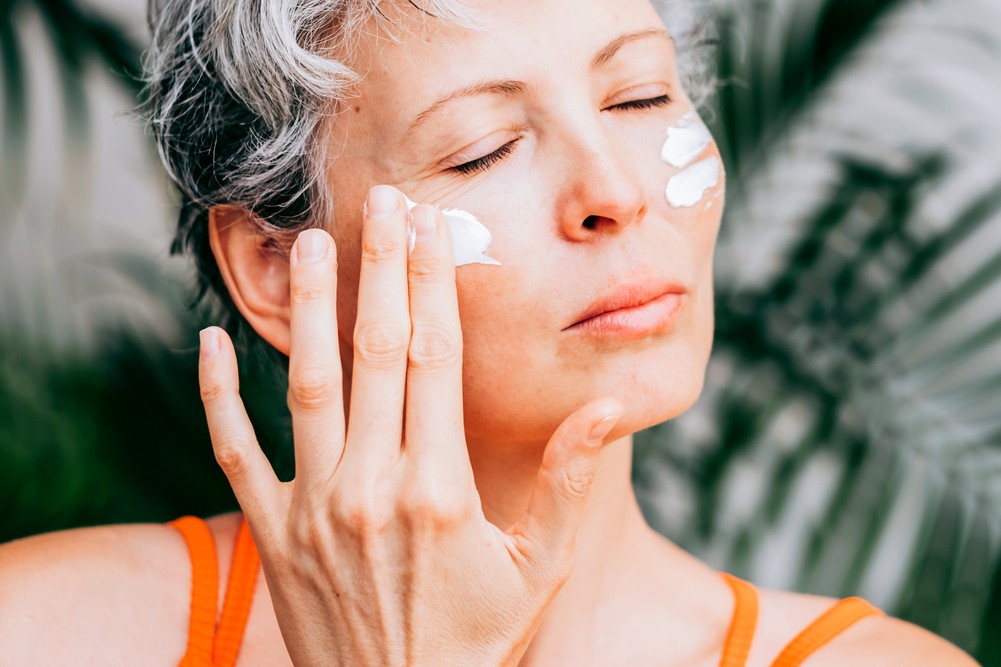
A gentle facial massage boosts lymphatic flow and soothes the nervous system. Aromatherapy oils can ease emotional reactivity by calming the amygdala and limbic system. Engaging in breathwork while applying skincare lotion can lower cortisol and stimulate the vagus nerve. Even warmth and texture, such as a hot towel pressed to the face, can trigger oxytocin release and feelings of comfort.
The products themselves don’t always have to involve high-tech formulations to provide comfort and emotional relief. Creams that mimic the softness of a childhood blanket, oils that smell like warm vanilla, or earthy woods and formulations that invite slow, mindful application can evoke positive emotions.
Mindfulness as a beauty treatment
Mindfulness has been shown to improve skin health by lowering stress hormones that drive inflammation. Incorporating mindfulness into your skincare routine can be as simple as paying attention to textures and scents as you apply your products to your skin. A study into mindfulness-based stress reduction showed improved outcomes in psoriasis patients, helping their skin to heal faster. Other research suggests mindfulness practices may reduce flares in eczema and other inflammatory skin conditions.
When trends and nostalgia coexist
Chen notes that the generational overlap of Gen Z and Gen Alpha consumers with the older generations of Gen X and Millennials “creates a more complex beauty landscape where both nostalgic influences and disruptive trends coexist and shape consumer expectations”. Ultimately, whether the emphasis is on neurocosmetics or nostalgic rituals, beauty is no longer just about surface-level results. It’s about emotional resonance. The textures, scents and mindful practices built into beauty routines are becoming as important as the ingredients themselves.
This prompts some important questions: Does the real power of the mind-body-beauty connection lie in the product itself or in the behaviour it encourages? Do we need $100 creams filled with patent-pending neuro-active compounds or can we nurture this feeling of wellbeing in our everyday lives? The truth likely lies somewhere between.
When we treat our skin as an extension of our emotional health, we become more attuned to our needs and more connected to our bodies. The real opportunity lies in how we show up for ourselves daily and whether we need a high-tech serum to nurture that connection. While neurocosmetics are pushing the science forward and may eventually deliver targeted results, the core principle remains accessible to us all: what’s good for your mind is good for your skin.