Skincare is self-care: When beauty becomes a ritual for rest and wellbeing

Skincare is self-care: When beauty becomes a ritual for rest and wellbeing

Skincare has traditionally – and is primarily – driven by results that can be “seen”.

Clearer complexions, fewer breakouts, smoother texture and brighter skin have long shaped the way products and treatments are marketed, often accompanied by the suggestion that there is always something that could be improved.

But as conversations around wellness and self-care become part of everyday life, the way people approach caring for their skin may also be changing.

It may also signal a shift away from social media’s expectation of perfection when it comes to all aspects of beauty.

Rather than simply pursuing flawless skin, skincare can offer something else: a few quiet minutes at the beginning or end of the day, the comfort of a familiar routine, or an opportunity to step away from work, screens and other demands.

Professional skincare treatments can serve a similar purpose. While people still expect results, the time spent having someone else care for their skin can provide a rare chance to do very little at all.

Wilson Lee, chief executive officer of Emax Beaute International, the parent company of B+ Clinic, believes this requires moving away from the idea that skincare should always be about correcting perceived imperfections.

“‘Skincare as therapy’ means recognising that skincare is not only about addressing a concern, but also about how we choose to care for ourselves,” he says.

“As an industry, we have often focused on what people need to fix or improve. We want to shift that conversation towards understanding, personalisation and care, because there should not be one definition of what healthy, beautiful skin needs to look like.”

Read more: Beyond straight hair: Malaysians are rethinking beauty standards around curls

A daily ritual

Unlike occasional wellness activities, skincare is already built into many people’s everyday routines.

Cleansing and applying skincare in the morning and evening may take only a few minutes, but the repetition itself can create a small ritual – particularly when it is approached without rushing.

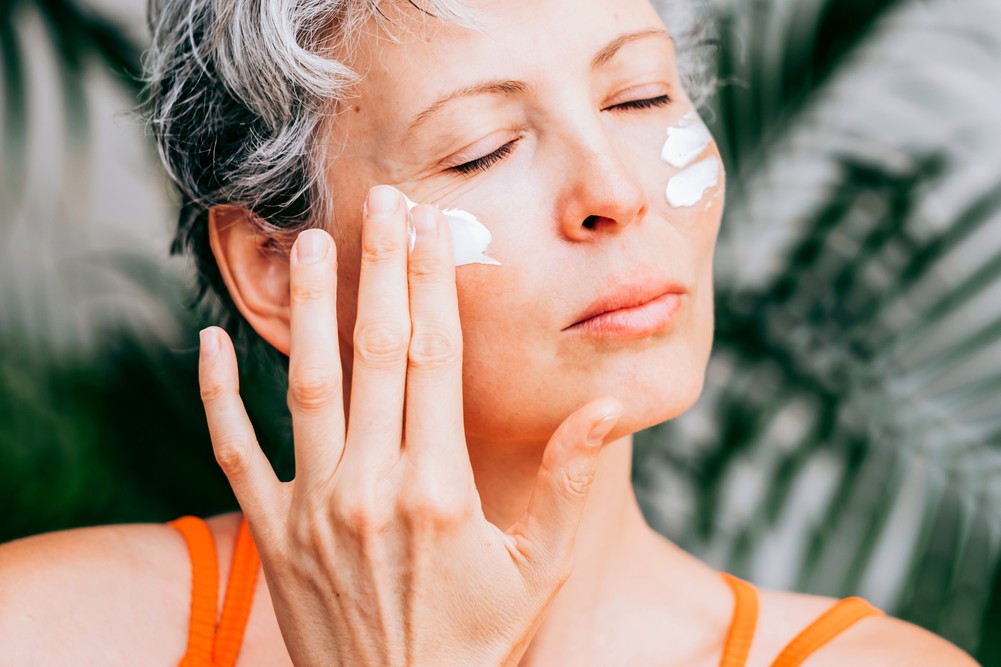
Rather than simply offering flawless skin, beauty routines can be about the quiet moments to slow down, reset and switch off – all on your own terms. Photo: Pexels

For Menard senior sales and marketing manager Calvin Sim, these everyday moments are an important part of what makes skincare restorative.

“Skincare goes beyond fixing breakouts, dullness or dryness. It is a moment to slow down, and the few minutes we spend cleansing and applying products are among the few times in a day that truly belong to us,” Sim says.

This also shifts attention from simply what people put on their skin towards how they care for it.

Sim points to cleansing as an example.

Too much pressure or poor technique can potentially compromise the skin barrier, while gentler, more considered movements can turn an otherwise functional step into a slower experience.

“So skincare is not only about what you apply, but how you apply it,” he says.

“When our hands care for the skin in the right way, we relax too and stress eases. That is what ‘skincare as therapy’ means to me.”

Seen this way, skincare does not necessarily need to be elaborate to feel restorative.

The therapeutic element may lie less in having an extensive routine than in giving an everyday activity greater attention – taking several minutes to focus on the physical sensations of cleansing, massaging or applying skincare rather than simultaneously thinking about the next task.

Nadia Nasimuddin, founder of homegrown personal care brand Pop Neutral, shares this view, particularly when skincare is fitted around the demands of work and family.

“For me it’s about the few minutes that belong only to you. Most of us spend the day looking after everyone else, our families, our teams, our deadlines,” she says. “Putting on a body oil or lotion at the end of the day is one of the rare moments where you slow down and look after yourself, without anyone asking you to. The product matters, but the pause matters just as much.”

For Nadia, even five or 10 minutes devoted to oneself can make a difference to how a person feels.

Routine itself can also provide a sense of familiarity at the beginning or end of a busy day.

“I think routine itself can be very grounding. There’s something comforting about having these small rituals at the beginning or end of your day that are purely about taking care of yourself,” she says.

Skincare can be less about the mirror and more about taking a moment to unwind at the end of the day. Photo: Pexels

Time to switch off

Home routines, however, offer a different experience from having someone else care for your skin.

With sophisticated skincare products, devices and information now readily available, much can be done without leaving home.

Yet professional treatments continue to appeal to many, partly because they provide something that is increasingly difficult to replicate in everyday life: uninterrupted time.

“I think there is still a strong value in the professional experience itself,” says Lee.

“People may have access to good products and tools at home, but a professional facial gives them the opportunity to step away from their daily routine and have their skin cared for by someone with the right knowledge and experience.

“It is also about the trust that comes with knowing you are in the hands of a professional.”

That separation from daily responsibilities may be as important to the experience as the treatment itself.

At home, even a carefully planned skincare routine can take place between answering messages, preparing for work, looking after family members or getting ready for bed.

Setting aside time for a treatment creates a defined pause in which those responsibilities temporarily recede.

Expertise remains another reason people seek professional care. With new ingredients, products and skincare trends appearing constantly, deciding what the skin actually needs can become overwhelming.

“I think the value of a professional facial goes beyond the treatment itself,” Lee says.

“It is about having someone with the expertise to look at your skin, understand its current needs and guide you towards the right approach.

“With so many trends and products available today, that personal understanding can make a real difference. Ultimately, good skincare should be about what works for the individual, not simply what everyone else is doing.”

Sim similarly points to assessment and technique as elements that are harder to reproduce at home, particularly when it comes to understanding changes in the skin and applying the appropriate amount of pressure during a treatment.

“I worked as a beauty consultant for more than 10 years and now lead training, so I have seen first-hand that with the same product, a different technique or pressure gives a very different experience and result,” says Sim.

“Many customers only realise after a treatment that the right technique can relax both the skin and the mind.”

Read more: What are multitasking cosmetics and why are they now a go-to beauty choice?

Care beyond the skin

The connection between skincare and well-being can also be found in its sensory qualities.

For Nadia, something as simple as a shower, a familiar scent or taking time to massage a product into the skin can help mark the transition from a busy day to a quieter part of it.

“A warm shower, a scent you love, massaging a product into your skin are little things that signal it’s time to slow down, unwind or transition out of a busy day,” she says.

“The physical benefit is obviously important, but I think how a product makes you feel is just as important.”

Perhaps the strongest connection between skincare and wellness, however, comes from the experience of simply being cared for.

Touch, quiet and the absence of everyday distractions can create an environment in which people naturally begin to unwind.

While social media influencers might have you thinking otherwise, it is alright not to look Instagram-worthy all the time. Your beauty routine should serve you, not everyone else. Photo: Pexels  

For some, that relationship also becomes unexpectedly personal.

“Yes, the trend is clear. Life today is fast and stressful, and people need a space where they can truly relax and be looked after,” says Sim.

“In my work, I have found that many customers come to the salon not only to improve their skin, but also to release stress. The treatment is quiet and comforting, and gentle touch helps people unwind naturally.”

Over time, the familiarity between client and therapist can create another form of connection.

“Many customers begin to open up about their lives and worries, because they trust their therapist, and being heard is itself a way of relieving stress,” says Sim.

“So besides professional technique, a beauty therapist also needs to be a good listener.”

It is a reminder that self-care does not always have to involve dramatic changes or elaborate wellness practices. Sometimes it can simply mean allowing someone else to take care of you for an hour.

Lee similarly sees professional skincare becoming increasingly connected to this idea of taking time for oneself.

“Absolutely. A facial can address the skin, but the experience can also give someone an opportunity to step away from a busy day and focus on themselves,” he says.

“I think that is why professional skincare has become increasingly connected to self-care. It is not necessarily about pursuing a particular outcome every time. Sometimes, giving yourself the time and attention to feel refreshed is valuable in itself.”

A changing idea of self-care

In Malaysia, Nadia believes the way people think about beauty and self-care is evolving alongside wider conversations about well-being.

“People are still interested in results, of course, but they’re also thinking more about wellness, stress, sleep and how they feel overall,” she says.

That may be partly a response to increasingly connected lives, where opportunities to properly switch off can be difficult to

find.

“Life has become incredibly fast-paced and we’re constantly connected, so people are looking for simple ways to create moments of calm within their everyday routines,” Nadia says.

“Skincare and body care naturally fit into that because they’re already part of our day.”

It is also an approach to self-care that does not necessarily require lengthy appointments, complicated routines or an extensive collection of products.

Ultimately, skincare will always have a practical purpose. People want products and treatments that address their concerns and help keep their skin healthy.

But then again, the changing conversation lies in recognising that this does not have to be its only purpose.

Tags: , , , , ,
What Habits Are Worth Adopting After the Age of 30? Everyday Choices That Support Health and Wellbeing

What Habits Are Worth Adopting After the Age of 30? Everyday Choices That Support Health and Wellbeing

TURNING 30 is often a moment when many people start reflecting on their lifestyle and overall wellbeing. It does not mark a sudden turning point, but it is a time when we may begin to notice that recovery after a sleepless night takes longer, stress affects us more strongly, and our skin and body require more conscious care. Introducing a few simple habits can help support health, energy levels and appearance for years to come.

Why Is It Worth Taking Better Care of Your Body After 30?

The body is constantly changing, regardless of age. After the age of 30, natural processes may gradually occur, including changes related to metabolism, the production of certain structural proteins and the speed of tissue regeneration.

One of the important substances whose natural production decreases over time is collagen. This protein is found in the skin, cartilage, bones, tendons and ligaments. Its levels are associated with skin elasticity and the proper functioning of many structures throughout the body.

However, reaching your thirties does not mean you should focus only on ageing processes. It is a great time to build lasting foundations for a healthy lifestyle.

Regular Exercise as the Foundation of Good Fitness

Physical activity is one of the most important habits worth maintaining throughout life. It does not have to mean intense workouts every day – consistency is what matters most.

Combining different forms of movement allows you to support your body in a comprehensive way:

· strength training helps maintain muscle mass,

· walking supports everyday activity and fitness,

· mobility exercises improve range of motion,

· yoga or pilates help strengthen the body and improve flexibility.

Strong muscles provide natural support for joints, while regular movement helps maintain mobility for longer.

Sleep and Recovery – An Investment in Energy

After the age of 30, many people notice that their bodies cope less effectively with insufficient sleep. Several nights of poor rest can affect concentration, energy levels and the appearance of the skin.

It is worth supporting healthy sleep habits by:

· keeping regular sleeping and waking times,

· limiting screen use before bedtime,

· creating a relaxing environment for rest,

· avoiding excessive caffeine intake in the evening.

Recovery is just as important as physical activity – it is during rest that the body repairs itself and prepares for future challenges.

A Diet Rich in Essential Nutrients

As we get older, the quality of the food we eat becomes increasingly important. A balanced diet should provide the body with vitamins, minerals, protein and antioxidants.

A daily diet should include:

· vegetables and fruit, which provide vitamins and polyphenols,

· protein-rich foods that support muscle maintenance,

· healthy fats such as olive oil, nuts and fish,

· foods containing nutrients that contribute to normal body functions.

Certain nutrients are particularly important, including vitamin C, which contributes to normal collagen formation, as well as minerals such as magnesium and zinc.

Skincare – Fewer Products, More Consistency

After 30, the skin often requires a more mindful approach. This does not mean using a large number of cosmetic products. The most important factors are consistency and choosing products suited to your skin’s current needs.

A basic daily skincare routine should include:

· gentle cleansing,

· moisturising,

· daily use of SPF protection,

· products that support the skin’s natural processes.

UV radiation is one of the main factors contributing to visible signs of skin ageing, which is why sun protection should be part of your daily routine throughout the year.

Collagen Shots – Convenient Support for Your Daily Routine

One of the growing trends in the beauty and wellness sector is collagen shots. Their popularity comes mainly from their convenient form and the ease with which they can be incorporated into everyday habits.

Collagen shots usually contain hydrolysed collagen, a form that has been broken down into smaller peptides, which may be more easily absorbed by the body. Regular collagen supplementation is often chosen by people who want to support their skin’s condition and provide additional nutritional support as they age.

Collagen is a natural component of the skin, so supplementing it can be part of a comprehensive approach that combines diet, skincare and a healthy lifestyle.

Reducing Stress and Making Time for Yourself

Work, responsibilities and a fast-paced lifestyle mean that many people experience high levels of stress after turning 30. Long-term stress may affect sleep quality, energy levels and overall wellbeing.

Simple daily practices can help, such as:

· regular walks,

· spending time in nature,

· breathing exercises,

· meditation,

· making time for hobbies and relaxation.

Looking after your mental balance is just as important as caring for your physical health.

Regular Check-Ups and Preventive Healthcare

After the age of 30, it is also worth paying more attention to preventive healthcare. Regular check-ups help you better understand your body’s needs and respond more quickly to any changes.

This includes monitoring key health indicators and consulting a healthcare professional if any concerning symptoms appear.

Small Changes Can Bring Long-Term Benefits

You do not need to completely transform your lifestyle after turning 30. The greatest impact often comes from small, consistent actions that gradually become natural parts of everyday life. Regular exercise, a nutritious diet, sufficient sleep, skincare and conscious support for the body, including collagen shots, can help maintain good condition and energy levels for years to come.

Taking care of yourself after 30 should not be seen as a reaction to getting older, but as an investment in comfort, mobility and wellbeing every day.

Article by Emily Spencer

Tags: , , , , , , , ,
Natural Spa Factory announces new wellbeing & treatment collections

Natural Spa Factory announces new wellbeing & treatment collections

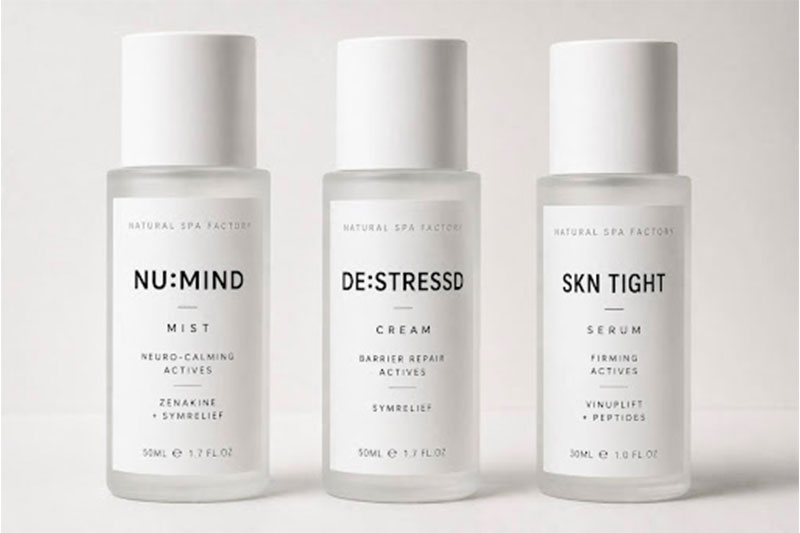
The collections represent a significant evolution for the British wellness brand, introducing a more treatment-focused direction centred around neurocosmetics, skin longevity and modern non-invasive skincare innovation.

Designed around the intersection of wellbeing, psychodermatology and advanced cosmetic actives, the collections combine clinically inspired formulations with a refined monochromatic packaging system developed to reflect a more modern and intelligent approach to skincare.

NU:MIND

Emotionally Intelligent Skincare

NU:MIND™ explores the growing field of neurocosmetics skincare designed to support the skin-brain axis and influence both skin health and emotional wellbeing.

The collection uses a combination of neuroactive skincare ingredients and mood-focused aromatics designed to work in sync with the circadian rhythm, calm inflammatory stress, and encourage emotional balance.

The range incorporates advanced actives including:

  • Zenakine
  • SymRelief
  • Lemon Balm Extract
  • Valerian Extract
  • Pink Pepperslim

These ingredients have been selected for their ability to support restorative sleep, reduce visible stress responses within the skin and promote neurocutaneous balance.

The NU:MIND collection includes:

  • Face & Body Mists
  • Massage Oils
  • Pulse Point Oils
  • Day & Night Moisturisers
  • Scalp & Hair Treatments
  • Body Care

Day formulations focus on energising, mood-boosting aromatics, while night formulations have been designed around calming fragrance profiles intended to support evening rituals and sleep preparation.

SKIN:TIGHT

Advanced Skincare Inspired by Aesthetic Treatments

SKIN TIGHT™ has been developed in response to growing consumer demand for non-invasive, procedure-inspired skincare alternatives.

The collection focuses on lifting, plumping, resurfacing, contouring and skin longevity using advanced delivery systems, peptide technologies and high-performance actives designed to replicate or enhance the visible effects associated with professional aesthetic treatments.

The range features ingredients including:

  • Multi-peptide complex
  • Vin UpLift
  • Cellfie
  • Pink Pepperslim
  • Pomegranate Enzyme
  • Triple Molecular Weight Hyaluronic Acid
  • Encapsulated Caffeine Herbasome

Together, these actives work to visibly improve firmness, hydration, radiance and skin texture while helping reduce the appearance of fine lines and expression wrinkles.

The SKIN:TIGHT collection includes:

  • Advanced Serums
  • Eye Treatments
  • Cleansers
  • Treatment Creams
  • Exfoliating Toners
  • Contouring Body Care
  • Overnight Treatments

DE:STRESSD

Barrier Repair for Modern Stressed Skin

DE:STRESSD is Natural Spa Factory’s new barrier-focused skincare collection developed to support skin exposed to modern environmental and emotional stress.

Built around the emerging understanding of the skin-brain axis, microbiome health and inflammatory skin stress, the collection has been designed to help calm sensitivity, strengthen the skin barrier and improve the skin’s resilience to daily stressors.

The range focuses on:

  • stressed and sensitised skin
  • redness and irritation
  • compromised skin barriers
  • dehydration and inflammation
  • environmental aggressors
  • skin fatigue and imbalance

At the centre of the collection is Ectoin — an award-winning extremolyte active recognised for its clinically proven protective and repairing benefits. Originally discovered in microorganisms surviving extreme desert environments, Ectoin helps defend the skin against pollution, moisture loss, UV stress, blue light exposure and inflammatory damage while supporting long-term hydration and barrier recovery.

The collection also incorporates Symferment, a postbiotic ferment technology designed to support microbiome balance and reinforce a healthier skin ecosystem through barrier-supportive micronutrients.

The DE:STRESSD collection includes:

  • Cleansing Balm
  • Moisturiser
  • Serum
  • Eye Cream
  • Facial Polish
  • Night Cream & Mask
  • Ectoin Face & Body Mist

Rich textures, restorative formulations and calming aromatics work together to support both skin comfort and sensory wellbeing as part of a modern daily recovery ritual.

Finished with notes of Green Tea & Palo Santo, the collection has been designed to feel grounding, comforting and quietly restorative.

The visual identity for all 3 collections introduces a more restrained monochromatic packaging system featuring frosted glass, oversized wrap labels and typographic-led branding intended to reflect the collections’ simplistic yet elevated positioning.

“We wanted to move beyond traditional wellness language and create products that feel emotionally intelligent, modern and genuinely useful,” says Natural Spa Factory Head of Projects, Jamie Rossiter,. “These collections are designed to support how people feel as much as how their skin looks.”

The collections will launch in September 2026 via naturalspafactory.co.uk and selected retail partners.

Tags: , , , , , ,
neurocosmetics

The Mind-Body-Beauty Connection – WellBeing Magazine

Neurocosmetics is an emerging beauty category tapping into the mind-skin connection, emotions and the nervous system.

The relationship between emotional wellbeing and skin health is gaining momentum in the beauty industry, as science continues to validate what many of us intuitively feel: that our emotional health directly impacts our skin. As research continues to reveal how stress impacts the skin, a new beauty category has emerged called neurocosmetics. It includes high-tech formulations that protect skin from stress-induced damage while also delivering a mood boost. At the same time, there has been a return to sensory rituals in beauty routines. Many people are incorporating comforting textures and soothing scents and applying them mindfully. From high-tech serums to simple self-care practices, these trends invite us to look beneath the surface and ask ourselves: could feeling better be the key to looking better too?

Skin health and emotional wellbeing

Most of us have experienced how emotions play out visibly in our skin, such as blushing from embarrassment, developing breakouts after a stressful week, or noticing a dull complexion when life feels overwhelming. Science is uncovering just how profound and constant this skin–mind pathway really is. The skin is not only our largest organ, but also a highly sensitive one, wired with nerve endings, hormonal receptors and immune cells that respond directly to our inner world. Stress, anxiety and even subtle mood shifts can trigger flare-ups and accelerate ageing, while positive emotions can result in a radiant, well-rested look.

The science of stress

Research consistently shows that anxiety and depression are linked to higher rates of inflammatory skin conditions. When we’re under pressure, the stress hormone cortisol rises. In small bursts, cortisol is helpful, but when levels stay elevated, it disrupts the skin barrier, leading to dryness, acne and sensitivity. Cortisol also activates nerve fibres in the skin, which can aggravate chronic conditions like eczema and psoriasis.

Dermatologists now describe this as part of the neuro-immuno-cutaneous-endocrine (NICE) network, a system where the nervous, endocrine and immune systems intersect. This explains why flare-ups, rashes, or delayed healing often follow periods of emotional strain.

There is also another player in the mind-skin connection: our gut, The gut-brain-skin axis, another mind-body pathway, shows how stress alters gut bacteria, triggering systemic inflammation that can show up as acne or dermatitis. This is why probiotics, prebiotics and simple dietary shifts can improve not only digestion, but also mood and skin health.

The emergence of neurocosmetics

Jillian Chen, senior consultant at Mintel, advises that as more people are recognising the impact of stress and mood on skin health, there’s a growing appetite for skincare that also supports mental wellness. This has given rise to neurocosmetics. Formulations are designed to interact with the skin’s nervous system and sensory receptors, with the aim of improving both skin function and emotional wellbeing. Products include creams and serums infused with neuro-active ingredients that reduce cortisol or stimulate the release of calming neurotransmitters, paired with textures and scents that create moments of calm.

“Neurocosmetics are gaining traction as they sit at the intersection of science, sensory pleasure and holistic self-care,” explains Chen. Emerging research into the skin-brain connection, known as psychodermatology, is validating the potential of these products. However, neurocosmetics differs from psychodermatology, which typically addresses mental health issues arising from skin conditions. According to Chen, neurocosmetics is not yet universally viewed as a fully credible category but is on its way as brands continue to invest in research and education.

Mood-modulating ingredients

Brands in this space are experimenting with ingredients that aim to influence both skin function and mood. Certain neuropeptides exhibit anti-inflammatory properties and improve skin hydration, while others smooth the skin, relaxing muscle contraction. Melatonin delivers antioxidants and may influence mood and circadian regulation. Adaptogens such as ashwagandha are believed to help reduce cortisol production while strengthening the skin barrier.

Neurocosmetic products often incorporate sensory features such as cooling gels and aromatherapy scents to offer moments of escapism. According to Chen, these formulations appeal to Gen X and Millennial consumers who are gravitating towards products that evoke simpler times and provide a sense of comfort. The product’s sensorial experiences are designed to tap into memory and emotion, creating micro-moments of calm and pleasure in otherwise busy routines.

Growth and challenges

According to market analysis, the global neurocosmetics market could more than double in size over the next decade, reflecting rising consumer demand for products that deliver both functional and emotional benefits. “Neurocosmetics is expected to transition from a curiosity to a considered purchase, with strong growth prospects as the category becomes more credible and integrated into a holistic beauty and wellness routine,” says Chen.

However, this emerging field is not without debate. As Chen points out: “Neurocosmetics face several key challenges and ethical concerns that could hinder acceptance. Safety is a major issue. Furthermore, there are certainly psychological concerns, as 43 per cent of consumers and 61 per cent of buyers fear becoming emotionally dependent on these products to maintain their mood or wellbeing.”

The blurring of lines between cosmetic enhancement and mental health therapy raises a host of ethical concerns. While certain neuro-active ingredients can help reduce inflammation or modulate sensory signals in the skin, they should never replace mental health treatment.

Chen advises that clear communication is essential when it comes to avoiding misleading claims. “Ultimately, robust scientific validation and honest marketing are crucial,” she warns, further highlighting that 71 per cent of Australians want more evidence behind brand claims. To avoid the pitfalls of pseudoscience or marketing hype, the best products in this category will be those that invest in clinical trials and provide transparent ingredient lists.

Healthy scepticism of neurocosmetics

Scepticism about the efficacy of neurocosmetics remains high. In a 2025 study conducted by Mintel in Germany, nearly half of all respondents stated that these products would only work if the user believed in them. Safety was also cited as a major concern, with 58 per cent worried about side effects like skin irritation from unfamiliar ingredients. There’s also the matter of privacy, especially if skin-care tools collect personal data (like emotional responses) to customise products.

Clinically, many claims made by neurocosmetic brands aren’t yet backed by strong scientific studies. While early lab research shows promise, solid evidence from clinical trials is still sparse. Until these products are tested more rigorously, it’s wise to approach them with caution, and informed awareness.

The power of ritual and neurocosmetics

As AI acceleration speeds up our lives, perhaps a cultural counterbalance to this rapid technological change we are experiencing is that people are craving rituals that slow them down. Many of the benefits targeted by neurocosmetic products can also be accessed through simple rituals that engage our senses and support self-regulation. Small, intentional acts can serve as nervous system cues that help us lower stress, reduce inflammation and reconnect with ourselves.

A gentle facial massage boosts lymphatic flow and soothes the nervous system. Aromatherapy oils can ease emotional reactivity by calming the amygdala and limbic system. Engaging in breathwork while applying skincare lotion can lower cortisol and stimulate the vagus nerve. Even warmth and texture, such as a hot towel pressed to the face, can trigger oxytocin release and feelings of comfort.

The products themselves don’t always have to involve high-tech formulations to provide comfort and emotional relief. Creams that mimic the softness of a childhood blanket, oils that smell like warm vanilla, or earthy woods and formulations that invite slow, mindful application can evoke positive emotions.

Mindfulness as a beauty treatment

Mindfulness has been shown to improve skin health by lowering stress hormones that drive inflammation. Incorporating mindfulness into your skincare routine can be as simple as paying attention to textures and scents as you apply your products to your skin. A study into mindfulness-based stress reduction showed improved outcomes in psoriasis patients, helping their skin to heal faster. Other research suggests mindfulness practices may reduce flares in eczema and other inflammatory skin conditions.

When trends and nostalgia coexist

Chen notes that the generational overlap of Gen Z and Gen Alpha consumers with the older generations of Gen X and Millennials “creates a more complex beauty landscape where both nostalgic influences and disruptive trends coexist and shape consumer expectations”. Ultimately, whether the emphasis is on neurocosmetics or nostalgic rituals, beauty is no longer just about surface-level results. It’s about emotional resonance. The textures, scents and mindful practices built into beauty routines are becoming as important as the ingredients themselves.

This prompts some important questions: Does the real power of the mind-body-beauty connection lie in the product itself or in the behaviour it encourages? Do we need $100 creams filled with patent-pending neuro-active compounds or can we nurture this feeling of wellbeing in our everyday lives? The truth likely lies somewhere between.

When we treat our skin as an extension of our emotional health, we become more attuned to our needs and more connected to our bodies. The real opportunity lies in how we show up for ourselves daily and whether we need a high-tech serum to nurture that connection. While neurocosmetics are pushing the science forward and may eventually deliver targeted results, the core principle remains accessible to us all: what’s good for your mind is good for your skin.

Tags: , , ,
Prioritizing Self-Care: A Guide for Black Women to Enhance Well-Being

Prioritizing Self-Care: A Guide for Black Women to Enhance Well-Being

Overview:

Prioritizing mental and emotional well-being is essential for a balanced and fulfilling life, especially for Black women who often face unique societal pressures and expectations. Embracing natural beauty, setting healthy boundaries, cultivating a supportive community, investing in personal growth, and engaging in self-care practices can help boost self-esteem and enhance overall well-being and happiness. Self-love is not a destination but an ongoing process that requires intentional effort and commitment.

Self-love and maintaining self-esteem can be challenging, especially for Black women who often face unique societal pressures and expectations. Prioritizing mental and emotional well-being is essential for a balanced and fulfilling life. Here are five practical ways to practice self-love and boost self-esteem tailored specifically for Black women.

1. Embrace Your Natural Beauty

One of the most empowering steps towards self-love is embracing your natural beauty. This includes accepting and celebrating your unique physical features, skin tone, and hair texture. Here’s how you can do it:

  1. Ditch the Eurocentric Beauty Standards: Understand that beauty comes in all shapes, sizes, and shades. Focus on what makes you unique rather than trying to conform to societal standards that may not represent your true self.
  2. Care for Your Hair and Skin: Invest time in finding hair and skincare routines that work for you. Celebrate your curls, coils, and kinks, and use products that enhance your natural beauty.
  3. Positive Affirmations: Start your day with positive affirmations about your appearance and capabilities. Remind yourself that you are beautiful, worthy, and enough.

2. Set Healthy Boundaries

Setting healthy boundaries is crucial for protecting your mental and emotional well-being. It involves recognizing your limits and communicating them effectively to others.

  1. Learn to Say No: Understand that it’s okay to say no to things that don’t serve your interests or well-being. Prioritize your needs without feeling guilty.
  2. Communicate Clearly: Be assertive in expressing your boundaries to friends, family, and colleagues. Clear communication helps others understand your limits and respect them.
  3. Self-Respect: Setting boundaries is a form of self-respect. It shows that you value your time, energy, and well-being enough to protect them from being depleted by others.

3. Cultivate a Supportive Community

Surrounding yourself with a supportive community is vital for your self-esteem and overall happiness. Seek out relationships that uplift and inspire you.

  1. Find Like-Minded Women: Join groups or organizations that align with your interests and values. Connecting with other Black women who share similar experiences can be incredibly affirming.
  2. Seek Mentorship: Look for mentors who can provide guidance, support, and encouragement. A mentor can help you navigate challenges and celebrate your achievements.
  3. Engage in Open Conversations: Create spaces where you can have honest and open conversations about your experiences, struggles, and triumphs. Sharing your story can be therapeutic and empowering.

4. Invest in Personal Growth

Personal growth is a lifelong journey that involves continuously seeking ways to improve yourself and your life. Investing in personal growth can significantly boost your self-esteem.

  1. Pursue Education and Skills: Enroll in courses or workshops that interest you. Learning new skills or gaining knowledge can increase your confidence and open new opportunities.
  2. Set and Achieve Goals: Set realistic and achievable goals for yourself. Celebrate your progress and accomplishments, no matter how small they may seem.
  3. Practice Self-Reflection: Regularly take time to reflect on your thoughts, feelings, and behaviors. Self-reflection helps you understand yourself better and fosters personal growth.

5. Engage in Self-Care Practices

Self-care is about taking deliberate actions to care for your mental, emotional, and physical health. It’s an essential part of self-love.

  1. Physical Self-Care: Exercise regularly, eat a balanced diet, and get enough sleep. Physical health is closely linked to mental well-being.
  2. Mental Self-Care: Engage in activities that stimulate your mind, such as reading, puzzles, or learning a new hobby. Practice mindfulness and meditation to reduce stress and improve mental clarity.
  3. Emotional Self-Care: Allow yourself to feel and express your emotions. Journaling, talking to a trusted friend, or seeking therapy can help you process your feelings.

Practicing self-love and boosting self-esteem is a journey that requires intentional effort and commitment. By embracing your natural beauty, setting healthy boundaries, cultivating a supportive community, investing in personal growth, and engaging in self-care practices, Black women can empower themselves and lead more fulfilling lives. Remember, self-love is not a destination but an ongoing process that enhances your overall well-being and happiness.

This story was originally published on Word In Black on January 7th, 2026

Tags: , , , , , ,
non-toxic beauty

Non-toxic beauty routine – WellBeing Magazine

From hidden chemicals in skincare to the air in our homes. Here’s how to transition to a non-toxic beauty routine without the overwhelm.

Beauty and health today can feel overwhelming, dominated by complicated routines, synthetic ingredients and quick fixes. There is a more sustainable path, one rooted in nature and focused on long-term wellbeing. Living clean and avoiding toxins isn’t just a trend. It’s a healthier lifestyle that benefits your skin, body and overall wellbeing. If you’re aspiring to feel and look your best, switching to natural, toxin-free habits can make a significant difference.

Hidden toxins in everyday products

Many of the products we use every day — skincare, haircare, even home cleaning supplies — contain synthetic chemicals that can negatively impact our health. Parabens, often used as preservatives, can mimic hormones in the body and disrupt the endocrine system. This hormone interference may lead to developmental, reproductive or neurological issues over time. Sulphates, commonly found in cleaning and personal-care products, can irritate the skin and scalp, strip away natural oils and potentially lead to dryness or increased sensitivity. Phthalates, used to enhance fragrance, are linked to hormone disruption and may affect fertility, as well as increase the risk of chronic health issues such as asthma or allergies.

The problem lies in their widespread use and the cumulative effect these toxins have on both your body and the environment. Prolonged exposure can burden your hormonal and immune systems and may leave you more vulnerable to health issues over time. Meanwhile, the disposal of chemical-laden products pollutes waterways and soil, harming ecosystems and wildlife. By becoming aware of these hidden toxins, you can make small, conscious changes that support your health while reducing your environmental footprint.

Smart swaps

Transitioning to non-toxic living doesn’t have to be overwhelming or overly expensive. Before overhauling your entire bathroom cabinet, start with simple, high-impact swaps.

Take conventional antiperspirants as an example. They often contain aluminium to block sweat glands, an approach that is unnatural for your body. Aluminium has been linked to hormonal disruptions and potential long-term health concerns. Switching to natural deodorants made with ingredients such as baking soda, magnesium or coconut oil allows your body to sweat naturally while controlling odour with antimicrobial and detoxifying properties. Over time, this simple change not only reduces exposure to questionable ingredients but also helps your body function as it was designed.

The same principle applies to hair care. Mass-market shampoos are often loaded with sulphates, synthetic fragrances and silicones that strip the scalp’s natural oils and cause build-up, leading to dry or irritated skin. Instead, opt for clay- or vinegar-based rinses, which cleanse your hair while maintaining scalp health and restoring pH balance. You can also use shampoo bars made from natural oils, herbs and botanical extracts for a sustainable, gentle alternative. These swaps not only support scalp health but also reduce plastic waste associated with conventional bottled products.

Next, you can tackle your makeup choices. Many conventional formulas contain parabens, synthetic dyes and talc that can clog pores or irritate sensitive skin. Choosing mineral-based or plant-based foundations, blushes and eyeshadows avoids these harmful ingredients while still delivering great results. Mineral makeup is celebrated for its lightweight feel and natural-looking coverage.

Synthetic fragrances in perfumes, lotions and body sprays can contain dozens of undisclosed chemicals, as reported by the Environmental Working Group and the Campaign for Safe Cosmetics. These hidden ingredients can accumulate in the body and contribute to hormone disruption, allergies and other sensitivities over time. Instead, embrace natural scents made from essential oils, plants or botanical extracts. Not only are they gentler on your skin, but they also off er aromatherapeutic benefits that promote relaxation, energy or focus, depending on the blend you choose.

The products you use for oral care deserve equal scrutiny. Conventional toothpastes and mouthwashes often contain artificial flavourings, synthetic foaming agents and harsh chemicals like triclosan. Switching to toothpastes made from activated charcoal, baking soda or herbal ingredients can support oral hygiene without damaging enamel or irritating your gums. Look for mouthwashes with essential oils like peppermint or tea tree, which have antibacterial and refreshing properties without the alcohol content that dries out your mouth.

Making these small, focused swaps helps lower your toxin load while building sustainable habits that become second nature over time.

Sustaining non-toxic living

Once you’ve mastered a few swaps, the next step is making clean living sustainable amid the pressures and temptations of modern living.

Keep it simple

When you first transition to a non-toxic lifestyle, it’s tempting to replace every product at once. However, a cluttered shelf — even if filled with eco-friendly options — can lead to decision fatigue and unnecessary consumption. Instead, a minimalist approach helps you focus on quality over quantity. For instance, streamline your skincare routine by choosing a few multipurpose products with simple, non-toxic ingredient lists. This “less is more” philosophy ensures that your choices align with your values and prevent waste. You can apply this same approach to household items, cleaning supplies and even diet by prioritising fewer, high-quality essentials rather than an overwhelming variety.

Build habits gradually

It’s important to remember that transitioning to a non-toxic lifestyle isn’t about achieving instant perfection. Instead, focus on consistency. Swap out one toxic item at a time instead of overhauling your entire home overnight. Whether that’s replacing plastic containers with glass, choosing natural fibres for clothing or opting for homemade cleaning products, incremental changes are more manageable and likely to stick over the long term.

Create support

The journey becomes even more sustainable when you’re surrounded by individuals and groups who share your values. Connecting with like-minded communities passionate about natural health and clean living offers a wealth of benefits. It provides an opportunity to share tips, discover new resources and gain accountability. Online forums, social media groups or in-person wellness meet-ups can serve as a platform for exchanging ideas and progressing together. These connections also reinforce your mindset on tougher days when you might feel overwhelmed or tempted to revert to old habits.

Become a thoughtful consumer

Every product you purchase has the potential to either support or undermine your non-toxic lifestyle. By carefully reading labels, researching brands for transparency and considering whether an item truly aligns with your values and needs, you can make decisions that foster both sustainability and intentionality. Opt for small, local businesses or companies that emphasise ethical sourcing and eco-friendly production.

Shape your environment

Your environment matters too. Create a home or office that aligns with clean living by decluttering spaces and reducing exposure to potential toxins. Incorporate air-purifying plants, use natural cleaning solutions and eliminate synthetic fragrances. A clean, minimalistic space not only reduces toxin exposure but also promotes clarity and calmness, reinforcing positive habits.

Keep learning

Stay committed by equipping yourself with knowledge. Become informed about the latest research on non-toxic products, cooking practices or environmental toxins. Make time for self-care activities that support a non-toxic lifestyle, such as preparing fresh, wholesome meals, taking regular nature walks or practising mindfulness. Avoiding burnout is key. Nurturing both body and mind keeps you motivated for the long run.

What no one tells you

Transitioning to clean beauty and toxin-free living can be deeply rewarding, but it often comes with a few surprises. One of the most important lessons is that even natural ingredients are not universally for everyone. Plant-based products and essential oils, while beneficial for many, can still trigger irritation or sensitivity. Patch testing is essential. Essential oils should be diluted properly to avoid allergic reactions or sensitivity flare-ups.

Clean beauty requires shifting your mindset and adjusting expectations. Results can take time and embracing a slower, more mindful approach to self-care helps you stay patient and consistent. Think of it as an investment in long-term health, not a quick fix. One size doesn’t fit all. What works for one person may not work for another. Pay attention to how your skin and body respond, and don’t be afraid to simplify your routine until you find what truly supports you.

Beyond the basics

Swapping to toxin-free skincare is a great start and when you’re ready to go further, you can incorporate less-discussed beauty methods. Oil cleansing, dry brushing and facial massage are time-tested practices that improve skin health, boost circulation and encourage the body’s natural detox processes. Take your clean living to the next level with these rituals.

Conventional cleansers can strip your skin of its natural oils, leaving it dry and vulnerable to irritation. Oil cleansing offers a gentler, more nourishing alternative. Natural oils like jojoba, argan or rosehip bind to impurities such as dirt, makeup and excess oils, removing them without disrupting your skin’s natural moisture barrier. At the same time, these oils hydrate and replenish the skin. This method is suitable for all skin types, especially dry or sensitive skin, and leaves your face feeling clean, soft and balanced. Plus, skipping synthetic cleansers reduces exposure to harsh chemicals that can lead to long-term irritation or sensitivity.

Dry brushing is a simple yet powerful way to support natural detox. Using a soft-bristled brush, this technique gently exfoliates dead skin cells, leaving your skin smoother and healthier. The benefits extend beyond surface-level beauty. It stimulates lymphatic drainage, which helps your body eliminate toxins and boost circulation. Over time, this can lead to brighter, firmer skin and an overall sense of rejuvenation. Dry brushing is also a moment of mindful self-care, allowing you to connect with your body in a meaningful way without relying on chemical treatments or expensive spa procedures.

Facial massage is another underrated practice to naturally tone and refresh your skin. Techniques like gentle lymphatic tapping or gua sha sculpting are known to promote circulation, reduce puffiness and give your skin an organic glow. Combined with a nourishing oil — such as almond or avocado oil — you can also deeply hydrate and feed your skin with vitamins without the need for synthetic anti-ageing products. As an added bonus, regular facial massages can also relax facial muscles and reduce tension, supporting a more youthful appearance and overall sense of wellbeing.

Article featured in WellBeing Magazine 219

Tags: , , , ,
Swastik Wellbeing Sanctuary, India Honoured with the Global Emergence Wellness Award at the House of Commons, London

Swastik Wellbeing Sanctuary, India Honoured with the Global Emergence Wellness Award at the House of Commons, London

Classified in: Tourism and vacations, Health
Subject: AWD

Award recognizes India’s Ancient Wisdom-Future Wellness vision and Swastik’s leadership in holistic health and global wellbeing innovation

LONDON and PUNE, India, Nov. 12, 2025 /PRNewswire/ — Swastik Wellbeing Sanctuary, India’s pioneering holistic wellness destination in Pune Maharashtra, has been conferred with the Global Emergence Wellness Award at the House of Commons, London, in recognition of its outstanding contributions to the advancement of holistic health and global wellness leadership.

https://mma.prnewswire.com/media/2820959/Swastik_Wellbeing_Award.jpg

The award was presented by Ms. Uma Kumaran, Member of Parliament, United Kingdom, during a ceremony hosted by Crescent Meditours (UK) Ltd. The recognition highlights Swastik Wellbeing’s global commitment to reimagining wellness as a multidimensional pursuit that unites traditional Indian healing sciences with modern therapeutic innovations.

Guided by its philosophy centred on the five dimensions of life — Health, Wealth, Love, Bliss, and Spirituality — Swastik Wellbeing Sanctuary has redefined the modern wellness paradigm to wellbeing through immersive and transformative experiences that nurture mind, body, and spirit in harmony.

“We are deeply honoured to receive this recognition at such a prestigious global forum,” said Ms.Anushree Nyati, Director, Swastik Wellbeing Sanctuary. “This award validates our mission to bring India’s ancient wisdom to the global stage through experiences that restore balance, promote inner peace, and redefine modern wellbeing.”

The accolade follows Swastik Wellbeing’s impactful global debut at World Travel Market (WTM) London 2025, where the brand introduced its ‘Ancient Wisdom-Future Wellness’ philosophy — a seamless integration of traditional knowledge systems with contemporary science and design.

With this international honour, Swastik Wellbeing Sanctuary strengthens its position as a global ambassador of India’s wellness excellence, symbolizing the country’s growing influence in holistic health tourism and integrative healing.

The recognition further reinforces Swastik Wellbeing’s vision to position India as a global epicentre of holistic healing, wellness innovation, and conscious luxury rooted in timeless Indian traditions.

About Swastik Wellbeing Sanctuary

Swastik Wellbeing Sanctuary is a luxury wellness destination from India that harmoniously integrates traditional Indian wisdom with contemporary scientific and therapeutic practices. Guided by the philosophy of balancing the five dimensions of life — Health, Wealth, Love, Bliss, and Spirituality — the Sanctuary offers immersive programs designed to nurture holistic wellbeing.

For more information, visit www.swastikwellbeing.com or follow @SwastikWellbeing on social media.

Media Contact:

Sachin Kshirsagar, Director Sales
+91 90286 79613

Photo: https://mma.prnewswire.com/media/2820959/Swastik_Wellbeing_Award.jpg

These press releases may also interest you

at 03:29

Every child deserves the opportunity to grow up healthy, educated, and dream. Yet in Vietnam, thousands of children are born each year with life-threatening conditions, while many girls in rural communities are forced to leave school too early. For…

at 03:28

Swastik Wellbeing Sanctuary, India’s pioneering holistic wellness destination in Pune Maharashtra, has been conferred with the Global Emergence Wellness Award at the House of Commons, London, in recognition of its outstanding contributions to the…

at 03:15

EirGenix Inc.(TWSE: 6589) today announced that it has entered into a second global exclusive licensing agreement with international biosimilar leader Sandoz AG (SIX:SDZ/OTCQX:SDZNY) for the commercialization of its independently developed breast…

at 03:00

AbolerIS Pharma (“AbolerIS”), a clinical-stage biopharmaceutical company committed to improving the lives of people suffering from autoimmune diseases, today announced the publication of new preclinical findings describing the mechanism of action of…

at 02:48

BPC Instruments AB (publ) hereby publishes the interim report for the period January 1 – September 30, 2025. The interim report is available as an attached file to this release and on the company’s website…

at 02:00

ACG Metals Limited (LSE:ACG) (LSE:ACGW) today announces the successful completion of its Placing announced on 11 November 2025. The Company has raised gross proceeds of approximately US$15.0 million (equivalent to approximately £11.4 million) through…

News published on 12 november 2025 at 03:28 and distributed by:

Tags: , , , , , , , , , , ,
Best oLive
Privacy Overview

This website uses cookies so that we can provide you with the best user experience possible. Cookie information is stored in your browser and performs functions such as recognising you when you return to our website and helping our team to understand which sections of the website you find most interesting and useful.