Homestead Blog Hop - Homestead tips, ideas, animal care, and recipes every Wednesday

Homestead Blog Hop 619 – Soups, Burritos, and Chickens

Welcome to the Homestead Blog Hop. A weekly gathering for homesteaders and simple living enthusiasts. We all share DIY projects, from-scratch recipes, and creative inspiration from our homes to yours.

This week’s hop features yummy foods. It also offers practical ideas that celebrate handmade living and self-sufficiency. Explore ideas that fit a thoughtful, sustainable lifestyle.

Whether you’re looking for seasonal crafts, homemade treats, or encouragement on your homesteading journey, you’ll find plenty of inspiration to carry into the upcoming seasons.

Grab a cup of tea, explore the featured posts, and join us in sharing your own homestead creations.

Meet Your Homesteading Hosts

We’re Kelly from Simple Life Mom, Liz from The Cape Coop, Natasha from Houseful of Nicholes, and Laurie from Ridgehaven Homestead. We’re about from-scratch living, simple ingredients, frugal habits, and intentional, sustainable living. We share recipes, tips, and ideas to support home cooks and makers.

We’re delighted to host the Homestead Blog Hop. You can find fresh inspiration each week for DIY projects, homemade recipes, and practical living ideas. Join us for new ideas and a growing community. Together, we celebrate everyday craftsmanship and thoughtful living.

Follow Us for More Homestead Inspiration

Natasha – Houseful of Nicholes
Facebook | Pinterest | X | Instagram

Laurie – Ridge Haven Homestead
Facebook | Pinterest | Instagram

Liz – The Cape Coop
Facebook | Pinterest | X | Instagram

Kelly – Simple Life Mom
Facebook | Pinterest | X | Instagram

FEATURED POSTS from the Last Homestead Blog Hop

Each week, we take turns selecting three featured posts from the Homestead Blog Hop. These features are shared across all of our social media platforms. They spotlight the creativity and hard work of our fellow homesteaders.

Here are the featured posts from last week’s hop:

1. Turkey Orzo Soup from Recipes Simple

2. What to Feed Backyard Chickens: The Calcium Rules from Coop Sense

3. Air Fryer Beef & Bean Chimichangas from Air Fryer Fanatics

Congrats! Feel free to grab the featured on button for your post.

Just right click and ‘save image as…‘

Guidelines for the Homestead Blog Hop

  1. Click the “Add Your Link” button below and upload a clear, eye-catching image from your project or recipe. Please link directly to the family-friendly post itself, not your blog’s homepage.
  2. You may link up up to three posts each week.
  3. Take time to visit a few other blogs in the hop and leave a thoughtful comment to let them know you stopped by. Community support makes this hop special!
  4. Please include a link back to the Homestead Blog Hop in your post. Posts without a back link are not eligible to be featured. All featured posts are shared across all hosts’ social media channels.
  5. Share posts that haven’t been linked to the hop before. Older posts are welcome as long as they are new to the hop.
  6. By joining the Homestead Blog Hop, you grant the hosts permission to use one image from your post, with a link back to your site, if your post is selected as a feature next week.
  7. This is a family-friendly link-up designed to encourage, inspire, and support the homesteader in all of us.

Let the Party Begin!

Which project are you excited to try this week? Leave a comment below.

Join Our Homestead Blog Hop Pinterest Board

Follow all of your hosts on Pinterest and send a message if you’d like to be added to our Homestead Blog Hop group board. This board is a great place to share your DIY projects, crafts, and from-scratch recipes with the homesteading community.

Guideline: Only pin posts that you’ve linked up to the Homestead Blog Hop.

Tags: , , , , ,
Collagen, Hydration, Hair & More

Collagen, Hydration, Hair & More

Sometimes I make bakuchiol serum, and sometimes I rub olive oil on my face while making dinner and check “evening skincare” off my to-do list. Now that I’m firmly in midlife, though, there’s one more thing I seem to be doing a lot more of:

Researching all the compounds that keep showing up in my social media feed.

Lately, it’s skin peptides.

Because while yes, I’m grateful for every trip around the sun, I also care about how I feel and function along the way. And when it comes to my skin, I’m definitely interested in supporting the processes that help skin stay strong, resilient, and well-hydrated over time.

If you’ve been seeing peptides everywhere lately, you’re definitely not the only one. They’re showing up in serums, moisturizers, eye creams, and all kinds of products promising smoother, firmer, healthier-looking skin. They’re also included in scalp formulas aimed at concerns like thinning, increased shedding, and reduced fullness.

Here’s the catch, though: “peptides” is a category, not an ingredient. Saying a skincare product contains peptides is a little like saying a supplement contains vitamins. Which ones? How much? And what, exactly, are they supposed to do?

Different peptides can work in very different ways, and some have a lot more research behind them than others. So before giving up valuable space on my bathroom counter – which has become my “lab” for testing everything from plastic-free toothbrushes to red light devices – I decided to find out which ones are most worth considering.

In this guide, we’ll walk through what skin peptides are, how they’re thought to work, what the research says so far, and what to look for in a formulation.

So, What Are Peptides?

Peptides are short chains of amino acids, which are the building blocks our bodies use to make proteins.

That includes proteins like collagen and elastin, which help give skin its structure, firmness, and ability to stretch and bounce back.

But peptides aren’t just tiny pieces of protein. Some also carry instructions. Peptide sequences can act as biological signals, influencing processes involved in things like repair, inflammation, and tissue remodeling. (1)

When used topically, peptides can mimic or influence some of those signals and processes.

What Do Peptides Actually Do For Your Skin?

One explanation you’ll sometimes hear is that topical peptides tell the skin to “act younger.”

That’s a shorthand way of saying that certain peptides are designed to nudge skin cells toward processes that tend to slow with age, including collagen production, repair, barrier maintenance, and the processes that help skin retain moisture. (1)

They don’t all work the same way, though. Different peptide sequences can carry very different messages.

One peptide may act as a signal involved in collagen production. Another may carry copper needed for tissue repair, and another may help slow the breakdown of structural proteins.

Depending on the peptide, those effects can translate to skin that looks a little more lifted and “bouncy.” Peptides that support barrier function may also help skin hold onto moisture better, which can mean better hydration and less dryness, roughness, or crepey texture.

So the benefits depend on which peptide is actually in the formula.

4 Types of Skin Peptides You’ll Hear About Most

There are a lot of ways to classify peptides, and some overlap between categories, but these are the four you’ll see mentioned most often in skincare. (2)

1. Signal Peptides

Signal peptides act a little like biological messages, influencing cells involved in making structural components of skin.

Some of the most well-known examples are used with the goal of supporting collagen, elastin, and other parts of the extracellular matrix. (3) For skin, that can mean skin that looks firmer and smoother, with better elasticity, softer-looking fine lines, and more “bounce.”

You’ll sometimes see ingredients such as palmitoyl tripeptide-1, palmitoyl tetrapeptide-7, or trademarked peptide complexes like Matrixyl in this category.

One newer example is OS-01, the peptide developed by OneSkin. The company describes it as being designed “to reverse skin’s visible biological age,” meaning it counters some of the visible effects associated with senescent, or dysfunctional aging, cells.

It has been studied for effects on collagen, hyaluronic acid, skin barrier function, and other markers associated with healthier, younger-functioning skin.

OS-01 is the peptide I decided to start with, and I’ll explain why in a minute.

2. Carrier Peptides

Instead of primarily delivering a “make more of this” type of signal, carrier peptides bind to and transport minerals involved in biological processes.

The most popular example is GHK-Cu, also known as copper tripeptide-1.

Copper is needed for several enzymes involved in tissue repair and collagen formation, and GHK-Cu has been studied for its potential role in wound healing, remodeling, inflammation, and other aspects of skin repair. (4)

3. Enzyme-Inhibiting Peptides

Instead of telling skin to make more structural proteins, some peptides may help slow processes that break those proteins down.

Certain enzymes naturally participate in the breakdown and remodeling of collagen and other components of skin. That’s a healthy and necessary process – until the balance starts shifting toward breaking down more than we rebuild.

That can happen over time as oxidative stress and other age-related changes increase the activity of matrix metalloproteinases (MMPs), a family of enzymes that break down collagen and other parts of the skin’s structural matrix. (5) At the same time, the natural inhibitors that usually help keep those enzymes in check don’t necessarily increase to match them.

Estrogen decline may play a role here too, which is especially worth knowing in midlife. (6) Lower estrogen levels after menopause have been associated with increased MMP activity along with losses in collagen, elastin, and fibroblast function.

So the goal of enzyme-inhibiting peptides isn’t to shut down normal remodeling. It’s to help restore some balance when breakdown starts outpacing repair.

That’s why some peptides are valued for helping skin build, while others may help it hold onto what it already has.

4. Neurotransmitter-Inhibiting Peptides

This category is sometimes marketed as an alternative to Botox injections. The main peptide I came across – acetyl hexapeptide-8 (Argireline) – is thought to work by mildly relaxing facial tension.

Argireline is not a neurotoxin and does not disable the nerve-muscle connection the way Botox does. It’s included in formulas to gradually and mildly dampen the signaling involved in muscle contractions that contribute to expression lines. The effect is temporary and fades when use is discontinued.

Now, my personal goal is to always support function, not work against it, so I had a lot of questions as I researched this category.

From a broader wellness perspective, not all external “calm down” signals are a problem. We take steps to inhibit inflammation when it becomes excessive. We use methods like oil cleansing to reduce excess sebum production. We massage muscles or apply magnesium oil to ease excess tension.

Facial muscles can develop increased resting tone or chronic tension as we age – some may even become physically shorter and tighter in ways that reshape our surface skin architecture. (7) These peptides might help ease some tension in those cases.

I’m still researching this category before I form a strong opinion, but I’m including it here so that you know what you’re looking at when you read ingredient labels.

✅ Where I’m Starting

Right now, there are hundreds of peptides used in skincare formulations. These are relatively large molecules, so even the most research-backed ones can’t do much if they’re not formulated in a way that helps them cross the skin barrier. (8)

They can also be sensitive to things like pH, light, heat, and interactions with other ingredients, which means keeping them stable and active in a finished product takes quite a bit of work.

You know I love a good DIY beauty recipe, but that’s a lot to sort through, so I decided to look for a formula where the stability, compatibility, and delivery challenges had already been worked out.

Why OS-01 Got My Attention

When I was eight, I simmered rose petals in water to try to make rose water. My method came surprisingly close to what actually works, but it wasn’t quite there . . . and that knowledge gap made all the difference.

When it comes to skin peptides, I think a lot of companies are still in their “simmering rose petals” era – and while I hope they continue to improve and refine their formulations, I wanted something more evidence-based.

So I looked for a company that had already figured out how to get a particular peptide where it needs to go, keep it stable, and test whether the finished product actually does what it’s supposed to do.

OneSkin – which was founded by four PhD scientists with backgrounds in things like skin regeneration and stem cell biology – screened and tested over 900 peptide sequences before identifying a lead candidate, the OS-01 peptide (Decapeptide-52).

That’s a lot of R&D.

It makes sense, though, because they weren’t just looking for a peptide that could help with one surface-level change. Instead, they were looking for one that could influence some of the cellular changes that make skin function differently as it ages.

Their focus was cellular senescence – which is when aging or damaged cells stop functioning normally but remain active. Sometimes called “zombie cells,” they can release inflammatory signals that can affect nearby cells and encourage more of them to become senescent too. Over time, that buildup can contribute to slower repair, weaker barrier function, collagen breakdown, and other changes we see in aging skin.

OS-01 was selected because it showed strong potential for interrupting part of that cycle. In subsequent lab testing, the peptide reduced senescent cells in human skin samples and dialed down some of the inflammatory signaling associated with senescence, which can help limit the effect those cells have on their neighbors. (9)

That’s what OneSkin means when it says OS-01 is designed to help reverse the visible effects of cellular senescence, helping skin look, feel, and act younger and healthier over time.

They’ve also applied the same cellular-senescence approach to the scalp, where aging follicle cells may contribute to thinning, increased shedding, and loss of density. Their hair serum is designed to support a healthier hair cycle, with the goal of reducing visible shedding and helping hair look thicker and fuller over time.

Real Skin Results

What convinced me to actually try OneSkin, though, wasn’t the laboratory claim that OS-01 could influence biological age. It was what happened when they tested whether those results translated into measurable changes in real skin.

In one double-blind study, participants used OneSkin’s moisturizer on one side of their face and the same formula without OS-01 on the other. After six weeks, the OS-01 side showed a nearly four times greater improvement in skin barrier function – meaning it did a better job holding onto moisture – and skin texture was significantly better after 12 weeks. (10)

That study design matters to me because it helps answer a question that’s surprisingly difficult with skincare: Is the hero ingredient actually doing anything, or is this just a really nice moisturizer?

The answer, at least in this small study, appears to be that OS-01 added a measurable benefit.

Curious about OS-01? → See OneSkin

What I’m Testing Now

I’m not looking for a cream to do the job of sleep, nourishing food, movement, healthy hormones, or sensible sun habits. But with those foundations in place, I’m always interested in non-toxic topical options that can help my skin function better, too.

OneSkin recently sent me several products to try, including their new OS-01 Face Rich Cream, which launched this week.

I’ve only recently started using them, so this is not my OneSkin review.

Over the next few months, I’m adding their face cream, face moisturizer, eye cream, and body moisturizer to my routine while paying close attention to:

  • hydration and how well my skin holds onto moisture
  • texture and “bounce”
  • fine lines and firmness
  • and overall skin resilience

I’m not clearing everything else off my bathroom counter, though.

OneSkin says its products can be incorporated into an existing skincare routine, so for now I’m treating them as additions that still make room for a few core products I use and love. Several of you have also asked about peptides for hair thickness, so I’ll also be testing their scalp serum.

It’s not unusual for me to test products for 9+ months, 2 years, or even longer before mentioning a brand, so you might be wondering why I am now.

There are two reasons.

First, I’ve received several messages about hair thickness and specific skin concerns that peptide products are potentially a good fit for, and I wanted to create a resource for those of you who are already trying to figure out what these ingredients actually do.

Second, after spending so much time looking at the research, OS-01 is the peptide I personally decided to start with.

Lately I’ve been leaning a little too heavily on the idea that olive oil applied while making dinner counts as an evening skincare routine, but now that I’ve told all of you I’m testing this, I’m actually going to have to use it consistently.

(It really is good olive oil, though.)

If you’ve been curious about peptides and want to try OS-01 with me, you can explore OneSkin here. I’m starting my test now, and I’ll keep adding what I learn – and what I notice – as I go.

✋ Before You Go, Grab This Free Midlife Guide

If you’ve ever found yourself thinking, “Why doesn’t my body respond the way it used to?” . . . this guide was written for you.

Midlife can change the rules for everything from sleep and energy to workouts, recovery, body composition, and more. Knowing what’s changing can help you let go of strategies that no longer fit – and start focusing on what supports your body now.

Inside, I’ll walk you through 10 things I wish I’d known sooner, so you can make more sense of what you’re experiencing and get clearer about where to go from here.

Enter your email below and I’ll send it right over. You’ll also receive my weekly newsletter with practical wellness tips, recipes, and new guides like this one.

Sources

  1. Pintea, A., Manea, A., Pintea, C., Vlad, R.-A., Bîrsan, M., Antonoaea, P., Rédai, E. M., & Ciurba, A. (2025). Peptides: Emerging candidates for the prevention and treatment of skin senescence: A review. Biomolecules, 15(1), 88.
  2. Gorouhi, F., & Maibach, H. I. (2009). Role of topical peptides in preventing or treating aged skin. International Journal of Cosmetic Science, 31(5), 327–345.
  3. Nukaly, H. Y., Halawani, I. R., Irtaza, H. M., Alturkistani, T., Serafi, M. R., Alhawsawi, W., et al. (2026). Oral and topical peptides for skin aging: Systematic review and meta-analysis of randomized controlled trials. Frontiers in Medicine, 13.
  4. Mortazavi, S. M., Mohammadi Vadoud, S. A., & Moghimi, H. R. (2025). Topically applied GHK as an anti-wrinkle peptide: Advantages, problems and prospective. BioImpacts, 15, 30071.
  5. Shin, J.-W., Kwon, S.-H., Choi, J.-Y., Na, J.-I., Huh, C.-H., Choi, H.-R., & Park, K.-C. (2019). Molecular mechanisms of dermal aging and antiaging approaches. International Journal of Molecular Sciences, 20(9), 2126.
  6. Lephart, E. D., & Naftolin, F. (2021). Menopause and the skin: Old favorites and new innovations in cosmeceuticals for estrogen-deficient skin. Dermatology and Therapy, 11(1), 53–69.
  7. Yi, K.-H., & Wan, J. (2025). The aging process of facial muscles. Journal of Cosmetic Dermatology, 24(12), e70590.
  8. Zdrada-Nowak, J., Surgiel-Gemza, A., & Szatkowska, M. (2025). Acetyl Hexapeptide-8 in cosmeceuticals—A review of skin permeability and efficacy. International Journal of Molecular Sciences, 26(12), 5722.
  9. Zonari, A., Brace, L. E., Al-Katib, K., Porto, W. F., Foyt, D., Guiang, M., Ochoa Cruz, E. A., Marshall, B., Gentz, M., Rapozo Guimarães, G., Franco, O. L., Oliveira, C. R., Boroni, M., & Carvalho, J. L. (2023). Senotherapeutic peptide treatment reduces biological age and senescence burden in human skin models. npj Aging, 9, Article 10.
  10. Zonari, A., Brace, L. E., Harder, N. H. O., Harker, C., Oliveira, C. R., Boroni, M., & Carvalho, J. L. (2024). Double-blind, vehicle-controlled clinical investigation of peptide OS-01 for skin rejuvenation. Journal of Cosmetic Dermatology, 23(6), 2135–2144.

Share with a friend! 👇

Tags: , ,
The Best Natural & Organic Underwear Brands

The Best Natural & Organic Underwear Brands

Have you ever wondered why so many pairs of women’s underwear have a tiny bow sewn onto the front? 🎀

It’s a throwback to the days before elastic waistbands, when women’s undergarments were held up with ribbons or drawstrings tied at the waist.

Thankfully, we’ve come a long way in the stretch department since then . . . but not every change has been an upgrade.

Instead of simple natural fibers, many modern pairs are made with polyester and other synthetics – which are essentially forms of plastic. As they’re worn and washed, these fabrics can shed tiny plastic fibers known as microfibers or microplastics.

Also, depending on how a garment is dyed, finished, or treated, it may contain substances like PFAS, phthalates, formaldehyde, and certain heavy metals.

That’s especially important when it comes to foundational pieces like underwear because, well, they’re FOUNDATIONAL.

They’re worn directly against sensitive skin for hours every day, in an area that’s naturally warm, moist, and more absorbent than many other parts of the body – so this is one item where I think the materials deserve extra consideration.

Of course, none of that matters much if the underwear is destined to sit untouched in the back of a drawer because it digs in, rides up, falls down, or somehow manages to do all three.

So for this guide, I’ve put together a list of brands that check both boxes: thoughtfully made and actually comfortable to wear.

We’ll look at affordable organic cotton basics, other natural-fiber options, undyed choices for sensitive skin, and even underwear made without conventional elastic or spandex.

Along the way, we’ll also cover what certifications like GOTS and OEKO-TEX actually tell us, and when a little elastane might be a reasonable tradeoff.

Because if we’re going to rethink what’s in our underwear drawer, I’d really like the replacement pairs to be soft, flattering, comfortable . . . and capable of staying up without a drawstring.

✋ Quick Picks

If you’re short on time and want to skip to my top recommendations, here are the options I’d look at first.

Best place to start

Pact

Soft, comfortable organic cotton basics with GOTS-certified fabric, lots of everyday styles, and prices that make replacing a few pairs at a time pretty reasonable.

Best budget pick

Quince

Their organic cotton six-packs are by far one of the most affordable options I found, and the hipsters I tried are soft, lightweight, and stay put.

Best plastic-free pick

The Very Good Bra

Despite the name, they also make underwear and are a standout if you want to avoid conventional synthetic fibers altogether. 100% organic cotton or Lenzing TENCEL™.

Why Underwear Materials Matter More

Our skin is designed to protect us, but it’s also semipermeable. Certain substances can cross that barrier – which is why topical hormone creams and patches are able to deliver active ingredients through the skin and into the body.

The barrier isn’t the same everywhere, though. Some areas are more permeable than others, including the sensitive skin and tissue covered by underwear.

Part of the reason is structural. The tissue in this area tends to be more hydrated and, in some places, has a thinner or less keratinized protective layer than ordinary exposed skin. Researchers have also pointed to factors like prolonged coverage, moisture, friction, and increased blood flow as reasons the area may be more susceptible to substances that come in contact with it. (1) (2) (3)

In other words, underwear sits close to the body for hours at a time in an area that tends to be warm and moist, with plenty of movement and friction throughout the day. Whatever’s present in or on the fabric – from dyes and textile finishes to residues left behind by laundry products – can remain in close contact with sensitive tissue for a long stretch of time.

That doesn’t mean everything in our underwear is absorbed into the bloodstream. Whether a substance transfers from fabric and passes through the skin depends on what it is, how much is present, and other factors.

But taken together, there are enough reasons for me to give underwear more consideration than, say, an outer-layer coat.

That’s why I prioritize breathable natural fibers when possible, pay attention to how fabrics are dyed and finished, and look for third-party standards that tell me more about what went into making them.

What I Look For In Natural & Organic Underwear

When I’m comparing underwear, here are the details I pay the most attention to:

1. Natural fibers as the foundation

At this point, I pretty much stick with underwear that’s at least 90% natural fiber – and fortunately, there are plenty of options across a wide range of styles and price points.

Cotton is the most common option, and it makes a lot of sense for underwear because it’s soft, breathable, and comfy. Organic cotton is my first choice, but as I explain here, I think conventionally grown cotton is still a better choice than synthetics like polyester.

Hemp is another interesting choice because it’s breathable, moisture-wicking, durable and tends to resist odors well.

Bamboo viscose is a slightly different category. It’s considered a semi-synthetic because it doesn’t fit neatly under the “natural” or “synthetic” label – it’s made from natural materials but highly processed . . . and the type of processing is what I look for when I’m deciding whether to place an order.

Lenzing’s TENCEL™ lyocell is the most widely recognized and respected way of making bamboo into a fabric that is known for its silky texture, breathability, moisture-wicking properties and strength. It’s biodegradable, gentle on sensitive skin, and often blended with organic cotton or wool for softness and durability. I explain the differences between bamboo processing methods here.

For underwear especially, a little stretch can be useful, so you’ll see some options that are around 95% natural fiber with 5% elastane or spandex. That’s a tradeoff I’m comfortable making when the synthetic fiber is there to support the natural material rather than dominate the blend.

And for anyone looking to eliminate synthetics altogether, I’ve included some 100% natural-fiber options too.

2. Certifications ✅

GOTS (Global Organic Textile Standard) is one of the certifications I look for most often. It covers certified organic fibers along with processing requirements for dyes, finishes, and other chemical inputs, plus environmental and social criteria throughout the certified supply chain.

It’s the kind of third-party verification that follows a fiber from its certified organic origin through the sewing machine, instead of just telling us what percentage of the finished fabric is cotton.

OEKO-TEX® STANDARD 100 focuses on testing textile products and their components for harmful substances. Underwear falls into its direct-skin-contact category, which has stricter requirements than products with less skin contact.

OCS (Organic Content Standard) verifies the presence and amount of organically grown material in a finished product and tracks it through the supply chain. It doesn’t regulate textile processing in the same way GOTS does, but it does provide third-party verification that the organic fiber is actually there.

You’ll see different combinations of these certifications throughout the guide, so I’ll point them out with each brand.

3. Elastics, Dyes & Other Components

Elastic waistbands, sewing thread, dyes, and textile finishes can all introduce materials that aren’t obvious from a label that simply says “100% cotton.”

Some of those details matter more to me than others. I’m not going to lose sleep over 5% elastane, but I do love that some brands are switching to natural rubber – and I’d be happy to see more of that.

What I pay much closer attention to is transparency around dyes, finishes, and other treatments that stay in or on the fabric.

A few brands go unusually far in explaining exactly what’s in the finished garment, right down to things like thread, elastic, and dye choices, so I’ll highlight those details below.

The Best Non-Toxic Underwear Brands

The most sophisticated certification system in the world can’t rescue a pair of underwear that’s constantly wedged somewhere it doesn’t belong.

I want natural and organic underwear to be something I reach for because it feels good – not something I tolerate because the material list looks impressive. That’s why I’ve only included brands I’ve personally tested or that are highly rated for comfort.

Whenever I’ve personally tried a brand, I’ll share what I think about softness, fit, coverage, support, and how it actually feels to wear.

For brands I haven’t personally tried yet, I’ll stick to what I can verify about the materials, construction, certifications, and company practices.

I’ve included additional recommendations for extra sensitive skin + different colors and styles later in the article.

Pact – Affordable Organic Cotton Basics

What it’s made of: Most Everyday underwear styles are 95% organic cotton and 5% elastane, with a 100% organic cotton gusset.
Certifications: GOTS-certified fabric; Fair Trade Certified production for the vast majority of core apparel.
Sizes: Many women’s underwear styles extend through 3X.
Price: Individual Everyday briefs have recently been listed around $16, while five-packs averaged to about $13/pair when I checked. Prices and promotions change frequently.
Best for: Affordable everyday organic cotton underwear with meaningful third-party certification.

Why Pact Made The List

Pact is probably the easiest starting point for someone who wants to switch to carefully sourced organic cotton without spending $25-$30 per pair.

Their Everyday collection comes in mid-rise hipster, classic bikini, high rise brief and thong styles, all made with a straightforward blend of 95% organic cotton with 5% elastane.

That’s a ratio you’ll see several times in this guide. It keeps the overwhelming majority of the fabric cotton, with just enough stretch to help everything fit well and stay where it’s supposed to. The gusset is 100% organic cotton.

Their Lace collection adds a pretty lace waistband, which gives it a slightly more special feel without sacrificing comfort. I have this style, and they’re so well made and comfortable. They also stay exactly where they’re supposed to, which is my most important requirement for underwear. 😄

I also have this Classic T-Shirt Bra, which is soft and supportive with just the right amount of stretch. It has adjustable straps, which I love, and it’s wire-free, which I also love.

The fabric is double-layered, so it offers a pretty good amount of coverage, but it doesn’t come with pads. That may or may not matter depending on what you prefer, but it’s worth knowing before you order.

What sets Pact apart from some of the other budget-friendly brands is the combination of GOTS-certified organic cotton and strong labor standards. Pact says all of the cut-and-sew factories it works with are Fair Trade Certified, while a small number of specialty items are sourced separately and don’t carry that certification. You can read more about Pact’s standards here.

Quince – Best Budget Multipacks

What it’s made of: Typically 95% organic cotton and 5% spandex, plus elastic at the waist/legs depending on the style.
Certifications: Organic Content Standard (OCS) certified cotton fiber and OEKO-TEX STANDARD 100 material..
Manufacturing: The hipsters I checked are made in a WRAP-certified facility in Sri Lanka.
Sizes: XS-XL for the organic cotton hipster.
Price: $29.90 for a six-pack when I checked – just under $5 per pair.
Best for: Building an organic cotton underwear drawer on a budget.

Why Quince Made The List

Quince is the budget outlier in this guide.

A six-pack of their organic cotton hipsters was $29.90 when I checked, which works out to less than the price of a single pair from some of the other brands I’ve included.

I first tried Quince when I recommended their swimsuits. Since then, the company has gifted me store credit to try several additional pieces, so I clicked “add to cart” on these hipsters and I have thoughts.

They’re soft and comfy with a “barely there” fit, but still substantial enough to feel well-made. They stay put and come in lots of soft neutrals, plus some standouts like ocean.

If hipsters aren’t your favorite, they also make high-waisted briefs, bikini, boyshort, and thong styles.

I’ve also tried their Organic Cotton Tank Bralette, which is also made with 95% organic cotton and 5% spandex. It’s so comfortable that I forget I’m wearing it, although I would love to see a version with adjustable straps someday.

It’s unlined and doesn’t have removable cups, so if you prefer a little more shaping or coverage, I’ll point out some better options in the sections below.

They do offer a similar version with adjustable straps, which is on my list to test. I’m not in a huge rush, though, because the one I already have works really well for everyday wear.

Although Quince does offer some GOTS-certified products, these particular pieces are not, which is an important distinction from Pact and several others on this list.

Instead, they’re made with OCS-certified organic cotton fiber, and the material is certified to OEKO-TEX STANDARD 100. All the organic cotton underwear and bras I looked at were also produced in a WRAP (Worldwide Responsible Accredited Production) certified factory. WRAP Is an organization that trains and audits production facilities to ensure they are operating in a safe, responsible, and ethical way.

So although I consider GOTS certification to be the gold standard, there’s considerably more third-party verification here than you’ll usually see, and the overall value is hard to beat.

Also, just an overall note: Quince also sells products that are made with materials including 100% recycled polyester. Although that sounds like a good idea in theory, it can still shed microplastics, so I recommend checking the fabric description and certifications on individual products before purchasing.

Stonekin – Best For Colorful, Coastal Organic Cotton Basics

Best for: Colorful organic cotton underwear with a relaxed, coastal feel
Materials: Most women’s rib styles are 95% organic cotton and 5% elastane
Certifications: GOTS-certified organic cotton and OEKO-TEX® certification on the styles I checked
Synthetic content: Typically 5% elastane
Sizes: S-XL on the women’s styles I checked
Price: Bras are generally around $26-47 and briefs around $20-47 when I checked
Best for: Anyone who wants natural-fiber basics that don’t look quite so . . . basic 🙂

Why Stonekin Made The List

Stonekin makes plenty of earthy neutrals, but they also offer colors like Lake, Papaya, Rust, Mustard, Teal, and Pandanus – and some of my favorite pieces are the two-toned styles that mix them together. They feel a little more fun than the typical organic-cotton basic.

They’re Australian, they use Australian cotton, and the whole collection has a relaxed, coastal feel that makes sense for the brand.

Their briefs and bralettes are made with 95% GOTS-certified organic cotton and 5% elastane. That’s right in the range I’m comfortable with: mostly natural fiber, with just enough stretch to help with fit and shape retention.

They carry several different cuts, including low-rise briefs, high briefs, cheekies, thongs, triangle bralettes, scoop-back bralettes, and bodysuits that have a bit of a unique style compared with, for example, simple mid-rise briefs.

The brand emphasizes Australian-grown cotton and supports family-run farms, and they’ve put thought into the dyeing process, too. Their underwear is made with natural dyes, with third-party certification providing additional screening for substances like banned azo colorants, PFAS, lead, and cadmium.

One practical thing to know before ordering: Stonekin offers free shipping over its stated threshold, but international customers may still be responsible for import duties or customs charges depending on the destination country. Those fees aren’t included in the shipping price and can vary by location.

For me, Stonekin made the list because they’ve managed to combine the certifications and material standards I’m looking for with pieces that have a distinctive, fun style.

I especially like the two-toned bras and briefs – they’re beautiful, refreshingly colorful, and have an easy surfer/coastal feel that makes them stand out from the more minimalist undie options in this guide.

The Very Good Bra – Best Plastic-Free, Vintage-Inspired Basics

Best for: Plastic-free bras and underwear with a feminine, vintage-inspired feel
Materials: 100% organic cotton or Lenzing TENCEL™, depending on the style; natural rubber/organic cotton elastic; cellulose sewing thread
Certifications: Certified B Corp; OEKO-TEX-certified inks/components where noted
Synthetic content: None in the bras and underwear themselves; removable pads offered with some V for Victory bras are polyester
Sizes: Bras are available in 34 sizes, depending on style; underwear sizing varies by cut
Price: Bras are generally around $60-99 and briefs around $30-40 when I checked

Why The Very Good Bra Made The List

The Very Good Bra – which, as you’ve already figured out, also makes underwear – is one of the more unusual companies on this list.

Founder Stephanie Devine started looking for better options after going through breast cancer treatment and finding that she couldn’t source a wire-free bra made with natural fibers in a proper cup size. That experience eventually led her to create The Very Good Bra, with the goal of making lingerie without the polyester, nylon, spandex, and other synthetic materials.

And her investment in getting the details right really comes through.

The bras have a beautiful vintage-inspired shape, but they don’t feel stuck in the past. Colors like Poppy, Sage, Wisteria, and Rum & Raisin give them a fresh, happy feel, and certain versions of the V for Victory Bra (latte and rum raisin) include removable pads – which is surprisingly hard to find in natural-fiber bras. The pads themselves are polyester, but they’re removable, so the rest of the bra remains plastic-free and can be separated from the pads at the end of its life.

The underwear lineup includes Very Big Knickers, Big Knickers, High-Leg Briefs, Regular Briefs, and The Very Good Undies, with options made from either organic cotton or 100% Lenzing TENCEL™, which is made from eucalyptus using a similar process to the bamboo I recommend.

What really sets this brand apart, though, is everything you don’t see on the main fabric label.

A garment that contains 5% elastane may still be mostly natural fiber, and that’s a tradeoff I’m generally comfortable with. But talking with Stephanie made me realize how much work goes into eliminating that last little bit of synthetic material.

Instead of conventional elastic, The Very Good Bra uses natural rubber knitted into organic cotton. They also use cellulose sewing thread and avoid synthetic components wherever possible, so the entire garment – not just the main fabric – is designed with what happens at the end of its life in mind.

When our kids were little, my husband and I ran a 40-acre farm with chickens, goats, a garden, mushroom logs, and some truly enormous compost bins.

I can confidently say I never put underwear in them, but if I’d owned pieces made this way and they’d reached the end of their useful life, I probably would have. 😄

Stephanie has actually tested the garments in a worm farm, where the worms were able to break them down completely. As she put it to me, worms are a pretty good test because they won’t eat synthetic fibers.

That doesn’t mean the company labels its products as “compostable,” though – and this is where the company’s commitment to integrity over marketing spink comes through.

Stephanie told me they spent a lot of time trying to develop a meaningful standard for post-consumer textile compostability. The problem is that once a garment has been washed and worn, detergents, fabric softeners, and other laundry products introduce variables that the manufacturer can no longer control.

So even if every component of a garment is capable of breaking down, there currently isn’t an agreed-upon testing standard that accounts for everything that may be added to it after purchase.

So, instead of relying on a broad “compostable” claim, The Very Good Bra focuses on removing synthetic materials in the first place and designing pieces that can break down at the end of their useful life under appropriate conditions.

Of course, the best part is they’ve managed to do all of that while making pieces with a beautiful vintage feel in gorgeous colors. 

While Stephanie and I were emailing, she offered to send me the V for Victory Bra WIth Removable Pads in Latte along with a matching pair of Very Big Knickers.

The bra fit so much better than anything I’ve ever tried on in a store, even after going through the process of having someone help me find the “right “size. I was between sizes in the Very Big Knickers and decided to size up because I don’t like snug elastic around my thighs. That was the right call, and I really like the fit.

These pieces are unlike anything else I own, and I wasn’t sure if I’d like them as much in-person as I did in theory.

Turn out, I like them even more.

Subset – Best For Fit Variety & Recycling

Best for: Trying different cuts to find your favorite fit, plus an easy textile recycling option
Materials: Underwear fabric is 95% certified organic cotton and 5% elastane; elastic components vary by style
Certifications: GOTS-certified supply chain; Fair Trade Certified manufacturing
Synthetic content: 5% elastane in the main fabric, plus nylon/elastane in waistbands and some leg elastics
Sizes: Most underwear styles are available in XS-3XL; bras offer additional sizes for more cup room
Price: Individual underwear is around $20; the five-style Starter Set is $85; Keyhole Soft Bras are around $62 when I checked

Why Subset Made The List

Subset is one of my favorite options for anyone who isn’t quite sure which underwear cut they actually like.

They make thongs, bikinis, hipsters, briefs, and shorties, and their Starter Set includes one of each plus a lingerie bag. So instead of ordering six pairs of a style and discovering that you’re apparently not a bikini person after all, you can try the whole lineup first.

I started with their Low-Rise Bikini because it came in a color I wanted to try The leg elastic felt a little snug when I first put it on, but it has relaxed over time and I like the fit much better now.

On my next order, I’m planning to try the hipster. Unlike the bikini I bought, it uses a self-edge leg hem instead of elastic, so I’m curious to see how that changes the feel and fit. Subset also uses that elastic-free leg construction on its thong and shortie styles.

The main fabric for all these styles is 95% certified organic cotton and 5% elastane. The waistband is nylon/elastane, and styles with leg elastic contain additional nylon and elastane there too.

They also make several soft bras, including the Keyhole Soft Bra, which has adjustable straps, a hook-and-eye back, double-lined cups, and an expanded cup size range . The bra fabric is also 95% organic cotton and 5% elastane, and the straps, band, closure, and hardware are made with recycled synthetic materials.

Another thing that sets Subset apart is its recycling program.

The company started recycling intimate apparel back in 2018 and has since expanded the program through Trashie. Their Take Back Bag costs $20 and can hold up to 15 pounds of clean clothing and textiles in any condition – including underwear, bras, socks, sheets, towels, and items from other brands.

Once you register and send the bag in, you earn 20% off your next Subset order. So if you were already planning to spend around $100 on underwear, the discount essentially covers the cost of the bag – while giving you a way to divert quite a lot of worn-out clothing and textiles from the landfill.

The items are sorted to find the best available next use. Depending on their condition and material, that may mean reuse or donation, downcycling into things like insulation or furniture batting, or – in some cases – recycling into new textiles.

Subset says its recycling program has now diverted more than 2 million items, which is pretty impressive (at least to me).

On the production side, Subset uses a GOTS-certified supply chain, and its manufacturing facility in India is Fair Trade Certified. The company also requires its Tier 1 and Tier 2 manufacturers to sign a Supplier Code of Conduct covering things like wages, working conditions, and the right to organize.

They also release limited-edition colors throughout the year, which is how they got me in the first place. 😄

Overall, I think Subset can be a good place to start if fit has been the frustrating part of switching to natural-fiber underwear. There are enough cuts to experiment with, the Starter Set makes that experimentation easier, and the recycling program gives you somewhere to send the pairs you’re finally ready to retire.

Organic Basics – Best For Mixing & Matching Styles

Best for: A wide range of natural-fiber underwear and bra styles
Materials: Many Core styles are 95% organic cotton and 5% elastane; Soft Touch styles use TENCEL™ Lyocell blends. Other collections use recycled synthetics, so check individual product details.
Certifications: Many products are GOTS certified; Organic Basics also uses OCS, GRS, and other product-specific certifications
Synthetic content: Varies significantly by collection
Sizes: Many underwear styles extend from XXS-XXXL or XXXXL; bra sizing varies by style
Price: Around $15-$28 for underwear and $24-$60 for bras when I checked

Why Organic Basics Made The List

Remember going to an actual store and digging through bins and racks of underwear until something caught your eye?

Shopping at Organic Basics feels a little like that to me.

They have a lot of options – briefs, high-leg briefs, Brazilian cuts, thongs, ribbed styles, bralettes, wireless bras, padded bras, and more, often in several colors and multi-packs.

The one thing to know upfront is that, despite the name, not everything Organic Basics sells is made with organic cotton – or even necessarily natural fibers.

Some collections are made with recycled nylon and other synthetics, but they do also have a huge selection of styles that are made with 95% organic cotton and 5% elastane. They also offer a Soft Touch collection that uses TENCEL™ Lyocell, which gives you another low-plastic option with a smooth, silky feel.

In other words, this is definitely a brand where I recommend checking the materials on the individual product page rather than assuming everything fits the same criteria.

The good news is that they make that pretty easy.

Their Core underwear collection includes a wide range of organic cotton styles, and many are GOTS certified. The certified products are clearly labeled on the product page, which makes it easy to quickly check anything you’re interested in.

Their GOTS Certified Core Briefs, for example, are made with 95% organic cotton with 5% elastane, and they come in a wide range of sizes and colors. The same collection includes high-leg briefs, Brazilian styles, ribbed options, thongs and several different bra shapes.

If you find a style you like, they also offer discounted multi-packs for many of the basics, which makes it easier to stock up without paying full price for every pair.

For me, the best part about shopping at Organic Basics is that it feels like shopping in a bustling department store during the holidays. There are so many colors and styles, and a lot of clothing options worth browsing, too.

Just remember to read the product details before you hit “add to cart.”

Cottonique – Best For Ultra-Sensitive Skin

Best for: Anyone trying to avoid latex, spandex, dyes, conventional elastic, or other common clothing irritants
Materials: 100% GOTS-certified organic cotton on many styles; some products use latex-free/spandex-free elastic fully wrapped in organic cotton
Certifications: GOTS-certified organic cotton; OEKO-TEX® STANDARD 100 thread on many styles; selected products also carry MyMicrobiome textile certification
Synthetic content: Some styles contain none; others use synthetic elastic, polyester-core thread, or plastic bra components depending on the design
Sizes: Varies by style; women’s briefs extend through size 12 on some cuts, while bras are offered in band/cup sizing
Price: Around $36-$45 for most underwear 2-packs and $30-$50 for bras when I checked

Why Cottonique Made The List

Remember that little drawstring bow 🎀 I mentioned at the beginning of this article?

With Cottonique, the drawstring isn’t just a throwback.

The brand makes several underwear and bra styles designed specifically for people who react to latex, spandex, elastic, dyes, or conventional textile finishes. Some of their natural-colored boyshorts and briefs are made entirely from organic cotton – including the fabric, sewing thread, labels, and drawstrings – with no elastic at all.

Other styles use a specially sourced latex-free and spandex-free elastic that’s completely wrapped in organic cotton, so the elastic itself doesn’t touch the skin.

The natural-colored collection is completely dye-free. Colored styles use GOTS-compliant low-impact dyes, and newer colorways are sewn with 100% cotton thread (some older colors use cotton-wrapped polyester-core thread).

Cottonique is very transparent about garment construction. They make it easy to find details like what kind of sewing thread is used, what the elastic is made from, which fasteners appear in the bras, and even what’s inside the removable pads.

Those pads are made with polyurethane foam, by the way. I haven’t found a brand using a truly natural alternative yet, so that seems to be one of the harder pieces to replace.

For me, Cottonique makes the most sense for someone whose priorities go beyond just choosing organic cotton – especially if latex, spandex, elastic, dyes, or textile finishes have been difficult to tolerate.

And if you want to go all-in on cotton, their drawstring styles are the best option I’ve found.

Maggie’s Organics – Best Employee-Owned Brand

Best for: Shoppers who like supporting a long-established, employee-owned organic clothing company
Materials: 90% organic cotton and 10% spandex
Certifications: GOTS certified
Synthetic content: 10% spandex
Sizes: S-XXL on the women’s bikini styles I checked
Price: Around $17 per pair or $33 for a two-pack when I checked

Why Maggie’s Organics Made The List

Maggie’s has been making organic clothing since 1992, which gives it a much longer track record than most of the brands in this guide.

One thing I really like about Maggie’s is that the company is employee-owned.

When the founder retired, ownership began transitioning to the employees. That means the people who work there have a real stake in the long-term health of the business – something I like because it naturally encourages a different kind of thinking than chasing short-term growth at all costs.

Their women’s underwear is made with 90% organic cotton and 10% spandex, which puts it within the natural-fiber percentage I look for. The styles are GOTS certified, and Maggie’s also offers a completely undyed “Natural” option. For colored styles, the company uses low-impact, colorfast dyes that meet GOTS requirements.

They make an elastic-free low-rise bikini, which could be worth a look if you dislike conventional waist or leg elastic. The fabric itself still contains 10% spandex, but the design skips separate elastic at the waist and leg openings, so there are fewer places for the garment to feel tight or dig in. The other two styles available are regular bikini and boyshort.

They also offer mens boxers and boxer briefs made with 95% organic cotton and 5% spandex.

For me, Maggie’s stands because it has been making organic basics for decades while building a company that its employees actually own.

That combination of longevity, thoughtful materials, and employee ownership is what earned it a spot here.

KENT – Plastic-Free Essentials

Best for: Anyone who wants underwear made without conventional spandex, elastane, nylon, or polyester
Materials: 100% GOTS-certified organic Supima cotton with plant-based thread and bio-based elastic
Certifications: GOTS-certified organic cotton; made in a Fairtrade and GOTS-certified facility
Synthetic content: No petroleum-based synthetics; uses biodegradable bio-based elastic
Sizes: XS-3XL on the women’s styles I checked
Price: Around $28 per pair; multipacks offer a lower per-pair price

Why KENT Made The List

Most of the organic cotton underwear in this guide contains a small amount of elastane or spandex blended directly into the fabric. That can make the whole garment feel smoother, stretchier, and more body-hugging.

KENT takes a different approach. The main fabric is 100% GOTS-certified organic Supima cotton, while separate bio-based elastic at the waist and leg openings helps the underwear stay in place.

That means the fit and feel are a little different from a 95% cotton, 5% elastane blend. Reviewers often describe KENT as more substantial, and the stitching as thicker or heavier than what they’re used to. Some love that sturdier feel, while others prefer something lighter and more seamless-feeling.

They offer bikinis, hipsters, boyshorts, high-cut briefs, tangas, high-waist briefs and thongs, along with undyed options. For dyed pieces, KENT uses GOTS-approved dyes, with some plant-dyed colors noted separately.

They also make soft, unlined triangle and scoop neck bras, as well as underwear and t-shirts for men.

KENT is very focused on what happens at the end of the garment’s life. KENT describes its underwear as compostable and says a pair tested with LA Compost broke down in about 90 days.

I would add one caveat, though.

As I mentioned earlier, I recently spoke with another natural-underwear founder who spent a lot of time trying to establish a meaningful post-consumer textile compostability standard. One problem is that detergents, fabric softeners, and other laundry products can introduce substances after purchase, and there still isn’t a broadly accepted testing standard that accounts for all of that variability.

So I personally think of KENT less as “guaranteed compostable in X number of days” and more as underwear designed entirely from materials that are capable of breaking down under the right conditions.

And just as importantly, that doesn’t mean the fall apart quickly. KENT underwear is designed to be stronger and last longer than conventional basics.

A Few Final Thoughts

After spending what is probably an unreasonable amount of time thinking about underwear, my biggest takeaway is that there isn’t one perfect option. 😄

For some people, 95% organic cotton with a little elastane is going to be the sweet spot because it’s gives fabric a soft, stretchy, barely-there fit. Someone else may really want to eliminate petroleum-based synthetics altogether, while someone with very sensitive skin may care most about dyes, elastic, or even sewing thread.

All totally reasonable priorities.

Thankfully, we now have quite a few options for all of those priorities without requiring a drawstring tied around the waist . . . though that’s an option too if you want it! 🎀

Keep Reading

If you’re curious about better options for the rest of your closet, I’ve got you covered there too.

My guide to non-toxic clothing brands covers everything from everyday basics to sweaters, dresses, and activewear, while my non-toxic leggings guide takes a closer look at the pairs I’ve actually worn and tested.

✋ Before You Go, Grab This Free Midlife Guide

If you’ve ever found yourself thinking, “Why doesn’t my body respond the way it used to?” . . . this guide was written for you.

Midlife can change the rules for everything from sleep and energy to workouts, recovery, body composition, and more. Knowing what’s changing can help you let go of strategies that no longer fit – and start focusing on what supports your body now.

Inside, I’ll walk you through 10 things I wish I’d known sooner, so you can make more sense of what you’re experiencing and get clearer about where to go from here.

Enter your email below and I’ll send it right over. You’ll also receive my weekly newsletter with practical wellness tips, recipes, and new guides like this one.

Sources

  1. Chen, Y., Bruning, E., Rubino, J., & Eder, S. E. (2017). Role of female intimate hygiene in vulvovaginal health: Global hygiene practices and product usage. Women’s Health.
  2. Farage, M. A. (2019). Sensitive skin in the genital area. Frontiers in Medicine
  3. Machado, R. M., Palmeira-de-Oliveira, A., Gaspar, C., Martinez-de-Oliveira, J., & Palmeira-de-Oliveira, R. (2015). Studies and methodologies on vaginal drug permeation. Advanced Drug Delivery Reviews

Share with a friend! 👇

Tags: , , ,
Homestead Blog Hop - Homestead tips, ideas, animal care, and recipes every Wednesday

Homestead Blog Hop 617 End of Garden and Recipes

Welcome to the Homestead Blog Hop. A weekly gathering for homesteaders and simple living enthusiasts. We all share DIY projects, from-scratch recipes, and creative inspiration from our homes to yours.

This week’s hop features yummy foods. It also offers practical ideas that celebrate handmade living and self-sufficiency. Explore ideas that fit a thoughtful, sustainable lifestyle.

Whether you’re looking for seasonal crafts, homemade treats, or encouragement on your homesteading journey, you’ll find plenty of inspiration to carry into the upcoming seasons.

Grab a cup of tea, explore the featured posts, and join us in sharing your own homestead creations.

Meet Your Homesteading Hosts

We’re Kelly from Simple Life Mom, Liz from The Cape Coop, Natasha from Houseful of Nicholes, and Laurie from Ridgehaven Homestead. We’re about from-scratch living, simple ingredients, frugal habits, and intentional, sustainable living. We share recipes, tips, and ideas to support home cooks and makers.

We’re delighted to host the Homestead Blog Hop. You can find fresh inspiration each week for DIY projects, homemade recipes, and practical living ideas. Join us for new ideas and a growing community. Together, we celebrate everyday craftsmanship and thoughtful living.

Follow Us for More Homestead Inspiration

Natasha – Houseful of Nicholes
Facebook | Pinterest | X | Instagram

Laurie – Ridge Haven Homestead
Facebook | Pinterest | Instagram

Liz – The Cape Coop
Facebook | Pinterest | X | Instagram

Kelly – Simple Life Mom
Facebook | Pinterest | X | Instagram

FEATURED POSTS from the Last Homestead Blog Hop

Each week, we take turns selecting three featured posts from the Homestead Blog Hop. These features are shared across all of our social media platforms. They spotlight the creativity and hard work of our fellow homesteaders.

Here are the featured posts from last week’s hop:

1. My End of Summer Vegetable Garden from Amy’s Creative Pursuits

2. Budget-Friendly Home Essentials for a Cozy, Practical Home – from Unscripted Mom Life

3. Slow Cooker Meatball Soup Recipe from Two Chicks and a Mom

Congrats! Feel free to grab the featured on button for your post.

Just right click and ‘save image as…‘

Guidelines for the Homestead Blog Hop

  1. Click the “Add Your Link” button below and upload a clear, eye-catching image from your project or recipe. Please link directly to the family-friendly post itself, not your blog’s homepage.
  2. You may link up up to three posts each week.
  3. Take time to visit a few other blogs in the hop and leave a thoughtful comment to let them know you stopped by. Community support makes this hop special!
  4. Please include a link back to the Homestead Blog Hop in your post. Posts without a back link are not eligible to be featured. All featured posts are shared across all hosts’ social media channels.
  5. Share posts that haven’t been linked to the hop before. Older posts are welcome as long as they are new to the hop.
  6. By joining the Homestead Blog Hop, you grant the hosts permission to use one image from your post, with a link back to your site, if your post is selected as a feature next week.
  7. This is a family-friendly link-up designed to encourage, inspire, and support the homesteader in all of us.

Let the Party Begin!

Which project are you excited to try this week? Leave a comment below.

Join Our Homestead Blog Hop Pinterest Board

Follow all of your hosts on Pinterest and send a message if you’d like to be added to our Homestead Blog Hop group board. This board is a great place to share your DIY projects, crafts, and from-scratch recipes with the homesteading community.

Guideline: Only pin posts that you’ve linked up to the Homestead Blog Hop.

Tags: , , , ,
Lymph Love Tea Recipe

Lymph Love Tea Recipe

I’ve been keeping a big batch of this tea on the counter lately, and it’s become one of my favorite ways to show my lymphatic system a little love.

Midlife has a way of making fluid balance much more noticeable. Hormonal shifts can influence how fluid moves and is retained in the body, which is one reason I’ve become more interested in the everyday things that support healthy lymph flow.

I’m not a fan of intense “detoxes” or 37-step routines, but I do value simple things that fit naturally into normal life.

This tea is one of them.

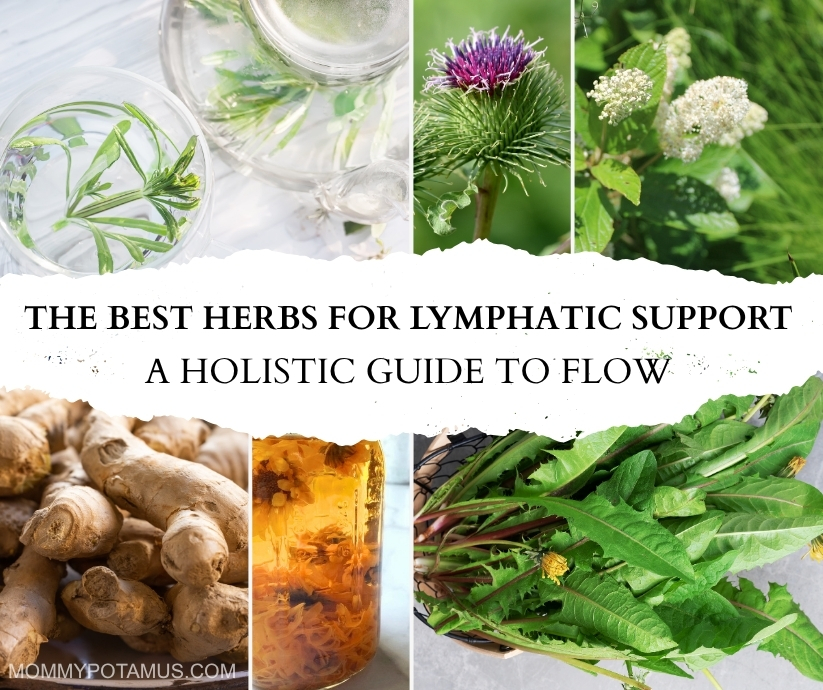
The base is a blend of cleavers and calendula, two herbs traditionally used for lymphatic support, along with dandelion leaf for fluid balance and mineral-rich nettle. From there, I change the flavor depending on what sounds good – peppermint when I want something fresh, ginger when I want a little warmth, and hibiscus when I’m in the mood for something bright and tart.

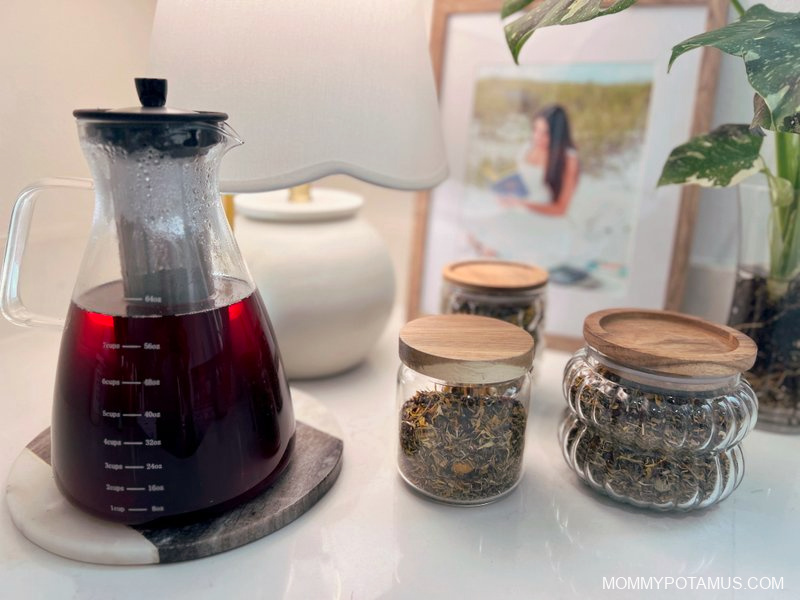
I usually make a large batch and keep it nearby so I can pour a cup whenever I want one. It’s gentle, nourishing, and easy to fit into my day. I hope it is for you, too.

As always, this recipe is not medical advice and is not intended to diagnose or treat any condition. None of these statements have been evaluated by the FDA.

Why I Chose These Herbs

When herbs are used individually, herbal references often recommend several teaspoons of a single herb per cup. In a blend, though, the herbs share the cup. Each one contributes something different while keeping the total amount of herbs reasonable.

Here’s what each one brings:

Cleavers

Cleavers is the herb I built this blend around. It’s one of the best-known lymphatic herbs in Western herbalism and has traditionally been used to support healthy lymphatic flow.

In Medical Herbalism, David Hoffmann describes it as “perhaps the best tonic available for the lymphatic system.” (1)

Its mild, grassy flavor also blends well with the other herbs rather than taking over the cup.

Calendula

These cheerful orange petals are probably better known for showing up in calendula oil and healing salves, but calendula also has a long history of internal use as a gentle lymphatic herb.

It adds flavonoids and other plant compounds with antioxidant and anti-inflammatory activity.

Dandelion Leaf

Dandelion leaf brings fluid-balance support to the mix. It has a long history of use as a mild diuretic, but unlike many substances that increase urinary output, dandelion leaf is naturally rich in potassium – an electrolyte that can be lost when fluid output increases.

It’s also rich in antioxidants and compounds that are traditionally used to support healthy digestion. I explain more about the different parts of the plant in my guide to dandelion.

Nettle

Nettle (Urtica dioica) rounds out the blend with steady nutritional support. It contains a wide range of minerals, including calcium, magnesium, iron, zinc, potassium, manganese, copper, selenium, and silica, along with antioxidants like quercetin and carotenoids.

Herbalists have traditionally used it as a general tonic, which is one reason I like using it in everyday teas. I share more about its traditional uses and research in my guide to nettle tea.

Peppermint, Ginger, or Hibiscus

The last ingredient is mostly about what kind of cup you’re in the mood for.

Peppermint adds a cool, fresh flavor that lifts the grassier notes of cleavers, dandelion, and nettle and makes the whole cup more delicious (a highly technical herbal term).

Ginger takes the blend in a warmer, spicier direction. It’s especially enjoyable during cooler months or anytime you want something with a little more heat. Ginger also brings its own therapeutic actions to the mix, including research supporting a healthy inflammatory response along with some interesting evidence related to thermogenesis and peripheral circulation.

Hibiscus makes the tea brighter and more tart, with a gorgeous ruby color and a fruitier flavor. It also brings anthocyanins and other polyphenols to the blend – antioxidant compounds that have been studied for their effects on oxidative stress and cardiovascular health. (2)

I rotate between all three depending on my mood. Aside from keeping the flavor interesting, it means this tea never starts feeling like something I’m drinking simply because I “should.”

Easy Ways To Change Up The Flavor

The base of this tea is intentionally mild, so it’s easy to nudge it in different directions depending on what sounds good.

For the peppermint version, try adding a strip of lemon or orange peel while it steeps, or a few fresh mint leaves if you want a brighter, fresher cup. A squeeze of lemon after steeping is nice, too.

For the ginger version, add a few thin slices of fresh ginger for more heat. A small piece of cinnamon stick, a strip of orange peel, or a little honey also works well with the warmer flavor.

For the hibiscus version, orange peel and cinnamon are especially good together. You can also add a thin slice of apple, a splash of fresh orange juice after steeping, or a little honey to round out the tartness.

And of course, any of the versions can be served over ice with citrus for a more refreshing summer tea.

Lymph Love Tea Recipe

This refreshing herbal blend combines traditional lymphatic herbs with dandelion leaf and nettle to support healthy lymph flow, fluid balance, and everyday nourishment.It uses a simple 2:1:1:1:2 ratio, with cleavers making up the largest portion of the blend.Tip: If this is your first time making the tea, I recommend starting with a small batch so you can try the different flavor variations before committing to a full jar. To make a test batch, combine 2 tablespoons cleavers, 1 tablespoon each calendula, dandelion leaf, and nettle, and 2 tablespoons peppermint, ginger, or hibiscus.

Prep Time 5 minutes Total Time 5 minutes

Author Heather Dessinger, FDN-P

To Make The Blend

  • If your calendula petals are long and thin, pulse them a few times in a clean coffee or spice grinder to break them into smaller pieces. This helps them disperse more evenly throughout the blend instead of collecting toward the top.

  • Add the calendula and remaining herbs to a bowl and gently toss until evenly combined.

  • Transfer to an airtight jar and store in a cool, dry place away from direct sunlight.

  • Because dried herbs can have very different shapes and weights, give the jar a gentle shake or stir before measuring out each serving.

To Make One Cup

  • Add 1 tablespoon of Lymph Love Tea to a mug or tea infuser.

  • Pour 8 ounces of just-boiled water over the herbs, cover, and steep for 10–15 minutes.

  • Strain and enjoy warm or chilled.

Nutrition information isn’t available for this recipe because standard nutrition databases don’t include all of the herbs used in the blend. Ingredients such as nettle and ginger may be listed, but others are not typically categorized as foods and therefore can’t be accurately calculated.

How Much Can I Drink?

For this blend, 1 tablespoon per 8 ounces of water makes one serving.

I’d start with one cup and see how it feels for you. If desired, up to three cups can be enjoyed throughout the day.

Because the herbs share the cup, each serving contains much less of the individual herbs than you’d typically use when brewing them on their own. Even at three cups per day, the amounts of cleavers, calendula, dandelion leaf, and nettle remain below the standalone daily preparations described in the herbal references I use.

You don’t need to drink three cups for the tea to be worthwhile, though. One cup is perfectly fine if that’s what fits naturally into your day.

A Few Safety Notes

The herbs in this blend are generally considered gentle when used appropriately, but that doesn’t mean every herb is appropriate for every person.

Cleavers, dandelion leaf, and nettle can all influence fluid balance, so people taking diuretics or medications that affect fluid or electrolyte balance should check with their healthcare provider before using medicinal amounts.

Calendula belongs to the Asteraceae family, so people with known sensitivities to plants such as ragweed, chamomile, or echinacea may want to use extra caution.

According to the Botanical Safety Handbook, ginger may increase the antiplatelet effects of nifedipine, and it’s recommended that people with active gallstone disease use it under the supervision of a qualified healthcare practitioner. (3)

And as with any medicinal herb blend, talk with your healthcare provider before using it if you’re pregnant, breastfeeding, taking medication, or managing a health condition.

More Ways To Support Healthy Lymph Flow

Tea is one way to support your lymphatic system, but it’s definitely not the only one.

Healthy lymph flow is supported by the things we do consistently – movement, hydration, breathing, and other everyday habits.

In the next article, I’ll walk through some of my favorite everyday ways to encourage healthy lymph flow – with simple practices that fit naturally into daily life.

And if you want to understand why perimenopause can sometimes make fluid balance feel so different in the first place, start with my guide to hormones, fluid balance, and the lymphatic system during perimenopause.

Sources

  1. Hoffmann, D. (2003). Medical Herbalism: The Science and Practice of Herbal Medicine. Healing Arts Press.
  2. Da-Costa-Rocha, I., Bonnlaender, B., Sievers, H., Pischel, I., & Heinrich, M. (2014). Hibiscus sabdariffa L. – A phytochemical and pharmacological review. Food Chemistry.
  3. Gardner, Z., & McGuffin, M. (Eds.). (2013). American Herbal Products Association’s Botanical Safety Handbook (2nd ed.). CRC Press.

Share with a friend! 👇

Tags: , , ,
The Best Plastic-Free & Non-Toxic Cutting Boards

The Best Plastic-Free & Non-Toxic Cutting Boards

My last plastic cutting board perished 18+ years ago in an accident that was entirely my fault – one involving a matchbox-size kitchen with very little counter space, a spiral cooktop burner that hadn’t cooled completely, and the nauseating smell of melting plastic.

I replaced it with what I thought was a healthier option.

And then I replaced that a few years later.

So while a lot of articles about non-toxic cutting boards assume you’re finally ditching plastic, I’m guessing at least some of you already have. If so, you already know that’s the easy part.

Figuring out what to use instead is the hard part.

Maybe, like me, you started with a bamboo board that seemed like a natural, sustainable choice, but didn’t pass muster when you started looking into formaldehyde resin glues. Or maybe you tried a different material that didn’t hold up over time . . . or didn’t live up to its non-toxic claims.

That’s why I’ve put together this guide – we’ll cover the pros and cons of different materials, what’s worth buying, what I would avoid, and specific product recommendations for each category.

Quick Picks

If you’re short on time and want to skip to my top recommendations, here are the options I’d look at first.

  • Best handcrafted value: Adirondack Kitchen – Solid maple, cherry, or walnut with no glue, finished with organic coconut oil and beeswax. The styles are beautiful enough to leave out on the counter, and the prices are surprisingly approachable for handmade, one-piece boards.
  • Best modern heirloom: Mamma Mangia – Another excellent one-piece option, with maple or black walnut, no glue or synthetic sealers, and a fractionated coconut oil + beeswax finish. The styling is a little more modern and substantial.
  • Best budget-friendly option: Greener Chef Bamboo – A good choice if solid hardwood isn’t in the budget. The cutting surface is glue-free and the boards arrive raw and untreated, so you can season it with the food-grade oil of your choice (they recommend walnut).

I’ve included additional recommendations- including hinoki and a dishwasher-safe option – later in the article.

The Problem With Plastic: Microplastics & Bacteria

Plastic cutting boards have always been convenient. They’re lightweight and inexpensive, and for a long time they were treated as the hygienic default.

The problem is that every time a knife cuts into one, it can also cut away tiny pieces of the board itself.

That’s where microplastics come in.

A 2023 study found that chopping on polyethylene and polypropylene cutting boards can release hundreds – or even more than a thousand -microplastic particles during a single food-prep session. Based on how much plastic was released in their experiments, the researchers estimated that regular use could expose someone to as much as about 50 grams of cutting-board microplastics per year. (1)

That’s roughly the weight of 10 credit cards. (2)

To be clear, that’s an estimate based on the researchers’ assumptions about how often people use their cutting boards – not a measurement showing that everyone with a plastic board actually eats 10 credit cards’ worth of plastic every year. But the underlying finding is pretty hard to argue with: when a knife repeatedly cuts into plastic, some of that plastic comes off.

And somewhat ironically, the more fresh food you chop at home, the more opportunities there are for that exposure.

I’ve written more about what we currently know – and don’t know – about microplastics and health here, along with some of the research on ways our bodies may eliminate them here.

That’s not the only issue, though. For decades, we were told plastic was the most hygienic choice because it’s non-porous and can be sanitized in the dishwasher.

But plastic is soft enough to accumulate knife scars, and once those grooves get deep, they can become harder to clean. One well-known study found that bacteria placed on wood quickly became undetectable, while bacteria on plastic remained detectable much longer. (3)

Wood: My First Choice For Cutting Boards

Wood is durable, easy on knives, renewable, repairable, and available in several constructions. But “wood cutting board” can mean several very different things.

Here’s what I look for:

1. Solid wood construction

When it comes to cutting boards, simple is a selling point.

A board made from one solid piece of wood has one obvious advantage: there’s no glue to research, no manufacturer to email, and no question about whether the adhesive is exposed at the cutting surface. That matters because many common food-safe wood glues are synthetic polymers, so if the goal is to avoid plastic-like materials entirely, one-piece construction makes the selection process easier.

That doesn’t automatically mean every glued board is unsafe – some boards use glue in ways that don’t come into contact with the cutting surface – but it does mean there’s one more material to factor in.

2. The Best Woods for Cutting Boards

Hardwoods strike a good balance between durability and “forgiveness” – they’re hard enough to resist deep gouging but soft enough to keep your knife edge sharp. I’ll start with three North American classics – maple, walnut and cherry – plus a few more worth considering.

Maple

Maple is popular for good reason: It’s hard enough to hold up well to daily chopping, but still relatively gentle on knives. Its fine, tight grain gives it a smooth cutting surface, and its light color makes it easy to see when the board needs cleaning.

Walnut

A favorite for its rich chocolate tones, walnut is slightly softer than maple. Its darker color hides stains and wears beautifully, and it’s another relatively knife-friendly hardwood.

Cherry

Cherry is also softer than maple and typically a little softer than walnut too, so it’s another knife-friendly option.

It starts out lighter and develops a deep reddish-brown color with age and exposure to light, which gives it a really warm, lived-in look over time. It will show wear more than maple, but for many people that’s part of its charm.

Beech

Beech is another solid option for cutting boards – it’s hard, fine-grained, relatively affordable, and has a long history of use in kitchen tools and butcher blocks.

There’s also some interesting research behind it. In a 2023 study comparing four cutting-board woods, unfinished European beech generally had the lowest amount of detectable bacteria remaining on the surface. The study didn’t include American beech, so I wouldn’t assume the results apply perfectly to both species, but the two are closely related and structurally similar enough that I consider the findings encouraging. (4)

Its main downside is that American beech tends to shrink and swell quite a bit as its moisture content changes, which can make it more prone to warping if it’s soaked or allowed to dry unevenly.

Acacia

Acacia has become incredibly popular because it’s beautiful, affordable, and naturally rich in oils that help it resist moisture.

However, it’s often harvested at a young age, so planks tend to be smaller. Cutting boards are usually made by joining lots of planks or blocks together. Joining means using glue, which may mean emailing the manufacturer to find out exactly what they use.

Titebond III Ultimate Wood Glue is one of the better options I’ve come across so far – it’s waterproof once cured and compliant for indirect food contact, which is why the company recommends it for cutting boards. Still, “indirect food contact” is not the same thing as approval for use as a direct cutting surface, which is one reason I still prefer a solid piece of wood when I can find one.

Hinoki

Hinoki is the outlier here, in the best possible way.

It’s actually a softwood -Japanese cypress – not a hardwood. Normally “soft” is considered a drawback in a cutting board, but hinoki is prized precisely because it has a little more give under the knife.

That makes it exceptionally gentle on fine blades, like those used to prepare sushi.

It’s also lightweight, aromatic, and naturally resistant to decay and fungal growth.

A few things to know:

  • It can “self-heal” a bit: The soft wood fibers swell slightly when washed, which can help shallow knife marks close back up.
  • It can warp if it stays wet unevenly: Don’t leave it sitting flat on a wet counter or towel. Let it dry upright so air can circulate around both sides.
  • Heavy chopping can leave deeper marks: Cleavers and serrated knives are more likely to gouge the soft surface.
  • Traditional unfinished boards are often wetted before use: This helps reduce absorption of food odors and stains.
  • Care varies: Most traditional hinoki boards are not oiled, but some are, so follow the manufacturer’s instructions.

3. Simple, Food-Safe Finishes

Most cutting board makers use food-grade mineral oil because it’s inexpensive and easy to apply. Occasionally, though, you’ll find boards finished with beeswax, carnauba wax, fractionated coconut oil, pure tung oil, linseed oil, or blends of several of these.

I prefer natural oils and waxes when they’re available because:

  • Mineral oil is petroleum-derived. Food-grade mineral oil (sometimes called liquid paraffin) is different from technical grade because it’s refined to remove carcinogenic polycyclic aromatic hydrocarbons. Still, it’s not my first choice for a surface that comes into direct contact with food.
  • It doesn’t cure or harden in the wood. Mineral oil stays liquid, gradually washes out with use, and needs to be reapplied fairly often.
  • Some plant oils offer more durable protection. Pure tung oil, for example, polymerizes as it cures, helping cutting boards resist water much better over time.

That difference shows up pretty clearly in real-world testing, too. In one comparison of common food-safe wood finishes, mineral oil provided the least durable protection under repeated water exposure, while pure tung oil held up much better. (5)

With that said, if budget and aesthetics are a consideration and I find a beautiful or affordable cutting board that checks every other box, mineral oil wouldn’t stop me from buying it.

It washes away relatively easily anyway, so my personal approach has been to wash the board thoroughly, use it, and then maintain it going forward with a natural oil or wax I prefer.

4. The Maintenance Factor: Oils & Waxes

Even a great wooden cutting board needs a little maintenance. Periodically conditioning the wood helps slow moisture absorption, reduces drying and cracking, and can help prevent warping over time.

The good news is that this part doesn’t need to be complicated. A few options I like are:

  • Fractionated coconut oil: Soaks into the wood and helps keep it from drying out. It’s also much more oxidation-resistant than regular coconut oil and many other cooking oils, so it’s less likely to go rancid.
  • Beeswax: Stays closer to the surface, where it adds a little more water resistance and helps slow down how quickly the oil washes out.
  • Carnauba wax: A harder plant wax that can be added to beeswax/oil blends for a firmer, more durable surface finish.

That’s why you’ll often see cutting board conditioners made from a blend of oil + wax rather than just one or the other.

Tung oil and linseed oil work a little differently. Unlike fractionated coconut oil, they’re drying oils, which means they react with oxygen and gradually polymerize as they cure. Instead of remaining liquid in the wood, they harden and create a more durable, water-resistant finish.

  • Pure tung oil is one of my favorite options for that reason, although it needs adequate curing time between coats and before the board is used. Just make sure it really is pure tung oil – products labeled “tung oil finish” can contain other oils, solvents, or additives.
  • Linseed oil can work similarly, but the label matters. Raw linseed oil is very different from conventional hardware-store “boiled linseed oil,” which often contains added metallic drying agents to speed up curing.

I generally avoid using regular kitchen oils like olive, avocado, or unrefined coconut oil because they can oxidize and eventually develop off odors.

How often a board needs conditioning depends on the wood, how often you wash it, and what it was originally finished with. I usually go by feel: if the surface starts looking pale, dry, or rough, it’s probably ready for a little attention.

And if a solid wood board gets really worn, that doesn’t necessarily mean it’s finished. Many can be lightly sanded to remove shallow knife marks and roughness, then reconditioned with oil or wax to give the surface a fresh start.

Eventually, of course, every cutting board reaches the end of its useful life. USDA recommends replacing boards once they become excessively worn or develop grooves that are difficult to clean.

Is Wood Safe For Raw Meat?

Yes. USDA says both wood and nonporous cutting boards can be used for raw meat and poultry, although it recommends keeping a separate board for raw proteins when possible to reduce cross-contamination. (6)

Part of the confusion around wood comes from the assumption that porous = unhygienic. But research suggests it’s not that simple.

In a well-known experiment comparing wood and plastic, bacteria placed on wooden boards quickly became difficult to detect at the surface, while bacteria on plastic remained detectable much longer. (3) More recently, a 2025 study comparing sugar maple with HDPE plastic found a similar pattern: E. coli on maple dropped to the study’s detection limit within two hours, while significantly more remained detectable on plastic. (7)

That doesn’t mean wooden boards don’t need to be washed, dried well, and refreshed or replaced when they become excessively worn. It does mean that wood isn’t automatically the less hygienic choice just because it’s porous.

A Quick Note About Edge Grain & End Grain

When you shop for wood cutting boards, you’ll run into terms like face grain, edge grain, and end grain. They sound complicated, but they’re really just describing which direction the wood fibers are facing.

Imagine a plank of wood as a bundle of long straws:

  • Face grain: You’re cutting on the broad side of the bundle.
  • Edge grain: Turn that bundle onto its narrow edge.
  • End grain: Cut the bundle into short sections, stand them upright, and look down into the ends of the “straws.”

End-grain boards are usually the most knife-friendly because the blade can slip slightly between the fibers rather than repeatedly cutting across them. They also tend to hide knife marks well and hold up well under heavy chopping.

The tradeoff is construction: end-grain boards have to be made from lots of smaller blocks glued together.

Edge-grain boards are generally simpler and more affordable, but many are made from glued strips too.

That’s separate from one-piece or solid-slab construction, which simply means the board is made from one continuous piece of wood with no glued seams.

So, very broadly:

  • Simplest construction: one-piece solid wood
  • Most knife-friendly: end grain
  • Middle ground: edge grain

For me, the no-glue advantage of a one-piece board usually wins, but there are some beautifully made edge- and end-grain boards worth considering too.

Bamboo: A Good Option With A Few Caveats

Bamboo is technically a grass, not a wood. It grows incredibly fast, which is one reason it’s often described as a sustainable material. It’s lightweight, resists water better than many hardwoods and – probably most importantly for families on a budget – is often one of the most affordable plastic-free cutting board options.

However, a lot of bamboo products – including cutting boards and clothing – come with “eco-friendly” and “non-toxic” marketing claims that don’t always hold up under scrutiny. That’s not to say there aren’t good options – there are – but it’s important to know what to watch out for, and what to look for instead.

Because bamboo grows in hollow stalks rather than thick slabs of lumber, cutting boards usually have to be built from multiple pieces or layers.

With conventional bamboo boards, that often means lots of narrow strips joined together, with glue lines running right through the cutting surface.

That’s where “mystery glue” becomes an issue for me. Manufacturers don’t always disclose exactly what adhesive they use, but we do know that some engineered bamboo products are made with formaldehyde-based resins. Even when an adhesive is considered food-safe, it’s typically a synthetic polymer – another consideration if the goal is to minimize plastic-like materials in direct contact with food.

A board constructed with a glue-free cutting surface is different. Some newer bamboo boards use broad, flattened sections of bamboo for the outer layers, so there are no adhesive seams where your knife and food make contact. There may still be adhesive inside the board, but for me that’s less of a concern.

Bamboo also tends to be fairly hard. That makes it durable, but generally less forgiving on knife edges than woods like walnut, cherry, or hinoki.

Titanium and Stainless Steel: Simple, Nonporous Options

Metal cutting boards are gaining traction, especially for messy jobs like handling raw meat or fish.

Both stainless steel and titanium have some obvious advantages: they’re nonporous, plastic-free, don’t absorb odors or food juices, and are very easy to clean. Many are dishwasher-safe, too.

The biggest tradeoff with either one is knife wear.

Some titanium cutting-board manufacturers argue that titanium should be gentler on knives because it’s softer than the hardened steel used in most kitchen blades.

But real-world testing doesn’t necessarily support that conclusion. In at least one direct comparison, both stainless steel and titanium dulled knives significantly faster than wood or rubber, and titanium actually caused more loss of sharpness than stainless steel under the conditions tested. (8) Serious Eats also found substantial dulling after testing a titanium board. (9)

Titanium does have a few other advantages that may matter on a cutting surface. It’s much lighter than stainless steel and exceptionally resistant to corrosion, including in many chloride-rich environments. That could be useful on a board that regularly comes into contact with salt and acidic foods.

I haven’t personally used either type of metal cutting board, so I can’t speak from experience about how they feel in everyday use.

For now, I see both as more of a specialty cutting surface than an everyday board – something I might use for breaking down a chicken or other messy prep, then switch back to wood for most of my chopping.

If you choose titanium, there’s one additional thing to check: make sure it’s actually titanium. Some products marketed as “titanium” are stainless steel, layered materials, or metal with a titanium coating. I’d look for a company that clearly discloses the grade or purity rather than relying on the word “titanium” in the product name.

I’ve included a verified titanium option later in the article.

Glass: Easy To Clean, Hard On Knives

Glass is non-toxic, affordable, nonporous, and easy to sanitize . . . but I don’t recommend it for everyday chopping.

The biggest issue is your knives. Glass is much harder than wood, so every chop puts more stress on the blade edge and can dull or roll it surprisingly quickly. It’s also loud and can be slippery, which makes prep less comfortable and potentially less safe.

For serving, rolling dough, or other prep that doesn’t involve much cutting, glass can be very useful. As an everyday cutting surface, though, I’d choose something else.

Rubber Boards: Not As Natural As They Sound

At first, rubber seems like an ideal choice for cutting boards – it’s soft enough to protect knives and easy to clean. Unfortunately, what manufacturers are calling “rubber” is not natural latex made from the milky white sap of the Hevea brasiliensis tree.

Instead, these boards are made from a variety of engineered materials. Some are described simply as proprietary “synthetic rubber” or high-density rubber compounds, while others use synthetic elastomers or materials such as polyvinyl acetate (PVAc). Some incorporate polyethylene or other additives, and some are reinforced with wood pulp or built around a wood core.

In other words, “rubber cutting board” doesn’t really tell you very much about what the cutting surface is actually made from – and many manufacturers don’t disclose the full formulation.

So, while they are far gentler on knives than standard plastic, they still shed mystery polymers into food. And one more thing to be aware of is that some manufacturers blend antimicrobial compounds including MicroStop® directly into the rubber matrix. MicroStop® is considered proprietary, so we don’t actually know what’s in it.

I’ve looked around for cutting boards made with natural rubber, and as far as I can tell they don’t exist. So despite the fact that synthetic rubber boards are famously gentle on knives, this is one category I personally skip.

Marble & Granite: Better For Serving Than Chopping

Marble and granite boards are gorgeous for serving things like charcuterie, but I wouldn’t use them as everyday cutting boards.

They’re extremely hard, which means they’re tough on knife edges, and they’re also heavy and awkward to move around.

Marble has another downside: acidic foods like lemon juice, tomatoes, and vinegar can etch the surface, leaving dull spots and tiny imperfections over time. Granite is generally more resistant, but it can still absorb moisture or stain if it isn’t properly sealed.

So while stone is a non-toxic option, I think it makes much more sense for serving, rolling dough, or other prep that doesn’t involve much chopping.

Paper Composite: Not Just Paper

Paper composite boards are typically made from layers of paper or wood fiber that are saturated with resin, then fused together under heat and pressure to create a dense, nonporous surface.

People like them because they’re thin, durable, dishwasher-safe, and easy to sanitize. But from a materials standpoint, they’re not as simple as they sound.

The cutting surface isn’t just paper – it’s paper held together and hardened with resin. So, you’re not really cutting on paper – you’re cutting on a resin-bound composite.

In some cases, that resin is proprietary, which means there’s only so much you can learn about what’s actually in the material.

I prefer cutting surfaces made from materials that are fully disclosed, so I’m willing to reconsider this category if more information becomes available. For now, if I’m choosing between a solid piece of wood and a paper composite held together with an undisclosed resin system, I’m going with the wood.

Top Recommendations

After sorting through a lot of materials, construction methods, finishes, and price points, these are the boards I think are most worth considering.

🌲 Adirondack Kitchen: Best Handcrafted Value

Materials: Maple, cherry, or black walnut
Construction: One solid piece; no glue
Finish: Organic coconut oil + beeswax
Made in: Adirondack Mountains, New York
Price: About $25-$75+

Why It Made The Cut

Adirondack Kitchen cutting boards have a gorgeous, warm design that adds beauty and character alongside functionality. They are definitely the kind of boards you’ll want to display on your counter instead of tucking away after dinner prep.

They’re made from one solid piece of maple, cherry, or walnut, finished with organic coconut oil and beeswax, and available in a wide range of shapes and styles. Some have juice grooves, some have looped handles, and many can be personalized or engraved.

This large maple board is about an inch thick and can be ordered with or without a juice groove. This cottage-style board has looped handles and feels a little more special, and this round board is unlike almost anything else I came across – it’s so pretty.

Each one would make a beautiful wedding, housewarming, or holiday gift, especially with the engraving option.

Also for handmade, solid-wood boards with this much character, many of the options from this shop are much more affordable than I expected.

🍋 Mamma Mangia: Best Modern Heirloom

Materials: Maple or black walnut
Construction: One solid piece; no glue
Finish: Organic fractionated coconut oil + beeswax
Made in: USA
Price: $99-$289

Why It Made The Cut

Mamma Mangia also comes in a range of styles and options that feel a little more modern.

The boards are made from one solid piece of maple or black walnut with no glue or synthetic sealers, then conditioned with coconut oil and beeswax.

They offer a different handle style than Adirondack Kitchen, which may appeal more if you prefer an integrated grip rather than a looped or farmhouse-style handle. Like most boards made from one solid piece of hardwood, they can also be lightly sanded and refinished as they wear, which gives them the potential to last for many years – or even be passed down.

🪵 Sten Wood Lab: Best Basic Solid-Wood Board

Materials: Hard maple, black walnut, or white oak
Construction: One solid piece; no glue
Finish: Mineral oil/beeswax
Made in: Wisconsin, USA
Price: About $37+

Why It Made The Cut

Remember when I said “basic” is a selling point when it comes to cutting boards? Sten Wood Lab is a good example.

Their boards are simple, solid slabs of wood with no glue or laminations, handmade in Wisconsin. They’re also available in several smaller sizes, which is useful if you don’t need a giant board taking up half the counter every time you want to slice an apple.

The standard maple boards and walnut options are finished with food-grade mineral oil and beeswax, which isn’t my first-choice finish, but it wouldn’t stop me from buying an otherwise good solid-wood board.

They also offer white oak. It’s durable and naturally resistant to moisture, but it has a coarser grain and tends to shrink and swell more as its moisture content changes, which may make it more prone to warping than other options.

If you want a straightforward, no-frills solid hardwood board at a relatively affordable price, this is a good one to look at.

🔪 Shun Hinoki Boards: Best For Knife Lovers

Materials: Hinoki wood
Construction: One solid piece; no glue
Finish: Unfinished
Handmade in: Japan
Price: $35+

If protecting your knife edges is a top priority, hinoki is one of my favorite options.

Unlike the hardwood boards above, hinoki is a Japanese cypress softwood, so it has a little more give under the blade. That’s one reason it has traditionally been paired with fine Japanese knives.

It’s also lightweight, naturally aromatic, and easy to move around the kitchen – especially compared with a thick hardwood board.

The tradeoff is that it needs a little more thoughtful care. Because the wood is soft, heavy chopping can leave deeper marks, and it’s important to let the board dry evenly so it doesn’t warp.

If you own good knives and want a cutting surface that’s especially gentle on them, though, hinoki is hard to beat.

The cutting board below is made from one solid piece of hinoki cypress – no joints, no glue.

🎋 Greener Chef: Best Budget-Friendly Bamboo

Best for: Families who want to get away from plastic for around $20.

Material: FSC-certified bamboo
Construction: Glue-free cutting surface
Adhesive:
Price: Under $20

Why It Made The Cut

Wood is easier on knives, but bamboo is easier on the budget.

What I like about Greener Chef is the way they’ve addressed one of my biggest concerns with bamboo boards: glue at the cutting surface.

Instead of making the board from lots of narrow strips with exposed glue lines, the outer surfaces are made from flattened bamboo cylinders that create a continuous cutting surface. Greener Chef says the board has three layers, with any adhesive confined to the inner construction where it doesn’t come into contact with food.

The boards also arrive raw and untreated, so there’s no mineral oil or synthetic sealer to work around. The company recommends seasoning them at home with walnut oil or another food-grade oil.

I’ve reached out to ask for more information on the internal construction of the board, and will update when I hear back. Overall, this design makes me much more comfortable recommending it than a conventional laminated bamboo board.

Material: 304 stainless steel
Construction: Solid stainless steel cutting surface
Non-slip: Silicone edging/pads
Dishwasher-safe: Yes
Price: About $25+

Why It Made The Cut

If you like the idea of a nonporous metal cutting board but don’t want to spend titanium prices, 304 stainless steel is the more practical option.

It’s widely used for food-contact applications, won’t absorb odors or food juices, and is easy to clean. This style also comes with a silicone mat to help keep the board from sliding around on the counter.

The tradeoff is the same one I mentioned earlier: metal is much harder on knife edges than wood. I haven’t personally used a stainless steel cutting board, so I can’t speak to how this particular one feels in everyday use, but I’d view it as a specialty board for messy prep rather than my main chopping surface.

💧 Taima: Best Dishwasher Safe Option

Material: Grade 1 titanium
Purity: 99.89% titanium (per SGS testing reported by Taima)
Construction: Solid titanium cutting surface
Dishwasher-safe: Yes
Price: From about $99

If dishwasher-safe cleanup is a priority, I think titanium has a slight advantage over stainless steel because it’s exceptionally resistant to corrosion – even with repeated exposure to water, salt, and acids.

Taima is one of the few titanium boards I found that clearly identifies the grade and purity of the metal, which is especially helpful in a category where some products labeled “titanium” are actually coated or made from other metals.

It’s also much lighter than stainless steel.

The challenge with this category is knowing whether you’re actually getting titanium. Taima is one of the few companies I found that clearly discloses the material used in its cutting boards. They say an SGS test found 99.89% titanium, and their certification page says readers can request the full report by email. They have a pretty enthusiastic customer following for all their products (including cookware).

The tradeoff is knife wear. Metal is less forgiving than wood, so I personally prefer wood as my main everyday chopping surface.

How to Care for Your Non-Toxic Cutting Board

First, check the manufacturer’s care instructions, because hinoki, hardwood, bamboo, and titanium all have slightly different needs.

For most wood and bamboo boards, the basics are pretty simple: wash with warm water, a mild dish soap, and a natural fiber scrubbing sponge. Avoid soaking them, and let them dry thoroughly after washing.

For stubborn odors or stains – garlic, I’m looking at you – coarse salt and half a lemon can help scrub and deodorize the surface.

Wood boards also have one advantage I really love: when they start looking worn, they can often be restored instead of replaced.

A solid board can be sanded to remove knife marks and rough spots by working from medium- to fine-grit sandpaper until the surface is smooth again. After that, just condition it with your preferred oil or wax and put it right back to work.

That’s part of why wood cutting boards are my favorite. A good one can pick up scratches, stains, and a little character over the years, but with basic care it can last a very long time – and when the surface starts showing wear, you don’t necessarily have to throw it away and start over.

Sources

  1. Yadav, H., Khan, M. R. H., Quadir, M., Rusch, K. A., Mondal, P. P., Orr, M., Xu, E. G., & Iskander, S. M. (2023). Cutting Boards: An Overlooked Source of Microplastics in Human Food?. Environmental Science & Technology.
  2. Culpepper, J. R. (2023). Making Meals Without Microplastics: Tips for Safer Cutting Boards. Environmental Working Group.
  3. Ak, N. O., Cliver, D. O., & Kaspar, C. W. (1994). Cutting Boards of Plastic and Wood Contaminated Experimentally with Bacteria. Journal of Food Protection.
  4. Vega Gutierrez, S. M., Vega Gutierrez, P. T., Waite-Cusic, J., & Robinson, S. C. (2023). Wood Cutting Board Finishes and Their Effect on Bacterial Growth. Coatings.
  5. Spagnuolo, M. (2022). Stop Using Mineral Oil for Cutting Boards and Utensils. The Wood Whisperer.
  6. U.S. Department of Agriculture, Food Safety and Inspection Service. Cutting Boards. USDA Food Safety and Inspection Service.
  7. Kamdem, D. P., McIntosh, D., & Sinha, A. (2025). Survival of Escherichia coli on Sugar Maple and High-Density Polyethylene Cutting Boards. Journal of Food Protection.
  8. Kaminski, A. (2025). I Tested Titanium vs. Stainless Steel Cutting Boards: One Destroyed My Knife. Prudent Reviews.
  9. Murray, T. (2026). Do You Need a Titanium Cutting Board? We Reviewed One – Here’s What You Should Buy Instead. Serious Eats.

Share with a friend! 👇

Tags: , , ,
A Beginner’s Guide to Flow

A Beginner’s Guide to Flow

You know that friend who starts clearing plates while everyone else is still talking? They keep chatting and laughing with everyone else – but they’re also taking care of what needs to be done to keep things moving.

Whether you’re nodding yes or wondering where you can get one of those friends, you already have one: your lymphatic system.

If body systems had personality types, the lymphatic system would be the attentive, warm, capable friend working behind the scenes. It manages overflow, keeps watch for trouble, helps with cleanup, and rarely gets much attention unless something feels off.

When it doesn’t seem to be moving as efficiently as it could, you’ll sometimes hear herbalists use phrases like “sluggish lymph.” I’ll use that shorthand here, too, as we look at herbs traditionally used to encourage healthy lymphatic flow. Along the way, I’ll also highlight where modern research supports those traditional uses.

Of course, to understand why certain herbs have traditionally been used for lymphatic support, it helps to first look at what this system does for us.

Before we get to that, a quick reminder: None of these statements have been evaluated by the FDA, this article is not medical advice, and it’s not meant to diagnose or treat any condition. These herbs are used to support normal lymphatic health and aren’t a substitute for proper evaluation when needed. If you’re experiencing any symptoms that concern you, check in with your healthcare provider. And if you’re pregnant, breastfeeding, taking medication, or managing a health condition, talk with your provider before adding therapeutic herbs.

Now let’s dive in.

So, What Does the Lymphatic System Actually Do?

One of the lymphatic system’s biggest jobs is tending to the fluid environment around your cells.

To do that, it collects excess fluid from tissues and carries proteins, cellular debris, immune cells, and inflammatory signaling molecules away.

But “drainage” is only part of the story. In addition to tending the spaces around our cells, it routes lymph through nodes where the immune system can respond to potential threats, and it also helps nourish us.

Using specialized lymphatic vessels in the small intestine called lacteals , it absorbs much of the dietary fat and fat-soluble nutrients we eat.

Like many systems in the body, lymphatic function can become less efficient with age, and research suggests some aspects of lymphatic pumping may decline more in women during midlife. I take a much deeper look at that research in this article on relationship between hormones, lymph, and fluid balance during perimenopause.

The good news is that lymphatic flow is also responsive to things we do every day. Movement, muscle contractions, breathing, and other mechanical forces all help keep lymph moving.

For generations, herbalists have also used certain plants to support this system – including a group traditionally known as “lymphatics.”

What Does It Mean When an Herb Is “Lymphatic”?

In traditional herbalism, a lymphatic is an herb used to support healthy lymph function and flow. You’ll often see these herbs discussed in connection with things like tissue puffiness, swollen glands, or what herbalists describe as lymphatic congestion.

Some lymphatic herbs also fall into a broader category called alteratives. That term is a little hard to pin down because it doesn’t describe one specific action. Instead, what different alteratives have in common is that they’re traditionally used to gradually support healthy elimination, tissue function, and overall balance.

David Hoffman, a Fellow of the National Institute of Medical Herbalists in the UK and author of Medical Herbalism, describes them this way:

Alteratives are herbs that gradually restore proper function to the body and increase overall health and vitality. That sounds very unclear, and, indeed, their mode of action on the body is not understood. However, their value in holistic health care cannot be denied.” (2)

There is some evidence that botanicals can influence processes related to lymphatic circulation, but very few herbs have been studied in ways that directly measure lymph flow. (1) So, at least for now, the strongest support for many of the best-known “lymph herbs” comes from traditional herbal practice.

In the next section, we’ll cover some of the most popular ones – including why they’re loved and what modern research tells us.

Traditional Lymphatic Herbs

The three herbs in this group are the ones herbalists have traditionally reached for most directly when supporting lymphatic flow and tissue fluid balance.

Also, since the lymphatic system requires water to flow, drinking these herbs in tea form provides a dual benefit: it combines the therapeutic properties of the plant with the hydration needed to keep lymph moving. I’ve included brewing instructions with each herb.

Cleavers (Galium aparine): The Ultimate Lymph Tonic

If you’ve ever walked through a field and found small, sticky green plants clinging to your socks, you’ve probably met Cleavers. In the herbal world, this “stickiness” is considered a metaphor for how it works – it “grabs” onto lymphatic congestion and pulls it out.

Cleavers is probably one of the best-known lymphatic herbs in Western herbalism. It’s traditionally considered both a lymphatic tonic and an alterative, which as I mentioned earlier is a category of herbs used to gradually restore tissue function and overall balance. It has mild diuretic activity and a reputation for being gentle, making it an excellent starting point for beginners.

David Hoffmann describes it this way in Medical Herbalism:

Cleavers is a very valuable plant, being perhaps the best tonic available for the lymphatic system.” (2)

Herbalist JJ Pursell also mentions cleavers for skin support, writing that it’s “another one to consider if you’re suffering from acne.”

I thought that was noteworthy because hormonal shifts can sometimes bring acne back into the picture during perimenopause – just when many of us thought we had left that particular rite of passage behind. In households where where perimenopause and teenage breakouts happen to be unfolding at the same time, cleavers is one to keep in mind.

Although its reputation is still based largely on traditional herbal use, modern research does give us some additional context: cleavers extracts have demonstrated immunomodulatory activity in vitro, which is interesting given the lymphatic system’s close relationship with immune function. (3)

Cleavers is also one of the easiest herbs in this guide to use as tea. Hoffmann recommends pouring 1 cup of boiling water over 2–3 teaspoons of dried herb and steeping for 10–15 minutes. In his notes, he says that this preparation can be taken three times daily. (2)

Safety: Botanical Safety Handbook – Safety Class 1; Interaction Class A. (7) I’ll explain more about the Botanical Safety Handbook classifications later in this article.

Calendula (Calendula officinalis): The Gentle Mover

For a lot of us, calendula first shows up in a salve jar. Its sunny petals have a long history of use for soothing and supporting the skin, but herbalists also use calendula internally as a traditional lymphatic.

In The Woman’s Herbal Apothecary, herbalist JJ Pursell calls calendula a “safe and effective lymphatic system agent,” giving it a strong place in traditional lymphatic formulas. (4)

Modern research has uncovered some properties that make calendula especially interesting from a lymphatic-support perspective. Its flowers contain flavonoids and triterpenoids with antioxidant and anti-inflammatory activity, and lab research has found that calendula preparations can influence several inflammatory signaling pathways. (5) (6)

That matters because the lymphatic system is closely involved in immune activity and the movement of inflammatory signals through tissues.

It makes an easy infusion, too. Hoffmann recommends pouring 1 cup of boiling water over 1-2 teaspoons of dried calendula petals and steeping for 10–15 minutes. In his notes, he says that this preparation can be taken three times daily. (2)

Safety: Botanical Safety Handbook – Safety Class 1; Interaction Class A. (7) Calendula is in the Asteraceae family, so people with known sensitivity to other members of that family (for example, chamomile, echinacea and ragweed) may want to use extra caution. The Modern Herbal Dispensatory recommends avoiding internal use during pregnancy, although not all herbal references make the same recommendation. (8)

Red Root (Ceanothus americanus): The Old-School Lymphatic

Red root is one of the more old-school lymphatic herbs in this guide. Native to North America, it was especially valued by Eclectic herbalists and physicians, who developed a reputation for using it for lymphatic system support.

In The Modern Herbal Dispensatory, Thomas Easley and Steven Horne describe red root as “a powerful lymphatic cleanser” and highlight its traditional use for spleen support. (8)

The spleen is the largest lymphoid organ in the body, and instead of filtering lymph like lymph nodes do, it filters the blood – removing aging blood cells and helping immune cells recognize and respond to potential threats.

Modern research on red root is limited, so this is one herb whose place in the guide rests mostly on its long history of traditional use.

Also, sometimes you’ll hear Ceanothus americanus called New Jersey tea. During the Revolutionary War, the leaves were used as a tea substitute. For lymphatic support, though, herbal preparations are made from the root.

Because roots are tougher than leaves and flowers, red root is prepared as a decoction (long simmered tea) rather than an infusion. The Modern Herbal Dispensatory recommends simmering 1 ounce (by weight) of dried root in 1 quart of water for 10–20 minutes, then removing it from the heat and allowing it to steep for another hour. Their suggested serving is 2–4 ounces. (8)

Beyond Traditional Lymphatics

Not every herb that supports lymphatic health is a traditional “lymphatic.” Some earn a place in this guide because they support other processes the lymphatic system works alongside – including fluid balance, immune activity, and a healthy inflammatory response.

Dandelion leaf is a good example.

Dandelion (Taraxacum officinale): Fluid Balance Support

“Dandelion is a generous plant in that every part of it can be used as food or medicine,” writes Rosalee de la Forêt in Alchemy of Herbs. (17) And it’s true – dandelion flowers, roots and leaves can be made into nourishing salads, teas, decoctions, tinctures, syrups, skin healing salves and more.

The root is traditionally preferred for digestion and liver support, while the leaf has a long history of use for supporting digestion and urinary output. I explain the differences between the roots, leaves, and flowers in my complete guide here.

While it’s true that supporting urinary output isn’t the same thing as directly increasing lymph flow, fluid regulation and lymphatic function are closely intertwined.

In a pilot study of 17 adults, a fresh dandelion leaf extract increased urination frequency after the first dose and increased the ratio of urine output to fluid intake after the second. It was a small, one-day study using an extract rather than tea, but the findings support dandelion leaf’s long-standing reputation as a mild diuretic. (9)

Dandelion leaf also contains something many diuretic herbs don’t: potassium. It’s naturally rich in this electrolyte, which can be lost when urinary output increases. (2)

The European Medicines Agency also recognizes dandelion leaf’s traditional role in supporting urinary output, based on its long history of therapeutic use. (10)

For tea, Hoffmann recommends pouring 1 cup of boiling water over 1–2 teaspoons of dried dandelion leaf and steeping for 10–15 minutes. In his notes, he says that this preparation can be taken three times daily. (2)

Safety: Botanical Safety Handbook – Safety Class 1; Interaction Class A. (7)

Burdock Root (Arctium lappa): Long-term Systemic Support

Burdock root a traditional alterative with a slow-and-steady reputation. Herbalists have traditionally used the root when they’re looking for broad, gradual support for the lymphatic system, skin, liver, and healthy elimination.

That liver connection is also one reason burdock shows up in traditional formulas for hormonal support. In The Woman’s Herbal Apothecary, JJ Pursell writes, “As with any liver supporting herbs, you’ll get hormonal support.” (4)

David Hoffmann describes burdock’s role more broadly in Medical Herbalism, writing that it helps move the body toward “a state of integration and health, improving indicators of systemic imbalance, such as skin problems and dandruff.” (2, emphasis mine)

Modern research gives us another reason to consider burdock root for overall lymphatic support: it’s influence on inflammation.

In a randomized controlled trial, 36 adults with knee osteoarthritis drank either plain water or 3 cups of burdock root tea daily for 6 weeks. The burdock group experienced significant reductions in the inflammatory markers IL-6 and hs-CRP, along with improvements in several markers of oxidative stress. That doesn’t tell us whether burdock changes lymph flow, but it does give us modern evidence for one of its broader actions: supporting a healthy inflammatory response. (11)

If burdock is new to you, I have a full guide here with more on its history and traditional uses.

Because it’s a dense root, it does better with a little simmering. Hoffmann recommends adding 1 teaspoon of dried root to 1 cup of water, bringing it to a boil, and simmering for 10–15 minutes. In his notes, he says that this preparation can be taken three times daily. (2)

Safety: Botanical Safety Handbook – Safety Class 1; Interaction Class A.

Astragalus (Astragalus membranaceus): Immune Support

Astragalus isn’t a traditional lymphatic in the same way cleavers, calendula, and red root are, but it earns a place here because the lymphatic system is deeply connected with immune function.

Used for centuries in Traditional Chinese Medicine (TCM), astragalus is best known as an immune-supporting tonic. Its Chinese name, huáng qí, means “yellow leader” – a nod to the golden color of the root and its important place in traditional herbal practice.

Modern research gives us some pretty interesting support for that reputation. A 2023 systematic review and meta-analysis of 19 human studies involving 1,094 participants found that astragalus influenced both cellular immune markers and inflammatory cytokines. (12) The studies varied quite a bit in quality and design, so there’s still more to learn, but the findings help explain why astragalus has been so closely associated with immune support for centuries.

Here’s why I included it in this guide: Lymph carries immune cells throughout the body, and lymph nodes provide gathering places where those cells can recognize and respond to potential threats. Astragalus may not directly “move lymph,” but its traditional role in immune support overlaps with one of the lymphatic system’s most important jobs.

I take a much deeper look at this root in this guide to its benefits and uses.

Astragalus contains immune-supporting polysaccharides that respond very well to hot water extraction, but the root is dense and requires a bit of simmering. Hoffmann recommends adding 2–4 teaspoons of dried root to 1 cup of water, bringing it to a boil, and simmering for 10–15 minutes. In his notes, he says that this preparation can be taken three times daily. (2)

Safety: Botanical Safety Handbook – Safety Class 1; Interaction Class B. (7) The Interaction Class B rating means a clinically relevant medication interaction is considered biologically plausible.

One particular concern is immunosuppressant medication. Because astragalus can influence immune activity, NCCIH notes that it may interact with medications that suppress the immune system and recommends talking with a healthcare provider before using it alongside medications. (13)

Safety data during pregnancy and breastfeeding is limited, and NCCIH notes that some animal research has raised concerns during pregnancy. I’d check with a healthcare provider before using therapeutic amounts while pregnant or breastfeeding. (13)

Ginger (Zingiber officinale): The Warming Herb

Ginger brings something a little different from the other herbs in this guide: warmth. Herbal traditions have long described ginger as a warming herb, which probably won’t surprise anyone who has felt its gentle heat spread through their body after a strong cup of ginger tea.

Modern research gives that experience an interesting physiological counterpart. In one small human study, a hot ginger drink increased thermogenesis – the amount of energy the body produces as heat after eating. Another placebo-controlled study found that ginger extract increased deep peripheral blood flow in some women. (14)

Neither study looked at lymph flow directly, but they help explain why ginger can still be useful here: it supports circulation and brings movement and heat to a blend.

Ginger is also well-known for its anti-inflammatory effects, which are well-supported by research. In a meta-analysis of 16 randomized controlled trials involving 1,010 people, ginger significantly reduced several inflammatory markers, including CRP, hs-CRP, and TNF-α. That adds another useful dimension to ginger’s warming, circulation-supporting role. (15)

Safety: Botanical Safety Handbook — Safety Class 1; Interaction Class B. Ginger is generally considered safe when used appropriately, but clinically relevant medication interactions are considered biologically plausible. The handbook specifically notes that ginger may increase the antiplatelet effects of nifedipine, and recommends that people with active gallstone disease use it under the supervision of a qualified healthcare practitioner. (7)

What About Red Clover?

Red clover (Trifolium pratense) deserves a mention here because it has a long history of use as an alterative and lymphatic herb. Herbalists have traditionally reached for it to support healthy elimination and for chronic skin concerns like eczema. In The Woman’s Herbal Apothecary, JJ Pursell describes it as an herb that “aids in reducing metabolic waste,” while David Hoffmann also highlights its traditional use for skin conditions. (4) (2)

So why didn’t I include it among my go-to herbs above?

Red clover brings an additional consideration to the table: phytoestrogens. It contains isoflavones such as formononetin and biochanin A, which can interact with estrogen receptors. That’s actually one reason red clover has attracted so much attention for menopausal symptoms, although research on those benefits has been mixed and continues to unfold. (16)

In my opinion, phytoestrogens aren’t inherently good or bad, but they do add another variable to consider – especially during perimenopause, when the hormonal environment can vary a lot from one woman to another. For general lymphatic support, I think there are simpler options that don’t require us to try to factor phyoestrogens in.

That doesn’t mean red clover never has a place. It just means I’d choose it more intentionally, based on the person and the reason for using it, instead than making it a default choice for everyday lymphatic support.

Safety: Botanical Safety Handbook – Safety Class 1; Interaction Class A. (7) Because red clover contains phytoestrogens, pregnancy and breastfeeding deserve additional caution; NCCIH states that red clover supplements may be unsafe during pregnancy or breastfeeding. (16) Hoffmann also advises caution with anticoagulant medications because red clover may potentiate their effects. (2)

Brewing Basics

You probably noticed that some of these herbs are steeped while others are simmered. That mostly comes down to the part of the plant you’re working with.

Leaves and flowers like cleavers, calendula, and dandelion leaf are generally best prepared as infusions – essentially a stronger, longer-steeped tea. Roots like burdock, astragalus, and red root usually need a decoction, which means gently simmering them to extract their constituents.

Ginger is a little more flexible. Fresh or dried ginger can be infused or simmered for warmth and flavor.

I’ve included preparation amounts with each herb above so you can follow the guidance that applies to the one you’re using.

A Quick Note About Safety

Throughout this guide, I’ve mentioned the Botanical Safety Handbook, which evaluates herbs using two separate classifications.

Safety Class 1 means an herb can be safely consumed when used appropriately. The Interaction Class describes the likelihood of clinically relevant interactions with medications. Class A means no clinically relevant interactions are expected, while Class B means an interaction is considered biologically plausible. (7)

Those ratings are helpful starting points, but they don’t account for every individual circumstance. Pregnancy, breastfeeding, medications, allergies, and certain health conditions may all change what’s appropriate, which is why I’ve noted specific cautions where they apply.

I personally think of these herbs as options, not a checklist. Some are better suited to particular goals, and a few work especially well together.

In the next article, I’m taking several of my favorites from this guide and turning them into a simple Lymph Love Tea – with a couple of nourishing additions for flavor and overall support.

Also, herbs are only one piece of the equation. Movement, breathing, muscle contractions, and other everyday habits also help support healthy lymph flow, so we’ll be getting into those soon, too.

Sources

  1. Wheat, J., Currie, G., Kiat, H., & Bone, K. (2009). Improving Lymphatic Drainage With Herbal Preparations: A Potentially Novel Approach to Management of Lymphedema. Australian Journal of Medical Herbalism
  2. Hoffmann, D. (2003). Medical Herbalism: The Science and Practice of Herbal Medicine. Healing Arts Press.
  3. Ilina, T., Skowrońska, W., Kashpur, N., Granica, S., Bazylko, A., Kovalyova, A., Goryacha, O., & Koshovyi, O. (2020). Immunomodulatory Activity and Phytochemical Profile of Infusions from Cleavers Herb. Molecules.
  4. Pursell, J. J. (2018). The Woman’s Herbal Apothecary: 200 Natural Remedies for Healing, Hormone Balance, Beauty and Longevity, and Creating Calm. Fair Winds Press.
  5. Preethi, K. C., Kuttan, G., & Kuttan, R. (2009). Anti-inflammatory Activity of Flower Extract of Calendula officinalis Linn. and Its Possible Mechanism of Action. Indian Journal of Experimental Biology.
  6. Prabhu Venkatesh, D., Gheena, S., Ramani, P., Rajeshkumar, S., & Ramalingam, K. (2023). In Vitro Evaluation of Antioxidant and Anti-inflammatory Potentials of Herbal Formulation Containing Marigold Flower (Calendula officinalis L.) Tea. Cureus.
  7. Gardner, Z., & McGuffin, M. (Eds.). (2013). American Herbal Products Association’s Botanical Safety Handbook (2nd ed.). CRC Press.
  8. Easley, T., & Horne, S. (2016). The Modern Herbal Dispensatory: A Medicine-Making Guide. North Atlantic Books.
  9. Clare, B. A., Conroy, R. S., & Spelman, K. (2009). The Diuretic Effect in Human Subjects of an Extract of Taraxacum officinale Folium Over a Single Day. The Journal of Alternative and Complementary Medicine.
  10. European Medicines Agency. (2011). Taraxaci folium (Dandelion Leaf).
  11. Maghsoumi-Norouzabad, L., Alipoor, B., Abed, R., Eftekhar Sadat, B., & Mesgari-Abbasi, M. (2016). Effects of Arctium lappa L. (Burdock) Root Tea on Inflammatory Status and Oxidative Stress in Patients with Knee Osteoarthritis. International Journal of Rheumatic Diseases.
  12. Zhang, X., Qu, X., & Zou, Y. (2023). The Effect of Astragalus on Humoral and Cellular Immune Response: A Systematic Review and Meta-Analysis of Human Studies. Complementary Medicine Research.
  13. National Center for Complementary and Integrative Health. (2025). Astragalus: Usefulness and Safety. National Institutes of Health.
  14. Mansour, M. S., Ni, Y.-M., Roberts, A. L., Kelleman, M., RoyChoudhury, A., & St-Onge, M.-P. (2012). Ginger Consumption Enhances the Thermic Effect of Food and Promotes Feelings of Satiety Without Affecting Metabolic and Hormonal Parameters in Overweight Men: A Pilot Study. Metabolism.
  15. Morvaridzadeh, M., Fazelian, S., Agah, S., Khazdouz, M., Rahimlou, M., Agh, F., Potter, E., Heshmati, J., & Heshmati, S. (2020). Effect of Ginger (Zingiber officinale) on Inflammatory Markers: A Systematic Review and Meta-Analysis of Randomized Controlled Trials. Cytokine.
  16. National Center for Complementary and Integrative Health. (2025). Red Clover: Usefulness and Safety. National Institutes of Health.
  17. de la Forêt, R. (2017). Alchemy of Herbs: Transform Everyday Ingredients into Foods & Remedies That Heal. Hay House.

Share with a friend! 👇

Tags: , ,
Hormones, Fluid Balance & Your Lymphatic System

Hormones, Fluid Balance & Your Lymphatic System

Sometimes perimenopausal changes are obvious. Others are harder to put your finger on. You wake up looking puffier than usual. Clothes that fit comfortably one day feel snug the next. Sliding an Oura ring (or any ring) on and off your finger starts requiring a little more negotiation. Maybe you’ve even noticed that cellulite dimples look more noticeable.

Nothing dramatic happened – your body just seems to be handling fluid differently.

If this sounds familiar, there’s an overlooked part of perimenopause physiology worth talking about: how hormonal changes can influence your lymphatic system.

Estrogen and progesterone both influence how your body manages fluid, and it turns out that estrogen also directly interacts with the lymphatic system in some pretty interesting ways. (1) (2) Researchers are still working out exactly how all of those pieces come together during perimenopause, but we know enough to see that the systems are far more interconnected than previously understood.

Understanding that relationship can make some of these seemingly random changes feel a lot less random – and give us a clearer idea of how to support the body through them.

So let’s take a closer look at what your lymphatic system does, what we know about its relationship with perimenopause, and holistic ways to support healthy lymph flow through hormonal shifts.

As always, this is not medical advice and is not intended to diagnose or treat any condition. None of these statements have been evaluated by the FDA. Now let’s dive in.

Meet Your Other Circulatory System

When we think about circulation, blood usually gets most (if not all) the attention. But running alongside the cardiovascular system is another sprawling network with an equally important job: managing the fluid around your cells.

Your lymphatic system reaches throughout the body through a network of vessels, lymph nodes, tissues, and organs that include the thymus, spleen, and tonsils.

Here’s where the two circulatory systems meet. As blood travels through tiny capillaries, some fluid moves into the surrounding tissues, carrying oxygen, nutrients, hormones, and other substances to your cells. Much of that fluid eventually returns directly to the bloodstream – but not all of it.

The lymphatic system picks up what’s left behind, including excess fluid, proteins, and other material that need to be carried away from the tissues. (3)

Once that fluid enters a lymphatic vessel, it becomes lymph. From there, it travels through an extensive network of vessels and lymph nodes before eventually being returned to the bloodstream.

Even your brain has its own version of a rinse cycle that works closely with the lymphatic system. Called the glymphatic system, it uses cerebrospinal fluid to help carry metabolic waste and other byproducts away from the brain, especially during sleep.

So in a sense, the cardiovascular and lymphatic systems are partners: one delivers, while the other collects, recirculates, and helps keep the fluid environment around your cells in balance.

But fluid balance is only part of the lymphatic system’s job.

More Than a Drainage System

The lymphatic system is also an important part of your immune defenses. Lymph nodes act as gathering places where immune cells can encounter pathogens and other potential threats, helping the body decide when and how to respond.

As lymph moves through the body, it also carries proteins, cellular debris, and inflammatory signaling molecules away from tissues. (4) And in the digestive tract, specialized lymphatic vessels called lacteals absorb much of the dietary fat and fat-soluble nutrients we eat.

Also, although our two circulatory systems work together, they have some pretty unique differences. For example, your cardiovascular system has one central pump – the heart – but your lymphatic system doesn’t.

That doesn’t mean it just sits around waiting for us to move. Walking, muscle contractions, breathing, and changes in pressure throughout the body do all help move lymph along, but larger collecting lymphatic vessels contain smooth muscle of their own and rhythmically contract to help propel lymph forward.

So the lymphatic system is doing a lot more than draining excess fluid. It’s helping regulate the environment around your cells, supporting immune activity, transporting nutrients, and keeping lymph moving through the body.

And that brings us back to perimenopause. Because the lymphatic system is so involved in fluid regulation, changes in the hormones that influence both fluid balance and lymphatic biology may help explain why things can start to feel different during midlife.

What Do Hormones Have to Do With Lymph?

So what does all of this have to do with perimenopause – and why might our bodies suddenly seem to handle fluid differently?

There probably isn’t just one simple answer. Instead, research is uncovering several ways that reproductive hormones, fluid regulation, and lymphatic function connect.

  • Estrogen and progesterone influence fluid regulation. Both hormones affect the systems that regulate water and sodium, although they don’t necessarily do so in the same way. Estradiol can change when the body signals thirst and releases vasopressin, while also influencing blood volume and how fluid is distributed between tissues. Progesterone modifies some of those responses as well. (1)
  • Estrogen directly influences lymphatic biology. Experimental research shows that estrogen signaling – especially through ERα receptors – affects lymphatic endothelial cells (the cells that line lymphatic vessels), encourages new lymphatic vessel growth, helps maintain vessel stability, and supports repair after lymphatic injury. (5)
  • Progesterone interacts with lymphatic cells, too. Human lymphatic endothelial cells can metabolize progesterone and contain receptors that allow them to respond to steroid hormones. We don’t yet know exactly how that plays out during perimenopause, but it’s another indication that the hormonal and lymphatic systems are interacting at a cellular level. (6)
  • Lymphatic function appears to change with age and sex. In a study of 399 healthy adults, leg lymphatic pumping pressure declined with age, with a bigger drop seen in women of postmenopausal age. The study didn’t isolate the role of hormones, but the finding suggests that the menopause/aging transition may influence lymphatic function in women. (7)

There’s one more connection worth mentioning here: inflammation. Changing estrogen levels are associated with shifts toward more pro-inflammatory signaling during the menopausal transition. At the same time, the lymphatic system helps carry inflammatory signaling molecules, immune cells, and excess fluid away from tissues – an important part of resolving a local inflammatory response.

In other words, healthy lymphatic function becomes especially important during midlife – a time when the body may already be navigating a higher inflammatory load.

What This Means During Perimenopause

Taken together, the research suggests that perimenopausal fluid shifts are part of a bigger physiological picture. Our sex hormones influence systems far beyond reproduction, and fluid balance sits at an interesting intersection between fluctuating hormones and lymphatic function.

So while we can’t control every hormonal up and down in midlife, we can support the everyday processes that help the lymphatic system do its job.

Movement, muscle contractions, breathing, and other mechanical forces all help lymph move through the body, and there are other supportive approaches we can layer in as well.

From here, I’ll be sharing several ways to support healthy lymph flow, including herbs traditionally used for lymphatic support, a nourishing lymph-support tea, and simple everyday habits that help keep things moving.

✋ Before You Go, Grab This Free Midlife Guide

If you’ve ever found yourself thinking, “Why doesn’t my body respond the way it used to?” . . . this guide was written for you.

Midlife can change the rules for everything from sleep and energy to workouts, recovery, body composition, and more. Knowing what’s changing can help you let go of strategies that no longer fit – and start focusing on what supports your body now.

Inside, I’ll walk you through 10 things I wish I’d known sooner, so you can make more sense of what you’re experiencing and get clearer about where to go from here.

Enter your email below and I’ll send it right over. You’ll also receive my weekly newsletter with practical wellness tips, recipes, and new guides like this one.

Sources

  1. Stachenfeld, N. S. (2008). Sex Hormone Effects on Body Fluid Regulation. Exercise and Sport Sciences Reviews.
  2. Giersch, G. E. W., Charkoudian, N., Morrissey, M. C., Butler, C. R., Colburn, A. T., Caldwell, A. R., Kavouras, S. A., & Casa, D. J. (2021). Estrogen to Progesterone Ratio and Fluid Regulatory Responses to Varying Degrees and Methods of Dehydration. Frontiers in Sports and Active Living.
  3. Moore, J. E., Jr., & Bertram, C. D. (2018). Lymphatic System Flows. Annual Review of Fluid Mechanics.
  4. Schwager, S., & Detmar, M. (2019). Inflammation and Lymphatic Function. Frontiers in Immunology.
  5. Morfoisse, F., Tatin, F., Chaput, B., et al. (2018). Lymphatic Vasculature Requires Estrogen Receptor-α Signaling to Protect From Lymphedema. Arteriosclerosis, Thrombosis, and Vascular Biology.
  6. Klossner, R., Groessl, M., Schumacher, N., et al. (2021). Steroid Hormone Bioavailability Is Controlled by the Lymphatic System. Scientific Reports.
  7. Unno, N., Nishiyama, M., Suzuki, M., et al. (2012). A Novel Method of Measuring Human Lymphatic Pumping Using Indocyanine Green Fluorescence Lymphography. Journal of Vascular Surgery.

Share with a friend! 👇

Tags: , , , ,
The Creamiest Hard-Boiled Egg Chocolate Pudding (High Protein)

The Creamiest Hard-Boiled Egg Chocolate Pudding (High Protein)

If someone handed me a bowl of this chocolate pudding and asked me to guess the secret ingredient, hard-boiled eggs wouldn’t even make the list.

Once everything gets whirled together in a blender, the eggs somehow “disappear” into an incredibly smooth, rich chocolate pudding that my whole family loves.

It’s not “surprisingly good considering there are eggs in it” – it’s ACTUALLY good . . . possibly the best chocolate pudding I’ve ever made.

There’s no eggy flavor and no complicated technique. Just silky, chocolatey goodness . . . with a lot of bonus protein. 🙂

Okay, But Why Put Eggs In Pudding?

I realize hard-boiled eggs and chocolate pudding sound like two foods that should stay very far away from each other, but there’s actually a lot to love about this combination.

Traditional homemade pudding usually involves heating milk, sugar, and cocoa on the stove, then using cornstarch (or arrowroot), egg yolks, or another thickener to create a creamy texture.

This version is so much easier.

Hard-boiled eggs provide the structure and creaminess, while cocoa powder, vanilla extract, and maple syrup provide the sweet chocolatey goodness.

Everything goes straight into the blender, so there’s no tempering eggs and no whisking over the stove.

And because the base is made with whole eggs instead of milk and sugar, it’s naturally higher in protein than most traditional chocolate pudding recipes. (You know how much I love that.)

The Trick To Making It Taste Like Pudding

I know, “trust me” is doing a lot of heavy lifting with this recipe, but I served this to everyone in my family and none of them could tell it contained eggs.

That said, I do have a couple of tips for you.

First, use a high-speed blender if you have one. You want the hard-boiled eggs blended so thoroughly that there aren’t any tiny bits left behind.

Second, for the silkiest pudding, let your blender run longer than you think it needs to.

You’re not just combining the ingredients – you’re trying to completely emulsify the eggs into the mixture.

If your pudding seems too thick, add milk a tablespoon or two at a time. If it seems a little thin, keep in mind that it will firm up in the refrigerator.

And if you can detect even a hint of egg flavor while it’s still warm from blending, chill it before making any adjustments. The chocolate flavor comes through much more clearly once everything is cold.

🍓 August 8–12 Only

Quick interruption before we get back to chocolate pudding. 🙂

Paleovalley is celebrating their anniversary with up to 35% off everything in the store, plus a free mystery gift with every order.

It’s a good time to stock up on their Superfood Bars, Vanilla Bone Broth Protein, beef sticks, whole food supplements, and other snacks + pantry staples.

Shop The Sale + Get A Free Gift

Now, back to the recipe. 🙂

What You’ll Need

Hard-boiled eggs – You’ll need six peeled eggs. Use fully cooked hard-boiled eggs rather than soft-boiled eggs because you want the yolks completely set before blending.

Milk – I usually use whole milk, but if you’re dairy-free you can use coconut milk or another non-dairy milk.

Unsweetened cacao powder or cocoa powder – I use whichever one I have on hand at the moment.

Maple Syrup – Adds sweetness while blending in completely, so the pudding stays smooth and silky.

Vanilla extract – To round out the flavor.

A pinch of salt – Optional, but recommended. A little salt helps the chocolate and vanilla really “pop.”

Is This Good For Meal Prep?

Yes. This pudding keeps well for 3–4 days in the fridge, so I often make a double batch and scoop it into individual glass jars for my family to grab when they need a snack.

Hard-Boiled Egg Chocolate Pudding Recipe

This silky, rich recipe is very possibly the best chocolate pudding I’ve ever made. It’s easy, rich in protein, and can be made in advance for quick snacks throughout the week.

Keyword gluten-free, dairy optional

Prep Time 5 minutes Chilling time 1 hour

Author Heather Dessinger, FDN-P

  • 6 hard boiled eggs (peeled)
  • ½ cup whole milk or non-dairy milk
  • ⅓ cup maple syrup (or more to taste)
  • ¼ cup unsweetened cacao powder or cocoa powder
  • 1 tsp vanilla extract (how to make it)
  • pinch of salt (optional)
  • Add all ingredients to a high-speed blender.

  • Blend until completely smooth and creamy, stopping to scrape down the sides if needed.

  • Taste and add an extra tablespoon or two of sweetener if desired.

  • Transfer to individual serving jars, a large mason jar, or a covered container.

  • Refrigerate until thoroughly chilled. (At least one hour, but preferably longer.)

  • Serve plain or topped with whipped cream, berries or shaved chocolate.

The total volume of the finished pudding can vary from about 2 to 2.5 cups, depending on how much air is incorporated during blending. For the nutrition information below, one serving is ¼ of the finished batch, regardless of its total volume.
Nutrition calculation is based on whole milk (instead of non-dairy milk) and cacao powder (instead of cocoa powder). 

Calories: 222kcal | Carbohydrates: 24g | Protein: 11g | Fat: 10g | Saturated Fat: 3g | Polyunsaturated Fat: 1g | Monounsaturated Fat: 4g | Cholesterol: 283mg | Sodium: 137mg | Potassium: 284mg | Fiber: 2g | Sugar: 19g | Vitamin A: 439IU | Calcium: 111mg | Iron: 2mg

✋ Before You Go, Grab This Free Midlife Guide

If you’ve ever found yourself thinking, “Why doesn’t my body respond the way it used to?” . . . this guide was written for you.

Midlife can change the rules for everything from sleep and energy to workouts, recovery, body composition, and more. Knowing what’s changing can help you let go of strategies that no longer fit – and start focusing on what supports your body now.

Inside, I’ll walk you through 10 things I wish I’d known sooner, so you can make more sense of what you’re experiencing and get clearer about where to go from here.

Enter your email below and I’ll send it right over. You’ll also receive my weekly newsletter with practical wellness tips, recipes, and new guides like this one.

Share with a friend! 👇

Tags: , , , , , ,
Homestead Blog Hop - Homestead tips, ideas, animal care, and recipes every Wednesday

Homestead Blog Hop 611 – Blackberry Cobbler Recipe and Free Printables

Welcome to Homestead Blog Hop, a weekly gathering for homesteaders and simple living enthusiasts to share DIY projects, from-scratch recipes, and creative inspiration. This week’s hop features cozy homesteading tips, along with practical ideas that celebrate handmade living and self-sufficiency.

Whether you’re looking for seasonal crafts, homemade treats, or encouragement on your homesteading journey, you’ll find plenty of inspiration to carry into the new year. Grab a cup of tea, explore the featured posts, and join us in sharing your own homestead creations.

Meet Your Homesteading Hosts

We’re Kelly from Simple Life Mom, Liz from The Cape Coop, Natasha from Houseful of Nicholes, and Laurie from Ridgehaven Homestead. Together, we’re passionate about from-scratch living, simple ingredients, frugal habits, and intentional homesteading. We’re delighted to host the Homestead Blog Hop, where you can find fresh inspiration each week for DIY projects, homemade recipes, and practical simple living ideas.

Follow Us for More Homestead Inspiration

Natasha – Houseful of Nicholes
Facebook | Pinterest | X | Instagram

Laurie – Ridge Haven Homestead
Facebook | Pinterest | Instagram

Liz – The Cape Coop
Facebook | Pinterest | X | Instagram

Kelly – Simple Life Mom
Facebook | Pinterest | X | Instagram

FEATURED POSTS from the Last Homestead Blog Hop

Each week, we take turns selecting three featured posts from the Homestead Blog Hop. These features are shared across all of our social media platforms, helping spotlight the creativity and hard work of our fellow homesteaders. Here are the featured posts from last week’s hop:

1. Keeping A Nature Notebook from The Once and Future Homestead

2. Free First Day of School Printable Signs (2026-2027 School Year) from Press Print Party

3. Easy Blackberry Cobbler Recipe from Organized Island

Congrats! Feel free to grab the featured on button for your post.

Just right click and ‘save image as…‘

Guidelines for the Homestead Blog Hop

  1. Click the “Add Your Link” button below and upload a clear, eye-catching image from your project or recipe. Please link directly to the family-friendly post itself, not your blog’s homepage.
  2. You may link up up to three posts each week.
  3. Take time to visit a few other blogs in the hop and leave a thoughtful comment to let them know you stopped by. Community support makes this hop special!
  4. Please include a link back to the Homestead Blog Hop in your post. Posts without a backlink are not eligible to be featured. All featured posts are shared across all hosts’ social media channels.
  5. Share posts that haven’t been linked to the hop before. Older posts are welcome as long as they are new to the hop.
  6. By joining the Homestead Blog Hop, you grant the hosts permission to use one image from your post, with a link back to your site, if your post is selected as a feature next week.
  7. This is a family-friendly link-up designed to encourage, inspire, and support the homesteader in all of us.

Let the Party Begin!

Which project are you excited to try this week? Leave a comment below.

Join Our Homestead Blog Hop Pinterest Board

Follow all of your hosts on Pinterest and send a message if you’d like to be added to our Homestead Blog Hop group board. This board is a great place to share your DIY projects, crafts, and from-scratch recipes with the homesteading community.

Guideline: Only pin posts that you’ve linked up to the Homestead Blog Hop.

Tags: , , , , , , ,
Best oLive
Privacy Overview

This website uses cookies so that we can provide you with the best user experience possible. Cookie information is stored in your browser and performs functions such as recognising you when you return to our website and helping our team to understand which sections of the website you find most interesting and useful.