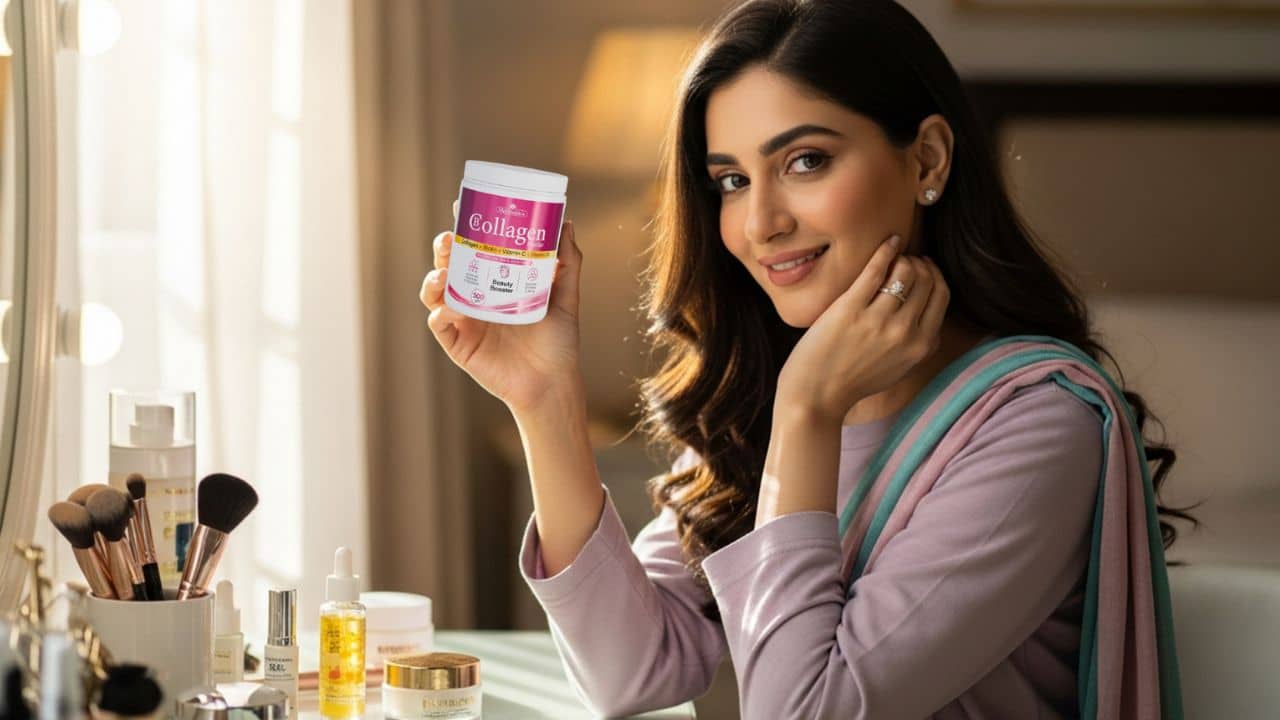
Collagen, Hydration, Hair & More

Collagen, Hydration, Hair & More

Sometimes I make bakuchiol serum, and sometimes I rub olive oil on my face while making dinner and check “evening skincare” off my to-do list. Now that I’m firmly in midlife, though, there’s one more thing I seem to be doing a lot more of:

Researching all the compounds that keep showing up in my social media feed.

Lately, it’s skin peptides.

Because while yes, I’m grateful for every trip around the sun, I also care about how I feel and function along the way. And when it comes to my skin, I’m definitely interested in supporting the processes that help skin stay strong, resilient, and well-hydrated over time.

If you’ve been seeing peptides everywhere lately, you’re definitely not the only one. They’re showing up in serums, moisturizers, eye creams, and all kinds of products promising smoother, firmer, healthier-looking skin. They’re also included in scalp formulas aimed at concerns like thinning, increased shedding, and reduced fullness.

Here’s the catch, though: “peptides” is a category, not an ingredient. Saying a skincare product contains peptides is a little like saying a supplement contains vitamins. Which ones? How much? And what, exactly, are they supposed to do?

Different peptides can work in very different ways, and some have a lot more research behind them than others. So before giving up valuable space on my bathroom counter – which has become my “lab” for testing everything from plastic-free toothbrushes to red light devices – I decided to find out which ones are most worth considering.

In this guide, we’ll walk through what skin peptides are, how they’re thought to work, what the research says so far, and what to look for in a formulation.

So, What Are Peptides?

Peptides are short chains of amino acids, which are the building blocks our bodies use to make proteins.

That includes proteins like collagen and elastin, which help give skin its structure, firmness, and ability to stretch and bounce back.

But peptides aren’t just tiny pieces of protein. Some also carry instructions. Peptide sequences can act as biological signals, influencing processes involved in things like repair, inflammation, and tissue remodeling. (1)

When used topically, peptides can mimic or influence some of those signals and processes.

What Do Peptides Actually Do For Your Skin?

One explanation you’ll sometimes hear is that topical peptides tell the skin to “act younger.”

That’s a shorthand way of saying that certain peptides are designed to nudge skin cells toward processes that tend to slow with age, including collagen production, repair, barrier maintenance, and the processes that help skin retain moisture. (1)

They don’t all work the same way, though. Different peptide sequences can carry very different messages.

One peptide may act as a signal involved in collagen production. Another may carry copper needed for tissue repair, and another may help slow the breakdown of structural proteins.

Depending on the peptide, those effects can translate to skin that looks a little more lifted and “bouncy.” Peptides that support barrier function may also help skin hold onto moisture better, which can mean better hydration and less dryness, roughness, or crepey texture.

So the benefits depend on which peptide is actually in the formula.

4 Types of Skin Peptides You’ll Hear About Most

There are a lot of ways to classify peptides, and some overlap between categories, but these are the four you’ll see mentioned most often in skincare. (2)

1. Signal Peptides

Signal peptides act a little like biological messages, influencing cells involved in making structural components of skin.

Some of the most well-known examples are used with the goal of supporting collagen, elastin, and other parts of the extracellular matrix. (3) For skin, that can mean skin that looks firmer and smoother, with better elasticity, softer-looking fine lines, and more “bounce.”

You’ll sometimes see ingredients such as palmitoyl tripeptide-1, palmitoyl tetrapeptide-7, or trademarked peptide complexes like Matrixyl in this category.

One newer example is OS-01, the peptide developed by OneSkin. The company describes it as being designed “to reverse skin’s visible biological age,” meaning it counters some of the visible effects associated with senescent, or dysfunctional aging, cells.

It has been studied for effects on collagen, hyaluronic acid, skin barrier function, and other markers associated with healthier, younger-functioning skin.

OS-01 is the peptide I decided to start with, and I’ll explain why in a minute.

2. Carrier Peptides

Instead of primarily delivering a “make more of this” type of signal, carrier peptides bind to and transport minerals involved in biological processes.

The most popular example is GHK-Cu, also known as copper tripeptide-1.

Copper is needed for several enzymes involved in tissue repair and collagen formation, and GHK-Cu has been studied for its potential role in wound healing, remodeling, inflammation, and other aspects of skin repair. (4)

3. Enzyme-Inhibiting Peptides

Instead of telling skin to make more structural proteins, some peptides may help slow processes that break those proteins down.

Certain enzymes naturally participate in the breakdown and remodeling of collagen and other components of skin. That’s a healthy and necessary process – until the balance starts shifting toward breaking down more than we rebuild.

That can happen over time as oxidative stress and other age-related changes increase the activity of matrix metalloproteinases (MMPs), a family of enzymes that break down collagen and other parts of the skin’s structural matrix. (5) At the same time, the natural inhibitors that usually help keep those enzymes in check don’t necessarily increase to match them.

Estrogen decline may play a role here too, which is especially worth knowing in midlife. (6) Lower estrogen levels after menopause have been associated with increased MMP activity along with losses in collagen, elastin, and fibroblast function.

So the goal of enzyme-inhibiting peptides isn’t to shut down normal remodeling. It’s to help restore some balance when breakdown starts outpacing repair.

That’s why some peptides are valued for helping skin build, while others may help it hold onto what it already has.

4. Neurotransmitter-Inhibiting Peptides

This category is sometimes marketed as an alternative to Botox injections. The main peptide I came across – acetyl hexapeptide-8 (Argireline) – is thought to work by mildly relaxing facial tension.

Argireline is not a neurotoxin and does not disable the nerve-muscle connection the way Botox does. It’s included in formulas to gradually and mildly dampen the signaling involved in muscle contractions that contribute to expression lines. The effect is temporary and fades when use is discontinued.

Now, my personal goal is to always support function, not work against it, so I had a lot of questions as I researched this category.

From a broader wellness perspective, not all external “calm down” signals are a problem. We take steps to inhibit inflammation when it becomes excessive. We use methods like oil cleansing to reduce excess sebum production. We massage muscles or apply magnesium oil to ease excess tension.

Facial muscles can develop increased resting tone or chronic tension as we age – some may even become physically shorter and tighter in ways that reshape our surface skin architecture. (7) These peptides might help ease some tension in those cases.

I’m still researching this category before I form a strong opinion, but I’m including it here so that you know what you’re looking at when you read ingredient labels.

✅ Where I’m Starting

Right now, there are hundreds of peptides used in skincare formulations. These are relatively large molecules, so even the most research-backed ones can’t do much if they’re not formulated in a way that helps them cross the skin barrier. (8)

They can also be sensitive to things like pH, light, heat, and interactions with other ingredients, which means keeping them stable and active in a finished product takes quite a bit of work.

You know I love a good DIY beauty recipe, but that’s a lot to sort through, so I decided to look for a formula where the stability, compatibility, and delivery challenges had already been worked out.

Why OS-01 Got My Attention

When I was eight, I simmered rose petals in water to try to make rose water. My method came surprisingly close to what actually works, but it wasn’t quite there . . . and that knowledge gap made all the difference.

When it comes to skin peptides, I think a lot of companies are still in their “simmering rose petals” era – and while I hope they continue to improve and refine their formulations, I wanted something more evidence-based.

So I looked for a company that had already figured out how to get a particular peptide where it needs to go, keep it stable, and test whether the finished product actually does what it’s supposed to do.

OneSkin – which was founded by four PhD scientists with backgrounds in things like skin regeneration and stem cell biology – screened and tested over 900 peptide sequences before identifying a lead candidate, the OS-01 peptide (Decapeptide-52).

That’s a lot of R&D.

It makes sense, though, because they weren’t just looking for a peptide that could help with one surface-level change. Instead, they were looking for one that could influence some of the cellular changes that make skin function differently as it ages.

Their focus was cellular senescence – which is when aging or damaged cells stop functioning normally but remain active. Sometimes called “zombie cells,” they can release inflammatory signals that can affect nearby cells and encourage more of them to become senescent too. Over time, that buildup can contribute to slower repair, weaker barrier function, collagen breakdown, and other changes we see in aging skin.

OS-01 was selected because it showed strong potential for interrupting part of that cycle. In subsequent lab testing, the peptide reduced senescent cells in human skin samples and dialed down some of the inflammatory signaling associated with senescence, which can help limit the effect those cells have on their neighbors. (9)

That’s what OneSkin means when it says OS-01 is designed to help reverse the visible effects of cellular senescence, helping skin look, feel, and act younger and healthier over time.

They’ve also applied the same cellular-senescence approach to the scalp, where aging follicle cells may contribute to thinning, increased shedding, and loss of density. Their hair serum is designed to support a healthier hair cycle, with the goal of reducing visible shedding and helping hair look thicker and fuller over time.

Real Skin Results

What convinced me to actually try OneSkin, though, wasn’t the laboratory claim that OS-01 could influence biological age. It was what happened when they tested whether those results translated into measurable changes in real skin.

In one double-blind study, participants used OneSkin’s moisturizer on one side of their face and the same formula without OS-01 on the other. After six weeks, the OS-01 side showed a nearly four times greater improvement in skin barrier function – meaning it did a better job holding onto moisture – and skin texture was significantly better after 12 weeks. (10)

That study design matters to me because it helps answer a question that’s surprisingly difficult with skincare: Is the hero ingredient actually doing anything, or is this just a really nice moisturizer?

The answer, at least in this small study, appears to be that OS-01 added a measurable benefit.

Curious about OS-01? → See OneSkin

What I’m Testing Now

I’m not looking for a cream to do the job of sleep, nourishing food, movement, healthy hormones, or sensible sun habits. But with those foundations in place, I’m always interested in non-toxic topical options that can help my skin function better, too.

OneSkin recently sent me several products to try, including their new OS-01 Face Rich Cream, which launched this week.

I’ve only recently started using them, so this is not my OneSkin review.

Over the next few months, I’m adding their face cream, face moisturizer, eye cream, and body moisturizer to my routine while paying close attention to:

  • hydration and how well my skin holds onto moisture
  • texture and “bounce”
  • fine lines and firmness
  • and overall skin resilience

I’m not clearing everything else off my bathroom counter, though.

OneSkin says its products can be incorporated into an existing skincare routine, so for now I’m treating them as additions that still make room for a few core products I use and love. Several of you have also asked about peptides for hair thickness, so I’ll also be testing their scalp serum.

It’s not unusual for me to test products for 9+ months, 2 years, or even longer before mentioning a brand, so you might be wondering why I am now.

There are two reasons.

First, I’ve received several messages about hair thickness and specific skin concerns that peptide products are potentially a good fit for, and I wanted to create a resource for those of you who are already trying to figure out what these ingredients actually do.

Second, after spending so much time looking at the research, OS-01 is the peptide I personally decided to start with.

Lately I’ve been leaning a little too heavily on the idea that olive oil applied while making dinner counts as an evening skincare routine, but now that I’ve told all of you I’m testing this, I’m actually going to have to use it consistently.

(It really is good olive oil, though.)

If you’ve been curious about peptides and want to try OS-01 with me, you can explore OneSkin here. I’m starting my test now, and I’ll keep adding what I learn – and what I notice – as I go.

✋ Before You Go, Grab This Free Midlife Guide

If you’ve ever found yourself thinking, “Why doesn’t my body respond the way it used to?” . . . this guide was written for you.

Midlife can change the rules for everything from sleep and energy to workouts, recovery, body composition, and more. Knowing what’s changing can help you let go of strategies that no longer fit – and start focusing on what supports your body now.

Inside, I’ll walk you through 10 things I wish I’d known sooner, so you can make more sense of what you’re experiencing and get clearer about where to go from here.

Enter your email below and I’ll send it right over. You’ll also receive my weekly newsletter with practical wellness tips, recipes, and new guides like this one.

Sources

  1. Pintea, A., Manea, A., Pintea, C., Vlad, R.-A., Bîrsan, M., Antonoaea, P., Rédai, E. M., & Ciurba, A. (2025). Peptides: Emerging candidates for the prevention and treatment of skin senescence: A review. Biomolecules, 15(1), 88.
  2. Gorouhi, F., & Maibach, H. I. (2009). Role of topical peptides in preventing or treating aged skin. International Journal of Cosmetic Science, 31(5), 327–345.
  3. Nukaly, H. Y., Halawani, I. R., Irtaza, H. M., Alturkistani, T., Serafi, M. R., Alhawsawi, W., et al. (2026). Oral and topical peptides for skin aging: Systematic review and meta-analysis of randomized controlled trials. Frontiers in Medicine, 13.
  4. Mortazavi, S. M., Mohammadi Vadoud, S. A., & Moghimi, H. R. (2025). Topically applied GHK as an anti-wrinkle peptide: Advantages, problems and prospective. BioImpacts, 15, 30071.
  5. Shin, J.-W., Kwon, S.-H., Choi, J.-Y., Na, J.-I., Huh, C.-H., Choi, H.-R., & Park, K.-C. (2019). Molecular mechanisms of dermal aging and antiaging approaches. International Journal of Molecular Sciences, 20(9), 2126.
  6. Lephart, E. D., & Naftolin, F. (2021). Menopause and the skin: Old favorites and new innovations in cosmeceuticals for estrogen-deficient skin. Dermatology and Therapy, 11(1), 53–69.
  7. Yi, K.-H., & Wan, J. (2025). The aging process of facial muscles. Journal of Cosmetic Dermatology, 24(12), e70590.
  8. Zdrada-Nowak, J., Surgiel-Gemza, A., & Szatkowska, M. (2025). Acetyl Hexapeptide-8 in cosmeceuticals—A review of skin permeability and efficacy. International Journal of Molecular Sciences, 26(12), 5722.
  9. Zonari, A., Brace, L. E., Al-Katib, K., Porto, W. F., Foyt, D., Guiang, M., Ochoa Cruz, E. A., Marshall, B., Gentz, M., Rapozo Guimarães, G., Franco, O. L., Oliveira, C. R., Boroni, M., & Carvalho, J. L. (2023). Senotherapeutic peptide treatment reduces biological age and senescence burden in human skin models. npj Aging, 9, Article 10.
  10. Zonari, A., Brace, L. E., Harder, N. H. O., Harker, C., Oliveira, C. R., Boroni, M., & Carvalho, J. L. (2024). Double-blind, vehicle-controlled clinical investigation of peptide OS-01 for skin rejuvenation. Journal of Cosmetic Dermatology, 23(6), 2135–2144.
Share with a friend! 👇

Tags: , ,
The Skin Treatments That Actually Boost Collagen After 25

The Skin Treatments That Actually Boost Collagen After 25

Why collagen matters after 25

Collagen is the protein responsible for keeping skin firm, plump, and smooth. Beginning in our mid-twenties, natural collagen production gradually declines, which is why many people start noticing subtle changes in their skin texture and elasticity.

Osuna shared that stimulating your body to produce new collagen—not just protecting the collagen you already have—is one of the biggest advantages of professional treatments. She told E! that if she had to choose one treatment for collagen stimulation, she’d pick microneedling.

“With one microneedling treatment, we’re creating about 3 million microchannels across the face,” she explained. “Your skin responds by producing new collagen.”

Osuna said the treatment can stimulate significantly more collagen production than your skin would naturally produce after age 25, helping improve:

She said she especially loves the way microneedling restores smoothness and firmness over time. “You can have a great skincare routine,” she shared, “but microneedling addresses everything from a deeper level.”

Tags: , , ,
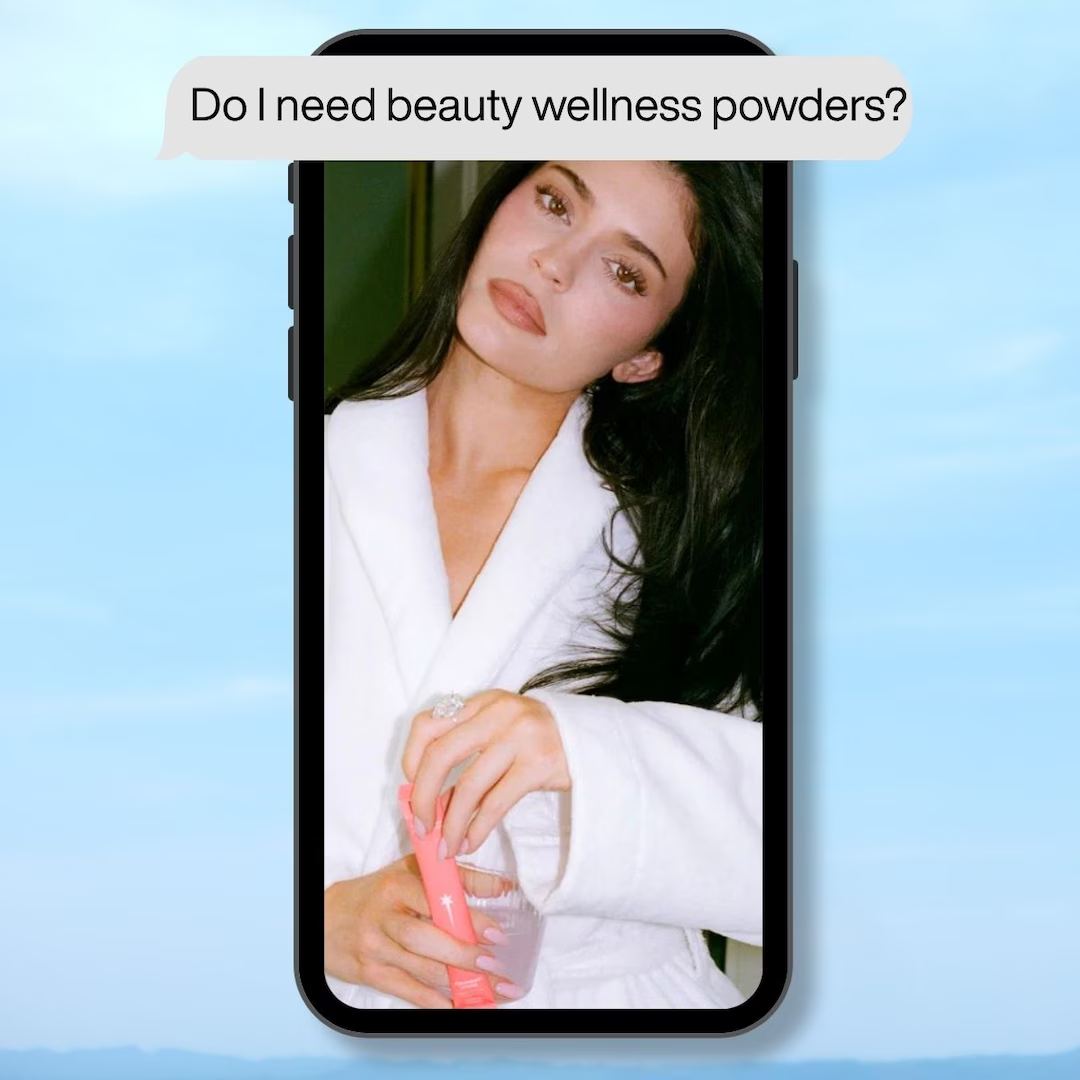
Do You Need Liquid Collagen & Beauty Supplements? A Doctor Explains It All

Do You Need Liquid Collagen & Beauty Supplements? A Doctor Explains It All

What Are The Potential Benefits & Side Effects of Liquid Collagen & Beauty Wellness Powders?

The potential benefits of these beauty wellness drinks and powders depend on three key aspects of the ingredients: the formulation, the quality, and the amount.

“Some ingredients need to be at certain levels to be efficacious.  So, unfortunately, because many things can be claimed by the wellness brands, it’s up to you, the consumer, to do your research,” Dr. Hamdan told E!.

Most products may support hydration, skin barrier function, stress resilience, sleep quality, energy levels, or overall skin radiance. Still, that doesn’t mean there aren’t possible side effects, either.

“Certain ingredients or highly concentrated formulas may not work for everyone and can sometimes interact with medications, sensitivities, or underlying health conditions,” she explained. 

Dr. Hamdan recommends that people interested in these supplements look beyond the marketing and opt for clinically backed formulations that use evidence-based ingredients. 

Tags: , , , , ,
Collagen Banking Is the New Skincare Goal: What It Means & Why It’s Trending

Collagen Banking Is the New Skincare Goal: What It Means & Why It’s Trending

There’s a noticeable shift happening in skincare, and it’s less about fixing damage and more about staying ahead of it. It is all about collagen banking, a concept that is steadily gaining traction among dermatologists and skincare enthusiasts alike. At its core, it’s about preserving what your skin already has before time begins to take it away. Collagen, derived from the Greek word kolla meaning “glue,” is the structural protein that keeps your skin firm, plump, and youthful. It forms the foundation not just for skin, but also for hair, nails, bones, and connective tissues. However, as dermatology experts point out, collagen production begins to decline as early as your mid-20s, by about 1 to 1.5 per cent each year. Over time, this gradual loss manifests as fine lines, sagging, and dullness.

Tags: , , , , ,
Marine Collagen and Peptides in Skincare and Anti-Aging Products Market Set to Double by 2033, Driven by 'Blue Beauty' and Clean Label Trends

Marine Collagen and Peptides in Skincare and Anti-Aging Products Market Set to Double by 2033, Driven by ‘Blue Beauty’ and Clean Label Trends

LONDON, Jan. 26, 2026 /PRNewswire/ — The global beauty and wellness industry is witnessing a significant paradigm shift as consumer preference pivots toward marine-sourced ingredients. A comprehensive new market research report titled Marine Collagen & Peptides in Skincare & Anti-Aging Products Market Size, Future Growth and Forecast 2034 reveals that this niche sector is poised for robust expansion over the next decade. Valued at $1.10 billion in 2024, the market is projected to reach a valuation of $2.20 billion by 2033, registering a Compound Annual Growth Rate (CAGR) of 7.41% during the forecast period from 2025 to 2033.

The report offers an exhaustive analysis of the market dynamics, segmenting the industry by source (Fish, Jellyfish, Others), application (Skincare, Anti-Aging, Haircare, Others), distribution channel (Online, Offline), and key geographic regions. This growth trajectory underscores a deepening consumer awareness regarding the efficacy of marine bioactives, alongside a surging demand for sustainable, natural, and scientifically backed beauty solutions.

https://www.strategicrevenueinsights.com/industry/marine-collagen-peptides-in-skincare-anti-aging-products-market 

The Rise of Marine Bioactives in Modern Skincare

The doubling of market valuation by 2033 is not merely a statistical anomaly but a reflection of a fundamental change in consumer behavior. The report highlights that the primary catalyst for this growth is the increasing consumer awareness concerning the specific benefits of marine collagen and peptides. Unlike bovine or porcine alternatives, marine collagen is increasingly favored for its superior bioavailability and smaller peptide size, which allows for deeper penetration into the dermis.

This surge is inextricably linked to the broader ‘clean beauty’ movement. Today’s consumers are far more scrutinized regarding ingredient lists. There is a rising preference for natural and organic ingredients, moving away from synthetic compounds. Marine collagen fits perfectly into this narrative, offering a potent anti-aging solution that is perceived as both effective and essentially natural.

Furthermore, the global demographics are shifting. An aging population across developed nations is actively seeking non-invasive but effective anti-aging solutions. This demographic cohort has significant disposable income and is willing to invest in premium skincare products that promise to restore skin elasticity, hydration, and overall youthful appearance. The report indicates that this trend is pushing manufacturers to innovate rapidly, moving beyond basic creams to advanced serums and ingestible beauty supplements.

Browse the associated report:

https://www.strategicrevenueinsights.com/ja/industry/marine-collagen-peptides-in-skincare-anti-aging-products-market

https://www.strategicrevenueinsights.com/kr/industry/marine-collagen-peptides-in-skincare-anti-aging-products-market

https://www.strategicrevenueinsights.com/es/industry/marine-collagen-peptides-in-skincare-anti-aging-products-market

https://www.strategicrevenueinsights.com/da/industry/marine-collagen-peptides-in-skincare-anti-aging-products-market

https://www.strategicrevenueinsights.com/de/industry/marine-collagen-peptides-in-skincare-anti-aging-products-market

https://www.strategicrevenueinsights.com/it/industry/marine-collagen-peptides-in-skincare-anti-aging-products-market

https://www.strategicrevenueinsights.com/pt/industry/marine-collagen-peptides-in-skincare-anti-aging-products-market

https://www.strategicrevenueinsights.com/fr/industry/marine-collagen-peptides-in-skincare-anti-aging-products-market

Technological Advancements Driving Efficacy

A critical factor propelling this market forward is the rapid advancement in extraction and processing technologies. In the past, extracting high-quality collagen from marine sources could be cost-prohibitive and technically challenging, often resulting in products with a strong odor or lower efficacy. However, the report notes that recent technological strides have revolutionized this process.

New hydrolysis methods are enabling manufacturers to produce odorless, tasteless, and highly soluble collagen peptides. These advancements enhance the application potential of marine collagen, allowing it to be seamlessly integrated into a wider variety of skincare formulations without compromising the sensory experience of the final product. These technological improvements are crucial for market expansion, as they allow brands to offer superior products that deliver visible results, thereby fostering high rates of consumer retention and brand loyalty.

Detailed Segmentation Analysis: Sources and Applications

The market report provides a granular analysis of various segments, offering strategic insights into where the highest growth potential lies.

  • Source Analysis: The market is primarily categorized into fish, jellyfish, and other marine sources. Currently, fish-derived collagen reigns supreme. Its dominance is attributed to high bioavailability and high compatibility with human skin structure. The report emphasizes that sustainable sourcing of fish collagen is becoming a major competitive differentiator. However, the market is also witnessing the emergence of jellyfish collagen. While still in its nascent stages, jellyfish collagen is identified as a high-potential source due to its unique bioactive compounds and high collagen concentration. This presents a frontier for innovation, offering opportunities for brands to differentiate themselves in a crowded marketplace.
  • Application Landscape: In terms of application, the skincare segment remains the dominant force. Marine collagen is now a staple ingredient in moisturizers, facial masks, and restorative serums. However, the anti-aging segment is the fastest-growing vertical. This is driven by the specific ability of marine peptides to stimulate the body’s own collagen production, directly addressing the root causes of skin aging. Additionally, the report identifies haircare as an emerging application. Marine collagen is believed to strengthen hair follicles and improve texture, leading to a new wave of ‘skinification’ of hair products, where skincare-grade ingredients are used in shampoos and conditioners.

Regional Market Dynamics and Top Countries Insights

The report offers a comprehensive geographical breakdown, highlighting how cultural and economic differences shape market demand.

  • North America (The United States): The U.S. stands out as a leading market with a size of approximately $500 million and a steady CAGR of 6%. The growth here is driven by a sophisticated consumer base that values high-performance skincare. The U.S. market is characterized by a strong willingness to pay for premium brands and a robust presence of major market players. The explosion of e-commerce has further fueled growth, allowing niche marine collagen brands to reach a nationwide audience instantly.
  • Asia Pacific (China, Japan, South Korea): This region is a powerhouse for marine collagen products.
    • China: With a market size of around $400 million and a burgeoning CAGR of 8%, China represents a massive opportunity. Rising disposable incomes and the rapid urbanization of the country have led to a boom in beauty spending. The influence of social media and beauty influencers (KOLs) is particularly strong here, driving trends and educating consumers on the benefits of peptides.
    • Japan: Valued at roughly $300 million, Japan’s market is mature and highly sophisticated. Japanese consumers have a long-standing cultural acceptance of collagen, both topical and ingestible. The demand here is for high-science, innovative products, with a growing emphasis on ethical sourcing.
    • South Korea: Known globally as a trendsetter in beauty (K-Beauty), South Korea holds a market size of approximately $200 million. The emphasis here is on multi-step skincare routines where marine collagen plays a pivotal role in hydration and repair steps.
  • Europe (Germany): Germany leads the European market with a size of about $250 million. The German consumer is famously discerning, prioritizing scientific validation and ‘clean’ labels. The strong focus on health and wellness in Germany aligns perfectly with the marine collagen value proposition.

Competitive Landscape and Key Players

The report describes a highly competitive and dynamic market environment. It is a mix of established global giants and agile emerging players, all striving to capture market share through innovation and strategic branding.

Key players analyzed in the report include:

  • Rousselot: A prominent leader known for high-quality marine collagen and a steadfast commitment to sustainability.
  • Gelita AG: Recognized for its wide range of specific collagen peptides tailored for optimized efficacy in skincare applications.
  • Amicogen: A South Korean innovator specializing in bioactive peptides and advanced enzymatic technologies.
  • Nitta Gelatin: A Japanese key player highly regarded for quality and performance consistency.
  • Vital Proteins: A brand that has successfully bridged the gap between wellness supplements and beauty, particularly in the U.S. market.
  • Seagarden: A Norwegian company that leverages its geographic advantage to offer sustainably sourced marine ingredients.

The competitive dynamics are defined by product innovation and distribution strategies. Companies are increasingly investing in Research and Development (R&D) to create proprietary formulations that offer synergistic benefits, such as combining marine collagen with vitamins and antioxidants.

Challenges, Threats, and Strategic Barriers

Despite the optimistic forecast, the report provides a balanced view by outlining potential hurdles. A primary challenge is the complex regulatory landscape. Sourcing marine ingredients involves navigating strict international and local regulations regarding fishing quotas, environmental impact, and processing standards. Compliance can be costly and time-consuming.

Furthermore, the cost of production remains a restraining factor. High-quality marine collagen is more expensive to produce than bovine or synthetic alternatives. This places pressure on profit margins, particularly for smaller players who lack economies of scale. The market is also subject to intense competition, which can lead to price wars, making it difficult for companies to maintain profitability without strong brand differentiation.

Distribution Channels: The Digital Shift

The distribution landscape is evolving rapidly. While offline channels like pharmacies, specialty beauty stores, and department stores remain vital for brand prestige and customer experience, the online channel is witnessing explosive growth.

The report details that online retailing is becoming crucial for market expansion, particularly in emerging markets where physical retail infrastructure for premium beauty may be limited. Digital marketing, social media campaigns, and direct-to-consumer (DTC) models allow brands to educate consumers directly about the complex science behind peptides, a task that is often difficult to achieve on a crowded retail shelf.

Strategic Foresight: 2025-2033

Looking ahead, the report outlines a strategic roadmap for the industry. The period from 2025 to 2033 will be characterized by a shift from basic extraction methods to advanced processing technologies that maximize yield and purity.

Opportunities for growth abound in product diversification. The report suggests that the next frontier lies in personalized skincare solutions. As data analytics and AI enter the beauty space, brands that can offer customized marine collagen regimens based on individual skin types and concerns will likely lead the market. Additionally, the integration of marine collagen into hybrid products—such as makeup with skincare benefits—presents a significant avenue for innovation.

About the Report

The report, titled “Marine Collagen & Peptides in Skincare & Anti-Aging Products Market Size, Future Growth and Forecast 2034,” (Report ID: 84230) spans 171 pages and provides a comprehensive assessment of the market. It covers historic data from 2018-2024 and forecasts through 2034, offering critical insights for stakeholders, investors, and manufacturers.

Related and Popular Reports:

https://www.strategicrevenueinsights.com/industry/aquamarine-earrings-market

https://www.strategicrevenueinsights.com/industry/marine-algae-extracts-in-sun-care-products-market

https://www.strategicrevenueinsights.com/industry/marine-algae-in-sun-protection-market

https://www.strategicrevenueinsights.com/industry/marine-bioactives-for-hair-care-products-market

https://www.strategicrevenueinsights.com/industry/marine-cargo-consumer-goods-market

https://www.strategicrevenueinsights.com/industry/marine-collagen-based-face-masks-market

https://www.strategicrevenueinsights.com/industry/marine-extractor-hood-market

https://www.strategicrevenueinsights.com/industry/marine-lipids-in-skin-moisturizers-market

https://www.strategicrevenueinsights.com/industry/marine-peptides-in-beauty-formulations-market

https://www.strategicrevenueinsights.com/industry/marine-polysaccharides-in-cosmetics-market

https://www.strategicrevenueinsights.com/industry/marine-reconsumer-goods-market

https://www.strategicrevenueinsights.com/industry/marine-safety-products-market

https://www.strategicrevenueinsights.com/industry/marine-stereo-systems-market

https://www.strategicrevenueinsights.com/industry/marine-based-anti-inflammatory-skincare-ingredients-market

https://www.strategicrevenueinsights.com/industry/marine-derived-active-ingredients-in-personal-care-market

About Us:

Strategic Revenue Insights Inc., a subsidiary of SRI Consulting Group Ltd, empowers organizations worldwide with data-driven market intelligence. Headquartered in London, United Kingdom, we deliver syndicated research reports, tailored consulting solutions, and actionable insights that equip clients to make confident, future-focused strategic decisions.

Our team of seasoned analysts based in London and connected globally continuously tracks markets, identifies emerging trends, and uncovers growth opportunities to support long-term client success. As part of SRI Consulting Group Ltd, we are committed to accuracy, clarity, and practical relevance, helping businesses navigate competitive landscapes, optimize strategies, and accelerate revenue growth.

By combining rigorous research methodologies with deep industry expertise, Strategic Revenue Insights Inc. provides organizations with a comprehensive market perspective that drives measurable results and sustained competitive advantage.

Media Contact:

Company Name: Strategic Revenue Insights Inc.
Contact Person: Rohit Bhisey (Partner)
Email: sales@strategicrevenueinsights.com
Phone: +44 7877403352
Address: Suite10 Capital House 61 Amhurst Road, E8 1LL
City: London
State: London
Country: United Kingdom
Website: www.strategicpackaginginsights.com
Website: www.strategicrevenueinsights.com
Website: www.sriconsultinggroupltd.com
Blog: https://strategicrevenueinsights.blog

Logo: https://mma.prnewswire.com/media/2826292/Strategic_Revenue_Insights_Logo.jpg

Tags: , , , , , , , , , , , , , ,
Eating Vitamin C Rich Foods Works Better To Boost Collagen Production In Skin, Finds Study | Health and Fitness News

Eating Vitamin C Rich Foods Works Better To Boost Collagen Production In Skin, Finds Study | Health and Fitness News

Last Updated:January 02, 2026, 18:10 IST

A recent study has shown that vitamin C should be consumed via fruits if you want to see the benefits when it comes to boosting collagen production.

Kiwis: Kiwis are packed with vitamin C, minerals and fibre that promote overall health and metabolism. One kiwi contains about 93 mg of vitamin C per 100 grams. (Image: Canva)

If you have been coming across mentions of vitamin C a lot lately, it is because it has been proving itself to be a main character. Recently, results from two separate studies have been published that yet again prove that including vitamin C in your food and skincare can have some wondrous results.

Eat kiwis for an increase in vitamin C and a boost in collagen 

You might have heard of the adages that ‘beauty comes from within’ and ‘you are what you eat’. Well, a new study conducted by researchers at the University of Otago found that collagen production and skin renewal directly respond to the amount of vitamin C we eat. It was published in the International Journal of Investigative Dermatology.

It was conducted on two dozen healthy adults in New Zealand and Germany, and researchers found that skin vitamin C levels are closely tied to levels of the vitamin in the blood plasma and can be boosted by increasing fruit intake.

The participants were instructed to eat two vitamin C-rich kiwifruit per day to increase the amount of the vitamin in the skin, which also helped to improve their skin thickness, aka collagen production, and stimulate the renewal and regeneration of the outer skin layer.

For the unversed, vitamin C is not only found in citrus foods like oranges, limes, lemons, and grapefruits but can also be ingested from berries such as strawberries and blackcurrants, red and yellow peppers, kiwifruit, broccoli, tomatoes, and potatoes.

Collagen is the most abundant protein in the human body, forming the main structural support for skin, bones, tendons, ligaments, and connective tissues. It keeps your skin firm and elastic, joints cushioned, and bones strong, while also aiding wound healing and tissue repair, making it vital for overall structural health and healthy ageing.

Lead author Professor Margreet Vissers from Mātai Hāora – Centre for Redox Biology and Medicine, within the Department of Pathology and Molecular Medicine, says the strength of the association between collagen and vitamin C intake is “compelling”.

“We were surprised by the tight correlation between plasma vitamin C levels and those in the skin – this was much more marked than in any other organ we have investigated,” Professor Vissers says.

She went on to add that study has shown the best way to supporting your skin function is from the inside out and by delivering vitamin C to the skin via the bloodstream. “We know that vitamin C is required for collagen production. This fact has inspired the addition of vitamin C to many skin cream formulations. However, vitamin C is highly water soluble and poorly absorbed through the outer skin barrier. Our study shows that the skin is extremely good at absorbing vitamin C from the blood circulation. Uptake into the outer epidermal skin layer also seems to be prioritised,” she says.

First Published:

January 02, 2026, 18:10 IST

Disclaimer: Comments reflect users’ views, not News18’s. Please keep discussions respectful and constructive. Abusive, defamatory, or illegal comments will be removed. News18 may disable any comment at its discretion. By posting, you agree to our Terms of Use and Privacy Policy.

Tags: , , , , , , , , , , , , ,
Ashwagandha, AHAs and marine collagen top Boots' most in-demand beauty products of 2025

Ashwagandha, AHAs and marine collagen top Boots’ most in-demand beauty products of 2025

British health, beauty and wellness retailer Boots has revealed insights into its most popular products of 2025, and the trends that drove them.


Key themes of proactive wellness, science-backed skin care, global beauty and mood-driven scents emerged as the retailer analysed search and sales data from across the year.


Ashwagandha, AHAs and marine collagen were revealed to be three of the most in-demand ingredients of the year.


Beyond individual products and categories, the overall findings uncovered a wider shift towards a holistic and rounded approach to beauty, health and wellness.


“As our report outlined, beauty, health and wellness have never been more intertwined as consumers take a more holistic approach to life,” said Grace Vernon, Head of Global Trends & Cultural Insights at Boots & No7 Beauty Company. 


“This health hacking trend has resulted in collagen, electrolytes and adaptogens all growing in prominence at Boots this year.”


Consumers are looking to ingest their wellness investments, with a 227% search increase for marine collagen year-on-year (YOY), and collagen sales rising 62%.


Adaptogens – natural plants and herbs such as mushrooms used to regulate the body and stress – were a breakout category for Boots in 2025.


Searches for ashwagandha, a medicinal herb said to help with stress and anxiety, saw a huge 722% increase in searches YOY.


Beyond supplements, the ingredient is also proving popular in skin care.


When it comes to science-led skin care, acidic exfoliation took centre stage with alpha hydroxy acids (AHAs) such as glycolic acid seeing demand across Boots stores.


Glycolic acid alone saw a 64% increase in searches, with The Ordinary’s Glycolic Acid 7% Exfoliating Toner revealed as the retailer’s second bestselling premium beauty product


While this may be expected in skin care, the exfoliating ingredients are growing in popularity beyond the face, with AHAs now found in a number of body care and even scalp products.


When it comes to scent, a sense of nostalgia has become a huge driver for sales in 2025, as 2000s fragrances made a comeback off the back of Y2K’s social media resurgence.


Hydration and gut health have both seen growth over the past year as consumers seek functional fixes.


Electrolytes have seen a 755% increase in searches YOY as consumers integrate the hydration hits into their daily routines, with a peak of one item sold every 14 seconds earlier in summer.


Gut health product searches have also increased by 70%, with sales rising 15%.


Global beauty has taken over as Korean skin care has spiralled into an industry-wide take over spanning colour cosmetics, body, hair care and more.


“We also continue to see beauty lovers turn to science-backed, ingredient-led brands for skin care, with a growing influence from the global market with K-beauty solutions remaining popular throughout the year,” explained Vernon.


Boots reports selling a K-beauty product every 15 seconds, while brands like TirTir and German Catrice Cosmetics landed in stores and online to bring the viral brands to beauty lovers.


“As we move into 2026, we expect our customers to evolve their increasingly holistic approach to their beauty and wellness,” said Vernon.


Related content:


Tags: , , , , , , , ,
Why Herbiotics’ Collagen Supplement is Getting Attention in Pakistan’s Beauty Market

Why Herbiotics’ Collagen Supplement is Getting Attention in Pakistan’s Beauty Market

Collagen supplements are one of the most talked-about things in Pakistan’s beauty and wellness business, which is always changing. This is because they are popular with both health-conscious people and people who care about their skin. Collagen powder is becoming a must-have in many beauty routines. It may help with everything from making skin glow to making nails stronger and making skin more supple.

Herbiotics’ B Collagen Powder has gotten a lot of attention for its quality, effectiveness, and obvious effects among the many new options. Let’s find out why collagen supplements, especially Herbiotics’, are so popular in Pakistan’s beauty industry and why more and more people are using collagen powder every day for their health and beauty needs.

The Rise of Collagen Supplements in Pakistan

In the last few years, people all over the world have come to know about collagen supplements and how they help keep skin elastic, hydrated, and healthy joints. Pakistanis who care about their looks and are influenced by worldwide beauty trends are now using collagen powder as an easy yet effective way to keep their skin looking young and stay healthy overall.

Before, collagen was mostly talked about in anti-aging lotions and serums. Now, though, the idea has changed to beauty that starts from the inside. That’s why collagen supplements are one of the fastest-growing types of products in the local health and beauty market. People who were formerly unsure are now excited to test collagen powder in Pakistan because they know that taking a spoonful of collagen supplements every day can make their skin and hair look better and last longer.

What Makes Collagen Powder So Popular?

Collagen powder is popular since it works and may be used in many ways. Collagen is a natural protein that is found in our skin, bones, and connective tissues. However, as we get older, our bodies make less of it. This makes your skin droop, your nails weaker, and your wrinkles. Collagen supplements assist the body get back what it loses over time by acting as a source of replenishment.

You may easily add collagen powder to your daily life. It can be mixed into juices, smoothies, or even water. Collagen powder works faster than pills or capsules because it absorbs better. People in Pakistan are especially interested in collagen powder since it visibly improves skin tone, reduces fine wrinkles, and encourages stronger hair development.

Collagen supplements have become the most popular beauty product since they are effective, easy to use, and safe. Collagen powder is a popular choice for people who want to have healthier, younger-looking skin because it is easy to use and works.

Why Herbiotics’ Collagen Supplement Stands Out

Herbiotics’ B Collagen Powder is one of the best collagen supplements on the market today. It has a great reputation for being effective and high-quality. Herbiotics is known for its natural products that are backed by science. They have now released a collagen powder that is perfect for Pakistan’s beauty-conscious market.

The formulation of Herbiotics’ collagen powder is what makes it so popular. It has high-quality hydrolyzed collagen peptides and important vitamins and minerals that help the body make more collagen. This special mix makes it one of the best collagen supplements you can buy in the US.

Herbiotics’ B Collagen Powder also helps with many other elements of health. It not only makes skin feel better, but it also makes nails stronger, supports joint health, and helps hair grow. This collagen powder in Pakistan works for people who want a solution that has several benefits. The results are both obvious and long-lasting.

Herbiotics’ commitment to purity and effectiveness has made their collagen supplements a trusted name among dermatologists, nutritionists, and skincare fans.  The brand makes sure that its collagen powder doesn’t have any dangerous additives or fake flavors, so it’s safe to use every day.

How Collagen Powder in Pakistan is Changing Beauty Routines

Today’s Pakistani consumers are knowledgeable and picky. More people are adding collagen supplements to their daily lives as they learn more about nutrition and how to take care of themselves. Collagen powder is a must-have for skin care and health routines, whether you want to look better, make your joints more flexible, or make your hair grow faster.

A lot of individuals in Pakistan like collagen powder because it may be used in many ways. You may easily mix it into your morning coffee or evening smoothie, and it will provide you nutrients from the inside out without changing your everyday routine. Men and women alike keep using collagen supplements because they can see a difference in their skin after frequent use: it looks brighter, has less wrinkles, and is more elastic.

This trend shows that Pakistan’s beauty culture is changing from depending only on topical products to now using beauty items that can be eaten. Because of this, collagen powder has become a part of modern self-care, and the demand for it in Pakistan keeps going up every month.

Why You Should Try Herbiotics B Collagen Powder

Herbiotics B Collagen Powder is the best place to start if you want to really feel the benefits of collagen supplements. This collagen powder is made to give your skin a natural and effective boost. It makes your skin more hydrated, firm, and radiant. It has high-quality collagen peptides that the body can easily absorb, which makes sure you get the best results.

Herbiotics B Collagen Powder isn’t simply another cosmetic fad; it’s a scientifically made supplement that helps you reach your long-term health and skin goals. This collagen powder in Pakistan gives you obvious results in just a few weeks of regular application, whether you want to restore the elasticity of your skin or keep it shining.

Herbiotics makes sure that everyone in Pakistan may get the benefits of high-quality collagen supplements without any problems. You can find them easily at pharmacies and online.

Frequently Asked Questions (FAQs)

1. What are the benefits of taking collagen supplements?

Collagen supplements help your skin stay flexible, make wrinkles less noticeable, make your hair and nails healthier, and make your joints move better. Taking collagen powder on a regular basis helps your body make more collagen, which makes your skin smoother, firmer, and brighter.

2. How should I use collagen powder for the best results?

Just add one scoop of collagen powder to your water, smoothie, or other drink every day. Taking collagen supplements regularly for a few weeks will make your skin look and feel better and give you more energy.

3. Is Herbiotics B Collagen Powder suitable for all skin types?

Yes, Herbiotics B Collagen Powder is made to be safe and work for all skin types. It is made for anyone who wants to improve their skin health and natural beauty with high-quality collagen supplements.

Conclusion

The growing popularity of collagen supplements in Pakistan is a big step toward beauty from the inside out. Collagen powder in Pakistan is still the most popular beauty and health product since more and more people are realizing how important it is to nurture their skin from the inside out.

Herbiotics B Collagen Powder stands out from the others because it has the best quality, a formulation that is validated by science, and effects that have been demonstrated. It’s not just a supplement; it’s a full beauty solution that naturally makes skin, hair, and joints look and feel better.

Tags: , , , , , ,
Best oLive
Privacy Overview

This website uses cookies so that we can provide you with the best user experience possible. Cookie information is stored in your browser and performs functions such as recognising you when you return to our website and helping our team to understand which sections of the website you find most interesting and useful.