Global Skin Care Devices Market Size, Share, Trends and Forecast, 2026-2034

Global Skin Care Devices Market Size, Share, Trends and Forecast, 2026-2034

Company Logo

Non-invasive treatments, at-home adoption and energy-based innovation drive growth, while e-commerce expansion and clinic partnerships strengthen ROI

Dublin, Oct. 21, 2026 (GLOBE NEWSWIRE) — “Skin Care Devices Market Size, Market Share, Application Analysis, Regional Outlook, Growth Trends, Key Players, Competitive Strategies and Forecasts, 2026 To 2034” has been added to ResearchAndMarkets.com’s offering.

The skin care devices market is expected to expand at a CAGR of 12.5% during 2026-2034, supported by rising demand for non-invasive aesthetic treatments, increased adoption of at-home skin care solutions, and continued innovation in energy-based technologies. Devices used for anti-aging, acne treatment, pigmentation reduction, skin tightening, hair removal, and skin rejuvenation are gaining traction across professional and home-use settings.

Higher spending on personal care, growing awareness of appearance-related wellness, and social media influence are strengthening global demand. Improvements in device safety, portability, treatment comfort, and performance are also increasing consumer confidence and supporting adoption across multiple age groups.

Market Growth Drivers and Challenges

Demand for procedures that provide visible results with limited downtime remains a major market driver. At-home devices are benefiting from convenience, privacy, wider online availability, and lower long-term costs compared with repeated in-clinic treatments. Aging populations and interest in wrinkle reduction, collagen stimulation, and skin tightening are supporting demand for radiofrequency (RF), microcurrent, and ultrasound devices. Acne, pigmentation, and uneven skin tone concerns are increasing the use of light/LED therapy and intense pulsed light (IPL) technologies.

Market expansion may be constrained by the high cost of premium consumer devices and professional clinical systems. Safety concerns involving burns, irritation, misuse, and inconsistent results can affect trust, particularly within the at-home laser and IPL categories. Country-specific regulatory and certification requirements may extend approval timelines and increase manufacturers’ costs. Professional systems also require maintenance, training, and consumables, while topical skincare products and in-clinic injectables create competitive pressure.

Technology and Price Range Analysis

The skin care devices market is segmented by technology into light/LED therapy, radiofrequency (RF), ultrasound, microcurrent, laser, and intense pulsed light (IPL). Light/LED therapy maintains a strong position due to its use in acne treatment, inflammation reduction, and skin rejuvenation. RF devices are widely adopted for skin tightening and anti-aging procedures, while ultrasound technology is gaining momentum in firming and deeper tissue applications. Microcurrent devices remain popular for at-home facial toning and lifting. Laser and IPL systems continue to support pigmentation treatment, skin resurfacing, and hair removal applications.

By price range, low-cost products include mass-market home devices, entry-level cleansing tools, and basic LED products. The medium-price category benefits from demand for trusted brands, enhanced performance, and improved safety features. High-price products include professional systems and premium at-home devices offering advanced energy controls, durability, and stronger efficacy claims.

Product, End Use, and Distribution Segmentation

Product categories covered in the report include anti-aging devices, acne treatment devices, hair removal devices, skin rejuvenation systems, skin cleansing devices, and oxygen/steamer devices. Applications include acne and psoriasis treatment, tattoo and hair removal, cellulite reduction, skin tightening, body contouring, pigmentation and spot reduction, wrinkle reduction, skin resurfacing, skin hydration, oxygen therapy, and skin brightening.

End-use segments comprise at-home consumers, beauty salons and spas, dermatology clinics, and other professional settings. Consumer groups include men, women, and unisex users. Distribution channels include e-commerce platforms, company websites, supermarkets/hypermarkets, specialty beauty stores, dermatology clinics, and aesthetic centres.

Regional Market Outlook

North America represents a major skin care devices market due to high aesthetic spending, established dermatology and medspa networks, and early adoption of premium home-use technologies. Europe is supported by sustained demand for non-invasive cosmetic procedures, strong safety requirements, and expanding professional skincare clinics.

Asia Pacific is expected to record strong growth as disposable income, beauty consciousness, e-commerce activity, and aesthetic clinic networks expand. Latin America is benefiting from increased beauty and wellness expenditure and the development of private aesthetic clinics. The Middle East and Africa offer selective opportunities, particularly in major cities with strong demand for premium aesthetic services and advanced clinical systems.

Competitive Landscape

Competition centers on clinical validation, safety controls, treatment effectiveness, comfort, durability, and user-friendly design. Manufacturers are expanding professional and home-use portfolios, strengthening e-commerce and clinical distribution, and investing in training for safe operation. Partnerships with dermatology clinics, medspas, retailers, and online platforms remain important, while premium brands continue developing advanced energy delivery and multi-functional systems.

Key companies include Alma Lasers GmbH, BTL Aesthetics, Candela Medical, Canfield Scientific, Inc., Conair Corporation, Cutera, Inc., Cynosure, Inc., Fotona d.o.o., Lumenis Ltd., Nu Skin Enterprises, Inc., Panasonic Corporation, Philips Healthcare, Silkn, Solta Medical, Inc., Syneron Medical Ltd., and TRIA Beauty, Inc.

Research Scope and Methodology

The report analyzes market segments from 2023 to 2033, using 2024 as the base year and estimating CAGR for 2025 to 2033. It provides quantitative regional and micro-market estimates alongside competitive intelligence, market trends, segment analysis, Porter’s Five Forces analysis, investment opportunities, emerging technologies, case studies, and strategic recommendations.

The research methodology combines secondary research, primary research, and expert panel review. Market estimates consider company revenues, research and development expenditure, government spending, end-user volumes, pricing, consumption, geographical revenue, and micro and macro environmental factors. Proprietary forecasting software, data triangulation, and top-down and bottom-up validation support consistency across the market projections.

Key Topics Covered

1. Preface
1.1. Report Description
1.1.1. Purpose of the Report
1.1.2. Target Audience
1.1.3. Key Offerings
1.2. Market Segmentation
1.3. Research Methodology
1.3.1. Phase I – Secondary Research
1.3.2. Phase II – Primary Research
1.3.3. Phase III – Expert Panel Review
1.3.4. Assumptions
1.3.5. Approach Adopted

2. Executive Summary
2.1. Market Snapshot: Global Skin Care Devices Market
2.2. Global Skin Care Devices Market, By Product Type, 2025 (US$ Million)
2.3. Global Skin Care Devices Market, By Technology, 2025 (US$ Million)
2.4. Global Skin Care Devices Market, By Price Range, 2025 (US$ Million)
2.5. Global Skin Care Devices Market, By End Use, 2025 (US$ Million)
2.6. Global Skin Care Devices Market, By Consumer Group, 2025 (US$ Million)
2.7. Global Skin Care Devices Market, By Application, 2025 (US$ Million)
2.8. Global Skin Care Devices Market, By Distribution Channel, 2025 (US$ Million)
2.9. Global Skin Care Devices Market, By Geography, 2025 (US$ Million)
2.10. Attractive Investment Proposition by Geography, 2025

3. Skin Care Devices Market: Competitive Analysis
3.1. Market Positioning of Key Skin Care Devices Market Vendors
3.2. Strategies Adopted by Skin Care Devices Market Vendors

4. Skin Care Devices Market: Macro Analysis & Market Dynamics
4.1. Introduction
4.2. Global Skin Care Devices Market Value, 2024-2034, (US$ Million)
4.3. Market Dynamics
4.3.1. Market Drivers
4.3.2. Market Restraints
4.3.3. Key Challenges
4.3.4. Key Opportunities
4.4. Impact Analysis of Drivers and Restraints
4.5. Porter’s Five Force Model
4.5.1. Supplier Power
4.5.2. Buyer Power
4.5.3. Threat Of Substitutes
4.5.4. Threat Of New Entrants
4.5.5. Competitive Rivalry
4.6. PESTEL Analysis
4.6.1. Political Landscape
4.6.2. Economic Landscape
4.6.3. Social Landscape
4.6.4. Technology Landscape
4.6.5. Environmental Landscape
4.6.6. Legal Landscape

5. Skin Care Devices Market: By Product Type, 2024-2034, USD (Million)
5.1. Market Overview
5.2. Growth & Revenue Analysis: 2025 Versus 2034
5.3. Market Segmentation
5.3.1. Anti-aging devices
5.3.1.1. Laser devices
5.3.1.2. Ultrasound devices
5.3.1.3. Microcurrent devices
5.3.1.4. Others (derma pens, etc.)
5.3.2. Acne treatment devices
5.3.2.1. Laser spot treatment devices
5.3.2.2. Thermal spot treatment devices
5.3.2.3. RF devices
5.3.3. Hair removal devices
5.3.3.1. IPL devices
5.3.3.2. Epilators
5.3.3.3. Threading devices
5.3.4. Skin rejuvenation
5.3.4.1. Microdermabrasion devices
5.3.4.2. Oxygen infusion devices
5.3.5. Skin Cleansing devices
5.3.5.1. Silicone Cleansing Devices
5.3.5.2. Exfoliating devices
5.3.5.3. Others (ultrasonic excavators, etc.)
5.3.6. Oxygen/steamer devices
5.3.6.1. Oxygen devices
5.3.6.2. Steamer devices
5.3.6.3. Facial steamer devices
5.3.6.4. Nano mist devices

6. Skin Care Devices Market: By Technology, 2024-2034, USD (Million)
6.1. Market Overview
6.2. Growth & Revenue Analysis: 2025 Versus 2034
6.3. Market Segmentation
6.3.1. Light/LED therapy
6.3.2. Radiofrequency (RF)
6.3.3. Ultrasound
6.3.4. Microcurrent
6.3.5. Laser
6.3.6. Intense pulsed light (IPL)

7. Skin Care Devices Market: By Price Range, 2024-2034, USD (Million)
7.1. Market Overview
7.2. Growth & Revenue Analysis: 2025 Versus 2034
7.3. Market Segmentation
7.3.1. Low
7.3.2. Medium
7.3.3. High

8. Skin Care Devices Market: By End Use, 2024-2034, USD (Million)
8.1. Market Overview
8.2. Growth & Revenue Analysis: 2025 Versus 2034
8.3. Market Segmentation
8.3.1. At-home
8.3.2. Beauty salon & spa
8.3.3. Dermatology clinics
8.3.4. Others

9. Skin Care Devices Market: By Consumer Group, 2024-2034, USD (Million)
9.1. Market Overview
9.2. Growth & Revenue Analysis: 2025 Versus 2034
9.3. Market Segmentation
9.3.1. Men
9.3.2. Women
9.3.3. Unisex

10. Skin Care Devices Market: By Application, 2024-2034, USD (Million)
10.1. Market Overview
10.2. Growth & Revenue Analysis: 2025 Versus 2034
10.3. Market Segmentation
10.3.1. Acne treatment
10.3.2. Psoriasis treatment
10.3.3. Tattoo removal
10.3.4. Hair removal
10.3.5. Cellulite reduction
10.3.6. Skin tightening
10.3.7. Body contouring
10.3.8. Pigmentation & spot reduction
10.3.9. Wrinkle reduction
10.3.10. Skin resurfacing
10.3.11. Skin hydration & oxygen therapy
10.3.12. Skin brightening
10.3.13. Others (rosacea treatment, vascular lesion treatment, etc.)

11. Skin Care Devices Market: By Distribution Channel, 2024-2034, USD (Million)
11.1. Market Overview
11.2. Growth & Revenue Analysis: 2025 Versus 2034
11.3. Market Segmentation
11.3.1. Online
11.3.1.1. E-commerce
11.3.1.2. Company websites
11.3.2. Offline
11.3.2.1. Supermarkets/hypermarkets
11.3.2.2. Specialty beauty stores
11.3.2.3. Dermatology clinics
11.3.2.4. Others (aesthetic centres, etc.)

12. North America Skin Care Devices Market, 2024-2034, USD (Million)
12.1. Market Overview
12.2. Market Analysis By Product Type, Technology, Price Range, End Use, Consumer Group, Application, and Distribution Channel
12.3. Country Analysis
12.3.1. U.S.
12.3.2. Canada
12.3.3. Rest of North America

13. UK and European Union Skin Care Devices Market, 2024-2034, USD (Million)
13.1. Market Overview
13.2. Market Analysis By Product Type, Technology, Price Range, End Use, Consumer Group, Application, and Distribution Channel
13.3. Country Analysis
13.3.1. UK
13.3.2. Germany
13.3.3. Spain
13.3.4. Italy
13.3.5. France
13.3.6. Rest of Europe

14. Asia Pacific Skin Care Devices Market, 2024-2034, USD (Million)
14.1. Market Overview
14.2. Market Analysis By Product Type, Technology, Price Range, End Use, Consumer Group, Application, and Distribution Channel
14.3. Country Analysis
14.3.1. China
14.3.2. Japan
14.3.3. India
14.3.4. Australia
14.3.5. South Korea
14.3.6. Rest of Asia Pacific

15. Latin America Skin Care Devices Market, 2024-2034, USD (Million)
15.1. Market Overview
15.2. Market Analysis By Product Type, Technology, Price Range, End Use, Consumer Group, Application, and Distribution Channel
15.3. Country Analysis
15.3.1. Brazil
15.3.2. Mexico
15.3.3. Rest of Latin America

16. Middle East and Africa Skin Care Devices Market, 2024-2034, USD (Million)
16.1. Market Overview
16.2. Market Analysis By Product Type, Technology, Price Range, End Use, Consumer Group, Application, and Distribution Channel
16.3. Regional Analysis
16.3.1. GCC
16.3.2. Africa
16.3.3. Rest of Middle East and Africa

17. Company Profiles
17.1. Profile Framework
Company Overview, Financial Performance, Product Portfolio, Strategic Initiatives
17.2. Alma Lasers GmbH
17.3. BTL Aesthetics
17.4. Candela Medical
17.5. Canfield Scientific, Inc.
17.6. Conair Corporation
17.7. Cutera, Inc.
17.8. Cynosure, Inc.
17.9. Fotona d.o.o.
17.10. Lumenis Ltd.
17.11. Nu Skin Enterprises, Inc.
17.12. Panasonic Corporation
17.13. Philips Healthcare
17.14. Silkn
17.15. Solta Medical, Inc.
17.16. Syneron Medical Ltd.
17.17. Other Notable Players

For more information about this report visit https://www.researchandmarkets.com/r/5bu1gg

About ResearchAndMarkets.com
ResearchAndMarkets.com is the world’s leading source for international market research reports and market data. We provide you with the latest data on international and regional markets, key industries, the top companies, new products and the latest trends.

Tags: , , , , , , , ,
Global K-Beauty Products Market Size, Share, Trends, Competitive Analysis, and Forecast, 2026-2034

Global K-Beauty Products Market Size, Share, Trends, Competitive Analysis, and Forecast, 2026-2034

Company Logo

ROI opportunities center on cross-border e-commerce, influencer-led discovery, premium functional skincare, fast product refreshes, and localized retail partnerships

Dublin, Oct. 16, 2026 (GLOBE NEWSWIRE) — “K-Beauty Products Market Size, Market Share, Application Analysis, Regional Outlook, Growth Trends, Key Players, Competitive Strategies and Forecasts, 2026 To 2034” has been added to ResearchAndMarkets.com’s offering.

The global K-beauty products market is expected to expand at a CAGR of 6.5% during 2026-2034, supported by sustained demand for Korean skincare routines, ingredient-focused formulations and rapidly evolving beauty trends. Social media, influencer-led product discovery and cross-border e-commerce are increasing the visibility and availability of K-beauty products across North America, Europe, Asia Pacific, Latin America and the Middle East and Africa.

Consumer preference for skin-first products continues to strengthen demand for solutions addressing hydration, brightening, barrier repair, acne, sun protection and visible signs of aging. Premiumization in dermacosmetics, functional skincare and sunscreen is contributing to market value growth, while innovation in textures, packaging and multi-step regimens differentiates K-beauty from traditional cosmetic offerings.

Market Growth Drivers

Global awareness of Korean skincare routines and trust in ingredient-led products are major K-beauty market growth drivers. Formulations featuring niacinamide, ceramides, peptides, hyaluronic acid, snail mucin, centella asiatica and fermented extracts continue to attract consumers seeking targeted performance. Demand is particularly strong for sensitive-skin products, acne solutions, barrier-focused skincare and high-performance sun protection.

Social media platforms and beauty influencers accelerate product discovery, adoption and online conversion. Cross-border e-commerce also enables established companies and indie K-beauty brands to reach consumers in the U.S., Southeast Asia and Europe. Korean ODM/OEM capabilities further support rapid formulation, product development and commercialization, allowing brands to respond to seasonal trends and changing consumer preferences.

Market Challenges

Intense competition and short trend cycles can increase inventory exposure, promotional spending and customer acquisition costs. Counterfeit products and unauthorized online sellers may affect brand credibility and consumer confidence. Regulatory differences involving product claims, SPF testing, labeling and ingredient restrictions can delay international market entry and raise compliance expenses.

Export-focused companies also face currency fluctuations, cross-border shipping costs and margin pressure. In price-sensitive markets, widening price gaps may encourage consumers to choose locally produced K-beauty inspired alternatives.

Product and Consumer Segmentation

The market includes skincare, makeup, bodycare, haircare and other categories. Skincare holds the largest share, driven by demand for cleansers, toners, essences, serums, moisturizers, masks and sunscreens. Makeup remains significant, supported by cushion foundations, lip tints and lightweight complexion products associated with the glass skin trend.

Bodycare is benefiting from growing interest in gentle exfoliation, brightening and fragrance-led formats. Haircare is expanding through scalp treatments, hair essences and premium treatment masks. Other categories include beauty tools, devices and specialty products supported by Korean innovation and distinctive packaging.

Female consumers account for the dominant share due to higher spending across skincare and makeup categories. The male segment is growing steadily as demand increases for simple routines, acne care, sun protection and grooming products. Gender-neutral positioning is also widening the addressable market for functional and unisex skincare.

Online channels play a central role in product discovery and international distribution, while offline channels remain important for product testing, professional guidance and brand visibility through specialty stores, pharmacies, department stores and mass retailers.

Regional Market Insights

Asia Pacific represents the largest regional market, with South Korea serving as the principal innovation and manufacturing hub. China, Japan, India, Australia and Southeast Asia contribute to regional demand through online marketplaces and specialty retail networks.

North America is positioned as a high-growth market due to strong brand penetration, influencer marketing and consumer interest in sensitive-skin and dermacosmetic products. Europe is recording steady expansion, supported by clean-label preferences, pharmacy distribution and demand for barrier-focused skincare and advanced sunscreens.

Latin America is developing through youth-driven beauty trends and wider online access. The Middle East and Africa offer selective growth opportunities supported by premium beauty retail, brightening products, skincare demand and increasing cross-border purchases.

Competitive Landscape

Competition centers on formulation efficacy, hero-ingredient positioning, texture innovation, packaging and rapid product refresh cycles. Clinical-style claims, consumer reviews and social proof are increasingly important for trust and conversion. Companies are strengthening their market presence through global retail partnerships, localized launches and broader cross-border distribution.

Prominent participants include Able C&C Co., Ltd., Amorepacific Corporation, LG Household & Health Care, APR Corp (Medicube), COSRX, Dr. Jart+ (Estee Lauder), Clio Cosmetics, Beauty of Joseon, Innisfree, Tony Moly, Nature Republic, Neogen Corporation, Banila Co, Missha (Able C&C) and Kolmar Korea (ODM/OEM).

Report Scope and Research Methodology

The report provides quantitative market estimates by segment and geography alongside analysis of market trends, competitive intelligence, emerging technologies, investment opportunities, strategic developments and industry conditions. It evaluates end use, distribution channel and regional performance across North America, the UK and European Union, Asia Pacific, Latin America, and the Middle East and Africa.

The research incorporates secondary research, primary research and expert panel review. Key inputs include manufacturer research and development budgets, government spending, company revenues, consumption volume, pricing, market value, end-user activity and country-level revenue. Market estimates are validated through data triangulation and top-down and bottom-up approaches. The report also assesses segment growth, regional opportunities, competitive strategies and the micro and macro environmental factors influencing the K-beauty products market.

Key Topics Covered

1. Preface
1.1. Report Description
1.1.1. Purpose of the Report
1.1.2. Target Audience
1.1.3. Key Offerings
1.2. Market Segmentation
1.3. Research Methodology
1.3.1. Phase I – Secondary Research
1.3.2. Phase II – Primary Research
1.3.3. Phase III – Expert Panel Review
1.3.4. Assumptions
1.3.5. Approach Adopted

2. Executive Summary
2.1. Market Snapshot: Global K-Beauty Products Market
2.2. Global K-Beauty Products Market, By End Use, 2025 (US$ Million)
2.3. Global K-Beauty Products Market, By Distribution Channel, 2025 (US$ Million)
2.4. Global K-Beauty Products Market, By Geography, 2025 (US$ Million)
2.5. Attractive Investment Proposition by Geography, 2025

3. K-Beauty Products Market: Competitive Analysis
3.1. Market Positioning of Key K-Beauty Products Market Vendors
3.2. Strategies Adopted by K-Beauty Products Market Vendors

4. K-Beauty Products Market: Macro Analysis & Market Dynamics
4.1. Introduction
4.2. Global K-Beauty Products Market Value, 2024 – 2034, (US$ Million)
4.3. Market Dynamics
4.3.1. Market Drivers
4.3.2. Market Restraints
4.3.3. Key Challenges
4.3.4. Key Opportunities
4.4. Impact Analysis of Drivers and Restraints
4.5. Porter’s Five Force Model
4.5.1. Supplier Power
4.5.2. Buyer Power
4.5.3. Threat Of Substitutes
4.5.4. Threat Of New Entrants
4.5.5. Competitive Rivalry
4.6. PESTEL Analysis
4.6.1. Political Landscape
4.6.2. Economic Landscape
4.6.3. Social Landscape
4.6.4. Technology Landscape
4.6.5. Environmental Landscape
4.6.6. Legal Landscape

5. K-Beauty Products Market: By End Use, 2024-2034, USD (Million)
5.1. Market Overview
5.2. Growth & Revenue Analysis: 2025 Versus 2034
5.3. Market Segmentation
5.3.1. Male
5.3.2. Female

6. K-Beauty Products Market: By Distribution Channel, 2024-2034, USD (Million)
6.1. Market Overview
6.2. Growth & Revenue Analysis: 2025 Versus 2034
6.3. Market Segmentation
6.3.1. Online channels
6.3.2. Offline channels

All regional and country-level market analyses cover end use and distribution channel for 2024-2034, USD (Million).

7. North America K-Beauty Products Market, 2024-2034, USD (Million)
7.1. Market Overview
7.2. Regional Analysis
7.2.1. U.S.
7.2.2. Canada
7.2.3. Rest of North America

8. UK and European Union K-Beauty Products Market, 2024-2034, USD (Million)
8.1. Market Overview
8.2. Regional Analysis
8.2.1. UK
8.2.2. Germany
8.2.3. Spain
8.2.4. Italy
8.2.5. France
8.2.6. Rest of Europe

9. Asia Pacific K-Beauty Products Market, 2024-2034, USD (Million)
9.1. Market Overview
9.2. Regional Analysis
9.2.1. China
9.2.2. Japan
9.2.3. India
9.2.4. Australia
9.2.5. South Korea
9.2.6. Rest of Asia Pacific

10. Latin America K-Beauty Products Market, 2024-2034, USD (Million)
10.1. Market Overview
10.2. Regional Analysis
10.2.1. Brazil
10.2.2. Mexico
10.2.3. Rest of Latin America

11. Middle East and Africa K-Beauty Products Market, 2024-2034, USD (Million)
11.1. Market Overview
11.2. Regional Analysis
11.2.1. GCC
11.2.2. Africa
11.2.3. Rest of Middle East and Africa

12. Company Profiles
Company profiles include company overview, financial performance, product portfolio and strategic initiatives.
12.1. Able C&C Co.Ltd.
12.2. Amorepacific Corporation
12.3. LG Household & Health Care
12.4. COSRX
12.5. Clio Cosmetics
12.6. Beauty of Joseon
12.7. Innisfree
12.8. Tony Moly
12.9. Nature Republic
12.10. Neogen Corporation
12.11. Banila Co
12.12. Other Notable Players

For more information about this report visit https://www.researchandmarkets.com/r/3vqqdr

About ResearchAndMarkets.com
ResearchAndMarkets.com is the world’s leading source for international market research reports and market data. We provide you with the latest data on international and regional markets, key industries, the top companies, new products and the latest trends.
Tags: , , , , , , , , ,
Neurocosmetics, Peptides And Barrier Biotech: The Skincare Trends Defining 2026

The Skincare Trends Defining 2026

Skincare in 2026 has evolved into something far more sophisticated, targeting not just the surface but the very mechanisms of skin health. Trends like neurocosmetics, barrier-repair biotech, and peptides are redefining routines, offering science-backed solutions for urban skin challenged by pollution, stress, and humidity. These innovations, rooted in biotech and regenerative science, promise resilience and radiance tailored to diverse needs, from Mumbai’s metros to global spas.

As a beauty enthusiast in India’s chaotic beauty scene, I’ve watched these trends explode on Instagram Reels and dermatologist feeds, promising real results without the irritation of yesterday’s actives like retinol. Here’s why they’re worth your rupee – and how you can weave them into your routine.

Neurocosmetics

Your skin isn’t just armor – it’s wired with nerve endings that freak out under stress, sparking inflammation and premature aging. Enter neurocosmetics, 2026’s breakout star. Dr. Mikki Singh, Board-Certified Dermatologist and Cosmetologist, Founder and Medical Director at Bodycraft Clinics says: It targets the skin-brain connection using biotech-derived actives like adaptogens, neuropeptides, and fermented botanicals to target neurogenic inflammation and dullness, especially relevant in high-stress cities like Mumbai. Think of it as skincare that whispers “chill” to overstimulated cells.

I’ve felt the difference in serums blending these with magnesium; skin feels quieter, bouncier. Dr Mikki also adds, “Neurocosmetic peptides, such as Argireline® and Peptilift® can mimic Botox by inhibiting neurotransmitter release or relaxing facial micro-contractions, reducing wrinkles but these are not as effective as Botox and Dysport and the effects are only mildly visible for as long as the product is used.” Perfect for layering under makeup, it’s preventive beauty for the emotionally overloaded.

Barrier-repair biotech

India’s pollution and monsoons wreck havoc on skin barriers, leading to dryness and sensitivity in over 60% of users. Barrier-repair biotech steps in with next-gen actives like fermented bio-ceramides, postbiotics, and hypochlorous acid (HOCL) to reconstruct lipids at a cellular level – not just patch the surface.

These multi-lipid systems mimic skin’s natural 3:1:1 ceramide-cholesterol-fatty acid ratio, while peptides stimulate production and microbiome supporters fend off inflammation. AI-optimized formulas predict tolerance across types, delivering resilience over quick fixes. In polluted metros, they’re game-changers, outperforming basic ceramide creams by preventing damage proactively.

Picture slathering a lightweight ampoule post-cleansing; tightness vanishes, hydration locks in. Ethical biotech sourcing ensures sustainability, aligning with eco-conscious Indian shoppers. Reliable source integrated seamlessly; pair with your experts for holistic depth.

Peptides

Peptides aren’t new, but 2026’s advanced blends – like copper (GHK-Cu), signal, and neurotransmitter types – are revolutionizing routines with targeted cellular chatter. They signal collagen production, relax expression lines, and inhibit breakdown enzymes, firming skin without downtime – perfect for fine lines from sun and squinting at screens.

Copper peptides shine for healing acne-prone skin, while multi-peptide serums hydrate deeply and support microbiomes, stacking beautifully with sunscreen. Dermatologists endorse evening application for max repair, yielding elasticity gains visible in weeks.​

As we age, natural peptide dips cause sagging; these replenish without irritation, ideal for layering in humid weather. The founder of Aminu says: “In acne-prone skin, especially post-inflammatory acne that leaves behind marks, shallow scars, uneven texture, copper peptides support the repair process itself. They help regulate inflammation, support collagen and elastin rebuilding, and improve how skin recovers after breakouts. In monsoon weather, when acne flares are common, this becomes even more relevant. Copper peptides don’t just sit on the surface binding water; they help skin resolve damage. That’s why, clinically, I’ve seen better long-term texture and resilience when copper peptides are part of a routine, especially for people who feel stuck in a cycle of breakouts followed by slow healing.”

Why these matter and how to start

PDRN for regen, neurocosmetics for calm, barrier biotech for defense, peptides for signals – interlock like a dream routine: cleanse, peptide serum, PDRN essence, neuro-barrier cream, SPF. They’re biotech-backed, celeb-hyped, and tuned for diverse tones battling environmental foes.

Start small: a 0.5% PDRN daily for sensitivity, or peptide-ceramide night cream. Consult derms, patch-test, and prioritize ethical brands. In 2026, skincare isn’t surface-level – it’s intelligent, holistic armor for real life. Your skin will thank you with that effortless, Mumbai-proof radiance.

Tags: , ,
Skincare Routines Aren't Built Around Trends, But Around Consistency

Skincare Routines Aren’t Built Around Trends, But Around Consistency

If social media is to be believed, achieving great skin requires an elaborate arsenal of products.

One week it’s skin cycling. The next it’s slugging. Then comes the five different acids, seven-step routines, and ingredients with names that sound more suited to a chemistry lab than a bathroom shelf. Yet despite spending more on skincare than ever before, many people continue to struggle with the same concerns: lingering breakouts, recurring blackheads, uneven texture, post-acne marks and skin that never quite looks as healthy as they’d hoped.

The takeaway? Healthy skin rarely comes from doing more. It comes from doing the basics consistently.

Recent research has increasingly highlighted the importance of routine adherence in maintaining skin health. Acne alone affects about 1 in 5 people globally, with prevalence reported at 20.5% worldwide and 28.3% among adolescents and young adults aged 16–24. Studies have found that regular cleansing, moisturising and barrier-supportive care contribute to better hydration, improved skin barrier function and higher treatment success, particularly among people having acne-prone skin.

In other words, before chasing the next miracle ingredient, it may be worth asking a simpler question: are the foundations of your skincare routine actually working for your skin?

The Overlooked First Step

When people think about solving a skin concern, they typically focus on treatment products. The serum that fades marks.
The cream that promises overnight transformation. The latest ingredient trending across social media.

A practical starting point is cleansing. Blackheads, uneven skin texture and recurring acne breakouts are often caused by a build-up of excess oil, dead skin cells and everyday environmental impurities. Studies point out that improper shedding of skin cells and pore blockage are key contributors to acne-prone skin. At the same time, over-cleansing can be equally problematic.

Harsh cleansers may leave skin feeling squeaky clean, but they can also disrupt the skin barrier, increase dryness and irritation and sometimes triggering even more oil production in response. This makes it useful to choose a cleanser that does more than simply wash the face. An effective cleanser should remove impurities while supporting overall skin health.

This is where formulations containing Alpha Hydroxy Acids (AHAs), particularly glycolic acid, have gained attention. Glycolic acid is valued for its ability to gently exfoliate dead skin cells and encourage skin renewal, helping improve texture and the appearance of congested pores over time. 

Why Skincare Doesn’t Stop After Cleansing

A common misconception is that cleansing alone is enough. In reality, cleansing prepares the skin. What follows is equally important.

Environmental stressors such as UV exposure, pollution, heat and everyday lifestyle factors can affect the skin barrier. Over time, this can leave skin looking dull, dehydrated or uneven…even in the absence of active breakouts. Research increasingly links acne management and long-term skin health with maintaining barrier function and supporting the skin’s natural repair processes.

That is why effective cleansing should be paired with products that supports hydration and daily repair. 

Building A Routine That Lasts

Skincare rituals that are easier to maintain often share one thing in common: simplicity.

Rather than layering multiple products with overlapping functions, the focus shifts towards creating a routine that people can realistically maintain every day.One such example is a simple two-step routine built around cleansing and daily repair.
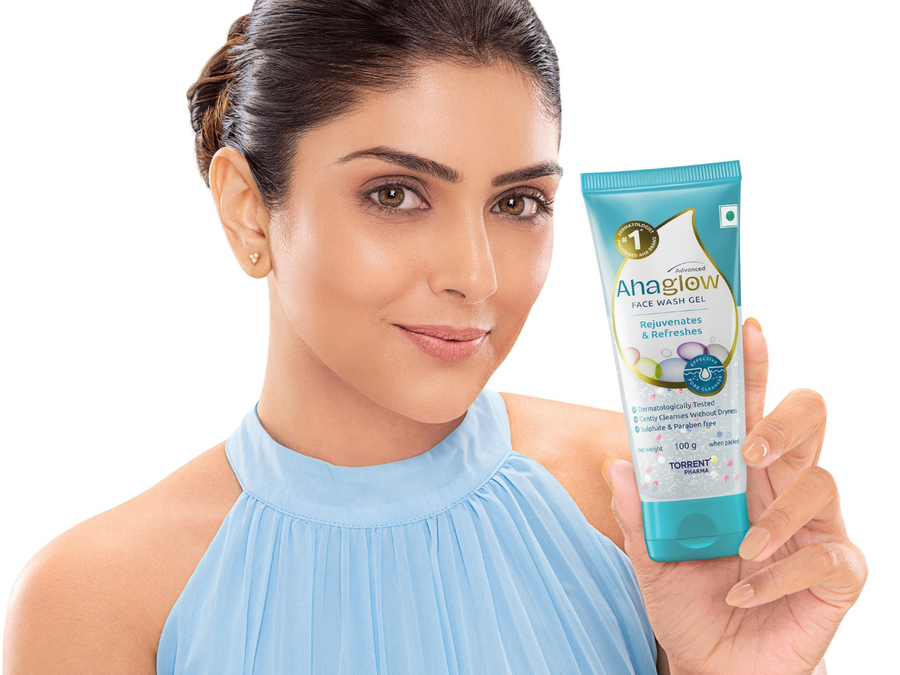
The first step is AHA Glow Facewash, #1* dermatologist prescribed AHA facewash. Formulated with Glycolic Acid and milliglobules, AHA Glow Facewash gently cleanses without drying the skin and fits in a routine that is easy to follow.

With regular twice-daily use, clinical study has shown visible blackhead reduction of up to 74% after 28 days. The formulation is non-comedogenic, sulphate-free, paraben-free and dermatologically tested. 

The second step focuses on supporting the skin after cleansing. Once the skin is cleansed, it also needs care that helps protect, restore and keep dryness in check, especially when exposed to sun, heat, pollution and everyday environmental stressors.
AHA Glow Repair Gel to prevent formation of sun burnt cells, soothes dry skin, supports moisturisation for 24 hours. Formulated with ectoin, marine and botanical extracts, it fits easily into a daily routine without making skincare feel complicated.
Together, these two products from the house of AHA Glow make the routine feel less like a long list of products and more like a habit that can be followed consistently every day.

The Future Of Skincare May Actually Be Simpler

For years, the beauty industry has celebrated bigger routines and more steps.

But consumers today are becoming increasingly discerning They’re asking not only whether a product works, but whether it deserves a permanent place in their routine.Perhaps that’s why the conversation is evolving beyond acne, scars and quick fixes. The new goal isn’t perfect skin…it’s resilient skin. Skin that is consistently cared for, properly cleansed, adequately hydrated and supported every day. Because while trends will come and go, good routines tend to outlast them all. And sometimes the healthiest skin starts not with adding another step, but with committing to the right ones.

Disclaimer:
*SMSRC MAT Feb 2026, Alpha Hydroxy Acid Face Wash 
74%**
**Clinical claim substantiation based on an open-label, single-arm clinical study in 35 adults with acne-prone skin and visible blackheads after twice-daily use for 28 days. Individual results may vary.

#Sponsored

Tags: , , , , ,
Skincare trends vs. needs: Dermatologist Dr Rinky Kapoor explains how a skincare routine can actually damage your skin

Skincare trends vs. needs: Dermatologist Dr Rinky Kapoor explains how a skincare routine can actually damage your skin

Tavishi Dogra is a Deputy Chief Content Producer, Health & Wellness, at Hindustan Times. She has over 9 years of experience writing about fitness, nutrition, and mental well-being, translating medical research and expert insights into practical advice readers can trust.

Career journey and experience
Tavishi began her health journalism journey in 2017, and has since reported for RSTV, Financial Express, Jagran, HT Media Labs and Zee. She joined Hindustan Times to simplify wellness subjects by cutting through jargon.

From decoding health trends and interviewing doctors to testing fitness routines herself, Tavishi always approaches content with one filter: “Will this help someone make a better decision today?”

Subject expertise
With 9+ years tracking India’s health conversations, Tavishi knows the gap between clinical advice and daily life. She knows fads from fundamentals and curates science-backed, expert-recommended solutions.

In fitness, she breaks down bodyweight training, recovery, and posture fixes for desk-bound readers. In nutrition, she translates guidelines into affordable, desi meal tweaks. In mental well-being, she focuses on stigma-free, actionable tools — all backed by research, expert input, and lived context.

Education and professional background
Tavishi holds a Master’s degree in Journalism and Mass Communication and began her career reporting on public affairs for broadcast. Those early years in policy and TV shaped how she writes today: fast, factual, and human-first.

Editorial Philosophy
I write with one single goal: To simplify health in a world full of noise by finding what’s actually doable, safe, and evidence-based for my readers. I test claims against research and user experiences. When all else fails, I speak to the expert who sees 50 patients a day, not the one with the most followers.

Read moreRead less

Tags: , , , , , , , ,
Why Korean and Japanese Skincare Continue to Lead Global Beauty Trends

Why Korean and Japanese Skincare Continue to Lead Global Beauty Trends

The beauty industry has experienced remarkable growth over the past decade, with consumers becoming more knowledgeable about ingredients, routines, and long-term skin health. Among the many skincare movements around the world, Korean and Japanese beauty philosophies have consistently remained at the forefront. Their emphasis on prevention, hydration, gentle formulations, and healthy skin has inspired millions of people to rethink their daily skincare habits.

Rather than focusing on covering imperfections, both Korean and Japanese skincare encourage maintaining a naturally radiant complexion through consistent care. While each approach has its own traditions and innovations, they share a commitment to quality ingredients, scientific research, and skin-friendly formulations that appeal to people of all ages.

Whether you are just beginning your skincare journey or looking to improve your current routine, understanding these beauty philosophies can help you make informed decisions and achieve healthier-looking skin.

The Evolution of Asian Skincare

Asian skincare has deep cultural roots dating back centuries. Traditional beauty rituals often relied on botanical extracts, rice water, green tea, fermented ingredients, and natural oils to nourish the skin. Over time, these traditional methods merged with modern dermatological research, resulting in products that combine heritage with cutting-edge innovation.

Today, Korean and Japanese skincare brands are recognized internationally for producing effective products that address a wide range of skin concerns, including dryness, acne, uneven skin tone, premature aging, and sensitivity.

Consumers appreciate the careful balance between advanced technology and gentle formulations, making these products suitable for everyday use.

Understanding the Korean Beauty Philosophy

Korean skincare is built around the belief that healthy skin requires consistent care rather than quick fixes. Instead of relying on harsh treatments, the focus is on hydration, nourishment, and strengthening the skin barrier.

Many Korean routines involve multiple lightweight products that work together to improve skin health gradually. While the famous ten-step routine has gained popularity, many people customize their regimen according to their skin type and lifestyle.

Common characteristics include:

  • Lightweight textures
  • Layered hydration
  • Innovative ingredients
  • Gentle cleansing
  • Daily sun protection
  • Long-term skin maintenance

This holistic approach has helped Korean beauty become one of the most influential sectors in the global cosmetics industry.

The Japanese Approach to Beautiful Skin

Japanese skincare follows a philosophy centered around simplicity, consistency, and prevention. Instead of using numerous products, Japanese routines often prioritize fewer but highly effective skincare essentials.

Healthy skin is viewed as a reflection of overall wellness, making lifestyle, nutrition, and daily habits equally important alongside skincare products.

Typical Japanese skincare emphasizes:

  • Gentle cleansing
  • Lightweight hydration
  • Skin barrier protection
  • Minimal irritation
  • High-quality ingredients
  • Consistent daily routines

Rather than chasing dramatic overnight results, Japanese skincare encourages gradual improvement through disciplined care.

Why Consumers Trust Korean and Japanese Skincare

Several factors contribute to the growing popularity of these skincare traditions worldwide.

Innovative Research

Beauty companies continuously invest in research and development to improve ingredient performance and product safety. This commitment to innovation allows consumers to benefit from scientifically developed formulations.

High Ingredient Standards

Many products contain carefully selected botanical extracts, vitamins, peptides, ceramides, hyaluronic acid, and fermented ingredients known for supporting skin health.

Gentle Formulations

Sensitive skin has become increasingly common due to pollution, stress, and environmental factors. Korean and Japanese products often avoid unnecessarily harsh ingredients, making them suitable for various skin types.

Affordable Luxury

Consumers appreciate receiving premium-quality formulations without paying luxury-brand prices. This excellent balance between affordability and effectiveness has helped expand global demand.

Building an Effective Daily Skincare Routine

A successful skincare routine does not have to be complicated. Consistency is far more important than using a large number of products.

Step 1: Gentle Cleansing

Removing dirt, excess oil, sunscreen, and makeup prepares the skin for the products that follow. A gentle cleanser helps preserve the skin’s natural moisture barrier.

Step 2: Hydrating Toner

Modern toners focus on hydration rather than stripping the skin. They help prepare the skin to absorb serums and moisturizers more effectively.

Step 3: Targeted Serums

Serums provide concentrated ingredients designed to address specific concerns such as pigmentation, fine lines, acne, or dehydration.

Step 4: Moisturizer

Moisturizers lock in hydration while supporting the skin’s protective barrier throughout the day and night.

Step 5: Sunscreen

Daily UV protection remains one of the most important steps in preventing premature aging and maintaining healthy skin.

Popular Ingredients Worth Knowing

Both Korean and Japanese skincare rely on ingredients supported by years of research and consumer trust.

Hyaluronic Acid

One of the most effective hydrating ingredients, hyaluronic acid helps the skin retain moisture while improving softness and elasticity.

Centella Asiatica

Frequently found in Korean skincare, Centella Asiatica is valued for its soothing and calming properties.

Rice Extract

Rice has been used in Japanese beauty rituals for generations. It helps brighten the complexion while supporting healthy skin texture.

Green Tea

Rich in antioxidants, green tea helps protect the skin from environmental stress while calming irritation.

Ceramides

Ceramides strengthen the skin barrier and reduce moisture loss, making them especially beneficial for dry and sensitive skin.

Fermented Ingredients

Fermentation enhances ingredient absorption while delivering beneficial nutrients that support healthier-looking skin.

Choosing Products Based on Your Skin Type

No single skincare routine works for everyone. Understanding your skin type allows you to select products that meet your specific needs.

Dry Skin

Look for hydrating ingredients such as ceramides, hyaluronic acid, glycerin, and nourishing oils.

Oily Skin

Choose lightweight gel moisturizers and oil-balancing formulations that hydrate without clogging pores.

Combination Skin

Use products that balance hydration while controlling excess oil in the T-zone.

Sensitive Skin

Select fragrance-free, alcohol-free products with calming botanical ingredients.

Mature Skin

Focus on peptides, antioxidants, collagen-supporting ingredients, and sunscreen to help maintain elasticity.

The Rising Popularity of Korean Beauty in Australia

Australia has embraced international beauty trends with enthusiasm. Consumers increasingly seek premium skincare that combines effective ingredients with gentle formulations.

The demand for korean cosmetics Sydney continues to grow as more people discover the benefits of innovative Korean skincare products. Beauty enthusiasts appreciate having access to authentic products that cater to diverse skin concerns while delivering reliable results.

Retailers have expanded their selections significantly, making it easier for customers to explore cleansers, essences, serums, masks, sunscreens, and moisturizers inspired by Korean beauty traditions.

Japanese Beauty Products Continue to Gain Recognition

Japanese skincare enjoys an equally strong reputation for elegance, simplicity, and reliability.

Consumers often choose jjapanese face care products because of their focus on maintaining healthy skin through gentle cleansing, hydration, and long-term prevention. Many people appreciate the minimalist philosophy that emphasizes quality over quantity while supporting the skin’s natural protective barrier.

As awareness grows, Japanese skincare continues to attract individuals looking for dependable products backed by decades of research and refinement.

Common Mistakes to Avoid

Even excellent skincare products cannot produce optimal results if used incorrectly.

Avoid these common mistakes:

  • Over-cleansing the skin
  • Using too many active ingredients simultaneously
  • Skipping sunscreen
  • Changing products too frequently
  • Ignoring patch testing
  • Using products unsuitable for your skin type
  • Expecting immediate results

Healthy skin requires patience and consistency.

Lifestyle Habits That Support Better Skin

Skincare products work best when combined with healthy daily habits.

Important practices include:

  • Drinking sufficient water
  • Eating nutrient-rich foods
  • Sleeping seven to eight hours
  • Managing stress
  • Exercising regularly
  • Avoiding excessive sun exposure
  • Keeping skincare tools clean

These habits complement topical skincare and contribute to healthier skin over time.

Why Ingredient Education Matters

Modern consumers increasingly read ingredient labels before making purchases. Understanding what each ingredient does helps avoid unnecessary spending while selecting products that match personal skincare goals.

Instead of buying products based solely on trends, informed shoppers evaluate ingredient lists, formulation quality, and compatibility with their skin type.

This educated approach often leads to better long-term skincare outcomes.

The Future of Global Beauty

The skincare industry continues evolving through biotechnology, sustainable packaging, cleaner formulations, and personalized skincare solutions. Korean and Japanese brands remain leaders in introducing innovative technologies while preserving their traditional beauty philosophies.

Consumers can expect future products that offer improved ingredient delivery systems, environmentally responsible manufacturing, and customized skincare experiences based on individual needs.

Final Thoughts

Korean and Japanese skincare have transformed the global beauty landscape by emphasizing healthy skin rather than temporary cosmetic fixes. Their dedication to hydration, gentle care, scientifically supported ingredients, and long-term skin wellness continues to inspire consumers around the world.

Whether you prefer a multi-step Korean skincare routine or the elegant simplicity of Japanese beauty rituals, both approaches encourage consistency, patience, and thoughtful product selection. By understanding your skin’s unique needs and choosing high-quality formulations, you can build a routine that promotes healthier, brighter, and more resilient skin for years to come.

Tags: , , , , , , ,
How Celebrity Beauty Trends Are Influencing Women’s Self-Care Routines?

How Celebrity Beauty Trends Are Influencing Women’s Self-Care Routines?

Discover how celebrity beauty trends influence everyday self-care routines, skincare habits, and makeup choices and learn which viral beauty tips are actually worth trying.

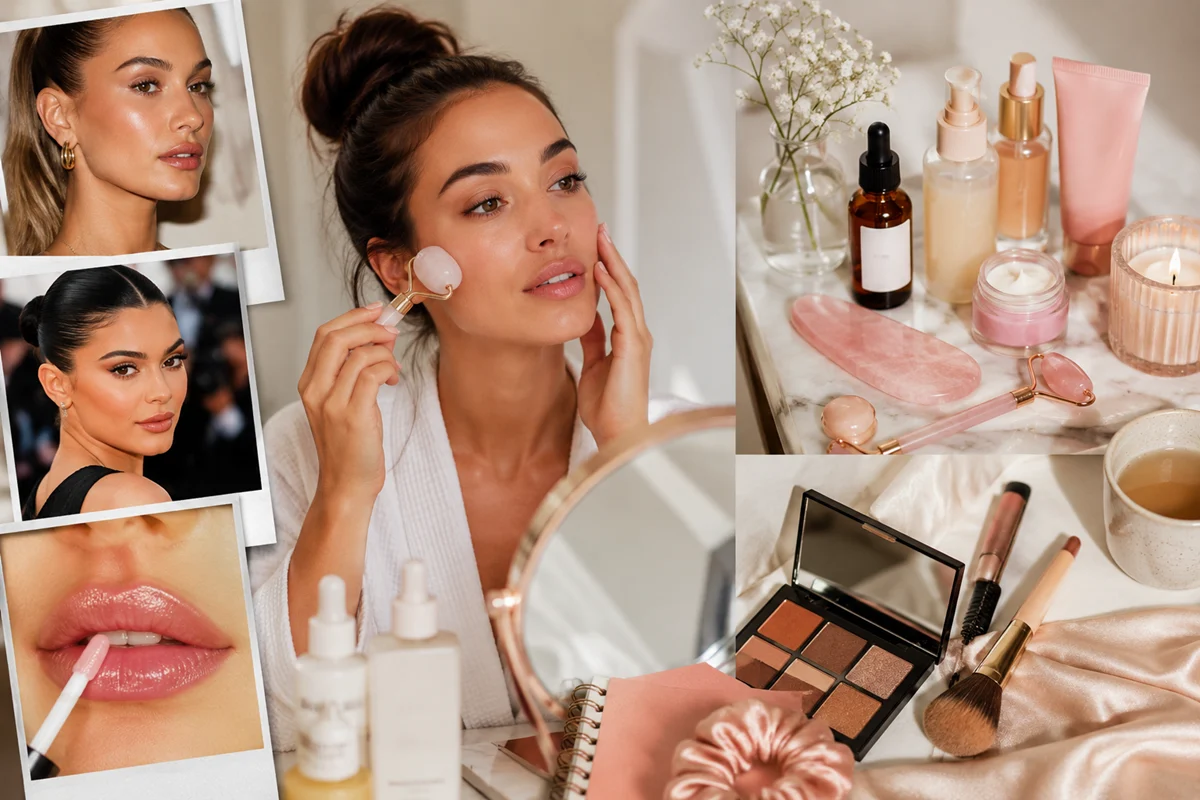
Celebrity looks are used to stay on red carpets. Now TikTok and Instagram make the newest looks feel like a weekly group project, which is why a self-care routine can start borrowing from the latest makeup trends and skincare products without much warning. 

This piece breaks down how trends spread, why women keep upgrading their routine, and what is actually worth copying.

As MagzineCelebs has highlighted across celebrity and beauty coverage, the most successful beauty trends are usually the ones people can realistically fit into their everyday routines rather than expensive transformations.

Source: Instagram

Celebrity beauty trends are built for screenshots, and that is the trick. One glazed-skin close-up can sell a whole mood, plus a cart full of skincare routine products. Short videos make contour look easy, so the latest makeup trends feel less like a stunt and more like something you can try before work.

Hailey Bieber is a perfect example because she turned the dewy, minimal clean girl look into a brand identity with Rhode. People do not just copy the lip and skin combo, they copy the whole polished self-care routine mindset. Her influence is not just aesthetic, becauseHailey Bieber’s Rhode success story also shows how much power celebrity-led beauty can have.

  • Screenshot-friendly close-ups travel fast
  • Five-second demos make hard steps seem simple
  • Fans trust the face behind the trend
  • Founder and face combos feel more official
  • Rhode made the clean look feel like a full lane

The Celebrity Effect On Daily Habits

The effect is not just about makeup. Morning habits get upgraded with ice rollers, skin tint, and brow gel, and suddenly a self-care routine feels like a tiny reset. Night habits get stickier too, because people stick with skincare routine products longer when they expect to see a real change.

Beauty also gets bundled with sleep, water, movement, and supplements, so it starts feeling like wellness with better lighting. That mix is why celebrity clips can nudge people into habits they keep.

  • Ice rollers make mornings feel less heavy
  • Brow gel and tint save time
  • A visible glow keeps people consistent
  • Wellness and beauty end up sharing the same shelf

Celebrity-Inspired Self-Care Routine Ideas That Do Not Need A Star Budget

The 5-Minute Polished Self-Care Routine

A five-minute self-care routine works because it keeps the bar low and the payoff clear. Tinted SPF, a touch of concealer, cream blush, brow gel, and lip treatment are enough when you want polished, not packed on.

  • Tinted SPF gives light coverage and sun protection
  • Cream blush adds color fast
  • Brow gel makes the face look finished
  • Lip treatment keeps everything easy

The Skin-First Routine That Holds Up

This is the part people skip when they chase trends. Cleanser, moisturizer, and SPF stay in rotation, and one active gets added only when skin actually needs it. That kind of rhythm is calmer than chasing every viral serum.

  • Start with the basics before add-ons
  • Use one active at a time
  • Give products time to show results
  • Keep the routine steady, not crowded

The Going-Out Makeup Version Without The Full Beat

For nights out, keep it to one focus feature, like glossy lips, soft liner, or glowing skin. That keeps the look tied to the latestmakeup trends without turning your face into a paint job.

  • Pick one feature and let it lead
  • Keep the base light so skin still looks like skin
  • Prep first so makeup sits better
  • Comfort matters when you are out for hours

I found one little trick that cut my regret by 90%. There’s no fancy secret, no weird 7 step routine or anything. First, you lock in the 3 core products you use every single day. The ones you would never leave the house without. Then you are allowed to buy exactly one trend item per month. That is the entire rule. There is no fine print, no catch at all.

Start With A Core Kit

  • Cleanser, moisturizer, and SPF come first
  • Add one product only after the basics feel steady
  • Keep the routine short enough to repeat daily
  • Glowy skin often means more hydration and better barrier care
  • Glossy lips usually point to lip balm and SPF
  • Soft liner trends work best when the shade flatters your face

Spend On Staples Before Trend Colors

  • Good skin care gives better results than hype
  • Trend shades are easier to test than full routine swaps
  • A solid base makes every beauty trend look better

If you want a simple place to start, these glow up tips can help you build something repeatable.

Viral Beauty TrendWhat Women Actually ChangeSafer Or Smarter SwapGlowy clean skinMore hydration and SPFFocus on barrier careMinimal makeupFaster morning stepsBuild a 5-minute faceGlossy lipsDaily lip careUse balm with SPFSoft linerBetter shape and balanceStart with brown pencil

Routine Levels That Actually Make Sense

  • Starter: cleanser, moisturizer, SPF
  • Add-on: gentle exfoliant one to two times a week
  • Level-up: one serum for one goal, not five
  • Advanced: retinoid, added slowly and carefully
  • Women usually swap finish, not full routines
  • Lip and cheek products change faster than skin care
  • Hair and brows often follow the same pattern
  • The biggest shift is usually in how fast the routine feels

Smarter Buying Questions To Ask

  • Will I use this in three weeks?
  • Does this fit my skin, not just the trend?
  • Can I match it with what I already own?
  • Is this fixing a real need or just a mood?

A Good Rule To Follow

  • One new product at a time
  • Try it for long enough to see results
  • Keep the things that actually earn shelf space
  • Skip the rest without guilt

Routine LevelMust-Have ProductsAdd-OnsStarterCleanser, moisturizer, SPFGentle exfoliant 1 to 2 times a weekLevel-UpSerum for your goal, SPF you will reapplyRetinoid, slowly

Conclusion

Celebrity beauty trends are never going away, and they do not have to be a bad thing. They can be great fun, and great inspiration for small upgrades to your routine. The win is not copying every single new thing that goes viral.

The win is building a repeatable self care routine, using a small handful of reliable skincare routine products, and treating the latest makeup trends as optional fun upgrades, not mandatory requirements.

Author Bio- 

Tags: , , , , , ,
Hindustan Times News

K-Beauty doesn’t always work for Indian skin: Dermatologist explains how to safely adapt Korean skincare trends

Korean skincare has gained massive popularity worldwide, with terms like glass skin, skin flooding, and 10-step routines becoming part of everyday beauty conversations. From sheet masks to snail mucin and fermented ingredients, Korean beauty or K-beauty, promises glowing, hydrated, flawless skin. But an important question remains: Are Korean skincare trends truly suitable for Indian skin? The answer is not a simple yes or no.

Is Korean skincare better than Indian skincare? (Adobe Stock)

Tavishi Dogra is a health and wellness journalist with over eight years of experience in the field of health and wellness journalism. She knows how to explain complex health topics in a way that is easy to understand for many readers. Tavishi has written for respected publications like RSTV, Financial Express, Jagran, and Zee. She has a strong understanding of current health trends and social issues. Tavishi is dedicated to promoting holistic health and wellness solutions, which she shares in her articles about fitness, nutrition, and mental well-being. For more insights and updates on health, you can follow her work in the Hindustan Times.

Read moreRead less

“Skincare trends can be exciting, but healthy skin is not achieved by copying routines blindly. What works for one skin type or climate may not necessarily suit another,” Dermatologist Dr Nivedita Dadu of Dadu Medical Centre, tells Health Shots.

Indian and Korean skin are not the same

Skin concerns are shaped by genetics, climate, lifestyle, and environmental exposure. Korean skincare is largely designed around East Asian skin types and cooler, less humid environments. Indian skin, on the other hand, has its own unique characteristics.

Indian skin usually contains higher melanin levels, which provide some natural protection against sun damage but also make it more prone to pigmentation, tanning, melasma, and post-inflammatory hyperpigmentation.

This means even minor acne or irritation can leave behind stubborn dark marks. At the same time, many parts of India experience intense heat, humidity, pollution, and prolonged sun exposure, all of which significantly influence skincare needs.

Why does K-beauty appeal to so many?

One reason Korean skincare has become popular is its focus on prevention and hydration. Unlike harsh skincare routines that aggressively target flaws, K-beauty emphasises maintaining the skin barrier and supporting long-term skin health. Hydrating toners, lightweight essences, ceramide-based moisturisers, and sunscreen are often beneficial for many skin types, including Indian skin.

“Korean skincare introduced people to the importance of hydration and barrier repair, which are valuable concepts in dermatology,” says Dr Dadu. However, appreciating the philosophy does not mean every trend should be adopted without thought.

How to use Korean skincare trends safely?

Please note these pointers before trying anything on your own:

  • Many people attempt elaborate Korean routines seen online without understanding their own skin condition.
  • A 10-step routine may sound luxurious, but layering multiple products can overwhelm the skin, especially in India’s hot, humid weather. Excessive layering may lead to clogged pores, irritation, breakouts, or increased oiliness.
  • People with acne-prone or sensitive skin often make the mistake of experimenting with multiple active ingredients at once, assuming that more products mean better results.
  • In reality, overdoing skincare can compromise the skin barrier and trigger inflammation.

Pigmentation and acne need special attention

Another big differences between Korean and Indian skin concerns is the frequency of pigmentation disorders. Indian patients commonly struggle with melasma, tanning, acne marks, and uneven skin tone. While many Korean products prioritise glow and hydration, they may not always address these concerns effectively.

For Indian skin, ingredients such as niacinamide, azelaic acid, retinoids, vitamin C, and carefully prescribed pigmentation treatments often play a more central role. Similarly, acne management must be personalised. Viral skincare products promoted online may not suit acne-prone Indian skin and can sometimes worsen breakouts.

Sunscreen matters more than trends

If there is one skincare lesson Indian consumers should prioritise, it is sunscreen. Sun exposure remains one of the leading causes of pigmentation, premature ageing, and skin damage. While Korean sunscreens are often praised for their elegant textures, the most effective sunscreen is ultimately the one that suits your skin and is used consistently. “People chase trending products but neglect daily sun protection. No skincare routine can succeed without sunscreen,” Dr Dadu explains.

Keep skincare simple and personalised

Healthy skin does not depend on following social media trends or owning dozens of products.

A practical skincare routine for most Indian skin types usually includes:

  • A gentle cleanser
  • A moisturiser suited to the skin type
  • Broad-spectrum sunscreen
  • Targeted treatments only when required

The focus should remain on skin health rather than chasing perfection.

“Korean skincare offers useful ideas, but skincare should never be trend-driven. Understanding your own skin and choosing treatments suited to Indian conditions will always give better and safer results than copying routines seen online,” concluded Dr Nivedita Dadu.

(Disclaimer: At Hindustan Times, we help you stay up-to-date with the latest trends and products. Hindustan Times has an affiliate partnership, so we may get a part of the revenue when you make a purchase. We shall not be liable for any claim under applicable laws, including, but not limited to, the Consumer Protection Act, 2019, arising from the products. The products listed in this article are in no particular order of priority.)

Tags: , , , , , , , , , , ,
Best oLive
Privacy Overview

This website uses cookies so that we can provide you with the best user experience possible. Cookie information is stored in your browser and performs functions such as recognising you when you return to our website and helping our team to understand which sections of the website you find most interesting and useful.