Must-have skincare ingredients for every age group • PhilSTAR Life

Must-have skincare ingredients for every age group • PhilSTAR Life

Every now and then, a new beauty trend dominates our feeds—from must-have launches to formulas promising everything from glass skin to age-defying magic. It’s easy to get swept up when favorite creators swear by a product, but before adding that viral serum to your cart, ask yourself: Is it actually right for your skin—and your age?

Choosing skincare goes beyond picking a popular brand, believing bold marketing claims, or falling for pretty packaging and pleasant fragrances. The key to building an effective routine is paying attention and understanding a product’s ingredients.

If you’re wondering where to start, experts break down the science-backed ingredients your skin craves at every stage of life.

Embracing the journey of aging

Gone are the days when aging was treated like a crisis that needed constant fixing. Dr. Jarische Lao-Ang points out a cultural pivot, noting that people are finally ditching the fear of growing older and instead leaning into self-care that celebrates natural longevity. 

“I think with the advent of an emphasis on the importance of proper skincare or taking good care of yourself, people are now more leaning towards embracing what aging really is,” she told PhilSTAR L!fe.

Board-certified dermatologist Dr. Mai Diño-Yanga shared a similar view, saying, “Instead of treating wrinkles, laugh lines, or volume changes as problems to be erased, the pro-aging mindset treats them as normal, expected evidence of a life being lived, and it puts the focus back on skin health rather than skin ‘perfection.’ Skincare supports that by prioritizing function over correction,” she said.

She added that the focus is more on building healthy, resilient skin through proper care than aggressively treating wrinkles, emphasizing graceful aging over looking ageless.

Essential skincare ingredients for different ages

While you can build healthy habits at any age, early prevention creates the ultimate foundation for skin resilience. During the teenage years, puberty often brings oiliness and breakouts, making a minimalist approach best: a cleanser and sunscreen by day, paired with a cleanser and moisturizer at night. Salicylic acid or mild retinoids can be introduced to keep pores clear, but daily sun protection remains the absolute need.

In your 20s

Entering your 20s is the ideal window to establish habits that safeguard your skin long-term, Diño-Yanga, owner of Pacific Skin Bel-Air and MDY Skincare, said.

Both dermatologists emphasize that daily broad-spectrum SPF 30 or higher is a strict, “non-negotiable” step to prevent premature photoaging.

As natural collagen production quietly begins to slow down, this decade focuses on early defense. Niacinamide helps balance oil and strengthen the barrier, Vitamin C delivers essential morning antioxidant defense, and gentle alpha-hydroxy acids (AHAs) like lactic or glycolic acid keep cell turnover smooth.

In your 30s

By the time you reach your 30s, skincare becomes more targeted toward maintaining barrier strength and smoothing early fine lines, Lao-ang noted. This is often the decade to transition from gentle retinol to stronger retinoids, including prescription tretinoin, based on your skin’s tolerance.

To complement these powerful actives, hydration powerhouses like peptides, polynucleotides, and ceramide-rich moisturizers take priority to keep the skin firm, plump, and deeply nourished.

Meanwhile, Diño-Yanga explained that as collagen production gradually declines, ingredients like retinoids can help support collagen and improve skin texture. She added that vitamin C and peptides can help protect and support the skin, while a ceramide-rich moisturizer and daily SPF 30 to 50 remain important to maintain the skin barrier and prevent further damage.

In your 40s, 50s

In your 40s and 50s, natural collagen loss accelerates, cell turnover slows, and dryness becomes far more common due to hormonal shifts like perimenopause. Barrier repair and deep hydration become the main defense, Lao-ang said.

Look for rich formulas packed with hyaluronic acid, glycerin, and barrier-replenishing lipids like ceramides, cholesterol, and fatty acids. Antioxidants like vitamin C and exfoliating acids provide additional support.

Higher-strength retinoids and exfoliating acids still play a key role in boosting cell turnover, Diño-Yanga said, while tinted sunscreens offer necessary added protection against visible light that triggers stubborn pigmentation. Many individuals may also explore clinic-based treatments such as injectables and lasers, emphasizing that skincare should always be personalized based on each person’s needs and concerns.

Ingredients to use separately and those that work together

When building your daily routine, chemical compatibility is just as crucial as ingredient selection. Both dermatologists advised caution when using multiple strong actives together, as over-layering can lead to irritation and weaken the skin barrier.

Lao-Ang said beginners and those with sensitive skin should avoid combining retinol with hydroxy acids, vitamin C, or hydroquinone in the same routine since they can destabilize one another and irritate sensitive skin. Instead, these ingredients can be separated by time of day, such as using vitamin C in the morning and retinoids at night.

Similarly, ingredients like retinoids should also not be used together with AHAs, BHAs, or benzoyl peroxide, as it can reduce the former’s effectiveness while increasing dryness and irritation.

When paired correctly, certain ingredients can complement each other and improve results. Antioxidants like Vitamin C work synergistically with morning sunscreen to build an enhanced shield against environmental damage.

For improving texture and preventing signs of aging, she also recommended balancing retinoids with gentler ingredients such as niacinamide, cica, centella asiatica, ceramides, and hydrating ingredients like hyaluronic acid and glycerin.

Hyaluronic acid and exfoliating acids also complement barrier repair creams, allowing you to shed dead skin cells without stripping away vital moisture.

To keep things simple, Dr. Diño-Yanga advises separating strong actives by the time of day rather than layering everything into a single step.

“My general rule for patients: separate your strong actives by time of day rather than trying to layer everything into one routine. Antioxidants and SPF belong in the morning; retinoids and acids belong at night,” she said.

Both dermatologists emphasized that skincare is not a one-size-fits-all approach. Overall formulation also matters just as much as key ingredients—fragrances, preservatives, and conflicting active blends can still irritate skin even if a single component seems gentle.

Ultimately, effective skincare requires realistic expectations and a healthy dose of patience. Diño-Yanga dispels the widespread myth that skin becomes “addicted” to retinol, clarifying that stopping its use won’t cause sudden, accelerated aging; your skin simply returns to its natural aging rate.

“I think this myth genuinely keeps people away from ingredients that are well-studied, well-understood, and effective, out of a fear that isn’t backed by any real evidence. That’s the real cost of the myth, not that people age faster, but that they age without the tools that could have helped them,” she told L!fe.

Lao-Ang noted that the right ingredients, procedures when needed, and healthy lifestyle habits all play a role in maintaining skin health.

“Aging is really inevitable. Everyone ages, everyone matures. It’s just a matter of knowing how to take good care of yourself,” she said.

Tags: , , , , , ,
Apple App Store

The ingredients to look for in your anti-ageing skincare, according to experts

The Independent and Yahoo will earn a commission from purchases made via links in this article. Pricing and availability are subject to change.

With so many anti-ageing creams promising smoother, firmer, more youthful-looking skin, it can be difficult to know which ingredients are actually worth looking for and which are nothing more than clever marketing.

There’s everything from retinol and peptides to antioxidants and hydrating serums, all promising to keep skin looking youthful. So, to help separate the science from the hype, I spoke to skincare experts Dr Brandon Richland, a board-certified plastic surgeon and Allyse Cirillo, Founder and CEO of SAINT JŌ.

I wanted to find out the key ingredients that can genuinely support healthier-looking skin. Whether you’re looking to soften the appearance of fine lines, improve elasticity or simply give your complexion a boost, these are the ingredients worth knowing about before you add another cream to your routine.

Read more: Best anti-ageing creams, reviewed

What are the most effective ingredients to look for in an anti-aging cream?

“A short list does most of the heavy lifting,” Dr Richland says. “Retinoids (retinol over the counter, or prescription tretinoin) are the workhorse. They speed up cell turnover and nudge your skin into building its own collagen, which is what softens fine lines and evens out tone over time,” he adds.

When choosing an anti-ageing cream, it’s not necessarily about finding one “miracle” ingredient, but rather a formula where ingredients work together to support the skin, Cirillo agrees.

Dr Richland says: “Vitamin C is your morning antioxidant. It mops up the free radicals from sun and pollution before they can do their damage, and it lends a hand with collagen while it’s at it. Niacinamide is the quiet achiever, strengthening the skin barrier and calming the redness and blotchiness a lot of people write off as just their complexion”

He also recommends peptides, which can signal the skin to produce more collagen and are often gentler than retinoids. He adds that hydrating ingredients like hyaluronic acid and ceramides help support the skin barrier, while daily SPF remains one of the most effective ways to protect skin over time.

Read more: Best hyaluronic acid serums, reviewed

Which anti-ageing ingredients have the strongest scientific evidence for reducing visible signs of ageing?

When it comes to the ingredients with the strongest scientific backing for reducing visible signs of ageing, both Dr Richland and Cirillo say that retinoids remain the benchmark, thanks to the long history of research in dermatology.

“They have decades of peer-reviewed research behind them, and the collagen increase is measurable on an actual skin biopsy, not just in a flattering before-and-after under good lighting,” notes Dr Richland.

“Vitamin C, niacinamide, and the alpha hydroxy acids make up a solid second tier of well-supported actives,” he adds.

Both experts also stress that no anti-ageing ingredient beats daily SPF to prevent visible ageing caused by sun exposure.

Read more: Best sunscreens for face

Are any anti-ageing ingredients overhyped?

Cirillo warns that some products promising dramatic before-and-after results can sometimes rely on approaches that “strip or inflame the skin”, which may do more harm than good over time.

She also advises being cautious of “hero ingredient” claims, as well as high-strength acids or retinoids used without enough barrier support. “Effective in the right context, overused in the wrong one,” she says. Cirillo adds that terms like “clean” should also be treated carefully, as they have no legal definition and shouldn’t be relied on alone when choosing skincare.

Topical collagen is one Dr. Richland is wary of, explaining that collagen molecules are too large to penetrate the skin. Instead, they simply moisturise the surface rather than boosting your skin’s collagen production, reiterating the benefits of ingredients such as retinoids and peptides instead.

What age should you start using anti-aging creams?

While Dr Richland reassures that there’s no panic birthday that changes everything overnight in terms of skincare, you should start using anti-ageing creams sooner than you might think, adding that prevention is always cheaper and easier than correction.

“Sunscreen should really start in childhood. A simple antioxidant and SPF routine makes good sense once you’re in your twenties. And most people do beautifully introducing a retinoid somewhere in their late twenties or thirties,” he explains. “The mindset that serves you best is protecting and maintaining the skin you have, rather than ignoring it for decades and then trying to play catch-up once the wrinkles have arrived.”

Best anti-ageing products

Facetheory glow-C daily moisturiser, SPF30

Rating: 4/5

Why we love it

  • A multi-tasking antioxidant serum, moisturiser and SPF in one

  • Powerhouse actives at a fraction of the price

  • Brightens and evens skin tone

Take note

  • Citrus scented, but also comes unscented

  • Slight tackiness on application

If you’re looking for a budget anti-ageing cream, this Facethetheory moisturiser is a great choice. Beauty journalist Sabine Wiesel wrote: “This is a relatively purse-friendly product that’s also a real multitasker, protecting and correcting signs of ageing like an antioxidant serum, moisturiser, and sunscreen all in one. Its mousse-like whipped texture immediately sinks into the skin, leaving it feeling comfortably hydrated.”

Read the full Facetheory glow-C daily moisturiser review

Buy now £21, Facetheory.com

Clarins double serum

Rating: 5/5

Why we love it

  • Boots radiance and hydration

  • Softens the look of lines and pores

Take note

  • There’s a light texture version also available, which may be more suitable for oily and combination skin types

  • It’s not cheap but the results are worth it

The Clarins double serum took the top spot in our guide to the best anti-ageing serums. After testing, beauty journalist Sabine Wiesel, wrote that it left her skin “incredibly soft” and looking “smoother and glowier”, and her “pores appear less noticeable”.

Buy now £65, Sephora.co.uk

Estee Lauder advanced night repair synchronized multi-recovery complex

Rating: 4.5/5

Why we love it

  • Multipurpose serum targets lines, skin tone, firmness

  • Cult classic beauty product

  • Suitable for all skin types – even sensitive

Take note

  • Looking to pay less try No 7’s night serum below for similar results

Another recommendation from Sabine Wiesel in her anti-ageing serums guide, she wrote: “I’ve gone through countless bottles because I know the very next day my skin already feels better hydrated. Estee Lauder was one of the first brands to use hyaluronic acid in their formulations, and they’ve combined it with squalane for a major moisture boost. But it’s peptides that soften the appearance of lines and improve skin firmness that really make skin look more youthful with continued use. It’s a classic for a reason.”

Buy now £65, Boots.com

Meet the expert

  • Dr. Brandon Richland: Board-certified plastic surgeon

  • Allyse Cirillo: Founder and CEO of SAINT JŌ

These are the best moisturisers for mature skin

Tags: , , ,
Ingredients to look for in your skincare products

Ingredients to look for in your skincare products

PICTURE: PEXELS/ SKIN CARE

Walking down the skincare aisle or scrolling through beauty websites can feel overwhelming. With countless products promising glowing, youthful and healthy skin, knowing which ingredients actually benefit your skin can help you make more informed choices.

Also see: Out with the old: Skincare products you should toss

While everyone’s skin is different, the American Academy of Dermatology Association (AADA) says certain ingredients have been extensively researched and can support a range of skincare concerns, from dryness and acne to ageing and hyperpigmentation.

Hyaluronic acid for hydration

According to the AADA, hyaluronic acid is one of the most popular skincare ingredients because it helps the skin retain moisture, making it an excellent option for people with dry, dehydrated or ageing skin.

Benefits of hyaluronic acid include:

  • Improved skin hydration
  • Reduced appearance of fine lines
  • Enhanced skin elasticity
  • A smoother, plumper complexion

Because it attracts and retains water, hyaluronic acid can benefit most skin types, including sensitive skin.

Retinoids for anti-ageing and acne

The above-mentioned source notes that retinoids, which are derived from vitamin A, are among the most studied ingredients in skincare and are known for promoting cell turnover and stimulating collagen production.

Retinoids may help:

  • Reduce fine lines and wrinkles
  • Improve skin texture
  • Treat acne
  • Fade hyperpigmentation
  • Support collagen production

Because retinoids can cause irritation, experts recommend introducing them gradually and using sunscreen daily.

Vitamin C for brightening and protection

According to Cleveland Clinic, vitamin C is a powerful antioxidant that helps protect the skin from environmental damage while promoting a brighter complexion.

Potential benefits include:

  • Reducing the appearance of dark spots
  • Supporting collagen production
  • Brightening uneven skin tone
  • Protecting against environmental stressors

Many dermatologists recommend applying vitamin C serum in the morning before sunscreen.

Niacinamide for multiple skin concerns

The above source says niacinamide, a form of vitamin B3, has become increasingly popular because of its versatility and suitability for many skin types.

Benefits of niacinamide may include:

  • Reducing redness and inflammation
  • Improving skin barrier function
  • Minimising the appearance of pores
  • Regulating oil production
  • Helping fade hyperpigmentation

Its gentle nature makes it a good option for people with sensitive or acne-prone skin.

Also see: Top 5 highly recommended skincare products from licensed dermatologists

Ceramides for skin barrier health

According to the National Eczema Association, ceramides are lipids naturally found in the skin that help maintain the skin barrier and retain moisture.

Products containing ceramides can help:

  • Restore the skin barrier
  • Reduce dryness
  • Improve moisture retention
  • Protect against environmental irritants

Dermatologists often recommend ceramide-based products for people with dry, sensitive or eczema-prone skin.

Salicylic acid for acne-prone skin

The AADA explains that salicylic acid is a beta-hydroxy acid (BHA) commonly used to treat acne and clogged pores because it helps exfoliate the skin and remove excess oil.

Benefits include:

  • Exfoliating dead skin cells
  • Unclogging pores
  • Reducing blackheads and whiteheads
  • Helping control excess oil

Because it penetrates oil, salicylic acid is particularly beneficial for oily and acne-prone skin types.

Glycerin for moisture retention

According to the above source, glycerin is a humectant that draws water into the outer layer of the skin, helping maintain hydration and supporting the skin barrier.

Benefits include:

  • Improved skin hydration
  • Strengthened skin barrier function
  • Relief from dryness
  • Support for healthy-looking skin

It is commonly found in moisturisers, cleansers and serums.

Sunscreen ingredients for protection

The Skin Cancer Foundation recommends wearing a broad-spectrum sunscreen with an SPF of at least 30 to help protect against harmful UV rays that contribute to skin cancer, premature ageing and hyperpigmentation.

Common active ingredients include zinc oxide and titanium dioxide, which are often recommended for sensitive skin.

Choosing what’s right for your skin

Not every ingredient works for every person, and introducing too many active ingredients at once can sometimes irritate the skin. Understanding your skin type and concerns can help you choose products that are more likely to meet your needs.

As the AADA advises, consulting a dermatologist can help you develop a skincare routine that is safe, effective and tailored to your individual skin goals.

Also see: Skincare products that every over 30-year-old needs

Be the first to know – Join our WhatsApp channel for content worth tapping into. Click here to join!

Tags: , ,
5 Kitchen Ingredients For Naturally Glowing Skin

5 Kitchen Ingredients For Naturally Glowing Skin

Although expensive serums are useful, it’s also important to know that our kitchen is a hidden hub of many potent and science-based ingredients that are beneficial to our skin. In 2026, many skin specialists and Ayurvedic practitioners still recommend skin rituals that are done in our kitchen, especially since they are proven to work with the help of active ingredients such as curcumin and lactic acid. Here are five ingredients that can help us attain naturally glowing skin, together with the expert opinions about them.

5 Kitchen Ingredients For Naturally Glowing Skin

1. Turmeric 

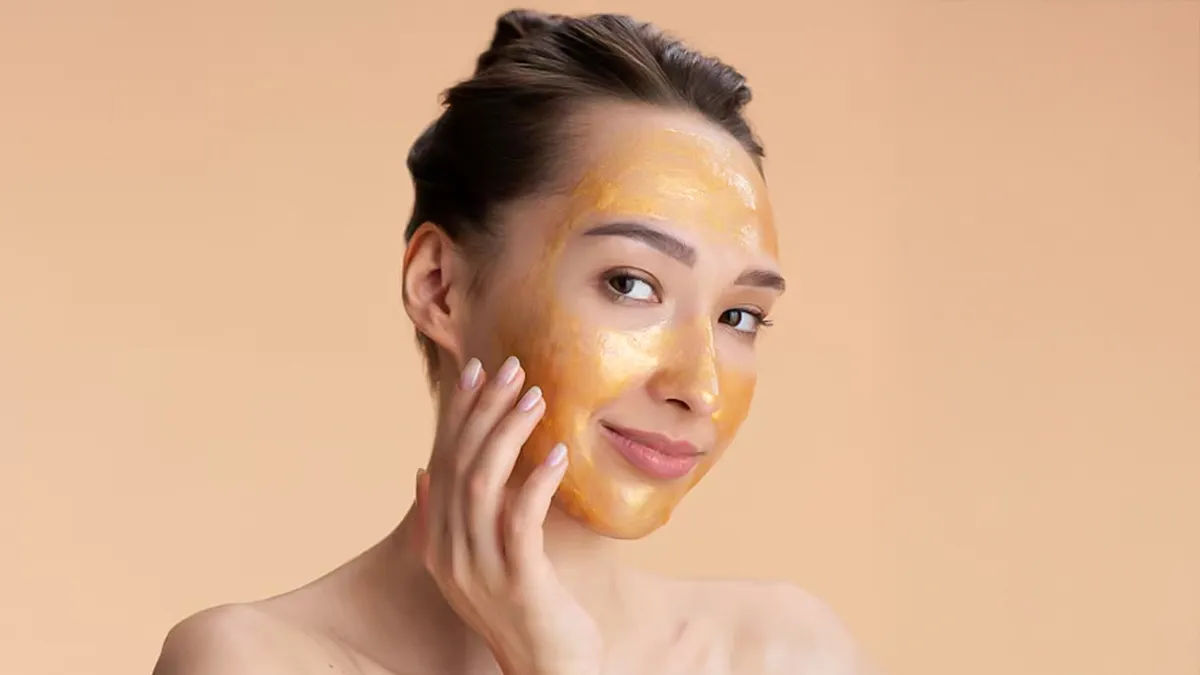
Turmeric remains the evergreen for radiant skin due to curcumin, its active anti-inflammatory and antioxidant compound. It reduces hyperpigmentation, fights acne-causing bacteria, and boosts circulation to provide a lit-from-within glow. In Ayurveda, turmeric is considered a powerful healer for the skin, traditionally used in ‘Ubtans’ to restore natural shine. You can mix honey or milk with turmeric for a brightening face mask.

2. Honey

Raw honey is more than a sweetener; it is a natural moisture-binder and antibacterial agent. It acts as a humectant, drawing moisture from the air into your skin to keep it plump and hydrated. Dermatologists frequently recommend honey for acne-prone skin because its enzymes help clear pores while its soothing properties reduce redness. Apply a thin layer of honey on the skin for 15-20 minutes for a dewy glow.

3. Yoghurt or Curd 

Dairy products are rich in probiotics and lactic acid, a mild Alpha Hydroxy Acid (AHA). Lactic acid in curd gently dissolves dead skin cells on the surface, revealing the smoother, brighter skin underneath without the harshness of physical scrubs. Modern skincare science increasingly focuses on the gut-skin axis, noting that the probiotics in yoghurt help maintain a healthy skin microbiome. You can apply curd as a face mask for 10-12 minutes to get a refreshed glow.

ALSO READ- Top 6 Korean Skincare Beauty Essentials For Spring Season With Natural Ingredients

4. Tomato 

Tomatoes are packed with lycopene, a potent antioxidant that offers a level of natural protection against UV damage. The acidic nature of tomatoes helps tighten enlarged pores and balance excess oil production, making them ideal for oily or combination skin. Clinical research highlights lycopene’s role in defending skin cells from environmental toxins and improving overall skin texture. Rub tomato on the skin for 10 minutes for soft and smooth skin.

5. Papaya 

Papaya contains a unique enzyme called papain, which is a powerhouse for skin rejuvenation. Papain works as a natural exfoliant to fade dark spots, reduce acne scars, and improve overall skin luminosity. Papaya is often cited in Ayurvedic texts for its Varnya (complexion-enhancing) properties and its ability to deeply hydrate while removing impurities. You can massage a slice of papaya for 10-15 mins on the skin for that natural glow.

Tags: , , , ,
Healthy_Homemade_Fudgsicles

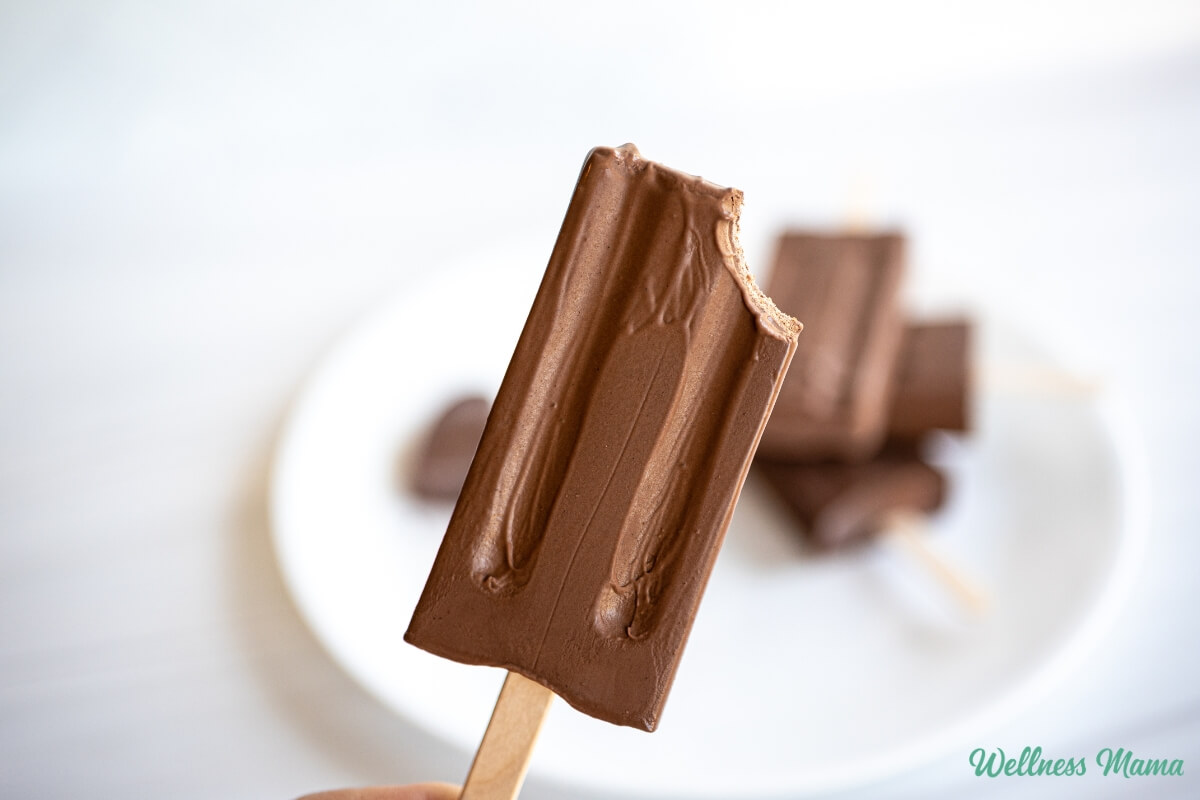
Homemade Fudgesicles Recipe (Clean Ingredients)

Growing up in the south, summer days meant swimming in the pool, late nights, and frozen treats. And while you won’t find me reaching for the frozen fudgesicles at the local store, these homemade fudge pops are the perfect healthy solution. 

I have plenty of popsicle recipes and they’re a big hit around our home. Fudgesicles are creamier and richer with their frozen chocolate fudge taste. I like mine only mildly sweet, but you can adjust the sweetness with raw honey and the kind of chocolate used. 

Homemade Fudgesicles

Real food just tastes better. Like many kids, I was a fan of fudge pops growing up. However, once I switched to whole foods I realized the junk food just didn’t taste as good. 

Homemade fudgesicles not only taste better, but they’re simple to pull together and healthier. You can even make several batches at once to freeze for later. My kids love these! And I’ll keep treats like this stashed in the freezer to pull out when the neighbor kids stop by to play (which is constantly!). 

Fudge Pop Ingredients

A lot of the recipes I saw used things like prepackaged instant pudding mix. Just read the ingredients list on the back of the box and you’ll see why I’d rather skip that. These fudgesicles instead use real chocolate, both chocolate chips and cocoa powder. 

I also used raw whole milk and full-fat canned coconut milk for that rich, creamy taste. If you want yours even creamier, use coconut cream instead of coconut milk. Whole milk is higher in healthy fats for that creamy mouth feel. However, you can use your favorite dairy-free milk if you need a dairy-free version. 

Sweet, Sweet Chocolate

Chocolate has some pretty impressive health benefits… when it’s not drowning in sugar. Semi-sweet or bittersweet chocolate both work well in this recipe. Choose a chocolate you enjoy eating on its own since the flavor really shines through. I prefer really dark chocolate, but you may like something a little sweeter. 

For a sweeter version, add honey a little at a time until it reaches your preferred sweetness. One to two tablespoons works well if you want to add honey. 

Homemade Fudgesicles Recipe

  • Combine the coconut milk, milk, cocoa powder, and sea salt to a small saucepan. Whisk until the cocoa is fully incorporated and no lumps remain.

  • Heat over medium-low heat until the mixture is steaming and just beginning to bubble around the edges. There’s no need to boil it.

  • Remove the pan from the heat and stir in the chopped chocolate. Continue whisking until the chocolate melts completely and the mixture is silky smooth.

  • Taste and add honey if desired, stirring until dissolved.

  • Fill the popsicle molds. Allow the mixture to cool slightly before pouring it into popsicle molds. This helps it thicken slightly and prevents separation.

  • Insert sticks and freeze until completely firm, about 6 hours or overnight.

Nutrition Facts

Homemade Fudgesicles Recipe

Amount Per Serving (1 fudgesicle)

Calories 310
Calories from Fat 225

% Daily Value*

Fat 25g38%

Saturated Fat 18g113%

Trans Fat 0.01g

Polyunsaturated Fat 1g

Monounsaturated Fat 4g

Cholesterol 4mg1%

Sodium 27mg1%

Potassium 397mg11%

Carbohydrates 20g7%

Fiber 5g21%

Sugar 12g13%

Protein 4g8%

Vitamin A 48IU1%

Vitamin C 1mg1%

Calcium 59mg6%

Iron 4mg22%

* Percent Daily Values are based on a 2000 calorie diet.

To release the fudgsicles, briefly run warm water over the outside of the molds. Gently pull on the sticks and serve immediately.

Shelf Life and Storage

Since they’re a frozen treat, you’ll obviously want to keep them in the freezer. They’ll stay fresh for several weeks when stored in an airtight container. You can even make several batches at once and freeze them for later.

More Popsicle Recipes

Here are some more of our family’s favorite sweet treats on hot days!

What are some of your favorite treats for hot days? Leave a comment and let us know!

Tags: , , , ,
Field Level Media

From PDRN to Peptides, These 10 K-Beauty Ingredients Are Defining 2026 Skincare

Key Takeaways

  • As worldwide interest in K-beauty increases, Korean skincare brands are staying ahead of the curve with innovations that prioritize skin longevity, barrier support, and more.

  • No longer just about hydration and “glass skin,” the latest in K-beauty is helping us age smarter with regenerative ingredients like exosomes, PDRN, and biomimetic peptides.

K-beauty has officially moved beyond its glass skin and hydration-first era. In 2026, the category is getting a whole lot more high-tech. Across Seoul’s skincare labs, formulators and cosmetic chemists are leaning into biotech, regenerative aesthetics, and next-generation delivery systems where the conversation is no longer just about what’s in a formula, but how that formula communicates with skin.

Ingredients like PDRN, exosomes, and spicules have already started making their way into the global beauty lexicon, but in Korea, they’re just the beginning. The latest innovation is centered around “slow aging,” skin longevity, and barrier-first treatments that blur the line between skincare and in-office procedures–all while maintaining the gentle, skin-respecting philosophy K-beauty is known for.

What’s emerging now is a deeper, more sophisticated layer of K-beauty innovation: fermented actives engineered for better absorption, hanbang herbal ingredients backed by modern clinical testing, cryo-inspired cooling formats, and bio-intelligent ingredients designed to support the skin rather than aggressively “fix” it. In other words, K-beauty’s next chapter is all about optimization.

Below, experts break down 10 K-beauty ingredients and technologies they expect to define the next wave.

Meet the Experts

  • Amy Miller is the senior manager of product at Rael. 

  • Alicia Yoon is the chief executive officer and founder of Peach and Lily.

01 of 10

Exosomes

If there’s one ingredient category poised to completely dominate skincare conversations in 2026, it’s exosomes. The regenerative ingredient—which encompasses tiny extracellular vesicles that help cells communicate by carrying proteins, peptides, and signaling molecules—has quickly become a top buzzword across K-beauty and dermatology.

But according to experts, we’re still only scratching the surface. “Consumers are beginning to understand concepts like exosomes and regenerative skincare, but we’re only scratching the surface of where this category is headed,” says Peach and Lily founder and CEO Alicia Yoon.

What’s making exosomes especially interesting in K-beauty is the level of sophistication behind the scenes. Korean labs are focused on sourcing, stabilization methods, and delivery, going far beyond simply including the ingredient.

Still, dermatologists caution that the science around topical exosome skincare is changing. “For at-home skincare, the science is still evolving,” says board-certified dermatologist Joyce Park, MD, FAAD. “Factors like sourcing, stability, formulation, and delivery system matter tremendously.”

02 of 10

PDRN

PDRN has rapidly become one of the defining ingredients of the “regenerative skincare” era. Derived from salmon DNA, the ingredient is commonly associated with skin repair, wound healing, and collagen support. It’s become a staple ingredient in Korean clinics and med-spa-inspired skincare alike.

According to Rael’s senior manager of product, Amy Miller, consumers are gravitating toward ingredients tied to “skin longevity” rather than traditional anti-aging. “We’ve seen a big cultural pivot away from aggressive ‘anti-aging’ language,” she says. “The modern consumer wants skin health and resilience.”

That shift has pushed ingredients like PDRN into the mainstream, especially among younger consumers focused on “slow aging” and maintaining skin health long-term.

03 of 10

Spicules

Spicules–microscopic, needle-like structures often derived from marine sponges–have become one of the biggest delivery-system innovations to emerge from K-beauty recently. Often marketed as “liquid microneedling,” spicules work by creating micro-channels on the surface of the skin to help active ingredients penetrate more effectively.

But according to Park, the comparison to professional microneedling treatments is a little misleading. “Spicules can create some similar resurfacing effects, but they are not the same as an in-office microneedling treatment that reaches deeper layers of the skin,” she explains.

Instead, experts say the real innovation lies in the delivery system itself. “Spicules are exciting because they act as a natural microscopic delivery system to help active ingredients penetrate better,” Miller says. As K-beauty continues leaning into treatment-inspired skin care, spicules are expected to become far more mainstream in 2026.

04 of 10

Fermented Ingredients

Fermented skincare has been a staple in K-beauty for years, but experts say the category is entering a much more advanced era. “Korean labs are becoming more sophisticated in fermentation science,” Yoon tells us. “Fermentation can help ingredients become more bioavailable and skin-compatible.”

In practice, that means fermented ingredients may absorb more effectively while remaining gentler and less irritating than harsher actives. Miller says fermentation technology is especially appealing because it allows brands to create “high-performance, results-driven ingredients” without compromising the skin barrier.

As consumers continue moving away from aggressive skincare routines, fermented actives are likely to become even more central to K-beauty’s treatment philosophy.

05 of 10

Biomimetic Peptides

Peptides are hardly new, but next-generation biomimetic peptides are shaping up to be one of the biggest ingredient categories to watch. “If I had to choose one category specifically, I think biomimetic peptides and next-generation peptide technologies are going to become much bigger editorial conversations,” Yoon shares.

Unlike traditional peptides, biomimetic peptides are designed to mimic natural biological processes in the skin, supporting collagen production, elasticity, and barrier function in more targeted ways. Park says that peptides are also appearing outside of facial skincare, particularly in scalp and hair products as the line between skin and hair care continues to blur.

06 of 10

Madecassoside

Centella asiatica (aka cica) has already become a skin care staple, but experts predict one of its active compounds—madecassoside—is poised for a breakout moment of its own. “I love this ingredient because it’s anti-inflammatory, antioxidant, and incredibly calming for the skin,” Park tells us.

Madecassoside is especially popular for redness, irritation, dryness, and barrier repair, making it particularly appealing as consumers become more focused on skin recovery and resilience.

07 of 10

Glutathione

Already hugely popular in Korea, glutathione is finally beginning to gain real traction in the U.S. market. Known as the body’s “master antioxidant,” glutathione has become increasingly associated with brightening, antioxidant protection, and achieving the ultra-radiant “glass skin” effect consumers continue to chase.

According to Miller, glutathione is also part of Korea’s growing “inside-out beauty” philosophy, where skincare increasingly overlaps with wellness and ingestible beauty supplements. “Glutathione and tranexamic acid are transitioning from niche innovations to mainstream essentials,” she says.

08 of 10

Ginseng

Korean herbal ingredients—often referred to as hanbang ingredients—are also entering a new era. While ginseng has been part of Korean herbal medicine for centuries, Yoon says modern extraction technologies and clinical research are helping reposition the ingredient for a global audience. “Ginseng is going to have another major resurgence globally,” she says.

Today’s formulations are focusing on preserving active compounds through more advanced cultivation and extraction processes, allowing brands to highlight ginseng’s benefits for firmness, radiance, and skin resilience in a much more science-forward way.

09 of 10

Cryo-Inspired Cooling Ingredients

One of the more under-the-radar trends experts are watching? Cooling skincare. According to Miller, cryo-inspired formats are rapidly gaining traction in Korea as consumers increasingly look for products that soothe irritation, redness, and heat-stressed skin. “Rising global temperatures and frequent heat waves are driving demand for cooling treatments that deliver instant calming and depuffing benefits,” she explains.

Hydrogel masks, cooling toner pads, and ice-inspired formulations are all expected to grow significantly in 2026—particularly as skincare continues merging with wellness rituals.

10 of 10

NAD and NMN

Perhaps the most futuristic on the list, NAD and NMN are longevity-focused ingredients gaining momentum as skin care becomes influenced by the wellness world. “I definitely see NAD and NMN having a major breakout moment soon,” Miller says.

Both ingredients are associated with cellular energy and longevity research, making them especially appealing as consumers embrace “slow aging” and preventative skin care philosophies. While the category is still early, experts say it reflects a much larger shift happening in K-beauty overall: skincare designed not just to improve appearance, but to support skin function over time.

Read the original article on Byrdie

Tags: , , , , ,
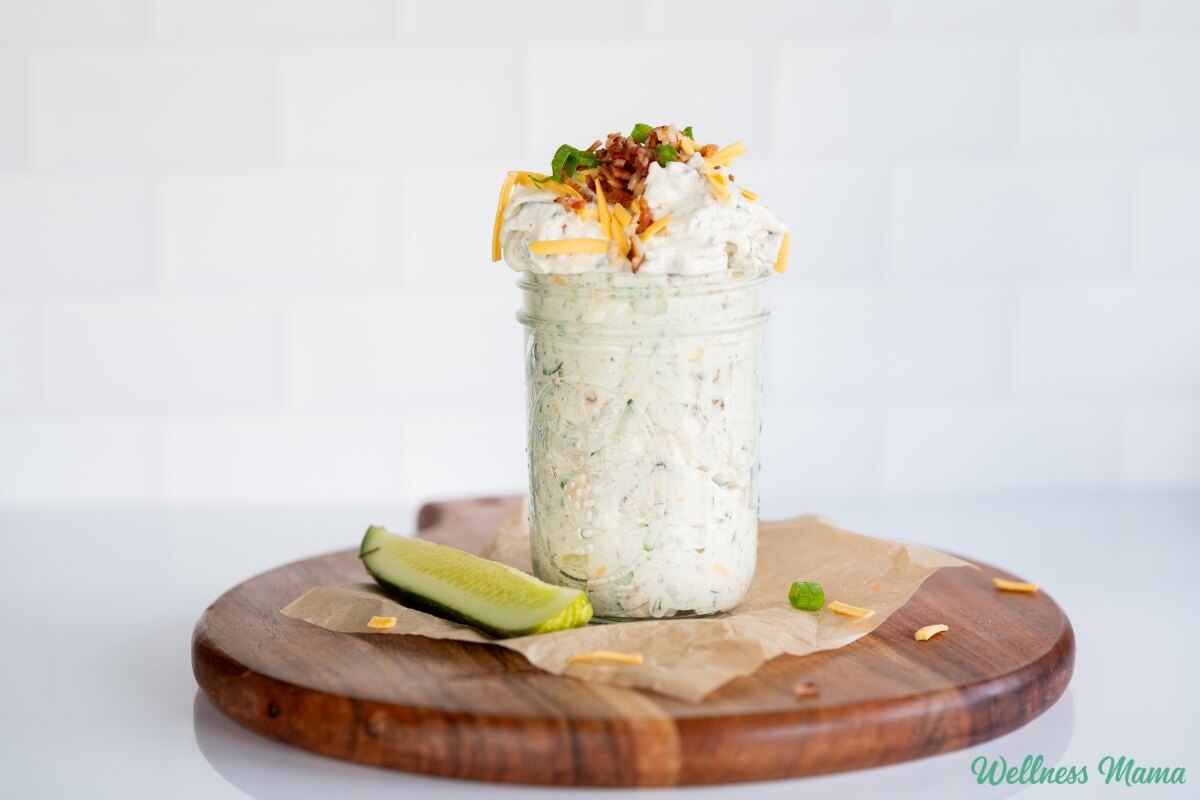
dill pickle dip

Dill Pickle Dip (With Clean Ingredients)

Summer is a time where fresh, seasonal veggies are abundant at the farmer’s market and in the garden. My kids have no problem eating their veggies, but our family enjoys them so much more with a good dip. This dill pickle dip is creamy, tangy, and everything you’d want in a dip. 

You might have seen the viral pickle dips going around on social media. While they do look delicious in the videos, they lean towards some ingredients I’m not a fan of. The good news? You can easily make your own dill pickle dip recipe with cream cheese and all of the good stuff, but with clean ingredients. 

Dill Pickle Dip (But Make it Clean)

Pickle dip made with Grillo’s dill pickles is all the vibe right now. And if you look at the ingredients list, it’s actually pretty clean. However, they’re not at every grocery store, and I prefer to use organic pickles whenever I can. 

If you’re up to making your own, fermented is hands down one of the best options. They’re naturally bubbling with healthy probiotics and are great for gut health. You can even make a more conventional homemade pickle with organic ingredients at home. Here are my recipes for both.

Don’t have the time or desire to make pickles from scratch? Bubbies brand from the refrigerator section is traditionally fermented and a good alternative. 

Dairy Options

The main ingredients in the dip are cream cheese, sour cream, and Greek yogurt. They create the smooth, creamy base for the tangy pickles. Cream cheese adds richness, sour cream and yogurt add a little tang, and the yogurt gives some lightness to the dip. 

I love this dill pickle dip with Greek yogurt, but other recipes make their dill pickle dip with cottage cheese. If you’re looking for a high protein dip made with cottage cheese, then you might like this smoked salmon dip or my radish dip. 

Probably the biggest clean ingredient swap in this dill pickle dip recipe is the ranch dressing seasoning. Sure you can grab a packet of ranch seasoning at any grocery store, but it’s hard to find one without MSG, artificial flavors, and mystery “spices.”

Years ago I came up with my own ranch seasoning recipe. I’ll make a big batch and use it as needed for dips, meats, and this pickle dip. You can also find a premade ranch powder here with pretty good ingredients if you prefer to buy it. 

Tips For Making Pickle Dip

Shredding your own cheese may seem like an unnecessary step, but I think its worth it. Most shredded cheese blends are coated in anti-caking agents like cellulose, which is basically sawdust (yes, really!). Often one of the kids will shred the cheese while I’m stirring together the rest of the dip. 

This pickle dip actually gets better the longer it sits. Make it the night before a party and it’ll be even more flavorful the next day. I like to save some extra bacon bits to sprinkle on top right before serving for extra crunch. It also keeps well in the fridge for up to 4 days.

You can also easily adjust the spice level in this dip. Keep some of the jalapeno seeds in if you like it more spicy or add more hot sauce. Don’t like the heat? Leave the hot peppers out completely. 

With pasture-raised bacon, organic dairy, fresh spices, and probiotic pickles, this clean dill pickle dip is sure to be a hit!

Dill Pickle Dip

The viral pickle dip everyone is making… made clean with real-food ingredients. No ranch packets, no seed oils, no additives. Ready in 10 minutes and gone even faster.

  • 8 ounces cream cheese (softened)
  • ½ cup sour cream (full-fat)
  • ½ cup plain whole milk Greek yogurt
  • 1½ TBSP ranch dressing mix (homemade)
  • 1½ cups dill pickles (finely chopped)
  • 2 TBSP pickle juice (reserved from jar)
  • 4 green onions (thinly sliced)
  • ½ cup cheddar cheese (freshly shredded)
  • 4 slices bacon (cooked crispy and crumbled)
  • 1 jalapeno (optional, seeded and finely diced)
  • 1 tsp hot sauce
  • 1 tsp salt (or to taste)
  • ½ tsp black pepper
  • Add the cream cheese, sour cream, and Greek yogurt to a large bowl. Beat together until smooth and creamy. A hand mixer gives the fluffiest texture, but a sturdy spoon works fine too.

  • Stir in the ranch seasoning, hot sauce, salt, and pepper until fully combined.

  • Add the chopped pickles, pickle juice, green onions, shredded cheddar, crumbled bacon, and jalapeño if using. Fold gently until everything is evenly distributed.

  • Taste and adjust as desired. Add more pickle juice for extra tang, more hot sauce for heat, or a pinch more salt if needed. Keep in mind the pickles are already salty so go slow.

  • Cover and refrigerate for at least 1 hour before serving to allow the flavors to meld.

  • Transfer to a serving bowl. Garnish with extra bacon crumbles, chopped pickles, or sliced green onion.

Nutrition Facts

Dill Pickle Dip

Amount Per Serving (1 serving)

Calories 225
Calories from Fat 171

% Daily Value*

Fat 19g29%

Saturated Fat 10g63%

Trans Fat 0.02g

Polyunsaturated Fat 1g

Monounsaturated Fat 6g

Cholesterol 52mg17%

Sodium 1005mg44%

Potassium 154mg4%

Carbohydrates 6g2%

Fiber 1g4%

Sugar 3g3%

Protein 7g14%

Vitamin A 675IU14%

Vitamin C 4mg5%

Calcium 126mg13%

Iron 0.3mg2%

* Percent Daily Values are based on a 2000 calorie diet.

  • Serve with grain-free crackers, cucumber rounds, carrot sticks, celery, or pork rinds.
  • I also like topping the dip with some fresh dill for garnish and extra flavor.

More Healthy Dip Recipes

If you’re looking for even more clean dip recipes, give some of these a try!

What are some of your favorite dips to use or make? Leave a comment and let us know!

Tags: , , , ,
Skincare Ingredients Dermatologists Recommend

Skincare Ingredients Dermatologists Recommend

If you’re dealing with acne, dermatologists recommend focusing on ingredients that target oil production, clogged pores, and inflammation rather than layering multiple trendy products that may irritate your skin.

“For acne-prone skin, ingredients like salicylic acid, benzoyl peroxide, and prescription-strength retinoids are highly effective, as they target clogged pores, inflammation, and excess oil production,” says Whitney Hovenic. “Niacinamide can also be helpful for regulating oil and calming inflammation, while topical alpha hydroxy acids (AHAs) can support gentle exfoliation.”

However, more isn’t always better, especially when it comes to acne treatments. “It’s important to avoid formulas with high concentrations, as this can lead to irritation and potentially worsen breakouts,” Hovenic adds. The key, she explains, is choosing a few effective ingredients and introducing them gradually to avoid overwhelming your skin.

Best for:

  • Acne-prone skin
  • Oily skin
  • Clogged pores
  • Inflammation

Read More About Salicylic Acid

Tags: , , ,
Glass Skin with Natural Ingredients for Radiant, Clear Skin

Glass Skin with Natural Ingredients for Radiant, Clear Skin

Lifestyle

-Oneindia Staff


Updated: Monday, March 9, 2026, 8:45 [IST]

Glass skin is a look where skin seems clear, smooth, and well lit. It is linked with steady hydration and even texture. You can support this look with a simple routine and natural ingredients. The focus stays on gentle care, regular use, and avoiding harsh steps that can upset your skin barrier.

Glass skin is not a single product or quick fix. It usually means skin that looks calm and well hydrated. Pores look less clear when skin is dry or rough. When you keep skin clean and moisturised, light reflects better. This can give a soft shine that many call glass skin.

The glass skin look, characterized by clarity, smoothness, and hydration, is achieved through a consistent, gentle skincare routine. Key steps include daily cleansing, moisturizing, and sunscreen, with natural ingredients like aloe vera offering additional support.

Start with the basics before any home remedy. Cleanse in a gentle way, twice a day. Use a moisturiser that suits your skin type. Wear sunscreen in the morning, even on cloudy days. Sun damage can cause spots and dull skin. These steps support clear skin more than masks alone.

Do not scrub hard or wash too often. This can cause dryness and more oil. If you use makeup, remove it fully at night. Change pillow covers often, as oil and dirt can build up. These simple habits help keep pores clear. They also help natural ingredients work better.

Natural ingredients that support radiant, clear skin

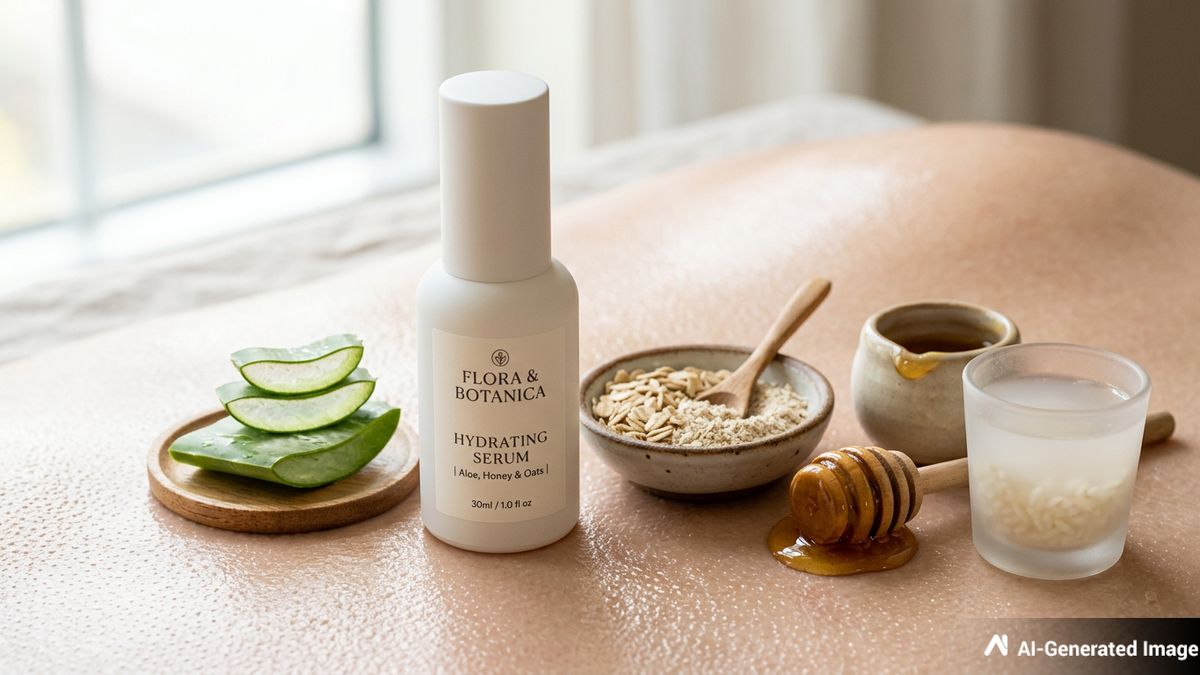
Aloe vera gel is known for its soothing feel. Many people use it to calm mild redness and dryness. Apply a thin layer of fresh gel or a plain aloe gel. Use it after cleansing, then add moisturiser. Aloe can support hydration, which is key for the glass skin look.

Honey is a common home ingredient for skin. It helps hold moisture on the skin surface. Use a small amount as a short mask for about 10 minutes. Rinse with lukewarm water. Choose plain honey and avoid mixes with added scent. This can help skin feel softer and look more radiant.

Curd or plain yoghurt can act as a gentle, short contact mask. It contains lactic acid, which is used in skincare for mild exfoliation. Keep it on for a few minutes and rinse well. Do not use it on broken or very irritated skin. Overuse can cause dryness, so keep it occasional.

Oats are used for gentle cleansing and calming. You can make a paste with ground oats and water. Massage very lightly, then rinse. This helps remove surface dirt without rough grains. It suits many skin types, including sensitive skin. Smooth texture can support the clear, hydrated look linked with glass skin.

Rice water is widely used in home skincare routines. It is made by soaking or rinsing rice in clean water. People use it as a light rinse or toner. Pat it on after cleansing, then moisturise. Use fresh rice water and store it safely. If it smells odd, throw it away.

Turmeric is used in many Indian home remedies. It can stain skin and clothes, so use a very small pinch. Mix with curd or honey for a short mask. Rinse well and do not scrub. Some people get irritation from turmeric. Patch testing matters, even for natural ingredients.

Cucumber, rose water, and green tea can be used as simple cooling steps. Cucumber juice feels light on the skin. Rose water is often used as a mild toner. Cooled green tea can be dabbed on with cotton. These steps can support a fresh look, mainly by adding light hydration.

How to build an easy routine at home

For mornings, keep the routine short. Cleanse with a mild face wash. If you use rice water or rose water, apply it next. Use aloe vera gel or a light moisturiser. Finish with sunscreen. This order supports hydration and protection. It also helps keep dark spots and dullness under control.

At night, cleanse well to remove sunscreen and dirt. Use a soothing step like aloe if your skin feels dry. On one or two nights each week, use a simple mask. Choose oats, honey, or yoghurt, not all at once. Always moisturise after. Regular, gentle care supports clearer skin over time.

Safety and patch testing

Natural does not mean risk free. Patch test each ingredient on the jaw or inner arm. Wait for 24 hours to check for redness or itching. Avoid using lemon on face, as it can irritate and raise sun sensitivity. Stop any step that burns. If you have eczema or acne flares, seek medical advice.

  • Gold Silver Rate Today, 7 March, 2026: City-Wise Prices As MCX Gold, Silver Rise Amid Safe-Haven Demand

  • Vijay-Trisha Affair: Did Trisha Hint At Marriage With ‘Big Announcement After Election’ Post?

  • Hyderabad Gold Silver Rate Today, 7 March, 2026: Check 24K, 22K, 18K Gold Prices And Silver Rate In Nizam City

  • Bengaluru Gold Silver Rate Today, 7 March 2026 Takes U-Turn! Gold Prices Jumps to Trade Near Weekly Lows

  • Vijay-Sangeetha Divorce: Kicking Out Wife, Daughter & Celebrating Women’s Day: Tamil Director Mocks Thalapathy

  • Allow Me To Stay In Neelankarai House; Give Us Fair Livelihood: Sangeetha Demands Vijay In New Divorce Plea

  • Emirates Halts All Dubai Flights, Passengers Advised Not To Travel To Airport, Check Advisory

  • Amit Shah Inaugurates Sulphuric Acid Plant-III at IFFCO’s Paradip Unit, Highlights Role in India’s Self-Reliance

  • LPG Price Hike: Domestic Cylinder Costlier By ₹60, Commercial LPG Up ₹115 Across India

  • IAF Pilot Sqn Ldr Anuj Vashisht Dies in Su-30 Crash Days Before Wedding, Family in Shock

  • Dhurandhar 2 Advance Booking: 35,000 Tickets Sold, Rs 4 Crore Earned In 2 Hours

  • Horoscope for Today 07-March-2026 – Honest Talk, Smart Spending & A Clean Reset – Aries, Virgo, Leo

Tags: , , , , ,
Centella Asiatica

Top 6 Korean Skincare Beauty Essentials For Spring Season With Natural Ingredients

Korean Skincare Beauty Essentials For Spring Season: As spring arrives in India, our skin asks for a lighter, gentler routine that keeps it calm, hydrated and glowing. Korean skincare, or K‑Beauty, is loved worldwide because it focuses on natural, soothing ingredients that work without harsh chemicals. Instead of heavy creams, spring calls for ingredients that balance oil, boost hydration, and strengthen the skin’s barrier, according to various skincare experts. Below, in this article, we will tell you about the key natural ingredients you’ll want to look for this season, and why they’re perfect for Indian skin types in Spring season:

6 Best Korean Skincare Beauty Essentials For Spring Season You Must Try

1. Centella Asiatica (Cica)

Centella, often called Cica, is one of the most celebrated Korean skincare ingredients because of its calming and healing properties. It’s great if your skin gets irritated or red due to pollution or warmth in spring. According to a June 2025 research, “Centella asiatica (CICA)-derived exosomes have emerged as bioactive agents for skin rejuvenation due to their regenerative and anti-inflammatory properties.” Cica helps soothe inflammation, supports skin repair and strengthens the moisture barrier, making it ideal for sensitive or reactive skin.

2. Rice Water

Rice water has long been a staple in Asian beauty traditions and is now widely used in Korean products. It’s rich in vitamins and antioxidants that help brighten dullness and smooth skin texture. An April 2018 research highlights, “Rice, a rich source of amino acids, peptides, organic acids, polyphenols, vitamins, and polysaccharides, has garnered growing attention owing to its diverse skincare benefits. Research has demonstrated its potential to enhance skin hydration, improve skin barrier function, mitigate oxidative stress, promote skin whitening, and address signs of aging.” For Indian climates during Spring, which can be humid and sun‑exposed, rice water also helps balance oil and improve overall radiance.

3. Niacinamide (Vitamin B3)

Niacinamide (vitamin B3) is a versatile, water-soluble nutrient crucial for cellular energy, skin health, and barrier function. It regulates excess oil, shrinks the look of pores, and evens out skin tone. It also supports the skin’s barrier and helps reduce redness or pigmentation that can show up with changing seasons. It’s suitable for almost every skin type, from oily to combination skin in spring.

4. Green Tea Extract

Green tea is packed with antioxidants that protect skin from environmental stressors like pollution. It also soothes redness and balances oil production, which is perfect for spring when skin might feel uneven or more reactive.

ALSO READ- Top 7 High-Shine Powder Highlighters For Every Skin Tone

5. Hyaluronic Acid

One of the best humectants in skincare, hyaluronic acid can hold up to 1,000 times its weight in water. This makes it ideal for keeping skin deeply hydrated without heaviness. In spring, when humidity rises but skin still needs moisture, hyaluronic acid keeps skin plump and comfortable.

ALSO READ- 5 Must-Have Korean Skincare Ingredients For Flawless Skin

6. Ginseng

A traditional herbal ingredient, ginseng boosts circulation, supports collagen production and improves skin vitality.  National Institutes of Health (.gov) highlights, “Ginseng is widely used in cosmetics and skin care. The main active ingredient in ginseng is ginsenoside, and its effects on the skin are mostly anti-aging and whitening.” This helps skin stay firm and radiant, especially if it has looked dull after winter. Its antioxidant power also protects against environmental stress.


Choosing products with these natural Korean skincare ingredients means your skin gets gentle and effective care that matches the changing season.

Note: Make sure to do a patch‑test.

For more such stories, stay tuned to HerZindagi. 

Image credit: Freepik 

Tags: , , , , , , , ,
Best oLive
Privacy Overview

This website uses cookies so that we can provide you with the best user experience possible. Cookie information is stored in your browser and performs functions such as recognising you when you return to our website and helping our team to understand which sections of the website you find most interesting and useful.