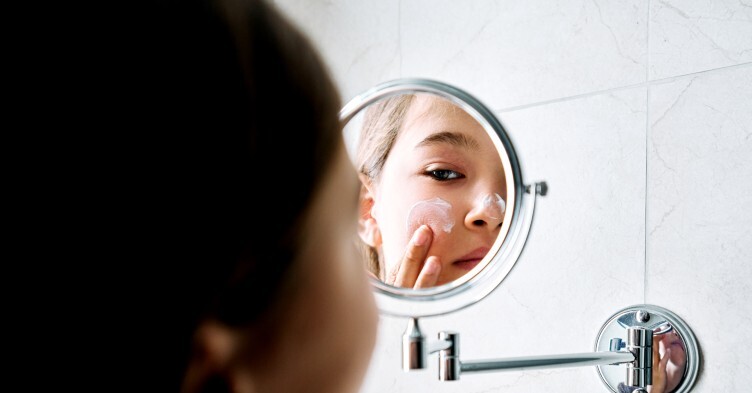
Support Stressed Winter Skin With Barrier-Loving Moisturizers & Serums

Support Stressed Winter Skin With Barrier-Loving Moisturizers & Serums

Sephora’s Savings Event has officially launched to all shoppers, bringing tiered discounts to everything in your cart.

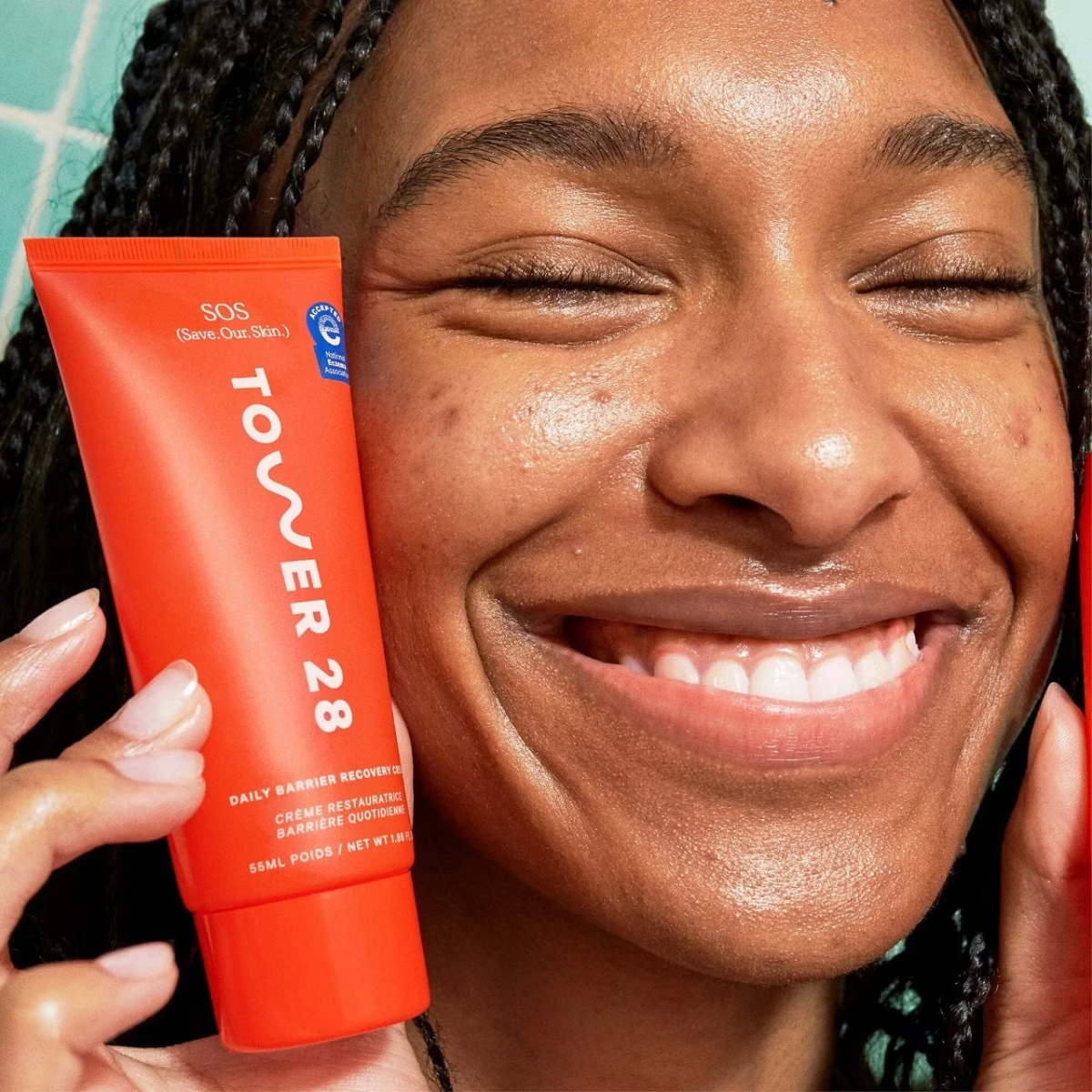
And we’re taking the opportunity to add all of our skin-loving faves to cart, starting with barrier-supporting skincare picks. The skin barrier, a.k.a. the epidermis, is the protective shield that locks in moisture and defends against irritation. But since it’s the outermost part of the skin, it can be damaged due to over-exfoliation, active ingredients or seasonal changes.

To help combat that, we’ve rounded up serums, essences and moisturizers (on-sale) that can soothe the skin and bring back moisture:

Don’t forget to use the code ALLONSALE to score these deals:

  • Sephora Collection: 30% off, Oct. 30-Nov. 9
  • Rouge Members: 20% off, Oct. 30-Nov. 9
  • VIB: 15% off, Nov. 3-9
  • Insider: 10% off, Nov. 3-9

Scroll on for the best barrier-loving deals of the sale!

Tags: , , , , , ,
people in their 20s are treating wrinkles before they appear

people in their 20s are treating wrinkles before they appear

We had barely gotten used to the demise of the term “anti-aging.” That was it, we were told. We no longer do anti-aging, and we no longer fight the aging process. Instead, we do everything we can to stay healthy, fresh-faced and firm until the very end. Pre-Juvenation is part of the longevity movement, and its message is simple: tackle the worst of aging while you’re still young and wrinkle-free.

Yes, the beauty and aesthetics industry is undergoing a cultural revolution that supposedly rewrites everything we thought we knew about metabolism, age and beauty. But ultimately, it is asking us to do the same thing it always has: do everything you can, and preferably a little more, to freeze time.

(Photo: Shutterstock/ASAP creative)

The Pre-Juvenation trend, a combination of the words “prevention” and “rejuvenation,” has become a hot topic among Gen Z and younger millennials, people in their 20s and 30s who want to get ahead of the problem. Instead of fighting the effects of aging after they appear, they are choosing to manage their skin’s biology proactively and scientifically.

This approach stems from a worldview that regards facial skincare as an integral part of overall wellness and cellular longevity. The goal is to maintain optimal tissue resilience over the years, based on the belief that early maintenance is key.

Beauty consultant Josephine Forsberg, writing about the trend in Vogue Scandinavia, describes a clear shift away from reactive aesthetic treatments toward preventive approaches rooted in skin biology. She notes that people in their 20s today have a more sophisticated understanding of skincare and recognize that preserving collagen at a young age may help them avoid more invasive treatments later in life.

Until just a few years ago, beauty clinics primarily offered muscle-freezing Botox, volumizing injections and wrinkle fillers. Today, the language has changed. These treatments have given way to concepts such as “boosting cellular metabolism” and “optimizing skin function.”

This cultural shift is being driven by a generation unwilling to wait for problems to appear. Young people analyze dermatological studies on social media, consult specialists from an early age and view their skin health much as they view proper nutrition or physical activity. And they are not just talking about it. They are taking action.

Unwilling to wait for problems to appear

(Photo: Shutterstock/ASAP creative)

According to an article about the trend published on RefinedMD, a website featuring medical and dermatological expertise, Gen Z increasingly rejects the idea of fighting wrinkles, viewing the term as outdated and almost offensive. Instead, young people prefer to focus on aging well, embracing an approach in which early treatment is seen not as an attempt to stop the clock, but as a long-term investment in skin resilience.

A 2026 trend analysis published in the design and culture magazine Wallpaper highlighted the growing convergence of aesthetic medicine and the longevity movement, with an increasing focus on smart mapping and precision technologies designed to help tissues maintain their optimal biological condition for decades.

So what exactly are they doing? To put the Pre-Juvenation philosophy into practice, leading clinics across the United States are already offering a wide range of gentle procedures for younger skin. Rather than changing facial features, these treatments are designed to stimulate the body’s natural repair mechanisms. Examples include:

1. Energy-based treatments and laser technologies

Nonablative fractional lasers: Advanced devices that operate at specific wavelengths, penetrating the dermis without damaging the outer epidermal layer. They create controlled microscopic thermal injuries that stimulate fibroblasts, the cells responsible for producing collagen and elastin, with the aim of rebuilding skin density long before any sagging becomes visible.

Radiofrequency (RF) devices: These devices use controlled heating of the deeper layers of skin. The heat encourages the immediate contraction of existing collagen fibers, alongside the longer-term production of new fibers, with the goal of giving the skin a firmer, denser texture and a radiant appearance from within.

High-intensity focused ultrasound (HIFU), at customized treatment levels: Sound waves reach the deepest layers of the skin and are intended to encourage structural renewal, helping prevent the loss of firmness commonly associated with the jawline and neck.

2. Fascia treatments and connective tissue tightening

Fascia is the connective tissue that surrounds the facial muscles. Over the years, a decline in the tension of this tissue contributes to facial sagging. Advanced treatments, combining specialized devices with hands-on clinical techniques, target this deeper layer with the aim of preserving a defined jawline, naturally lifted eyebrows and structural support for the face.

3. Biostimulation and advanced regenerative ingredients

PDRN and polynucleotide injections: These substances are injected in low concentrations across the face. Rather than adding volume or altering facial features, as hyaluronic acid fillers do, they are promoted as a form of “cellular fuel” that accelerates cellular DNA repair, improves blood circulation and strengthens the skin barrier.

Advanced medical mesotherapy and peptide cocktails: Complexes of amino acids, antioxidants and vitamins are delivered directly into the inner layers of the skin through microscopic punctures. The aim is to stimulate cellular metabolism and achieve the smooth, luminous appearance known as “glass skin.”

Exosome treatments: Exosomes are tiny particles that transmit biological signals between cells. Treatments using them are promoted as a way to encourage rapid tissue repair and restore the skin’s youthful functioning.

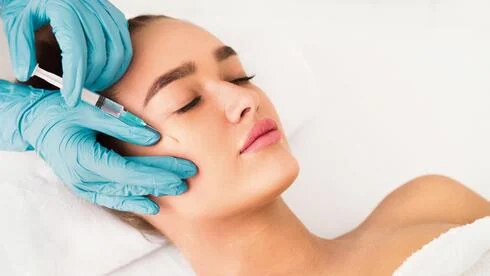
Baby Botox: A trend involving preventive Botox injections at low doses. Minimal amounts of neurotoxin are administered to areas prone to frequent muscle movement, such as the forehead or the outer corners of the eyes. The goal is not to “freeze” the muscles, but to prevent facial expressions from creating future wrinkles while fully preserving natural facial movement.

The Pre-Juvenation approach tells us something about the changing attitudes toward skincare among younger generations. Just as they are committed to going to the gym from a very young age (how many of us went to the gym three times a week at 16?), they are taking a similar approach to their skin. They choose to manage their entire skincare routine with awareness, science and self-love, and they are willing to spend considerable amounts of money on it.

Yet despite the appeal of all these new technologies, aesthetic medicine experts remind us that none of them can replace the fundamentals: a smart skincare routine that includes strict sun protection, since sun exposure is a major cause of collagen breakdown, a healthy diet, adequate hydration, deep sleep and stress management.

Tags: , , ,
PDRN skincare: benefits, evidence & uses

PDRN skincare: benefits, evidence & uses

Published
03rd Nov 2026

PDRN is gaining attention in professional skincare, but can topical formulations deliver the benefits associated with injectable treatments? We examine the science, potential skin benefits and what therapists need to know before incorporating PDRN into treatment protocols

Polydeoxyribonucleotide (PDRN) is a DNA-derived ingredient gaining popularity in Korean skincare, with growing interest in its potential to support skin repair, hydration and barrier function. Traditionally associated with medical applications and injectable aesthetic treatments, PDRN is now appearing in professional facial protocols, serums and creams.

But can topical PDRN deliver the same benefits as injectable treatments? And what does the scientific evidence actually show?

For beauty therapists and advanced skin practitioners, understanding the difference between promising laboratory findings, clinical evidence and manufacturers’ claims is essential when deciding whether PDRN deserves a place in professional treatments and homecare recommendations.

PDRN skincare: key facts

  • What is PDRN? A collection of DNA fragments traditionally derived from salmon or trout, investigated for their potential role in tissue repair and skin regeneration.
  • What are its potential benefits? Early research suggests possible applications in skin repair, elasticity, barrier function and visible signs of ageing, although evidence for topical products remains limited.
  • Is PDRN the same as injectable polynucleotides? Not necessarily. PN and PDRN formulations can differ in fragment size, processing and delivery, and the terminology is not always used consistently.
  • Can PDRN be used in professional treatments? Certain formulations are marketed for professional facials and specialist protocols, but suitability depends on the specific product, treatment and manufacturer instructions.
  • Does topical PDRN work? Some formulation-specific human research is promising, but results cannot be generalised to every PDRN serum or cream.

What is PDRN in skincare?

PDRN consists of fragments of DNA, traditionally purified from salmon or trout reproductive tissue. These fragments have been associated with biological processes involved in tissue repair, cellular activity and inflammation regulation.

Research suggests PDRN may influence the adenosine A2A receptor, which helps regulate inflammatory responses and tissue repair. It may also support cellular activity through the nucleotide salvage pathway, which allows cells to reuse components needed to produce DNA.

Much of the scientific interest originally came from wound-healing research. A 2014 randomised, placebo-controlled study published in the Journal of Clinical Endocrinology & Metabolism investigated PDRN in 216 patients with difficult-to-heal diabetic foot ulcers.

After eight weeks, complete healing occurred in 37.3% of patients receiving PDRN, compared with 18.9% receiving placebo.

Crucially, however, the treatment was administered through intramuscular and local injections, not ordinary cosmetic application. These findings support PDRN’s potential within tissue repair but cannot automatically be applied to topical skincare.

Why is PDRN so popular in Korean skincare?

PDRN’s popularity can be traced to South Korea, where regenerative skin treatments and ongoing skin maintenance have long occupied prominent positions.

“PDRN first gained traction in Korea through the medical aesthetics and dermatology clinic space in the mid-2010s, particularly via injectable skin-booster treatments such as Rejuran,” explains Poppy Smith from Pureseoul, a UK-based specialist retailer of Korean skincare.

Rejuran, developed by South Korean pharmaceutical company PharmaResearch, helped popularise salmon-derived polynucleotide treatments among consumers seeking improvements in skin quality rather than dramatic changes to facial shape.

As medical treatments gained recognition, Korean skincare manufacturers began incorporating PDRN into creams, ampoules and serums, bringing a clinic-associated ingredient into homecare.

“Consumers are becoming increasingly interested in skin longevity, barrier health and low-irritation skincare,” says Smith. “At the same time, the crossover between aesthetics and retail beauty has grown, with more consumers seeking clinic-inspired ingredients for at-home use.”

Dr Michael Kim, chief medical officer and executive managing director of medical strategy at PharmaResearch, believes this reflects a broader shift towards prevention and maintenance.

“It’s not just about treating the signs of ageing or the symptoms we see, but moving into prevention and thinking about the skin’s healthy function, resilience and appearance,” he says.

This interest also reflects the wider movement towards regenerative medicine and preventative aesthetic treatments, as clients increasingly seek improvements in skin quality and resilience.

However, maintaining skin health should not be confused with encouraging increasingly young clients to pursue unnecessary corrective treatments. For therapists, the most relevant lesson is the value of consistent, age-appropriate skincare, barrier protection and professional assessment.

PDRN vs polynucleotides: what’s the difference?

PDRN and polynucleotides (PN) are frequently used interchangeably within beauty marketing, but the terminology requires care.

Within PharmaResearch’s portfolio, injectable PN is described as comprising longer, higher-molecular-weight DNA fragments, while its cosmetic PDRN uses shorter fragments.

“PDRN is a shorter fragment, and this is what is in the cosmeceuticals,” explains Kim. “It needs to be shorter for better absorption.”

Hongyeol Jeon, vice-president and head of development at PharmaResearch, says the company further controls the fragment range of the cosmetic PDRN it uses.

However, this is a description of PharmaResearch’s own materials and should not be assumed to apply to every product marketed as PN or PDRN.

Definitions, molecular weights, sources and processing methods can vary between manufacturers. Therapists should therefore look beyond an ingredient name and ask for product-specific information and supporting evidence.

How do topical PDRN and injectable PN treatments compare?


Topical PDRN skincare

Injectable PN treatments

Delivery

Applied to the skin surface

Injected into skin tissue

Formulations

Serums, creams and professional concentrates

Injectable medical or aesthetic products

Main challenge

Skin penetration and demonstrating clinical efficacy

Injection-related risks, appropriate training and regulation

Evidence

Emerging, formulation-specific human research

Separate clinical evidence base, varying by product and indication

Professional considerations

Formulation, intended use, aftercare and compatibility

Qualified practitioner, clinical assessment and relevant legal requirements

These distinctions describe broad product categories rather than universal chemical definitions. The terminology and characteristics of PN and PDRN vary between manufacturers.

Does topical PDRN actually work?

One of the biggest questions surrounding PDRN skincare is whether DNA fragments can penetrate the skin sufficiently to produce meaningful biological effects.

Traditional PDRN comprises relatively large, negatively charged DNA fragments, making penetration through the protective stratum corneum difficult.

This presents a challenge for products promising effects within the deeper skin, where fibroblasts produce collagen and elastin.

“Traditionally, PDRN has been associated with injectable treatments, so naturally there are questions around how well it can perform when applied topically. This is where the formulation and delivery method become important,” says Amy Holland-Rathmill, head of sales at Million Dollar Facial.

Manufacturers are investigating several approaches, including smaller DNA fragments, alternative molecular structures and delivery technologies intended to improve penetration.

Simone Shoffman, education and clinical director at Healthxchange, describes one approach involving DNA chains folded into a three-dimensional tetrahedral structure, intended to reduce some of the limitations associated with conventional PDRN.

However, a formulation’s theoretical ability to penetrate the skin is not the same as demonstrating meaningful clinical results.

What does the research say about topical PDRN?

A 2026 study published in PLOS One examined a medium-length PDRN preparation using laboratory and skin models alongside a 28-day randomised, double-blind, split-face trial comparing a PDRN eye cream with retinol.

The clinical trial involved 31 women aged 35–55 and compared a formulation containing 0.1% PDRN-850K with a 0.1% retinol eye cream.

The findings suggested improvements in periocular wrinkles and skin measurements, alongside evidence of PDRN-associated material reaching viable epidermal layers.

However, the study examined one particular formulation over a relatively short period. Detecting PDRN-associated material within the skin does not necessarily establish the extent of its biological activity, nor does it demonstrate that all topical PDRN products penetrate or perform similarly.

Further independent human research is needed to determine which formulations deliver clinically meaningful benefits, at what concentrations and through which delivery methods.

What are the potential benefits of PDRN for skin?

The most promising potential applications for topical PDRN concern skin quality, barrier support and recovery.

For clients experiencing dehydration, dullness, sensitivity or visible signs of ageing, PDRN-containing formulations may offer an additional supportive ingredient within a broader skincare programme.

Potential areas of interest include skin hydration and barrier function, visible fine lines and elasticity, skin texture and recovery following appropriate professional treatments.

However, the strength of evidence varies considerably between these applications.

Research published in Molecules in 2023 investigated PDRN extracted from ginseng roots and its effects on skin regeneration and barrier function.

Researchers observed increased activity in keratinocytes and fibroblasts, alongside improvements in barrier-related markers in laboratory and reconstructed skin models.

Importantly, these findings demonstrate biological activity rather than definitive clinical improvements in human skin. Plant-derived DNA preparations should also not automatically be considered equivalent to conventional fish-derived PDRN.

The distinction matters when evaluating claims concerning collagen stimulation, wrinkle reduction and accelerated recovery.

Similarly, improvements in hydration or skin appearance following the use of a PDRN-containing cream do not necessarily establish that PDRN itself was responsible. Other ingredients within the finished formulation may contribute to the observed results.

How should therapists assess PDRN treatment results?

Assessing subtle improvements in skin quality presents a practical challenge.

Kim notes that changes in “pigmentation, redness, pores, hydration and elasticity” can be difficult to demonstrate through standard photography.

“The trend has already moved to skin quality, but the assessment has not followed,” he says.

Therapists should use consistent photography and consultation records where appropriate, while avoiding claims that cannot be substantiated by the product’s evidence.

Professional skin analysis and monitoring tools may help practitioners assess changes more consistently, although measurements should still be interpreted in the context of the treatment and individual client’s skin.

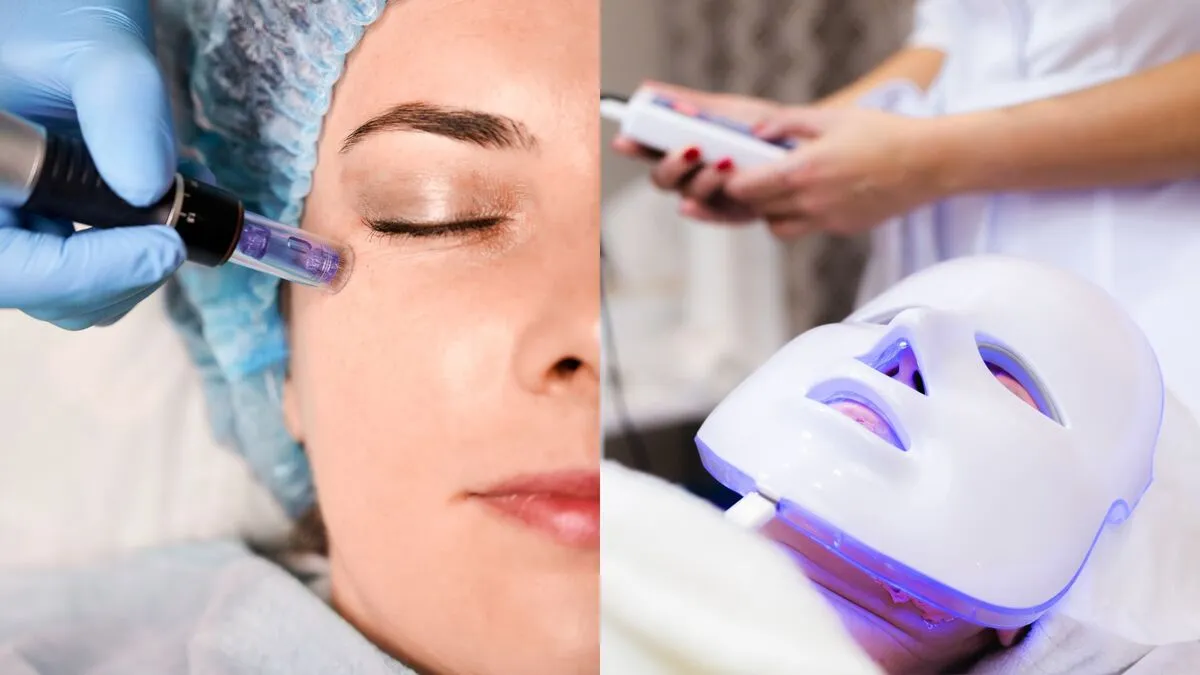
Can PDRN be used with microneedling?

Professional skincare companies are increasingly positioning PDRN as a complement to treatments intended to improve skin quality, particularly microneedling.

Depending on the formulation and manufacturer-approved protocol, it may be incorporated into recovery-focused facials, applied after certain procedures or delivered using specialist technologies.

Lauren Evans, training and development officer at CACI, explains how its needle-free approach combines ultrasonic atomisation, electro-infusion and LED technology with a plant-derived PDRN formulation.

Other professional systems position PDRN-containing concentrates alongside microneedling or as a post-procedure step.

The commercial opportunity is already visible in UK clinics, with many promoting PDRN microneedling treatments.

However, microneedling itself has established effects on skin remodelling. Improvements following a combined protocol cannot necessarily be attributed to PDRN without controlled comparative studies.

Is PDRN safe to apply during microneedling?

Product suitability is particularly important when the skin barrier is deliberately disrupted.

A cosmetic serum intended for intact skin should never automatically be considered suitable for application through microneedling-created channels.

Sterility, formulation, device compatibility and manufacturer instructions must determine its use. Practitioners should also follow appropriate microneedling safety and best-practice guidance.

Products marketed as PDRN skincare should not be assumed suitable for transdermal delivery simply because the ingredient is associated with injectable aesthetic treatments.

How should therapists recommend PDRN homecare?

PDRN’s role in homecare may prove more accessible than its use in advanced treatment protocols.

“I would position PDRN as part of a wider skin-health routine rather than as a single miracle ingredient,” advises Holland-Rathmill. “Good cleansing, hydration, barrier support and daily SPF should always form the foundation of homecare.”

Kim similarly describes skin longevity as a combination of professional intervention, topical barrier care and lifestyle factors such as diet, exercise and sun exposure.

For clients undergoing professional treatments, PDRN-containing homecare may complement established barrier-support ingredients such as ceramides, panthenol and hyaluronic acid.

However, therapists should assess the complete formulation and the client’s existing routine rather than recommending PDRN purely because it is a trending ingredient.

Post-procedure application requires particular care. Products suitable for everyday use may not be appropriate immediately after microneedling, chemical peels or laser treatments, when barrier integrity is temporarily compromised.

Therapists should follow treatment-specific aftercare protocols and avoid introducing potentially irritating or non-sterile formulations during early recovery.

Is PDRN suitable for all skin types?

PDRN skincare is marketed towards a broad range of skin types, particularly dehydrated, mature and sensitised skin.

Nevertheless, suitability depends on the complete formulation, not simply the presence of PDRN.

Its traditional fish-derived origins mean allergies and ethical preferences should be considered.

Plant-derived alternatives are emerging, including formulations using ginseng-derived DNA fragments. These should not automatically be considered chemically or clinically interchangeable with conventional salmon-derived PDRN.

Therapists should establish the ingredient’s source, check for known sensitivities and assess whether the complete formulation is appropriate for the client.

Extra caution is warranted during pregnancy and breastfeeding, where product-specific evidence may be limited, and on actively infected or damaged skin unless an appropriately indicated product is being used.

What should therapists look for in a PDRN product?

As more PDRN-containing products enter the professional skincare market, understanding how to assess their claims will become increasingly important.

Before introducing PDRN into a professional treatment or homecare recommendation, therapists should ask suppliers several questions.

  1. What is the source of the PDRN? Establish whether it is fish-derived, plant-derived or produced using another method, particularly where allergies or ethical preferences may be relevant.
  2. What is the molecular profile? Ask whether the manufacturer can provide information about fragment size, processing and the characteristics of the material used.
  3. What evidence supports the finished formulation? Laboratory studies on PDRN as an ingredient do not necessarily demonstrate the performance of a particular serum or cream. Product-specific human research is particularly valuable.
  4. How is the product intended to be used? Confirm whether it is designed for intact skin, post-treatment application or a specific professional protocol.
  5. Is it compatible with the treatment being performed? Products should only be used with microneedling or other barrier-disrupting procedures where their suitability is explicitly established.
  6. What contraindications and aftercare requirements apply? Check the complete formulation, manufacturer guidance and the client’s consultation history.

For therapists, the most important consideration is not simply whether a product contains PDRN, but whether its formulation, evidence and intended use make it appropriate for the individual client.

PDRN skincare FAQs

Is PDRN made from salmon sperm?

Traditional fish-derived PDRN is commonly extracted and purified from salmon or trout reproductive tissue. However, alternative sources, including plant-derived DNA fragments, are also being investigated.

The ingredient’s source and processing method should be confirmed with the manufacturer rather than assumed from the term PDRN alone.

Can PDRN skincare replace polynucleotide injections?

No. Topical PDRN skincare and injectable polynucleotide treatments use different delivery methods and may contain materials with different molecular characteristics.

Evidence supporting injected PN or medical PDRN cannot automatically be applied to cosmetic serums and creams, and topical products should not be marketed as equivalent alternatives without appropriate supporting evidence.

Can PDRN be used after microneedling?

Only where the specific product is suitable for the procedure and its use is supported by manufacturer guidance and an appropriate treatment protocol.

Ordinary cosmetic serums should not be assumed safe for application to compromised skin, particularly immediately after microneedling or other treatments that disrupt the skin barrier.

The verdict: is PDRN worth incorporating into professional skincare?

PDRN is a promising development in professional skincare, particularly as interest grows in skin longevity, barrier health and regenerative ingredients.

However, evidence from injectable treatments and medical wound-healing applications should not be used to substantiate claims about topical cosmetics.

Although emerging human studies suggest that certain PDRN formulations may improve aspects of skin quality, further independent research is needed to establish their effectiveness across different products and delivery systems.

For beauty therapists and advanced skin practitioners, the priority should be choosing appropriately formulated products, examining the evidence behind manufacturers’ claims and incorporating PDRN into individualised treatment and homecare plans where suitable.

Ultimately, PDRN should be judged on what a particular product can demonstrate, rather than the wider excitement surrounding the ingredient.

Tags: , , ,
ultimate gift guide (1)

2026 Ultimate Holiday Gift Guide (For Everyone On Your List!)

As a recovering type A personality, I love planning ahead. I create checklists for holiday planning and I usually try to buy gifts early. This gives me something nice to look forward to, and on a practical level ensures everything gets here on time!

Many companies offer holiday deals earlier than ever to allow for extended shipping times, so I wanted to take advantage of these as well. Even if you’re a last minute gift giver, there’s sure to be something on this guide for everyone on your list. 

While our family tries to stick to experiences instead of stuff as much as possible (here are some of my favorite ideas from past years), it’s always nice to receive a thoughtful and well chosen gift.

This 2026 holiday gift list has all of our favorite gifts we’ve given and received as a family over the years. As much as possible, these gifts are eco-friendly and limit plastic whenever possible. They’re also largely natural, organic, or health-promoting.

My 2026 Holiday Gift Giving Guide: Natural + Eco-Friendly!

I’ve included my favorite gifts for every member of the family, age group, and interest level, so keep scrolling if you need ideas for a specific family member. They go in rough age order (from Mom and Dad to kids/babies) and then special interest gift ideas are below that (for the chef, the grandparents, white elephant gifts, etc).

I’ll start with some of my top picks!

2026 Top Gift Picks

There are so many options in this ultimate gift guide that I wanted to start by highlighting a few of my favorites. These are brands that I love for a variety of reasons and many will work for various ages and stages of life. Plus many of them offer exclusive discounts for Wellness Mama readers.

Be sure to also check out my Black Friday and Cyber Monday guides after Thanksgiving as you can often find even steeper discounts on my favorite brands.

1. BON CHARGE

I love their infrared sauna blanket as an easy way to sauna anywhere, plus their PEMF mat. They also have their red light toothbrush that combines two of my favorite things: red light therapy and oral health. Try their red light face mask for clearer skin or their red light hat for better hair and scalp health. 

They have so many other great products though, you’ll want to look around! Get an automatic discount when you click here.

2. Toups & Co

I love so many of their products, especially their original tallow balm. And what I love most about them is their story. Like myself, they started small with creating their products in their own home. Toups & Co is still family-owned and operated by the Toups family.

They have clean, simple ingredients that really work. I’m really picky about what I put on my skin and give to my kids, but I also want products that work. That’s why Toups liquid foundation is one that I use on repeat. Or check out any of their other amazing products, like deodorant, serums, soap bars, and more.

3. Annmarie Gianni

I use the Aloe Herb Cleanser and the Anti-Aging Serum the most, but they have a fabulous line of skincare products. Their ingredients list meets my strict standards and feels amazing on my skin. I also love giving their trio sample out as gifts and stocking stuffers.

Annmarie Gianni uses thoughtfully crafted organic and wildcrafted ingredients that go beyond what many of us can make in our own kitchens. As much as I like making my own skincare products, I make them a lot less now that there are such great options out there like this. For the holidays you can get three serums plus a FREE Anti-Aging Facial Oil sample for 69% off. Plus you’ll get free shipping and a 30-day money-back guarantee.

Gifts for Her (That She Won’t Just Pretend She Loves)

As kids, we always got my mom new kitchen gear as gifts. I remember feeling a little guilty because my brother and I got toys and fun gifts. I always thought she got the short end of the stick just getting kitchen items that she used for us. Then, I became a mom myself and developed a love for cooking. Now I get just as excited about new kitchen essentials!

This list includes some of the best practical (and some pampering) gifts for moms, wives, sisters, and best friends.

  1. Annmarie Gianni Skincare – Their trial pack (66% off) is a great stocking stuffer and a great way to try their products. I love their cleanser and the anti-aging serum!
  2. Gift Card – Let her get (almost) everything she wants with a gift card. There are tons of different options here for many different stores. 
  3. Real Plans Membership – My biggest time saver. This plans all of my meals and shopping lists and can handle allergies, bulk prep day, and more!
  4. Shiatsu Massage Pillow – Seriously rivals an actual massage for half the price.
  5. Hydro Flask Water Bottle – The water bottle I use that keeps water cool (or hot) for days.
  6. Everbella – Their collagen tastes just like caramel and is a delicious way to get better gut health, skin, and hair. And Everbella’s new Essential Growth Hair Serum is a natural way to grow thicker, healthier hair. 
  7. Purity Coffee – If you’re looking for a perfect cup of joe, look no further. Team this up with a coffee maker and you have a perfect gift for any mom, wife, or best friend!
  8. Wake-up Light Gentle Alarm Clock – Wake up gently to gradual light and sound
  9. White Himalayan Salt Lamp – She’ll enjoy the clean looking design and soothing warm glow at night from these beautiful lamps.
  10. Blue Light Blocking Glasses – I wear these after dark for better sleep (avoiding blue light after dark helps melatonin levels). There are some fun colors and patterns to play with.
  11. 10,000 Lux Light – Feel blue in the winter? I use this super-bright light to keep my cortisol levels healthy.
  12. French Press Coffee Maker – Make wonderful coffee with this classic method. (And see above for the perfect coffee to use with this).
  13. Beam Drinks – Gift mom a better night’s sleep with Beam’s healthy, relaxing drinks in a variety of delicious flavors. Their drink mixes feature nootropics, adaptogens, and other benefits for sleep, brain health, and more.
  14. Instant Pot – Revolutionize dinner! This electric pressure cooker makes roasts in about an hour and turns tough cuts of meat into deliciously tender meals. Also doubles as a yogurt maker or slow cooker. 
  15. Grown-up Coloring Book and Markers – Coloring isn’t for kids anymore and studies show it may reduce stress levels. Try a “grown-up coloring book.”
  16. Music – I love to fill our house with Christmas music this time of the year. Whether it’s on while we decorate or open presents, it’s a must-have for our family. 
  17. A good book – Just off the top of my head… maybe The Wellness Mama 5-Step Lifestyle Detox or The Wellness Mama Cookbook? Ok, I’m biased, but it’s a great way to have all of the best recipes and health hacks on the site at your fingertips.
  18. Our Place – I love their Always Pan, an all-in-one pan that makes cooking and cleanup a breeze. They also have a wide variety of healthy cookware, bakeware, and their Wonder Oven – a non-toxic air fryer/8-in-1 cooker. Or try their new Dream Cooker to pressure cook, slow cook, and more.
  19. Spring & Mulberry – Not only are these chocolate bars beautiful, but they’re delicious and naturally sweetened with dates. Make anyone on your gift list happy with this one! Use code wellnessmama for a discount.

Gifts for Him (No Ties or PJs on This List)

I’ve always had the most difficult time finding good gifts for the men in my life. These have been some of their favorite gifts in recent years and they might be perfect for the guys on your list too. Also, check the lists below for more specific ideas for the guys who travel a lot or who love the outdoors!

  1. Magnetic Wrist Band – Holds nails and screws for the handyman.
  2. Viva Rays Circadian Glasses – These 3-in-1 Circadian Glasses, help harmonize artificial light day to night for better sleep and energy.
  3. Leather Toiletry Bag – This spacious buffalo leather bag is a great gift for the guy who loves to travel.
  4. Rumble Roller – Deep tissue massage with foam rollers. 
  5. Meat (and anything else!) Spices – Laila Ali (daughter of the great Muhammad Ali) has created an amazing line of spice blends. The GOAT seasoning was inspired by the way her father, the legendary boxer, preferred his favorite cheeseburger. Its a favorite in our kitchen.
  6. Lifestraw or Sawyer Water Filter – Survival water filter that fits in your pocket.
  7. Saddleback Leather – These high quality leather items come with a 100 year warranty. Offering shoes, wallets, backpacks, and more. 
  8. Comfy Slippers – These felted wool slippers keep feet warm while wicking away sweat and neutralizing odor. Plus they’re fair trade and ethically sourced.
  9. Heat Proof BBQ Gloves – For the man who likes to grill, these gloves will protect his hands.
  10. Smart Wool Socks – Warm but not sweaty and they keep feet dry. Great for hiking or everyday use.
  11. Wine Aerator – Pour wine through this to improve flavor.
  12. 60-day Lantern for Camping – A really long-lasting lantern for the outdoorsman who loves to camp.
  13. A new razor – Alitura is one of my favorite brands for skincare and their high-quality razor shaves perfectly and is great for sensitive skin.
  14. YETI Rambler – This stainless steel and vacuum sealed large mug keeps things cold or warm for hours.
  15. Hydro Flask Insulated Water Bottle – Insulated water bottle that keeps water cold for days.
  16. Defender Phone Case or Laptop Shield – Protect him from EMFs when using electronics. The Heat Shield is perfect for those who frequently use their laptops on their lap and need a layer of protection.
  17. Tactical Pen – More than just a pen, it works in all conditions and can break a car window if a person is trapped.
  18. ENO Hammock – Portable hammock that fits in a small bag and is great for travel and camping.
  19. Tactical Backpack – For the outdoorsman, this bag holds everything he could need.
  20. NFL Sports Coasters – These stainless steel coasters are a great gift for that sports guy who has everything.
  21. Kettle Bells – An easy, portable workout solution. Or any of the other items on my fitness favorites list.

Gifts for Older Kids & Teens

My older kids have gotten harder to shop for, but these gifts all got their seal of approval!

  1. Buddha Board – A relaxing way to paint with just water (it evaporates and you can paint again).
  2. Spikeball Travel Set – They can take this one to their friend’s house or on trips.
  3. Archery Set – My kids have loved these GBG archery sets and they’re created for kids by kids. They have some helpful videos on their website as well.
  4. Balance Board – A fun balance board for better agility and to help engage full body strength. 
  5. Spa Headband set – For teen girls. 
  6. Learn to Embroider – This kit teaches them how to do a variety of embroidery stitches.
  7. Book light – This rechargeable book light encourages reading. Plus it can block blue light for better sleep. Or try this clip on book light that uses amber light.
  8. Kanoodle – A brain teaser puzzle that kids will love. 
  9. Satin Pillowcase – She’ll wake up with less frizz and breakage with a breathable, comfortable satin pillowcase.
  10. Leather Journal – A beautiful leather journal for sketching or journaling.
  11. Japanese Puzzle Box – These beautiful puzzle boxes are a unique way for older kids to keep valuable items safe and fun to learn.
  12. Rubik’s Cube – The 1980s called, but we told it we are keeping the Rubik’s Cube. Older kids love learning to solve this.
  13. Star Wars Legos – Popular among big kids and teens with dozens to choose from.
  14. Build Your Own Programmable Robot Kit – This was a favorite with my oldest. Build a robot and program it!
  15. Grown-Up Coloring Books – Coloring isn’t just for little kids anymore. These “adult coloring books” are very detailed and studies show coloring is relaxing.
  16. Boogie Board – Reusable board that encourages doodling and drawing.
  17. Amazon Fire – An affordable tablet with a lot of capabilities.
  18. Runaway Alarm Clock – Does your teen have trouble waking up? This alarm clock runs away and keeps making noise until caught!
  19. Natural Makeup Brushes – If your teen is old enough to wear makeup, these natural brushes are great!
  20. Multiplug Wall Adaptor – Your teen can charge multiple devices at once.
  21. Collapsible Duffel Bag – Great bag for short trips that collapses to a tiny size.
  22. Cozy Slippers (for teenage girls) – Super comfy and stylish, barefoot style slippers!
  23. Cash inside a Money Maze Puzzle Box – Give money so they can get what they like, but make it fun by hiding it inside this puzzle cube.
  24. No Crease Ponytail Holders – These are gentle on hair and don’t leave a crease. Or I hear that Scrunchies are back in style!
  25. Travel Hammock – Have an outdoorsy teen? These travel hammocks collapse small and are awesome.
  26. Lounge wear – Does your teen love comfy clothes? Get them some organic loungewear or PJs from Pact.
  27. Teens Cook Real Food e-Course – Give the gift of quality time and kitchen skills to boot! This course was life-changing for our family.
  28. Push up bars – These wooden bars won’t slip or wobble for workouts.
  29. Charging dock – Handcrafted wood holds their phone and includes a non-electric amplifyer for music and podcasts.
  30. Watercolor brush pens – These are watercolor brushes on one end and fine tip markers on the other. Perfect for coloring in a mindfulness coloring book.

Gift Ideas For Younger Kids

There are certainly more options to choose from when looking for kid’s gifts, but over the years I’ve learned to steer away from 1) lower-quality plastic items that break easily (and aren’t good for us or the environment) and 2) toys/gifts that only facilitate one activity and get old quickly.

These are a few of the gifts I’ve found in recent years that have survived the durability test, encouraged creativity, and my kids have enjoyed the most:

  1. Gym 1 Indoor Doorway Gym – My kids’ favorite Christmas gift of all time. It’s a gym that mounts in a door frame and they use it every day.
  2. Snap Circuits – A really neat kit that lets kids learn about electricity by building different types of basic machines like a fan, a radio, etc.
  3. Art Kit – A favorite among my girls. This kit contains markers, paints, colored pencils, and more.
  4. Flower Press Book Kit – Kids can create their own stationery, cards, and more with the flower/leaf press kit.
  5. Mini Trampoline for Indoor Play – We’ve had a trampoline in our house for years and it’s great for cold or rainy days. Rebounding (bouncing) is also great for adults!
  6. Yoto Player – This screen-free player is designed especially for kids to listen to books, podcast episodes, music, radio, and more by simply inserting a card in. There are over 1,000 options or you can make your own cards. It’s rechargeable and the Bluetooth is optional so you can leave it off.
  7. Wooden Twig Colored Pencils – Wooden colored pencils made from twigs. Good size for younger kids just learning to write and draw.
  8. Wooden People and Craft Supplies – My kids loved making their own little wooden dolls with these.
  9. Wiggle Car – My little kids loved this ride-on toy that teaches balance.
  10. Natural Paints – Made from natural earth pigments.
  11. Microscope Kit – My oldest loved looking at hair, dirt, and all kinds of other things in this microscope.
  12. Sherwood Player – This subscription player gives kids unlimited access to over 5,000 wholesome audiobooks, podcasts, low-stimulation shows, and books that encourage creativity. Use the code wellnessmama10 for a discount.
  13. Bath Tub Crayons – These beeswax bath crayons for toddlers are handmade in New Zealand with New Zealand beeswax and food-grade, non-toxic pigments. The jumbo crayons are perfect for toddlers, kids, and children from 2 years old onwards.
  14. Beeswax Crayons – Jumbo crayons made with natural beeswax and food grade colors.
  15. Wooden Doll House – Great for ages 4-8. Fits smaller dolls.
  16. Little Passports – This subscription service tailors to your child’s age and the collection they would most be interested in. (For parents, you can filter by your budget!)
  17. Hiya Vitamins – My littlest kids love their tasty vitamin subscription and I love that its free of junk and fillers. 
  18. Stainless Steel Play Kitchen Pots and Pans – My daughters used to play kitchen with these for hours.
  19. Beginner Piano Keyboard (and free Hoffman Academy Lessons) – These are a great way to get the kids started with music.
  20. Boogie Board – A reusable writing tablet that encourages creativity.
  21. Sun Art – Fun educational craft idea that kids love.
  22. Kendama Game – Fun interactive game that encourages movement.
  23. Weighted Blanket – Not just for kids, but a soothing gift that helps kids get into a restful state and has demonstrated benefits for sleep.
  24. Sensory Swing – If you’re looking for a sensory swing to help your child relax and de-stress, this is the swing for them. They’ll want to spend hours in it!
  25. Kids Cook Real Food e-Course – Give the gift of quality time and kitchen skills to boot! This course was life-changing for our family.
  26. KiwiCo – Subscription boxes of fun for every age and interest. Everything from art to geography to cooking and engineering. 

Gifts For Babies (and Expecting Parents)

There are literally thousands of options for gifts for babies, but many have endocrine-disrupting plastics or never get used. With nearly two decades of parenting and six kids, these are the gifts, toys, and gear that made the cut.

  1. Pregnancy Affirmation Cards – I love these sweet cards that encourage pregnant moms!
  2. Organic Mattress Cover – Protect baby from mold and allergens in mattresses.
  3. Organic Cotton Crib Sheet – Soft organic sheet for the crib.
  4. Baby Bouncer – This can be a lifesaver during busy days and it doesn’t even need batteries.
  5. Dreamland Baby – Sleepers, weighted sleep sacks, and more to help little ones fall (and stay!) asleep. Use the link for a discount.
  6. Naturpedic Mattress – Along with healthy bedding, get your new little one a non-toxic organic mattress from Naturpedic. They also offer options for adults and kids of all ages. 
  7. Organic Muslin Swaddling Blankets – My favorite blankets that are perfect for swaddling or nursing.
  8. Snot Sucker – Not as gross as it sounds and a lifesaver if baby is sick!
  9. Food Grade Silicone Fruit Teethers – A favorite of my babies.
  10. Hape Wooden Toys – I love these high-quality wooden toys!
  11. Ergo Baby Carrier – A great baby carrier that’s comfortable for mom or dad too.
  12. Organic Newborn Booties – Babies always manage to lose socks, but these stay on and keep toes warm.
  13. Manhattan Toys Rattle and Clutching Toy – Little ones love this engaging wooden toy.
  14. Baltic Amber Teething Necklace – May help soothe teething pain.
  15. Natural Rubber Teething Toy – The only toy my baby preferred to my finger when teething got bad.
  16. Organic Cotton Teether – An organic cotton and wood teething toy option.
  17. Hair and Body Foaming Baby Wash – Fabulous smelling baby wash and shampoo without the junk!
  18. Wooden Animal Toys – Adorable and durable stackable wooden animal toys.
  19. Canopy Nursery Air Purifier – This compact and cute air filter is specifically designed for baby’s room. 
  20. I also have over 60 baby and toddler gifts on my favorites list here.

Gifts For the Chef or Foodie

Does someone in your life love to cook (or eat)? These gifts make spending time in the kitchen so much fun!

  1. Stainless Steel Coffee Percolator – No plastic, no junk, just awesome coffee that stays warm for hours in this all-stainless percolator.
  2. Blendtec or Vitamix – both are amazing blenders that will last for years!
  3. Stainless Steel Immersion Blender – Great for sauces, smoothies, blending things in a pot or pan and so much more.
  4. Yogurt Maker – Homemade yogurt tastes so much better than store-bought and is simple to make.
  5. Ice Cream Maker – Make any kind of ice cream: dairy-free, sugar-free, etc.
  6. Crock Pot – A great slow cooker that meets safety standards for lead and other contaminants. 
  7. Instant Pot – This electric pressure cooker has almost replaced our slow cooker and I use it at least three times a week.
  8. Crinkle Cutter – So the kids can help cut food for meals.
  9. Stainless Steel Bowls – Great for mixing, serving, and storage.
  10. Spiral Slicer – Make vegetables into noodles with this spiral slicer.
  11. Stainless Steel Straws – Replace disposable straws forever with these steel straws.
  12. Mason Jars + Sprouting Lids – Use mason jars to grow your own sprouts.
  13. Kombucha Brewing Supplies – Homemade kombucha tastes so much better and you can flavor it any way you want.
  14. Dehydrator – Preserve foods with a stainless steel dehydrator.
  15. Xtrema Cookware – My standby scratch-proof ceramic pans that I’ve used for years.
  16. Our Place – Non-toxic cookware and bakeware that I also love. These come in fun colors for any kitchen theme.
  17. Solid Wood Utensils – These inexpensive utensils are great for cooking. They’re also made without glue or any toxic additives found in some wooden spoons.
  18. Stainless Steel Large Baking Dish – These have been a lifesaver when cooking for large get-togethers with family and friends.
  19. Glass Electric Tea Kettle – Make tea in seconds with this glass electric tea kettle.
  20. Salt Block for Cooking – I love cooking fish, meat, and even baked goods on a salt block for amazing flavor.
  21. Premium Milk Frother – If you want to spring for an unusual (and more pricey) gift, this milk frother makes coffee shop worthy froth for coffee.
  22. Spice Set – These super high-quality spices were created by Laila Ali (boxer Mohammed Ali’s daughter). They come in ready-made blends to make flavorful cooking easy.
  23. Thrive Market Membership – Know someone who is a connoisseur of great food (with real ingredients)? Gift them a Thrive Market membership so they can have the pantry of their dreams for less, all year.
  24. Primal Kitchen – They offer the healthiest condiments, sauces, dips, and more with great flavor. 
  25. Four Sigmatic or Purity Coffee – Two of my favorite healthy coffee brands for the discerning coffee drinker.
  26. Pique Tea – With plenty of tea options these are my favorite to have on hand. We’ve had the founder on the podcast and are impressed with the level of purity and testing they have for their teas.
  27. ButcherBox – Give the gift of 100% grass-fed beef, free-range organic chicken, crate-free pork, and wild-caught seafood. We have a monthly subscription and enjoy their filets and ground beef.
  28. Vital Choice – Similar to the above, this food subscription features high quality, wild caught seafood.
  29. Kasadrinos Olive Oil – I use olive oil a lot between cooking, using on salads, and anywhere in between. Kasadrinos is the only olive oil I trust and anyone with a love of cooking (and eating!) will taste the difference.
  30. Sip Herbals – The robust flavor of coffee without the coffee beans. These herbal coffee alternatives are delicious!

Gift Ideas For the Grandparents

My parents live nearby and are involved in the kids’ lives. I always struggle with what to get them that somehow says “thanks for everything you did for me all of those years and thanks for being just as awesome with my kids!”

We usually give them something handmade from the grandkids, but these are some other ideas that have been a hit. (Some of these are also ideas for this year, so Mom, if you’re reading this… don’t read past here.)

  1. Gift Card – The perfect gift for when you’re not sure what to get.
  2. Kindle – My brother got my mom a Kindle a few years ago and she uses it quite a bit.
  3. Terracotta Plant Waterer – Perhaps not the fanciest of gifts, but very practical for anyone with house plants (I just ordered some). It upcycles a glass bottle to water a plant for weeks.
  4. OneSkin – All of their skincare products are backed by clinical studies, safe for sensitive skin, and free from harmful ingredients.
  5. Alitura – Anything from Alitura makes a wonderful gift and I’ve been using their products for years. The Santal Black is great for any Dad and their face mask and gold serum make you feel like you just left the spa.
  6. Glass Electric Tea Kettle – For tea drinkers, this electric glass tea kettle makes tea available almost on demand.
  7. Instant Pot – The grandparents love it for all the reasons we love it- faster and more nutritious meals!
  8. Daily Harvest – Give them the gift of easy, real food meal prep with a Daily Harvest subscription. 
  9. The Grandparent Book Journal – A sweet way to encourage kids and grandparents to spend time together and a beautiful keepsake of family history.
  10. Pique Tea – My Dad is a big tea drinker and I like to make sure he’s stocked up for the winter.
  11. Mixbooks – I always make a photo book for each of my kids, but I also try to make one for my parents as well.
  12. Weighted Blanket – My mom sometimes has difficulty sleeping and a weighted blanket helps improve sleep at any age.
  13. Along the same lines as above, a new sheet set can be a great practical gift! I like the sets at Olive + Crate and have been really happy with the sheets that we have from them!
  14. Or anything on the lists above that they’ll love!

“Just in Case” or Hostess Gifts

These inexpensive gifts are great to have on hand for when someone drops by with a gift or to take to party hosts. I keep several of these wrapped to give when someone brings a gift by unexpectedly:

  1. Electric Wine Bottle Opener – A fun way to open up a bottle of wine.
  2. Bag of Organic Coffee – Who doesn’t love coffee, especially when it’s organic and delivered fresh? Pair this with a hand warmer pottery mug – I love mine!
  3. Cold Brew Iced Coffee Pot/Maker – I’m a big fan of cold brew coffee and this is a great way to make it.
  4. Plant Therapy Essential Oils – Check out their seasonal oils and kits.
  5. Mason Jar Solar Light – Add some beautiful ambiance to any room with these solar lights.
  6. Natural Cheese Board – This is a great gift for anyone who regularly hosts and/or for that cheese and charcuterie lover!
  7. Pique Tea – I love carrying these teas in my purse. They dissolve in cold or hot water and are great for gut health. Sure to please almost anyone!
  8. Fontana Candles – They’re made only with coconut oil, beeswax, and essential oils for a gentle fragrance.
  9. Foot Roller Massager – This inexpensive wooden massage roller is perfect for tired feet.

Gifts For an Active Outdoor Lifestyle

One thing we all need for Christmas… less time inside and more time in nature! Here are some gifts that are sure to spur adventure:

  1. Kion – Get a delicious aminos drink and supplements for recovery after activity. Save at the link. 
  2. Camping Tent – I’ve searched for a long time for the perfect family tent, and in my opinion, this is it. The hinged door saves many arguments over who left the door open and let all the mosquitoes in. The attached screen room also gives kids a bug-free hangout (and a place to store smelly shoes!). Plus, it’s PFAS free.
  3. Kids’ Hydration Pack – This lightweight pack designed for kids is so much easier than a water bottle (and it has pockets so they can carry their own “treasures”). You could also fill the pack with some fun and practical camping gear (or a coupon for a day hike or camping overnight).
  4. Flight Log Book – Know someone who’s always dreamed about flying an airplane? Slip a gift certificate for a flying lesson into their very own flight log.
  5. Scratch-Off Travel/Adventure World Map – My favorite travel map to record our family trips, simply because it’s so nice to look at. Bonus, one less wall I have to worry about decorating!
  6. LMNT – This salty electrolyte drink is a must-have for any outdoorsman, runner, hiker, crossfitter, etc. My favorites? Grapefruit or watermelon salt! For an added gift, pair this with a Hydro Flask.
  7. Surefire Flashlight – High quality and super bright pocket flashlight.
  8. Gardening Book – The most practical, easy to follow garden book I’ve ever seen. Simple enough for beginners with plenty for experienced gardeners too. Add some non-gmo, organic seeds.
  9. Paleovalley – Our favorite grass-fed beef sticks. They come in a variety of flavors perfect for camping or hiking (or a day at the beach). You can also get superfood bars and bone broth protein here.

Funny Gifts For Dirty Santa and Funny Gift Exchanges

These are some of my favorite funny gift ideas for Dirty Santa or white elephant gift exchanges. Sure to get lots of laughs!

  1. Toilet Light – For those nighttime bathroom trips.
  2. Tree Face Decor – Dress up your outdoor friends with curious eyebrows, a mustache, and an entire face.
  3. Nap Sack Prank Box – Take a nap anywhere with this hood.
  4. Prank Pack Crib Dribbler – A fun prank for someone with a baby.
  5. “You Parked Like An Idiot” Cards – I know a few people who would actually use these!
  6. Bathroom humor – This Bathroom Guest Book (don’t forget the pen!) is sure to make your guest’s bathroom visit more fun.
  7. Bob Ross Chia Pet – Bring back the 90s with this Bob Ross chia pet.
  8. The Obsessive Chef Cutting Board – For the OCD chef.
  9. Animal Paw Socks – These socks were a hit last year! Which animal would you choose?
  10. Pooping Pooch Calendar – Yep, it’s exactly what you picture… perfect (or awful?!) for the dog lover in your family!
  11. Banana Slicer – If you’re going to eat bananas, why not slice them correctly?
  12. Cards Against Humanity – These are incredibly irreverent but will have you on the floor laughing for hours.
  13. Maybe Swearing Will Help Coloring Book and Markers – For the potty mouth (or clean mouth?) in your life ?

Family Gifts

If you’re like us and often choose family gifts that the whole family can enjoy (or enjoy better health because of), you might love these options. This list also includes outdoor activity gifts we use and love.

  1. Sauna – This is one gift that will have long-lasting health benefits. It isn’t an inexpensive gift, but one that the family can enjoy all year. If space is limited, using a sauna blanket is a great alternative!
  2. MELALIGHT – This beautiful red light sleep lamp is crafted from frosted glass and natural wood. I love that it won’t disrupt melatonin and sleep but uses precise 660 nm deep red light.
  3. Sunlighten – Another sauna brand I love (did I mention I have several saunas??). Mention Wellness Mama for a discount.
  4. Joovv Light – This hand held device is a convenient way to get the benefits of red light therapy.
  5. Higher Dose – Their infrared PEMF mat combines infrared therapy and pulsed electromagnetic fields for better recovery, more energy, and relaxation.
  6. Rapid Release – Like a chiropractor and a massage therapist built into one. This device is designed to release muscle tension and it works. I love this thing.
  7. Organic and Natural Mattresses – This was my gift to myself one year and I love my mattress. We have ones from My Green Mattress, GeliSleep, and MyEssentia (all on sale right now). 
  8. Xtrema Pure Ceramic Cookware – I got some of this cookware for Christmas years ago and have been using it since then. 
  9. Matching Organic Jammies –  Switching to organic PJs is one way to reduce chemical exposure from clothing by half. These organic jammies are our favorites.
  10. WAVwatch – Wearable sound frequency therapy the whole family can use. Supports everything from better sleep, to a stronger immune system and more. Use code wellnessmama for a discount.
  11. Daylight Computer – A tablet that’s easy on the eyes. Take notes, use apps, write… all without blue light. They also have a kid’s version. 
  12. Backyard Bags (aka Cornhole) – This is always a fun game for the backyard. Whether you have guests over or it’s just the two of you, this has been a family favorite in our house.
  13. Trampoline – Not just for kids when you consider the lymphatic benefits of jumping!
  14. Swing – My kids love this backyard swing and they could all fit on it.
  15. Slackline – Like a balance beam and trampoline in one. It encourages balance and coordination and is hours of fun.
  16. Ninjaline – Like monkey bars but tougher. A lot of people use these for Ninja Warrior training, but my kids just think it’s fun!
  17. Radiant Life Water Filter – We use their whole house water filter in our home. It’s an investment, but worth it for toxin-free water. Want something smaller? Here’s my full review of my favorite water filters for every budget. 
  18. Jaspr Air Filter – Clean air is a must in our polluted world. I like the air scrubbers from Jaspr. Use code wellnessmama for a discount. 

Natural Beauty, Health, and Home Gifts

I love making my own DIY Christmas gifts, but there isn’t always time! Thankfully there are so many great companies now making safe and natural personal care products.

  1. Wellnesse – Try some yummy Vanilla Berry toothpaste, or grab nourishing shampoo/conditioner. They make a perfect gift… or snag some for yourself!
  2. Pranamat – An acupressure massage mat that helps relieve tension and pain in the body. Use code wellnessmama for a discount.
  3. Lotion Bars – Similar to my lotion bar recipes. MadeOn is a small, family-owned company that makes all kinds of natural products up to my standards. Use code WELLNESSMAMA for a discount.
  4. Purity Woods – Their organic Dream Cream feels divine on skin and is great for all skin types.
  5. Alitura Skincare – Alitura uses organic botanicals and superfood ingredients to nourish the skin. This is serious skincare with the works: clay masks, intensive moisturizers, derma rollers, and more. Use code WELLNESSMAMA.
  6. Toups and Co Organics – They have an incredible line of clean cosmetics, tallow lotions, and even a baking-soda-free deodorant for sensitive types.
  7. Branch Basics Cleaners – I know I’d be happy to find some all-natural cleaning products (I don’t have to make) under the Christmas tree. Automatically get a discount at the link.
  8. Magnesium Oil – Spray on for relaxation, detox support, and even deodorant. I also love this magnesium lotion (two birds with one stone!).
  9. Beekeeper’s Naturals – My absolute favorite bee products! Their Propolis Spray comes in handy when I have a scratchy throat or when I’m traveling and need an extra immune boost. I also love their cough syrup and Superfood Honey and my kids love the Throat Soothing lollipops. 
  10. Kid-Safe Essential Oils – For sleep, headaches, cold relief, and more, without having to worry about negative side effects.
  11. Organics Bedsheets – My favorite organic sheet set (and I’ve tested a lot of them!) to pamper a special someone in your life. We gave this to the grandparents one year and it was a huge hit! If you’re looking for a comfortable pillow to add, I love my Wakewell pillow.

Gifts for the Book Lover

If you’ve listened to my Wellness Mama Podcast interviews, one of my favorite questions to ask our guests is if they have a book that they would recommend. I’m an avid reader and I’ve enjoyed receiving new book recommendations from guests that inspire me. Below are my favorites – some inspirational, some fiction, and some educational.

  1. Awareness: Conversations with the Masters – Real freedom comes from waking up to the ways that our conditioning, attachments, and expectations shape our experiences of reality.
  2. The Untethered Soul – You are not the voice in your headbut the awareness that notices it and realizing that changes your relationship with every thought and emotion.
  3. A New Earth – When we stop identifying with our egos, our roles, and the stories we tell about ourselves, we create space for a more conscious way of living.
  4. Meditations – A current favorite of mine by Marcus Aurelius. We can’t control what happens around us, but we can choose how we respond and our character is built through those choices.
  5. Man’s Search For Meaning – No matter our circumstances we always have control over our inner state.
  6. Chef Junior – An amazing cookbook written by kids, for kids! And yes, I may have some Mom bias, but this is a great gift for kids who either want to learn how to cook or just want some fun and easy recipes to create.
  7. The Four Agreements – One of the most popular recommendations and one that I highly recommend for everyone to read.
  8. The Obstacle is the Way – Ryan Holiday’s books never disappoint. Here he takes some of the most important aspects of wisdom and success and how to apply them in our lives.
  9. Young Forever – Bestselling author Dr. Mark Hyman understands how confusing it can be sometimes to take charge of our health. He shares all the science and nutritional insights to set the record straight.
  10. Nom Nom Paleo: Food for Humans by Michelle Tam. This is not your average cookbook! It’s hugely entertaining with lots of narration by comic characters, and best of all, my kids have loved every recipe.
  11. Make It Easy: A Healthy Meal Prep and Menu Planning Guide by Danielle Walker. Easy, grain-free recipes to get healthy meals on the table fast (without those all-day cooking marathons). See my podcast with Danielle here.
  12. 30-Day Guide to Paleo Cooking by Hayley Mason. A basic guide perfect for beginners about Paleo eating, plus a month-long meal plan and shopping list.
  13. The 4-Hour Chef by Timothy Ferriss. An unconventional but fun cookbook that teaches readers how to maximize their efforts in the kitchen.
  14. The Holistic Rx: Your Guide to Healing Chronic Inflammation and Disease by Madiha Saeed, MD – Dr. Madiha’s book offers those with chronic health conditions easy-to-follow, evidence-based approaches to healing by targeting inflammation and its underlying root causes.
  15. Rising Strong: How the Ability to Reset Transforms the Way We Live, Love, Parent, and Lead by Brene Brown. I like how Brene walks us through something that we all need to know how to do – being brave, falling, and getting back up.
  16. The Lion Tracker’s Guide to Life by Boyd Varty – This would be a great book idea for any guy on your list!
  17. The More of Less: Finding the Life You Want Under Everything You Own – I love anything by Joshua Becker, and this book is great for anyone trying to find the joy in simplicity. Or his book, Clutter Free With Kids, is helpful for parents.
  18. The Nightingale – A fictional historical book taking place during World War II that will grab you from the beginning.
  19. For easy, entertaining reads, our team recommends The Last Thing He Told Me or Local Woman Missing: A Novel.

There’s probably a lot more that could be added to this list, but these are my current favorites. Many of these items go on sale Black Friday week, and I will list the best of those sales in this post. I hope this list inspires you and helps reduce your holiday stress.

Even More Gifts

Looking for something more specific? Here are some other gift guides I’ve put together that might spark just the right idea for someone special:

What’s on your Christmas and holiday gift list this year? What are you getting for friends and family?

Tags: , , , ,
Beauty habits I've cherished since my 20s|可愛いおばあちゃん計画

Beauty habits I’ve cherished since my 20s|可愛いおばあちゃん計画

Small beauty habits I want to continue from now on for my future self.

“I want to stay beautiful forever.”

I don’t think thinking that way is just about wanting to look young.

I want to love myself no matter how old I get.
I want to look forward to looking in the mirror.
I want to be able to smile with confidence.

When I imagine my future self like that, there are many things I want to cherish starting now.

While using expensive cosmetics or incorporating special beauty treatments is wonderful, what I want to cherish is the small, daily accumulation of habits.

This time, I have summarized the beauty habits I have been cherishing since my 20s.

01. Skincare carefully every day
The foundation of beauty is daily skincare.

Even on days when I’m tired or busy,
cleansing, washing my face, and moisturizing are a must!

What I want to value is keeping things simple rather than using expensive skincare.

I will introduce the skincare products I use.

CleansingFace washFace wash (when I feel roughness, or the day before an important day)

Points for skincare after a bath
In the order of toner, serum, eye cream, and milky lotion
When I’m dry, I sometimes use cream after the milky lotion!
I add things according to the condition of my skin that day.

・Use plenty of toner
 I use one that is cost-effective!
・Choose a serum according to your concerns
 Instead of changing it every day,
 try continuing with it for a month or until the bottle is empty!
 By the way, I’m on my 5th bottle of The Ordinary serum!
 It might be recommended for people with combination skin!
・Eye care is a must
 Even if you’re wearing a mask, your eyes are always visible.
 I’m aiming for eyes that don’t age!
・Apply milky lotion as if covering your face with your whole hands

Skincare after a bath

02. Make sun protection a habit
UV protection is indispensable as a daily beauty habit.
Regardless of the weather or season, UV rays are pouring down.

Apply sunscreen after your morning skincare!

Sunscreen

Anessa has a strong impression of being expensive, but
if you just apply it to your face and neck every day, you only buy it about 2 or 3 times a year.
So, I think it’s the best value for money!

I’m lazy, so I almost never reapply it. But I believe that applying it every day is important.
I think it’s the care that leads most to my future skin.

03. Be conscious of hair shine
People with beautiful hair look wonderful just by that, as it gives a sense of cleanliness.

Use the hair dryer carefully every day.
Don’t leave wet hair alone.
Choose hair care that suits your hair type.
Trim the ends regularly.

I want to have beautiful, shiny hair even as I get older.

04. Take care of your teeth
To be a person with a wonderful smile, I also want to cherish dental care.

Daily brushing and flossing

Before I started flossing, there were times when I was concerned about my breath. Since I started using floss, I don’t worry about it anymore. It’s a bit of a hassle, but it’s an essential item for laughing out loud!

My ideal is to be able to eat delicious food with my own teeth and laugh to my heart’s content no matter how old I get.

05. Move your body
Building a body that allows me to go where I want to go
and do what I want to do.

Rather than wanting to lose weight, I am aiming for a healthy body.
I think it’s important to find exercise that suits you.

Walking, running, muscle training, Pilates, etc.
I’ve experienced various things,
but for me, running without pushing myself is the best!
Boost your metabolism! Sweating also makes your skin beautiful!
I think it’s the most efficient way to get a healthy body!

06. Value diet and hydration
I don’t want to forget about conditioning my body from the inside, not just from the outside.

Be conscious of eating vegetables and protein.
Enjoy seasonal ingredients.
Stay hydrated frequently.
Don’t do unreasonable dietary restrictions.

I would like to introduce my diet as well.
I don’t want to just endure things for the sake of beauty; I also want to cherish eating deliciously.

07. Value sleep
First, make your bedroom a comfortable space.

Recovery wear is what I felt the most change with.
My legs used to cramp almost every day,
but they stopped cramping entirely!
Isn’t that amazing?! I really recommend it!

I want to aim for a life where I get enough sleep and can wake up feeling refreshed the next morning.

08. Be conscious of posture and demeanor
I think beautiful people are wonderful in their standing posture, walking style, and even casual movements.

I work as a physical therapist.
If your posture collapses,
it leads to lower back pain and kyphosis when you reach old age.

Even just being a little conscious of your casual daily movements,
I think your own atmosphere will change.
It leads to pain and posture when you become a grandmother.

09. Know what suits you
Because it’s trendy, because someone else is using it.

Instead of choosing for reasons like that, I want to know what suits me.

Colors that suit my skin.
Hairstyles that suit me.
Clothes that suit my body type.
Makeup that makes me feel comfortable.

I want to find my own kind of beauty, not just by imitating someone else.

10. Make an effort to love yourself
Finally, the thing I want to cherish the most.

That is, loving myself.

There are days when I get depressed because of skin breakouts.
There are days when I’m concerned about my body type.
There are days when I lose confidence looking in the mirror.

Even at those times, I want to try not to deny myself too much.

Beauty is not for comparing yourself with others, but for cherishing yourself.

I want to continue making small efforts so that I can love myself a little more than yesterday.

⸻

Conclusion

I introduced 10 beauty habits I’ve been cherishing since my 20s.

None of them are special; they are all things that can be incorporated little by little into daily life.

I think beauty is not something that produces results in a short period, but something you live with for a long time.

Cherishing your current self becomes a gift to your future self.

What I am aiming for is not just someone who looks young, but someone who can enjoy aging.

While accepting wrinkles and gray hair as part of the time I have lived, I want to enjoy fashion forever.

And someday, I want to become a woman who is called a “cute grandmother.”

Without rushing, at my own pace.

I want to continue enjoying beauty for myself.

Thank you for reading until the end.

Tags: , , , ,
Pro-Longevity Skincare: Can It Really Slow Skin Aging?

Pro-Longevity Skincare: Can It Really Slow Skin Aging?

LA Times Studios may earn commission from purchases made through our links.

As consumers have become more proactive in improving healthspan and lifespan, the longevity and preventive wellness market is anticipated to reach $1,868.2 billion by 2034, growing at a CAGR of approximately 8.2%. In the search for better aging, skin and aesthetics remain top of mind, with an expected $107.6 billion market share of the global market.

A large piece of that growth stems from consumers shifting away from short-term results and gimmicky product marketing claims to solutions that are proactive rather than reactive. The biggest question has become: how can I stop my skin from aging at all? The Pro-longevity movement in skincare is solving that question with a regenerative approach to the function and cellular health of skin.

The Pro-Longevity Approach

This new wave consists of scientists, researchers, and doctors who are discovering Pro-longevity peptides, molecules, and compounds that not only reverse the signs of aging but biologically slow down aging in the skin at a cellular level. Traditionally, the anti-aging industry has focused on reactive formulas, marketing, and education.

RELATED: A Doctor Who Uses Peptides Explains Why He’s Cautious About BPC-157

The pro-longevity movement in skincare is not just looking at how to improve or reverse damage done to the skin. “Pro-longevity skincare is an approach that aims not only to improve how the skin looks today, but also to preserve how well it functions over time. That means supporting the skin barrier, collagen architecture, cellular repair, immune balance, and resilience against ultraviolet radiation, pollution, and chronic inflammation. It integrates evidence-based skincare, photoprotection, lifestyle medicine and carefully selected aesthetic or regenerative treatments. The goal is not to make the skin ‘ageless,’ but to help it remain healthy, functional and resilient for as long as possible,” explained Dr. Wong, Head of Dermal Aesthetics at SHA Wellness Clinic, Mexico.

Science-first brands like OneSkin and Re-Q Health made by Rapalogix have developed at-home skincare lines addressing the multi-faceted nature of supporting aging skin through reducing cellular senescence and improving regeneration. “Our skin is our body’s largest organ, and just like the rest of our body, it undergoes biological changes as we age. Starting as early as our mid-20s and 30s, we begin to experience changes beneath the surface, including a gradual decline in collagen and elastin, increased cellular senescence, and a reduced ability to repair and regenerate. These changes can begin long before we notice wrinkles or other visible signs of aging,” shared OneSkin co-founders Carolina Reis Oliveira, PhD, CEO, and Alessandra Zonari, PhD, co-founder and Chief Scientific Officer.

RELATED: Science Says This Mushroom Could Help Keep Your Brain Sharp as You Age

“Pro-longevity skincare focuses on addressing these underlying mechanisms, intending to keep your skin healthier for longer. Ultimately, it’s about shifting the conversation from how young our skin looks to how healthy our skin can remain as we get older. We believe “anti-aging” is a fundamentally flawed term. Aging is a natural part of life. Our goal isn’t to fight it, but to change how we experience it.” Dr. Madison Godesky, PhD, Biomedical Engineering, at Rapalogix added that Pro-longevity skincare aims to support the biological functions that help skin maintain its health and resilience over time. It’s an emerging approach, and consumers should look for evidence behind the claims and understand what has been shown in clinical studies.

Peptides vs. Exosomes vs. Stem Cells

With an increase in at-home skincare containing peptides, exosomes, and even stem cells, according to Dr. Wong, peptides currently have the greatest potential for topical use: “Peptides currently have the greatest practical potential. They are short amino-acid chains that can function as biological signals, and certain formulations may support collagen production or repair. However, their effects depend on the specific peptide, concentration, stability, and ability to penetrate the skin, and they have not been shown to outperform established ingredients such as retinoic acid, retinol, and daily photoprotection.”

Exosomes, platelet-rich plasma, and stem-cell-derived materials are far more complex biologics. Exosomes are cellular messengers, PRP is an autologous concentration of platelets and growth factors, and stem cells are living cells. “At present, there is insufficient evidence that adding these materials to a conventional home skincare product preserves their biological activity or provides greater benefit than established active ingredients. Products marketed as ‘stem-cell skincare’ also rarely contain living human stem cells; they usually contain extracts or conditioned media. These technologies remain promising, but biologics currently make more scientific sense as medically controlled, properly processed in-clinic treatments. For now, regenerative skincare should complement—not replace—the proven foundations of topical care,” he added.

Leading With Clinical Validation

As scientists first, the co-founders of OneSkin researched over 900 peptides before discovering their hero ingredient OS-01. “With PhDs in skin cell biology and tissue engineering, we approached skincare with a fundamentally different question: Rather than simply asking how we can make skin look younger, we wanted to understand whether we could impact how skin ages at a biological level. Early in our research, we discovered that many conventional anti-aging formulations weren’t necessarily supporting long-term skin health. Some even showed signs of increasing cellular stress. After 5 years of research and screening more than 900 peptides, we discovered OS-01, our proprietary peptide, which has been scientifically validated to reverse skin’s biological age. One of the key ways OS-01 works is by targeting cellular senescence. As we age, some of our cells enter a state called senescence. Often referred to as “zombie cells,” these cells stop dividing but remain active, releasing inflammatory signals that damage surrounding healthy cells and accelerate tissue aging. By reducing the burden of these senescent cells, OS-01 helps create an environment where skin cells can function more like younger, healthier cells, supporting the production of collagen, elastin, and hyaluronic acid,” they explained.

RELATED: What Is Nitric Oxide — and Why Longevity Experts Say It Matters More Than You Think

OneSkin is also using AI and advanced biological tools to study skin aging and validate our formulas across multiple dimensions, from gene expression and proteins to tissue health and DNA methylation. This gives a much more complete understanding of skin health and biological age than simply looking at what’s visible on the surface. With several peer-reviewed studies, OneSkin leads with clinical validity first before ever bringing a product mainstream. A 2023 study demonstrated that OS-01 Peptide could reduce markers of cellular senescence and is the first ingredient scientifically validated to reduce skin’s biological age in experimental human skin models. These cellular changes were validated to affect visible signs of aging in a split-face design study, in which participants applied OS-01 FACE to one side of their face and an otherwise identical formulation without the OS-01 Peptide to the other.

More recently, Oliveira and Zonari published research exploring the relationship between skin barrier health and systemic inflammation, including a 2025 pilot clinical trial evaluating the effects of a topical OS-01 formulation on skin barrier function and circulating inflammatory markers in an older population. “In this 12-week randomized controlled study involving 60 women aged 60–90 years old, OS-01 BODY demonstrated improvements in skin barrier function (+41%) and hydration (+38%). Additionally, 70% of participants using OS-01 BODY reported improvements in their skin’s appearance, compared with 42% in the control group. We also observed a reduction in IL-8, an inflammatory marker associated with aging, in the tested group,” they shared. “What makes this especially exciting is that we’re not just looking at whether the skin appears smoother or more hydrated. We’re investigating how interventions targeting the biology of aging can support healthier skin function over time.”

RELATED: Is Tretinoin Doing More Harm Than Good? What a Skin Expert Wants You to Know

Re-Q is working specifically on the mTOR signaling pathway to address regeneration in the skin. The mTOR (mechanistic target of rapamycin) pathway is often a focus in longevity as it’s a central master regulator of cell growth, metabolism, proliferation, and survival. Dysregulation of this pathway can lead to cancer, metabolic conditions, neurodegeneration, and ultimately aging. Re-Q is formulated with RLX-201, a patented molecule designed to selectively modulate TORC1, a complex within the mTOR signaling pathway involved in regulating cell growth and repair. “Our research suggests that selectively attenuating TORC1 may support cellular self-repair and skin function. A randomized, double-blind, vehicle-controlled study of 45 participants evaluated topical RLX-201 over 12 weeks. The study demonstrated significant improvements versus vehicle in skin firmness, elasticity, sagging, and overall skin quality, with changes observed as early as week two and sustained through week 12. In a separate full-thickness skin tissue model, we observed an approximately 91% reduction in phosphorylated RPS6, a marker used to assess TORC1 activity,” shared Dr. Godesky, PhD

The Future of Longevity in Skincare

Clinically backed supplement brands are entering new verticals with skincare products featuring patented formulations. TruNiagen has introduced a NAD Booster facial serum, Timeline has expanded into a range of skincare featuring its Mitopure Urolithin A and Quicksilver Scientific has developed GHK-CU topical serum. Then there are skincare brands focusing on the mix of actives and peptides like AnteAGE and Allies of Skin.

Dr. Wong expects to see skincare become more personalized, measurable and multimodal. “We will likely see greater use of noninvasive diagnostics to evaluate barrier function, pigmentation, elasticity, collagen density and environmental damage. This will allow us to combine established treatments (such as retinoids, neuromodulators, biostimulators and energy-based technologies) with emerging tools, including personalized peptides and regenerative therapies, according to each patient’s biology and actual needs. However, these innovations must be supported by better-standardized products, head-to-head comparisons, long-term randomized clinical trials, and outcomes that go beyond short-term cosmetic improvement. This is particularly important for exosomes, secretomes and other cell-derived products, where the science is promising but still developing.”

As this sector evolves into the mainstream, consumers will inherently become more educated demanding evidence-based cellular-level interventions, leaving the anti-aging world as a modality of the past.

Tags: , , , ,
Cold-Sensitive Skin Trainer from the North: Tips for Staying Warm

Cold-Sensitive Skin Trainer from the North: Tips for Staying Warm

The air is starting to feel colder with each passing day.

Are you conscious of your body feeling cold in your daily life?
Actually, when thinking about your skin, body chill is one of the things you should be mindful of.

At akyrise, we believe in the “2-to-8 Rule,” which states that healthy skin is only nurtured when you have both 20% skincare and 80% lifestyle habits.

In this article, I, Endo, a skin trainer who is from the North but hates the cold, will introduce some beauty habits you’ll want to incorporate into your autumn and winter lifestyle.

The Surprising Relationship Between Cold and Skin

Have you ever looked in the mirror on a cold day and felt like your complexion looked dull? Actually, that might be related to the cold.

When our bodies feel cold, they constrict the blood vessels in the skin to prevent heat from escaping. As a result, the amount of blood flowing to the surface of the skin temporarily decreases, which can make your complexion look paler than usual.

That said, while it’s easy to feel cold in your hands and feet, it’s often hard to notice when your stomach or lower back are cold.

When you’re concerned about the state of your skin, it’s important to review the amount of moisturizer you use and the products you choose, but in addition, during autumn and winter, please also pay attention to how your body feels and ask yourself, “Am I cold?”

Practiced by a Skin Trainer! Autumn and Winter Beauty Habits

Although I am from the North, I only started becoming conscious of the cold after I began living in Tokyo. In the North, heating is thorough, and protection against the cold is a given. However, in Tokyo, I often feel cold inside the house, and I’ve become concerned about my stomach and lower back getting chilly.

Also, as a skin trainer, while touching customers’ skin and listening to their concerns, I sometimes receive questions about coldness. In fact, the more vibrant a person’s skin looks, the more warmth I often feel in their skin, and I’ve become more aware of the relationship between complexion, blood circulation, and coldness.

Because of that experience, I make an effort to take measures against the cold during autumn and winter.

For example, I tend to stay indoors on cold days, but I try to go for walks or move my body with stretches. I feel my body warm up when I move even a little. Incorporating warm soups into my meals is also one of my habits.

Furthermore, another thing I am careful about is staying warm while sleeping.
In autumn and winter, I choose pajamas with collars to keep my neck from getting cold, and I love using leg warmers. On days when I feel my stomach or lower back are chilly before bed, I add a belly warmer.

Since I started being conscious of cold-prevention measures, looking in the mirror the next morning has become one of my pleasures. There are more days when my complexion looks brighter than before, and I truly feel that warming my body leads to healthy skin! Just like with daily skincare, I want to make small adjustments to my lifestyle according to the season.

3 Warming Habits You Can Start Today for Autumn and Winter

Here are three simple things you can do in your daily life to keep your body from getting cold♪

① Don’t let your “three necks” get cold
The neck, wrists, and ankles are places where cold air easily touches the skin through gaps in clothing. Use scarves, long socks, or leg warmers to protect them from the cold. Since I do a lot of computer work, I often use arm warmers during the cold season.

② Keep your stomach and lower back warm
When you place your hands on your stomach or lower back, you might find they are surprisingly chilly. A thin belly warmer is easy to wear under clothes, and it’s recommended not only for going out but also for relaxing at home or sleeping.

*At “Foret Marche,” where you can exchange points earned from shopping at akyrise, we also introduce recommended belly warmers for autumn and winter.

③ Enjoy warm hot pot dishes and soups

Do you have a favorite hot pot ingredient?

Beyond preventing the cold with clothing, it’s also great to warm up from the inside out by consuming warm things. Adding a little ginger or sake lees to soups or hot pots allows you to enjoy the aroma and flavor as well.
Also, since we tend to drink less water in the cold season compared to summer, warm soups are a great way to stay hydrated—killing two birds with one stone!

What you can do for your skin
isn’t just skincare.

Try making small adjustments to your usual outfits or adding a warm soup to your dinner table.
Why not add the mindset of “protecting your body from the cold” this autumn and winter?
Start today by placing your hands on your ankles or stomach to check if they are cold.

Caring for your body, starting with your skin.
Such small, consistent efforts lead to the “80% lifestyle” that nurtures healthy, natural skin.

▼ About the author of this article
https://note.com/akyrise/n/n3d681e52e50d

If you ever think, “What should I do in my case?” regarding your daily skincare or lifestyle, please feel free to use our “Skin Concierge” service.

The free online consultation “Skin Concierge” is a service where all akyrise users can receive one-on-one consultations and care lessons from a skin trainer for free.

Our skin trainers are here to help you with everything from autumn and winter dryness countermeasures to lifestyle habits for nurturing healthy, natural skin.

Skin Concierge Blog >“Skin Weather Forecast”
See akyrise products >Official Online Shop
Also available on Amazon >akyrise Official Amazon Store
akyrise Beauty Column >https://mag.akyrise.jp/

Tags: , , , , , ,
Herzindagi

The Exact 3-Month Dermatologist Skincare Plan For Bridal Glow

Every bride dreams of flawless, glowing skin on her wedding day, but that bridal glow doesn’t happen overnight. Between stress, busy schedules, and last-minute preps, your skin needs expert care and a well-planned timeline. To help you get it right, we spoke to Dr Mehak Gupta, Assistant Professor, Department of Dermatology, Noida International Institute of Medical Sciences (NIIMS), who shares a dermatologist-approved pre-wedding skincare guide. 

From when to start your journey to safe glow-boosting treatments, acne and pigmentation solutions, and the biggest mistakes to avoid — here’s everything every bride needs to know.

When To Start Bridal Treatment Journey? 

The bride’s skincare regimen should be started as early as 3-6 months before the wedding day. This will allow enough time to assess the condition of the skin, find the right procedure, and do some treatments gradually. Women who suffer from certain skin issues such as acne, pigmentation, scars, or uneven skin tone should ideally start as early as 6 months because such skin conditions require several sessions. If starting a month before the wedding, then only gentle and low-risk treatments should be done instead of some more aggressive procedures.

The Safest And the Most-Effective Pre-Bridal Tretaments 

If one needs to look tremendously beautiful at the wedding, she can consider such procedures as HydraFacial, hydrating facial, and LED light therapy, depending on the skin type. These methods can be efficient in boosting hydration levels, improving the skin texture, and dealing with dullness in a very short period of time. Nonetheless, it should be understood that, despite being gentle, even these treatments may cause irritation.

Treatments For Brides-to-Be With Acne, Pigmentation And Uneven Skin Tone 

It is important to note that treatment will depend on the specific skin problem. For instance, if someone suffers from acute acne, dermatologists will generally prescribe topical medications, implement proper chemical peeling technologies, and offer effective targeted therapies. If the skin has pigmentation or an unhealthy tone, doctors recommend chemical peelings, topical depigmenting agents, specific laser technologies, and so on. With scars from acne, one will need special treatments like microneedling or CO2 laser treatment. Due to the difficulty of treating skin with the use of inappropriate methods, it is necessary to remember that every treatment plan needs to take into account the specificities of the type of skin.

Are These Treatments Suitable For Everyone?

No, these treatments are not suitable for everyone. HydraFacial is generally considered safe for all skin types, yet it can react in some cases of extremely sensitive or inflamed skin. Chemical peels need to be tailored to the type of skin, the specificities of pigmentation and the presence of any inflammation. Laser treatment requires.

One Skin Treatment Mistake That Can Ruin Your Big Day

The most significant blunder one can make is to experiment with a new or extensive treatment too close to the wedding date. Treatments of this kind include powerful chemical peeling and laser treatments, which might bring on redness, irritation, and skin rashes or pigmentation. Brides must refrain from trying out new treatment procedures and stick to what has been planned for a long period of time. It is much better to keep the skin healthy and well-balanced than to endanger it just to get that glow.

ALSO READ- From Garnier To Laneige: 10 Sheet Masks To Hydrate Skin Before Diwali

Home Skincare Routine Along With Clinic Treatments 

A to-the-point and easy-to-adhere-to daily regimen is vital to make the treatment last. In the morning, brides must cleanse, moisturise, and use a sunscreen with broad-spectrum SPF of 30 – 50. At night time, the cleansing and moisturising process should stay the same. However, new dermatologist-prescribed treatments may be added if needed. There is no need to start using too many new treatments on one’s own.

3 Treatments For Brides On Budget

For brides short on time and money, Dr Mehak Gupta would recommend taking these treatments:

1. Hydrating facial and HydraFacial: Helps enhance hydration and reduce dullness, even if only for a short time.

2. Mild chemical peel: Able to treat skin pigmentation and texture if properly selected.

3. LED light therapy: May help deal with inflammation and acne based on the light used.

The decision must depend on the skin condition and tolerance of a bride. It is better to choose one treatment than try to combine many without evaluation. It is advisable to test any novel treatment a few weeks before the wedding instead of immediately prior to it.

Key Takeaways

Your wedding glow is not about last-minute facials; it’s about starting early and choosing right. Ideally, begin your skincare journey 3-6 months before, stick to dermatologist-approved treatments like HydraFacial, mild peels, and LED therapy, and keep your home routine simple with cleansing, moisturising, and sunscreen. Avoid experimenting close to the big day and focus on healthy, balanced skin. With the right plan, you will walk down the aisle with confident, naturally radiant skin.

(Image Credits: Magnific)

Stay tuned to read more such stories on HerZindagi.

FAQ

When should a bride start her pre-wedding skincare treatment?Ideally 3-6 months before the wedding. Brides with acne, pigmentation or scarring should start 6 months early as these need multiple sessions, while brides starting a month before should only opt for gentle, no-downtime treatments.

Which pre-bridal treatments are safest for instant glow?HydraFacial, hydrating facials and LED light therapy are considered safest for instant hydration and glow with minimal downtime. However, even gentle treatments should be patch-tested as sensitive skin may still react.

What is the biggest skincare mistake brides make before the wedding?Trying a new, aggressive treatment like strong chemical peels or laser too close to the wedding date. It can cause redness, irritation and pigmentation. Stick to tried-and-tested treatments and avoid experimenting in the last few weeks.

Tags: , , , , , ,
How to repair your skin barrier, as explained by experts

How to repair your skin barrier, as explained by experts

Healthy skin starts with a healthy skin barrier. Whether it is preventing breakouts, keeping dryness and dehydration at bay or reducing flakiness, a well functioning skin barrier plays an important role in maintaining overall skin health. However, it’s easy to mistake a damaged skin barrier for skin that is simply acne-prone, dry or prone to flaking. And when that happens, reaching for more skincare products or active ingredients can sometimes make things worse. So, how do you repair a damaged skin barrier, what actually works and what should you avoid? Here’s what the experts recommend.

What is the skin barrier?

Dr Aisshwarya Panddit, medical director and founder of NOVEA Aesthetic and Regenerative Clinic, simplifies it by comparing the skin barrier to a brick wall, where skin cells are the bricks and lipids such as ceramides are the mortar holding them together. “It keeps moisture in and irritants out. When that wall cracks, skin loses water faster, becomes reactive and most importantly, struggles to repair and regenerate itself.”

What causes a damaged skin barrier and how do you recognise it?

The biggest cause of a damaged skin barrier is overdoing it, whether through excessive exfoliation, layering several actives at once, using harsh cleansers or taking very hot showers. Sun exposure, pollution, seasonal dryness, stress and poor sleep can also contribute, says Panddit.

Some common signs to look out for include tightness, redness, flaking and products suddenly stinging when they never did before. However, it is important to distinguish between temporary irritation, an allergic reaction and a compromised skin barrier.

Temporary irritation usually settles within a day or two of stopping the trigger. An allergic reaction may show up quickly as itching, swelling or hives and requires medical attention. A damaged barrier, on the other hand, tends to linger, with the skin becoming increasingly sensitive to products it would normally tolerate.

The first step in how to repair skin barrier

According to Dr Renita Rajan, founder of CHOSEN, the first step is to identify what is driving the problem. A short term trigger could be a new product, over-exfoliation or using a retinoid too frequently. If possible, stop using the product or ingredient responsible and simplify your routine.

Longer term influences, such as menopause, can make the skin drier and more reactive, meaning the barrier may need sustained care rather than a quick fix. Start with the basics: a gentle cleanser, a suitable moisturiser and sunscreen. “A barrier supportive formula with ingredients such as SH-oligopeptides or synthetic EGF may support overnight recovery and should be considered as the first step,” suggests Rajan.

What should an ideal skincare routine look like when your skin barrier is damaged?

When figuring out how to repair skin barrier, it is best to prioritise gentle formulations over products packed with multiple active ingredients. The idea is to keep your routine simple while focusing on hydration and restoring the skin’s comfort.

Dr Madhuri Agarwal, dermatologist at Yavana Skin and Hair Clinic, recommends looking for ingredients such as glycerin and panthenol in your cleanser. A mild, fragrance-free and soap-free formula can help remove dirt, sunscreen and excess oil without leaving the skin feeling tight or stripped. Panthenol helps soothe irritation and supports skin repair, while glycerin and hyaluronic acid help retain moisture and relieve dehydration and tightness. Niacinamide can also be a useful addition, as it helps reduce moisture loss and is generally well tolerated by sensitive skin.

When it comes to moisturisers, a lightweight cream can help maintain hydration without feeling too heavy. Look for ingredients such as panthenol and squalane to support skin comfort. If your skin is particularly dry or has cracked patches, petrolatum can help seal in moisture when applied to the affected areas. Shea butter can also provide additional hydration.

“During this time, rinse your face with lukewarm water and a cleanser, followed by a moisturiser and sunscreen,” advises Agarwal. In the evening, gently remove your sunscreen and makeup with a cleanser before applying a well-formulated moisturiser.

Which actives should you avoid when your skin barrier is damaged?

If there is an ongoing trigger behind your skin barrier, it is important to address that first. “During a phase of compromise, it may be sensible to deprioritise actives such as retinol and exfoliants, both in the short term and sometimes, even long term in some individuals,” says Rajan.

If you plan to reintroduce them, wait until your skin feels comfortable and stable. This may take around six to eight weeks. Introduce one active at a time, starting with less frequent applications or short-contact use. Choose formulations designed for sensitive or compromised skin and continue using moisturiser and sunscreen consistently. If irritation returns, pause the active and reassess your routine and what might be triggering the reaction, she adds.

Dr Agarwal also advises avoiding sulphates, high concentrations of denatured alcohol and very alkaline cleansers, as healthy skin is naturally slightly acidic. New active ingredients should be introduced cautiously, as certain formulations can be harsh on the skin or disrupt its pH, potentially compromising the barrier further.

How long does it take to repair a damaged skin barrier?

Repairing a damaged skin barrier is not an overnight process and there is no single recovery timeline. If the damage is mild and caused by an irritating product, stopping its use and simplifying your routine may lead to improvement over the following few weeks, often around four to six weeks.

If the underlying cause is ongoing, such as hormonal changes associated with menopause, the skin may need long term support rather than a one time repair. During a flare-up, the skin may appear unusually shiny or patchy and feel rough, itchy, tight or stretched. Redness, a burning sensation and scaling can also occur.

According to Rajan, one of the clearest signs that your skin is recovering is when it starts feeling comfortable, supple and bouncy again. It should also be able to tolerate water and basic skincare products without stinging.

How do the signs of a damaged skin barrier differ across skin types?

A compromised skin barrier is not limited to dry or sensitive skin. It can affect oily and acne-prone skin types too, as having excess oil does not necessarily mean your skin barrier is healthy.

“In acne-prone skin, a damaged skin barrier may lead to acne flare-ups or increased breakouts, along with redness and irritation, as the skin becomes less tolerant to acne-related treatments,” says Dr Agarwal.

The signs can vary depending on your skin type. For instance, skin that appears oily can still be dehydrated due to over-exfoliation, over-cleansing or excessive use of active ingredients. While dry skin may experience increased flaking and roughness, oily skin may show signs of dehydration and redness.

When the skin barrier is weakened, its tolerance to everyday skincare formulations can also decrease, leading to increased sensitivity, itchiness and general discomfort.

Tags: , , , ,
Skincare trends: how nurses can guide children and young people

Skincare trends: how nurses can guide children and young people

Given the physiological differences in the skin of children and young people compared to adults, elaborate multi-step skincare routines – which have become increasingly popular on social media – can risk damaging the skin barrier rather than protecting it.

Here, pharmacist and healthcare lawyer Thorrun Govind explains how nurses can steer young people towards something simpler and more age appropriate.

Not so long ago, daily skincare routines were mostly associated with adults. Now, I am increasingly seeing children and young teenagers being drawn into complicated skincare routines, often influenced by what they see on social media.

Through these skincare routines, children are being exposed to products containing active ingredients without necessarily understanding what those ingredients do, why they are being used, or whether they are appropriate for young skin.

What starts as an interest in looking after their skin can quickly become a routine involving multiple products, sometimes bought because they are popular online rather than because they are needed.

Related Article: MHRA approves new oral treatment for plaque psoriasis 

There is also an important role for nurses here. Parents may seek advice because they are unsure of what their child needs, or because their child is asking for products they have seen on social media. This is an opportunity to have a sensible conversation about skin health, what different ingredients do and when a product is unnecessary or potentially irritating.

A 2025 study published in Pediatrics analysed skincare routines shared on TikTok by creators aged seven to 18. The researchers found an average of six products per routine. Among the 25 most-viewed videos, there were an average of 11 potentially irritating active ingredients, while only around a quarter included sunscreen.1

This matters because young people may be copying routines without understanding why particular products are being used. Retinoids, exfoliating acids and other active ingredients, for example, can cause dryness and irritation when used unnecessarily, too frequently or alongside other potentially irritating products, and may compromise the skin barrier.2,3

The British Association of Dermatologists has also called for clearer labelling on skincare products containing ingredients that may be unsuitable for children.4

This is particularly relevant as some ingredients commonly associated with adult skincare, such as retinoids, do have legitimate medical uses in teenagers, including the treatment of acne.

The issue is the difference between using an active ingredient for a clinical reason and routinely using it as part of an anti-ageing skincare regime.4

Youthful skin typically presents with a thick epidermis, normal collagen content and healthy vascularity. As we get older – typically in our mid-20’s – our collagen production begins to decline.5

The message should not be that young people do not need to care about their skin. It is about helping them understand that more products do not necessarily mean healthier skin, and that skincare should be appropriate for their age and individual needs.

For most children and younger teenagers, skincare does not need to be complicated. A gentle cleanser, moisturiser where needed and appropriate sun protection, such as at least SPF 30 with UVA protection, are a sensible starting point.6 They do not need a ten-step routine simply because an influencer they have seen online has one.

This is reflected in guidance published by the Cosmetic, Toiletry and Perfumery Association in 2025. Its skincare guide, developed with consultant dermatologist Dr Anjali Mahto, advises parents and carers to ‘keep it simple’, recommending gentle cleansing, moisturising where needed and sun protection for young people. The guidance also highlights the lack of need for complex routines or anti-ageing products in young people.6

Related Article: Join us for the final Nursing in Practice virtual event of the year

How can nurses help?

I always start with questions. What are they trying to treat? What are they already using? How often are they using it? Have they recently introduced anything new? And where did they hear about the product?

Social media is now a significant source of information about skincare. But I do not think the answer is to dismiss young people’s interest in it. For many teenagers, skincare is tied to confidence and self-esteem. Telling a teenager that their concerns are silly or that they should not care about their appearance is unlikely to make them listen to our advice.

We need to meet them where they are. That means taking their concerns seriously, while helping them understand what their skin actually needs and where social media advice may not tell the whole story.

For nurses, that can be an important part of the conversation. We can give practical, evidence-based advice without making young people feel judged for taking an interest in their skin.

We can also help them distinguish between healthy skin and the often-unrealistic version of skin presented online. We can explain what ingredients do, identify unnecessary products and encourage a simpler routine.

A request for skincare can also be an opportunity to identify a genuine skin condition. Acne, eczema, contact dermatitis and infections can all initially present as a cosmetic concern. Persistent acne, for example, should not simply be dismissed as something teenagers have to put up with.

Related Article: Psoriasis in primary care: ten tips for nurses

As healthcare professionals, we cannot control what children see online. But we can make sure that when they come to us with questions, they get advice based on skin health rather than an algorithm.

Thorrun Govind is a pharmacist, healthcare lawyer and former Chair of the Royal College of Pharmacy.

References

  1. Hales M, et al.Pediatric Skin Care Regimens on TikTok. Pediatrics 2025; 156: e2024070309.
  2. Narsa AC, et al. A Comprehensive Review of the Strategies to Reduce Retinoid-Induced Skin Irritation in Topical Formulation. Dermatol Res Pract 2024; 2024: 5551774.
  3. How to safely exfoliate at home. https://www.aad.org/public/everyday-care/skin-care-secrets/routine/safely-exfoliate-at-home
  4. Saleh A. BAD advocates for skincare warnings. https://aestheticsjournal.com/news/bad-advocates-for-skincare-warnings/
  5. Pagani A, et al. Iron Chelators & HIF-1α: A New Frontier for Skin Rejuvenation. https://www.researchgate.net/figure/Differences-between-young-and-aged-skin-a-Youthful-healthy-skin-presents-thick_fig1_337549602
  6. Cosmetic, Toiletry and Perfumery Association.SkinCare Simplified – A Parent’s Guide. https://www.ctpa.org.uk/press/skincare-simplified-a-parents-guide-8724
Tags: , , , , , ,
Best oLive
Privacy Overview

This website uses cookies so that we can provide you with the best user experience possible. Cookie information is stored in your browser and performs functions such as recognising you when you return to our website and helping our team to understand which sections of the website you find most interesting and useful.