Skincare trends: how nurses can guide children and young people

Skincare trends: how nurses can guide children and young people

Given the physiological differences in the skin of children and young people compared to adults, elaborate multi-step skincare routines – which have become increasingly popular on social media – can risk damaging the skin barrier rather than protecting it.

Here, pharmacist and healthcare lawyer Thorrun Govind explains how nurses can steer young people towards something simpler and more age appropriate.

Not so long ago, daily skincare routines were mostly associated with adults. Now, I am increasingly seeing children and young teenagers being drawn into complicated skincare routines, often influenced by what they see on social media.

Through these skincare routines, children are being exposed to products containing active ingredients without necessarily understanding what those ingredients do, why they are being used, or whether they are appropriate for young skin.

What starts as an interest in looking after their skin can quickly become a routine involving multiple products, sometimes bought because they are popular online rather than because they are needed.

Related Article: MHRA approves new oral treatment for plaque psoriasis 

There is also an important role for nurses here. Parents may seek advice because they are unsure of what their child needs, or because their child is asking for products they have seen on social media. This is an opportunity to have a sensible conversation about skin health, what different ingredients do and when a product is unnecessary or potentially irritating.

A 2025 study published in Pediatrics analysed skincare routines shared on TikTok by creators aged seven to 18. The researchers found an average of six products per routine. Among the 25 most-viewed videos, there were an average of 11 potentially irritating active ingredients, while only around a quarter included sunscreen.1

This matters because young people may be copying routines without understanding why particular products are being used. Retinoids, exfoliating acids and other active ingredients, for example, can cause dryness and irritation when used unnecessarily, too frequently or alongside other potentially irritating products, and may compromise the skin barrier.2,3

The British Association of Dermatologists has also called for clearer labelling on skincare products containing ingredients that may be unsuitable for children.4

This is particularly relevant as some ingredients commonly associated with adult skincare, such as retinoids, do have legitimate medical uses in teenagers, including the treatment of acne.

The issue is the difference between using an active ingredient for a clinical reason and routinely using it as part of an anti-ageing skincare regime.4

Youthful skin typically presents with a thick epidermis, normal collagen content and healthy vascularity. As we get older – typically in our mid-20’s – our collagen production begins to decline.5

The message should not be that young people do not need to care about their skin. It is about helping them understand that more products do not necessarily mean healthier skin, and that skincare should be appropriate for their age and individual needs.

For most children and younger teenagers, skincare does not need to be complicated. A gentle cleanser, moisturiser where needed and appropriate sun protection, such as at least SPF 30 with UVA protection, are a sensible starting point.6 They do not need a ten-step routine simply because an influencer they have seen online has one.

This is reflected in guidance published by the Cosmetic, Toiletry and Perfumery Association in 2025. Its skincare guide, developed with consultant dermatologist Dr Anjali Mahto, advises parents and carers to ‘keep it simple’, recommending gentle cleansing, moisturising where needed and sun protection for young people. The guidance also highlights the lack of need for complex routines or anti-ageing products in young people.6

Related Article: Join us for the final Nursing in Practice virtual event of the year

How can nurses help?

I always start with questions. What are they trying to treat? What are they already using? How often are they using it? Have they recently introduced anything new? And where did they hear about the product?

Social media is now a significant source of information about skincare. But I do not think the answer is to dismiss young people’s interest in it. For many teenagers, skincare is tied to confidence and self-esteem. Telling a teenager that their concerns are silly or that they should not care about their appearance is unlikely to make them listen to our advice.

We need to meet them where they are. That means taking their concerns seriously, while helping them understand what their skin actually needs and where social media advice may not tell the whole story.

For nurses, that can be an important part of the conversation. We can give practical, evidence-based advice without making young people feel judged for taking an interest in their skin.

We can also help them distinguish between healthy skin and the often-unrealistic version of skin presented online. We can explain what ingredients do, identify unnecessary products and encourage a simpler routine.

A request for skincare can also be an opportunity to identify a genuine skin condition. Acne, eczema, contact dermatitis and infections can all initially present as a cosmetic concern. Persistent acne, for example, should not simply be dismissed as something teenagers have to put up with.

Related Article: Psoriasis in primary care: ten tips for nurses

As healthcare professionals, we cannot control what children see online. But we can make sure that when they come to us with questions, they get advice based on skin health rather than an algorithm.

Thorrun Govind is a pharmacist, healthcare lawyer and former Chair of the Royal College of Pharmacy.

References

  1. Hales M, et al.Pediatric Skin Care Regimens on TikTok. Pediatrics 2025; 156: e2024070309.
  2. Narsa AC, et al. A Comprehensive Review of the Strategies to Reduce Retinoid-Induced Skin Irritation in Topical Formulation. Dermatol Res Pract 2024; 2024: 5551774.
  3. How to safely exfoliate at home. https://www.aad.org/public/everyday-care/skin-care-secrets/routine/safely-exfoliate-at-home
  4. Saleh A. BAD advocates for skincare warnings. https://aestheticsjournal.com/news/bad-advocates-for-skincare-warnings/
  5. Pagani A, et al. Iron Chelators & HIF-1α: A New Frontier for Skin Rejuvenation. https://www.researchgate.net/figure/Differences-between-young-and-aged-skin-a-Youthful-healthy-skin-presents-thick_fig1_337549602
  6. Cosmetic, Toiletry and Perfumery Association.SkinCare Simplified – A Parent’s Guide. https://www.ctpa.org.uk/press/skincare-simplified-a-parents-guide-8724

Tags: , , , , , ,
COSRX Presents Peptides, Snail Mucin and PDRN as Key Skincare Solutions for Amazon Spring Deal Days

BioGaia AB’s subsidiary introduces a complete skincare routine for babies and children

BioGaia AB’s subsidiary, Biogaia New Sciences AB, is expanding its BioGaia® Skincare portfolio with two new products and an updated design across the full range. The expanded skincare line reinforces BioGaia’s ambition to apply its microbiome expertise beyond gut health, oral health and immune health, supporting healthy and balanced skin from the earliest stages of life.

Building on the success of BioGaia® Probiotic Ointment, the skincare range is extended with Gentle Balm to Milk Wash and Soothing Face & Body Lotion, creating a complete skincare routine for babies and children with dry, sensitive and atopic-prone skin: body wash for cleanse, face & body lotion for hydrate, and probiotic ointment for repair. The products are developed to work in harmony with the skin microbiome and are dermatologically tested for sensitive skin.

A microbiome-first skincare routine for babies and children
BioGaia® Skincare combines probiotics, prebiotics and carefully selected plant-based ingredients. The enhanced range supports key steps in skincare:

Cleanse – Gentle Balm to Milk Wash containing prebiotics, a gentle oil-based cleanser for delicate skin which cleanses without drying and stripping the skin of its natural balance.

Hydrate and protect – Soothing Face & Body Lotion containing prebiotics, designed to balance pH, hydrate, calm and support the skin barrier for daily care.

Repair and rebalance – Probiotic Ointment, preservative- and water-free, containing only three plant-based ingredients together with a live probiotic, for dry, sensitive and atopic-prone skin. The product soothes the skin and is proven to support the skin barrier and help maintain skin microbiome balance.

All products are certified microbiome-friendly through an independent third-party certification Kind to Biome.

Babies are born with delicate, developing skin, and up to 30 percent of children experience dry, reactive or atopic-prone skin. BioGaia® Skincare is designed to support the skin microbiome, the ecosystem of beneficial microorganisms that plays a key role in maintaining skin barrier function, comfort and long-term resilience, while helping to reduce irritation and dryness.

“With decades of probiotic and microbiome research, BioGaia continues to broaden the application of its science in microbiome health. We are encouraged by the strong demand and positive consumer feedback for our probiotic ointment, Aldermis, which highlights the need for effective, microbiome-friendly skincare solutions. We are therefore excited to expand the BioGaia® Skincare portfolio with new products and an updated design across the full range, applying our expertise to skin health for babies and children with sensitive or atopic-prone skin,” said Maik Lepatey, CEO of Biogaia New Sciences AB.

Availability:
BioGaia® Skincare products will be available in selected markets and have recently launched in China and the US.

References:
Gentle Balm-to-Milk Wash: Third-party clinical and instrumental evaluation including 14-day usage testing, ocular tolerability (clinical scoring + HET CAM), skin hydration (Corneometer®), transepidermal water loss (TEWL, Tewameter®); Human Repeated Insult Patch Test (HRIPT); Kind to Biome® Microbiome Friendly certification testing; and consumer perception studies. Data on file.

Soothing Face and Body Lotion: Third-party clinical and instrumental evaluation including 14-day usage testing, ocular tolerability (clinical scoring + HET CAM), skin hydration (Corneometer®), transepidermal water loss (TEWL, Tewameter®); skin pH testing, Human Repeated Insult Patch Test (HRIPT); Kind to Biome® Microbiome Friendly certification testing; and consumer perception studies. Data on file.

Probiotic Ointment: Third-party clinical and instrumental evaluation including 14-day usage testing, ocular tolerability (clinical scoring and HET-CAM), skin hydration (Corneometer®), transepidermal water loss (TEWL, Tewameter®), and skin barrier assessment; Human Repeated Insult Patch Test (HRIPT); in vitro skin and eye irritation testing (OECD 439 / OECD 492); soothing efficacy (lactic acid sting test); LongevityGuard® documentation; pilot microbiome analysis; Kind to Biome® Microbiome Friendly certification testing; and consumer perception studies. Data on file.

Follow us:
Subscribe to BioGaia press releases here
LinkedIn here

Contacts:
Maik Lepatey, CEO of Biogaia New Sciences AB
Email: ml@biogaianewsciences.com
Phone: +44 7582749692

Elena Milenbakh, Head of Marketing at Biogaia New Sciences AB
Email: emi@biogaianewsciences.com
Phone: +46 769430558

About Biogaia New Sciences AB
Biogaia New Sciences AB is a wholly owned subsidiary of BioGaia AB, established in 2025 to advance microbiome research and innovation beyond BioGaia’s core focus areas. The company’s initial focus is skin health, developing science-based, microbiome-friendly skincare solutions for babies and children with sensitive or atopic-prone skin.

About BioGaia AB
BioGaia is a Swedish probiotics company that has been at the forefront of microbiome research for more than 35 years. BioGaia develops, manufactures, markets, and sells probiotic products focused on gut health, immune health, and oral health. The products are sold through local distribution partners or via own distribution in over 100 markets. The class B share of the Parent Company BioGaia AB is quoted on the Mid Cap segment of Nasdaq Stockholm. biogaiagroup.com

Tags: , , , , , , , ,
Are dedicated skincare products necessary for your children?

Are dedicated skincare products necessary for your children?

A new skincare brand for children has sparked concern among many parents, who say kids should not be subjected to adult behaviours. 

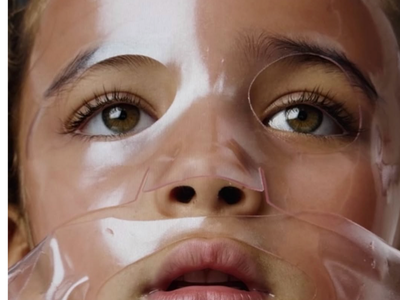
A young girl wearing a clear facial mask for children’s skincare brand Rini/Instagram (@shaymitchell)

Actress Shay Mitchell has launched a skincare brand for children, and moms aren’t too thrilled. Do children really need skincare products? 

The ‘Pretty Little Liars’ star caused an outcry online after announcing that her new brand, Rini, will offer dermatologist-tested products for little ones as young as 3. 

The celebrity entrepreneur teamed up with her friend, Esther Song, and partner Matt Babel to “nurture healthy habits, spark confidence and make thoughtfully crafted daily care essentials and play products accessible to every family”. 

The brand, which is called Rini, kicked off their launch with several hydrogel facial masks, including an ‘After-Sun Hydrogel Facial Mask’.

Mitchell, who has successfully launched brands such as BÉIS and Onda Tequila, told her fans that the brand is inspired by her two daughters, Atlas and Rome. 

“This has been three years in the making, inspired by my girls, their curiosity, and all the little moments that made me realize how early it starts,” she wrote on Instagram.

“From birthday parties and face paint to wanting to do ‘what mommy does’ with her face masks… it was only a matter of time. Rini isn’t about beauty it’s about self-care. About teaching our kids that taking care of themselves can be fun, gentle, and safe.”

She also explained how some of the products came about.

“Our first product, the aloe vera recovery mask, actually came from a spring break moment in Mexico when one of the girls got too much sun and needed some extra TLC. I wanted something that worked, but was still clean enough for my kids and now it’s finally here.

READ: Say what? Jennifer Aniston tried a salmon sperm facial

READ: Oh no, she didn’t! Influencer’s poop face mask causes outrage

Mitchell is not the first celebrity to launch a skincare line. Selena Gomez, Kylie Jenner, Dua Lipa, Hailey Bieber, Gwyneth Paltrow, Rihanna, Brad Pitt, August Alsina, and John Legend are all building beauty empires. 

However, Mitchell is one of the first to launch a line specifically designed for children. The launch comes hot on the heels of the TikTok trends and ‘Sephora Kid’ trend controversy, which, despite people’s concerns, showed a high demand for children’s skincare.  

Videos showed children using products designed for adults, including ones with active ingredients such as retinol. The ingredient is used in anti-ageing skincare products that target wrinkles.

Definitely not something children would be worried about, but their curiosity about skincare was obvious. 

“Kids are naturally curious and instead of ignoring that, we can embrace it. With safe, gentle products parents can trust, and sweet moments that bring us closer,” Mitchell concluded her post. 

READ: Boss moves! Hailey Bieber sells Rhode for $1 billion

Skincare and children

Over 2,000 people commented on Mitchell’s post. Many felt that promoting a skincare line for children would do more harm than good.

“So yet again we are subjecting little girls (didn’t see a boy on the picture) to adult behaviors. Got it!” one person wrote.

Another Instagram user wrote: “Everything about this is wrong, but also WHY is this AGAIN only focused on little girls?”

“Why can’t we teach boys to take care of themselves? Oh maybe because they might grow into self-aware adults who take care of them & each other,” the user added. 

It is essential to note that Rini’s promotional advertisements include both boys and girls. 

“Guys! I’m rebranding alcohol and [creating] this super kid-friendly beverage so that kids don’t feel left out when adults are having a glass,” one user commented sarcastically on a Rini post.

“It’s called Not Wine ™ (not – meaning gentle breeze in Japanese – and wine meaning blessing in Korean). This is ridiculous!”

A second person added, “I’m genuinely concerned by this. Kids don’t need hydrogel masks or actives. Their skin barrier is already healthy and still developing. This kind of ‘early skincare’ marketing really blurs the line between care and consumerism. Do better.”

However, not everyone is against the idea. “Y’all find any reason to be upset,” one woman commented. 

“How is this different [from] the mom that takes her daughter for a spa day or to get her nails or hair done?! Skin care is something that WE ALL NEED! I wish this was around when I was a kid, maybe I would know how or even care to take care of my skin now…. Or maybe I would even like going to the spa.”

READ: How to embrace skinimalism in 2025

An expert spoke to CHOC’s Children’s Health Hub in 2024 about the viral social media skincare trends. 

Pediatric dermatologist Dr Brandie Metz shared some interesting insights on the matter. She said at the time that it was an excellent opportunity to educate the younger generation about skincare and help them build healthy habits. 

“I would like to think that there is a positive side to this trend … young people are taking care of their skin earlier and are more willing to adhere to a skincare routine.”

However, she warned that using too many skincare products, especially those containing retinol, Vitamin C, Alpha- and beta-hydroxy acids, and peptides, can be harmful to the skin.

Dr Metz suggested that parents encourage their children to stick to simple routines that contain:

  • Gentle cleanser
  • Moisturiser
  • Sunscreen

Many tweens and teenagers start to explore skincare while undergoing puberty, as it can affect their skin, with many developing acne. 

Parents should always consider what is age-appropriate and research the products their families use. 

It is also advisable to consult a dermatologist or other healthcare experts for advice, especially if your child has eczema, acne, or other skin concerns.

READ: 10 weird (and kinda gross) celebrity beauty trends

HOW TO LISTEN TO EAST COAST RADIO

1.     Listen to East Coast Radio on the FM (frequency modulation) spectrum between 94 and 95 FM on your radio.

2.     Listen live to ECR by clicking here or download the ECR App (iOS/Android).

3.     Listen to East Coast Radio on the DStv audio bouquet, channel 836. 

4.     Switch to the audio bouquet on your Openview decoder and browse to channel 606.

5.     Listen to us on Amazon Alexa. 

Follow us on social media: 

· Facebook

· Twitter

· Instagram

· TikTok

· WhatsApp Channel

MORE FROM EAST COAST RADIO:

Tags: , , ,
Best oLive
Privacy Overview

This website uses cookies so that we can provide you with the best user experience possible. Cookie information is stored in your browser and performs functions such as recognising you when you return to our website and helping our team to understand which sections of the website you find most interesting and useful.