Instagram/Tilly Whitfield

Skin barrier repair: the complete guide

Skin barrier repair has become a trending topic in skincare lately. The good thing about this awareness is that knowing your skin barrier helps you make informed choices for your skincare routine.

If something’s off with your skin, it’ll show you. Reactive, irritable skin. Dry, flaky patches. Breakouts, redness or acne. These can all be signs of a damaged skin barrier.

But, what causes a damaged skin barrier, and how exactly do you repair it?

This guide explains what your skin barrier is, how to tell when it is damaged, and the steps you can take to repair and restore it.

We’ve enlisted some advice from skincare expert, Fiona Brackenbury, as well as from founder of Skin Medical, Dr Sabika Karim.

Your skin barrier requires care and maintenance (Aleksandar Nakic/Getty Images)

What is the skin barrier?

Your skin barrier is the outer layer of skin, and it’s there to protect you from pollutants, bacteria and irritants.

Its job is also to retain moisture to stop your skin from drying out.

Read more: Skin barrier repair on a budget: affordable skin barrier repair under £15

The structure of the barrier is made up of cells, as well as lipids such as ceramides, cholesterol and fatty acids.

Dr Sabika Karim explains further: “‘The skin barrier is the outermost layer of the epidermis, called the stratum corneum. I often describe it as being like bricks and mortar: the corneocytes, or dead skin cells, are the bricks and the lipids surrounding them are the mortar. Together they help keep water in and irritants, allergens and microorganisms out.”

How do you know it’s damaged?

One of the clearest signs of a damaged skin barrier is increased sensitivity.

This can show up as redness and inflammation, or you might even notice a stinging, burning or itching sensation when applying your normal skincare.

It can also show up as tightness, dryness or flaky texture, as well as acne or breakouts that don’t seem to go away.

Cleveland Clinic outlines that the symptoms of a damaged skin barrier include:

  • Acne.
  • Dry, scaly and/or flaky skin
  • Infection
  • Inflammation and irritation
  • Itchiness
  • Rough patches
  • Stinging, especially when you apply skincare products
  • Tenderness or sensitivity

A compromised skin barrier can show up as sensitivity and redness, (Nuttawan Jayawan/Getty Images)

How to actually repair it

Repairing your skin barrier requires a targeted moisturiser, much like the barrier repair cream.

They’re formulated with ingredients that specifically help restore and repair any damage to your skin.

Fiona reveals: “Using a good barrier-supporting moisturiser consistently every evening can make a huge difference to how the skin feels and behaves.”

Glowery Butter Balm Barrier Restore Balm, £40 on Sephora

Glowery Butter Balm Barrier Cream, Sephora

Restoring plumpness and bounce to dry, dehydrated skin, this buttery balm from Glowery practically melts on application.

It’s supercharged with biomimetic pro-collagen tech, which allows a compromised barrier to lock in long-lasting moisture and get to work on restoring the skin. It might be rich, but it absorbs pretty fast.

Kiehl’s Ultra Facial Advanced Repair Barrier Cream, £30.40 reduced from £38

Kiehl’s Ultra Facial Advanced Repair Barrier Cream, Boots

This fast-absorbing, breathable and lightweight repair cream from Kiehl’s is a brilliant moisturiser as part of your daily routine.

Formulated with Advanced Barrier Technology, this moisturiser mimics the skin’s lipid structure to help support barrier recovery. The hard-working barrier cream makes the skin feel calm and smooth after use, making short work of dry skin.

CeraVe Advanced Repair Ointment for Very Dry and Chapped Skin, £15

CeraVe Advanced Repair Ointment, Boots

Recommended by dermatologists, this ointment from CeraVe is made from a unique gel texture, coating the skin in hyaluronic acid and three essential ceramides, in order to repair a compromised skin barrier.

The multi-purpose balm can be used on the face, body and lips, creating lasting hydration on dry, cracked or damaged skin. Best used when the skin is in need of an extra shot of moisture.

La Roche-Posay Cicaplast Balm B5 Multi-Purpose Repairing Balm, £8.80 reduced from £11

La Roche-Posay Cicaplast Balm, Lookfantastic

Containing Vitamin B5, glycerin and prebiotics, this repairing balm is jam-packed with skin-loving ingredients.

This cream even went viral on TikTok, where beauty reviewers swore by slugging their face in the product before bed to heal a damaged skin barrier.

Affiliates Writer, Danielle Fowler is a big fan: “It helped to calm my dry skin while giving my compromised barrier the extra support it needed.”

Embryolisse Lait-Crème Concentré Multi-Purpose Moisturiser, £12.24 reduced from £13.99

Embryolisse Lait-Crème Concentré, Lookfantastic

A rich, nourishing cream which repairs the skin while giving it a glass-like shine, this barrier cream has been used by countless make-up artists and celebrities – including Michelle Keegan. It can be used as a primer, moisturiser, make-up remover or as a repairing mask.

Containing essential fatty acids, vitamins and nutrients, its simple ingredients work to leave your skin satin soft and free from dryness.

Aestura ATOBARRIER365 Cream, £26

Aestura ATOBARRIER365 Cream, Sephora

Trending on social media right now, this barrier support cream from Aestura has been formulated with some targeted ingredients in mind.

Its patented barrier-boosting ceramides retain within the skin barrier for up to 18 hours, and its Triple Lipid Complex of ceramides, fatty acids, and cholesterol mimic the skin’s natural lipids. An incredibly effective formula for skin barrier repair.

The ingredients that matter: ceramides and beyond

It’s important to use the correct products to restore your skin barrier, (Supersizer/Getty Images)

Ceramides

Dr Sabika Karim says: “Ceramides are one of the most important ingredients to look for when your skin barrier is compromised. They’re vital for maintaining the skin’s barrier function and keeping skin hydrated and supple. Research shows that topical application of ceramides can improve skin barrier function, enhance moisture retention and support the repair of a damaged skin barrier.

Read more: Adult acne: why it happens and what actually helps

Applying well-formulated ceramides topically can help replenish these essential lipids, reduce water loss and restore a healthier skin barrier.”

Skincare expert, Fiona Brackenbury adds: “Ceramides are naturally occurring lipids, so the skin can produce them, but UV exposure and age, amongst many things, can deplete production. Alongside cholesterol and free fatty acids, they form the organised lipid layers that reduce water loss and help prevent irritants and other external substances from penetrating the skin.

Without ceramides, the barrier cannot function properly.”

Cholesterol and fatty acids

“Ceramides don’t work alone.” Dr Karim reveals.

“Cholesterol and free fatty acids are also naturally present in the skin barrier and together these three groups of lipids form the protective matrix surrounding our skin cells.

I particularly like formulations that combine ceramides with cholesterol and fatty acids because they more closely replicate the lipids naturally found within healthy skin.”

Fiona says: “Cholesterol accounts for 25% of the lipids and works together to create the organised structure responsible for an effective barrier.

When the skin feels tight this is often a sign that cholesterol levels are low. Topical cholesterol used in skincare is skin-identical and safe. It does not affect blood cholesterol levels.”

She went on to say: “Essential fatty acids and non-essential acids makeup around 10–15% of the skin barrier lipids. Cleansing the skin can often remove some of these lipids, and the skin can be particularly susceptible to strong surfactants. Fatty acids are vital for maintaining barrier flexibility and supporting repair.”

Glycerin and Hyaluronic Acid

“Humectants attract and hold water within the outer layers of the skin,” explains Dr Karim.

“Glycerin is one of my favourites for a compromised barrier because it is an excellent humectant and helps improve hydration. Hyaluronic acid can also increase skin hydration, but remember that hydration and barrier repair aren’t quite the same thing: humectants provide the water, while your skin barrier helps keep it there.”

Fiona reveals: “Hyaluronic Acid is an ingredient that is naturally found in the skin and declines from the age of 30, its role is to help attract and retain hydration.

A compromised barrier is like a leaky bucket, and unless the skin barrier is repaired, the skin will continue to lose water; so whilst Hyaluronic Acid won’t repair it, it can help bring temporary hydration while the skin barrier is repaired. Unfortunately, Hyaluronic Acid won’t rebuild the intercellular matrix like ceramides, cholesterol, and fatty acids.

“Glycerin, like Hyaluronic Acid, is an excellent humectant. This is particularly good for skin barrier recovery after cleansers that leave the skin feeling stripped.”

Peptides

Skincare expert, Fiona, explains: “Think of these as barrier-supporting ingredients; however, there are hundreds of different peptides, each with different functions depending on their amino-acid sequence.

Some peptides may support epidermal signalling for collagen production, skin renewal, or other processes relevant to healthy skin, but they’re not structural components of the intercellular lipid matrix, so they don’t really make the A-list barrier-supporting and strengthening ingredients for a compromised skin barrier.

Dr Karim supports this, by saying: “Peptides are signalling molecules that can support processes such as skin repair, hydration and extracellular matrix production.

They can be a useful addition to a barrier-supporting routine, but if my priority is specifically repairing a damaged barrier, I would reach for ceramides, cholesterol and fatty acids first.”

Your age can effect your skincare needs drastically, (Ekaterina Demidova/Getty Images)

Niacinamide

Dr Karim says: “Niacinamide, or vitamin B3, is a great multitasker for barrier-compromised skin. It can support the skin’s own production of ceramides and other barrier lipids, reduce transepidermal water loss and also has anti-inflammatory properties, making it particularly useful for dry, sensitive or irritated skin.”

While, Fiona refers to niacinamide as a ‘barrier-supporting ingredient’. She reveals: “Niacinamide is really clever as it can support the skin’s own synthesis of ceramides.”

SPF

Many experts agree that SPF is incredibly important in protecting the skin. In fact, Dr Karim told us: “For me, SPF is non-negotiable at every age, whether your barrier is damaged or not.”

She went on to say, “SPF doesn’t rebuild your skin barrier, but it protects it while it repairs. UV radiation causes oxidative stress and inflammation and can disrupt normal skin function, so daily broad-spectrum sun protection helps prevent further damage.”

Fiona offered her expert advice, saying: “While you are trying to repair your compromised barrier, you can’t leave the skin exposed to more stressors. SPF will help protect the skin whilst the barrier is repaired, however, depending on the level of damage to the skin barrier, some sunscreens will irritate and sting the skin, so mineral filters may be best.”

Collagen

As for collagen, its effects on a compromised skin barrier are not nearly as important as we assumed. Fiona reveals that collagen is simply a ‘hydrating ingredient’ and one that ‘creates a film of hydration over the skin’. However, she also told us that: “Collagen isn’t a major component when it comes to the role of the skin barrier.”

Therefore, when you have a damaged skin barrier, this might be an ingredient that you can comfortably skip.

Does your age or life stage change what you need?

Dr Karim says: “Absolutely. Our skin changes throughout our lives, so our skincare should change with it. Younger skin tends to produce more sebum, so the focus may be on managing oil and breakouts without damaging the skin barrier.”

“As we age, collagen declines, skin renewal slows and changes in ceramides and other barrier lipids mean the skin becomes less able to retain moisture. During perimenopause and menopause, falling oestrogen can accelerate these changes, making skin drier, thinner and more sensitive.”

“Skincare should therefore evolve with your age, hormones and skin needs, but antioxidants and daily broad-spectrum SPF remain important at every life stage.”

Fiona agrees, also adding: “Changes in our skin barrier can also come from UV exposure. We often think about UV in relation to collagen, pigmentation and premature skin ageing, but prolonged UV exposure can also disrupt barrier function and affect important barrier lipids, including ceramides. It’s worth remembering that whilst away on holiday or during the summer months, you may have exposed your skin to prolonged sun exposure, which can leave the skin barrier more vulnerable.”

Common mistakes that make it worse

When skin feels dry, rough and flaky, that’s when we’re most tempted to use scrubs, exfoliants and peels. However, this is likely causing your skin more harm than good.

Harsh and perfumed products can strip the skin of moisture, which is what keeps the barrier healthy and hydrated.

If you feel as though your skin barrier is damaged, hold off using actives such as retinoids or harsh exfoliants.

It can take up to two weeks to repair your skin barrier (Ridofranz/Getty Images)

Maintain a simple routine rather than ‘skin cycling’, and reach for a barrier-supporting cream instead.

Fiona reveals, “The biggest mistake I see people make is assuming that because their skin feels better after a day or two, their barrier is completely repaired and they can immediately reintroduce all their active ingredients. How the skin feels and the complete repair of the barrier are linked, but not strongly aligned.”

FAQs:

How long does it take to repair your skincare barrier?

In regards to how long it takes to heal your skin barrier, experts are usually in agreement about one thing: the answer isn’t straightforward.

Dr Karim says: “How long it takes to repair, depends on the level of barrier damage. Mild barrier disruption can start to improve within a few days with the right skincare, while a more significantly damaged or chronically impaired barrier may take several weeks or longer to recover. The important thing is to remove whatever is continuing to disrupt it and give the skin what it needs to repair itself.”

Skincare expert, Fiona agrees: “When it comes to repairing your skin barrier, there isn’t an exact number of hours or days that applies to everyone. It depends heavily on how disrupted the barrier is, what caused the disruption, whether irritants or stressors are continuing to impact the skin without being identified, and, of course, the health of the skin barrier to begin with.”

“With mild skin barrier disruption, you may see signs of recovery between 24 hours and 48 hours.”

“However, if the skin has become red, inflamed, irritated, tight, flaky, or starts stinging when you apply skincare, this can indicate a more significant level of barrier disruption and inflammation. In these circumstances, I would expect recovery to take at least seven to 14 days. I have seen it take up to a month; however, this depends on the severity.”

Most experts agree that the best course of action when repairing a damaged skin barrier is simplifying your routine, being consistent and refraining from changing your skincare products.

Quiz: Is my skincare barrier damaged?

Answer the questions below, then add up how many A, B and C answers you choose. This quiz is a guide, not a diagnosis, but it can help you understand whether your skin barrier might need a bit of extra attention and care.

1. How does your skin feel after cleansing?

A) Comfortable and balanced

B) Slightly tight or dry

C) Tight, itchy, stinging or uncomfortable

2. How does your skin react to products it usually tolerates?

A) It reacts as normal

B) It feels a little more sensitive than usual

C) Products sting, burn or cause redness more often

3. What does your skin look like at the moment?

A) Clear, calm and even

B) A little dull, dry or uneven in places

C) Red, flaky, inflamed, rough or irritated

4. How often do you experience dryness or flaking?

A) Rarely

B) Sometimes, especially after cleansing or active ingredients

C) Often, even when I moisturise

5. Have you recently used strong exfoliants, retinoids or multiple active ingredients?

A) No, my routine is simple and consistent

B) Yes, but only occasionally

C) Yes, and my skin has felt more sensitive since

6. How quickly does your skin feel dry again after moisturising?

A) It stays comfortable for most of the day

B) It feels dry again after a few hours

C) It still feels tight or dry soon after applying moisturiser

Your results:

Mostly A answers: Your skin barrier is likely in good condition. Keep your routine consistent and avoid using too many active ingredients at once.

Mostly B answers: Your skin barrier might be under a bit of stress. Think about simplifying your routine and focusing on gentle, hydrating and barrier-supporting products.

Mostly C answers: Your skin barrier may be compromised. Strip your routine back to the basics, prioritise moisturiser and SPF, and pause strong active ingredients until your skin feels calm again.

Tags: , , , ,
Instagram/Tilly Whitfield

How long does it take to repair your skin barrier: A dermatologist’s guide

At the moment, the world of skincare feels pretty overwhelming – it seems like there are a million terms floating around, as well as the never-ending stream of products we ‘need to buy’.

From ‘glass skin’ to ‘slugging,’ there are heaps of Gen Z trends that have done the rounds this year alone.

However, it turns out there is such a thing as ‘too many products’, which can lead to something called a damaged skin barrier.

If your TikTok For You Page looks anything like mine, you’ll have seen all of the videos popping up, warning you of what to do and not to do when it comes to your barrier, and it can be hard to separate the facts from the noise.

So, Tyla spoke to dermatologists to find out everything you need to know about your skin barrier, including how you can tell if it’s damaged, what to do if it is, and how long the process will take.

The skincare market is huge right now, with many people opting for a routine involving a lot of products (Getty Stock Image)

What is your skin barrier?

Dr Susie Gawler, Acne and Skin Lead at Boots Online Doctor, explained to Tyla that the skin barrier is the ‘skin’s outermost layer, responsible for keeping moisture locked in, and providing protection against external irritants and infections’.

She added: “When the skin barrier is disrupted, the skin can become dry, tight, flaky, red and more sensitive than usual, and is at greater risk of infection.”

While Dr. Anna Andrienko, Dermatologist & Aesthetic Doctor at Dr Ducu Clinics outlined that. When the barrier is damaged, ‘the skin loses water more easily and becomes more vulnerable to irritation’.

As per Healthline, the outermost layer is called the stratum corneum, which some people describe as a ‘brick wall’.

It’s made of tough skin cells known as corneocytes that are bound together by mortar-type lipids.

Inside the skin cells, you’ll find keratin and natural moisturizers, while the lipid layer contains cholesterol, fatty acids, and ceramides.

There are a number of ways your skin barrier can get damaged (Getty Stock Image)

How does your skin barrier get damaged?

There are a number of ways your skin barrier can get damaged, ranging from the environment around you to the types and amounts of products you’re using.

Dr Gawler said: “Over-exfoliating, using harsh products, cleansing too frequently, very hot water and dry weather can all contribute to skin barrier disruption. Introducing too many ingredients into a skincare routine at once can also trigger irritation.”

Harsh or fragranced products and skin conditions such as eczema can also affect your barrier.

Cleveland Clinic outlines that the symptoms of a damaged skin barrier include:

  • Acne.
  • Dry, scaly and/or flaky skin
  • Infection
  • Inflammation and irritation
  • Itchiness
  • Rough patches
  • Stinging, especially when you apply skincare products
  • Tenderness or sensitivity

Very got water and dry weather can also contribute to a disrupted barrier (Getty Stock Image)

How can you repair your skin barrier and how long does it take?

Dr Gawler advised that if your skin barrier feels compromised, the best approach is to ‘simplify rather than add more products’.

The skincare expert said: “Use a gentle cleanser and moisturiser, ideally choosing fragrance-free products formulated for dry or sensitive skin. Ingredients such as ceramides can also help support the skin barrier.

“Daily broad-spectrum SPF is important too, as UV exposure can further stress the skin.”

As for how long it takes, it’s not quite a simple question.

Dr Andrienko explained: “There isn’t one exact timeframe because it depends on how damaged the skin is and what caused it in the first place.

“Mild irritation can improve within a few days, while a more significantly disrupted barrier may take several weeks to settle.

“The important thing is to be consistent rather than constantly changing products in the hope of seeing an immediate result.”

Dr Gawler agreed: “It depends on how disrupted the barrier is and what caused the damage. With mild irritation, you may notice improvements within a few days after removing the trigger and supporting the skin.

“More significant disruption can take several weeks to settle, so consistency is more important than looking for a quick fix.”

She advised: “As the barrier recovers, symptoms such as dryness, tightness, redness, flaking and sensitivity should gradually improve.

“If these symptoms persist or worsen, it is worth speaking to a healthcare professional, as conditions such as eczema, rosacea or contact dermatitis can cause similar symptoms and may need specific treatment.”

How long it takes to repair your barrier depends on the severity of the damage (Getty Stock Image)

Products you should avoid while repairing your skin barrier

As for what to avoid, Dr Gawler advises staying away from products or treatments that cause ‘skin tightness, stinging or burning, particularly strong exfoliating acids, scrubs, peels and other potentially irritating ingredients’.

She added: “If you regularly use a cosmetic product that contains a retinoid, you may also need to pause or reduce its use until your skin has settled.

“It’s also best not to introduce lots of new products at once, as this can make irritation worse and make it harder to identify what’s causing problems.”

Setting right skin barrier myths

As we say, there’s a lot of noise out there when it comes to skincare, especially on social media, and not all of it is true.

Dr Gawler explained: “A common misconception is that skin needs to feel ‘squeaky clean’ after cleansing. In fact, that tight feeling can be a sign that the skin has been stripped of some of its natural oils.

“Another is that one ‘barrier repair’ product can fix the problem overnight. A moisturiser can support recovery, but removing the cause of the irritation is equally important.”

While Dr Andrienko added: “One common misconception is that you need a complicated routine with lots of different products to repair your skin. Often, the opposite is true. Keeping things simple and giving the skin time to recover can be much more helpful.

“Another misconception is that some stinging or burning means a product is working. Irritation isn’t something you need to experience for a skincare product to be effective.”

Tags: , , , , ,
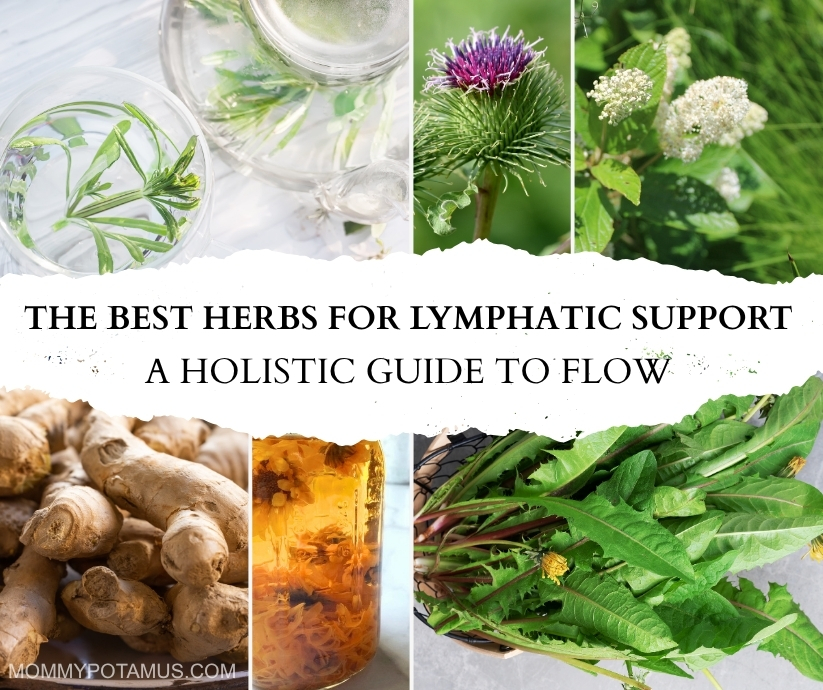
A Beginner’s Guide to Flow

A Beginner’s Guide to Flow

You know that friend who starts clearing plates while everyone else is still talking? They keep chatting and laughing with everyone else – but they’re also taking care of what needs to be done to keep things moving.

Whether you’re nodding yes or wondering where you can get one of those friends, you already have one: your lymphatic system.

If body systems had personality types, the lymphatic system would be the attentive, warm, capable friend working behind the scenes. It manages overflow, keeps watch for trouble, helps with cleanup, and rarely gets much attention unless something feels off.

When it doesn’t seem to be moving as efficiently as it could, you’ll sometimes hear herbalists use phrases like “sluggish lymph.” I’ll use that shorthand here, too, as we look at herbs traditionally used to encourage healthy lymphatic flow. Along the way, I’ll also highlight where modern research supports those traditional uses.

Of course, to understand why certain herbs have traditionally been used for lymphatic support, it helps to first look at what this system does for us.

Before we get to that, a quick reminder: None of these statements have been evaluated by the FDA, this article is not medical advice, and it’s not meant to diagnose or treat any condition. These herbs are used to support normal lymphatic health and aren’t a substitute for proper evaluation when needed. If you’re experiencing any symptoms that concern you, check in with your healthcare provider. And if you’re pregnant, breastfeeding, taking medication, or managing a health condition, talk with your provider before adding therapeutic herbs.

Now let’s dive in.

So, What Does the Lymphatic System Actually Do?

One of the lymphatic system’s biggest jobs is tending to the fluid environment around your cells.

To do that, it collects excess fluid from tissues and carries proteins, cellular debris, immune cells, and inflammatory signaling molecules away.

But “drainage” is only part of the story. In addition to tending the spaces around our cells, it routes lymph through nodes where the immune system can respond to potential threats, and it also helps nourish us.

Using specialized lymphatic vessels in the small intestine called lacteals , it absorbs much of the dietary fat and fat-soluble nutrients we eat.

Like many systems in the body, lymphatic function can become less efficient with age, and research suggests some aspects of lymphatic pumping may decline more in women during midlife. I take a much deeper look at that research in this article on relationship between hormones, lymph, and fluid balance during perimenopause.

The good news is that lymphatic flow is also responsive to things we do every day. Movement, muscle contractions, breathing, and other mechanical forces all help keep lymph moving.

For generations, herbalists have also used certain plants to support this system – including a group traditionally known as “lymphatics.”

What Does It Mean When an Herb Is “Lymphatic”?

In traditional herbalism, a lymphatic is an herb used to support healthy lymph function and flow. You’ll often see these herbs discussed in connection with things like tissue puffiness, swollen glands, or what herbalists describe as lymphatic congestion.

Some lymphatic herbs also fall into a broader category called alteratives. That term is a little hard to pin down because it doesn’t describe one specific action. Instead, what different alteratives have in common is that they’re traditionally used to gradually support healthy elimination, tissue function, and overall balance.

David Hoffman, a Fellow of the National Institute of Medical Herbalists in the UK and author of Medical Herbalism, describes them this way:

Alteratives are herbs that gradually restore proper function to the body and increase overall health and vitality. That sounds very unclear, and, indeed, their mode of action on the body is not understood. However, their value in holistic health care cannot be denied.” (2)

There is some evidence that botanicals can influence processes related to lymphatic circulation, but very few herbs have been studied in ways that directly measure lymph flow. (1) So, at least for now, the strongest support for many of the best-known “lymph herbs” comes from traditional herbal practice.

In the next section, we’ll cover some of the most popular ones – including why they’re loved and what modern research tells us.

Traditional Lymphatic Herbs

The three herbs in this group are the ones herbalists have traditionally reached for most directly when supporting lymphatic flow and tissue fluid balance.

Also, since the lymphatic system requires water to flow, drinking these herbs in tea form provides a dual benefit: it combines the therapeutic properties of the plant with the hydration needed to keep lymph moving. I’ve included brewing instructions with each herb.

Cleavers (Galium aparine): The Ultimate Lymph Tonic

If you’ve ever walked through a field and found small, sticky green plants clinging to your socks, you’ve probably met Cleavers. In the herbal world, this “stickiness” is considered a metaphor for how it works – it “grabs” onto lymphatic congestion and pulls it out.

Cleavers is probably one of the best-known lymphatic herbs in Western herbalism. It’s traditionally considered both a lymphatic tonic and an alterative, which as I mentioned earlier is a category of herbs used to gradually restore tissue function and overall balance. It has mild diuretic activity and a reputation for being gentle, making it an excellent starting point for beginners.

David Hoffmann describes it this way in Medical Herbalism:

Cleavers is a very valuable plant, being perhaps the best tonic available for the lymphatic system.” (2)

Herbalist JJ Pursell also mentions cleavers for skin support, writing that it’s “another one to consider if you’re suffering from acne.”

I thought that was noteworthy because hormonal shifts can sometimes bring acne back into the picture during perimenopause – just when many of us thought we had left that particular rite of passage behind. In households where where perimenopause and teenage breakouts happen to be unfolding at the same time, cleavers is one to keep in mind.

Although its reputation is still based largely on traditional herbal use, modern research does give us some additional context: cleavers extracts have demonstrated immunomodulatory activity in vitro, which is interesting given the lymphatic system’s close relationship with immune function. (3)

Cleavers is also one of the easiest herbs in this guide to use as tea. Hoffmann recommends pouring 1 cup of boiling water over 2–3 teaspoons of dried herb and steeping for 10–15 minutes. In his notes, he says that this preparation can be taken three times daily. (2)

Safety: Botanical Safety Handbook – Safety Class 1; Interaction Class A. (7) I’ll explain more about the Botanical Safety Handbook classifications later in this article.

Calendula (Calendula officinalis): The Gentle Mover

For a lot of us, calendula first shows up in a salve jar. Its sunny petals have a long history of use for soothing and supporting the skin, but herbalists also use calendula internally as a traditional lymphatic.

In The Woman’s Herbal Apothecary, herbalist JJ Pursell calls calendula a “safe and effective lymphatic system agent,” giving it a strong place in traditional lymphatic formulas. (4)

Modern research has uncovered some properties that make calendula especially interesting from a lymphatic-support perspective. Its flowers contain flavonoids and triterpenoids with antioxidant and anti-inflammatory activity, and lab research has found that calendula preparations can influence several inflammatory signaling pathways. (5) (6)

That matters because the lymphatic system is closely involved in immune activity and the movement of inflammatory signals through tissues.

It makes an easy infusion, too. Hoffmann recommends pouring 1 cup of boiling water over 1-2 teaspoons of dried calendula petals and steeping for 10–15 minutes. In his notes, he says that this preparation can be taken three times daily. (2)

Safety: Botanical Safety Handbook – Safety Class 1; Interaction Class A. (7) Calendula is in the Asteraceae family, so people with known sensitivity to other members of that family (for example, chamomile, echinacea and ragweed) may want to use extra caution. The Modern Herbal Dispensatory recommends avoiding internal use during pregnancy, although not all herbal references make the same recommendation. (8)

Red Root (Ceanothus americanus): The Old-School Lymphatic

Red root is one of the more old-school lymphatic herbs in this guide. Native to North America, it was especially valued by Eclectic herbalists and physicians, who developed a reputation for using it for lymphatic system support.

In The Modern Herbal Dispensatory, Thomas Easley and Steven Horne describe red root as “a powerful lymphatic cleanser” and highlight its traditional use for spleen support. (8)

The spleen is the largest lymphoid organ in the body, and instead of filtering lymph like lymph nodes do, it filters the blood – removing aging blood cells and helping immune cells recognize and respond to potential threats.

Modern research on red root is limited, so this is one herb whose place in the guide rests mostly on its long history of traditional use.

Also, sometimes you’ll hear Ceanothus americanus called New Jersey tea. During the Revolutionary War, the leaves were used as a tea substitute. For lymphatic support, though, herbal preparations are made from the root.

Because roots are tougher than leaves and flowers, red root is prepared as a decoction (long simmered tea) rather than an infusion. The Modern Herbal Dispensatory recommends simmering 1 ounce (by weight) of dried root in 1 quart of water for 10–20 minutes, then removing it from the heat and allowing it to steep for another hour. Their suggested serving is 2–4 ounces. (8)

Beyond Traditional Lymphatics

Not every herb that supports lymphatic health is a traditional “lymphatic.” Some earn a place in this guide because they support other processes the lymphatic system works alongside – including fluid balance, immune activity, and a healthy inflammatory response.

Dandelion leaf is a good example.

Dandelion (Taraxacum officinale): Fluid Balance Support

“Dandelion is a generous plant in that every part of it can be used as food or medicine,” writes Rosalee de la Forêt in Alchemy of Herbs. (17) And it’s true – dandelion flowers, roots and leaves can be made into nourishing salads, teas, decoctions, tinctures, syrups, skin healing salves and more.

The root is traditionally preferred for digestion and liver support, while the leaf has a long history of use for supporting digestion and urinary output. I explain the differences between the roots, leaves, and flowers in my complete guide here.

While it’s true that supporting urinary output isn’t the same thing as directly increasing lymph flow, fluid regulation and lymphatic function are closely intertwined.

In a pilot study of 17 adults, a fresh dandelion leaf extract increased urination frequency after the first dose and increased the ratio of urine output to fluid intake after the second. It was a small, one-day study using an extract rather than tea, but the findings support dandelion leaf’s long-standing reputation as a mild diuretic. (9)

Dandelion leaf also contains something many diuretic herbs don’t: potassium. It’s naturally rich in this electrolyte, which can be lost when urinary output increases. (2)

The European Medicines Agency also recognizes dandelion leaf’s traditional role in supporting urinary output, based on its long history of therapeutic use. (10)

For tea, Hoffmann recommends pouring 1 cup of boiling water over 1–2 teaspoons of dried dandelion leaf and steeping for 10–15 minutes. In his notes, he says that this preparation can be taken three times daily. (2)

Safety: Botanical Safety Handbook – Safety Class 1; Interaction Class A. (7)

Burdock Root (Arctium lappa): Long-term Systemic Support

Burdock root a traditional alterative with a slow-and-steady reputation. Herbalists have traditionally used the root when they’re looking for broad, gradual support for the lymphatic system, skin, liver, and healthy elimination.

That liver connection is also one reason burdock shows up in traditional formulas for hormonal support. In The Woman’s Herbal Apothecary, JJ Pursell writes, “As with any liver supporting herbs, you’ll get hormonal support.” (4)

David Hoffmann describes burdock’s role more broadly in Medical Herbalism, writing that it helps move the body toward “a state of integration and health, improving indicators of systemic imbalance, such as skin problems and dandruff.” (2, emphasis mine)

Modern research gives us another reason to consider burdock root for overall lymphatic support: it’s influence on inflammation.

In a randomized controlled trial, 36 adults with knee osteoarthritis drank either plain water or 3 cups of burdock root tea daily for 6 weeks. The burdock group experienced significant reductions in the inflammatory markers IL-6 and hs-CRP, along with improvements in several markers of oxidative stress. That doesn’t tell us whether burdock changes lymph flow, but it does give us modern evidence for one of its broader actions: supporting a healthy inflammatory response. (11)

If burdock is new to you, I have a full guide here with more on its history and traditional uses.

Because it’s a dense root, it does better with a little simmering. Hoffmann recommends adding 1 teaspoon of dried root to 1 cup of water, bringing it to a boil, and simmering for 10–15 minutes. In his notes, he says that this preparation can be taken three times daily. (2)

Safety: Botanical Safety Handbook – Safety Class 1; Interaction Class A.

Astragalus (Astragalus membranaceus): Immune Support

Astragalus isn’t a traditional lymphatic in the same way cleavers, calendula, and red root are, but it earns a place here because the lymphatic system is deeply connected with immune function.

Used for centuries in Traditional Chinese Medicine (TCM), astragalus is best known as an immune-supporting tonic. Its Chinese name, huáng qí, means “yellow leader” – a nod to the golden color of the root and its important place in traditional herbal practice.

Modern research gives us some pretty interesting support for that reputation. A 2023 systematic review and meta-analysis of 19 human studies involving 1,094 participants found that astragalus influenced both cellular immune markers and inflammatory cytokines. (12) The studies varied quite a bit in quality and design, so there’s still more to learn, but the findings help explain why astragalus has been so closely associated with immune support for centuries.

Here’s why I included it in this guide: Lymph carries immune cells throughout the body, and lymph nodes provide gathering places where those cells can recognize and respond to potential threats. Astragalus may not directly “move lymph,” but its traditional role in immune support overlaps with one of the lymphatic system’s most important jobs.

I take a much deeper look at this root in this guide to its benefits and uses.

Astragalus contains immune-supporting polysaccharides that respond very well to hot water extraction, but the root is dense and requires a bit of simmering. Hoffmann recommends adding 2–4 teaspoons of dried root to 1 cup of water, bringing it to a boil, and simmering for 10–15 minutes. In his notes, he says that this preparation can be taken three times daily. (2)

Safety: Botanical Safety Handbook – Safety Class 1; Interaction Class B. (7) The Interaction Class B rating means a clinically relevant medication interaction is considered biologically plausible.

One particular concern is immunosuppressant medication. Because astragalus can influence immune activity, NCCIH notes that it may interact with medications that suppress the immune system and recommends talking with a healthcare provider before using it alongside medications. (13)

Safety data during pregnancy and breastfeeding is limited, and NCCIH notes that some animal research has raised concerns during pregnancy. I’d check with a healthcare provider before using therapeutic amounts while pregnant or breastfeeding. (13)

Ginger (Zingiber officinale): The Warming Herb

Ginger brings something a little different from the other herbs in this guide: warmth. Herbal traditions have long described ginger as a warming herb, which probably won’t surprise anyone who has felt its gentle heat spread through their body after a strong cup of ginger tea.

Modern research gives that experience an interesting physiological counterpart. In one small human study, a hot ginger drink increased thermogenesis – the amount of energy the body produces as heat after eating. Another placebo-controlled study found that ginger extract increased deep peripheral blood flow in some women. (14)

Neither study looked at lymph flow directly, but they help explain why ginger can still be useful here: it supports circulation and brings movement and heat to a blend.

Ginger is also well-known for its anti-inflammatory effects, which are well-supported by research. In a meta-analysis of 16 randomized controlled trials involving 1,010 people, ginger significantly reduced several inflammatory markers, including CRP, hs-CRP, and TNF-α. That adds another useful dimension to ginger’s warming, circulation-supporting role. (15)

Safety: Botanical Safety Handbook — Safety Class 1; Interaction Class B. Ginger is generally considered safe when used appropriately, but clinically relevant medication interactions are considered biologically plausible. The handbook specifically notes that ginger may increase the antiplatelet effects of nifedipine, and recommends that people with active gallstone disease use it under the supervision of a qualified healthcare practitioner. (7)

What About Red Clover?

Red clover (Trifolium pratense) deserves a mention here because it has a long history of use as an alterative and lymphatic herb. Herbalists have traditionally reached for it to support healthy elimination and for chronic skin concerns like eczema. In The Woman’s Herbal Apothecary, JJ Pursell describes it as an herb that “aids in reducing metabolic waste,” while David Hoffmann also highlights its traditional use for skin conditions. (4) (2)

So why didn’t I include it among my go-to herbs above?

Red clover brings an additional consideration to the table: phytoestrogens. It contains isoflavones such as formononetin and biochanin A, which can interact with estrogen receptors. That’s actually one reason red clover has attracted so much attention for menopausal symptoms, although research on those benefits has been mixed and continues to unfold. (16)

In my opinion, phytoestrogens aren’t inherently good or bad, but they do add another variable to consider – especially during perimenopause, when the hormonal environment can vary a lot from one woman to another. For general lymphatic support, I think there are simpler options that don’t require us to try to factor phyoestrogens in.

That doesn’t mean red clover never has a place. It just means I’d choose it more intentionally, based on the person and the reason for using it, instead than making it a default choice for everyday lymphatic support.

Safety: Botanical Safety Handbook – Safety Class 1; Interaction Class A. (7) Because red clover contains phytoestrogens, pregnancy and breastfeeding deserve additional caution; NCCIH states that red clover supplements may be unsafe during pregnancy or breastfeeding. (16) Hoffmann also advises caution with anticoagulant medications because red clover may potentiate their effects. (2)

Brewing Basics

You probably noticed that some of these herbs are steeped while others are simmered. That mostly comes down to the part of the plant you’re working with.

Leaves and flowers like cleavers, calendula, and dandelion leaf are generally best prepared as infusions – essentially a stronger, longer-steeped tea. Roots like burdock, astragalus, and red root usually need a decoction, which means gently simmering them to extract their constituents.

Ginger is a little more flexible. Fresh or dried ginger can be infused or simmered for warmth and flavor.

I’ve included preparation amounts with each herb above so you can follow the guidance that applies to the one you’re using.

A Quick Note About Safety

Throughout this guide, I’ve mentioned the Botanical Safety Handbook, which evaluates herbs using two separate classifications.

Safety Class 1 means an herb can be safely consumed when used appropriately. The Interaction Class describes the likelihood of clinically relevant interactions with medications. Class A means no clinically relevant interactions are expected, while Class B means an interaction is considered biologically plausible. (7)

Those ratings are helpful starting points, but they don’t account for every individual circumstance. Pregnancy, breastfeeding, medications, allergies, and certain health conditions may all change what’s appropriate, which is why I’ve noted specific cautions where they apply.

I personally think of these herbs as options, not a checklist. Some are better suited to particular goals, and a few work especially well together.

In the next article, I’m taking several of my favorites from this guide and turning them into a simple Lymph Love Tea – with a couple of nourishing additions for flavor and overall support.

Also, herbs are only one piece of the equation. Movement, breathing, muscle contractions, and other everyday habits also help support healthy lymph flow, so we’ll be getting into those soon, too.

Sources

  1. Wheat, J., Currie, G., Kiat, H., & Bone, K. (2009). Improving Lymphatic Drainage With Herbal Preparations: A Potentially Novel Approach to Management of Lymphedema. Australian Journal of Medical Herbalism
  2. Hoffmann, D. (2003). Medical Herbalism: The Science and Practice of Herbal Medicine. Healing Arts Press.
  3. Ilina, T., Skowrońska, W., Kashpur, N., Granica, S., Bazylko, A., Kovalyova, A., Goryacha, O., & Koshovyi, O. (2020). Immunomodulatory Activity and Phytochemical Profile of Infusions from Cleavers Herb. Molecules.
  4. Pursell, J. J. (2018). The Woman’s Herbal Apothecary: 200 Natural Remedies for Healing, Hormone Balance, Beauty and Longevity, and Creating Calm. Fair Winds Press.
  5. Preethi, K. C., Kuttan, G., & Kuttan, R. (2009). Anti-inflammatory Activity of Flower Extract of Calendula officinalis Linn. and Its Possible Mechanism of Action. Indian Journal of Experimental Biology.
  6. Prabhu Venkatesh, D., Gheena, S., Ramani, P., Rajeshkumar, S., & Ramalingam, K. (2023). In Vitro Evaluation of Antioxidant and Anti-inflammatory Potentials of Herbal Formulation Containing Marigold Flower (Calendula officinalis L.) Tea. Cureus.
  7. Gardner, Z., & McGuffin, M. (Eds.). (2013). American Herbal Products Association’s Botanical Safety Handbook (2nd ed.). CRC Press.
  8. Easley, T., & Horne, S. (2016). The Modern Herbal Dispensatory: A Medicine-Making Guide. North Atlantic Books.
  9. Clare, B. A., Conroy, R. S., & Spelman, K. (2009). The Diuretic Effect in Human Subjects of an Extract of Taraxacum officinale Folium Over a Single Day. The Journal of Alternative and Complementary Medicine.
  10. European Medicines Agency. (2011). Taraxaci folium (Dandelion Leaf).
  11. Maghsoumi-Norouzabad, L., Alipoor, B., Abed, R., Eftekhar Sadat, B., & Mesgari-Abbasi, M. (2016). Effects of Arctium lappa L. (Burdock) Root Tea on Inflammatory Status and Oxidative Stress in Patients with Knee Osteoarthritis. International Journal of Rheumatic Diseases.
  12. Zhang, X., Qu, X., & Zou, Y. (2023). The Effect of Astragalus on Humoral and Cellular Immune Response: A Systematic Review and Meta-Analysis of Human Studies. Complementary Medicine Research.
  13. National Center for Complementary and Integrative Health. (2025). Astragalus: Usefulness and Safety. National Institutes of Health.
  14. Mansour, M. S., Ni, Y.-M., Roberts, A. L., Kelleman, M., RoyChoudhury, A., & St-Onge, M.-P. (2012). Ginger Consumption Enhances the Thermic Effect of Food and Promotes Feelings of Satiety Without Affecting Metabolic and Hormonal Parameters in Overweight Men: A Pilot Study. Metabolism.
  15. Morvaridzadeh, M., Fazelian, S., Agah, S., Khazdouz, M., Rahimlou, M., Agh, F., Potter, E., Heshmati, J., & Heshmati, S. (2020). Effect of Ginger (Zingiber officinale) on Inflammatory Markers: A Systematic Review and Meta-Analysis of Randomized Controlled Trials. Cytokine.
  16. National Center for Complementary and Integrative Health. (2025). Red Clover: Usefulness and Safety. National Institutes of Health.
  17. de la Forêt, R. (2017). Alchemy of Herbs: Transform Everyday Ingredients into Foods & Remedies That Heal. Hay House.

Share with a friend! 👇

Tags: , ,
A modern skincare brand’s guide to sensitive skin

A modern skincare brand’s guide to sensitive skin

If you’re a beauty enthusiast with sensitive skin, then you are probably familiar with the struggle of trying new products. One wrong ingredient can cause breakouts, dryness, rashes, bumps, or a combination of all. For sensitive skin, creating a healthy skin barrier with products that combine high-performance actives with gentle formulations is essential. Built on this philosophy, British-made skincare brand Plenaire launched in India with a forward-thinking approach that blends science, transparency and emotional wellbeing. Inspired by the French philosophy of “en plein air”, which translates to “in the open air,” Plenaire’s selection of products is designed for a new generation of beauty lovers who value self-care as much as self-expression. Think barrier-first beauty, modular routines, and science-backed formulations that work with the skin barrier rather than overstimulating it. Because when it comes to sensitive skin, less is more.
Read along to unveil your new AM and PM skincare routine.

Images courtesy: Plenaire

A modern solution

At Plenaire, the secret to unlocking a healthier skin barrier begins with Éclat Botanique™, a unique product philosophy. Here, “éclat” translates to radiance, while “botanique” puts an emphasis on plant-derived and naturally sourced ingredients. Bringing together actives, bio-plant and marine components, these ingredients seamlessly combine to protect the skin barrier and maintain a natural glow. Rooted in modern science, actives such as BHA’s, Glycolic acid, Ceramides, and Hyaluronic acid help support the skin’s natural repair cycle. They work gently to calm irritation, reinforce the skin barrier, and provide long-term nourishment for a balanced, healthy-looking complexion.

For AM

Start your day with a two-step skincare ritual that promises clean and balanced skin. The ritual begins with Plenaire’s Duelle 2-in-1 Brightening Cleanser, a gentle daily cleanser with a pH of 5.5 that removes impurities and excess oil. With the goodness of Niacinamide, it helps brighten the skin without stripping it of moisture. Enriched with upcycled Jojoba micro-grains, it exfoliates to help smooth skin and restore its natural glow.

Tags: , , , , ,
Best beginner skincare guide: Top Amazon.ae picks 2026

Best beginner skincare guide: Top Amazon.ae picks 2026

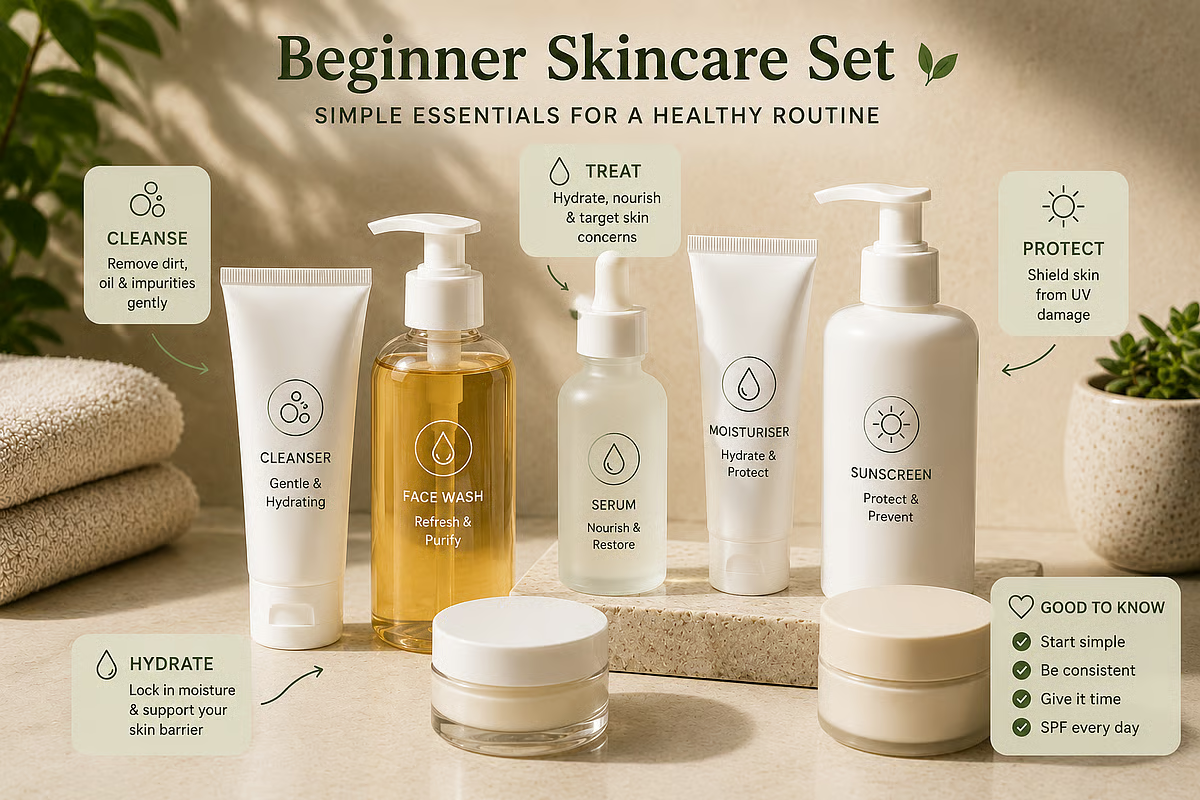
Starting a skincare routine does not have to mean buying a shelf full of products. Most beginners only need three essentials: a gentle cleanser, a moisturiser and a broad spectrum sunscreen for daytime. If your skin feels dehydrated, a simple hydrating serum can also fit easily into that routine. The products below focus on well established ingredients and straightforward formulas rather than complicated routines. Our top recommendation is CeraVe Foaming Cleanser, which offers a gentle cleanse without leaving oily skin feeling stripped, making it an easy foundation for many first skincare routines.

Verdict: A dependable everyday cleanser that suits most people with normal to oily skin who want a simple starting point.

  • Foaming gel cleanser

  • Suitable for normal to oily skin

  • Ceramides, hyaluronic acid and niacinamide

  • Fragrance free

  • Developed with dermatologists

  • Cleanses without removing all of the skin’s natural moisture

  • Supports the skin barrier with ceramides

  • Easy to use morning and evening

Best for: Oily and combination skin, or anyone building a basic skincare routine.

According to CeraVe, this cleanser combines three essential ceramides with hyaluronic acid and niacinamide to help cleanse while supporting the skin barrier. The fragrance free formula is designed for daily use and is non comedogenic. Beginners often make the mistake of choosing an overly harsh cleanser, but a balanced formula like this is easier to use consistently. Those with very dry skin may prefer a cream cleanser instead, although many combination skin types find this foaming version strikes a comfortable balance.

Verdict: A lightweight sunscreen that makes daily sun protection much easier to stick with.

  • SPF50+ broad spectrum protection

  • Lightweight fluid texture

  • Suitable for sensitive skin

  • Dermatologically tested

Best for: Anyone starting a daytime skincare routine.

No beginner routine is complete without sunscreen. Daily sun protection helps protect skin from UV exposure, making it one of the most important skincare habits to build. The Anthelios range is widely recommended by dermatologists because of its light finish and comfortable texture, which encourages consistent daily use. If you prefer richer creams, you may find this fluid texture lighter than expected, but many people appreciate that quality in warm weather.

Verdict: A straightforward hydrating serum that fits neatly into a beginner routine without adding unnecessary complexity.

  • Easy to layer into a routine

  • Helps skin feel more hydrated

  • Fragrance-free formulation

Best for: Dry or dehydrated skin.

A serum is optional for beginners, but hydration is one area where a simple formula can make a noticeable difference to how skin feels. Hyaluronic acid attracts water to the skin, while vitamin B5 supports hydration. Apply it to slightly damp skin before moisturiser. There is no need to combine multiple active ingredients when starting out, and this simple formula keeps the routine manageable. Prevention also highlights straightforward hyaluronic acid products as accessible skincare options for beginners.

Verdict: A practical cleanser for people who prefer a traditional lotion texture over foaming washes.

Best for: Normal to combination skin.

Some people simply prefer a lotion cleanser because it feels less drying than a foam. Neutrogena’s Deep Clean Cleansing Lotion offers a familiar, uncomplicated option for daily cleansing. It works well as the first step in a beginner routine before following with moisturiser. If you regularly wear heavy sunscreen or makeup, you may wish to spend a little longer massaging the cleanser before rinsing.

Verdict: An affordable everyday moisturiser that keeps a beginner routine uncomplicated.

Best for: Sensitive, normal and combination skin.

A moisturiser helps reduce water loss from the skin and supports everyday comfort. Simple’s lightweight formula is designed for daily use and avoids unnecessary fragrance, making it an accessible choice for many beginners. Those with very dry skin may eventually prefer a richer cream, but for most new skincare users this lighter texture feels comfortable throughout the day.

Keep your first routine simple. Start with a gentle cleanser matched to your skin type, followed by a moisturiser that feels comfortable enough to use every day. The final daytime step should always be a broad spectrum sunscreen with SPF50 or SPF50+.

Skin type matters more than long ingredient lists. Oily skin often benefits from lightweight gel or foaming cleansers, while dry skin usually prefers richer, more hydrating formulas. Sensitive skin generally responds well to fragrance free products with straightforward ingredient lists.

For UAE shoppers, sunscreen is particularly important because of strong year round sun exposure. Consistency matters more than owning lots of products, so choose textures you are happy to wear every day.

For most beginners, CeraVe Foaming Cleanser is the best overall choice because it provides a gentle, balanced cleanse that fits easily into a simple daily routine. Pair it with Simple Kind to Skin Hydrating Light Moisturiser and La Roche Posay Anthelios UVMune 400 Invisible Fluid SPF50+, and you have the three products most people need to get started. If your skin feels dry or tight, The Ordinary Hyaluronic Acid 2% + B5 adds hydration without making your routine complicated. Those who prefer a lotion cleanser rather than a foaming wash can look at Neutrogena Deep Clean Cleansing Lotion. The aim is not to own more products, but to build a routine you will actually follow every day.

Gulf News earns a commission on purchases made through links in this article, at no extra cost to you. Our editorial team selects products independently.

Tags: , , , , ,
Travel skincare guide: What to pack to protect your skin on holiday

Travel skincare guide: What to pack to protect your skin on holiday

Most of us spend weeks planning what to wear on holiday but barely give a second thought to what goes into our toiletry bag. To save space, some just rely on random skincare samples.

It may seem like a harmless shortcut, but your skin could end up paying the price.

Travel can be surprisingly stressful for your skin. Hours spent in the dry cabin air, followed by sudden changes in temperature, humidity and even altitude, can throw your skin barrier off balance. Introducing unfamiliar skincare products at the same time only increases the chances of irritation, breakouts or allergic reactions.

“Deviating from our usual skincare routine when travelling could increase the severity of irritation or allergies due to the impaired recovery and changes to the skin barrier during travel,” said Dr Rachel Ho, medical director of The Skin Longevity Clinic.

While you may not notice much of a difference on a short city break, the effects become more obvious during longer trips or holidays in destinations with extreme climates. Whether you’re heading to a snowy mountain retreat, a tropical island or a high-altitude adventure, here’s how to keep your skin comfortable and healthy throughout your trip.

PACK SMARTER, NOT MORE

Tags: , , , , , ,
Glamour South Africa

What is beauty maxxing? A guide to the latest self-care trend

Beauty maxxing. This is a beauty trend that’s been making rounds all over our TikTok feed. From videos breaking down “facial harmony” to creators sharing the beauty and wellness techniques they swear by, the trend has become one of social media’s latest beauty obsessions.

At its core, beauty maxxing is about intentionally enhancing your appearance through beauty, wellness and self-care. While the idea of putting your best face forward isn’t new, beauty maxxing is more strategic. Think personalised skincare routines, haircare regimens, strength training, cosmetic dentistry, styling consultations and even aesthetic treatments, all aimed at becoming the “best version” of yourself.

What is beauty maxxing?

For those new to the term, beauty maxxing is an umbrella term used to describe the process of maximising your physical appearance. Borrowed from the internet term “looksmaxxing,” which initially gained popularity in male online communities, beauty maxxing has evolved into a broader movement embraced by women.

Unlike following a specific beauty trend, beauty maxxing encourages taking a holistic approach. It can involve everything from improving your skincare routine and finding a haircut that complements your face shape to investing in healthier habits like quality sleep, regular exercise and proper nutrition. Many creators also distinguish between “soft maxxing” and “hard maxxing.”

@themakingsofjmarie

On a scale of 1-10 where do you fall in beauty maxxing

♬ original sound – Jessieca Alford

Soft maxxing vs. hard maxxing

Soft maxxing focuses on non-invasive changes that enhance your natural features. This could include building a consistent skincare routine, whitening your teeth, finding your signature makeup look, improving your posture, maintaining healthy hair, dressing in colours that flatter your complexion or prioritising sleep and hydration.

Hard maxxing, on the other hand, refers to more permanent or medically driven enhancements. Cosmetic procedures, injectables, orthodontics and plastic surgery often fall into this category.

@skndoctor

beauty maxxing non-negotiables for the babes that wanna take this seriously…

♬ original sound – Dr Ewoma

The benefits of beauty maxxing

When approached mindfully, beauty maxxing can inspire healthier habits that extend far beyond appearance. It often encourages people to establish beauty and wellness routines, and prioritise habits that support overall wellbeing. It can also help people discover what genuinely suits them.

@lifeofkiatatyana Beauty maxxing beyond the looks ✨🥂 #beautymaxxing #healthmaxxing #maxxing #antiinflammatory #antiinflammatorydiet ♬ original sound – KiaTatyana

How to approach beauty maxxing in a healthy way

If you’re curious about beauty maxxing, consider treating it as a form of self-care rather than self-correction. Focus on habits that genuinely make you feel good and investing in your overall wellbeing. Instead of asking, “How can I fix myself?” try asking, “What makes me feel my most confident?”

Tags: , , , , ,
The Ultimate Christmas in July Gift Guide

The Ultimate Christmas in July Gift Guide

If you’re anything like me, you know that the best handmade gifts can’t always be made at the last minute. Some projects—like cold process soap—need weeks to cure, while others simply take time to gather supplies, create, and package with care. That’s exactly why I love celebrating Christmas in July. It’s the perfect excuse to start planning for a handmade holiday without the stress of a December rush.

Over the years, we’ve hosted some unforgettable Christmas in July gatherings, complete with hilarious White Elephant exchanges that have become family legends. (Yes, the giant Christmas sweater and that infamous pair of underwear made the rounds for years!) Those memories are part of what makes this tradition so much fun.

Whether you’re planning your own Christmas in July celebration or you’re simply someone who likes to get a head start on holiday gift-making, this guide is filled with ideas to inspire you.

Inside, you’ll find handmade gift ideas, natural products I genuinely love, trusted companies I enjoy supporting, and time-tested DIY recipes that are perfect for gifting. I’ve also included a few special splurge-worthy finds if you’re looking to treat someone—or yourself—to something extra special.

From healthy ingredients and beautiful handcrafted products to DIY gifts you can start making today, there’s something here for every maker and every gift list.

Now, let’s dive in and start planning a handmade holiday you’ll actually enjoy creating.

Table of Contents

  • Gold Jewelry for Gifting
  • Handmade Holiday Soap Recipes
  • Luxurious Lotion for Gifts
  • Handmade Soap for Men
  • Herbal Lip Balm Recipes
  • Facial and Body Scrubs
  • Homemade Candles
  • Diffuser Oil Blends
  • Homemade Herbal Teas
  • Handmade Gift Basket Ideas
  • Creative Gift Wrapping & Packaging
  • Final Thoughts

1. Gold Jewelry for Gifting

I actually love the combination of handmade with something polished. It’s an earthy, yet elegant look that’s natural and classy at the same time. Whether it’s a delicate necklace, a pair of simple earrings, or a meaningful bracelet, jewelry has a way of becoming part of someone’s everyday life and become even more special if they are high-quality pieces that are passed down from generation to generation.

If you’re looking for a gift that feels both elegant and personal, this gold jewelry is a wonderful choice. It’s perfect for moms, sisters, friends, teachers, or anyone who appreciates classic style that will last for years to come.

2. Handmade Holiday Soap Recipes

Homemade soap is one of my favorite gifts to make because it’s both beautiful and practical. The only catch is that many cold process soaps need four to six weeks to cure, making Christmas in July the perfect time to start creating.

Whether you love festive scents, herbal ingredients, or naturally colored bars, making soap ahead of time means you’ll have plenty of gorgeous gifts ready when the holidays arrive. Package them with ribbon, kraft paper, or a handmade label for an extra special touch. You can also try some from my shop now.

3. Luxurious Lotion for Gifts

A rich, nourishing lotion is always a welcome gift during the colder months. Homemade lotions made with quality oils and butters feel incredibly luxurious while giving friends and family something they’ll actually use every day.

From lightweight lotions to rich body creams, there are plenty of recipes to suit every skin type. Pair a handmade lotion with coordinating soap or lip balm to create a beautiful spa-inspired gift set. Make your own with my recipes or get some from my shop.

4. Handmade Soap for Men

Finding thoughtful gifts for the men in your life doesn’t have to be difficult. Handmade soaps with earthy, woodsy, citrus, or spicy scents make practical gifts that feel just a little more special than anything you’ll find on a store shelf.

These soaps are perfect for husbands, dads, brothers, grandfathers, or coworkers. Add them to a gift basket with a shaving brush, beard oil, or handcrafted wooden soap dish for a gift that’s both useful and memorable.

5. Herbal Lip Balm Recipes

Lip balm is one of those small gifts that everyone appreciates. They’re inexpensive to make, easy to customize, and perfect for stocking stuffers, teacher gifts, party favors, or adding to larger gift baskets.

Using nourishing oils, beeswax, and herbal infusions creates lip balms that feel wonderful while avoiding unnecessary ingredients. Once you start making your own, you’ll probably find yourself keeping a few extras for your own purse or pocket, too.

6. Facial and Body Scrubs

Sugar and salt scrubs make wonderful homemade gifts because they’re quick to create and instantly feel like a little luxury. They’re perfect for encouraging a little self-care during the busy holiday season.

From gentle facial scrubs to exfoliating body scrubs scented with essential oils, there are endless ways to customize them. Package them in reusable glass jars with festive labels, and you’ll have a gift that’s both beautiful and practical.

7. Homemade Candles

Few things create a cozy holiday atmosphere quite like a beautiful, naturally scented candle. Making your own allows you to choose natural waxes, favorite fragrances, and containers that match your personal style.

Candles make wonderful standalone gifts or can be paired with soap, lotion, tea, or a favorite book for a thoughtful gift basket. They’re one of those handmade gifts that people enjoy long after the holidays are over.

8. Diffuser Oil Blends

Essential oil diffuser blends are a simple way to fill a home with comforting seasonal aromas. Whether you enjoy warm spices, fresh evergreens, bright citrus, or calming lavender, creating custom blends lets you personalize every gift.

Bottle your favorite combinations in small glass bottles with handwritten labels or include printable blend recipes alongside a diffuser. They’re thoughtful gifts for anyone who enjoys creating a peaceful, welcoming home.

9. Homemade Herbal Teas

There’s something comforting about curling up with a warm cup of herbal tea on a cold winter evening. Homemade tea blends are easy to customize using dried herbs, flowers, and spices, making them a thoughtful gift for friends and family.

Package loose-leaf blends in glass jars, reusable tea tins, or kraft bags with brewing instructions and a handwritten note. Pair them with a favorite mug, local honey, or homemade cookies for a cozy gift that’s sure to be appreciated throughout the season.

Gift Baskets

If you’re wondering how to put these all together, then consider making a few different categories and making a gift basket. Gift baskets are incredibly popular around the holidays because they let you combine several small handmade items into one thoughtful gift.

There are many times throughout the year to create gift baskets. Some great ideas include:

  • New neighbor welcome basket
  • Spa gift basket (soap, lotion, lip balm, scrub, candle)
  • Tea lover’s basket (herbal tea, mug, honey, candle)
  • Men’s grooming basket
  • Hostess gift basket

Make all of your gifts or find Handmade Gifts in my Shop.

Handmade Gift Packaging Ideas

Presentation makes handmade gifts feel even more special.

Include ideas like:

  • Kraft boxes
  • Mason jars
  • Muslin bags
  • Twine and dried orange slices
  • Cinnamon sticks
  • Handmade gift tags
  • Wax seals
  • Reusable baskets

Get beautiful gift-wrapping ideas and make handmade wrapping paper here.

Whether you’re making a single thoughtful gift for Christmas in July or planning an entire handmade Christmas, I hope these ideas inspire you to start creating now. A little planning in July can make the holiday season feel far less stressful—and much more enjoyable.

I’d love to hear what handmade gifts you’re making this year, so leave a comment below and share your favorite Christmas in July tradition!

Tags: , , , ,
Best Clinical Skincare Routine for Anti-Aging: New Guide Announced

Best Clinical Skincare Routine for Anti-Aging: New Guide Announced

LibertyBlume Health announces a new anti-aging skincare guide featuring beautyIQ cream with clinically proven peptides Tripeptide-5 and Dipeptide Diamino to boost hydration, restore elasticity, and reduce wrinkles through evidence-based formulations.

— LibertyBlume Health has announced the release of a detailed guide for a clinical anti-aging skincare routine, designed specifically for women seeking effective, science-backed solutions to combat visible signs of aging. The guide centers on beautyIQ, an anti-aging cream formulated with clinically proven peptides including Tripeptide-5 and Dipeptide Diamino, which work through distinct mechanisms to boost hydration, restore elasticity, and reduce wrinkle depth. This structured routine translates independent research findings into an accessible, step-by-step framework that addresses the growing demand for dermatologist-grade formulations outside of clinical settings.

More details can be found at https://beautyiq.life/

The announcement arrives as consumers increasingly prioritize ingredient transparency and evidence-based efficacy over marketing claims. Independent clinical studies have demonstrated that Dipeptide Diaminobutyroyl Benzylamide Diacetate can reduce wrinkle depth by up to 20% within 28 days by mimicking muscle-relaxing effects similar to certain snake venom peptides, blocking sodium ion uptake in muscle cells to smooth dynamic wrinkles. Meanwhile, research on Tripeptide-5 shows it stimulates natural collagen synthesis by activating transforming growth factor-beta (TGF-β), with in vitro studies indicating significant increases in collagen production, directly addressing loss of firmness and structural integrity that characterize aging skin.

These mechanisms work synergistically within the beautyIQ formulation, which the guide positions as the cornerstone of a three-step regimen. Dermatological recommendations consistently emphasize the importance of pairing active peptide ingredients with proper cleansing and moisturizing to maximize penetration and efficacy; the guide translates this principle into practical instructions for twice-daily application. By combining independent scientific validation with a user-friendly routine framework, LibertyBlume Health aims to bridge the gap between professional-grade treatments and at-home skincare accessible to everyday consumers.

The guide outlines three primary benefits women can expect from consistent use of the routine. First, hydration is enhanced through 1-Hexadecanol, a fatty alcohol that forms a protective barrier on the skin’s surface to prevent moisture loss, addressing the dryness and dullness that often accompany aging. Second, elasticity is restored as Tripeptide-5 stimulates fibroblasts to rebuild collagen networks, lifting and plumping sagging skin. Third, wrinkles are visibly reduced as Dipeptide Diamino relaxes facial muscles at the source of expression lines, delivering a smoother, more youthful appearance. Studies have demonstrated that formulations containing Tripeptide-5 lead to improvements in skin elasticity and reductions in skin roughness over 12 weeks, underscoring the multi-faceted approach that targets aging simultaneously rather than in isolation.

Achieving these results requires consistency. The guide simplifies implementation by breaking down the routine into three straightforward steps: cleansing with a gentle exfoliant to remove debris, applying a small amount of beautyIQ to the face and neck while massaging against the direction of wrinkles, and allowing complete absorption before sun exposure or makeup application. This framework democratizes access to clinical-grade skincare, making dermatologist-level formulations available to women who may not have access to in-office treatments or high-end spa services. The guide also sets realistic expectations, noting that visible improvements typically emerge within days to weeks depending on individual skin conditions and adherence to the twice-daily regimen.

LibertyBlume Health developed the guide as part of its commitment to providing evidence-based, accessible solutions that empower women to take control of their skin health with confidence. By translating complex peptide science into actionable instructions and pairing independent clinical research with practical application techniques, the company positions the routine as an invitation to join a growing community of informed consumers who prioritize efficacy. Women interested in the guide and beautyIQ can access detailed information and ordering options through the promoted link, while broader company resources and skincare education are available at https://libertyblumehealth.com/

Contact Info:
Name: Jimmy Wear-Ramsden
Email: Send Email
Organization: LibertyBlume Health
Address: 4116 Nichandros St, Castro Valley, California 94546, United States
Website: https://libertyblumehealth.com/

Release ID: 89197600

Tags: , , , , ,
Summer Skin Secrets: The Hollywood-Ready Guide To Glowing, Healthy Skin!

Summer Skin Secrets: The Hollywood-Ready Guide To Glowing, Healthy Skin!

But while the season brings plenty of reasons to celebrate, it also introduces unique challenges for your skin. Increased UV exposure, heat, humidity, sweat, and environmental stressors can accelerate aging, trigger breakouts, worsen pigmentation, and compromise skin health if not properly managed.

The good news? A strategic skincare approach, combined with expert-guided aesthetic treatments, can help maintain a radiant, healthy complexion all season long.

Why Summer Requires a Different Skincare Strategy

As temperatures rise, the skin naturally produces more oil and sweat. While this can create a dewy appearance, it can also contribute to clogged pores, acne flare-ups, and inflammation. At the same time, UV radiation remains one of the leading causes of premature aging, hyperpigmentation, and collagen breakdown.

Dr. Tania Hassanzadeh, a fellowship-trained Facial Plastic & Reconstructive Surgeon, tells YH, “Summer is my favorite season of the year, but serious damage can be done to your skin if precautions aren’t taken! One of the most preventable causes of aging is unprotected sun exposure. The problem is, most signs of sun damage — like dark spots and skin texture changes, let alone skin cancers — don’t appear until years later, so you don’t realize it’s related to the sun until it’s too late. It’s crucial to be mindful of these risks and to protect yourself before basking in the sun.”

According to dermatology experts, prevention is key. Daily sunscreen use, antioxidant protection, proper hydration, and regular skin maintenance can dramatically improve both short- and long-term skin outcomes.

The Non-Negotiable: Daily SPF

If there’s one skincare rule that never takes a vacation, it’s sunscreen.

Broad-spectrum SPF 30 or higher should be applied every morning and reapplied throughout the day, especially during outdoor activities. UV rays can penetrate clouds, windows, and even affect skin during routine daily errands.

In addition to protecting against sunburn, consistent SPF use helps prevent:

– Hyperpigmentation and sunspots

– Fine lines and wrinkles

– Collagen loss

– Uneven skin texture

– Increased skin cancer risk

Dr. H, as her patients like to call her, stresses, “The top advice I constantly repeat to my patients is to wear broad-spectrum, mineral sunscreen that is SPF 40 and above, in addition to mechanical protection with a hat and sunglasses. Not only does this keep your skin looking young, but it also decreases your risk of skin cancer. Daily life includes sneaky moments of sun exposure you may take for granted — even simply driving to work — so sunscreen must be worn daily. The sun takes no breaks!”

Summer Skin Treatments That Deliver Results

While aggressive resurfacing procedures are often reserved for cooler months, several minimally invasive aesthetic treatments can safely enhance skin quality during summer when performed by qualified providers.

Hydrafacial: The Instant Glow Treatment

Hydrafacial remains a celebrity favorite for a reason. The multi-step treatment deeply cleanses, exfoliates, extracts impurities, and infuses the skin with hydrating serums.

Benefits include:

– Immediate radiance

– Improved hydration

– Reduced congestion

– Enhanced makeup application

– No downtime

This makes it an ideal treatment before vacations, events, and red-carpet appearances.

– Enlarged pores

– Skin texture

Dr. H says, “Microneedling is absolutely one of my go-to treatments for the summer. It’s safe for nearly all skin types, recovery time is short, and sun-sensitivity is limited post-treatment. It’s perfect for refining your skin with a soft glow — so you’re ready for all your vacation photos.”

Neurotoxins for a Fresh, Rested Look

Treatments such as botulinum toxin injections continue to be popular year-round for softening dynamic wrinkles and preventing deeper lines from forming.

Common treatment areas include:

– Forehead lines

– Crow’s feet

– Frown lines

Because these treatments involve minimal downtime, they’re often incorporated into summer beauty routines.

Biostimulators and Collagen-Regenerating Treatments

Modern aesthetic medicine increasingly focuses on prevention and regeneration rather than correction alone. Treatments that stimulate collagen production can help improve skin quality over time while maintaining natural-looking results.

Dr. H wants you to know, “One of the most exciting frontiers in aesthetics is regenerative medicine. The idea is to harness your body’s natural repair mechanisms at a cellular level to revitalize and restore the appearance of your skin. While nanofat transfer, platelet-rich plasma (PRP), and platelet-rich fibrin (PRF) have been around for a several years, newcomers include exosomes and peptides. I’m a big proponent of combining exosomes with microneedling and laser resurfacing to expedite procedure recovery and to maximize collagen production.”

(© Dr. Tania Hassanzadeh)

Hydration: The Summer Glow Multiplier

Healthy skin starts from within. Increased outdoor activity and higher temperatures can contribute to dehydration, which often manifests as dullness, dryness, and increased sensitivity.

To support optimal skin function:

– Increase water intake

– Incorporate electrolyte-rich beverages when appropriate

– Use lightweight hydrating serums containing hyaluronic acid

– Avoid over-exfoliation

Layering hydration while maintaining a strong skin barrier is one of the most effective ways to preserve a youthful summer glow.

Addressing Hyperpigmentation Before It Starts

One of the most common skin concerns during summer is post-inflammatory hyperpigmentation and sun-induced discoloration.

Preventive measures include:

– Daily sunscreen application

– Wearing hats and protective clothing

– Using antioxidant serums such as Vitamin C

– Avoiding excessive sun exposure during peak hours

For patients already experiencing pigmentation concerns, professional consultation can help determine the safest treatment plan while minimizing the risk of worsening discoloration. Dr. H says, “Commonsense protections from the sun including avoidance, clothing barriers, and sunscreen are the best ways to prevent hyperpigmentation during the summer. Once the pigment is there, I suggest a combination of skincare and laser therapy to attack it from multiple angles. My favorite skincare actives are niacinamide, arbutin, and tranexamic acid. For laser, I recommend either intense pulsed light (IPL) or erbium laser resurfacing depending on my patient’s needs.”

The Future of Summer Beauty: Skin Health First

The beauty industry’s focus continues to shift away from dramatic transformations and toward healthy, resilient, naturally radiant skin. Today’s patients are increasingly seeking treatments that support skin quality, collagen production, and long-term wellness.

Rather than chasing trends, experts recommend investing in preventive care, evidence-based treatments, and consistent daily habits that protect the skin year-round.

As summer unfolds, the ultimate beauty goal isn’t perfection, it’s healthy skin that looks refreshed, confident, and authentically you. “Summertime is meant to be enjoyed outdoors, but protecting your skin should remain a priority,” says Dr. H. “Daily sunscreen is the most important step in preventing premature aging and sun damage, while minimal-downtime treatments like neuromodulator injections and microneedling can help maintain healthy, youthful-looking skin year-round.”

Happy Summer, everyone!

Tags: , , , , , ,
Best oLive
Privacy Overview

This website uses cookies so that we can provide you with the best user experience possible. Cookie information is stored in your browser and performs functions such as recognising you when you return to our website and helping our team to understand which sections of the website you find most interesting and useful.