A modern skincare brand’s guide to sensitive skin

A modern skincare brand’s guide to sensitive skin

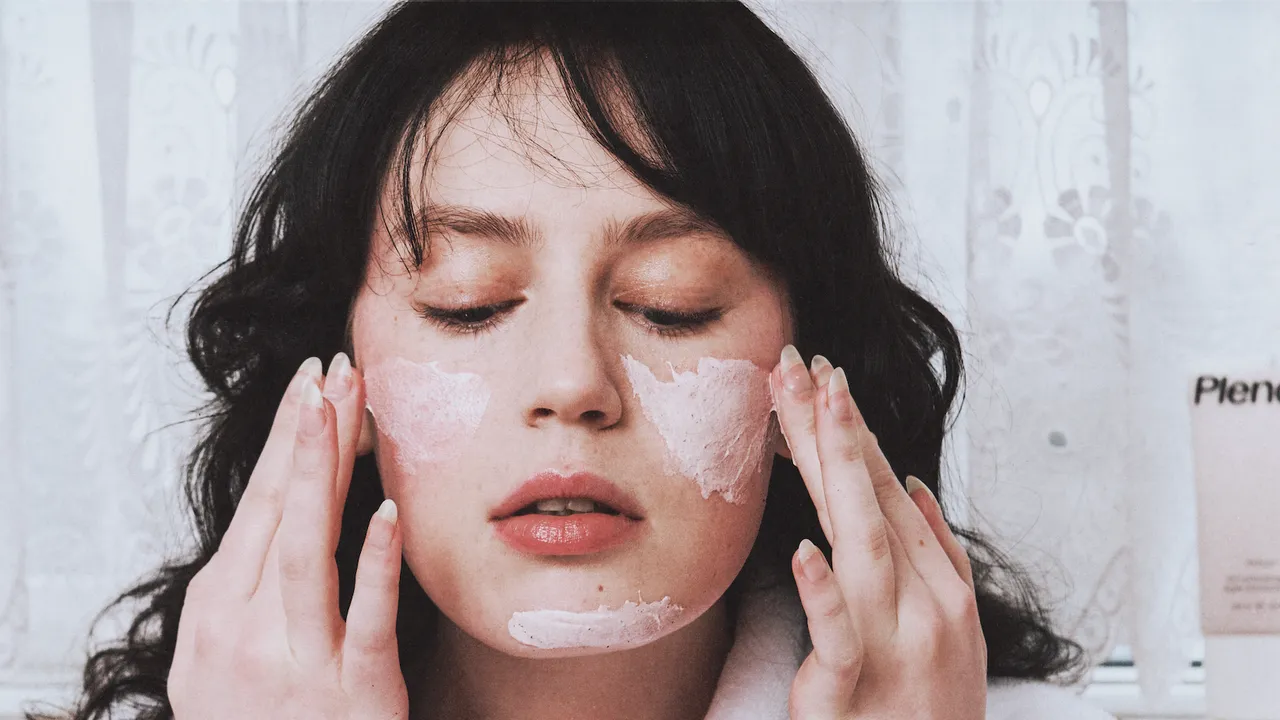
If you’re a beauty enthusiast with sensitive skin, then you are probably familiar with the struggle of trying new products. One wrong ingredient can cause breakouts, dryness, rashes, bumps, or a combination of all. For sensitive skin, creating a healthy skin barrier with products that combine high-performance actives with gentle formulations is essential. Built on this philosophy, British-made skincare brand Plenaire launched in India with a forward-thinking approach that blends science, transparency and emotional wellbeing. Inspired by the French philosophy of “en plein air”, which translates to “in the open air,” Plenaire’s selection of products is designed for a new generation of beauty lovers who value self-care as much as self-expression. Think barrier-first beauty, modular routines, and science-backed formulations that work with the skin barrier rather than overstimulating it. Because when it comes to sensitive skin, less is more.
Read along to unveil your new AM and PM skincare routine.

Images courtesy: Plenaire

A modern solution

At Plenaire, the secret to unlocking a healthier skin barrier begins with Éclat Botanique™, a unique product philosophy. Here, “éclat” translates to radiance, while “botanique” puts an emphasis on plant-derived and naturally sourced ingredients. Bringing together actives, bio-plant and marine components, these ingredients seamlessly combine to protect the skin barrier and maintain a natural glow. Rooted in modern science, actives such as BHA’s, Glycolic acid, Ceramides, and Hyaluronic acid help support the skin’s natural repair cycle. They work gently to calm irritation, reinforce the skin barrier, and provide long-term nourishment for a balanced, healthy-looking complexion.

For AM

Start your day with a two-step skincare ritual that promises clean and balanced skin. The ritual begins with Plenaire’s Duelle 2-in-1 Brightening Cleanser, a gentle daily cleanser with a pH of 5.5 that removes impurities and excess oil. With the goodness of Niacinamide, it helps brighten the skin without stripping it of moisture. Enriched with upcycled Jojoba micro-grains, it exfoliates to help smooth skin and restore its natural glow.

Tags: , , , , ,
Formulogic Debuts in Singapore with Science-Driven Barrier Care for Southeast Asia's Sensitive Skin

Formulogic Debuts in Singapore with Science-Driven Barrier Care for Southeast Asia’s Sensitive Skin

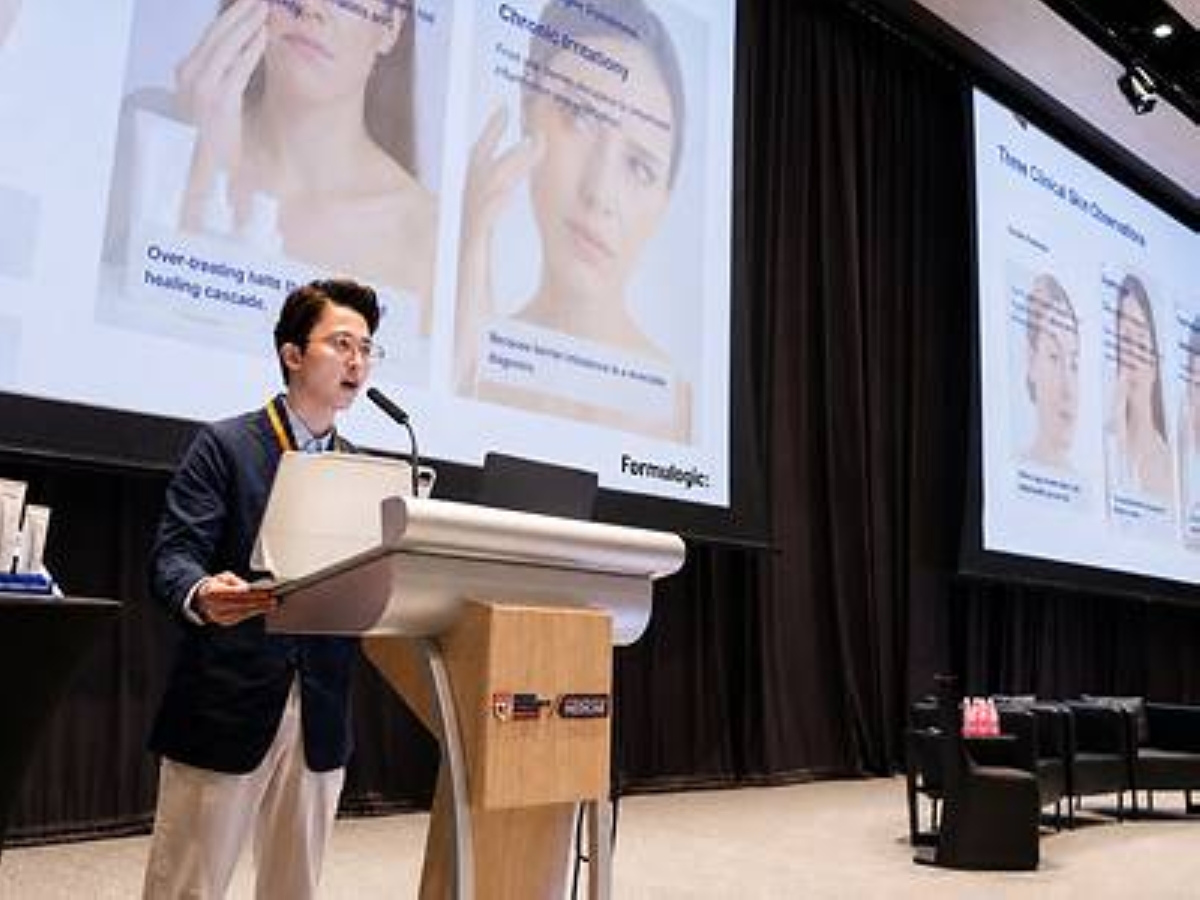
SINGAPORE, Aug. 11, 2026 /PRNewswire/ — Formulogic, a science- and evidence-driven dermocosmetic brand dedicated to sensitive skin, developed through dermatological research and clinical validation, officially debuted in Singapore at CONNEX-C Asia 2026, jointly organized by Society of Cosmetic Scientists (Singapore) (SCSS) and Lee Kong Chian School of Medicine, unveiling its evidence-based barrier care philosophy and a comprehensive skincare system designed specifically for Southeast Asia’s unique climate and skin concerns.

The launch also disclosed new R&D findings from Formulogic’s in vivo clinical studies and introduced its Adaptive Care Loop, which identifies the skin’s condition, selects the appropriate product track, and applies a three-step Cleanse, Treat and Protect system. Moreover, Formulogic announced plans to increase its investment in skin science, as well as the establishment of Singapore Sensitive Skin Lab, reinforcing the brand’s commitment to bringing clinical-grade, prescription-like barrier repair into everyday skincare across Southeast Asia.

At the launch, Formulogic Chief R&D Scientist Dr. Arwen Liu noted that sensitive skin rarely stems from a single cause. Neuro-sensory, hormonal and emotional factors interact with heat, humidity, unhealthy lifestyle and product use, while the resulting barrier disruption presents differently in dry and oily skin, which is why no single solution can adequately address every barrier state.

Get the latest news


delivered to your inbox

Sign up for The Manila Times newsletters

By signing up with an email address, I acknowledge that I have read and agree to the Terms of Service and Privacy Policy.

Therefore, for dry-sensitive skin, the Barrier Guard B5 Series is led by Formulogic’s flagship Panthenol All-in-One Barrier Cream, formulated with 5% panthenol to replenish moisture, strengthen the skin barrier and soothe visible signs of sensitivity in a lightweight texture for daily use. For consumers with oily-sensitive skin, the B3-Ceramide Oil-Control Barrier Moisturizer combines five types of ceramides with 4% niacinamide to reinforce the skin barrier while helping balance excess sebum and calm blemish-prone skin without compromising hydration.

Formulogic Scientific Advisor Dr. Jun Ho Sang also addressed post-procedure physiology, noting that visible redness after laser, IPL or microneedling treatments may subside before the skin’s protective and water-retention functions fully recover. Post-procedure care requires staged support beyond surface soothing: limiting moisture loss, supporting lipid-barrier organization and avoiding early reintroduction of high-intensity actives. Formulogic addresses this through barrier-focused formulas combining hydration, comfort and lipid-supportive care to support resilience throughout recovery.

Formulogic will continue collaborating with dermatologists, scientists and industry experts to develop clinically validated skincare tailored to the evolving needs of Southeast Asian consumers. By combining scientific research, local innovation and barrier expertise, the brand aims to make professional skin barrier care more accessible and help more people build healthier skin for the long term.

Tags: , , , , , , , , ,
How to Care for Sensitive Skin From Perimenopause or Irritation

How to Care for Sensitive Skin From Perimenopause or Irritation

Years ago, people with sensitive skin seemed to be a small group who flushed easily and felt a tingle when using certain skincare products. Now, it feels like practically everyone identifies as sensitive. Maybe you now find moisturizer burns upon application or your face gets as red after a few bites of spicy food as it does after a punishing spin class. Even people who once considered themselves firmly on team “normal skin” are newly reactive.

I’ve noticed it myself over the past year. As I’ve entered the early stages of perimenopause, one of the biggest changes in my skin hasn’t been the more expected acne or dryness, but increased sensitivity. Products I’ve used for years suddenly feel irritating. Regardless of what I use (or don’t use), for about five days every month my face is red, textured and itchy. 

As it turns out, my experience is becoming increasingly common. “A recent global survey showed that 70 per cent of people now self-report some degree of sensitive skin,” says Dr. Geeta Yadav, board-certified dermatologist and founder of FACET Dermatology in Toronto. 

Sensitive skin or sensitized skin?

Part of the reason this conversation has become so loud is because many people are dealing with sensitized skin, a temporary state caused by a compromised skin barrier, rather than a truly sensitive skin type.

“Sensitive skin is really a syndrome of unpleasant sensations in response to things that shouldn’t normally provoke them,” says Yadav, adding that dermatologists believe it’s a neuropathic disorder, where nerves in the skin have a lowered threshold for firing back.

People with the sensitive skin type are predisposed to it and are typically reactive around the clock, 365 days a year. “[They] tend to have a naturally weakened skin barrier, higher reactivity to products, weather, fragrance or environmental triggers and have chronic tendencies toward redness, stinging, dryness and itching,” says Dr. Michael Ingrassia, vice president of advanced technologies at Clinique Laboratories.

Sensitized skin, on the other hand, is acquired. According to Ingrassia, it appears when the skin barrier becomes compromised, often by skincare habits, aggressive cosmetic treatments, stress, lack of sleep, pollution and UV exposure.

That distinction matters because while sensitive skin is usually ongoing, sensitized skin is often short-lived and reversible. “If your beloved moisturizer suddenly burns, that’s sensitized skin, not sensitive skin,” says Yadav.

Sensitive skin benefits from a very simple skincare routine, experts say. Photo: Clinique

Why reactive skin is on the rise

There’s no single culprit behind this surge in skin reactivity, say the experts. Instead, it’s the cumulative effect of modern life colliding with increasingly aggressive skincare habits. 

“More than ever, skin is exposed to environmental aggressors, pollutants, allergens and daily lifestyle stressors that can compromise the skin barrier and heighten reactivity,” says Janet Pardo, SVP of global product development at Clinique.

Everyday exposures that may seem relatively minor, like air conditioning, abrupt weather changes and UV, are now understood to have a measurable impact on barrier function. “[All these factors] disrupt the dermis, increase water loss and make the skin more prone to discomfort,” explains Pardo.

Sensitive skin and perimenopause

Hormones are another major, yet often overlooked factor, particularly perimenopause and menopause, which can span anywhere from four to eight years or longer (insert grimacing emoji here).

The estrogen drop during those big hormonal shifts thins the skin, reduces ceramide and hyaluronic acid production and lowers the threshold for irritation, Yadav explains. “Many women in their mid-forties suddenly find their long-standing routine no longer works.”

At the same time, our skincare routines have become far more intense than they were a decade ago. Multi-acid toners, prescription-strength retinoids, daily exfoliation, lasers, peels and in-office treatments all stress the skin barrier, even more so when layered together.

“We’re dramatically worse at protecting our barriers than we were a generation ago, using more ingredients more often and with no rest periods,” says Yadav. “Overuse of actives is, in my opinion, the single most modifiable contributor to skin sensitivity in 2026.”

A barrier-first beauty approach

As more people experience skin reactivity, brands are increasingly coming out with barrier-strengthening formulas designed to calm the skin rather than challenge it. “Consumer awareness and labelling of ‘sensitive skin’ has expanded dramatically over the last five to 10 years,” says Ingrassia.

That rise in demand led to Clinique’s new Daily Calm line, a four-product collection designed for those with both sensitive and sensitized skin, “who are looking for products that feel both effective and reassuring to use,” says Pardo. The goal was to create a streamlined regimen that would support the skin while addressing everyday triggers that cause irritation.

The line includes a cleanser, moisturizer and notably, two makeup products—a lip and cheek colour and a tinted skin balm that can be worn comfortably even during a flare-up. “Including makeup in the line was very intentional,” says Pardo. “For many people with reactive skin, sensitivity doesn’t stop at skincare.”

A simpler routine

The experts emphasize that reactive skin responds best to simplicity. If your skin becomes red, tender or inflamed, hit pause on strong actives like retinoids and exfoliants until your barrier has recovered. “A well-tolerated moisturizer used consistently is the single most evidence-supported intervention for sensitive skin,” says Yadav.

There are supportive and barrier-building ingredients that can help: Scan labels for ceramides, glycerin, centella asiatica, panthenol, squalane and colloidal oatmeal. Clinique built the Daily Calm line around uniflavon, an anti-inflammatory and antioxidant ingredient that combines skin-soothing bamboo and skullcap extracts. “It helps calm the rapid response that can lead to visible signs of sensitivity while also defending against longer-term irritation triggers that may continue to fuel reactivity,” says Pardo.

While skincare trends continue to push stronger ingredients and a more-is-more mentality, Yadav says easily irritated skin often benefits from the opposite: fewer steps and more consistency. “Three or four products will outperform a 10-step routine almost every time.”

Shop skincare for sensitive skin

Packed with two types of vegan PDRN, centella asiatica and panthenol, these nifty pads firm, soothe and hydrate reactive skin.

With a unique oil-like texture, this silky serum is formulated with a calming trio of ceramides, urea and squalane to help strengthen and brighten skin.

Available in eight shades, this sheer, creamy, buildable foundation works to soothe skin on application and over time thanks to uniflavon and a trio of strengthening lipids.

Ectoin, the hero ingredient in this barrier-boosting serum, helps to reduce water loss and minimize redness in easily irritated skin.

With 20 per cent hyaluronic acid and antioxidant-rich blue tea, this gel mask gently boosts skin elasticity and moisture levels.

With a texture like butter and nourishing ingredients including colloidal oatmeal, this rich night cream provides intense hydration.

A sister to K-Beauty brand Aestura’s best-selling barrier cream, this water-based lotion contains the same award-winning ceramide blend as the original, but in a more lightweight texture.

Tags: , , , ,
Cellcosmet releases Hydra-Soothing Mask for sensitive and sensitised skin

Cellcosmet releases Hydra-Soothing Mask for sensitive and sensitised skin

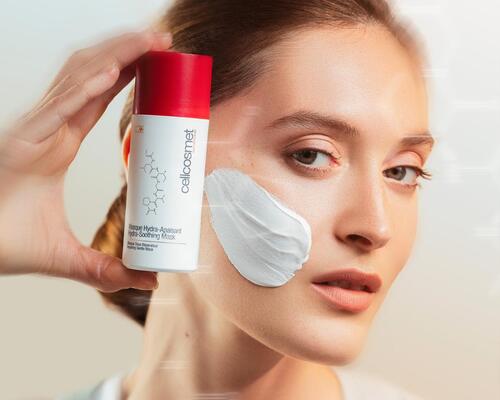
Swiss cellular skincare and spa brand, Cellcosmet, has released its Hydra-Soothing Mask to meet what it sees as a rise in demand for sensitive and sensitised skin products following cosmetic treatments.

The brand differentiates sensitive skin (a genetic skin type that needs gentle and consistent care) from sensitised skin (an acquired skin condition triggered by external factors that needs repair and recovery and is caused by aesthetic procedures, sun and stress).

The brand’s new facial mask is a targeted, natural and highly tolerated solution that soothes and moisturises the skin. It is designed to reduce redness and is recommended for use following sun exposure or aesthetic and cosmetic procedures – including non-invasive procedures such as chemical peels and laser treatments.

The creamy formula is fragrance-free and contains 11 active ingredients selected for their soothing and restorative properties. These include everlasting flower extract, allantoin, liquorice derivative, red algae, kaolin, raw shea butter and glycerine.

Dr Jérémie Soeur, chief of science for Cellcosmet, says: “What truly sets the Hydra-Soothing Mask apart is the combination of the rigorous scientific standards applied in its development and a highly targeted formula designed for the most sensitive, sensitised skin. 

We selected active ingredients that possess proven soothing, healing and protective properties – such as everlasting flower extract, zinc oxide and allantoin – and incorporated them at the most effective concentrations, without superfluous additives,” added Soeur. “Such scientific precision means we can offer a skincare solution that is effective, safe and pleasing to all the senses and the skin, even after a cosmetic procedure.”

The mask can be used routinely to soothe skin or as a moisture boost once or twice a week. It is designed to be left on for 15 minutes before being rinsed off.

It can also be used as a non-rinse ointment after sun exposure, cosmetic procedures or in cases of severe dryness.

The 50ml unit costs £145 (US$194, €167).

Tags: , , , , , ,
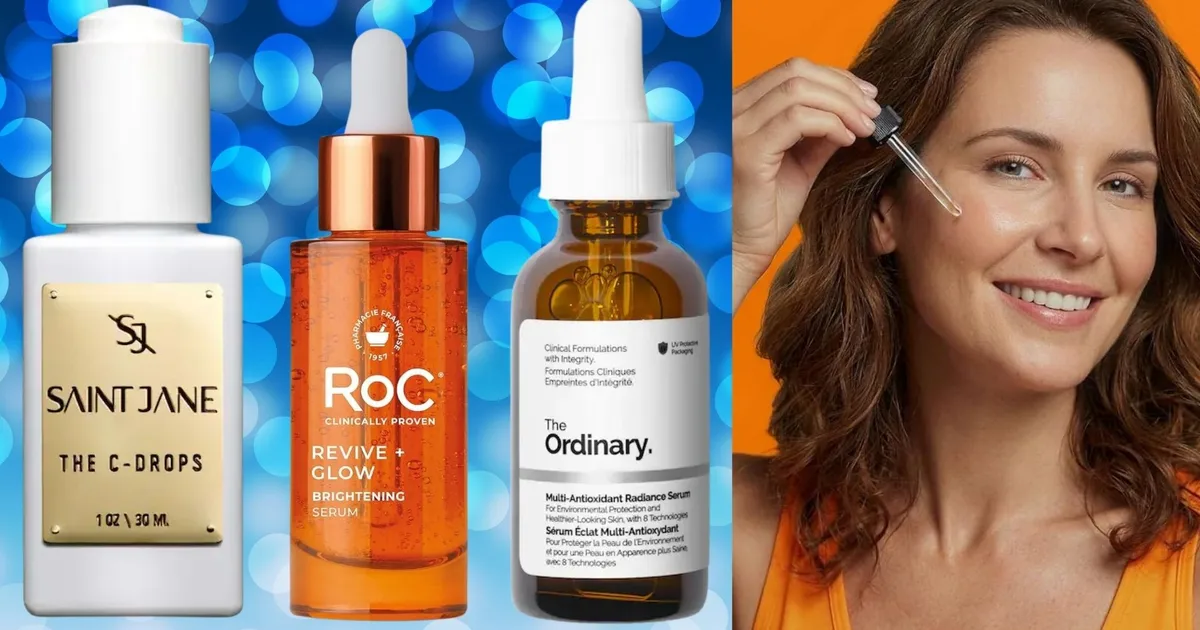
Dermatologist-Recommend Vitamin C Serums For Sensitive Skin

Dermatologist-Recommend Vitamin C Serums For Sensitive Skin

Vitamin C is a powerhouse ingredient in the skincare world, offering brightening, protective and skin-boosting benefits. If you’re someone with sensitive skin, though, you know that the idea of slathering on a vitamin C serum might sound like a one-way ticket to redness and irritation.

“Topical vitamin C can increase collagen production and reduce or prevent dark spots, but it can be irritating because of its acidic nature that can disrupt the skin’s natural barrier, especially in those who have sensitive skin,” said Dr. Jodi LoGerfo, a board-certified dermatologist.

Thankfully, experts say you can get the glow without the sting. The key? Choosing formulas that balance potency with soothing, skin-loving ingredients. We asked top dermatologists to share the vitamin C serums they actually trust to keep a reactive dermis happy. (We’ve also included a few editor’s picks at the end: products that I use and trust for my own sensitive skin.)

Tags: , , , ,
LED Light Therapy Marylebone for Sensitive Skin: The Calm, Consistent Approach

LED Light Therapy Marylebone for Sensitive Skin: The Calm, Consistent Approach

Looking for LED light therapy that is practical, non-invasive, and designed for real-world results? This guide focuses on professional treatment with the Dermalux Tri-Wave MD —a medical LED phototherapy system used in structured programmes for skin performance and recovery.

Clients often search for LED light therapy London because they want a treatment that fits into a busy schedule, supports calmer-looking skin, and complements professional skincare. If you are specifically considering LED light therapy Marylebone , consistency and device quality are the two most important factors to prioritise.

Dermalux Tri-Wave MD delivers three clinically utilised wavelengths—blue (415 nm), red (633 nm), and near-infrared (830 nm)—so protocols can be tailored for a range of goals, including supportive programmes for psoriasis, acne, joint pain, skin conditions, eczema, and to speed up healing appearance after skin stress or procedures.

Medical note: LED light therapy is supportive care and is not a substitute for medical diagnosis or treatment. If you have a diagnosed medical skin condition, are pregnant, are photosensitive, or take photosensitising medication, seek clinician advice before treatment.

What LED Light Therapy Is and What It Is Not

LED light therapy is often described as a ‘skin performance’ treatment: it supports the conditions for healthy-looking skin so that your skincare routine and professional treatments can work more effectively. As with any light-based modality, eye protection is used during treatment, and settings are adjusted for comfort and skin sensitivity.

In central London, demand continues to rise because LED sessions are comfortable, quick, and easy to integrate into a weekly routine. As with any light-based modality, eye protection is used during treatment, and settings are adjusted for comfort and skin sensitivity. LED light therapy is often described as a ‘skin performance’ treatment: it supports the conditions for healthy-looking skin so that your skincare routine and professional treatments can work more effectively.

Near-infrared light is also widely used in photobiomodulation-informed approaches for comfort, including programmes that support clients managing joint pain. By combining 415 nm, 633 nm, and 830 nm in a single platform, the Dermalux Tri-Wave MD allows programmes to be tailored for breakouts, redness, recovery, and comfort-focused goals. The Dermalux Tri-Wave MD supports protocol-driven treatment planning because wavelength selection, coverage, and dose consistency are controlled by the practitioner.

For clients seeking LED light therapy London options, our Marylebone setting makes it easy to stay consistent with a course. In practice, that consistency is what allows LED light therapy Marylebone programmes to deliver dependable, incremental improvement.

Why We Use Dermalux Tri-Wave MD

LED light therapy is often described as a ‘skin performance’ treatment: it supports the conditions for healthy-looking skin so that your skincare routine and professional treatments can work more effectively. Marylebone is a convenient location for ongoing care, which matters because regular sessions are where LED light therapy tends to deliver its best, most measurable benefits.

In central London, demand continues to rise because LED sessions are comfortable, quick, and easy to integrate into a weekly routine. Dermalux protocols are commonly discussed for a range of skin conditions, including supportive care for psoriasis and eczema-prone skin, where calming and barrier support are priorities. Whether your priority is clearer skin, calmer redness, or faster-looking recovery, a structured LED programme provides a practical, low-disruption option.

For many clients, LED light therapy London appointments are a straightforward addition to a lunch break, with no downtime and minimal aftercare requirements. In central London, demand continues to rise because LED sessions are comfortable, quick, and easy to integrate into a weekly routine. Marylebone is a convenient location for ongoing care, which matters because regular sessions are where LED light therapy tends to deliver its best, most measurable benefits.

For clients seeking LED light therapy London options, our Marylebone setting makes it easy to stay consistent with a course. In practice, that consistency is what allows LED light therapy Marylebone programmes to deliver dependable, incremental improvement.

Benefits You Can Expect Over a Course

LED light therapy has become a cornerstone of modern, non-invasive skin care because it supports the skin’s natural repair and calming pathways without heat, needles, or downtime. Whether your priority is clearer skin, calmer redness, or faster-looking recovery, a structured LED programme provides a practical, low-disruption option.

LED light therapy is often described as a ‘skin performance’ treatment: it supports the conditions for healthy-looking skin so that your skincare routine and professional treatments can work more effectively. LED light therapy is generally well tolerated, but suitability should be assessed if you are photosensitive, taking photosensitising medication, or managing a medical skin condition under clinician care. LED therapy is supportive care and is not a substitute for medical diagnosis or treatment; if you have persistent symptoms, consult a qualified healthcare professional.

A common approach is weekly sessions for several weeks followed by maintenance sessions that match your lifestyle, triggers, and seasonal changes. LED light therapy is often described as a ‘skin performance’ treatment: it supports the conditions for healthy-looking skin so that your skincare routine and professional treatments can work more effectively. LED light therapy is often described as a ‘skin performance’ treatment: it supports the conditions for healthy-looking skin so that your skincare routine and professional treatments can work more effectively.

For clients seeking LED light therapy London options, our Marylebone setting makes it easy to stay consistent with a course. In practice, that consistency is what allows LED light therapy Marylebone programmes to deliver dependable, incremental improvement.

Conditions We Commonly Support

LED light therapy Marylebone is particularly popular for clients who want a calm, professional environment and a consistent plan that can be maintained year-round. The most effective results usually come from a personalised course, tracked over time, with maintenance sessions to keep the skin calm and resilient.

Most programmes work best as a course rather than a one-off session; consistency is the factor that typically separates ‘nice’ results from noticeable change. Whether your priority is clearer skin, calmer redness, or faster-looking recovery, a structured LED programme provides a practical, low-disruption option. Our clinic uses the Dermalux Tri-Wave MD, a professional LED phototherapy system that delivers clinically utilised wavelengths: blue (415 nm), red (633 nm), and near-infrared (830 nm).

For clients looking for consistent results in a time-efficient format, LED light therapy is one of the most practical in-clinic options available today. Because LED therapy is non-thermal and gentle, it is commonly used to support recovery after professional treatments and to reduce the look of post-treatment redness. LED light therapy Marylebone is particularly popular for clients who want a calm, professional environment and a consistent plan that can be maintained year-round.

For clients seeking LED light therapy London options, our Marylebone setting makes it easy to stay consistent with a course. In practice, that consistency is what allows LED light therapy Marylebone programmes to deliver dependable, incremental improvement.

How to Plan Your Course in London and Marylebone

The Dermalux Tri-Wave MD supports protocol-driven treatment planning because wavelength selection, coverage, and dose consistency are controlled by the practitioner. If you want a plan that is gentle, evidence-informed, and designed for real life, an in-clinic course with Dermalux Tri-Wave MD is an excellent place to start.

If you want a plan that is gentle, evidence-informed, and designed for real life, an in-clinic course with Dermalux Tri-Wave MD is an excellent place to start. The most effective results usually come from a personalised course, tracked over time, with maintenance sessions to keep the skin calm and resilient. LED therapy is frequently chosen to speed up healing appearance after procedures and during periods when the skin feels stressed or reactive.

When delivered with a medical-grade device and a structured plan, LED light therapy can be a highly dependable way to improve the look and feel of the skin over time. LED light therapy is generally well tolerated, but suitability should be assessed if you are photosensitive, taking photosensitising medication, or managing a medical skin condition under clinician care. Near-infrared light is also widely used in photobiomodulation-informed approaches for comfort, including programmes that support clients managing joint pain.

For clients seeking LED light therapy London options, our Marylebone setting makes it easy to stay consistent with a course. In practice, that consistency is what allows LED light therapy Marylebone programmes to deliver dependable, incremental improvement.

Safety, FAQs, and Realistic Outcomes

For clients looking for consistent results in a time-efficient format, LED light therapy is one of the most practical in-clinic options available today. Our clinic uses the Dermalux Tri-Wave MD, a professional LED phototherapy system that delivers clinically utilised wavelengths: blue (415 nm), red (633 nm), and near-infrared (830 nm).

Near-infrared light is also widely used in photobiomodulation-informed approaches for comfort, including programmes that support clients managing joint pain. Our clinic uses the Dermalux Tri-Wave MD, a professional LED phototherapy system that delivers clinically utilised wavelengths: blue (415 nm), red (633 nm), and near-infrared (830 nm). By combining 415 nm, 633 nm, and 830 nm in a single platform, the Dermalux Tri-Wave MD allows programmes to be tailored for breakouts, redness, recovery, and comfort-focused goals.

In central London, demand continues to rise because LED sessions are comfortable, quick, and easy to integrate into a weekly routine. Dermalux protocols are commonly discussed for a range of skin conditions, including supportive care for psoriasis and eczema-prone skin, where calming and barrier support are priorities. LED light therapy is often described as a ‘skin performance’ treatment: it supports the conditions for healthy-looking skin so that your skincare routine and professional treatments can work more effectively.

For clients seeking LED light therapy London options, our Marylebone setting makes it easy to stay consistent with a course. In practice, that consistency is what allows LED light therapy Marylebone programmes to deliver dependable, incremental improvement.

Conclusion: A Positive, Practical Approach

When delivered with the Dermalux Tri-Wave MD and a course-based plan, LED light therapy can be a reliable, low-disruption way to support calmer, clearer, more resilient-looking skin. Whether your focus is acne clarity, psoriasis or eczema-prone comfort support, visible recovery to speed up healing, or comfort-focused support for joint pain, the key is a personalised protocol and consistent attendance.

If you are comparing options for LED light therapy London , choose a provider who explains wavelength selection, course timing, and realistic outcomes. For many clients, LED light therapy Marylebone is ideal because it supports ongoing consistency—often the single biggest driver of results.

Medical note: LED light therapy is supportive care and is not a substitute for medical diagnosis or treatment. If you have a diagnosed medical skin condition, are pregnant, are photosensitive, or take photosensitising medication, seek clinician advice before treatment.

Additional Notes on Post-Treatment Recovery

LED therapy is frequently chosen to speed up healing appearance after procedures and during periods when the skin feels stressed or reactive. LED therapy is frequently chosen to speed up healing appearance after procedures and during periods when the skin feels stressed or reactive. The Dermalux Tri-Wave MD supports protocol-driven treatment planning because wavelength selection, coverage, and dose consistency are controlled by the practitioner. In practice, we track progress with simple markers such as reduced flare frequency, calmer baseline redness, and faster-looking recovery after skin stressors. This makes it easier to adjust the plan thoughtfully rather than guessing. Because LED is gentle, it is well suited to modern ‘less but better’ skincare routines, where consistency and barrier respect are prioritised over frequent product switching.

Additional Notes on Post-Treatment Recovery

The Dermalux Tri-Wave MD supports protocol-driven treatment planning because wavelength selection, coverage, and dose consistency are controlled by the practitioner. Dermalux protocols are commonly discussed for a range of skin conditions, including supportive care for psoriasis and eczema-prone skin, where calming and barrier support are priorities. Most programmes work best as a course rather than a one-off session; consistency is the factor that typically separates ‘nice’ results from noticeable change. In practice, we track progress with simple markers such as reduced flare frequency, calmer baseline redness, and faster-looking recovery after skin stressors. This makes it easier to adjust the plan thoughtfully rather than guessing. Because LED is gentle, it is well suited to modern ‘less but better’ skincare routines, where consistency and barrier respect are prioritised over frequent product switching.

Tags: , , , , , , , ,
Best oLive
Privacy Overview

This website uses cookies so that we can provide you with the best user experience possible. Cookie information is stored in your browser and performs functions such as recognising you when you return to our website and helping our team to understand which sections of the website you find most interesting and useful.