Therabody is the wellness technology leader that has pioneered well-being and recovery for all since the invention of Theragun in 2008 by Founder & Chief Wellness Officer Dr. Jason Wersland.

Therabody Scales Ulta Beauty Partnership to 1,000+ Doors Nationwide

Recognized for outstanding performance in self-care, Therabody expands its presence within Ulta Beauty’s wellness assortment, driven by strong consumer demand for science-backed wellness and beauty technology

LOS ANGELES, March 31, 2026 /PRNewswire/ — Therabody, the leader in science-backed wellness and beauty technology, today announced a major expansion of its partnership with Ulta Beauty, the nation’s largest beauty retailer. Beginning this week, Therabody will expand into an additional 650+ Ulta Beauty stores nationwide, bringing the brand’s total footprint to more than 1,000 doors and scaling distribution more than threefold since its debut in 300+ stores in fall 2025.

This next phase of the partnership will further establish Therabody’s award-winning wellness and skincare technology within Wellness by Ulta Beauty, the retailer’s dedicated destination to help guests find their feel-good through self-care.

The expanded rollout will feature Therabody’s top-performing beauty devices, including the TheraFace Mask Glo and TheraFace Depuffing Wand, which have seen strong customer demand since launch. Theragun Relief will also debut in-store at select Ulta Beauty locations for the first time, following strong performance online. The lightweight percussive therapy device, available in the fan-favorite Navy colorway, offers accessible recovery and everyday muscle relief.

“Since launching with Ulta Beauty last year, we’ve seen incredible enthusiasm from consumers looking for science-backed tools that fit seamlessly into their beauty and wellness routines,” said Monty Sharma, Therabody CEO. “Expanding into more than 1,000 Ulta Beauty stores allows us to meet that demand and bring Therabody’s clinically proven technology to more people as wellness and beauty continue to converge.”

Therabody’s expansion at the beauty retailer comes on the heels of the brand being recognized by Circana with its Home Industry Performance Award for largest dollar share increase in the Self-Care category in both the U.S. and Canada, underscoring the company’s continued leadership in science-backed wellness technologies.

Therabody’s Featured Devices at Ulta Beauty:

  • TheraFace Mask Glo: Therabody’s clinically proven, dermatologist-approved and FDA-cleared LED mask delivers glowing, healthier-looking skin in just 12 minutes per day. Featuring Red, Red + Infrared, and Blue light therapies, it visibly improves radiance, firmness, and overall skin health, with visible reductions in fine lines and undereye wrinkles in as little as eight weeks.
  • TheraFace Depuffing Wand: Named a TIME Best Invention of 2025 and an Allure Best of Beauty Award winner, the TheraFace Depuffing Wand is a portable skincare device clinically proven to reduce puffiness, diminish the appearance of dark circles, and enhance radiance.
  • Theragun Relief: A lightweight, ergonomic percussive therapy device designed for everyday relief of aches and pains.
  • SleepMask: A 100% blackout, ultra-comfortable eye mask featuring three vibration patterns to help improve sleep quality.
  • SmartGoggles (2nd Gen): A next-gen eye mask with blackout design, compression massage, heat, and vibration therapy to reduce stress, relieve headaches, and support deeper rest.
  • Theragun Mini: A powerful, portable massage gun designed for on-the-go recovery and stress relief.

“Therabody’s rapid expansion across Ulta Beauty stores reflects the growing momentum at the intersection of beauty and wellness, and how our guests are increasingly looking for high-performance tools that deliver real, visible results,” said Laura Beres, Vice President of Wellness at Ulta Beauty. “As we continue to grow Wellness by Ulta Beauty, we’re focused on bringing innovative, science-backed brands like Therabody to more guests nationwide – making it easier than ever to discover solutions that support their skin, body, and overall well-being within their everyday routines.”

Therabody’s expanded assortment will be available in-store at participating Ulta Beauty locations and on Ulta.com beginning the week of March 29, 2026.

ABOUT THERABODY
Therabody® is the global wellness technology leader with a mission to empower every body to feel better and move better. Founded by Dr. Jason Wersland in 2016, the company combines science, innovation, and design to create products that optimize human performance and recovery. Recognized as one of TIME’s Best Inventions of 2025, Therabody continues to set the standard for wellness innovation. Its ecosystem includes the Theragun, JetBoots, PowerDot, TheraFace, and TheraCup, as well as digital wellness content and in-person experiences through Reset® by Therabody.

For more information, visit Therabody.com or follow @Therabody on social media.

View original content to download multimedia:https://www.prnewswire.com/news-releases/therabody-scales-ulta-beauty-partnership-to-1-000-doors-nationwide-302729036.html

SOURCE Therabody, Inc.

[ Back To TMCnet.com’s Homepage ]

Tags: , , , , , ,
Homestead Blog Hop - Homestead tips, ideas, animal care, and recipes every Wednesday

Homestead Blog Hop 593 – Sourdough stuffing and Garlic Bread

Welcome to Homestead Blog Hop, a weekly gathering for homesteaders and simple living enthusiasts to share DIY projects, from-scratch recipes, and creative inspiration. This week’s hop features cozy homesteading tips, along with practical ideas that celebrate handmade living and self-sufficiency.

Whether you’re looking for seasonal crafts, homemade treats, or encouragement on your homesteading journey, you’ll find plenty of inspiration to carry into the new year. Grab a cup of tea, explore the featured posts, and join us in sharing your own homestead creations.

Meet Your Homesteading Hosts

We’re Kelly from Simple Life Mom, Liz from The Cape Coop, Natasha from Houseful of Nicholes, and Laurie from Ridgehaven Homestead. Together, we’re passionate about from-scratch living, simple ingredients, frugal habits, and intentional homesteading. We’re delighted to host the Homestead Blog Hop, where you can find fresh inspiration each week for DIY projects, homemade recipes, and practical simple living ideas.

Follow Us for More Homestead Inspiration

Natasha – Houseful of Nicholes
Facebook | Pinterest | X | Instagram

Laurie – Ridge Haven Homestead
Facebook | Pinterest | Instagram

Liz – The Cape Coop
Facebook | Pinterest | X | Instagram

Kelly – Simple Life Mom
Facebook | Pinterest | X | Instagram

FEATURED POSTS from the Last Homestead Blog Hop

Each week, we take turns selecting three featured posts from the Homestead Blog Hop. These features are shared across all of our social media platforms, helping spotlight the creativity and hard work of our fellow homesteaders. Here are the featured posts from last week’s hop:

1. Free Floral Happy Easter & He is Risen Banner Printable from Press Print Party

2. Sourdough Bread Stuffing from Mommy Hates Cooking

3. Wild Garlic Babka Bread from Food Nutters

Congrats! Feel free to grab the featured on button for your post.

Just right click and ‘save image as…‘

Guidelines for the Homestead Blog Hop

  1. Click the “Add Your Link” button below and upload a clear, eye-catching image from your project or recipe. Please link directly to the family-friendly post itself, not your blog’s homepage.
  2. You may link up up to three posts each week.
  3. Take time to visit a few other blogs in the hop and leave a thoughtful comment to let them know you stopped by. Community support makes this hop special!
  4. Please include a link back to the Homestead Blog Hop in your post. Posts without a backlink are not eligible to be featured. All featured posts are shared across all hosts’ social media channels.
  5. Share posts that haven’t been linked to the hop before. Older posts are welcome as long as they are new to the hop.
  6. By joining the Homestead Blog Hop, you grant the hosts permission to use one image from your post, with a link back to your site, if your post is selected as a feature next week.
  7. This is a family-friendly link-up designed to encourage, inspire, and support the homesteader in all of us.

Let the Party Begin!

Which project are you excited to try this week? Leave a comment below.

Join Our Homestead Blog Hop Pinterest Board

Follow all of your hosts on Pinterest and send a message if you’d like to be added to our Homestead Blog Hop group board. This board is a great place to share your DIY projects, crafts, and from-scratch recipes with the homesteading community.

Guideline: Only pin posts that you’ve linked up to the Homestead Blog Hop.

Tags: , , , , , ,
carrot cake

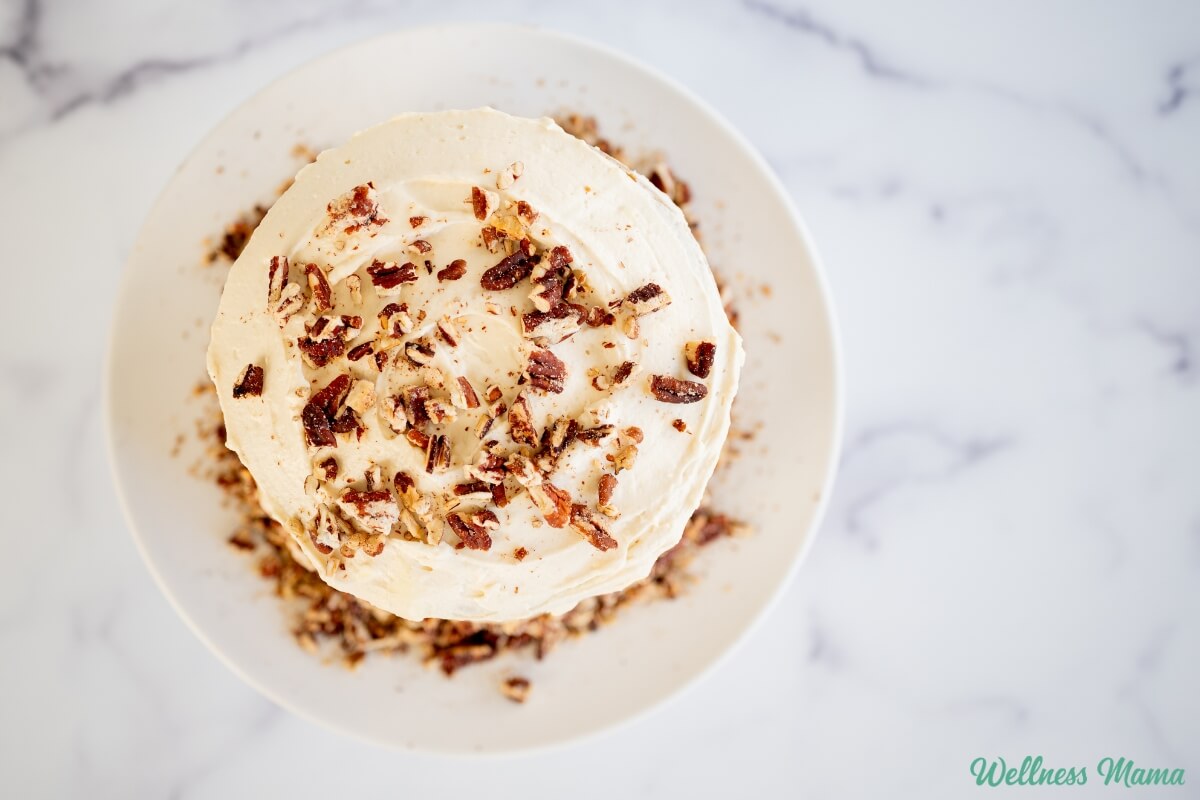
Brown Butter Carrot Cake with Honey Cream Cheese Frosting

Carrots are one of our favorite vegetables and I’ll often make recipes like carrot coulis, carrot salad, or roasted carrots. This homemade carrot cake is another way to enjoy all that carrots have to offer. It’s simple to make, moist, and full of delicious flavors. 

Years ago I came up with a grain and gluten-free carrot cake with pineapple. That recipe used coconut flour and lots of eggs for protein. While I still like that recipe and make it on occasion, I wanted to have another carrot cake recipe on hand that was more traditional. 

Carrot Cake Ingredients

Now that our family includes some organic flour on occasion, I’ve been making more baked goods with it. It’s an easy way to make a healthier dessert that has the same taste and texture as traditional desserts. That doesn’t mean it’s packed with sugar, vegetable oils, or other ingredients I prefer to avoid though!

Carrot cake ingredients typically include flour, sugar, carrots, spices, oil, and eggs. Then there are the optional mix-ins like raisins, pineapple, and shredded coconut. This recipe is very similar, but I’ve opted for raw honey instead of sugar. And it uses butter instead of vegetable oil. Applesauce adds a little more moisture and natural sweetness. 

Need a gluten-free carrot cake? Simply substitute a 1:1 gluten-free flour blend for the organic all-purpose flour. 

How to Make Carrot Cake

The long list of ingredients can be intimidating at first, but this really is a simple recipe. You’re basically combining all of the wet ingredients, then combining all of the dry ingredients, then adding them together. Finally, you’ll stir in the mix-ins like carrots, raisins, and coconut. 

There is the additional step of browning the butter first, which really adds an extra layer of flavor to the cake. Browned butter tastes a lot like caramel, but without the extra sugar. 

Tip: When you’re browning the butter, be sure to keep a close eye on it. It needs to be removed from the stove after it’s browned, but before it’s gotten really dark brown (aka burnt). Because burnt butter carrot cake is not delicious. 

Cream Cheese Frosting For Carrot Cake (Without Refined Sugar)

Carrot cake wouldn’t be what it is without the iconic cream cheese frosting. It adds a nice tang to the sweetness, so the dessert isn’t overwhelmingly sweet. Most cream cheese frosting recipes call for powdered sugar to help thicken and make it spreadable. My version uses raw honey for sweetness and butter for a buttercream frosting consistency.  I prefer honey in this recipe, but maple syrup would taste good too. 

Instead of powdered sugar to thicken, I used arrowroot starch (also known as arrowroot flour). It helps to thicken without making the frosting super sweet. Start with 2 Tablespoons of arrowroot and add more as needed to get the right consistency. You want it to be thick enough it won’t fall down the cake, but not so thick that it’s difficult to spread. 

Different Pan Options

This cake is 4 layers high because I like the look of the extra layers. If you don’t have four 6-inch cake pans, then two 9-inch round pans will also work. Simply change the bake time to 30-35 minutes if using 9-inch pans. If you want to make cupcakes, then bake for 18-22 minutes.

You could also make a sheet pan carrot cake, but I haven’t personally tried it. Let me know if you do! If you’re craving carrot cake or need a fancy (but easy!) spring dessert, then give this carrot cake a try. 

Brown Butter Carrot Cake With Honey Cream Cheese Frosting

This delicious carrot cake is moist and naturally sweetened with honey and

Honey Cream Cheese Frosting

  • Melt the butter over medium heat, swirling occasionally, until it foams and turns golden with a nutty aroma. Remove from heat and pour into a large mixing bowl, allowing it to cool for about 5 minutes.

  • Grate the carrots using the medium holes of a box grater.

  • Preheat the oven to 350°F and grease and line four 6-inch cake pans (or see notes for other pan options).

  • To the cooled brown butter, whisk in the honey or maple syrup, applesauce, eggs, coconut milk, and vanilla extract until smooth and fully combined.

  • In a separate bowl, whisk together the flour, cinnamon, ginger, nutmeg, cardamom, baking powder, baking soda, and salt.

  • Add the dry ingredients to the wet ingredients and stir until just combined, being careful not to overmix. Fold in the grated carrots, chopped nuts, raisins, and shredded coconut if using.

  • Divide the batter evenly between the prepared pans and bake for 24–28 minutes, or until a toothpick inserted in the center comes out clean.

  • Allow the cakes to cool in the pans for about 10–15 minutes before transferring to a wire rack to cool completely.

  • To make the frosting, beat the cream cheese and butter together until smooth. Add the honey, vanilla, salt, and arrowroot starch, and continue beating until light, fluffy, and spreadable. Start with 2 Tablespoons of arrowroot and increase as needed to thicken the frosting to the desired consistency.

  • Place one cake layer on a serving plate and spread a layer of frosting on top. Repeat with the remaining layers. Apply a thin crumb coat over the entire cake. Refrigerate for 20–30 minutes to set before finishing with the remaining frosting.

Nutrition Facts

Brown Butter Carrot Cake With Honey Cream Cheese Frosting

Amount Per Serving (1 serving)

Calories 399
Calories from Fat 234

% Daily Value*

Fat 26g40%

Saturated Fat 15g94%

Trans Fat 0.4g

Polyunsaturated Fat 3g

Monounsaturated Fat 6g

Cholesterol 86mg29%

Sodium 306mg13%

Potassium 254mg7%

Carbohydrates 39g13%

Fiber 2g8%

Sugar 20g22%

Protein 6g12%

Vitamin A 3410IU68%

Vitamin C 2mg2%

Calcium 70mg7%

Iron 2mg11%

* Percent Daily Values are based on a 2000 calorie diet.

  • Garnish with toasted nuts, a sprinkle of cinnamon, or a drizzle of honey if desired.
  • Serve at room temperature for the best flavor and texture.
  • You can also make this in two 9-inch round cake pans.

Does Carrot Cake Need to Be Refrigerated?

Since this recipe uses cream cheese, any leftovers should be refrigerated. I’ve also found that cakes/muffins made with applesauce or other fruit as a sweetener spoil faster at room temperature. How long does it last in the refrigerator? Well, as long as your family doesn’t eat it right away, it will last for up to a week!

It tastes best at room temperature though, so I like to pull it out and let the slice warm up before eating. 

Can You Freeze Carrot Cake? 

Yes, and no. Some recommend freezing the unfrosted and cooled cake layers or individual slices. They’ll last for about 2-3 months in the freezer this way. It is not recommended to freeze a whole, frosted carrot cake. The frosting can crack and it may not look as pretty, but it will still be tasty. Just be sure to use an airtight container to prevent freezer burn. 

What are some of your favorite carrot recipes? Leave a comment and let us know!

Tags: , , , , , , ,
Summer skincare habits: dermatologist-approved guidance for hot weather

Summer skincare habits: dermatologist-approved guidance for hot weather

Lifestyle

-Oneindia Staff


Updated: Monday, March 30, 2026, 8:28 [IST]

Summer heat, sweat, and strong sun can irritate skin fast. Dermatologist-approved summer skincare habits focus on sun protection, gentle cleansing, and light hydration. They also help manage acne, rashes, and dark spots that may get worse in Indian weather. Simple daily steps can lower sun damage risk and keep the skin barrier steady.

Apply a broad-spectrum sunscreen that protects from UVA and UVB. Choose SPF 30 or higher for daily use. Use SPF 50 if you are outdoors for long hours. Put it on face, neck, ears, and any exposed skin. Apply 15 to 20 minutes before going out for best coverage.

Dermatologist-approved summer skincare emphasizes consistent broad-spectrum sunscreen application (SPF 30+ daily, SPF 50 outdoors) with reapplication every 2-3 hours, alongside gentle cleansing, light hydration, and sun-safe habits to manage heat-related skin issues.

Reapply sunscreen every two to three hours outdoors. Reapply sooner if you sweat a lot or wipe your face. Use about two finger lengths for face and neck. For body, use enough to form a thin, even layer. A water-resistant formula helps during sports, travel, and humid days.

Wash your face with a mild cleanser once in the morning and once at night. If you come home sweaty, rinse and cleanse again. Avoid harsh scrubs and strong soaps. They can make skin dry and cause more oil. Lukewarm water is better than hot water in summer.

After workouts, change out of sweaty clothes and shower soon. Sweat and friction can trigger body acne and heat rash. Use a gentle body wash on the back, chest, and underarms. Pat skin dry with a clean towel. Do not rub hard, especially on irritated areas.

Keep moisturiser light and steady

Many people skip moisturiser in summer, but skin still loses water. Use a light, non-greasy moisturiser. Look for labels like “non-comedogenic” if you get acne. Gel or lotion textures often feel better in humidity. Apply moisturiser after cleansing, while skin is slightly damp.

If you use active products, moisturiser becomes more important. Ingredients like retinoids or exfoliating acids can cause dryness. Dry skin can sting more in the sun. A simple routine works well: cleanse, moisturise, and sunscreen in the day. At night, cleanse and moisturise again.

Prevent tanning and dark spots with smart sun habits

Sunscreen works best with other sun-safe steps. Wear a wide-brim hat or cap and UV-protective sunglasses. Use a scarf, sleeves, or an umbrella in strong sun. Try to avoid direct sun between late morning and mid-afternoon. These habits lower tanning and help reduce uneven skin tone.

Dark spots can worsen with heat and sunlight, including melasma. Do not use home bleach mixes or harsh peels. They can burn skin and leave marks. If you use brightening products, keep them simple and add one at a time. Always pair them with daily sunscreen.

Manage summer acne, clogged pores, and heat rash

Humidity can raise oil and clog pores. Choose oil-free skincare and avoid heavy creams during the day. Keep hair oils away from the forehead and back. If you wear make-up, pick light, non-comedogenic options and remove them well at night. Do not pick pimples, as it can scar.

Heat rash often shows as tiny itchy bumps in skin folds. Wear loose cotton clothes and keep areas dry. Avoid thick ointments on rash, as they can trap heat. Cool compresses may help. If there is pain, pus, fever, or fast spread, seek medical advice.

Support skin with careful after-sun and daily hygiene

If you get sunburn, move indoors and cool the skin with a damp cloth. Use a plain moisturiser to ease dryness. Avoid scrubs and strong actives until skin heals. Drink enough water through the day. It supports normal skin function, though it does not replace sunscreen or shade.

Keep personal items clean to reduce breakouts. Wash pillowcases and face towels often. Clean phone screens and sunglass pads. Do not share razors or make-up. If you shave, use a clean blade and shave with a gentle gel. Irritated skin can darken faster in summer sun.

Tags: , , , , , ,
stepping off the drama triangle

Why I’m Stepping Off the Drama Triangle

Sometimes the most meaningful shifts in health don’t begin with a new supplement or a perfect diet. One of my most profound changes didn’t start in the kitchen or the gym at all. I realized that how I was showing up in my relationships, parenting, and even my work at Wellness Mama was sometimes doing myself and others a disservice. 

This awareness didn’t come all at once, and it certainly didn’t come easily. In fact, it came with a lot of humility and, at times, a surprising amount of grief. But with the hard realizations also came clarity. The self-reflection helped give me a new lens to understand not only my past choices, but how I want to show up going forward. 

At the center of that shift is something called the drama triangle. I’ll explain what I mean by that, and how it’s helped me to understand and make better relationship choices. I hope that something in this message will resonate with you and give you a fresh perspective, like it did me. Not only has this framework helped me have healthier relationships with those around me, but also with myself. 

What Is the Drama Triangle?

The drama triangle is a framework that describes three common roles people tend to rotate through in relationships. These include the victim, the perpetrator (or persecutor), and the savior (or rescuer). What struck me most as I learned about this concept isn’t just that these roles exist, but how easily (and often unconsciously) we move between them.

I used to think of these roles as fixed identities. That someone was a victim, or was controlling, or was overly helpful. However, I’ve come to understand that these aren’t static labels. They’re patterns of behavior and language we step into, sometimes multiple times a day.

And if I’m being honest, I could find examples of myself in all three.

The Victim Role: When Power Feels Outside of Us

For me, the victim role showed up most clearly during my struggle with Hashimoto’s. I remember how strongly I identified with being “sick.” That identity shaped not only how I felt, but how I spoke, to myself and to others.

My language at the time reflected this mindset in subtle but powerful ways. I often found myself saying things like “I have Hashimoto’s,” or “My body hates me.” I believed that if I could just find the right doctor or protocol, everything would change. At the time, this felt logical and even proactive.

Of course, I wanted answers and healing. But what I didn’t realize was how much I was placing the power for that healing outside of myself. I was outsourcing my agency to something external that I hoped would fix what I believed was broken.

The Perpetrator Role: When Control Creeps In

While I didn’t think of myself in the perpetrator role, I can now see how often I stepped into that role. Especially when I felt frustrated or overwhelmed.

For me, this often looked like wanting to “fight” something outside of myself. Sometimes that was big food, big pharma, government systems, or another perceived external problem. It also showed up in my language, especially in moments of stress, when phrases like “you should” or “why can’t you just…” would surface. Underneath that language was often a sense of urgency, a need for things to be done a certain way. I had a desire to be right or to correct what I perceived as wrong.

There’s often a subtle (or not so subtle) energy of control here. A belief that if others would just do things the “right” way, things would improve. And while it can feel justified in the moment, I’ve come to see how this role can create distance and disconnect us from empathy and curiosity.

The Sneaky Role I Lived In the Most

If I’m being completely honest, the role I lived in the longest, and the one that felt the most “right” at the time, was the savior.

The Savior Role: When Helping Isn’t Actually Helpful

This one is tricky because it often looks kind, sounds helpful, and even feels good in the moment. For me, it showed up as a constant tendency to offer advice, often without being asked. I liked to jump in quickly to fix problems before they even had a chance to unfold. I took on responsibilities that weren’t necessarily mine and said yes to things even when my body was signaling no.

In parenting, this meant stepping in to solve problems for my kids instead of allowing them to work through challenges. In work, it looked like micromanaging or over-functioning, believing I was helping while unintentionally limiting others’ growth. Then getting upset when I felt others weren’t pulling their weight. In relationships, it often meant carrying emotional burdens that weren’t mine to hold.

Beneath all of this was a belief I didn’t consciously recognize at the time. That if I could just help enough, fix enough, or do enough, everything would feel stable and okay. Over time, that pattern led not only to burnout and resentment but also to a subtle form of disconnection, from others and from myself.

How These Roles Keep Each Other Alive

One of the most eye-opening realizations for me was that these roles don’t exist in isolation. They actually depend on each other in a kind of ongoing loop.

Without a rescuer stepping in, the dynamic between victim and perpetrator might naturally resolve more quickly. But when someone enters as the savior, trying to help, fix, or ease discomfort, it can unintentionally prolong the cycle. This can remove the opportunity for growth or resolution.

I began to see this pattern reflected across different areas of my life. In parenting, for example, when one of my children expressed frustration or struggled with something, I often stepped in immediately to solve it. While this brought short-term relief, it also meant they didn’t always get the chance to build the skills they needed to navigate those challenges themselves. Then the same frustrations would resurface again and the cycle repeats.

In relationships, I noticed a similar rhythm. One person might feel overwhelmed or exhausted, which would prompt the other to step in and take on more responsibility. Over time, this imbalance could lead to burnout and resentment, eventually shifting into criticism or blame, and then the roles would reverse again.

Even in my work, I could see how my desire to help sometimes led me to step in too quickly. I would identify a need, take action, and then feel frustrated when others didn’t step up. All without recognizing that I hadn’t created the space for them to do so. In each of these scenarios, what seemed like a helpful intervention was often part of what kept the cycle going.

The Moment That Changed Everything

About a year ago, I had an experience that I still find difficult to fully put into words. It was one of those moments that felt both deeply personal and profoundly clarifying. I became aware (viscerally aware) of the times I had given advice without being asked.

Not just aware in a cognitive sense, but almost as if I could feel the impact of those moments. Times when I thought I was helping, but may have actually taken away someone’s autonomy or interrupted their process. There’s no other way to describe it except to say it was painful. 

And from that experience came something I now think of as the law of request.

The Law of Request: A New Way of Showing Up

At its core, the law of request is simple: Help lands best when it’s invited.

That doesn’t mean we never share, support, or offer ideas. However, it does mean we pause long enough to ask whether what we’re about to offer has actually been requested. Whether we’re sharing for the other person’s benefit or to relieve our own discomfort. If we’re honoring the other person’s agency in the process.

What This Changed for Me

This realization has shifted how I show up in almost every area of my life.

Instead of immediately offering solutions, I now try to pause and ask questions that create space rather than close it. I might ask whether someone wants ideas or simply someone to listen. I make an effort to pause before responding, to seek consent before sharing advice, and to trust that others are capable of navigating their own path. I realized that I can’t assume I know what’s best for another person, that I know their body and their situation better than they do. 

This shift has been especially meaningful in parenting. Rather than jumping in to fix, I practice asking my kids what they’ve already tried, what they think might help, or how I can support them in a way that feels most helpful to them. And while it isn’t always easy, especially when it’s someone you love who is struggling, I’ve noticed that when I step back, they often step forward in ways that surprise me.

Language Shifts That Make a Difference

One of the most practical ways I’ve been working to step out of the drama triangle is by shifting my language. This means both internally and externally. Our thoughts and ideas shape our language, and vice versa. If we want to change our feelings and behaviors, it starts with changing our language. 

From Identity to Experience

Instead of framing things as fixed identity statements like “I am anxious,” I’ve been practicing language that reflects temporary experience. As in, “I feel anxiety right now.” This subtle shift creates space between who I am and what I’m experiencing, reminding me that feelings can move and change rather than define me.

From “Should” to Choice

The word should used to appear frequently in my thoughts and conversations, often without me even noticing. Now, I see it as a signal to pause and reframe. Rather than saying “you should try this,” I might instead ask if someone would be open to an idea. This keeps the focus on choice rather than control.

From Fixing to Witnessing

This has been one of the most meaningful shifts for me. Instead of jumping in with solutions or advice, I’ve been practicing simply being present. That might look like offering a listening ear, asking a thoughtful question, or sometimes saying nothing at all and allowing space for someone else’s experience to unfold without interruption.

Learning to Repair (Instead of Being Perfect)

As I’ve become more aware of these patterns, I’ve also realized how many times in the past I showed up in ways that weren’t aligned with how I want to live now. And while I can’t change those moments, I can acknowledge them.

I’ve found it helpful to practice simple repair language in real time, especially when I notice myself slipping into old patterns. This might look like acknowledging that I jumped into fixing and apologizing for it, then asking whether the other person wants support or space. Other times, it’s as simple as asking how I can best show up for someone in that moment. There’s something deeply grounding about naming what’s happening without trying to justify it. It creates an opportunity to reconnect in a more intentional way.

Stepping Off the Drama Triangle in Everyday Life

This isn’t about becoming a completely different person overnight. It’s about noticing and becoming more aware. 

Noticing when I slip into patterns of feeling powerless and gently returning to a sense of agency. Noticing when I feel the urge to control or correct and stepping into curiosity instead. Noticing when I want to fix or rescue and pausing long enough to ask for consent.

Some of the practices that have supported me in this are surprisingly simple, though not always easy. Taking a few deep breaths before responding in moments of tension has been powerful. Allowing a few extra seconds of silence before speaking often creates space for deeper understanding. Choosing to ask questions instead of offering immediate solutions has shifted the tone of many interactions. And perhaps most challenging of all, learning to sit with silence (even when it feels uncomfortable) has helped me hear what I used to miss.

These are small shifts, but over time, they’ve begun to change the way I experience relationships and the way I show up within them.

A Personal Reflection and Moving Forward

As I’ve reflected on this journey, I can clearly see the ways I’ve shown up in each of these roles over the years. I can see how my own fears, experiences, and intentions shaped the way I communicated, especially in my earlier writing.

There were times I wrote from fear and had negative messaging. Times I overstepped in trying to help, and times I assumed I knew what was best for others. 

And for those moments, I feel a deep sense of responsibility. I’m forever grateful for all of you who have read my articles, tried my recipes, and listened to the podcast. You’ve willingly allowed me into your home and life and often sought my opinion. I don’t take that responsibility lightly. 

That said, my intention going forward is to not make assumptions and instead approach Wellness Mama from a sense of gratitude and positivity. More personal experience and fewer prescriptions of “you should” or “you have to.” To look at the positive changes we can make, and focus less on the “bad guys.”

Final Thoughts

Stepping off the drama triangle isn’t about never feeling overwhelmed, frustrated, or helpful again. It’s about becoming aware of the patterns we fall into and choosing a different way when we can.

For me, this has been less about doing more and more about doing less. Less fixing, less assuming, less controlling. More listening, noticing, and trusting. And while I’m still very much learning, I’ve found that even small shifts in awareness can create meaningful change. Not just in our relationships, but in how we experience our own lives.

What are some ways you’ve noticed these 3 roles in your life? Have you found them to be helpful or not? I’d love to hear about it in the comments!

Tags: , ,
Collagen Banking Is the New Skincare Goal: What It Means & Why It’s Trending

Collagen Banking Is the New Skincare Goal: What It Means & Why It’s Trending

There’s a noticeable shift happening in skincare, and it’s less about fixing damage and more about staying ahead of it. It is all about collagen banking, a concept that is steadily gaining traction among dermatologists and skincare enthusiasts alike. At its core, it’s about preserving what your skin already has before time begins to take it away. Collagen, derived from the Greek word kolla meaning “glue,” is the structural protein that keeps your skin firm, plump, and youthful. It forms the foundation not just for skin, but also for hair, nails, bones, and connective tissues. However, as dermatology experts point out, collagen production begins to decline as early as your mid-20s, by about 1 to 1.5 per cent each year. Over time, this gradual loss manifests as fine lines, sagging, and dullness.

Tags: , , , , ,
Anti aging Images - Free Download on Freepik

7 Anti-Ageing Tips Dermatologists Recommend For Women

According to Dr Pankaj Chaturvedi, Senior Consultant and Dermatologist, MedLinks, “The focus on modern dermatology has changed from reversing the clock to supporting it, and we are moving away from an era of frozen expressions and toward a philosophy of skin health longevity. The goal for women today isn’t to cover up their age, but to ensure their skin remains structurally resilient and vibrant throughout their 40s, 50s, and beyond. If you are someone looking to evolve your regimen, here are seven expert-recommended strategies to maintain your skin’s biological vitality.”

7 Anti-Ageing Tips Dermatologists Recommend For Women

1. Defend Against Photo-Ageing

It is a clinical reality that nearly 90% of visible skin changes, including loss of elasticity and uneven pigment, stem from cumulative UV damage. Dermatologists now view high-factor, broad-spectrum sunscreen as a daily medical necessity rather than a seasonal option. Since UVA rays, often referred to as the ageing ray, can penetrate glass and clouds, protecting the skin even while indoors or on overcast days remains one of the most effective ways to slow visible signs of ageing and maintain the skin’s structural integrity.

2. Protect the Skin Barrier

In the pursuit of achieving a glass skin, many women over-process their faces with aggressive peels, which strip away the skin’s natural barrier, triggering inflammaging, which is a state of chronic, low-grade inflammation that actively destroys collagen. Therefore, incorporating a regimen that is aimed at promoting longevity and focusing on ingredients such as ceramides and fatty acids can support the skin’s barrier function. When the skin maintains a healthy barrier, it will hold onto its moisture naturally, causing the skin to look plump without the need for additional treatments.

3. Integrate Smart Retinoids

The gold standard for cellular health is Vitamin A derivatives or retinoids. They are incredibly effective at improving the turnover of skin cells and promoting the production of new collagen. Some people experience a retinol burn and peel from using these products too frequently. Many experts suggest the following sandwich method, which starts with a low concentration formula just twice a week, until the skin becomes used to it is beneficial, and individuals can experience the benefits of texture improvement over time.

4. Invest in Bio-Remodelling

While traditional skincare works on the surface, bio-remodelling has revolutionised how we address deeper structural ageing. Unlike dermal fillers, which are used to sculpt or add volume to specific features like the lips, bio-remodelling, specifically via treatments like Profhilo, acts as an internal hydrator.

It utilises a high concentration of ultra-pure hyaluronic acid that flows through the skin’s layers. Instead of remaining in one place to simply fill a wrinkle, it initiates a process known as bio-remodelling that stimulates the production of multiple types of collagen and elastin. By improving the underlying structure of the skin, this technique can also enhance the skin’s firmness, elasticity, and hydration levels, which can lead to a healthier and more glowing look that might not be possible with topical applications.

ALSO READ- 5 Best Pre-Swim Lotions To Shield Your Skin From Chlorine Damage

5. Target Cellular Dehydration

Hydration is an essential component in keeping the skin supple and elastic. Even oily skin types can become dehydrated, and this makes lines look more prominent. Ingredients such as glycerin and multi-molecular weight hyaluronic acid are humectants, which attract moisture into the skin at various levels. This helps to increase hydration levels, making the skin smoother, softer, and more supple.

6. Extend Care Beyond the Jawline

The neck, chest, and hands are often the first places to show signs of ageing, as the skin in these areas is much thinner and contains fewer oil glands than the face. A comprehensive approach must be applied to all areas of the body, including the face, when applying products. Be sure to extend antioxidant serums and sunscreen to the neck and chest as well, as these areas are often prone to early signs of ageing, such as sun spots and thinning, crepey skin. Consistent protection and care can help maintain a more even and healthy skin appearance over time.

7. Neutralise Oxidative Stress

Every day, the skin is under constant attack due to urban pollution and blue light, which can create free radicals that can harm your DNA. Antioxidants like Vitamin C, Ferulic Acid, and Resveratrol provide a second line of defence. When used in the morning under your SPF, they act as neutralisers against the environmental aggressors that can break down your natural support structures.

Conclusion

Ageing is a gift, and your skin is the storyteller of your life. By shifting the focus of your skin from fixing to nourishing it, you align your routine with your skin’s actual biology. Whether through consistent daily protection or advanced structural support like bio-remodelling, the most effective routine isn’t the one with the most steps. It is the one that respects your skin’s long-term health.

Image credits: Freepik

ALSO READ- How To Choose The Best Facewash For Summers For Fresh And Oil-Free Skin

For more such stories, stay tuned to HerZindagi. 

Herzindagi video

Tags: , , , ,
hyaluronic acid niacinamide

Hydrating Hyaluronic Acid and Niacinamide Moisturizer

Once upon a time I created a hyaluronic acid serum in my kitchen, then later made a niacinamide moisturizer. I’m a big fan of DIY kitchen concoctions (as you can tell by now!). One of the most asked questions I got on those recipes was how to combine the two active ingredients.

This HA and niacinamide moisturizer does just that. You get all of the hydrating benefits of HA and the skin boosting benefits of niacinamide in one easy lotion.

Marrying Hyaluronic Acid and Niacinamide

Niacinamide is a form of the water soluble vitamin B3. We need it in our diets, but it also has some impressive skin benefits. Research has found niacinamide can help with hyperpigmentation to make skin tone more even. Other studies show it improved the skin barrier and rosacea symptoms. 

It also decreases moisture loss and improves acne and blemishes. A 2005 study found that women who used niacinamide on skin had significant skin benefits. They had better skin tone, fewer lines and wrinkles, and better elasticity. 

Our skin naturally contains hyaluronic acid (HA) and it’s a big part of our skin and dermal metabolism. HA plays a key role in wound healing and tissue repair and stimulates growth. 

Both hyaluronic acid and niacinamide add moisture to skin, lower inflammation and stimulate collagen. They complement each other well and are often combined or layered together. Hyaluronic acid is a good humectant, while niacinamide also improves overall skin health. 

More Skin Loving Ingredients

While hyaluronic acid and niacinamide are the active ingredients, they need a little help to become a moisturizer. I’ve opted for a blend of oils, shea butter, beeswax and water that makes skin feel soft and moisturized. 

Carrier oil – this provides the bulk of the lotion. Sweet almond, grapeseed, olive, or avocado are some good options. I like avocado and olive oil for drier skin types. 

Shea butter – Smooth and creamy, shea butter is full of essential fatty acids, softens skin, and reduces inflammation. 

Hydrosol or distilled water – This helps to thin the lotion and incorporate the water soluble HA and niacinamide. Hydrosols are the plant waters leftover from essential oil distillation. They offer many of the same skin benefits but are much gentler on skin. 

Tamanu oil – Tamanu is a dark, rich color and is great for acne prone skin or aging skin. It has skin regenerative properties and its rich in antioxidants. If you don’t have any, then jojoba, apricot kernel, or any other skin oil will work. The idea is to give the cream an extra boost of concentrated active ingredients.

Adding Essential Oils

I love adding essential oils to my DIY products. They not only smell nice but they’re antimicrobial, improve skin health, and uplift the mood. Some of my favorite skin-friendly essential oils include lavender, wild orange, frankincense, and geranium. 

The essential oils are diluted to about 2% in this recipe, but you can cut the amount in half if you have more sensitive skin. 

Tips for Making Hyaluronic Acid and Niacinamide Moisturizer

I’ll often stick to easy oil based “lotions” like my favorite basic lotion recipe. While they’re technically not lotion since they don’t have any water, they do last much longer. That won’t work for this recipe though since both hyaluronic acid and niacinamide dissolve in water, not oil. 

Unfortunately, water based products have a much shorter shelf life. This moisturizer combines the best of both worlds and uses mostly oils, waxes, and butters with enough water to dissolve the active ingredients. Water also helps it to feel lighter on the skin so it sinks in beautifully. 

I’ve also opted for some emulsifying wax to help combine the water and oils together. Without it the moisturizer separates and doesn’t work. Beeswax helps to thicken the lotion, but it doesn’t replace the emulsifying wax. 

An Important Note on Preservatives

Since this recipe includes water, it does need a preservative. Bacteria can start to grow in water within minutes under the right conditions. By storing the item properly, using distilled water (or better yet, hydrosol), and a natural preservative, it greatly extends the shelf life. 

Leucidal Plus is a good broad spectrum preservative I’ve used before. A lot of people ask about using rosemary extract or vitamin E instead, but those aren’t actually preservatives. They help slow oxidation and preserve the shelf life of oils, but they won’t prevent microbes from growing in water. 

If you don’t want to use the preservative, then store the lotion in the fridge and use it within 2 weeks. That said, a preservative is the safer option. 

Here’s how to make it!

Hydrating Hyaluronic Acid and Niacinamide Moisturizer

This silky smooth lotion helps hydrate skin and lock in moisture. And it doesn’t feel heavy or greasy!

Active Time20 minutes

Cooling Time10 minutes

Yield: 4 ounces

Author: Katie Wells

  • To the top of the double boiler add: shea butter, tamanu, avocado oil, emulsifying wax, and beeswax. Heat over medium heat until completely melted, stirring ocassionally.

  • Add the water or hydrosol, niacinamide powder, Leucidal Plus, and hyaluronic acid powder to another bowl and whisk to combine. Set aside.

  • Once the oil based ingredients are melted, pour the mixture into the bowl of the stand mixer. Cool in the freezer for about 10 minutes or until firm, but not frozen.

  • Add the essential oil. Using the whisk attachment on your mixer, whisk the oil based ingredients until smooth, creamy, and white.

  • Slowly add the water mixture to the mixer as it’s whisking. Whisk for about 1 minute or until thoroughly combined.

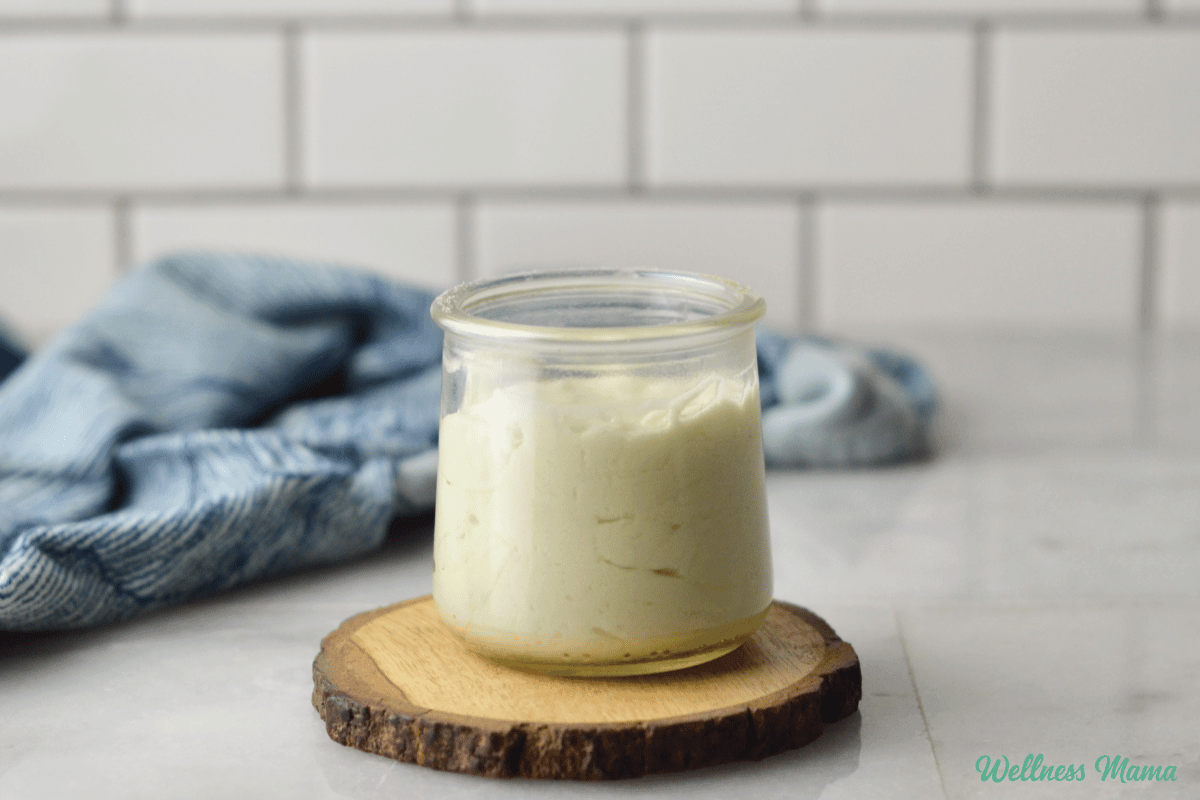
  • Pour the lotion into a clean jar.

This recipe is versatile. Use your favorite skin-friendly essential oil and carrier oils to customize the skin benefits!

Shelf Life and Storage

Like any skincare product this needs to be stored away from direct light and heat. Aka not next to a steamy shower or in the car! Also, be sure to use clean, dry hands when scooping any out of the jar to help prevent contamination. 

You can store the lotion in a pump lotion bottle or a squeeze bottle with a large enough opening. This helps to reduce any germs from hands getting in the jar.

What are some of your favorite DIY skincare items to make? Leave a comment and let us know!

Tags: , , , ,
The skincare step women are finally talking about

The skincare step women are finally talking about

Just like facial skin, intimate skin benefits from gentle cleansing, hydration and barrier support. Choosing products formulated specifically for this delicate environment can help maintain comfort and reduce irritation.

Here are several products designed to support intimate wellness and everyday comfort.

Gentle cleansing: YES Cleanse Intimate Wash Price

$22.95

Buy it here

The first step in intimate skincare is choosing a cleanser designed specifically for the area. Traditional soaps or heavily fragranced body washes can disrupt the natural balance of the vulva and lead to dryness or irritation. YES Cleanse is formulated to be gentle and fragrance free, helping cleanse the area without stripping moisture or altering the natural pH balance. Products like this are designed to support the natural environment of the intimate area while still providing effective cleansing. For women experiencing sensitivity, switching to a dedicated intimate wash can make a noticeable difference in comfort. The formula is certified organic and uses plant-based ingredients, which aligns with its focus on maintaining the natural microbiome rather than disrupting it. It is also designed for regular use, making it a practical everyday option rather than something reserved only for flare-ups.

Daily intimate care: Skin Federation Daily Intimate Skincare Routine

Price $109

Buy it here

Just as facial skincare routines now involve more than a single moisturiser, intimate care can also benefit from a simple routine designed to support hydration and skin health. The Skin Federation routine focuses on maintaining the delicate skin barrier while supporting overall comfort. Products designed for daily intimate care often include gentle hydrating ingredients that help maintain balance while avoiding irritants such as fragrance or harsh surfactants. This range has been developed with sensitive skin in mind, using dermatologically considered formulations that prioritise barrier repair and long-term skin health. It also reflects a more clinical approach to intimate care, bridging the gap between skincare and medical-grade support. Approaching intimate skincare in the same way we approach facial skincare is becoming increasingly common as awareness of vulval health grows.

Targeted comfort: Kolorex Vaginal Care Cream

Price $21.95

Buy it here

Some products focus specifically on supporting the natural balance of the intimate area. Kolorex Vaginal Care Cream uses bioactive horopito, a plant extract traditionally used in New Zealand for its soothing and protective properties. Formulas like this are often chosen when skin feels irritated or unsettled. Horopito is known for helping support the natural microbiome of the area while providing gentle comfort to sensitive skin. The cream is designed for external use and is often recommended as part of a broader approach to maintaining healthy vaginal flora. Its targeted formulation makes it particularly useful during times when the balance of the area may be disrupted.

Nourishing oils: Gaiae Yoni Oil

Price $39.95 50ml

Buy it here

Botanical oils designed specifically for the vulva are becoming increasingly popular as part of a broader self care routine. Products such as Gaiae Yoni Oil are formulated with gentle plant based oils designed for external use, helping soften and hydrate delicate skin while supporting the skin barrier. Oils can be particularly helpful for dryness or sensitivity and are often used as part of a calming self care ritual. This blend typically includes nourishing botanical ingredients selected for their soothing and skin-conditioning properties, making it suitable for regular use. The focus is on external care, reinforcing hydration without interfering with the body’s natural internal balance.

When dryness affects intimacy: personal lubricants

Another aspect of intimate wellness that becomes increasingly relevant with age is lubrication.

Hormonal changes during perimenopause and menopause can lead to vaginal dryness, which can make intimacy uncomfortable. Personal lubricants can help restore moisture and improve comfort.

Wicked Simply Timeless Aqua Water Based Lubricant

Price $24.95

Buy it here

This water based lubricant was designed specifically with perimenopause and menopause related dryness in mind. The formula includes ingredients such as aloe, squalane, olive leaf extract and vitamin E which help hydrate and soothe delicate tissue while providing smooth lubrication. Water based lubricants are often recommended because they feel lightweight, wash away easily and are compatible with condoms and most intimate products. The addition of skincare-focused ingredients sets it apart from more basic formulas, offering hydration as well as glide. It is also designed to be non-sticky and pH balanced, which can make it more comfortable for ongoing use.

Longer lasting option: Pjur Woman Silicone Lubricant

Price $39.95

Buy it here

Silicone lubricants provide a different experience because they do not absorb into the skin as quickly as water based formulas. This allows them to provide longer lasting glide and comfort. Pjur Woman is designed specifically for sensitive skin and delivers a silky, smooth feel while helping protect dry or delicate tissue. Only a small amount is needed, making it a concentrated option for women experiencing significant dryness. It is also free from preservatives and water, which contributes to its long-lasting performance and suitability for those who find water-based options need frequent reapplication. The texture remains consistent over time, making it particularly useful for extended comfort.

Intimate skincare is simply another extension of self-care.

Just as we now use targeted products for the face, scalp and body, products designed specifically for intimate skin can help support comfort, balance and confidence as our bodies change over time.

For many women, the biggest shift is simply recognising that these concerns are normal and that thoughtful solutions now exist to support this often-overlooked area of wellbeing.


Tags: , , , ,
Woman's World

5 Drugstore Vitamin C Serums That Brighten Skin for Under $30

Jacob Wackerhausen/Getty Images

When cold and flu season hits, one of the most popular ways to support immunity is by getting enough vitamin C. Whether you take it as a daily supplement, sip it in a fresh fruit-and-vegetable juice, or enjoy a classic tablet dissolved in water, vitamin C has proven to be a powerful ally. As an antioxidant, it helps neutralize free radicals—unstable molecules that can damage cells and weaken the immune system. By reducing this oxidative stress, vitamin C supports your body’s natural defenses and helps keep your cells functioning at their best.

But what about using vitamin C for your skin? Similar to the way it works within your body, applying a vitamin C serum to your skin “fights harmful free radicals (toxins) that come in contact with your skin from external sources like air pollution, or from inside the body as a result of normal processes like your metabolism,” explains Harvard Health Publishing. 

In addition to being a powerful antioxidant, topical drugstore vitamin C serums can also help to fade age spots, eliminate the appearance of wrinkles and more. With so many products on shelves to choose from, we’ve gathered a few of our favorite—and most affordable!—vitamin C serums you can find. 

The e.l.f. vitamin c serum is an affordable staple

We can always count on e.l.f. to deliver high quality products at a low price, and their Bright Icon Vitamin C + E + Ferulic Serum is an affordable addition to your skincare routine. At just $17, this product claims to reduce the appearance of dark spots as well as smooth and even out skin tone and texture. You can find it at Ulta, CVS, Target or on Amazon.  

L’Oreal comes through with a powerful drugstore vitamin C serum

For years, L’Oreal has been rolling out affordable products with real results, and their L’Oreal Paris Revitalift 12% Vitamin C + E + Salicylic Serum for $28 packs a punch. The Vitamin C in this serum protects your skin against free radicals, while the salicylic acid promises “younger-looking skin.” Try it out for yourself when you purchase from Target or Amazon ($31). 

‘What Matters With Liz’ Episode 6: Laura Geller on Midlife Beauty (Excl)

Mizina/Getty Images

Keep it simple with CeraVe vitamin C

CeraVe has been recommended by dermatologists for years, and their Skin Renewing Vitamin C Serum is a great addition to their lineup. Fragrance free and gentle, even those with sensitive skin types can enjoy the benefits of this serum—though always be sure to patch test before trying out a new product. Costing between $24 and $29 depending on where you buy, you can find this serum at Target, Walgreens or Ulta.

The Ordinary makes a fan-favorite serum

Over the last few years, The Ordinary has risen in popularity due to their effective yet affordable products—and their Vitamin C Suspension 23% + HA Spheres 2% Serum with Pure L-Ascorbic Acid is no exception! For just around $8, you can enjoy all the benefits this product has to offer. Find it at Ulta or Sephora. 

Keep it classic with Vanicream drugstore vitamin C

There’s a reason why Vanicream has been your grandmother’s go-to for years! Vanicream Vitamin C Face Serum with Ceramides for Sensitive Skin is gentle, effective and won’t leave your credit card crying. Find it at Target for just $18. 

Beautiful, radiant skin doesn’t have to come with a luxury price tag. With these affordable vitamin C serums, you can give your skin the nourishment and protection it deserves—all while staying true to your budget. Here’s to glowing skin and feeling confident in the skin you’re in!

Looking for more beauty stories? Click through below!

5 Thinning Hair Products Worth Knowing About If You’re Noticing Hair Thinning

5 Anti-Wrinkle Creams Experts Say Actually Work Without Overspending

Hair Thinning? Your Hair Texture Is A Key Factor—Here’s What To Look For

Tags: , , , ,
Best oLive
Privacy Overview

This website uses cookies so that we can provide you with the best user experience possible. Cookie information is stored in your browser and performs functions such as recognising you when you return to our website and helping our team to understand which sections of the website you find most interesting and useful.