Can You Use Niacinamide And Vitamin C In The Same Routine?

Can You Use Niacinamide And Vitamin C In The Same Routine?

Are There Any Side Effects to Watch Out For?

For most people, no. The main thing to watch for is overloading your skin with too many potent actives in one sitting, not because niacinamide and vitamin C fight each other, but because any high-strength actives, layered together too aggressively, can overwhelm sensitive or beginner skin. If you’re new to actives, ease in by alternating nights, niacinamide one night, vitamin C the next, and build up from there once your skin adjusts.

Tags: , ,
Niacinamide vs Vitamin C: What's the Difference and Which Is Better for Your Skin?

Niacinamide vs Vitamin C: What’s the Difference and Which Is Better for Your Skin?

Living in India means your skin has a lot to deal with. One day it’s the sun, the next it’s humidity, dust, pollution or hard water. And if you’ve decided to add your first serum to your skin care routine, you’ve probably come across two names more than any others: niacinamide and vitamin C. They sound similar, but they do very different jobs.

One promises brighter skin. The other claims to reduce oil, calm acne and strengthen your skin barrier. Both have loyal fan clubs, and both are backed by research. So, if you’re only planning to add one serum to your routine, which one deserves a spot on your shelf?

The answer is less about which ingredient is “better” and more about what your skin is trying to tell you.

Also Read: The ultimate beginner’s guide to skincare for men in India

Let’s clear up one of the biggest misconceptions. Niacinamide and vitamin C aren’t rivals. Think of them as two colleagues working on different tasks.

One helps your skin defend itself and stay balanced. The other helps protect it from environmental damage while improving brightness. They can even complement each other when used correctly.

The old belief that the two ingredients cancel each other out came from older laboratory studies conducted under conditions that don’t reflect how modern skincare products are formulated or used. Most dermatologists today agree that they can be used together.

So if you’ve been avoiding one because someone on social media said they “don’t mix”, you can stop worrying.

What exactly is niacinamide?

Niacinamide is a form of vitamin B3, and it’s one of the gentlest skincare ingredients around.

If your skin often feels oily by lunchtime, breaks out during humid weather or gets irritated easily, niacinamide is worth considering.

Research has shown that niacinamide can help strengthen the skin barrier, reduce water loss, regulate oil production and improve the appearance of enlarged pores over time. It also has anti-inflammatory properties, which is why it’s commonly recommended for people with acne-prone or sensitive skin.

Also Read: Sharing skincare with friends? Doctors say think again 

Imagine commuting through traffic in Bengaluru, Delhi or Mumbai every day. Between the heat, dust, pollution and air conditioning, your skin goes through a lot. Niacinamide works like a support system, helping your skin recover from those daily stressors.

Niacinamide may be a good choice if:

  • Your skin gets oily easily.
  • You have mild acne or frequent breakouts.
  • Your skin barrier feels damaged after trying too many products.
  • You want a gentle ingredient that’s suitable for beginners.
  • You have redness or sensitive skin.

What about vitamin C?

Vitamin C has earned its place as one of skincare’s most popular ingredients for good reason.

It’s a powerful antioxidant, which means it helps protect the skin from damage caused by UV rays and pollution. It also supports collagen production and helps improve uneven skin tone and pigmentation.

If you’ve noticed your skin looking dull after weeks of commuting in the sun or you’ve been left with stubborn marks after old pimples, vitamin C may be the ingredient you’re looking for.

It’s especially popular among people who want brighter, more even-looking skin.

Vitamin C may be a better choice if:

  • Your skin looks dull or tired.
  • You have pigmentation or post-acne marks.
  • You’re concerned about early signs of ageing.
  • You spend a lot of time outdoors.
  • You already wear sunscreen every day.

If you live in India, your skin has its own challenges

One thing that skincare conversations often forget is geography.

Indian skin deals with a combination of strong UV exposure, humidity, pollution and, in many cities, hard water. These factors can contribute to tanning, pigmentation, oiliness and a weakened skin barrier.

That’s why there’s no universal “best” ingredient.

Someone in Chennai struggling with oily skin during the summer may benefit more from niacinamide. Someone in Jaipur trying to fade sun-induced pigmentation may notice better results with vitamin C.

Your environment matters just as much as your skin type.

Can you use both?

In fact, many dermatologists recommend using vitamin C in the morning because of its antioxidant benefits, followed by sunscreen. Niacinamide can be used either in the morning or evening and pairs well with many skincare ingredients.

Also Read: Dry or dehydrated skin? How to tell what you really need 

If your skin is sensitive, introduce one ingredient first and use it consistently for a few weeks before adding another. That way, if irritation occurs, you’ll know which product is responsible.

Don’t expect overnight miracles

One reason people give up on skincare is unrealistic expectations.

You start using a serum on Monday and by Friday you’re checking the mirror wondering why your dark spots haven’t disappeared.

That’s not how skin works.

Research on topical skincare ingredients generally measures improvement over weeks rather than days. Consistency matters much more than constantly switching products.

Which one should you buy first?

If you’re still wondering which bottle to pick, here’s a simple way to decide.

Choose niacinamide if your biggest concern is:

  • Oily skin
  • Acne
  • Enlarged-looking pores
  • Redness
  • A weakened skin barrier

Choose vitamin C if your biggest concern is:

  • Dullness
  • Uneven skin tone
  • Pigmentation
  • Post-acne marks
  • Protecting skin from everyday environmental damage

If your skin concerns overlap, you don’t necessarily have to choose one forever. Many people eventually use both.

One ingredient won’t fix everything

It’s tempting to believe one serum will solve every skin concern.

The reality is much less exciting but far more reassuring. Healthy skin usually comes down to a few basics: a gentle cleanser, a moisturiser that suits your skin, daily sunscreen and one active ingredient that addresses your biggest concern.

Also Read: Why drinking pomegranate juice every morning is a game changer 

Whether you choose niacinamide or vitamin C, remember that skincare isn’t about chasing flawless skin or copying someone else’s routine. It’s about understanding your own skin and giving it what it actually needs.

(Disclaimer: This article is intended for informational purposes only and should not be considered medical advice. Always perform a patch test before using a new product and seek advice from a qualified dermatologist if you have sensitive skin or an underlying skin condition)

Tags: , , , ,
Niacinamide Or Vitamin C

Niacinamide And Vitamin C: Can You Use Them Together?

Niacinamide and Vitamin C have become staples in skincare routines, ranging from serums to moisturisers. A long-standing skincare myth suggests that the two ingredients should not be mixed. However, modern formulations allow both ingredients to work well together and may even improve overall skincare results.

What is niacinamide?

Niacinamide controls excess oil production | Image: Freepik

It is a form of Vitamin B3 that is commonly used in skincare products. It is used to control excess oil, reduce redness and improve overall skin texture. According to the Cleveland Clinic, it also helps strengthen the skin barrier and improve the skin’s hydration level. Many people use niacinamide to calm sensitive skin and reduce the appearance of enlarged pores.

Benefits of using niacinamide

Supports skin barrier

It helps enhance the skin barrier. According to the Cleveland Clinic, this ingredient helps lock moisture in and keep pollutants or other potential irritants out, making the skin more hydrated and less sensitive.

Reduces the appearance of pores

Niacinamide helps reduce the appearance of pores in a few ways. By strengthening the skin barrier and improving elasticity, pores appear less noticeable and more even.

Reduces wrinkles and fine lines

According to an expert, using Niacinamide helps reduce the appearance of fine lines and wrinkles by boosting collagen production, which improves elasticity, and by supporting a healthy skin barrier that keeps skin hydrated and plump.

Also Read: Rice Water Or Coconut Water, Which Hair Growth Remedy Works Better

What is Vitamin C?

Vitamin C improves uneven skin tone | Image: Freepik

Vitamin C is a powerful antioxidant which is widely used in skincare products for brightening and protecting the skin. Experts say that it helps in reducing dark spots, improving uneven skin tone and protecting the skin from environmental damage which is caused by pollution and sun exposure. According to Harvard Health, antioxidants like vitamin C help fight radicals that contribute to skin damage and ageing.

Benefits of using Vitamin C

Brightens skin

Vitamin C inhibits excess melanin production, which helps diminish dullness and give the skin a glowing complexion.

Fades hyperpigmentation

Using Vitamin C lightens dark spots, age spots, and acne scars to create a more even skin tone.

Boosts collagen

According to Harvard Health, Vitamin C helps stimulate the skin’s natural collagen. This helps improve firmness and reduce the appearance of fine lines and wrinkles.

Can they be used together?

Skincare experts say yes. Earlier, combining the two ingredients was considered futile because studies suggested that it reduced their effectiveness. Modern skincare products are formulated differently and are generally considered safe to use together. According to Healthline, many dermatologists believe niacinamide and vitamin C can complement each other when included in a skincare routine properly.

Benefits of using them together

Using Vitamin C and niacinamide offers multiple skincare benefits, including:

Brighter-looking skin

Using both serums improves skin texture and makes it bright | Image: Freepik

Since niacinamide and Vitamin C both have skin-brightening factors, using them together improves skin texture, and it helps the skin to more bright and fresh.

Reduced pigmentation and dark spots

Both ingredients target hyperpigmentation but in different ways. Vitamin C inhibits the enzyme that produces pigment, while Niacinamide prevents that pigment from transferring to skin cells.

Better hydration

Niacinamide and Vitamin C keep the skin hydrated | Image: Freepik

Niacinamide helps the skin retain moisture and strengthen its protective barrier, which can help soothe the potential irritation sometimes caused by acidic Vitamin C.

How to use them in a routine?

Skincare experts suggest applying vitamin C after cleansing because it is commonly used as an antioxidant serum during the daytime. Meanwhile, niacinamide can be layered afterwards along with a moisturiser or a sunscreen. A basic skincare routine including Vitamin C and niacinamide should look like this:

Cleanser
Vitamin C serum
Niacinamide serum
Moisturiser
Sunscreen

Also Read: Why Skin Flooding Is Trending In Beauty

Who should be careful?

The combination is considered safe, but experts suggest doing a patch test before trying new skincare products that may contain either of the ingredients. People with sensitive skin should introduce active ingredients slowly in order to avoid irritation. According to the American Academy of Dermatology, introducing too many ingredients may cause the skin to feel dry or sensitive skin might feel irritated.

Tags: ,
hyaluronic acid niacinamide

Hydrating Hyaluronic Acid and Niacinamide Moisturizer

Once upon a time I created a hyaluronic acid serum in my kitchen, then later made a niacinamide moisturizer. I’m a big fan of DIY kitchen concoctions (as you can tell by now!). One of the most asked questions I got on those recipes was how to combine the two active ingredients.

This HA and niacinamide moisturizer does just that. You get all of the hydrating benefits of HA and the skin boosting benefits of niacinamide in one easy lotion.

Marrying Hyaluronic Acid and Niacinamide

Niacinamide is a form of the water soluble vitamin B3. We need it in our diets, but it also has some impressive skin benefits. Research has found niacinamide can help with hyperpigmentation to make skin tone more even. Other studies show it improved the skin barrier and rosacea symptoms. 

It also decreases moisture loss and improves acne and blemishes. A 2005 study found that women who used niacinamide on skin had significant skin benefits. They had better skin tone, fewer lines and wrinkles, and better elasticity. 

Our skin naturally contains hyaluronic acid (HA) and it’s a big part of our skin and dermal metabolism. HA plays a key role in wound healing and tissue repair and stimulates growth. 

Both hyaluronic acid and niacinamide add moisture to skin, lower inflammation and stimulate collagen. They complement each other well and are often combined or layered together. Hyaluronic acid is a good humectant, while niacinamide also improves overall skin health. 

More Skin Loving Ingredients

While hyaluronic acid and niacinamide are the active ingredients, they need a little help to become a moisturizer. I’ve opted for a blend of oils, shea butter, beeswax and water that makes skin feel soft and moisturized. 

Carrier oil – this provides the bulk of the lotion. Sweet almond, grapeseed, olive, or avocado are some good options. I like avocado and olive oil for drier skin types. 

Shea butter – Smooth and creamy, shea butter is full of essential fatty acids, softens skin, and reduces inflammation. 

Hydrosol or distilled water – This helps to thin the lotion and incorporate the water soluble HA and niacinamide. Hydrosols are the plant waters leftover from essential oil distillation. They offer many of the same skin benefits but are much gentler on skin. 

Tamanu oil – Tamanu is a dark, rich color and is great for acne prone skin or aging skin. It has skin regenerative properties and its rich in antioxidants. If you don’t have any, then jojoba, apricot kernel, or any other skin oil will work. The idea is to give the cream an extra boost of concentrated active ingredients.

Adding Essential Oils

I love adding essential oils to my DIY products. They not only smell nice but they’re antimicrobial, improve skin health, and uplift the mood. Some of my favorite skin-friendly essential oils include lavender, wild orange, frankincense, and geranium. 

The essential oils are diluted to about 2% in this recipe, but you can cut the amount in half if you have more sensitive skin. 

Tips for Making Hyaluronic Acid and Niacinamide Moisturizer

I’ll often stick to easy oil based “lotions” like my favorite basic lotion recipe. While they’re technically not lotion since they don’t have any water, they do last much longer. That won’t work for this recipe though since both hyaluronic acid and niacinamide dissolve in water, not oil. 

Unfortunately, water based products have a much shorter shelf life. This moisturizer combines the best of both worlds and uses mostly oils, waxes, and butters with enough water to dissolve the active ingredients. Water also helps it to feel lighter on the skin so it sinks in beautifully. 

I’ve also opted for some emulsifying wax to help combine the water and oils together. Without it the moisturizer separates and doesn’t work. Beeswax helps to thicken the lotion, but it doesn’t replace the emulsifying wax. 

An Important Note on Preservatives

Since this recipe includes water, it does need a preservative. Bacteria can start to grow in water within minutes under the right conditions. By storing the item properly, using distilled water (or better yet, hydrosol), and a natural preservative, it greatly extends the shelf life. 

Leucidal Plus is a good broad spectrum preservative I’ve used before. A lot of people ask about using rosemary extract or vitamin E instead, but those aren’t actually preservatives. They help slow oxidation and preserve the shelf life of oils, but they won’t prevent microbes from growing in water. 

If you don’t want to use the preservative, then store the lotion in the fridge and use it within 2 weeks. That said, a preservative is the safer option. 

Here’s how to make it!

Hydrating Hyaluronic Acid and Niacinamide Moisturizer

This silky smooth lotion helps hydrate skin and lock in moisture. And it doesn’t feel heavy or greasy!

Active Time20 minutes

Cooling Time10 minutes

Yield: 4 ounces

Author: Katie Wells

  • To the top of the double boiler add: shea butter, tamanu, avocado oil, emulsifying wax, and beeswax. Heat over medium heat until completely melted, stirring ocassionally.

  • Add the water or hydrosol, niacinamide powder, Leucidal Plus, and hyaluronic acid powder to another bowl and whisk to combine. Set aside.

  • Once the oil based ingredients are melted, pour the mixture into the bowl of the stand mixer. Cool in the freezer for about 10 minutes or until firm, but not frozen.

  • Add the essential oil. Using the whisk attachment on your mixer, whisk the oil based ingredients until smooth, creamy, and white.

  • Slowly add the water mixture to the mixer as it’s whisking. Whisk for about 1 minute or until thoroughly combined.

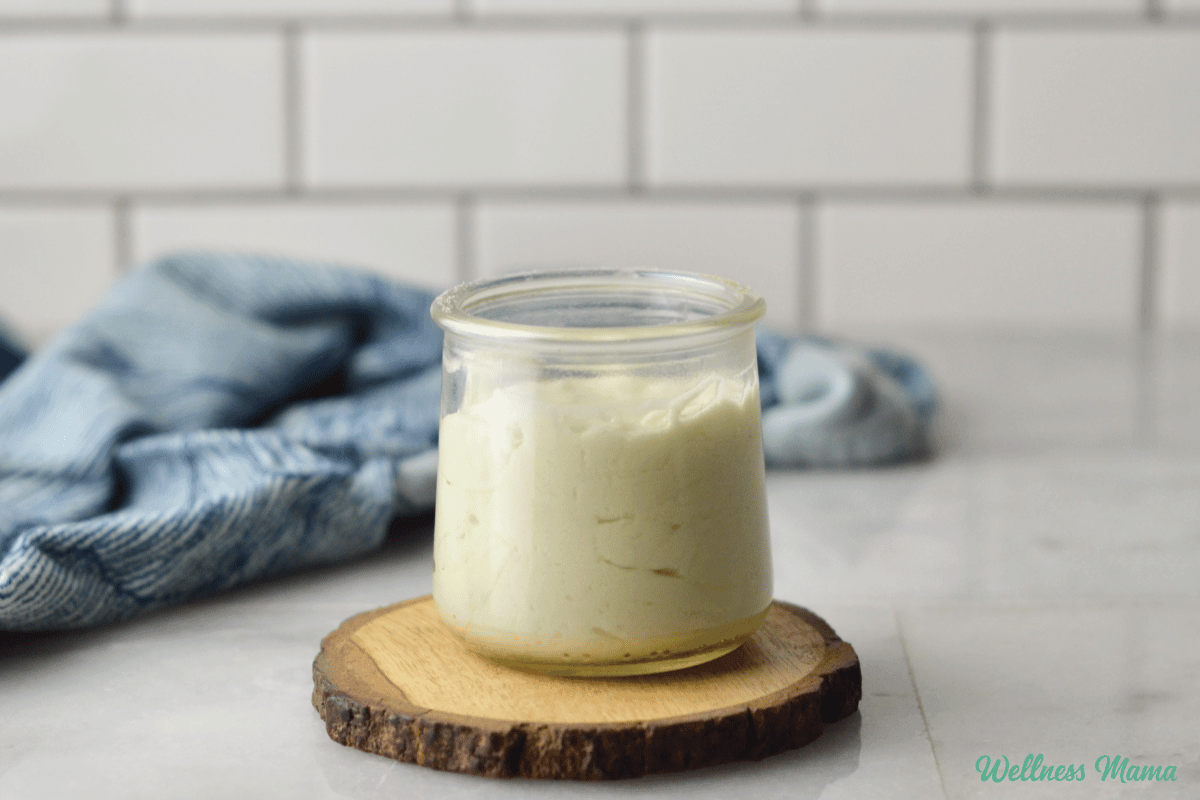
  • Pour the lotion into a clean jar.

This recipe is versatile. Use your favorite skin-friendly essential oil and carrier oils to customize the skin benefits!

Shelf Life and Storage

Like any skincare product this needs to be stored away from direct light and heat. Aka not next to a steamy shower or in the car! Also, be sure to use clean, dry hands when scooping any out of the jar to help prevent contamination. 

You can store the lotion in a pump lotion bottle or a squeeze bottle with a large enough opening. This helps to reduce any germs from hands getting in the jar.

What are some of your favorite DIY skincare items to make? Leave a comment and let us know!

Tags: , , , ,
Best skin barrier repair products 2026 | how to build a skinimalism routine | top skincare trends 2026 science backed | hybrid skincare multi active formulas | affordable barrier strengthening ingredients ceramides niacinamide | These 3 skincare trends are changing beauty routines fast

Best skin barrier repair products 2026 | how to build a skinimalism routine | top skincare trends 2026 science backed | hybrid skincare multi active formulas | affordable barrier strengthening ingredients ceramides niacinamide | These 3 skincare trends are changing beauty routines fast

As the beauty industry keeps evolving, skincare remains at the forefront of the evolution. From different kinds of technology to science-backed formulas and innovative ingredients, let’s take a look at the top three skincare trends that can shape your skincare routine. 

“Skinimalism” aka skin minimalism

Gone are the days of 10-step skincare routines, overdosed with all different actives. Even the Koreans, who were the master of 10-step routines are stripping off steps from their routines. Consumers are now looking for efficiency and efficacy and are paring back on the number of products they layer on their skin. With more skincare knowledge out there than ever before, they are realizing that less is more when it comes to skin health. Too many steps in the regimen can actually do more harm than good. Hence, there will be an uptick of affordable efficacious products that target skin concerns, hydrate and protect the facial skin. 

Photo: Adnan Rahman

Enhancing the barrier

2026 is seeing a shift of focus on the health of the skin barrier. Consumers are seeking out gentle ingredients and formulations that will nourish and protect the skin barrier and the microbiome of our skin. Products with barrier-strengthening ingredients such as ceramides, hyaluronic acid, niacinamide, panthenol etc. are just what you are looking for. 

Hybrid multi-ingredient products

As our society tries to grapple with the realities of the cost-of-living crisis, along with rising environmental concerns and a general move toward minimalistic skincare, consumers are now looking for formulas that have more than one hero ingredient. Skincare enthusiasts and junkies are coming off the trend of using single-ingredient products as they can lead to more waste and excessive layering can lead to skin irritation. Instead, they are now opting for products combining synergistic and efficacious ingredients in one bottle, making the whole regimen more affordable. 


Model: Suhi

Fashion Direction & Styling: Sonia Yeasmin Isha

Mua: Masum

Hair: Probina

Tags: , , , , , , , , , , , , , , , , , , , , , , , ,
Cricket in L1

Glow and protect your skin daily with SPF sunscreens enriched with vitamin C, niacinamide, and hyaluronic acid

SPF (Sun Protection Factor) sunscreens with added skincare ingredients are changing the way we protect our skin in 2026. UV radiation causes nearly 80% of visible skin ageing, from fine lines to dark spots, making daily protection essential. Hybrid SPFs, formulas that combine broad-spectrum sun filters with actives like vitamin C, niacinamide, and hyaluronic acid that offer a dual-action defence: they block harmful rays while repairing and nourishing your skin. Vitamin C brightens and fights free radicals, niacinamide strengthens the skin barrier and reduces pigmentation, and hyaluronic acid keeps skin hydrated and plump.

Protect your skin and glow daily with SPF enriched with vitamins (Adobe Stock )

Choosing a proper SPF with skincare benefits ensures your daily “health shield” not only prevents photo-ageing but also promotes a healthy, radiant glow that lasts beyond sun exposure.

8 top-rated SPF sunscreens with vitamin C, niacinamide and hyaluronic acid for healthy skin:

If protecting skin while boosting radiance is your goal, HT ShopNow has shortlisted SPF sunscreens with vitamin C, niacinamide, and hyaluronic acid based on user reviews, overall feedback and ratings. These formulas shield against UV damage, repair cellular stress, and keep skin hydrated, healthy, and glowing every day.

DOT & KEY Vitamin C + E Super Bright Sunscreen SPF 50+++ is a lightweight, water-light formula that protects against UVA, UVB, and blue light. Enriched with Vitamin C, it brightens the skin while providing powerful sun protection, even in winter, when UV damage remains a concern. Its non-greasy texture leaves no white cast, making it suitable for all skin types. Perfect for daily glow and defence.

WishCare Niacinamide Oil Balance Fluid Sunscreen SPF 50 PA++++ offers high-level sun protection while keeping skin matte and fresh. Infused with niacinamide, it helps regulate sebum production, minimise pores, and improve overall skin texture. Lightweight and non-greasy, it provides 8+ hours of UVA/UVB defence with no white cast, making it perfect for all skin types. Ideal for daily use to protect, control oil, and maintain a healthy glow.

Dr Sheth’s Ceramide & Vitamin C Sunscreen SPF 50+ PA++++ is a lightweight, non-greasy formula that protects against UVA, UVB, blue light, and infrared rays. Enriched with Vitamin C and ceramides, it brightens, strengthens the skin barrier, and promotes healthy, radiant skin. Suitable for all skin types, it leaves no white cast. Apply generously daily on face and neck for optimal protection and glow.

Aqualogica Radiance+ Dewy Sunscreen SPF 50+ PA++++ is perfect for oily and combination skin, offering broad-spectrum UVA/UVB and blue light protection. Infused with niacinamide and watermelon extract, it helps control oil, brighten skin, and fight pollution damage with APF technology. Fragrance-free and lightweight, it leaves no white cast, making it ideal for daily use. Protects, nourishes, and keeps skin radiant all day long.

Garnier Super UV Invisible Serum Sunscreen SPF 50 PA++++ combines broad-spectrum UVA/UVB protection with the brightening power of Vitamin C. Its lightweight, non-greasy formula suits all skin types, including oily, dry, and acne-prone skin, leaving no white cast. Daily use helps protect against sun damage while enhancing skin radiance. Compact and easy to apply, it’s an ideal choice for men and women seeking healthy, bright, and protected skin.

The Derma Co. Pore Minimising Priming Sunscreen SPF 50 PA+++ is enriched with niacinamide, making it ideal for reducing the appearance of open pores while providing broad-spectrum UVA/UVB protection. Its lightweight, non-greasy formula works for all skin types, controlling oil and improving skin texture. Perfect for those with enlarged pores or uneven skin, it doubles as a primer and daily sunscreen, keeping skin smooth, protected, and healthy.

This SPF 70 sunscreen pairs strong sun defence with skin-caring niacinamide for a glow-ready finish. The dewy texture feels light, settles fast, and leaves no chalky residue. Its anti-tan formula helps fade uneven tone while supporting spot care over time. Suitable for daily use, it’s ideal for those who want sun protection along with clearer, brighter-looking skin in one simple step.

This SPF 50+ body sunscreen doubles as a daily moisturiser, thanks to 5% niacinamide that supports even-looking skin while helping reduce tan over time. The lotion spreads easily and settles without a sticky feel, making it suitable for everyday wear. With hydration that lasts through long hours, it keeps skin soft and comfortable while offering reliable sun care in a single, fuss-free step.

Similar stories for you:

Tags: , , , , , , , , , ,
Best oLive
Privacy Overview

This website uses cookies so that we can provide you with the best user experience possible. Cookie information is stored in your browser and performs functions such as recognising you when you return to our website and helping our team to understand which sections of the website you find most interesting and useful.