How To Build A Travel-Ready Skincare Routine In 5 Steps

How To Build A Travel-Ready Skincare Routine In 5 Steps

According to Hari Ram Rinwa, Founder, Ashpveda, “Planning a trip is exciting, but choosing which skincare products to pack can be overwhelming. The change of climate, dry aeroplane air, long days of sightseeing, and an irregular routine can quickly take a toll on your skin. The trick to having a travel-friendly routine is to keep it simple.” This is how you can create a smart, streamlined skincare routine that travels well.

How To Build A Travel-Ready Skincare Routine In 5 Steps

1. Begin with a Gentle Cleanser

Travelling exposes your skin to sweat, sunscreen buildup, pollution, and unfamiliar water, making a gentle yet effective cleanser essential to remove residue without disrupting your skin’s natural balance. Oil-based cleansers are particularly effective at breaking down sunscreen and daily impurities while helping maintain the skin barrier. Jojoba Oil works beautifully in this role. Cold-pressed and lightweight, it cleanses thoroughly without feeling heavy and preserves skin hydration. It also doubles as a nourishing lip and hair treatment, making it a versatile, travel-friendly essential for a simplified routine.

2. Add a Hydrating Serum

Cabin air and temperature changes can leave the skin looking dull and dehydrated, making moisture support essential while travelling. Applying your hydrating serum on slightly damp skin helps improve absorption and keeps skin feeling supple rather than tight or fatigued. For those with oily skin or travelling to warmer destinations, a few drops of Grapeseed Oil can help regulate excess oil without clogging pores. Its lightweight, non-greasy texture makes it especially suitable for humid climates, keeping the skin balanced and comfortable throughout the journey.

3. Select a Moisturiser that Supports the Barrier Function

Your moisturiser should adapt to your destination and climate. In moderate or humid weather, a lightweight, fast-absorbing formula works well to keep skin balanced without feeling heavy. For colder or drier environments, richer nourishment becomes essential to prevent dryness and discomfort. Sweet Almond Oil provides deeper hydration and lasting nourishment, making it ideal for dry skin and cooler climates. To further support your skin during long flights or sudden weather shifts, add a drop of Vitamin E Oil to help strengthen the skin barrier and maintain resilience.

ALSO READ- From Pre-swim Lotions To SPF: How To Protect Your Skin Before Swimming

4. Never Skip Broad-Spectrum Sunscreen (SPF 30+)

Sunscreen is a must, whether you’re exploring the outdoors or flying at high altitude. Opt for a broad-spectrum sunscreen with SPF 30 or higher that is not greasy and is easy to apply under makeup. To save space in your luggage, use a tinted moisturiser with SPF to hydrate, protect, and perfect your skin in one step. Reapply often, especially when travelling to tropical or high-altitude areas.

5. Bring an On-the-Go Refresher

Travelling on long-haul flights can cause your skin to look fatigued. Keep a refreshing, hydrating mist with aloe or rose water in your bag to instantly revive your skin. Alternatively, bring a multi-functional oil such as Jojoba Oil to spot-treat dry areas of your skin, cuticles, and lips.

Smart Travel Skincare Tips

The key to building a travel-friendly skincare routine lies in choosing intelligent, multitasking essentials that deliver effective results without adding bulk to your luggage. By focusing on cleansing, nourishment, barrier support, and climate-appropriate care, you can create a streamlined routine that adapts effortlessly to changing environments. Opting for pure, skin-safe formulations that perform well across different climates makes packing simpler and more practical. Versatile oils can help maintain skin balance, hydration, and resilience, ensuring your skin stays healthy, refreshed, and radiant despite long journeys and fluctuating weather conditions.

Tags: , , , ,
Discover How You Can Build A Clean Skincare Routine

Discover How You Can Build A Clean Skincare Routine

Source: Jacob Wackerhausen / Getty

You wash your face religiously, yet your skin still looks dull, feels irritated, or breaks out without warning. The problem isn’t your dedication, but what you’re putting on your skin. A clean skincare routine swaps synthetic chemicals and questionable ingredients for natural, effective alternatives that actually work with your body.

Building a clean skincare routine means choosing products made from naturally derived ingredients, free of parabens and sulfates, and formulated without harsh chemicals that irritate sensitive skin. Your skin absorbs what you put on it, making ingredient quality just as important as the food you eat. The good news is it’s less complicated than most brands make it out to be.

What Does Clean Skincare Actually Mean?

Clean skincare focuses on products made with natural, sustainable ingredients that skip synthetic chemicals and questionable additives. Think plants and minerals instead of lab-created compounds with names you can’t pronounce. According to the FDA, some cosmetic ingredients can cause allergic reactions in sensitive individuals.

The difference between clean and conventional skincare comes down to what’s not in the bottle. Clean products skip the usual offenders like parabens, sulfates, and synthetic fragrances that leave sensitive skin angry and irritated. Instead, clean formulations rely on plant extracts, essential oils, and natural preservatives that protect product integrity without harming your skin.

Why Your Skin Craves Clean Ingredients

Your skin is your body’s largest organ and can absorb a significant percentage of what you apply topically. Natural ingredients like chamomile, aloe vera, and green tea contain antioxidants, vitamins, and minerals that actually nourish your skin at a cellular level. When you use products loaded with synthetic chemicals, you’re essentially feeding your skin junk food.

How Do You Start a Clean Skincare Routine?

Starting a clean skincare routine doesn’t mean tossing everything in your bathroom and spending hundreds on replacements overnight. Begin by switching out the products you use most frequently, such as your cleanser or moisturizer, since these sit on your skin longest. The American Academy of Dermatology recommends selecting gentle cleansers that don’t contain harsh ingredients.

Replace products as they run out rather than doing a complete overhaul immediately. Your skin needs time to adjust, so don’t rush it. Start with cleansing, then move to moisturizing, then add treatments once you’ve got your basics down solid.

Building Your Foundation Slowly

Read ingredient lists like you read food labels. Look for products with short ingredient lists that you recognize, like shea butter, jojoba oil, vitamin E, and botanical extracts. Companies that offer wholesale skin care products often specialize in clean formulations that prioritize ingredient transparency.

The Essential Steps for Daily Skin Cleansing

Your natural beauty regimen needs just three core steps that you’ll repeat twice daily: cleanse, treat, protect. Morning and evening routines differ slightly, but the fundamentals stay consistent for an effective, eco-friendly beauty routine. Keeping it simple helps you stay consistent, which matters more than using ten different products sporadically.

Morning cleansing with gentle skin products removes overnight oil production and preps skin for the day ahead. Use a non-foaming cleanser with ingredients like honey, oatmeal, or aloe vera. Massage in circles for about 30 seconds, then rinse with lukewarm water and gently pat dry.

Evening Cleansing Goes Deeper

Your evening routine works harder since you’re removing makeup, sunscreen, pollution, and the day’s grime. Try double cleansing: begin with an oil-based cleanser to remove makeup, then use your regular gentle cleanser. This two-step process ensures you’re actually getting clean without stripping your skin’s natural barrier.

What Should Be Included in a Clean Skincare Routine?

Every solid routine includes four non-negotiables: cleanser, toner, moisturizer, and SPF. These form the backbone of your daily skin cleansing regimen. Everything else, like serums, exfoliants, masks, or eye creams, works as optional add-ons that address specific concerns.

Toner balances your skin’s pH after cleansing and removes any residual dirt your cleanser missed. Skip anything with alcohol, which dries out skin. Instead, choose rose water, witch hazel, or cucumber extract. 

Moisturizer hydrates and protects your skin barrier, whether your skin is oily, dry, or combination. Look, even oily skin needs moisture, as skipping it backfires; your skin just cranks up oil production to make up for it. These organic skincare tips emphasize looking for ingredients like hyaluronic acid, glycerin, shea butter, and jojoba oil in your gentle skin products.

Don’t Skip SPF Ever

Sunscreen is the single most important anti-aging product you’ll ever use, as UV damage causes premature wrinkles, dark spots, and skin cancer. Choose a mineral sunscreen with titanium dioxide or zinc oxide rather than a chemical sunscreen. Apply SPF 30 minimum every single morning, even when it’s cloudy.

Frequently Asked Questions

How Long Does It Take to See Results From a Clean Skincare Routine?

You’ll notice improvements in skin within 4 weeks of switching to clean products. Deeper stuff like reduced breakouts or fading dark spots take 6 to 12 weeks, since that’s how long your skin needs to complete its natural renewal cycle. Stick with your routine consistently rather than switching products every few weeks.

Are Clean Skincare Products More Expensive?

Clean products can cost more than drugstore options, but often match or beat department store prices. You’re paying for quality ingredients and ethical sourcing rather than marketing budgets. Many clean brands offer concentrated formulas where you use less product per application, making them last longer despite higher upfront costs.

Can I Mix Clean and Conventional Skincare Products?

Absolutely! Your routine doesn’t need to be 100% clean overnight. Mixing clean and conventional products won’t harm your skin; it’s simply a transition strategy that works within your budget.

Your Path to Healthier, Happier Skin

Building a clean skincare routine doesn’t require expensive overhauls or complicated regimens with fifteen steps. You need consistency with quality products that respect your skin’s natural functions rather than fighting against them. Focus on the essentials, like gentle cleansing, balanced hydration, and daily protection, using ingredients you recognize and trust.

Your skin responds to what you feed it, whether through food or topical products. Choosing clean, naturally-derived ingredients gives your skin the nutrients it needs to repair, protect, and glow. Give it time; the payoff is real.

For more beauty insights and wellness recommendations, Hello Beautiful has the lifestyle content that celebrates your natural radiance.

Tags: , , , ,
How to Build a Skincare Routine That Actually Works

How to Build a Skincare Routine That Actually Works

LA Times Studios may earn commission from purchases made through our links.

There’s a version of our skincare routine that lives inside our heads. It’s consistent. Strategic. Full of products that are supposedly doing something. And then there’s the truth. Half-used serums. A rotation of trending ingredients (or what’s on sale) and we’re left with a quiet suspicion that despite all of our efforts, our skin isn’t actually improving.

On this week’s episode of the ‘Live & Well’ podcast, host Melissa Magsaysay sits down with Colette Laxton, co-founder of The Inkey List, a science-backed skincare brand best known for making ingredient-focused products simple and easy to understand. What unfolds is less about what to buy and more about why so many routines don’t work.

Why skincare routines fail in the first place

For many of us, skincare doesn’t start with clarity but more with confusion. Laxton explains that most consumers fall into what she describes as the “confused” category. They are either new to skincare or trying to solve a specific issue like acne or sensitivity, and end up going through products without a proper plan.

RELATED: 30 K-Beauty Skincare Deals with Ingredients Actually Worth Buying

Laxton sees this confusion play out in how we build our routines. Instead of simplifying, we tend to add more. More products. More steps. More actives layered without fully understanding how they interact or what they actually do. The result, she suggests, isn’t necessarily better skin, but more inconsistency and irritation.

Magsaysay points to the behavioral loop many of us do recognize. When something feels off, we add again. Another serum. Another exfoliant. Another trend. While it creates the illusion of control, Laxton argues it’s working against our skin.

What skincare routines are getting wrong right now

One of the biggest issues, according to Laxton, is the overuse of exfoliating acids.

“I’ve got a bit of an issue with the overuse of exfoliating acids,” she says, referencing the widespread use of AHAs and BHAs. “I don’t think everybody should be using it all the time.”
Part of the appeal is immediate payoff, Laxton explains.

Skin can look smoother or more radiant quickly, which reinforces the habit. But Laxton cautions that the sensation we associate with effectiveness can be misleading.

“That tingling is not something you should be doing more than once a week, if that,” she says. At the same time, she sees a broader pattern tied to how we consume skincare today. Trends move fast. Ingredients go viral. And we seem to be adopting them without asking whether they’re actually right for us.

RELATED: The Rise of Gemstone Skincare: How KNESKO Is Turning Beauty Into Ritual

“The problem I’ve got with a lot of trending products,” Laxton says, “…is that people buy them because it’s trending without understanding, is that one for me, or is that not for me?” This pattern often shows up as compromised skin. “A lot of issues right now are coming from the skin barrier,” she explains. “So many people are saying, ‘I’m sensitive.’”

What actually works in a skincare routine

If there’s a through line in Laxton’s approach, it’s simplicity. Her framework deliberately strips things back to essentials. Cleanse. Hydrate. Protect. “If you’re going to break it down and build a routine, literally start at cleansing your skin,” she says. “Find the right cleanser for you.”

It might sound obvious, but she notes that many of us skip foundational steps while investing in more advanced treatments. From there, hydration becomes the anchor.

RELATED: How Growth Factors Are Transforming Anti-Aging Skincare

“I’m very interested in products and actives that really support hydration,” says Laxton. “A lot of problems that people are getting is dehydration.” That includes concerns we often label as something else. Signs of aging. Acne flare-ups. Sensitivity. All can be exacerbated when the skin lacks hydration or barrier support.

The final step is protection. “There is no point doing all these incredible things in your skincare routine and then not using an SPF,” she says. Laxton’s approach, she admits, isn’t designed to be exciting. It’s designed to be consistent.

How to build a simple skincare routine, according to Colette Laxton

If the goal is to simplify rather than add, the routine Laxton describes is intentionally minimal. It’s built around a few foundational steps.

At its core, the structure looks like this:

  • Cleanse: A gentle cleanser is the starting point. Laxton points to formulas like The INKEY List Oat Cleansing Balm, which removes makeup and SPF without stripping the skin.
  • Hydrate: Hydration is where she places the most emphasis. Ingredients like those found in The INKEY List Hyaluronic Acid Serum, which she says supports both moisture levels and the skin barrier.

    Starter Retinol Serum

    (The INKEY List)

  • Treat (if needed): Targeted treatments like The INKEY List Retinol Serum or The INKEY List Niacinamide Serum could be introduced gradually based on how skin responds.
  • Eye (optional): Products like The INKEY List Caffeine Eye Cream can often serve as an entry point, especially for concerns like puffiness or early signs of fatigue.
  • Protect: Daily SPF like THE INKEY List Dewy Sunscreen SPF remains non-negotiable for Laxton, who says there’s little point in investing in a routine if skin isn’t being protected.

The structure is intentionally simple, but that’s the point.

The skincare reset

While there, of course, is still room for advanced ingredients and new formulations… Laxton herself points to emerging ingredients like ectoin and polyglutamic acid as areas of interest. But those additions are meant to build on a stable foundation, not replace it.

In practice, our takeaway is that we need to step back before stepping forward. Look at what’s already in our routine and ask whether our products serve a purpose. Because for most of us, the issue isn’t that our skincare routine is missing something. It’s that it’s doing too much.

Click here to listen to the full podcast episode.

Tags: , , ,
nervous system home

How to Build a Nervous System–Friendly Home

Ever come home after a long, stressful day and felt even more stressed once you stepped inside? Or if you’ve been at home all day with the kids and the mess and the noise has you wanting to pull your hair out? Our homes can be a welcoming, safe space, or they can add to the chaos.

Over the years, I’ve been learning and experimenting with what it looks like to create a nervous system–friendly home. I’ve shared pieces of this before, but I wanted to pull it all together in one place. These are the things that have worked for me and that I’ve dialed in over time. Many of them are free, most are simple, and all are easy enough.

The home is like a partner with our nervous system. Our environment is either reinforcing safety signals or subtle danger signals all day long. And for many of us, especially moms, the home is where the majority of our nervous system triggers live. One 2009 study even found a direct link to clutter and stress levels in women. 

My goal when I walk into my home is to feel like my nervous system is getting a comforting hug. It’s that feeling when your body relaxes and the tension starts to slip away, even without you noticing. 

How Our Homes Talk to the Nervous System

Our nervous system is constantly scanning. It’s noticing light cues, sounds, visual clutter, smells, temperature, predictability, and social cues. These signals happen hundreds or thousands of times per day.

When those cues lean toward “unsafe,” our baseline tends to stay in sympathetic mode, or fight-or-flight. When they lean toward “safe,” the body can relax into parasympathetic mode, where digestion, repair, connection, and sleep happen more easily.

I talk a lot about healthy foods and supplements, but these can’t work well when our nervous system is under constant stress. In this article, I’m walking through what’s made the biggest difference for me. See what resonates with you and what you’d like to add (or take away) from your space. 

Light: The Biggest Nervous System Lever in the Home

You’ve probably heard me talk about light a lot, and that’s because I really believe it’s one of the biggest cues we can send to the body. Light is a massive safety or danger signal, and in many cases, the right kinds of light are free or inexpensive. For me, light is at least as important as diet and supplements. And ideally, it’s a both-and situation. 

Getting natural sunlight first thing in the morning, preferably within an hour of sunrise, is a huge needle mover. Some easy ways I do this include stepping outside as soon as I wake up, often barefoot, and usually in my pajamas. I open the blinds fully during the daytime, and I’ll even open the windows (yes, even when it’s cold out!). 

Morning Sunlight

When that morning sunlight hits our eyes, it starts a hormonal cascade that helps bring everything into alignment. You’ll want to make sure the light isn’t being filtered through a window or glasses. Be sure not look directly at the sun though! I even know some people who wear blue-blocking glasses until they get outdoors, so sunrise light is the first thing that hits their eyes.

I like to stack this with other habits. If it’s not too cold, I’ll get my feet on the ground, do some grounding, and hydrate with mineral water while I’m outside. I keep a quart of salt water and/or minerals on my nightstand that’s easy to grab.

During the day, we actually want bright light. Blue light itself isn’t harmful, but it’s all about the timing. During the brightest parts of the day, blue light signals alertness and metabolism, something we want. I also like to get little “light snacks” by going outside in bright light for about 10 minutes in the afternoon. 

Inside the house, I use full-spectrum, non-flicker daylight bulbs during the day.

Evening Light Cues

Evening light is where I’m the most intentional. In a perfect world, we’re aware of our light environment after sunset. Bright light at night signals daytime to the body and can cause stress in our nervous system. 

Whenever possible, I try to eat earlier and give myself at least three hours before bed with no food and lower light. I switch to warmer, lower light bulbs that mimic the feel of sunset and campfire light. I use lamps instead of overhead lighting and keep light at eye level or below. Our ancestors had lower and warmer light sources from candles and fires. 

After sunset, I avoid bright LEDs and anything that signals daylight, including screens. When I do need screens, I use red filters or my Daylight computer that doesn’t have backlighting for writing or creative projects.

In my bedroom, I pull down the blackout shades after sunset, block outdoor artificial light, and turn on red-spectrum low-light bulbs. I’ll read or draw and try not to be on screens. For me, light structure and nervous system structure are directly related.

Peace and Quiet

Sound is another big trigger that people don’t always think to audit. Household noise can impact cortisol and the startle response, even when we think we’ve tuned it out. Things like a loud TV always being on, constant notifications, HVAC hums, appliances, or echoey rooms can all be stressors.

There are often simple shifts here. Adding textures can dampen sound. Lowering or turning off the TV helps. White noise can be calming. In my bedroom, I use a Jaspr air filter that also provides a really beautiful white noise sound.

Notifications are another big one. My phone is almost always on silent or airplane mode. I don’t like vibration or sound, and I check it only when I want to, instead of reacting to alerts. And at night, my phone goes in the charging drawer in the kitchen. 

Temperature and Nervous System Safety

Temperature is another often-forgotten stressor. Extreme temperatures are obviously stressful, but never having variation can also be confusing to the body. Interestingly, overheated homes are linked to increased irritability and stress hormones. Cooler temperatures, especially during sleep, support vagal tone.

During the day, I aim for a comfortable indoor range, but not overly warm. At night, I keep my bedroom much cooler, often in the 60s. Instead of heating the whole house, I prefer to pile on the warm blankets and use my Chilipad to cool the mattress. Some of my best sleep happens with windows open and cozy blankets, even when it’s cooler outside. 

And while we’re on the topic of temperature, using a sauna can help our bodies be more resilient to stressors. Sauna is known as a hormetic stressor, or the good kind of stress, that helps our body better self-regulate. 

Visual Load, Clutter, and Mental Stress

This is a big one, especially for women. Visual clutter is a drain on our nervous system and it increases stress levels. Every item we own is a micro-decision. I’ve heard the phrase, “Everything you own owns a little part of you,” and that really resonates.

Research shows that women are often more affected by visual load than men. Clutter often signals unfinished tasks, which can add (you guessed it!) more stress. Over time, I’ve focused more on simplifying and subtracting than organizing. Clearing surfaces, creating neutral spaces, and hiding visual noise with storage can help.

For me, decluttering hotspots like the entryway, kitchen counters, and the chair in my room has made a noticeable difference. Calm is not just an aesthetic, but a purposeful design strategy.

Bring the Outside In

When I imagine a calm space, being outside in nature is part of the picture. We’re wired for the safety cues that nature offers. There’s compelling data that spending time in nature benefits the nervous system and psyche, even over short periods.

In the same way, bringing nature into the home can act as a safety signal. Natural materials like wood, stone, clay, and natural fibers feel grounding. My home has lots of natural light, and I have more than a few plants in my bedroom. I’m incorporating more natural fabrics into my wardrobe and I love these linen bedsheets. 

I feel more peaceful when my home reflects nature, even in small ways.

Minerals are another way I bring nature into the home. I have mineralized water stations, sea salt in the kitchen, and bath setups with Epsom salt, sea salt, and essential oils. I keep a hydration corner in my kitchen with liquid minerals the kids and I add to drinks.

Grounding is another component. I love being barefoot outside, but indoors I also use natural fiber rugs and blankets. I like sitting on the floor, not just chairs. Outdoor spaces like patios and hanging chairs help blur the line between indoor and outdoor. 

Cozy Corners and Spaces

Emotional safety is foundational for our overall health. If our body is on edge and in fight or flight mode, it’s much harder for healing to happen. I’ve found that cozy, calming spaces in the home can be very regulating.

When my kids were younger, indoor yoga swings and hanging chairs were incredibly calming for their nervous systems. Movement is regulating for adults too. Most of our swings live outside now that we live in a pretty warm climate. 

Create calm nooks with warm blankets and inviting books. Try weighted blankets, and having designated quiet spaces to support regulation. Rituals and routines matter too. Morning routines and bedtime routines signal predictability and safety, especially for kids who thrive on some kind of structure. 

For me, evening rituals like sipping Cacao Calm or listening to calming music help signal that it’s time to slow down.

The Bedroom as a Nervous System Repair Station

If I had to prioritize one room, it would be the bedroom. Sleep is when repair happens, so the bedroom should support that as much as possible.

In my bedroom, I prioritize complete darkness with blackout curtains and no LEDs. I keep the room cool, use white noise, and minimize clutter. I don’t have a TV or screens in the room, and I try not to bring my phone or computer in. I don’t even have a dresser in my room as all of my clothes live in the closet, out of sight! 

I use linen bedding, a natural mattress, and keep mineralized water on my nightstand. The lighting is low and warm in the evening and I can instantly feel my body relax. It’s not so much about adding to the space, but taking away from it. Removing devices, blue lights, cables, clutter, and work reminders. My bedroom is for sleep and calm.

The Kitchen as a Nourishment Space

The kitchen can also be a nervous system regulation area. Hydration zones, visible minerals, and simplified tools make nourishment easier and less stressful. Keeping surfaces uncluttered and organizing for ease reduces overwhelm. I’ll also make sure that simple, healthy foods are visible so my kids can easily grab something. The goal is to make the kitchen feel like a place of nourishment, not stress.

The Snowball Effect

What I love about this is that a nervous system–friendly home doesn’t have to be expensive. Many of the most impactful changes are free. Opening blinds and windows, turning off overhead lights at night, decluttering, reducing noise, cooling the bedroom, and adding natural elements can all shift the nervous system.

This is about signals, not aesthetics. It’s not about having a fancy home, high-end furniture, or extreme minimalism where everything is white. It’s about turning your home into a nervous system ally. These small changes can have a compounding effect over time that can add up to big results. 

Final Thoughts On A Nervous System Supportive Home

Our homes are constantly sending signals to our nervous system, whether we realize it or not. When those signals support safety, regulation becomes easier and these small changes compound over time.

It’s not about having the perfect home, but learning to embrace more calm in an intentional way. These small shifts can help your home work for you and your family’s health. 

What are some ways you’ve created more calm in your home (or would like to)? Leave a comment and let us know!

Tags: , , ,
Best skin barrier repair products 2026 | how to build a skinimalism routine | top skincare trends 2026 science backed | hybrid skincare multi active formulas | affordable barrier strengthening ingredients ceramides niacinamide | These 3 skincare trends are changing beauty routines fast

Best skin barrier repair products 2026 | how to build a skinimalism routine | top skincare trends 2026 science backed | hybrid skincare multi active formulas | affordable barrier strengthening ingredients ceramides niacinamide | These 3 skincare trends are changing beauty routines fast

As the beauty industry keeps evolving, skincare remains at the forefront of the evolution. From different kinds of technology to science-backed formulas and innovative ingredients, let’s take a look at the top three skincare trends that can shape your skincare routine. 

“Skinimalism” aka skin minimalism

Gone are the days of 10-step skincare routines, overdosed with all different actives. Even the Koreans, who were the master of 10-step routines are stripping off steps from their routines. Consumers are now looking for efficiency and efficacy and are paring back on the number of products they layer on their skin. With more skincare knowledge out there than ever before, they are realizing that less is more when it comes to skin health. Too many steps in the regimen can actually do more harm than good. Hence, there will be an uptick of affordable efficacious products that target skin concerns, hydrate and protect the facial skin. 

Photo: Adnan Rahman

Enhancing the barrier

2026 is seeing a shift of focus on the health of the skin barrier. Consumers are seeking out gentle ingredients and formulations that will nourish and protect the skin barrier and the microbiome of our skin. Products with barrier-strengthening ingredients such as ceramides, hyaluronic acid, niacinamide, panthenol etc. are just what you are looking for. 

Hybrid multi-ingredient products

As our society tries to grapple with the realities of the cost-of-living crisis, along with rising environmental concerns and a general move toward minimalistic skincare, consumers are now looking for formulas that have more than one hero ingredient. Skincare enthusiasts and junkies are coming off the trend of using single-ingredient products as they can lead to more waste and excessive layering can lead to skin irritation. Instead, they are now opting for products combining synergistic and efficacious ingredients in one bottle, making the whole regimen more affordable. 


Model: Suhi

Fashion Direction & Styling: Sonia Yeasmin Isha

Mua: Masum

Hair: Probina

Tags: , , , , , , , , , , , , , , , , , , , , , , , ,
How to Build a Summer De-Tan Routine for All Skin Types

How to Build a Summer De-Tan Routine for All Skin Types

Prolonged sun exposure can cause stubborn tan, dullness, and uneven skin tone. This guide shares a complete summer skincare routine to safely detan your face, repair the skin barrier, and restore your natural glow.

The summer sun can be harsh on your skin and leave behind stubborn tan, dullness, and an uneven tone. Tanning is your skin’s natural defence mechanism against UV damage. However, prolonged sun exposure can make your skin barrier weak and lead to excess melanin production. The good thing is that a tan removal face mask, clubbed with a Vitamin C face wash routine can reverse the sun damage.

This guide outlines a summer skincare routine for all skin types, with a focus on how to detan face and barrier repair to support long-term skin health.

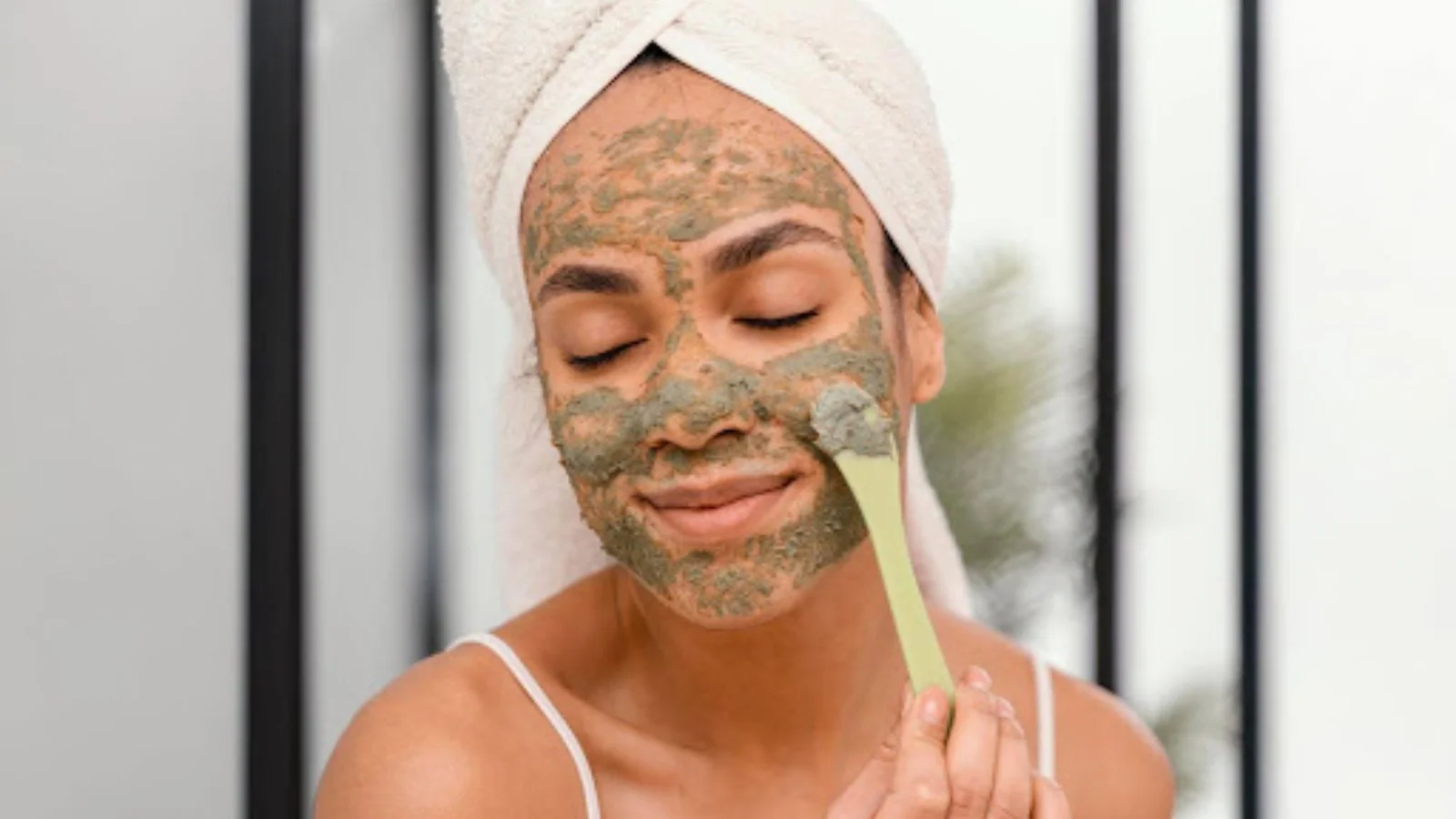
1. Weekly De-Tan Masks

Weekly de-tan treatments are essential in skincare during summer if you spend time outdoors. A well-formulated clay mask can remove tan and impurities and restore your skin’s natural glow without stripping away natural oils.

Clay masks absorb excess oil, remove pore debris, and exfoliate dead and tanned skin cells. They suit oily, acne-prone, dry, sensitive, normal, and combination skin types when used correctly.

Ingredients to look for in a de-tan mask:

  • Kaolin clay absorbs oil and impurities while being gentle on the skin.
  • Brazilian purple clay is rich in minerals that detoxify without dehydration.
  • Lactic acid is a mild AHA that exfoliates tan and improves skin texture.

Use a de-tan mask once or twice a week. Overuse can lead to dryness or sensitivity during peak summer.

2. Gentle Cleansing (Twice Daily)

Sweat, sunscreen, and pollution accumulate on the skin surface in summer, so cleansing is a non-negotiable step in skincare. A gentle cleanser can prevent pore congestion and help remove tan.

Using a tan removal face wash daily removes dull, tanned surface cells while adding a mild brightening effect. It is ideal for summer mornings and evenings.

Choose your cleanser based on your skin type.

  • Oily skin: Opt for a gel or foaming cleanser.
  • Dry skin: Cream-based and hydrating cleansers can be an excellent addition for skin care for dry skin in summer.
  • Sensitive skin: Mild, fragrance-free formulas.
    Cleansing your skin twice daily maintains clarity and prepares the skin for de-tan treatments.

3. Exfoliation (2–3 Times a Week)

This step speeds up cell turnover, helping your skin shed pigmented cells more quickly. This step is crucial if you are wondering how to detan face naturally without harsh scrubbing.

However, choose exfoliants wisely.

  • Oily / acne-prone skin: Salicylic acid (BHA) or glycolic acid (AHA).
  • Dry skin: Lactic acid or enzymes.
  • Sensitive skin: Mild enzyme exfoliators.

Daily exfoliation can weaken the skin barrier and worsen pigmentation, so avoid it.

4. De-Tan & Brightening Serums

Serums penetrate deeper into the skin than masks or cleansers. A targeted serum evens out tone and helps fade tan faster.

Look for these brightening ingredients in a serum.

  • Vitamin C repairs damage and improves glow.
  • Niacinamide strengthens the skin barrier.
  • Liquorice extract fades pigmentation naturally.
  • Alpha arbutin is effective for stubborn sunspots.

Apply the serum once or twice daily, depending on the formula’s strength.

5. Deep Hydration with a Moisturiser

Most people ignore hydration in the summer, but it is essential for skin recovery. Dehydrated skin appears dull and holds onto pigmentation longer.

Moisturiser recommendations based on skin type:

  • Oily skin: Lightweight gel or water-based moisturiser.
  • Dry skin: Creams with ceramides and hyaluronic acid.
  • Sensitive skin: Soothing and fragrance-free formulas.

A moisturised skin heals faster and responds better to de-tan treatments.

6. Sunscreen: The Most Important Step

A summer detan routine is incomplete without sunscreen. UV exposure can reactivate melanocytes, which leads to repeated tanning and pigmentation.

Follow these practices for good sun protection.

  • Use broad-spectrum SPF 50 or higher.
  • Reapply every 2–3 hours outdoors.
  • Gel sunscreens for oily skin.
  • Mineral sunscreens for sensitive skin.

Skipping sunscreen will undo all your progress.

Natural Ingredients That Support Tan Reduction

Natural ingredients can complement your routine, but they take time to show results.

  • Aloe vera soothes sun-exposed skin.
  • Cucumber reduces inflammation.
  • Green tea provides antioxidant protection.
  • Rose water refreshes and calms the skin.
  • Always do a patch test before use.

Common De-Tan Mistakes to Avoid

Using harsh scrubs daily

Physical scrubs can damage the skin barrier, cause microtears, and trigger inflammation when used too frequently. It can worsen pigmentation rather than reduce tan. Gentle chemical exfoliation is more effective at safely removing tan.

Skipping sunscreen

UV rays continuously stimulate melanin production without daily sunscreen. Your skin continues to tan. It will cancel out the effects of masks, serums, and treatments.

Expecting overnight results

Tan forms in deeper skin layers and cannot disappear overnight. Most solutions work by supporting cell turnover, a process that takes time. You can notice a visible improvement over a few weeks.

Final Thoughts

A good summer skincare routine can remove tan at home by gentle exfoliation, hydration, and strict sun protection. It can support your skin’s natural renewal process instead of damaging it with aggressive treatments.

Your natural skin tone will resurface healthier and be more even all summer long with the right de-tan routine and patience.

Note to the Reader: This article has been created by HT Brand Studio on behalf of Foxtale. The information provided is intended solely for informational purposes and does not constitute medical advice or endorsement. Please consult a registered medical practitioner for personalized medical advice or before making any decisions regarding your health conditions or treatment options.

Get latest updates on health and wellness along with Brand Stories

Tags: , , , , ,
Health Listicle: 5 Ways To Build The Essential Men's Skincare Routine:

Health Listicle: 5 Ways To Build The Essential Men’s Skincare Routine:

Everyone’s skin is different, varying between dry, oily, normal, sensitive or a mix.

Men’s skin is quite different from women’s and needs its own regimen. 

The American Academy of Dermatology advises using oil-free or non-comedogenic products (that don’t block the pores) for those who are acne-prone.

While fragrance-free potions should be picked for sensitive skin, avoid items labelled unscented, as they may still contain hidden fragrances that hurt the skin.


Photograph: Kind courtesy Mas Vathon/Pexels

1. Face Cleansing

Wash your face twice a day with a gentle, non-abrasive cleanser to wash away dirt and oil without harming your skin barrier, states Cleveland Clinic.

When shaving, use a sharp razor, go with the grain, skip hot water and finish with moisturiser to calm the skin, according to the American Academy of Dermatology.

 Photograph: Canva

2. Moisturise Daily

Right after washing your face, while it’s still a little moist, smooth on a moisturiser that matches your skin type.

Opt for hypoallergenic, fragrance-free formulas to lock in hydration — petrolatum, or petroleum jelly, is one of the safest, most soothing ingredients you can choose, says Mayo Clinic.


Photograph: Kind courtesy David Chancey/Wikimedia Commons

3. Protect Your Skin From The Sun

Sunlight is the main culprit behind early ageing and skin cancer, warns Harvard Medical School.

Shield your skin daily with a broad-spectrum SPF 30+ sunscreen, even on cloudy days or when indoors, informs Mayo Clinic. 

Photograph: Kind courtesy Loico/Wikimedia Commons

4. Smart Sweat Control For Men

Men naturally perspire more than women, which often leads to stronger underarm odour.

While many can manage with a regular deodorant, those dealing with hyperhidrosis (excessive sweating) should choose an antiperspirant containing aluminium chloride, as it helps reduce sweat by blocking the glands, advises WebMD.

Apply it at night before sleeping, and rinse it off the next morning to prevent any skin irritation, explains WebMD.


 Photograph: Canva

5. Beat Ingrown Hairs Naturally

If you often struggle with ingrown hairs on your face, gently exfoliate a few times a week to clear away dead skin cells, suggests Cleveland Clinic.

Prefer a more natural touch? Choose products infused with earthy or woody essential oils like sandalwood or cedarwood for a refreshing finish, states Healthline.

Tags: , , , , , , ,
How to Build a Long-Term Skin Care Routine - River Journal Online

How to Build a Long-Term Skin Care Routine – River Journal Online

Photo: Shutterstock

Taking care of your skin is a rewarding commitment. It involves nurturing your skin, keeping it healthy, and feeling confident every day. With many products and advice available, starting can feel overwhelming. The good news is that you can create an effective skincare routine without making it complicated.

Building a routine that suits your skin type and concerns is key to lasting beauty. Whether you’re new to skincare or have tried various products, there’s always a chance to improve your routine. Let’s look at how to build a simple and effective skincare routine for lasting results.

Know Your Skin Type

Before buying products, understand your skin type. Is it dry, oily, combination, or sensitive? Each type has different needs, and knowing your skin will help you choose the right products. For oily skin, lightweight, non-comedogenic products work best. Dry skin often needs thicker, more hydrating creams.

Watch how your skin reacts over time. Factors like weather, diet, and stress can change its condition, so be flexible with your approach. Regularly check your skin to adjust your routine as needed.

Basic Steps

A basic skincare routine usually includes cleansing, toning, moisturizing, and sun protection. Start with a gentle cleanser to remove dirt and makeup without stripping your skin of its natural oils. Next, use a toner to balance your skin’s pH and prepare it for other products.

Moisturizers keep your skin hydrated. Choose a light formula for oily skin and a richer cream for dry skin. Sun protection is essential; using sunscreen daily helps prevent aging and skin cancer. Find a product that fits easily into your routine.

Adding Treatments

After you establish the basics, think about adding targeted treatments. Serums work well for specific issues like dark spots, fine lines, or acne. Ingredients like vitamin C and hyaluronic acid can benefit all skin types.

Don’t forget exfoliation. Use chemical or physical exfoliants 1-3 times a week based on your skin’s tolerance. This helps remove dead skin cells, promoting cell turnover and revealing brighter, smoother skin.

Considering Botox

While a good skincare routine helps your skin, many people also turn to cosmetic treatments to enhance their routine. Vancouver Botox has become popular for reducing fine lines and wrinkles, giving your skin a smoother, younger look. This non-invasive procedure involves injecting purified botulinum toxin into specific muscles. This temporarily relaxes the muscles, reducing wrinkles.

Botox can enhance a skincare routine but does not replace it. Many find that regular treatments make their skin feel rejuvenated, allowing products to work better. When combined with a solid skincare regimen, Botox can enhance your overall appearance and help maintain a youthful appearance.

Ongoing Care

Creating a long-term skincare routine takes commitment. Consistency is important for seeing real results, so try to stick to your regimen daily. It is helpful to set reminders or create a checklist for morning and evening.

Regularly check your skin and routine. Changes in your skin’s needs often mean it’s time to try new products or adjust what you currently use. Consulting the best Botox clinics in Vancouver can also give you personalized advice and recommendations.

Listen to Your Skin

Your skin reflects your health, so pay attention to what it needs. Diet, hydration, and sleep significantly affect how your skin looks. Eating a balanced diet full of antioxidants and drinking enough water can improve your skin.

Skincare products are not the same for everyone. What works for a friend may not work for you. Try different products and techniques to see how your skin reacts. Adjust your routine based on its response.

Embracing Minimalism

With so many products available, sometimes less is better. A minimalist skincare routine focuses on quality over quantity. Use a few essential products that match your skin’s needs, rather than too many items that can overwhelm you.

By simplifying your routine, you can make it easier while still achieving healthy skin. Fewer products can lead to better results and reduce the risk of irritation from overlayering.

Seasonal Adjustments

Just like you change your clothes with the seasons, you should also change your skincare routine. The weather can affect your skin, so it’s important to adjust your products and habits.

In the colder months, the air is usually drier, and your skin may need thicker moisturizers to help with dryness. Look for ingredients like shea butter or ceramides for better hydration. You should also use a creamier cleanser to keep moisture in your skin.

Tags: , , , , , , ,
Best oLive
Privacy Overview

This website uses cookies so that we can provide you with the best user experience possible. Cookie information is stored in your browser and performs functions such as recognising you when you return to our website and helping our team to understand which sections of the website you find most interesting and useful.