
How To Choose Vitamin C Serum For Different Skin Types?

How To Choose Vitamin C Serum For Different Skin Types?

Vitamin C serums have earned their place in just about every skincare conversation. But walk into any store or scroll through any skincare page and you’ll find dozens of options, all claiming to be the best. The truth is, the right vitamin C serum isn’t the same for everyone. What works brilliantly for oily skin can feel irritating on sensitive skin, and what suits dry skin might feel too heavy for combination.

Picking the wrong one is not only a waste of money, but it can also affect your skin’s health. A well-formulated vitamin C serum for skin care paired with a good vitamin C moisturizer makes the whole routine work harder, but getting the serum right for your skin type is where it all starts.

Here’s how to make that call.

Before we get into skin types, let’s look at the benefits of Vitamin C and what it actually does to your skin when used regularly:

● Brightens skin tone: Interrupts melanin production and gradually shifts dull, uneven skin to a more radiant baseline.

● Fades hyperpigmentation: It does diminish your dark spots and any post-acne markings, as well as any sun damage over time.

● Stimulates collagen production: Helps maintain skin firmness and reduces the obvious indications of aging.

● Protects from environmental damage: Neutralises free radicals from UV radiation and pollutants before they can cause permanent harm.

● Improves overall skin texture: Regular application will result in a smoother, clearer, and more even skin tone and texture.

Pro Tip: A mattifying Vitamin C serum handles excess oil and brightens acne scars in one step, two concerns, one product.

Dry skin responds well to Vitamin C, but the formula needs to bring some hydration to the table. When combined with active ingredients like hyaluronic acid, glycerin, or ceramides, a vitamin C serum for dry skin should have a significantly fuller texture. Magnesium Ascorbyl Phosphate is a particularly good fit here because it hydrates while it brightens.

Pro Tip: Layer your Vitamin C serum under a moisturiser immediately after application to seal in both the hydration and the active.

Sensitive skin and strong actives don’t always get along, which is why a vitamin C serum for sensitive skin needs to start low and go slow. Look for concentrations between 5% and 10%, stable derivatives like Ascorbyl Glucoside, and a completely fragrance-free formula with a minimal ingredient list.

Pro Tip: Always patch test on your jawline or inner arm before applying to your full face. A dermatologist-recommended vitamin C serum for sensitive skin is always better.

A lightweight, quickly absorbing composition with a modest concentration of 10% to 15% is effective. One should consider ingredients that address both the oilier and drier regions. Ingredients that target both the oilier and drier regions should be taken into consideration.

Pro Tip: For a little more focused effect, apply a bit extra serum to the drier or more pigmented parts of your face.

● Concentration: If you have sensitive skin and are a newbie, start with a concentration of 5% to 10%. For experienced users looking for stronger brightening results, 15% to 20% is more effective.

● Packaging: Always choose dark, airtight bottles. Vitamin C oxidises when exposed to light and air, which makes it significantly less effective.

● Colour & Smell: Fresh Vitamin C is clear or very lightly yellow. If your serum has turned dark orange or brown, it’s oxidised and won’t deliver the results you’re expecting.

● pH Level: For L-Ascorbic Acid to absorb properly, the formula needs a pH below 3.5. Check this before buying if you’re going for the more potent form.

● Step 1- Cleanse: Start with a gentle face wash on clean skin

● Step 2- Apply the Serum: 2 to 3 drops pressed gently into the skin. Morning is the best time for antioxidant protection throughout the day

● Step 3- Moisturise: Follow with your Vitamin C moisturiser to seal everything in

● Step 4- Sunscreen: Non-negotiable in the morning, Vitamin C and SPF together give your skin dual protection against pigmentation and UV damage

➔ Jumping straight to a high concentration before your skin is ready for it

➔ Mixing with Benzoyl Peroxide, they cancel each other out

➔ Skipping sunscreen after application, UV exposure undoes everything Vitamin C is working on

➔ Storing your serum near heat or in a clear bottle degrades the formula faster than you’d expect.

Vitamin C is one of those ingredients that delivers great results for you. The only thing is that you have to select the proper one for your skin. Choose a formula that suits your skin type. Begin with a modest concentration and watch how your skin reacts. Start with a little bit and see how your skin reacts. Bottom line: Be consistent and use SPF 50 sunscreen religiously. That combination is what makes a difference.
Tags: , , , ,
How to Build a Summer De-Tan Routine for All Skin Types

How to Build a Summer De-Tan Routine for All Skin Types

Prolonged sun exposure can cause stubborn tan, dullness, and uneven skin tone. This guide shares a complete summer skincare routine to safely detan your face, repair the skin barrier, and restore your natural glow.

The summer sun can be harsh on your skin and leave behind stubborn tan, dullness, and an uneven tone. Tanning is your skin’s natural defence mechanism against UV damage. However, prolonged sun exposure can make your skin barrier weak and lead to excess melanin production. The good thing is that a tan removal face mask, clubbed with a Vitamin C face wash routine can reverse the sun damage.

This guide outlines a summer skincare routine for all skin types, with a focus on how to detan face and barrier repair to support long-term skin health.

1. Weekly De-Tan Masks

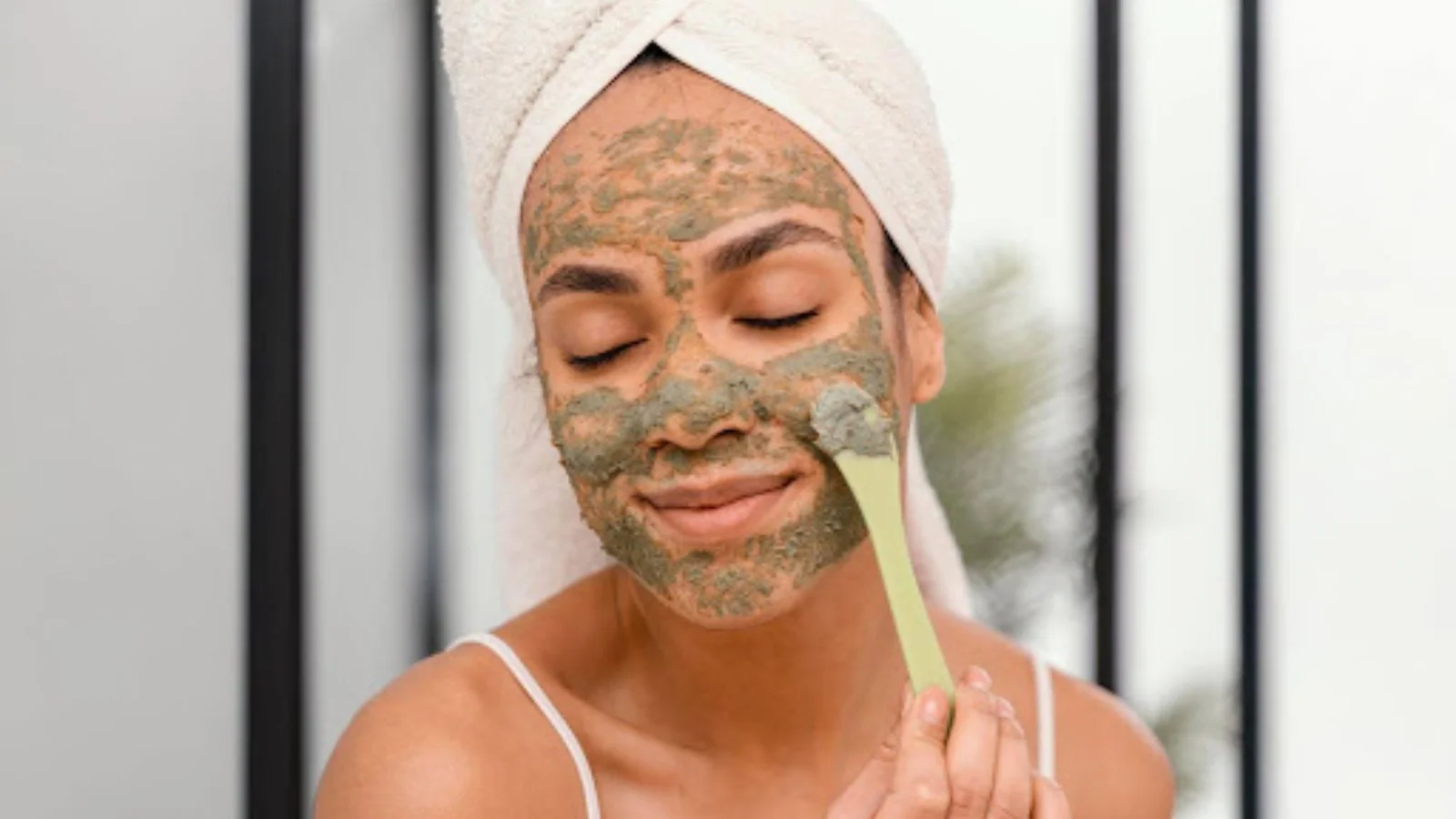
Weekly de-tan treatments are essential in skincare during summer if you spend time outdoors. A well-formulated clay mask can remove tan and impurities and restore your skin’s natural glow without stripping away natural oils.

Clay masks absorb excess oil, remove pore debris, and exfoliate dead and tanned skin cells. They suit oily, acne-prone, dry, sensitive, normal, and combination skin types when used correctly.

Ingredients to look for in a de-tan mask:

  • Kaolin clay absorbs oil and impurities while being gentle on the skin.
  • Brazilian purple clay is rich in minerals that detoxify without dehydration.
  • Lactic acid is a mild AHA that exfoliates tan and improves skin texture.

Use a de-tan mask once or twice a week. Overuse can lead to dryness or sensitivity during peak summer.

2. Gentle Cleansing (Twice Daily)

Sweat, sunscreen, and pollution accumulate on the skin surface in summer, so cleansing is a non-negotiable step in skincare. A gentle cleanser can prevent pore congestion and help remove tan.

Using a tan removal face wash daily removes dull, tanned surface cells while adding a mild brightening effect. It is ideal for summer mornings and evenings.

Choose your cleanser based on your skin type.

  • Oily skin: Opt for a gel or foaming cleanser.
  • Dry skin: Cream-based and hydrating cleansers can be an excellent addition for skin care for dry skin in summer.
  • Sensitive skin: Mild, fragrance-free formulas.
    Cleansing your skin twice daily maintains clarity and prepares the skin for de-tan treatments.

3. Exfoliation (2–3 Times a Week)

This step speeds up cell turnover, helping your skin shed pigmented cells more quickly. This step is crucial if you are wondering how to detan face naturally without harsh scrubbing.

However, choose exfoliants wisely.

  • Oily / acne-prone skin: Salicylic acid (BHA) or glycolic acid (AHA).
  • Dry skin: Lactic acid or enzymes.
  • Sensitive skin: Mild enzyme exfoliators.

Daily exfoliation can weaken the skin barrier and worsen pigmentation, so avoid it.

4. De-Tan & Brightening Serums

Serums penetrate deeper into the skin than masks or cleansers. A targeted serum evens out tone and helps fade tan faster.

Look for these brightening ingredients in a serum.

  • Vitamin C repairs damage and improves glow.
  • Niacinamide strengthens the skin barrier.
  • Liquorice extract fades pigmentation naturally.
  • Alpha arbutin is effective for stubborn sunspots.

Apply the serum once or twice daily, depending on the formula’s strength.

5. Deep Hydration with a Moisturiser

Most people ignore hydration in the summer, but it is essential for skin recovery. Dehydrated skin appears dull and holds onto pigmentation longer.

Moisturiser recommendations based on skin type:

  • Oily skin: Lightweight gel or water-based moisturiser.
  • Dry skin: Creams with ceramides and hyaluronic acid.
  • Sensitive skin: Soothing and fragrance-free formulas.

A moisturised skin heals faster and responds better to de-tan treatments.

6. Sunscreen: The Most Important Step

A summer detan routine is incomplete without sunscreen. UV exposure can reactivate melanocytes, which leads to repeated tanning and pigmentation.

Follow these practices for good sun protection.

  • Use broad-spectrum SPF 50 or higher.
  • Reapply every 2–3 hours outdoors.
  • Gel sunscreens for oily skin.
  • Mineral sunscreens for sensitive skin.

Skipping sunscreen will undo all your progress.

Natural Ingredients That Support Tan Reduction

Natural ingredients can complement your routine, but they take time to show results.

  • Aloe vera soothes sun-exposed skin.
  • Cucumber reduces inflammation.
  • Green tea provides antioxidant protection.
  • Rose water refreshes and calms the skin.
  • Always do a patch test before use.

Common De-Tan Mistakes to Avoid

Using harsh scrubs daily

Physical scrubs can damage the skin barrier, cause microtears, and trigger inflammation when used too frequently. It can worsen pigmentation rather than reduce tan. Gentle chemical exfoliation is more effective at safely removing tan.

Skipping sunscreen

UV rays continuously stimulate melanin production without daily sunscreen. Your skin continues to tan. It will cancel out the effects of masks, serums, and treatments.

Expecting overnight results

Tan forms in deeper skin layers and cannot disappear overnight. Most solutions work by supporting cell turnover, a process that takes time. You can notice a visible improvement over a few weeks.

Final Thoughts

A good summer skincare routine can remove tan at home by gentle exfoliation, hydration, and strict sun protection. It can support your skin’s natural renewal process instead of damaging it with aggressive treatments.

Your natural skin tone will resurface healthier and be more even all summer long with the right de-tan routine and patience.

Note to the Reader: This article has been created by HT Brand Studio on behalf of Foxtale. The information provided is intended solely for informational purposes and does not constitute medical advice or endorsement. Please consult a registered medical practitioner for personalized medical advice or before making any decisions regarding your health conditions or treatment options.

Get latest updates on health and wellness along with Brand Stories

Tags: , , , , ,
Summer skincare tips for all skin types

Summer skincare tips for all skin types

Dr Maureen Allem shares expert advice on protecting and perfecting your summer glow.

As South Africans prepare for longer days and warmer weather, one thing is certain: the summer sun is both our best friend and our skin’s greatest challenge. Increased UV exposure, heat, humidity, and environmental stress can all take their toll, no matter your skin tone or type.

At Skin Renewal, the philosophy has always been simple yet profound: healthy, glowing skin is the result of individualised care, not a one-size-fits-all routine.
“When you understand your skin type and how it responds to the sun, you can protect, nourish and strengthen it through every season, especially summer,” says Dr Maureen Allem, founder and medical director at Skin Renewal.

Understanding your skin: The Fitzpatrick Scale

The Fitzpatrick Skin Type Scale is the global gold standard for understanding how different complexions respond to sunlight. From very fair to deep brown, each type requires a unique approach to sun care and seasonal maintenance.

Type I: Very fair skin that burns easily and rarely tans
Type II: Fair skin that may tan slightly but often burns
Type III: Medium or olive skin that tans gradually
Type IV: Light brown skin that tans easily, rarely burns
Type V: Brown skin that tans easily, almost never burns
Type VI: Deeply pigmented dark brown or black skin, very resistant to burning

Summer sun can leave its mark, especially on skin types prone to higher melanin activity. Uneven tone, dark spots, and post-inflammatory pigmentation often appear when heat and UV exposure overstimulate pigment cells. At Skin Renewal, we believe radiant skin is possible for every tone. Our multifunctional, medical-grade multifunctional topicals such as Tri-Peptide Brightening Complex, Radiance Cream and Brightening with Vitamin A go beyond brightening; they correct, calm, and restore. These powerful formulations target pigmentation at its source, support barrier repair, and reveal a luminous, even complexion.

Pair them with diligent sun protection and in-clinic treatments for results that glow with confidence, health, and balance; your skin, renewed.

1. Sun protection for every shade

Sun protection remains the most important skincare step for all skin tones. While fair skin (Types I–III) is more prone to visible sunburn, darker skin (Types IV–VI) can experience UV damage in the form of pigmentation, uneven tone, or premature ageing.

Choose a broad-spectrum SPF 50 that shields against UVA (ageing) and UVB (burning) rays and reapply every two hours when outdoors.

  • Fair to light skin: Opt for mineral sunscreens such as Heliocare 360 Mineral Tolerance Fluid or Lamelle Helase 50+, ideal for sensitive, reactive complexions.
  • Medium to deep tones: Look for sheer, oil-free options like Heliocare 360 Gel Oil-Free or Lamelle Urban Defence 50+, which protect without leaving a white cast.

“SPF is your skin’s most important daily investment,” says Dr Allem. “Even on cloudy days or when you’re indoors, UV light and blue light from screens contribute to cumulative skin damage.”

2. Hydration and barrier support

Summer heat can strip skin of moisture, leading to dullness and barrier disruption. Hydration helps restore balance and keeps skin resilient.

  • Lighter skin types: Use water-based moisturisers with hyaluronic acid and niacinamide to calm and replenish.
  • Darker skin tones: Choose gel-cream or serum textures with ceramides and peptides for barrier support without congestion.

Here are some suggestions:

  • Skin Renewal Treatment Prep Cream (for the barrier support)
  • Skin Renewal Triple Ceramide Hydrating Complex
  • Skin Renewal HA Gel with Peptides

In-clinic treatments such as HydraTouch Facials and Chemical Peels at Skin Renewal offer intensive hydration and cellular renewal for all skin types.

3. Managing pigmentation and uneven tone

Hyperpigmentation is one of the most common summer concerns, particularly among Fitzpatrick Types IV–VI, where melanin activity is higher. Excess sun exposure and heat can lead to uneven tone and post-inflammatory marks.

Sun protection is the first line of defence, but corrective treatments can further help:

  • SkinCeuticals Discoloration Defense and Lamelle Correctives Brightening Serum target existing pigmentation.
  • Skin Renewal Products that can be used are our Brightening Cream AM, Brightening Cream with Vit A, and Radiance Cream.
  • For deeper skin tones, gentle Laser Genesis, Mesoglow, and Chemical Peels are safe, effective options for restoring even, radiant skin.

4. Exfoliate wisely

Over-exfoliation during summer can make skin more sensitive to sunlight.

Types I–II: Stick to mild enzyme or lactic acid exfoliants once or twice weekly.
Types III–VI: Use gentle mandelic acid or PHA-based products to renew safely without triggering hyperpigmentation.

For all skin types, we recommend the Skin Renewal Azelaic MediCleanse. Professional options like Radiance Peels or Microdermabrasion at Skin Renewal can be customised according to skin tone and sensitivity.

5. Lifestyle: Beauty from the inside out

Glowing summer skin begins with internal health. Hydrate adequately, prioritise sleep, and include antioxidant-rich foods such as berries, green tea, and leafy greens. Minimise sugar and alcohol, which contribute to inflammation and dehydration. At Skin Renewal, an integrative approach ensures every patient’s inner and outer wellness align. Treatments such as Immune Boosting and Skin Brightening IV infusions, nutritional assessments, and hormonal balance programmes complement topical skincare for lasting results.

6. Professional treatments for the season

If you’re unsure where to start, seek professional guidance. During summer, maintenance and protection are key. Recommended treatments include:

  • HydraTouch Facials for deep hydration
  • Laser Genesis for collagen stimulation
  • Mesoglow or PRP for radiance and rejuvenation
  • LED Therapy to reduce inflammation and promote healing

Each plan at Skin Renewal is tailored to your Fitzpatrick skin type, ensuring results that are safe, effective, and sustainable.

A final word

Healthy summer skin isn’t about perfection, it’s about protection, prevention, and personalised care. “Your skin remembers every moment in the sun, both the good and the harmful,” says Dr Allem. “Protect it, nourish it, and it will thank you for years to come.”

Tags: , , , ,
Best oLive
Privacy Overview

This website uses cookies so that we can provide you with the best user experience possible. Cookie information is stored in your browser and performs functions such as recognising you when you return to our website and helping our team to understand which sections of the website you find most interesting and useful.