I Thought 10,000 Steps Was the Goal (Then I Discovered Japanese Walking)

I Thought 10,000 Steps Was the Goal (Then I Discovered Japanese Walking)

Most people think of walking as a low-intensity activity – something you do when you aren’t “really” working out.

But with a small change in how you walk, it can become a pretty effective workout for your heart, muscles, metabolism, and bones.

That’s especially important in midlife, when building lean muscle takes longer, recovery is slower, and just feeling like yourself – or mostly like yourself – often takes a lot more effort. If you’ve been aiming for 10,000 steps a day and it hasn’t moved the needle as much as you hoped, I’m going to share a method for getting more out of your daily walks.

But before we get to that, here’s the weird (and some might say wonderful) story of how we got to that number in the the first place.

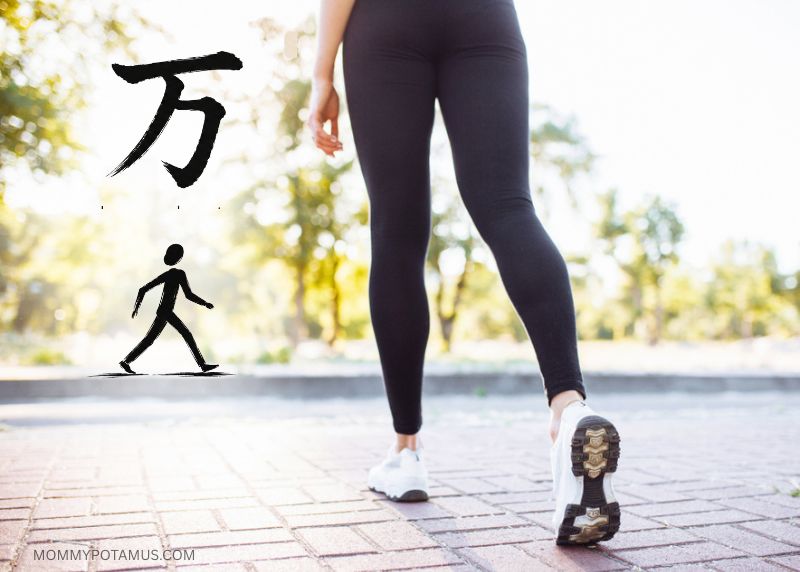
Back in 1964, just before the Tokyo Olympic Games, a company started selling a step tracker (pedometer) called the Manpo-kei. When translated, “man” means 10,000, “po” means steps, and “kei” means meter. So, “10,000 Step Meter.”

Why 10,000? Well, many people believe the company chose the name because the Japanese character for 10,000 (“man”) kind of looks like a man walking.

The pedometer was a massive success, and sixty years later we’re all still using the 10,000 number as the gold standard for how much we should walk.

Now, the takeaway here isn’t that 10,000 steps is “wrong.” If anything, the marketing campaign helped popularize one of the healthiest habits most of us can adopt. However, the number itself wasn’t derived from exercise physiology – it was chosen because it made for memorable branding.

And there’s a catch . . .

The problem with walking at a standard pace is that your body is incredibly efficient. Once it adapts to a certain speed, it stops needing to improve. You hit a physiological plateau where your heart rate remains steady, and your muscles burn just enough fuel to keep you going.

You’re moving, and that matters. But your body may not have much reason to adapt or trigger systemic change.

For that, it needs a reason to stop coasting and start adapting again.

Why Steps Are Only Half The Story

For decades, most conversations about walking have centered around steps, miles and minutes . . . basically asking “How much is enough?”

Research shows that some benefits start showing up with as little as 2500 steps, and the benefits build steadily as your daily step count increases.

For most adults, the sweet spot lands around 7,100 steps for reducing the risk of cardiovascular events and 8,800 steps for overall longevity. After that, you’re still moving in the right direction – you just gain a little less with each additional thousand steps. (1) (2)

But step count isn’t the only thing that matters. Researchers also found that walking pace is linked with additional benefits – even when the total number of daily steps stays the same.

In other words, walking more is part of the equation.

How you walk is another.

And to understand that part, we’ll need to turn to actual Japanese researchers – not marketers.

How 3-Minute Shifts Change The Training Effect

Researchers at Shinshu University developed a method called Interval Walking Training (IWT), which is often called Japanese Walking.

The basic method is surprisingly simple:

  • Walk quickly for three minutes.
  • Walk slowly for three minutes.
  • Repeat five times.

Instead of allowing your body to settle into one comfortable, steady pace, Japanese Walking alternates between effort and recovery.

The faster intervals create a stronger demand on the heart, lungs, and lower-body muscles. The slower intervals give you enough time to recover before asking your body to do it again.

By shifting between modes you change the training effect of the walk. Below are some of the key benefits.

During midlife, declining estradiol often shifts the way the body regulates blood sugar, stores fat, and maintains muscle. That’s one reason many women notice that familiar workouts don’t seem to deliver the same results anymore.

Interval walking may help address part of that shift.

Every time you pick up the pace, your working muscles need more immediate energy. To meet that demand, they pull more glucose from the bloodstream. Over time, that repeated pattern may help the body regulate blood sugar more effectively.

In a randomized trial involving adults with type 2 diabetes, interval walking improved several measures of glucose control and reduced visceral fat. Walking continuously for a similar amount of time – and burning a similar number of calories—did not produce the same improvements. (3)

#2 – Raising Your Aerobic Ceiling

One of the biggest benefits of Japanese Walking is that it helps raise your VO₂ max – a metric many longevity researchers consider one of the strongest indicators of long-term health. Think of it as a measure of your body’s aerobic “engine”: how effectively your heart, lungs, blood vessels, and muscles work together to deliver and use oxygen when your body needs it most.

The higher your aerobic capacity, the more reserve you have. You can sustain higher bursts of activity, recover faster between activities, and meet the everyday demands of life with less effort.

A comfortable walk usually isn’t enough to keep improving that engine, but the fast intervals in Japanese Walking ask your cardiovascular system to do more. Your muscles demand more oxygen, your heart pumps harder to deliver it, and over time your body becomes better at meeting those demands.

In the original Shinshu University trial, participants increased their peak aerobic capacity for walking by 9%. Another randomized study involving adults with type 2 diabetes reported a 16.1% increase in VO₂ max. (4) (3)

The interval walkers also reduced resting systolic blood pressure more effectively than participants who walked continuously at a moderate pace.

#3 – Preserving Lower-Body Strength

Midlife is also when maintaining muscle becomes increasingly important – and increasingly difficult.

Japanese Walking isn’t a replacement for strength training, but the faster intervals require more from muscles than typical walking.

In the original trial, interval walkers increased knee-extension strength by 13% and knee-flexion strength by 17%. (4) Those movements involve the quadriceps and hamstrings – the muscles that help us climb stairs, rise from chairs, maintain stability, and move confidently through life.

That’s a meaningful gain from 30 minutes you might already be spending on a walk.

#4 – A Potential Benefit for Bone

In a study of postmenopausal women, five months of Interval Walking Training increased bone mineral density in the spine and femoral neck among women who began the study with lower bone density. (5)

It doesn’t mean Japanese Walking is a replacement for strength training or other forms of bone-loading exercise, but it suggests that increasing the intensity of a walk may provide a positive stimulus for bone health.

Bottom line: If your priorities include preserving strength, improving metabolic health, building cardiovascular fitness, and supporting your bones, adding a pattern of intensity and recovery can help you work toward those goals – without necessarily requiring a longer workout.

Why This Matters More In Midlife

In midlife, many of the things we want exercise to preserve become harder to hold onto.

As hormone levels shift, maintaining muscle, bone, cardiovascular fitness, and healthy blood sugar regulation requires more intention than it once did. That makes things like getting enough protein and the quality of our exercise increasingly important.

The faster intervals in Japanese Walking give the body a stronger training signal – one that asks more of the muscles, cardiovascular system, and metabolism than walking continuously at an easy or moderate pace.

It’s also practical enough to fit into real life:

  • No gym
  • No complicated program
  • No expensive equipment
  • Easy to remember
  • Easy to restart after missing a few days
  • About 30 minutes from start to finish

In other words, Interval Walking Training asks more of your body without asking much more of your schedule.

Your Quick Start Guide To Walking

Japanese Walking is essentially high intensity interval training stripped down to one of its most basic forms. All you need are comfortable walking shoes and a way to keep track of three-minute intervals.

Here’s the basic pattern:

  1. Walk at an easy pace for three minutes.
  2. Increase to a faster, more challenging pace for three minutes.
  3. Slow back down for three minutes.
  4. Continue alternating until you’ve completed five faster intervals and five recovery intervals.

That adds up to about 30 minutes.

How Fast Should the Brisk Intervals Feel?

The easiest way to find the right pace is with the talk test.

During the faster intervals, you should be breathing noticeably harder, but still able to speak in short sentences. If you could comfortably sing a song, it’s probably time to pick up the pace a little. If getting out even a few words feels difficult, ease off.

The goal is not to push as hard as possible. You’re looking for a pace that feels challenging, but still sustainable for the full three minutes.

When the recovery interval begins, slow down enough for your breathing to settle before the next brisk round. The easier intervals are an important part of the workout because they give you enough recovery to repeat a stronger effort several times without wearing yourself out too quickly.

Keep Your Steps Quick, Not Long

When you want to speed up, it’s natural to start reaching farther in front of you – but a longer stride isn’t necessarily a better one.

Instead, focus on taking quicker steps. Keep your posture tall, let your arms swing naturally, and allow your stride to stay comfortable. Your knees and hips will probably appreciate it.

You Don’t Have to Start With All Five Rounds

In the original research, participants completed at least five fast-and-slow cycles, usually four or more days per week. That’s the full protocol, but it’s not necessarily the best place for everyone to begin.

If 30 minutes feels like a lot right now, start with two or three rounds and see how you feel. As your fitness improves, you can gradually add another until all five feel manageable.

A Quick Safety Note

Japanese Walking is generally considered low-impact, but the faster intervals are meant to raise your heart rate. Start at a pace that fits your current fitness level, and check with your healthcare provider first if you have a medical condition or concerns about higher-intensity exercise.

And, of course, stop if your body is telling you something isn’t right.

What About a Weighted Vest?

A weighted vest adds external load, which means your muscles and bones have a little more work to do with each step. Research on the benefits of weighted-vest exercise suggests that it may help support lower-body strength and provide an additional bone-loading stimulus.

I’ve personally found it to be a useful addition to Japanese Walking, but I don’t use it every time. If you’ve read my article on the infradian rhythm, you know I match the intensity of my workouts to where I am in my cycle, how well I slept, and how recovered I feel that day. When I’m feeling energetic and strong, I throw on my vest. If I didn’t sleep well or recovery feels slower, I leave it behind and just walk.

One important note: A weighted vest isn’t part of the original Japanese Walking protocol, and I personally wouldn’t start interval walking and a weighted vest at the same time. By the time I discovered Japanese Walking, I’d already been wearing a vest regularly, so adding the intervals was the only new challenge.

Bottom line: If you decide to try a weighted vest, start light and give your body time to adjust. Adding too much too quickly can affect your posture, make the walk feel awkward, or place more stress on your joints than you intended.

Walking More and Training Better

By alternating effort with recovery, Japanese Walking turns a 30-minute walk into a more focused training session. It can be an incredibly helpful tool in midlife, especially when it’s used alongside strength training, adequate recovery, supportive nutrition, and, for some women, bioidentical hormone therapy.

Free Midlife Field Guide

If you’ve ever found yourself thinking,“Why doesn’t my body respond the way it used to?” . . . this guide was written for you.

It explains what’s changing during midlife physiology and hormone health in plain English, so you can better understand what’s happening inside your body.

Enter your email below and I’ll send it right over. You’ll also receive my weekly newsletter with practical wellness tips, recipes, and new guides like this one.

Sources

  1. Stens, N. A., Bakker, E. A., Mañas, A., et al. (2023). Relationship of Daily Step Counts to All-Cause Mortality and Cardiovascular Events. Journal of the American College of Cardiology.
  2. University of Granada. (2023). 8,000 Steps a Day to Reduce the Risk of Premature Death. ScienceDaily.
  3. Karstoft, K., Winding, K., Knudsen, S. H., et al. (2013). The Effects of Free-Living Interval-Walking Training on Glycemic Control, Body Composition, and Physical Fitness in Type 2 Diabetic Patients: A Randomized, Controlled Trial. Diabetes Care.
  4. Nemoto, K., Gen-no, H., Masuki, S., et al. (2007). Effects of High-Intensity Interval Walking Training on Physical Fitness and Blood Pressure in Middle-Aged and Older People. Mayo Clinic Proceedings.
  5. Martyanti, R. N., Morikawa, M., Hanaoka, M., et al. (2024). Increased Response of Postmenopausal Bone to Interval Walking Training Depends on Baseline Bone Mineral Density. PLOS ONE.


Share with a friend! 👇

Tags: , , , , ,
How To Build A Travel-Ready Skincare Routine In 5 Steps

How To Build A Travel-Ready Skincare Routine In 5 Steps

According to Hari Ram Rinwa, Founder, Ashpveda, “Planning a trip is exciting, but choosing which skincare products to pack can be overwhelming. The change of climate, dry aeroplane air, long days of sightseeing, and an irregular routine can quickly take a toll on your skin. The trick to having a travel-friendly routine is to keep it simple.” This is how you can create a smart, streamlined skincare routine that travels well.

How To Build A Travel-Ready Skincare Routine In 5 Steps

1. Begin with a Gentle Cleanser

Travelling exposes your skin to sweat, sunscreen buildup, pollution, and unfamiliar water, making a gentle yet effective cleanser essential to remove residue without disrupting your skin’s natural balance. Oil-based cleansers are particularly effective at breaking down sunscreen and daily impurities while helping maintain the skin barrier. Jojoba Oil works beautifully in this role. Cold-pressed and lightweight, it cleanses thoroughly without feeling heavy and preserves skin hydration. It also doubles as a nourishing lip and hair treatment, making it a versatile, travel-friendly essential for a simplified routine.

2. Add a Hydrating Serum

Cabin air and temperature changes can leave the skin looking dull and dehydrated, making moisture support essential while travelling. Applying your hydrating serum on slightly damp skin helps improve absorption and keeps skin feeling supple rather than tight or fatigued. For those with oily skin or travelling to warmer destinations, a few drops of Grapeseed Oil can help regulate excess oil without clogging pores. Its lightweight, non-greasy texture makes it especially suitable for humid climates, keeping the skin balanced and comfortable throughout the journey.

3. Select a Moisturiser that Supports the Barrier Function

Your moisturiser should adapt to your destination and climate. In moderate or humid weather, a lightweight, fast-absorbing formula works well to keep skin balanced without feeling heavy. For colder or drier environments, richer nourishment becomes essential to prevent dryness and discomfort. Sweet Almond Oil provides deeper hydration and lasting nourishment, making it ideal for dry skin and cooler climates. To further support your skin during long flights or sudden weather shifts, add a drop of Vitamin E Oil to help strengthen the skin barrier and maintain resilience.

ALSO READ- From Pre-swim Lotions To SPF: How To Protect Your Skin Before Swimming

4. Never Skip Broad-Spectrum Sunscreen (SPF 30+)

Sunscreen is a must, whether you’re exploring the outdoors or flying at high altitude. Opt for a broad-spectrum sunscreen with SPF 30 or higher that is not greasy and is easy to apply under makeup. To save space in your luggage, use a tinted moisturiser with SPF to hydrate, protect, and perfect your skin in one step. Reapply often, especially when travelling to tropical or high-altitude areas.

5. Bring an On-the-Go Refresher

Travelling on long-haul flights can cause your skin to look fatigued. Keep a refreshing, hydrating mist with aloe or rose water in your bag to instantly revive your skin. Alternatively, bring a multi-functional oil such as Jojoba Oil to spot-treat dry areas of your skin, cuticles, and lips.

Smart Travel Skincare Tips

The key to building a travel-friendly skincare routine lies in choosing intelligent, multitasking essentials that deliver effective results without adding bulk to your luggage. By focusing on cleansing, nourishment, barrier support, and climate-appropriate care, you can create a streamlined routine that adapts effortlessly to changing environments. Opting for pure, skin-safe formulations that perform well across different climates makes packing simpler and more practical. Versatile oils can help maintain skin balance, hydration, and resilience, ensuring your skin stays healthy, refreshed, and radiant despite long journeys and fluctuating weather conditions.

Tags: , , , ,
Why April Rose Pengilly’s wedding fitness routine is going viral

Rose Pengilly: 16,000 steps a day, skin treatments and “bridal discipline”: Why April Rose Pengilly’s wedding fitness routine is going viral

Image credit: instagram/aprilrosepengilly/ Australian actor and model April Rose Pengilly has sparked a massive conversation online after sharing everything she did in the lead-up to her wedding. From walking 16,000 steps every single day to strength training, red light therapy, protein shakes and skincare treatments, her now-viral Instagram post has become part beauty diary, part fitness confession and part reality check.What made people stop scrolling was not just the glamour. It was the honesty.“Honestly, I have to do pretty much all of this regularly anyway,” she wrote, before listing an intense but carefully maintained routine that included RF microneedling, Hyperbaric Oxygen Therapy, cryotherapy, daily planks, vegetarian protein intake and even vein removal treatment.The internet reacted in two very different ways. Some called her a “real-life princess” and praised her discipline. Others wondered whether so much preparation is truly necessary before a wedding. One comment summed it up perfectly: “It’s so helpful for women to see that a lot of work goes into looking this polished.”And perhaps that is exactly why the post resonated. It peeled back the curtain on the modern “bridal glow.”

The 16,000-step routine that became the centre of attention

Among all the treatments and beauty appointments, one detail grabbed the most attention: April Rose Pengilly’s commitment to walking at least 16,000 steps every day.That is significantly higher than the commonly recommended 8,000 to 10,000 daily steps many health experts discuss.A major study published by the National Institutes of Health found that increasing daily step count was linked with lower mortality risk, especially among adults who maintained consistent movement habits. Another study from the Centers for Disease Control and Prevention (CDC) continues to recommend regular moderate physical activity for overall health and long-term disease prevention.Pengilly also admitted that an injury flare-up forced her to swap some workouts for a stationary bike. That small detail made the routine feel more grounded and realistic. It showed adaptation instead of perfection.She also mentioned doing four minutes of planks every day, calling it the exercise that “makes the biggest difference.” While planks are often underestimated, they help strengthen the core, posture and back muscles. Fitness trainers have long pointed out that consistency with simple movements often matters more than chasing extreme workouts.

A beauty routine built on maintenance, not magic

The skincare portion of Pengilly’s pre-wedding routine sounded almost clinical in detail. She continued using vitamin B, vitamin C, retinol, sunscreen and nightly LED mask therapy while also undergoing professional treatments including collagen remodelling RF microneedling, Laser Genesis and HIFU tightening procedures.While these treatments are popular in celebrity skincare culture, dermatologists often stress that no treatment replaces the basics: sun protection, hydration, sleep and consistency.Pengilly’s post reflected that idea. Most of what she mentioned was not a one-week crash transformation. It was upkeep.That distinction matters because social media often presents beauty as instant. In reality, many visible changes come from routines repeated quietly over months and years.Her honesty about treatments like vein removal on her legs also opened up a conversation people rarely have publicly. Cosmetic procedures are often discussed in whispers, especially around weddings. By naming them openly, she unintentionally highlighted how modern beauty standards are becoming more transparent, even if they are still incredibly demanding.

Vegetarian protein, supplements and the pressure to “look perfect”

Another part of her routine that struck a chord online was her focus on protein intake “as much as possible for a vegetarian,” along with two dairy-free protein shakes daily.Protein has become one of the biggest wellness conversations globally, especially among women increasing strength training.Still, Pengilly’s post also revealed the exhausting side of wellness culture. Every detail felt optimised. Hair conditioning schedules. Steam room sessions. Teeth whitening maintenance. Brow lamination. Cryotherapy. Nail appointments. Red light therapy.For many readers, the reaction was not jealousy. It was fatigue.One follower joked, “Before my wedding I took a shower and ate a pizza.” Another wrote, “Meanwhile he used one bar of soap for everything.”Those comments landed because they exposed the uneven expectations often placed on women before milestone events. Weddings, especially in the age of Instagram, can quietly become performance spaces where beauty, fitness and perfection are treated like full-time jobs.

The rise of “high-maintenance wellness” on social media

Pengilly’s viral post reflects a much larger shift happening online. Wellness is no longer just about health. It increasingly overlaps with aesthetics, recovery technologies and biohacking culture.That does not mean these routines are fake or ineffective. It simply means they exist at the intersection of wellness, luxury and appearance culture.And that is why Pengilly’s openness mattered. She did not pretend she woke up looking effortlessly radiant. She showed the labour behind the image.In many ways, the internet appreciated the transparency more than the perfection itself.

What people can actually take away from April Rose Pengilly’s routine

The most useful lesson from Pengilly’s wedding preparation is probably not the expensive treatments. It is the consistency underneath them.Daily movement. Strength training. Protein intake. Skincare discipline. Hair care maintenance. Sleep-supporting rituals like steam rooms and baths. These are habits repeated over time, not overnight hacks.But there is another important takeaway too: wellness should not become punishment.Not everyone needs 16,000 steps a day or multiple cosmetic treatments to feel confident. Health routines work best when they improve energy, mobility and mental wellbeing instead of creating constant pressure.The healthiest part of Pengilly’s post may actually have been the honesty. She admitted the work involved. She admitted the injury flare-up. She admitted these routines are ongoing, not magical.That honesty cut through the polished wedding photos and reminded people that beauty often comes with structure, discipline, money, time and support systems many viewers never see.And perhaps that is why the conversation around her routine keeps growing online.Disclaimer: This article is for general informational purposes only and does not replace professional medical, dermatological or fitness advice. Cosmetic procedures, supplements and intensive fitness routines should always be discussed with qualified healthcare professionals before starting.

Tags: , , , , , , , , , , , , ,
Anewmax Debuts In Malaysia, Redefining Skincare With Max Results In Minimal Steps

Anewmax Debuts In Malaysia, Redefining Skincare With Max Results In Minimal Steps

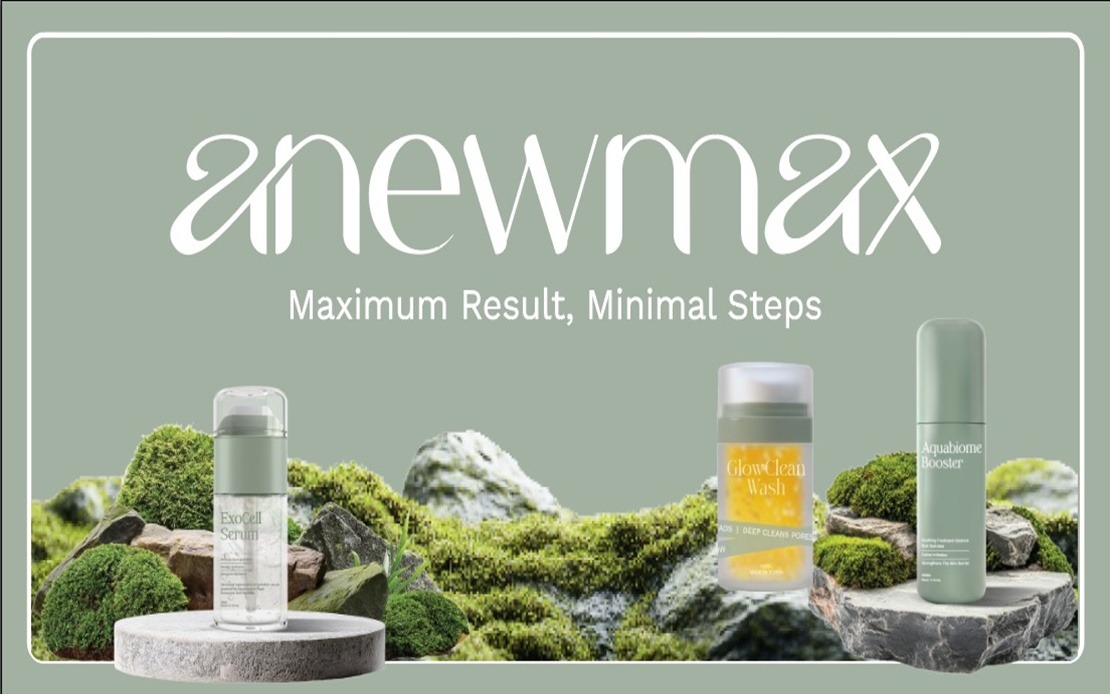
KUALA LUMPUR, Jan 13 (Bernama) — Malaysia’s beauty landscape is set for a new wave of innovation as Anewmax, a next-generation skincare brand blending European luxury craftsmanship with Korean biotech science, officially debuts in Malaysia via a highly anticipated soft launch.

Born in Malaysia and crafted through global partnerships, Anewmax was created for a new generation of consumers who demand maximum results in minimal steps. The brand embodies the philosophy: “Max Results, Minimal Steps, Honest Beauty.”


A Soft Revolution in Skincare

In a market crowded with multi-step routines and complex claims, Anewmax offers a refreshing, simplified approach. Its debut lineup features clinical-grade actives, sensorial textures, and minimalist routines designed for modern lifestyles.

The brand’s launch focuses on three hero products, each representing Anewmax’s core promise of powerful, high-performance skincare made approachable:


Anewmax Key Products:

1. GlowClean Wash – Botanical-Enzyme Cleanser for a Softer, Clearer Glow

The Anewmax cleanse philosophy begins with GlowClean Wash, a formula powered by BotaniClear Infusion Technology, combining botanical enzymes and actives to dissolve blackheads, deeply cleanse pores, and brighten without stripping the skin.

Key benefits:

Gently dissolves blackheads using Citric Acid & Olive Fruit Oil

Hydrates and brightens with Pear Extract, Niacinamide, and Glutathione

Leaves skin soft, refined, and never dry

Ideal for daily use on all skin types

2. Aquabiome Booster – Barrier-Strengthening Hydration Essence

Designed as a post-cleanse booster, Aquabiome Booster is a soothing treatment essence that replenishes moisture, calms irritation, and strengthens the skin barrier, especially beneficial for sensitive or over-treated skin.

Key benefits:

Balances microbiome and barrier function

Hydrates with Double Hyaluronic Acid & Ferment Filtrates

Calms stressed skin using Aloe, Acmella Extract, and Witch Hazel

Smooths texture and restores comfort

3. ExoCell Serum – Exosome-Infused Regeneration Serum for Youthful, Resilient Skin

The brand’s star innovation, ExoCell Serum, is powered by Resurrection Plant Exosomes, lotus stem cell culture extracts, and an 8-peptide complex, a synergy rarely found outside premium, professional-grade products.

Key benefits:

Boosts cellular renewal & collagen synthesis

Smooths wrinkles and refines elasticity

Strengthens the microbiome with Lactobacillus, Galactomyces, and fermented extracts

Delivers long-lasting hydration via Aquaporin (three per cent)

Lightweight, fast-absorbing finish perfect for tropical climates


Additional Products Debuting in Malaysia

While the soft launch highlights the three hero formulas, Anewmax will also display four additional products that complement its minimal-step routine philosophy:

V-Precision Sculpt Serum – Lifting & firming peptide serum

TranexaGlow Advance Serum – Tone-correcting, dark-spot specialist

Youthfill Cream – Filler-like firming moisturiser

Oil-Free Hydrator Gel – Lightweight gel-cream for acne-prone or sensitive skin

Anewmax’s debut products will be available in Malaysia via its official website, www.anewmax.com, as well as on platforms such as TikTok, Shopee, and Lazada. For more information about Anewmax products and where to purchase them, please visit www.anewmax.com or follow @anewmax.official.

— BERNAMA

Disclaimer: This is a paid advertorial. BERNAMA assumes no responsibility for the content, accuracy and opinions carried in the article.  

BERNAMA provides up-to-date authentic and comprehensive news and information which are disseminated via BERNAMA Wires; www.bernama.com; BERNAMA TV on Astro 502, unifi TV 631 and MYTV 121 channels and BERNAMA Radio on FM93.9 (Klang Valley), FM107.5 (Johor Bahru), FM107.9 (Kota Kinabalu) and FM100.9 (Kuching) frequencies.

Follow us on social media :
Facebook : @bernamaofficial, @bernamatv, @bernamaradio
Twitter : @bernama.com, @BernamaTV, @bernamaradio
Instagram : @bernamaofficial, @bernamatvofficial, @bernamaradioofficial
TikTok : @bernamaofficial

Tags: , , , , , , , ,
Steps for Naturally Glowing, Makeup-Ready Skin

Steps for Naturally Glowing, Makeup-Ready Skin

As the New Year approaches, many are looking for ways to start 2026 with naturally glowing, healthy skin. Achieving a radiant complexion doesn’t always require heavy makeup—it begins with consistent, dermatologist-approved skincare practices.

A solid skincare routine starts with cleansing. Using a gentle, sulfate-free cleanser twice daily removes dirt, oil, and pollutants without stripping the skin. For those who wear makeup or sunscreen, a double cleanse ensures the skin is fully clean.

Hydration is the next key step. Well-moisturized skin naturally reflects light, creating a healthy glow. After cleansing, applying a hydrating toner or mist helps balance the skin’s pH, followed by a lightweight serum containing ingredients like hyaluronic acid or glycerin to lock in moisture. Even oily skin benefits from non-comedogenic hydrators.

Exfoliation 2-3 times a week helps remove dead skin cells and improves texture, while targeted treatments—such as antioxidant serums for dullness or under-eye creams for puffiness—enhance brightness and reduce signs of fatigue. Choosing the right moisturizer for your skin type, whether gel-based for oily skin or cream-based for dry skin, maintains comfort and prevents makeup from appearing patchy.

Sun protection remains crucial. Applying a broad-spectrum SPF 30+ daily, even in winter or indoors, prevents dullness and long-term damage, ensuring the skin retains its youthful radiance.

Finally, a balanced diet rich in antioxidants and adequate water intake supports skin health from within. With consistent care and early preparation, glowing, makeup-ready skin can be achieved naturally, letting you enter the New Year looking confident and radiant.

Tags: , , , ,
Best oLive
Privacy Overview

This website uses cookies so that we can provide you with the best user experience possible. Cookie information is stored in your browser and performs functions such as recognising you when you return to our website and helping our team to understand which sections of the website you find most interesting and useful.