Apple App Store

Beauty starts within: 10 self-care rituals worth trying

Beauty Starts Within: 10 Self-Care Rituals Worth Trying

Radiance isn’t just about skincare products or makeup. It often reflects how well you’re caring for yourself physically, mentally, and emotionally. Small, intentional self-care rituals can help reduce stress, improve well-being, and support a healthy, refreshed appearance.

The best part? You don’t need an elaborate routine or expensive products. Here are 10 simple self-care rituals that can help you feel more balanced and look more vibrant.

Unsplash

1. Create a Weekly Bath Ritual

A warm bath can be a relaxing way to unwind after a busy day.

Adding Epsom salts, oatmeal, or a favorite bath oil can make the experience feel more restorative. The warm water may help ease muscle tension while providing a dedicated moment to slow down and decompress.

Even one bath each week can become a valuable reset for both body and mind.

Pexels

2. Start Your Day With a Glass of Water

Hydration supports countless functions throughout the body, including healthy skin.

Beginning your morning with a glass of water is a simple ritual that encourages hydration before coffee, meetings, and daily distractions take over.

It’s a small habit that can help set a positive tone for the day.

Unsplash

3. Make Tea Time a Mindful Moment

A cup of herbal tea offers more than hydration.

Whether you enjoy chamomile, rooibos, peppermint, or green tea, taking a few minutes to sit quietly and enjoy a warm beverage can create a natural pause in your day.

The ritual itself often provides as much benefit as the tea.

Pexels

4. Keep a Simple Gratitude Journal

Journaling doesn’t need to be complicated.

Writing down a few things you’re grateful for each day can help shift your attention toward positive experiences and create greater emotional awareness. Many people find that regular journaling helps them feel calmer and more grounded.

A clearer mind often translates into a more relaxed appearance.

Pexels

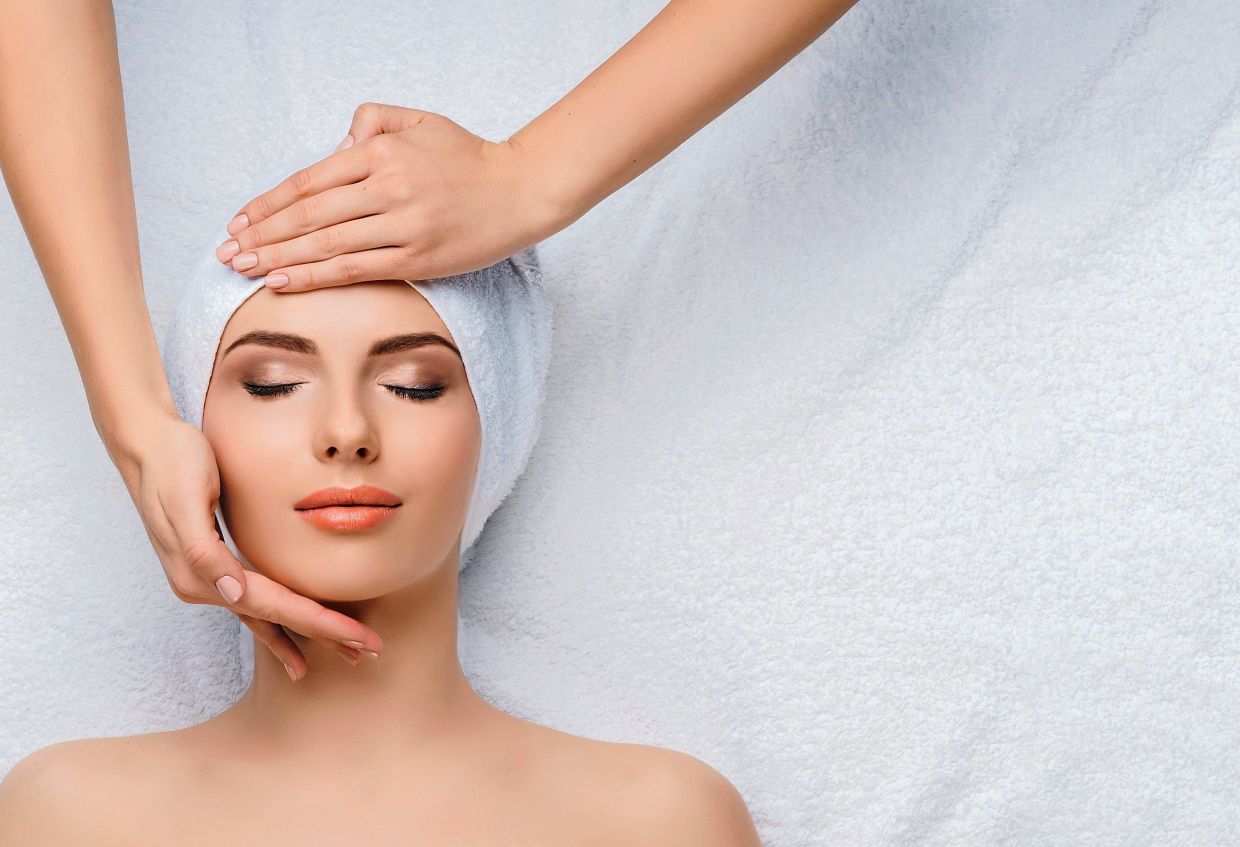
5. Turn Skincare Into a Mindful Practice

Instead of rushing through your skincare routine, try slowing down.

Take a few extra moments to gently massage in your cleanser, serum, or moisturizer. This simple shift can transform skincare from a chore into a self-care ritual.

Consistency matters more than complexity when it comes to long-term skin health.

Pexels

6. Take a Technology Break

Constant notifications and screen time can leave you feeling mentally drained.

A short digital break—even 15 or 20 minutes—can help reduce overstimulation and create space for relaxation. Use that time to stretch, sit outside, read a book, or simply enjoy a quiet moment.

Sometimes the most restorative ritual is stepping away from the noise.

Unsplash

7. Spend Time Outdoors

Nature has a remarkable way of helping people reset.

A brief walk outside, time in the garden, or simply sitting in the sunshine can help support mood and reduce feelings of stress. Exposure to natural light also plays an important role in maintaining healthy sleep-wake cycles.

Fresh air and natural surroundings often leave you looking as refreshed as you feel.

Unsplash

8. Prioritize Quality Sleep

Sleep remains one of the most important beauty habits available.

During sleep, the body carries out numerous repair and recovery processes. Consistently getting enough rest can help support healthy skin, energy levels, and overall well-being.

A calming bedtime routine can make quality sleep easier to achieve.

Unsplash

9. Practice Gentle Movement

Movement doesn’t always have to mean a workout.

Gentle stretching, yoga, walking, or mobility exercises can help release tension and improve circulation. Many people notice they feel both physically and mentally lighter after just a few minutes of movement.

Regular activity supports wellness from the inside out.

Unsplash

10. Create a Ritual That’s Uniquely Yours

The most effective self-care ritual is the one you’ll actually enjoy and repeat.

That might mean lighting a candle each evening, reading before bed, listening to calming music, tending houseplants, or spending a few minutes in meditation. Small, meaningful routines often have the biggest long-term impact.

The goal isn’t perfection. It’s creating moments that help you reconnect with yourself.

Pexels

Radiance Starts With Consistency

True radiance isn’t created by a single product or treatment. It grows from the small choices you make every day to care for your physical, mental, and emotional well-being.

Whether it’s a warm bath, a few minutes of journaling, or simply getting enough sleep, these rituals can help you feel more balanced, energized, and confident. And often, that’s the kind of glow that people notice most.

Read More:

Ask us! What questions do you have about content, strategy, pop culture, lifestyle, wellness, history or more? We may use your question in an upcoming article!

Ask us a question

Like MediaFeed’s content? Be sure to follow us.

This article originally appeared onResourcebuzzand was syndicated byMediaFeed.co.

Tags: , , , ,
New Global Wellness Institute Report Shows UAE Wellness Economy Now Worth $40.8 Billion

Efpy Introduces Micro-Dose Wellness Rituals to IPSY Wellness

Classified in: Health
Subject: PDT

Efpy, the functional beauty brand pioneering “micro-dose wellness” through everyday beauty rituals, is now live on IPSY Wellness. The launch reflects growing consumer demand for wellness experiences integrated into familiar daily routines.

FOSTER CITY, Calif., May 15, 2026 /PRNewswire-PRWeb/ — Efpy Brings Micro-Dose Wellness Rituals to IPSY Wellness

Consumers don’t necessarily want more wellness routines. They want support that fits naturally into real life.

The functional beauty brand expands its presence as beauty and wellness increasingly converge around everyday rituals and emotional wellbeing.

Efpy, the functional beauty brand pioneering “micro-dose wellness” through daily beauty rituals, is now live on IPSY Wellness.

Founded by former Unilever and Google executive Smriti (Sim) Khullar, Efpy was built around a simple behavioral insight: wellness products often fail not because ingredients don’t work, but because habits don’t stick.

Rather than asking consumers to adopt complex new routines, Efpy integrates wellness support into a ritual people already naturally repeat throughout the day ? applying lip balm.

Each Efpy balm combines nourishing lip care with micro-dosed functional ingredients such as L-theanine, B vitamins, green coffee, and botanical extracts, alongside sensory essential oil blends designed to support moments of calm, focus, and everyday wellbeing.

The launch on IPSY Wellness reflects growing consumer demand for products that support emotional wellbeing through seamless, everyday experiences rather than complicated multi-step routines.

“Consumers don’t necessarily want more wellness routines,” said Smriti Khullar, founder of Efpy. “They want support that fits naturally into real life. We created Efpy around the idea that small repeated rituals can become powerful moments of reset throughout the day.”

Efpy’s approach combines functional beauty, behavior-driven product design, and sensory rituals into what the brand calls “micro-dose wellness” ? an emerging category centered around wellness support embedded into everyday rituals.

The IPSY Wellness launch marks another milestone in Efpy’s early growth as the brand continues expanding awareness around functional beauty and ritual-based wellness.

About Efpy

Efpy is a functional beauty brand transforming everyday beauty rituals into moments of wellness support through micro-dosed functional ingredients and sensory rituals. Founded in California, Efpy’s lip balm system combines nourishing lip care with ingredients designed to support calm, focus, energy, and everyday wellbeing ? all through rituals people already naturally repeat throughout the day.

Media Contact:

[email protected]

https://www.efpybeauty.com

Media Contact

Sim Khullar, Efpy Beauty, 1 6509126715, [email protected], www.efpybeauty.com

LinkedIn

SOURCE Efpy Beauty

These press releases may also interest you

at 17:00

TuHURA Biosciences, Inc. (“TuHURA” or the “Company”), a Phase 3 immuno-oncology company developing novel therapeutics to overcome resistance to cancer immunotherapy, today reported financial results for the Company’s first quarter ended March 31,…

at 16:30

Citius Oncology, Inc. (“Citius Oncology” or the “Company”) , the oncology-focused subsidiary of Citius Pharmaceuticals, Inc. (“Citius Pharma”) , today reported financial results for the fiscal second quarter ended March 31, 2026, and provided a…

at 16:30

Citius Pharmaceuticals, Inc. (“Citius Pharma” or the “Company”) , a biopharmaceutical company dedicated to the development and commercialization of first-in-class critical care products, today reported business and financial results for the fiscal…

at 16:20

Scholar Rock today announced that the company granted inducement equity awards covering an aggregate of 38,481 shares of its common stock to six newly hired employees, consisting of inducement stock options to purchase an aggregate of 12,061 shares…

at 16:15

Agenus Inc. , a leader in immuno-oncology innovation, today announced the publication of Phase 1b data evaluating botensilimab (BOT), an Fc-enhanced anti-CTLA-4 antibody, in combination with balstilimab (BAL), an anti-PD-1 antibody, in patients with…

at 16:10

Novanta Inc. (the “Company”), a trusted technology partner to medical and advanced technology equipment manufacturers, announced today that Robert Buckley, Chief Financial Officer, is scheduled to present at Baird 2026 Global Consumer, Technology &…

News published on 15 may 2026 at 15:10 and distributed by:

Tags: , , , , ,
Rituals of rest and reset: Beauty appointments are now modern self-care escapes

Rituals of rest and reset: Beauty appointments are now modern self-care escapes

There was a time when beauty appointments were largely transactional.

A haircut was about maintenance, a manicure was for polished nails before an event, and facials promised fewer blemishes and brighter skin.

Today’s beauty spaces are evolving into something more restorative – across shopping malls, salons and wellness spaces, treatments are being designed not just to enhance appearances, but to quiet overthinking minds and overworked bodies.

From scalp massages in salons to hydrating facials within skincare brand stores, clients are seeking experiences that allow them to slow down and disconnect.

This reflects a broader cultural change in how people perceive self-care, with wellness no longer confined to spa retreats.

Instead, it has filtered into everyday routines, including the beauty appointments once viewed as occasional indulgences.

Nicole Lee, PR communications manager of Initia Group, which oversees Korean-inspired head spa and salon brand Goyo, says the motivations behind beauty appointments have noticeably changed.

“Clients still want visible outcomes, but increasingly, they are coming in because they are mentally and emotionally fatigued,” she says.

“What’s interesting is that we’re now seeing a much younger demographic coming in – not just for maintenance, but for pampering and intentional self-care.”

Similarly, Posh Nail Spa founder Sereen Eng says clients today are searching for more than aesthetic results.

“Many of our clients come in carrying the weight of busy schedules and constant stimulation, so they’re intentionally seeking moments where they can slow down and reset,” she says.

The result is an industry increasingly centred around ritual rather than routine, where the idea of beauty is taking on a deeper meaning.

Read more: Skin acting up? Why your beauty routine fails when the weather flips

A beauty reset

These days, clients approach nail appointments from a more wellness-oriented perspective. Photo: Posh Nail SpaLee says clients are gravitating towards immersive experiences that combine relaxation with visible results.

“It’s not just one service that reflects this shift – it’s really the complete journey from head to toe,” says Lee.

“The combination of aromatherapy, therapeutic massage and scalp care creates an immediate sense of calm,” says Lee.

Clients often pair a treatment with Korean facials and traditional Korean body scrubs, creating what she describes as a “holistic, sensory ritual”.

“What makes this different from a traditional hair or massage service is that it is not transactional or isolated,” she says.

“Clients are no longer just looking for maintenance – they are seeking a complete head-to-toe reset that allows them to disconnect, recharge and reconnect with themselves.”

Even the environment plays a role in shaping the experience, says Lee, noting that their location overlooking a golf course naturally feels like a resort-style setting.

That desire for escape is also influencing how beauty treatments are shared.

According to Lee, many sessions are now purchased as gifts for spouses or parents, while couple treatments are becoming increasingly popular.

“It’s become less about individual treatments and more about creating moments of connection and pause together,” she says.

More than just a manicure

While manicures and pedicures were once associated primarily with aesthetics or trend-driven nail art, Eng says clients are now approaching nail appointments from a more wellness-oriented perspective.

“Our spa manicure and pedicure services are a clear reflection of this shift,” she says. “Clients are not only looking to relax, but also to achieve healthier, more sustainable nail results.”

At her nail spas, the emphasis has expanded beyond appearance to include long-term nail health and intentional care.

Treatments are designed to feel slower and more restorative, incorporating massages, scrubs and a calmer pace.

At the same time, awareness around the effects of prolonged gel use and poorly executed treatments is gaining traction.

“As gel services have become widely available over the years, we’re now seeing the effects of long-term wear,” Eng says.

“Clients are becoming more aware and are seeking services that help maintain and protect their natural nails, rather than compromise them. For example, we focus on nail rehabs and treatments for natural nails; proper nail apex building and structure when working with gel,” she adds.

The idea of self-care, she says, lies in balancing immediate beauty results with long-term wellbeing.

“So it’s no longer just about how the nails look immediately after the service, but how well they are cared for over time,” says Eng.

Created for emotional wellbeing

Perhaps the clearest sign of the industry’s evolution lies in how clients behave during and after treatments.

Lee says the emotional transformation is often noticeable.

“Some clients arrive a little anxious or mentally preoccupied,” she says. “But after the session, they are almost like a different person – more relaxed, calmer, and noticeably lighter in their energy.”

Many linger after treatments, sipping herbal teas and enjoying the stillness before returning to their routines.

“That’s often when they start sharing more – about their stress, their routines, or simply how much they needed this time to reset,” Lee says.

Eng has observed similar changes among her clients.

“During treatments, especially during the scrub and massage session, clients naturally begin to unwind,” she says.

“You can see the shift in their body language – they become softened up, some begin to be more open and conversational.”

For businesses such as these, which extend to skincare and makeup brands, the goal extends beyond delivering a technically good service as emotional care and atmosphere have become equally important.

“Our goal is simple: we want every client to walk out feeling better than when they came in,” says Eng.

Read more: Not long, not short: Mid-length hair is the most wearable beauty trend right now

A wellness future

As the lines between beauty and self-care continue to blur, salon owners are adapting accordingly.

Lee believes beauty spaces will become more wellness-led environments, offering immersive experiences.

“Clients today are not just looking to look good – they want to feel better, reset their energy and take care of their mental and physical wellbeing,” says Lee.

Meanwhile, Eng says the modern salon experience is becoming more holistic and lifestyle-oriented.

“Clients today are more conscious of burnout, stress and the need for intentional pauses in their routine,” she says.

“As a result, they value rituals over quick services.”

To reflect this, her business is refining its treatment flow, training staff to be more emotionally attentive and even collaborating with wellness and lifestyle partners.

“Clients today are not only investing in how they look, but also in how they feel and how they live overall,” Eng says.

Ultimately, beauty’s new direction is rooted in restoration, with salons and treatment spaces becoming places to go where people feel recharged and refreshed.

Tags: , , , , , , ,
Africa Month Hair Inspo: Protective hairstyles we're loving right now

5 Ancient African beauty rituals that inspire modern skincare

Long before skincare routines introduced serums, toners and trending ingredients, beauty across the African continent was rooted in ritual, heritage and the natural world. For generations, communities have relied on plant-based remedies, mineral clays and deeply symbolic practices to care for the face and body while also connecting with culture, healing and identity.

Across South Africa and many other African countries, these traditions were passed down through families. Mothers, grandmothers and traditional healers understood the powerful relationship between the land and the body. Today, as the global beauty industry embraces “clean” ingredients and holistic wellness, many of these ancestral practices are being rediscovered and reinterpreted.

Here are some of the most fascinating African beauty rituals and ingredients that continue to inspire modern skincare today.

Ichopho (pumice stone)

Ichopho, also known as a pumice stone, was and still is used in many South African households as part of everyday skincare and bathing rituals. Formed from volcanic rock, its porous texture makes it ideal for gently exfoliating the skin. Historically, ichopho was used to remove dead skin cells and smooth rough areas such as heels and elbows.

Long before body scrubs and exfoliating tools became popular, pumice stones were already a trusted method for maintaining soft, healthy skin. Today, the pumice stone remains a staple in pedicure treatments and spa routines around the world. In many ways, this stone represents one of the earliest forms of physical exfoliation, proving that effective skincare doesn’t always require complicated formulas.

Ukugquma (steaming)

Ukugquma, also known as steaming, is a traditional cleansing ritual that involves steaming the body with medicinal herbs. In many Southern African cultural contexts, the process involves sitting or kneeling over a container of hot herbal water while the body is covered with a blanket to trap the steam. The heat encourages sweating and helps open the pores while the herbal vapours promote relaxation and cleansing. Indigenous plants are often used to support wellbeing.

Beyond its physical effects, ukugquma also carries spiritual and cultural meaning. In traditional healing practices, steaming rituals are sometimes used for purification and restoring balance. Today, spa steam rooms and facial steaming treatments mirror the same principle: warm steam can cleanse the skin, boost circulation and promote renewal. What makes ukugquma unique, however, is that it represents a deeply rooted cultural practice where skincare, wellness and spiritual care are intertwined.

@unapologetically_gifted What is Ukugquma/ Steaming? #UnapologeticallyGifted #mtanedlozi #africanspirituality #lessontime ♬ iDlozi – Kweyama Brothers & Mpura

Ibomvu (red ochre)

Ibomvu, also known as red ochre, has long held cultural significance in African beauty and adornment. Traditionally mixed with water, oils or animal fat, the earthy pigment was applied to the skin and hair to create a rich red hue. The practice is perhaps most famously associated with the women of the Himba people of northern Namibia, who use a mixture of red ochre and butterfat, known as otjize, to coat their skin and hair.

Beyond aesthetics, ibomvu offered practical benefits. The mineral mixture helped protect the skin from sun exposure while the oils helped prevent dryness. More importantly, the pigment carried deep cultural symbolism. In many communities it represented identity, status and rites of passage. Today, mineral-based beauty products, like clay masks and tinted balms, reflect a growing appreciation for earth-derived ingredients that African traditions have used for centuries.

Ibomvu (Red Ochre). Image: Unsplash

Charcoal teeth whitening

Long before charcoal toothpaste became a global beauty trend, charcoal was already used in many African communities as a natural way to clean teeth. Finely ground charcoal was applied to the teeth to help remove stains and polish the enamel. Its slightly abrasive texture made it effective for lifting surface discolouration while leaving the mouth feeling clean.

Now, activated charcoal has become a popular ingredient in modern oral care products marketed for whitening and detoxifying the mouth. What is often presented as a cutting-edge innovation is, in reality, a rediscovery of a centuries old practice.

@gumbimpume Our ancestors understood the importance of dental hygiene long before modern toothpaste! From rinsing with water after meals to using natural tools like amalahle (charcoal) and Isixubho (chew sticks), they kept their smiles bright and healthy. It’s a reminder to take care of ourselves with what nature offers. #DentalHygiene #NaturalCare #ZuluWisdom #OralHealth #AncientPractices #HealthySmiles #SelfCare ♬ original sound – MpumeSkincare|Eczema|Locs🇿🇦

Umhluzi (broth)

Umhluzi is a nourishing broth or soup often prepared with herbs, vegetables or meat, reflecting a holistic approach to wellness that recognises the connection between nourishment and healthy skin. While it is not a skincare product in the traditional sense, its role highlights a key principle: glowing skin often starts from within. Modern wellness culture has embraced similar ideas through collagen broths and nutrient-rich soups and drinks designed to support skin, hair and overall vitality.

@lindiswamgaguli Let’s make bobe broth it is my morning rituals, you drink on empty stomach. Here are some of the benefits: • Supports fat loss • Boosts metabolism • Improves gut health • Reduces bloating • Strengthens joints& ligaments • Supports muscle recovery • Helps skin tightening & glow • Rich in collagen & minerals • Helps balance blood sugar • Natural source of electrolytes #bonebroth #broth ♬ original sound – MaMvelase❤️🤭❤️‍🔥

Tags: , , , , , ,
Wellness Tourism and Skincare Rituals Are Redefining Modern Travel Experiences

Wellness Tourism and Skincare Rituals Are Redefining Modern Travel Experiences

Travel is no longer defined solely by destinations and sightseeing. Increasingly, it is shaped by how people feel during and after the journey. Wellness tourism has emerged as a major influence in this shift, blending relaxation, self-care, and intentional routines into travel experiences.

Visitors are seeking more than temporary escape; they are looking for ways to return home feeling restored, balanced, and physically renewed.

This evolution is especially visible in how skincare and personal care routines are being integrated into travel. From spa treatments to daily rituals, maintaining and improving skin health has become part of the overall experience. Travelers are not only exploring new places, but also investing in habits that support long-term well-being.

Coastal and Destination Environments Naturally Support Skin Recovery and Renewal Processes

Different environments can have a noticeable impact on skin health. Coastal destinations, in particular, offer conditions that support natural recovery, including cleaner air, humidity balance, and reduced exposure to urban pollutants. These factors can help maintain hydration and reduce stress on the skin, allowing natural renewal processes to function more effectively.

At the same time, stepping away from daily routines often leads to reduced stress levels, which also contributes to healthier skin. When combined with consistent care, these environmental benefits can enhance overall results, making travel an opportunity to reset both physically and mentally.

Scientific and Botanical Solutions Are Influencing Modern Skincare Choices in Travel

Advancements in skincare research have led to a greater understanding of how to support the skin at a cellular level. Botanical ingredients and scientifically developed formulations are being combined to create products that align with both natural and clinical approaches.

Companies such as Plu Laboratories reflect this integration, where innovation and formulation are used to support skin health in a more targeted way. These types of solutions are increasingly being incorporated into travel routines, allowing individuals to maintain consistency regardless of location.

Copper Peptide Skin & Hair Care | GHK-Cu | PLU Laboratories

Copper peptide products for firmer-looking skin and fuller-appearing hair. GHK-Cu and Matrixyl 3000 at clinical concentrations. Results in 6-8 weeks

Skincare-Focused Travel Is Becoming a Key Part of Wellness Tourism Experiences

Wellness tourism is increasingly incorporating skincare as a central component of the travel experience. Spas, retreats, and specialized programs are offering treatments designed to improve skin health while promoting relaxation and recovery. These experiences are tailored to support both immediate results and long-term habits.

Understanding routines such as how to increase skin cell turnover naturally helps travelers maintain progress beyond the duration of their trip. By learning how to support the skin’s natural renewal cycle, individuals can extend the benefits of wellness-focused travel into their daily lives.

Natural Skincare Approaches Are Gaining Preference Over Intensive Treatments

There is a growing preference for natural and less invasive skincare methods. Travelers are becoming more selective about the products and treatments they use, favoring approaches that align with overall wellness rather than quick fixes.

This shift reflects a broader awareness of how ingredients and routines affect long-term skin health. Natural methods often emphasize consistency and balance, which aligns well with the goals of wellness tourism. Instead of focusing on immediate transformation, the emphasis is on gradual and sustainable improvement.

Daily Rituals Are Becoming as Important as Professional Treatments During Travel

Wellness Tourism and Skincare Rituals Are Redefining Modern Travel Experiences

Photo by Vivu Vietnam on Unsplash

While professional treatments provide immediate benefits, daily skincare routines are what sustain results over time. Travelers are recognizing the importance of maintaining consistent habits, even while away from home. Simple routines, when performed regularly, can have a cumulative effect on skin health.

This shift toward consistency highlights the importance of accessibility. Products and practices need to be easy to maintain within different environments, ensuring that routines are not disrupted by travel schedules.

Stress Reduction Plays a Direct Role in Skin Health and Overall Appearance

One of the most overlooked factors in skincare is stress. High stress levels can disrupt the skin’s natural processes, leading to issues such as inflammation, dryness, and uneven texture. Travel, particularly when focused on wellness, offers an opportunity to reduce these stressors.

According to insights often discussed by the World Health Organization (WHO), reducing stress and maintaining overall well-being has a direct impact on physical health, including skin condition. This connection reinforces the importance of integrating relaxation into skincare routines.

Hydration and Climate Conditions Influence Skin Renewal Processes Significantly

Hydration is a critical factor in maintaining healthy skin, and climate plays a significant role in how effectively the skin retains moisture. Coastal and humid environments can support hydration, while dry climates may require additional care to prevent moisture loss.

Travelers who understand these differences can adjust their routines accordingly, ensuring that their skin remains balanced regardless of location. This adaptability is essential for maintaining consistent results.

Long-Term Skincare Benefits Extend Beyond the Duration of Travel Experiences

One of the key advantages of integrating skincare into travel is the long-term impact it can have. The habits developed during wellness-focused trips often continue after returning home, creating lasting improvements in skin health.

These benefits are not limited to physical appearance. Consistent skincare routines can also contribute to a sense of well-being and confidence, reinforcing the connection between self-care and overall lifestyle.

A More Holistic Approach to Travel and Personal Care Is Emerging Globally

The combination of travel, wellness, and skincare reflects a broader shift toward holistic living. People are no longer separating these aspects of their lives; instead, they are integrating them into a unified approach that supports both physical and mental health.

As wellness tourism continues to grow, skincare will remain a central component of the experience. By focusing on natural processes, consistent routines, and supportive environments, travelers can create experiences that extend beyond the trip itself, shaping long-term habits and outcomes.

Tags: , , , , , , ,
Beauty Rituals From a South Asian Household

Beauty Rituals From a South Asian Household

This article is written by a student writer from the Her Campus at UCF chapter and does not reflect the views of Her Campus.

Growing up in a South Asian household taught me that our kitchens aren’t just for cooking; they can easily be transformed into an apothecary when needed. As college students, it’s common to feel like we are falling behind in luxury skincare trends showcased in the latest viral skincare videos online. This is where I find comfort, knowing that I can always turn to South Asian DIY beauty remedies that cost a minimum and can be put together in minutes.

The South Asian approach to beauty and wellness is deeply rooted in Ayurveda, an ancient system that emphasizes growth and wellness both inside and out using natural ingredients. For me, wellness smells like warmed coconut oil my mom would massage into my hair after a long week of damage, or it was the yellow stain on that designated mixing bowl I relied on to make my DIY clay masks to refresh my skin.

The 15-Minute Homemade Mask that restored my confidence: Ubtan

Long before the “clean beauty” trend took over social media, South Asian households had all the secrets in their spice tins to maintain their skin. One significant and traditional remedy is “Ubtan.” Even global stars like Priyanka Chopra swear by it. In a popular “Beauty Secrets” video for Vogue, Chopra shared her family’s DIY Ubtan recipe, which she relied on growing up. “The ubtan was my mum’s way of moisturizing and exfoliating my skin when I was 16,” she said, tapping a jar of turmeric powder into the off-white paste to get a marigold hue. “It really soothes—I’ve taught it to a lot of my friends.”

Her version, which is quite similar to what my mom taught me, includes gram flour, turmeric, lime juice, and full-fat yogurt, along with a few drops of rose water.

How to make it:

1. Take a clean bowl and add gram flour to it.

2. Next, add a dash of turmeric and a few drops of lime juice.

3. Add yogurt to the mixture and stir.

4. To achieve the right consistency, add a few drops of rose water and mix once again.

According to The Times Now, this specific DIY solution is a powerhouse for skin rejuvenation. Gram flour acts as a natural exfoliator to remove dead cells, while turmeric soothes inflammation. The lime juice helps target blemishes due to its richness in vitamin C, and the yogurt aids in tightening pores.

The Ultimate Hair Repair Ritual: the “champi.”

If you’ve heard of “hair slugging” on TikTok, you should know that South Asian mothers and grandmothers have been doing this for centuries under a different name: Champi. Champi is a traditional Indian head massage that involves warming up pure coconut oil, almond, or argan oil, along with rosemary oil that is sometimes boiled with jasmine flowers and used to massage deeply into the scalp.

While this ritual may seem chaotic, there are several benefits to oiling your hair weekly before washing it. Coconut oil or argan oil acts as a protective barrier and helps replenish moisture in your hair. Busy college days can often lead to bad hair days, especially in the Florida sun and humidity, where our hair can easily lose moisture. Massaging these oils deep into your scalp can be a big savior when included in your weekly everything shower routine.

In addition to being a miracle for your hair, this practice is also common in South Asian households as a de-stressing ritual after a long week. The act of massaging and applying pressure to your scalp can help relax your nerves and restore balance to a stressed mind. If you are new to hair oiling, this is a perfect tutorial by Natasha Thasan, who is a growing South Asian social media influencer.

@natasha.thasan via Instagram

Beyond the outer surface: DIY Elixers and Beauty supplements

Growing up, my mom taught me that beauty goes beyond applying potions on the skin; it’s about drinking homemade herbal elixirs made with natural beauty ingredients. We’ve all seen the trend of “eat your skincare.” I was always taught that wellness is holistic, and if my skin glowed, it was because I was consuming things that balanced my body. Instead of relying on expensive beauty gummies, I learned to incorporate homemade rituals that are quick and help me start the day right.

One popular staple is the ABC juice, which consists of apple, beetroot, and carrot, with a squeeze of lime and a dash of turmeric. This vibrantly colored smoothie may not be the most soothing to your taste buds, but it is packed with antioxidants and vitamins that promote a natural plumpness and flush to your skin. After a decade, this smoothie is still a part of my breakfast.

Another drink I was introduced to years ago is overnight-soaked cumin and cinnamon water. If you are looking for better digestion and less bloating, this drink will be your best friend. It’s the first thing I have in the morning before breakfast to start my day off right. All you need are cumin seeds and cinnamon. Soak them overnight in water, strain, and warm them up before drinking.

Lastly, Haldi Doodh, or warm turmeric milk, is a well-known wellness remedy in South Asia that people often enjoy before bed. This drink is also referred to as the “Golden Latte” in the West. According to WebMD, this beverage provides protein and calcium while acting as an anti-inflammatory to boost immunity and promote better sleep.

The simple recipe calls for a dash of turmeric and cardamom or ginger mixed with any milk of your choice, though it is traditionally consumed with whole-fat cow’s milk. As mentioned in the WebMD article “Golden Milk: Are There Health Benefits?”, the mixture is heated to create a warm, soothing drink that is said to help prevent common ailments, including colds, inflammation, and upset stomachs.

Forget the price tag and the long list of chemicals. The most effective and affordable beauty tools are often found in your kitchen. South Asian moms have long replaced chemical peels with turmeric and clay masks, and the countless supplement bottles with simple, natural recipes. So, the next time midterm stress causes a skin breakout, you can always refer to this guide on some traditional wellness remedies.

Tags: , , , ,
From burnout to balanced, these beauty rituals help support your mental health – Shaw Local

From burnout to balanced, these beauty rituals help support your mental health – Shaw Local

Burnout has become one of the most defining experiences of modern life. Long workdays, digital overload, and constant pressure to “do more” have left many people feeling emotionally drained and physically disconnected. As 2026 approaches, wellness culture is shifting away from extreme routines and toward something softer, slower, and more sustainable. At the center of this movement is a powerful idea: beauty rituals can be mental health tools.

More than skincare or self-care trends, these practices focus on creating moments of calm, grounding, and restoration in everyday life.

One of the most popular rituals leading this shift is gua sha—a centuries-old facial massage technique rooted in traditional Chinese medicine. Using a smooth stone tool to gently glide across the face and neck helps stimulate circulation, release tension, and reduce puffiness. Beyond the physical benefits, gua sha offers something deeper: five to ten uninterrupted minutes of slow, intentional touch. For many, that quiet moment becomes a form of moving meditation.

Then there’s the return of the bath—not as a luxury, but as a necessity. Warm water helps relax muscles, lower cortisol levels, and signal the nervous system that it’s safe to rest. Adding Epsom salts, essential oils, or even simple unscented soaps can transform a basic bath into a decompression ritual. In a world that rarely slows down, being submerged in stillness has become a powerful form of reset.

Scent therapy, or aromatherapy, is also taking a front seat in mental wellness routines. Scents like lavender, sandalwood, eucalyptus, and citrus are known to influence mood and memory. A candle lit at the end of the day, a roller oil applied before a meeting, or even a favorite perfume worn intentionally can create emotional anchors throughout the day—small signals to breathe, pause, and recalibrate.

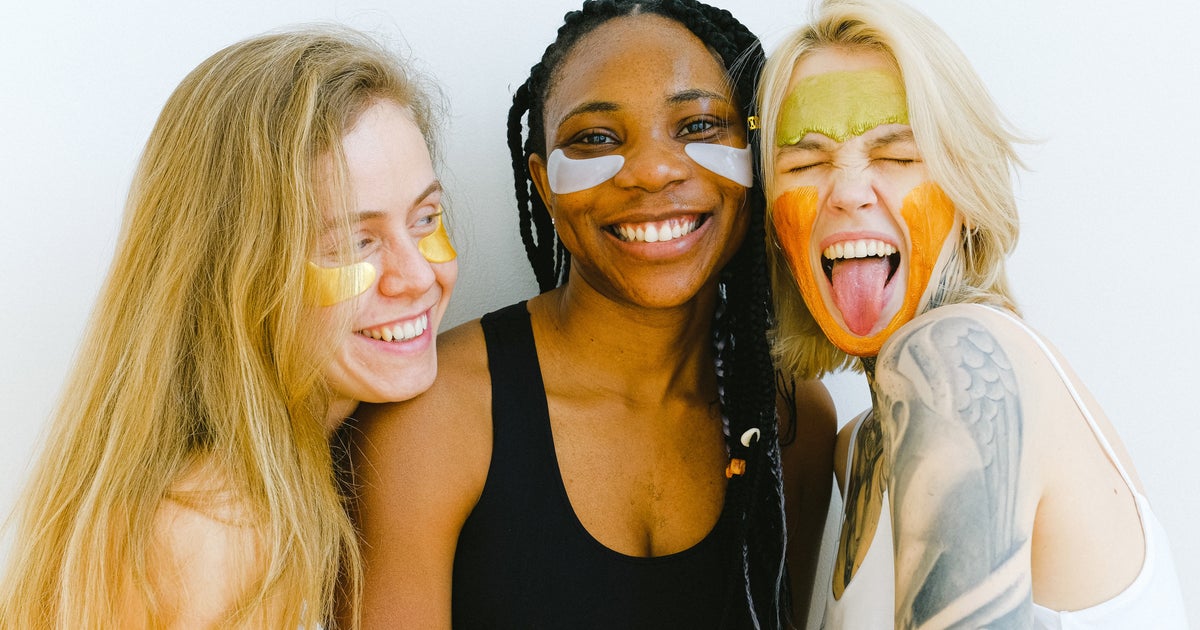
Journaling, once seen as purely emotional or creative, is now widely recognized for its mental health benefits. Writing helps process stress, track emotional patterns, and release mental overload. Many people pair journaling with beauty rituals—writing while wearing a face mask, after a bath, or before skincare—to create a calm transition between the demands of the day and the rest that should follow.

All of these practices fall under a larger movement known as slow beauty. Instead of rushing through routines or chasing endless product launches, slow beauty prioritizes intention over excess. The focus is on fewer products, deeper care, and being fully present during the ritual itself. It’s not about looking flawless—it’s about feeling grounded.

This shift reflects a broader truth that many are embracing: mental wellness and physical beauty are not separate. How we care for our bodies influences how we experience our minds. Gentle rituals create predictability in uncertain times. They teach the nervous system safety. They help people move from survival mode into something more sustainable.

In Kane County and beyond, this softer approach to wellness is quietly taking root—at home, in local studios, and even in everyday routines between work and family life. For those navigating burnout, these rituals don’t fix everything. But they offer something just as meaningful: small, steady steps back toward balance.

And sometimes, that’s exactly where healing begins.

Tags: , , , , , , , ,
From sea to skin: The rise of marine ingredients in today’s beauty rituals

From sea to skin: The rise of marine ingredients in today’s beauty rituals

Beneath the ocean’s surface lie some of the world’s most fascinating natural ingredients.

From algae and seaweed to mud rich in minerals, people have been using powerful botanicals from the sea for everything from healing ailments to transforming skin health.

Marine-derived skincare has roots that predate modern cosmetic science – the beneficial use of many types of seaweeds was reported and recorded in some of the first written medical texts, according to a paper featured on Springer, a German multinational publishing company that publishes peer-reviewed journals in science, humanities, technical and medical (STM).

The paper notes that archaeological remains show that coastal communities harvested seaweeds as far back as 14,000–12,000 BCE.

Across ancient Greece, Rome, East Asia and coastal cultures worldwide, marine plants and algae were used for baths, ointments, poultices and other remedies for skin problems, wounds, inflammation and overall wellness, according to a paper published on MDPI, a Swiss-based publisher of open-access academic journals and books.

The same report also suggests that coastal communities used seaweed, seawater, mineral-rich mud and sea salts as part of traditional skin care, healing treatments, and “thalassotherapy” – the therapeutic use of the sea.

For centuries, people have been using ocean botanicals to soothe ailments and enhance skin health. Photo: La MerToday, beauty brands continue to harness the powers of these ingredients, but running alongside this is a mission to restore ecosystems, empower coastal communities and ensure the ocean remains protected for generations to come.

Read more: Is bespoke the future of fragrance? Inside beauty’s new scent status symbol

Tapping into the ocean’s potential

Although numerous marine compounds are already being explored or incorporated into beauty formulations, only a fraction of their full potential has been tapped.

As cosmetic brands increasingly look to the sea for innovative actives, ongoing research remains essential to fully understand and validate their effects.

Elemis co-founder and global president Noella Gabriel reveals that a key marine ingredient used in their products is Padina pavonica, an algae found in the warm waters of the Mediterranean.

The brand studied Padina pavonica for years to unlock its skincare potential.

“This unique algae grows in shades of copper brown to olive green, waving gently in the ocean’s shallow waters, taking its energy from sunlight. Its leaves are coated in a fine slime, which might sound unappealing but provides potent skincare properties,” says Gabriel.

Undiscovered for thousands of years until it was found blanketing an old shipwreck, scientists noticed it had perfectly preserved the wood beneath.

Wondering how this was possible, the brand discovered that it is brimming with antioxidants to shield your skin against free radicals – harmful atoms that attack collagen and speed up premature ageing.

“The damage to skin cells from free radicals is known as oxidative stress, caused by sunlight, pollution and other toxins such as smoking and alcohol consumption, which gradually deteriorate your derma barrier. Water molecules start escaping, triggering excessive dryness and increasing the depth of facial creases,” explains Gabriel.

Founder of local brand Olumes Aerin Gabor grew up near the ocean, forming memories of her elders using a mix of botanicals and sea harvests to soothe the skin.

“During my own research years later, I discovered that the seaweed found in Semporna, Sabah, is remarkably rich in essential minerals and protective compounds compared to other regions,” says Gabor, who is a cosmetic chemist.

“That uniqueness pushed us to explore it further. We partnered closely with a local research centre to study, refine, and eventually develop our signature FCS Complex, a proprietary seaweed extract that captures the potency of Bornean marine biodiversity.”

What makes it so effective in skincare is its natural ability to support barrier repair, skin brightening, hydration and resilience, especially in tropical environments.

But to Gabor, it’s not just an ingredient.

“It’s a modern expression of the traditional practices I grew up with, backed by science and rooted in Borneo’s heritage.”

Beneath the ocean’s surface lie some of the world’s most fascinating natural ingredients. Photo: 123rfRead more: Skincare for kids? The beauty trend stirring debate among parents and experts

Trials and testing

Marine-derived collagens and proteins, extracted from fish skin, scales or other marine sources are used for improving skin elasticity, hydration and reducing wrinkles/fine lines.

To support skin repair and cell renewal, marine peptides and amino acids are often incorporated in formulations for anti-ageing or barrier-support benefits, according to a research paper on MDPI.com titled Cosmeceutical Significance Of Seaweed: A Focus On Carbohydrates And Peptides In Skin Applications.

Turning raw marine materials into high-performance skincare is a research-driven process, with every active going through rigorous scientific validation, in vitro testing in the lab and in vivo studies on actual skin.

“This allows us to understand not just what the ingredient contains, but how it behaves biologically and what real results it can deliver,” says Gabor.

Working with ocean-derived ingredients does come with unique challenges, as marine materials are incredibly potent but also sensitive to factors like water pollution and variations in growing conditions.

“Ensuring purity, consistency and safety requires strict traceability from farm to extraction, along with careful processing methods to preserve the bioactive compounds without degrading them.

“The breakthrough for us has been finding the right extraction techniques and stabilisation methods that protect the integrity of these delicate marine actives,” says Gabor, who adds that it’s a mix of traditional knowledge, modern science and a lot of patience. Doing no harm

While brands harvest ingredients from the ocean, many do so in the most sustainable way possible.

This matters not just as a conservation matter, but also due to demand – Forbes recently reported that 44% of 18 to 36 year-olds stated that sustainability and ethics-related considerations are very important when buying beauty and wellness products.

“We are working to create smarter formulations that help reduce our impact on the planet. By working with suppliers and supporting regenerative farming programmes, we will ensure full traceability of our raw materials, promote fair working conditions and improve our impact on land and water use,” says Gabriel.

The local seaweed biotechnology company leading sustainable seaweed farming in Semporna that Gabor works with focuses on regenerating ocean ecosystems, not exploiting them.

“Through their programmes, farmers are trained to adopt more sustainable farming methods, such as reducing single-use plastics and improving farm management practices,” says Gabor.

This partnership allows the brand to use marine resources responsibly while supporting both the health of the ocean and the livelihoods of the communities who depend on it.

“All our marine ingredients are sourced from farms, not wild-harvested seaweed, ensuring that natural reefs and habitats remain undisturbed. These farms operate without chemicals or fertilisers and actively help absorb carbon and nitrogen, contributing to cleaner and healthier ocean waters.

Partnering with marine communities and societies, for example La Mer’s Blue Heart initiative, is common for brands with a connection to the ocean.

Through awareness-raising programmes, partnerships with environmental advocates and charitable donations, initiatives like these help protect marine habitats for generations to come.

Gabriel notes that her brand’s partnership with the Marine Conservation Society in the United Kingdom doesn’t just help restore and regenerate life below and above water, it also aims at helping to develop awareness of the importance the seas have on our planet’s health.

“Our financial contributions will enable greater ocean protection and recovery, including a ban on damaging fishing in offshore Marine Protected Areas, by urging the UK Government to implement tougher protections,” says Gabriel.

Working with coastal communities in Borneo strengthens the people whose livelihoods depend on the ocean.

Apart from prioritising recyclable materials, intentionally avoiding unnecessary plastics and shifting more components toward glass and PCR (post- consumer recycled) materials, Olumes also contributes to ongoing coastal clean-up efforts and community-led conservation programmes in Sabah.

“These initiatives focus on reducing marine debris, raising environmental awareness and encouraging younger generations to care for their ocean heritage,” says Gabor.

She believes the industry is only scratching the surface of what marine-derived skincare can offer.

“As consumers become more aware of sustainability and the health of our oceans, they’re also becoming more selective. It’s no longer enough for an ingredient to be ‘natural’, people want to know where it comes from, how it’s grown and the impact it leaves behind,” she says.

“The next wave of marine skincare will be all about traceability, biotech innovation and truly regenerative practices. We’re already seeing advancements in sustainable seaweed farming and cleaner extraction technologies that protect the delicate bioactives while reducing environmental impact.”

Blue beauty has the potential to become the new standard in skincare innovation, but only if brands approach it responsibly.

It’s not about using ocean-inspired marketing – it’s about making real commitments to ethical sourcing, supporting coastal communities and protecting marine ecosystems.

Tags: , , , , , , ,
How Daily Beauty Rituals Improve Confidence, Mental Wellness, and Skin Health

How Daily Beauty Rituals Improve Confidence, Mental Wellness, and Skin Health

If you look closely at how people structure their mornings and evenings today, you’ll notice that beauty routines have become something more than simple grooming. They’ve turned into quiet rituals, moments carved out for grounding, reflection, and self-care. Many people describe their skincare or makeup routine as the one predictable part of their day, something that helps them feel centered, organized, and ready to show up as their best selves. It’s also why reliable brands like TAD Beauty have become part of these everyday habits, offering products people trust to support the way they look and the way they feel. What’s becoming clear is that beauty rituals now play a powerful role across three areas: confidence, mental wellness, and skin health.

Why Ritual Matters: The Psychological Power of Daily Care

There is something inherently soothing about repetition, small, consistent behaviors that anchor the mind. A daily beauty ritual, whether it takes two minutes or twenty, provides that sense of structure. It’s a moment of control in a world that feels anything but controlled. People wash their faces, apply serums, brush their brows, blend foundation, or moisturize their lips not just for appearance, but for grounding.

This kind of routine can create a rhythm that guides the day. In the morning, it signals the shift into alertness and readiness. At night, it signals rest and slowing down. These transitions matter. They help the brain unwind, recalibrate, and move more gently between active and restful states.

For some, beauty rituals even become a form of mindfulness. The act of applying skincare slowly, focusing on scent and texture, noticing how the skin feels, it becomes a small, meditative pause that calms the nervous system.


Beauty as Emotional Regulation

Daily beauty rituals often become emotional touchpoints. A person might start their day feeling overwhelmed, but a few minutes caring for their skin helps them settle. The act of taking time for oneself can counterbalance stress, signal self-worth, and reduce the internal pressure many people carry throughout the day.

On difficult days, these rituals can feel like a reminder that you’re allowed to treat yourself with care, even when the rest of life feels demanding. On good days, they become a celebration of steadiness and routine.

Small actions, brushing hair, applying eye cream, smoothing moisturizer, can be surprisingly effective emotional regulators. They offer a moment to breathe, to slow down, to reconnect. It isn’t vanity; it’s self-support.

How Beauty Rituals Strengthen Self-Confidence

Confidence is deeply tied to how we perceive ourselves. When people feel put-together, clean skin, groomed brows, hydrated complexion, they often navigate the world differently. They stand a bit taller. They engage more actively. They express themselves more freely.

A consistent beauty ritual enhances this by reinforcing both appearance and self-trust. When you show up for your skin daily, you build a subtle form of discipline. You begin to trust yourself to take care of your body consistently. That trust becomes confidence.

And this confidence isn’t only physical. It’s emotional and relational. Someone who feels good in their skin usually feels more comfortable in social interactions, more present at work, and more at ease in their relationships.

What Skin Health Gains From Consistent Rituals

Beyond the emotional rewards, the physical benefits of daily beauty rituals are significant. Skin responds best to consistency. Hydration, sun protection, balanced cleansing, and regular nourishment all contribute to healthier, more resilient skin.

Even simple routines, cleanser, moisturizer, SPF, strengthen the skin barrier. A strong barrier means:
• Better moisture retention
• Reduced irritation
• Lower inflammation
• Healthier texture and tone

Adding targeted treatments like retinoids, niacinamide, antioxidants, or peptides amplifies these results. Over time, consistent care improves elasticity, decreases dullness, and supports long-term skin vitality.

This is why people who commit to daily rituals often notice that their skin feels calmer, stronger, and more balanced. The cumulative effect becomes part of their overall wellness, not just their appearance.

The Science Behind Daily Rituals and Mental Well-Being

Research has begun to highlight how routines, including beauty-related ones, support psychological stability. According to findings summarized by the National Institute of Mental Health, consistent daily habits help regulate mood, reduce stress responses, and provide emotional structure throughout the day.

Routines act as anchors; they create predictability in a world full of unpredictability. When someone takes time to care for their skin every morning or evening, they’re engaging in a behavior that the brain interprets as safety and stability. This leads to:
• Lower stress levels
• Reduced anxiety
• Improved emotional resilience
• Enhanced sense of control

It’s part habit, part self-care, and part emotional grounding.

Why Clean, Trusted Products Enhance the Ritual Experience

The products used in daily rituals matter. People increasingly gravitate toward brands that emphasize quality, gentleness, clean ingredients, and overall skin health. When you trust what you’re applying to your skin, the ritual becomes even more calming.

Irritating or overly harsh products disrupt the experience. In contrast, products designed to nourish, soothe, and support barrier health enhance the emotional and physical value of the routine. Using dependable formulations eliminates guesswork, reduces stress, and lets people fully enjoy the moment.

This is part of why many individuals prefer curated, thoughtfully crafted beauty lines, they feel confident in both the process and the outcome.

How Rituals Create a More Positive Self-Image

There’s something transformative about showing up for yourself every day. Even small acts of care shift the internal narrative. Instead of seeing beauty routines as chores, many people now see them as affirmations, proof that they deserve to feel comfortable, confident, and cared for.

Daily rituals encourage people to:
• Look at themselves with kinder eyes
• Appreciate small improvements
• Notice their unique features
• Feel more connected to their appearance

This positive self-perception extends into social interactions, professional environments, and personal relationships. When someone feels good about who they are, they naturally move through the world with more ease and warmth.

How Rituals Strengthen the Mind–Body Connection

Beauty rituals bridge physical and emotional wellness. The intentional touch, cleansing, moisturizing, massaging, applying, helps people reconnect with their bodies in a grounding way. In a digital world dominated by screens, this tactile experience becomes a quiet form of reconnection.

The mind slows down. Breathing steadies. Awareness shifts inward. This connection often sets the tone for the entire day or night.


Disclaimer

The information contained in South Florida Reporter is for general information purposes only.
The South Florida Reporter assumes no responsibility for errors or omissions in the contents of the Service.
In no event shall the South Florida Reporter be liable for any special, direct, indirect, consequential, or incidental damages or any damages whatsoever, whether in an action of contract, negligence or other tort, arising out of or in connection with the use of the Service or the contents of the Service. The Company reserves the right to make additions, deletions, or modifications to the contents of the Service at any time without prior notice.
The Company does not warrant that the Service is free of viruses or other harmful components

Tags: , , , , , , , ,
5 herbal skincare rituals to try at home

5 herbal skincare rituals to try at home

What’s the story

African herbal skincare rituals have been practiced for centuries, offering natural ways to maintain healthy skin.
These rituals use locally sourced herbs and plants, known for their beneficial properties.
From cleansing to moisturizing, these traditional methods provide an alternative to modern skincare products.
By incorporating these practices into your routine, you can experience the benefits of nature’s bounty without the use of synthetic ingredients.

Shea butter for moisturizing

Shea butter is a staple in African skincare, thanks to its rich moisturizing properties.
Extracted from the nuts of the shea tree, it is packed with vitamins A and E. It deeply hydrates the skin, making it soft and supple.
Applying shea butter regularly can help reduce dryness and improve skin elasticity. It also acts as a barrier against environmental damage.

Neem leaves for cleansing

Neem leaves are famous for their cleansing properties in many African cultures.
The leaves are rich in antioxidants and have antibacterial properties that help keep the skin clear of impurities.
A neem leaf infusion can be used as a facial wash or toner to remove dirt and excess oil without stripping the skin’s natural moisture.

Baobab oil for nourishment

Extracted from the seeds of the baobab tree, baobab oil is a powerhouse of nutrients.
This oil is rich in omega fatty acids, which nourish and repair the skin.
It is especially beneficial for those with dry or damaged skin, as it helps restore moisture balance and promotes healing.

Rooibos tea for anti-aging

Rooibos tea is loaded with antioxidants that fight free radicals responsible for premature aging.
Applying cooled rooibos tea as a toner can tighten pores and improve skin texture over time.
Its anti-inflammatory properties also help calm irritated or sensitive skin.

Hibiscus flowers for exfoliation

Hibiscus flowers contain natural alpha hydroxy acids (AHAs), which are excellent exfoliators.
They gently slough off dead cells from the surface of the skin without causing irritation or redness—making them perfect even for sensitive types.
Regular use can lead to a brighter complexion by promoting cell renewal processes naturally.

Tags: , , ,
Best oLive
Privacy Overview

This website uses cookies so that we can provide you with the best user experience possible. Cookie information is stored in your browser and performs functions such as recognising you when you return to our website and helping our team to understand which sections of the website you find most interesting and useful.