Africa Month Hair Inspo: Protective hairstyles we're loving right now

5 Ancient African beauty rituals that inspire modern skincare

Long before skincare routines introduced serums, toners and trending ingredients, beauty across the African continent was rooted in ritual, heritage and the natural world. For generations, communities have relied on plant-based remedies, mineral clays and deeply symbolic practices to care for the face and body while also connecting with culture, healing and identity.

Across South Africa and many other African countries, these traditions were passed down through families. Mothers, grandmothers and traditional healers understood the powerful relationship between the land and the body. Today, as the global beauty industry embraces “clean” ingredients and holistic wellness, many of these ancestral practices are being rediscovered and reinterpreted.

Here are some of the most fascinating African beauty rituals and ingredients that continue to inspire modern skincare today.

Ichopho (pumice stone)

Ichopho, also known as a pumice stone, was and still is used in many South African households as part of everyday skincare and bathing rituals. Formed from volcanic rock, its porous texture makes it ideal for gently exfoliating the skin. Historically, ichopho was used to remove dead skin cells and smooth rough areas such as heels and elbows.

Long before body scrubs and exfoliating tools became popular, pumice stones were already a trusted method for maintaining soft, healthy skin. Today, the pumice stone remains a staple in pedicure treatments and spa routines around the world. In many ways, this stone represents one of the earliest forms of physical exfoliation, proving that effective skincare doesn’t always require complicated formulas.

Ukugquma (steaming)

Ukugquma, also known as steaming, is a traditional cleansing ritual that involves steaming the body with medicinal herbs. In many Southern African cultural contexts, the process involves sitting or kneeling over a container of hot herbal water while the body is covered with a blanket to trap the steam. The heat encourages sweating and helps open the pores while the herbal vapours promote relaxation and cleansing. Indigenous plants are often used to support wellbeing.

Beyond its physical effects, ukugquma also carries spiritual and cultural meaning. In traditional healing practices, steaming rituals are sometimes used for purification and restoring balance. Today, spa steam rooms and facial steaming treatments mirror the same principle: warm steam can cleanse the skin, boost circulation and promote renewal. What makes ukugquma unique, however, is that it represents a deeply rooted cultural practice where skincare, wellness and spiritual care are intertwined.

@unapologetically_gifted What is Ukugquma/ Steaming? #UnapologeticallyGifted #mtanedlozi #africanspirituality #lessontime ♬ iDlozi – Kweyama Brothers & Mpura

Ibomvu (red ochre)

Ibomvu, also known as red ochre, has long held cultural significance in African beauty and adornment. Traditionally mixed with water, oils or animal fat, the earthy pigment was applied to the skin and hair to create a rich red hue. The practice is perhaps most famously associated with the women of the Himba people of northern Namibia, who use a mixture of red ochre and butterfat, known as otjize, to coat their skin and hair.

Beyond aesthetics, ibomvu offered practical benefits. The mineral mixture helped protect the skin from sun exposure while the oils helped prevent dryness. More importantly, the pigment carried deep cultural symbolism. In many communities it represented identity, status and rites of passage. Today, mineral-based beauty products, like clay masks and tinted balms, reflect a growing appreciation for earth-derived ingredients that African traditions have used for centuries.

Ibomvu (Red Ochre). Image: Unsplash

Charcoal teeth whitening

Long before charcoal toothpaste became a global beauty trend, charcoal was already used in many African communities as a natural way to clean teeth. Finely ground charcoal was applied to the teeth to help remove stains and polish the enamel. Its slightly abrasive texture made it effective for lifting surface discolouration while leaving the mouth feeling clean.

Now, activated charcoal has become a popular ingredient in modern oral care products marketed for whitening and detoxifying the mouth. What is often presented as a cutting-edge innovation is, in reality, a rediscovery of a centuries old practice.

@gumbimpume Our ancestors understood the importance of dental hygiene long before modern toothpaste! From rinsing with water after meals to using natural tools like amalahle (charcoal) and Isixubho (chew sticks), they kept their smiles bright and healthy. It’s a reminder to take care of ourselves with what nature offers. #DentalHygiene #NaturalCare #ZuluWisdom #OralHealth #AncientPractices #HealthySmiles #SelfCare ♬ original sound – MpumeSkincare|Eczema|Locs🇿🇦

Umhluzi (broth)

Umhluzi is a nourishing broth or soup often prepared with herbs, vegetables or meat, reflecting a holistic approach to wellness that recognises the connection between nourishment and healthy skin. While it is not a skincare product in the traditional sense, its role highlights a key principle: glowing skin often starts from within. Modern wellness culture has embraced similar ideas through collagen broths and nutrient-rich soups and drinks designed to support skin, hair and overall vitality.

@lindiswamgaguli Let’s make bobe broth it is my morning rituals, you drink on empty stomach. Here are some of the benefits: • Supports fat loss • Boosts metabolism • Improves gut health • Reduces bloating • Strengthens joints& ligaments • Supports muscle recovery • Helps skin tightening & glow • Rich in collagen & minerals • Helps balance blood sugar • Natural source of electrolytes #bonebroth #broth ♬ original sound – MaMvelase❤️🤭❤️‍🔥

Tags: , , , , , ,
Turmeric for Skin: Ancient Remedy, Modern Glow

Turmeric for Skin: Ancient Remedy, Modern Glow

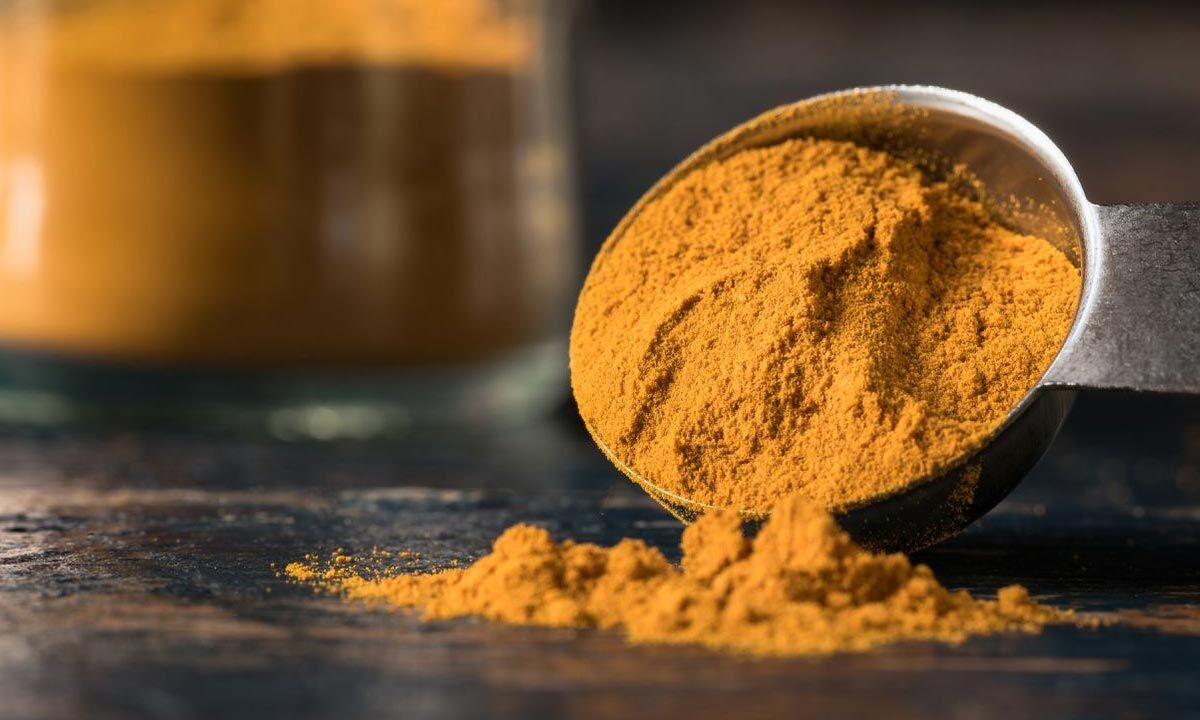
For centuries, turmeric has been more than just a kitchen staple. Revered in traditional wellness systems and home remedies, this golden spice has steadily earned recognition in modern skincare. Today, dermatologists and beauty experts alike acknowledge that turmeric’s active compound, curcumin, plays a powerful role in promoting healthier-looking skin.

Here’s a closer look at how turmeric can support your skincare routine.

Calms Redness And Irritation

Inflammation is often at the root of many skin concerns — from breakouts to chronic sensitivity. Turmeric contains curcumin, a bioactive compound known for its anti-inflammatory properties. By helping reduce swelling and redness, turmeric can soothe irritated skin and support conditions linked to inflammation.

People with reactive or sensitive skin often turn to turmeric-based masks or creams to help restore balance. Its calming effect makes it a popular natural option for those looking to minimize discomfort without harsh chemicals.

Supports Acne Control

Acne is typically caused by excess oil production, clogged pores, and bacterial growth. Turmeric addresses several of these triggers at once. Its antibacterial qualities help combat acne-causing bacteria, while its anti-inflammatory nature reduces the appearance of swollen pimples.

Additionally, turmeric may help regulate sebum production, which is essential for preventing recurring breakouts. When used consistently and correctly, it can contribute to clearer, calmer skin over time.

Improves Under-Eye Appearance

Dark circles and puffiness often result from poor circulation, fatigue, or inflammation. Turmeric is believed to stimulate blood flow when applied topically, which may help reduce the appearance of under-eye shadows.

While it is not an instant fix, regular use in carefully formulated products can brighten the under-eye area gradually. Its soothing qualities also help ease puffiness, giving the face a fresher, more awake look.

Helps Reduce Hyperpigmentation

Uneven skin tone, acne scars, and dark spots are common concerns across age groups. Turmeric may assist in addressing pigmentation by influencing melanin production in the skin. With consistent use, it can gradually improve the appearance of discoloration.

Many natural skincare blends combine turmeric with ingredients like yogurt, honey, or aloe vera to enhance its brightening potential. Over time, this can promote a more even and luminous complexion.

Offers Antioxidant Protection

Environmental stressors such as pollution and UV exposure generate free radicals, which accelerate skin aging. Turmeric is rich in antioxidants that help neutralize these unstable molecules, supporting skin health at a cellular level.

By protecting the skin’s structure, turmeric may help maintain elasticity and reduce the early appearance of fine lines. While it should never replace sunscreen, it can complement a broader anti-aging routine.

Enhances Natural Radiance

The concept of a natural glow has long been associated with turmeric-based beauty rituals, especially in pre-wedding skincare traditions. By promoting healthy circulation and supporting overall skin vitality, turmeric can help revive dull or tired-looking skin.

When used appropriately, it can leave the complexion looking refreshed and subtly radiant, contributing to a healthy, balanced appearance.

Aids Skin Repair

Turmeric’s restorative properties may also support minor wound healing. Its ability to encourage tissue renewal can assist in reducing the appearance of marks and superficial scars. Though not a substitute for medical treatment, it has traditionally been used to support the skin’s natural recovery process.

Use With Care

Despite its benefits, turmeric is potent and should be used carefully. Direct application can temporarily stain the skin, and sensitive individuals may experience irritation. A patch test is always recommended before incorporating it into a routine.

Whether blended into face masks or included in professionally formulated skincare products, turmeric continues to bridge the gap between ancient tradition and modern beauty science — proving that sometimes, the most effective remedies are rooted in nature.

Tags: , , , , ,
From Geishas To Glass Skin: Why An Ancient Asian Ingredient Is Skincare’s Hottest Trend | Lifestyle News

From Geishas To Glass Skin: Why An Ancient Asian Ingredient Is Skincare’s Hottest Trend | Lifestyle News

Last Updated:January 31, 2026, 13:31 IST

Rice-based products tend to suit a wide range of skin types, especially those dealing with dryness, sensitivity, or dullness.

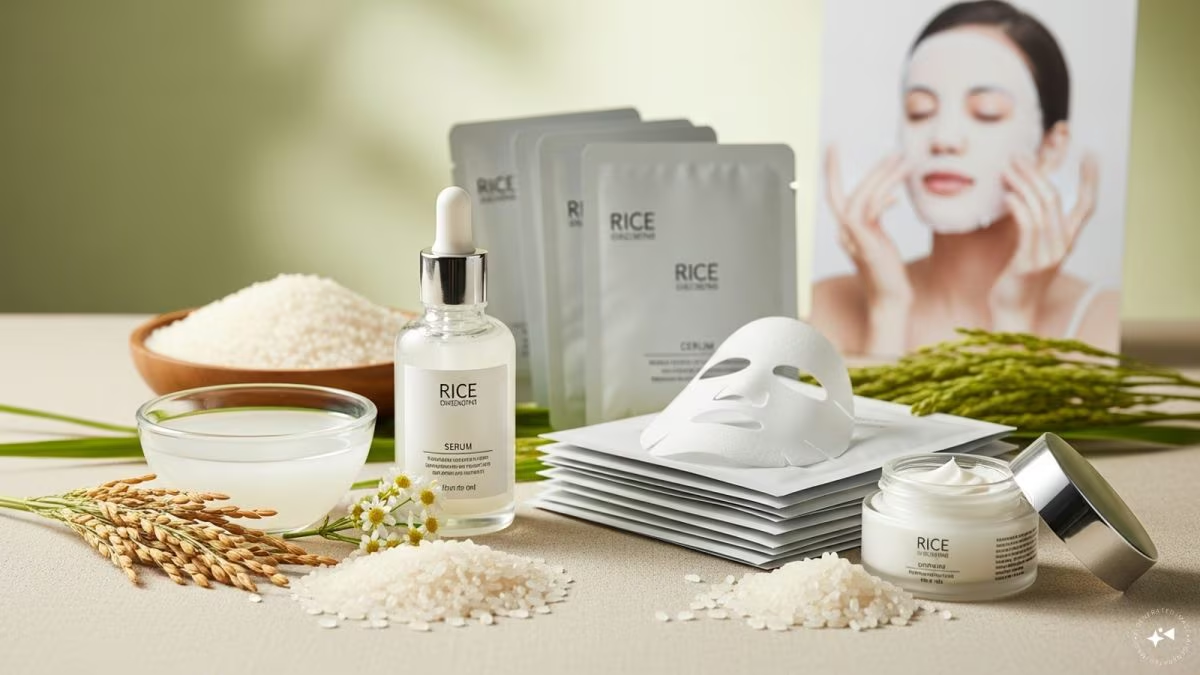
You don’t need a complete overhaul to add rice to your skincare routine; a simple rice water–based toner is a good starting point. (Representative image: AI-generated)

Rice has always been more than just a staple food across Asia. For centuries, it has been used for beauty and skin care purposes, long before the social media trend popularised its serum, sheet masks and other products.

Today, as the beauty world chases “glass skin” and gentle, effective ingredients, rice has re-emerged as an unlikely hero. What was once passed down through tradition is now being validated by modern science, turning an ancient beauty secret into one of skincare’s hottest trends.

The Story Of Rice In Beauty

Centuries ago in Japan, geishas relied on rice water to soothe their skin after long hours of wearing heavy makeup.

The practice was simple: rice was washed or soaked, and the milky water was saved and used on the skin and hair.

Over time, women noticed that their hands felt softer, their skin calmer, and their complexion clearer.

In Korea, rice bran and rice oil were similarly prized for their nourishing and brightening qualities, especially in royal households.

These rituals were not labelled as “skincare routines” back then; they were everyday practices rooted in observation and experience.

What Makes Rice Suitable For Skin Care

The renewed interest in rice is not driven by nostalgia alone. Scientists and dermatologists now understand that rice contains compounds that genuinely benefit the skin.

It is rich in antioxidants that help protect against environmental stress, while natural vitamins and amino acids support hydration and skin repair. Rice bran oil, in particular, is known for its ability to nourish dry skin and improve softness without clogging pores.

This combination makes rice especially appealing for people who want visible results without harsh activities. Instead of aggressively exfoliating or stripping the skin, rice-based ingredients work gently, supporting the skin’s natural functions over time.

From Homemade Rituals To Modern Formulations

The beauty industry’s rediscovery of rice did not begin in laboratories, but it began online.  DIY rice water routines flooded social media, with users claiming brighter, calmer skin after just a few weeks.

While these homemade methods reflect traditional practices, they also come with risks. Improperly stored rice water can spoil quickly, and uncontrolled fermentation may irritate sensitive skin.

Skincare brands took inspiration from these rituals and refined them, producinga range of products from toners and serums, to sheet masks and moisturisers under controlled conditions of laboratories.

What Makes Rice Effective In Skincare

Dermatologists largely agree that rice-derived ingredients can be beneficial, particularly for hydration, mild brightening, and soothing sensitive skin.

Studies suggest that compounds found in rice help strengthen the skin barrier and reduce moisture loss, which is key to achieving that sought-after “glass skin” look.

However, experts are careful to manage expectations. Rice isn’t a miracle ingredient that can erase deep pigmentation, acne scars, or signs of ageing overnight. Instead, it works best as a supportive ingredient—one that enhances skin health gradually and complements stronger actives when needed.

What Makes Rice Popular In Skin Care

Rice in skincare isn’t just another fleeting beauty fad. It is likely to stay in the skincare industry because it is not a new invention, but a traditional practice that has been recalibrated in modern laboratories.

Its traditional roots, simple ingredient profile, and natural appeal make people more comfortable choosing it as part of their skincare routine.

In an era of complex chemical formulations, rice offers simplicity and comfort. It aligns perfectly with the minimalist skincare movement, where fewer products with gentle ingredients are preferred over aggressive routines.

Cultural curiosity plays a role, too. As Korean and Japanese beauty philosophies gain global attention, traditional ingredients like rice are being reintroduced to a wider audience. Add the influence of social media, where glowing skin routines go viral overnight, and rice’s comeback feels almost inevitable.

How You Can Add Rice To Your Routine

Rice-based products tend to suit a wide range of skin types, especially those dealing with dryness, sensitivity, or dullness. Because the ingredient is naturally gentle, it’s often recommended for people whose skin reacts poorly to strong actives.

That said, those with severe acne or stubborn pigmentation may need additional treatments alongside rice-infused products for visible results.

Incorporating rice into a skincare routine doesn’t require a complete overhaul. A rice-based toner can be a good starting point, followed by a moisturiser or serum that contains rice extract or rice bran oil.

Used consistently, these products help improve hydration and overall skin texture. As with any skincare routine, sunscreen remains essential, especially when using products aimed at brightening the skin.

Handpicked stories, in your inbox

A newsletter with the best of our journalism

submit

First Published:

January 31, 2026, 13:14 IST

News lifestyle From Geishas To Glass Skin: Why An Ancient Asian Ingredient Is Skincare’s Hottest TrendDisclaimer: Comments reflect users’ views, not News18’s. Please keep discussions respectful and constructive. Abusive, defamatory, or illegal comments will be removed. News18 may disable any comment at its discretion. By posting, you agree to our Terms of Use and Privacy Policy.

The Story Of Rice In Beauty

Centuries ago in Japan, geishas relied on rice water to soothe their skin after long hours of wearing heavy makeup.

The practice was simple: rice was washed or soaked, and the milky water was saved and used on the skin and hair.

Over time, women noticed that their hands felt softer, their skin calmer, and their complexion clearer.

In Korea, rice bran and rice oil were similarly prized for their nourishing and brightening qualities, especially in royal households.

These rituals were not labelled as “skincare routines” back then; they were everyday practices rooted in observation and experience.

What Makes Rice Suitable For Skin Care

The renewed interest in rice is not driven by nostalgia alone. Scientists and dermatologists now understand that rice contains compounds that genuinely benefit the skin.

It is rich in antioxidants that help protect against environmental stress, while natural vitamins and amino acids support hydration and skin repair. Rice bran oil, in particular, is known for its ability to nourish dry skin and improve softness without clogging pores.

This combination makes rice especially appealing for people who want visible results without harsh activities. Instead of aggressively exfoliating or stripping the skin, rice-based ingredients work gently, supporting the skin’s natural functions over time.

From Homemade Rituals To Modern Formulations

The beauty industry’s rediscovery of rice did not begin in laboratories, but it began online.  DIY rice water routines flooded social media, with users claiming brighter, calmer skin after just a few weeks.

While these homemade methods reflect traditional practices, they also come with risks. Improperly stored rice water can spoil quickly, and uncontrolled fermentation may irritate sensitive skin.

Skincare brands took inspiration from these rituals and refined them, producinga range of products from toners and serums, to sheet masks and moisturisers under controlled conditions of laboratories.

What Makes Rice Effective In Skincare

Dermatologists largely agree that rice-derived ingredients can be beneficial, particularly for hydration, mild brightening, and soothing sensitive skin.

Studies suggest that compounds found in rice help strengthen the skin barrier and reduce moisture loss, which is key to achieving that sought-after “glass skin” look.

However, experts are careful to manage expectations. Rice isn’t a miracle ingredient that can erase deep pigmentation, acne scars, or signs of ageing overnight. Instead, it works best as a supportive ingredient—one that enhances skin health gradually and complements stronger actives when needed.

What Makes Rice Popular In Skin Care

Rice in skincare isn’t just another fleeting beauty fad. It is likely to stay in the skincare industry because it is not a new invention, but a traditional practice that has been recalibrated in modern laboratories.

Its traditional roots, simple ingredient profile, and natural appeal make people more comfortable choosing it as part of their skincare routine.

In an era of complex chemical formulations, rice offers simplicity and comfort. It aligns perfectly with the minimalist skincare movement, where fewer products with gentle ingredients are preferred over aggressive routines.

Cultural curiosity plays a role, too. As Korean and Japanese beauty philosophies gain global attention, traditional ingredients like rice are being reintroduced to a wider audience. Add the influence of social media, where glowing skin routines go viral overnight, and rice’s comeback feels almost inevitable.

How You Can Add Rice To Your Routine

Rice-based products tend to suit a wide range of skin types, especially those dealing with dryness, sensitivity, or dullness. Because the ingredient is naturally gentle, it’s often recommended for people whose skin reacts poorly to strong actives.

That said, those with severe acne or stubborn pigmentation may need additional treatments alongside rice-infused products for visible results.

Incorporating rice into a skincare routine doesn’t require a complete overhaul. A rice-based toner can be a good starting point, followed by a moisturiser or serum that contains rice extract or rice bran oil.

Used consistently, these products help improve hydration and overall skin texture. As with any skincare routine, sunscreen remains essential, especially when using products aimed at brightening the skin.

Stay Ahead, Read Faster

Scan the QR code to download the News18 app and enjoy a seamless news experience anytime, anywhere.

login

Tags: , , , , , , , , , ,
Fermented maize water: An ancient skincare remedy

Fermented maize water: An ancient skincare remedy

Follow this guide

What’s the story

African fermented maize water is gaining popularity as a natural skin clarifier. The traditional practice, which has been passed down through generations, is known for its skin benefits.
The process of fermentation makes the maize water rich in nutrients that can help improve skin texture and tone.
Here’s how this age-old remedy works and why it is becoming a go-to option for those looking for natural skincare solutions.

The fermentation process explained

Fermentation is a natural process where microorganisms break down sugars into acids or gases.
In the case of maize water, the grains are soaked in water until they ferment.
This process increases the probiotic content and makes vitamins like B-complex and antioxidants available.
These nutrients are known to promote healthier skin by fighting free radicals and boosting cell regeneration.

Nutrient-rich composition

The fermented maize water is loaded with essential nutrients such as lactic acid, which helps exfoliate the skin gently without causing irritation.
It also contains amino acids that contribute to collagen production, keeping the skin firm and elastic.
The presence of vitamins A and E further enhances its ability to nourish and protect the skin from environmental damage.

Benefits for skin clarity

Using fermented maize water can help you achieve clearer skin by reducing blemishes and dark spots.
Its antibacterial properties fight acne-causing bacteria while balancing oil production on the skin’s surface.
Regular use can lead to a more even complexion by fading discoloration over time.

How to incorporate into skincare routine

To add fermented maize water into your skincare routine, start by cleansing your face with a gentle cleanser.
Apply the fermented maize water using a cotton pad or spray bottle as a toner after cleansing.
Follow up with your regular moisturizer or serum for best results.
This simple addition can significantly enhance your skincare regimen without requiring major lifestyle changes.

Tags: , , , , ,
How Ancient Indian Spices Are Shaping Modern Preventive Wellness

How Ancient Indian Spices Are Shaping Modern Preventive Wellness

{By: Cyril Feuillebois}

In today’s fast-paced urban lifestyle, wellness is often treated as a response rather than a responsibility, something we turn to only when discomfort appears. Traditional Indian health systems approached this very differently. Wellness was viewed as a continuous state of balance, shaped by daily rituals, mindful nourishment, and an intuitive understanding of the body. At the heart of this philosophy was the kitchen, where spices were not merely culinary enhancers but powerful tools of preventive care.

ALSO READ: From Kitchen To Complexion: Ayurvedic Winter Spices And Oils That Protect Women’s Skin Naturally

The Kitchen As The First Wellness Space

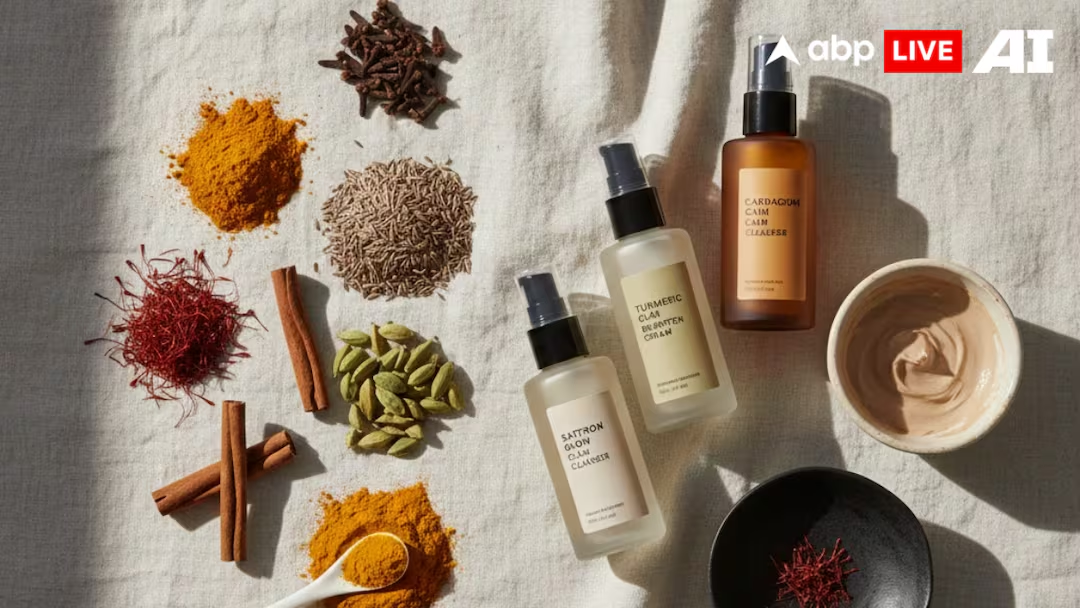
For generations, Indian households relied on spices such as turmeric, clove, cinnamon, cumin, cardamom, and saffron for their functional benefits. These ingredients played an integral role in maintaining immunity, supporting digestion, improving circulation, and enhancing skin vitality. Turmeric was valued for its anti-inflammatory properties, clove for its antimicrobial action, cinnamon for metabolic support, and saffron for emotional balance and radiance. What is noteworthy today is not a rediscovery of these spices, but a renewed respect for how thoughtfully they were woven into everyday life.

Preventive Wellness Over Reactive Solutions

Modern wellness is increasingly shifting from treatment-driven solutions to preventive approaches. Rising concerns around stress, chronic fatigue, inflammation, digestive imbalance, and premature aging have prompted individuals to seek gentler, long-term ways to support health. Spice-led wellness fits seamlessly into this narrative. When used intentionally and in the right formulations, spices work in harmony with the body, supporting its natural rhythms rather than overriding them. Their effects may be subtle, but over time, they create resilience.

Extending Ancient Wisdom Into Skincare

This philosophy is now extending beyond nutrition into skincare and holistic self-care. Ancient practices recognised that the skin is a reflection of internal balance. Dullness, sensitivity, inflammation, and early aging were seen as signals rather than surface-level concerns. Today, modern formulations are bridging traditional spice wisdom with contemporary research to ensure safety, absorption, and efficacy. Spice-based actives, when thoughtfully developed, can stimulate circulation, strengthen the skin barrier, encourage detoxification, and support cellular renewal.

Ritual-Based Wellness In Modern Retreats

In wellness environments such as Swasthya Retreat, this approach is interpreted through carefully designed rituals where spice-infused therapies support relaxation and restoration without excess. The focus is not on dramatic transformation, but on gently recalibrating the body and mind, allowing guests to experience how preventive practices feel when applied with intention and restraint.

Traditional wellness systems also embraced individuality. Health was never defined by a universal standard, but by balance unique to each person’s constitution, environment, and emotional state. This perspective feels especially relevant today, as wellness culture often promotes perfection rather than presence. Preventive care rooted in spice knowledge encourages awareness over correction and consistency over extremes.

As modern life continues to test our physical and emotional reserves, the answers may not lie in innovation alone, but in refinement. The journey from kitchen to skincare reminds us that wellness is not a trend to be followed, but a way of life to be sustained, quietly, mindfully, and with balance at its core.

The author, Cyril Feuillebois, is the Founder of Spiceology.

[Disclaimer: The information provided in the article is shared by experts and is intended for general informational purposes only. It is not a substitute for professional medical advice, diagnosis, or treatment. Always seek the advice of your physician or other qualified healthcare provider with any questions you may have regarding a medical condition.]

Check out below Health Tools-
Calculate Your Body Mass Index ( BMI )

Calculate The Age Through Age Calculator

Tags: , , , , , ,
5 ancient skincare practices from around the globe that are still followed |

5 ancient skincare practices from around the globe that are still followed |

(Image Credits: Instagram) The skincare industry is evolving every day, and we continue to witness forms and ingredients that have been used for ages and have remained part of beauty rituals for centuries. As we return to age-old remedies instead of relying solely on high-priced manufactured products, let’s look at 5 ancient skincare practices that are still used today. These traditions also have therapeutic effects, which is why they’re still relevant.The combination of yoghurt and olive oilWe have all heard about the benefits of consuming Greek yoghurt, but it’s not just good to eat; you can also apply it as a face mask. Yoghurt contains natural lactic acid, which cleans the pores, while olive oil hydrates the skin. In some regions, locals even use yoghurt as post-sun care because it soothes sunburn. It is often blended with honey and olive oil, creating a mix that moisturises, cleanses, and hydrates your skin.

(Image Credits: Pinterest)

The many types and benefits of Indian ubtansUsed in nearly every Indian household, ubtans are known to lend a fresh glow to the skin. They balance moisture levels and help remove excess oil. Ubtans are usually made with chickpea flour, and many people add sandalwood, rose water, milk, and turmeric to create a natural paste that exfoliates, hydrates, and cleanses the face. You can apply ubtans to your body as well, and even add essential oils for extra nourishment.

5 winter skincare tips that men can follow to take care of their skin in the winter season

Argan oil massage from MoroccoThis potent oil is sourced from argan trees in Morocco and is rich in vitamins, minerals, and antioxidants. It also contains fatty acids that hydrate both skin and hair. Being high in vitamin E, argan oil helps treat dry, flaky skin and provides moisture and intense hydration. You can apply it to your body after a shower to enjoy soft, supple skin every day. Pearl powder from ChinaHave you ever seen bottles or tubs with iridescent formulas infused with pearl? This precious ingredient has been used in China for years as a skin-brightening agent and collagen booster. Pearl powder can be consumed orally or applied topically. It is believed to improve the overall quality of your hair, skin, and nails.

(Image Credits: Pinterest)

Coconut oil from IndiaIndians are officially obsessed with coconut oil, which is used extensively for both hair and skincare. Coconut oil is intensely hydrating and can be used in multiple ways to moisturise hair and skin. It works well as a double cleanser and can be applied to dry elbows, cuticles, and even chapped lips. However, make sure you’re using a cold-pressed version of coconut oil to get the maximum nutrient-rich benefits.

Tags: , , ,
Fermented grains: An ancient skincare remedy

Fermented grains: An ancient skincare remedy

Follow this guide

What’s the story

African fermented grains have been used for centuries in traditional skincare practices.
These grains, rich in nutrients and enzymes, are known to promote healthy skin.
The fermentation process enhances their beneficial properties, making them a natural choice for skincare enthusiasts.
From millet to sorghum, these grains offer various benefits that can help improve skin texture and appearance.
Here’s how you can incorporate these natural ingredients into your skincare routine.

Millet: A nutrient powerhouse

Millet is a staple grain in many African countries and is known for its high magnesium content.
Magnesium helps reduce inflammation and supports collagen production, which is essential for maintaining skin elasticity.
The antioxidants present in millet also protect the skin from free radicals, preventing premature aging.
Using millet-based masks or scrubs can help exfoliate dead skin cells and promote a radiant complexion.

Sorghum: Rich in antioxidants

Sorghum is another versatile grain that is packed with antioxidants such as phenolic compounds.
These antioxidants protect the skin from environmental stressors like pollution and UV rays.
Sorghum flour can be used to make gentle exfoliating scrubs that remove impurities without stripping the skin of its natural oils.
Regular use of sorghum-infused products can lead to a smoother and more even-toned complexion.

Teff: Hydration booster

Teff, an ancient Ethiopian grain, is famous for its high protein and amino acid content.
These nutrients are essential for repairing damaged skin and retaining moisture.
Teff-based moisturizers or masks can give an extra layer of hydration, making dry or flaky skin look supple.
Its lightweight texture makes it perfect for all skin types, including sensitive ones.

Fonio: Skin brightening agent

Fonio, one of Africa’s oldest cultivated grains, is praised for its high zinc content.
Zinc is a mineral that promotes wound healing and reduces acne breakouts by regulating oil production on the skin’s surface.
Fonio powder can be added to face masks or used as a gentle exfoliant to brighten dull complexions over time with consistent application.

Tags: , , , ,
Best oLive
Privacy Overview

This website uses cookies so that we can provide you with the best user experience possible. Cookie information is stored in your browser and performs functions such as recognising you when you return to our website and helping our team to understand which sections of the website you find most interesting and useful.