Last Updated:January 31, 2026, 13:31 IST
Rice-based products tend to suit a wide range of skin types, especially those dealing with dryness, sensitivity, or dullness.
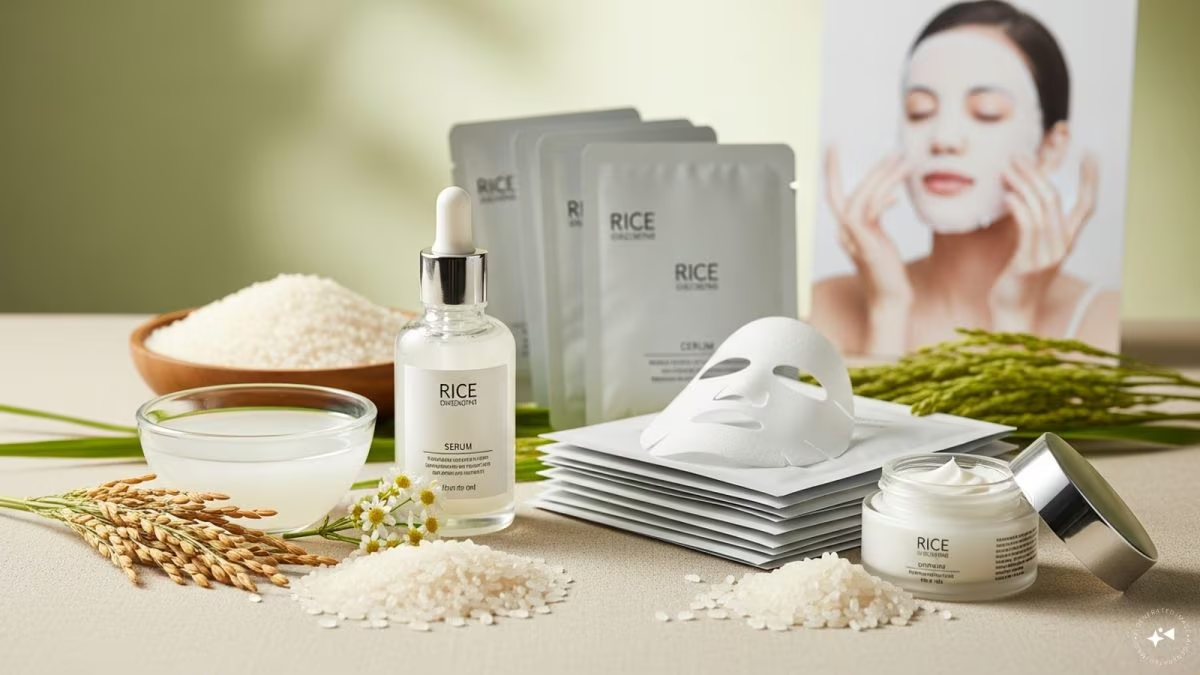
You don’t need a complete overhaul to add rice to your skincare routine; a simple rice water–based toner is a good starting point. (Representative image: AI-generated)
Rice has always been more than just a staple food across Asia. For centuries, it has been used for beauty and skin care purposes, long before the social media trend popularised its serum, sheet masks and other products.
Today, as the beauty world chases “glass skin” and gentle, effective ingredients, rice has re-emerged as an unlikely hero. What was once passed down through tradition is now being validated by modern science, turning an ancient beauty secret into one of skincare’s hottest trends.
The Story Of Rice In Beauty
Centuries ago in Japan, geishas relied on rice water to soothe their skin after long hours of wearing heavy makeup.
The practice was simple: rice was washed or soaked, and the milky water was saved and used on the skin and hair.
Over time, women noticed that their hands felt softer, their skin calmer, and their complexion clearer.
In Korea, rice bran and rice oil were similarly prized for their nourishing and brightening qualities, especially in royal households.
These rituals were not labelled as “skincare routines” back then; they were everyday practices rooted in observation and experience.
What Makes Rice Suitable For Skin Care
The renewed interest in rice is not driven by nostalgia alone. Scientists and dermatologists now understand that rice contains compounds that genuinely benefit the skin.
It is rich in antioxidants that help protect against environmental stress, while natural vitamins and amino acids support hydration and skin repair. Rice bran oil, in particular, is known for its ability to nourish dry skin and improve softness without clogging pores.
This combination makes rice especially appealing for people who want visible results without harsh activities. Instead of aggressively exfoliating or stripping the skin, rice-based ingredients work gently, supporting the skin’s natural functions over time.
From Homemade Rituals To Modern Formulations
The beauty industry’s rediscovery of rice did not begin in laboratories, but it began online. DIY rice water routines flooded social media, with users claiming brighter, calmer skin after just a few weeks.
While these homemade methods reflect traditional practices, they also come with risks. Improperly stored rice water can spoil quickly, and uncontrolled fermentation may irritate sensitive skin.
Skincare brands took inspiration from these rituals and refined them, producinga range of products from toners and serums, to sheet masks and moisturisers under controlled conditions of laboratories.
What Makes Rice Effective In Skincare
Dermatologists largely agree that rice-derived ingredients can be beneficial, particularly for hydration, mild brightening, and soothing sensitive skin.
Studies suggest that compounds found in rice help strengthen the skin barrier and reduce moisture loss, which is key to achieving that sought-after “glass skin” look.
However, experts are careful to manage expectations. Rice isn’t a miracle ingredient that can erase deep pigmentation, acne scars, or signs of ageing overnight. Instead, it works best as a supportive ingredient—one that enhances skin health gradually and complements stronger actives when needed.
What Makes Rice Popular In Skin Care
Rice in skincare isn’t just another fleeting beauty fad. It is likely to stay in the skincare industry because it is not a new invention, but a traditional practice that has been recalibrated in modern laboratories.
Its traditional roots, simple ingredient profile, and natural appeal make people more comfortable choosing it as part of their skincare routine.
In an era of complex chemical formulations, rice offers simplicity and comfort. It aligns perfectly with the minimalist skincare movement, where fewer products with gentle ingredients are preferred over aggressive routines.
Cultural curiosity plays a role, too. As Korean and Japanese beauty philosophies gain global attention, traditional ingredients like rice are being reintroduced to a wider audience. Add the influence of social media, where glowing skin routines go viral overnight, and rice’s comeback feels almost inevitable.
How You Can Add Rice To Your Routine
Rice-based products tend to suit a wide range of skin types, especially those dealing with dryness, sensitivity, or dullness. Because the ingredient is naturally gentle, it’s often recommended for people whose skin reacts poorly to strong actives.
That said, those with severe acne or stubborn pigmentation may need additional treatments alongside rice-infused products for visible results.
Incorporating rice into a skincare routine doesn’t require a complete overhaul. A rice-based toner can be a good starting point, followed by a moisturiser or serum that contains rice extract or rice bran oil.
Used consistently, these products help improve hydration and overall skin texture. As with any skincare routine, sunscreen remains essential, especially when using products aimed at brightening the skin.
Handpicked stories, in your inbox
A newsletter with the best of our journalism
submit
First Published:
January 31, 2026, 13:14 IST
News lifestyle From Geishas To Glass Skin: Why An Ancient Asian Ingredient Is Skincare’s Hottest TrendDisclaimer: Comments reflect users’ views, not News18’s. Please keep discussions respectful and constructive. Abusive, defamatory, or illegal comments will be removed. News18 may disable any comment at its discretion. By posting, you agree to our Terms of Use and Privacy Policy.
The Story Of Rice In Beauty
Centuries ago in Japan, geishas relied on rice water to soothe their skin after long hours of wearing heavy makeup.
The practice was simple: rice was washed or soaked, and the milky water was saved and used on the skin and hair.
Over time, women noticed that their hands felt softer, their skin calmer, and their complexion clearer.
In Korea, rice bran and rice oil were similarly prized for their nourishing and brightening qualities, especially in royal households.
These rituals were not labelled as “skincare routines” back then; they were everyday practices rooted in observation and experience.
What Makes Rice Suitable For Skin Care
The renewed interest in rice is not driven by nostalgia alone. Scientists and dermatologists now understand that rice contains compounds that genuinely benefit the skin.
It is rich in antioxidants that help protect against environmental stress, while natural vitamins and amino acids support hydration and skin repair. Rice bran oil, in particular, is known for its ability to nourish dry skin and improve softness without clogging pores.
This combination makes rice especially appealing for people who want visible results without harsh activities. Instead of aggressively exfoliating or stripping the skin, rice-based ingredients work gently, supporting the skin’s natural functions over time.
From Homemade Rituals To Modern Formulations
The beauty industry’s rediscovery of rice did not begin in laboratories, but it began online. DIY rice water routines flooded social media, with users claiming brighter, calmer skin after just a few weeks.
While these homemade methods reflect traditional practices, they also come with risks. Improperly stored rice water can spoil quickly, and uncontrolled fermentation may irritate sensitive skin.
Skincare brands took inspiration from these rituals and refined them, producinga range of products from toners and serums, to sheet masks and moisturisers under controlled conditions of laboratories.
What Makes Rice Effective In Skincare
Dermatologists largely agree that rice-derived ingredients can be beneficial, particularly for hydration, mild brightening, and soothing sensitive skin.
Studies suggest that compounds found in rice help strengthen the skin barrier and reduce moisture loss, which is key to achieving that sought-after “glass skin” look.
However, experts are careful to manage expectations. Rice isn’t a miracle ingredient that can erase deep pigmentation, acne scars, or signs of ageing overnight. Instead, it works best as a supportive ingredient—one that enhances skin health gradually and complements stronger actives when needed.
What Makes Rice Popular In Skin Care
Rice in skincare isn’t just another fleeting beauty fad. It is likely to stay in the skincare industry because it is not a new invention, but a traditional practice that has been recalibrated in modern laboratories.
Its traditional roots, simple ingredient profile, and natural appeal make people more comfortable choosing it as part of their skincare routine.
In an era of complex chemical formulations, rice offers simplicity and comfort. It aligns perfectly with the minimalist skincare movement, where fewer products with gentle ingredients are preferred over aggressive routines.
Cultural curiosity plays a role, too. As Korean and Japanese beauty philosophies gain global attention, traditional ingredients like rice are being reintroduced to a wider audience. Add the influence of social media, where glowing skin routines go viral overnight, and rice’s comeback feels almost inevitable.
How You Can Add Rice To Your Routine
Rice-based products tend to suit a wide range of skin types, especially those dealing with dryness, sensitivity, or dullness. Because the ingredient is naturally gentle, it’s often recommended for people whose skin reacts poorly to strong actives.
That said, those with severe acne or stubborn pigmentation may need additional treatments alongside rice-infused products for visible results.
Incorporating rice into a skincare routine doesn’t require a complete overhaul. A rice-based toner can be a good starting point, followed by a moisturiser or serum that contains rice extract or rice bran oil.
Used consistently, these products help improve hydration and overall skin texture. As with any skincare routine, sunscreen remains essential, especially when using products aimed at brightening the skin.
Stay Ahead, Read Faster
Scan the QR code to download the News18 app and enjoy a seamless news experience anytime, anywhere.
login