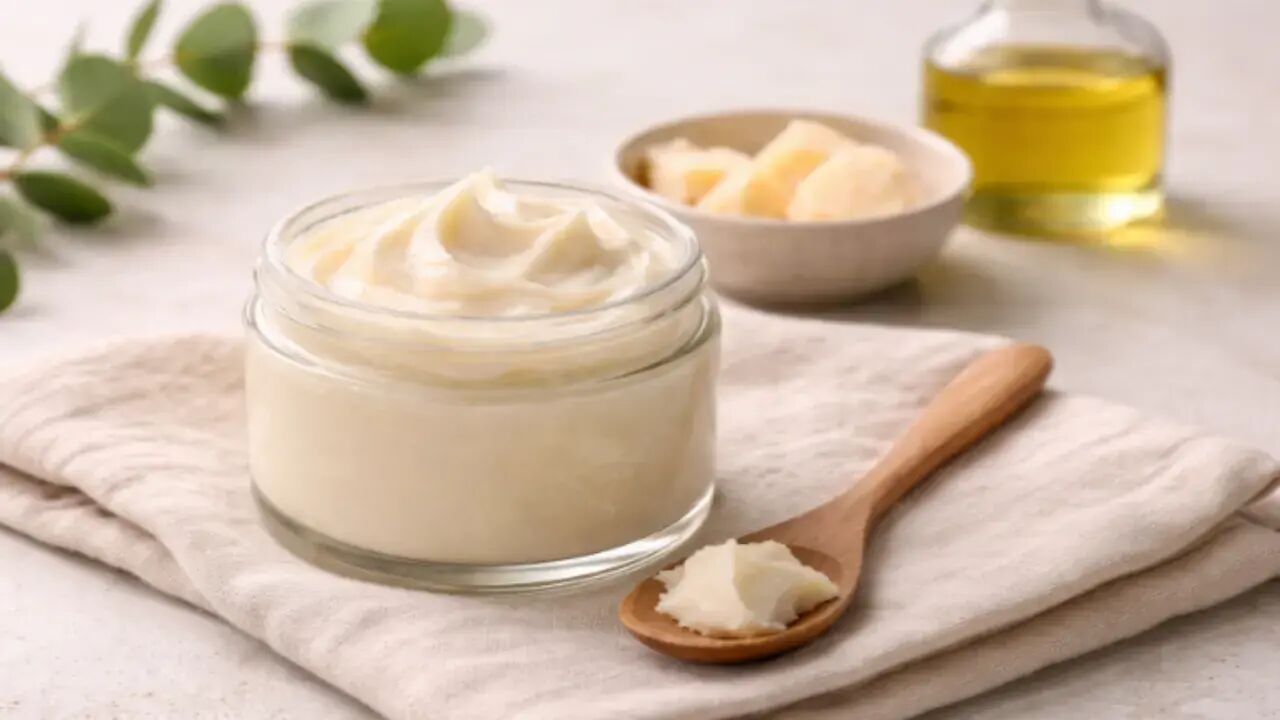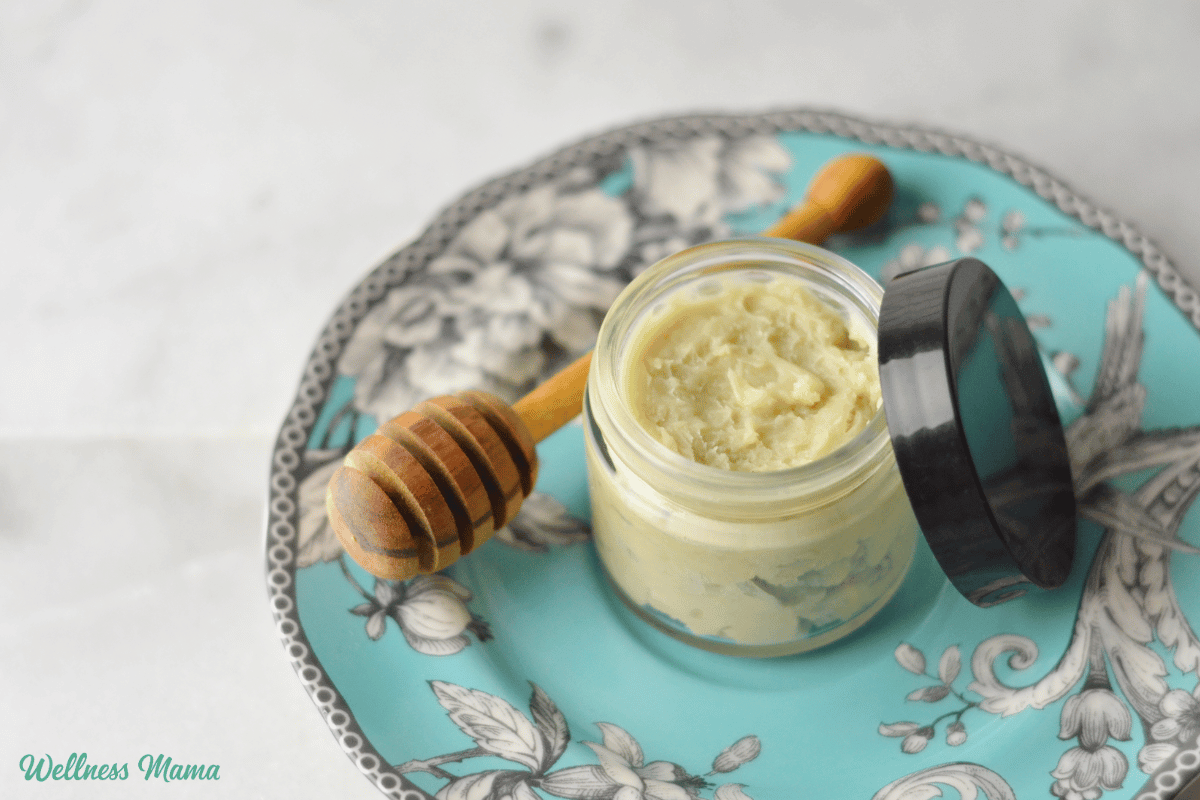
honey tallow balm

Clarifying Honey Tallow Balm

I’ve been researching and using tallow more in recent years, and it turns out so have many of you. My whipped tallow balm is a fan favorite because it feels so silky on skin. One of the questions I get asked most often though is how to add honey to the recipe. This honey tallow balm does just that. 

I’ve also added other ingredients that are great for clearing up skin and diminishing blemishes. 

When it comes to skincare, I’ve found that sometimes the simplest ingredients are the most effective. While there are countless products designed to target blemishes and support clearer skin, many of them can be harsh, drying, or filled with ingredients I’d rather not use. Traditional ingredients that have been used for generations though are worth reaching for. 

Honey Tallow Balm Ingredients

This honey tallow balm combines several skin-loving ingredients into one simple formula. It nourishes the skin barrier while also supporting a clearer complexion. Instead of stripping skin or trying to force it into compliance, this balm focuses on giving skin what it needs. Tallow honey balm not only moisturizes, but gives skin beneficial compounds so it can function as designed. 

Tallow

One of the star ingredients in this balm is grass-fed beef tallow. Tallow has a unique fatty acid profile that closely resembles the natural oils in our skin. This means it sinks right into skin and helps restore our natural moisture barrier. 

Raw Honey

Another favorite ingredient that has a long history in natural skincare. Honey is rich in beneficial compounds that keep skin looking healthy and smooth. It also acts as a humectant, attracting and retaining moisture. This is especially helpful for skin that feels irritated, dry, or out of balance. I also love raw honey for acne and blemishes since it’s naturally antimicrobial. 

Beeswax

Beeswax helps to thicken the balm and creates a breathable protective layer on the skin. Some creams use petroleum jelly as an occlusive to trap moisture. These don’t feed skin though and can feel heavy or greasy. Rather than sealing the skin completely, beeswax helps lock in moisture while still allowing the skin to breathe.

Tamanu Oil

In my classic tallow balm recipe I use olive oil as the carrier oil. It’s full of healthy fats and anti-inflammatory Omega-3s. In this version though I opted for tamanu oil.

Skincare experts note how tamanu helps support skin healing and recovery. It’s often used in products for improving the appearance of blemished and damaged skin. Research shows it can help reduce redness and inflammation while improving marks left from acne damage. It’s one of my favorite oils to use in skincare for damaged or blemish-prone skin.

Essential Oils

These are optional, but really helpful to add more skin benefits. Plus they can add a nice scent. I like using tea tree essential oil for blemish or acne prone skin. It’s an effective but gentle anti-fungal and is well known for it’s skin cleansing properties. 

Sweet or wild orange is another favorite. It has a bright, uplifting scent and can also help improve skin’s appearance. Lavender, geranium, frankincense, and cedarwood are also great skin-friendly options. 

Benefits of Honey Tallow Balm

Anything that can address several skincare concerns at once is a win in my book. Instead of focusing solely on blemishes, honey tallow balm supports overall skin health.

Many people unknowingly damage their skin barrier through over-cleansing, harsh treatments, or excessive exfoliation. When the skin barrier becomes compromised, it can sometimes lead to more irritation, dryness, and breakouts. Ingredients like tallow, honey, and tamanu oil help nourish and support the skin while maintaining moisture balance.

This balm can help soothe redness, boost healing from blemishes, and keep skin feeling soft and moisturized. Because it contains nutrient-rich fats, it’s also useful for skin that feels rough, dry, or irritated. Overall, honey tallow balm helps the skin to balance out.

How to Use Honey Tallow Balm

A little goes a long way with this balm. I like to apply a small amount to clean skin and rub a thin layer over my face. If you’re using it as part of your skincare routine, then do it after cleansing and toning. Your body heat softens the balm so it easily glides over skin. 

I use this on my face to moisturize or other areas that need a little extra love. You can also use it as a spot treatment for blemishes and red skin. If your skin feels greasy or looks oily afterwards, then you used too much! 

How To Render Tallow and FAQ

I explain how to render tallow so you don’t smell like a walking hamburger here. I also cover a lot of tallow balm making questions and tips in that post. Be sure to check it out for more info.

Honey Tallow Balm

This simple honey tallow balm uses clean ingredients for a nourishing and hydrating lotion. Helps skin feel smoother and reduces blemishes.

Prep Time3 minutes

Active Time13 minutes

Cooling Time15 minutes

Total Time31 minutes

Yield: 5 ounces

Author: Katie Wells

  • Add tallow and beeswax to the top of a double boiler and melt over low heat.

  • Once it’s completely liquid add the tamanu or other carrier oil, essential oils, and honey and stir.

  • Pour the tallow balm into a mixing bowl and let it cool in the fridge until it’s hardened some, but not rock hard.

  • Use a mixer to cream the tallow balm until it’s smoothed and whipped looking.

  • Transfer the tallow balm into glass jars to store.

  • Store the honey tallow balm in a cool, dry place.
  • The honey may want to separate as the product cools. Stirring as it cools and mixing well helps prevent this. 

A Simple Approach to Skincare

Healthy skincare often comes down to the simple things and clean ingredients. Supporting the skin barrier and using quality ingredients goes a long way toward helping skin look and feel its best.

This honey tallow balm is one of those simple recipes that combines traditional ingredients with modern skincare insights. It’s easy to make, uses just a handful of ingredients, and can be a great addition to a natural skincare routine for anyone looking to support clearer, healthier-looking skin.

It’s clean, easy, and has earned a permanent spot on my countertop. 

Have you used tallow before? Leave a comment and share below!
Tags: , , ,
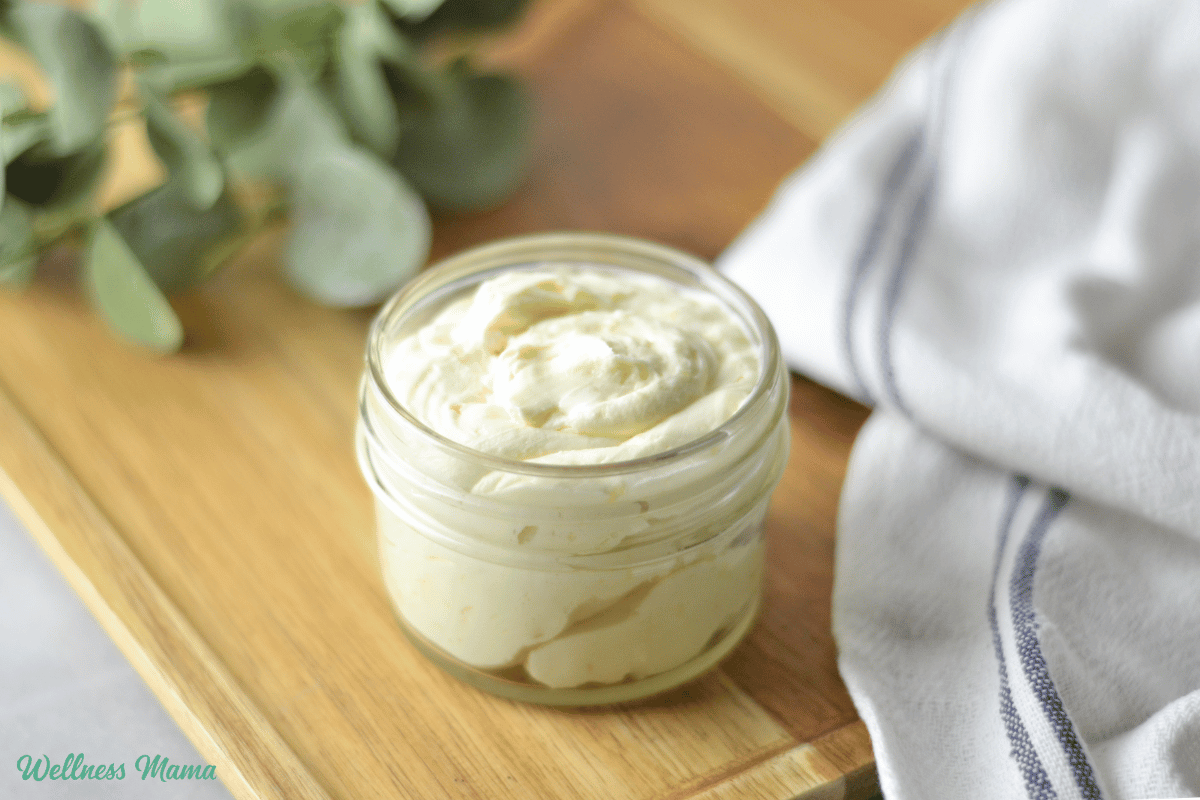
tallow balm 2

How to Make Tallow Balm

Years ago I discovered the skin health benefits of tallow. While these DIY tallow lotion bars were a favorite, I wanted something with a softer consistency. The result is this nourishing whipped tallow balm, perfect for even sensitive skin. 

I love how it makes my skin feel so silky and soft. Plus it has natural ingredients I feel good about using with my kids too. I really saw a big difference in my son’s eczema scars after using tallow. Here’s why tallow balm is so great, how to use it, and how to make your own!

The Benefits of Tallow Balm

Unlike other moisturizers and lotions with plant oils, tallow balm is a unique creature. It all starts with animal fat (usually beef fat, but mutton works nicely too) that’s then rendered and purified. It’s similar to lard, which comes from pigs. 

The best fat to use for beef tallow comes from grass-fed suet or leaf fat. This leaf fat is what’s found around the kidneys. Tallow balm benefits the skin in so many ways. 

Since tallow comes from an animal source it nourishes and soaks into our skin beautifully. You can use it for lip balm, soap, moisturizers, and salves. As a balm, it helps with dry skin, eczema, and anti-aging. 

Many people use tallow balm for skin because it’s rich in naturally occurring fatty acids that closely resemble our skin’s own oils. It’s perfect for every age from babies on up. I used tallow balm for eczema on my son and it’s great for diaper rash too. 

Tallow Balm Ingredients

You could use just plain tallow on your skin, but it’s very firm and hard to spread. An easier way is to make tallow moisturizer made with a mix of tallow and liquid oils. This makes it much easier to apply and you get the best of both worlds. The result is a deeply nourishing beef tallow moisturizer that works well for both face and body care.

Some recipes add shea butter, coconut oil, or jojoba oil. I like to keep things simple and mainly use extra virgin olive oil here. I’ve also added a little bit of rosehip seed oil. Since rosehip is astringent it helps the tallow soak in a little better, plus it has amazing skin restoring properties. This anti-aging rosehip facial moisturizer is a reader favorite!

You don’t even need beeswax to thicken this. You can also add some of your favorite essential oils, though it’s totally optional. Frankincense, chamomile, and lavender essential oils are some good ones to consider.

How to Make Tallow Balm

This recipe feels like a whipped body butter, or you can skip the whipping step and it feels more like a salve. Either way works, but I prefer the feel of the whipped version. If you’ve been searching for a simple tallow balm recipe, this one works beautifully because it’s customizable and gentle enough for sensitive skin.

Another question I often hear is how to make tallow balm less greasy. Adding lightweight oils like rosehip seed oil and whipping the finished balm both help create a lighter texture that absorbs more easily into the skin. Olive oil is a heavier oil, so you can replace it with a lighter one (like grapeseed) if you need something less moisturizing. 

Where to Get Tallow

Ok, so maybe I’ve sold you on how awesome tallow is for skin… but where do you get it? You might find high-quality grass-fed beef tallow from a local farmer in your area. If not, I also like to get my tallow online here.

Rendered tallow has an off-white color and may or may not have a beefy smell. Further purifying it helps to get rid of the tallow smell and yields a snow-white color.

How to Purify Tallow

If you’re using tallow for cooking (or even soap making) the smell isn’t strong enough to make a difference. For skincare products though you’ll want purified tallow. You can find a tutorial for how to render tallow here, but here’s how to purify it further.

  • Add 2 cups of rendered tallow, 5 cups of water, and 3 Tablespoons of salt to a crockpot. You can also double the amounts used if you have more tallow. 
  • Set it to low and let it simmer for about an hour.
  • Strain the hot liquid into a large bowl through a fine mesh sieve lined with paper towels or a very clean tea towel or t-shirt fabric.
  • Let the bowl cool in the fridge until firm.
  • Remove the block of hardened tallow from the top of the salt water and flip it over. On the underside, you may see some brown bits, scrape all of these off.
  • You can repeat this process once more if desired.
  • Allow the tallow to air dry at room temp so all of the water evaporates (otherwise it can mold).

Once your tallow is purified, you’re ready to make your own whipped tallow balm at home!

Whipped Tallow Balm Recipe

This silky tallow balm is great for dry skin and all sorts of skin irritations. Great for all ages!

Prep Time2 minutes

Active Time10 minutes

Cooling Time30 minutes

Total Time42 minutes

Yield: 6 ounces

Author: Katie Wells

  • Add tallow to the top of a double boiler and melt tallow over low heat.

  • Once it’s completely liquid add the olive oil and stir.

  • Remove from the heat and add essential oils and rosehip seed oil if using.

  • Pour the tallow balm into a glass jar and put it in the refrigerator to harden.

Whipped Tallow Balm

  • For a whipped tallow balm version, pour the balm into a mixing bowl instead before putting it in the fridge. You want it to solidify to the point it’s firm, but not really hard.

  • Whip the tallow balm with the whisk attachment on a stand mixer or a hand mixer. If it’s too hard to whip, then let it set at room temperature just until soft enough to whip.

  • Transfer to a glass jar for storage.

  • Shelf Life and Storage: Store your tallow balm at room temperature away from direct light and heat. It should last for several months if stored properly.
  • This recipe uses a 1% essential oil dilution ratio. If using for children ages 6 months to 3 years old, then reduce the essential oils down to 7 drops total (.25%) or omit.

Optional Herbal Infusion

You can include even more herbal skincare benefits in your tallow balm. Instead of using regular olive oil (or any liquid carrier oil) use herb infused oil instead. Calendula, lavender, chamomile, or plantain herb are some good options for skin. Here’s how to make an herb infused oil. I used some leftover dandelion infused oil for one batch.

Don’t feel like making it? Toups & Co Organics makes some great tallow balms my family loves.

Tallow Balm Recipe FAQ

1. My tallow balm is too hard/soft. 

Some tallow is harder than others, and some people like their tallow balm harder or softer. If you want a softer version, add a little more oil. If you want a harder version, then decrease the oil or add a little beeswax.

2. Can I use tallow balm for my face?

Yes! I do all the time. Whipped tallow balm on my face makes it feel silky smooth. 

3. My tallow smells like beef, can I use it? 

Yes, but purify it first. See the directions above. Mine still had a very slight beef smell after purifying, but it wasn’t strong.

4. I bought tallow from the store/farmer, do I still have to purify it? 

Yes, most likely, unless it’s already been purified several times and doesn’t have a strong beefy smell.

5. Can I use lamb or pig fat? 

Pig fat is lard and is too soft for this recipe (but makes great French fries!). Mutton tallow from lamb should work, but I haven’t tried it. 

Have you ever used tallow on your skin before? What’s your favorite way to use it? Leave a comment and let us know!

Tags: ,
Beef Tallow for Skin and Its Role in Natural Skincare

Beef Tallow for Skin and Its Role in Natural Skincare

Beef tallow has been used in traditional skin care for generations, long before modern cosmetic products became widely available. Today, many people are returning to this simple ingredient as part of a more mindful approach to skin health. Beef tallow for skin is valued for its ability to support moisture, protect the skin barrier, and fit easily into a simplified skincare routine.

Unlike many commercial moisturizers, beef tallow skincare relies on ingredients that closely resemble the skin’s natural oils. This similarity allows it to work with the skin rather than disrupting its balance.

What Is Beef Tallow and Why Is It Used for Skin

Beef tallow is rendered fat obtained from cattle, usually from grass fed sources. When properly prepared, it becomes a smooth and stable fat that has been traditionally applied to protect and nourish the skin. One of the reasons beef tallow for skin is effective is because its fatty acid profile is similar to human sebum.

This compatibility helps the skin recognize and absorb it more easily. Instead of sitting heavily on the surface, tallow skin products tend to support the natural structure of the skin barrier, which is essential for maintaining hydration and comfort.

How Beef Tallow Moisturize and Protect the Skin Barrier

Healthy skin depends on a strong barrier to retain moisture and defend against environmental stress. Beef tallow moisturizes the skin by replenishing lost lipids rather than masking dryness with water based formulas. This can be especially beneficial for people dealing with tight, flaky, or irritated skin.

Because it is free from synthetic fillers, beef tallow skincare often feels more nourishing with less product. A small amount is usually enough to create a protective layer that helps prevent moisture loss throughout the day or night.

Nutrients Found in Beef Tallow Skincare

Beef tallow naturally contains fat soluble vitamins such as A, D, E, and K. These nutrients play a role in maintaining the appearance and resilience of the skin. While beef tallow for skin should not be viewed as a medical treatment, these naturally occurring components support the skin’s normal renewal process.

This nutrient content is one reason many people prefer tallow skin products over heavily processed creams that rely on synthetic additives.

Beef Tallow in a Simple Skincare Routine

Incorporating beef tallow into a skincare routine does not require multiple steps. It is most effective when applied to clean, slightly damp skin. Warming a small amount between the hands allows it to spread evenly and absorb more comfortably.

Beef tallow skincare works well as a final step to seal in moisture, especially during colder months or in dry climates. Its versatility also makes it suitable for use on the face, hands, lips, and other dry areas.

Beef Tallow vs Conventional Natural Skincare Products

Many natural skincare products still rely on long ingredient lists and preservatives to maintain shelf life. Beef tallow stands apart because of its natural stability and minimal processing. This simplicity can be appealing to people who experience irritation from fragrances or synthetic compounds.

Compared to conventional lotions, beef tallow moisturize without relying on emulsifiers or artificial thickeners. This makes it a practical option for those seeking fewer ingredients and more transparency in their skincare choices.

Who Can Benefit Most From Tallow Skin Products

Beef tallow for skin is particularly suited for individuals with dry, sensitive, or compromised skin barriers. People who struggle with seasonal dryness or environmental stress often find relief when switching to simpler formulations.

Those interested in learning more about responsibly made beef tallow skincare can explore options from trusted sources that emphasize traditional preparation methods and ingredient quality.

Things to Consider Before Using Beef Tallow

While beef tallow moisturize effectively for many skin types, it may not suit everyone in the same way. Individuals with very oily skin should start with small amounts and observe how their skin responds. Patch testing is always recommended before applying any new product to the face.

Using beef tallow as part of a balanced skincare routine allows the skin to adjust gradually without overwhelming it.

Why Beef Tallow Fits Into the Natural Skincare Movement

The growing interest in natural skincare products reflects a shift toward simplicity and sustainability. Beef tallow uses an existing byproduct and transforms it into a functional and nourishing skincare ingredient. This aligns with a more mindful approach to consumption and skin care.

Final Thoughts on Beef Tallow Skincare

Beef tallow is not a trend driven solution, but a time tested ingredient that continues to earn trust through its simplicity and effectiveness. By supporting the skin barrier, providing lasting moisture, and reducing unnecessary ingredients, beef tallow skincare offers a practical alternative for those looking to simplify their routine.

When used thoughtfully and sourced responsibly, beef tallow can become a reliable part of everyday skin care without complexity or exaggeration.

Tags: , , , , ,
Best oLive
Privacy Overview

This website uses cookies so that we can provide you with the best user experience possible. Cookie information is stored in your browser and performs functions such as recognising you when you return to our website and helping our team to understand which sections of the website you find most interesting and useful.