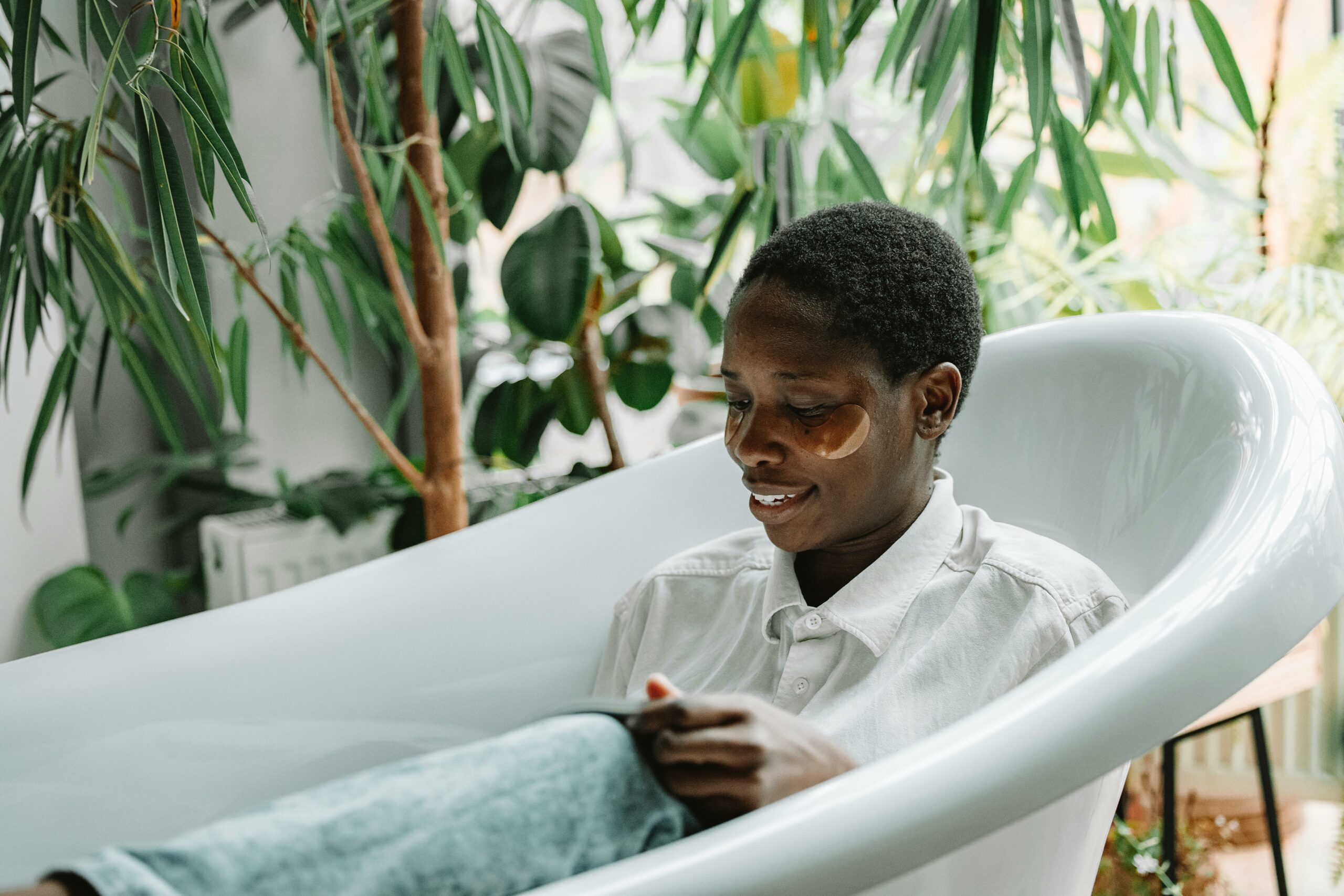
Africa Month Hair Inspo: Protective hairstyles we're loving right now

5 Ancient African beauty rituals that inspire modern skincare

Long before skincare routines introduced serums, toners and trending ingredients, beauty across the African continent was rooted in ritual, heritage and the natural world. For generations, communities have relied on plant-based remedies, mineral clays and deeply symbolic practices to care for the face and body while also connecting with culture, healing and identity.

Across South Africa and many other African countries, these traditions were passed down through families. Mothers, grandmothers and traditional healers understood the powerful relationship between the land and the body. Today, as the global beauty industry embraces “clean” ingredients and holistic wellness, many of these ancestral practices are being rediscovered and reinterpreted.

Here are some of the most fascinating African beauty rituals and ingredients that continue to inspire modern skincare today.

Ichopho (pumice stone)

Ichopho, also known as a pumice stone, was and still is used in many South African households as part of everyday skincare and bathing rituals. Formed from volcanic rock, its porous texture makes it ideal for gently exfoliating the skin. Historically, ichopho was used to remove dead skin cells and smooth rough areas such as heels and elbows.

Long before body scrubs and exfoliating tools became popular, pumice stones were already a trusted method for maintaining soft, healthy skin. Today, the pumice stone remains a staple in pedicure treatments and spa routines around the world. In many ways, this stone represents one of the earliest forms of physical exfoliation, proving that effective skincare doesn’t always require complicated formulas.

Ukugquma (steaming)

Ukugquma, also known as steaming, is a traditional cleansing ritual that involves steaming the body with medicinal herbs. In many Southern African cultural contexts, the process involves sitting or kneeling over a container of hot herbal water while the body is covered with a blanket to trap the steam. The heat encourages sweating and helps open the pores while the herbal vapours promote relaxation and cleansing. Indigenous plants are often used to support wellbeing.

Beyond its physical effects, ukugquma also carries spiritual and cultural meaning. In traditional healing practices, steaming rituals are sometimes used for purification and restoring balance. Today, spa steam rooms and facial steaming treatments mirror the same principle: warm steam can cleanse the skin, boost circulation and promote renewal. What makes ukugquma unique, however, is that it represents a deeply rooted cultural practice where skincare, wellness and spiritual care are intertwined.

@unapologetically_gifted What is Ukugquma/ Steaming? #UnapologeticallyGifted #mtanedlozi #africanspirituality #lessontime ♬ iDlozi – Kweyama Brothers & Mpura

Ibomvu (red ochre)

Ibomvu, also known as red ochre, has long held cultural significance in African beauty and adornment. Traditionally mixed with water, oils or animal fat, the earthy pigment was applied to the skin and hair to create a rich red hue. The practice is perhaps most famously associated with the women of the Himba people of northern Namibia, who use a mixture of red ochre and butterfat, known as otjize, to coat their skin and hair.

Beyond aesthetics, ibomvu offered practical benefits. The mineral mixture helped protect the skin from sun exposure while the oils helped prevent dryness. More importantly, the pigment carried deep cultural symbolism. In many communities it represented identity, status and rites of passage. Today, mineral-based beauty products, like clay masks and tinted balms, reflect a growing appreciation for earth-derived ingredients that African traditions have used for centuries.

Ibomvu (Red Ochre). Image: Unsplash

Charcoal teeth whitening

Long before charcoal toothpaste became a global beauty trend, charcoal was already used in many African communities as a natural way to clean teeth. Finely ground charcoal was applied to the teeth to help remove stains and polish the enamel. Its slightly abrasive texture made it effective for lifting surface discolouration while leaving the mouth feeling clean.

Now, activated charcoal has become a popular ingredient in modern oral care products marketed for whitening and detoxifying the mouth. What is often presented as a cutting-edge innovation is, in reality, a rediscovery of a centuries old practice.

@gumbimpume Our ancestors understood the importance of dental hygiene long before modern toothpaste! From rinsing with water after meals to using natural tools like amalahle (charcoal) and Isixubho (chew sticks), they kept their smiles bright and healthy. It’s a reminder to take care of ourselves with what nature offers. #DentalHygiene #NaturalCare #ZuluWisdom #OralHealth #AncientPractices #HealthySmiles #SelfCare ♬ original sound – MpumeSkincare|Eczema|Locs🇿🇦

Umhluzi (broth)

Umhluzi is a nourishing broth or soup often prepared with herbs, vegetables or meat, reflecting a holistic approach to wellness that recognises the connection between nourishment and healthy skin. While it is not a skincare product in the traditional sense, its role highlights a key principle: glowing skin often starts from within. Modern wellness culture has embraced similar ideas through collagen broths and nutrient-rich soups and drinks designed to support skin, hair and overall vitality.

@lindiswamgaguli Let’s make bobe broth it is my morning rituals, you drink on empty stomach. Here are some of the benefits: • Supports fat loss • Boosts metabolism • Improves gut health • Reduces bloating • Strengthens joints& ligaments • Supports muscle recovery • Helps skin tightening & glow • Rich in collagen & minerals • Helps balance blood sugar • Natural source of electrolytes #bonebroth #broth ♬ original sound – MaMvelase❤️🤭❤️‍🔥

Tags: , , , , , ,
Ultimate South African Self-Care Guide

Ultimate South African Self-Care Guide

Life in South Africa can be a beautiful whirlwind. From the bustling streets of Johannesburg to the calm seaside towns of the Western Cape, our days are filled with work, family, and the constant buzz of modern life. But amid all this energy, taking care of yourself — truly caring for your mind, body, and soul, often gets pushed to the bottom of the list.

Self-care isn’t just bubble baths and scented candles (though we love those too). In South Africa, self-care is about blending modern wellness habits with local traditions and nature’s healing power. Here’s your ultimate guide to self-care, South African style.

1. Understanding Self-Care in South Africa

Self-care is personal. It’s the daily choices that help you feel centred, healthy, and happy. In South Africa, it also has a cultural dimension — drawing from traditions, nature, and community. Think sipping a calming Rooibos tea while listening to a live mbaqanga performance, or taking a weekend hike up Table Mountain to reconnect with yourself.

Local wellness practices, like herbal remedies (umhlonyane for stress relief) or visiting traditional healers (sangomas), can be incorporated alongside modern routines like yoga, meditation, or journaling.

2. Daily Self-Care Habits That Work

Self-care doesn’t have to take hours. Even small, intentional habits can make a big difference:

Morning Rituals:
Start your day with a calming routine. Brew a cup of Rooibos tea from the Cederberg region, practise mindfulness for five minutes, or jot down a gratitude list. If you’re in Cape Town, a sunrise walk along Sea Point promenade is pure magic.

Physical Wellness:
Exercise is a cornerstone of self-care. Whether it’s cycling in Johannesburg’s parks, hiking the Drakensberg, or surfing in Durban, moving your body in nature is restorative. Even a brisk walk around your neighbourhood can help reset your mind.

Mindful Eating:
Eat local, seasonal foods. Fresh fruits from a nearby farmers’ market, a wholesome bobotie for lunch, or a smoothie with indigenous ingredients like baobab powder can nourish both body and soul. Remember, self-care is also about enjoying your food without guilt.

3. Weekend Wellness Rituals

Weekends are prime time to recharge fully:

  • Spa Days: Treat yourself at a Cape Town spa or a boutique retreat in Stellenbosch. Hot stone massages or traditional treatments can work wonders for stress relief.
  • Nature Retreats: Head to the Drakensberg or the Lowveld for a weekend digital detox. Hiking, meditating, or simply listening to the wind through the trees reconnects you with yourself.
  • Cultural Self-Care: Engage with your community. Attend a local music festival, art workshop, or storytelling circle. Celebrating local culture is a joyful way to nourish your spirit.

4. Mental Health and Community

Self-care isn’t just about what you do alone; it’s about the people and support around you. South Africa has a growing wellness and mental health scene. Apps like Mindful Gnani or local therapists provide guidance if you’re feeling overwhelmed.

Balancing work, family, and social life is key. Don’t hesitate to say no when needed, and prioritise “you time” guilt-free. Even a 10-minute meditation before bed counts.

5. Quick Self-Care Tips for Urban Life

Life in cities like Johannesburg, Durban, or Pretoria can be hectic. Here are simple ways to weave self-care into your routine:

  • Take coffee breaks at local cafés like Father Coffee in Joburg or Truth Coffee in Cape Town.
  • Stretch during office hours or do a short guided yoga session online.
  • Explore nearby nature reserves for a weekend escape — think Walter Sisulu Botanical Gardens or Kloof Gorge.
  • Incorporate South African music into your day — whether it’s amapiano, kwaito, or jazz — for a quick mood boost.

Make Self-Care a South African Lifestyle

Self-care is more than a trend; it’s a lifestyle. The beauty of South Africa is that we have a unique mix of modern wellness resources and natural, cultural practices to draw from. Whether it’s a morning Rooibos ritual, a hike up Table Mountain, or a weekend spa retreat, the key is intentionality.

Start small. Choose one ritual today — a sunset walk at the V&A Waterfront, five minutes of meditation, or a calming herbal tea — and make it yours. With consistent self-care, your mind, body, and soul will thank you, South African style.

Also see: Lamiez Holworthy opens up about challenges of growing up in an Indian family

Be the first to know – Join our WhatsApp channel for content worth tapping into. Click here to join!

Tags: , , , ,
Why South African brands must put real sustainability above greenwashing

Why South African brands must put real sustainability above greenwashing

Ahead of Earth Day in April, Dr Stephan Helary, the founder of organic skincare brand Terres d’Afrique, presents a practical approach to sustainability for South African beauty and wellness brands.

Image supplied.

As sustainability becomes a central focus in the global beauty and wellness industry, so too has the rise of greenwashing, where brands overstate or misrepresent their environmental credentials.

For South African companies operating in an increasingly global marketplace, the challenge is to move beyond marketing claims and approach sustainability with transparency and accountability.

Honesty is the starting point.

Greenwashing is becoming more and more controlled in Europe because of strict regulations on what you can and cannot say or have on your packaging.

South African laws need to catch up, but enforcement is also important.

For brands, this means ensuring that sustainability claims are accurate and aligned with the realities of their production processes.

Language around eco-friendly or sustainable practices must be used carefully.

You can’t call yourself an eco-friendly or sustainable brand when you use plastic packaging or non-biodegradable ingredients.

Even if your plastic packaging is recycled plastic, it remains plastic with the problems that go with it in terms of the environment and public health.

Rather than striving for perfection, brands should focus on reducing their environmental footprint and being transparent about their progress.

Why clean beauty brands must move beyond aesthetics and embrace true sustainability

  2 Mar 2026

No brand can be 100% recyclable, sustainable, or eco-friendly.

You inevitably leave a footprint, but you can do the best you can as a business, based on your capabilities and financial means, to minimise that footprint.

Education also plays an important role.

Brands have a responsibility to help consumers understand sustainability so they can make informed decisions.

As a brand, you also have the obligation to inform and educate your customers so they can make an informed choice.

The future of sustainable beauty lies not in bold claims but in measurable action.

Businesses are bound to leave a footprint.

But that footprint can be minimised and even compensated for through regenerative practices.

The key is to always be transparent about what you are doing and what you are not.

Tags: , , , , , ,
African Beauty Is Taking Over Skincare Globally in 2025

African Beauty Is Taking Over Skincare Globally in 2025

‘African Beauty’ Is the Next Big Skincare Movement

*African beauty, often called “A-Beauty,” is changing the face of global skincare. It combines natural, time-tested ingredients with modern science. Inspired by African traditions, A-Beauty celebrates all skin tones, hair textures, and cultural expressions.

Much like K-Beauty (Korean) and J-Beauty (Japanese), A-Beauty focuses on ethical, plant-based skincare. It uses botanical ingredients such as shea butter, baobab oil, and moringa. These natural actives are now found in creams, serums, oils, and makeup products worldwide.

Global Brands and Retailers Are Embracing African Beauty

By late 2025, retailers like Sephora, Ulta, Goop, Space NK, and Amazon will be carrying African beauty brands. This reflects growing global demand for clean, ethical, and inclusive skincare solutions.

Social media is also pushing A-Beauty into the spotlight. On platforms like Instagram and X (formerly Twitter), influencers highlight natural hair, anti-bleaching movements, and traditional styles such as Bantu knots and Ankara-inspired makeup.

One viral quote summed it up: “African beauty is not a trend—it’s legacy.” — @hey_thoko

A beauty shelf featuring African beauty products from brands like S’Able Labs, Uncover, and Koba / via eurAI

African Beauty Market Growth Shows Massive Potential

The African beauty and personal care (BPC) industry is booming. In 2024, it reached $66 billion, driven by urbanization, a rising middle class, and a young, digital-savvy population, according to Service95.

By 2030, more than 900 million African consumers under 30 will shape the future of skincare. Sub-Saharan Africa’s beauty sector alone is expected to grow by $5 billion between 2021 and 2026.

Globally, the market for Africa-sourced moringa is forecasted to reach $25.1 billion by 2035, up from $9.7 billion in 2024. Clearly, African beauty is big business.

Key Ingredients Making African Beauty Stand Out

African botanicals are effective, sustainable, and rich in antioxidants. These ingredients are often sourced from women-led cooperatives across the continent.

  • Shea Butter and Black Castor Oil: Used for moisture and scalp care, especially in textured hair.
  • Baobab Seed Oil and Moringa: Known for anti-aging and anti-inflammatory benefits.
  • Safou, Qasil, and Kalahari Melon: Emerging in serums and cleansers to promote glow and hydration.

Modern A-Beauty brands are now using tech tools like AI skin analysis and 3D printing to create personalized formulas for melanated skin.

Dhowre Elba launched S’Able Labs with her actor husband, Idris Elba

S’Able Labs: A-Beauty Innovation From Sabrina and Idris Elba

In 2022, Sabrina Dhowre Elba and her husband, actor Idris Elba, launched S’Able Labs. The brand was born of a desire to create high-performance skincare products using African ingredients and modern science.

Their hero ingredients include moringa from Kenya, marula from Namibia, and prickly pear from Madagascar. These plant-based actives help calm inflammation, repair skin, and lock in hydration.

The brand’s top products include the Black Seed Toner, known for brightening and soothing the skin, and the Moringa Lip Salve, which reduces hyperpigmentation. In October 2025, they launched a tinted version, marking their first step into color cosmetics.

“Africa has the best antioxidants,” Sabrina told Vogue. “A lot of these ingredients I recognised from my childhood, growing up first-generation African.”

She added, “Where A-Beauty is so well placed is in taking [traditional ingredients] to another level. I want to see oat amino acids combined with kaolin clay, or black seed oil with vitamin C and ferulic acid.”

More African Brands Making Global Waves

Other standout brands include RandR Skincare, founded in Nigeria by Valerie Obaze. The company recently celebrated 15 years in business. It reimagined solid shea butter into a liquid format that’s easier to apply and looks more modern.

Koba Skincare, launched by Aïcha Bongo, uses safou fruit for skin-brightening. Uncover (Kenya) offers science-backed skincare for melanin-rich skin. West African brands like House of Tara and Amila Naturals focus on shade inclusivity and ethical sourcing.

African Beauty in the Media and Online

Influencers like Dimma Umeh and Enioluwa Adeoluwa are helping #ABeauty trend globally. Their content promotes natural skincare, cultural rituals, and body positivity.

At the same time, colorism and skin bleaching are being challenged openly. Many influencers now advocate for self-love and pride in African features.

Events like Barola Paris in December 2025 aim to connect African beauty founders with global investors and press. This growing exposure helps African brands scale beyond borders.

Why African Beauty Matters for the Future

African beauty isn’t just about products. It’s about culture, innovation, and empowerment. Brands like Nilotiqa remind customers that beauty doesn’t have to fit one mold.

“We are enough, as we are, naturally.” — Nilotiqa

With tech tools like AR try-ons and personalized skin matching, A-Beauty is redefining what inclusive beauty looks like. Experts estimate the category could surpass $100 billion if current growth continues.

Whether you’re a skincare enthusiast or simply looking for clean, ethical beauty, African beauty offers powerful ingredients, rich stories, and results that speak for themselves.

A group of African women in traditional clothing smiling and harvesting shea nuts and moringa leaves in a cooperative setting / via eurAI

(If You Like/Appreciate This EURweb Story, Please SHARE it!)

MORE NEWS ON EURWEB.COM: Donald Denies Diddy – Trump Says, ‘No Means No’ While Snuffing Sean Combs’ Pardon Request | VIDEO

We Publish Breaking News 24/7. Don’t Miss Out! Sign up for our Free daily newsletter HERE.

Tags: , , ,
Best oLive
Privacy Overview

This website uses cookies so that we can provide you with the best user experience possible. Cookie information is stored in your browser and performs functions such as recognising you when you return to our website and helping our team to understand which sections of the website you find most interesting and useful.