The rise of skin minimalism: Why less is becoming more in modern skincare |

The rise of skin minimalism: Why less is becoming more in modern skincare |

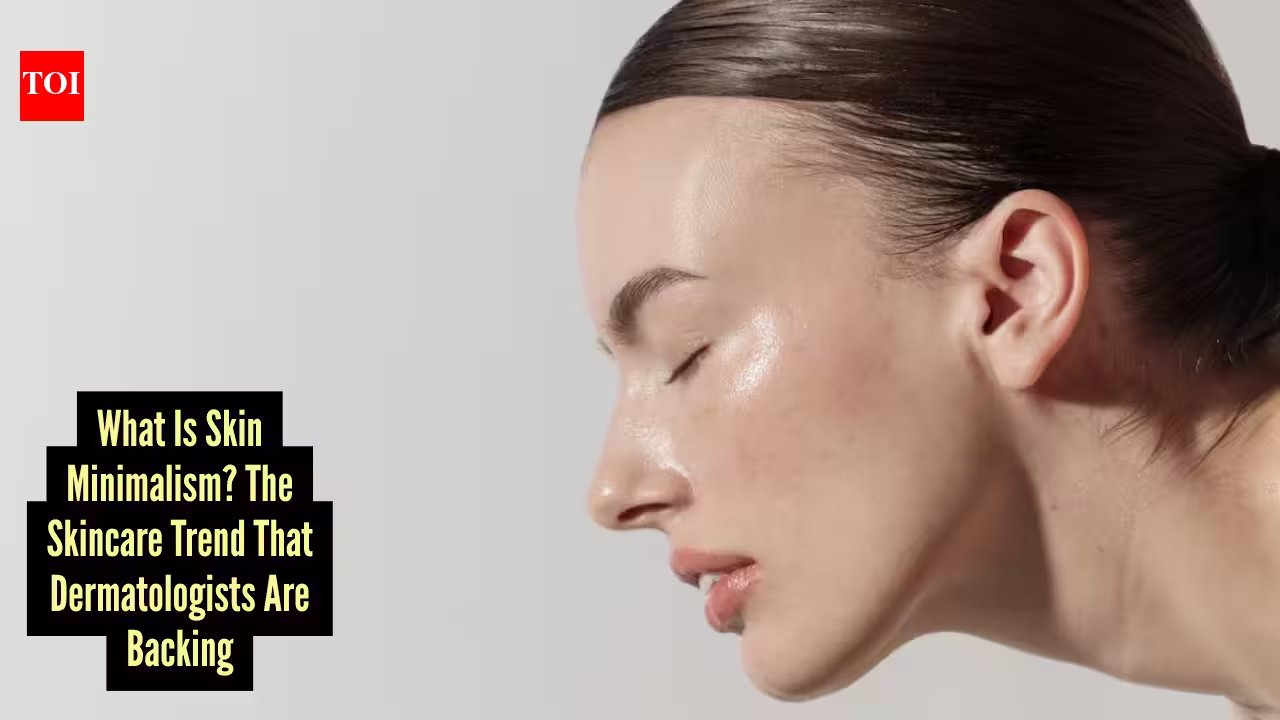
(Image Credits: Pinterest) For decades, skincare has meant an involved process of using many serums, toners, exfoliators, masks, and strong active ingredients. The concept of social media has only added to the perception that the more products you have, the better your results will be. But consumer trends have started moving toward a conscious method called skin minimalism. The central principle of minimalistic skincare is to rely on a smaller number of more efficacious products that can act together.The primary catalyst for such a trend lies in increasing concern about skin barrier conditions. Although active components have revolutionised the skincare industry, there is still a danger of over-layering, excessive exfoliation, and many strong formulations at once. As a result, skin barrier function gets undermined, and irritation, inflammation, and dryness occur.

(Image Credits: Pinterest)

Skin minimalism advocates a back-to-basics approach centred on consistency rather than complexity.Such a balanced routine would include a mild cleanser, a moisturiser, a broad-spectrum sunscreen, and treatment products based on one’s individual skin issues. The emphasis should be on comprehending one’s skin rather than following all the latest trends and fads. It is important to remember that minimalist skincare is not about forgetting about your skincare at all but about making thoughtful product choices.The importance of making knowledgeable choices cannot be underestimated when it comes to skincare.The future of skincare will be determined by scientifically substantiated products, a personal approach to treatment, and skin barrier integrity preservation. Dermatology slowly progresses from unnecessary complexity to evidence-based practice. In essence, healthy skin does not come from having too many products but from having the correct ones used properly.

(Image Credits: Pinterest)

For better understanding of this topic, we approached Dr Rinky Kapoor, Director & Co-Founder of The Esthetic Clinics, who explained, “As skincare evolves further, the new role of dermatology clinics will involve not just recommending products but creating skin health programmes for each patient. The custom combination of dermatologically formulated skincare products, laser treatments, skin tightening, and injectable treatments is allowing patients to enjoy improved results while still keeping their skincare regimen simple and efficient.”

Tags: , , , ,
Apple App Store

The rise of jojoba oil: Why it’s becoming more popular in skincare formulas

The rise of jojoba oil: Why it’s becoming more popular in skincare formulas

As consumers pay closer attention to what goes on their skin, jojoba oil has become one of the most trusted ingredients in modern skincare, valued for its versatility, compatibility with the skin, and ability to support hydration without heaviness.

Most shoppers today already carry a mental list of what they want on their skin and what they’d rather avoid. They’re checking labels with the same attention they give to food packaging, scanning for ingredients they recognize and skipping past anything they can’t pronounce.

Research shows interest in skincare topics has doubled over the past five years, and a growing part of that is people trimming their routines down to fewer products built around ingredients they understand and benefits they can see.

Dermatologist Dr. Emma Craythorne told Vogue that today’s shopper has gotten a lot more specific about what they expect. “Consumers are no longer satisfied with vague promises of glow and hydration,” she said. “They want to understand mechanisms, data and longevity.”

Jojoba oil has become one of the ingredients consumers keep coming back to, and as Ogee, a Vermont-based certified organic beauty brand, explores below, the reasons behind it go deeper than good marketing.

What Makes Jojoba Oil Unique

Despite being called an oil, jojoba is technically a liquid wax, and that puts it in a class of its own among plant-based ingredients. Most plant-based oils are made up of fats, but jojoba’s makeup closely mirrors the natural oils your skin already produces on its own.

Dermatologist Alok Vij of the Cleveland Clinic describes it as “very close in composition to your skin’s normal sebum, or the normal oil secreted by your skin.” Because of that natural compatibility, jojoba absorbs readily without leaving a heavy or greasy film behind, and that is what separates it from most other plant-based oils people are used to reaching for.

Why It Works Across Skin Types

Part of what makes jojoba oil so relevant to today’s skincare conversation is how consistently it holds up across different skin types. Part of what makes jojoba oil so relevant to today’s skincare conversation is how consistently it performs across different skin types. For people with dry skin, jojoba oil is valued for its ability to help reduce moisture loss and support the skin’s natural barrier without the heavy or greasy feel associated with some other oils.

Oily skin tends to respond well for a different reason entirely. Dr. Vij has noted that jojoba won’t overhydrate the skin or make it feel oilier, and because it doesn’t clog pores, it holds up well even for those who are acne-prone.

Board-certified dermatologist Dr. Rachel Nazarian also points to how well it tends to be tolerated by people with more sensitive or reactive skin, which is part of why it continues to get recommended across so many different skin profiles.

A Multi-Functional Skincare Staple

Skincare enthusiasts and experts tend to agree that jojoba oil rarely gets put to just one use. It shows up in moisturizers and facial oils, where its ability to attract and hold moisture makes it a reliable base. It also works well in cleansing oils and makeup removers, where its mix of fatty acids helps lift away oil-based buildup without leaving the skin feeling stripped.

Beyond the face, it finds its way into lip treatments, body oils, and hair care, which is part of why consumers cutting down their routines keep returning to it.

Dr. Joshua Zeichner, director of cosmetic and clinical research in dermatology at Mount Sinai Hospital, describes it as “an emollient oil commonly used in moisturizers and cleansing oils” with hydrating and skin-soothing benefits that hold up across a wide range of uses.

The Role of Jojoba in Modern Formulations

Beyond what consumers see on the shelf, jojoba oil has become a go-to foundation for formulators building clean, plant-based products.

Its natural stability and long shelf life make it a reliable base, which is part of why brands working within certified organic standards tend to look to it first. It also pairs naturally with other botanical ingredients, helping carry their benefits into the skin rather than leaving them on the surface.

Dermatologist Dr. Tiffany Libby of Brown Dermatology notes that oils like jojoba, because of how closely they mirror the skin’s own natural oils, can help support the skin’s lipid balance, making it a strong fit for formulas built around how skin actually behaves.

Clean Beauty and the Appeal of Simplicity

Keeping a clean, simple skincare routine has become less of a lifestyle choice and more of a standard expectation.

Consumers are pushing back on long, unrecognizable ingredient lists and gravitating toward products built around things they can actually understand. Nearly half of consumers now say they prioritize 100% pure and natural ingredients, and 45% specifically seek out non-toxic or clean formulations when shopping.

Jojoba oil checks both of those boxes in a pretty direct way. It’s a single, plant-based ingredient with a name people recognize, and it does enough on its own that consumers don’t feel the need to stack it with a dozen other products to see results.

Given that the FDA still does not regulate terms like “clean” or “natural” in beauty, a verifiable, recognizable ingredient carries more weight than any marketing label.

What This Means for the Future of Skincare

Nobody reaches for a skincare product thinking about its chemistry, but more people than ever are thinking carefully about what’s actually in it. Beauty has moved closer to wellness, and with that comes a level of personal investment that goes well beyond the bathroom shelf.

The global jojoba oil market is projected to reach $255.5 million by 2033, and the demand powering that growth is coming from people who are paying closer attention to their skin health than any generation before them.

Jojoba oil has earned that place because it delivers on what it promises, and for a consumer who now treats their skincare with the same care they give to everything else that touches their body, that kind of reliability is hard to walk away from.

This story was produced by Ogee and reviewed and distributed by Stacker.

Tags: , , , , ,
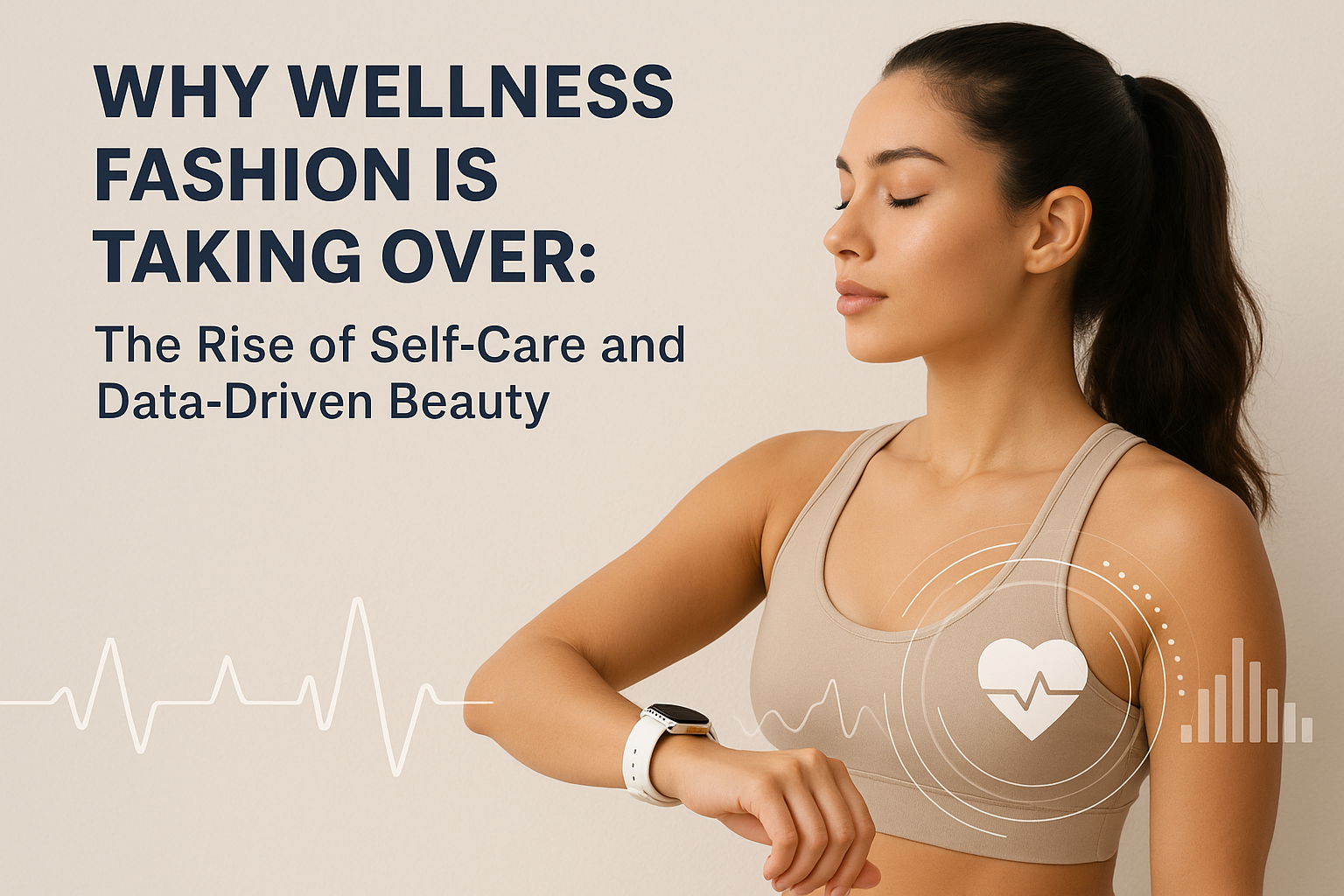
Why Wellness Fashion Is Taking Over: The Rise of Self-Care and Data-Driven Beauty

Why Wellness Fashion Is Taking Over: The Rise of Self-Care and Data-Driven Beauty

mental health and self-care practices.)

For instance, Paltrow’s Goop brand has long championed the idea that wellness is not just about physical health but also about aesthetics and lifestyle choices. By promoting products that intersect with wellness fashion, she has cultivated a devoted following eager to emulate her self-care routines. This trend highlights how powerful celebrity influence can be in shaping consumer behavior, particularly in the realm of wellness.

Consumer Trends and the Search for Visible Results

As consumers become more educated about wellness, their expectations have shifted. They seek products that deliver visible results, moving away from vague promises to concrete outcomes. This has led to a surge in demand for items that not only enhance appearance but also contribute to overall well-being.

For example, brands are now marketing products like collagen supplements and probiotics, emphasizing their dual benefits for beauty and health. This trend is indicative of a larger movement towards holistic wellness, where consumers understand that true beauty comes from within and that what they put in their bodies is just as important as what they apply on their skin.

The Future of Wellness Fashion

Looking ahead, the future of wellness fashion appears bright. The convergence of technology, beauty, and self-care will continue to evolve, driven by consumer demand for products that enhance both health and appearance. As more brands lean into this concept, we can expect to see innovations that blend functionality with aesthetics.

Moreover, as awareness of mental health issues grows, wellness fashion may increasingly incorporate elements that promote emotional well-being. Imagine a line of clothing designed not just for style but also for comfort and mindfulness—garments that encourage relaxation and self-reflection. This could be the next frontier in wellness fashion, appealing to those who wish to prioritize their mental health alongside their physical appearance.

How to Embrace Wellness Fashion

If you’re looking to integrate wellness fashion into your life, start by identifying products and practices that resonate with you. Here are a few actionable tips to help you get started:

  • Research and Experiment: Take the time to learn about different wellness products and their benefits. Don’t be afraid to try new things—what works for someone else might just be your next favorite.
  • Focus on Authenticity: Seek out brands that align with your values, particularly those that prioritize sustainability, transparency, and ethical practices.
  • Document Your Journey: Share your experiences on social media. Not only can this inspire others, but it can also create a sense of accountability for your wellness journey.
  • Mix It Up: Combine wellness products with your existing beauty routines. Find ways to integrate self-care rituals into your daily life, whether that’s through mindfulness exercises, skincare, or fitness.

The Psychology Behind Wellness Fashion

Understanding the psychology behind wellness fashion can provide deeper insights into why it has become such a powerful trend. Many consumers are moving toward wellness fashion as a means of self-expression and identity formation. In a society that often prioritizes external appearances, wellness fashion allows individuals to convey a sense of health, vitality, and conscientious living—qualities that are increasingly valued.

This trend can also be tied to the rise of individualism, where people seek to carve out their unique paths in wellness. The act of carefully curating wellness products becomes part of a larger narrative about who they are and what they stand for. This connection between product choice and identity can lead to strong brand loyalty, as consumers feel their purchases reflect their values and lifestyle choices.

Statistics that Matter

The wellness fashion market is on the rise, and statistics highlight this growing trend. According to a report by Grand View Research, the global wellness market was valued at approximately $4.9 trillion in 2020 and is expected to grow significantly in the coming years. The beauty segment, which includes wellness fashion, is projected to reach $716 billion by 2025.

Additionally, a survey conducted by McKinsey found that nearly 79% of consumers are willing to invest in wellness products, with the average person spending around $300 a month on items that promote their well-being. This shift in consumer behavior underscores the importance of wellness fashion as not just a fleeting trend but a long-term movement that reflects a changing societal focus toward health and self-care.

Related: You may also like

Examples of Wellness Fashion Brands

Several brands have successfully integrated wellness into their product offerings, showcasing the versatility of wellness fashion. Brands like Venture combine stylish activewear with technologically advanced fabrics that promote breathability and comfort during workouts. Tatcha, on the other hand, focuses on skincare that emphasizes natural ingredients and rituals rooted in Japanese traditions, appealing to the wellness and beauty ethos simultaneously. (See: CDC on health and wellness topics.)

Another example is Alala, which creates high-fashion activewear that seamlessly transitions from the gym to everyday life. Their designs are not only functional but also stylish, embodying the idea that wellness can look good while being effective. These brands exemplify the diverse landscape of wellness fashion, each finding unique ways to appeal to consumers’ desires for both aesthetics and functionality.

Frequently Asked Questions about Wellness Fashion

What is wellness fashion?

Wellness fashion refers to the integration of self-care, beauty, and health into lifestyle choices and product offerings. It encompasses a range of products aimed at enhancing both physical appearance and overall well-being.

How can I incorporate wellness fashion into my daily routine?

You can start by selecting products that align with your wellness goals, such as skincare items with natural ingredients, activewear that promotes comfort, or wellness tracking devices. Consider integrating self-care rituals like meditation or skincare routines into your daily life.

Why is social media important for wellness fashion?

Social media platforms serve as powerful tools for spreading awareness about wellness fashion trends. They allow users to share authentic experiences and testimonials, often driving organic engagement and interest in specific products or rituals.

Can wellness fashion be sustainable?

Yes, many wellness fashion brands prioritize sustainability by using eco-friendly materials, ethical sourcing, and transparent manufacturing practices. Consumers increasingly seek out brands that align with their values regarding environmental responsibility.

Is wellness fashion only about aesthetics?

No, wellness fashion is about more than just looking good. It emphasizes a holistic approach to health, focusing on the well-being of mind, body, and spirit through products that encourage self-care and healthy lifestyle choices.

Exploring the Connection Between Wellness Fashion and Mental Health

Wellness fashion isn’t solely about physical appearance; it also plays a crucial role in mental health. The practice of self-care and the selection of wellness-oriented products can significantly reduce stress and anxiety. Wearing clothing that feels comfortable and enhances well-being can improve mood and promote a positive self-image. For example, many brands are now creating athleisure that’s not only designed for workouts but also aims to elevate the wearer’s emotional state.

Research indicates that certain colors and fabrics can invoke feelings of calmness or joy. Brands like Outdoor Voices utilize colors that are known to be uplifting and energizing, while fabrics that are soft and stretchable provide comfort. This approach aligns with the philosophy that what you wear can impact how you feel.

Integrating Technology into Wellness Fashion

The integration of technology into wellness fashion is another area experiencing rapid growth. Wearable technology, such as smartwatches and fitness trackers, not only tracks health metrics but also aligns with fashion trends. Companies are now developing smart clothing that can monitor heart rates, body temperature, and stress levels, providing real-time feedback to users.

For instance, brands like Athos create fitness apparel with embedded sensors that provide data on muscle performance. This blend of technology and fashion allows consumers to optimize their workouts, enhancing both their physical and mental health. The combination of style and functionality makes this category of wellness fashion particularly appealing to tech-savvy consumers who value both aesthetics and data. (See: New York Times on wellness fashion.)

The Role of Community in Wellness Fashion

Another aspect that contributes to the success of wellness fashion is the sense of community it fosters. Engaging with like-minded individuals through social media or community events creates a supportive environment where people share their wellness journeys. Brands that emphasize community-building often see a loyal customer base that feels connected to the brand’s mission.

For example, Lululemon has built a strong community around its brand through local events, fitness classes, and online forums. This connection encourages individuals to engage with wellness fashion not just as consumers but as active participants in a larger wellness movement. The community aspect enhances the overall experience and promotes a sense of belonging, which is an essential element of wellness.

Wellness Fashion for Every Budget

One common misconception about wellness fashion is that it requires a hefty budget. In reality, there are options available for every price point. Many brands understand that accessibility is key to reaching a wider audience. High-end wellness fashion brands often create capsule collections or collaborate with mass-market retailers to offer more affordable options.

For example, collaborations like Target’s partnerships with wellness brands bring quality products to consumers at a fraction of the price. Consumers can find stylish activewear, skincare products, and wellness accessories that don’t break the bank. This democratization of wellness fashion allows everyone to participate in the trend, regardless of their financial situation.

The Cultural Impact of Wellness Fashion

As wellness fashion continues to evolve, it also reflects broader cultural shifts towards health and self-care. Societal norms are changing, as people prioritize mental and physical well-being over traditional beauty standards. This cultural shift influences how brands develop their products and market them to consumers.

For example, the rise of body positivity movements has led many brands to create inclusive sizes and styles, ensuring that wellness fashion is accessible to people of all shapes and sizes. This not only signals a change in the marketplace but also reflects a growing acceptance of diverse representations of wellness and beauty.

Conclusion

In a world increasingly dominated by data, social media, and a desire for authenticity, wellness fashion has emerged as a powerful force. Consumers are taking charge of their wellness journeys, armed with information and a plethora of products designed to enhance both beauty and health. As this trend continues to grow, it presents exciting opportunities for individuals to embrace self-care and self-optimization in their everyday lives. The convergence of technology, community, and cultural awareness will keep wellness fashion at the forefront of consumer choice, shaping not just what we wear but how we feel.

“`

Frequently Asked Questions

What is wellness fashion?

Wellness fashion is a trend that combines self-care and beauty products with a focus on health and empowerment. It emphasizes using data-driven insights to enhance personal wellness, incorporating items like red-light therapy masks that offer both aesthetic and health benefits.

How has beauty and wellness changed in recent years?

The lines between beauty and wellness have blurred, creating a new category that prioritizes both visual appeal and functionality. Consumers now seek products that not only enhance appearance but also promote health, driven by social media trends and endorsements from influencers.

Why is data important in wellness fashion?

Data plays a crucial role in wellness fashion by empowering consumers with information about their health. Wearable technology and health apps provide insights that allow individuals to customize their wellness routines, leading to more informed choices regarding beauty and self-care.

What role do influencers play in wellness fashion?

Influencers significantly impact wellness fashion by endorsing products that promise health and beauty benefits. Their reach on social media platforms fuels the popularity of these products, creating a cycle of interest and engagement that drives consumer behavior.

How does social media influence wellness trends?

Social media platforms like TikTok and Instagram play a pivotal role in shaping wellness trends by showcasing visually appealing products and user-generated before-and-after content. This engagement not only attracts attention but also creates a sense of FOMO, encouraging more consumers to participate in wellness fashion.

Agree or disagree? Drop a comment and tell us what you think.

Tags: , , , , ,
From Vanity Vans To Film Sets: The Rise Of Hydration-Focused Routines| Sakshe Agrawal Gupta, Founder at Eora Exclusive Interview With Filmibeat

From Vanity Vans To Film Sets: The Rise Of Hydration-Focused Routines| Sakshe Agrawal Gupta, Founder at Eora Exclusive Interview With Filmibeat

Step inside any modern vanity van or film set today, and you’ll notice a quiet but powerful shift in beauty routines; hydration has taken center stage. Skincare is no longer just about quick fixes or heavy coverage; it’s about creating a healthy, resilient base.

At the heart of this evolution are formulations built around snow mushroom, a powerful natural hydrator known for helping the skin retain moisture and stay balanced. It keeps the skin looking plump, smooth, and fresh, even under demanding conditions like long shooting hours and constant makeup application.

This shift hasn’t happened overnight. For years, makeup-heavy routines dominated on-screen appearances, often prioritizing flawless finishes over skin health. However, long hours under harsh lighting and repeated touch-ups began to take a visible toll.

In response, makeup artists started focusing more on skin prep, placing hydration at the center to ensure makeup looks better and skin feels healthier underneath.

Hydration-focused routines are now more intentional than ever. Before any makeup is applied, skin is prepped with lightweight layers that help maintain moisture throughout the day. Snow mushroom has become a preferred ingredient in this process because it delivers deep hydration without feeling heavy, making it ideal for use under makeup. It helps the skin stay soft, comfortable, and naturally radiant for longer hours.

Actors and influencers have also played a key role in shaping this trend. Behind-the-scenes content now highlights skincare routines more than makeup transformations. The focus has shifted toward achieving a hydrated, dewy base that enhances natural features rather than covering them. This has encouraged audiences to rethink their own routines and prioritize skin health.

“The rise of high-definition cameras has further reinforced the importance of hydration. With every detail now visible on screen, well-hydrated skin appears smoother and more luminous, while dryness becomes more noticeable. This makes hydration an essential step in achieving a polished, camera-ready look. Beyond film sets, this approach is influencing everyday beauty habits. People are simplifying their routines and choosing products that support hydration rather than layering multiple products. The idea is simple: when your skin is well-hydrated, it naturally looks and feels better,” Sakshe Agrawal Gupta, Founder at Eora, exclusively told Filmibeat Chief Copy Editor Abhishek Ranjit.

Ultimately, the rise of hydration-focused routines reflects a broader shift in beauty. It’s no longer about covering imperfections but about caring for the skin from within. Whether in a vanity van or at home, hydration, led by ingredients like snow mushroom, has become the foundation of modern skincare.

Tags: , , , , , , , , , , , , , ,
Princeton Medspa Partners ("PMP") Expands Its Portfolio with Acquisition of Allura Skin, Laser & Wellness Clinics

Personalized Skincare Routines See Rise in Demand at Laser by Aleya as Clients Seek Smarter, Simpler Solutions

Subject: PDT

GREAT NECK, N.Y., Jan. 28, 2026 /PRNewswire/ — With more clients seeking targeted, minimal-effort skincare strategies, Laser by Aleya has expanded its consultation focus to meet the rising interest in personalized skincare routines. The shift comes as both Gen Z and millennial clients prioritize tailored solutions that match their skin’s unique needs, rather than generic, multi-step regimens.

From ingredient compatibility to seasonal adjustments, Laser by Aleya’s approach goes beyond in-clinic treatment, helping clients optimize their at-home skincare with clarity and purpose.

“No two skin profiles are alike,” said Aleya Bamdad, Founder and CEO of Laser by Aleya. “This offering was created to take the guesswork out of skincare and give clients a reliable, expert-led plan that’s easy to maintain.”

A Smarter Way to Build a Routine

Each customized skincare consultation includes:

  • A professional skin assessment and lifestyle overview
  • Ingredient recommendations for core products like cleansers, serums, and moisturizers
  • Tips for avoiding product overload or over-exfoliation
  • Guidance on how to align skincare with laser or electrolysis treatments
  • Seasonal routine edits to support long-term skin stability

Clients receive product suggestions tailored to their goals, whether they’re managing acne, improving texture, or maintaining post-treatment results.

Industry Context

According to a 2023 McKinsey & Company report, over 70% of U.S. skincare buyers now prefer customized routines that reflect their skin’s specific needs. The trend toward intentional skincare is driven by consumers seeking not just results, but a more sustainable and informed approach to daily care.

Laser by Aleya’s expansion into skincare planning reflects this demand, offering expert-led support designed to simplify decision-making while maximizing outcomes.

About Laser by Aleya

Laser by Aleya is a leading provider of professional New York laser and electrolysis hair removal services in Great Neck. Committed to delivering safe, effective, and personalized treatments, Laser by Aleya uses advanced techniques to help clients achieve smooth, hair-free skin. Founded by Aleya Bamdad, a certified expert with 20 years of experience, Laser by Aleya focuses on client comfort, satisfaction, and results, setting the standard in quality hair removal services.

Contact Info

Aleya Bamdad
Founder & CEO
Email: [email protected]
Phone: (516) 551-8194

SOURCE Laser by Aleya

News published on 28 january 2026 at 17:00 and distributed by:

Tags: , , , , , , , , , , ,
Beauty Trends Of 2025: The Rise Of Mindful, Meaningful, And Mood-Led Beauty Beauty Trends Of 2025: The Rise Of Mindful, Meaningful, And Mood-Led Beauty

The Rise Of Mindful, Meaningful, And Mood-Led Beauty

(By Kimi Jain)

The beauty landscape in 2025 is undergoing a meaningful shift, driven by a deeper desire for mindful, elevated, and emotionally resonant self-care. Consumers are moving beyond surface-level routines and embracing trends that prioritise quiet luxury, mood-enhancing skincare, conscious formulations, and sensorial experiences. From vegan, clean ingredients to travel-friendly essentials and story-led fragrances, 2025 marks a year where beauty becomes more personal, purposeful, and aligned with overall wellbeing.

ALSO READ: Celebrity-Inspired Bridal Makeup Looks For The Modern Indian Bride

Quiet Luxury Drives Demand For Indulgent Experiences

Consumers today are seeking elevated self-care rituals that feel indulgent, sensorial, and meaningful. Quiet luxury is shaping the beauty landscape, with a growing preference for thoughtfully formulated products, refined textures, sophisticated fragrance profiles, and premium design. Beauty is no longer just functional it’s an experience that allows individuals to slow down, pause, and immerse themselves in everyday moments of luxury.

Mood-Led Skincare Becomes Central To Self-Care

Skincare in 2025 is as much about emotional wellbeing as it is about visible results. Mood-led formulations designed to help individuals unwind, uplift, or reset are becoming a key part of daily rituals. Products free from parabens, sulfates, silicones, and harsh chemicals are increasingly preferred, with a stronger focus on clean ingredients that support both skin health and emotional balance.

The Shift Toward Conscious And Vegan Formulations

Mindful beauty continues to rise as consumers prioritise vegan, clean, and sustainable choices. Plant-powered, cruelty-free, and responsibly sourced ingredients are at the heart of this shift. The modern consumer is choosing products that are gentle on the skin, safe for the environment, and aligned with a conscious lifestyle without compromising on luxury or performance.

Travel-Friendly Luxuries Take Center Stage

With travel becoming more frequent and fluid, compact and travel-friendly self-care has become essential. Curated travel kits, minimal routines, multi-tasking products, and premium reusable pouches allow consumers to maintain their rituals on the go. The emphasis is on convenience without sacrificing sensoriality, efficacy, or aesthetic appeal.

Story-Led Fragrances Become An Emotional Signature

Fragrance is evolving into a form of self-expression a mood, a memory, a moment captured in scent. Story-led perfumes inspired by emotions, places, and personal experiences are gaining traction. Consumers are drawn to olfactory narratives that comfort, energise, or transform their state of mind, making fragrance a deeply personal extension of self-care.

Kimi Jain is the Co-founder and Head of Brand Experience at Kimirica

Tags: , , , ,
From sea to skin: The rise of marine ingredients in today’s beauty rituals

From sea to skin: The rise of marine ingredients in today’s beauty rituals

Beneath the ocean’s surface lie some of the world’s most fascinating natural ingredients.

From algae and seaweed to mud rich in minerals, people have been using powerful botanicals from the sea for everything from healing ailments to transforming skin health.

Marine-derived skincare has roots that predate modern cosmetic science – the beneficial use of many types of seaweeds was reported and recorded in some of the first written medical texts, according to a paper featured on Springer, a German multinational publishing company that publishes peer-reviewed journals in science, humanities, technical and medical (STM).

The paper notes that archaeological remains show that coastal communities harvested seaweeds as far back as 14,000–12,000 BCE.

Across ancient Greece, Rome, East Asia and coastal cultures worldwide, marine plants and algae were used for baths, ointments, poultices and other remedies for skin problems, wounds, inflammation and overall wellness, according to a paper published on MDPI, a Swiss-based publisher of open-access academic journals and books.

The same report also suggests that coastal communities used seaweed, seawater, mineral-rich mud and sea salts as part of traditional skin care, healing treatments, and “thalassotherapy” – the therapeutic use of the sea.

For centuries, people have been using ocean botanicals to soothe ailments and enhance skin health. Photo: La MerToday, beauty brands continue to harness the powers of these ingredients, but running alongside this is a mission to restore ecosystems, empower coastal communities and ensure the ocean remains protected for generations to come.

Read more: Is bespoke the future of fragrance? Inside beauty’s new scent status symbol

Tapping into the ocean’s potential

Although numerous marine compounds are already being explored or incorporated into beauty formulations, only a fraction of their full potential has been tapped.

As cosmetic brands increasingly look to the sea for innovative actives, ongoing research remains essential to fully understand and validate their effects.

Elemis co-founder and global president Noella Gabriel reveals that a key marine ingredient used in their products is Padina pavonica, an algae found in the warm waters of the Mediterranean.

The brand studied Padina pavonica for years to unlock its skincare potential.

“This unique algae grows in shades of copper brown to olive green, waving gently in the ocean’s shallow waters, taking its energy from sunlight. Its leaves are coated in a fine slime, which might sound unappealing but provides potent skincare properties,” says Gabriel.

Undiscovered for thousands of years until it was found blanketing an old shipwreck, scientists noticed it had perfectly preserved the wood beneath.

Wondering how this was possible, the brand discovered that it is brimming with antioxidants to shield your skin against free radicals – harmful atoms that attack collagen and speed up premature ageing.

“The damage to skin cells from free radicals is known as oxidative stress, caused by sunlight, pollution and other toxins such as smoking and alcohol consumption, which gradually deteriorate your derma barrier. Water molecules start escaping, triggering excessive dryness and increasing the depth of facial creases,” explains Gabriel.

Founder of local brand Olumes Aerin Gabor grew up near the ocean, forming memories of her elders using a mix of botanicals and sea harvests to soothe the skin.

“During my own research years later, I discovered that the seaweed found in Semporna, Sabah, is remarkably rich in essential minerals and protective compounds compared to other regions,” says Gabor, who is a cosmetic chemist.

“That uniqueness pushed us to explore it further. We partnered closely with a local research centre to study, refine, and eventually develop our signature FCS Complex, a proprietary seaweed extract that captures the potency of Bornean marine biodiversity.”

What makes it so effective in skincare is its natural ability to support barrier repair, skin brightening, hydration and resilience, especially in tropical environments.

But to Gabor, it’s not just an ingredient.

“It’s a modern expression of the traditional practices I grew up with, backed by science and rooted in Borneo’s heritage.”

Beneath the ocean’s surface lie some of the world’s most fascinating natural ingredients. Photo: 123rfRead more: Skincare for kids? The beauty trend stirring debate among parents and experts

Trials and testing

Marine-derived collagens and proteins, extracted from fish skin, scales or other marine sources are used for improving skin elasticity, hydration and reducing wrinkles/fine lines.

To support skin repair and cell renewal, marine peptides and amino acids are often incorporated in formulations for anti-ageing or barrier-support benefits, according to a research paper on MDPI.com titled Cosmeceutical Significance Of Seaweed: A Focus On Carbohydrates And Peptides In Skin Applications.

Turning raw marine materials into high-performance skincare is a research-driven process, with every active going through rigorous scientific validation, in vitro testing in the lab and in vivo studies on actual skin.

“This allows us to understand not just what the ingredient contains, but how it behaves biologically and what real results it can deliver,” says Gabor.

Working with ocean-derived ingredients does come with unique challenges, as marine materials are incredibly potent but also sensitive to factors like water pollution and variations in growing conditions.

“Ensuring purity, consistency and safety requires strict traceability from farm to extraction, along with careful processing methods to preserve the bioactive compounds without degrading them.

“The breakthrough for us has been finding the right extraction techniques and stabilisation methods that protect the integrity of these delicate marine actives,” says Gabor, who adds that it’s a mix of traditional knowledge, modern science and a lot of patience. Doing no harm

While brands harvest ingredients from the ocean, many do so in the most sustainable way possible.

This matters not just as a conservation matter, but also due to demand – Forbes recently reported that 44% of 18 to 36 year-olds stated that sustainability and ethics-related considerations are very important when buying beauty and wellness products.

“We are working to create smarter formulations that help reduce our impact on the planet. By working with suppliers and supporting regenerative farming programmes, we will ensure full traceability of our raw materials, promote fair working conditions and improve our impact on land and water use,” says Gabriel.

The local seaweed biotechnology company leading sustainable seaweed farming in Semporna that Gabor works with focuses on regenerating ocean ecosystems, not exploiting them.

“Through their programmes, farmers are trained to adopt more sustainable farming methods, such as reducing single-use plastics and improving farm management practices,” says Gabor.

This partnership allows the brand to use marine resources responsibly while supporting both the health of the ocean and the livelihoods of the communities who depend on it.

“All our marine ingredients are sourced from farms, not wild-harvested seaweed, ensuring that natural reefs and habitats remain undisturbed. These farms operate without chemicals or fertilisers and actively help absorb carbon and nitrogen, contributing to cleaner and healthier ocean waters.

Partnering with marine communities and societies, for example La Mer’s Blue Heart initiative, is common for brands with a connection to the ocean.

Through awareness-raising programmes, partnerships with environmental advocates and charitable donations, initiatives like these help protect marine habitats for generations to come.

Gabriel notes that her brand’s partnership with the Marine Conservation Society in the United Kingdom doesn’t just help restore and regenerate life below and above water, it also aims at helping to develop awareness of the importance the seas have on our planet’s health.

“Our financial contributions will enable greater ocean protection and recovery, including a ban on damaging fishing in offshore Marine Protected Areas, by urging the UK Government to implement tougher protections,” says Gabriel.

Working with coastal communities in Borneo strengthens the people whose livelihoods depend on the ocean.

Apart from prioritising recyclable materials, intentionally avoiding unnecessary plastics and shifting more components toward glass and PCR (post- consumer recycled) materials, Olumes also contributes to ongoing coastal clean-up efforts and community-led conservation programmes in Sabah.

“These initiatives focus on reducing marine debris, raising environmental awareness and encouraging younger generations to care for their ocean heritage,” says Gabor.

She believes the industry is only scratching the surface of what marine-derived skincare can offer.

“As consumers become more aware of sustainability and the health of our oceans, they’re also becoming more selective. It’s no longer enough for an ingredient to be ‘natural’, people want to know where it comes from, how it’s grown and the impact it leaves behind,” she says.

“The next wave of marine skincare will be all about traceability, biotech innovation and truly regenerative practices. We’re already seeing advancements in sustainable seaweed farming and cleaner extraction technologies that protect the delicate bioactives while reducing environmental impact.”

Blue beauty has the potential to become the new standard in skincare innovation, but only if brands approach it responsibly.

It’s not about using ocean-inspired marketing – it’s about making real commitments to ethical sourcing, supporting coastal communities and protecting marine ecosystems.

Tags: , , , , , , ,
Best oLive
Privacy Overview

This website uses cookies so that we can provide you with the best user experience possible. Cookie information is stored in your browser and performs functions such as recognising you when you return to our website and helping our team to understand which sections of the website you find most interesting and useful.