


Sisters Turn a Mother’s Search for Gentle Skincare Into Growing Natural Brand Lotion Oil Comfort
And what began with her son ultimately became Lotion Oil Comfort.
Category:

And what began with her son ultimately became Lotion Oil Comfort.
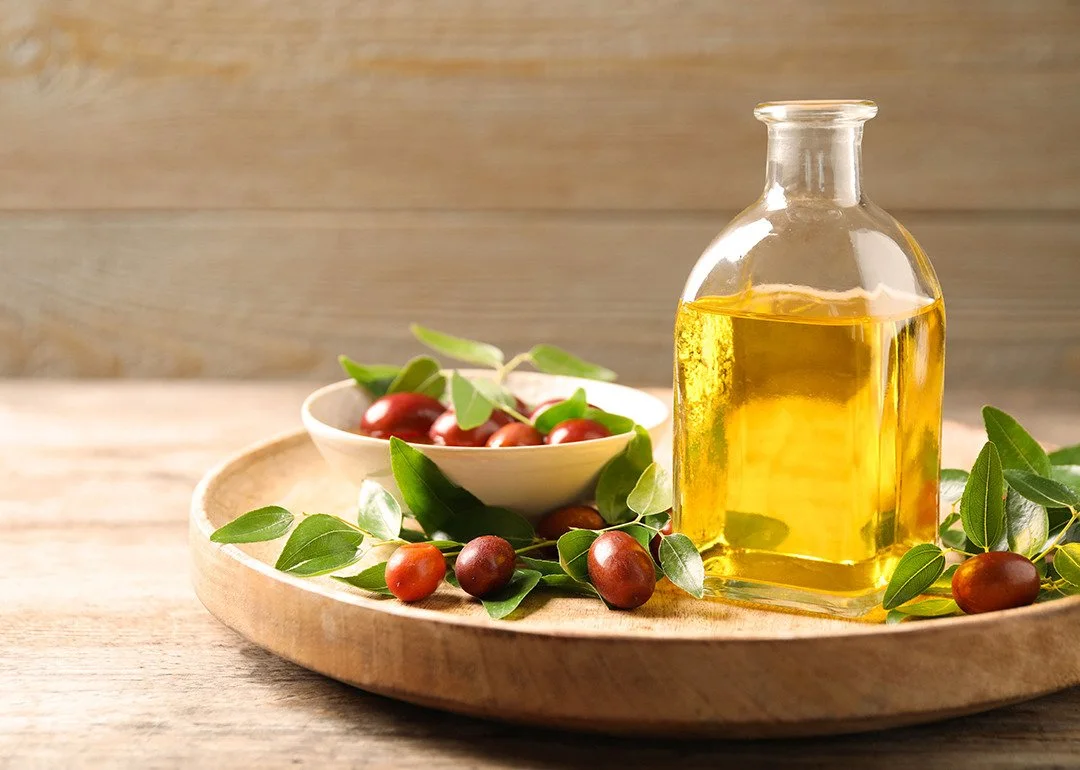
As consumers pay closer attention to what goes on their skin, jojoba oil has become one of the most trusted ingredients in modern skincare, valued for its versatility, compatibility with the skin, and ability to support hydration without heaviness.
Most shoppers today already carry a mental list of what they want on their skin and what they’d rather avoid. They’re checking labels with the same attention they give to food packaging, scanning for ingredients they recognize and skipping past anything they can’t pronounce.
Research shows interest in skincare topics has doubled over the past five years, and a growing part of that is people trimming their routines down to fewer products built around ingredients they understand and benefits they can see.
Dermatologist Dr. Emma Craythorne told Vogue that today’s shopper has gotten a lot more specific about what they expect. “Consumers are no longer satisfied with vague promises of glow and hydration,” she said. “They want to understand mechanisms, data and longevity.”
Jojoba oil has become one of the ingredients consumers keep coming back to, and as Ogee, a Vermont-based certified organic beauty brand, explores below, the reasons behind it go deeper than good marketing.
Despite being called an oil, jojoba is technically a liquid wax, and that puts it in a class of its own among plant-based ingredients. Most plant-based oils are made up of fats, but jojoba’s makeup closely mirrors the natural oils your skin already produces on its own.
Dermatologist Alok Vij of the Cleveland Clinic describes it as “very close in composition to your skin’s normal sebum, or the normal oil secreted by your skin.” Because of that natural compatibility, jojoba absorbs readily without leaving a heavy or greasy film behind, and that is what separates it from most other plant-based oils people are used to reaching for.
Part of what makes jojoba oil so relevant to today’s skincare conversation is how consistently it holds up across different skin types. Part of what makes jojoba oil so relevant to today’s skincare conversation is how consistently it performs across different skin types. For people with dry skin, jojoba oil is valued for its ability to help reduce moisture loss and support the skin’s natural barrier without the heavy or greasy feel associated with some other oils.
Oily skin tends to respond well for a different reason entirely. Dr. Vij has noted that jojoba won’t overhydrate the skin or make it feel oilier, and because it doesn’t clog pores, it holds up well even for those who are acne-prone.
Board-certified dermatologist Dr. Rachel Nazarian also points to how well it tends to be tolerated by people with more sensitive or reactive skin, which is part of why it continues to get recommended across so many different skin profiles.
Skincare enthusiasts and experts tend to agree that jojoba oil rarely gets put to just one use. It shows up in moisturizers and facial oils, where its ability to attract and hold moisture makes it a reliable base. It also works well in cleansing oils and makeup removers, where its mix of fatty acids helps lift away oil-based buildup without leaving the skin feeling stripped.
Beyond the face, it finds its way into lip treatments, body oils, and hair care, which is part of why consumers cutting down their routines keep returning to it.
Dr. Joshua Zeichner, director of cosmetic and clinical research in dermatology at Mount Sinai Hospital, describes it as “an emollient oil commonly used in moisturizers and cleansing oils” with hydrating and skin-soothing benefits that hold up across a wide range of uses.
Beyond what consumers see on the shelf, jojoba oil has become a go-to foundation for formulators building clean, plant-based products.
Its natural stability and long shelf life make it a reliable base, which is part of why brands working within certified organic standards tend to look to it first. It also pairs naturally with other botanical ingredients, helping carry their benefits into the skin rather than leaving them on the surface.
Dermatologist Dr. Tiffany Libby of Brown Dermatology notes that oils like jojoba, because of how closely they mirror the skin’s own natural oils, can help support the skin’s lipid balance, making it a strong fit for formulas built around how skin actually behaves.
Keeping a clean, simple skincare routine has become less of a lifestyle choice and more of a standard expectation.
Consumers are pushing back on long, unrecognizable ingredient lists and gravitating toward products built around things they can actually understand. Nearly half of consumers now say they prioritize 100% pure and natural ingredients, and 45% specifically seek out non-toxic or clean formulations when shopping.
Jojoba oil checks both of those boxes in a pretty direct way. It’s a single, plant-based ingredient with a name people recognize, and it does enough on its own that consumers don’t feel the need to stack it with a dozen other products to see results.
Given that the FDA still does not regulate terms like “clean” or “natural” in beauty, a verifiable, recognizable ingredient carries more weight than any marketing label.
Nobody reaches for a skincare product thinking about its chemistry, but more people than ever are thinking carefully about what’s actually in it. Beauty has moved closer to wellness, and with that comes a level of personal investment that goes well beyond the bathroom shelf.
The global jojoba oil market is projected to reach $255.5 million by 2033, and the demand powering that growth is coming from people who are paying closer attention to their skin health than any generation before them.
Jojoba oil has earned that place because it delivers on what it promises, and for a consumer who now treats their skincare with the same care they give to everything else that touches their body, that kind of reliability is hard to walk away from.
This story was produced by Ogee and reviewed and distributed by Stacker.
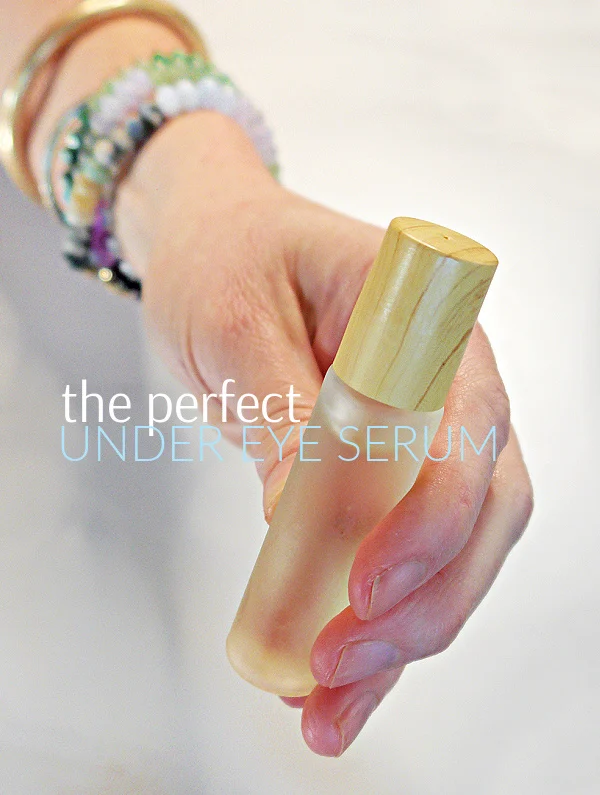
Castor oil is a powerhouse of a natural oil. I have posted about castor oil when it comes to it’s cleansing powers in oil cleansers and it’s hair growth abilities in hair serums but not until recently have I heard how beneficial it actually is for the skin in general. I’ve been seeing so many natural skin care companies selling an eye serum that contains only castor oil and frankincense essential oil so it’s intrigued me to do a little digging to find out why. I’m impressed with what I found and had to share. I think you’ll want to make yourself a DIY castor oil eye serum roll on ASAP!
This DIY eye serum will be the easiest one you’ll ever make. It may actually be the most effective as well. I made this serum for myself a week ago so I can’t speak on whether it has plumped me up under the eyes but I can say that it has thoroughly moisturized under my eyes and smoothed wrinkles. I even think it is reducing my under eye bags which is one of my biggest eye concerns. Let’s get right into why castor oil makes a great anti aging eye serum tool…
Castor oil is a vegetable oil derived from the castor bean. It contains ricinoleic, linoleic, stearic and oleic fatty acids which are all beneficial to the skin. These fatty acids have powerful anti-inflammatory properties as well as antimicrobial properties. Because it is both hydrophilic (water loving) and lipophilic (oil loving) it penetrates the skin better than most oils.
Castor oil has been known to actually stimulate the skin’s own collagen which is so easily lost around the eyes.
Castor oil is also non-comedogenic which means it will not clog pores.
Adding frankincense essential oil to this DIY eye serum is highly recommended. Frankincense is one of my favorite oils to use around the eyes. It helps regenerate cells and stimulates collagen. It also reduces inflammation and is a powerful antioxidant. Plus, it is one of the gentlest oils so using it around your eyes makes sense. It works well with all of castor oils attributes to really pack a punch!
Why Add Vitamin E?
Vitamin E is a powerful antioxidant and it’s great to add it to any and all oil based skincare products. It will neutralize free radical damage, lock in moisture and encourage cell renewal. Plus, it can help prolong the shelf life of your product.
You must look for castor 100% pure, organic and cold pressed. You want to look for the words “hexane free” and it should come in a glass bottle. There are many castor oils on the market that have cheap filler oils in them or are not sourced properly. Don’t waste your money and time. Be sure to get a good quality castor oil like THIS one.
This is an extremely easy DIY and you really have nothing to lose. Give it a try and report back and I’ll do the same!
xx, Jenni
Jennifer Phillips
Jennifer Phillips worked as a licensed aesthetician for over 8 years before creating the DIY skincare blog, Jenni Raincloud and her natural skin care line, J. Raincloud Organics. Jennifer has been blogging full time for 16 years and loves to gain and share knowledge on how to achieve beautiful skin the natural way.
Find me on: Instagram | Facebook
Follow this guide
What’s the story
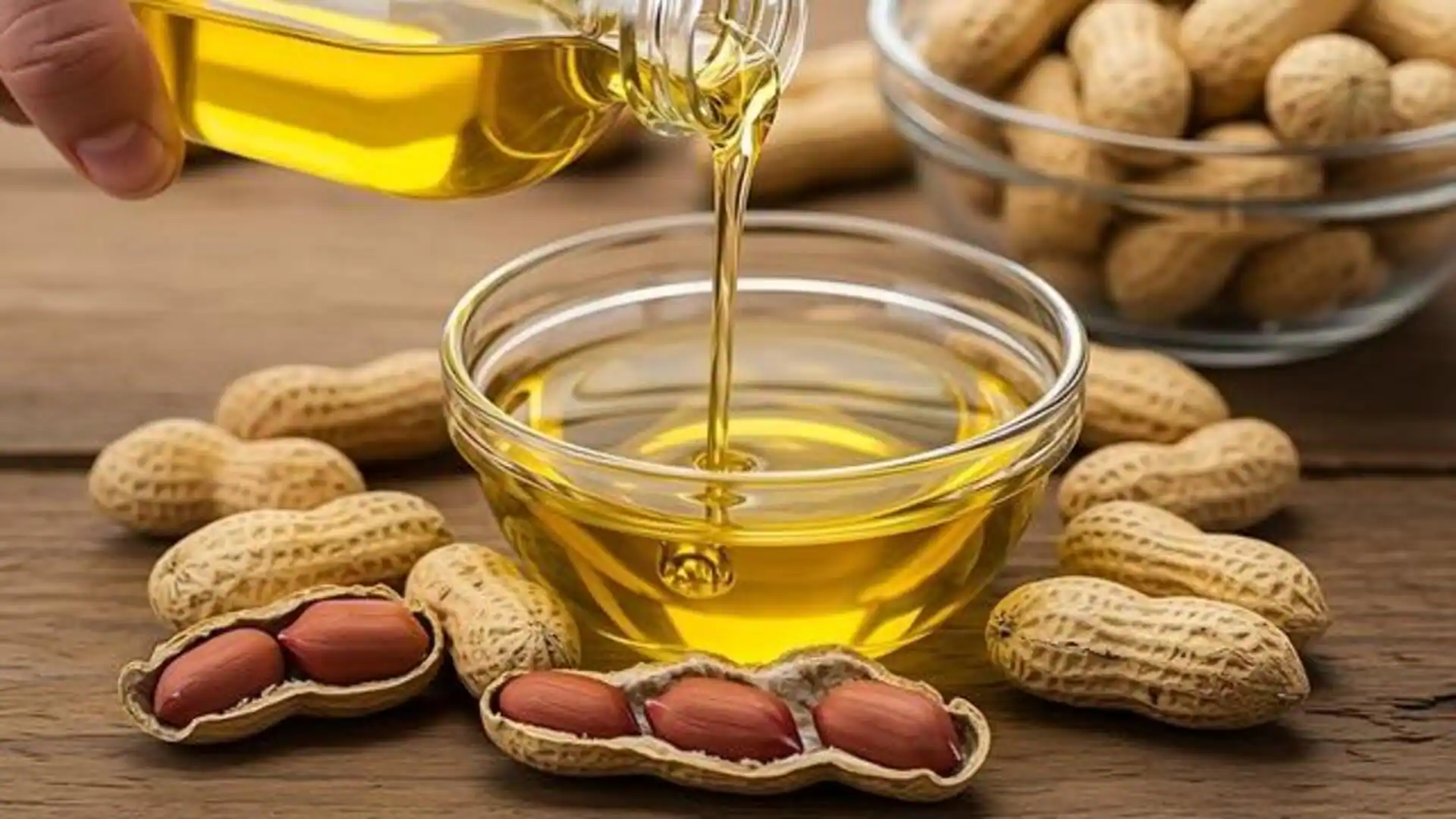
Peanut oil, a staple in many African kitchens, is becoming a popular choice for skincare.
Its rich composition of vitamins and antioxidants makes it an ideal candidate for natural beauty routines.
The oil is known for its moisturizing properties and ability to enhance skin elasticity.
With its affordable price and easy availability, peanut oil is a practical option for those looking to enhance their skincare regimen without spending a fortune.
Peanut oil is loaded with essential nutrients, such as vitamin E, known for its antioxidant properties.
These antioxidants help fight free radicals that cause skin aging.
The presence of fatty acids also helps in maintaining the skin’s natural barrier, preventing moisture loss.
This nutrient-rich composition makes peanut oil an effective moisturizer that can keep the skin hydrated and supple.
The linoleic acid in peanut oil plays a key role in enhancing skin elasticity. By promoting cell regeneration and repair, it helps keep the skin firm and youthful-looking.
Regular application of peanut oil can improve the texture of the skin by reducing fine lines and wrinkles over time.
Its lightweight texture makes it easy to absorb, making it suitable for all skin types.
One of the biggest advantages of using peanut oil is its affordability compared to other skincare products on the market.
A small amount goes a long way, making it cost-effective in the long run.
For those on a budget but still want quality skincare, peanut oil provides an economical solution without compromising on benefits.
To incorporate peanut oil into your skincare routine, start by cleansing your face thoroughly.
Take a few drops of peanut oil and gently massage it onto your face in circular motions until fully absorbed.
For the best results, apply it before bedtime so it works overnight while you sleep.
You can also use it as a base under makeup, or mix it with other natural ingredients like honey or aloe vera gel for added benefits.

Follow this guide
What’s the story
African watermelon seed oil is becoming a popular skincare ingredient, thanks to its nourishing properties.
Extracted from the seeds of the African watermelon, this oil is rich in essential fatty acids and antioxidants.
It is known for its ability to hydrate and rejuvenate the skin, making it a favorite among those looking for natural skincare solutions.
Here are the benefits and uses of this unique oil.
African watermelon seed oil is packed with essential fatty acids, such as linoleic acid and oleic acid.
These fatty acids are essential for maintaining the skin’s barrier function and preventing moisture loss.
They also help in reducing inflammation and redness, making them ideal for sensitive or acne-prone skin types.
Regular use can lead to a more balanced and healthier-looking complexion.
The oil also contains antioxidants that protect the skin from environmental stressors, such as pollution and UV rays.
These antioxidants help neutralize free radicals that cause premature aging and damage to the skin cells.
By incorporating African watermelon seed oil into your skincare routine, you can enhance your skin’s resilience against daily aggressors.
One of the best things about African watermelon seed oil is its lightweight texture. It absorbs quickly into the skin without leaving a greasy residue behind.
This makes it suitable for all skin types, including oily or combination skin.
Its non-comedogenic nature ensures that it does not clog pores while providing deep hydration.
African watermelon seed oil can be used in various ways in skincare routines.
It can be applied directly on the face as a moisturizer or mixed with other products, like creams or serums, for added benefits.
It can also be used as a carrier oil for essential oils or added to DIY masks for enhanced nourishment.
While luxury skincare oils can cost a fortune, African watermelon seed oil provides an affordable option without compromising on quality.
It gives similar benefits as high-end products but at a fraction of the cost.
This makes it an attractive choice for those wanting effective skincare solutions on a budget.
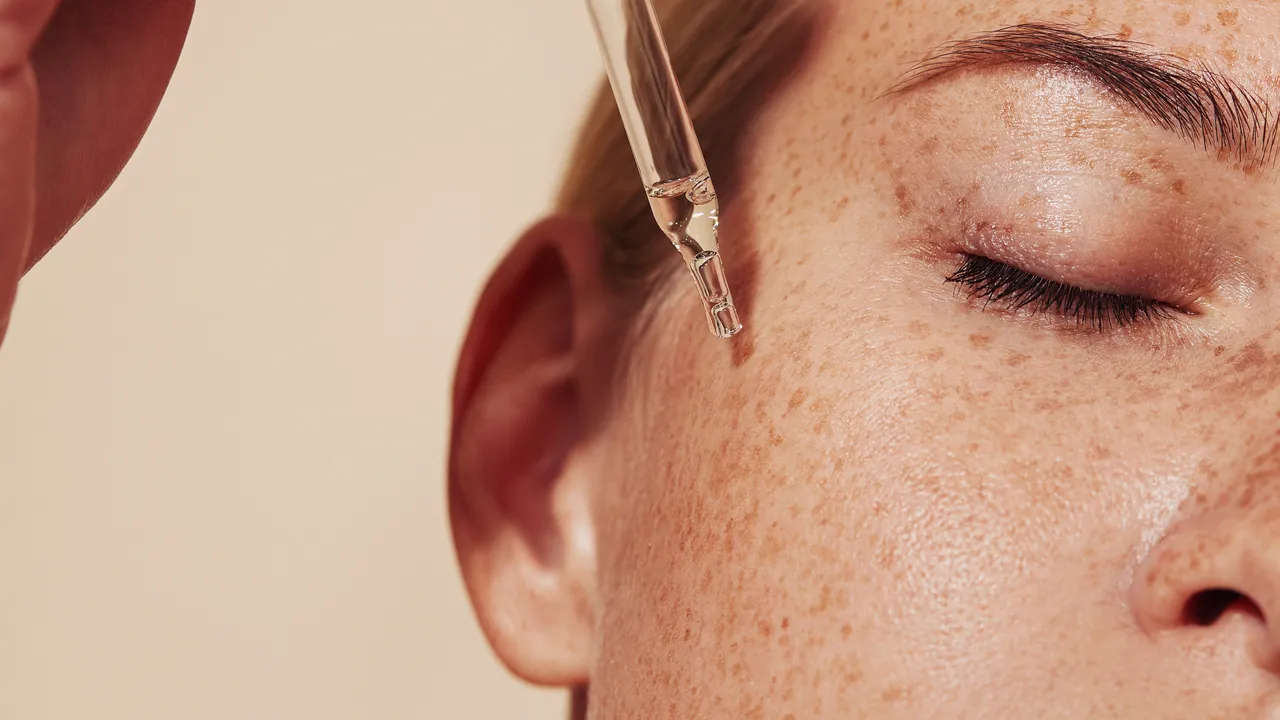
The enduring fascination with rosehip oil shows that while the beauty world constantly touts new and complex ingredients, some of the most effective have been valued for centuries. Derived from the fruit and seeds of Rosa canina bushes, rosehip oil has a long history of medicinal and skincare use for its reparative properties.
It remains a staple in contemporary skincare for the same reason. Modern formulations may feel fresh and innovative, but they follow the same guiding principles: harnessing rosehip oil’s power to stimulate collagen, hydrate, and heal the skin.
Germaine de Capuccini Multi-Regenerating Rosehip Oil
Read more
In this article:
According to consultant dermatologist Dr Derrick Phillips, “Rosehip oil is a plant-derived oil extracted from the seeds of the rosehip fruit, not the petals. That distinction matters because, unlike rose essential oil, which is distilled from petals and primarily used for fragrance, rosehip oil has a fatty acid and antioxidant profile that is more relevant to skincare.”
He reveals why it is considered such a powerhouse in the skincare industry: “It contains linoleic and alpha-linolenic acids, alongside smaller amounts of oleic acid and naturally occurring antioxidants such as tocopherols and carotenoids,” the expert explains. “There are also trace amounts of vitamin A-related compounds, although these are not comparable to prescription or over-the-counter retinoids.”
Dr Phillips also spotlights some studies that suggest “its fatty acid content may help support the skin barrier and improve hydration by reducing water loss. It may also have mild antioxidant and anti-inflammatory properties, which can contribute to overall skin resilience.”
Often dubbed as a solution for acne-prone skin, Dr Phillips wants to make clear that this is not always the case. “It has a relatively low comedogenicity rating, typically around 0 to 2, and it is rich in linoleic acid. Acne-prone skin tends to have lower levels of linoleic acid in sebum, so in theory it may be better tolerated than heavier, oleic-acid dominant oils.” That being said, the oily texture may not be easily tolerated. “Oils are inherently occlusive and, in some individuals, can contribute to congestion or flare-ups, particularly in active inflammatory acne,” he adds.
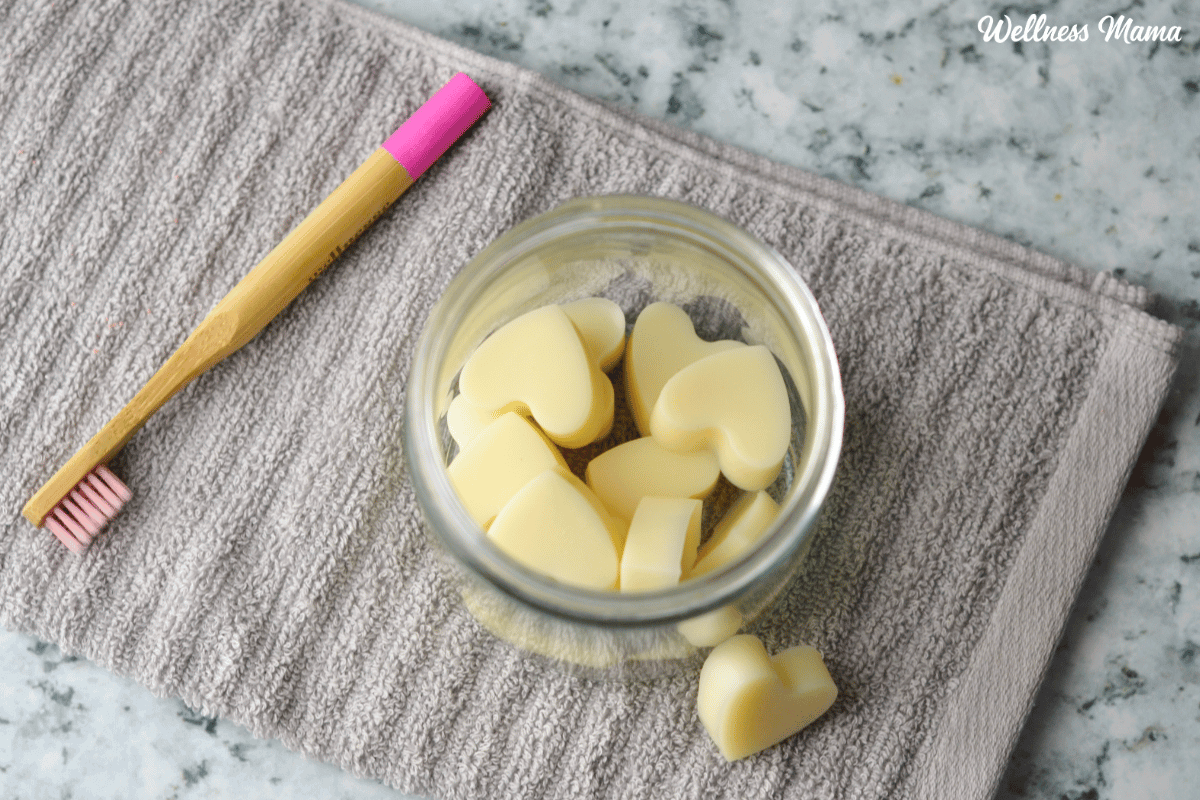
I’m a big fan of oil pulling. I’ve shared before how I started this age-old practice and why I started oil pulling with coconut oil instead. I decided to give my oral routine an upgrade with these coconut oil pulling chews with essential oils!
Not familiar with oil pulling? It’s simply swishing oil (usually sesame or coconut oil) in your mouth, then spitting it out in the trash. There’s some research, and plenty of anecdotal evidence, that shows it can reduce plaque. Coconut oil is also naturally a mild antibacterial and can help keep oral bacteria in check.
Coconut oil pulling for teeth is an old practice, but more people are starting to pick it back up. How long you swish the coconut oil depends on your tolerance, but 5-20 minutes is a good goal. So how often do you do coconut oil pulling? I aim for once a day, or at least several times a week.
What kind of coconut oil you use also plays a role. I recommend using organic, virgin (or unrefined) coconut oil. MCT oil will also work.
The idea is that the oil can reach and help remove harmful substances in the mouth, like bacteria and plaque. Unlike alcohol-based mouthwashes and toothpaste, oil may be able to get to hard to reach parts of the gum. And the naturally antibacterial properties of oils like coconut may help break down bacteria.
Many report their teeth and gums feel much cleaner when regularly using oil pulling. Others notice bad breath goes away. Personally, I saw less gum swelling and plaque on my teeth. My dentist even commented how clean and plaque-free my teeth were after I added oil pulling to my oral health routine.
While oil pulling isn’t a miracle cure, there’s a good chance it promotes healthier teeth and gums. Especially if used in combination with other good oral health practices. If you want to read more, I’ve written about coconut oil pulling in more detail here.
These coconut oil pulling chews were inspired one day when I made homemade chocolate in little molds. I realized I could make my routine simpler by making bite-size oil pulling chews.
Adding essential oils like peppermint, clove, and tea tree improve the taste and the health benefits. My favorites so far are mint and clove. Just make sure that the oils you choose are safe for oral use and don’t interact with any of your meds or health conditions.
Here are some essential oils that work well with oil pulling:
I keep these chews in the fridge so they maintain their shape. Keeping them cool also helps with the texture at the beginning. For my kids who have trouble with the texture of coconut oil, keeping these in the fridge so they can “chew” them first helps a lot.
These pre-made chews make oil pulling easy. Customize the flavors and add health benefits with your favorite essential oils!
Prep Time5 minutes
Cooling Time30 minutes
Yield: 12 chews
Melt the coconut oil until just barely liquid.
Remove from heat and add the essential oils.
Pour into silicone candy molds and put in the fridge or freezer to harden.
Once hardened, remove from the molds and store in a jar.
Use one chew per day as needed for oil pulling.
I’ve always been fascinated by oral health. I was even able to use a combination of diet, supplements and oral health products to reverse a cavity. Since then I’ve made these methods a priority for our whole family. These are some of the other recipes and methods we use:
Ever tried coconut oil pulling? How did it work for you? Leave a comment and let us know!

As we age, maintaining youthful, healthy skin is a priority for many. While the beauty industry offers countless creams, serums, and treatments, natural remedies have gained popularity due to their safety and effectiveness. Among these, castor oil has emerged as a powerful ingredient in anti-aging skincare routines. Packed with nourishing compounds, castor oil can help hydrate, repair, and rejuvenate the skin. In this article, we’ll explore the role of castor oil in anti-aging skincare, its benefits, and practical ways to add it into your routine.
Castor oil is a vegetable oil that is thick extracted from the seeds of the Ricinus communis plant. It is rich in ricinoleic acid, a fatty acid known for its anti-inflammatory and antimicrobial properties. For centuries, castor oil has been used in traditional medicine systems such as Ayurveda and African natural remedies for its healing, moisturizing, and protective benefits.
Companies like The GoodBye Company now offer high-quality, pure castor oil that can be safely used in daily skincare routines, providing a natural alternative to chemical-laden anti-aging products.
One of the leading causes of premature aging is dry, dehydrated skin. Castor oil is a natural humectant, meaning it draws moisture from the environment into the skin and locks it in. Regular hydration helps reduce the appearance of fine lines and wrinkles, giving the skin a plump, youthful look.
While research is ongoing, some studies suggest that fatty acids in castor oil can stimulate the production of collagen and elastin, proteins responsible for skin elasticity and firmness. By supporting these structural components, castor oil may help slow down sagging and maintain skin suppleness.
Castor oil contains antioxidants that fight free radicals—unstable molecules that contribute to aging and damage from environmental stressors like pollution and UV radiation. Antioxidants help protect the skin from oxidative stress, which is a major factor in the formation of wrinkles and age spots.
Ricinoleic acid in castor oil has natural anti-inflammatory properties that can calm irritated or sensitive skin. Reducing inflammation helps minimize redness and puffiness, creating a smoother, more even skin tone.
Castor oil is known for its regenerative properties. It promotes the healing of damaged skin, improves texture, and helps reduce the appearance of scars, fine lines, and age spots. Its emollient properties also create a protective barrier that shields the skin from external irritants.
Mix a few drops of castor oil with a lighter carrier oil like jojoba or almond oil. Apply this mixture to your face before bedtime. The oil will deeply hydrate your skin while you sleep, helping to reduce fine lines and wrinkles.
Castor oil is gentle enough to be applied around the eyes to reduce the appearance of crow’s feet and puffiness. Dab a small amount on the outer corners of the eyes and gently massage before bedtime.
Combine castor oil with natural ingredients like honey, aloe vera, or avocado to create a nourishing facial mask. Apply for 15–20 minutes once or twice a week to boost hydration and improve skin elasticity.
The delicate skin on your lips can show signs of aging quickly. Apply a thin layer of castor oil to moisturize and soften lips, preventing dryness and fine lines.
Castor oil can also be used on dry areas such as elbows, knees, and hands, which often show early signs of aging. Regular use helps maintain smooth, youthful skin across the body.
Read the article: Top Skin Care Tips as You Age
Castor oil is a natural, versatile ingredient that offers multiple benefits for anti-aging skincare. Its ability to deeply moisturize, promote collagen production, and protect against oxidative stress makes it an excellent choice for those seeking to maintain youthful, healthy skin.
While castor oil is not a magical solution that completely reverses aging, consistent use as part of a balanced skincare routine can reduce the appearance of fine lines, improve skin texture, and create a radiant, youthful glow. For anyone interested in natural anti-aging remedies, incorporating high-quality castor oil into your regimen is both safe and effective.
By sourcing natural ingredients such as castor oil from trusted suppliers, you can enjoy healthier, more resilient skin while avoiding harsh chemicals commonly found in conventional anti-aging products.
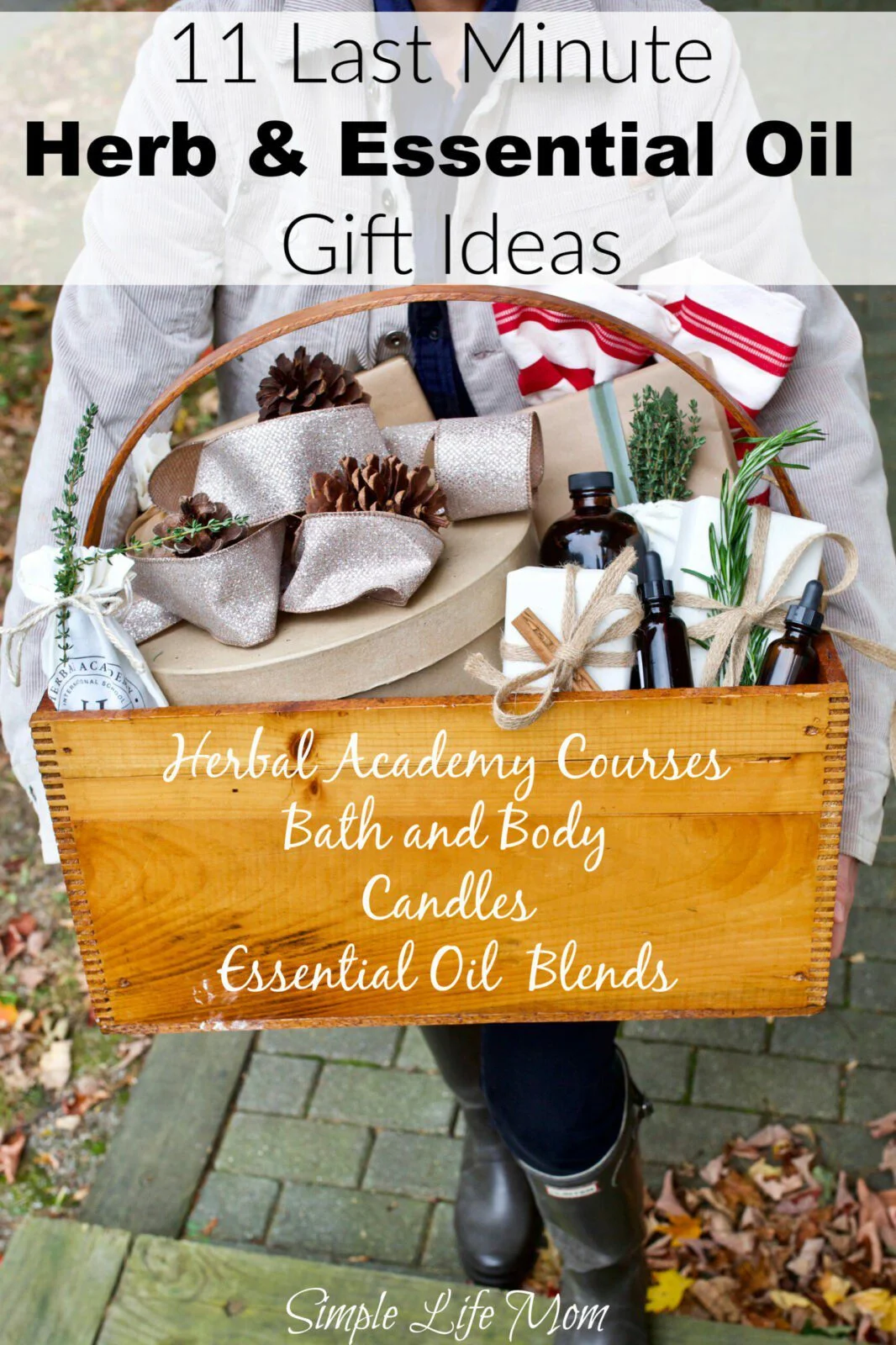
I love making handmade herb and essential oil gifts. They are pure, healthy, beneficial, and they even help to teach those who do not use herbs and essential oils very often. That’s another reason these last minute herbs and essential oil gift ideas are so great.
On top of all of that, you can make them the day before or the morning of an event, so they make wonderful last minute gifts!
Before we jump into recipes and ideas, it’s important to consider sources. Herbs and essential oils vary in quality because how you raise or process a plant will effect the product.
Organically raised plants that are harvested while they are at their prime will produce highly quality herbs and oils.
I have, in a pinch, purchased herbs and oils from locations that I don’t typically buy from because I haven’t researched them thoroughly. Even though they were ok (though I have returned or thrown away products before), they were not as potent and in the end money was wasted.
So do your research. There are a lot of wonderful sources out there, especially for herbs. Good essential oils can be more difficult to find. But don’t let someone tell you they are the only good source. Not true.
My go to sources are usually Herbal Academy, Starwest Botanicals, and Bulk Apothecary. These are great for herbs! Starwest Botanicals is high quality when it comes to essential oils. And Herbal Academy is a wonderful source of herbal knowledge.
This is the ultimate of last minute gifts! Herbal Academy is one of my favorite sources for high quality education. If you or someone you love wants to learn from scratch or expand their already advanced knowledge, they have courses specifically tailored for you. They have a sale through December where courses are around $50 off so make sure to check them out.
Here’s a few of my favorites:
Learn more here
I know a lot of you who follow by website are soap lovers. If it’s a last minute situation, you can still make some beautiful melt and pour soap. Learn how here. You can also get handmade soap ready to go in my shop.
If you have shea butter on hand, some body lotion can be made with oils like olive, apricot kernel, sweet almond, avocado, hemp, primrose and so many more. You choose! Here’s my favorite recipe. I also have hand salves and lotions in my shop.
If you have a tea drinker in your life, you an make a custom set of herbal teas and place them in 4 oz jelly mason jars and tie a ribbon around them. Here are Herbs to help you sleep and herb and fruit combinations for detox.
This is a wonderful gift set. Having an herbal hand salve ready for winter dry hands and feet is such a great gift. This plus elderberry syrup for a pick me up and self defense when colds hit make a great gift set. Learn how to make elderberry syrup here and get my favorite hand salve recipe here (Or find it in my shop to get it now).
Lip balm is always something I suggest for a last minute gift because you can make a of it and everyone loves it. I have a basic lip balm recipe, herbal lip balm recipe, instructions for how to color or flavor lip balm, and even a chocolate truffle lip balm recipe. So have fun!
There are so many wonderful holiday scents that you can combine and give as gifts. This can be less expensive when you use a tiny sampler type bottle like this. Here are blends for:
These can be made in one day if you have beeswax, wicks, and 4 ounce mason jars. You can get full instructions here.
If you’d like to make something memorable, then an old fashioned ornament scented with essential oils or made with herbs can be a fun family project. Get some great ideas here.
This is another fun projects that kids love to do for parents and grandparents. They can cut up some felt into their favorite shapes or decorate a jar and make a wonderful car air freshener. Here are some great ideas and instructions.
This can be a super long list, but think of what you have on hand and what would be a fun combination to make for someone so that you can put together a nice basket or bag of goodies for them.
I could go on and on, but if you want more ideas, just do a quick search on my website. Tell me if you don’t find what you’re looking for and I’ll try and put it together for you or direct you toward some good sources. Have fun! and let me know what your favorite projects have been this year.
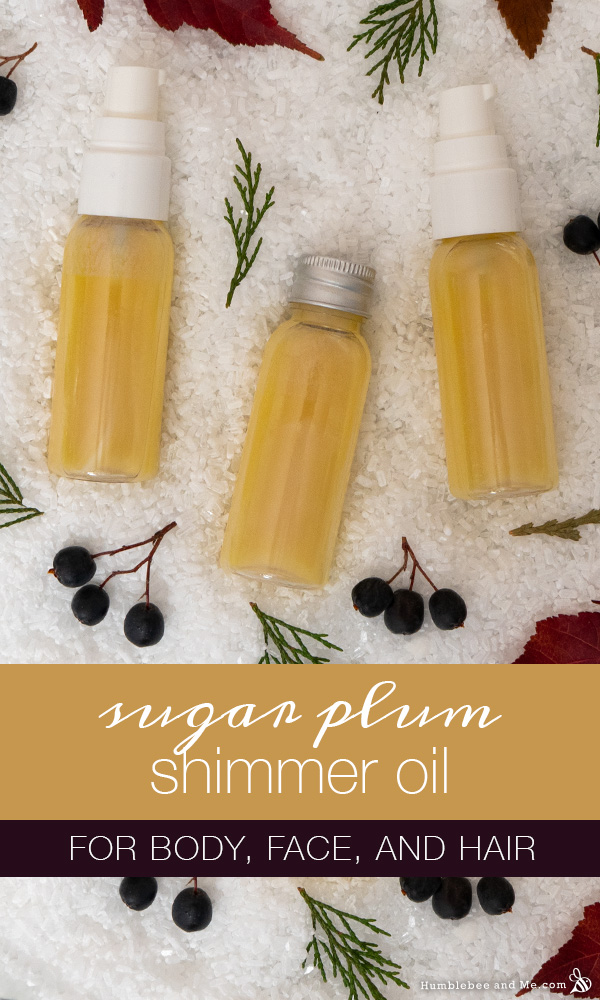
Today we are making a beautiful, fragrant, versatile shimmer oil that is perfect for winter skincare! I’ve given mine a “Sugar Plum Fairy” holiday theme, but you can easily theme yours differently with a few small changes. You can also have some fun with what “type” of oil this is; I initially designed this formulation as a body oil, but you can absolutely use it as a facial oil serum or even a rich hair oil—it’s up to you!
Watch Now
The bulk of this shimmer oil is—no surprise here—oil! Two oils make up 97% of the formulation.
Our star is plum kernel oil; the oil expressed from the kernels of plums. What could be more perfect for a “Sugar Plum Fairy” themed formulation? The super special thing about this oil is its scent: it smells wonderfully of marzipan, and that comes through in the finished shimmer oil. You can let the scent shine on its own, but it will also mingle beautifully with a thoughtfully chosen fragrance or essential oil.
The downside of plum kernel oil is its price; it isn’t cheap. If you adore the scent of marzipan and are ok with a bit of a splurge, it will last a long time if you keep it in the fridge. I’ve had the bottle I’m using for seven years now, and it’s still fresh! Thankfully, if you don’t have plum kernel oil, you can easily swap it for the second carrier oil in our formula: apricot kernel oil. I chose apricot kernel oil because its fatty acid composition is quite similar to plum oil, but it’s a lot cheaper. Of course, you will obviously lose that beautiful marzipan-y scent if you don’t use plum kernel oil, but you might prefer that if you don’t want to roll with the same “Sugar Plum Fairy” theme—and you can still make your shimmer oil smell wonderful a fragrance or essential oil!
The remaining 3% of the formulation is where we get our shimmer, the rest of the scent blend, some antioxidant goodness, and the magic that keeps the shimmer from drifting to the bottom of the bottle to form a sad layer of sparkly sludge. There’s a lot happening!
The plummy mica I used in an earlier batch.
For that “Sugar Plum Fairy” shimmer, you’ll need a fine mica—that is, one with a small particle size. It should look “glowy” rather than glittery or sparkly, and if the data sheet mentions a particle size, ideally it’ll be below 50 micrometers. This will help prevent the mica from clogging a mister/spray top (if you opt to use one) and creates a subtle shimmery/glowy appearance on the skin. I made one version using a rich plum-coloured mica, and a second using a duo-chrome mica that looks silver-white at first, and then shifts to violet when the light catches it. That colour changing, iridescent loveliness brings to mind ballerina’s tutus and the beauty of freshly fallen snow in low light. Sugar Plum Fairy perfection!
The colour-shifting mica I used in the video.
Another note on mica: make sure you only purchase ethically sourced micas as some is mined in truly horrific conditions. This information is usually in the FAQ of a shop’s website, and if it isn’t, ask before purchasing. TKB Trading, Bramble Berry, and YellowBee all sell exclusively ethically sourced micas.
When it comes to scent, there’s plenty of room to have fun + use what you have (and love)! I’m using the gorgeously juicy and complex Spicy Plum Pudding fragrance oil from Bulk Apothecary, which melds wonderfully with the natural scent of plum oil. For other sugar-plummy ideas, I think something vanilla-y would be great with the scent of plum oil, or something with a bit of a ‘spice’ note. I think it could be really fun to infuse your apricot kernel oil with vanilla beans for an indulgent, all-natural scent blend!
You can also adjust how much scent you use. If you’re planning on using this as a facial oil serum, I’d drop the fragrance entirely and replace it with more apricot oil—but if you’re using it as a hair oil, you might want to double the fragrance to 1% for more of a scent kick. Whatever you use, make sure it is safe at whatever usage level you go with for whatever sort of product you’re making. And if you’re using plum oil, make sure it’ll work with that marzipan smell!
Watch Now
Our last ingredient is the one that keeps the shimmer floating in the oil rather than sinking down to the bottom of the bottle: TKB Trading’s Crystal Clear Wax (INCI: Caprylic/Capric Triglyceride (and) Polyurethane-79). This really neat ingredient thickens the oil a tiny bit, but its real super power is its incredible suspending abilities.
If you look closely you can see the ghostly blobs of Crystal Clear Wax at the bottom of the beaker.
Just because an ingredient thickens doesn’t necessarily mean it’s good at suspending. If you’ve ever tried to use a small amount of solid fatty thing, like a bit of cetyl alcohol or a touch of a butter in a liquid oil to suspend a mica, you’ll know those ingredients eventually precipitate out of the oil as hard little fatty blobs and sink to the bottom along with the mica. Crystal Clear Wax’s ability to suspend mica in oil this well is rare, so I’m afraid I don’t have a good substitution for this ingredient. If you don’t have it or don’t want to use it, you can go the non-shimmer route by replacing both the mica and the crystal clear wax with more apricot kernel oil. You can also keep the mica, knowing it’ll sink to the bottom, and shake the bottle before every use. Or you could make a shimmery body butter bar instead—where the mica can’t settle out because it’s suspended in a solid bar. I think this body butter bar formulation would be a lovely choice to shimmer-ify.
This is the oil after it’s been heating for a while. See the tiny clear bits? That’s not-quite-melted Crystal Clear Wax, so the oil needs to be heated for longer.
To make the oil all you’ve got to do is melt the heat phase ingredients together, stir until cool, and then mix in the cool down phase ingredients. Easy peasy! Enjoy
Heated phase
20g | 20% plum kernel oil (USA / Canada / UK / Bulgaria / Aus / NZ)
77g | 77% apricot kernel oil (USA / Canada)
0.5g | 0.5% Crystal Clear Wax
Cool down phase
1g | 1% Sugar-Plummy coloured mica
0.5g | 0.5% Spicy Plum Pudding fragrance oil
1g | 1% Vitamin E MT-50 (USA / Canada)
Combine the heated phase ingredients in something you’ll be able to heat directly. I find this formula needs to get up to ~100°C (212°F) to melt, and that’s a tall order for a water bath.
If you don’t have beakers and a lab hot plate that you can set to a reliably low(ish) temperature, you can put everything in a small saucepan and melt it on low on your stovetop. Alternatively, combine the ingredients in a heat resistant glass measuring cup, put that on a cookie sheet, and then bake it in a ~100°C (212°F) oven. No matter how you heat the mixture, make sure you keep an eye on it as you don’t want to scorch your oils!
Once you think the Crystal Clear Wax has melted, examine the mixture really closely to ensure it has—stirring around and pulling up your spoon to see if you can find any blobs. It’s so clear it vanishes into the oils even if it’s still a semi-solid blob.
When you are certain the Crystal Clear Wax has melted, remove the beaker from the heat and stir in the mica.
Stir the mixture occasionally until cools to room temperature to ensure a uniform final product.
Weigh in the cool down phase, stir to combine, and package the oil in a bottle some sort of orifice reducer cap like a treatment pump, a spray cap, or a disc cap.
To use, apply to your skin and massage in. Enjoy the shimmer! You can also use this as a hair oil, but apply sparingly—this formula is nearly pure oil, so it’s very rich.
Because this product does not contain any water, it does not require a broad-spectrum preservative (broad spectrum preservatives ward off microbial growth, and microbes require water to live—no water, no microbes!). Kept reasonably cool and dry, it should last at least a year before any of the oils go rancid. If you notice it starts to smell like old nuts or crayons, that’s a sign that the oils have begun to oxidize; chuck it out and make a fresh batch if that happens.
As always, be aware that making substitutions will change the final product. While these swaps won’t break the formulation, you will get a different final product than I did.
The vitamin E and apricot kernel oil were gifted by YellowBee.
The mica and Crystal Clear Wax were gifted by TKB Trading. Links to TKB Trading are affiliate links.
The fragrance was gifted by Bulk Apothecary. Links to Bulk Apothecary are affiliate links.
The plum oil was gifted by Essential Wholesale. As of 2025, Essential Wholesale has been purchased by NourishUs Naturals, and they do not sell plum oil.
Links to Amazon are affiliate links.
This is our second Sugar Plum recipe for holidays 2018 making, and it makes for a delightful gift (or, you know… keep it for yourself!).…
This simple, all-natural Argan Plum Body Oil features two of my favourite carrier oils and some stunning antioxidants for an ultra-lovely skin treat that you…
I’m having a hard time deciding if I can give this Sugar Plum Conditioning Body Butter away. I mean… it’s just so nice. I really want to…

Shop with confidence, pay with security.

We're here to help, just a click away.

Shop the world, without the shipping fees.

Error: No feed found.
Please go to the Instagram Feed settings page to create a feed.
Copyright © 2026 BestoLive.gr. All Rights Reserved.
