Apple App Store

The rise of jojoba oil: Why it’s becoming more popular in skincare formulas

The rise of jojoba oil: Why it’s becoming more popular in skincare formulas

As consumers pay closer attention to what goes on their skin, jojoba oil has become one of the most trusted ingredients in modern skincare, valued for its versatility, compatibility with the skin, and ability to support hydration without heaviness.

Most shoppers today already carry a mental list of what they want on their skin and what they’d rather avoid. They’re checking labels with the same attention they give to food packaging, scanning for ingredients they recognize and skipping past anything they can’t pronounce.

Research shows interest in skincare topics has doubled over the past five years, and a growing part of that is people trimming their routines down to fewer products built around ingredients they understand and benefits they can see.

Dermatologist Dr. Emma Craythorne told Vogue that today’s shopper has gotten a lot more specific about what they expect. “Consumers are no longer satisfied with vague promises of glow and hydration,” she said. “They want to understand mechanisms, data and longevity.”

Jojoba oil has become one of the ingredients consumers keep coming back to, and as Ogee, a Vermont-based certified organic beauty brand, explores below, the reasons behind it go deeper than good marketing.

What Makes Jojoba Oil Unique

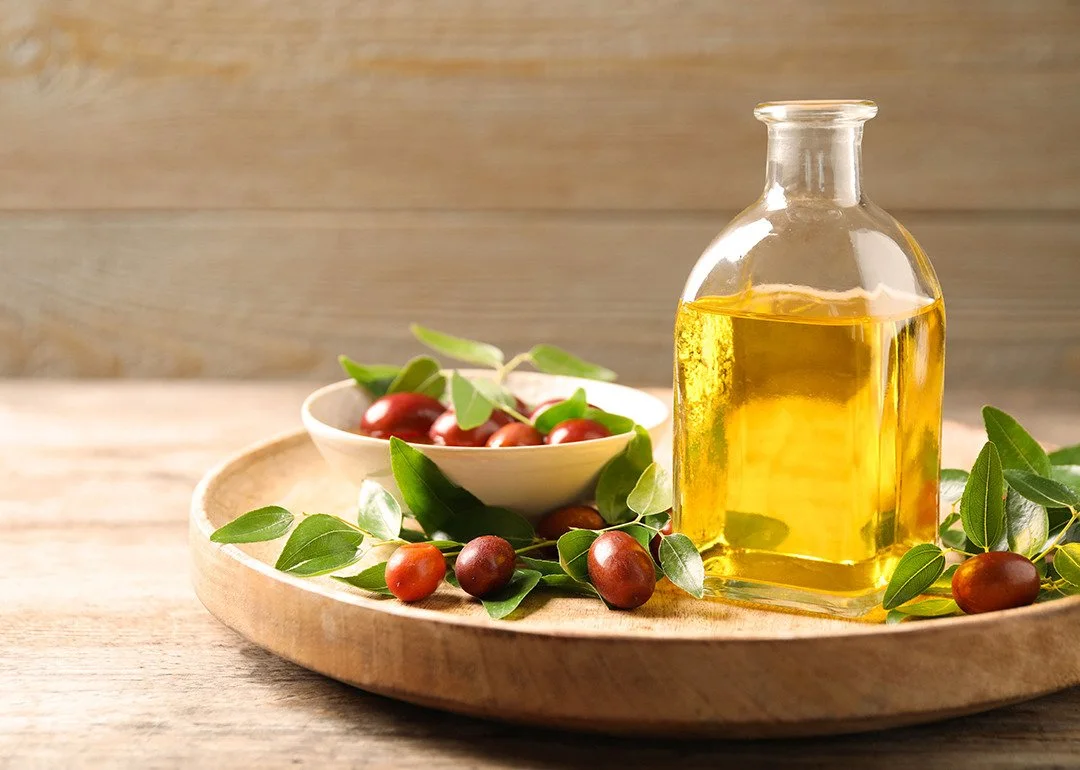
Despite being called an oil, jojoba is technically a liquid wax, and that puts it in a class of its own among plant-based ingredients. Most plant-based oils are made up of fats, but jojoba’s makeup closely mirrors the natural oils your skin already produces on its own.

Dermatologist Alok Vij of the Cleveland Clinic describes it as “very close in composition to your skin’s normal sebum, or the normal oil secreted by your skin.” Because of that natural compatibility, jojoba absorbs readily without leaving a heavy or greasy film behind, and that is what separates it from most other plant-based oils people are used to reaching for.

Why It Works Across Skin Types

Part of what makes jojoba oil so relevant to today’s skincare conversation is how consistently it holds up across different skin types. Part of what makes jojoba oil so relevant to today’s skincare conversation is how consistently it performs across different skin types. For people with dry skin, jojoba oil is valued for its ability to help reduce moisture loss and support the skin’s natural barrier without the heavy or greasy feel associated with some other oils.

Oily skin tends to respond well for a different reason entirely. Dr. Vij has noted that jojoba won’t overhydrate the skin or make it feel oilier, and because it doesn’t clog pores, it holds up well even for those who are acne-prone.

Board-certified dermatologist Dr. Rachel Nazarian also points to how well it tends to be tolerated by people with more sensitive or reactive skin, which is part of why it continues to get recommended across so many different skin profiles.

A Multi-Functional Skincare Staple

Skincare enthusiasts and experts tend to agree that jojoba oil rarely gets put to just one use. It shows up in moisturizers and facial oils, where its ability to attract and hold moisture makes it a reliable base. It also works well in cleansing oils and makeup removers, where its mix of fatty acids helps lift away oil-based buildup without leaving the skin feeling stripped.

Beyond the face, it finds its way into lip treatments, body oils, and hair care, which is part of why consumers cutting down their routines keep returning to it.

Dr. Joshua Zeichner, director of cosmetic and clinical research in dermatology at Mount Sinai Hospital, describes it as “an emollient oil commonly used in moisturizers and cleansing oils” with hydrating and skin-soothing benefits that hold up across a wide range of uses.

The Role of Jojoba in Modern Formulations

Beyond what consumers see on the shelf, jojoba oil has become a go-to foundation for formulators building clean, plant-based products.

Its natural stability and long shelf life make it a reliable base, which is part of why brands working within certified organic standards tend to look to it first. It also pairs naturally with other botanical ingredients, helping carry their benefits into the skin rather than leaving them on the surface.

Dermatologist Dr. Tiffany Libby of Brown Dermatology notes that oils like jojoba, because of how closely they mirror the skin’s own natural oils, can help support the skin’s lipid balance, making it a strong fit for formulas built around how skin actually behaves.

Clean Beauty and the Appeal of Simplicity

Keeping a clean, simple skincare routine has become less of a lifestyle choice and more of a standard expectation.

Consumers are pushing back on long, unrecognizable ingredient lists and gravitating toward products built around things they can actually understand. Nearly half of consumers now say they prioritize 100% pure and natural ingredients, and 45% specifically seek out non-toxic or clean formulations when shopping.

Jojoba oil checks both of those boxes in a pretty direct way. It’s a single, plant-based ingredient with a name people recognize, and it does enough on its own that consumers don’t feel the need to stack it with a dozen other products to see results.

Given that the FDA still does not regulate terms like “clean” or “natural” in beauty, a verifiable, recognizable ingredient carries more weight than any marketing label.

What This Means for the Future of Skincare

Nobody reaches for a skincare product thinking about its chemistry, but more people than ever are thinking carefully about what’s actually in it. Beauty has moved closer to wellness, and with that comes a level of personal investment that goes well beyond the bathroom shelf.

The global jojoba oil market is projected to reach $255.5 million by 2033, and the demand powering that growth is coming from people who are paying closer attention to their skin health than any generation before them.

Jojoba oil has earned that place because it delivers on what it promises, and for a consumer who now treats their skincare with the same care they give to everything else that touches their body, that kind of reliability is hard to walk away from.

This story was produced by Ogee and reviewed and distributed by Stacker.

Tags: , , , , ,
5 popular beauty hacks that are actually worth trying

5 popular beauty hacks that are actually worth trying

Scrolling through beauty reels can feel like navigating a minefield. One minute a creator is contouring with a frozen cucumber, and the next, they are telling you to use personal lubricant as a makeup primer. It’s chaotic. But amidst the sheer, overwhelming noise of internet skincare trends, a few rare gems actually deliver on their promises.

You don’t need a complicated, ten-step routine to get glowing skin. Sometimes, you just need a really clever trick. We combed through the clutter to find five viral hacks that dermatologists and makeup artists actually swear by.

Tags: , , ,
Herzindagi

7 Popular Skin Treatments You Should Know To Achieve Glass Skin

According to Dr Rickson Pereira, Head, Dr Rickson’s Dermatherapie Clinic, Consultant Dermatologist – Holy Family Hospital, Mumbai and Medical Director at Zennara Clinics, Hyderabad, “Skincare today consists of more than just creams and home routines. Due to a busy lifestyle, external pollutants, and stress, people are turning to advanced cosmetic treatments, which not only give visible results but also save time and energy. However, since every skin is unique and reacts differently to beauty treatments, it is important to understand what you are aiming for. Whether you desire to fix those fine lines, clear up stubborn acne scars, or just want a glass skin-like glow, the option can feel confusing.” Here is a compiled list of seven popular skin treatments that one must definitely try.

7 Popular Skin Treatments You Should Know To Achieve Glass Skin

1.  Hydradermabrasion

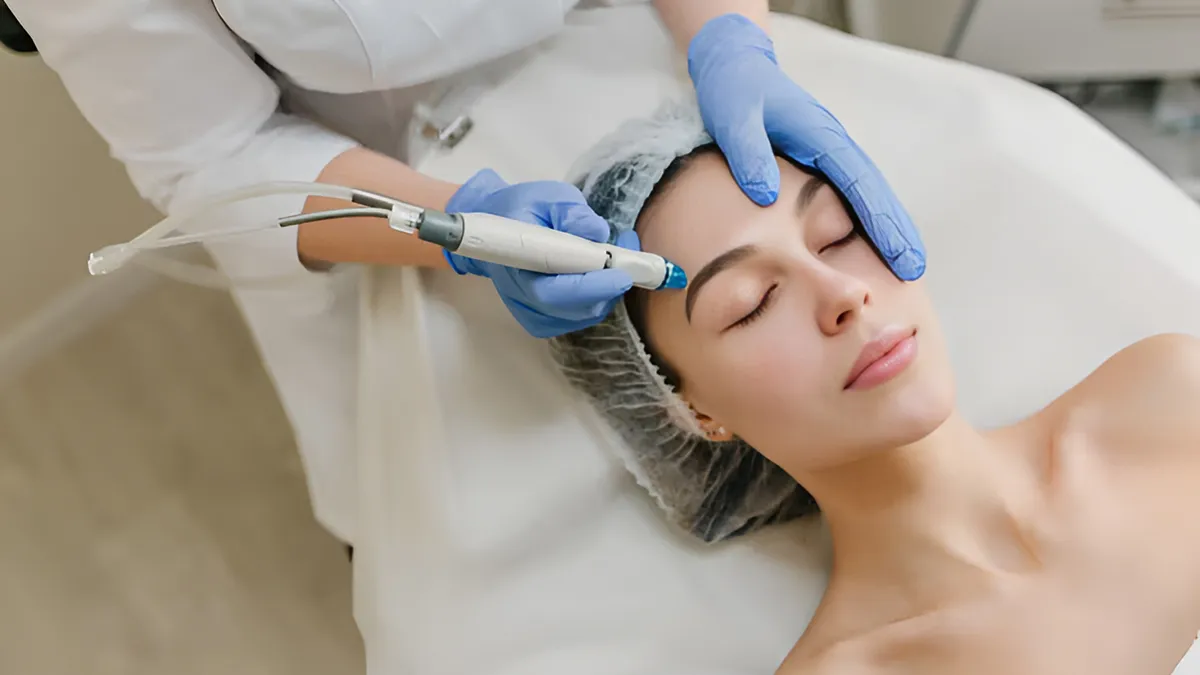
It is a gentle yet effective treatment that deeply cleanses and hydrates your skin. This cosmetic procedure uses a specialised hydropeel tip to exfoliate, peel, and vacuum away impurities while providing the skin with intense moisture and serums. It not only cleans the surface but also prepares the base for better product absorption by removing the layer of dead cells. This treatment is a preferred choice for many individuals as it offers visible results in minimal downtime, making you look refreshed and dewy, perfect during big events or a monthly skin maintenance routine.

2.  Alma Hybrid

If you are someone who has avoided lasers in the past because you were worried about pain or long recovery times, the Alma Hybrid is here to change your mind. It is a dual-wavelength laser platform that combines three powerful energies: a CO2 laser for surface smoothing, a non-ablative laser for deep collagen boosting, and Impact ultrasound technology to deliver skin-nourishing ingredients into the inner layers of the skin. This treatment targets the wrinkles from depth and improves pigmentation at the same time. It is different from standard laser therapies because the healing process is significantly faster and more comfortable for the patient.

3.  Microneedling

Microneedling, often referred to as collagen induction therapy, is among the most recognised and popular skincare treatments that works by using a device equipped with fine, sterile needles to create controlled micro-injuries on the skin’s surface. The punctures made on the skin trigger the rapid production of new collagen and elastin. This treatment is particularly effective for refining skin texture, reducing the appearance of enlarged pores, and fading acne scars or stretch marks.

4.  Chemical Peels

Chemical peels are one of the oldest and most trusted skin treatments that almost every individual has used, but now the product has evolved significantly from the shedding skin versions to a variety of acids. Professionals today are using chemical peels consisting of glycolic, lactic, or salicylic acids that gently exfoliate the top layer of the skin, which helps remove dull and damaged cells. By boosting cell turnover, you notice a clearer and even tone without taking multiple sessions. Depending on the strength of the peel, it can address concerns like pigmentation, mild acne, or uneven texture.

ALSO READ- Top 6 Blushes For A Natural Glow You Need To Invest In

5.  IPL (Intense Pulsed Light) Therapy

If sun damage and redness around the face are your primary concerns, IPL can be the best option for you. People often think of it as a laser treatment, but it is a non-surgical procedure that only uses broad-spectrum light pulses to improve skin texture and tone. It works by targeting melanin, specifically the brown of a sunspot and the red of a broken capillary. During the process, the light energy is absorbed by these pigments and converted into heat, which breaks down the damaged cells without affecting the surrounding skin. The treatment treats multiple concerns like sun damage, freckles, and removes facial hair.

6.  Skin Boosters and Biostimulators

In contrast to traditional dermal fillers that add volume to change the shape of your face, skin boosters focus entirely on skin quality. These are injectable treatments, consisting of hyaluronic acid, specifically the runny formulation, which allows the ingredient to spread properly under the skin. Instead of sitting in one spot, they provide deep-tissue hydration and restore elastin production. It works like an internal moisturiser that revives the bounce of your skin. If you want to achieve a natural, healthy glow while improving the texture, this treatment can be an ideal option.

7.  LED Light Therapy

LED (Light Emitting Diode) therapy has become a common treatment in modern skincare because it works below the surface of the skin. The therapy uses different wavelengths of light that go deeper into the layers to trigger specific biological responses. For example, blue light is beneficial for acne-prone skin since it kills the bacteria that cause breakouts, whereas red light helps with anti-ageing and healing, as it boosts ATP (cell energy) and reduces inflammation. It is non-invasive and painless, making it suitable for maintenance treatment, keeping your skin calm.

Summing Up

Choosing the right skincare treatment does not have to be a difficult task. Whether you are looking for high-tech laser technologies or gentle treatment options, the key is to understand your skin goals and requirements. When done right, combined with a good skincare routine, these treatments provide long-term skin health. Always consult a certified dermatologist who can assess your type and recommend a personalised plan.

Image credits: Freepik

ALSO READ- Top 5 Korean Sunscreens You Need For Glass Skin This Summer

For more such stories, stay tuned to HerZindagi.

Herzindagi video

Tags: , , , ,
Best oLive
Privacy Overview

This website uses cookies so that we can provide you with the best user experience possible. Cookie information is stored in your browser and performs functions such as recognising you when you return to our website and helping our team to understand which sections of the website you find most interesting and useful.