Apple App Store

The rise of jojoba oil: Why it’s becoming more popular in skincare formulas

The rise of jojoba oil: Why it’s becoming more popular in skincare formulas

As consumers pay closer attention to what goes on their skin, jojoba oil has become one of the most trusted ingredients in modern skincare, valued for its versatility, compatibility with the skin, and ability to support hydration without heaviness.

Most shoppers today already carry a mental list of what they want on their skin and what they’d rather avoid. They’re checking labels with the same attention they give to food packaging, scanning for ingredients they recognize and skipping past anything they can’t pronounce.

Research shows interest in skincare topics has doubled over the past five years, and a growing part of that is people trimming their routines down to fewer products built around ingredients they understand and benefits they can see.

Dermatologist Dr. Emma Craythorne told Vogue that today’s shopper has gotten a lot more specific about what they expect. “Consumers are no longer satisfied with vague promises of glow and hydration,” she said. “They want to understand mechanisms, data and longevity.”

Jojoba oil has become one of the ingredients consumers keep coming back to, and as Ogee, a Vermont-based certified organic beauty brand, explores below, the reasons behind it go deeper than good marketing.

What Makes Jojoba Oil Unique

Despite being called an oil, jojoba is technically a liquid wax, and that puts it in a class of its own among plant-based ingredients. Most plant-based oils are made up of fats, but jojoba’s makeup closely mirrors the natural oils your skin already produces on its own.

Dermatologist Alok Vij of the Cleveland Clinic describes it as “very close in composition to your skin’s normal sebum, or the normal oil secreted by your skin.” Because of that natural compatibility, jojoba absorbs readily without leaving a heavy or greasy film behind, and that is what separates it from most other plant-based oils people are used to reaching for.

Why It Works Across Skin Types

Part of what makes jojoba oil so relevant to today’s skincare conversation is how consistently it holds up across different skin types. Part of what makes jojoba oil so relevant to today’s skincare conversation is how consistently it performs across different skin types. For people with dry skin, jojoba oil is valued for its ability to help reduce moisture loss and support the skin’s natural barrier without the heavy or greasy feel associated with some other oils.

Oily skin tends to respond well for a different reason entirely. Dr. Vij has noted that jojoba won’t overhydrate the skin or make it feel oilier, and because it doesn’t clog pores, it holds up well even for those who are acne-prone.

Board-certified dermatologist Dr. Rachel Nazarian also points to how well it tends to be tolerated by people with more sensitive or reactive skin, which is part of why it continues to get recommended across so many different skin profiles.

A Multi-Functional Skincare Staple

Skincare enthusiasts and experts tend to agree that jojoba oil rarely gets put to just one use. It shows up in moisturizers and facial oils, where its ability to attract and hold moisture makes it a reliable base. It also works well in cleansing oils and makeup removers, where its mix of fatty acids helps lift away oil-based buildup without leaving the skin feeling stripped.

Beyond the face, it finds its way into lip treatments, body oils, and hair care, which is part of why consumers cutting down their routines keep returning to it.

Dr. Joshua Zeichner, director of cosmetic and clinical research in dermatology at Mount Sinai Hospital, describes it as “an emollient oil commonly used in moisturizers and cleansing oils” with hydrating and skin-soothing benefits that hold up across a wide range of uses.

The Role of Jojoba in Modern Formulations

Beyond what consumers see on the shelf, jojoba oil has become a go-to foundation for formulators building clean, plant-based products.

Its natural stability and long shelf life make it a reliable base, which is part of why brands working within certified organic standards tend to look to it first. It also pairs naturally with other botanical ingredients, helping carry their benefits into the skin rather than leaving them on the surface.

Dermatologist Dr. Tiffany Libby of Brown Dermatology notes that oils like jojoba, because of how closely they mirror the skin’s own natural oils, can help support the skin’s lipid balance, making it a strong fit for formulas built around how skin actually behaves.

Clean Beauty and the Appeal of Simplicity

Keeping a clean, simple skincare routine has become less of a lifestyle choice and more of a standard expectation.

Consumers are pushing back on long, unrecognizable ingredient lists and gravitating toward products built around things they can actually understand. Nearly half of consumers now say they prioritize 100% pure and natural ingredients, and 45% specifically seek out non-toxic or clean formulations when shopping.

Jojoba oil checks both of those boxes in a pretty direct way. It’s a single, plant-based ingredient with a name people recognize, and it does enough on its own that consumers don’t feel the need to stack it with a dozen other products to see results.

Given that the FDA still does not regulate terms like “clean” or “natural” in beauty, a verifiable, recognizable ingredient carries more weight than any marketing label.

What This Means for the Future of Skincare

Nobody reaches for a skincare product thinking about its chemistry, but more people than ever are thinking carefully about what’s actually in it. Beauty has moved closer to wellness, and with that comes a level of personal investment that goes well beyond the bathroom shelf.

The global jojoba oil market is projected to reach $255.5 million by 2033, and the demand powering that growth is coming from people who are paying closer attention to their skin health than any generation before them.

Jojoba oil has earned that place because it delivers on what it promises, and for a consumer who now treats their skincare with the same care they give to everything else that touches their body, that kind of reliability is hard to walk away from.

This story was produced by Ogee and reviewed and distributed by Stacker.

Tags: , , , , ,
Best skin barrier repair products 2026 | how to build a skinimalism routine | top skincare trends 2026 science backed | hybrid skincare multi active formulas | affordable barrier strengthening ingredients ceramides niacinamide | These 3 skincare trends are changing beauty routines fast

Best skin barrier repair products 2026 | how to build a skinimalism routine | top skincare trends 2026 science backed | hybrid skincare multi active formulas | affordable barrier strengthening ingredients ceramides niacinamide | These 3 skincare trends are changing beauty routines fast

As the beauty industry keeps evolving, skincare remains at the forefront of the evolution. From different kinds of technology to science-backed formulas and innovative ingredients, let’s take a look at the top three skincare trends that can shape your skincare routine. 

“Skinimalism” aka skin minimalism

Gone are the days of 10-step skincare routines, overdosed with all different actives. Even the Koreans, who were the master of 10-step routines are stripping off steps from their routines. Consumers are now looking for efficiency and efficacy and are paring back on the number of products they layer on their skin. With more skincare knowledge out there than ever before, they are realizing that less is more when it comes to skin health. Too many steps in the regimen can actually do more harm than good. Hence, there will be an uptick of affordable efficacious products that target skin concerns, hydrate and protect the facial skin. 

Photo: Adnan Rahman

Enhancing the barrier

2026 is seeing a shift of focus on the health of the skin barrier. Consumers are seeking out gentle ingredients and formulations that will nourish and protect the skin barrier and the microbiome of our skin. Products with barrier-strengthening ingredients such as ceramides, hyaluronic acid, niacinamide, panthenol etc. are just what you are looking for. 

Hybrid multi-ingredient products

As our society tries to grapple with the realities of the cost-of-living crisis, along with rising environmental concerns and a general move toward minimalistic skincare, consumers are now looking for formulas that have more than one hero ingredient. Skincare enthusiasts and junkies are coming off the trend of using single-ingredient products as they can lead to more waste and excessive layering can lead to skin irritation. Instead, they are now opting for products combining synergistic and efficacious ingredients in one bottle, making the whole regimen more affordable. 


Model: Suhi

Fashion Direction & Styling: Sonia Yeasmin Isha

Mua: Masum

Hair: Probina

Tags: , , , , , , , , , , , , , , , , , , , , , , , ,
Atlanta skincare brands are proving the power of natural formulas

Atlanta skincare brands are proving the power of natural formulas

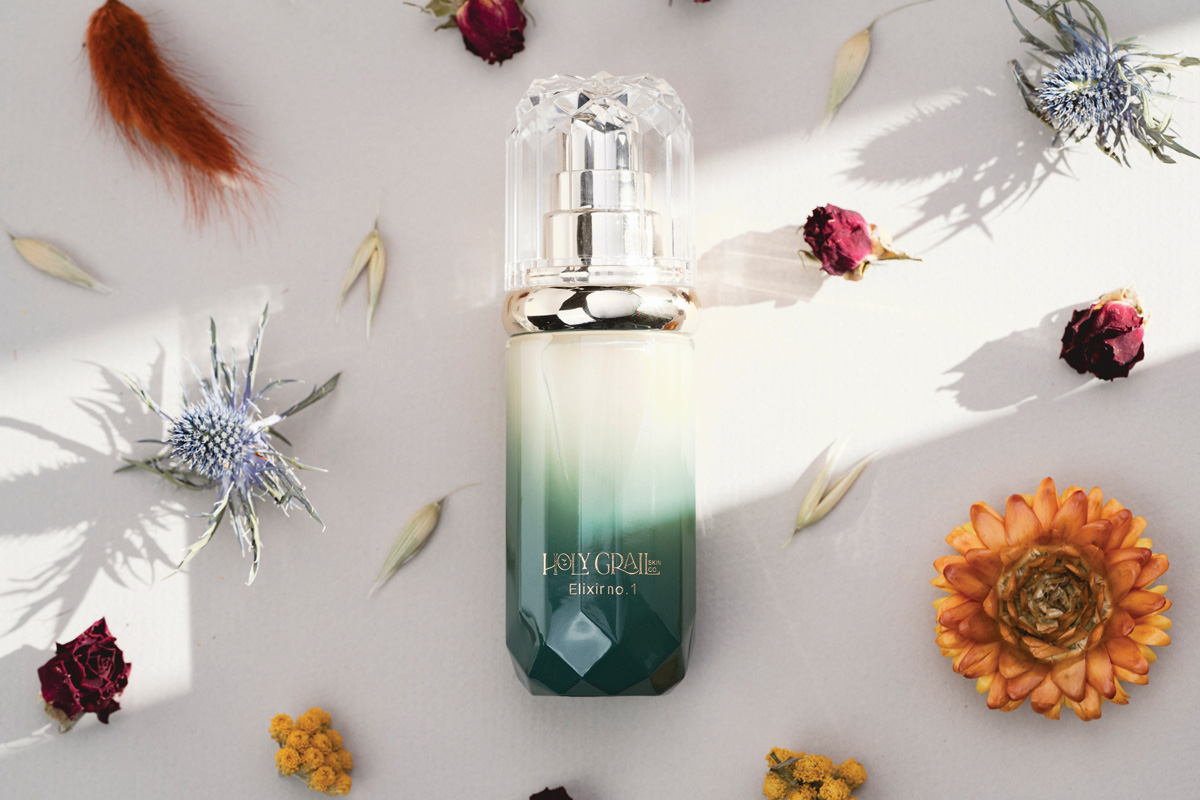
Elixir no. 1, a comprehensive skin serum

Photograph by Sarah Carpenter

A growing wave of beauty entrepreneurs is bringing skincare back to basics, swapping traditional chemicals for plant-based, organic ingredients, simple formulas, and a “clean beauty” ethos rooted in skin health. Consumers are increasingly scrutinizing labels and demanding transparency, trading formulas full of unpronounceable names for ingredients they recognize.

Once a niche trend, the organic skincare market is predicted to grow by more than $14 billion in the next five years, according to a Mordor Intelligence study. A TikTok search reveals more than 578,000 posts tagged #naturalskincare.

Atlanta brands have been active players in this emerging movement. They are increasingly crafting products that are gentle on the skin and the environment, each with a distinct philosophy on what it means to keep skincare truly natural.

Clear Skin Kit from Averr Aglow

Photograph by Morgan Sangster

Founders of local brand Averr Aglow, Levi and Camille Chulick, came up with the company’s popular Clear Skin Kit after Camille’s 16-year struggle with acne.  “I came to the realization that most of the stuff on the market was treating your skin very harshly,” says Camille Chulick. “It was disrupting your skin barrier more like a war zone, nuking everything, versus the opposite approach that we started testing, which was a very nourishing, strengthening, and calming solution.” Their products include New Zealand Manuka oil to banish bacteria, rose water to reduce redness, and inulin, a prebiotic, to hydrate the skin.

Launched in Atlanta as PÜR Minerals in 2002, PÜR Cosmetics was an early adopter of mineral makeup that emphasized skincare. Made with naturally occurring ground minerals, its products are free of “occlusive” ingredients that clog or irritate skin, such as talc and mineral oils. Instead, shea butter and vitamin E nourish the skin throughout the day, explains Julie Campbell, chief marketing officer of Astral Health & Beauty, the company behind PÜR. “Not only do you look great at the moment, but over time, you see a reduction in the appearance of fine lines, wrinkles, [and] sunspots and get firmer-looking skin,” she says.

Kennesaw-based clean beauty brand LYS, which specializes in skincare-infused makeup tailored to a wide range of skin tones, recently received an eight-figure investment and entry into nearly 2,000 Sephora locations in the United States and abroad. It now has the distinction of being the first Black-owned clean beauty brand at the global retailer. Another local company, Fig & Flower, which focuses on independent clean beauty brands, reopened in Kirkwood this year after closing its Poncey-Highland location more than two years ago.

Mary Peck (left) and Leah Matthews

Courtesy of Vendor

Newcomer Holy Grail Skin Co. launched in April after Virginia-Highland residents Mary Peck and Leah Matthews grew frustrated with the available options for natural skincare. As working moms with young children, they craved a simple skincare regimen that still emphasized safety and efficacy.

After investing in nearly two years of research and testing, Peck and Matthews released Elixir no. 1, an all-in-one serum designed to enhance natural beauty. Featuring more than 20 vegan ingredients, probiotics, and botanicals, it boasts a plant-based antioxidant and retinol alternative called bakuchiol to stimulate collagen production, which can help reduce fine lines and wrinkles.

“We wanted it to be easily absorbed, so you can put it on, slather on some sunscreen, and run out the door,” Matthews says. “You can simplify your routine. You can have really great skin and make it easy and attainable.” 

This article appears in our November 2025 issue.

Advertisement

Tags: , , , , , ,
4 Of The Best Ectoin Formulas To Try

4 Of The Best Ectoin Formulas To Try

Between INCI lists and TikTok-isms (think ‘beef tallow’ and ‘skinstreaming’), deciphering the ever-growing skincare lexicon is without doubt the largest piece of the puzzle when it comes to a successful skin regime. But among the trends that might cause more grief than glow, there’s one skincare ingredient currently on the lips of every dermatologist that’s truly worth the hype. Enter: ectoin.

Lesser-known in the world of skincare, ectoin has had a surge of popularity of late and is currently cropping in every new skincare bottle and creeping into the conversation on social media. ‘Ectoin is trending due to conversations around repairing the skin barrier, after years of overusing actives to exfoliate, peel and rejuvenate the skin, particularly during the pandemic,’ shares La Roche-Posay dermatologist, Dr Justine Hextall.

But that’s not where the benefits end: unlike some of the other ingredients sitting pretty in your skincare line-up like, say, hyaluronic acid, ectoin is a multi-tasking wonder, helping to hydrate on a deeper level, strengthen the skin barrier, and improve skin tone and texture.

Ahead, discover why everyone is talking about ectoin, how to incorporate it into your existing routine, and the new formulas to try…

What is ectoin?

‘Ectoin is similar to your skin’s natural defence against stress,’ shares Mark Curry, co-founder of The INKEY List. ‘It’s a naturally derived molecule derived from extremophiles ( microorganisms that thrive in extreme environments, like salt lakes or deserts).’

launchmetrics.com/spotlight

When it comes to skincare, ectoin helps to protect your skin from environmental stressors, such as pollution and UV radiation. It also aids dehydration, reduces inflammation and stabilises skin cells under stress. ‘Think of it as a shield that strengthens your skin barrier whilst simultaneously sending invites out to hydrators to go deeper into the skin,’ he shares.

FIND OUT MORE ON ELLE COLLECTIVE

What does ectoin do for the skin?

‘Ectoin is considered “nature’s stress protection molecule”,’ agrees skin expert and aesthetic doctor, Dr Christine Hall. ‘Its ability to stabilise and protect the skin barrier while delivering long-lasting hydration makes it an especially valuable ingredient for modern skincare,’ she shares.

Unlike some of the actives in your current skincare routine, though, there’s no risk of sensitivity. ‘It has proven benefits for sensitive skin and conditions such as eczema and rosacea, helping improve tolerability to potent actives like retinol without negative side effects,’ she adds.

It’s also a winner if you’re suffering from inflamed skin. ‘Ectoin prevents inflammation by stabilising the skin barrier, protecting against heat and dryness and significantly reducing trans-epidermal water loss,’ adds Dr Hall.

Dr. Jart+ Ceramidin Infused Ectoin Cream
Susanne Kaufmann Ectoin Repair Serum
Biossance Squalane and Ectoin Overnight Rescue
The INKEY List Ectoin Hydro-Barrier Serum

Matteo Scarpellini//Getty Images

Are there any drawbacks to consider?

Welcome news to anyone who has played victim to a cruel active or harsh skincare ingredient in the past: ectoin has no negative side effects. ‘It’s gentle on the skin, and you shouldn’t expect redness, peeling, or discomfort when using products formulated with ectoin,’ shares Dr Hall.

Dr Hextall agrees. ‘Ectoin even works well when added to active ingredients in order to minimise the side effects and skin barrier damage that can be caused by acids and higher strength retinoids, without compromising on their efficacy,’ she shares, adding that it can also be used alongside other ‘skin protective’ ingredients such as ceramides.

As an easy-to-tolerate ingredient that’s simple to slot into your routine, there are no hard and fast rules when it comes to ectoin (phew). You can use this ingredient year-round, though it’s especially beneficial in winter when the skin barrier can be compromised, and in the form of a serum, moisturiser or night cream. As there’s no risk of irritation in conjunction with other ingredients, you won’t need to worry about chopping and changing your current line-up, either.

All in all, if dryness, inflammation and lack of all-round radiance are your main skincare bugbears, it might be time to turn your attention to this hardworking skincare hero.

Carlo Scarpato

ELLE Collective is a new community of fashion, beauty and culture lovers. For access to exclusive content, events, inspiring advice from our Editors and industry experts, as well the opportunity to meet designers, thought-leaders and stylists, become a member today HERE.

Amelia Bell is the Multiplatform Beauty Director for ELLE UK and Harper’s Bazaar, developing beauty strategy, writing, editing, and commissioning, and leading beauty content across both sites. Amelia has a particular interest in wellness and longevity, exploring the skin-mind connection, and decoding the latest treatments, tweakments and runway trends. She also has bylines for Women’s Health, Refinery29, British Vogue, Harrods Magazine, and more. 

Tags: ,
Best oLive
Privacy Overview

This website uses cookies so that we can provide you with the best user experience possible. Cookie information is stored in your browser and performs functions such as recognising you when you return to our website and helping our team to understand which sections of the website you find most interesting and useful.