What Habits Are Worth Adopting After the Age of 30? Everyday Choices That Support Health and Wellbeing

What Habits Are Worth Adopting After the Age of 30? Everyday Choices That Support Health and Wellbeing

TURNING 30 is often a moment when many people start reflecting on their lifestyle and overall wellbeing. It does not mark a sudden turning point, but it is a time when we may begin to notice that recovery after a sleepless night takes longer, stress affects us more strongly, and our skin and body require more conscious care. Introducing a few simple habits can help support health, energy levels and appearance for years to come.

Why Is It Worth Taking Better Care of Your Body After 30?

The body is constantly changing, regardless of age. After the age of 30, natural processes may gradually occur, including changes related to metabolism, the production of certain structural proteins and the speed of tissue regeneration.

One of the important substances whose natural production decreases over time is collagen. This protein is found in the skin, cartilage, bones, tendons and ligaments. Its levels are associated with skin elasticity and the proper functioning of many structures throughout the body.

However, reaching your thirties does not mean you should focus only on ageing processes. It is a great time to build lasting foundations for a healthy lifestyle.

Regular Exercise as the Foundation of Good Fitness

Physical activity is one of the most important habits worth maintaining throughout life. It does not have to mean intense workouts every day – consistency is what matters most.

Combining different forms of movement allows you to support your body in a comprehensive way:

· strength training helps maintain muscle mass,

· walking supports everyday activity and fitness,

· mobility exercises improve range of motion,

· yoga or pilates help strengthen the body and improve flexibility.

Strong muscles provide natural support for joints, while regular movement helps maintain mobility for longer.

Sleep and Recovery – An Investment in Energy

After the age of 30, many people notice that their bodies cope less effectively with insufficient sleep. Several nights of poor rest can affect concentration, energy levels and the appearance of the skin.

It is worth supporting healthy sleep habits by:

· keeping regular sleeping and waking times,

· limiting screen use before bedtime,

· creating a relaxing environment for rest,

· avoiding excessive caffeine intake in the evening.

Recovery is just as important as physical activity – it is during rest that the body repairs itself and prepares for future challenges.

A Diet Rich in Essential Nutrients

As we get older, the quality of the food we eat becomes increasingly important. A balanced diet should provide the body with vitamins, minerals, protein and antioxidants.

A daily diet should include:

· vegetables and fruit, which provide vitamins and polyphenols,

· protein-rich foods that support muscle maintenance,

· healthy fats such as olive oil, nuts and fish,

· foods containing nutrients that contribute to normal body functions.

Certain nutrients are particularly important, including vitamin C, which contributes to normal collagen formation, as well as minerals such as magnesium and zinc.

Skincare – Fewer Products, More Consistency

After 30, the skin often requires a more mindful approach. This does not mean using a large number of cosmetic products. The most important factors are consistency and choosing products suited to your skin’s current needs.

A basic daily skincare routine should include:

· gentle cleansing,

· moisturising,

· daily use of SPF protection,

· products that support the skin’s natural processes.

UV radiation is one of the main factors contributing to visible signs of skin ageing, which is why sun protection should be part of your daily routine throughout the year.

Collagen Shots – Convenient Support for Your Daily Routine

One of the growing trends in the beauty and wellness sector is collagen shots. Their popularity comes mainly from their convenient form and the ease with which they can be incorporated into everyday habits.

Collagen shots usually contain hydrolysed collagen, a form that has been broken down into smaller peptides, which may be more easily absorbed by the body. Regular collagen supplementation is often chosen by people who want to support their skin’s condition and provide additional nutritional support as they age.

Collagen is a natural component of the skin, so supplementing it can be part of a comprehensive approach that combines diet, skincare and a healthy lifestyle.

Reducing Stress and Making Time for Yourself

Work, responsibilities and a fast-paced lifestyle mean that many people experience high levels of stress after turning 30. Long-term stress may affect sleep quality, energy levels and overall wellbeing.

Simple daily practices can help, such as:

· regular walks,

· spending time in nature,

· breathing exercises,

· meditation,

· making time for hobbies and relaxation.

Looking after your mental balance is just as important as caring for your physical health.

Regular Check-Ups and Preventive Healthcare

After the age of 30, it is also worth paying more attention to preventive healthcare. Regular check-ups help you better understand your body’s needs and respond more quickly to any changes.

This includes monitoring key health indicators and consulting a healthcare professional if any concerning symptoms appear.

Small Changes Can Bring Long-Term Benefits

You do not need to completely transform your lifestyle after turning 30. The greatest impact often comes from small, consistent actions that gradually become natural parts of everyday life. Regular exercise, a nutritious diet, sufficient sleep, skincare and conscious support for the body, including collagen shots, can help maintain good condition and energy levels for years to come.

Taking care of yourself after 30 should not be seen as a reaction to getting older, but as an investment in comfort, mobility and wellbeing every day.

Article by Emily Spencer
Tags: , , , , , , , ,
Korean Lifestyle Habits That May Support Healthy Skin and Overall Well Being

Korean Lifestyle Habits That May Support Healthy Skin and Overall Well Being

mailto:?subject=Your friend advice you to read this article from e7awi&body=Hello، %0D%0AYour friend sent you this letter and advises you to read this article/news, which is expected to obtain admire :%0D%0A e7awi : ARTICLE_LABLE %0D%0A on URL: bitlyURL %0D%0A %0D%0A Thank you! %0D%0A e7awi Team %0D%0A %0D%0A ————————- %0D%0A To insure reciving our email add this email. %0D%0A noreply@e7awi.com to your contacts list. %0D%0A %0D%0A © 2026 – e7awi %0D%0A

mailto:info@e7awi.com?subject=Correction request on site: e7awi&body=%0D%0A%0D%0A%0D%0A%0D%0A%0D%0A%0D%0A ———————————————————–%0D%0A%0D%0A This message belongs to article: Korean Lifestyle Habits That May Support Healthy Skin and Overall Well Being%0D%0Aon URL: bitlyURL %0D%0A%0D%0A

Tags: , , , , ,
liver support

How to Support Your Liver (Without Extreme Detoxes)

One of the questions I get all the time is how to do a liver detox. When to do it, how to do it, and what liver cleanse is best. It’s become almost expected in wellness circles that at some point we’ll need to “detox” our liver.

Over time, though, I began to question what that really meant. 

Spoiler alert: The liver does not need to be detoxed, at least not how you think. In fact, it’s the organ that detoxes us. Our liver is continuously at work, transforming and packaging compounds so they can be safely eliminated. Once I truly understood that, my approach shifted. Instead of asking how to push my liver harder, I started asking what it needed to function well.

Liver: The Underrated Organ

You’ve probably heard people say that the liver is our body’s primary detox organ, but that’s just a fraction of what it does for us. The liver is a metabolic hub that helps handle carbohydrate, fat, and protein metabolism. It stores glycogen to stabilize blood sugar. It converts thyroid hormone into its active form and helps regulate estrogen metabolism.

The liver also produces bile, emulsifies fats, carries bilirubin, manages cholesterol transport, and communicates closely with the immune system. It’s also involved with hormones and estrogen metabolism. Those with high estrogen, especially PCOS, have a liver component involved. When energy feels unstable, hormones feel off, or inflammation lingers, the liver is often part of the broader picture.

We’re also seeing a sharp rise in non-alcoholic fatty liver, a condition where there are fat deposits on the liver. And surprisingly, this is even happening in people who don’t (or rarely) drink alcohol. That alone tells me something has shifted in our modern environment. Excess sugar, ultra-processed foods, chronic stress, and circadian disruption all increase our liver’s burden.

How the Liver Detoxes

It’s less about taking something or doing a “detox” to cleanse the liver, but more about supporting it in doing it’s job. Our liver detoxes in multiple phases. In simplified terms:

  • Phase one (Cytochrome P450) transforms compounds
  • Phase two makes them water soluble for elimination

These processes require amino acids, B vitamins, minerals like magnesium and zinc, sulfur compounds, and antioxidant support. If those building blocks aren’t present, detox pathways can slow, not because the liver is failing, but because it lacks the materials it needs. I’ll also add that while we do need iron, there’s more nuance to it than just adding an iron supplement. And too much iron can actually harm the liver. 

Years ago, when I was navigating Hashimoto’s and systemic inflammation, my labs showed just how stressed out I was. Testing showed that my triglycerides were elevated and blood sugar regulation wasn’t optimal. Then of course, my thyroid markers were off. While I’ve done some liver and gallbladder cleanses in the past, I didn’t need an aggressive cleanse to fix the problem.

Instead, I needed foundational support. Over time, as I reduced my stress and toxin burden and supplied nutrients, those markers improved. Our body is always on our side and by supporting it, that’s when I saw a positive response. 

The body communicates, though not always in obvious ways. Liver-related symptoms can be subtle and overlap with many other conditions. But when several show up together, it can be worth exploring further. We live in a world with air pollution, water pollution, hormone disruptors, chronic stress, and so many things that put a burden on our liver. 

Even if we do our best to reduce these inputs, it’s hard to hit everything. You might stock your home with clean laundry products, but work next to someone who smells like they bathe in artificial fragrance. Or maybe you live in an area with high levels of pollution. All of these things cause our liver to work harder, and sometimes it needs some more support. 

Symptoms Your Liver Needs to Detox

Some common signs that may indicate increased liver burden include:

  • Brain fog
  • Anger and irritability 
  • Fatigue
  • Bloating or nausea after fatty meals
  • Pale stools or dark urine
  • Skin itching
  • Pain or discomfort in the upper right of our abdomen
  • Easy bruising
  • Acne, eczema, dandruff, or other skin issues
  • PMS or heavy cycles
  • Elevated triglycerides that won’t improve

There’s also a strong liver–skin connection. When our detox pathways are overloaded, our body can use the skin as an alternate “exit ramp.” Hormonal patterns, especially higher estrogen states, can also reflect how efficiently the liver is processing hormones. One of the tell-tale signs our liver is struggling with handling our hormones are anger, irritability, or other mood changes. 

Severe symptoms such as jaundice, significant abdominal pain, swelling, fever, or GI bleeding are medical red flags and require immediate care. What I’m referring to here are the somewhat more subtle signals and patterns that develop over time.

Lab markers like ALT, AST, GGT, ALP, bilirubin, triglycerides, fasting insulin, and HbA1C can offer additional insight when interpreted with a practitioner. Data doesn’t replace how you feel, but it can add helpful context. Be sure to work with a practitioner who will not only run labs for you, but is willing (and able) to act on that information. 

Detox Myths That Can Backfire

One of the biggest misconceptions is that the liver needs to be aggressively detoxed or flushed. Crash detoxes, extreme juice fasts, harsh binders, or highly restrictive protocols can sometimes increase stress rather than relieve it. The liver is already detoxing constantly. What it needs most is steady input and reduced burden.

Sweating is often highlighted in detox conversations. And while I appreciate sauna for its cardiometabolic benefits, liver detoxification primarily occurs through bile and urine. Sweat can be supportive, but it doesn’t replace digestion, elimination, or phase two conjugation.

Binders can also have a role in specific contexts, but they’re not a substitute for fundamentals. If hydration, protein intake, bowel movements, and circadian rhythm aren’t addressed, layering in aggressive tools may simply mask symptoms or make them worse.

It’s always best to start with the simple, foundational things to support our overall health. 

Foundational Nutrition for Liver Support

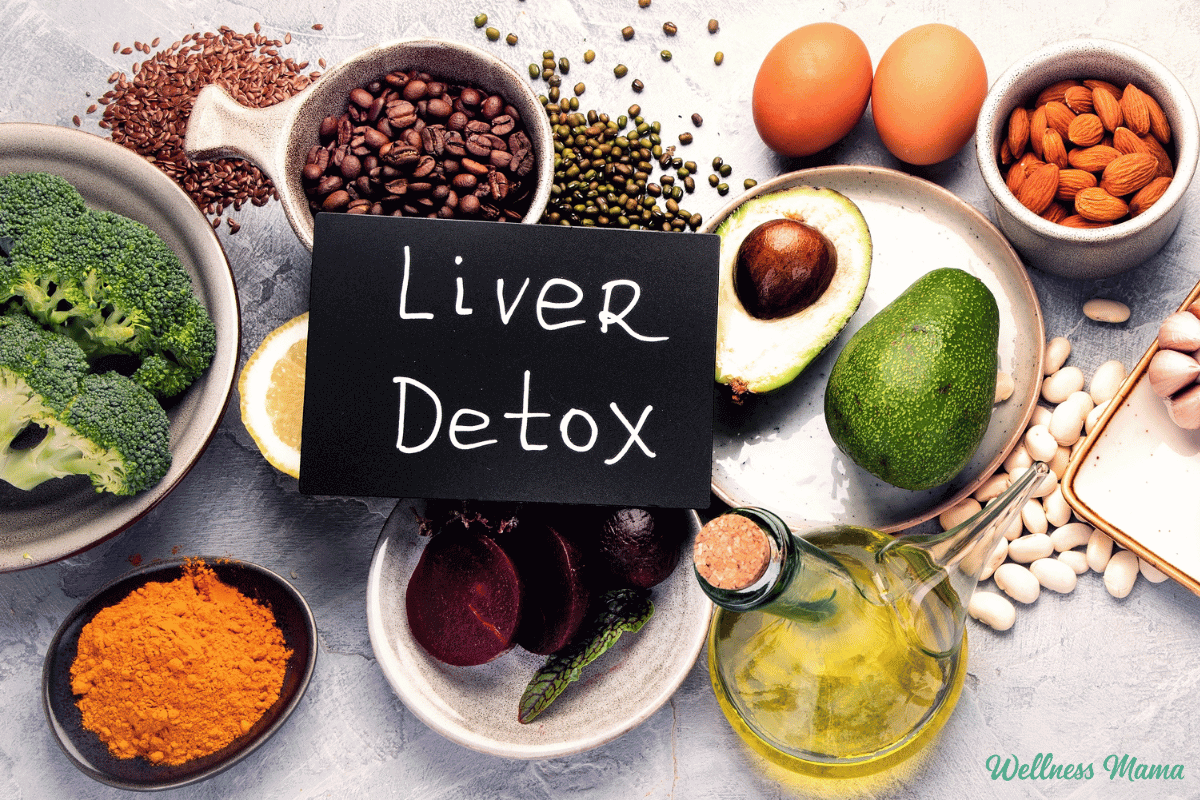
If I had to start in one place, it would be protein. The liver needs amino acids like glycine, cysteine, and taurine for detox conjugation. Many women especially under-eat protein. I began aiming for roughly 40 grams at breakfast. For years I avoided eggs, but now I’ll have several raw egg yolks with breakfast. These are a great source of choline, protein, healthy fats, and micronutrients. 

Getting enough protein, especially first thing in the day, gave me a noticeable shift in my energy and mental clarity. Choline was particularly impactful for me. It supports fat export from the liver and contributes to cognitive function. Once I started eating eggs and taking a choline supplement, it was like I could feel my brain waking up! Not everyone has the same exact nutritional needs or gaps, so it’s worth exploring through testing what your body might need more of. 

In general though, these nutrients are good across the board for liver support:

  • Egg yolks and liver for choline, B vitamins, healthy fats, iron, etc.
  • Cruciferous vegetables for phase two support
  • Garlic and onions for sulfur compounds
  • Adequate fiber for bile and estrogen metabolite binding
  • Fatty fish for anti-inflammatory 

Coffee is another interesting factor. Moderate intake is associated with lower liver enzyme elevations and reduced fibrosis risk. On the other hand, excess fructose, alcohol, sugary beverages, and ultra-processed foods increase liver burden. So while I love my coffee with healthy fats or even a splash of raw milk, I ditched the sugary creamers long ago.

Lifestyle Shifts That Matter More Than Supplements

Insulin sensitivity also plays a central role in liver health. Avoiding processed foods, unhealthy carbs, and refined sugars, and balancing hormones through light inputs all have a positive effect on blood sugar. Getting to a healthy (or at least healthier) weight can also significantly reduce liver fat. The daily habits we reach for matter beyond the scale though. 

Walking or moving after meals supports blood sugar regulation. Resistance training improves metabolic flexibility. Movement (especially rebounding) supports lymphatic flow and mitochondrial function.

Circadian rhythm was one of the most underestimated pieces in my own healing. Getting morning sunlight within 30 minutes of waking gradually improved my sleep and energy. I shifted toward eating earlier in the day and finishing before dark. The liver operates on its own clock, and aligning meals and light exposure with daylight made a measurable difference.

Hydration and minerals also support these processes. Magnesium, zinc, selenium, and adequate sodium all contribute to enzymatic reactions. Consistent bowel movements, ideally one to two daily, help prevent the recirculation of toxins and hormone metabolites. When our liver and body tries to detox but we can’t eliminate the toxins through bowel movements, then they’re still stuck in our body. 

While these habits may seem simple, over time they compound and can really make a big difference. 

Targeted Liver Support (After the Basics)

Once you’re reaching for liver supporting foods, avoiding toxins that can overburden your system, and supporting hormone balance, there are some targeted ways to help further. Here are some supplements that offer additional support the the liver as it does it’s job. 

A few notes on sulrofaphane and berberine. Cruciferous vegetables are a great source of sulrofaphane, but not everyone tolerates them well. I found the supplement BrocElite really helpful for this, as it’s the only supplement with the stabilized form of sulrofaphane. Berberine also is naturally found in herbs like barberry and Oregan grape. However, when it’s isolated and put in a supplement our body has a really hard time using it. The one exception I’ve found is BerbElite from my friends at Mara Labs. 

Keep in mind not everyone needs all of these supplements, this is just a starting point for your own research. 

I’ve also found it interesting that some traditional systems associate the liver with emotional stress, particularly frustration. While not part of conventional hepatology, nervous system regulation and emotional processing were meaningful pieces of my own recovery. The body is integrated and healing rarely happens in isolated compartments.

The Big Takeaway

The liver does not need to be forced into detox. It needs nourishment, rhythm, and reduced burden. When we supply adequate protein and choline, support bile flow, prioritize circadian alignment, hydrate well, move daily, and limit incoming stressors, the liver often responds quickly.

My biggest improvements didn’t come from dramatic cleanses. They came from steady, foundational support practiced consistently over time. It wasn’t extreme or flashy, but it was sustainable. And I’ve found over and over again that it’s the simple things that have the most lasting impact.

How do you support your liver? What have you found that really moves the needle for you? I’d love to hear about it in the comments!

Tags: , , ,
Which Is Better for Skin Health and Immune Support?

Which Is Better for Skin Health and Immune Support?

Key Takeaways

  • Vitamins E and C can both nourish and protect your skin.
  • These vitamins also have complementary roles in immune health.
  • Using them together may be more effective than using either alone.

Both vitamin E and C play roles in immunity and skin health. Because of that, choosing between them may depend on your health goals, and using them together can be a great boost for both areas.

Skin Health Benefits

When it comes to skin health, both vitamin C and vitamin E can have a positive impact, though they are similar in some ways and different in others.

Vitamin C, also known as ascorbic acid, is often used in skincare products to help brighten the skin, reduce dullness, and offer anti-aging benefits by stimulating collagen production. The nutrient can also help protect against sun-related skin damage due to its antioxidant properties and may speed up wound healing.

Vitamin E, also known as tocopherol, can benefit skin health in other ways. For example, the fat-soluble vitamin, applied topically, can penetrate deeper into the skin. This can help provide intense nourishment to combat dryness or damage.

It also repairs the skin barrier, leading to less moisture loss over time, while protecting collagen fibers to reduce signs of aging. Like vitamin C, it also acts as an antioxidant to protect against sun damage.

Choosing Between Them

To consider which is better for you, check out the benefits of each. For example, if dryness is an issue for your skin, vitamin E might be a better go-to. However, if you’re looking to brighten or correct uneven skin tone, vitamin C is often more effective.

Immunity Benefits

Vitamin C and E boost the body’s defense system, strengthening the immune system against illness and disease. However, how they do so differs.

When the body has enough vitamin C, it uses the nutrient to enhance the activity of the parts of the immune system that alert and adapt to general and specific threats. Vitamin C also protects the body against cell damage caused by oxidative stress because of its antioxidant properties, which ensure that immune cells can function at their best.  

Vitamin E acts similarly to vitamin C in the sense that it has antioxidant properties that help enhance and regulate the immune system’s action against illness-causing germs.

It works specifically on T cells, which are specialized white blood cells in the immune system that identify germs and target them for destruction before they cause too much damage. Vitamin E also helps regulate other immune cells, ensuring all cells are ready to fight infection effectively.

Using Vitamin C or E for Infections

When it comes to infections, vitamin C is better at fighting short-term, more moderate or mild infections and shortening their duration, whereas vitamin E is more of a long-term defense, supporting immune system function over the long term.

How They Work Together

If you want to reap the benefits of both vitamin C and E for skin health or immunity, getting enough of both nutrients is a great way to do that.

For immune health, vitamins C and E can work together. Vitamin C can help regenerate vitamin E stores, allowing them to work together to protect cell membranes. When the cells are better protected, they can fight off disease and illness more effectively.

Using vitamins E and C together for skin health can provide twice the benefits for several reasons. For example, they both address signs of aging, but in different ways. Vitamin C stimulates collagen production, which vitamin E then better protects.

Vitamin C can also recharge or repair vitamin E so that it can be used by the body instead of becoming waste. That way, when it’s used on the skin or consumed in food or supplements, the body can use more of it, allowing it to have a longer-acting effect.

So, while vitamin C and E both have their own benefits for immunity and skin health, ensuring that you have enough of both will allow them to work together for maximum benefit.

Verywell Health uses only high-quality sources, including peer-reviewed studies, to support the facts within our articles. Read our editorial process to learn more about how we fact-check and keep our content accurate, reliable, and trustworthy.

  1. Pullar JM, Carr AC, Vissers MCM. The roles of vitamin C in skin health. Nutrients. 2017;9(8):866. doi:10.3390/nu9080866

  2. Januszewski J, Forma A, Zembala J, et al. Nutritional supplements for skin health—a review of what should be chosen and why. Medicina (Kaunas). 2023;60(1):68. doi:10.3390/medicina60010068

  3. Makhakhe L. The role of vitamin C on the skin. S Afr Fam Pract. 2025;67(1):e1-e7. doi:10.4102/safp.v67i1.6098

  4. Mohanan R, Jose SP, Sreevallabhan S, et al. Moisturizing and antioxidant factors of skin barrier restoring cream with shea butter, silkflo and vitamin E in human keratinocyte cells. Int J Cosmet Sci. 2025;47(2):260-269. doi:10.1111/ics.13014

  5. Carr AC, Maggini S. Vitamin C and immune function. Nutrients. 2017;9(11):1211. doi:10.3390/nu9111211

  6. Lee GY, Han SN. The role of vitamin E in immunity. Nutrients. 2018;10(11):1614. doi:10.3390/nu10111614

  7. Institute of Medicine Committee on Military Nutrition Research: Military Strategies for Sustainment of Nutrition and Immune Function in the Field. Vitamin E, vitamin C, and immune response: recent advancements.

  8. Ogunleye OD, Afolabi OA, Saka WA, et al. Possible role of vitamins C and E co-administration in the prevention of testicular ischemia-reperfusion injury following surgical repair of torsion of the testis. Front Nutr. 2025;12:1660240. doi:10.3389/fnut.2025.1660240

By Angelica Bottaro

Bottaro has a Bachelor of Science in Psychology and an Advanced Diploma in Journalism. She is based in Canada.

Thanks for your feedback!

What is your feedback?

Helpful

Report an Error

Other

Tags: , , ,
From burnout to balanced, these beauty rituals help support your mental health – Shaw Local

From burnout to balanced, these beauty rituals help support your mental health – Shaw Local

Burnout has become one of the most defining experiences of modern life. Long workdays, digital overload, and constant pressure to “do more” have left many people feeling emotionally drained and physically disconnected. As 2026 approaches, wellness culture is shifting away from extreme routines and toward something softer, slower, and more sustainable. At the center of this movement is a powerful idea: beauty rituals can be mental health tools.

More than skincare or self-care trends, these practices focus on creating moments of calm, grounding, and restoration in everyday life.

One of the most popular rituals leading this shift is gua sha—a centuries-old facial massage technique rooted in traditional Chinese medicine. Using a smooth stone tool to gently glide across the face and neck helps stimulate circulation, release tension, and reduce puffiness. Beyond the physical benefits, gua sha offers something deeper: five to ten uninterrupted minutes of slow, intentional touch. For many, that quiet moment becomes a form of moving meditation.

Then there’s the return of the bath—not as a luxury, but as a necessity. Warm water helps relax muscles, lower cortisol levels, and signal the nervous system that it’s safe to rest. Adding Epsom salts, essential oils, or even simple unscented soaps can transform a basic bath into a decompression ritual. In a world that rarely slows down, being submerged in stillness has become a powerful form of reset.

Scent therapy, or aromatherapy, is also taking a front seat in mental wellness routines. Scents like lavender, sandalwood, eucalyptus, and citrus are known to influence mood and memory. A candle lit at the end of the day, a roller oil applied before a meeting, or even a favorite perfume worn intentionally can create emotional anchors throughout the day—small signals to breathe, pause, and recalibrate.

Journaling, once seen as purely emotional or creative, is now widely recognized for its mental health benefits. Writing helps process stress, track emotional patterns, and release mental overload. Many people pair journaling with beauty rituals—writing while wearing a face mask, after a bath, or before skincare—to create a calm transition between the demands of the day and the rest that should follow.

All of these practices fall under a larger movement known as slow beauty. Instead of rushing through routines or chasing endless product launches, slow beauty prioritizes intention over excess. The focus is on fewer products, deeper care, and being fully present during the ritual itself. It’s not about looking flawless—it’s about feeling grounded.

This shift reflects a broader truth that many are embracing: mental wellness and physical beauty are not separate. How we care for our bodies influences how we experience our minds. Gentle rituals create predictability in uncertain times. They teach the nervous system safety. They help people move from survival mode into something more sustainable.

In Kane County and beyond, this softer approach to wellness is quietly taking root—at home, in local studios, and even in everyday routines between work and family life. For those navigating burnout, these rituals don’t fix everything. But they offer something just as meaningful: small, steady steps back toward balance.

And sometimes, that’s exactly where healing begins.

Tags: , , , , , , , ,
support healthy skin

Support healthy skin at every age

Understand how your skin changes through life and learn holistic, age-specific ways to support healthy skin.

When we talk about skin health, it’s never an outer expression of what’s happening internally, and it reflects your genetics, hormones, emotions, nutrition and the environment you live in. As you move through different life stages, your skin naturally changes, and so too should the way you support it.

By understanding the natural shifts, you can make more informed and empowering choices to care for your skin at every age. Whether navigating teenage breakouts, the glow and sensitivity of pregnancy or the deeper nourishment needed through perimenopause, there are ways to holistically support yourself through it all.

Teenage years

In the early teen years, skin is generally blemish-free, plump and even in tone thanks to optimal cell turnover that typically cycles every 14 to 25 days. Mukti, founder of pioneering organic skincare MUKTI Organics, describes collagen and elastin during this time as “neatly coiled and cross-linked like a brand-new inner-spring mattress”.

During the later teenage years, big hormonal shifts begin. Androgens such as testosterone surge, which increases oil production that can lead to breakouts, blackheads, congestion and sometimes cystic acne. While common in the teen years, acne does not have to be accepted as a given. There are many natural and holistic ways to support balanced hormones and healthy, clear skin.

Skincare focus:

Mukti recommends starting with a simple cleansing and moisturising routine to remove daily build-up and bacteria without stripping the skin. Avoid harsh foaming cleansers or alcohol-based toners, as these can dry the skin and trigger more oil. Choose gentle cleansers with ingredients like aloe vera and follow with a calming moisturiser containing calendula or chamomile.

Holistic support:

When it comes to acne-prone skin, certain nutrients play a key role in regulating oil production, lowering inflammation and promoting healing. Zinc, vitamin A, vitamin C and omega-3 fatty acids are standouts. Zinc-rich foods include pumpkin seeds, oysters, grass-fed beef and legumes. For vitamin A, focus on cod liver oil and orange vegetables like sweet potato and carrots. Vitamin C comes from citrus, kiwi, capsicum and berries. Omega-3s are found in wild-caught fish, flaxseeds, walnuts and chia seeds.

While it’s normal for teenagers to explore various foods (some not so healthy), the goal should be to encourage whole food choices the majority of the time, without creating guilt when they have the odd “junk” food. Whole foods are also supportive in balancing blood glucose levels. Spikes in insulin can exacerbate breakouts, so encouraging meals that balance protein, fat and complex carbohydrates can be very supportive for skin and overall health. Teenage years are a great time for laying the foundation of healthy habits.

The 20s and 30s

In your 20s, skin is typically at its prime. Collagen production is high, elastin is abundant and cell turnover keeps the skin glowing and resilient. Mukti advises that this is the ideal time to establish long-term skin habits, especially those that preserve hydration and prevent sun damage.

By the mid-to-late 20s, the skin’s regenerative capacity begins to slow. Collagen and elastin production start to decline, and this is when those early habits around skincare, lifestyle and nutrition really come into play. Lack of sleep, chronic stress, poor dietary choices and environmental toxins such as cigarette smoke, excessive alcohol and pesticide exposure all begin to affect the skin more noticeably.

While fine lines naturally become more visible in your 30s, other skin changes may start to show if your body hasn’t been well supported. Pigmentation, uneven tone, dryness and thinner skin around delicate areas like the eyes and mouth can all become more noticeable during this decade.

Skincare focus:

Now is the time to elevate your skincare routine. Sun protection is still crucial as UV exposure breaks down collagen and accelerates pigmentation. Daily use of a natural zinc oxide sunscreen and wearing a hat outdoors are key.

Antioxidant serums such as vitamin C help neutralise environmental stressors and keep the skin looking bright. Hydration, especially for those wearing makeup or working in dry or air-conditioned environments, is always going to be supportive for your skin. Look for products with hyaluronic acid or aloe vera, and layer with nourishing moisturisers containing calendula or shea. Introducing an eye cream in this stage can also support the delicate skin around the eyes.

Holistic support:

This life stage often comes with increased pressure, longer work hours and less time for rest. If you are feeling high stress regularly, this can have a flow on effect to your skin, showing up as dullness, inflammation or breakouts. Prioritise nervous system supportive practices. Getting adequate sleep (seven to nine hours per night), gentle movement, meditation or breathwork and taking a high-quality magnesium supplement in the evening can help support a balanced and relaxed nervous system, which will inadvertently improve your skin.

Take note for anyone who may be coming off the oral contraceptive pill. The pill often masks skin conditions by suppressing oil production (it does not heal the underlying cause of skin breakouts), and therefore, when you decide to come off it, post-pill breakouts can occur as the body recalibrates. This does not mean you have to go back on it. The key is to work on healing the underlying driver. Begin with supporting liver detoxification through foods such as dandelion, rocket, cruciferous vegetables and plenty of filtered water. Optimise intake of the key skin-loving nutrients mentioned in the teenage section and reach out for additional support from a naturopath or another trusted health professional to help guide you in understanding and addressing the root cause of your skin troubles.

Pregnancy

Pregnancy is often referred to as a time of glowing skin, and while many do experience this radiance, others may encounter breakouts, dryness or pigmentation known as melasma. This can occur even when they have had healthy skin their whole life. These changes are driven by rising oestrogen, progesterone and increased blood volume, as well as shifts in immune and liver function.

Skincare focus:

There is so much happening within your body, so the focus should be on giving love and nourishment back to yourself. Choose products that are safe, simple and deeply hydrating. Avoid retinols, chemical peels or high-dose salicylic acid. Instead, focus on ingredients such as rosehip oil, jojoba oil, chamomile, calendula and bakuchiol, a plant-based retinal (that is safe during pregnancy). When it comes to skincare, often the focus is on the face. However, Mukti reminds not to forget about the rest of the body, especially as your skin stretches and adjusts significantly during pregnancy.

Holistic support:

Skin during pregnancy is highly nutrient-dependent. Vitamin C, silica and collagen-building nutrients support both your skin elasticity and your baby’s development. Include bone broth, meat on the bone, wild-caught salmon, eggs with the yolks, cooked greens, sunflower seeds and avocado in your daily diet.

Electrolyte balance is also vital, especially during warmer weather or if experiencing nausea. Add a pinch of Celtic sea salt to fresh orange juice, water or coconut water for additional minerals.

Rest as much as your body needs. Skin cells regenerate most effectively during sleep and the hormonal load of pregnancy requires plenty of recovery.

Postpartum

The postpartum period is tender, intensely beautiful and exhausting. Between night feeds, hormonal shifts and healing from birth, the skin often reflects the depletion happening beneath the surface. A simple skincare routine can become a much-needed anchor in the day, a moment to give back to yourself, even with a baby on your hip or a toddler tugging at your legs.

Skincare focus:

In this season, keep things simple but deeply nourishing. There’s often little time for extensive self-care rituals, but do not underestimate the simple routine for how it can help you look and feel. Look for barrier-restoring products with ceramides, essential fatty acids and calming botanicals. Avoid heavily perfumed products or harsh actives. Using a few drops of facial oil with a gua sha tool in the morning can bring stimulation and life back to tired skin.

Holistic support:

Hydration is essential, especially if you are breastfeeding. Include warm broths, nettle tea, coconut water and mineral-rich drinks throughout the day. Skin thrives on healthy fats, so bring in tahini, ghee, oily fish, coconut cream and avocado.

Vitamin C is crucial for tissue repair, immune strength and collagen formation. Enjoy citrus, kiwi, berries or add a powdered wholefood vitamin C supplement to your water in the morning. Protein requirements are also higher during postpartum. Aim for protein at every meal. Soft-boiled eggs, slow-cooked lamb, lentils, tempeh and collagen powder are all supportive options for not only skin but also energy and vitality.

And, again, magnesium glycinate remains a favourite postpartum essential. It supports deeper sleep, calms the nervous system and aids in overnight skin repair.

Perimenopause and menopause

As oestrogen declines in perimenopause and menopause, so too does skin hydration, elasticity and collagen production. Many women notice thinner skin, more dryness and visible fine lines. These are natural shifts, but they can be eased with the right support.

Mukti explains that “women can lose up to 30 per cent of their skin’s collagen in the first five years after menopause”. This contributes to reduced elasticity and more pronounced signs of ageing, mostly due to slower cell turnover.

“As women enter perimenopause, it’s crucial to reassess and adapt skincare routines,” says Mukti. “This stage of life often calls for a complete overhaul to meet the skin’s evolving needs.” She recommends early intervention and daily use of active ingredients to support skin health.

Skincare focus:

Layering hydrating products works well at this stage. Daily sun protection remains essential, and adding more nourishing and active ingredients becomes important. “Vitamin C is brilliant for collagen production and brightness, niacinamide helps even out skin tone and retinal increases cell turnover,” says Mukti.

Holistic support:

Nutrients that support collagen synthesis, such as vitamin C, silica, protein and omega-3s, are essential. Include bone broth, wild fish, flaxseeds, greens and legumes. Phytoestrogens like miso, flax ax and chickpeas may help with hormonal balance and dryness.

Vitamin D is key for cell turnover and immunity. Consider checking your levels and ensuring safe sun exposure — just 15 minutes with your arms and legs exposed during the day can ensure optimum levels.

Embrace ageing

While your skincare routine may shift with age, there are foundational habits that remain true throughout every season of life: hydrate, manage stress, eat mineral-rich wholefoods, minimise exposure to environmental toxins and prioritise sleep.

But, most importantly, remember that ageing is a privilege and a gift. There is something so magnetic about a woman who honours the season she is in, rather than fighting against it.

Article Featured in WellBeing Magazine 219

Tags: , , ,
Best oLive
Privacy Overview

This website uses cookies so that we can provide you with the best user experience possible. Cookie information is stored in your browser and performs functions such as recognising you when you return to our website and helping our team to understand which sections of the website you find most interesting and useful.